NEMO CLASSROOM CURRICULUM GUIDE 2020 - 2021 - Greater Cleveland ...
←
→
Page content transcription
If your browser does not render page correctly, please read the page content below
NEMO
CLASSROOM CURRICULUM GUIDE
2020 - 2021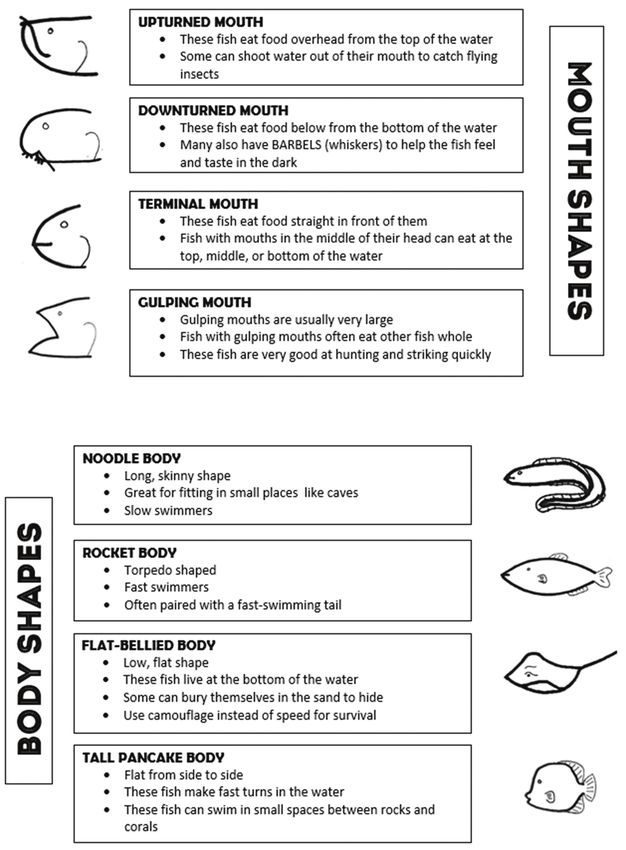
TABLE OF CONTENTS
Welcome                                                 1     Welcome to NEMO 2020 - 2021
Connection to Standards                                 2
Lesson 1: Habitat Investigation                         3     Thank you for taking part in the NEMO program
Lesson 2: Aquatic Animal Adaptations                    4     this year!
Lesson 3: Virtual Visit to Greater Cleveland Aquarium   4
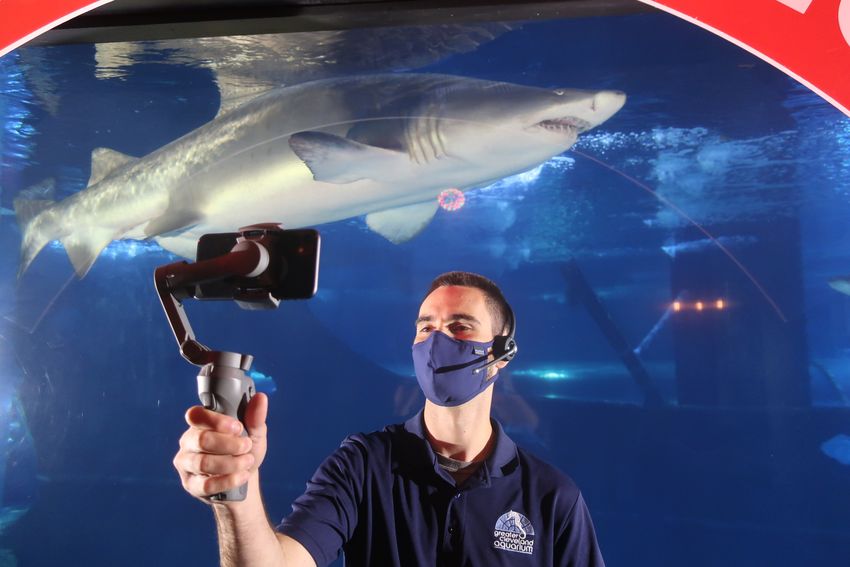
                                                              We are thrilled to be able to provide a live,
Adaptations Sheet                                   A1 - A2   60-minute program on Zoom, coming as close
Habitat Investigation                                 A3      to the previous in-person NEMO guided tour as
Habitat Investigation Answer Key                      A4      possible. Students will be able to interact using
                                                              the chat feature, encouraged to type their
                                                              questions and answers throughout the duration
                                                              of the program.

                                                              Optional pre-visit and post-visit lessons are
                                                              available.
SPONSORED BY
                                                              With our current funding, we are able to offer
                                                              this virtual experience to your classrooms at a
                                                              discounted rate. Our funding covers 75% of the
                                                              program fee, leaving each classroom
                                                              responsible for 25%, resulting in a program fee
                                                              of $22.50 per classroom. If you would like to
                                                              take part in this program, we will be happy to
                                                              schedule you. One positive of this new format is
                                                              scheduling flexibility on our end. We are able to
                                                              take reservations M-F, between 9:00am-4:00pm.
CONTACT INFORMATION
                                                              Ready to schedule? New to NEMO? Have
Erin Carpenter                                                questions? Please contact us:
Director of Education and Interpretation                      education@greaterclevelandaquairum.com
ecarpenter@greaterclevelandaquarium.com
Office: 216.882.8803 x7703

Matt Debelak                                                                     Erin & Matt
Education Coordinator
mdebelak@greaterclevelandaquarium.com
Office: 216.862.8803 x7715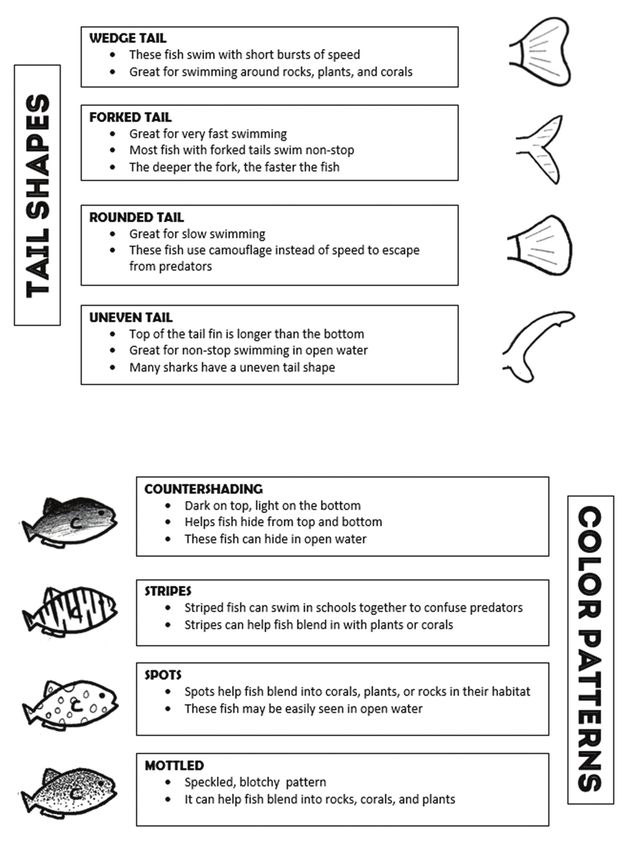
NEMO
  CLASSROOM CURRICULUM GUIDE

 Connection to Ohio Learning Standards               Fourth Grade: Science Inquiry and Application
 These activities extend the Aquarium field          • Observe and ask questions about the
 experience and enhance the following Ohio             natural environment
 Standards in Science:                               • Plan and conduct simple investigations
                                                     • Employ simple equipment and tools to
 Fourth Grade Life Science                             gather data and extend the senses
 Topic: Earth’s Living History                       • Communicate about observations,
        4.LS.1: Changes in an organism’s               investigations, and explanations
        environment are sometimes beneficial         • Review and ask questions about the
        to its survival and sometimes                  observations and explanations of others
        harmful.
                                                     Science inquiry and investigation skills are utilized
 Content Concepts:                                   throughout the NEMO experience. All lessons and
    • An animal’s patterns of behavior are related   activities are designed with these skills in mind.
      to the environment. This includes the kinds
                                                     Connection to Science Fusion
      and numbers of other organisms present,
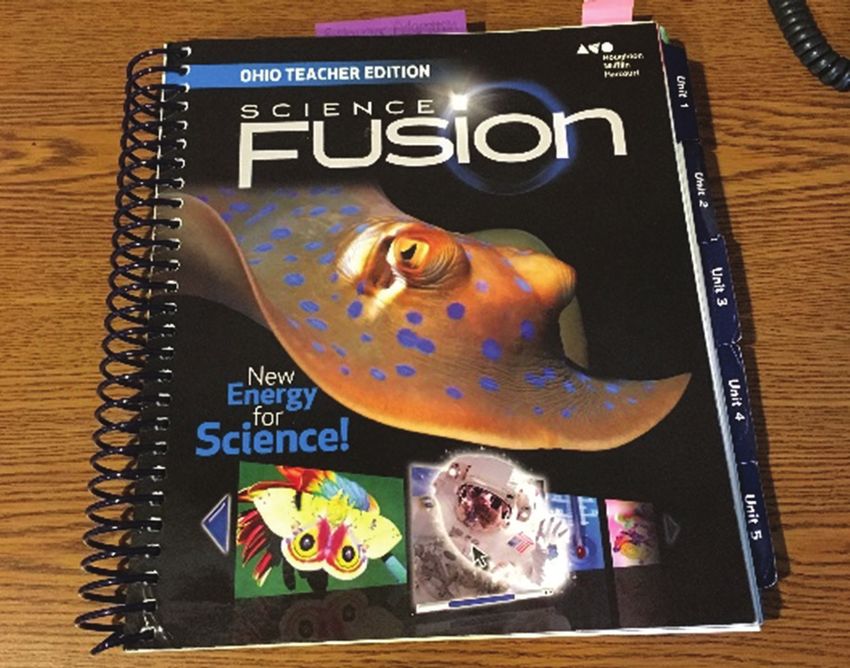
                                                     NEMO lessons correlate to Unit 4 of Ohio Science
      the availability of food and resources, and
                                                     Fusion textbook: Living Things and their
      the physical attributes of the environment.
                                                     Environments (available in Science Fusion Grade 4
    • Ecosystems are based on interrelationships
                                                     Ohio Teacher Edition on pages 165 to 210).
      among and between biotic and abiotic
      factors.

 The NEMO lessons incorporate these content
 concepts and build on the study of habitats, and
 adaptations.

 Fourth Grade Earth and Space Science
 Topic: Earth’s Surface

  4.ESS.1: Earth's surface has specific
  characteristics and landforms that can be
  identified.

  Current Topics:
   • About 70 percent of Earth's surface
       is covered with water and most of
       that is the ocean.
   • Only a small portion of Earth's water
       is freshwater, which is found in              Specific connections to the Science Fusion
       rivers, lakes and groundwater.                textbook appear through the NEMO curriculum
                                                     guide using the following format:

                                                      Science Fusion Connection: page 170-179*

2 | NEMO Classroom Curriculum Guide                  *Page numbers refer to Teacher Edition.
NEMO
                                                               CLASSROOM CURRICULUM GUIDE

Lesson 1: Habitat Investigation
In the habitat investigation, students explore several aquatic habitats and discover the biotic and abiotic
factors that make each unique.

Review the term habitat and have students brainstorm habitats with which they are familiar.
Did they include any aquatic habitats? If not, prompt them to extend the list. What makes one habitat
different from another? Different habitats contain different living and non-living factors.

Use the NEMO Pre-visit Lessons PowerPoint
(available on the Aquarium website).

This PowerPoint provides an overview of rivers & lakes, coral reefs and the open ocean. Using pictures,
maps and brief descriptions, the PowerPoint introduces the habitats and summarizes a few characteristics
of the fish that live in each.

After viewing the PowerPoint, review the difference between living factors and non-living factors. For
each of the three habitats listed on the Habitat Investigation sheet (available on page A3), ask students to
circle the living factors, box the non-living factors and cross out factors not found. (Answer key available
on page A4).

Which habitats contain freshwater? Which habitats contain saltwater? Is there a factor unique to a coral
reef? Students can work in small groups to discuss similarities and differences of each habitat.

Digital Variation.
For digital variations of this lesson (instead of a worksheet) click
Coral Reef Lesson or Lakes & Rivers Lesson to get started.

    Science Fusion Connection: page 168

                                                                            NEMO Classroom Curriculum Guide | 3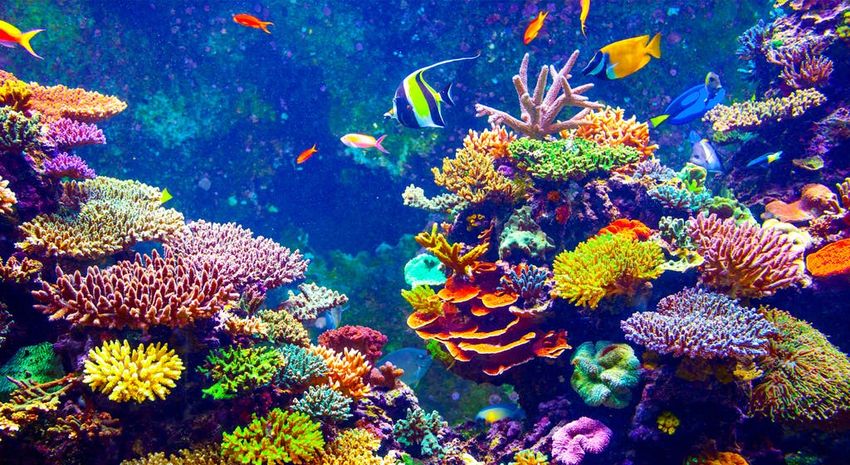
NEMO
                                                             CLASSROOM CURRICULUM GUIDE

Lesson 2: Aquatic Animal Adaptations
The mouth shapes, body shapes, tail shapes, and color patterns listed on the Aquatic Animal Adaptations
sheets (page A1 & A2) will be referenced heavily during the virtual program.

Use the NEMO Pre-visit Lessons power point to practice identifying fish adaptations.
It will walk you through a mouth shape, body shape, tail shape, and color pattern quiz

Do fish living in the same habitat have similar adaptations? Could a fish from the open ocean survive in a
coral reef? Could a fish from rivers and lakes survive in the open ocean? Have students revisit the list of
living and non-living factors in the habitats to explain why or why not.

Digital Variation
Study the adaptations, and then practice using this online adaptations game.

   Science Fusion Connection: page 170 - 179 & page 182A

Lesson 3: Virtual Visit to Greater
Cleveland Aquarium
What better way to learn about fish and aquatic habitats
than by visiting the Aquarium!

Reservations should be made through the Education
Department (contact information on page 1). During the
Zoom program, students will interact with an Aquarium
team member in real time and ask questions as the
program is presented live. See a wide variety of fish from
rivers, lakes, coral reefs, and open ocean. Practice
identifying fish adaptations, and discover what fish
survive best in different habitats.

                                                                           NEMO Classroom Curriculum Guide | 3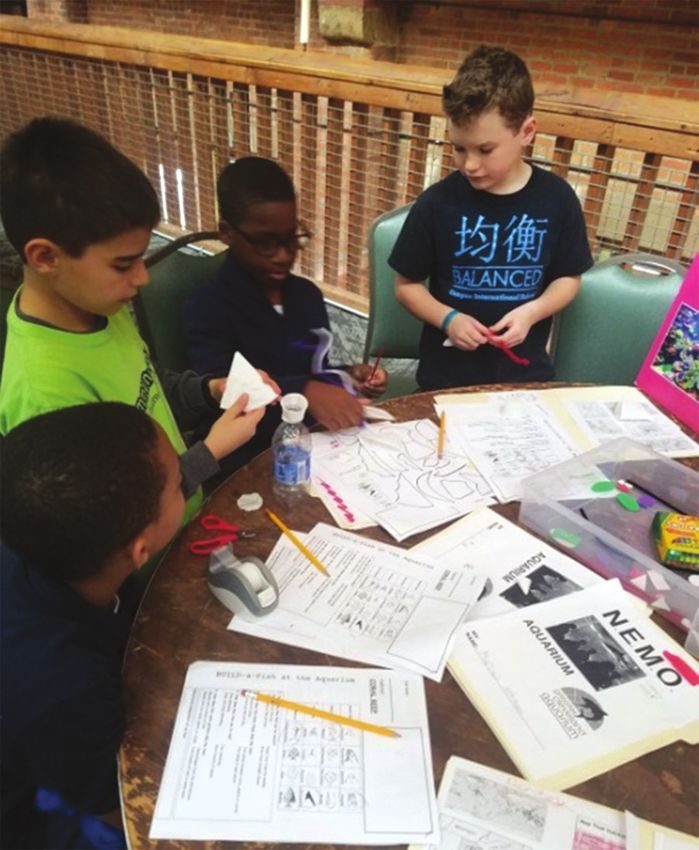
NEMO
 CLASSROOM CURRICULUM GUIDE

A1 | NEMO Classroom Curriculum Guide
NEMO
CLASSROOM CURRICULUM GUIDE

       NEMO Classroom Curriculum Guide | A2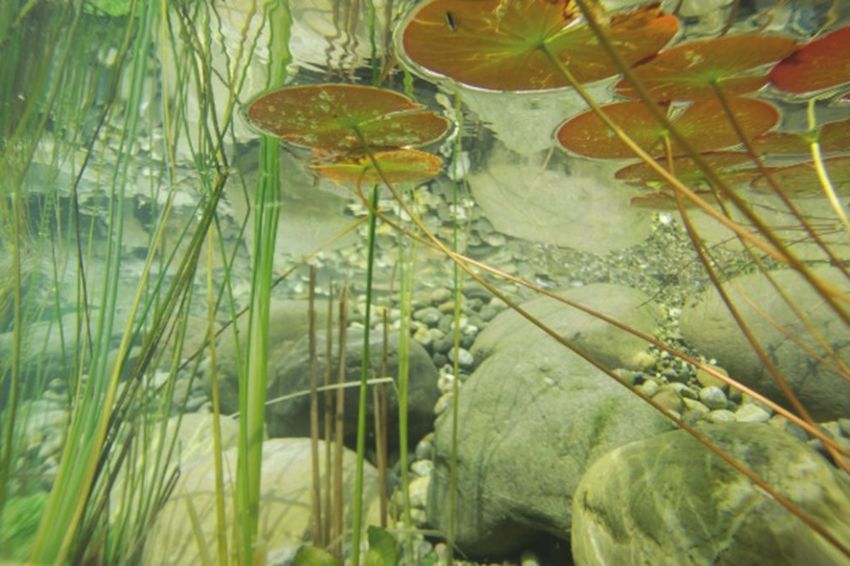
NEMO
       CLASSROOM CURRICULUM GUIDE

                                 HABITAT INVESTIGATION
                 For each habitat listed below:
                  • Draw a circle around the living factors found in that habitat.
                  • Draw a box around the non-living factors found in that habitat.
                  • Cross out the factors that are not found in that habitat.
Rivers & Lakes

                                                           Freshwater          Temperature     Logs
                                                            Saltwater                 Rocks    Sand
                                                                Fish                  Frogs   Sunlight
                                                              Plants              Pollution     Eels
                                                              Sharks              Sea Stars    Algae
                                                              Turtles             Plankton     Mud

                                                           Freshwater          Temperature     Logs
Coral Reefs

                                                            Saltwater                 Rocks    Sand
                                                                Fish                  Frogs   Sunlight
                                                              Plants              Pollution     Eels
                                                              Sharks              Sea Stars    Algae
                                                              Turtles             Plankton     Mud

                                                           Freshwater          Temperature     Logs
Open Ocean

                                                            Saltwater                 Rocks    Sand
                                                                Fish                  Frogs   Sunlight
                                                              Plants              Pollution     Eels
                                                              Sharks              Sea Stars    Algae
                                                              Turtles             Plankton     Mud

  A3 | NEMO Classroom Curriculum Guide
NEMO
                                                                   CLASSROOM CURRICULUM GUIDE

                 HABITAT INVESTIGATION ANSWER KEY
                 For each habitat listed below:
                  • Draw a circle around the living factors found in that habitat.
                  • Draw a box around the non-living factors found in that habitat.
                  • Cross out the factors that are not found in that habitat.
Rivers & Lakes

                                                           Freshwater          Temperature                   Logs
                                                            Saltwater                  Rocks                 Sand
                                                                Fish                   Frogs              Sunlight
                                                              Plants              Pollution                  Eels
                                                              Sharks              Sea Stars                 Algae
                                                              Turtles             Plankton                   Mud

                                                           Freshwater          Temperature                   Logs
Coral Reefs

                                                            Saltwater                  Rocks                 Sand
                                                                Fish                   Frogs              Sunlight
                                                              Plants              Pollution                  Eels
                                                              Sharks              Sea Stars                 Algae
                                                              Turtles             Plankton                   Mud

                                                           Freshwater          Temperature                   Logs
Open Ocean

                                                            Saltwater                  Rocks                 Sand
                                                                Fish                   Frogs              Sunlight
                                                              Plants              Pollution                  Eels
                                                              Sharks              Sea Stars                 Algae
                                                              Turtles             Plankton                   Mud

                                                                                      NEMO Classroom Curriculum Guide | A4
You can also read


