Newman Fellowship Programme - UCD Foundation
←
→
Page content transcription
If your browser does not render page correctly, please read the page content below
Newman Fellowship Programme
                                              1

Newman Fellowship
Programme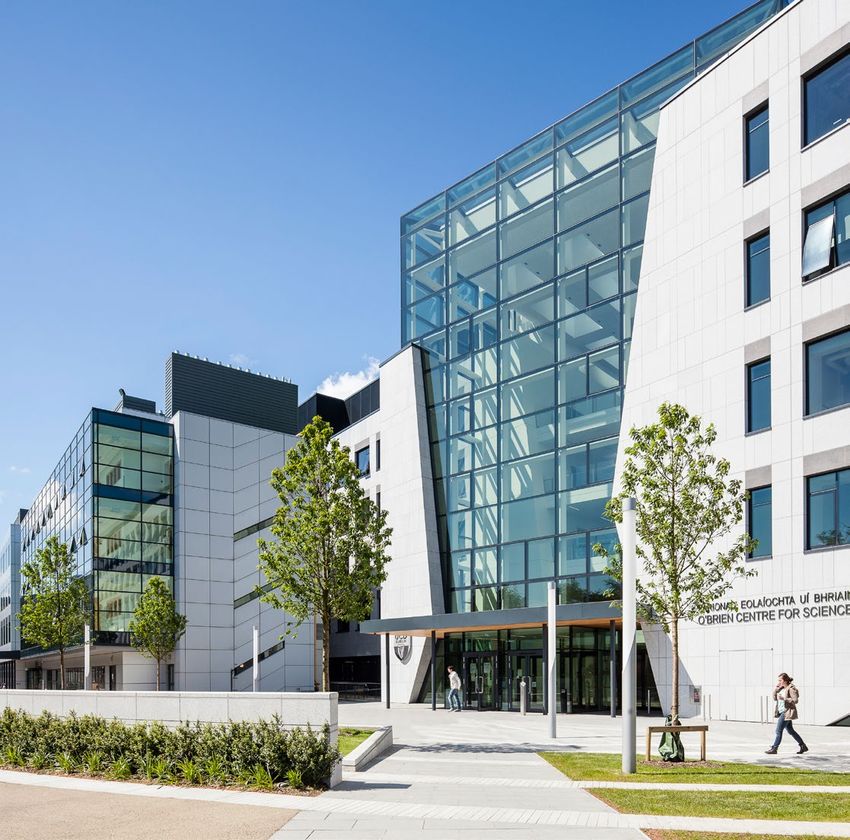
2   University College Dublin                                            Newman Fellowship Programme

                                “It is the education which gives
                                a man a clear, conscious view of
                                their own opinions and judgements,
                                a truth in developing them, an
                                eloquence in expressing them,
                                and a force in urging them.”
                                  Cardinal John Henry Newman, The Idea of a University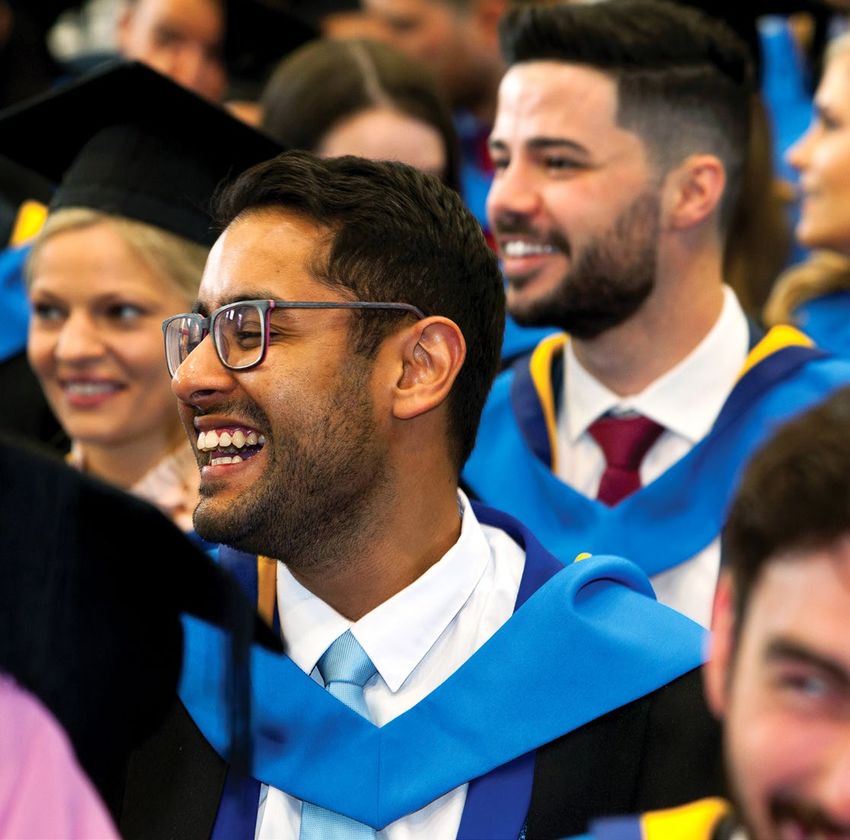
4   University College Dublin                                                  Newman Fellowship Programme
                                                                                                             5
    “It is innovative initiatives such as the Newman Fellowship
     Programme which are enabling UCD to achieve its ambition
    to be recognised around the world as an international and
     intercultural centre of learning and scholarship of the highest
    standard, benefitting global, national and local communities.”
                                    UCD President, Professor Andrew J. Deeks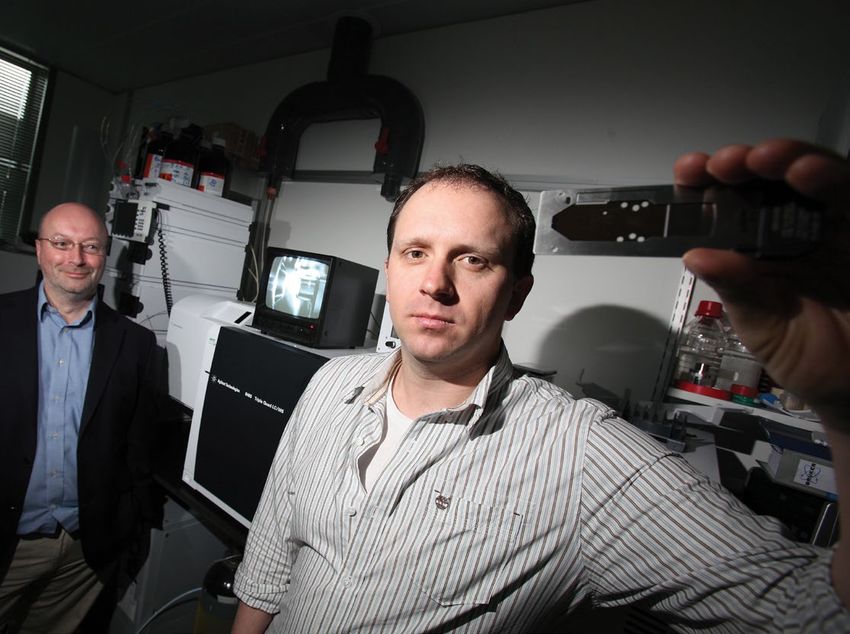
6   University College Dublin                                                      Newman Fellowship Programme
                                                                                                                 7

    The Newman
    Fellowship Programme
    The Newman Fellowship Programme
    provides philanthropists, business and
    industry with a valuable opportunity
    to fund academic research through the
    establishment of a Newman Fellowship.

    The Newman Fellowship Programme, named after UCD’s first rector,
    Cardinal John Henry Newman, was established in 1989 by former UCD
    President, Dr Patrick Masterson. In a move characteristic of his Presidency,
    Dr Masterson, a Professor of Philosophy, foresaw this Programme as a
    means to enhance research activity in UCD. Over 180 Fellowships have
    been awarded since the Programme’s inception, generously supported by
    leading Irish and multinational corporations, semi-state bodies, voluntary
    organisations and individuals.

    This support enables the delivery of world-class research across a wide
    spectrum of disciplines, carried out by elite, high-calibre postdoctoral
    researchers and brings enormous benefit to Ireland and the international
    community. These Newman Fellows embody the pursuit of excellence and
    impact in research, scholarship and teaching that is representative of UCD.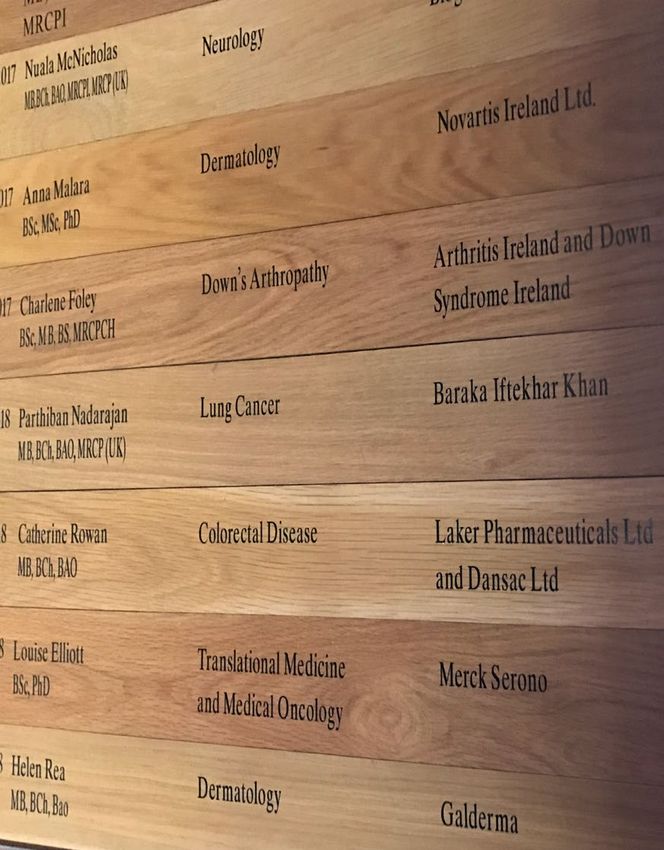
8   University College Dublin                                                                                                       Newman Fellowship Programme
                                                                                                                                                                                  9
    Case Study: Arthritis Ireland and Down Syndrome Ireland Newman Fellowship
    in Down's Arthropathy

    Making a positive impact on the lives
    of sick children and their families
                                                                                                                   Dr Charlene Foley

                                                                                                                    Dr Charlene Foley, former Arthritis Ireland and
                                                                                                                    Down Syndrome Ireland Newman Fellow in Down’s
                                                                                                                    Arthropathy, was awarded a Newman Fellowship in
                                                                                                                    2015. Charlene used her Fellowship to highlight the
                                                                                                                    increased risk that children with Down syndrome face
                                                                                                                    in contracting a number of autoimmune diseases,
                                                                                                                    including arthritis, when compared with the general
                                                                                                                    paediatric population. Prior to her research, there
                                                                                                                    was limited literature and a significant paucity of
                                                                                data available for reference, leading to a general lack of awareness about the risk of this
                                                                                condition. This resulted in delayed diagnosis and unnecessary disability and functional
                                                                                impairment in a group of children already at significant clinical risk.

                                                                                Mentored by Prof Gerry Wilson and based in the Education and Research Centre in St
                                                                                Vincent’s University Hospital, Charlene conducted a ground-breaking study on Down’s
                                                                                Arthropathy, the first of its kind worldwide which discovered that one in fifty children with
                                                                                Down syndrome has arthritis, more than twice that previously estimated. These results are
                                                                                helping to improve the provision of care and quality of life for children with Down’s
                                                                                Arthropathy. So impactful were the results of this study, it was reported in many national
                                                                                newspapers and radio stations across the country.

                                                                                Today, Charlene is working as a clinical research fellow funded by the National Children’s
                                                                                Research Centre (NCRC). Researchers in the NCRC are working in collaboration with colleagues in
                                                                                Ireland and around the world, as part of an international research effort aimed at the earlier
                                                                                diagnosis and better treatment of serious childhood diseases. She is also working with UCD,
                                                                                the Trinity Biomedical Science Institute, TCD and Our Lady's Children's Hospital, Crumlin.

                                                                                “Without supports and structures in place to
                                                                                encourage growth, it simply would not be feasible
                                                                                for doctors to engage in research. The Newman
                                                                                Fellowship Programme is a wonderful initiative to
                                                                                support such ventures. To the Newman Fellowship
                                                                                Programme, thank you.”
                                                                                                                                                       Dr Charlene Foley
10   University College Dublin                                                                                                                    Newman Fellowship Programme
                                                                                                                                                                                              11
     Case Study: Veterinary Council Educational Trust Newman Fellowship in Veterinary Ethics

     Paving the way for the study
     of veterinary ethics in Ireland
                                                                                               Dr Manuel Magalhães Sant'Ana

                                                                                               Dr Manuel Magalhães Sant'Ana, former Veterinary Council Educational Trust Newman
                                                                                               Fellow in Veterinary Ethics, was awarded a Newman Fellowship in 2014. Mentored by
                                                                                               Prof Alison Hanlon and based in the UCD School of Veterinary Medicine, UCD, Manuel's
                                                                                               research focused on identifying the ethical issues faced by the veterinary profession in
                                                                                               Ireland, UK, Denmark, Portugal and the Federation of Veterinarians of Europe.

                                                                                               During the course of his Fellowship, Manuel developed a practical toolbox to support
                                                                                               veterinary decision-making, policy and regulation. The implications of his research were
                                                                                               far-reaching and provided a foundation for the study of veterinary ethics in Ireland. His
                                                                                               approach provided a roadmap for the Veterinary Council of Ireland and other regulatory
                                                                                               authorities on how to engage with the veterinary profession (and other stakeholders) to
                                                                                               capture future ethical concerns. This was essential to ensure that governance, such as
                                                                                               the Codes of Professional Conduct, was fit for purpose. Furthermore, his research had
                                                                                               educational significance, creating a new pedagogic tool for undergraduate training and
                                                                                               continuing professional development. Manuel had six peer reviewed publications
                                                                                               arising from his research, published in the Irish Veterinary Journal.

                                                                                               Manuel has since been recognized as a European Veterinary Specialist in Animal Welfare
                                                                                               Science, Ethics and Law by the European College of Animal Welfare and Behavioural
                                                                                               Medicine. According to Manuel, “the Newman Fellowship enabled me to pursue an
                                                                                               academic career in the emerging area of veterinary ethics and I was able to network
                                                                                               effectively with international researchers with similar research interests. The expertise
                                                                                               gained during the Newman Fellowship was crucial for this recognition.”

                                                                                               Today, Manuel is a lecturer at the University of Porto and has been awarded funding for five
                                                                                               years by the Fundação para a Ciência e a Tecnologia (The Portuguese Foundation for Science
                                                                                               and Technology) to support further research in the area of veterinary ethics in Portugal.

                                                                                               “The Newman Fellowship provided essential
                                                                                               funding to an under-explored research
                                                                                                discipline. This was the first study of veterinary
                                                                                                ethics in Ireland and it set a benchmark for other
                                                                                               studies by the global veterinary community.”
                                                                                                                                              Dr Manuel Magalhães Sant'Ana

     President Michael D. Higgins with
     Dr Manuel Magalhães Sant'Ana (right)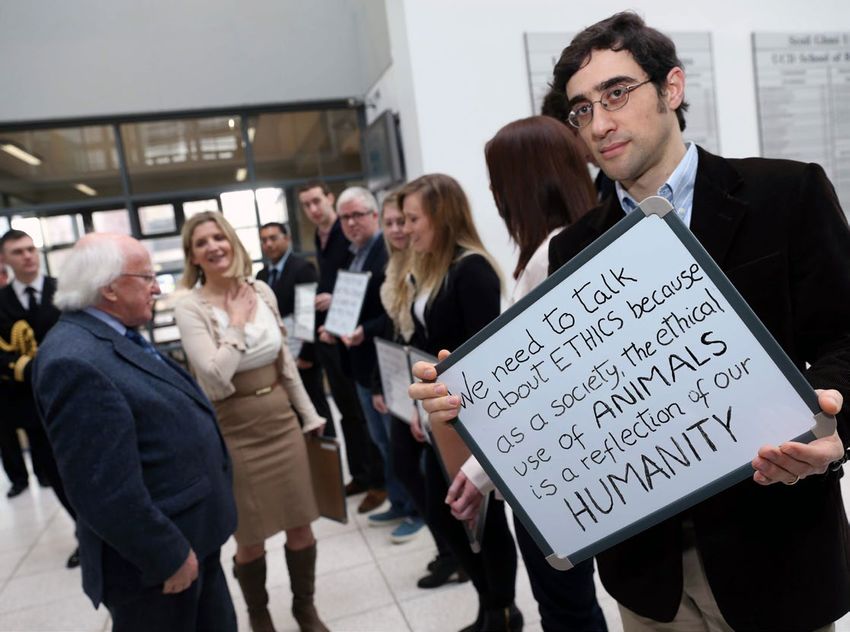
12   University College Dublin                                                                                                         Newman Fellowship Programme
                                                                                                                                                                                  13
     Case Study: Agilent Technologies Newman Fellowship in Quantitative Proteomics

     Meeting the bio-analytical
     measurement challenges of tomorrow
                                                                                     Dr Ben Collins

                                                                                     Dr Ben Collins, former Agilent Technologies Newman Fellow in Quantitative Proteomics,
                                                                                     was awarded a Newman Fellowship in 2009. Mentored by Prof Stephen Pennington and
                                                                                     based in the UCD Conway Institute of Biomolecular and Biomedical Research, Ben’s
                                                                                     research focused on the development and application of analytical methodologies in the
                                                                                     areas of discovery and targeted mass spectrometry-based proteomics. His Fellowship
                                                                                     explored how these methods could be deployed in a variety of biological applications
                                                                                     including preclinical pharmaceutical toxicology, melanoma metastasis and progression
                                                                                     and prostate cancer biomarker development.

                                                                                     As a result of his Fellowship, Ben was offered a coveted position at the Institute of
                                                                                     Molecular Systems Biology (IMSB) at ETH Zurich as a postdoctoral researcher. His mentor,
                                                                                     Prof Stephen Pennington, had no doubt that his ability to secure a position in one of
                                                                                     the leading proteomics labs worldwide was enhanced by his receipt of the Agilent
                                                                                     Newman Fellowship.

                                                                                     Ben was recently awarded a Swiss National Science Foundation 'Ambizione' award
                                                                                     enabling him to start a research group in the IMSB. Now a group leader, Ben is applying
                                                                                     methods developed during his Fellowship to relevant problems in host-pathogen biology
                                                                                     with a focus on Mycobacterium tuberculosis.

                                                                                     According to Ben, “The Fellowship had a substantial impact on my professional
                                                                                     development, allowing me to pursue some unfinished research goals from my PhD thesis
                                                                                     leading to the publication of several high-quality journal articles. I had the opportunity
                                                                                     to be exposed to, and develop a relationship with, Agilent Technologies, who proved
                                                                                     to be a very progressive and supportive collaborative partner. I am grateful to UCD and
                                                                                     the Newman Fellowship Programme for the opportunity which has undoubtedly had a
                                                                                     significant impact on my career development.”

                                                                                     “My ability to secure a position in a world-
                                                                                      class mass spectrometry group at ETH Zurich
                                                                                     was undoubtedly helped by having been
                                                                                     part of a prestigious, competitive and named
                                                                                     Fellowship programme at UCD.”
                                                                                                                                                       Dr Ben Collins

     Prof Stephen Pennington (left)
     and Dr Ben Collins (right).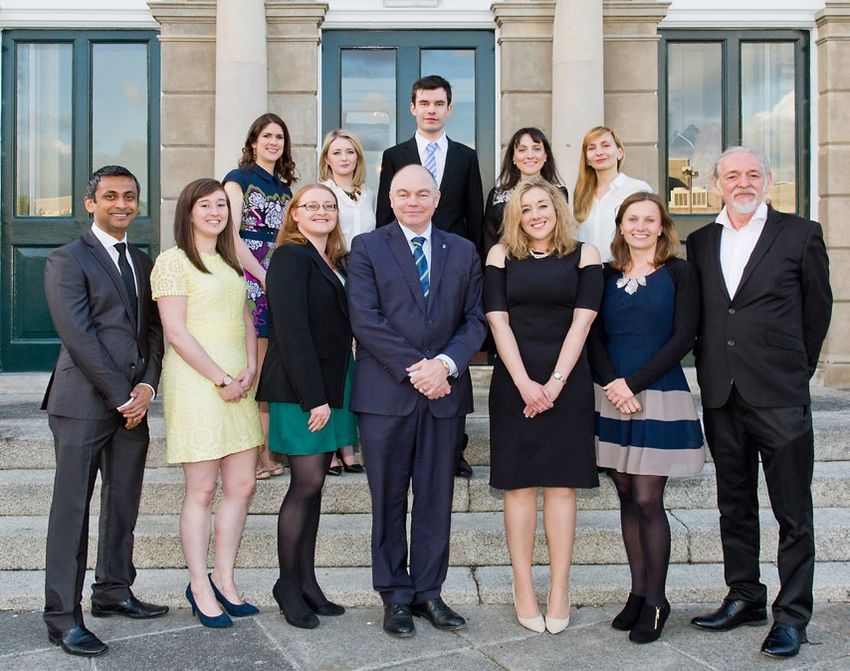
14   University College Dublin                                                                                     Newman Fellowship Programme
                                                                                                                                                                15
     Case Study: Vétoquinol Newman Fellowship in Food Safety

     Tackling the challenges of
     antimicrobial resistance
                                                                                                  Dr Marta Martins

                                                                                                  Dr Marta Martins, former Vétoquinol Newman Fellow
                                                                                                  in Food Safety was awarded a Newman Fellowship in
                                                                                                  2013. Marta’s research sought to deepen our knowledge
                                                                                                  of the mechanisms that contribute to antibiotic
                                                                                                  resistance in Escherichia coli.

                                                                                                    Since E. coli causing infections are a major veterinary
                                                                                                    public health challenge, antimicrobial compounds have
                                                                                                    been an important class of drugs used in treatment. Since
                                                               their discovery, these drugs have had a major impact on both animal and human health
                                                               alike. However, their efficacy in improving animal and human health, by eliminating infectious
                                                               agents, led to the widespread use of these compounds in the treatment of infectious
                                                               diseases. Such a development has seriously compromised the future efficacy of these
                                                               drugs, resulting in an urgent need to develop new drugs and therapeutic approaches.

                                                               Mentored by Prof Séamus Fanning and based in the School of Public Health,
                                                               Physiotherapy and Population Science, Marta’s research contributed to the understanding
                                                               of the development of antibiotic resistance in food-producing animals as well as the
                                                               impact of such resistance in the public setting. The discovery of adjuvant compounds that
                                                               can be used to reverse antibiotic resistance in bacteria is of great value and an important
                                                               contribution to the development of new therapeutic approaches that, in future, can be
                                                               used to treat multi-drug resistant associated infections. The outputs of her research were
                                                               published in high-profile journals and presented at conferences in Europe.

                                                               Today, Marta is an Assistant Professor in Microbiology at the Moyne Institute of Preventive
                                                               Medicine, Trinity College Dublin, where she continues to develop novel therapeutic
                                                               approaches to treat multi-drug resistant bacteria associated infections.

                                                               “The Programme allowed me to improve my
                                                               scientific skills, continuing and widening my area
                                                                of research. Being a Newman Fellow facilitated my
                                                                collaboration with industry which helped deepen
                                                               my understanding of antimicrobial resistance and
                                                                challenges for the food chain.”
                                                                                                                                     Dr Marta Martins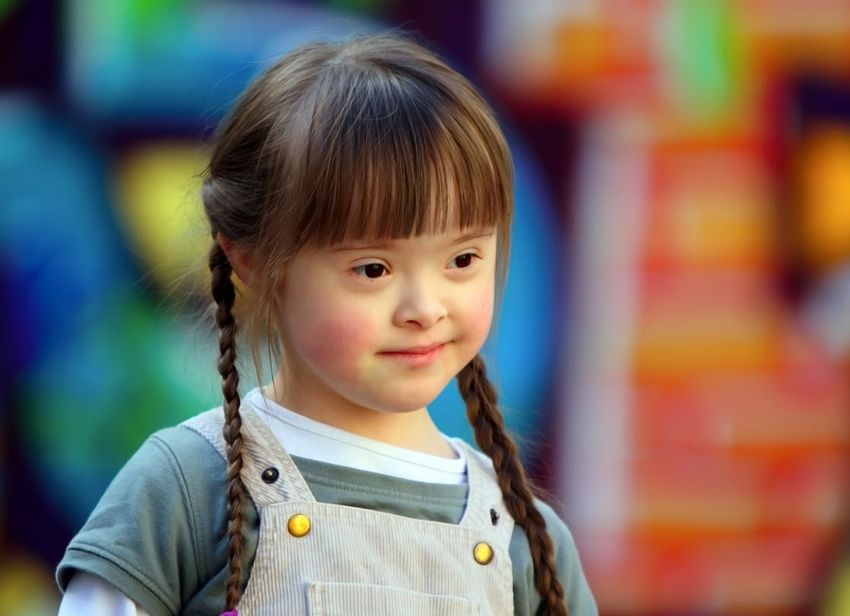
16   University College Dublin                                    Newman Fellowship Programme
                                                                                                17

     A word from
     one of our donors
     Novartis has been supporting the
     Newman Fellowship Programme since
     2012, initially supporting a Fellowship in
     Neurology. The success of this Fellowship
     led to the support in 2016 of another three
     Fellowships in Neurology, Rheumatology
     and Dermatology. Novartis's mission is
     to discover new ways to improve and
     extend people’s lives, using science-based
     innovation to address some of society’s
     most challenging healthcare issues.

     Loretto Callaghan
     Managing Director, Novartis Ireland

     “Scientific research is at the core of our
      company and central to our strategy, so
     Novartis is delighted to partner with UCD’s
     Newman Fellowship Programme.”
         Loretto Callaghan, Managing Director, Novartis Ireland
18   University College Dublin                                                                                                                                                                                  Newman Fellowship Programme
                                                                                                                                                                                                                                                  19

     Our Donors                                                                                                                      “As a leading technology partner to academia, our support of the Newman
                                                                                                                                      Fellowship Programme reflects our core belief that investing in the next
     The Newman Fellowship Programme is made possible                                                                                 generation of thought leaders is a crucial part of moving science forward.”
     through the enlightened generosity of our donors.                                                                                                    Padraig McDonnell, Executive Vice President and General Manager, Agilent Technologies

                                              •   Kerry Group                              • Syntex
     Not-for-Profit
                                              •   Moy Park                                 • St Vincent's Healthcare Group Ltd.
     • Arthritis Ireland
                                              •   Nestlé S. A.                             • Takeda
     • Catechetics Trust
                                              •   Origin Enterprises plc
     • 	Centre for Arthritis and Rheumatic
                                              •   Safefood
        Diseases                                                                           Culture, Society and
     • Craig Dobbin Endowment Fund            •   Vétoquinol
                                              •   Zoetis
                                                                                           Economy
     • Down Syndrome Ireland
                                                                                           •   Aer Rianta International
     • George Moore
                                                                                           •   Allied Irish Banks
     • The Ireland Funds                      Health                                       •   Bank of Ireland
     • Irish Kidney Association
                                              • A. Menarini Pharmaceuticals Ireland Ltd.   •   Danske Bank
     • Irish Lung Foundation
                                              • Abbott                                     •   Dunnes Stores
     • John Moore Endowment Fund
                                              • AbbVie                                     •   Enterprise Ireland
     • L & B Quinn
                                              • Actelion Pharmaceuticals Ltd.              •   First Active
     • Merrion Neuroscience Foundation
                                              • Applied Biosystems                         •   Housing Agency
     • Professor Morrissey Memorial
                                              • AstraZeneca plc                            •   Irish Congress of Trade Unions
     • Punchestown Kidney Research Fund
                                              • Baxter Healthcare Ltd.                     •   Irish Development Authority
     • The Arts Council
                                              • Bayer AG                                   •   Irish Music Rights Organisation
     • The Rooney Family
                                              • Biogen Idec (Ireland)                      •   Mercer Ireland
     • The H. W. Wilson Foundation
                                              • Boston Scientific                          •   National Disability Authority
     • The Heartbeat Trust
                                              • Dansac                                     •   Ulster Bank
     • 	UCD Medical Graduates Association
        in North America                      • Edwards Lifesciences                       • Unilever
     • 	Veterinary Council of Ireland        • Eli Lilly
        Educational Trust                     • Galderma S.A.
                                              • Geonomics Medicine Ireland
                                                                                           Engineering, Energy
                                              • Helsinn Birex Pharmaceuticals Ltd.         and ICT
     Agri-Food                                • ICON plc                                   •   Agilent Technologies
     • Alltech                                • Ipsen                                      •   AMT Ireland
     • Aryzta                                 • 	Irish Pharmaceutical Healthcare          •   CRH plc
     • Bord na Móna                              Association                               •   Eir
     • C&C Group plc                          • Janssen                                    •   Electricity Supply Board
     • Coillte                                • Laker Pharmaceuticals Ltd.                 •   IBM Ireland
     • Danone                                 • Merck Serono                               •   Jacobs Engineering
     • 	Department of Agriculture, Food      • MSD                                        •   Jones Engineering Group
        and the Marine                        • Novartis                                   •   Materials Ireland
     • Diageo                                 • Perrigo Company plc                        •   Pierse Contracting
     • Food Safety Authority of Ireland       • Pfizer                                     •   Rohan Holdings Ltd.
     • Greencore Group plc                    • Roche Products (Ireland) Ltd.              •   RUSAL
     • Heinz                                  • Sanofi
     • Irish Grain & Feed Association         • Shire Pharmaceuticals Ireland                                                     UCD President, Professor Andrew J. Deeks with the 2017 Newman Fellows
20 University College Dublin Newman Fellowship Programme
21
Communicating impact and
recognising the generosity
of our donors
UCD Foundation welcomes the opportunity to report
on the many successes of the Newman Fellowship
Programme and the impact of its research through a
range of internal and external communication channels.
In addition, we are proud to share our appreciation for
our donors' support in the following ways:
•
Invitation to Newman Fellowship Programme Events
Each year, donors are invited to a Newman Fellowship Programme dinner. Donors
are also invited to talks and presentations given by their Newman Fellow and to
prestigious events in the UCD calendar.
•
Inclusion on the Newman Fellowship Donor Board
The name of each donor is placed on public display on the Newman Fellowship
Donor Board in the foyer of the O’Reilly Hall, on the UCD Belfield campus. The
O’Reilly Hall is the location used for all UCD graduations and hosts a range of
high-profile events throughout the year.
•
UCD Connections Magazine
With a readership base of over 300,000, the Newman Fellowship Dinner is showcased
in the UCD Connections magazine which is published every September and
distributed widely within Ireland and abroad.
•
Quarterly Newsletter
UCD Foundation sends a newsletter every semester to over 500 Newman Fellowship
alumni, key influencers and academics.
•
Public Engagement
Donors, in conjunction with UCD Foundation, can leverage the awarding of the
Fellowship, the appointment of a Newman Fellow and the publication of research
findings as opportunities to demonstrate the impact of their support in both general
and industry specific media.
•
Donor Communication Channels
UCD Foundation can work with the donor to provide content for communication
channels, such as corporate websites and newsletters, to promote their support of
the Newman Fellowship Programme.22 University College Dublin Newman Fellowship Programme
23
The Annual Newman
Fellowship Dinner
Every year, UCD Foundation hosts a
prestigious dinner to welcome our donors,
Fellows and academic mentors to celebrate the
achievements of our Fellows.
The evening provides an opportunity to
acknowledge the generosity and support of
our donors, the dedication of our academic
mentors and the passion and diligence of our
Newman Fellows. It also gives our Fellows a
chance to update their donors and colleagues
on the developments of their research.24 University College Dublin Newman Fellowship Programme
25
FAQ's
How much does each Who can support a Newman How are Newman Fellows Terms and Conditions
Newman Fellowship cost? Fellowship? recruited?
The cost of a Newman Fellowship is Irish and multinational corporations, In order to retain the Newman Fellowship Under the terms of the Taxes Consolidation Act 1997
€100,000. The Fellowship can be funded semi-state bodies, voluntary brand of excellence, it is important
each donation must satisfy the following conditions
in one or more instalments as agreed organisations, trusts, foundations and for UCD to attract the highest calibre
individuals are eligible to support the of applicants possible for each new
in order to secure tax relief:
between the donor and UCD Foundation.
Newman Fellowship Programme. Fellowship. Overseen by the Dean of •
The donation must be for the purposes of education or research carried
As UCD Foundation is a registered charity,
this donation may be eligible Graduate Studies, a recruitment plan out by University College Dublin;
for tax relief. What is the eligibility criteria? is implemented for each Fellowship, • The donation must not be repayable;
tailored to the relevant discipline. This •
The donation must not confer any benefit on the donor or any person connected
Candidate Fellows must hold a doctoral
How many Fellowships have may include the use of national and
degree, professional qualification or have with the donor; including employment, intellectual property, or other rights or
been awarded to date? international academic recruitment
equivalent research experience to qualify obligations with respect to University College Dublin;
platforms to attract a strong pool of
To date, over 180 Fellowships have for a postdoctoral Newman Fellowship. • The donation must not be conditional on, or associated with, any
candidates. Existing academic networks
been awarded since the programme’s
are also engaged to ensure the greatest arrangement involving the acquisition of property by UCD Foundation.
inception. What training and
reach within a particular discipline.
development opportunities
Academic mentors will also ensure the
What is the duration of a are available for Newman maximum level of exposure for each
Newman Fellowship? Fellows? Newman Fellows are exempt from tax provided that
Fellowship within the target community.
Each Fellowship offers financial support UCD provides substantial training and Interviews for short-listed candidates will
the following conditions are satisfied:
for a period of two or three years. development opportunities for the be held before a formal letter of offer is • The Fellow is registered and in receipt of full-time instruction in
Fellows during their tenure across four issued by UCD Graduate Studies. University College Dublin;
How is the funding core competency areas: • The objective of the Fellowship is the promotion of the Fellow’s education
broken down? • Research & Research Management and not the promotion of the research through the Fellow;
The Newman Fellow will receive a stipend • Personal & Professional Excellence • There is no element of service (directly or indirectly) between the donor and Fellow;
of €35,000 per annum. The balance of • Teaching, Learning & Mentoring •
The Fellowship does not arise out of employment (directly or indirectly)
€30,000 is used to cover recruitment,
• Innovation & Transferable Skills with the donor;
research consumables, travel expenses,
PR activities and general administration • The Fellow is not connected directly or indirectly with the donor as an employee,
What mentorship will be
of the Programme. a director or a member of the household of a director.
available to Newman Fellows?
Which research areas All Newman Fellows will work alongside
are funded? an academic mentor who will support the
professional development of each Fellow All donations are accepted by UCD Foundation on the basis that the funds will only be
All areas of research are funded under
in their careers and promote excellence used for the purposes stated and in full compliance with the highest ethical standards
this programme. Collaborative and
interdisciplinary research is encouraged. in teaching and learning, research and and all applicable laws, rules and regulations. The acceptance of these donations does
academic leadership. not create or imply any partnership or joint venture between either UCD Foundation
What is the deadline or University College Dublin and the donor, or the relationship of principal and agent
for applications? between them.
As this is a rolling-call, applications can
be submitted throughout the year as
funding becomes available.26 University College Dublin Newman Fellowship Programme
27
About
UCD Foundation
Founded in 1997, University College Dublin
Foundation CLG (UCD Foundation) is a
registered charity and a company limited by
guarantee registered in Dublin, Ireland. The
main objective of UCD Foundation is to engage
in fundraising activities for the purposes of the
furtherance of education and research carried
out by University College Dublin.
UCD Foundation is governed by an accounting regulations for Irish Charities.
independent non-executive Board of In the absence of such prescriptive
Directors. The Directors represent a guidance the Board of Directors has
diverse range of relevant expertise and adopted the Charities SORP (FRS 102) as
do not receive any remuneration or it is considered best practice.
reimbursement of expenses from UCD
Foundation. The Board meets four times Our annual reports are filed with the
each year and is responsible for providing Companies Registration Office and are
leadership to the business of the also available on our website. When the
organisation and for ensuring control. work of the Charity Regulatory Authority
and Register of Charities under the
Accountability and transparency are phased implementation of the Charities
vitally important in everything that UCD Act, 2009 is complete, UCD Foundation
Foundation does. Our financial accounts will ensure full compliance with all
are prepared in accordance with the requirements.
requirements of the Companies Act 2014
and the provisions of the Statement of UCD Foundation CLG is a registered
Recommended Practice applicable to charity – CHY12448.
charities preparing their accounts in UCD Foundation CLG is company limited
accordance with the financial reporting by guarantee - No. 266667.
standard applicable in the Republic of
Ireland (FRS 102). The Charities SORP To learn more about UCD Foundation,
(FRS 102) is not yet mandatory in the please visit www.ucdfoundation.ie
Republic of Ireland and the Irish Charities
Regulation has not yet prescribed28 University College Dublin Newman Fellowship Programme
29
University
College Dublin
University College Dublin is A University of Scale and
Ireland’s Global University Impact
Founded over one hundred and sixty As Ireland's largest university, with its
years ago, UCD is one of Europe's great strength and diversity of disciplines,
leading research-intensive universities; UCD embraces its role to contribute to
an environment where undergraduate the flourishing of Ireland, Europe and
education, masters and PhD training, the wider world; through the study and
research, innovation and community discussion of people, society, business,
engagement form a dynamic spectrum economy, culture, languages and the
of activity. creative arts, as well as through research
and innovation. The University's Strategy
The international standing of UCD has 2015-2020 outlines the objectives and
grown in recent years; it is currently major strategic initiatives set in place in
ranked within the top 1% of higher order to accomplish UCD's mission and
education institutions world-wide. vision for this era.
UCD is also Ireland's most globally
engaged university with over 30,000 To learn more about UCD, please visit
students drawn from over 138 countries, www.ucd.ie
and includes 5,500 students based
at locations outside of Ireland. The
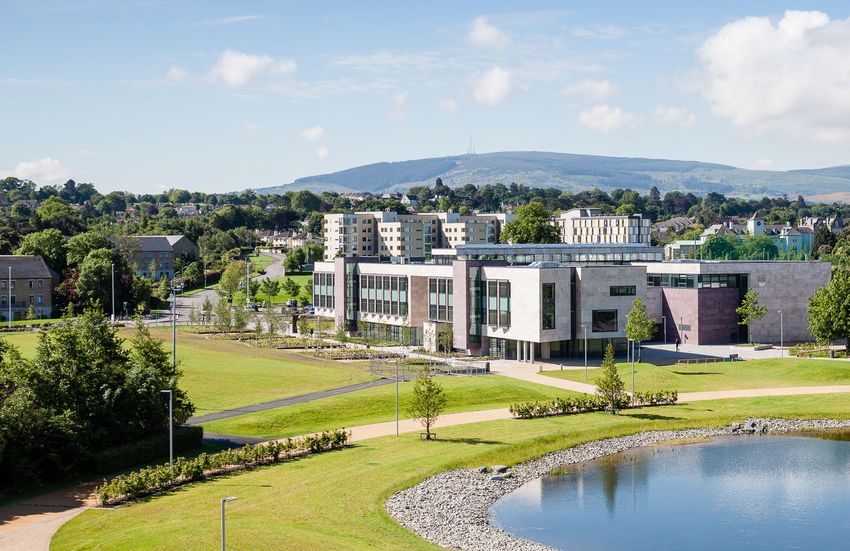
University's main Dublin campus
occupies an extensive parkland estate
of more than 130 hectares and offers
world-leading facilities including the
UCD O'Brien Centre for Science, UCD
Sutherland School of Law, UCD Lochlann
Quinn School of Business, UCD Michael
Smurfit Graduate Business School and
UCD Student Centre.30 University College Dublin Newman Fellowship Programme
31
How can I get
involved?
If you would like to discuss opportunities
John Henry Newman for establishing a Newman Fellowship in
any of the academic disciplines supported
True Enlargement of Mind by UCD, please contact Órfhlaith Ford.
Our Founding Rector, John Henry Newman, came to Ireland in the 1850s E: orfhlaith.ford@ucdfoundation.ie
with a vision for higher education, a vision he outlined in his book, T: +353 (0)1 716 1287
The Idea of a University, a vision that still informs the mission of
University College Dublin today. Additional information is available at:
www.ucdfoundation.ie/newman-fellowship
This vision was for education in the what is sophistical, and to discard what modernity. He had a vision of students
fullest sense, the formation of the whole is irrelevant.” He saw the university learning to be citizens of the world.
person, not just intellectual training, but primarily as a “seat of wisdom, a light of He wanted to expose young minds to
developing moral wisdom and the skills the world, a minister of the faith, an alma the liberal arts, to the sciences, and
and virtues needed to live a fulfilling, mater of the rising generation”. He saw encouraged them to see the connections
good and flourishing life, a life lived the university graduate as one who was between things.
for others. “True enlargement of mind” open to all things: the student will have
is, according to Newman, beyond the a “faculty for entering with comparative Above all, he wanted to set their hearts
acquirement of knowledge. ease into any subject of thought, and on fire. Cor ad cor loquitur – heart speaks
of taking up with aptitude any science to heart – was his motto.
As he wrote: “It is the education which or profession”. “True enlargement of
gives a man a clear conscious view of mind... thus is that form of Universal Written by Professor Dermot Moran –
his own opinions and judgments, a truth Knowledge... set up in the individual Newman Fellowship Programme Mentor,
in developing them, an eloquence in intellect, and constitutes perfection”. UCD School of Philosophy and Director
expressing them, and a force in urging Newman wanted the university to of UCD International Centre for Newman
them. It teaches him to see things as preserve and hand on the wisdom of Studies.
they are, to go right to the point, to past generations but also to be open to
disentangle a skein of thought, to detect the future, to the advances in science, to
Painting of Cardinal John Henry Newman by Sir John Everett Millais, 188132 University College Dublin
Newman Fellowship Programme
UCD Foundation, Tierney Building,
Belfield, Dublin 4
+353 1 716 1287
www.ucdfoundation.ie/newman-fellowshipYou can also read


