NEWSLINE - College on Problems of Drug Dependence
←
→
Page content transcription
If your browser does not render page correctly, please read the page content below

Fall 2021

The College on Problems of Drug Dependence

   NEWSLINE
                      In This Issue:

                      Letter from the President                 03

                      2021 Joseph Cochin Winner Spotlight       05

                      DAD Journal Corner                        05

                      2021 Travel Awards Recipients             10

                      CPDD 2021 Travel Awards Winners           07

                      Member Spotlight: Dr. Jacques Nguyen      10

                      ECMC Member Spotlight: Dr. Angela Heads   11

                      CPDD Mentorship Program Update            12

                      CPDD Public Policy Update                 13

                      CPDD Committee Reports                    15

CPDD Newsline
Fall 2021
CPDD LEADERSHIP

CPDD EXECUTIVE COMMITTEE          EDITORS
                                  Maria Parker, M.P.H., M.S., Ph.D.
President
William Stoops, Ph.D.             CPDD COMMUNICATIONS COMMITTEE
                                  Annie Kleykamp, Ph.D., Chair
President-Elect                   Liz Evans, M.A., Ph.D.
Amy Janes, Ph.D.                  Lindsey Hammerslag, Ph.D.
                                  Jillian Hardee, Ph.D.
Treasurer                         Lynn Kirby, Ph.D.
Jack Bergman, Ph.D.
                                  Gregory Miller, Ph.D.
Past-President                    Barrett Mongomerty, Ph.D.
Stacey Sigmon, Ph.D.              Jacques Nguyen, Ph.D.
                                  Joseph Palamar, Ph.D.
Public Policy Officer             Maria Parker, Ph.D., M.P.H., M.S.
Sandra Comer, Ph.D.               Tasha Perdue, Ph.D.
                                  Irene Pericot-Valverde, Ph.D.
CPDD BOARD OF DIRECTORS           Jonathan Stoltman, Ph.D.
Sudie Back, Ph.D.
Qiana Brown, Ph.D.
F. Ivy Carroll, Ph.D.
Ziva Cooper, Ph.D.
Kelly Dunn, Ph.D.
Albert Garcia-Romeu, Ph.D.
Deborah Hasin, Ph.D.
Angela Heads, Ph.D.
Amy Janes, Ph.D.
Jermaine Jones, Ph.D.
Frances Levin, M.D.
Wendy Lynch, Ph.D.
Marco Pravetoni, Ph.D.
James Rowlett, Ph.D.                         Want to contribute
Dace Svikis, Ph.D.
Michael Taffe, Ph.D.                           or advertise in
Erin Winstanley, Ph.D.
                                              Newsline? Email
CPDD EX OFFICIO
                                              info@cpdd.org.
Rules Chair
Charles Gorodetzky, M.D., Ph.D.

Executive Officer
Jesse Howard

        Newsline                                                      Page 02
Fall 2021
PRESIDENT'S COLUMN
Bill Stoops, Ph.D.
President, CPDD

Dear CPDD friends and colleagues,                                we have the talented and highly devoted Dr. Amy Janes
                                                                 coming in as our next President. Amy’s first task will be to lead
As CPDD enters its 93rd year, I am thrilled and honored to       the 2021-2022 CPDD Nominating Committee. The
serve the organization as its President. For nearly two years,   Committee is comprised of distinguished members of our
we have endured the Coronavirus pandemic. Although I have        community, including Drs. Qiana Brown, Alan Budney, Anna
so missed getting to be with all of you at our last two          Rose Childress, Jermaine Jones, and Erin Winstanley.
scientific meetings, I am hopeful and confident that we can be   Nominations are open through Friday, October 29. Consider
together at our 84th CPDD meeting in Minneapolis where we        nominating a fellow CPDD member to run for the CPDD or a
can again learn about the top addiction science being            current/past Board member to run for president! Click here
conducted in our field in person!                                for more information.

I want to express my deep admiration and appreciation for our    As might be surmised from my comments above, the CPDD
outgoing President, Dr. Stacey Sigmon. Stacey spent many         Executive Committee, Program Committee led by Dr. Dunn
hours working with the CPDD Executive Committee, Board of        and Dr. Kevin Freeman (Program Committee Chair-Elect),
Directors, Committee Chairs, and our PMG team to ensure          Board of Directors, and PMG team has already been hard at
our organization continued to thrive in the face of adversity.   work planning for the 84th Annual Scientific Meeting June
Thanks to her efforts, along with our Treasurer Dr. Jack         11-15, 2022, in Minneapolis, MN. We welcome and highly
Bergman and the CPDD Finance Committee, the College did          encourage members to share their feedback, suggestions, and
not have to dip into our investments like we have had to do in   travel plans. Specifically, if you attend any face-to-face
previous years. Under Stacey’s leadership, new initiatives       meetings before CPDD, do not hesitate to get in touch with
were started like the Early Career Member Poster Award and       our team at info@cpdd.org with ideas or examples of what
webinars on timely substance use research topics. These will     worked well for other organizations. As of now, CPDD plans
continue into the years to come.                                 to be in Minneapolis but will have digital components for
                                                                 those wishing to participate online.
The CPDD Program Committee deserves much credit for how
successful 2021 has been for us. Thanks to the leadership of     While 2021 wasn’t the year we all planned, I’m very proud of
Dr. Kelly Dunn, CPDD expanded its virtual meeting                the CPDD community and all of our substance use disorder
opportunities and created a highly cohesive program that was     research efforts. We continue to advocate for research
highly praised by attendees. Their commitment to ensuring        because our work is more critical than ever. Since becoming
our meeting’s success was pivotal so I want to convey my         President, I’ve been so impressed to see the breadth, depth
deepest appreciation to Kelly and her team.                      and passion of our advocacy efforts on behalf of the
                                                                 substance use research community, as well as those affected
                                                                 by substance use disorder. If you’re interested in becoming
                                                                 involved in CPDD’s advocacy efforts, please let me know by
                                                                 emailing me at william.stoops@uky.edu. I look forward to
                                                                 seeing each of you at next year’s meeting and hearing from
                                                                 you this year as your President. Please do not hesitate to
                                                                 reach out if you’ve got questions, comments or ideas to make
                                                                 CPDD an even stronger organization!

                                                                 Best regards,

I would be remiss if I did not also thank the CPDD Executive
Committee, Board of Directors, Committee Chairs, and
members who have dedicated countless hours over the past         Bill Stoops, PhD
year to ensure CPDD’s continued success. Their commitment        CPDD President
to serving substance use disorder research is unparalleled in
any other organization and I am very thankful for each of
them.

Looking forward to the coming year, I’m excited to know that

            Newsline                                                                                  Page 03
Fall 2021
2021 JOSEPH COCHIN YOUNG INVESTIGATOR AWARD
Cassandra Gipson-Reichardt, PhD • University of Kentucky

The College on Problems of Drug Dependence (CPDD) is excited to announce that Dr. Cassandra Gipson-Reichardt, PhD, has been
awarded the 2021 Joseph Cochin Young Investigator Award for Excellence.

The Cochin Award, in memory of a respected leader in drug abuse research and a former Chairman and Executive Secretary of
CPDD, was established in 1986 to recognize research contributions in any facet of the field of substance use disorder. Given annually
to an investigator who has demonstrated excellence in their field of research, authored several publications, and not attained their
40th birthday by July 1st in the year of the award, the Cochin Award is one of CPDDs most prestigious awards to receive.

Dr. Cassandra Gipson-Reichardt is a preclinical addiction neuroscientist, focusing on glutamatergic, cholinergic, ovarian hormone, and
neuroimmune mechanisms involved in nicotine use and opioid/stimulant polysubstance use using rodent models. Upon receiving her
award Dr. Gipson-Reichardt stated, “I am so grateful to receive the Cochin award this year. This award is meaningful to me because
my colleagues, mentors, family, and friends have contributed so much to my career. To be recognized in this way truly is wonderful,
and it is a reflection of the support I have received.”

The Joseph Cochin Young Investigator Award was the only Award for Excellence given by The College on Problems of Drug
Dependence in 2021. All other awards will resume in 2022. For more information on the CPDD 83rd Annual Scientific Virtual
Meeting, visit https://cpdd.org/meetings/current-meeting/.

 Fall 2021
Fall 2020
DRUG AND ALCOHOL DEPENDENCE JOURNAL CORNER
 Eric Strain, MD • DAD Editor

The association between child alcohol sipping and alcohol expectancies in the ABCD study
Mikela A. Murphy, Steven C. Dufour, Joshua C. Gray
Drug Alcohol Depend. 2021 Apr 1;221:108624. doi: 10.1016/j.drugalcdep.2021.108624. Epub 2021 Feb 16.
Underage drinking is a serious public health concern, yet relatively little is known about how child sipping of alcohol relates to favorable
beliefs about the effects of alcohol (i.e., alcohol expectancies). This study examined the association between sipping and alcohol
expectancies utilizing data from the Adolescent Brain Cognitive Development study. Children who had sipped alcohol (22% of the
sample) had more positive alcohol expectancies than children who had not sipped alcohol. These findings indicate that child sipping may
play a unique role in the development and maintenance of alcohol expectancies, which have known associations with later problematic
drinking behavior.

Cannabis use in college: Genetic predispositions, peers, and activity participation
Nathaniel S. Thomas, Jessica E. Salvatore, Nathan A. Gillespie, Fazil Aliev,
Albert J. Ksinan, Danielle M. Dick, Spit for Science Working Group
Drug Alcohol Depend. 2021 Feb 1;219:108489. doi: 10.1016/j.drugalcdep.2020.108489. Epub 2020 Dec 21.
Cannabis use among college students is associated with health, memory, and academic problems. Some individuals are genetically more
at risk of using cannabis, but genes are not destiny. The environment can change the likelihood that an at-risk person will develop
problems. In this study, we tested whether the impact of genetic risk factors for cannabis use varied as a function of social activity
participation and peer influences. We found that genetic risk for cannabis use was most influential among students who reported never
engaging with community activities, such as volunteer organizations or interest groups.

            Newsline                                                                                             Page 05
Fall 2021
CPDD 83RD ANNUAL SCIENTIFIC MEETING
TRAVEL AWARD RECIPIENTS

2021 Travel Award recipients received complimentary            Sierra Castedo de Martell, M.P.H., UTHealth School of
registration to the 2021 Virtual Meeting and are eligible to
                                                               Public Health
apply for the same award in the future (excludes Holtzman
and Primm-Singleton).                                          Nina Christie, M.A., University of Southern California
                                                               Sarah Clingan, Ph.D., University of California, Los
7th Annual Steve G. Holtzman Travel Award for Preclinical      Angeles
Investigators                                                  William Craft, B.S., Fralin Biomedical Research Institute
    Fernando de Moura, Ph.D., Harvard Medical                  at Virginia Tech Carilion
    School/McLean Hospital                                     Morgan Crowley, B.S., University of Florida
                                                               Ayomide David, B.Sc., University of Florida
CPDD International Award
                                                               Graham DiGuiseppi, M.Sc., University of Southern
   Gayatri Bhatia, M.D., All India Institute of Medical
   Sciences                                                    California
   Anees Bahji, B.Sc., M.D., University of Calgary             Julien Dodu, B.Sc., Virginia Commonwealth University
   Afolabi Oyapero, M.P.H., Lagos State University College     Dalton Edwards, M.S., University of Texas at Dallas
   of Medicine                                                 Andrew Fares, B.Sc., Centre for Addiction and Mental
   Suzaily Wahab, Dr. (Psych), University Kebangsaan           Health
   Malaysia Medical Centre                                     Zhe Fei, Ph.D., University of California, Los Angeles
                                                               David Fink, Ph.D., New York State Psychiatric Institute
FORCE Award
                                                               Ewa Galaj, Ph.D., NIDA IRP
  Laura Brandt, Ph.D., Columbia University Irving Medical
  Center and New York State Psychiatric Institute              Erik Garcia, Ph.D., University of Texas Medical Branch
  Irene Pericot-Valverde, Ph.D., Clemson University            Grant Glatfelter, Ph.D., NIDA Intramural Research
                                                               Program
Primm-Singleton Minority Travel Award                          Rachel Hoopsick, Ph.D., State University of New York at
    Emmanuel Alvarez, B.S., Rutgers Robert Wood Johnson        Buffalo
    Medical School                                             Jennifer Hoots, M.A., University of Illinois At Chicago
    Mehreen Arif, M.P.H., State University of New York at      Erin Horne, Ph.D., University of Texas at Dallas
    Buffalo                                                    Raagini Jawa, Med.D.Sc., Boston Medical Center
    Bryan Benitez, M.A., Yale University School of Medicine    Bernard Johnson, M.S., Wake Forest School of Medicine,
    Whitney Cordoba-Grueso, M.D., M.P.H., Indiana              Department of Physiology and Pharmacology
    University                                                 Arian Johnson, M.P.H., Student
    Coralee Perez-Pedrogo, Ph.D., University of Puerto         Luisa Kcomt, Ph.D., University of Michigan
    Rico, Medical Sciences Campus and Albizu University        Shailesh Khatri, Ph.D., University of Kentucky
    Edda Rodriguez, M.P.H., Miller School of Medicine,         Emanuel Krebs, M.A., Faculty of Health Sciences, Simon
    University of Miami                                        Fraser University
                                                               Jessica Kulak, M.P.H., M.S., Ph.D., Buffalo State College
CPDD Early Career Investigator Awards                          Pooja Lagisetty, M.D., University of Michigan
   Gemma Aonso-Diego, M.A., University of Oviedo,              Laura Lambert, M.Sc., University of Bordeaux
   Addictive Behaviors Group                                   Juhan Lee, Ph.D., Yale University School of Medicine
   Amelia Bailey, B.A., University of Massachusetts            Huajun Liang, D.Phil., University of Maryland
   Emmanuelle Baillet, M.Sc., University of Bordeaux           Kelsey Lucerne, B.S., Icahn School of Medicine At Mount
   Patrick Brown, B.S., Oregon Health and Science              Sinai
   University                                                  Sarah Lynn, M.S., Virginia Tech
   Katina Calakos, Ph.D., Yale University                      Daniel Martins, M.Sc., University of Porto

             Newsline                                                                             Page 07
CPDD Early Career Investigator Awards (Continued)                  Erin Martin, B.A., Medical University of South Carolina
   Kristen McLaurin, Ph.D., University of South Carolina           Victor Martinez-Loredo, Ph.D., University of Zaragoza
   Christina Merritt, B.S., University of Texas Medical            Hannah Mayberry, B.S., Temple University
   Branch                                                          Elisa Pabon, B.S., The University of Chicago
   Barrett Montgomery, B.S., Michigan State University             Jobe Ritchie, B.S., Washington State University
   Catherine Moore, Ph.D., Johns Hopkins University                Pedro Rodriguez-Rivera, M.P.H., University of Maryland
   School of Medicine                                              School of Medicine
   Lauren Nguyen, B.A., University of Washington                   Joy Scheidell, M.P.H., Ph.D., New York University
   Stephanie Parent, M.P.H., Queen's University Faculty of         Grossman School of Medicine
   Medicine                                                        Drew Townsend, Ph.D., Virginia Commonwealth
   Emily Peck, B.S., Wake Forest School of Medicine                University
   Daria Piacentino, M.D., National Institute of Drug
   Abuse/NIH/DHHS                                               NIDA Directors Travel Awards
   Stephen Robertson, Ph.D., University of Michigan                Angel Algarin, M.P.H.,Ph.D., University of California San
   Kelly Sagar, Ph.D., McLean Hospital, Harvard Medical            Diego
   School                                                          Trent Bullock, M.A., Lewis Katz School of Medicine at
   Karl Schmidt, Ph.D., Davidson College                           Temple University
   Paige Shaffer, M.P.H., University of Massachusetts              Danielle Davis, Ph.D., Yale University School of Medicine
   Medical School                                                  Teresa DeAtley, M.P.H., Brown University School of
   Vinita Sharma, M.P.H., Ph.D., University of Florida             Public Health
   Jessica Sharp, D.Phil., Davidson College                        Michelle Doyle, B.S., University of Texas Health Science
   Justin Shepherd, M.A., University of Houston                    Center at San Antonio
   Kelsey Simpson, M.A., University of Southern California         Alice Ely, Ph.D., Perelman School of Medicine University
   Ashley Smith, Ph.D., University of Texas Medical Branch         of Pennsylvania
   Kyle Snyder, B.S., M.P.H., New York University School           Nicole Fitzgerald, B.A., University of Florida
   of Global Public Health                                         Brianna George, B.A., Wake Forest School of Medicine
   Ryan Sullivan, M.S., University of Wisconsin-Milwaukee          Priscila Goncalves, Ph.D., Columbia University
   Forrest Toegel, Ph.D., Johns Hopkins University School          Sarah Gutkind, M.S., Columbia University
   of Medicine                                                     Zachary Mannes, M.P.H.,Ph.D., Columbia University,
   Devin Tomlinson, B.S., Fralin Biomedical Research               Mailman School of Public Health
   Institute at VTC                                                Nathaniel Moxley-Kelly, M.Sc., University of Vermont
   Richa Tripathi, Dr. Med. Sc., M.D., All India Institute of      Alexandra Palmisano, Ph.D., Yale University School of
   Medical Sciences                                                Medicine
   Helena Valente, B.Sc., Porto University                         Justin Strickland, Ph.D., Johns Hopkins University School
   Alyssa Vanderziel, M.S., Michigan State University              of Medicine
   College of Human Medicine                                       Andre B. Toussaint, M.A., Temple University
   Kainan Wang, Ph.D., McLean Hospital, Harvard Medical            Neil Varshneya, B.S., M.S., Ph.D., Johns Hopkins
   School                                                          University School of Medicine
   Heather Ward, M.D., Beth Israel Deaconess Medical               Noel Vest, Ph.D., Stanford University School of Medicine
   Center/Harvard Medical School                                   Alison Wakeford, Ph.D., Harvard Medical School McLean
   Rhiannon Wiley, B.A., University of Vermont                     Hospital
                                                                   Heather Webber, Ph.D., University of Texas Health
NIDA Women & Sex/Gender Junior Investigator Travel                 Science Center
Awards
   Janna Ataiants, Dr. P.H., Drexel University Dornsife
   School of Public Health
   Elizabeth Charron, M.P.H.,M.S.,Ph.D., University of
   Utah
   Alba Gonzalez-Roz, Ph.D., Department of
   Psychology/IUNICS/University of the Balearic Islands
   Erin Maher, Ph.D., University of Kentucky

             Newsline                                                                                 Page 08
Fall 2021
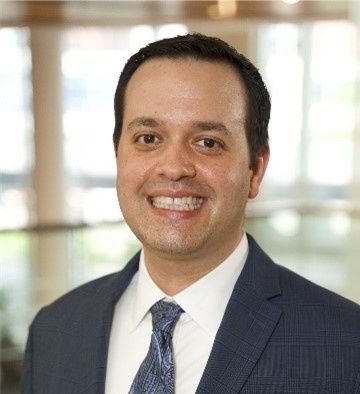
MEMBER SPOTLIGHT: Dr. Jacques Nguyen
Behavior and Neural Circuits Underlying Opioid Addiction and Dependence
By: Sally Huskinson, Ph.D., Animals in Research Committee

The opioid overdose crisis has received considerable              administration sessions five days per week, and this was
attention since the beginning of the 21st century, and while      followed by an intermittent, 60-hour discontinuation of
the current (third-wave) crisis is fueled largely by synthetic    access to oxycodone. As expected, subjects in the long-
opioids like fentanyl, oxycodone is still among the most          access group escalated their oxycodone intake while
prescribed opioid analgesics for the treatment of pain.           subjects in the short-access group did not escalate their
Unfortunately, those who misuse oxycodone or other                oxycodone intake. Furthermore, escalation of intake
prescription opioids are at an increased risk of transitioning    increased in a stepwise pattern across successive weeks of
to illicit opioid use, particularly when their prescription has   oxycodone self-administration beginning with the first day
ended and/or during periods of withdrawal. Surprisingly           following the 60-hour abstinence period. This latter finding
few preclinical researchers have evaluated neurobiological        indicates a facilitation of escalation of drug intake after
mechanisms underlying key features of addiction with              intermittent abstinence, and if translated to humans,
oxycodone, including escalation of drug intake, the               suggests that drug taking will be greater after a period of
development of physical dependence, and withdrawal. This          abstinence than the prior drug-taking episode. Moreover,
is one area of focus in the laboratory of Dr. Jacques             escalated intake was associated with elevated ICSS
Nguyen, Ph.D. Currently, Dr. Nguyen is an Assistant Project       thresholds, indicative of a diminished reward state and of a
Scientist in the Department of Psychiatry at the University       growing negative affective state that could be blocked via
of California San Diego in La Jolla, California. Dr. Nguyen       administration of a kappa-opioid receptor antagonist.
was recently awarded a K99/R00 Award from the National            Perhaps the most unexpected finding was that elevated ICSS
Institute on Drug Abuse (NIDA) to elucidate behavior and          thresholds began to normalize following the 60-hour
neural circuits underlying opioid addiction and dependence,       abstinence period, and this normalization paradoxically
and this award has already produced important results. In a       facilitated escalation of oxycodone intake once long-access
recent publication (Nguyen et al. 2021, British                   self-administration sessions resumed. In addition, ICSS
Pharmacological Society), Dr. Nguyen and his colleagues           thresholds could be normalized by providing access to a 1-
used Wistar rats in intracranial self-stimulation (ICSS), a       hour oxycodone self-administration session. Dr. Nguyen also
procedure in which an animal responds on an operant               found that pretreatment with the phytocannabinoid, Δ9-
manipulandum (e.g. quarter turn of a wheel) to receive            tetrahydrocannabinol (THC), reduced oxycodone intake but
pulses of electrical brain stimulation to a brain region of       did not alter the increase in reward threshold that was
interest, often in the medial forebrain bundle, and ICSS          observed across sequential self-administration sessions,
thresholds can be obtained. When ICSS thresholds are              likely illustrating changes in the reinforcing efficacy of a unit
lowered, this reflects a facilitation of brain stimulation        dose of oxycodone. From these experiments, Dr. Nguyen
reward, and acute administration of drugs of abuse, like          and colleagues concluded that changes in brain reward
oxycodone, lower ICSS thresholds. When ICSS thresholds            function (i.e., ICSS thresholds) that occur during escalation of
are elevated, this reflects reduced or diminished reward.         oxycodone intake were driven by an interaction between
Elevated thresholds occur following activation of kappa-          negative affective states and restoration of brain reward
opioid receptors and during withdrawal from chronic opioid        status during longer periods of abstinence. These results
administration. In addition to their ICSS procedure, Dr.          have clinically meaningful implications for adherence to
Nguyen and his colleagues used intravenous oxycodone              prescription opioid medications in that early nonadherence
self-administration to investigate potential affective            could serve to increase prescription opioid intake following
consequences (via ICSS) of escalating opioid intake as well       the period of nonadherence.
as withdrawal from opioid self-administration. Different
groups of male Wistar rats self-administered oxycodone in
either short- (1-hour sessions) or long- (11 or 12-hour
sessions) access conditions. Subjects completed self-

              Newsline                                                                                      Page 10
Fall 2021
MEMBER SPOTLIGHT: Dr. Angela Heads
Early Career Member Committee
Day-to-Day work times that you have decided you will work and letting things wait
What is a rising issue in your area of expertise? when you have decided that it is time to rest. Admittedly, this is
I am not sure it is a rising issue, but more of an ongoing something I am still working on. I think another important thing to
challenge in conducting research and developing interventions remember is that it is OK to say no. There are so many opportunities
to treat substance use disorders. There is an increasing for us to engage in work in very meaningful and impactful ways, but
recognition that, to have the greatest impact on reducing the no one can do all of them if we want to do them well. I try to choose
negative health and social consequences of problematic new projects and activities with these limitations in mind so that I can
substance use and substance use disorders, we have to widen sometimes say “no” without guilt.
our approaches to include individual, interpersonal, provider, and
system-level interventions. We are also moving towards Overcoming adversity
recognizing multiple intersecting identities within individuals that What do you think are the most common adversities that new and
contribute to risk and protective factors associated with established professionals are facing in workplace? What is your advice/
substance use. I think this is an important shift and can improve what are your potential solutions for overcome these adversities?
our ability to more precisely target interventions and ultimately I was a first generation college student. It seems like a small thing to
improve outcomes. some people, but not having a person in the family who had that
college experience who could give advice and set expectations can
Long-term career make everything seem so much more overwhelming. Today, there are
You currently lead several SAMHSA-funded programs providing still people entering college for the first time who do not know how
substance use, psychiatric treatment, HIV prevention, and housing to navigate the process because no one in their circle has been there
services to underserved populations. How might your work interact before. In my large extended family, I was the first to complete an
with advocacy and policymaking? advanced degree, and I am (so far) the only person in my family to
There are many ways that this work might be beneficial in pursue an academic career (university faculty). It doesn’t stop in the
addressing advocacy and policy issues. Our work directly classrooms. These unknowns take place throughout the entire career.
increases access to substance use intervention, HIV prevention, This is challenging, but it is possible to overcome by sticking with it
and mental health treatment for populations that have not been and not being afraid to ask for help. At every stage of a career, there
prioritized. By demonstrating how a targeted approach to are different challenges. Perseverance is key. Having supportive
serving these populations reduces negative health and social mentors is vital. Recognizing that you are more than your last failure
outcomes related to HIV and substance use, policy makers may is liberating.
be able to see the benefit of making greater efforts to engage
these populations. Advice for Young Investigators
What advice would you give to a new grad student, a new postdoc, or a
Work/life balance new investigator?
Any tips? The work never ends, so what boundaries do you have in There has been a lot of advice that has been important to me at
place to protect your personal time and your sanity? different times. One that sticks with me no matter what stage of my
The work that we do is very important and is never ending. career is to never be the one to tell myself, “No. You can’t do that.”
Learning how to step away from the work and protect the time Many people do not even attempt the next step because they think
you have for leisure and social activities is a crucial part of being they are not smart enough, capable enough, or qualified enough. In
successful in a career. It would be great if everyone learned how reality you may be just the right person for that project, job, or
to do this early in their careers, but very few of us are able to promotion. I am not saying you should try to fly an airplane without
navigate work/life balance well early on. Fortunately, it is never taking some flying lessons, but do not get in your own way when
too late to recognize how taking time to recharge your batteries pursuing the work that you are trained to do. I also encourage people
can actually make you better at the work you do. With many of to help others when they can and accept help when they need it.
us tied to our phones and other devices, it is very easy to blur Collaboration and community help us all to be successful.
the line between work time and personal time. When you are
away from work, try to be really away from work. That means
only checking emails and responding during
Newsline Page 11Fall 2021
CPDD MENTORSHIP PROGRAM UPDATE
The CPDD Mentorship Program is an initiative run by the future networking, idea generation, and ideas for collaboration and
Early Career Member Committee (ECMC) as a way for more funding.
junior researchers (i.e. predoctoral fellows, postdoctoral
fellows, medical residents) to connect with more senior How likely are you to recommend participating
researchers in their field to discuss topics such as career in this program to others?
development, research ideas, and future goals. Not Sure
10%
Mentor/mentee pairs are paired based on research interests,
career field, or other requests by mentees. Mentees do not
need to be CPDD members to participate. Typically,
mentorship pairs connect in person at the CPDD conference,
but for the 2020 and 2021 conferences, participants have
Likely
met virtually. The 2021 CPDD Mentorship Program was a 33% Very Likely
great success with 47 mentees paired with 36 mentors. 57%
Given the overwhelming mentee interest during last year and
this year’s virtual conference, we asked mentors if they
would be willing to provide mentorship for more than one
mentee. Because of the generosity of mentors and their Taken together, these outcomes suggest that the Mentorship
willingness to spend time mentoring, all mentees this year Program continues to be a successful ECMC initiative and is able to
were assigned a mentor this year! translate well to a virtual format. The ECMC is always looking for
feedback on how to improve and expand this program. If there are
Prior to assigning mentors, mentees are encouraged to Newsline readers interested in providing additional feedback, please
prepare their CV, as well as questions they would like to ask don’t hesitate to reach out to Danielle Davis Danielle.davis@yale.edu
their mentor match. Once mentor/mentee matches are or Maya Zegel mzegel@central.uh.edu who facilitated this year’s
created, mentees are encouraged to initiate contact and program.
scheduling the meeting, and to research their mentor’s work,
if they are unfamiliar.
Results from a follow up survey of mentors/mentees
indicated that the 2021 program was well received. All but
one of the respondents reported meeting with their
mentor/mentee pair via video chat. Most survey respondents
(61%) reported spending 31 minutes to 1 hour with their
mentor/mentee pair, 24% reported meeting for more than 1
hour, and 14% reported spending less than 30 minutes
meeting. Nearly all (95%) of survey respondents thought their
mentor/mentee was a good match. Some mentees reported
concrete outcomes from the meeting, including plans for
future networking, connecting about job/training
opportunities, and progress in writing an article. Concrete
outcomes from the meeting for mentors included planned
Newsline Page 12Fall 2021
CPDD PUBLIC POLICY UPDATE
Research Streamlining and Class-wide Scheduling of Synthetic Fentanyl Analogues
As the opioid crisis has morphed first from prescription opioids then to heroin and most recently to synthetic opioids and
particularly fentanyl, the Drug Enforcement Administration and its allies in Congress are focused on putting all synthetic opioids,
specifically fentanyl and its analogues in Schedule I of the Controlled Substances Act. Starting in February 2018, the DEA issued a
two-year Temporary Scheduling Order that covered all synthetic opioids. That Order which was originally scheduled to expire on
February 6, 2020, was first renewed until May 2020. And on April 29 of this year, Congress extended the Temporary Scheduling
Order again, this time until October 22, 2021.
Throughout this entire process, the College on Problems of Drug Dependence, in letters to the Senate Judiciary Committee and in
testimony before two House Committees, has taken the following position on class-wide scheduling of fentanyl analogues,
specifically stating: “We support efforts to give DEA authority to control the importation and distribution of synthetic fentanyls,
but we also believe that any legislation to address this issue should include language reducing some of the barriers to research
currently imposed by Schedule I licensing requirements and we are concerned about the unintended negative consequences of
including such a broad range of substances in the scheduling language.”
In an effort to come up with a long-term bipartisan solution to the fentanyl scheduling issue, on September 2, 2021, the Biden-
Harris Administration released its “Recommendations on Class-wide Scheduling of Fentanyl-Related Substances.” The
Administration proposal would make permanent class-wide scheduling of fentanyl analogues but would include an expedited
process dictated by the Secretary of Health and Human Services to remove those fentanyl compounds found not to be
psychoactive or of limited abuse potential. To address sentencing concerns, the Biden-Harris proposal would “exclude those
fentanyl-related substances which are not specifically listed in schedule I or II from certain quantity based mandatory minimum
penalties associated with import and export offenses.”
Most important for scientists conducting research on fentanyl-related substances, the Biden-Harris recommendations would make
significant reforms to current DEA licensing requirements for all Schedule I compounds, not just fentanyl analogues but cannabis
and all other schedule 1 compounds. The most prominent of these reforms is a provision that would create a more simplified
process that would align Schedule I research registration more closely with the registration process for Schedule II substances. This
new process would specifically apply if the research is either (a) funded—intramurally or by grant or contract—by HHS and the
Veterans Administration, or (b) done under an Investigative New Drug (IND) exemption from FDA that is in effect. In addition, the
proposal would not require separate registrations for additional researchers in the same institution.
CPDD, working with the Friends of the National Institute on Drug Abuse and the American Society for Pharmacology and
Experimental Therapeutics (ASPET), have spent considerable time and effort formulating its own research streamlining proposals,
briefing relevant Congressional Committees, and working with the Administration as it was conducting inter-agency negotiations
with relevant agencies, including HHS and the Department of Justice and DEA. Most of our proposed reforms were incorporated
into those recommendations advanced by the Biden-Harris Administration on September 2.
It’s now up to Congress to review, adopt or amend the Administration’s recommendations for fentanyl-related substances, with
the goal of passing legislation prior to the October 22, 2021 deadline when the current Temporary Scheduling Order for Fentanyl
Analogues expires.
Newsline Page 13Fall 2021
CPDD PUBLIC POLICY UPDATE (Continued)
Appropriations for the NIH and NIDA
On July 14, 2021, the House Appropriations Committee released their FY22 Labor HHS report ahead of full committee
consideration of the bill tomorrow.
The House bill includes a total of $49 billion, an increase of $6.5 billion over Fiscal 2021, for the National Institutes of Health.
Within that total, $3 billion is included for ARPA-H. For NIH base funding, the bill includes a $3.5 billion increase, which supports
an increase of no less than 5 percent for each institute and Center.
For NIDA, the bill provides $1.860 billion, a $380 million increase over FY21 and $7.8 million more than the President’s budget.
Within this amount, the Committee includes $405.4 million for the HEAL Initiative, $135.105 million above FY21 and the same as
the President’s budget request. The Committee also includes an additional $196.3 million to support basic research related to
opioids and other stimulants, as requested in the President’s budget.
Response to State-based Legislation Criminalizing Substance Use During Pregnancy
CPDD is working with a coalition of other science-based and public health organizations to address the increased number of
state-based laws criminalizing or imposing other punitive approaches to substance use during pregnancy. In addition to CPDD,
those organizations include the American Academy of Addiction Psychiatry (AAAP), American Psychiatric Association (APA),
American Society of Addiction Medicine (ASAM), and the American Congress of Obstetricians and Gynecologists (ACOG).
All of our respective organizations support policies and programs that advance prevention and treatment of substance-related
harm throughout a women’s reproductive years, with a particular focus on substance use during and following pregnancy. We also
support policies that motivate women to adopt, or change, lifestyle behaviors to optimize their health and the health of their
prospective babies. What is of concern to us is that public concern for preventing fetal harm has resulted in some states
implementing punitive measures against pregnant or postpartum women.
BECOME A CPDD MEMBER
Membership applications are being accepted
through October 15, 2021Fall 2021
FALL COMMITTEE REPORTS
Animals in Research Committee requesting that a separate list of trainees including categories of
The Committee is working on the 2022 Animal Forum mentees (e.g., undergraduate, graduate, clinical, post-doc),
submission.The tentative topic for next year’s Forum is “Animals duration/years of mentoring and type of mentorship (e.g.,
in Research and the Hill”, with the goal of informing the primary research mentor, committee member) be included with
membership of the political issues that affect addiction science the nomination materials. The variability in how this information
from basic research to therapeutics discovery. We are in the is provided in CVs has made it challenging to compare across
process of identifying and contacting speakers for this nominees in previous years. Finally, in an effort to promote
submission. diversity, equity and inclusion, we will now track basic
demographic information (age, gender, race/ethnicity) about
The committee has prepared two Member Spotlight each applicant across years.
submissions: Dr. Jacques Nguyen from UC-San Diego
(submitted by outgoing member Sally Huskinson), and Dr. Our committee would also like to remind the membership that
Michelle Doyle, UTHSC-San Antonio (submitted by Rachel we are committed to a confidential, yet transparent, review
Altshuler). process. The committee members represent the diversity of
interests of the College and are required to disclose actual or
The committee continues to work with the STAR (Supporting perceived conflicts of interest with any of the nominees--those
Truth about Animal Research) Coalition. This year’s L-HHS with conflicts do not participate in the review process for a
Appropriations Bill has Report language from the House of given award. The review process is similar to an NIH Study
Representatives that includes strongly worded statements Section: committee members are provided the confidential
regarding primate research and alternatives to animal research— materials for each nominee, they review the materials and
similar to the past two sessions of Congress. We are working provide preliminary scores, and those preliminary scores are
with Senate staff to change the wording for the Report used to guide the review discussion. Merit is the primary
language. We also are still working on appointing a third STAR criterion, but diversity is encouraged and embraced.
representative, with the goal of having one appointed by I am honored to continue to serve as the Chair for the Awards
November 2021. for Excellence Committee and look forward to working with the
Committee and the College to recognize the best and brightest
Awards Committee of our members in the coming years. Please consider
Greetings from the CPDD Awards for Excellence Committee! nominating deserving colleagues for one or more of the CPDD
Our committee is privileged to administer the Nathan B. Eddy Awards for Excellence next year. Josh Lile
Memorial Award, the Marian W. Fischman Lectureship Award
for An Outstanding Woman Scientist, the CPDD Mentorship Code of Conduct Committee
Award, the Joseph Cochin Young Investigator Award, the J. The Code of Conduct Committee is responsible for receiving,
Michael Morrison Award and the Innovator Award. At this reviewing, and processing reports of possible conduct violations
year’s conference, we honored the recipients of the 2020 that occur during the CPDD annual meetings. After reviewing a
Awards for Excellence, as well as the 2021 Joseph Cochin complaint, the committee discusses possible actions to be taken
Young Investigator Award (the only award offered this year). in response and provides a recommendation to the CPDD
Congratulations again to Dr. Cassandra Gipson-Reichardt, this president, who then brings the issue to the EC. The committee
year’s Cochin Award winner. chair is responsible for keeping complainants apprised of actions
Our committee has enacted several changes to our Standard being taken.
Operating Procedures that we’d like to highlight. First, in order
to ensure a fair and balanced review process, we now require a At its meeting in June, 2020, the committee had recommended
minimum of 2 nominations for all awards, and we are working to that a code of personal conduct that is more broadly applicable
implement strategies that will hopefully increase the number of to behavior in general, and includes a commitment to anti-racist
nominations overall. Second, for the Mentorship Award, we are values, be drafted and perhaps added to the Bylaws. It was
Newsline Page 15Fall 2021
FALL COMMITTEE REPORTS
Continued
suggested that members could be asked to acknowledge their Early Career Member Committee
acceptance of the code when paying annual dues. The CPDD The CPDD Early Career Members Committee (ECMC), co-
Executive Committee indicated that the pertinent Bylaw as chaired by Lia Smith and Cecilia Bergeria, seeks to facilitate
written is already sufficiently broad as to cover all CPDD professional development and educational experiences for early
activities. career members of CPDD. ECMC serves current early career
members of the College and those interested in becoming
As all committee members (except for Meg Haney and I) saw members including masters, doctoral, and postdoctoral level
their terms end following the June 2021 meeting, and given the trainees, and early career professionals. Our newest program is
absence of reported incidents this year (a good thing given the the Early Career Research Presentation Competition. During
task of this committee!), it was proposed that no new members this inaugural year, 12 finalists were selected for the
be appointed. Meg and I will serve as Co-Chairs of the competition based on abstract scores from the program
committee and CPDD members could be called upon to review committee. Fifty percent of all finalists represented researchers
any reports of conduct violations that might arise. It has been an from underrepresented populations (NIH definition).
honor serving as Chair of this committee and I thank everyone Additionally, our finalists spanned across four areas of study
who participated in the drafting of the Code that is currently in including pre-doctoral preclinical research, post-doctoral
use. preclinical research, pre-doctoral clinical research, and post-
doctoral clinical research. Finalists were then invited to submit a
Communications Committee 5-minute “Flash Talk” video, which presented the research from
The Communications Committee is charged with improving their abstract. Videos were assessed prior to the annual meeting
science communication as it relates to substance use research. according to a detailed rubric. During the 2021 annual meeting,
The committee's ongoing oversight of CPDD publications is in each winner received recognition for their achievement and a
line with this goal, including the Newsline electronic newsletter cash prize of $250. Overall, the Early Career Research
and the News and Views section of Drug and Alcohol Presentation Competition was a success, and we look forward
Dependence. In addition, our committee is planning to to continuing this initiative in the future.
reintroduce the Media Forum Symposium during the 2022
CPDD Annual Meeting. This symposium, which was canceled ECMC has also continued to support several annual meeting
the last two years due to the COVID-19 pandemic, will profile initiatives, including the Annual Careers in Addiction Science
accepted oral presentations in a “data blitz” format that serves Workshop, the Mentorship Program, and the Researcher
to amplify cutting-edge research findings for science journalists Spotlight Series. This year, we sponsored the 7th Annual
and media outlets. Careers in Addiction Science Workshop during the CPDD
annual meeting. This workshop provides guidance and insight
In addition, the committee is working on several new initiatives from leading addiction professionals across industry,
that can help to promote the communication of addiction government, academia, and non-profit sectors. We have also
science with the public, including increased utilization of social continued to support the ECMC Mentorship Program, which
media platforms. Our work aims to educate the public on the matches junior CPDD attendees with senior CPDD attendees
best available evidence regarding substance use prevention, for networking and mentorship opportunities. This year, we
treatment, and harm reduction. In addition, a core focus of sought to provide participants with further resources to
these communication efforts will be to reduce the stigma facilitate meaningful and productive experiences. Finally, we
associated with drug use and to highlight the social justice have continued to identify CPDD members to interview for our
issues that continue to impact people who use drugs researcher spotlight series. Most recently, we highlighted Dr.
disproportionately. Angela Heads. Dr. Heads is currently a CPDD board member
and associate professor at the University of Texas Health
The Committee looks forward to the year ahead as we combine Science Center at Houston (UTHealth) McGovern Medical
our shared interests and expertise in science communication to School.
increase attention to substance use research within and outside
of CPDD.
Newsline Page 16Fall 2021
FALL COMMITTEE REPORTS
Continued
As we look forward to the future, we plan to increase engagement Forum/CPDD Workshop International Research Poster Session
among early career members of CPDD and to promote greater was held to accommodate time zone differences such that posters
diversity within the ECMC committee. One of the ways in which will be available continuously. The International Committee
we will be looking to engage early career members is though social awarded the Best Poster Award to Dr. Enjeline Hanafi (Faculty of
media channels and the update of early career member resources Medicine Universitas Indonesia) for her poster entitled, “Evidence
on the CPDD website. We are passionate about supporting rising of Telemedicine from a Developing Country During the COVID-19
voices within CPDD and look forward to creating meaningful pandemic: A Virtual Relapse Prevention Program Among a Clinical
engagement with our members this year. Sample of Substance-Use Disorder Patients”.
Human Research Committee Finally, the International Committee awarded CPDD International
The committee presented its annual forum (Chairs: Victoria Votaw Travel Awards to Dr. Suzaily Wahab (University Kebangsaan
and Linda Cottler) at the CPDD 2021 meeting. The main theme for Malaysia Medical Centre, Malaysia), Dr. Gayatri Bhatia (All India
the forum was ethical challenges in addiction research during the Institute of Medical Sciences) and Dr. Afolabi Oyapero (Lagos State
COVID-19 pandemic. The forum covered topics such as virtual data University College of Medicine).
collection, scientist burnout as well as challenges in addiction
medicine publishing amid COVID-19 pandemic. The forum was Long-Range Planning Committee
well-attended, and the discussions were very insightful. The Long-Range Planning Committee has been hard at work
developing new Mission and Vision Statements along with updating
The committee presented a workshop (Chairs Alison Oliveto and the organization's Core Values and developing CPDD's first long-
Omayma Alshaarawy) at the CPDD 2021 meeting on ethical and range strategic plan. The new Mission and Vision Statements and
practical considerations for clinical research with vulnerable the new Core Values can be found on the CPDD website. The
populations in the age of electronic health records. After updated strategic plan will be unveiled later this year. An intense
summarizing the historical context of privacy issues, survey results amount of work has been completed by the committee in
regarding experiences and perspectives of participants and conjunction with the Board of Directors. CPDD has been listening
researchers were presented. The panelists led an informative to our members to help drive our organization into the future.
discussion and helped the relatively large audience with their Expect many more details in the coming months.
questions.
Membership Committee
International Committee As a member of CPDD and conference attendee, you may ask
During this year’s CPDD meeting, the International Committee yourself what the membership committee does? The Membership
hosted its first CPDD workshop on June 23, Wednesday, 8:45- and Credentialing committees had operated independently, but
9:45. The well-attended workshop entitled, “Lost in Translation! were merged within the past few years (now called the
How Can We Bridge the Research-To-Practice Gap Through Membership Committee). As such, the Membership Committee
International Collaboration?” was co-chaired by Committee now has two main functions. First, it attends to activities that
members Francesca Filbey and Dace Svikis. The workshop included address recruitment of new members and retention of current
an expert panel of speakers, Dr. Steve Gust from NIDA, Dr. Steven members. The Committee works toward the final goal of enlisting
Ondersma from Michigan State University and Dr. Deni Carise from committed professionals with diverse backgrounds and interests in
Recovery Centers of America. The panelists discussed practical furthering basic and clinical science related to drug dependence.
topics, challenges and solutions to international collaborations. The Membership Committee reviews CPDD polices related to
Given the level of engagement and positive feedback from the membership (such as membership levels, requirements and
workshop, the International Committee will continue to host the recruiting policies) and makes recommendations to the Board of
workshop annually. Directors (BOD) on updating these policies, if deemed appropriate.
The second function of the membership committee is to review and
The NIDA International Forum, which was canceled in 2020, was evaluate applications for membership in CPDD. The Committee
held virtually this year. Additionally, the NIDA International
Newsline Page 17Fall 2021
FALL COMMITTEE REPORTS
Continued
also is responsible for review and evaluation of requests for change Dustin Stairs, Denise Vidot, and Heather Ward to our committee.
in membership status. After reviewing each application, the We have also welcomed Dr. Kevin Freeman to the team. Dr.
Membership Committee makes recommendations to the BOD Freeman will be shadowing the chair position leading up to the
regarding approval of the membership application. Acceptance of 2022 annual meeting and will assume the role of Chair of the
recommendations requires voting by the BOD. Program Committee thereafter. Dr. Freeman has some exciting and
innovative ideas for our meeting and we are excited to see how the
The Membership Committee is grateful to the CPDD members who meeting continues to thrive under his leadership.
have volunteered their time and effort to ensure that our college
continues to grow and thrive. We spend time on our committee This year was the first (and perhaps only?) year that we were able
calls discussing how we can get the word out about CPDD to plan from the beginning a fully virtual meeting experience and by
membership and attract diverse voices to our college. In the coming all accounts it was a huge success. In addition to our traditional
months, we plan to work with the Underrepresented Populations high-profile programming that included the Plenary session and
Committee to combine efforts in order to recruit diverse members addresses from NIDA director Dr. Volkow and NIAAA director Dr.
to our college. We want to ensure that we are not an exclusive club Koob, we also had an invited guest for our Presidential session and
where membership is determined based on who you know, but several invited symposia. For the first time this year, we also
rather, that we are a welcome college for those dedicated to the developed a session devoted to our flagship journal Drug and
better understanding and treatment of drug dependence. Alcohol Dependence; this was highly attended and something we
hope to continue providing to you in future conventions. We are
In addition to attracting and recruiting new members to the college, grateful for the tremendous content that our attendees (you!)
the committee is charged with reviewing applications and ensuring provided for us to organize into 3-4 concurrent virtual daily tracts,
that potential new members meet the qualifications for each level which resulted in a meeting that was innovative, provocative, and
of membership: Member in Training, Associate Member, Regular late-breaking. We saw strong adaptation to the virtual platform and
Member, and Fellows. In addition, the membership committee were excited to see that our cherished in-person forums and
reviews requests for changes in membership status such as workshops continued to be well-attended and to generate engaging
transitions from Associate to Regular Member or Regular Member discussions despite being a virtual experience. This was helped in
to Fellow. Reviewed and approved applications are then submitted part because of our integration of the program Gathertown into our
to the BOD twice a year for final approval. Recently, due to convention program, which allowed us to provide a more familiar
feedback from the CPDD membership and conference attendees networking experience than our 2020 meeting.
interested in becoming members of the college, the process has
been streamlined with help from the Parthenon Group to ensure We hope you were excited about the changes we made for our
that all of the required elements of the application are available for 2021 meeting and we want you to know that we aren’t done yet!
the committee to review. This assistance and preliminary review of Stay tuned for some new programming elements that we are
submission applications has removed a major stumbling block for working on now to implement in time for our 2022 meeting. We
the committee. Further improvements in the process are being are continuing to learn from you and to rise to the new reality of
proposed that may allow for monthly review and approval of new digital and in-person convention programming. We ask for some
applications. More to come, but the Membership Committee and patience- there are no roadmaps for how this might best be done-
the Parthenon Group are committed to improving the efficiency of but assure you that we are working hard to develop a strong and
membership application reviews and ensuring that reviews are engaging meeting experience that will be filled with rigorous
thorough, fair, and rapid. research and rich networking opportunities. Stay tuned!
Program Committee Rules Committee
The Program Committee would like to thank all those who Rules, Bylaws, legalistic details – sounds pretty boring, huh?
contributed to our meeting this year and helped us to make it a Actually, it is anything but. The major responsibility of the Rules
success. Most notably we’d like to thank our outgoing members Committee is the care and feeding of the CPDD Bylaws. That
Drs, Cassandra Gipson-Reichardt, Brian Kiluk, and Silvia Martins
and welcome our incoming members Drs. Mance Buttram,
Newsline Page 18Fall 2021
FALL COMMITTEE REPORTS
Continued
describes the nuts and bolts of the organization and, broadly, how opioids and/or opioid use disorder.
it operates to carry out its mission.The Bylaws was adopted in
1980, shortly after CPDD was off-loaded as a committee from the An additional 95 junior scientists received travel awards for the
National Academy of Sciences-National Research Council and 2021 CPDD meeting. This included 64 recipients of the CPDD
became an independent organization.However, the Bylaws was Early Career Investigator Travel Award, 19 recipients of the NIDA
meant to be, and has been, a living document, evolving as the needs Director’s Travel Award, and 12 recipients of the NIDA Women’s,
and goals of the organization have changed. There have been 34 Sex and Gender Travel Award. A full list of recipients for these
amendments to the Bylaws to date. Most of these have been awards can be found here: https://cpdd.org/cpdd-announced-
relatively minor changes, like adding a new Standing Committee. 2021-travel-award-recipients/.
However, some have been much more extensive, such as when
CPDD became a credentialed membership organization. One such Fingers crossed that we can all safely return to travel next year for
major revision came this past year as CPDD changed its the meeting, which will bring back the annual Brunch with
organizational management model. The Rules Committee has Champions and awards reception to honor our outstanding early
traditionally been very small, often just the chair and perhaps one career scientists.
or two additional members. This has maintained easy continuity
and most of the adopted amendments do not require extensive Underrepresented Populations Committee
committee deliberations. When major changes are needed, the The URPOP committee has been very busy this past year. We have
committee becomes functionally a lot larger by involvement of developed and launched a diversity and inclusion survey. This
other groups in the organization. For organizational changes this survey is being conducted to better gauge the demographic
last year the Rules Committee worked closely with the Executive composition of our society and ensure all communities are well
Committee, the Long Range Planning Committee, the Parthenon represented. These data will be used to better assess which of
Management Group, the then current Executive Officer, and the CPDD’s efforts appear to be inclusivity enhancing, what may be
Director of the Executive Office. The Chair of the Rules Committee counterproductive, and what might be tried in the future. We have
usually sits with Board at its regular meetings to monitor the need analyzed data from the initial survey and presented these data at
for potential Bylaws changes, interpret the Bylaws as needed and the annual meeting this past June.
to serve informally as the Parliamentarian. A further explanation of
the committee’s SOPs can be found on the CPDD Website. As a committee we have also submitted commentaries to both
Neuropsychopharmacology and Drug & Alcohol Dependence to
Travel Awards Committee address the need for increased diversity and inclusion in substance
The CPDD Travel Awards Committee want to thank Aimee use research.
Campbell, Suzette Evans, Suzanne Nielsen, Kelly Peck and Brian
Sherman for their service the past 3 years. We also want to 1.Henningfeld, J.E., Fields, S., Anthony, J.C., Brown, L.S., Bolaños-
welcome new committee members Alan Davis, Juhan Lee, Rachel Guzmán, C., Comer, S.D…Zarate, C.A. (2021). Reply to Drs. Hart
Tomko, Matthew Ellis, Anne Skinstad, Chang-Guo Zhan, Shane and Cadet: We Agree – the Challenges of Increasing Equity,
Perrine, Jin Yoon, and Caroline Arout. Diversity and Inclusion Include Societal Issues and Actions Now are
Vital. Neuropsychopharmacology, (Impact Factor: 7.160, Citations:
Fernando de Moura from Harvard Medical School was the recipient NA)
of this year’s Holtzman Award, which recognizes outstanding early
career contributions in pre-clinical research related to substance 2.Henningfeld, J.E., Fields, S., Anthony, J.C., Brown, L.S., Bolaños-
use disorders. Guzmán, C., Comer, S.D…Zarate, C.A. (2020). Advancing Diversity
and Inclusion in the American College of
Laura Brandt from Columbia University and Irene Pericot-Valverde Neuropsychopharmacology (ACNP): Advances, Challenges, and
from Clemson University were the recipients of the FORCE (Female Opportunities to Accelerate Progress. Neuropsychopharmacology,
Opioid-addiction Research and Clinical Experts) travel awards this https://doi.org/10.1038/s41386-020-0784-y (Impact Factor:
year. The FORCE travel awards honor female early career 7.160, Citations: NA)
investigators conducting outstanding research on
3. Fields, S., Henningfield, J., Correa-Fernandez, V., de Dios, M.,
Garcia-Romeu, A., Heads, A., Hood, C., Hudzik, T., Moreland,
Newsline Page 19You can also read


