Non-narcotic Management of Pain - ACP (Minnesota) 2012 Scientific Meeting Miles Belgrade, MD Fairview Pain Management Center
←
→
Page content transcription
If your browser does not render page correctly, please read the page content below
Non-narcotic Management of
Pain
   ACP (Minnesota) 2012 Scientific Meeting
             Miles Belgrade, MD
      Fairview Pain Management Center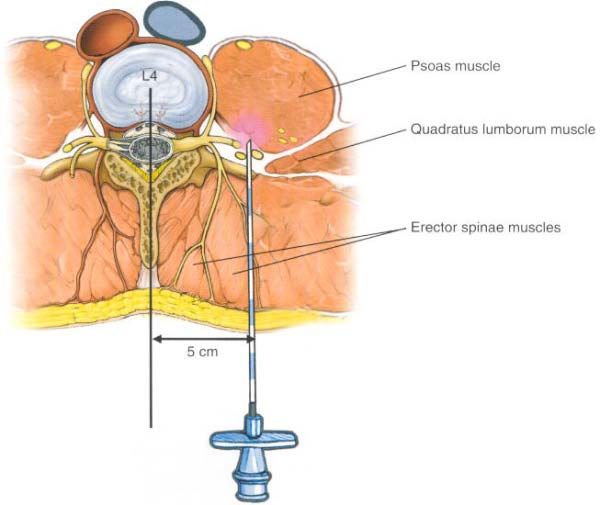
Opioids Are Not The Default Chronic Pain
Treatment

• They don’t address the physiologic mechanisms of pain
• They have not been shown to improve function
• They have not been studied in longer-term trials
• Studies suggest patients may have worse quality of life
  and higher pain levels
• Opioids can cause a state of hyperalgesia
Case Formulation

• Name the physiologic type of pain
• Identify the acuity:
    −   Acute
    −   Chronic
    −   Recurrent
    −   Terminal
•   Identify contributing factors and barriers
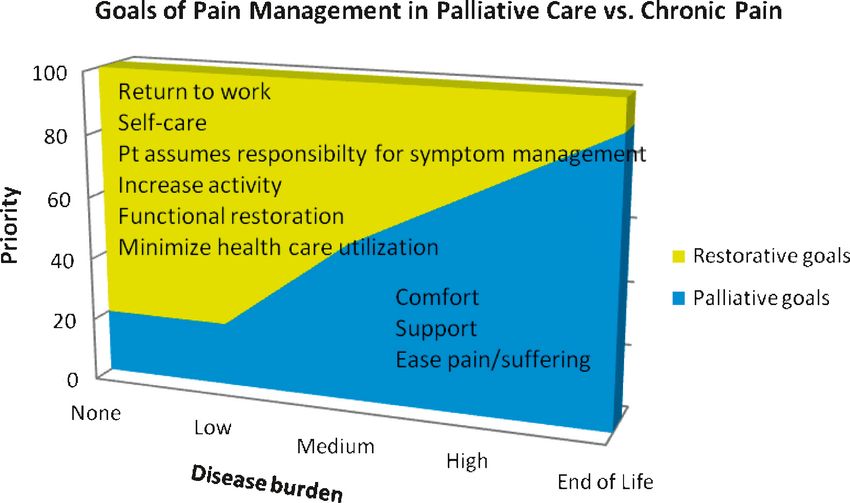
•   Assess disease burden
•   What treatments are indicated?
•   Are interventional approaches warranted?
•   Develop a flare plan
•   Is this patient a candidate for long-term opioids?

                                                         Fairview Health Services
Identify Contributing Factors and Barriers
• Contributing factors amplify or perpetuate pain but are not the original
cause
− Posture
− Stress
− Occupational factors
• Barriers are factors that prevent making a complete pain assessment or
rendering optimal treatment
− Insurance non-coverage
− Low motivation
− Language barrier
− Transportation/limited resources
− Chemical dependency
Fairview Health ServicesDefinition of a Pain Flare
• A pain flare in a chronic pain patient is a temporary
increase in pain intensity from a more stable baseline
pain with otherwise similar characteristics, and not due to
advancing disease or a new condition
• Axiom: For every chronic pain condition there will always
be another flare no matter what type of chronic pain and
what dose of medicine
Fairview Health ServicesPain Flare-Medication Vicious Cycle
Baseline chronic pain Pain flare
Misinterpretation as
disease progression or
Misinterpretation as successful tolerance to opioid
medication adjustment
Medication increase
ResolutionPseudotolerance
• The apparent failure of medication to maintain stable
control of chronic pain resulting in repeated dose
escalations during pain flares, without a return to baseline
doses once pain flare resolves.
Fairview Health ServicesAssess Disease Burden
Nociceptive   Nociceptive
                             Neuropathic   Bone   Muscular   Psychogenic
Inflammatory   Mechanical

        Identify Physiologic Types of Pain
Inflammatory Pain
Nociceptive Nociceptive
Neuropathic Bone Muscular Psychogenic
Inflammatory Mechanical
Diagnosis Drug Management
• Clinical setting • NSAID
– Postoperative
– Trauma – Ibuprofen
– Infection
– Arthritis – Naproxen
• Distribution – Ketorolac (IV form)
– Joints
– Area of infection or trauma – Celecoxib (Cox-2 inhibitor)
– Surgical incision
• Quality • Corticosteroids (if not
– Aching contraindicated by infection)
– Throbbing
– Worse with movement
• Physical findings
– Warm
– Red
– Swollen
Fairview Health ServicesNeuropathic Pain
Nociceptive Nociceptive
Neuropathic Bone Muscular Psychogenic
Inflammatory Mechanical
Diagnosis Drug Management
• Clinical setting • Anticonvulsants
– Diabetes
– MS – Gabapentin
– HIV
– Spine surgery – Pregabalin
• Distribution – Lamotrigine
– Stocking/glove
– Peripheral nerve – Topiramiate
– Nerve root/dermatome
• Quality & timing • Antidepressants
– Burning or shooting – TCAs
– Worse at night
• Physical findings – SNRIs
– Allodynia
– Cooler temps • Local anesthetics
– Neurological deficit • Capsaicin
Fairview Health ServicesBone Pain
Nociceptive Nociceptive
Neuropathic Bone Muscular Psychogenic
Inflammatory Mechanical
Diagnosis Drug Management
• Clinical setting • NSAIDs
– Cancer
– Compression fracture • Corticosteroids
– Sickle cell • Bisphosphonates
– Osteoporosis
– Other trauma/fracture • Salmon Calcitonin
• Distribution
– Limb
– Spine
– Rib
– Hip
• Quality & timing
– Incident pain
• Physical findings
– Tenderness
Fairview Health ServicesMuscular Pain
Nociceptive Nociceptive
Neuropathic Bone Muscular Psychogenic
Inflammatory Mechanical
Diagnosis Drug Management
• Clinical setting • Cyclobenzaprine (Flexeril)
– Muscular injury
• Distribution • Orphenadrine (Norflex)
– Muscle group • Methocarbamol (Robaxin)
• Quality & timing
– Aggravated by certain movement • Carisoprodol (Soma)
or position
– Better at rest • Diazepam (Valium)
– Pulling, ripping, aching, spasm,
cramping
• Physical findings
– Limited ROM
– Trigger points
– Muscle tightness
– Taut bands or knots
Fairview Health ServicesPsychogenic Pain
Nociceptive Nociceptive
Neuropathic Bone Muscular Psychogenic
Inflammatory Mechanical
Diagnosis Drug Management
• Clinical setting • Antidepressants
– High stress – SSRI
– Anxiety – SNRI
– Depression
– Bupropion (Wellbutrin)
• Distribution
– Mirtazepine (Remeron)
– Widespread
– Non-anatomical • Anxiolytics
• Quality & timing – Benzodiazepine
– Extreme and dramatic – Buspirone (BuSpar)
descriptors – SSRI
• Physical findings • Atypical antipsychotics
– Anxious – Quietapine (Seroquel)
– Histrionic – Respiradone (Zyprexa)
– Normal physical exam
Fairview Health ServicesTopical Analgesics
• Lidocaine (Lidoderm) patches, lidocaine gels
• Topical diclofenac 1% gel
• Topical diclofenac 1.3% patch apply 1 patch to pain site q
12 hrs
• Ketoprofen 10% in PLO gel TID (Fairview compounded)
• Gabapentin 8% in PLO gel TID (Fairview compounded)
• Morphine 0.1% (weight to weight) in Intrasite gel. Used in
open wounds (Fairview compounded)
• Capsaicin 0.025%, 0.075% desensitizes cutaneous
nociceptive nerve endings: Must be used daily for several
weeks for effectiveness.
Fairview Health ServicesNon-Pharmacological Treatments
Fairview Health ServicesNon- Pharmacologic Treatments
1. Movement-based
2. Stimulation-based Relaxation
Chiropractic
Tai Chi touch
Acupuncture
Supplements
Healing
Prayer
3. Mechanical/ Osteopathic
Guided imagery
Aromatherapy?
Vitamins
TENS
Calling
Walkingon higher
Acupuncture
manipulative Cranio-Sacral
Mindfulness-based
Minerals
Heat
Vital
power
Aquatic
energy
andexercise
ice
maniputation
stress reduction
4. Meditative/mindful
5. Nutriceutical
6. Energy-based
7. SpiritualRegional Analgesia
• Peripheral Nerve Blocks
• Sympathetic Blocks
• Epidural/Intrathecal
AnalgesiaSympathetic Blocks
• Autonomic (sympathetic) blockade to treat ischemic pain and
sympathetically maintained neuropathic pain. They also are
used to manage pain from disease of internal organs.
• Benefits include decrease in opioid requirements and
interrupting the pain cycle
− Stellate ganglion block for face, upper extremity, chest wall at
level C6-C7
− Celiac plexus block: malignancy of liver, pancreas or upper GI
− Hypogastric block is used for lower abdominal and pelvic pain.
− Ganglion impar block for perineum, rectum and genitalia
Fairview Health ServicesEpidural Block
• Corticosteroid administration to
the epidural space
• Indicated for radicular pain in the
neck or back
• Gives intermediate term relief
(weeks to months)
• Facilitates rehabilitation
Fairview Health ServicesParavertebral Blocks • Indicated for postoperative pain • Catheter retained for
What do you say to your patient?

• Your pain is caused by…
• Your pain is amplified by…
• Opioids do not address the cause or the amplifying
  factors
• Opioids have never been shown to increase function
• Opioids may actually increase pain and pain sensitivity
• Continue opioids and… your balls will shrink to the size of
  raisins
How To Say No

• Opioids aren’t indicated for your condition
• There are other txs that are more effective
• We don’t prescribe opioids for chronic pain when patients
  are using illicit drugs (even Marijuana and even for
  medicinal purposes)
• Your past experiences when using opioids (OD, multiple
  lost Rxs, poor function, frequent ER visits, etc) puts you
  at too high a risk if we go back to that type of treatment

                                           Fairview Health Services
How to Say No: What NOT to Say
• I just don’t prescribe narcotics
• That is not my area
• I am just not comfortable with that
• I don’t treat chronic pain
• Well, I’ll give you enough to get to your pain clinic
appointment. Then it will be up to them
Fairview Health ServicesCase Vignettes
• A pt has burning pain down the posterior leg to the calf after
lumbar surgery. How would you classify it?
• A 71 yr old man is admitted to hospital with a CVA. He has a
long hx of chronic low back pain and DDD. How do you treat
the low back pain in the hospital?
• A pt calls you on the phone because their chronic neck pain
has been worse after he helped his sister move. He has been
on SR morphine for over a year at the same dose, and is
asking for a boost in the dose. What is your response
• Pt with chronic low back pain is asking for a strong narcotic to
manage the pain so he can keep working
• A diabetic has burning foot pain what medication would be
appropriate
Fairview Health ServicesCase Vignettes
• Neck pain is aching 2 years after a rear-end collision.
It hurts with flexion of the neck. Pressure over the
trapezius causes referred pain into the occipital area.
What is the physiological type of pain?
• The above patient has a newborn. Pain is worse
when she carries the infant. What do you call that
component of the pain?
• True or False: It is reasonable to try to get the chronic
pain patient to a pain level that is < 4/10
• How would you address the neck pain
− Pharmacologically
− Non-pharmacologically
Fairview Health ServicesYou can also read


