One city... many journeys - Strategy for Delivery 2017-2021 January 2017 - Transport for Edinburgh
←
→
Page content transcription
If your browser does not render page correctly, please read the page content below
Strategy for Delivery 2017-2021
one city... many journeys                      January 2017
Foreword from City of Edinburgh Council Leader and Chief Executive
Edinburgh is the fastest growing city in the UK, with population growth of 1% per       The vision for the city will require a well developed, integrated transport
annum. By 2042, with some 750,000 residents, this increasing population will help       network. There is, therefore, a compelling case for the development of this
generate prosperity but is also living longer. With this in mind we need to take a      strategy to support our priorities; Improve Quality of Life, Ensure Economic
long-term view of the city. Our City Vision will be just that - a City Vision not a     Vitality and to Build Excellent Places. The City Vision and City Deal will inform
Council vision. The vision will be the output of a conversation with the whole city     future iterations of this strategy.
that will describe what the City of Edinburgh will look and feel like, for us all, in
2050.                                                                                   This strategy recognises the challenging landscape for transport in the
                                                                                        Edinburgh City Region and beyond, with many stakeholders and actors.
The developing City Vision and the Edinburgh and South East Scotland City Region        We believe that there is a need to coordinate, collaborate and lead the
Deal (City Deal) will inform the work of City of Edinburgh Council (CEC) and            development of transport in Edinburgh. There is evidence from across the
Transport for Edinburgh (TfE). Wherever the City Vision leads us, opportunities         world that a well defined transport strategy, with stable governance, is
like the City Deal will also offer us the chance to make decisions which will           conducive to better transport.
shape investment for the coming decades, importantly including infrastructure
and transport. The City Vision will be commensurate with our status as a world
heritage site, capital city, major economy and the most visited city in the UK
after London. Mindful that the defining geography, features and topography of
Edinburgh will not change significantly in this timeframe.

                             “Edinburgh is a city that makes you think about what a city should be”
                                                                                                                          -Murdo MacDonald
                                                                                                           Professor of History of Scottish Art

2   Foreword
Foreword from Transport for Edinburgh Board Chair and Chief Executive
We who live, work, study, visit and invest in Edinburgh, all seek continuous                and more efficiently. There will be a need to continue to align with the revised
improvement in the mobility options open to us in the city and surrounding area.            UK and Scottish Government, Transport Scotland, SEStran and CEC strategy
This challenge against the backdrop of population growth and a relatively fragile           development processes. All of which are currently under review, with differing
transport infrastructure, in a historic city, is substantial. Meeting aspirations for       timeframes and deadlines.
more active travel and sustainable transport with those of continued economic
growth and prosperity, requires fine balancing across limited resources and                 Most cities develop an organisation such as TfE in an incremental way, or
infrastructure.                                                                             through the amalgamation of existing agencies. We will also take an incremental,
                                                                                            stepped, approach to developing the broader role for TfE. While developing
The reality is that increasing congestion and fragility and reduced public                  TfE we must be careful to preserve the excellent services delivered every day
spending requires intensive collaboration and cooperation across agencies in                by the TfE Group bus and tram companies. We must learn from good practice
order to improve mobility. This complex space is where TfE will make an impact              in Edinburgh, the UK, globally and from past mistakes. Our consultation for this
over the next few years. The existing strategy for TfE runs to the end of 2016              strategy consistently evidenced that there is a need for strong leadership, better
and was designed to get TfE up and running. The next 5 year strategy is about               integration between modes and true multi modal choice, all supported by bold
delivery and developing The TfE Group*, translating a plethora of high level                policy. Edinburgh Trams and Lothian Buses are key components of the current
strategies and visions: The City Vision, The Transport Vision 2030 and the                  integrated system, but this is an evolving ecosystem and TfE will focus on the
current Local Transport Strategy 2014 – 19 into projects and plans that meet                outcome of improving mobility for all, in line with the wider City Vision and CEC
high level objectives and contribute to keep the City Region moving faster                  policy, whilst being the very best parent company it can be.

            “There is no habitation of human beings in this world so fine in its way….as this, the capital of Scotland.”
                                                                                                                                             -Andrew Carnegie
                                                                                                                                  Scottish American Industrialist

*Refer to Glossary for organisational chart showing structure including subsidiary companies.               Transport for Edinburgh Strategy for Delivery 2017-2021        3
Executive Summary
The Transport for Edinburgh (TfE) vision is to           We have prioritised the opportunities in order to focus
provide world class, integrated, environmentally-        on achieving initial successes over the first years, then
friendly and socially inclusive transport which plays    more complex projects over years 3-5. This will allow
a central role in the future prosperity of Edinburgh     TfE to build organisational capabilities before taking
and the Lothians. This Strategy for Delivery will        on more challenging initiatives.
focus our efforts over the next five years to work
                                                         The case studies and opportunities cited in the
towards our vision.                                      delivery section and annex will be developed through
The key outcomes for us to achieve the TfE Vision        business case approval by CEC. Key focus areas for the
are:                                                     first two years are centred around:
    •   Customer satisfaction.                            • Continuing to integrate bus, tram and other modes.
    •   World class integration.                          • Enhancing the Edinburgh Trams service.
    •   A healthy and sustainable city.                   • As a champion, supporting Lothian Buses,
    •   Socially inclusive services.                        Edinburgh Trams and other operators to deliver
    •   An accessible city.                                 and develop their services.
    •   Economic benefit for the city and region.         • Establishing active travel infrastructure, such as
                                                            cycle hire.
These outcomes are consistent with the wider City         • Travel Demand Management.
of Edinburgh Council (CEC) priorities and strategy. In
                                                          • Integrated City Operations.
addition, we will continue to ensure alignment with
national and other key strategies through an annual       • Enhancing bus station operations.
review process.                                           • Clear and consistent marketing, communications
                                                            and travel information, such as wayfinding and
In order to fulfil this ambition, TfE will become the
                                                            signage.
primary integration agent for transport modes in
the City Region. This will be achieved by focusing        • Park-and-ride operations and increasing modal
on the delivery of key tasks in line with an agreed         shift to public transport.
Service Level Agreement with CEC and best practice
                                                         In addition, TfE will operate as a conduit across the
guidance on the role of Arms Length External
                                                         TfE Group of companies for governance, strategic
Organisations (ALEOs). The role for TfE is tied to
                                                         priorities, strategy development, commercial
enhancing the delivery of key activities that sit
                                                         prioritisation and influencing wider policy
best outside of CEC, either due to their commercial
                                                         development in order to develop a world class,
nature or the operational flexibility required to
                                                         integrated transport system.
deliver a high standard of service. TfE will work to
continually improve the existing award winning
services.

4       Executive Summary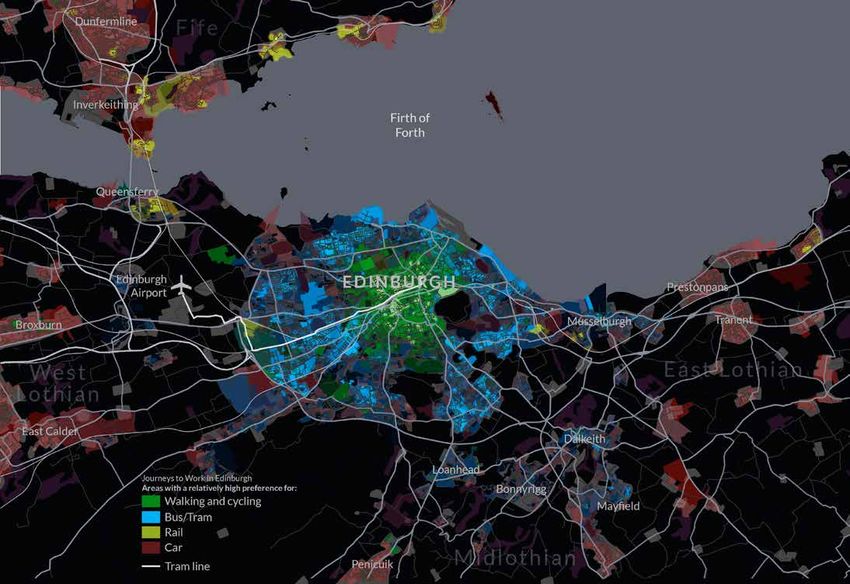
Contents
1. INTRODUCTION				             7
2. CONTEXT					 9
3. TFE VISION AND OUTCOMES		    13
4. TFE’S ROLE AND ACTIVITIES		 19
     Integrate					20
     Coordinate				22
     Cooperate				25
     Collaborate				27
     Project Delivery				28
     Parent Company				31
5. PROJECT DELIVERY METHODOLOGY 33
     2017					34
     2018					35
     2019-2021				37
6. GOVERNANCE				39
7. MONITORING PERFORMANCE		     41

ANNEX - CASE STUDIES			         43
GLOSSARY					48
ACKNOWLEDGEMENTS			49

                                     Transport for Edinburgh Strategy for Delivery 2017-2021   5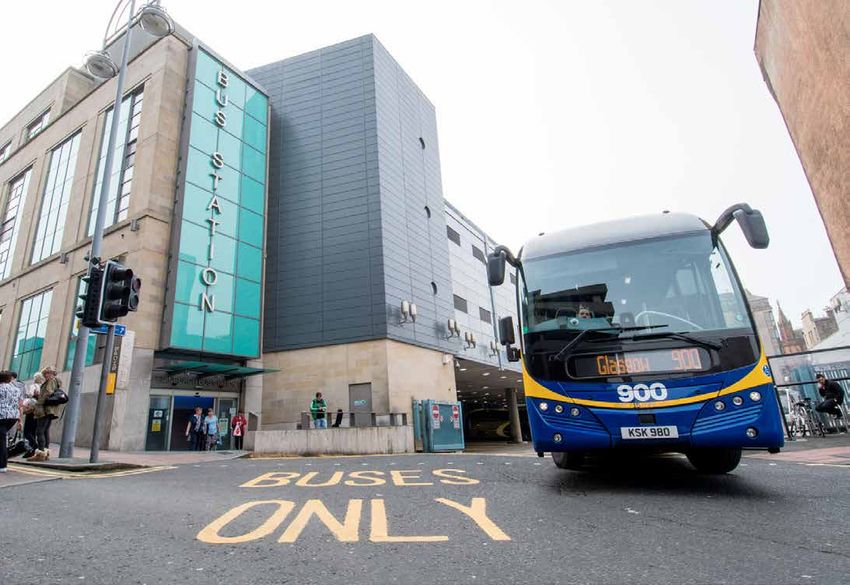
About Transport for Edinburgh (TfE)
                                                     TfE, formed in 2013, is the parent company for
                                                     Lothian Buses, Edinburgh Trams, and all subsidiary
                                                     companies (collectively known as the TfE Group*).
                                                     TfE is an Arms Length External Organisation
                                                     (ALEO) wholly owned by the City of Edinburgh
                                                     Council (CEC). This arrangement is governed by
                                                     a Shareholder Agreement between CEC and TfE.
                                                     A Service Level Agreement will further define the
                                                     working and funding relationship between the
                                                     Council and TfE and between components of the
                                                     TfE Group in order to enable TfE to deliver this
                                                     strategy.

                                                     TfE was created as the single economic entity
                                                     allowing Lothian Buses and Edinburgh Trams to
                                                     operate together, complying with UK competition
                                                     law and other legal requirements. This requirement
                                                     remains extant.

                                                     When TfE was formed the priority was to get
                                                     Edinburgh Trams up and running, however a
                                                     longer term vision for TfE has always been more
                                                     ambitious. This strategy sets out the first steps to
                                                     deliver on that vision.

6   Introduction   *Refer to Glossary for organisational chart showing structure including subsidiary companies.
1. INTRODUCTION
Why TfE, Why Now?                                           TfE’s Role as an ALEO                                       Alignment with City Vision 2050, City Deal and
Edinburgh Trams has been operating successfully             Audit Scotland guidance explains how ALEOs must             National Transport Strategy
for over 2 years, allowing TfE to shift focus               offer best value to councils and has been drawn on          A clear vision – developed, built and shared with
to concentrate on the wider aspirations and                 extensively to inform the TfE value proposition to          residents, businesses, and public agencies - can bring
expectations.                                               CEC. In developing the TfE proposition and approach,        significant benefits for a city. The conversation that
                                                            the opportunities for TfE to offer this value can be        will create the vision for Edinburgh in 2050 has just
The TfE Board tasked the CEO to develop a 5-year
                                                            summarized under three broad areas:                         started but even from the outset, it is clear that
strategy to deliver targets in the city’s Transport
Vision 2030. These centre on the principle of                • Improve service performance across a portfolio           transport will play a significant role in the Edinburgh
integrating transport options and services, to provide         of services,                                             of 2050. Edinburgh was recently placed 13th overall
a unified user experience under a common brand                                                                          in the Arcadis Sustainable Cities Index 2016, but
                                                             • Deliver economic and financial benefits across
(TfE). The vision extends beyond buses and trams                                                                        while ranked highly in many respects, Edinburgh
                                                               the Group and wider services, and
to include rail, cycling, walking, cycle hire, car clubs,                                                               scored relatively low in sustainability, health and
                                                             • Free up CEC resources to focus on core services.         transport infrastructure. TfE will aim to support
taxis and any other mode or service that might have a
role to play in an integrated mobility system.              As part of an ongoing transformation, CEC is                improvement in these areas.
                                                            committed to focus on delivery of core services,            The UK has recognised the importance of a coherent
There are clear early priorities, these include:
                                                            withdrawing from activities that do not directly            and long term plan for infrastructure investment
 • Ticketing: user interface and handling multiple          support this. This strategy and the Service Level           in cities that would support such a vision. The
   products - potentially enabling access to multiple       Agreement (SLA) will set out the framework for TfE          Edinburgh City Region (Edinburgh, East Lothian,
   operators (bus, car club, rail) within Edinburgh.        to assume additional delivery responsibilities. As          Midlothian, West Lothian, Fife and Borders) is
 • Brand and Marketing: promoting the TfE Brand             an ALEO with existing brand identity and mobility           developing a City Deal bid to secure significant
   and building this asset in the interests of the City     focus, TfE is able to adopt, and take responsibility        investment. For the bid to be successful, transport
   Region.                                                  for, activities which are customer facing, include          infrastructure investments will be central to the
                                                            multiple stakeholders and have the potential to             City Deal partners. Furthermore, the City Region
 • Strategic Planning: promoting true
                                                            deliver economic benefits or revenue streams. TfE           will attract City Deal investment, by demonstrating
   multimodality and service integration including
                                                            can operate as the connecting point for the bus             structures and organisations are in place to deliver
   managing conflicts which may emerge between
                                                            and tram network alongside active travel and other          an integrated transport network. TfE will be well
   modes, especially mindful of increasingly limited
                                                            mobility services including emerging technologies.          positioned to support the delivery of a planned City
   available roadspace.
                                                            TfE can apply agile processes and responsive                Deal programme.
 • Strategic Commercial Investment: targeting               decision making, which can be particularly attractive
   areas for investment and determining                                                                                 The City Vision and City Deal must also be
                                                            in developing transport networks.
   partnership strategies.                                                                                              considered in the context of the National Transport
                                                            TfE will be subject to audit and oversight which            Strategy (NTS) revision process, starting in early
 • Supporting CEC Policy: that enables the                  will focus on setting the strategic framework and           2017. There is a concurrent dialogue on the future
   development of a world class public realm.               accountability, enabling publicly elected members           governance of the Scottish Regional Transport
                                                            to focus on the critical issues for the city, but not day   Partnerships, especially SEStran, and clear
                                                            to day operations, in line with best practice guidance      recognition of the need to align with TfE.
                                                            from national government.

                                                                                                             Transport for Edinburgh Strategy for Delivery 2017-2021        7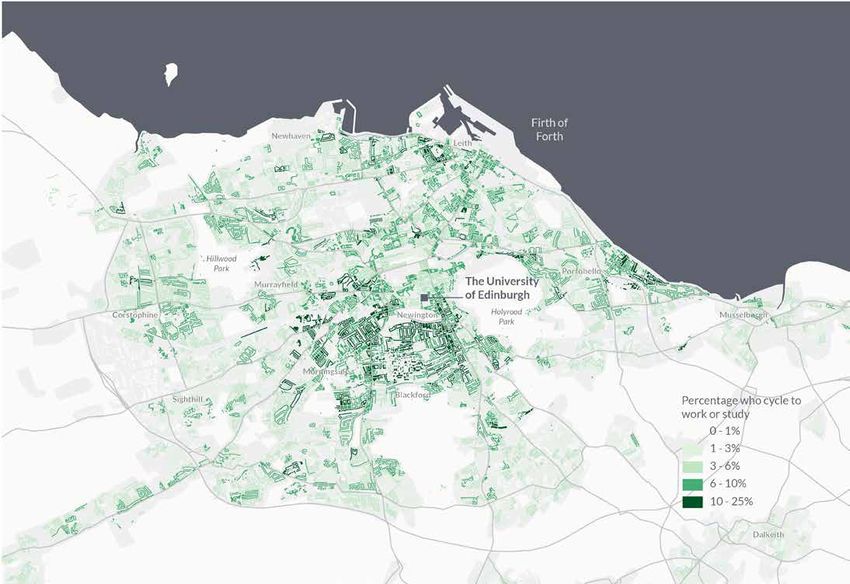
Journeys to, from and
              within Edinburgh
              The TfE Strategy will focus on the journeys of the
              travelling public in the Edinburgh City Region. The
              customers who live, work, invest, visit and study
              here. TfE will concentrate on understanding their
              travel needs, expectations and behaviours, then
              developing and delivering mobility solutions that
              meet these needs and expectations.

              Mindful of these journeys and expectations, TfE
              must balance the needs of the travelling public
              with local and national policy.

                                 Contains OS data © Crown copyright and database right 2016
                  Transport data from the National Records for Scotland and Scotland’s Census
8   Context
2. CONTEXT                                                               650
                                                                                     City of Edinburgh Projected Population Growth
                                                                                                                                                             Projected population
                                                                                                                                             25%

                                                                   Thousands
      Edinburgh is the most prosperous UK city outside of                      600                                                                           growth from 2010 to 2030
      London. A financial hub, the city hosts global top tier
      universities and growing life sciences and technology                    550

      sectors. It is home to the world’s biggest arts festival,                500
                                                                                                                                               Employment growth in
      and as a capital city and world heritage site, the city is
      one of the top 10 European destinations for tourists.                    450                                                           tech industry 2011-2014                      23%
                                                                                                                                                                           Tech City UK
                                                                               400
      The city combines all these opportunities with
      outstanding green spaces, exceptional schools and                                                                                                                                          397
      other public services to furnish high quality of life for     Based on data from the National Records of Scotland

      residents.                                                                                                                           311
                                                                                          Target for reducing greenhouse
     To sustain such a city with the challenges of
FIGURE 2: OVERALL
     ageing          INDEXand
            infrastructure   RANKINGS:
                                the fastest growing city
                                                                         80%              gas emissions by 2050 relative
                                                                                                                                                                          People of pensionable
                                                                                                                                                                              age and over
     population in the UK, we must be bold and brave. The                                 to 1990 levels.                                                             per 1,000 people of working age
                                                                                          Scottish and UK Legislation
     following pages highlight some of the considerations                                                                                     2015                                         2039
                                                                                                                                           National Records of Scotland
     and factors to account for in our plans.

      Zurich           1                                                                                51
                                                                                                             Edinburgh is a unique city
      Singapore        2
      Stockholm        3                                                                                52
                                                                                         City population
                                                                                                 53
      Vienna
      London
                       4
                       5                                              100%               increase54
                                                                                                  in August.
      Frankfurt         6
      Seoul            7                                                                                55
      Hamburg          8                                                                                56
      Prague
      Munich
                       9
                       10                                                3.85             Million visits
                                                                                                  57     in 2015.
      Amsterdam        11                                                                               58
      Geneva           12
                                                                                                        59
      Edinburgh        13
      Copenhagen       14                                                                 Commute  60 on foot, by bike,
      Paris
      Hong Kong
                       15
                       16
                                                                        54%               or public61transport.
      Berlin           17                                                                               62
      Canberra         18                                                                               63
      Rotterdam        19
                                                                                          Proportion
                                                                                                  64 of workers
      Madrid           20
                       People        Planet   Profit
                                                                       30%                who live65
                                                                                                   outside the City.
      Arcadis Sustainable Cities Index 2016                                                             66
                                                                                                        67                     Transport for Edinburgh Strategy for Delivery 2017-2021                  9
Drivers for Change
Our ambition for continued economic prosperity            over the coming years. Even more, however, will need     The drivers for change in the TfE Strategy for
and population growth in the City Region drives the       to be done to reduce congestion if aspirations and       Delivery are not rooted in transport issues alone, but
agenda for TfE and our partners. Whether people are       expectations are to be met.                              include the broader challenge of delivering transport
travelling for work or leisure, we need to continuously                                                            integration. The city needs alignment across the key
                                                          The city’s commitment to foster active travel
improve the mobility options available in order to                                                                 transport providers, notably the Group companies
                                                          and healthier lifestyles through investment in
support the city. Our feedback from stakeholders                                                                   (Lothian Buses and Edinburgh Trams) but also other
                                                          infrastructure dedicated to safe and quick cycle
is consistent, the increasing pressure on road space                                                               operators and across customer interchanges and
                                                          and walking routes will lay the groundwork for
and infrastructure, the fragility of the network and                                                               touch-points.
                                                          behaviour change. However, additional measures
variability of journey times all impact our mobility as
                                                          will be required to ensure these schemes form part       TfE will be seen as the primary transport integration
well as causing spikes in pollution. Solutions will be
                                                          of a wider, integrated and extensive strategy which is   agent in the eyes of the travelling public, a ‘one stop
found in infrastructure and operational improvement,
                                                          able to address the ever changing context of the city.   shop’ for understanding mobility options across the
but will also increasingly be found in the relationship
                                                          Along with walking and cycling, we must embrace the      city and surrounding region. The city requires TfE to
between people and their travel choices. The existing
                                                          electrification of our networks in order to address      support its own work by acting as an agile partner to
network cannot support the growth and prosperity
                                                          the pollution and emissions challenges. The growing,     deliver the customer focussed nature of its strategy.
we envisage, therefore doing nothing is not an option.
                                                          ageing population is putting additional strain on the    The city and its partners will enable the change, as
Some improvement has been seen in investment in           transport network, but the current concessionary         is happening with current investments in walking
bus priority, and significant investment in the fleets    fare scheme does not result in additional profit for     and cycling provision. Customers will also value the
has helped to grow patronage over the last decade.        operators from this patronage. Anecdotal evidence        integration and improvement of travel information,
There are exciting and bold initiatives in progress       suggests that some concessionary customers are           enabling us all to make smarter choices to make our
today; transforming the city’s approach to road           reverting to private cars, adding pressure to the        travel fit our lives today.
maintenance and renewal, air quality management           already congested system.
and the 20mph speed limit roll-out that will save lives

                                                                                                                           “TfE will be seen as the primary
                                                                                                                       transport integration agent in the eyes
                                                                                                                      of the travelling public, a ‘one stop shop’
                                                                                                                         for understanding mobility options
                                                                                                                      across the city and surrounding region.”

10 Context
Considerations from Stakeholders, Transport Forums and Focus Groups
The feedback from wide ranging stakeholder engagement, Focus Groups, Transport Forums and
our own research, has highlighted a number of factors that influenced our thinking and priorities.
Supporting the development, growth and Meeting the annual demand cycle of the city and
prosperity of the city and region enabling all visitors to easily access transport, being
mindful of the growth of festivals in Edinburgh and
Edinburgh is a large financial and business hub which
attracting more visitors for longer must be a key
requires world class public transport to attract
consideration.
investment, talent and growth.
With significant developments planned in and Edinburgh New Town/Old Town and wider city – a
around the city, integrated public transport should be World Heritage Site
incorporated from the start of the planning process Respecting the character of the city, and protecting the
in concert with local development plans. heritage comes at a cost and means there are additional
TfE must be prepared to continue to evolve in line constraints, compromises and considerations to make.
with the requirements of an emerging City Deal and There are, however, also opportunities in this.
City Vision.
CEC Transformation Programme
Technology/pace of change TfE will be agile and lean in concert with CEC as well
Technology and transport are increasingly as the direction and guidance available to Arms Length
interlinked, with innovations and disruptive External Organisations.
technology presenting new opportunities and
redefining the customer experience. Protect the social fabric/equality of opportunity
Accounting for new technology in design is important It is important to retain an inclusive, accessible and
for the customer and to the length of planning / socially balanced approach across all aspects of delivery.
project life cycles.
Legacy of transport projects in Edinburgh and
Regional economy and commuters other cities.
Interdependence with neighbours, whether TfE will learn from legacy projects in the city and
commuters or other user groups, means a elsewhere to ensure mistakes are not repeated and
cooperative approach must be sought to solve lessons are applied.
problems and improve transport and integration
across the wider region.
Need to work with transport partners to deliver
the desired outcomes
Importance of tourism and visitors to the city TfE must develop the stakeholder map and collaborate
The City of Edinburgh is a major tourism and with all transport partners to influence their decision
business destination. Visitors to the city contribute making and policy. The planned development of
significantly to the local and regional economy. Edinburgh Airport will be a key factor.
Transport for Edinburgh Strategy for Delivery 2017-2021 11Aims of the Strategy
The aims of this strategy are to:
• Describe the TfE approach to deliver the TfE Vision
and outcomes.
• Outline objectives for TfE in support of CEC and
wider strategies.
• Inform the development of the TfE 3 year
Management Plan.
• Inform the creation of detailed plans and business
cases to deliver the strategy.
• Set the context for the development of a set of
Service Level Agreements.
• Provide strategic guidance on transport in
Edinburgh for the TfE Group of companies.
12 TfE Vision and Outcomes3. TFE VISION AND OUTCOMES
Accessible Services World Class Integration
Edinburgh has a transport system that Our partners work together in a highly
improves connectivity for all users. Our effective and collegiate way to solve
customers feel safe and secure when the mobility challenges of the city. Our
travelling on the public transport network customers transfer seamlessly between
and we consistently reduce physical or modes at interchanges while services are
other barriers to journeys. The TfE Vision ... planned to enable customers to easily plan
journeys by public transport and other
Socially Inclusive Services
To provide world class, integrated, sustainable modes without having to resort
to the private car.
Improving mobility and access to jobs and
environmentally-friendly and
services is critical to improve opportunities socially inclusive transport which Economic Benefits
for vulnerable individuals in Edinburgh. This
focus enables us to overcome barriers to plays a central role in the future Transport initiatives represent good value
for money and unlock economic potential
work and learning as well as participation in
prosperity of Edinburgh and the across the wider city region. Improvements
social and community life for everyone. enable greater participation for people in
Lothians. the economy, supply chains for businesses,
Healthy and Sustainable City and grow a resilient and high performing
transport network.
We will achieve a low carbon, resource
efficient transport network, supporting
resilient and sustainable communities in the Customer* Satisfaction
rich natural setting of our city. Our approach The TfE Vision and Outcomes align closely Our efforts are focussed on adding value
to sustainable procurement, and our wide with wider CEC priorities and strategy as to our customers. We make investments
ranging programmes will support residents to well as national strategies and policies as and decisions in order to achieve the best
live and work in our local communities with outlined on the following pages. possible outcomes for our customers.
low air pollution and attractive options for
active travel. *Our customers are those who live, work, invest
in, study and visit the Edinburgh City Region
Transport for Edinburgh Strategy for Delivery 2017-2021 13The Hierarchy of Strategies TfE’s Strategy for Delivery 2017-2021 has been
informed by the hierarchy of transport strategies.
NATIONAL The Scottish Government have indicated
that the refreshed National Transport
TRANSPORT Strategy is to be further reviewed. Public
consultation will begin in early 2017. TfE TfE Outcomes
STRATEGY will engage with this work in order to
influence policy. Accessible
Services
The Regional Transport Strategy informs
REGIONAL the TfE Strategy. TfE is fully engaged
with SEStran, particularly in regard to Socially Inclusive
Services
TRANSPORT the adoption of an appropriate Model (1,
2 or 3) to support a potential Edinburgh
STRATEGY City Region Deal. The outcome of this
dialogue will impact the TfE Strategy. A healthy and
sustainable city
The CEC Transport 2030 Vision is a key
source of direction and guidance for TfE.
Many of its outcomes and objectives will World Class
be delivered by, or supported by TfE. Integration
Integrated public transport is likely to be
a key component of the 2050 Edinburgh
City Vision. TfE will play a full and active Economic
part in contributing to the development of Benefit
this vision.
TfE will work closely, but at arms length,
with CEC and neighbouring local Customer
authorities to ensure the TfE Strategy is Satisfaction
LOCAL aligned with the CEC Business Plan, Local
Transport Strategy and Local and Regional
TRANSPORT Development Plans and subsequent
STRATEGY Action Plans. The following page explains
how the TfE’s outcomes, derived from
2014-2019
our vision statement and informed by the
hierarchy of strategies, have been mapped
to CEC priorities and principles.
5 ACTION PLANS
14 TfE Vision and OutcomesAlignment of Outcomes with CEC Priorities and Principles
TfE’s outcomes are derived from our vision statement, CEC Priorities and Principles
informed by the hierarchy of strategies. This page
demonstrates how outcomes have been mapped to CEC Improve Quality of Life
priorities and principles. • Children and young people achieve their potential.
• Opportunities for participation in sport and lifelong learning.
CEC PRIORITIES
• Safer and stronger communities.
TfE Outcomes • A caring, healthier Edinburgh.
Build Excellent Places
Accessible Services • An attractive city.
• An accessible, connected city.
• A range of quality housing options.
• A built and natural environment to match our ambition.
Socially Inclusive Services
Ensure Economic Vitality
• Business growth and investment.
• Access to work and learning.
A healthy and sustainable • Creative, cultural capital. A vibrant and sustainable local economy.
city A Sustainable Capital City
We are a low carbon, resource efficient Council, supporting resilient and sustainable
communities in the rich natural setting of our city.
World Class Integration Empowered Communities
CEC PRINCIPLES
We are a Council which engages and enables community led service delivery and design.
Integrated Council
We are a Council of joined up services working together effectively with our partners.
Economic Benefit
Value for Money
We are a Council which makes best use of its resources, assets and facilities.
Focussed on Customers
Customer Satisfaction We are a Council in which services are designed around the needs of our people,
protecting the needs of our most vulnerable customers.
High Performing Workforce
We are a Council where services are delivered by an engaged and empowered, high
performing workforce.
Transport for Edinburgh Strategy for Delivery 2017-2021 15Increase public transport patronage
Objectives Support the growth of public transport patronage and mode share in/to/from Edinburgh.
TfE has identified 10 objectives to
fulfil its vision and outcomes : • Support further integration of bus and tram networks, operations, services and timetables.
• Establish Quality Partnerships to improve services, with appropriate authorities.
TfE Outcomes
• Support enhanced bus and tram frequencies.
• Improve commercial/operational performance of Edinburgh’s bus station.
Accessible Services
• Improve access to tram and bus services, including integrating walking and cycling routes to stops/
stations and Park and Ride incentives and service improvements.
Expand the Public Transport Network
Extend, adapt and develop an integrated public transport network that is reliable and convenient
Socially Inclusive Services throughout the City Region throughout the day, and week.
• Support the potential tram extension programme.
• Develop the network of Park and Rides to drive modal shift.
• Cooperate with neighbouring authorities to develop opportunities for bus network expansion,
A healthy and sustainable e.g. potential radial and orbital routes, reviewing development proposals to ensure. safe guard
city infrastructure to support growth and prosperity in accordance with Local Development Plans.
• Take full advantage of opportunities from the new Queensferry Crossing.
• Help deliver supported/subsidised community transport and/or patient transport (for NHS) operations.
Support City Place-making
World Class Integration Support partners in making the City a World Class Place.
• Support bus routes that integrate with tram and other modes, to continually improve the public
realm.
• Work with developers to enable public transport use at new developments.
Economic Benefit Contribute to Social Inclusion
Increase social inclusion (access to jobs, education, health, etc.) by providing travel options that are
affordable, available and accessible to all.
• Broker a common approach to fare strategies where appropriate.
• Create a customer focussed, integrated network, accessible to all.
Customer Satisfaction
Help Reduce Emissions
Reduce impact of air pollutants, greenhouse gases, noise and waste on public realm.
• Encourage fleet investments to meet emissions targets including new technologies.
16 TfE Vision and OutcomesObjectives
TfE Outcomes
Enhance Interchange
Improve interchange across all modes.
Accessible Services
• Develop city interchanges with public and private interests.
Improve Information
Ensure that residents, visitors and employees are able to make well-informed transport choices to drive
modal shift.
Socially Inclusive Services
• Coordinate, cooperate and collaborate to improve travel information.
• Further develop TfE’s integrated travel information platform.
• Champion improved wayfinding, using the TfE brand for marketing and promoting active travel options.
A healthy and sustainable Deliver Efficiencies
city Increase the efficiency of the transport network.
• Develop business cases to take responsibility for @EdinTravel.
• Develop city transport operations, including CCTV, traffic management systems TDM, operator liaison,
etc.
World Class Integration • Coordinative data capture and management, e.g. including the development of a Transport Futures
Hub.
Reduce Journey Times
Improve public transport journey times to encourage modal shift.
Economic Benefit • Facilitate faster boarding/alighting.
• Support the expansion and maintenance of bus priority lanes, selective vehicles detection and other
enforcement measures.
• Support the programme of bus stop review.
Develop Commercial Opportunities
Customer Satisfaction Explore and develop public transport operations and services currently managed by the Council that might
be transferred to TfE and new operations and service that would sit best with TfE.
Transport for Edinburgh Strategy for Delivery 2017-2021 1718 TfE’s Role and Activities
4. TFE’S ROLE AND ACTIVITIES
Core Activities                                                                                               Our Approach
TfE will achieve its objectives and outcomes through:     Cooperation                                         In line with our integration role, but across all these
                                                          TfE will look “over” the Edinburgh City boundary,   activities, TfE will aim to continuously improve the
Integration                                                                                                   way in which partners across the city work together
                                                          cooperating with neighbours. To understand
TfE with the support of CEC and others will become        the transport needs of those travelling to and      on issues. The diagram below shows our initial thinking
the principal public transport integration agent          from the city and incorporating these needs         about where we could focus to improve productivity and
within the city, mindful of the need to think of          into the strategy for an integrated network. The    return on our efforts.
customer transport needs beyond the city boundary.        developing relationship between neighbours          Strategic Planning and                 City Transport Operations
This will be achieved by continuing to integrate bus      and TfE may require new governance perhaps          Integration                             • Develop systems, data
and tram and developing the integrated network            delivered via the City Deal, fresh protocols or                                               analytics, intelligence &
                                                                                                                • Integrate transport for
to match the customer needs of the growing City           refined existing agreements.                                                                  insight to inform planning and
                                                                                                                  customers across modes and
Region. TfE will bring other transport components                                                                 between nodes.                        transport decisions.
                                                          Collaboration
and services under the TfE umbrella, better                                                                     • Prioritise and focus to optimise • Use insight to predict issues,
integrating them into a network that provides             TfE will look “out” to transport partners to            strategic outcomes.                 coordinate across agencies and
                                                          improve collaboration with strategic transport                                              proactively manage issues.
seamless transfer between modes and faster, most                                                                • Build organisational learning to
                                                          partners, wherever possible, to deliver better          inform strategy and planning.     • Develop and deploy robust
cost efficient journeys for customers. All in an effort                                                                                               C3I2* process based on
to encourage modal shift to public transport or active    integration within the overall transport network.     • Be a transport coordination
                                                                                                                                                      scenario modelling and
                                                                                                                  focal point in lockstep with city
travel.                                                   Project Delivery for the City                                                               structured responsibilities.
                                                                                                                  planning strategy and process.
Coordination                                              TfE will, with the support of CEC and others,
                                                                                                                                            ing
TfE will look “up” coordinating with: CEC, both           develop a position with regard to TfE as a future                             lanntion           Ci
                                                          transport project delivery agent. This will be                               P ra               Op t
elected members and officials, to SEStran, Scottish                                                                                     eg

                                                                                                                                                            y T eratio
                                                                                                                                and I gic
                                                          mindful of legacy issues and with a view to the

                                                                                                                                     nt

                                                                                                                                                               ran ns
Government and National (Scottish and UK)

                                                                                                                                Strate
governing bodies and institutions. In doing this TfE      delivery of transport projects for CEC.                                             Learn

                                                                                                                                                                   sport
will be a high level, conduit for strategic matters for                                                                                        and
                                                          Parent Company for the Group                                                       Improve
the operating companies (Lothian Buses, Edinburgh
Trams and others in future) to the higher level           TfE will lead the group, providing support,
entities. This will include influencing higher level      direction and guidance, higher level intent and
                                                                                                                                          J
strategy and policy on behalf of the Group and            be the champion for the Group’s companies and                                Pl o i n t
                                                                                                                                         ann
extrapolating strategy and policy for the Group. This     delivery arms.                                                                      in g
will include developing relationships with funding                                                            Joint Planning
bodies and securing external funding where possible.      The following pages further explain TfE’s role in
                                                                                                                • Integrated approach to planning of short term events, e.g. road
                                                          each of these activities.                               works, sports events, concerts etc.
                                                                                                                • Intelligence and insight informs decisions in line with policy and
                                                                                                                  areas of responsibility.
                                                                                                                • Apply lessons to improve operational performance.
                                                                                                              * Command, Control, Communications, Information, Intelligence

                                                                                                        Transport for Edinburgh Strategy for Delivery 2017-2021                  19
Integrate across the Group and Public Transport
Situation
Years 1 - 2
TfE Group structures are defined by TfE’s origins as
parent company for Edinburgh Trams and Lothian
Buses. The intent has always been for continued
integration between bus and tram. Currently this
involves ticketing, branding and back office functions.
Opportunity
With unity of purpose from clear strategic direction
and leadership to the operating units, TfE can greatly
improve customer satisfaction through an integrated
Contactless Ticketing TfE Marketing and Comms
offering and improve the economic benefits to the
city. There is also an opportunity over the next 5
years to see the Group incorporate other operations,
such as hubs and interchanges. TfE will support the
enhancement programme for tram and integration
with other modes. TfE will also work to ensure
consistent marketing and communications for the
customer across modes.
Priorities
• Develop the integrated network in line with the
demand of the growing City Region.
• Pursue further integrated timetables & ticketing. Bus Station Park and Ride
• Grow Park and Ride usage and modal shift
through incentives, services and development.
Years 3 - 5
• Improve commercial/operational performance of
bus station & interchanges.
• Support tram enhancement programme.
• Support the city with potential tram extension
and opportunities for the bus network.
• Lead on longer term opportunities and
challenges.
Potential Tram Extension with Bus
20 TfE’s Role and ActivitiesIntegration between Bus and Tram
TfE will support continued integration between bus Improvements may include:
and tram, including into areas of new development as • Inter-modal exchange at Park and Ride sites.
identified by the Edinburgh Local Development Plan • Developing the existing bus network to marry bus
(modified September 2016). with tram, especially in the west of the city, other
areas earmarked for development and where the
tram may be extended. Strategic development area
QUEENSFERRY
• Develop the network of multi-modal interchanges. Employment centre
• Continued development of integrated ticketing Large area of regeneration
and travel information.
GRANTON
Green belt controlling
outward growth of city
Waterfront: Industry
Mixed use regeneration Greenspace
TRINITY
River Almond and CRAMOND LEITH Tram line safeguards
MUIRHOUSE
country estates Watercourse
INVERLEITH
DAVIDSON’S MAINS
KIRKILSTON PORTOBELLO
MEADOWBANK
Airport City Centre
MURRAYFIELD Shopping & Entertainment,
CORSTORPHINE
West Edinburgh Offices, Transport Hubs, DUDDINGSTON
Housing Holyrood
Business Investment, Public Transport, Housing
Park
NEWBRIDGE
NEWINGTON CRAIGMILLAR MUSSELBURGH
SE:
SIGHTHILL
South East: Housing
Regeneration,
MORNINGSIDE Housing
RATHO Business &
Industry
Union Canal
SHAWFAIR
WESTERHAILES
Heriot- Blackford and
Watt COLINTON Braid Hills
GILMERTON
FAIRMILEHEAD
SE:
GRACEMOUNT Housing
SE:
Housing
DALKEITH
Esk Valley
Water of Leith and Source: Edinburgh Local Development Plan (modified September 2016)
Pentland Hills Map reproduced by permission of Ordnance Survey on behalf of HMSO. © Crown Copyright and database right 2013.
Transport for STRAITON
Edinburgh Strategy for Delivery 2017-2021 21
BONNYRIGGCoordinate...On Whole Network Opportunities
Situation
Coordination across operations exists in unique projects
Years 1 - 2
or through working groups. Coordination is essentially
ad-hoc and decision making processes, where defined,
cannot fully address systemic operational performance
issues across the network, either in response to
incidents or via predictive, proactive interventions.
Opportunity
TfE has a defining opportunity to take a longer term
view of city transport integration, through developing
coordination mechanisms that are well established @EdinTravel Travel Demand Management (TDM)
in other leading cities, such as Travel Demand
Management. There is a growing need for the capture
and analysis of data from across channels and agencies
in support of such coordination. The benefits realised
and foreseen by other cities in these areas (e.g. £1bn
in London per annum) indicate this strand of work has
the greatest potential return on effort for Edinburgh.
A recent Inrix report estimates that congestion could
cost Edinburgh £2.8Bn to 2025. We describe this area
of opportunity as City Operations, while a full capability
will be a longer term objective, it is critical we start on
this early.
Active Travel in Edinburgh Develop City Operations
Priorities
• Develop business cases to take responsibility for @
Years 3 - 5
EdinTravel Team.
• Develop strategy for coordination of city transport
operations.
• Coordinate development of data capture and
analytics.
• Develop concept and business case for City
Operations and TDM coordination.
• Influence a well co-ordinated policy for the
prioritisation of mobility options in the city (what,
where, how and when). City Deal transport co-ordination
22 TfE’s Role and ActivitiesWhole Network Opportunities: Examples
South of Edinburgh Commuter Areas
The commuter region to the south of Other/Work
from home
Edinburgh, which has a working population Cycle 9%
of around 35,000, has a high private vehicle 1%
transport preference. Walk
7%
TfE would aim to enhance and promote
the existing park-and-ride sites to reduce
congestion in the city. Bus
Car/Motorbike
In addition, the Shawfair Development, in the19%
64%
south-east of the city, is expected to increase
the population of the area further, which could
create further congestion if opportunities to
promote other modes are not realised. Public
transport options need to be available as the development
grows.
South Gyle
The South Gyle area has a high concentration of industrial/
commercial use and therefore has a wide catchment area for
its employees.
There is a high level of private vehicle use to this area.
Additionally, the West Edinburgh development will further
increase demand in this area over the coming years.
As with the Shawfair development, there is an opportunity
to influence both existing travel behaviour and proposed
developments in order to reduce congestion and encourage
use of public transport and active travel modes, especially
where the public transport network ‘offer’ is an integral part of
the emerging development.
TfE will support the economic potential of these areas being
realised by coordinating the integrated public transport
network.
Transport for Edinburgh Strategy for Delivery 2017-2021 23Coordinate...On Customer Facing Opportunities
Situation
Years 1 - 2
Branding, marketing and communications across modes
is a few steps ahead of supporting structures, processes
and systems. The TfE brand is firmly established, at
least on bus and tram, although used ad-hoc on other
initiatives, e.g. active travel, alongside other branding.
Cosmetic application of the brand without alignment
of responsibilities, authorities and resources is not a
truly multi-modal customer proposition and could be a
potential risk to TfE.
Opportunity Wider Marketing and Comms City Car Club
Developing a modally agnostic customer proposition
under the TfE brand is dependent upon supporting
alignment (e.g. integration of active travel mode
options into the TfE journey planner). We have great
opportunities with newer modes, notably City Car Club
and on demand, or subsidised services, to integrate
options to meet customer needs and expectations.
Customer choice and signposting to these choices will be
key rather than modal protectionism. TfE will continue
to develop the network of transport stakeholders.
Priorities
Active Travel Integrate Other Modes (e.g. Air and Rail)
• Develop and implement a roadmap for an integrated,
multi-modal proposition to customers, championing
Years 3 - 5
city ‘wayfinding’.
• Work to integrate active travel options and SEStran
initiatives (e.g. Liftshare) into the TfE proposition.
• Explore opportunities with City Car Club and other
modes for integrated offer.
• Explore funding opportunities.
• Explore opportunities for a Transport Futures Hub. A
new capability to fuse available data to better inform
transport decision making.
• Support the Congestion Action Plan. Futures Hub City Events
24 TfE’s Role and ActivitiesCooperate with Neighbours
Situation
Years 1 - 2
TfE has developed an initial understanding with our
closest neighbours in East, West and Mid Lothian,
Borders, Fife and SEStran around the role of TfE
in the region. There is support to investigate the
alignment of TfE and SEStran in terms of strategic
planning and service delivery. TfE notes the need to
cooperate closely with near neighbours.
Opportunity
TfE can fulfil the role of coordinator and relationship
manager for cooperative, multi-agency approaches to Local Development Plans Park and Rides
transport matters across the City Region and beyond.
Immediate examples would be large developments
impacting the city or existing commuter hubs, e.g.
Blindwells East, Shawfair, Cockenzie, Edinburgh
West (Gyle, Barnton, Edinburgh Park, International
Business Gateway). There are clear opportunities
to improve existing public transport options. TfE
will influence policy and decisions for, e.g. Park and
Rides, transport infrastructure, integrating public
transport around the new Forth Crossing, road space
allocation, bus and public transport priorities, freight,
public realm, etc. Cooperate with Neighbours Ring Road
Priorities
• Cooperate with Midlothian and other
Years 3 - 5
neighbouring Councils to develop the Park
and Ride offer and improve usage at Straiton,
Sheriffhall and development of other sites e.g.
Lothianburn and Kilpunt.
• Work up a list of cooperation opportunities
with neighbours on major development projects
across the region, e.g. development of orbital bus
route.
• Cooperate with Edinburgh Airport on the
development of access to and from the city.
City Vision City Deal
Transport for Edinburgh Strategy for Delivery 2017-2021 2526 TfE’s Role and Activities
Collaborate with Transport Partners
Situation

                                                          Years 1 - 2
As with cooperation with neighbours and
coordination across the city, there is currently ad-hoc
collaboration with other operators and partners. This
is in part due to the legal landscape in the transport
sector and competition laws and regulation.
There are significant opportunities to improve the
customer proposition through collaboration in a
legally acceptable way.

Opportunity                                                             Integrated Ticketing                                        Subsidised Services
Initial discussions with potential partners show
there is a strong appetite for having a single point
of contact. TfE would enable this by acting as the
main integration agent in the City Region (e.g.
decision enabler, not maker), while being mindful
and clear about the delineation of its role as a parent
company. It is clear that the role of TfE will enable
collaboration and a clearer voice for all operators to
influence policy and shape a network of transport
options for the benefit of the customer.

Priorities                                                              Queensferry Crossing                                    Multi-modal Integration
 • Develop protocols for wider collaboration and
   influence.
                                                          Years 3 - 5

 • Review opportunities for multi-modal, to
   multi-operator ticketing in region, including
   contactless.
 • Scope how to take full advantage of the new
   Queensferry Crossing.
 • Opportunities for collaboration on subsidised
   services (e.g. health with NHS Lothian).
 • Develop mechanisms for other operators to be
   fully integrated at modal interchanges.
                                                                        Rail                                                   Blueprint Collaboration
                                                                                               Transport for Edinburgh Strategy for Delivery 2017-2021   27
Project Delivery for the City
Situation
Years 1 - 2
Developing an internal project delivery capability has
been shown, in many of the cities we have studied,
to have wider benefits notably the development of
capabilities to bring world-class integration, e.g. in
project and programme management.
Opportunity
CEC has ‘shovel ready’ projects that would add
significant value to the transport network. TfE, as the
primary transport integration agent for the city, will
lobby for these to be delivered. TfE should develop Bus Station Cycle Hire
these opportunities and take further advantage to
build capabilities in project delivery that will enable Project Management Process:
more ambitious projects longer term. Develop Business Case
We foresee the opportunity in project delivery as
highly scalable dependent on the needs of the city
Determine Feasibility
at any one time. Being able to adjust capacity in this
way would prove a valuable asset and to do this,
TfE will need to establish strong sponsorship and Feasible Not Feasible
procurement skills, among other functional expertise.
Priorities
Submit to CEC for approval
As per TfE Governance Report, Transport and City Operations and TDM
Environment Committee, 30 August 2016 develop a
Service Level Agreement (SLA) between CEC and TfE Approved Rejected
and for the TfE Group.
Years 3 - 5
Develop business cases for management and
Initiate Project
operation of:
responses to facilitate
• Edinburgh Bus Station.
efficient TDM. Oversee Project Delivery
• Park and Ride sites.
• City Bike Hire schemes
• Integrated Ticketing, at no/minimal cost to the
Marketing and Comms. council.
Complete Project
• City Operations • Support potential tram
including CCTV, traffic extension work and
and travel information, Potential Tram Extension Review Project
subsequent potential projects.
28 TfE’s Role and ActivitiesCycle Scheme Opportunities This preference represents an opportunity The east and north of the city; Portobello,
A number of opportunities have been to develop cycle hire and other facilities for Trinity and Newhaven all have established
identified to encourage cycling and active cycling that would support and promote cycle mode share for journeys to work or
travel. For example, the area around active travel. study and could also be further development
Edinburgh University notably Morningside, communities for the expansion of cycle
Newington, Blackford and Merchiston show schemes and other active travel facilities.
a particularly high proportion of cycle use
There are number of projects underway
in a condensed area.
across the city to lay the infrastructure
groundwork for active travel; including
plans for protected cycleways, street design
guidance and improvements in pedestrian
crossing times across the city. CEC has
committed to a significant increase in spend
on Active Travel and TfE is well positioned to
support this as part of the wider integrated
transport network.
TfE is investigating a number of possible options to deliver
low/no cost cycle schemes at interchanges around the city.
Contains OS data © Crown copyright and database right 2016
Transport data from the National Records for Scotland and Scotland’s Census
Transport for Edinburgh Strategy for Delivery 2017-2021 2930 TfE’s Role and Activities
Parent Company for the Group
Situation

                                                          Years 1 - 2
There is an enduring legal requirement for a “single
financial entity” that allows Lothian Buses and
Edinburgh Trams to operate coincidentally. That
entity is TfE. TfE holds the CEC 100% shareholding
of Edinburgh Trams and the 91% CEC shareholding
of Lothian Buses. TfE also bridges the gap between
Regional (SEStran) and CEC policy and strategy
development and operationalises those strategies
in the TfE companies, where commercial decision
making is likely to take pre-eminence. TfE provides                     Governance                                                Investment Strategy
the mechanism to balance competing high level city
objectives: integration, access, social inclusion and
sustainability with profit and public investment.

Opportunity
TfE will operate as a conduit across the Group
companies for strategic priorities, strategy
development and commercial prioritisation. TfE will
influence policy at city, regional and national levels.

Priorities
 • Alignment of strategy development.                                   Delegated Authority                              Organisational Development
 • Explore and assume delegated authority
   functions for TfE.
                                                          Years 3 - 5

 • Continue to develop shared services across the
   Group.
 • Alignment of governance and authorities with
   CEC strategic intent for TfE as Arms Length
   External Organisation (ALEO).

                                                                        Grow the Group
                                                                                              Transport for Edinburgh Strategy for Delivery 2017-2021   31
32 Project Delivery Methodology
5. PROJECT DELIVERY METHODOLOGY
The TfE Strategy for Delivery aims to focus on achieving initial successes over the first 2 years, then more complex projects over the next 3-5 years.
This will allow TfE to build organisational capabilities before taking on more challenging initiatives.

Prioritising Our Efforts
TfE developed a method that enabled us to focus
                                                                                            City          Ticketing                   Wayfinding     @Edintravel
and prioritise in order to ensure that TfE deliver                                                                           TDM

                                                             Strategic Fit
                                                                                            Ops         information                   & signage
best value for money and remain a lean and agile
contributor to the City Region.                                                                                                                      Less challenging
We collected all ideas raised during our review of                                                  Timetable       Cycle TfE                    Bus and higher
                                                                                                   integration    provision Marcomms           station
existing opportunities from the Transport Vision,
                                                                                                                    (hire)                             strategic fit
and from our wide consultation. We asked our
stakeholders to score each opportunity on strategic                                        Parking
                                                                                          strategy &        City               Subsidised        City   Park-and
fit with our outcomes and vision and ease of delivery.                                                     Events               services       Car Club ride sites
                                                                                            tactics
The scores were then mapped on the matrix to the
right. While other factors will impact our eventual                                              Parking          Commercial
prioritisation, the matrix illustrates how TfE will                                             operations        Investment
approach potential opportunities in line with our
strategy and the organisational reality of growing the                                                    Future City taxi
organisation.                                                                                              hub contract
Already though, we have developed a Quick Wins                                                                                Active
Paper approved by the TfE board that authorised                                 Tram                                Road      Edinburgh
work on exploring a number of integration
                                                                              Extension                          maintainance
opportunities:
                                                                                                                 Queensferry
• St Andrew Square Bus          •   Wayfinding                                                                    crossing
  Station                       •   Edinburgh Travel
• Active travel in Edinburgh,                                                                                                               Carpooling /
                                •   City Taxi and Taxicard                                                                                    Sharing
  walking and cycling
                                •   City Car Club                            More challenging        Ferry/
  (including pilot cycle hire
                                •   Travel Ambassadors                         and lower           Hovercraft
  schemes)
                                •   Marketing and                              strategic fit        to Fife
• Park and Ride
                                    communications
On 30 August 2016 TfE were directed to develop
business cases for the first tranche of these
opportunities.                                                                                                                            Ease of Delivery
                                                                                                             Transport for Edinburgh Strategy for Delivery 2017-2021   33
STRATEGY DELIVERY: 2017
In 2017, TfE will continue to support Lothian Buses to deliver their 3 year plan It will also implement the transfer of existing functionality and capability from
(2017-2019), as well as the enhancement of the existing Edinburgh Trams service. CEC to TfE where business cases and plans have been approved, and begin
working on new, priority projects.
Priority Project: Continued Integration
Continued work integrating and developing bus and tram will enhance partnerships, frequencies, network coverage (including in support of growth
and new development), speed and efficiency, interchange and customer facing interactivity
Priority Project: Bus Station Operational Enhancements
Enhance bus station operations to improve utilisation and revenue, as well as improve the quality and availability of travel information to enhance
the overall customer experience.
Priority Project: Park and Ride
Work with neighbours to develop the ring of Park and Rides around the city, including extending existing sites and providing new ones. Explore
options for improved public transport from them and opportunities for revenue generation at them.
Priority Project: @Edintravel
Begin the wider Travel Demand Management project by incorporating the @Edintravel service into TfE. Support and
enhance the service to provide 7 day a week coverage and full multi-modal integration.
• Develop SLA with CEC / the Group • Conduct parent company business
CORE ACTIVITIES • Improve Group governance
• Develop Group organisation and capabilities
• Fulfil engagement role as primary
integration agent for city
2017
Priority Project: Wayfinding and Signage
Champion a project to provide integrated, consistent and high quality wayfinding and signage across the city and wider region, both in physical and
digital form, to enhance customer information as well as the wider public realm, supporting the use of public transport and Active Travel.
Business Cases and Project Proposals:
Other projects to be initiated will include:
• Contactless ticketing across the Group and more widely. • Travel Demand Management.
• TfE Marketing and Communications. • Cycling schemes.
• City Car Club. • City Operations.
34 Strategy DeliveryYou can also read


