Organisational profile - EUROPEAN CENTRE FOR ELECTORAL SUPPORT - www.eces.eu
←
→
Page content transcription
If your browser does not render page correctly, please read the page content below
9001
                             CERTIFIED

       EUROPEAN CENTRE
     FOR ELECTORAL SUPPORT

                                                  EUROPEAN CENTRE
                                                FOR ELECTORAL SUPPORT

organisational
profile
www.eces.eu
                                         9001
Table of content

   About Us									2
   Our History									7
   Fact and Figures								10
   Vision, Mission & Quality Policy						11
   Our Copyrighted Strategy							12
   Our Key Activities								15
   Capacity Development							19
   Where We Work								25
   Our Main Projects								26
   Funding Partners and ECES Co-contribution				 40
   Our Strategic & Implementing Partners					    44
   How We Work									47
   Who We Are									52
   Publications									84
   Homage to Apollinaire Malumalu						86

www.eces.eu                  1          European Centre for electoral Support

ABOUT
Our History
            US
ECES is a not for profit private foundation established in September 2010 and
headquartered in Brussels, Belgium, with a global remit. ECES promotes sustainable
democratic development through the provision of advisory services, operational support and
management of large projects in the electoral and democracy assistance field.
ECES works with all electoral stakeholders, including electoral management bodies, civil
society organisations involved in voter education and election observation, political parties,
parliaments, media, security forces, religious groups and legal institutions confronted with
                            electoral disputes resolution.
                                    ECES has crafted and copyrighted its strategy called “A
                                    European Response to Electoral Cycle Support - EURECS”1.
                                    This is an innovative and alternative delivery mechanism to
                                    implement electoral and democracy assistance activities that are
                                    consistent with European values and EU policies. It targets the
                                    implementation of the recommendations of EU election observation
                                    missions and is built to help prevent, mitigate and manage
                                    electoral related conflicts. EURECS is implemented via
                                    specific methodologies and tools developed and copyrighted
                                    also by ECES.
                          ECES boasts a wealth of experience and expertise in electoral
                          support projects stemming from nearly all regions across the
                          globe. During its 10 years of work delivering electoral and
democracy support, ECES has implemented activities in more than 50 countries mainly,
but not exclusively, in Africa and the Middle East. In addition to that, the founders and

                      ECES Team at European Development Days (EDD) 2019, Brussels, Belgium

1       http://www.eces.eu/eurecs

European Centre for electoral Support                  2                                     www.eces.eu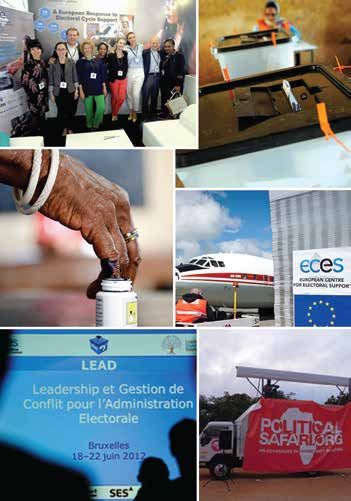
ABOUT US
personnel of ECES have acquired extensive field experience and, taken together, ECES can
count on a specialised knowledge bank from its well-established network around the world in
roughly 100 countries.
ECES employs a diverse team of highly skilled international, regional and national electoral
experts collaborating on its projects, having thus far contracted more than 2000 individuals,
representing over 60 different nationalities.
                    The EU and EU Member States are ECES’ largest
                    donors (Germany being second to the EU), but
                    ECES has been funded by and collaborated with
                    more than 20 donors.
                    Sustainability and local ownership of all ECES
                    activities are essential. Capacity enhancing workshops covering all
aspects of the electoral cycle are offered by ECES, notably the training programme on LEAD
(Leadership and Conflict Management Skills for Electoral Stakeholders), EEA (Effective
Electoral Assistance), BRIDGE (Building Resources in Democracy Governance and
Elections) training of polling officers and other kind of curricula has so far reached over
115,000 persons.
As part of the on-going development of advisory services and operational support for all electoral
stakeholders, ECES seeks to continuously facilitate exchanges of experience and explore new
strategic partnerships with other international and regional organisations and networks in the
democracy and electoral fields. ECES’ current network of funding, strategic and implementing
partners amounts to over 100 diverse organisations and institutions worldwide.
                                       ECES is part of a consortium led by the College
                                       of Europe to implement the ERMES (European
                                       Response on Mediation Support) project to provide
                                       a tool for the EU to advance its objectives and role
                                       in the field of mediation and dialogue. The project is
implemented under the supervision of the Service for Foreign Policy Instruments of the
European Commission and in close consultation with the Mediation Support Team of the
European External Action Services which ensures the political steer. The ERMES project
office is located within ECES headquarters’ premises in Brussels2.
ECES was also part of the consortium that implement the “EU
funded Election Observation and Democracy Support - EODS”
endeavour, a capacity building project for EU Election Observation
personnel. Started in February 2017, EODS had three main areas of
support:
•   strengthening the EU Election Observation Mission methodology
•   training election observation specialists on EU methodology
    election principles
•   sharing this methodology with regional organisations and networks

2      http://www.eces.eu/posts/ermes-european-resources-for-mediation-support

www.eces.eu                                        3                   European Centre for electoral Support
ABOUT US
                                            In 2020, ECES drafted and copyrighted Innov-
                                            Elections, its own response to the global COVID-19
                                            pandemic, in order to continue delivering
                                            electoral assistance activities remotely, using
                                            the comparative experience of ECES experts and
                                            partners in the field while further enhancing the
contextualisation of the training programmes to the local realities affected by the COVID-19
crisis. Officially launched on 15 December 2020 as part of the announcement by the Italian
Ministry of Foreign Affairs and International Cooperation of its “Partnership with Africa” policy
document, the Innov-Elections project was developed in collaboration with the Sant’Anna
School of Advanced Studies of Pisa (SSSA)3 and implemented with the United Nations
Institute for Training and Research (UNITAR)4.

Innov-Elections is built around the following three main areas:
1. Optimise the COVID-19 confinement by enhancing the potential of electoral
   stakeholders;
2. Boost youth and women’s roles and participation in the management of elections;
3. Enhance electoral stakeholders’ leadership, conflict and quality management
   capacities.

As a testament of our commitment to quality and high standards, in 2020 ECES projects in
Ethiopia were selected among the best 10 projects at the Paris Peace Forum 2020, a world
renown event on issues of global governance and multilateralism that acts as a convening
power to bring together all committed actors and as an incubator to help advance concrete
solutions for better global governance.

The selection was made out of an overall of 850 proposals
coming from states, international organisations, NGOs,
foundations, among others. With this selection, ECES
will receive a 12-month customised support from
the Paris Peace Forum5, through monthly workshops,
targeted advice and follow-up in policy and advocacy,
communication, partnerships, and much more.

Throughout 2021, ECES will receive the support of
Senior Advisers and Mentors Stefano Manservisi, former Director General of the European
Commission’s Directorates General for International Cooperation and Migration/Home Affairs as
well as Senior French diplomat and former Under Secretary General for the UN Peacekeeping
Department, former Director of the international Crisis Group Jean Marie Guehenno to scale
up our EURECS approach.

ECES projects were selected in the Scale Up Initiative of the PPF6 for:
• Quality of project
3      http://www.santannapisa.it/en
4      http://unitar.org/home
5      https://parispeaceforum.org/
6      https://parispeaceforum.org/scale-up-projects/#:~:text=Scaling%20up%20projects&text=The%20Paris%20Peace%20
Forum%20is,in%20a%20deteriorated%20international%20environment.

European Centre for electoral Support                  4                                            www.eces.eu
ABOUT US
•   Importance and relevance of the project to current global governance issues
•   Feasibility of the project or its potential for progress
•   Level of actual support
•   Diversity of origin and of organisation

On the Scale-Up Initiative, the Paris Peace Forum stated: “These projects present the highest
potential of development while tackling crucial global governance issues at the same time.”
“These most promising governance projects demonstrate that it is still possible to improve the
collective response to global challenges in a deteriorated international environment.”

                                    ECES is also a member of FAIB (the Federation of European
                                    and International Association established in Belgium)7 and
                                    is part of the EU Transparency Register8.
                              In July 2020, ECES received the official ISO accreditation for its
                              yearlong efforts in implementing the ISO Standard 9001:2015
for the improvement of its Quality Management System (QMS).
Being ISO 9001 certified means that ECES has successfully implemented a system of
continual improvement in all its processes, centred on continually meeting the needs and
expectations of donors and beneficiaries. The application of quality management principles
to ECES procedures also ensures the accountability and transparency of activities by clearly
defining steps taken and responsibilities.

Through certification, ECES is able to demonstrate that its organisation
and operations comply with some of the most comprehensive external
and international standards and displays our commitment to quality in
all of our activities, ranging from strategic planning to operations to the
review and identification of improvement opportunities. By following well
determined processes, we aim to increase effectiveness, minimise errors
and ensure consistency between our different projects – and that these
are implemented in the best way possible.

                                      In May 2020, ECES officially received the TRACE
                                      certification, a heavily benchmarked and comprehensive
                                      due diligence review, analysis and approval process.
                                      Obtaining the TRACE certification means that ECES
                                      has been thoroughly vetted, trained and certified by
                                      TRACE, the world’s leading anti-bribery standard
                                      setting organisation. The TRACE certification review
process is based on internationally accepted standards and requires candidates to complete
global anti-bribery training, adopt a code of conduct and update due diligence information
annually. Reports include daily screening of names against international sanctions and
enforcement lists.
This certification reinforces ECES’ status as an organisation of excellence and a reliable
7      https://faib.org/home/
8      Identification number: 578467420707-73

www.eces.eu                                       5               European Centre for electoral Support
ABOUT US
                                          partner for companies and organisations around the world.
                                          It further demonstrates ECES’ commitment to commercial
                                          and financial transparency, allowing us to serve as a
                                          valued business partner to multinational organisations and
                                          companies.
                                Obtaining both certifications seeks to consolidate ECES’
organisational structure based on continual improvement, as well as ensuring and further
demonstrating that ECES and its comply with some of the most comprehensive external and
international standards.

                      2012, ECES delivering electoral material in support of EUDEL project in Libya

European Centre for electoral Support                      6                                          www.eces.eu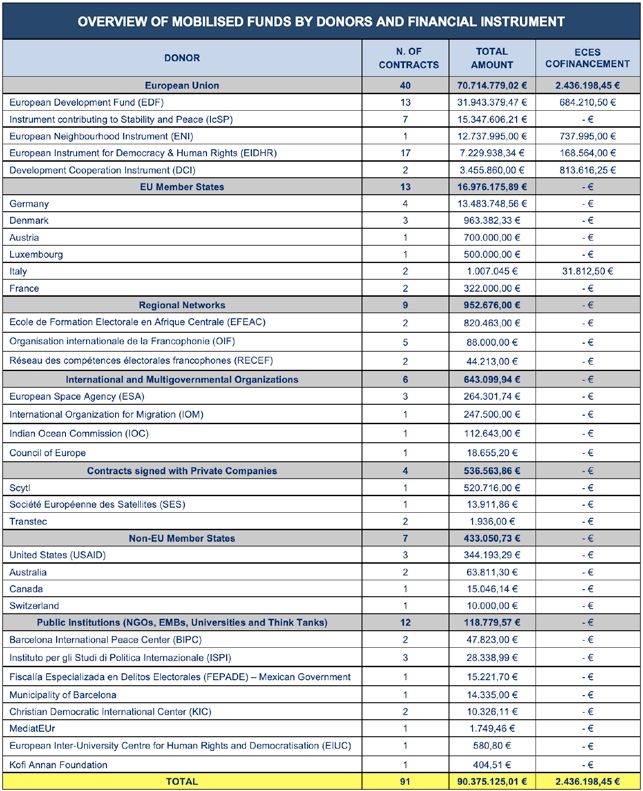
OUR HISTORY
                           ECES was established in September 2010 and launched in
                           December of the same year when Abbot Apollinaire Mulhongo Malu
                           Malu, the first President of ECES management board, was invited
                           by the European Commission to attend the European Development
                           Days.
                                   During this occasion, the creation of ECES was announced.
                                   Malumalu explained that a number of senior electoral experts and
                                   practitioners identified the need to establish a European based
                                   not for profit organisation specialised in providing electoral
 Former President of ECES and      support consistent with European values and EU policies. This
Co-Founder, Late Abbot Apollinaire
     Muholongu Malu Malu           organisation would work in favour of beneficiary countries
                                   partner of the EU and ensure ownership, cost effectiveness
and visibility of the cooperation between the EU, its Member States and the beneficiary
country.
ECES emerged as an idea of a European organisation specialising in electoral support to be
at the service of the EU and EU Member States long before being officially founded in 2010.
The idea and initiative came from Fabio Bargiacchi back in 1997, when he participated in
an OSCE mission in Bosnia. There, he realised that USAID had its own organisation dedicated
to implementing electoral assistance via an established cooperative agreement since 1995,
known as the CEPPS (Consortium for Elections and Political Process Strengthening). The EU,
however, did not have such an organisation but was instead funding the OSCE and the United
Nations.
Fabio Bargiacchi co-opted to this cause the late Abbot Malu
Malu as well as all other members of the board, who shared
similar ideas about the need to establish a European Centre
for Electoral Support embodying the views and values of the
EU and EU Member States as donors. Both men also sought
to integrate the views of the beneficiaries’ countries in
terms of visibility, steering of projects, flexibility and cost
effectiveness to dedicate more funds to activities instead           ECES Co-Founder and Executive
of administration and human resources costs.                            Director, Fabio Bargiacchi

In July 2011, Fabio Bargiacchi was entrusted by the members of ECES management board to
lead the organisation ’s management unit as its Executive Director. The same year, Monica
Frassoni was appointed as Vice President of ECES of which she later took over the Presidency
when Abbot Malu Malu resigned due to commitments in his home country, the Democratic
Republic of Congo, and to health reasons that unfortunately costed his life a few years later.
In her function of Vice President and President, Monica, plays a fundamental role in
enhancing the political visibility of ECES with donors and beneficiaries and in reinforcing
ECES strategic engagement within EU Institutions at the highest level.

www.eces.eu                                     7                  European Centre for electoral Support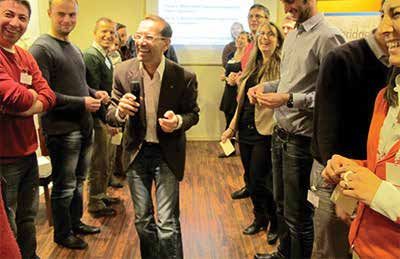
OUR HISTORY
As one of EU’s top influencer9 and top 100 Global Thinker10 Monica brought over 30 years’
experience in European and foreign affairs, proactively contributing in the establishment
and successees of ECES also via her regular activity as speaker and lecturer in important
academic fora and large public events, focusing on democracy and participation of civil society
(notably women and youth, in decision-making at all levels) and also on sustainable energy
and energy savings, green transformation of the global economy and society to fight exclusion
and climate change.
                    As a former Member of the European Parliament (for two mandates) and later
                    as Co-chair of the European Green Party, Monica’s passion in support
                    of human rights, women political engagement and democracies
                    constantly reinforced ECES growth and visibility. Bringing on board
                    her past experience as Chief Observer in two EU Electoral Observation
                    Mission (EOMs) Bolivia and Venezuela, Monica advises and assists in
                    all ECES activities, notably in terms of follow-up of the implementation
   ECES President,  of the recommendations of EU Election Observation Missions in to
   Monica Frassoni
                   electoral assistance activities. Monica Frassoni bring to ECES also her
experience as member of the board of trustees of “Friends of Europe” (a leading think tank
that works to promote a more inclusive, sustainable and forward-looking Europe) and of the
“Foundation ceci n’est pas une crise”, created in 2013 in Belgium to respond to the challenges
of cultural and identity populism.

ECES embarked on its first real large endeavor at the beginning of February 2012 by delivering
face-to-face and distance training to the ten electoral management bodies of the ECCAS
(Economic Community of Central African States). ECES was also awarded a project to support
the local elections in post-revolution Libya in two stages that entailed an operational phase and
a dialogue process phase, focusing on reconciliation of the war-torn country.
Ten years down the line, ECES is now a well-established organisation that is proud of its roots
and the course it has taken. It has overcome many challenges and boasts numerous milestone
achievements. Our quest to deliver electoral assistance worldwide while promoting European
values through a European distinct delivery mechanism is constantly growing.
As such, ECES is committed to continuing contributing to democratic and electoral
processes around the world and, together with the United Nations Development
Programme and International IDEA, nowadays stands among the three most important
partners of the EU for the implementation of EU electoral support.
In September 2020 ECES welcomed in its team Joëlle
Milquet, a former Belgium Deputy Prime Minister, former
Minister of Defense, and Special Adviser to President of
the European Commission, Jean-Claude Juncker for the
compensation of victims of crime.
Appointed by ECES Board to coordinate the Strategic
& Advisory Committee, Joëlle is bringing 30 years of                        ECES President of Strategic and Advisory
political experience to support the implementation of                             Committee Joëlle Milquet

9       https://www.eces.eu/en/posts/monica-frassoni-named-euinfluencer
10      https://foreignpolicy.com/2010/11/23/the-fp-top-100-global-thinkers-5/

European Centre for electoral Support                   8                                              www.eces.eu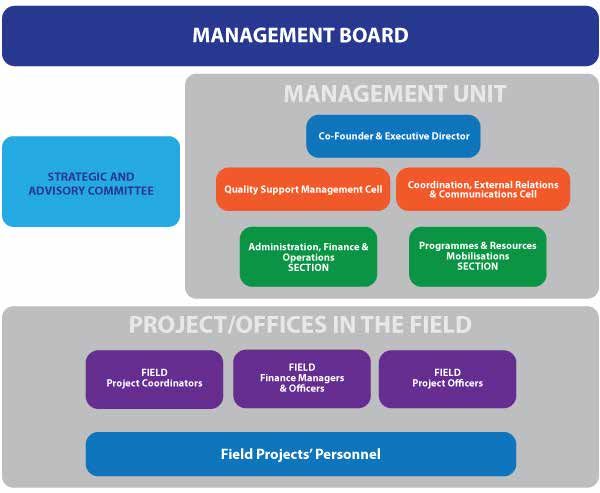
OUR HISTORY
ECES Strategic Planning 2020-2023 the Management Board and Management Unit of
ECES. The Strategic & Advisory Committee gathers senior international professionals to
provide guidance and support to ECES strategies and further expand its scope and to the
existing projects.
In January 2021, five new members were appointed, namely:
•   Filiberto Sebregondi, a former senior EU official who also served as EU Ambassador in
    Ghana, Togo and Tanzania, who has assume the role of Vice President of the Committee.
•   Piero Scarpellini, an Italian national, who is currently Special Attorney for International
    Affairs at the Pragmata Institute for International Development in the Republic of San
    Marino who will assume the role of Secretary of the Committee;
•   Erastus J.O. Mwencha, Chair of the ACBF Executive Board, the Kenyan national was
    previously Deputy Chairperson of the African Union Commission where he was actively
    involved in the development of Africa’s long-term vision of Agenda 2063.
•   Samar Al Haj Hasan, a former Jordanian politician, who is currently a member of the
    national advisory team to combat political violence against women and member of the
    regional advisory team for women equality mechanisms and women empowerment.
•   Didier de Jaeger, Belgian entrepreneur with over 25 years of experience in strategic and
    digital communication, Didier De Jaeger is currently CEO and Director of Altavia Europe,
    a communications agency specialising in retail with a presence in all European countries,
    Asia, Africa and North America.
•   Maria Elena Valenciano Martinez-Orozco, former MEP, Spanish politician of the Spanish
    Socialist Workers’ Party, Elena Valenciano is part of the Party of European Socialists.

“Our strengths lie in the deep knowledge of electoral matters coupled with extensive
comparative experiences in project management but also and foremost in the passion
and commitment we put in our work to support electoral processes worldwide. We are
convinced that this is our call and we feel a profound fulfilment to give our contribution
to the work that the international community is doing in terms of democratisation via
partnerships with the EU and its Member States, peer exchanges and south-south
collaboration.”
Fabio Bargiacchi
“My dream is that elections become a celebration of democracy everywhere and
especially in Africa, where often they are a drama. At the end of each election organised
in a credible, transparent and cost-effective manner, all parties and candidates should
accept the results and the choice of the electorate. Those who lose the elections should
play their watchdog role over the Government and prepare to challenge the majority
for the next elections following the rules of democracy rather than through violence.”
Abbot Apollinaire Malu Malu

www.eces.eu                                    9                European Centre for electoral Support
FACTS & FIGUREs
+100
Implementing
partners
worldwide
+90 13.1
million euros million euros
mobilised in the last for
8 years turnover in 2019
17 +2k +60
million euros Nationalities
worth of contracts Personnel
recruited contributed to ECES
signed in 2020 projects
+115k +25
Donors, mainly EU,
People Germany & other
trained EU Member States
+50
Countries where
ECES implemented
activities
European Centre for electoral Support 10 www.eces.euour vision, mission & QUALITY POLICY
vision
To be the reference European organisation to implement electoral support projects in line with
the values and policies of the European Union and its Member states in the context of their
development cooperation with their partner countries. ECES strives to support the partner
countries of the EU and of its Member States to organise their electoral processes in a
credible and transparent manner as the best contribution to prevent electoral conflicts
and to promote stability toward inclusiveness and fair societies.
MISSION
We are a not for profit foundation that works de facto as an association of electoral and EU
project management experts implementing electoral support activities via copyrighted
tools and methodologies resumed in our strategy called “A European Response to
Electoral Cycle Support - EURECS”.
QUALITY POLICY
We are fully committed to the continuous improvement in the quality of ECES and our activities
in implementing our EURECS copyrighted strategy. All the personnel working at ECES are
aware of their crucial contribution to the achievement of our objectives through compliance
with the necessary process, service, legal and regulatory requirements, always taking into
consideration the needs of our donors and beneficiaries. We will continue to aim for the
highest standards of professionalism in our operations and will work to ensure the
satisfaction of our personnel, partners, donors and beneficiaries worldwide.
www.eces.eu 11 European Centre for electoral Supportour COPYRIGHTED strategy & TOOLS
ECES has crafted and copyrighted its strategy called “A European Response to Electoral
Cycle Support - EURECS”.
EURECS is an innovative strategy that encompasses a practical
implementation approach to electoral support and is based on the
belief that electoral assistance should expand in two dimensions:
time and space. This strategy has a long-term approach to
elections based on support throughout all stages of the electoral
cycle to move from ambition to reality. This is a broader and more
integrated approach to stimulate ownership among political and
electoral players and create opportunities for concrete results.
EURECS is implemented via specific methodologies and tools
developed and copyrighted by ECES such as its Standard
Operation Procedures, the Communication & Visibility Guidelines,
the Electoral Political Economy Analyses, the project approach
to contribute to Preventing Electoral Conflicts and Violence,
Electoral Security Threat Assessment and the cascade training
EURECS Copyright curriculum Leadership and Conflict Management Skills for
Electoral Stakeholders (LEAD).
When applicable with the terms of references/scope of a new project, the narrative section of
the project application includes these methodologies, which are further detailed below.
In May 2020, in light of the global coronavirus pandemic, ECES
launched and copyrighted INNOV-ELECTIONS, a hybrid approach to
training delivery based on the comparative experience of ECES experts
and partners in the field, further enhancing the contextualisation of the
training programmes to the local realities.
INNOV-ELECTIONS is built around the following three main areas:
1. Optimise the COVID-19 confinement by enhancing the potential of
electoral stakeholders;
2. Enhance young and women’s roles and participation in the
management of elections;
3. Enhance electoral stakeholders’ leadership, conflict and quality Innov-Elections Copyright
management capacities.
It provides an effective response to the challenges brought by the pandemic through three
main tools:
1. Live webinars and WebEx classes delivered remotely on every steps of the electoral cycle
as per the subject mentioned above;
2. ECES copyrighted trainings on Leadership and Conflict Management for Electoral
Stakeholders (LEAD) and on Leadership and Quality Management for Electoral
Stakeholders (LEAD-Q); and
European Centre for electoral Support 12 www.eces.euour COPYRIGHTED strategy & TOOLS
3. Through a partnership with the Sant’Anna School of Advanced Studies (SSSA), the Online
Master in Election and Public Administration (MEPA) or some of its individual 19 modules.
These tools are supplemented by close contextualised online capacitation to the beneficiaries
to ensure the maximum possible benefit within the beneficiaries’ different contexts.
LEAD: Leadership and Conflict Management Skills for Electoral Stakeholders training,
copyrighted by ECES, is the result of the partnership between ECES and the Center for
Creative Leadership - Leadership Beyond Boundaries (CCL-LBB)11. The training explores ways
through which representatives of electoral stakeholders (namely representatives of electoral
management bodies - EMBs, non-governmental organisations, political parties, academics and
practitioners) can improve their leadership skills and adopt means to prevent and/or mitigate
the escalation of electoral violence and conflict throughout the electoral cycle.
PEV: The copyrighted Prevention of Electoral Violence approach is
part of the ECES’ strategy EURECS. The PEV methodology includes
a series of activities aimed at operationalising a conflict prevention
mechanism by setting up an early warning and rapid response tool
based on a capacity-building programme for the actors involved in
preventing/reducing tensions. As such, the central activity in the
PEV approach entails putting in place the early warning and rapid
response mechanism by using national CSOs, and other non-state
actors , such as youth and women groups, among others. These
therefore compose a network of “whistle-blowers” (focal points)
and initiators of dialogue and conflict-resolution and peacebuilding
initiatives.
PEV Copyright
EPEA: Electoral & Political Economy
Analysis methodology copyrighted by ECES uses the Political
Economy Analysis, which studies the interaction of political and
economic processes in society, distribution of power and wealth
between different groups and individuals, as well as processes
that create, sustain and transform those relationships over
time. The EPEA analysis recognises the complexity of electoral
processes and the number of factors influencing it, which go
beyond election administration, free and fair competition of
candidates and observance of the right to vote. The role and
impact of socio-economic factors in electoral processes have
EPEA Copyright
been recognised in the research of electoral integrity and political
stability. EPEA serves as a tool for systematic monitoring.
ESTA: The Electoral Security Threat Assessment is a methodology copyrighted by ECES. It
is the projects’ stakeholders’ mapping activity, which seeks to monitor lurking localised conflicts
or external threats from border areas and more. The ESTA is a constant security mapping that
also seeks to engage on non-committal terms with the “supply side” of the security sector,
including various national institutions in charge of ensuring the security of the country. Through
ESTA, monthly reports are produced and shared with project beneficiaries, using the heat
11 www.ccl.org
www.eces.eu 13 European Centre for electoral Supportour COPYRIGHTED strategy & TOOLS
map as well as the interrelationship diagram to add details pertaining to identified threats; it
entails frequent monitoring of shifts in positions, among other aspects. The ESTA generates
a hot-spot map and allows for mapping conflicts that are not bound to a geographical area; it
also allows for the monitoring of triggers in the electoral political process mindful of escalation
points.
SOPs: The Standards Operating Procedures form an integrated
document providing detailed step-by-step guidance on the
implementation of EURECS at each phase of the electoral cycle. The
SOPs provide an ample description of processes and procedures to
be followed in order to implement EURECS in line with international
standards and regulations of sound project cycle management using
donor funds. Providing practical guidance to all ECES experts who
will implement activities, this document is a relevant informational
reading for ECES experts, donors, evaluators and auditors, to follow
all parts of the project cycle.
CV Guidelines: Communication and
Visibility Guidelines offer a 360-degree
Implementing EURECS picture of the current communication
Standard Operating Procedures
and media landscape. They cover
everything from audience understanding to social media analytics,
taking better pictures to writing better words, banner design to
logo design, copyright to search engine optimisation. These
guidelines are drafted for our personnel but also for our donors,
projects’ beneficiaries and other electoral stakeholders as they
demonstrate the importance ECES attaches to this aspect of project
communication. It also indicates the organisation’s full abidance by
contractual conditions with its donors.
Communication and Visibility
Guidelines
ECES Team at PEV-SADC Seminar, Brussels - Belgium
European Centre for electoral Support 14 www.eces.euour key activities
Within the context of its work, ECES is specialised in effective
handling of the very complex and delicate set of interactions
among the electoral management bodies, multilateral
and bilateral development agencies, governments, CSOs,
political parties, and providers of electoral material and
services. The proper management of this set of relationships
requires specific skills that ECES has developed, going well
beyond technical advice. This is achieved by implementing the
following set of activities:
• Management of basket funds (EU and other donors):
Fabio Bargiacchi & Volker
through the adoption of transparent management procedures Timmerman, the Deputy Head of
in line with “best practices” of the sector, ECES is able to Mission of the Embassy of Germany
maximise the coherence and the complementarity of external in Brussels, signing of PEV-EDI
(Nigeria) contract in Brussels,
contributions to the electoral processes in view to avoid Belgium
duplication of efforts, ensure the full coverage of all aspects of
the process as well as the best “value for money”. ECES also adapts its procedures to the
management of basket funds - whose use is monitored by regular audits - in accordance
with the specific donors’ requirements.
• Political dialogue: strengthening and consolidating electoral stakeholders’ commitments
and adherence to common and shared democratic values. This activity, which is particularly
relevant in contexts characterised by fragile institutional settings and by the risk of instability
and electoral violence, can take the form of a Panel of the Wise, which consists of a
dialogue among eminent and respected personalities aimed at identifying common and
shared solutions to disputes;
• Crisis management/mediation process with
key electoral stakeholders including political leaders:
support various local forums, such as a panel of influential
persons; including nationals and senior mediation and conflict
management experts who can advise and support the panel.
The panels are meant to engage in structured political dialogue
on various levels, to eventually be linked and constitute a broad
platform to which an extended group of key players can plug
into. In this context, ECES can prepare the secretariat for various
local panels and provide inputs and guidance as needed in case
an electoral crisis emerges.
Fabio Bargiacchi on behalf of ECES with
Chairperson of the IEC, Glen Mashinini and
• Link existing peace-building projects to early warning
Deputy Secretary General of the European Union
External Action Services (EEAS), Christian Leffler
mechanisms: this activity seeks to tap into already ongoing local
signed a grant for a project to prevent, mitigate
initiatives along these lines that need strengthened coordination
and manage election-related conflict and potential
violence in South Africa.
to enhance effectiveness. Information generated from media
reporting and research taken together with complimentary undertakings is fed into an early
warning network in which ideally is a broad range of stakeholders monitor and report on
www.eces.eu 15 European Centre for electoral SupportOUR key activities
potential escalation of violent conflict and flashpoint areas. Early warning mechanisms
may be further enhanced by putting in place a “situation room”. The situation room could
be virtual and kept in a dedicated web-space hosted by a secured website, complemented
by physical meetings at specific points in time for real-time and multi-stakeholder analysis
of the conflict data.
• Religious networks and association mapping and inter- and intra-faith dialogue, with
potential to counteract extremism and radicalisation: inter-and intra-faith dialogue has
the potential to deal effectively with political and electoral challenges, and contribute to
the progress of democratisation and peaceful conduct of elections in ways that will give
meaning and direction to followers of different faiths, anchored in religious guidance. In
this context, pro-peace messages can be conveyed through education, public information
and religious media. Intra-faith dialogue is meant to explore ways how to bridge potential
divides between the direction of moderate groups and new emerging groups especially
youth groups.
• Confidence-building dialogue initiatives
(regional, national and community level):
such activities can contribute to strengthening
and consolidating a wide range of electoral
stakeholders’ commitments and adherence to
common and shared democratic values. Dialogue
initiatives, which are particularly relevant in
contexts characterised by fragile institutional
settings and by the risk of instability and electoral
violence, can take different forms which range from
local-grassroots and community level to national, Participant discussion on LEAD Training
regional and international initiatives;
• Advisory support: provision of specific, high quality, flexible and customisable electoral
expertise in view to develop appropriate and effective answers to the needs of national
authorities and electoral stakeholders;
• Innov-Elections: hybrid approach to training delivery through a flexible menu of training
curricula, coupled with remote solutions to mitigate the challenges imposed by the
coronavirus pandemic;
• Logistics and operational support: evaluation of the strengths and weaknesses of the
logistic and operational electoral chain is a require for improvement in terms of effectiveness,
timing, cost, sustainability, while providing support to logistic operations (inventory, electoral
kit, deployment and storage of electoral material, etc.).
• Media monitoring and institutional communication: media monitoring, which consists
of observing media contents using quantitative and qualitative analysis in the long run, is
essential to evaluate the media coverage of the electoral process, pluralism and citizens’
perception of the Electoral Management Bodies (EMB) and the electoral process. Due to the
analysis on the perceptions of the EMB, the institution can count on reliable data to develop
appropriate answers and reactions to orient strategically its institutional communication,
thus strengthening the overall credibility of the EMB. Institutional communication activities
European Centre for electoral Support 16 www.eces.euOUR key activities
also contribute to the improvement of EMB visibility through a number of means of
communication such as information sheet, brochures, website, social networks, etc;
• Procurement of electoral material: development of acquisition plans on behalf of donors
and in full compliance with the procedures and technical specifications, which allows
to identify the needs that develop the most appropriate management methodology and
chronogram taking into account the challenges related to the electoral calendar;
• Support EMBs to enhance their capacity to manage donors’
funds including reporting and procedures and expending
evaluation: fully in accordance with the Paris Declaration on
Aid Effectiveness and the Busan Partnership, ECES, while
ensuring the transparency and traceability of funds’ usage,
support beneficiaries to become fully autonomous in managing
financial contributions. Such support aims at strengthening the
professionalism of beneficiaries and make them eligible for
receiving and managing external contributions using their own
reporting and evaluation procedures.
• Development of innovative information and
communication technologies (ICTs), user-friendly
solutions and applications adapted to electoral support:
technology can be a strategic asset for supporting electoral
assistance related activities. In this regard, ECES developed a set of digital instruments
such as the Electoral Translator, which allows access to an accurate translation of electoral
terminology, interactive resource management software as well as transparent and reliable
systems for the transmission of election results.
• Implementation of civic-voter education campaigns: ECES
designs and implements civic and voter education activities
for different electoral stakeholders, particularly for electoral
management bodies and CSOs. This is done using innovative
tools, such as production of videos and using media monitoring
and social network and implementing nation wide mobile cinema
campaigns.
• Design and securitisation of ballot paper: several studies
demonstrated that the order of candidates, text typography and
layout such as the presence of logos and photos are not neutral
ballot paper’s elements. In order to ensure a fair and equal
treatment to all candidates, a digital processing of candidates
and political parties logos allow standardising the presentation
in line with common rules (background, colours, and templates).
Moreover, in line with the identified needs, ECES can provide
advice and support to the implementation of solutions for securing ballot papers;
• Transmission of election results: support the design and implementation of transparent,
effective and credible results transmission systems, which can contribute to the facilitation
of acceptance of results while reducing the risk of accidents and violence;
www.eces.eu 17 European Centre for electoral SupportOUR key activities
• Production of visibility plan: ECES for each and every single project produces visibility
plan according to the rules and regulations of each donor, which is submitted to approval
before it is implemented. This includes design and publishing of dedicated websites and
social network activities.
European Centre for electoral Support 18 www.eces.euCAPACITY DEVELOPMENT
Capacity development is one of ECES’ main fields of expertise. ECES believes that dissemination
of knowledge and sharing of lessons learned among diverse electoral stakeholders and
practitioners establishes a fertile growing ground for further systematised exchange between
stakeholders that otherwise only interacts ad-hoc. To this aim, ECES delivers courses both in
the framework of its projects and as open enrolment courses. ECES organises the following
training programmes:
• Innov-Elections
• Master in Electoral Policy and Administration;
• Leadership and Conflict Management Skills for Electoral Stakeholders (LEAD) trainings;
• Effective Electoral Assistance trainings;
• Building Resources in Democracy, Governance and Elections (BRIDGE) trainings;
• ISO Certification process.
ECES and/or ECES personnel are also individually contracted to contribute to training
programmes, funded and implemented by other organisations in the framework of their
projects. Within the trainings covering the electoral cycle offered by ECES, notably the training
programmes of LEAD, Effective Electoral Assistance, BRIDGE and Election Observation, from
February 2012 until May 2017, more than 15,000 persons have been trained.
INNOV-ELECTIONS
Innov-Elections is the tool drafted and copyrighted
by ECES in response to the global coronavirus
pandemic, in order to continue delivering electoral
assistance activities based on the comparative
experience of ECES experts and partners in the
field, further enhancing the contextualisation of the
training programmes to the local realities affected by the COVID-19 crisis.
Officially launched on 15 December 2020 as part of the announcement by the Italian Ministry
of Foreign Affairs and International Cooperation of its “Partnership with Africa” policy
document, the Innov-Elections project was developed in collaboration with the Sant’Anna
School of Advanced Studies of Pisa (SSSA) and implemented with the United Nations Institute
for Training and Research (UNITAR).
Innov-Elections is built around the following three main areas:
• Optimise the COVID-19 confinement by enhancing the potential of electoral stakeholders;
• Boost youth and women’s roles and participation in the management of elections;
• Enhance electoral stakeholders’ leadership, conflict and quality management capacities.
The project provides an effective response to the challenges posed by the pandemic through
three main tools:
www.eces.eu 19 European Centre for electoral SupportCAPACITY DEVELOPMENT
• Live webinars and WebEx classes delivered remotely on every steps of the electoral cycle
as per the subject mentioned above;
• ECES copyrighted trainings on Leadership and Conflict Management for Electoral
Stakeholders (LEAD) and on Leadership and Quality Management for Electoral
Stakeholders (LEAD-Q); and
• Through a partnership with the Sant’Anna School of Advanced Studies (SSSA), the Online
Master in Election and Public Administration (MEPA) or some of its individual 19 modules.
These tools are supplemented by close contextualised online capacitation to the beneficiaries
to ensure the maximum possible benefit within the beneficiaries’ different contexts.
Master in Electoral Policy and Administration (MEPA)
In January 2018, ECES and Sant’Anna School of Advanced Studies (SSSA)12 signed a
Memorandum of Understanding to establish a framework of collaboration aimed to:
• Develop and conduct customised, accessible and innovative capacity
building programmes for current and aspiring election administrators
and practitioners;
• Increase the accessibility of knowledge tools/ capacity building
programmes through the updating and upgrading of the ECES-SSSA
existing training curriculum including translation and customisation.
The ECES-SSSA collaboration will mainly allow mid-upper electoral professionals, practitioners
and other interested electoral stakeholders to enrol and attend the online Master on Electoral
Policy and Administration (MEPA)13 or any of the 19 individual modules of MEPA, and which
are based on the electoral cycle approach. The collaboration between ECES and SSSA will
result in the update and upgrade of MEPA’ s contents, including the customisation of modules
as per identified needs. This includes the ongoing translation of MEPA curriculum into Arabic,
French, Portuguese and Spanish.
This online Master programme, at the moment available only in
English, is based on the 2014 International IDEA designed ‘Model
Curriculum – Master of Electoral Policy and Administration’ and
on the concept of the ‘electoral cycle approach’ as presented in
the Methodological Guide of Electoral Assistance of the European
Commission and the Handbook on Electoral Management Design
of International IDEA. MEPA is hosted in the e-learning platform
developed by the United Nations Institute for Training and Research.
The average duration of the Programme is one year. Students may opt to complete the degree
within a longer timeframe. However, the maximum duration of the programme should not exceed
two years. Individual modules are also available, leading to the attainment of a Certificate of
Completion of the specific module taken. MEPA is composed of an online component (nine
months) and an optional residential component at the Scuola Superiore Sant’Anna in Pisa,
Italy (up to three weeks). A maximum of 67 academic credits are awarded upon successful
12 https://www.santannapisa.it/en
13 https://www.santannapisa.it/en/mepa-description
European Centre for electoral Support 20 www.eces.euCAPACITY DEVELOPMENT
completion of the Master programme. Two to four academic credits are awarded for individual
modules.
The main educational goals of the MEPA are as follows:
1. To offer advanced preparation to those individuals interested in pursuing a career as
professional in the field of Electoral Policy and Administration and those already working
in this field;
2. To respond to a global, structural demand for qualified electoral administrators;
3. To contribute to reduce the gender gap in electoral administration by contributing to
strengthen women’s role in this sector, including in senior positions.
Taking into account ECES’ operational experience and lessons learned from having
implemented more than 90 contracts in support to democracy and electoral processes in over
50 different countries in the last 10 years, ECES contributes to MEPA through the provision of
content, in order to further ensure the relevance of the curriculum to practitioners’ needs when
it comes to electoral assistance. ECES also facilitates the contribution of high-level experts
and practitioners from around the world to this programme.
ECES personnel are able to bring a comparative perspective with regards to election
management from an electoral assistance and observation perspective, and on the professional
challenges that current and aspiring election administrators and practitioners are confronted
with.
ECES-SSSA signed already an agreement with the Independent Election Commission of
Jordan (IEC) for selected senior electoral administrators to enrol at the MEPA and take part
in other activities. The trilateral agreement between ECES, SSSA and IEC will also support
the translation of MEPA curriculum into Arabic via the EU funded Programme ‘EU Support to
Jordanian Democratic Institutions and Development (EU-JDID)’.
Leadership and Conflict Management Skills for Electoral Stakeholders
The innovative Leadership and Conflict Management Skills for Electoral
Stakeholders (LEAD)14 training is the result of the long-standing partnership
between ECES and the Center for Creative Leadership - Leadership Beyond
Boundaries (CCL-LBB). In particular, building on his vast experience in the
electoral assistance field, Fabio Bargiacchi, ECES’ Executive Director, while
attending the CCL’s “Leadership Development Program” in San Diego in
August 2009, identified the need for capacity-building training to enhance
capacities in the crossroads between leadership and conflict management.
The overall objective of this five-day workshop is to look into ways in which representatives
of electoral stakeholders, namely representatives of EMBs, non-Governmental Organisations
(NGOs), political parties, academics and practitioners can improve their leadership skills and
take on board means for preventing and/or mitigating the escalation of electoral violence and
conflict throughout the respective electoral cycle.
LEAD is a flexible learning tool that is customised according to the specific context and target
group. It provides participants with the resources and skills needed to replicate the training and
14 http://www.eces.eu/lead-training
www.eces.eu 21 European Centre for electoral SupportCAPACITY DEVELOPMENT
thus guarantee its sustainability.
LEAD uses adult education techniques with
a value-based approach. Instead of relying
on conventional teaching methods such as
lecturing, LEAD is activity-based and focuses
on practical problem solving of the real-time
challenges that electoral stakeholders are faced
with. It also makes wide use of the specific
experiences, knowledge and exchanges among
the electoral stakeholders participating. The
LEAD Training activity methodology reflects the case that participants
are faced with, hence training sessions that are
of direct relevance to them and are delivered in a creative manner. The experiences and
knowledge of the participants, as well as the exchanges among them, develop capacities on
the intersection between the participants’ experience, knowledge and exchange. By promoting
a hands-on and interactive learning experience, LEAD encourages participants to think outside
the box in order to bring creative and innovating ideas to the table.
Perhaps the strongest aspect of the LEAD methodology is the way it promotes knowledge
dissemination as a built-in element in the training. By using the Training of Trainers (ToT)
component, a pool of semi-certified LEAD trainers is established at first. Participants reach
the level of semi-certification after having successfully completed the entire LEAD ToT. Semi-
certified LEAD trainers must facilitate a LEAD cascade training to accumulate experience in
carrying LEAD training independently. Once a semi-certified trainer has facilitated a LEAD
cascade in a satisfactory manner, together with a certifying LEAD trainer, the semi-certified
trainer becomes certified. It is required that the certified LEAD trainer facilitates three LEAD
cascade workshops and at least one Lead ToT in order to become certifying. This means, the
certifying LEAD trainer can certify those who are semi-certified.
ISO Training and Certification Process
Beginning in 2007 and based on the requests of its Member States, the Organization of
American States (OAS)15 began providing technical accompaniment to those countries that
requested it through the implementation of quality management and certification systems
following the 9001 norms of the International Standardisation Organisation (ISO)16.
In February 2014, ISO Technical Specifications for Quality Management Systems for Electoral
Organisations was published (ISO/TS 17582:2014) and designed for use by electoral bodies
to focus on the quality of its services vis a vis of all electoral stakeholders. ISO/TS 17582:2014
involves eight key electoral processes: 1) voter registration; 2) registration of political
organisations and candidates; 3) electoral logistics; 4) vote casting, 5) vote counting and
declaration of results; 6) electoral education; 7) oversight of campaign financing; 8) resolution of
electoral disputes. Within the framework of EU Support to Jordanian Democratic Institutions
and Development EU-JDID, the Independent Election Commission of Jordan (IEC Jordan) is
the first Arab EMB to be ISO certified. With the support of ECES experts and in country staff,
15 www.oas.org
16 www.iso.org
European Centre for electoral Support 22 www.eces.euCAPACITY DEVELOPMENT
the IEC Jordan became the first EMB in the Arab EMB in the MENA region to hold the ISO
certificates in ISO/TS 17582:2014 standard, following the capacity development programs that
were developed in place to support the certifcation process and ensure the enhance the EMB’s
staff capacity in quality management and the implemntation of the standard.
This process complements the international obligations-based approach and allows EMBs to:
• Identify operational vulnerabilities;
• Highlight opportunities for improvement;
• Place a greater emphasis on leadership, communication and management of change;
• Create a framework to evaluate services provided to citizens and all electoral stakeholders;
• Promote a culture of continuous improvement.
In May 2015, the OAS established the International Electoral
Accreditation Body (IEAB) whose mission is to promote
transparency and quality in elections by supporting the
certification of election management bodies against international
electoral standards. The ultimate objective of the IEAB is to
guarantee the integrity of the certification process with the ISO/
TS 17582:2014 by ensuring that standard criteria are used
in certification assessments and that “Lead Assessors and
Auditors” possess the requisite knowledge and abilities to carry
out assessments, and to ensure that certification decisions are
the product of consensus. In this context, ECES, OAS and IEAB
are collaborating to spread the knowledge and comprehension
of ISO/TS 17582:2014 and the IEAB Assessment Methodology
and to support the certification processes for interested EMBs
in Africa, the Middle East and other regions or countries where
ECES implements activities and projects. The majority of ECES’ senior staff have been trained
by IEAB, thus enabling ECES to support and accompany electoral management bodies in their
certification process.
Effective Electoral Assistance
The Effective Electoral Assistance training course
focuses on the recent policies and developments
in the field of electoral assistance and election
observation. Organised on annual bases by
ECES and the Istituto per gli Studi di Politica
Internazionale (ISPI), the ISPI Advanced Diploma
on Effective Electoral Assistance introduces
participants to the evolution of electoral support,
from its very beginnings to its latest developments.
This excursus provides, among other things,
ISPI Advanced Diploma on Effective Electoral Assistance an opportunity to emphasise some of the main
features of electoral support, such as the ‘electoral
cycle approach’, ‘electoral observation’ and ‘media monitoring’.
www.eces.eu 23 European Centre for electoral SupportCAPACITY DEVELOPMENT
Given the many years of experience that ECES experts have in strategic, operational and
contingency planning to ensure the smooth running of electoral processes, the Effective
Electoral Assistance training course offers a comprehensive overview of lessons learned
along the way. By relying on the ‘electoral cycle approach’, the course further provides a
valuable insight into the guiding principles currently under discussion within the international
community. The training programme in Effective Electoral Assistance has been developed to
maximize the learning outcomes using interactive and participatory learning techniques for
adults. The course is adapted to electoral administration and electoral support. Elections have
in fact been widely accepted as an essential part of democratic processes to the point that an
effective management of the electoral process is considered crucial for fostering democracy
and preventing the outbreak or recurrence of conflict and violence.
Building Resources in Democracy, Governance and Elections - BRIDGE
Among ECES personnel, there are also several BRIDGE accrediting and
accredited facilitators. Consequently, within the capacity development
component of its projects geared at ensuring sustainability and
ownership of results, ECES also delivers BRIDGE specific modules
and BRIDGE ‘Train the Facilitators’ (TtF) workshops. BRIDGE stands
for Building Resources in Democracy, Governance and Elections. It
is a modular professional development programme with a particular
focus on electoral processes. BRIDGE represents a unique initiative
where five leading organisations in the democracy and governance
field, namely the Australian Electoral Commission (AEC), International
IDEA, the International Foundation for Electoral Systems (IFES), the
United Nations Development Programme (UNDP) and the United
Nations Electoral Assistance Division (UNEAD), have jointly committed
to develop, implement and maintain the most comprehensive curriculum
and workshop package available, designed to be used as a tool within a
broader capacity development framework.
BRIDGE has four main objectives:
• to promote internationally accepted principles of democracy and good electoral practice;
• to enhance the skills and confidence of stakeholders in the electoral process;
• to increase the awareness of tools and resources available for the building and maintaining
of a sustainable electoral culture; and,
• to develop a support network for stakeholders in electoral processes and encourage a
culture of sharing information and experiences.
ECES implemented a number of BRIDGE trainings, for example, our organisation delivered a
BRIDGE module in Electoral Observation in Pristina and Kosovo. The training was funded by
the Organisation for Cooperation and Security in Europe (OSCE) and was part of a capacity
building scheme to strengthen the skills of CSOs in monitoring the performance of the Election
Management System body (EMS) and other elected institutions.
European Centre for electoral Support 24 www.eces.euYou can also read


