Our Direction Te aronga whakamua - Whakatane District Council
←
→
Page content transcription
If your browser does not render page correctly, please read the page content below
Our Direction Te aronga whakamua
Vision
OUR VISION, COMMUNITY                                               The Vision guiding the Council’s work and this Long Term Plan
                                                                  is for the Whakatāne District to be the place of choice for people
                                                                to live, work and play. In achieving this Vision our community
OUTCOMES AND PRINCIPLES                                       will be safe and surrounded by people who are friendly and caring;
                                                            businesses will be thriving; there will be respect for, and pride in our

Tō tātou Kitenga, ngā Hua,
                                                          history; and we will be successful guardians of our natural environment.

me ngā Tikanga o te Hapori                               Community Outcomes
                                                    Our Community Outcomes (set out on the following pages) provide greater
                                                  detail to the Council Vision. They are a high-level set of desired goals that we
                                               aim to achieve. The Community Outcomes seek to improve the social, economic,
                                              environmental, and cultural well-being of our District, now and for the future. The
                                            Council uses the Community Outcomes to guide and inform planning processes and
                                          the setting of priorities, and help us focus on a long-term Vision for the District.

                                       Principles
                                 Our LTP is guided by a set of overarching principles, as set out below. While the Vision and
                               Community Outcomes focus on what we aim to achieve, the Principles guide how we will work.

                      Takohanga -               Whakauka -                        Whakamana -                  Ka tāea te utu -
                      RESPONSIBLE               SUSTAINABLE                       ENABLING                     AFFORDABLE
                      We’ll work together       We’ll manage our assets           We’ll take opportunities     We’ll be responsive
                      with the community        and activities in a way that      to encourage and             and sensitive to
                      to prioritise essential   does not compromise the           support activities which     the issue of rates
                      core services and         environmental, social,            will grow the vibrancy,      affordability across
                      manage our assets         cultural, or economic             vitality and prosperity      the District.
                      prudently.                wellbeing of the community,       of our District.
                                                now or into the future.

                                                                                       WHAKATĀNE DISTRICT COUNCIL
                                                                                           LONG TERM PLAN 2018-28             11
COMMUNITY OUTCOMES
          Ngā Hua o te Hapori

             Effective
                                                           Sustainable Economic                        Community Needs
            Leadership
                                                               Development                             A caring community
     Striving for our future                                                                           •   Create vibrant, connected and
     and well-being                                    Working in partnership                              safe communities
                                                                                                       •   Support healthy, active
     •   Be visible, strong, have a clear vision and   •    Facilitate an economy that is prosperous       communities
         listen to all sectors of the community             in both urban and rural areas              •   Build inclusive communities
     •   Work in partnership with Iwi and the          •    Encourage business growth that builds on   •   Value, celebrate, promote and
         community                                          the region’s assets                            protect Māori culture.
     •   Ensure accountability to the community        •    Support Māori economic development
         through transparent, open and inclusive
         decision making                               •    Promote connected businesses through
                                                            effective networks.
     •   Respond and advocate on community
         issues.

12       TE KAUNIHERA O WHAKATĀNE
         TE MAHERE ROANGA 2018-28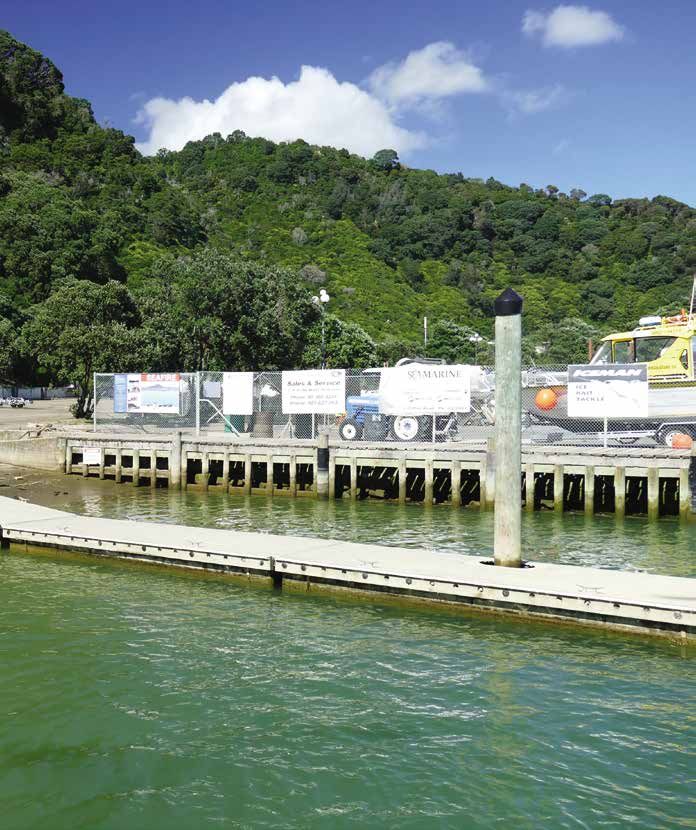
Quality Services                             Valuing Our
Excellent value for money                    Environment
•   Provide services that meet the
    aspirations of the community             Sustaining for future
                                                                                    Reliable and Affordable
                                                                                    Infrastructure
•   Ensure all customers are dealt with      generations
    in a timely, helpful and friendly way.   •   Sustainably manage the
                                                 natural and physical resources
                                             •   Recognise and protect places
                                                 of natural and cultural heritage
                                                                                    Meeting current and future needs
                                                                                    •   Provide infrastructure that facilitates growth and
                                             •   Proactively plan for growth and
                                                                                        development
                                                 ensure the effects and costs
                                                                                    •   Sustainably manage community assets
                                                 are managed.
                                                                                    •   Ensure people, infrastructure and the environment
                                                                                        are protected from natural disasters.

                                                                                          WHAKATĀNE DISTRICT COUNCIL
                                                                                              LONG TERM PLAN 2018-28               13
The coming ten years will present some major challenges
                                                                          and opportunities to our District as we continue to work

KEY PRIORITIES FOR                                                      towards achieving our Community Outcomes.
                                                                     Over time, these challenges and opportunities change, as do the

THE COMING TEN YEARS
                                                                  needs and expectations of our communities. As part of developing
                                                                our Long Term Plan, we checked whether our vision and priorities
                                                              are still relevant, or if we need to adjust our focus and efforts.

Ngā take whakahirahira mō ngā                               Through this process we worked with user groups, stakeholders,
                                                          businesses, iwi, and the wider community. We reviewed what the

tau tekau e heke mai nei                                community has been telling us through our annual ‘Communitrak’ surveys
                                                      and through the Whakatāne Ki Mua Community Vision project. We reflected
                                                    on the feedback that we have received over recent years through other channels
                                                 like requests for service and consultation on specific projects. And we undertook a
                                               community consultation campaign specifically to inform key decisions on priorities,
                                             projects and services in the Long Term Plan.
                                           We have organised the resulting priorities into four key focus areas, as set out on
                                         the following pages. Each key focus area includes a summary of the key challenges and
                                       opportunities we face and how we intend to respond

                                RESILIENT PEOPLE AND PLACES                          VIBRANT COMMUNITIES
                                We want to make sure our communities                 We want to work with the community
                                are able to withstand difficulties and               to make sure our District continues to
                                recover from adversity quickly.                      be vibrant, engaged, and connected.

                       THRIVING ECONOMY                                      RESPONSIBLE MONEY MANAGEMENT
                       We want our District to continue to experience        We want to find the right balance between the level
                       economic development and growth.                      of services we provide and what they cost.

14
We reviewed the ideas and concerns                  We reflected on the findings
                                              raised through engagement on the                   and comments from our annual
Community feedback                            Whakatāne Ki Mua community vision                  ‘Communitrak’ residents survey
                                              In 2017, a major community vision engagement       Every year we undertake a random sample
helped to determine                           process resulted in over 18,000 comments and       survey of residents in our District, asking
                                              ideas being generated from people, groups and      them about their experiences and views on
priorities and inform                         organisations across the District. This process
                                              told us what our communities love about
                                                                                                 Council services and facilities. This allows us
                                                                                                 to track the changes in levels of community

decisions about projects                      our District, and what they see as the top
                                              challenges and opportunities.
                                                                                                 satisfaction with our services over time,
                                                                                                 and provides insight into our community’s

and services
                                                                                                 priorities.
                                              The feedback told us that community cohesion,
                                              community spirit, the lifestyle, and natural       Over time the Communitrak survey has
                                              environment were foremost amongst the              consistently shown a high community priority
Your feedback has been valuable in
                                              things we love and want to retain for our          placed on business, tourism and events
finalising a Plan that balances the various
                                              District.                                          related activities as well as the need for
priorities of our communities.
                                                                                                 increased stormwater protection (feedback
                                              The greatest challenges were dominated
We appreciate the time and effort people                                                         that shown to intensify in correlation with
                                              by social issues, including gangs, crime
have taken to engage in these important                                                          flood events), and improving drinking water
                                              prevention, and employment opportunities.
processes. We also acknowledge that                                                              quality and public toilets, for example.
                                              Natural hazards and civil defence preparedness
this LTP is a moment in time and that our
                                              also featured, given the timing of flood events    Information from the survey has fed into
conversations need to continue to make
                                              in Edgecumbe.                                      the development of our LTP and is also a
sure we continue to head
                                                                                                 crucial part of our performance monitoring
down the right track.                         A huge number of ideas were contributed
                                                                                                 framework.
                                              - for walking and cycling, for recreation and
                                              entertainment, for retail opportunities, for       Our Communitrak Survey reports can be
                                              sustainable living and for use of our parks,       found on our website: whakatane.govt.nz.
                                              reserves and open spaces for example.
                                              We reviewed this feedback in the development
                                              of this Long Term Plan.
                                              More information about this project is available
                                              on the website: whakatanekimua.nz.

                                                                                                        WHAKATĀNE DISTRICT COUNCIL
                                                                                                            LONG TERM PLAN 2018-28                 15
Feedback from community consultation has influenced our decisions as we
                                                            finalise this Long Term Plan. Some of the examples include:

                                                            •   Delaying the equalisation of rating costs      •   Establishing a partnership
                                                                for Murupara water and wastewater                  facilitation fund of $50,000 to
                                                                schemes until there is greater clarity             support community groups that
                                                                around future upgrading works and costs.           are seeking to provide community
                                                            •   Confirming the increase in funding                 facilities, such as the development
                                                                towards tourism and events, to work                of a Mountain bike park, the
                                                                towards increasing the economic benefit            extension and upgrade of the
                                                                of these activities to our District.               Whakatāne skatepark and options
WE READ AND LISTENED TO                                     •   Setting aside some of the funding from             for the future use and amenity of
THE FEEDBACK RECEIVED                                           the sale of the Opihi land block towards           Bob Byrne Park in Ōhope.
                                                                                                               •   Providing budget to support the
ON OUR LTP COMMUNITY                                            the development of a possible walk and
                                                                cycle bridge linking Whakatāne township            continued coordination of the
CONSULTATION                                                    to Opihi/Coastlands.                               Whakatāne Ki Mua community
                                                            •   Including funding to support waste                 vision and collaboration project.
Formal community consultation on our LTP was held from
                                                                management education and projects              •   Increasing funding to the Annual
March to May 2018. Through this process, we listened to
                                                                by Community Resources Whakatāne                   Grants budget in response to the
your feedback at open days, public events and workshops.
                                                                (CReW).                                            Surf Lifesaving Submission for an
We read the comments provided through workshops, on
                                                            •   Trialling a reduction of opening hours of          extension of the regional lifeguard
Facebook and on our brainstorm boards. We read the 209
                                                                Te Kōputu a te whanga a Toi (Library and           service within the District.
formal submissions that were received, and we held a full
                                                                Exhibition Centre) on Sundays over the         •   Sealing the access way to the
day and evening of hearings to listen to the submitters
                                                                winter months of the year to save costs.           Galatea Cemetery.
who wanted to present their submission in person.
                                                            •   Seeking grants funding to undertake            •   A reduction in the average rates
In total 883 various submission points were raised.                                                                rise across the District, to 3.83%
                                                                investigations into the costs of installing,
You told us what you liked and did not like about the                                                              (down from 3.99%)
                                                                maintaining and operating a removable
proposals that we were looking to include in our Long
                                                                roof to allow year round swimming in the
Term Plan, and providing insight into the things you
                                                                outdoor pool at the Whakatāne Aquatic
consider are important for the future of our District.
                                                                Centre - to inform consideration of the
                                                                project in the 2019/20 year.

16       TE KAUNIHERA O WHAKATĀNE
         TE MAHERE ROANGA 2018-28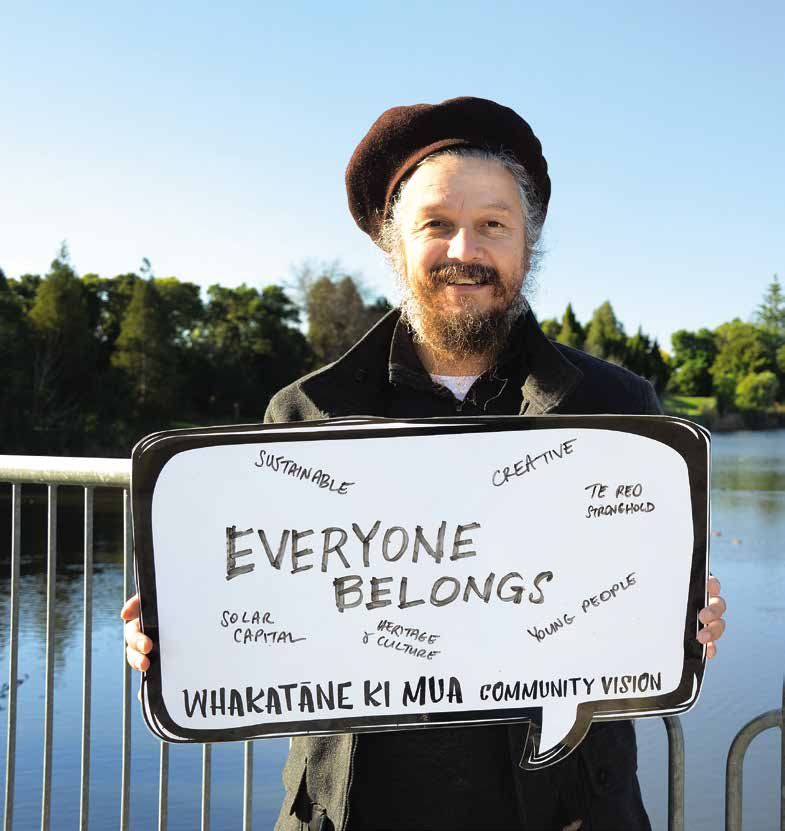
17
VIBRANT
 COMMUNITIES
 Ngā hapori whitawhita
 We are privileged to live in an area of such natural beauty and
 rich cultural diversity. Survey results consistently show that our
 communities regard their quality of life much higher than the New
 Zealand average.
 Much of Council’s work contributes towards the vibrancy of our
 communities. We provide services for recreation and leisure. We work
 to connect people to places, and to each other. We advocate and work to
 address some of the social challenges facing our communities and District.
 Much of this work is in partnership with others.
 Over the next ten years, we will continue to work with individuals, community
 organisations and government agencies to ensure that our District retains its
 vibrancy and vitality and offers the quality of life we all enjoy. While we intend
 to keep providing most services at the current level, we are proposing to work in
 partnership on some carefully considered service improvements to ensure we continue
 to meet the needs and aspirations of our communities.

18      TE KAUNIHERA O WHAKATĀNE
        TE MAHERE ROANGA 2018-28
Whakatāne Ki Mua                                 Walking and cycling development
The situation:                                   The situation:
In 2017 we initiated Whakatāne Ki Mua – a        Our communities continue to show demand for walking
community vision and collaboration project.      and cycling opportunities. This includes both for recreation
The project aims to bring people, groups         purposes and generally as an alternative mode of
and organisations together to help progress      transport. As well as benefiting locals, walking and cycling
the things they think are important for          facilities also help to enhance the Whakatāne District and
their communities. Around 3,000 people           wider Eastern Bay of Plenty region as a visitor destination.
participated in the engagement phase of
Whakatāne Ki Mua, providing over 18,600          Our plan:
comments and ideas.                              We have scheduled a review of the Whakatāne and Ōhope
                                                 Walking and Cycling Strategy for the 2018/19 year. This will
Our plan:                                        guide walking and cycling initiatives within our main urban
The Council has provided funding to              areas and inform funding applications to the New Zealand
continue the coordination of Whakatāne           Transport Agency and other partners.
Ki Mua. Whakatāne Ki Mua is providing a          We are also working in partnership with neighbouring
platform for many community ideas and            Councils on an Eastern Bay of Plenty cycle trail linking the
priorities to gain greater support, visibility   region’s main communities and traversing areas of high
and momentum. Whakatāne Ki Mua has               amenity value, including coastal reserves, rivers and lakes.
helped to initiate or support a number of
                                                 As part of this trail, we have received funding from Central
community-led groups and projects like the
                                                 Government to complete a business case investigating
Disability Action Group, Bike Whakatāne,
                                                 an extension of the Mōtū trails route through to the
the Homelessness Action Team, Green Print
                                                 Whakatāne Airport. We have also developed a $1 million
Whakatāne, and Neighbours Day events,
                                                 fund, in partnership with the developers of the Opihi
to name a few.
                                                 land block, towards the possible development of a walk
A cross sector forum has also been               and cycle bridge linking Whakatāne township to Opihi/
established and is bringing together local       Coastlands.
government entities, Central Government
departments, iwi and other key stakeholders
to collaborate on common priorities in
response to community feedback.

                                                                WHAKATĀNE DISTRICT COUNCIL
                                                                    LONG TERM PLAN 2018-28              19
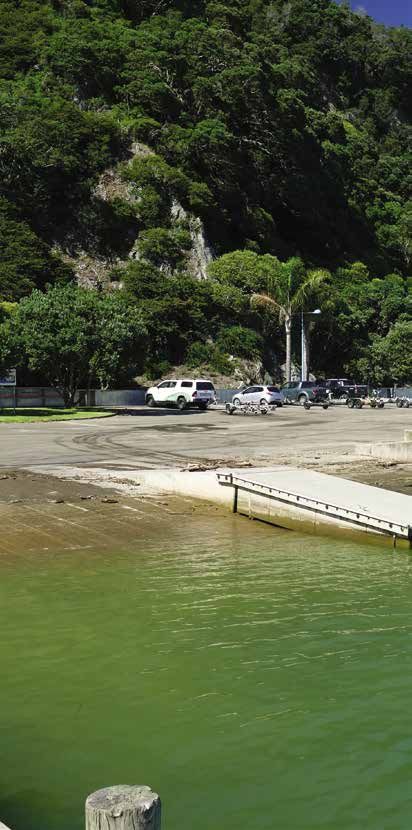
Museum and Research Upgrade of the
Centre project Whakatāne boat ramp area
The situation: The situation:
The Whakatāne Museum and Research Centre The Whakatāne boat ramp and trailer park area at
Redevelopment is the second stage of Whakatāne Wairaka is a major asset for locals and visitors. The
District Council’s major Arts and Culture Project. Council is planning to upgrade the area, with a key
The Museum and Research Centre Redevelopment concern being user health and safety. This also
responds to longstanding issues with storage, provides the opportunity to make improvements
climate control, access and building integrity. requested by users of the parking area and port
The first stage, Te Kōputu a te whanga a Toi (the structures, and members of the public.
Whakatāne Library and Exhibition Centre) opened
in June 2012 and combines a public library, a Our plan:
museum display area and three art gallery spaces A concept plan for the upgrade of the Whakatāne
for changing exhibitions. boat ramp area was drafted with input from key
stakeholders. The plan was open for general
Our plan: community feedback alongside the LTP receiving
The new Museum and Research Centre is expected general support and some suggestions and ideas
to open in September 2018. The opening will be for changes. The project is due for construction
preceded by a significant amount of work to return in the 2018/19 year with costs to be met from
our taonga and collections to their new home and the Harbour Fund. Amongst a number of
to prepare for the provision of new services. The improvements, the upgrade of the boat ramp area
opening will see the delivery of a multi-functional will provide better parking facilities, a wash down
community asset with the necessary conditions area, improved boat lift out facilities, a restricted
required to protect and preserve our past. It will wharf front loading area and improved safety
provide research and education spaces for schools associated with adjacent walking and cycling
and individuals to engage with our historic and routes.
growing collections.
20 TE KAUNIHERA O WHAKATĀNE
TE MAHERE ROANGA 2018-28Redevelopment of the Whakatāne
District War Memorial Hall
The situation:
The Whakatāne District War Memorial Hall is well used but
lacks the facilities and appeal to cater to some major events
and conferences. The interior is outdated and earthquake
strengthening work is required to parts of the building. The
project was included from 2017-20 in our previous LTP to
redevelop the Hall into a modern, flexible facility catering
for events, conferences, indoor-sports and theatre activities.
Our plan:
Investigations have commenced into the project scope,
including initial consultation with regular Hall users.
The project will continue into this LTP but the project
timeframes have been extended to 2019-26. Council
reconsidered the timing of the project to help keep our
LTP affordable in the context of other major priorities.
A budget of $10 million is included for the project with
substantial portion of this needing to be secured from
funding partners before going ahead with construction.
WHAKATĀNE DISTRICT COUNCIL
LONG TERM PLAN 2018-28 21THRIVING ECONOMY
Te Ōhanga e puāwai ana
People who live in and visit our District know that it offers some
amazing lifestyle and business opportunities. This is increasingly being
recognised by others, especially when it comes to tourism. We are seeing
considerable growth in visitor numbers and an associated financial return for
local businesses. We know that our District offers many more opportunities for
economic growth and job creation. We want to continue to work in partnership
with the community and other stakeholders towards a District where our people
and businesses thrive.
22 TE KAUNIHERA O WHAKATĀNE
TE MAHERE ROANGA 2018-28Growing tourism and events Developing the port and
The situation: waterfront
Our District continues to grow in popularity as a
tourist destination. A strong theme through LTP The situation:
submissions, Whakatāne Ki Mua and our annual The ageing Main Commercial Wharf on the Whakatāne
community surveys is a desire for increased River is in significant disrepair and the wider port
funding for tourism and events. For the year environment does not cater adequately for the needs
ended April 2018, our annual visitor spend was and demands of its current users. Commercial and
$131 million, an economic contribution which economic development opportunities are constrained
has grown from less than $100 million in 2013. by the lack of available facilities and the port
While tourism products and accommodation environment cannot accommodate existing needs or
make up some of this spend, over 50% is with meet current business aspirations.
other local retail – such as food and beverages for
The Main Commercial Wharf was originally built for
example. The growth in tourism is also reflected
cargo handling at a time when there was less need for
in data for commercial accommodation which
ease of access, compared to present day requirements.
shows that visitor nights have grown from under
A part of the wharf is more than 100 years old and
200,000 in 2013 to nearly 300,000 in 2018.
structural assessment reports confirm that it requires
urgent replacement.
Our plan:
We are committed to encouraging our Our plan:
businesses and communities to thrive. We have
We have included $6 million for a ‘like for like’ wharf
responded to community feedback by allocating
replacement in this LTP. While a new wharf structure
an additional $150,000 towards events and
needs to provide for unmet demand for commercial
tourism in this LTP. We support and seek out
berthage, now and in the future, the location, design
events that will have both a community and
and scope of replacement options has the potential
visitor appeal and includes a focus on arts, food,
to create a vibrant new waterfront area which will
sports and lifestyle. These types of events bring
transform the Whakatāne town centre. The Council are
in immediate economic benefits and positive
working closely with Te Rūnanga o Ngāti Awa and Ngāti
media, which entices more visitors to the district.
Awa Group Holdings on this project to align with their
cultural and commercial interests in the area.
WHAKATĀNE DISTRICT COUNCIL
LONG TERM PLAN 2018-28 23Providing for residential Enhancing the District’s
growth and development White Island/Whakaari Brand
The situation: The situation:
The Whakatāne District population is White Island/Whakaari is an international tourism attraction
currently 34,600. In the past 2-3 years, we for New Zealand. Currently, more than 20,000 people visit
have experienced an increase in population the island every year and 80% of these are international
growth. This is expected to continue into visitors. Tourism New Zealand is now marketing White
the future, due to our lifestyle attraction Island/Whakaari as an iconic attraction and the island
and major economic development receives global media attention. The uniqueness of the
opportunities currently being progressed White Island/Whakaari experience is a point of difference
across the Eastern Bay of Plenty. that no other region in New Zealand has. Whakatāne’s status
as a Gateway to White Island/Whakaari can be leveraged
Our plan: to draw more international and domestic travellers. The
In response to likely demand, a number consistent message we are getting from industry experts
of residential development opportunities is that White Island/Whakaari is the ’jewel in our crown’
are already well underway by private and that if we embrace this opportunity, it will provide a
developers. The sale of Council’s land block significant step change in Whakatāne’s tourism economy.
at Opihi will provide further residential and
retirement opportunities. Our plan:
Whakatāne District Council has developed the ‘White
We are currently progressing a
Island/Whakaari Tourism Project’, which will investigate
Development Strategy for the Whakatāne
the economic opportunities that can be generated by using
District which will provide direction for
White Island/Whakaari as the cornerstone tourism attraction
sustainable growth and development.
and key promotional tool for Whakatāne. This work will be
It will assess the residential and business
undertaken with operators and the wider tourism industry.
development capacity requirements by
There is an opportunity to utilise a unique tourism product
taking a number of different approaches.
to benefit the business sector and the community. An
The Development Strategy will consider a
expansion for White Island Tours, White Island/Whakaari
30 year timeframe, with an emphasis on
Experience Centre, and improved passenger access are
providing direction for the next 10 years.
among some of the potential tourism plans that will help
boost our waterfront economy.
24 TE KAUNIHERA O WHAKATĀNE
TE MAHERE ROANGA 2018-28Supporting iwi-led Supporting and partnering
development opportunities with our Eastern Bay of Plenty
The situation: neighbours – Ōpōtiki and Kawerau
A number of iwi have areas of interest that fall within
the Whakatāne District. Ngāti Awa, Ngāti Manawa, The situation:
Ngāti Tūwharetoa Ki Kawerau (Bay of Plenty), Ngāti The districts in the Eastern Bay of Plenty share a number
Whare, and Ngāi Tūhoe have reached settlements of common aspirations. Alongside our neighbours,
with the Crown, with four of these settlements Ōpōtiki and Kawerau, we want to realise our economic
being reached in the past five years. Ngāti Rangitihi potential, while creating employment opportunities
is currently in negotiations with the Office of Treaty and positive social outcomes. Our proximity to our
Settlements. Post-settlement iwi are leveraging off neighbours means that positive economic outcomes
their strengths and asset base to support and advance often have mutual benefits to the whole Eastern Bay of
their economic opportunities. Council has a role to Plenty region.
support these aspirations.
Our plan:
Our plan: We are working with our neighbouring districts both
We will continue building collaborative relationships directly and through Toi-EDA (the economic development
to support iwi-led development. Work is ongoing, and agency for the Eastern Bay of Plenty). The aim is to
as any new iwi-led projects and initiatives arise, we harness our collective strengths and aspirations for
will explore how we can best work together. Examples development. Ōpōtiki has identified aquaculture
include collaborating with Te Rūnanga o Ngāti Awa and horticulture development as key priorities, and
on the wharf development, supporting Tūhoe Te Uru Kawerau has key projects in dairy, wood manufacturing,
Taumatua and Te Urewera Board on the Nature’s geothermal and industrial development. Whakatāne,
Road/ SH38 project, the Ngāti Manawa water bottling with its strong tourism focus on leveraging White Island/
opportunity, supporting Ngāti Whare’s nursery and Whakaari, also stands as a service centre for growth that
redevelopment of Minginui, and supporting various iwi is occurring in adjoining districts. If we work towards
in pursuing cultural and ecotourism aspirations. our priorities together, it will result in economic and
employment benefits across the Eastern Bay of Plenty.
The ‘Supporting and encouraging Māori to contribute
to Council decision-making’ section of this LTP contains
further information on Council and iwi partnerships.
WHAKATĀNE DISTRICT COUNCIL
LONG TERM PLAN 2018-28 25RESILIENT PEOPLE
AND PLACES
Ngā tāngata me ngā
wāhi manawaroa
Our District will face a number of significant challenges over the next few
years and beyond. These include managing the effects of natural hazards
and climate change, maintaining a safe and secure water supply network, and
making sure that all of our infrastructure (things like buildings, pipes, and roads)
works well, meets your needs, and fulfils our legislative requirements. Our work will
help to ensure that people, places, and resources are resilient – that means that they
are able to withstand or recover quickly from difficult situations.
26 TE KAUNIHERA O WHAKATĀNE
TE MAHERE ROANGA 2018-28Upgrading wastewater Project update - Finding
treatment systems funding for the Matatā
The situation: and integrated wastewater
The resource consents for the Whakatāne, Edgecumbe, Tāneatua
and Murupara wastewater treatment systems all expire on 1 solution:
October 2026. To continue to deliver wastewater systems we
will need to apply to the Bay of Plenty Regional Council for new Our initial plans sought to develop a new
consents. Because technology and environmental standards have wastewater scheme in Matatā in 2015‐2017,
changed over the years, the new resource consents are very likely but the resource consent for this project was
to require changes to the way our treatment plants operate. overturned by the Environment Court. We’re
now proposing an alternative ‘integrated
Our plan: wastewater system.’ This would pipe raw sewage
We’ll start applying for new resource consents during the 10 from Matatā to Edgecumbe for treatment, and
years of the 2018-28 Long Term Plan. We won’t know exactly then to Whakatāne for discharge.
what changes need to be made to our treatment systems until This proposal makes the most of our existing
we start the resource consent process, but we have budgeted infrastructure, requires minimal changes to
for the types of upgrades we’re expecting will be required. As we existing resource consents, and also provides
learn more about what we need to do, we’ll ask the community improvements for Edgecumbe and Whakatāne.
to help us make decisions about these projects. Over the next It would cost about $32 million. Because of the
10 years we have budgeted $4 million to replace our wastewater high cost, this project can only be progressed
resource consents and $14 million to begin wastewater if we are able to confirm external funding
treatment system upgrades. We have currently indicated a support. We will continue ongoing discussions
further cost of $46 million (in our 30 year Infrastructure Strategy) with Central and Regional Government to help
falling beyond the coming ten years to continue these upgrades. fund this project. If funding is received, we will
As part of our consultation on the LTP we asked for feedback on consult with the community about options for
equalising the rates costs of Murupara’s water and wastewater. this significant project.
With the timing of the projects to improve Murupara’s water and
wastewater currently being reconsidered we have decided to
delay equalisation of rating costs until we have more certainty.
WHAKATĀNE DISTRICT COUNCIL
LONG TERM PLAN 2018-28 27Finding an alternative Making sure water
water supply for is safe to drink
Whakatāne and Ōhope The situation:
The situation: The focus on drinking water safety has increased
following the Havelock North drinking water
Currently, water for Whakatāne and
contamination event in August 2016. It is very
Ōhope comes from the Whakatāne
likely that at some point in the near future,
River. The quality of the water can
Central Government will require councils across
be affected by high turbity and by
the country to upgrade their drinking water
saltwater intrusion. It is a risk to
safety standards, which could include mandatory
continue to rely on this supply alone,
chlorine treatment.
particularly as we experience more
extreme weather patterns.
Our plan:
Our plan: Our LTP budget includes $1 million for specific
water safety-related projects across a number of
The most cost-effective solution would
Council schemes.
be to develop a number of shallow wells
along the Whakatāne River, upstream Amongst these projects, the Murupara water
of the current water treatment plant. supply has been identified as having an elevated
We’ve included $300,000 in the budget risk because it is currently not chlorinated.
for 2018/19 to investigate this option. If Following a strong plea from the Murupara
that investigation is successful, we will community, the Council recently made a decision
spend just over $2 million the next year not to chlorinate this water supply. An alternative
(2019/20) on developing the wells. If option will install backflow prevention to help
the investigation is not successful, we manage some risk within this reticulation system.
will need to look at other options.
We will continue to work closely with Toi Te
Ora Public Health drinking water assessors and
our communities to implement any necessary
changes to our systems.
28 TE KAUNIHERA O WHAKATĀNE
TE MAHERE ROANGA 2018-28Strengthening Coordinating a response to Project update - Managing
earthquake-prone buildings climate change and natural risk in the Awatarariki
The situation: hazards stream fan head:
In the wake of the recent Canterbury and Kaikoura
earthquakes, many communities around New The Matatā township was struck by
The situation:
Zealand are dealing with earthquake-prone building devastating debris flows in 2005. Initial plans
regulation. Central Government direction has The world’s climate is changing. Trends are for a warming
for an engineering solution to reduce risk for
tasked local authorities with the responsibility of of average temperatures, rising sea levels and increased
residents living near the Awatarariki Stream
ensuring buildings are assessed and strengthened frequency and intensity of weather events. The impacts
were eventually abandoned in 2012, because
to reduce the risk to people and property during of climate change have far reaching implications for
experts assessed this to be unworkable and
earthquakes. Initial evaluations indicated that 67 our society and economy that we need to consider and
unaffordable. Independent hazard and risk
percent of buildings in the Whakatāne CBD are respond to.
assessments have confirmed that the risk
potentially earthquake-prone, meaning those The flood events in April 2017 are an example that we to life and property along parts of the lower
buildings may not meet the required standards. live in a District that is very vulnerable to natural hazards. Awatarariki Stream is unacceptably high. The
The increasing effects of climate change are making this most effective way to reduce risk is a ‘managed
Our plan: a growing concern. retreat’, to enable property owners to relocate
The challenge of dealing with earthquake-prone away from the high-risk area. A case to support
buildings is complex and potentially costly for Our plan: funding of this option is being pursued with
building owners. The Council has implemented an We are continuing work that responds to climate change Regional and Central Government, as it would
Earthquake-prone Buildings Programme to guide on a number of fronts. Work will continue under this LTP be unaffordable for our District without
and coordinate a response to this issue. As part on a number of projects to increase the capacity of our support from these partners.
of this programme the Council has undertaken urban stormwater systems. We have also approached the
a nationally recognised Ground Study and is Bay of Plenty Regional Council requesting that they work
coordinating and project managing building closely with us on the review of their river schemes and
assessments to simplify the process and reduce the flood catchments. A Climate Change Action Plan is being
costs to private building owners. developed at the time of writing this LTP and will help to
A number of Council’s own buildings and facilities guide a collaborative response to this challenge. It will
require earthquake strengthening including also consider how as a Council and a community, we can
for example the Civic Centre Building and the reduce our impact on the environment. The potential
Whakatāne District War Memorial hall. impacts of climate change are also key considerations in
our District Plan and our Infrastructure Strategy.
WHAKATĀNE DISTRICT COUNCIL
LONG TERM PLAN 2018-28 29RESPONSIBLE
MONEY
MANAGEMENT
1. OUR BUDGET SETTING PROCESS IMPACTS
Te Haepapa RATES AFFORDABILITY:
Whakahaere pūtea
As we developed the LTP we made choices about projects and services
that we will deliver and others that do not make the cut. The amount
that we spend and how we spread these costs over time (such as
through loan funding) has a direct impact on what rates will be.
We are mindful of the need to balance affordability with all the work
Our overall budget setting process works within limits that we
needed to help our communities be resilient, vibrant and thriving.
have set for rates and debt.
The LTP is all about deciding priorities within financial limitations and
ensuring that we remain financially sustainable – that’s why we set limits for Many of our priorities in this LTP are ‘must do’ items.
rates increase and for the amount of debt we use to fund things. Outside of those things, we will continue to deliver most
services at the current level, unless we can find ways to
Consultation on our LTP asked for feedback on our balance of rates affordability
make improvements with minimal cost to ratepayers.
versus doing more for our communities. It’s a balance – we could deliver more,
but that would require more money, including from rates, loans and other sources. We will also continue to review the way our services
On the other hand, we could look to keep costs lower, but this would require us to are delivered including those delivered through
reduce or cut services. In general, the feedback was split between keeping the balance contracts. We look for more efficient, productive
of costs and services at about the level they are now, or, to deliver more, even if this or innovative ways to deliver services.
meant an increase in rates or debt. Very little feedback suggested we should reduce
services and projects to cut costs. This is in keeping with the messaging we get annually
through our ‘Communitrak’ residents survey.
For more information, our Infrastructure Strategy, Financial Strategy and Revenue and
Financing Policy are included in the Strategies and Policies section of this Long Term Plan.
30 TE KAUNIHERA O WHAKATĀNE
TE MAHERE ROANGA 2018-282. THE AMOUNT OF FUNDING WE ARE 3. OUR SYSTEM OF RATING IMPACTS 4. OUR DAY TO DAY FINANCIAL
ABLE TO GET FROM OTHER SOURCES RATES AFFORDABILITY: MANAGEMENT IMPACTS RATES
IMPACTS RATES AFFORDABILITY: In our District we have 15,617 rateable AFFORDABILITY:
We will source as much funding as we can from properties. Our “rates requirement” is divided Staying within the budgets that have been set for
external sources like the Regional Growth Fund, amongst these properties and the amount of any given year, is a key part of rates affordability.
Ministry of Health, NZ Transport Agency, the rates charged is different for each property. This is because cost overruns in one year can
Lotteries Commission, local partnerships and These differences are based on a balance cause a rating deficit which would need to be
others. This helps to minimise some of the costs between the capital value of the property, recovered in the following year or years.
to ratepayers. Rates usually make up around and on the services those property owners
We will continue our disciplined approach to day-
65-70% of our funding. can access or are likely to benefit from.
to-day financial management to make sure we
For a number of key projects, we will only proceed To see what rates could look like for your finish each year in a strong financial position.
on the basis that a certain amount of external property in the 2018/19 year, have a look at
When unexpected costs happen, we will always
(non-ratepayer) funding has been secured. the ‘Indicative Rating Examples’ included later
try to accommodate these within existing budgets
in this Long Term Plan.
We will also look to benefit from the Harbour first, to avoid or minimise budget overruns.
Fund, but continue to manage this for long term
While unforeseeable events, such as storms,
sustainability.
are difficult to plan for, we will continue to set
aside some reserves to help meet the costs of
emergency response and reinstatement work.
WHAKATĀNE DISTRICT COUNCIL
LONG TERM PLAN 2018-28 31The total cost of delivering services and facilities to our
communities and District for the coming ten years is $1.1 billion.
This includes:
• $867.9 million of operating expenditure – this is the day-to-day costs of delivering our services, maintaining
existing assets, or other expenditure that does not buy or build a new asset (e.g. maintaining our parks and
reserves).
• $237.5 million of capital expenditure - this is the cost of buying or building a new asset, renewing an existing
asset, or improving an asset to deliver a better service.
This graph shows the amount
TOTAL EXPENDITURE BY GROUP OF ACTIVITIES 2018-28
of expenditure on each of our
ROADS AND FOOTPATHS Groups of Activities in total for
RECREATION AND COMMUNITY SERVICES the coming ten years. More
CORPORATE AND DISTRICT ACTIVITIES information about each of our
WATER SUPPLY activities, including why we do
SEWAGE TREATMENT AND DISPOSAL
them and what we will work on,
SOLID WASTE
can be found in the “Our Work
STORMWATER DRAINAGE
In Detail” chapter of this LTP
COMMUNITY SAFETY
LEADERSHIP OPERATING EXPENDITURE
DISTRICT GROWTH CAPITAL EXPENDITURE
ENVIRONMENTAL SUSTAINABILITY
COUNCIL CONTROLLED ORGANISATIONS
0 50 100 150 200 250 300
EXPENDITURE ($ MILLIONS)
32 TE KAUNIHERA O WHAKATĀNE
TE MAHERE ROANGA 2018-28We don’t get all of The funding from ratepayers towards services and
our income from rates facilities for the coming ten years is $491.4 million.
Rates typically provide between 65 and In the first year of implementing our LTP the cost of our activities to the average rateable property
70 percent of the revenue required to is around $54 per week. This amount is forecast to increase over time to $66 per week by 2028.
pay for Council services and facilities. This increase is mostly due to inflation, but also for some carefully-selected changes and
Other funding sources include user improvements to our services. In particular, a major driver of cost increases in the coming years
fees and charges, subsidies, grants is for our three waters services (water supply, wastewater, and stormwater) but also to progress
and development contributions. other carefully selected priorities for our communities and District.
TARGETED
RATES 34.9%
REVENUE REQUIRED FOR COUNCIL ACTIVITIES 2018-28 (INCLUDES INFLATION)
TOTAL FUNDING REQUIREMENT
GENERAL 90
RATES 80
30.2% 70
($MILLIONS)
60
DEVELOPMENT 50
CONTRIBUTIONS 40
0.3%
30
20
USER FEES 10
AND CHARGES
12.0% 0
SUBSIDIES AND
2010/11
2011/12
2012/13
2013/14
2014/15
2015/16
2016/17
2017/18
2018/19
2019/20
2020/21
2021/22
2022/23
2023/24
2024/25
2025/26
2026/27
2027/28
2008/09
2009/10
SUNDRY
INCOME AND GRANTS 16.0%
INTEREST
REVENUE 6.7%
ACTUAL REVENUE FROM OTHER SOURCES PROPOSED OTHER REVENUE
ACTUAL RATES REVENUE PROPOSED RATES REVENUE FOR YEAR
(OVER PREVIOUS TEN YEARS)
WHAKATĀNE DISTRICT COUNCIL
LONG TERM PLAN 2018-28 33Limiting rates increases
Limiting debt
In this LTP we will continue to limit rates increases to inflation - based
on the Local Government Cost Index (LGCI) - plus two percent. This We use loans to fund new assets that have a long lifespan. Repaying loans
limit applies to the total increase across the District, with actual over time means that current and future ratepayers contribute to the cost
rates increases varying from property to property. Our limits for rates of the asset during its lifetime. However, because loans are largely repaid
increases are set out in the following table. The table also shows the from rates revenue, we need to be mindful of the level of debt we take on.
rates increases that are forecast for each year of the Long Term Plan.
In this LTP we have increased our debt limit from $75 to $80 million.
LGCI is a measure of inflation as it relates to the local government The need to increase the debt limits is mainly driven by a need to
sector specifically (for example the changing costs of concrete, pipes fund some major infrastructure projects in the coming ten years.
and construction). LGCI figures are adjusted annually and this may
change our limits for rates increases. The graph below shows our forecast levels of debt compared to the limit,
over the ten years of the Long Term Plan.
TOTAL RATES INCREASES AND LIMITS
ON TOTAL RATES INCREASES 2018-28 TOTAL DEBT PROFILE AND LIMITS
FOR DEBT 2018-28
TOTAL RATES LIMIT ON TOTAL
INCREASE OVER RATES INCREASE 100
PREVIOUS YEAR (LGCI + 2%) 90
2018/19 3.83% 4.0% 80
70
2019/20 2.88% 4.2%
60
$ MILLIONS
2020/21 3.40% 4.2%
50
2021/22 1.97% 4.2% 40
2022/23 2.18% 4.3% 30
2023/24 2.61% 4.3% 20
2024/25 1.99% 4.4% 10
0
2025/26 1.63% 4.5%
2018/19
2019/20
2020/21
2021/22
2022/23
2023/24
2024/25
2025/26
2026/27
2027/28
2026/27 1.96% 4.6%
2027/28 1.78% 4.7%
CLOSING DEBT POSITION
34 TE KAUNIHERA O WHAKATĀNE
TE MAHERE ROANGA 2018-28You can also read


