OURPLACE-PORIRUACCEMANNUALREPORT NOVEMBER2020 - EMPOWERING YOUNG PEOPLE OF PORIRUA TO CONNECT WITH, REVITALISE AND PROTECT TE TAIAO - PORIRUA ...
←
→
Page content transcription
If your browser does not render page correctly, please read the page content below
Our PLACE - Porirua CCEM Annual Report                                           November 2020

Empowering young people of Porirua to connect with, revitalise and protect te taiao.

              Report prepared by Rebecca McCormack for Our PLACE strategic partners and funders: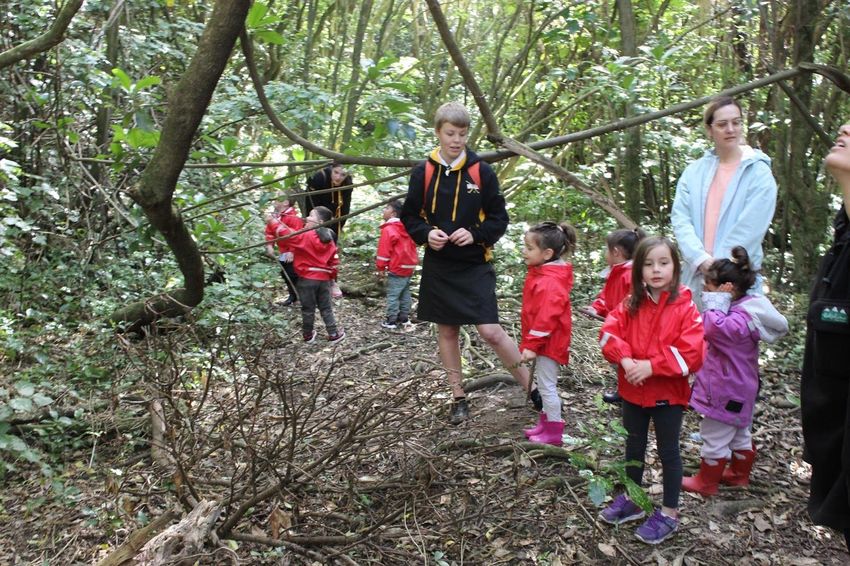
Introduction
The first year of the ‘Our PLACE’ project, a pilot of the Collaborative Community Education Model (CCEM) in Western Porirua has been full of rewards
and challenges. The strengths of this model include working collaboratively, establishing long-term environmental projects and building the capacity
of students and teachers to connect with their local place. The importance of connection as a key element of the wellbeing of our people and natural
environment has never been more clear. Despite the ongoing challenges faced by our community this year, we have built strong relationships and
achieved a huge amount in such a short time. The highlights of the year are presented on the following pages, followed by more detailed information
about the activities and outcomes achieved this year.
We are very grateful to the Philipp Family Foundation and the Department of Conservation for providing the funding for the programme this year.
Te Rūnanga o Toa Rangatira, through their Education and Environment staff, have worked alongside the Coordinators to ensure the programme aligns
with their vision and we will continue to work on creating a true partnership that recognises Ngāti Toa Rangatira as mana whenua of Porirua. The
Porirua Harbour Trust has efficiently managed the contracts and funding and continues to provide important strategic advice. Porirua City Council,
Greater Wellington Regional Council and Enviroschools have also provided essential strategic and operational support.
We were only able to achieve such positive outcomes this year because of the continued passion and hard work of our teachers, school senior leaders
and student leaders. They have remained committed to this project and value the opportunities it provides for reinforcing connections between
schools and centres, the wider community and our local environment.
Evaluation
The Coordinators and Strategic Leadership Group (SLG) have used the draft Evaluation Plan, including the logic model (see Appendix 1), to inform our
planning and reporting for this year. The details of this plan will continue to evolve as we test and adjust our programme goals and work with Ngāti
Toa to align our work with their vision and priorities. Feedback from teachers, senior school leaders, students and whānau is being collected, and will
inform our programme design and future evaluation work. A full summary of this evaluation material will be distributed in January (some information
is still being collected at the time of writing this report). Teacher feedback and comments from SLG members have been integrated into this report.
Reporting Areas: Long-Term Goal:
Student Leadership Young people are empowered and actively involved
Schools and ECE Teaching and learning supports connection to place and active learning
Strategic Leadership Effective stakeholder collaboration
Other long-term goals include ‘Natural environment is thriving and protected’ and ‘Wide community involvement’. We will be evaluating and
reporting on these aspects in the longer-term, in collaboration with other organisations and projects. Our priorities this year have been establishing
the student leadership team, building capacity within schools and ECE centres and building a strong strategic base. There have been many positive
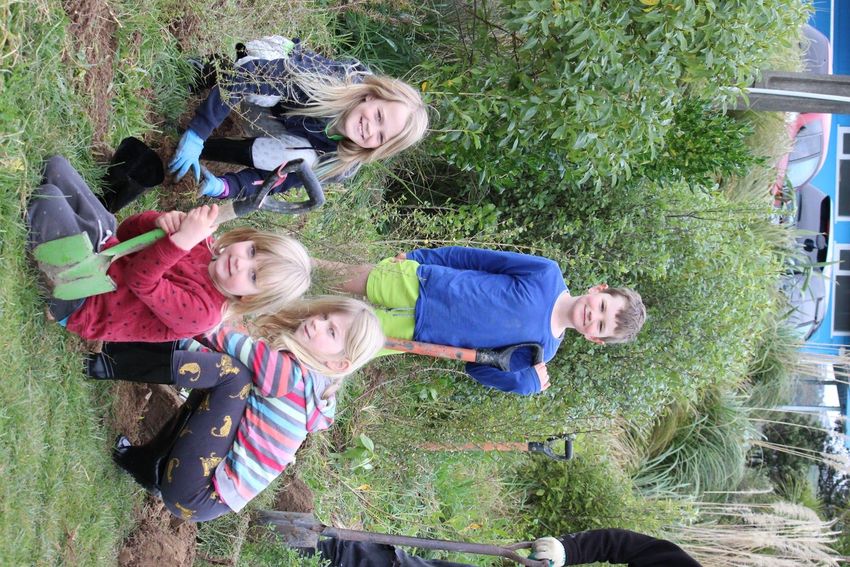
outcomes for the environment and community, but we did not have the capacity to collect baseline information for these in 2020.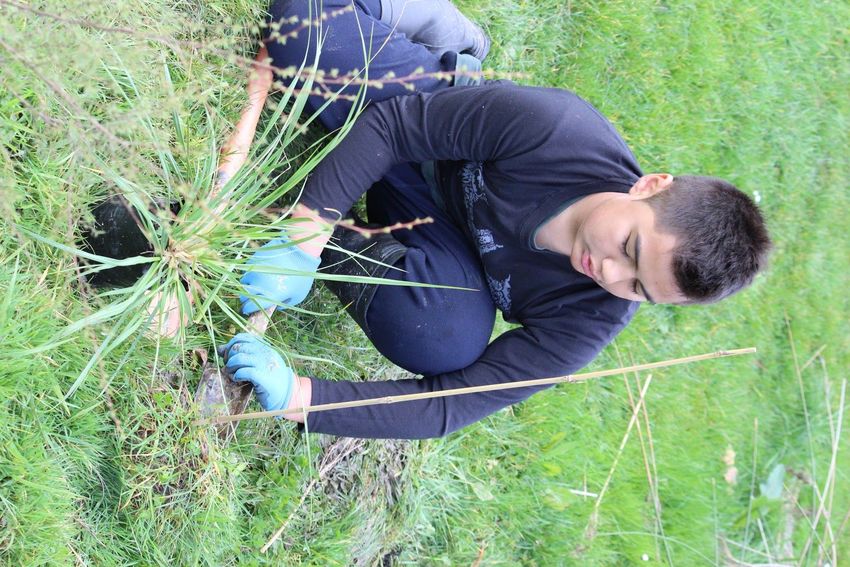
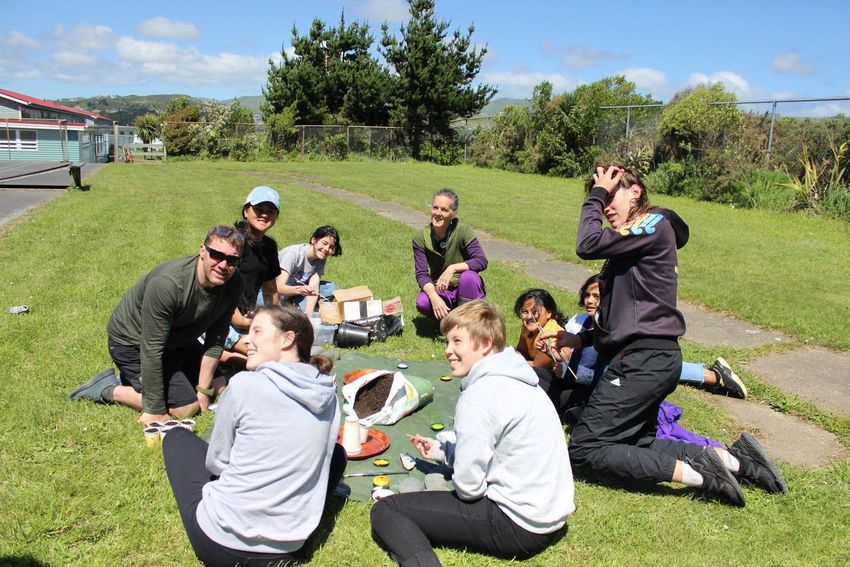
HIGHLIGHTS - STUDENT LEADERSHIP Young Environmental Leaders Porirua Connections with Early Childhood Community and Whānau Event The group has 23 students, representing the five All of the Y.E.L.P. students are very keen to After multiple postponements, the YELP schools and Te Puna Mātauranga. The students connect with tamariki from their local ECE centres. students put together a fun and engaging agreed on a name (Y.E.L.P.) and have started to In Term 3, Mana College students took part in event, to share their ideas with whānau and create their vision (see Appendix 2). weekly nature walks with tamariki from Katoa the wider community. Food, games, art This includes improving the health of our Kindergarten. The development of tuakana-teina activities and workshops about pests and waterways, addressing climate change, creating relationships and enthusiasm of the students was a plants were a great way to end the year. safe places for animals and growing food. highlight of the year for everyone.
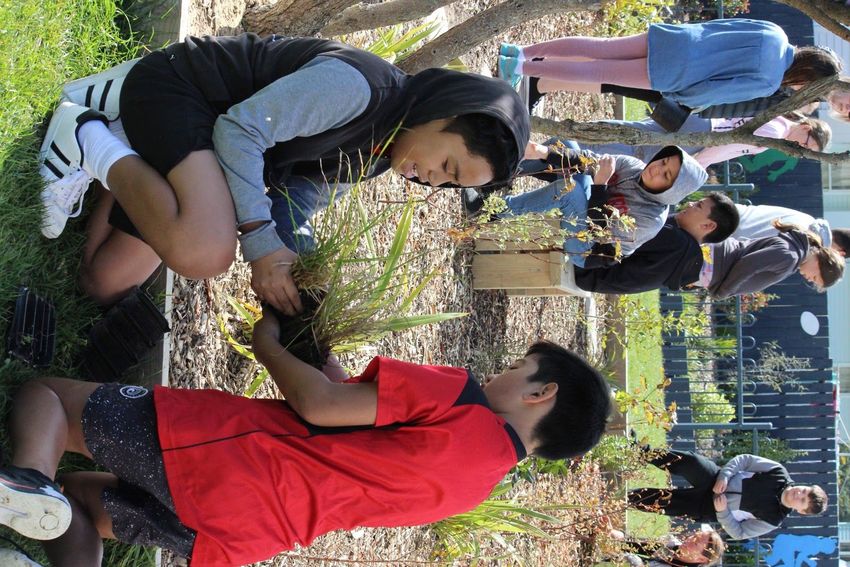
HIGHLIGHTS - TEACHERS, COMMUNITY and ENVIRONMENT Teacher Professional Learning Planting in Schools and Community Kaiako have connected across schools and centres to Students have been involved with planting natives to help birds, lizards, insects and collaborate, share and learn together. Our PLACE provides freshwater animals. We supported projects alongside Enviroschools and local a unique opportunity for this professional learning to occur community groups who are helping restore our streams, wetlands and coastal dunes. and helps embed place-based and student-led pedagogy Some students monitored water quality in their local streams and counted birds in into teaching practice. their school and garden. Comments from Teachers: “So important to have this team and our hui to exchange ideas and get support” “It has been so valuable to form relationships with other educators” “Content of korero is always rich and relevant”
Student Leadership Long-Term Goal: Young people are empowered and actively involved
Goal / Milestone Activities + Outputs Outcomes 2021
Student Leadership Team 23 students from 5 schools and Te Puna Mātauranga. Positive relationships have Change format for YELP hui.
established and regular First hui: March 19th at Puna. Attended by most students. developed across the schools Planning / strategic work with
hui facilitated. April - June: COVID restrictions prevented student hui across and between the students College students - they will
schools from taking place. Coordinators met with students and Coordinators. consult with younger students.
from each school separately during this time. Support them to lead within their
July - November: Four planning hui (held at schools) schools.
Student leaders March: Kaumatua - history and importance of the area. Students have gained more Aim for one ‘exploration day’
experience and learn July exploration day: Exploring and learning about Titahi Bay knowledge and connection to each term, involving YELP and
about their local place. Beach, Stuart Park. Korero (Calisa): Mana Island, Whitireia + the local area. lead teachers + invite whānau.
students shared their own knowledge and ideas. *Not evaluated at this stage Use local mentors & experts.
Students work together Students took part in planning hui at the Surf Club, Mana Students created and voted Continue to refine vision + set
to create their name, College, TBI and Ngāti Toa Schools. on their group name (YELP). specific goals in Term 1.
vision and goals for Range of activities to collect student ideas and refine into Vision in draft form, with YELP sub-group + Mana College
the project. draft vision, with some led by older students. specific goals and timeframes design students to create
still to be decided. branding + comms strategy.
Students are supported Yr 10 - 11 Mana College students supported to lead aspects Small increase in student Focus on specific skills
to develop leadership of student hui, including activities to choose their name and confidence and leadership development, through
and collaboration skills. start to refine their vision. They also led games. skills, through experiences mentoring, workshops,
Katoa Kindy walks: College students in tuakana role. rather than specific focus. experiences, responsibility.
Students actively All YELP students were involved with at least one project, Students taking action in Support students to plan and
involved with planning but most planning and facilitation was led by adults. their local environment. lead actions within schools.
and carrying out actions These included: planting natives, monitoring birds, water Still work to be done on Teacher PLD/support is an
in the local environment. quality and beach litter monitoring. students planning actions. important part of achieving this.
Students work with November Community event involved student input with: Some of the students stepped Work with students who show a
Coordinators and SLG to ideas, creating and running activities, making signs/maps. up and showed their particular interest in organising
plan community The older students helped set up, pack up and spoke about leadership skills in organising and running events. Smaller
education and the project to the wider community (formal and informal). and running an event. They sub-groups are a more practical
celebration events. Many aspects were still adult-led, mostly due to time worked collaboratively and option. Encourage whānau and
constraints and logistics. positively as a group. teacher involvement.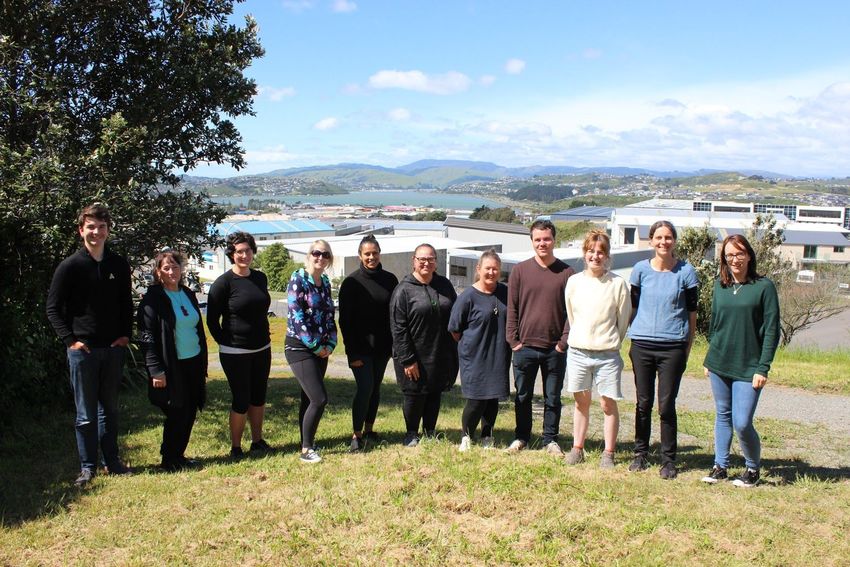
Schools and ECE Long-term Goal: Teaching and learning supports connection to place and active learning
Goal / Milestone Activities + Outputs Outcomes 2021
Teachers regularly use their Teacher Professional Learning Most teachers are regularly using Continue current model of
local place as a context for Feb: Half day workshop - 15 teachers (5 schools, 4 ECE) our local place as a context for PLD and focus on areas
learning. June - Nov: After school hui and staff meetings learning. identified by teachers.
Nov: Full day workshop - 10 teachers (5 schools, 2 ECE)
-> Teachers feel connected Teacher PLD, books, teaching
Include local experts and
and knowledgeable about Resources: Maps, books, other resources, digital folders resources, connections to iwi and
community members as
the local area Individual planning support provided on request, including 5 community are all important
integral part of projects.
schools, 3 ECE centres. factors in supporting this.
Teaching and learning Katoa Kindergarten: Calisa / Becky supporting weekly hikoi Most teachers have increased the Support nature walks,
regularly occurs outside. into the local bush over Terms 3 - 4. amount of time spent learning outdoor classrooms,
Free play, field work, nature outside with students. pedagogy to support
walks etc
Field work support and stream kits used by 3 schools.
Some still building confidence. learning outside.
Active learning and student Existing Enviro groups and projects (Porirua, Ngāti Toa, Most provide opportunities for Provide opportunities for
agency are prioritised by all Titahi Bay School & Mana College) continue to be supported. student action, with some work teachers to visit other
teachers. New Enviro group established at TBI in Term 4 - support to be done around how often schools /centres and
provided for teacher to facilitate during school hours. students lead their own learning. experience examples of
Teacher PLD focus on developing student agency (Nov). student agency.
Education organisations are Most schools / ECE in the programme have taken part in PLD *Outside the scope of our project Prioritise supporting Ngāti
‘culturally competent’ and offered by Ngāti Toa (history tour, marae workshops, CELO). to evaluate this milestone at this Toa to lead PLD in this
work in partnership with Kaiārahi (Calisa) has provided additional advice and support. stage. area, including funding
mana whenua. support for Kaiārahi.
Schools and ECE centres Teacher PLD: Workshops bring teachers from across ECE and Teachers are starting to work Create shared pathways
are connected and work schools together to learn, share and collaboratively plan. collaboratively across centres and and calendar docs.
together to create long-term November workshop involved creation of shared goals and schools to plan projects and Continue collaborative
pathways for students. visual brainstorm of current and future connections (see events for 2021. planning - offer flexible
Appendix 2). and regular opportunities.
Teachers feel supported Teacher workshops and meetings focus on wellbeing (time Teachers comment that support Continue to prioritise use
and their own wellbeing is outside, healthy food, positive reinforcement, social). and PLD sessions provide them of funding for teacher PLD
prioritised. with renewed energy. and support.
Coordinators check in regularly and offer flexible support.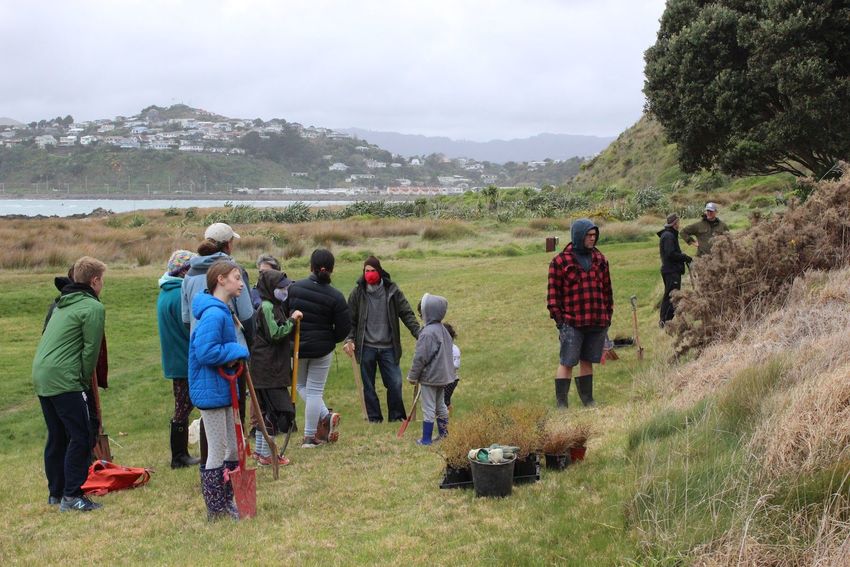
Strategic Leadership Long-term Goal: Effective stakeholder collaboration
Milestone Progress / Outcomes 2021 Related
Documents
SLG to meet at least once a First SLG meeting for 2020 was held in early March. Prioritise funding strategic SLG minutes
term, with sub-groups Online meeting in June. representation from Ngāti Toa - discuss
meeting more often. September - first face to face meeting since COVID with Bianca/Naomi.
Funding sub-group met regularly, but no capacity for other
sub-groups to meet (PCC and GW members working on COVID Continue to build structures and ways
response and teachers prioritising key work). of working together effectively.
SLG refine Strategic Plan: SLG elected Nadia as Chair, with support from Becky. Prioritise developing more detailed Draft Terms of
Agree on SLG Terms of Secretary role: Becky + help from others for recording minutes. Strategic Plan + ‘One-Pager’ and Video Reference
Reference + draft Strategic Draft TOR still being worked on, with key focus on purpose, Should align with other projects
Plan responsibilities and how we work together. Eg: Te Hurihanganui, Kahui Ako
Draft logic model, based on 5 key areas: Develop final logic model in
Measuring and Monitoring - Student leadership and action competence collaboration with Ngāti Toa and Draft Evaluation
planned for and - Teachers using local place as context for learning wider SLG - adjust as needed. Docs:
implemented: - Projects helping the local environment
Develop an Evaluation Plan - Community involvement in local environment Refine Evaluation Plan to keep it Logic Model
and collect baseline data. - Effective collaboration amongst stakeholders manageable and focused on key areas.
Think about how to collect info and Evaluation Plan
Some baseline information collected from whānau, student
leaders and lead teachers - difficult due to COVID. End of year what to prioritise:
Sub-group to work on this Natural environment (within schools)
between SLG meetings.
feedback is being collected in Nov/Dec.
Students (new + existing)
Evaluation Plan has been started, with objectives, indicators Whānau Teachers
and timeframes. Still a work in progress for the sub-group.
Develop annual and Funding sub-group (PHT Trustees and Becky) met regularly to Create firm plan for timing and sources
long-term budgets and discuss budget details and timeline for funding proposals. of funding for 2021 onwards.
monitor spending. Philipp Family Foundation funding has been secured for 2021 budget
another 3 years (2021 - 2023). Strategic Plan, One-Pager + Video
Sub-group to oversee Further funding needed by June 2021, when DOC seed funding critical for funding. Funding Sub-group
development of long-term runs out. List of possible sources created and PHT and SLG Seek professional support to help meeting minutes.
funding plan and proposals. have started discussions about securing remaining funds. students + SLG create these.
Appendix 1: Logic Model - Traffic light codes have been used to give an overview of the 2020 programme and outcomes.
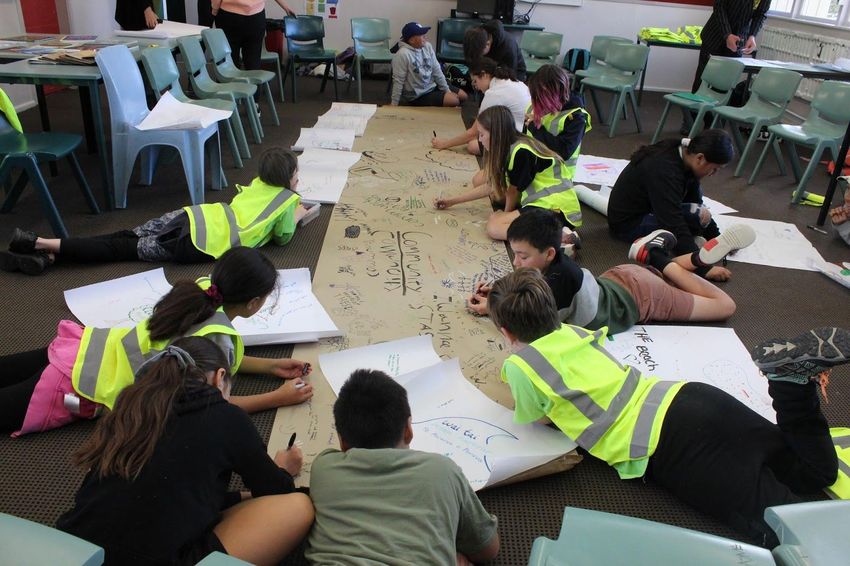
Appendix 2: Student Vision images (representing a selection of early ideas)
Appendix 3: Collaborative planning from November teacher professional learning session
Solid green lines show existing connections and blue dotted lines are future connections planned for 2021 and beyond.
You can also read


