Dear Educator, Young Minds Inspired
←
→
Page content transcription
If your browser does not render page correctly, please read the page content below
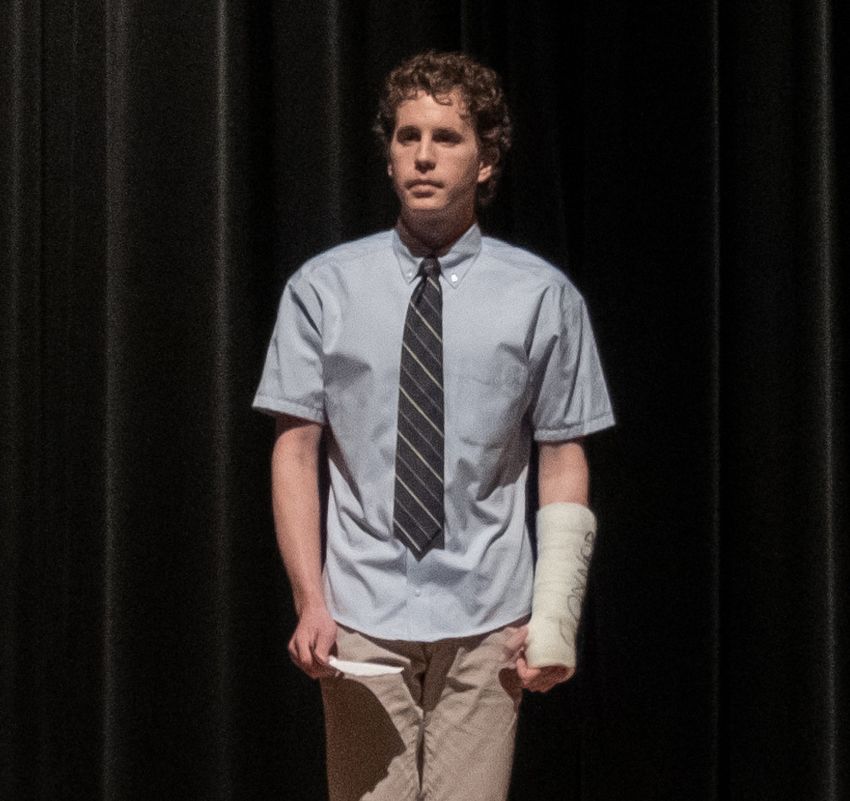
Dear Educator,
                                                                 YOU WILL
                                                                 BE FOUND
  The breathtaking, generation-
  defining Broadway phenomenon
  Dear Evan Hansen becomes a
  soaring cinematic event this fall, as
  Tony, Grammy, and Emmy Award
  winner Ben Platt reprises his role as
  an anxious, isolated high schooler
                                                                 TARGET AUDIENCE                                        Please visit childmind.org
  aching for understanding and
                                                                 Students, ages 14-17                                   for information if you,
  belonging amid the chaos of the
                                                                                                                        or someone you know,
  social-media age. It’s a story of                              PROGRAM OBJECTIVES                                     is experiencing mental
  longing to be found and discovering                            In completing the activities, students will:           health struggles.
  who you really are, set to some of                             • Develop an awareness about personal identity
                                                                 • Practice strategies that show empathy to peers       Before starting the
  the most uplifting music of our times.
                                                                 • Collaborate to promote a supportive school           program, consider how
  Inspired by the upcoming film, this                               community                                           you might collaborate
  free teaching kit from Universal                               • Employ effective interviewing techniques             with colleagues to
  Pictures, the Child Mind Institute, and                        • Write short, informative narratives from             build support around
  the curriculum specialists at Young                               multiple points of view                             identity, empathy, and
                                                                 • Explore ways to strengthen social and                resilience for your
  Minds Inspired, invites high school
                                                                    emotional wellness                                  students and encourage
  students to explore the film’s themes,
                                                                                                                        discussions among
  including concepts of identity,                                PROGRAM COMPONENTS                                     educators, students,
  empathy, inclusivity, communication,                           Available at ymiclassroom.com/dearevanhansen:          and their families to
  support, and hope. The program is                              • This two-page teacher’s guide                        build supportive school
  designed to encourage and support                              • Four reproducible student activity sheets            communities.
  educators, students, and families in                           • A family take-home letter
                                                                 • Four-page digital student magazine                   ABOUT
  engaging in meaningful discussions
                                                                 • Audio sampler of songs and lyrics from the film      Evan Hansen (Tony, Grammy, and Emmy
  on these topics at school and home,                                                                                   Award winner Ben Platt) is a lonely high
                                                                 • Standards chart
  with a focus on the inspirational                                                                                     school senior who suffers from an anxiety
                                                                 • Feedback form
  elements of the film. Through                                                                                         disorder and feels invisible to his fellow
  exploration and collaboration with                             HOW TO USE THIS PROGRAM                                classmates. But when Connor Murphy
  peers to complete the activities,                              Download and photocopy the activity sheets             (Colton Ryan, Little Voice), a volatile loner
  students will gain a better                                    and take-home letter for your students, and            in Evan’s class, takes his own life, a letter
  understanding of identity, others’                             follow the suggested agenda for each activity.         found among the boy’s things leads Connor’s
                                                                 Students do not have to view Dear Evan Hansen          parents to believe that Evan was their son’s
  perspectives, and acceptance, and
                                                                 to complete the activities, but viewing the film       best friend. Evan, wanting not to hurt them
  learn skills and strategies to apply
                                                                 makes for a more meaningful learning experience.       further, doesn’t reveal the truth — that he
  these ideas to their own lives to build
                                                                 Before starting the activities, establish class        and Connor barely knew each other, and that
  supportive school communities.                                 discussion guidelines so that students feel            Connor had no friends.
  Please feel free to share these                                comfortable sharing if they choose to. Remind
                                                                                                                        What begins as a lie of compassion soon
  resources with other educators who                             students to be respectful of each other, as the
                                                                                                                        spirals out of control and Evan, suddenly
                                                                 activities focus on empathy and inclusivity.
  teach students ages 14 to 17. And let                                                                                 offered everything he ever hoped for,
  us know your thoughts about the                                PROGRAM GOAL AND                                       struggles for the courage to tell the truth and
  program by visiting ymiclassroom.                              SENSITIVE CONTENT                                      to be seen, and loved, for who he truly is.
  com/feedback-dearevanhansen.                                   The film Dear Evan Hansen addresses sensitive          The film is rated PG-13 and arrives in theaters
                                                                 topics. This program aims to engage students           September 24, 2021.
  Sincerely,
                                                                 in reflection around themes of identity,
                                                                                                                        For more information about booking a
                                                                 perspective-taking, and support through
                                                                                                                        school or class screening of Dear Evan
                                                                 activities that encourage students to consider
  Dominic Kinsley, PhD                                                                                                  Hansen at your local theater, please email
                                                                 who they are, how they relate to others, and
  Editor in Chief                                                                                                       DEHGroupSales@nbcuni.com.
                                                                 how seeing the world through another’s
  Young Minds Inspired                                           perspective can be a way to support their peers.
                    Questions? Contact YMI toll-free
                    at 1-800-859-8005, or by email at            It is important to note that, while these activities
                    feedback@ymiclassroom.com.                   are meant to promote connection and wellness
                                                                 within school communities, any student
                                                                 experiencing significant challenges with their
                                                                 mental health will require additional support, as
                                                                 this program is not designed to address these
                                                                 concerns.
Dear Evan Hansen ©2021 Universal Studios. All Rights Reserved.
© 2021 YMI, Inc. In partnership with the Child Mind Institute.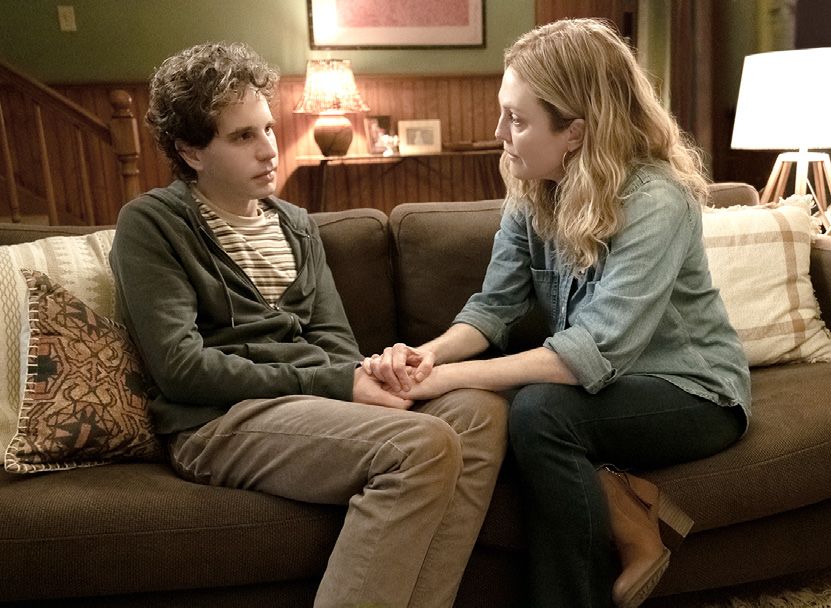
ACTIVITY 1
                                              Divide the class into small groups and have      how can we use this concept to be
WAVING THROUGH A WINDOW                                                                        more empathetic toward each other?
                                              students use the T-chart on the activity
Materials: Lyrics and recording of
                                              sheet to collect examples of times they felt     Close by having students write a
“Waving Through a Window” available           alone and times they felt connected — or         positive statement on an index card
at the YMI program site; copies of the        found — to their peers, family, a coach,         that encourages their peers to be more
activity sheet                                counselor, or someone else.                      empathetic and accepting. Display the
Agenda: Listen to the song and review         After about 10 minutes, have each group          cards on a bulletin board for all classes
the lyrics. Discuss what the song’s title     share an example from either side of the         to enjoy.
means as related to someone expressing        T-chart. Then discuss as a class: What           ACTIVITY 4
                                              similarities did you hear among times we
their identity. Explain that sometimes                                                         SOCIAL SUPPORT
                                              felt alone? How about when we felt found?
we can feel like we’re waving through a                                                        Materials: Copies of the activity sheet;
window — that is, we’re on the outside        Have the groups create strategies to             internet access; old magazines and
and people can’t see who we really            help them and others feel included and           newspapers for images; glue, tape, and
are. In this activity, we’ll talk about       found. In addition to their own experience,      posterboard
                                              students can use resources found on
how people might open that window                                                              Agenda: Begin by asking: What role
                                              childmind.org.
and step into the community as their                                                           does social media play in your life?
authentic self.                               ACTIVITY 3                                       What are its positives? How about its
                                              YOU’RE YOU AND                                   negatives? Have students note their
To start, ask students to brainstorm
                                              THAT’S ENOUGH                                    ideas on the activity sheet.
whom they admire — e.g., characters
                                              Materials: Copies of the activity sheet;
from their favorite novels or films, a                                                         Next, have students search their
                                              chart paper; index cards
family member or adult in their lives,                                                         preferred social media platforms
or significant figures in history. Prompt     Agenda: Begin with the question: Can
                                                                                               (Instagram, Snapchat, Twitter, TikTok,
                                              you think of a time when you noticed
students to describe their role models’                                                        etc.) for positive, supportive, and
                                              that your perception of a friend was
admirable qualities and how they express      different from what they were feeling or         inspiring content. Have them record
their authentic selves. Then pass out the     thinking on the inside? Can you think of         their findings in the sections of the
activity sheet and have students profile      a time when someone drew a conclusion            activity sheet’s graphic organizer, citing
their role models.                            about you that was different than how            sources.
                                              you think of yourself? Examples could
In small groups or as a class, have                                                            Discuss obstacles students might have
                                              include interactions on social media or
students share their profiles, and record     hearing gossip about someone. Draw the           encountered in finding positive social
the admirable qualities they identify. If a   conclusion that we don’t always know the         media content. Were there differences
student feels uncomfortable sharing, they     reality of what we think we see, a theme         across platforms?
can have a friend read their profile for      we learn in Dear Evan Hansen.
                                                                                               Finally, explain that students will
them.                                         Explain that students are going to work in       create collages from materials in
Close with a short discussion about           pairs to interview and get to know each          magazines and newspapers that
                                              other. Discuss class guidelines that will        include the messages of support
what the students’ role models have in
                                              make everyone feel safe to participate. List
common. Ask: How can you use their                                                             they wish they saw more of on social
                                              students’ ideas on chart paper to hang at
example to find strength to ‘open the                                                          media. Their collages should highlight
                                              the front of the room. Reiterate that all
window’ in your own life and express          students should follow these guidelines for      positive, inspirational messages that
parts of yourself authentically with          this activity.                                   let peers know they’re not alone and
others? Solicit responses, and offer your                                                      are accepted and celebrated. When
                                              Discuss what makes an effective interview
own ideas for the qualities you’d hope to                                                      students complete their collages,
                                              (asking open-ended questions, good note
see students be able to express.              taking, and a warm, accepting approach)          display them in the classroom.
                                              and brainstorm questions students can use        Close by asking students for a quick
ACTIVITY 2
                                              to interview each other.                         written response (less than a
YOU ARE NOT ALONE
Materials: Lyrics and recording of “You       Put students in pairs, distribute the activity   paragraph) explaining what they took
Will Be Found” available at the YMI           sheet, and give each student an index card.      away from the activity.
program site; copies of the activity sheet    Ask students to list three things that make
                                              them unique on the card and give it to their     DIGITAL MAGAZINE AND
Agenda: Have students read and listen         partner. Then have students use the index        AUDIO SAMPLER
to the song’s lyrics and explore their        card information as a jumping-off point          Have students use the digital magazine
meaning in a class discussion.                to compose interview questions on the            and audio sampler at the YMI program
Ask: What are some aspects of yourself        activity sheet. Then allow students about        site to explore the music in Dear Evan
that you wish you could show to the           20 minutes to interview each other.              Hansen and learn more about the film.
world a bit more? Are there things you        Facilitate a reflective perspective-taking       RESOURCES
struggle with, that you wonder if others      discussion: How did what you learned
struggle with as well? What supports you                                                       • YMIclassroom.com/dearevanhansen
                                              in your interview differ from what you
during those tough times when you feel        perceived about your partner? How was it         • Universalpictures.com/movies/
alone? Explain that in tough times, as        the same? Larger question: Now that we’ve          dear-evan-hansen
Dear Evan Hansen shows us, it helps to        learned how what we think we see can be
know that you’re not alone.                   different from the truth about someone,          • Childmind.org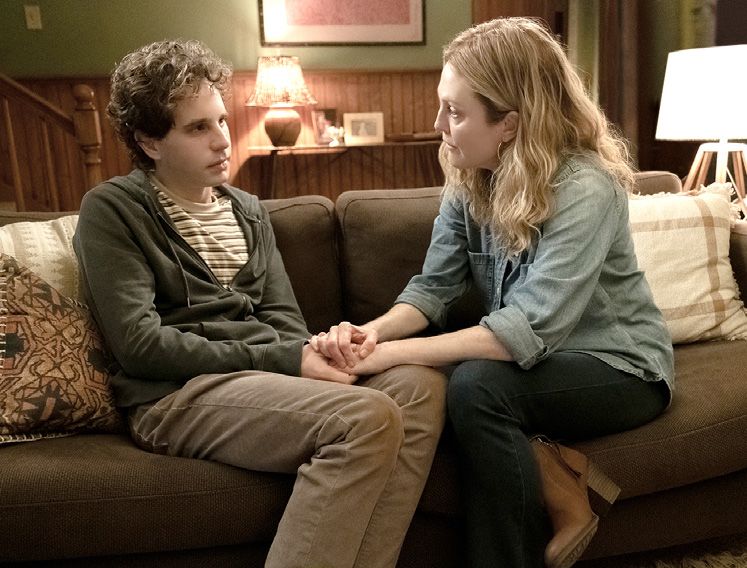
Activity 1 • Reproducible Activity Sheet

WAVING THROUGH A WINDOW
In the film Dear Evan Hansen, high-schooler Evan Hansen feels he’s always
waving through a window — that is, he feels that he doesn’t belong and is on
the outside, looking in on his peers. This is a feeling many people can relate
to at one time or another. But one of the key messages in the film is that, in
fact, we all are worthy of belonging and are all unique and valuable.
Think about someone you admire, someone who is a role model for living
their full, authentic self. How does this person inspire you to open up and
express parts of yourself with others?

Person I admire:
Describe this person.

Why did you select this person?

Why do you consider this person a role model for living life authentically and expressing their true self?

Does this person inspire you to express yourself and parts of you that otherwise feel lonely or isolating?
If so how?

Besides your role model, where else do you find strength to open that window?

Share your role model profile in a class discussion. As you listen to your peers, jot down any facts and ideas
that are surprising or interesting to you, or that you could draw inspiration from.

Dear Evan Hansen ©2021 Universal Studios. All Rights Reserved. © 2021 YMI, Inc. In partnership with the Child Mind Institute.
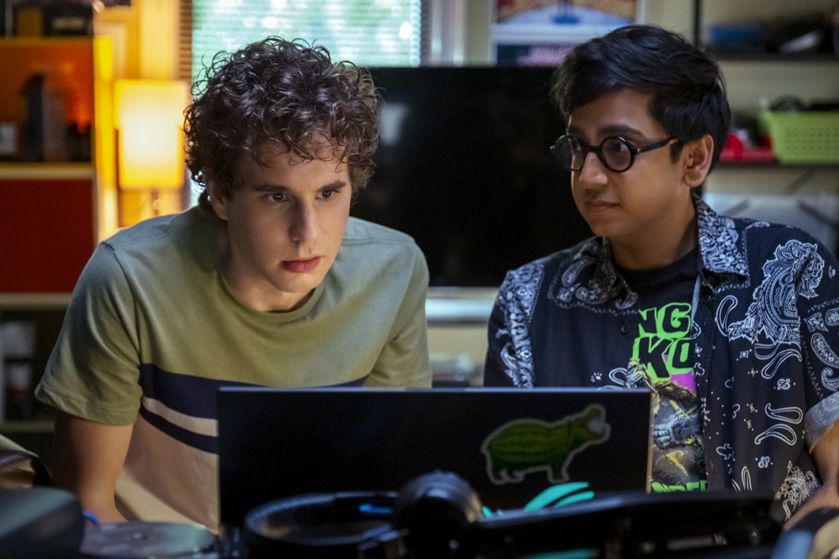
YOU ARE NOT ALONE
                                                                                                                                       Activity 2 • Reproducible Activity Sheet

In the film Dear Evan Hansen, the characters grapple with belonging — both
wanting to be accepted as part of the group and feeling like they don’t really
fit in. In your own life, when do you feel like you belong, like you’ve been
found? And when do you feel alone? Use this T-chart to make a list of places,
situations, and groups where you feel found and where you feel alone.
Consider This: If you had to give other teens tips for creating a safe space
where they feel like they belong or are “found,” what advice would you
give? Come up with a list of tips and strategies that you could offer to
others and jot them down here.

                  WHERE I FEEL FOUND                                                                                              WHERE I FEEL ALONE

                                                                           HOW TO FEEL FOUND

  Dear Evan Hansen ©2021 Universal Studios. All Rights Reserved. © 2021 YMI, Inc. In partnership with the Child Mind Institute.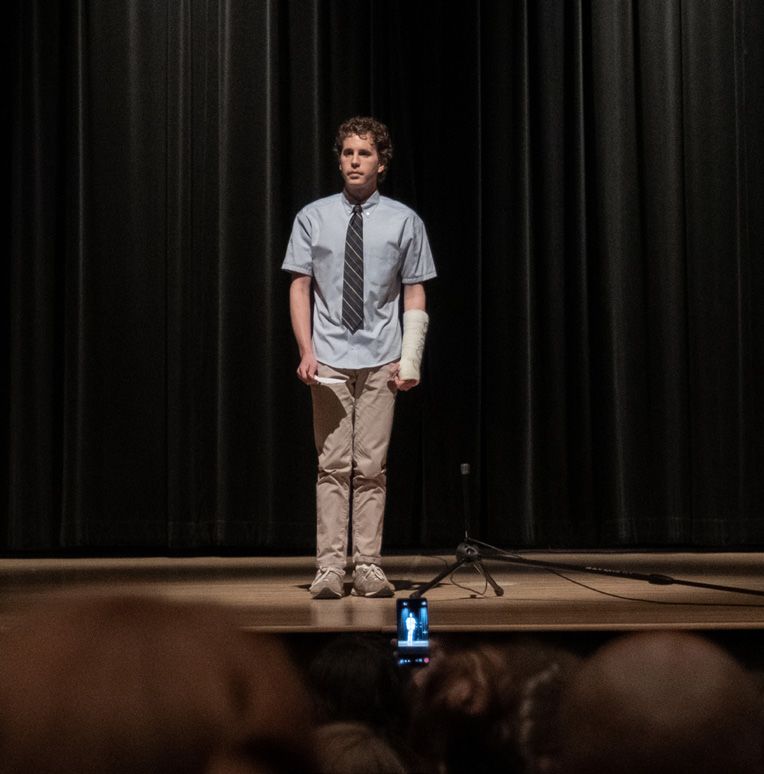
Activity 3 • e
                                                                                                        R producible Activity Sheet

YOU’RE YOU
AND THAT’S ENOUGH
Dear Evan Hansen shows us that what things look like on the outside don’t
always reflect the reality of what’s going on in someone’s life. In order to
get to know someone’s reality, it’s essential to really see them. Plus, when
people feel seen and understood, they’re more likely to succeed in school and
beyond.*
How can we make an effort to really see people better? One way is by
just talking to them to learn more about them. Try it out by interviewing a
classmate about what makes them unique. Use the information your partner
will provide to come up with five to seven questions you can ask in the interview. Remember these tips:
• Ask open-ended questions — that is, questions that you can’t answer with one word — to get your
  interviewee talking.
• Plan ahead to ask follow-up questions!
• Be sensitive. If your interviewee feels uncomfortable, move on from the question.

Take notes as you interview on a separate sheet of paper to use for
follow-up discussion.
*Source: Korbey, Holly. “The Power of Being Seen.” Edutopia. October 27, 2017.

 Dear Evan Hansen ©2021 Universal Studios. All Rights Reserved. © 2021 YMI, Inc. In partnership with the Child Mind Institute.
ctivySheodublApr4•R

SOCIAL SUPPORT
Raise your hand if you spend more time than you intend to
browsing social media. (You raised it, right?) As the characters
in Dear Evan Hansen learn, social media has a lot of plusses, but
can also have less positive effects. What social media upsides
and downsides can you see? List them here.

               SOCIAL MEDIA POSITIVES                                                                                           SOCIAL MEDIA NEGATIVES

Now, to focus on the uplifting aspects of your
favorite social media platforms, use this graphic
                                                                                                                                 Quotes
organizer to find quotes, posts, and influencers that
are aspirational, empathetic, encouraging, and make
you feel good all around. List each here, along with
its source. Find the messages of support!

                      Influencers

                                                                                                        Posts

Dear Evan Hansen ©2021 Universal Studios. All Rights Reserved. © 2021 YMI, Inc. In partnership with the Child Mind Institute.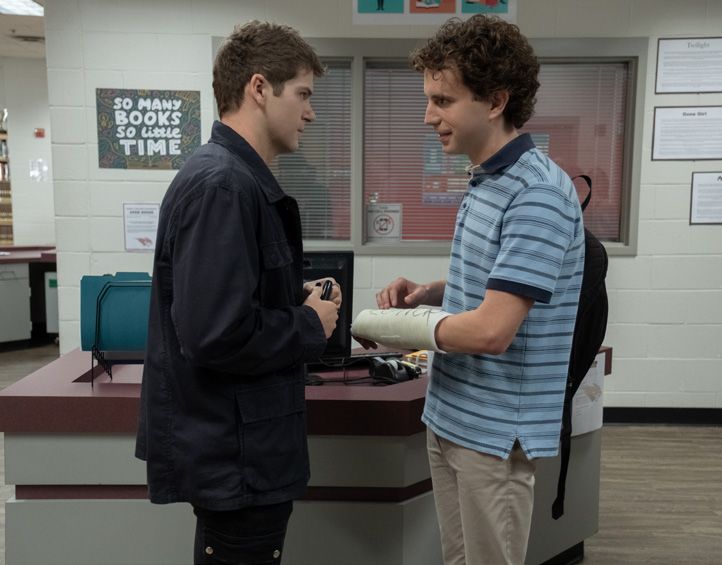
Reproducible Family Take-Home Letter

YOU WILL BE FOUND
Dear Parents and Caregivers,
The breathtaking, generation-defining Broadway phenomenon Dear Evan
Hansen becomes a soaring cinematic event this fall, as Tony, Grammy, and
Emmy Award winner Ben Platt reprises his role as an anxious, isolated high
schooler aching for understanding and belonging amid the chaos and cruelty
of the social-media age. It’s a story of longing to be found and discovering
who you really are, set to some of the most uplifting music of our times.
Your child’s class has been exploring the themes of Dear Evan Hansen with a
free educational program made possible by Universal Pictures and the Child
Mind Institute, and developed by the curriculum specialists at Young Minds
Inspired. Tailored to high schoolers, the program is designed to encourage
educators, students, and families to engage in meaningful discussions about
issues raised by the film at school and home. While the film does contain
some sensitive content, the program’s classroom activities focus on its
inspirational, inclusive elements to help students gain a better understanding
of identity, others’ perspectives, and acceptance, and learn skills and
strategies to apply these concepts in their own lives to build supportive
school communities.
As a family, you can reinforce and complement these lessons by discussing
what your child has taken from the classroom activities and exploring
together questions such as:
• Where and when do you feel like you most belong?
• How can you help others to feel that sense of belonging?
• What advice would you give to a teen who feels alone or different?
• What’s unique about you? What do you see as unique about your family
  members?
• How does social media affect your day-to-day life? How can you use it to
  focus on messages that help you and your peers to feel supported?

About
Evan Hansen (Tony, Grammy, and Emmy Award winner Ben Platt) is a lonely
high school senior who suffers from an anxiety disorder and feels invisible to
his fellow classmates. But when Connor Murphy (Colton Ryan, Little Voice), a
volatile loner in Evan’s class, takes his own life, a letter found among the boy’s
things leads Connor’s parents to believe that Evan was their son’s best friend.
Evan, wanting not to hurt them further, doesn’t reveal the truth — that he and
Connor barely knew each other, and that Connor had no friends.
What begins as a lie of compassion soon spirals out of control and Evan,
suddenly offered everything he ever hoped for, struggles for the courage to
tell the truth and to be seen, and loved, for who he truly is. The film is rated
PG-13 and arrives in theaters September 24, 2021.

                                                                                                 If you or someone you know
                                                                                                is experiencing mental health
                                                                                                     concerns, please visit
                                                                                                 childmind.org for information.

Dear Evan Hansen ©2021 Universal Studios. All Rights Reserved. © 2021 YMI, Inc. In partnership with the Child Mind Institute.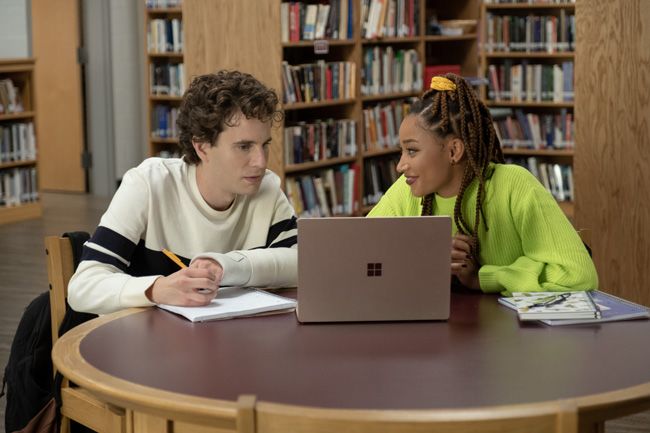


You can also read


