EDUCATOR GUIDE MASTER CLASS SERIES - GRADES 6-12 - Pathway to Financial Success
←
→
Page content transcription
If your browser does not render page correctly, please read the page content below
GRADES
                       6–12

MASTER CLASS SERIES

EDUCATOR
GUIDE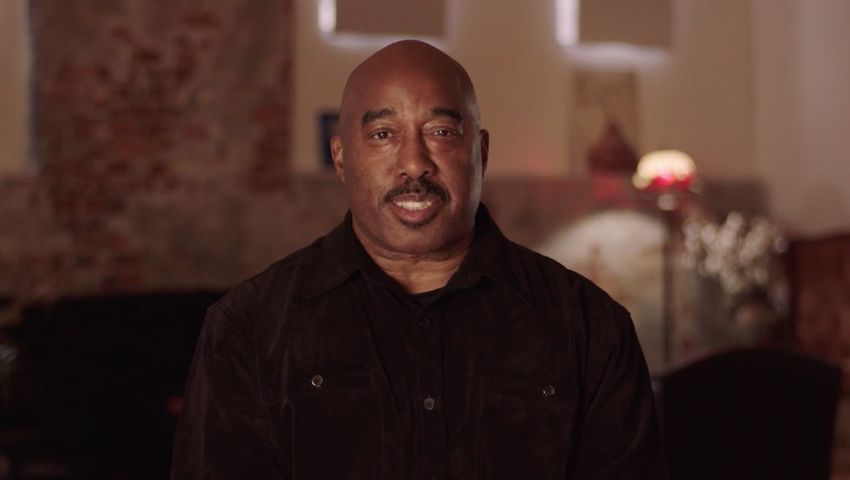
MASTERCLASS SERIES | EDUCATOR GUIDE

Introduction                                                                            • Student and Educator Videos: Middle school
                                                                                          students can watch videos that break down
This collection of Master Class videos is designed to
                                                                                          personal finance topics and make them relevant
inform and inspire educators to bring financial lessons
                                                                                          for their grade-level. Meanwhile, their teachers will
to their students. Each video in the series highlights a
                                                                                          find videos to help them brush up on the content
different educator and his or her approach to providing
                                                                                          and integrate personal finance into a variety of
financial education. The educators bring their personal
                                                                                          subject areas, including language arts, family and
experiences to their work and find ways to make the
                                                                                          consumer sciences, math, and social studies.
lessons they provide relevant to their students. Through
their stories, viewers see firsthand the benefits financial
education can have both on the intended beneficiary (the
students) and the teachers themselves.
                                                                                 Objectives
                                                                                        • Explain why it is valuable to provide students with
The Master Class videos and this guide can be used in a                                   financial education;
variety of settings to:
                                                                                        • Illustrate how educators can use Pathway to
    • spark ideas and personal reflection;                                                Financial Success resources to help students learn
    • guide discussions with members of a professional                                    about personal finance and understand how they
      learning network;                                                                   can take control of their financial futures;
    • prompt conversation with administrators about the                                 • Inspire educators to consider how they can
      need for financial education; or                                                    increase the extent to which they provide financial
    • augment a professional development program.                                         education and/or expand upon the materials they
                                                                                          use to teach personal finance; and
                                                                                        • Encourage educators to explore ways to bring
In addition to the Master Class videos, Pathway to
                                                                                          meaningful and relevant financial lessons to all
Financial Success in Schools offers a variety of resources
                                                                                          students.
that are designed for teachers with varying levels of
experience, including ones who are interested in teaching
about personal finance for the first time:                                       Materials
    • Self-Paced Modules: Students complete engaging,                                   • Pathway to Financial Success in School Master
      technology-enabled experiences on one or more of the                                Class Videos
      forty topics covered at the high school level. Designed
                                                                                               ○ Amanda Lucero on Connecting Personal
      to complete in about 15 minutes, the modules can be
                                                                                                 Finance and Social Emotional Learning
      used to introduce or reinforce concepts and can be
      expanded with further discussion.                                                        ○ Tony Montgomery on Making Personal Finance
                                                                                                 Culturally Relevant
    • Classroom Activities: Middle and high school
      educators have access to hands-on, standards-                                            ○ Yanely Espinal on Harnessing the Power of Your
      aligned learning activities that relate personal                                           Own Financial Experiences
      finance concepts to students’ lives and reinforce                                 • Computer(s) with Internet access
      key academic skills.                                                              • Chart paper, if using the videos as part of
    • Family Connections: Prompt discussion between                                       professional development activities (optional)
      students and their families with a series of guides
      that prompt conversation, encourage action,
      and provide additional information for families
      to explore.

                                    Copyright © 2021 Discovery Education. All rights reserved. Discovery Education, Inc.

                                                                            Page 2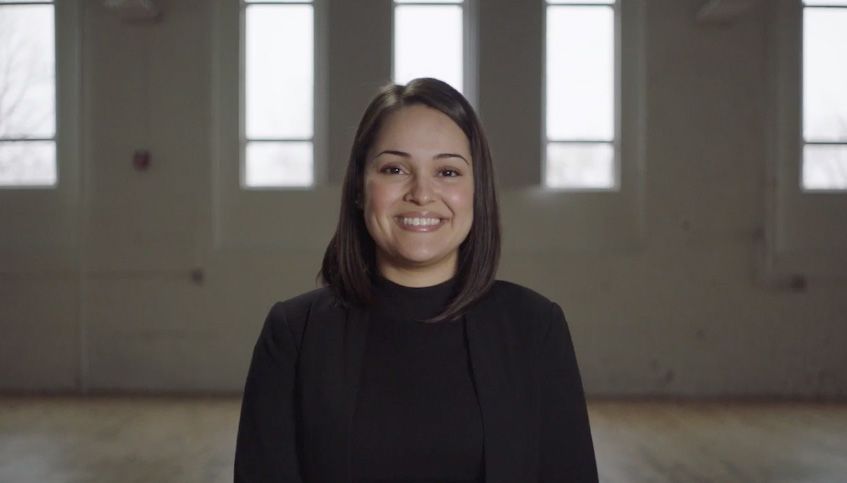
MASTERCLASS SERIES | EDUCATOR GUIDE

Video Overview
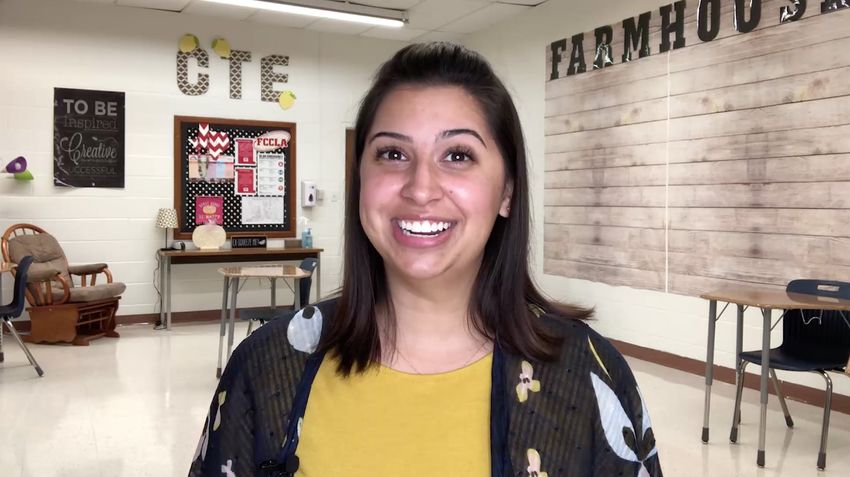
Amanda Lucero on Connecting Personal
Finance and Social Emotional Learning
“When you're happy, you may not spend as much money. When you're sad, you may spend more money.”

                                                                               Her Approach to Financial
                                                                               Education
                                                                               Located along the US-Mexico border, the student
                                                                               population of Sharyland High School is considered
                                                                               majority-minority. In other words, more than half of the
                                                                               students represent social, ethnic, or racial minorities. In
                                                                               the case of Sharyland, the majority of students share a
                                                                               Hipsanic heritage. When Amanda started her Dollars and
                                                                               $ense course, she discovered that cultural norms were
                                                                               influencing course registrations. In particular, families
Featured Educator                                                              were discouraging their daughters from enrolling in the
                                                                               class since personal finance wasn’t something they’d
Amanda Lucero is a Family Consumer Sciences teacher
                                                                               “need to understand.” Over time, she’s worked to fight
in Mission, Texas, where she started an elective personal
                                                                               against this misconception. A strong advocate for mental
finance course that has become a breakout hit among
                                                                               health and well-being, Amanda acknowledges and
students at Sharyland High School. Amanda says it’s
                                                                               uses the connections between finances, emotions, and
important to be honest with students. If you don’t
                                                                               relationships. For example, she shares with students
know something that they’re asking about, promise
                                                                               that 99-percent of domestic violence cases also involve
that you’ll help them find the answer and follow up.
                                                                               financial abuse. These aren’t easy topics to broach with
She also believes it is important to admit some of your
                                                                               students. Before doing so, Amanda works to build trust
own financial mistakes or in her case, she says, “lots of
                                                                               with her students (starting out small) and embraces being
mistakes.” Amanda also connects financial education with
                                                                               vulnerable. Then she makes connections to relationships
social emotional learning. Her “Feelings Friday” sessions
                                                                               and emotions throughout the course. For example, she
encourage students to share stories and emotions and
                                                                               might ask, “Do you save money to share things with the
allow her to highlight connections between personal
                                                                               people that you love?” These conversations take center
finances and emotional well-being. Amanda holds degrees
                                                                               stage on Feelings Friday where students discuss topics of
from Texas State University and Texas Woman’s University
                                                                               interest. This approach underscores Amanda’s effort to
and has achieved both the Certified in Family and
                                                                               focus on the whole student and makes her course relevant
Consumer Sciences (CFCS) and Certified Personal & Family
                                                                               and engaging for students.
Finance Educator (CPFFE) designations from the American
Association of Family and Consumer Sciences.

                                  Copyright © 2021 Discovery Education. All rights reserved. Discovery Education, Inc.

                                                                          Page 3
MASTERCLASS SERIES | EDUCATOR GUIDE
Questions to Consider • Mental Health and Finances: Read up on the
different ways personal finances and mental health
and/or Discuss are often connected.
• What connections do you currently make between
○ 7 Reasons Mental Health Issues And Financial
emotions or mental health and personal finance?
Issues Tend to Go Hand-in-Hand
How might you expand on these in a meaningful way?
○ Compulsive Spending: What You Need to Know
• Are you comfortable with students openly sharing
their personal experiences and stories in class? ○ Stressed About Money? 6 Stress-Less Financial
What are the benefits of doing so? What are the Tactics
potential tradeoffs?
• In the intro Amanda says, “When you're happy, you
may not spend as much money. When you're sad,
you may spend more money.” Do you agree? What
personal example could you share with students to
demonstrate this phenomenon in action?
• Amanda describes the self-paced modules in
Pathway to Financial Success in Schools as turnkey,
easy to use, and a great way to introduce or review
content. Have you explored these modules? If so,
what did you think?
Related Resources
• Why Social and Emotional Learning Is Essential for
Students: Review the five key areas of social and
emotional learning and consider the connections
between SEL and financial education.
• National Network to End Domestic Violence: Learn
about financial abuse and the many forms it can
take. Fact sheets on the topic are available in both
English and Spanish.
• The Five Love Languages: Explore the five love
languages and consider how these connect to
finances.
• Data on Valentine’s Day Spending: Find out how
much consumers typically spend celebrating
Valentine’s Day including averages per person and
a year-to-year comparison.
Copyright © 2021 Discovery Education. All rights reserved. Discovery Education, Inc.
Page 4MASTERCLASS SERIES | EDUCATOR GUIDE
Video Overview
Tony Montgomery on Making Personal
Finance Culturally Relevant
“Every kid, I don't care who they are, has to learn how to handle money.”
His Approach to Financial
Education
Tony Montgomery believes financial education should
be relevant to students. Meeting them where they are
and taking advantage of teachable moments—what he
calls “hunger moments”—are key. He strives to know his
students and their individual situations in order to make
his lessons and discussions as relevant as possible. Tony
is also committed to honing his craft through practice. He
values being able to refine his lessons and instructional
Featured Educator approach over time which allows him to identify where
students might get stuck and then avoid those “potholes”
Before Tony Montgomery became a teacher, he was
in the future. Like many financial educators, Tony knows
a financial planner and stockbroker. This real-world
what it is like to be the only person in his school teaching
experience has paid dividends in his nearly 30-year
personal finance. Unlike colleagues in other departments,
teaching career. More than half of that time, he has taught
there is often only one person assigned to teach personal
a course dedicated to personal finance. His philosophy
finance. Tony encourages financial educators to become
behind teaching about money is that it’s important to
part of a community and seek out like-minded educators.
meet kids “where they’re at” and then take them “where
Doing so can offer support and encouragement as well as
you want them to go.” At City-As-School High School, an
open the door to new resources and approaches.
alternative high school focused on real world internships
in New York City, Tony achieves this by always trying to
relate to the stories of his students. He works hard to not
Questions to Consider
only know and understand his students, but also to make
them realize that every person has to be able to handle and/or Discuss
money at some point in their lives. A strong advocate for • What comes to mind when you hear the term
personal finance education for all students, Tony serves as culturally relevant instruction?
a member of the Financial and Consumer Empowerment • How do you make your lessons culturally relevant for
Focus Group created by the New York State Comptroller's students? What areas of your curriculum could use the
Office. He holds degrees from the State University of New most improvement in terms of cultural relevance?
York and the College of Mount Saint Vincent.
• What support do you have as a teacher of personal
finance? To whom do you turn when you are looking
for a strategy to teach a particular topic or are looking
for an innovative resource? How can you build upon
that support network?
Copyright © 2021 Discovery Education. All rights reserved. Discovery Education, Inc.
Page 5MASTERCLASS SERIES | EDUCATOR GUIDE
• Tony Montgomery is an advocate for every student
receiving financial education as evidence in this
opinion piece he wrote. Where do you stand on the
need for financial education? In what ways might
you advocate for more students to take a course
in personal finance or increase access to financial
education in your community?
Related Resources
• Culturally Relevant Teaching: Use this introduction
to culturally relevant teaching to help learn more
about how you can create more engaging and
equitable learning opportunities for all students.
• FinLitFanatics: Join this or another Facebook group
and connect with educators who are committed to
financial education. More general groups also exist
for specific disciplines such as business or family
and consumer sciences.
• Advocating for Financial Education: Explore the
advocacy tools created by Next Gen Personal
Finance to support financial education in your
school, district, or community. Amongst the tools are
examples of advocacy goals other educators have
set and case studies which profile specific educators
and their efforts to enhance financial education.
Copyright © 2021 Discovery Education. All rights reserved. Discovery Education, Inc.
Page 6MASTERCLASS SERIES | EDUCATOR GUIDE
Video Overview
Yanely Espina on Harnessing the Power
of Your Own Financial Experiences
“Mistakes that you've made with your own personal finances are great stories for your students.”
also serves as a member of CNBC's Financial Wellness
Advisory Council and holds a master’s degree from Relay
Graduate School of Education.
Her Approach to Financial
Education
Yanely Espinol doesn’t claim to be perfect when it comes
to her past financial choices. In fact, she harnesses her
mistakes and leverages them to connect with students
as a way of encouraging students to make better choices
Featured Educator and be informed about their financial options. She openly
Born and raised in Brooklyn, New York, Yanely Espinal shares her personal stories about accumulating debt
is a former classroom teacher turned full-time financial during college and working to pay it off over time. Yanely is
educator. Despite being a proud product of the New York passionate about all students receiving personal finance
City public school system and Brown University, Yanely education in schools. She knows that many people are
found herself ill-equipped to manage the credit card like her—learning from the school of hard knocks and
debt she accumulated in college. Yanely couldn’t believe a multitude of sources to become financially “literate.”
she had never had a class about making smart money Her stories of being self-taught and the dangers of a lack
decisions. Determined to teach herself the basics of of financial education are powerful as she works with
finance, Yanely began learning about personal finance teachers and other educators to support their financial
by reading books, listening to podcasts, and watching education efforts. She believes every student deserves
YouTube videos. “Self-study is one of the best ways financial education and that teachers should have the
to learn anything,” she says. After serving as a Teach tools and resources needed to teach it effectively.
For America corps member, Yanely paired her love for
teaching with her passion for financial literacy, creating
a unique YouTube channel for people to engage with Questions to Consider
personal finance topics. Known to her followers as Miss and/or Discuss
Be Helpful, Yanely shares information and tips on topics
• In what ways can you use your personal experiences
like budgeting, managing credit, saving and investing
with money to gain student trust and enrich your
for retirement, and more. Her passion for financial
personal finance lessons?
education led to Yanely’s current position as the Director
of Educational Outreach at Next Gen Personal Finance, a • How comfortable are you with sharing financial
nonprofit organization dedicated to providing financial mistakes with your students? Have friends or family
education resources for educators and students. Yanely members made mistakes that you can share while
protecting the person’s anonymity?
Copyright © 2021 Discovery Education. All rights reserved. Discovery Education, Inc.
Page 7MASTERCLASS SERIES | EDUCATOR GUIDE
• In what ways are you engaging parents in their
Acknowledgements
child’s financial education? Do you find that parents
Special thanks to Next Gen Personal Finance for providing
are supportive of the education their students
video of the educators in their classrooms. The master
are receiving, do they wish they’d had the same
class interviews were filmed while many schools were
opportunity as a student, and/or are they learning
closed due to the global pandemic and in-person filming
along with their child?
was not possible. Amanda, Tony, and Yanely were featured
• Who do you think should take a class in personal in NGPF’s Join NGPF’s #Mission2030 to help ensure that
finance? How does that align with what is offered by 2030 every U.S. high school student graduates with the
and/or required in your school? financial skills they need. www.ngpf.org
Related Resources
• Miss Be Helpful: Watch videos of Yanely sharing her
financial knowledge on her YouTube channel.
• Encouraging Conversations with Families:
Encourage conversations between students and
their families.
• Learning From the Past: The Power of Stories: Read
this post from The Teaching Channel about three
benefits of using stories in the classroom.
• Spend Now or Spend Later?: Explore this classroom
activity that gets students thinking about their
financial futures. Consider using it as a springboard
for discussing your financial past. What do you wish
you’d known about finances when you were their
age? How might that knowledge have changed your
action or attitudes?
• Got Finance?: Check the map and see how your
school stacks up against others. Schools are given
one of four designations: 1) Gold: All students take
personal finance. 2) Silver: A course in personal
finance is an elective. 3) Bronze: Personal finance is
embedded in another course. 4) No personal finance
offerings are included in the course catalog.
Copyright © 2021 Discovery Education. All rights reserved. Discovery Education, Inc.
Page 8You can also read


