Overview of WAP Health & Safety - Bob Scott Director, Energy Services
←
→
Page content transcription
If your browser does not render page correctly, please read the page content below
Overview of WAP Health & Safety

              Bob Scott
       Director, Energy Services

              www.nascsp.org       1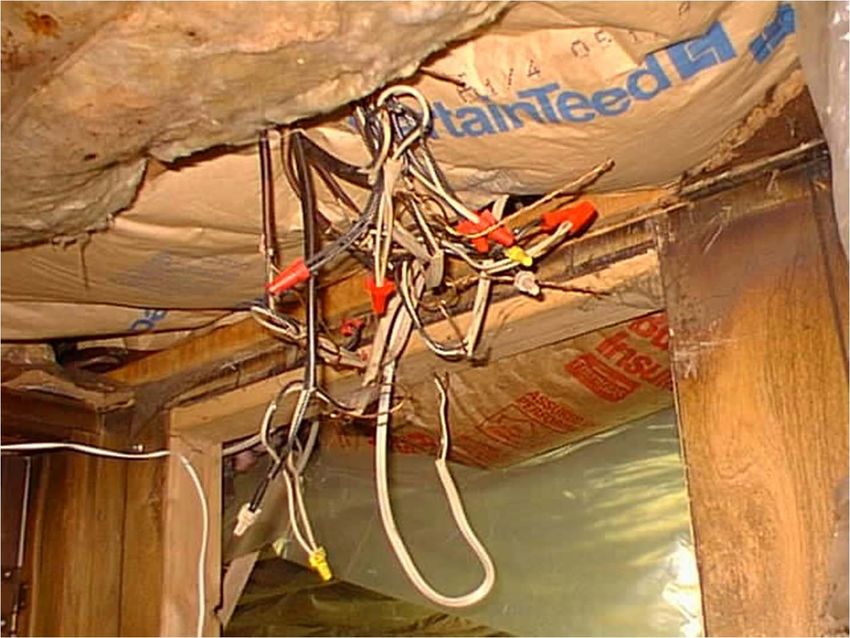
Background
•   Health and Safety was not specifically recognized as a
    WAP component in the early years of the Program
•   Awareness grew when more advanced diagnostics and
    installations were integrated into WAP, particularly blower
    door technology
• WAP got really good at air sealing

                            www.nascsp.org
                            www.nascsp.org
                           www.nascsp.org                         2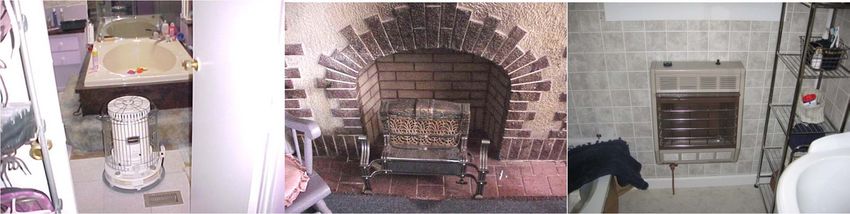
Technical Basics
• As houses become more airtight, there is more
  potential for IAQ problems
• The tighter a house is, the more influence
  individual components have on the others
• All pollutants inside the pressure boundary will
  eventually be dispersed over the entire area
• Altering a building or its mechanicals can have
  unexpected consequences

                        www.nascsp.org
                        www.nascsp.org               3
                       www.nascsp.org                    3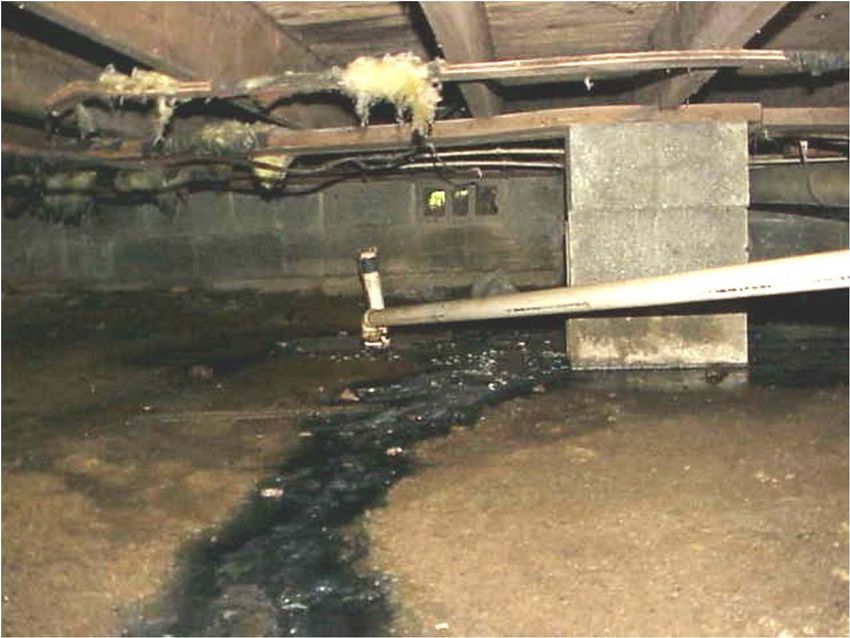
Health & Safety in WAP
WAP is primarily an energy efficiency program.

Health & Safety measures must meet criteria:
   (1)Elimination of hazards is necessary before, or as a
      result of, the installation of weatherization materials; and
   (2)H&S spending is limited (expressed as a percent of
      average dwelling unit costs), and the limit is reasonable
      in light of the primary energy conservation purpose of
      the Weatherization Assistance Program.

                            www.nascsp.org
                            www.nascsp.org                     4
                           www.nascsp.org                            4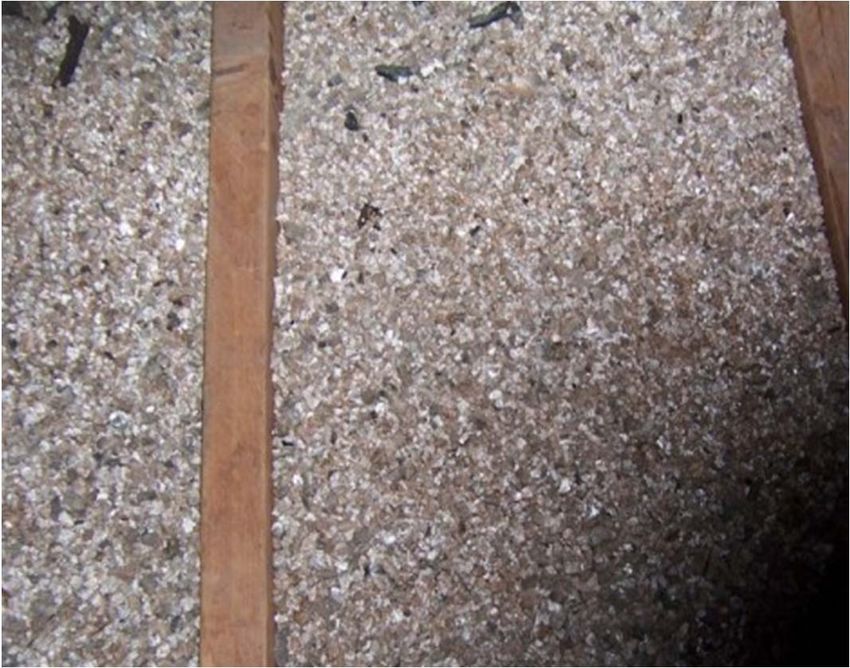
Background – Awareness of the Issues
• Significant air sealing can affect indoor air quality
   •   Moisture
   •   Combustion by-products
   •   Air pressures and backdrafting
   •   Chemicals and pollutants
• Poorly performed weatherization can exacerbate
  existing problems or even create new ones
• Properly performed weatherization can solve
  some of the problems and create a healthier
  indoor environment

                           www.nascsp.org
                           www.nascsp.org
                          www.nascsp.org                  5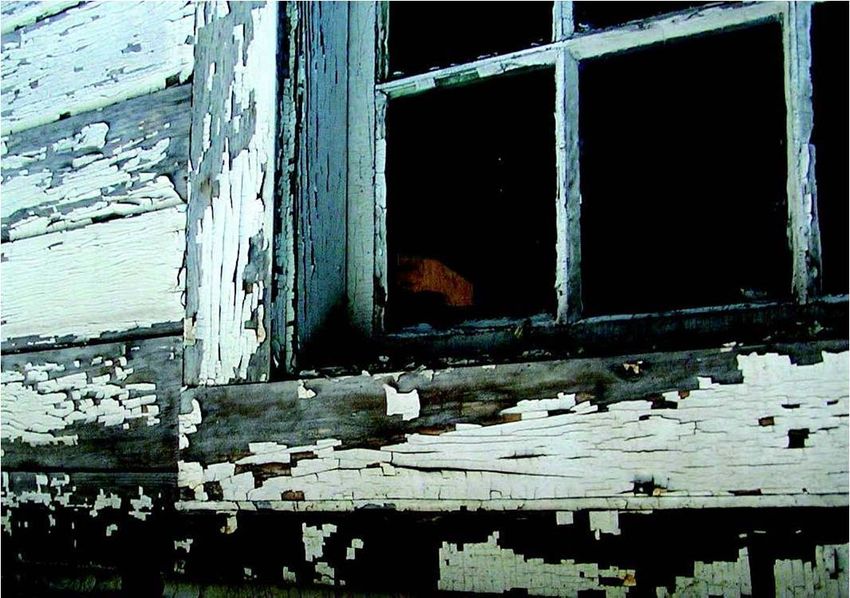
Background
• DOE allowed specific health and safety
  measures in early 1990’s
• In 2001, DOE allowed a separate cost category
  for H&S, and allowed those costs to be removed
  in the cost per unit calculations
• H&S intended so that EE measures would “do no
  harm”

                      www.nascsp.org
                      www.nascsp.org
                     www.nascsp.org                6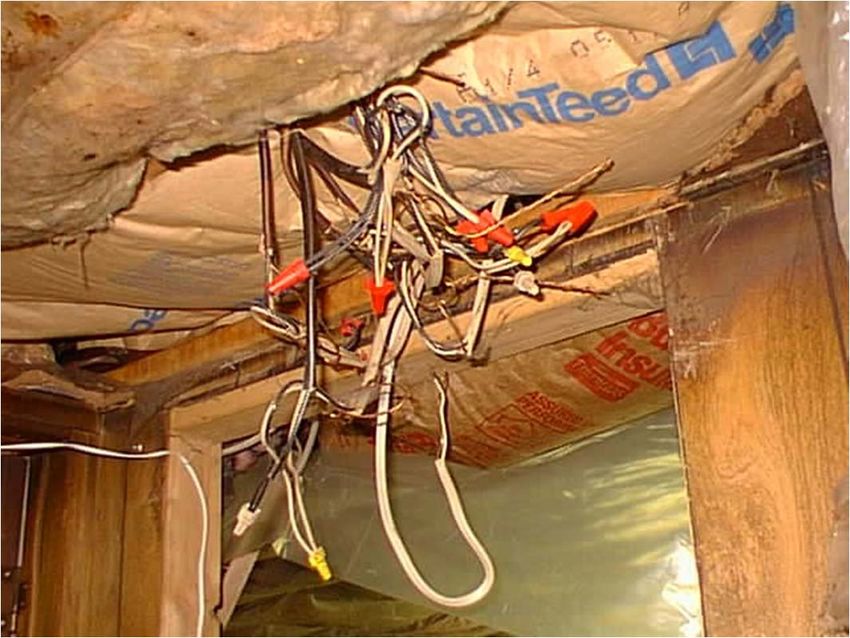
Background
• Grantees must include their health and safety
  plan in the master file section of the grant
  application package
• Had to address at least -
  1. Grantee health and safety
  2. Crew and contractor health and safety
  3. Client health and safety
  4. Potential hazard considerations
  5. Deferral standards

                         www.nascsp.org
                         www.nascsp.org
                        www.nascsp.org            7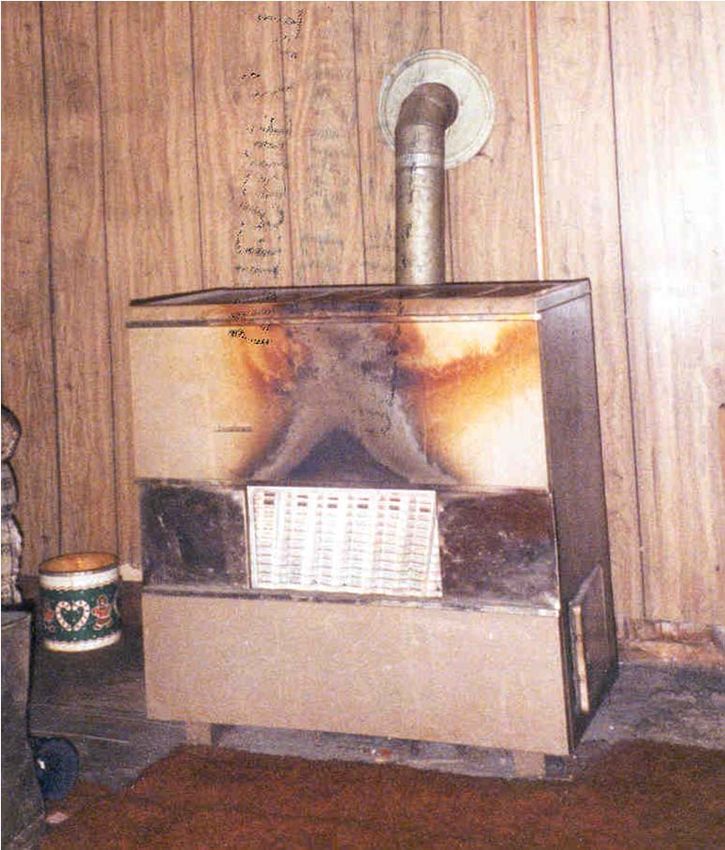
H&S Evolution
• Increased costs and focus related to H&S
• Lead Safe Weatherization (LSW)
  • All workers take LSW course
  • WAP adheres to RRP rule
• New WAP Guidance WPN 11-6
  • Further clarification of allowable measures
  • Some added flexibility
  • Focus is still on enabling energy efficiency
     measures and insuring no detrimental effects

                      www.nascsp.org
                      www.nascsp.org
                     www.nascsp.org                 8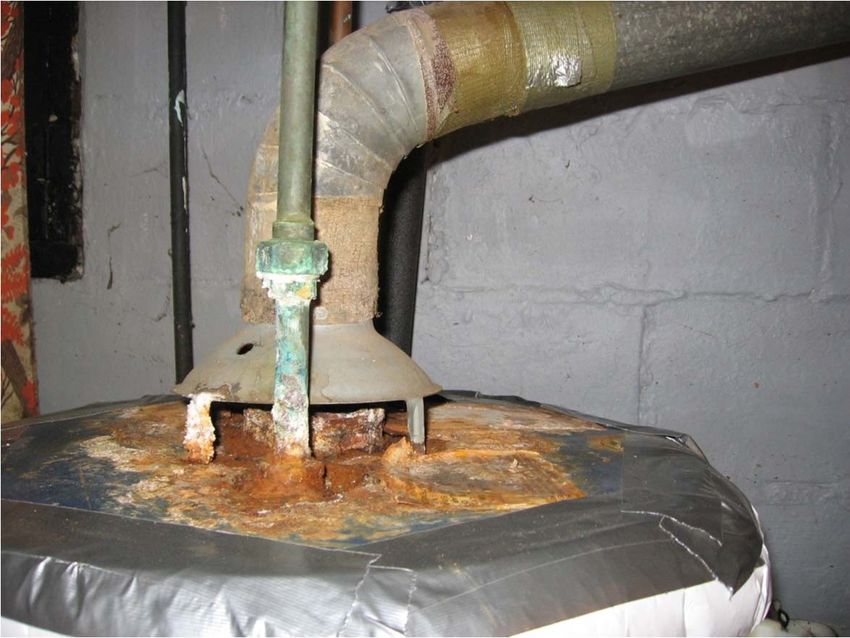
Frequent Heating System Problems
Combustion spillage

                  www.nascsp.org   9
                 www.nascsp.org        9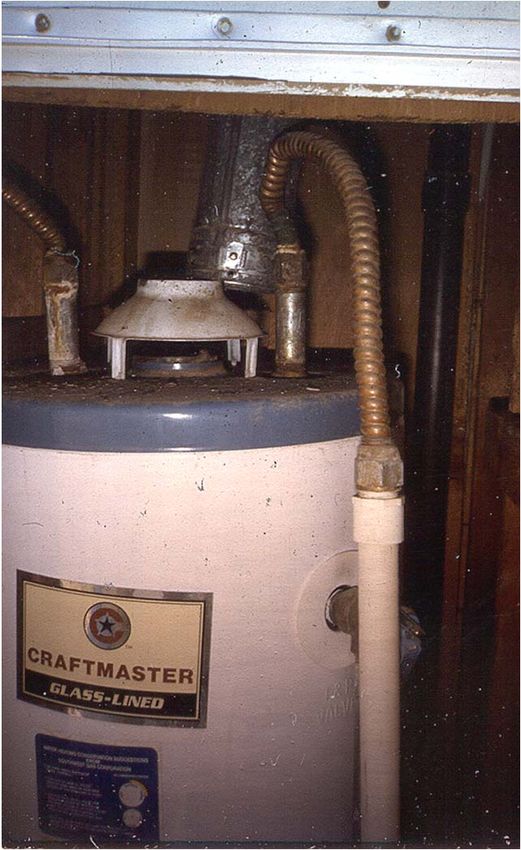
Atmospheric appliances
• Get their combustion air from the inside air
• Burners usually visible to eye
  o Creates several issues

                       www.nascsp.org
                       www.nascsp.org            10
                                                      10
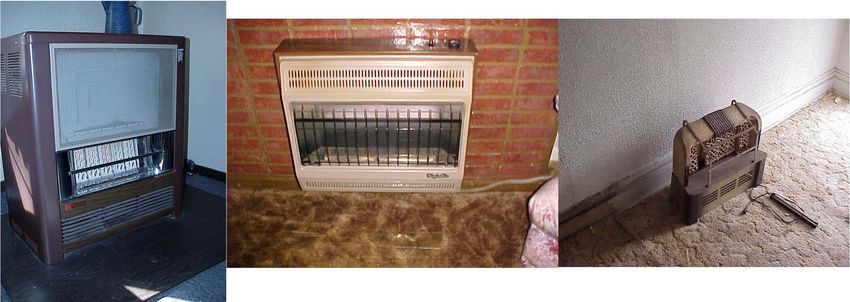
Space Heaters
Multiple space heaters often a problem with combustion air
www.nascsp.org
www.nascsp.org 11
11Unvented Space Heaters
WAP Public Enemy # 1
• Much greater risk since combustion
byproducts are not vented outside
• Also produce excessive moisture
www.nascsp.org
www.nascsp.org 12
12All Too Common HVAC Venting Problems
www.nascsp.org 13
www.nascsp.org 13More Venting Problems
Big potential for drafting problems
www.nascsp.org 14
www.nascsp.org 14Lead Paint Awareness
www.nascsp.org 15
www.nascsp.org 15Lead Safe Weatherization
www.nascsp.org 16
www.nascsp.org 16Lead Safe Weatherization
LSW Training
Demonstrating a drill shroud
www.nascsp.org 17
www.nascsp.org 17Likely Asbestos?
www.nascsp.org 18
www.nascsp.org 18Dryer Vent
• What’s wrong with this
picture?
• What are the dangers?
• What should be done?
www.nascsp.org 19
www.nascsp.org 19Moisture Problems
Extreme case of mold
www.nascsp.org 20
www.nascsp.org 20Leaking Sewer Pipes in Crawl Space
www.nascsp.org 21
www.nascsp.org 21Electrical Nightmares
www.nascsp.org 22
www.nascsp.org 22Who’s the Electrician?
www.nascsp.org 23
www.nascsp.org 23Who volunteers to fix the insulation?
www.nascsp.org 24
www.nascsp.org 24DOE/WAP and Healthy Homes
But there are several instances that are beyond
the scope of WAP
• Remediation of lead and mold
• Other IAQ problems
• Major electrical and plumbing issues
• Most structural and non-energy related H&S
issues
www.nascsp.org
www.nascsp.org 25When there are unresolved H&S issues
• The agency has to defer work until problems are
resolved
• The agency does the best they can but
household does not get full advantage of WAP
• Household does not get WAP services nor its
H&S problems resolved
www.nascsp.org
www.nascsp.org 26No WAP crew wants to leave conditions
like these!
www.nascsp.org
www.nascsp.org
www.nascsp.org 27WAP H&S Measures are Often Effective
• With DOE and other WAP funds, WAP providers –
o Usually can address health and safety issues
related to heating systems
o Work lead safe
o Can address some moisture problems
o Can address some electrical and plumbing issues
o Can add/repair ventilation
o Provide some educational materials
www.nascsp.org
www.nascsp.org 28Why Doesn’t WAP Repair All H&S Problems?
• Primary focus of DOE WAP is energy efficiency
H&S measures should either enable an EE measure to
be performed or insure that an EE measure does not
create a new or compound an existing H&S issue
• H&S measures cost money but provide no energy savings
• Key metrics of current national evaluation are energy
savings and energy savings per dollar invested
• Hard to justify limited funds being diverted away from WAP
EE focus
www.nascsp.org
www.nascsp.org
www.nascsp.org 29WAP Health & Safety Guidance – WPN 11‐6
• Response to concerns with clarity and consistency in
how health and safety issues are approached by
grantees
• Describes most common issues encountered during
weatherization, what is allowed, what is required, and
what is prohibited in terms of dealing with these
issues
• It addresses Testing, Client Education, and Training
for twenty-five Health and Safety Categories
• Guides the grantee in creating their H&S Plan, the
guiding document for subgrantees.
www.nascsp.org
www.nascsp.org 30
www.nascsp.org 30DOE/WAP and Healthy Homes
• Isn’t the connection obvious?
• WAP goes into hundreds of low-income houses
each year
• WAP already has a component for assessing health and
safety problems, with a willingness and desire to increase
the H&S focus
• WAP is partner of CSBG with
basis and groundwork for
mobilizing additional resources
www.nascsp.org 31
www.nascsp.org 31DOE Weatherization Plus Health Initiative
• National effort to enable the comprehensive,
strategic coordination of resources for energy,
health, and safety in low‐income homes
• Being implemented through NASCSP
32
www.nascsp.orgDOE Weatherization Plus Health Initiative
• Create and manage an online map and directory of WAP
and healthy homes programs nationwide
• Produce individual reports on WAP and healthy homes
activities in every state and territory
• Host regional conferences for WAP and healthy homes
providers to identify gaps between existing partnerships
and encourage new partnerships
• Collect and share best practices for referral systems
between WAP and healthy homes programs
• Provide training and technical assistance for WAP and
healthy homes practitioners
www.nascsp.org 33You can also read


