PARENT STUDENT HANDBOOK - 2018- 2019 PATCH MIDDLE SCHOOL - DODEA
←
→
Page content transcription
If your browser does not render page correctly, please read the page content below
2018-
                               2019
             PATCH MIDDLE SCHOOL
              Department of Defense School

Parent Student
   Handbook
   Page |1
Table of Contents

PRINCIPALS’ MESSAGE                                      5

PATCH MIDDLE SCHOOL GUIDING PRINCIPLES                   6

THE MIDDLE SCHOOL PHILOSOPHY                             6
CHARACTER DEVELOPMENT                                    6
PACK PRIDE                                               6

PROTOCOLS                                                7

COMMUNICATION                                            7
GRADESPEED                                               7
HONOR ROLL                                               8
LOST AND FOUND                                           8
LUNCH                                                    8
PARENT/STUDENT/TEACHER CONFERENCES                       9
SCHOOL CANCELLATION AND UNSCHEDULED DISMISSALS           9
SCHOOL DAY                                              10
TELEPHONE MESSAGES                                      10
TRANSPORTATION                                          10

PROCEDURES                                              10

ADVISORY                                                10
ASSIGNMENT HEADINGS                                     10
BOOK BAGS                                               10
LOCKER USE                                              11
PLANNER/AGENDA                                          11
SCHOOL SUPPLIES                                         11

POLICIES                                                12

ANTI-BULLYING POLICY                                    12
ATTENDANCE POLICY                                       12
PRE-ARRANGED ABSENCE                                    14
STUDENT ARRIVAL TIME                                    14
TARDINESS                                               14
MAKE-UP WORK                                            14
HOMEWORK                                                14
PASSES TO THE OFFICE                                    14
PASSES TO THE NURSE OR COUNSELORS                       14
VISITORS AND VOLUNTEERS                                 14
GUEST VISITORS                                          15
AFTER SCHOOL ACTIVITIES                                 15

                                          Page |2
CLOSED CAMPUS                                                                              15
THEFT                                                                                      15
STANDARD OPERATING PROCEDURE FOR RESPONDING TO THREATS OF SUICIDE AND/OR VIOLENCE          15
STUDENT RIGHTS AND RESPONSIBILITIES                                                        16
DISCIPLINE GUIDELINES                                                                      16
CONSEQUENCES                                                                               17
SCHOOL-WIDE DISCIPLINE RUBRIC                                                              17
ELECTRONIC/ MULTIMEDIA DEVICES (E.G. CELL PHONES, SMART PHONES, TABLETS, GAMING DEVICES)   19
SPINNERS                                                                                   19
INTERNET USE                                                                               19
OFF-LIMITS AREA                                                                            19
PROHIBITED ITEMS AND ACTIVITIES                                                            19
DRESS CODE                                                                                 20
BUS TRANSPORTATION – “AN UNRULY BUS IS AN UNSAFE BUS!”                                     21
SCHOOL BUS SAFETY                                                                          22
BUS BEHAVIOR                                                                               22

OTHER DODEA SCHOOL RULES, REGULATIONS AND PROCEDURES                                       23

HIGH SCHOOL GRADUATION REQUIREMENTS                                                        23
TRANSFERRING COURSE CREDITS TO A DODEA SCHOOL                                              24
HOME-SCHOOL STUDENTS                                                                       24
STUDENT GRADE-LEVEL PLACEMENT                                                              24
GRADING AND GRADING SYSTEM                                                                 25
TRANSCRIPTS/RECORDS POLICY/ACCESS TO STUDENT RECORDS                                       25
SYSTEM-WIDE ASSESSMENT PROGRAM                                                             26
SCHOLASTIC INTEGRITY                                                                       26
ACCELERATED WITHDRAWAL                                                                     26
INTERSTATE COMPACT ON EDUCATIONAL OPPORTUNITY FOR MILITARY CHILDREN                        26
RELIGIOUS HOLIDAY OBSERVANCE                                                               27
INTERSCHOLASTIC ATHLETICS                                                                  27
EDUCATION STUDENT SERVICES                                                                 27
SPECIAL EDUCATION                                                                          27
DISABILITY SERVICES                                                                        28
ENGLISH FOR SPEAKERS OF OTHER LANGUAGES (ESOL)/LANGUAGE SERVICES                           28
COUNSELING                                                                                 28
SCHOOL PSYCHOLOGY                                                                          29
SCHOOL HEALTH SERVICES                                                                     29
STUDENT ENROLLMENT                                                                         30
ACCESS TO SCHOOL FACILITIES                                                                30
COMPUTER ACCESS/INTERNET POLICY/ELECTRONIC DEVICES                                         31
CHILD ABUSE AND NEGLECT                                                                    31
FAMILY ADVOCACY PROGRAM                                                                    31
SEXUAL ABUSE, SEXUAL HARASSMENT, AND OTHER INAPPROPRIATE BEHAVIOR OR CONDUCT               31
SEXUAL HARASSMENT                                                                          32
PARENT/STUDENT/TEACHER COMMUNICATION                                                       32
NON-DISCRIMINATION/EQUAL OPPORTUNITY                                                       32
STUDENT HEALTH — ALLERGIES AND CHRONIC-ACUTE CONDITIONS                                    33
MEDICATION AT SCHOOL                                                                       33

                                             Page |3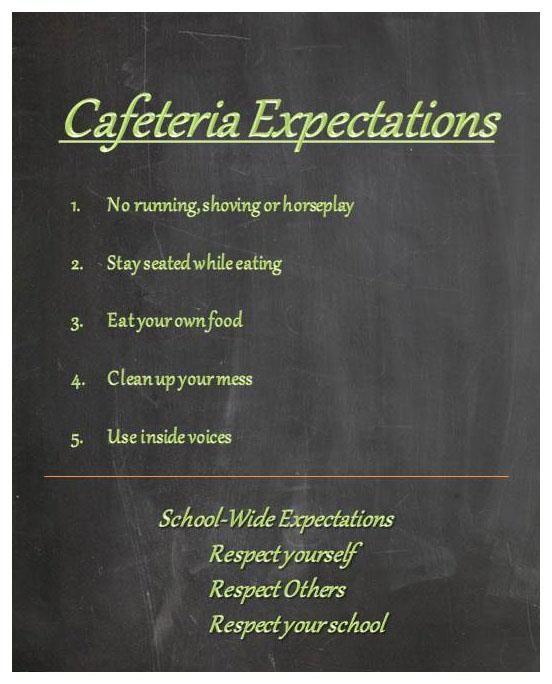
FIRST AID AND EMERGENCY CARE                       34
EMERGENCY NOTIFICATION PROCEDURES                  34
STUDENT ILLNESS                                    34
MEDICAL CARE FOR OVERSEAS NON-DOD DEPENDENTS       35
INCIDENT REPORTING/ACCIDENT-INJURY                 35
SAFETY AND SECURITY                                35
PARENT-TEACHER CONFERENCES                         35
SCHOOL ADVISORY COMMITTEES                         35
NONCUSTODIAL PARENT RIGHTS                         36

                                         Page |4
Principals’ Message

  Dear Students, Families and Community Members,

  On behalf of the faculty and staff at Patch Middle School, it is my pleasure to welcome you to the SY 2018-2019.
  Patch Middle School is committed to providing a caring and nurturing environment that is tailored to the specific
  learning and social needs of our middle school students. We will continue the tradition of high expectations the
  Stuttgart community has established in its long history.

  Patch Middle School is committed to providing instructional opportunities that will hold student interest and keep
  them engaged. In addition to the core subjects of Math, Science, Language Arts and Social Studies, we will offer
  many classes in art, music and technology to students in all three grade levels. Students will have the opportunity
  to take advanced classes in Foreign Language and receive support in core development areas if necessary. This
  challenging and engaging curriculum will ensure that the students of Patch Middle School are on the path to be
  college and career ready.

  The staff of Patch Middle School is excited to offer a strong advisory program which will provide each student
  with an adult advocate. These advocates will work to give guidance, supplemental support and promote
  communication between home and school. The advisories will also offer a peer group for students and a more
  intimate connection to the school environment.

  Our experience has shown us that it takes a team to help students reach their full potential. One goal we have for
  the school year is to help build and support the strongest possible partnership with parents and community
  members to ensure the highest quality of education for the students of Patch Middle School. We encourage you to
  join the PTA, make contact with your child’s teachers, frequently check your student’s progress through
  Gradespeed and talk to your child about their school day. Additionally, know that our doors are always open and
  that you are more than welcome to come to the school to discuss successes and challenges.

  Parent Back to School Night is September 13, 2018. Please join us and the entire faculty for this important and
  informational evening. You will have an opportunity to experience your student’s daily schedule and meet the
  teachers and staff.

  Welcome to Patch Middle School!

  Sincerely,

  Shawn Knudsen and Mynda Massey-Vuković

                                                      Page |5
Patch Middle School Guiding Principles
The Middle School Philosophy
Life is always changing, we are constantly learning about ourselves and the world around us. For this
reason, Patch Middle School is designed to provide students with an opportunity to become more
independent and responsible. As a result, learners will develop the confidence to take the appropriate
action when called on to make important life decisions.
It is the goal of Patch Middle School to provide a smooth transition from elementary school to middle
school. Grades 6, 7 and 8 are organized into teams that enable students and teachers to get to know each
other while learning new concepts and academic content in the areas of Social Studies, Science, Math and
Language Arts. Our instructional day will also include special areas or elective classes such as World
Language, Physical Education, Health, Art, Computer, Video, and Music classes, and other subjects where
instructors will help students explore their interests.
Teachers meet frequently as a group to:
Discuss programs and progress
Coordinate homework assignments and projects
Schedule team/grade level activities and tests
Plan related lessons, thematic units and special activities
Handle classroom/team disciplinary procedures
Meet with administration, parents, and other special area teachers as needed
Student success at Patch Middle School is directly related to the effort they put forth in helping
themselves, fellow students and supporting the efforts of teachers, parents, and community. Everyone who
comes into contact with our students will focus on rigorous academic requirements paired with creating
and maintaining a caring and meaningful learning environment.
Character Development
Administration and staff recognize the need for students to maintain positive self-directed behavior, and
we will work with all stakeholders to gather data and input for developing and maintaining Patch Middle
School’s Guiding Principles of Behavior. It is an expectation of Patch Middle School that students accept
responsibility for their behavior, and aspire to learn from mistakes to grow into responsible community
members.
Pack Pride
Participate Respectfully
Accept Responsibility
Treat each other Kindly
Come Prepared
Help each other
Page |6Protocols
Patch Middle School Bell Schedule
2018-2019
Class Period Scheduled Time
Periods 1/5 0800-0925
Periods 2/6 0930-1050
A Lunch 1055-1140 1145-1305
Periods 3/7
1055-1135 B Lunch 1140-1220 1225-1305
1055-1215 C Lunch 1220-1305
Periods 4/8 1310-1430
Early Release Thursday Schedule
Class Period Scheduled Time
Periods 1/5 0800-0910
Periods 2/6 0915-1025
A Lunch 1030-1100 1105-1215
Periods 3/7
1030-1100 B Lunch 1105-1135 1140-1215
1030-1140 C Lunch 1145-1215
Periods 4/8 1220-1330
Students will enter school at 0750 and dismiss at 1430. There is a 5 minute travel time between
classes and lunches.
Communication
Good communication is essential to a positive and productive school year. Patch Middle School
communicates with parents and sponsors through newsletters, the school website and e-mail notifications.
The administrative team works with community leaders to ensure a level of transparency between
organizations to support student success.
Gradespeed
Up to date grade information can be found via “GradeSpeed” – the school’s online grading portal. All
students are given an individual Student Connection account for GradeSpeed so they can monitor their
grades at any time from any computer. Parents can sign up for a Parent Connection account as well to assist
their students in maintaining their grades. Parents can request a Gradespeed account by following the link
on the Patch MS homepage.
Page |7Honor Roll
Students meeting the criteria for the School Honor Roll will be recognized for their hard work
academically. Students will receive a certificate commending them for their achievements. Each team
develops a plan and schedule for honoring students. Students will be awarded A/B honor roll for all full
time students with all A’s and B’s. Students who receive all A’s will qualify for Principal’s Honor Roll.
Students earning a C, D or F in any subject will not be eligible for the honor roll.
Lost and Found
Books, keys, coats, and other personal items that are found in the building or on the campus should be
turned in to the attendance office. Lost and found is located in the Forum (lunch room.) Items of value will
be kept in the main office. Unclaimed items will be given to charity organizations during winter, spring,
and summer recesses.
Lunch
Students may bring a sack lunch to school, purchase lunch in the lunch room with cash or with a lunch
account that parents can set up through the customer service desk at the PX. The lunch menu is available
at http://odin.aafes.com/nutrition/.
Pack Pride should be followed at all times, especially in the cafeteria. Keeping the cafeteria clean is
everyone’s individual responsibility. It is an expectation of the school that student’s clean up their eating
area before leaving the cafeteria. Being responsible and respectful applies to each student. Your good
behavior and manners reflect highly upon you, your family, our community and all of Patch MS.
Page |8Parent/Student/Teacher Conferences
Official conference days are scheduled twice during the school year – usually in the months of November
and April. Of course, conferences can also be arranged by contacting the grade-level team leader for your
student’s team or individual teachers as needed.
School Cancellation and Unscheduled Dismissals
On occasion it may be necessary to cancel school because of inclement weather. Fog, snow, and ice may
make it impossible for school buses to make their normal runs. Road conditions may be so hazardous that
even the safety of the students who normally walk to school could be endangered. At such times, school
will be canceled for the entire day, including for "walkers.” The decision to delay or cancel bus
transportation is made by the USAG Commander. Late opening or cancellation is typically announced
on AFN (FM 102.3) before 0600, at least twice between 0600 – 0700, and after the 0700 news.
Information concerning weather/ road conditions and school closures is available on the Garrison web-site
at www.stuttgart.army.mil. Information can also be obtained by calling 475-ROAD (475-7623). There
should be no need to call the school for this information. If there is no announcement on AFN, school will
begin and will be dismissed as usual. If you do not receive AFN, plan with a friend or someone in your unit
to call you and inform you of any changes in the school day.
Page |9School Day
The school day is defined as the moment students arrive at the school bus stop to the time they return to the
bus stop. During this time, all school protocols, procedures and policies are in effect. Please note, the
electronics policy only applies from 0750 to 1440.
Telephone Messages
Because students are not permitted to carry or access their cell phones or other electronic devices during
the school day, all messages from parents to students will be conducted through the attendance office.
Though it will be challenging to relay last minute messages we will do our best to ensure your student is
notified as soon as possible. No messages will be delivered after 1400.
Transportation
Requests for changes in transportation cannot be accepted over the phone. Students are required to submit a
note signed by the parent, and including a contact phone number requesting permission to ride an alternate
bus 24 hours in advance to the Transportation Office. The Transportation Office approves or rejects these
requests.
Procedures
Advisory
Advisory meets each B-Day for a total of 80 minutes. Students are to use this time daily to work on class
assignments, visit other teachers in the buildings for assistance in making up work, completing
assignments, and seeking out help as necessary. Students must request from their receiving teacher(s)
permission prior to attending another Advisory other than the regularly assigned Advisory teacher.
Students are to report first to their assigned Advisory teacher, follow all instructions, and provide the
Advisory teacher with their class planner as evidence of prior scheduled appointments with others to
include other teachers, nurse, administration, counselor, etc. Students MUST return to their Advisory for
the final 20 minutes of 8th period.
Assignment Headings
All homework assignments will be labeled using the following manner:
NAME
ASSIGNMENT
DUE DATE
Book Bags
Book bags must be carefully stored and safely secured in a locked locker prior to the beginning of first
period. Book bags are not allowed in the classrooms, hallways, study-areas or cafeteria at any time. Book
bags must not be left unattended at any time. Do not bring unnecessary or valuable items to school that
can be lost, stolen, or damaged. No book bags, cinch sacks or large bag of any kind are allowed in
classrooms.
P a g e | 10Locker Use
Each student will be assigned a locker. Students are permitted to open their lockers before and after school
and during passing periods. Students are also allowed to access their lockers with permission from their
teachers during class. Sharing lockers is a violation of school policy.
Each student is responsible for maintaining his/her locker. Students are responsible for the locker assigned
to them. Responsibility includes:
Keeping their lockers clean and free of debris and graffiti
Reporting needed repairs to the Attendance Office
Preventing and reporting vandalism to a locker
Keeping combinations confidential.
Planner/Agenda
Every student is expected to maintain a school binder and planner/agenda to record and organize all their
assignments. Parents are encouraged to check the agenda and binder on a regular basis, as they contain
standards being taught, expectations, classroom assignments, homework, and hall passes to include use of
Advisory time. Binders will be supplied by the PTSA.
School Supplies
Textbooks, workbooks, and other instructional supplies are provided by DoDEA on loan. The proper care
and use of these items should be stressed to help students develop and maintain a feeling of personal
responsibility for books or supplies furnished for their use. It is recommended that parents replace
textbooks and library books that are lost or damaged beyond normal wear and tear. Other supplies such as
pens, pencils, rulers, crayons, writing paper, etc., are to be purchased by parents. The student’s teacher and
subject requirements will determine the types of specific supplies.
To ensure clarity in communication with parents, the basic guidelines regarding provision of school
supplies are listed below.
Parents are expected to provide the following for their children as needed. The local PX will have a more
specific grade level list.
Rubber eraser Crayons/color pencils Notebook - 3-ring binder
Colored pencils Book bag or backpack Paints (watercolor)
Glue (sticks, bottled) Spiral notebooks Colored markers
Pocket folders Plastic supply box Tissues (1 box, max.)
Highlighters Notebook dividers Paper - loose leaf
Pens and pencils Bound composition book Scissors
Composition Books Gym shoes
P a g e | 11Policies
Anti-Bullying Policy
Statement of Intent: We are committed to providing a caring, friendly and safe environment for all of our
students so that they can learn in a relaxed and secure atmosphere. Bullying of any kind is unacceptable at
our school. If bullying does occur, all students should be able to report and know that incidents will be
dealt with promptly and effectively. We are a REPORTING school. This means that anyone who knows
that bullying is happening is expected to report incidents to a teacher, their counselor, or administrator.
Bullying Defined: Bullying is a conscious, willful, deliberate activity intended to harm where the
perpetrator(s) get pleasure from the targeted child’s pain/and or misery. It can be verbal, physical, and/or
relational; have as its overlay race, ethnicity, religion, gender (including sexual orientation), physical, or
mental ability; includes all forms of hazing and cyberbullying. It can be and often is continuous and
repeated over time, but does not have to be. Once is enough to constitute bullying. Examples of bullying
include but are not limited to:
Taunting.
Using put-downs, such as insulting or making fun of someone’s race, religion, physical ability or
disability, mental ability or disability, gender and/or perceived or actual sexual orientation.
Threatening or ganging up on someone.
Stealing or damaging another person’s things; stealing or damaging can also be considered a criminal
offense.
Spreading rumors about someone.
Physically hurting a targeted child, including, but not limited to hitting, kicking, tripping, pushing, and
shoving.
Unwanted touching, patting, grabbing, hugging, kissing, cornering, blocking passage, and/or
bumping.
Shunning or purposefully excluding a targeted student, or trying to get other students not to
play/interact with targeted child.
Using a cell phone, gaming device, the Internet, or other social media to threaten, stalk, ridicule,
humiliate, taunt, spread rumors, lock out of a game, or hack into a targeted child’s account.
Hazing, or any intentional, knowing, or reckless act by one person alone or acting with others,
directed against a student, that endangers the mental or physical health or safety of a student for the
purpose of pledging, being initiated into, affiliating with, or holding office in an organization.
Bullying can be:
Emotional (being unfriendly, excluding, tormenting e.g. hiding books, threatening gestures)
Physical (pushing, kicking, hitting, punching or any use of violence)
Racist (racial taunts, graffiti, gestures)
Sexual (unwanted physical contact or sexually abusive comments)
Homophobic (because of, or focusing on the issue of sexuality)
Verbal (name-calling, sarcasm, spreading rumors, teasing)
Internet (all areas of internet, such as email & internet chat room misuse mobile threats by
text messaging & calls misuse of associated technology, i.e. camera &video facilities)
Attendance Policy
In accordance with the policy stated in the DoDEA Regulation 2095.01, “School Attendance,” August 26,
2011, as amended, school attendance is mandatory (DoDEA Regulation 2095.01, “School Attendance,”
August 26, 2011, as amended). All students are required to attend school for 180 instructional days per
P a g e | 12school year to ensure continuity of instruction, successfully meet academic standards, and demonstrate
continuous educational progress. School attendance is a joint responsibility between the parent or
sponsor, the student, the classroom teacher, the school personnel, and in some cases the Command.
Students with excessive school absences shall be monitored by the Student Support Team to assist them
in the completion of all required work and successful mastery of course objectives.
Daily student attendance is identified based upon a quarter of the school day formula. Students will be
identified as present or absent, based on the following criteria:
Absent up to 25% of the school day = absent one-quarter of the school day.
Absent between 26%-50% of the school day = absent one-half of the school day.
Absent 51%-75% of the school day = absent three-quarters of the school day.
Absent 76%-100% of the school day = absent full-day.
All absences (excused and unexcused) require a parent’s phone call, email or a signed note to be handed
in to the Attendance Office. The parents of students who have not been phoned/ emailed in as absent, will
be contacted by the attendance office. Students are not allowed to sign themselves out of school. The
contact information for the Attendance Office is listed below:
PatchMS.Attendance@eu.dodea.edu
0711-680-7191 or 430-7191 ext 4004
Excused Absences: DoDEA considers the following conditions to constitute reasonable cause for
absence from school for reasons other than school-related activities:
Personal illness
Medical, dental, or mental health appointment
Serious illness in the student’s immediate family
A death in the student’s immediate family or of a relative
Religious holiday
Emergency conditions such as fire, flood, or storm
Unique family circumstances warranting absence and coordinated with school administration
College visits that cannot be scheduled on non-school days
Pandemic event
Unexcused Absences can include:
Babysitting younger sibling
Traveling for pleasure
Oversleeping
Missed the school bus
Unexcused absences may result in school disciplinary actions. An absence from school or a class
without written verification from a parent or sponsor will be unexcused. Student attendance is calculated
based upon the date of enrollment in a DoDEA school, which may occur anytime during the school year.
Student attendance monitoring is designed to provide a continuum of intervention and services to
support families and children in keeping children in school and combating truancy and educational
neglect. Parents should notify the school of their child’s absence by at least 30 minutes after the start of
the school day for which the student is absent. Too many unexcused absences may trigger the Student
Support Team to convene.
P a g e | 13Pre-Arranged Absence
Pre-arranged absence forms need to be completed for absences that will last for three or more days. Your
student will have the responsibility to take this form to their teachers to collect assignments and the
teachers’ signature. After the form is completed, please return it to the Attendance office. Please be
advised that A completed Pre-Arranged Absence form does not mean the absence is Excused.
Student Arrival Time
Parents are advised that no student should arrive on school grounds before 7:45. Supervision of students
does not begin until 7:45; therefore no student should be on campus before this time. Parents will be
notified if their student continues to arrive on campus prior to 7:45. Your cooperation in this matter will
greatly enhance the safety and security of all our students.
Tardiness
Students who arrive late to school must go to the attendance office to receive a pass to class.
Students must be in class and seated when the tardy bell sounds unless otherwise instructed by the
classroom teacher.
Students who arrive late to class (between instructional periods) will be subject to teacher consequences.
Make-up Work
For an excused absence, the student is responsible for obtaining and completing make-up work. Students
are expected to complete missed assignments in a timely manner upon return to school. Work will be
completed in the same amount of days as student is absent.
Homework
DoDEA strongly supports the philosophy that homework is a necessary adjunct to school life, which
serves different purposes according to the student's grade level. On average students in Grade 6 will
receive 5-6 hours per week; Grades 7-8 will receive 7-9 hours per week.
It is Patch Middle School policy to assign homework as appropriate, as it is reinforcement for classroom
curricular areas and is designed to support student learning. Homework will be designed to meet the
needs and abilities of each individual student and considerations for time commitment will be made when
assignments are given. As appropriate, homework will be evaluated and returned by the teacher.
Passes to the Office
Students must obtain a pass from their teacher to be excused from/ or to a classroom. This includes
during classes, during lunchtime, and during advisory. It is the responsibility of the student to obtain the
pass.
Passes to the Nurse or Counselors
Student’s must report to their classes before being referred to the Nurse or Counselors and secure a pass
from the teacher. Student’s may not report to the counselor or nurse during the passing time unless in the
case of emergency.
Visitors and Volunteers
(DoDEA Administrative Instruction 4700.3, “Application and Background Check for DoDEA School
Volunteers and Student Teachers,” May 15, 2006) For safety reasons, all visitors and volunteers must
report to the school front office immediately upon entering the school. A visitor/volunteer is
P a g e | 14someone who is not a school employee or student and enters the school during operating hours. Visitors
may go only to the area they indicated as their destination when signing in at the front office. All visitors
will receive an appropriate visitor’s badge that is to be displayed conspicuously at all times while on
school grounds. Visitors may be asked for an item of value in exchange for the visitor’s badge. Any
change to the designated location must be cleared through the front office before visiting a different
location. Upon finishing their visit, visitors must check out at the office, return the visitor badge, receive
their item of value that may have been requested, and exit the school. Parents are welcome to visit the
school and classrooms to observe our programs in action. In accordance with the policy stated in DoDEA
Administrative Instruction 4700.3, “Application and Background Check for DoDEA School Volunteers
and Student Teachers,” May 15, 2006 a visitor or volunteer should never be left alone with students
unless proper background clearances have been obtained. Please consult your school administrator to
begin this process.
Guest Visitors
Students must plan ahead if they desire to bring a guest to school. A visitor’s guest pass form must be
picked up at the attendance office prior to the guest’s appearance at school. No DODEA student is
permitted to visit our school while his/her DODEA school is in session. This guest pass form must be
signed by the student’s teachers and then presented to the attendance office for approval by an
administrator no later than one day prior to the guest visit. There should be a valid educational purpose
for the visit, such as a visit by a German school. Siblings will not be brought to school as guest visitors.
After School Activities
A variety of after school clubs and activities may be offered dependent upon volunteers and student
interest. Some typical middle school activities may include: chess, math counts, book clubs, drama, art,
newspaper, and robotics. Participation may be limited. Some special-activity clubs may require a fee.
The after-school activity information sheet must be completed before any student may remain after-hours.
The club or activity sponsor may provide a copy of this information sheet to students. It is the student’s
and parent’s responsibility to complete this information sheet and return it to the sponsor or main office.
Closed Campus
In the interest of safety, school administration has established a “Closed Campus Policy”. Students are
not permitted to leave the school grounds on their own during the school day. The school cannot be
responsible for students who violate school rules and leave school grounds. Only in special cases, and
with approval from parents and administration, are students allowed to leave school grounds during the
school day. In ALL cases, sponsors or their delegated representative must sign out students leaving
school. A student’s school day begins at 0800 and ends at 1435.
Theft
Each student is responsible for protection of his/her property. Students are advised not to carry large
amounts of money or valuables. Students are encouraged to immediately report acts of theft and/or
missing items. The school will not be held responsible for lost, stolen, or damaged personal property i.e.
cell phones, IPods, all electronic devices, collectible cards, etc.
Standard Operating Procedure for Responding to Threats of Suicide and/or Violence
In accordance with the DoDEA-Europe Standard Operating Procedure (SOP) for Responding to Threats
of Suicide and/or Violence, a clear protocol has been established for School Administrators, School
Psychologists, School Counselors, and School Nurses. In caring for the mental, emotional, psychological,
and physical well-being of students and employees, school crisis screening personnel complete a threat
screening upon notification that a student has made statements or engaged in actions which may indicate
P a g e | 15a threat of self-harm and/or harm to others. All findings and recommendations are reported to the school
administrator. In all cases, regardless of the level of threat determined by the screening, parents are
directly notified of the concern. Results of some screenings may result in law enforcement involvement
and/or transportation to emergency services.
Student Rights and Responsibilities
(DoDEA Administrative Instruction 2051.02, “Student Rights and Responsibilities,” April 17, 2012)
In accordance with Enclosure 2 of the DoDEA Administrative Instruction 2051.02, “Student Rights and
Responsibilities,” April 17, 2012 students are expected to actively participate in the educational process,
including school-sponsored activities in and outside of the classroom, as deemed appropriate. Students
should bring to the attention of a school employee behavior or activities that may endanger the safety and
well-being of themselves or others.
Students shall:
Comply with policies, procedures, and standards for student behavior;
Refrain from conduct or behavior that is disruptive;
Respect the rights and human dignity of other students and all school employees.
Attend school and classes regularly and punctually and make a conscious effort in all classes;
Participate in and take advantage of educational opportunities provided by DoDEA schools; and
Assist school employees in operating a safe school by abiding by the laws of the United States, the
local military installation, the host nation, and DoDEA policies, regulations, and procedures.
Discipline Guidelines
Management of student behavior is a responsibility shared by students, sponsors/parents/guardians,
teachers, and the military command and school communities in general, in accordance with Enclosure 2
in the DoDEA Administrative Instruction 2051.02. (DoDEA Regulation 2051.1, “Disciplinary Rules and
Procedures,” April 4, 2012, as amended & DoDEA Administrative Instruction 2051.02, “Student Rights
and Responsibilities,” April 17, 2012). It consists of teaching and reinforcing positive student attitudes
and behaviors. Students shall treat teachers, administrators, and other school staff with courtesy, fairness
and respect; and teachers, administrators, and other school staff shall treat students with courtesy,
fairness, and respect. All students will be disciplined in a fair and appropriate manner. School
administrators shall operate and maintain a safe school environment that is conducive to learning.
Administration will ensure prompt investigation and response to incidents or complaints involving
students made by students, parents, teachers, or DoDEA staff members. In accordance with the policy
stated in DoDEA Regulation 2051.1, “Disciplinary Rules and Procedures,” April 4, 2012, as amended
discipline shall be progressively and fairly administered. Disciplinary actions include, but are not limited
to, verbal reprimands, conferences, detention, time-out, alternative in-school placements, school service
programs, community service and counseling programs. Other behavior management techniques will be
considered prior to resorting to more formal disciplinary actions that remove a student from school for a
suspension (short or long term). Long-term suspension or expulsion as a first offense may be considered
when a student poses an immediate threat to his or her safety or the safety of others (e.g., offenses
involving firearms or other weapons, fighting or violence; or the possession, use, or sale of drugs).
Patch Middle School utilizes a restorative discipline approach which is a proactive strategy used to create
a culture of connectivity and care where all members of the school community thrive. The process of
restorative justice offers a more sustainable, equitable, and respectful alternative to dealing with
misbehavior.
Restorative practices help make schools safer and more caring places, creating pathways to opportunity
and success by focusing on the following areas we hope to make Patch Middle School a campus where
P a g e | 16compassion and understanding are central to all decisions and practices. In order to ensure that these
practices continue to grow on our campus, we would like to share with parents and students some key
points of the process:
Immediate/ Direct Reporting: It is essential that any and all incidents are reported immediately. This
provides the school with an opportunity to begin addressing the issue and helps to quicken the restorative
process. Incidents can be reported to any adult staff member and will be directed to administration for the
implementation of next steps.
Empowerment and support: Students who have been wronged work with the grade level counselor or
school psychologist to clearly articulate their feelings, establishing boundaries and developing a plan for
addressing any future situations where they feel that their rights and or personal space is not being
respected.
Behavior/Action Ownership: Students who have been identified as having stepped outside of the school’s
behavioral expectations will provide a statement of their understanding of the events and will work
through the process of accepting personal responsibility for their actions, developing an understanding
that poor choices do not define us, only provide an opportunity for growth.
Mediation: Peer mediation is a process that helps students work towards positive resolutions for both
students in order to avoid further trouble. This conflict resolution process helps students develop the skills
to advocate for themselves and establish clear boundaries for what they feel are appropriate ways to
interact. Because this process is new to most middle school students, sessions are facilitated by an
impartial adult. This person ensures that students respond to one another appropriately and that all parties
have a stake in the resolution and development of a process for moving forward.
Consequences
Though Patch Middle School is committed to using restorative alternatives for disciplinary infractions we
fundamentally believe that all actions must be address and part of the process is accepting the
consequences for individual actions. The following disciplinary/consequence rubric provide a basic
example of some types of infractions along with possible consequences for engaging in these activities.
The chart is a GUIDE. All instances are reviewed based on their own merit and disciplinary action is
decided at the discretion of the administrative team.
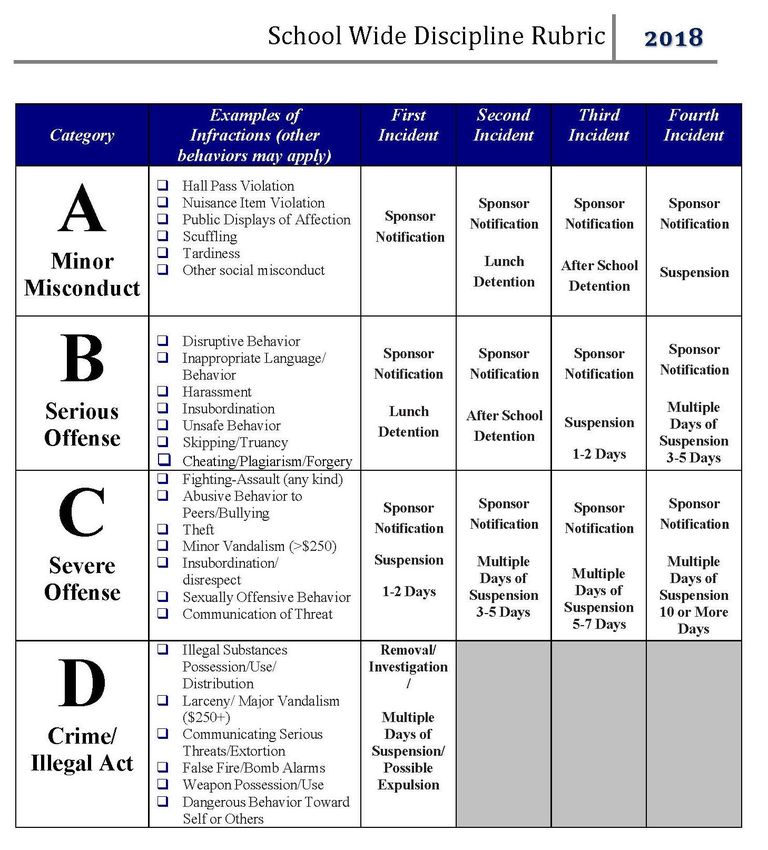
School-wide Discipline Rubric
The following rubric is a GUIDELINE for disciplinary action at Patch Middle School. Based on the
previously mentioned policy we only use the rubric as a guide because we believe that each incident is
specific to the situation. As a team our counselors, dean and assistant principle work diligently to
investigate every incident to ensure that students are supported but held accountable for their actions.
This rubric should provide you with an idea of the disciplinary actions that may be taken based on the
severity of the incident. The listed infractions are only a sample of the type of incidents that may occur
in each category. Administration reserves the right to apply disciplinary consequences as they deem
appropriate.
P a g e | 17Administration reserves the right to apply disciplinary consequences as they deem appropriate.
P a g e | 18Electronic/ multimedia devices (e.g. cell phones, smart phones, tablets, gaming devices)
No electronic device (e.g. headphones, cell phones, handheld gaming devices, iPods, iPads, Kindles and
cameras) will be seen, used or heard in the school buildings from 0750-1435 to include lunch. Teachers
have discretion over the curricular use of such devices in their classroom but must obtain administrative
approval for such items to be used during the school day. These items are to be turned off and put away
before entering the building each morning. The school assumes no responsibility for electronic devices
brought to school. Students are not permitted to send or receive text messages during the school day.
1st Offense: Warning: Student is instructed to store device appropriately
2nd Offense: Device is confiscated and can be retrieves from main office after school.
3rd Offense: Device is confiscated and student is given one (1) day after school detention. Parent
must meet with administrator or designee to retrieve the device and discuss progressive
consequences.
Spinners
There has been a significant rise in students who are in possession of these devices for multiple reasons.
Though the primary purpose of the device was to assist students with ADD/ADHD deal with fidgeting
and concentration concerns, they have now become a common fad among our students. As an
administrative team we have decided not to completely ban the item however, should they become a
distraction from instruction they will be confiscated. Just as outlined above for electronic devices,
Spinners will follow the same progression of response based on the level of offence.
Failure to surrender the device is insubordination and will result in disciplinary action.
Internet Use
Patch MS has a great deal of technology available to students. Each student will have a computer
account that will allow him or her to access the internet, school resources, online databases, virtual
libraries, Google Apps, cloud storage, teacher e-mails, links to online textbooks, as well as a connection
to up to date assignments and grades.
Students are encouraged to appropriately use the technology provided by the school. Inappropriate use or
violations of the DoDEA Internet Agreement will results in consequences ranging from individual
counseling to termination of all computer privileges as well as other disciplinary consequences. DoDEA
form 6600.01 details the policies and responsibilities of appropriate computer and internet use.
Off-Limits Area
Patch Middle School is a closed campus. Any student found in off-limits areas will be subject to
suspension from school. The Sponsor and parent will be called for immediate pick-up, along with
Military Command notification to the Sponsor’s Commander. The elementary school, teen-center, food
court, Child Development Center, Shoppette, Commissary and all other surrounding facilities, are off-
limits to all middle school students during school hours. Stairwells and any other areas that are not
specific to a student’s daily schedule are considered off-limits. If you have any questions about an area,
please see an administrator.
Prohibited Items and Activities
Students are not permitted to sell items on campus without the express permission of campus
administration.
Community members, parents, teachers and students are not permitted to post flyers or posters of any
kind without the express permission of campus administration.
P a g e | 19Students are not allowed to be in possession of the following items while at school or while attending a
school function:
Knives or Weapons of any kind (real or replications.) This includes pocket knives of any size, Lazar
pointers and Swiss army Knives.
Tobacco products (including Vapes, e-cigarettes), Alcohol, drugs or paraphernalia that would promote
the use of these items.
Aerosol sprays of any type.
Sharpies or any type of permanent markers (except for use in classroom activities as outlined in
teacher’s syllabus.)
Large rubber bands
No outside balls of any kind permitted (Basketballs, Footballs, Volleyballs, tennis balls, etc.)
Items permitted on a limited basis:
Skateboards, Scooters, and Bikes and other wheeled transportation devices are permitted
o They may not be used on school premises during school hours.
o These items must be safely stored during school hours and the owner retains full responsibility for
security of these items.
o If items are found abandoned in hallways or classrooms they will be confiscated and only returned
to the sponsor or guardian of record.
Administration reserves the right to modify the list at their discretion.
Dress Code
Students are expected to dress in a manner that complies with the school’s dress code policy as directed
in the DoDEA Administrative Instruction 2051.02, “Students Rights and Responsibilities,” Enclosure 2
(3,c,1) and Enclosure 2 (5,l) (DoDEA Administrative Instruction 2051.02, Student Rights and
Responsibilities,” April 17, 2012).
Students should come dressed for success, and all clothing should be appropriate for an educational
setting focusing on comfort, safety, and education. Inclement weather may be more common than not
during the winter months. Appropriate attire is essential and safety must be taken into high consideration.
Standards for dress are designed to promote health, safety, contribute to the teaching and learning
climate, and to promote a positive image while at school and within our communities.
P a g e | 20Because fads in dress and grooming are subject to sudden and sometimes radical change, a basic rule to
remember is that student dress and grooming should not be suggestive, indecent, or unusual as to detract
from the classroom environment. Undergarments should not be visible, midriff should not be exposed,
shoes should be closed at the back (no slides, flip-flops, backless sandals or Crocks) Changes in dress
code, deemed appropriate and necessary by the school principal, may be announced, implemented and
enforced during the course of the academic school year. Final determination of acceptable dress code and
grooming rests with the principal or his/her designee.
Students who cannot immediately conform to the requirements of the dress code standards will be
required to change into acceptable clothing. If a student does not have clothing readily available to
meet these standards while at school, parents will be called to bring appropriate clothing or contacted
to prevent future violations. Everyone’s attention in maintaining these standards is mandatory: students,
faculty, staff, parents, all stakeholders. Repeat violations of the dress code will result in disciplinary
actions.
Bus Transportation – “An Unruly Bus is an Unsafe Bus!”
The time students spend going to and from school is an extension of their school day. School buses are
an extension of the school campus. Riding school buses is a privilege that may be suspended or revoked
if a student does not behave in a safe and proper manner in accordance with DoDEA behavior
expectations in accordance with Enclosure 8 in the DoDEA Regulation 2051.1,”Disciplinary Rules and
Procedures,” April 4, 2012, as amended (DoDEA Regulation 2051.1,”Disciplinary Rules and
Procedures,” April 4, 2012, as amended).
Good order among students on the bus is fundamental to safety. What is commonly referred to as the "bus
discipline problem," really comes down to the effect that a lack of good order has on every student's
safety. "Discipline" isn't the problem—the real problem is safety, because bad "discipline" results in an
unsafe operation. Safe student transportation is one of our highest concerns. We have high standards for
mechanically sound vehicles and qualified, trained drivers, two of the three parts that make up the
formula for safe school bus operations. The third and equally vital part that completes the formula is safe
student behavior on the bus.
The most serious effect of student misbehavior is its impact on the bus driver. Driving in European traffic
conditions demands the driver's full attention and absolute concentration. Anything that diverts attention
or breaks concentration, however momentary, can have dangerous, even fatal, consequences. Consider
this: When the driver looks in the rearview mirror to identify and correct student misbehavior, who is
driving the bus? Parents (including sponsors or guardians) are responsible for their children's behavior on
the bus. DoDEA policy prohibits hiring adults for the primary purpose of supervising student behavior
and enforcing discipline on school buses. Parents must teach their children proper behavior and ensure
they follow the rules.
School principals will take disciplinary action. Riding school buses is a privilege that may be suspended
or revoked when a student does not behave in a safe and proper manner. Suspension or revocation of bus
privileges does not relieve the student of attending school. Parents must make the necessary
arrangements. Parents must ensure that their children understand and follow the rules for riding the
school bus.
It's all about a safe ride for students to and from school every day. All children need to behave in an
orderly and serious manner or risk having their bus privileges suspended or revoked. If problems occur,
please contact DETMO Transportation Office at DSN 430-8493/8497 or CIV 0711-6808493/8497.
P a g e | 21School Bus Safety
In Europe, TRAFFIC IS NOT REQUIRED TO STOP for loading and unloading school buses.
American children must follow this life-saving rule!
Some Patch Middle School buses are assigned a Safety Monitor. The primary function of this adult is
to assist the driver in monitoring safety issues occurring “outside of the bus” they are not responsible
for monitoring student behavior.
Parents must ensure that their children understand and follow the 10 School Bus rules listed below:
1. Obey the driver or adult.
2. Enter and exit the bus safely, and always show your bus pass.
3. Students should remain properly seated and use seatbelts when available.
4. Keep your hands, feet and other body parts to yourself.
5. Do not throw things.
6. Put nothing out of the window.
7. Remain quiet, and do not disturb the driver or others.
8. No profanity, indecency, smoking, prohibited items, or vandalism.
9. Do not eat, drink, or chew gum.
10. Be responsible, be safe.
Bus Behavior
P a g e | 22Other DoDEA School Rules, Regulations and Procedures
This section of the handbook provides information that applies throughout DoDEA. It notifies parents/
students and stakeholders of specific rules, regulations and procedures governing DoDEA schools. The
authorities pertaining to these rules, regulations, and procedures may be found on the DoDEA Web site.
Policies can change throughout the school year. The most current policies can be found at
https://www.dodea.edu/Offices/PolicyAndLegislation/Offices.cfm.
High School Graduation Requirements
(DoDEA Administrative Instruction 2000.1, “High School Graduation Requirements ad Policy,”
September 5, 2004) A standard diploma is awarded upon completion of the following requirements as
stated in Enclosure 3, Sections 2 and 3 in the DoDEA Administrative Instruction 2000.1, “High School
Graduation Requirements and Policy,” September 2014:
Minimum 2.0 GPA;
Completion of 26.0 units of credit; and
Completion of specific course requirements.
An honors diploma is awarded upon completion of the following additional requirements:
Completion of all requirements for a standard diploma and additional course requirements;
Minimum 3.8 GPA at the end of the second semester of the graduating year; and
Earning a passing grade and the requisite exams in a minimum of four Advanced Placement (AP)
exams and/or International Baccalaureate diploma (IB) in advanced-level courses.
High School Graduation Course Requirements:
Minimum Requirements
Content Area Standard Diploma Honors Diploma
English Language Arts 4.0 credits 4.0 credits
Social Studies 3.0 credits 3.0 credits
Mathematics 4.0 credits 4.0 credits
Science 3.0 credits 3.0 credits
World Language 2.0 credits 2.0 credits
Career Technical 2.0 credits 2.0 credits
Education
Physical Education 1.5 credits 1.5 credits
Fine Arts 1.0 credit 1.0 credit
Health Education 0.5 credit 0.5 credit
Summary
Minimum Total 26.0 credits 26.0 credits
Credits
Required Courses 21.0 credits 21.5 credits
Elective Courses 5.0 credits 4.5 credits
AP and/or IB Courses - 4 courses
and requisite exams
Minimum GPA 2.0 GPA 3.8 GPA
*AP and/or IB courses may be used to meet DoDEA requirements.
P a g e | 23In Bahrain only, an IB diploma is awarded upon completion of the established requirements for the IB
diploma. Students unable to successfully meet requirements for receipt of the IB diploma must meet all
requirements for the standard or honors diploma to receive a DoDEA diploma.
Transferring Course Credits to a DoDEA School
(DoDEA Administrative Instruction 2000.1, “High School Graduation Requirements and Policy,”
September 5, 2004) DoDEA will accept the official courses, grades, and earned credits of middle school
(grades 7-8) and high school (grades 9-12) students who transfer into a DoDEA school from other
DoDEA schools or who earn course credits in a non-Department of Defense (DoD) system (public or
private), correspondence, online, and/or homeschool program that are accredited by one of the six U.S.
regional accrediting associations, one of the U.S. state education agencies, or by a public- or state-
supported system of accreditation for public or private education programs in a foreign nation in
accordance with Enclosure 3, Section 10 of the DoDEA Administrative Instruction 2000.1, “High School
Graduation Requirements and Policy,” September 5, 2004. Please contact your child’s school for
questions regarding course credit transfer process and approval.
Home-School Students
DoDEA recognizes that home-schooling is a sponsor’s right and may be a legitimate alternative form of
education for the sponsor’s dependents. Home-school students who are eligible to enroll in a DoDEA-
Europe and DoDEA-Pacific and DoDEA-Americas students on a tuition-free basis are eligible to utilize
DoDEA auxiliary services without being required either to enroll in or register for a minimum number of
courses offered by the school. Eligible DoD home-school students using or receiving auxiliary services
must meet the same eligibility and standards of conduct requirements applicable to students enrolled in
the DoDEA school who use or receive the same auxiliary services. Any student, including eligible DoD
dependent home-school students, who has not met the graduation requirements to earn a DoDEA diploma
may not receive DoDEA commencement regalia, the DoDEA diploma, nor walk to participate in a
DoDEA commencement ceremony.
Student Grade-Level Placement
(DoDEA Regulation 2000.3, “Student Grade Level Placement,” March 26, 2004) Kindergarten and grade
1 placements are determined by minimum age requirements, in accordance with Enclosure 2 of the
DoDEA Regulation 2000.3, “Student Grade Level Placement,” March 26, 2004. An otherwise DoDEA-
eligible student who will reach his or her fifth birthday on or before September 1 of the school year will
be eligible to be enrolled in kindergarten. An otherwise DoDEA-eligible student who will reach his or
her sixth birthday on or before September 1 of the school year is eligible to enroll in grade 1.
Kindergarten is not a prerequisite to grade 1 entry. Placement in grades 2 through 8 is predicated upon
successful completion of the preceding year. Students entering a DoDEA elementary, middle, or junior
high school (through grade 8) from a non-American or host nation school will be placed in the grade level
corresponding to their ages assuming yearly progression from grades 1 through 8.
Grade-level status (9, 10, 11, and 12) will be determined by the number of course credit units earned by
the student, in accordance with Section 2 of the DoDEA Regulation 2000.3, “Student Grade Level
Placement,” March 26, 2004. Students entering grade 9 must have successfully completed grade 8 and/or
been previously enrolled in grade 9 and earned less than 6 credits. Students entering grade 10 must have
successfully completed grade 9 and earned a minimum of 6 course credits. Students entering grade 11
must have successfully completed grade 10 and earned a minimum of 12 course credits. Students
entering grade 12 must have successfully completed grade 11 and earned a minimum of 19 course credits.
P a g e | 24All DoDEA students, including students with disabilities, English language learners (ELLs), and students
with accommodation plans, should be afforded the opportunity to participate in the standard DoDEA
secondary curriculum.
Grading and Grading System
At the beginning of each course or grade level, every DoDEA teacher shall make available information
regarding grading policy and course requirements to parents and students. This information will be
provided to parents and students by the end of the first month of the school year or by the end of the first
month of the semester in the case of a semester course.
If any child demonstrates unsatisfactory progress or achievement, teachers must notify parents with
enough time to correct the deficiency. Notification must occur as soon as unsatisfactory achievement is
evident, and not later than the midpoint of the nine-week grading period.
Timely and accurate reporting of student progress shall be accomplished for students in grades 4 through
12, using the approved DoDEA Electronic Gradebook (EGB) System. All assignments (e.g., quizzes,
tests, examinations, homework, speeches, etc.) that are used to assess and report student progress shall be
promptly evaluated and/or graded, posted in the EGB, and returned to the student. The normal period of
evaluation and posting should be no longer than ten (10) calendar days from the day the assignment is
collected, with reasonable exceptions for large projects. At a minimum, one assignment or grade should
be recorded per week in the EGB System.
To create an account and access the EGB System please visit the DoDEA Web site for instructions.
Progress Reports/Report Cards
(DoDEA Regulation 2000.10, “Department of Defense Dependent Schools Progress Reports,” August 1,
1995) In accordance with the policies and procedures in the DoDEA Regulation 2000.10, “Department of
Defense Dependent Schools Progress Reports,” August 1, 1995 it is the policy of DoDEA to issue a
progress report every nine weeks for any student present or enrolled for at least 20 days or more in a
marking period. Marks will be given at the end of the second, third, and fourth marking period for
students in grades K-1. Marks or grades will be given at the end of each of the four marking periods for
students in grades 2-12. For students in grades K-12, unsatisfactory achievement of program objectives
or standards will be reported to parents during each marking period as soon as evident, but no later than
the midpoint of the nine-week grading period to allow sufficient time for a student to correct the problem.
In case of students whose performance does not begin to decline until after the midpoint in the quarter,
every effort will be made to contact parents as soon as this happens and work to get the student back on
track. All students will receive assessments that fairly and accurately report their academic progress.
Marks or grades on report cards will be determined by the degree to which students are achieving
established program objectives or standards. Marks or grades must be based upon student academic
performance.
Transcripts/Records Policy/Access to Student Records
Student records and transcripts may be requested from several different sources, depending upon the
student's last date of attendance or graduation date. Please visit the student records Web site for further
instruction based on your situation or discuss with the counseling department at your student’s school.
P a g e | 25You can also read


