PGAV - Association Victoria - Parliament of ...
←
→
Page content transcription
If your browser does not render page correctly, please read the page content below
LC EIC
Inquiry into the impact of the COVID-19 pandemic on the tourism and events sectors
                                  Submission 115

                                                                      pandemic on the tourism and events sectors
                                                                      Inquiry into the impact of the COVID-19
                                                                                                    PGAV & NETS Victoria Submission

                                                                             PG Public
                                                                                 Galleries
                                                                             A V Association
                                                                                 Victoria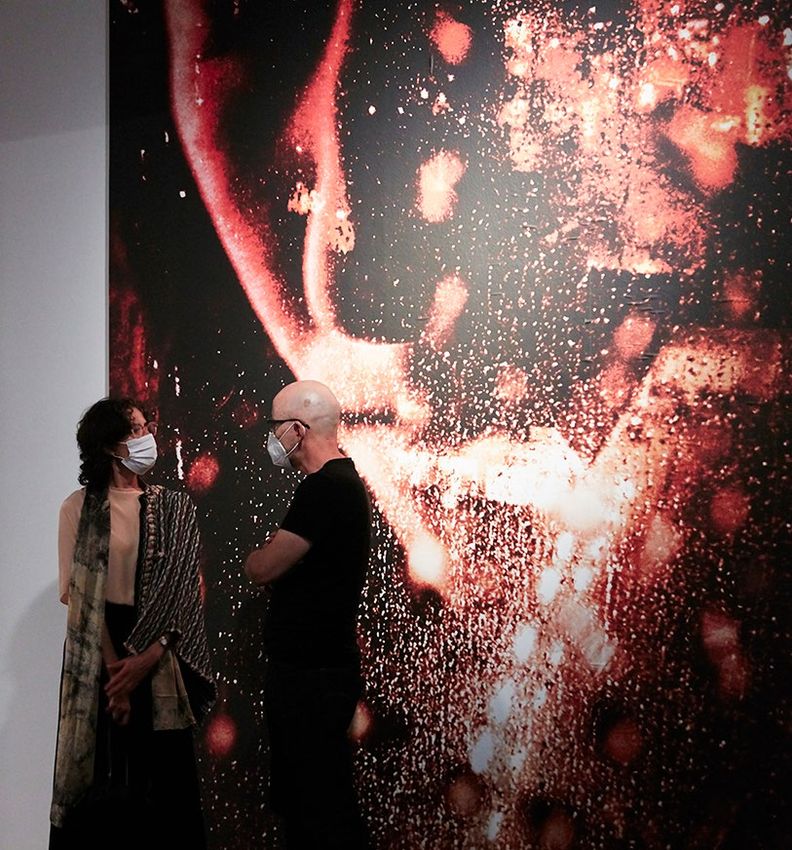
LC EIC
                        Inquiry into the impact of the COVID-19 pandemic on the tourism and events sectors
PGAV & NETS Victoria Submission - Inquiry into the impact     of the COVID-19
                                                          Submission  115       pandemic on the tourism and events sectors

Public Galleries                                                  for regional centres. In 2019, NETS Victoria toured
                                                                  eight exhibitions to 21 public galleries in Victoria,
Association of Victoria (PGAV)                                    supporting the work of 112 artists and 11 curators.

& National Exhibitions Touring                                    Public gallery sector in Victoria
                                                                  The public gallery sector in Victoria is Australia’s
Support (NETS) Victoria                                           oldest – the National Gallery of Victoria (NGV) was
                                                                  established in 1861 and was the nation’s first public
Submission                                                        gallery. It was followed by the establishment of
                                                                  galleries across regional Victoria – the Art Gallery of
                                                                  Ballarat in 1884, Warrnambool Art Gallery in 1886,
                                                                  Bendigo Art Gallery in 1887 and Geelong Gallery in
The Secretary                                                     1896.
Economy and Infrastructure Committee
Parliament House, Spring Street                                   Today, the public gallery sector in Victoria is large
EAST MELBOURNE VIC 3002                                           and diverse – it spans 35 metropolitan galleries,
                                                                  3 outer metropolitan galleries and 19 regional
14 April 2021                                                     galleries. It includes flagship organisations the NGV,
                                                                  ACMI and Arts Centre Melbourne, together with
Dear Sir / Madam                                                  local government owned and operated galleries
                                                                  (32), independent galleries and arts spaces (15) and
The Public Galleries Association of Victoria (PGAV)               university art museums (6). The majority are small
and National Exhibitions Touring Support (NETS)                   galleries with up to 5 FTE staff (67%), followed by
Victoria welcome the opportunity to make a joint                  medium galleries with 6 – 24 FTE staff (31%), and
submission to the Parliament of Victoria Inquiry                  large galleries with 26+ FTE staff (1%). A full list of
into the impact of the COVID-19 pandemic on the                   PGAV member galleries appears on page 9 of this
tourism and events sectors. Our submission is                     submission.
based on consultation with the public gallery sector
in Victoria undertaken in March 2021, together with               Strength of the sector before COVID-19
longitudinal benchmarking of the sector. It includes              Before COVID-19, the public gallery sector in Victoria
a number of recommendations to restore the public                 attracted 5.3 million visitors, including over 976,000
gallery sector to its critical role in the Victorian visitor      visitors in regional Victoria. They delivered 697
economy.                                                          exhibitions, 3,356 public programs, 3,736 education
                                                                  programs and engaged over 4,000 visual artists.
The Victorian Government has provided incredible                  The sector employed 733 full-time equivalent
support to the creative industries to address the                 staff and was supported by 1,272 volunteers who
impacts of COVID-19. However, this support has                    contributed $3.3 million in volunteer hours. They
been targeted at addressing the immediate impacts                 were holding over 1 million items in their permanent
of the pandemic. This inquiry provides an important               collections, caring for $4.9 billion of Victoria’s
opportunity to consider and address the longer-                   cultural assets. Pre pandemic, the public gallery
term impacts of the pandemic and make strategic                   sector was making major contributions to the cultural,
investments to ensure the tourism and events sector               social and economic strength of Victoria.
is able deliver greater returns to the economy and to
the people of Victoria than before the pandemic.                  Driving cultural tourism, in the cities and the regions
                                                                  Australia Council for the Arts research undertaken
About the PGAV & NETS Victoria                                    before the pandemic reveals cultural tourism was
The PGAV is the peak body representing 56                         growing at a higher rate than overall tourism.1
public galleries across Victoria, including 19 in                 Of the 8 million international tourists in 2018, 3.5
regional Victoria. Our role is to build the capacity of           million engaged in the arts. It also shows that
Victoria’s public galleries, enhancing their ability to           galleries and museums were the most popular arts
deliver inspiring visual art experiences that make                activity – with 3 in every 10 international visitors
valuable social, cultural and economic returns to                 attending a gallery during their stay, while 49% of
their communities. NETS Victoria is the state’s                   domestic overnight trips to Melbourne and 44% of
only full-service visual arts touring organisation,               domestic day trips to regional Victoria included a
delivering extraordinary contemporary art, craft                  visit to a gallery.2 Galleries are an accessible and
and design to regional Victoria and beyond. NETS                  affordable form of engagement with the arts, and
Victoria works closely with curators and galleries to             often require less forward planning to attend than
develop ambitious and stimulating exhibitions which               other arts activities. Another contributing factor to
provide important cultural and economic stimulus                  the popularity of galleries – they provide access to

2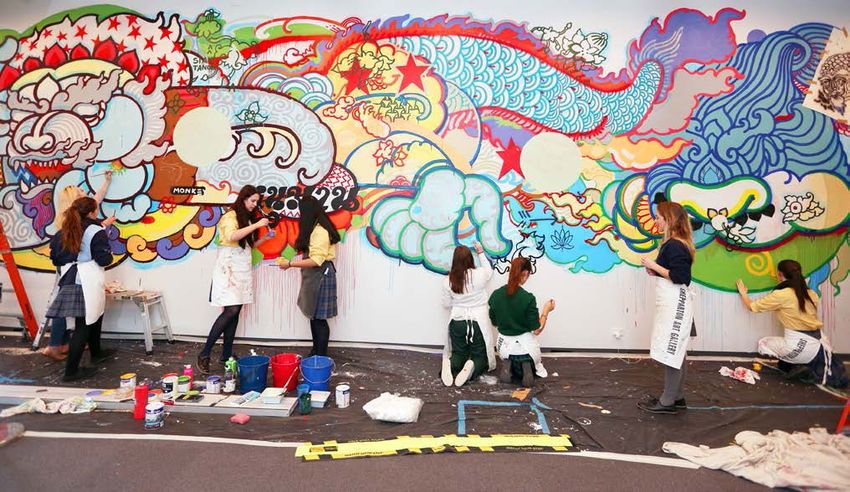
LC EIC
                        Inquiry into the impact of the COVID-19 pandemic on the tourism and events sectors
PGAV & NETS Victoria Submission - Inquiry into the impact     of the COVID-19
                                                          Submission  115       pandemic on the tourism and events sectors

First Nations art and culture. The Australia Council
research notes that First Nations art and culture was
the fastest growing arts activity amongst domestic
tourists over the last two years3.

Cultural tourists stay longer and spend more than
other tourists. International art tourists spent $17
billion in 2017, making up 60% of the $28.4 billion
spent by all international tourists in Australia.4 While
domestic cultural tourists contributed $1.7 billion, or
8% of daytrips in 2018, and $14.3 billion, or 20% of
the total overnight domestic tourist spend.5

Cultural tourism supports local jobs and economies
while enriching and connecting people through
creative experiences. Bendigo Art Gallery and
Twentieth Century Fox presents Marilyn Monroe
attracted 143,222 visitors to Bendigo and had a
$16.3 million economic impact on the region. While
Geelong Gallery’s presentation of the 2018 Archibald
Prize contributed $8.2 million to the local economy
and attracted 75,000 visitors to Geelong – 67%
from outside the region. It is not only blockbuster
exhibitions that attract audiences; Victorians have
grown to expect engaging experiences when they
visit a gallery – which motivates gallery audiences
to travel frequently and repeatedly across
metropolitan Melbourne and regional Victoria
to experience something new, or revisit favourite                                  PGAV consultation undertaken before COVID-19
artworks featured in permanent collections.                                        revealed that while the public gallery sector was
                                                                                   attracting 5.3 million visitors and was making
Tourism Research Australia’s latest National Visitor                               signification contributions to the social, cultural and
Survey, tracking domestic tourism performance to                                   economic wellbeing of Victoria, it faced a number
December 2020, reveals Victoria’s tourism has been                                 of sustainability challenges: staffing levels below
hit harder than any other state, with a net loss of                                industry standards7, insufficient operating budgets
$19.5 billion6. Visitor spend has not been this low in                             and ageing infrastructure.
Victoria since 2005. With strategic investment from
the Victorian Government, the public gallery sector                                Combined, these challenges were placing Victoria’s
can resume its role of driving cultural tourism across                             $4.8 billion cultural assets at risk, preventing the
metropolitan and regional Victoria and attracting                                  loaning of art works from state and national galleries,
international visitors once our borders reopen.                                    putting a stop to major touring exhibitions, limiting
                                                                                   gallery programming, hampering support of artists,
                                                                                   and making it increasingly difficult for Victoria’s public
Challenges pre COVID-19                                                            galleries to meet the growing expectations of local,
                                                                                   national and international audiences.

                                                                                   Limited staff, limited budgets and ageing
                                                                                   infrastructure were also preventing public galleries
                                                                                   across Victoria from focusing their efforts on the
                                                                                   visitor economy and cultural tourism. For many
                                                                                   galleries, cultural tourism is an outcome of delivering
                                                                                   exciting programs that attract visitors, not something
                                                                                   they have capacity to actively contribute to. With
                                                                                   COVID-19 decimating tourism across Victoria,
                                                                                   now is the time to support public galleries to
Images: (above) Installation view of the 2018 Archibald Prize exhibition at
                                                                                   work with local tourism boards, local hospitality
Geelong Gallery, 2018. Work by 2018 Archibald Prize winner Yvette Copperfield.     and accommodation providers, and allied creative
Photo: Andrew Curtis. (upper right) Installation view of the Bendigo Art Gallery   businesses to develop unique cultural tourism offers
and Twentieth Century Fox presents Marilyn Monroe exhibition, Bendigo
Art Gallery, 2016. (lower right) Installation view of the Piinpi: Contemporary     that boost domestic tourism across metropolitan and
Indigenous Fashion exhibition at Bendigo Art Gallery, 2020 - 2021.                 regional Victoria.

3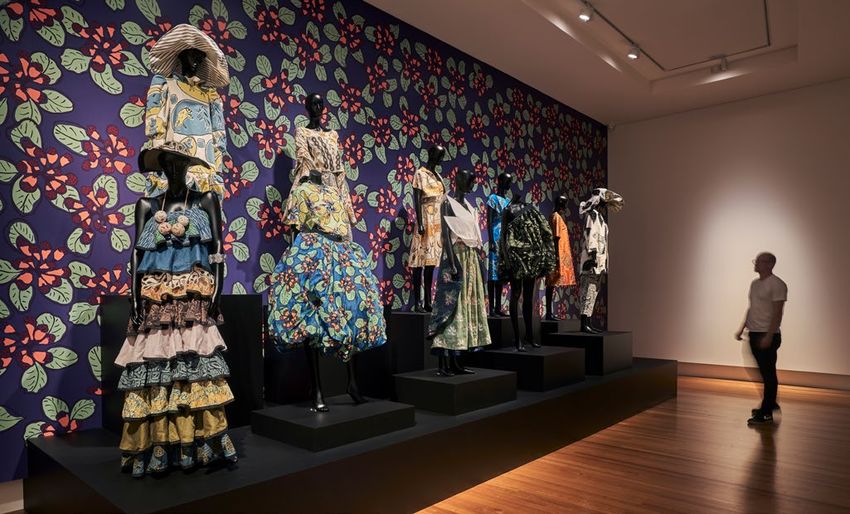
LC EIC
                        Inquiry into the impact of the COVID-19 pandemic on the tourism and events sectors
PGAV & NETS Victoria Submission - Inquiry into the impact     of the COVID-19
                                                          Submission  115       pandemic on the tourism and events sectors

Recommendation 1: the Victorian Government                        While stimulus funding is currently flowing to the
invest in a Cultural Tourism Package which installs               creative industries in response to COVID-19, the
cultural tourism facilitators in 4 regional areas and 4           impacts on gallery budgets will continue for many
metropolitan areas. The cultural tourism facilitators             years – particularly for galleries within the local
will work with public galleries and allied businesses             government and university sectors. Targeted funding
in food, wine, retail and accommodation to develop                which addresses the longer-term impacts of
unique cultural tourism offers that boost daytrips and            COVID-19 is needed to ensure the public gallery
overnights stays across Victoria. Investment: $1.2                sector can resume its critical role in the tourism
million per annum, for 3 years.                                   and events sector across Victoria.

Impact of COVID-19 upon the sector                                Recommendation 2: the Victorian Government invest
COVID-19 has had a significant impact on public                   in a Gallery Recovery and Innovation Package to
galleries – exacerbating the sustainability challenges            address the loss of jobs across the public gallery
the sector faced prior to the pandemic. Surveying the             sector and investment in innovative programs that
public gallery sector for this submission, we learned:            support visual artists and attract visitors to galleries
• Staff and Volunteer losses: 43.9 FTE staff, 145.5               across Victoria. Investment: $5 million per annum, for
  FTE volunteers across the sector; comprised of a                3 years.
  25% drop in full-time roles; 37% drop in part-time
  roles, 24% drop in casuals, and a 72% drop in                   The pivot to digital delivery
  volunteer hours.                                                With the first lockdown in March 2020, galleries in
                                                                  Victoria quickly pivoted to digital delivery of their
• Earned Income losses: $22.4 million decline in                  exhibitions and public programs – providing the
  earned income; comprised of 91% drop in venue                   community with a sense of connectedness and
  hire, 82% drop in exhibition ticket sales, 79% drop             creative expression at a time of incredible upheaval
  in sponsorships, 50% drop in public program ticket              and providing income for visual artists hit hard by
  sales, 47% drop in philanthropy, 40% drop in retail             job losses in the higher-education and hospitality
  revenue, and 66% drop in café revenue.                          sectors. The pivot to digital delivery required a
• Visitation losses: 72% decline in overall visitation            significant upskilling of staff and investment in
  from 5.8 million in 2019 to 1.6 million in 2020. This           technology to deliver virtual exhibitions, online
  represents a 74% drop in local visitation, 76%                  events and workshops, podcasts and social media.
  drop in intrastate visitation, 91% drop in interstate           The sector underwent a 98% increase in online
  visitation and a 92% drop in international visitation.          exhibitions, 81% increase in online public programs,
                                                                  and an 87% increase in online education programs.
The loss of staff and volunteers is particularly
concerning given that most galleries in Victoria
were operating below industry standards prior
to COVID-19. The loss of earned income is
equally concerning, given it underpins key gallery
operations – exhibitions, public and education
programs, acquisitions, collection conservation
and management. The significant drop in earned
income due to COVID-19 will have a direct impact
on artist incomes (less exhibitions, workshops
and acquisitions), jobs in allied industries
(conservation, exhibition installation & logistics,
professional photographers, catering companies
and accommodation providers), as well as local
economies that rely on cultural tourism generated
by public galleries.

It is important to note that local government
galleries and university art museums – 76%
of the public gallery sector - were excluded
from the JobKeeper program. The pandemic
disproportionately impacted this large cohort – which
have borne the greatest staff losses and face ongoing
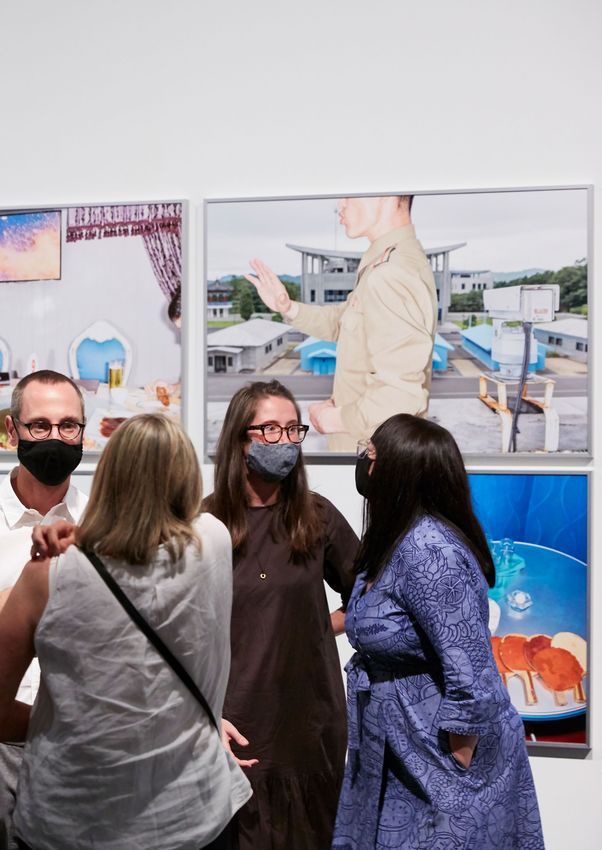
                                                                  Image: Launch of the exhibition Not standing still- new approaches in
budget cuts as local governments and universities                 documentary photography, Monash Gallery of Art, 2021.
seek to recover significant losses.                               Artwork by Laura El-Tantawy. Photo: Zan Wimberley.

4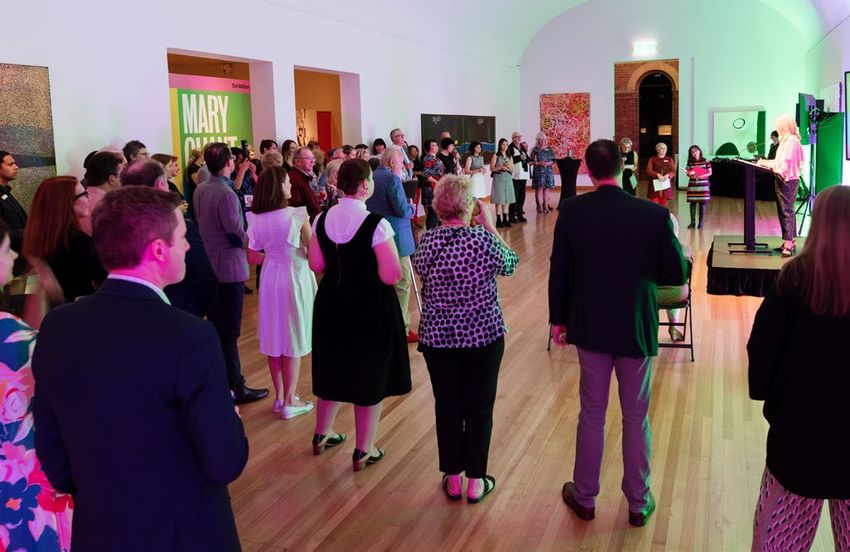
LC EIC
                        Inquiry into the impact of the COVID-19 pandemic on the tourism and events sectors
PGAV & NETS Victoria Submission - Inquiry into the impact     of the COVID-19
                                                          Submission  115       pandemic on the tourism and events sectors

Research released by RMIT University reveals that the                        digital program delivery. This means forgoing the
pivot to digital delivery was unevenly distributed                           new audiences they have engaged, relinquishing the
across the public gallery sector - state and national                        social and cultural impacts their digital programs are
galleries had far greater capacity than council-                             delivering to the community, and reducing their ability
run, public, university art museums and Artist                               to attract cultural tourists to their gallery.
Run Initiatives8. Galleries that were able to invest in
digital delivery saw a massive growth in their online                        Recommendation 3: the Victorian Government
audiences. For example, Mornington Peninsula                                 implement a Digital Delivery Support Package for
Regional Gallery commissioned artist David Frazer                            the public gallery sector, to staff and skill galleries to
to deliver an online workshop during COVID-19                                deliver digital programs. This investment will enable
which has been viewed by 4,000 people from across                            galleries to build awareness of their innovative
Australia and overseas. Prior to the pandemic, a                             programs and world-class collections, attracting
workshop delivered in the gallery would attract up to                        local, national and international visitors to their
30 people.                                                                   galleries. Investment: $5 million per annum, for 3
                                                                             years.
Growth in digital audiences – growth in tourism
The move to digital delivery has raised the profile                          Impact of COVID-19 on touring exhibitions
of Victoria’s public galleries with intrastate,                              NETS Victoria reports that the cancellation of tours
interstate and international audiences. As we have                           across Victoria has had significant flow on effects
learned through the digitisation of public gallery                           to regional communities and their economies. Eight
collections, the move to digital inevitably leads to a                       NETS Victoria exhibitions were either cancelled or
growth in visitors to the gallery, due to the powerful                       rescheduled. Where galleries were closed, exhibitions
allure of experiencing art in real life. The Rijksmuseum                     were unable to be packed and shipped to future
in Amsterdam is a perfect example – since making                             venues. Even where regional galleries were open
its collection available online, visitation to the art                       to the public, restrictions on movement between
museum has hit record highs. Cecile Van Den Harten,                          metropolitan and regional Victoria meant specialised
head of Rijksmuseum’s image department explains,                             installation teams were not able to reach exhibitions,
“.. the sensation of standing before a painting that is                      disrupting touring within Victoria and beyond.
real, where you can see all the little nuances in the                        The cancellation or indefinite postponement of
light, that sensation cannot be beat by a photo.” 9.                         exhibitions has severely impacted regional gallery
Investing in digital delivery of gallery programs and                        programming and prevented regional audiences
collections is an effective and affordable way to                            from accessing arts and culture experiences during
attract domestic and international cultural tourists                         the pandemic. Meanwhile, the significant drop in
to Victoria.                                                                 gallery visitation has meant a loss of income to the
                                                                             visitor economy across regional Victoria - local cafes,
Challenges of dual delivery                                                  restaurants, wineries, retail and accommodation
With the reopening of venues in November 2020,                               providers amongst those hardest hit.
galleries that redeployed staff and operating budgets
to deliver digital content now face the impossible                           NETS Victoria was able to act quickly to provide
burden of ‘dual delivery’. Galleries have told us that                       galleries with digital content in lieu of physical
without support they will not be able to continue their                      touring exhibitions. In 2020 they delivered five online
                                                                             exhibitions which showcased video art by Catherine
                                                                             Bell, Xanthe Dobbie, Deborah Kelly, Jill Orr and Kawita
                                                                             Vatanajyankur. With stimulus funding from Creative
                                                                             Victoria, NETS Victoria also delivered 50/50, in
                                                                             which independent curators met virtually with staff
                                                                             at regional galleries to learn about works in their
                                                                             permanent collections. The curators then developed
                                                                             online exhibitions for each gallery’s website, proving
                                                                             unique insights into their collections, building online
                                                                             audiences and creating a drawcard for future tourism
                                                                             to regional galleries.

                                                                             Recommendation 4: the Victorian Government invest
                                                                             in NETS Victoria to deliver an Innovative Digital
                                                                             Touring Program, in partnership with Victoria’s
                                                                             regional galleries, to attract new audiences to regional
Image: Great Movements of Feeling (installation view) at Latrobe Regional
Gallery. A NETS Victoria touring exhibition, curated by Zara Sigglekow and
                                                                             Victoria. Investment: $250,000 per annum, for 3
toured nationally by NETS Victoria 2019-2021. Photo: Christo Crocker.        years.

5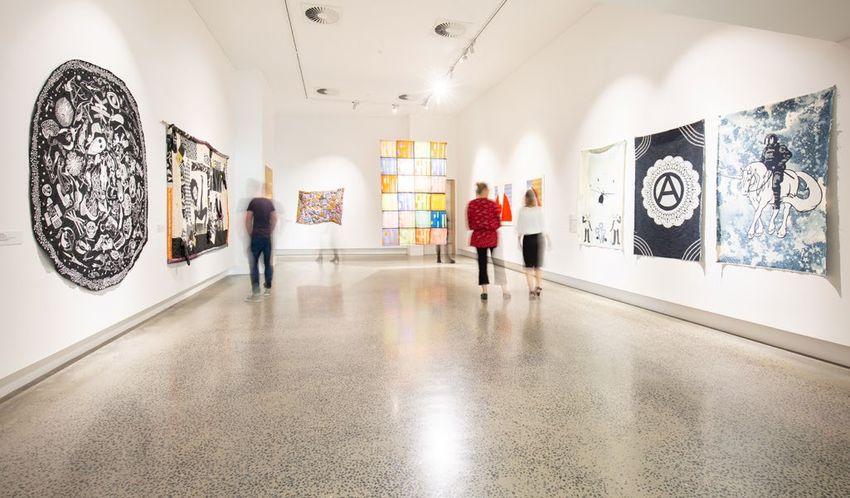
LC EIC
                        Inquiry into the impact of the COVID-19 pandemic on the tourism and events sectors
PGAV & NETS Victoria Submission - Inquiry into the impact     of the COVID-19
                                                          Submission  115       pandemic on the tourism and events sectors

Providing access to First Nations art and culture
Victoria’s public galleries have a long history of
presenting and supporting First Nations art and
culture. They have significant holdings of Aboriginal
and Torres Strait Islander artwork and artefacts
in their collections – from early drawings and
watercolours by Wurundjeri artist and activist William
Barak, to major holdings of Western Desert and Tiwi
Island art, to contemporary art.

Importantly, public galleries provide space for First
Nations people to connect with their art and artefacts
and practice and share their culture. Bendigo Art
Gallery recently became a Keeping Place for the
Dja Dja Wurrung people. Members of the Dja Dja
Wurrung community are now able to share the history
and story of their cultural artefacts with the wider
community. Warrnambool Art Gallery has established
a Maar Nation Gallery, providing a dedicated space
for exhibitions and workshops which continue and
promote Maar Nation art and culture. Later this
year, Shepparton Art Museum (SAM) will move into
a new, purpose built home along with Kaiela Arts,
Shepparton’s Aboriginal community art centre. The
new SAM will house Carrillo and Ziyin Gantner’s
significant collection of Aboriginal art and celebrate
the local Aboriginal community’s continuous living
culture, people and history through its exhibitions and
programs.
                                                                  Images: Warrnambool Art Gallery (WAG) Curator of Cultural Engagement
                                                                  Sherry Johnstone with Indigenous artefacts from the WAG collection, 2019.
The establishment of First Nations Advisory                       Photo: Morgan Hancock; The new Shepparton Art Museum (SAM) Photo:
Committees and the appointment of First Nations                   Kane Jarrod Photography.

staff at public galleries has ensured that access
to First Nations art and culture is First Nations                 to engage First Nations artists and guest curators to
led. However, the greatest challenge facing these                 serve on Advisory Committees and act as mentors.
important roles is short-term funding. Most are                   Currently there is extremely limited funding available
temporary positions, externally funded through                    to support these key initiatives.
Victorian Government departments or through
philanthropy. Through consultation with public                    Recommendation 5: to provide cultural tourists
galleries we learned that a longer duration is critical           with First Nations led access to First Nations art and
to the success of these roles, in part because it                 culture at public galleries, the Victorian Government:
enables First Nations staff to work part-time at the              1) provide longer-term funding of First Nations
gallery and continue to fulfil commitments within their              staff at public galleries, NETS Victoria and the
community. First Nations staff also let us know that                 PGAV. Investment: $2.5 million per annum, for 3
pay rates for these roles need to be commensurate                    years.
with the skills and knowledge they bring to the
                                                                  2) Invest in a state-wide First Nations Mentoring
organisation, and on par with awards in similar
                                                                     & Traineeship program delivered by the PGAV in
industries. Taking a pay cut is a barrier to working in
                                                                     partnership with AFL ArtsReady. Investment: $1.4
the public gallery sector.
                                                                     million per annum, for 3 years.
Our consultation also reveals a need to engage more               3) Provide quick-response funding to enable
than one First Nations member of staff to overcome                   galleries to undertake cultural awareness training,
the ‘culture shock’ of being the only First Nations                  ahead of engaging First Nations staff, as well
employee in the gallery, and to share the workload                   as support galleries to engage First Nations
of these complex roles. Galleries are keen to explore                artists and curators to serve on gallery Advisory
First Nations-led mentoring and AFL First Nations                    Committees and acts as mentors for First Nations
ArtsReady Traineeships to increase the number of                     staff. Investment: $250,000 per annum, for 3 years.
First Nations people on staff and provide a culturally
safe working environment. The sector is also keen

6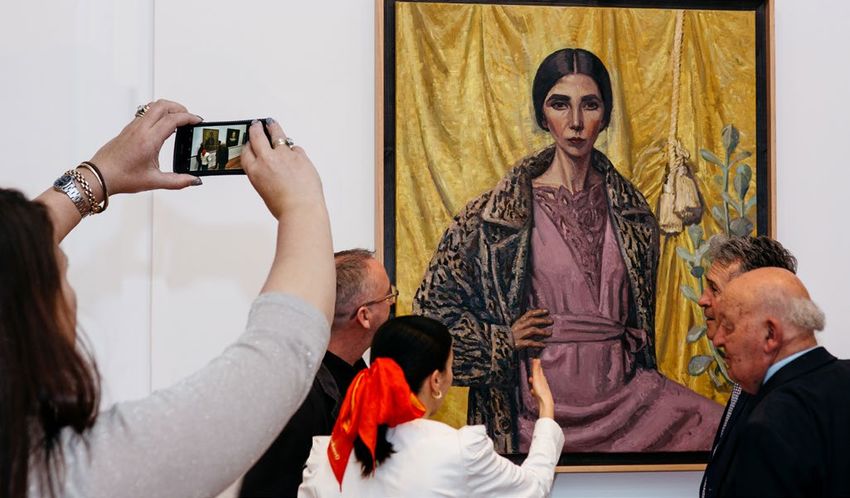
LC EIC
                        Inquiry into the impact of the COVID-19 pandemic on the tourism and events sectors
PGAV & NETS Victoria Submission - Inquiry into the impact     of the COVID-19
                                                          Submission  115       pandemic on the tourism and events sectors

Fit for purpose gallery infrastructure                             We appreciate the significant support the Victorian
Public galleries are telling us their buildings are no             Government has provided to address the immediate
longer fit-for purpose. PGAV research reveals 40%                  impacts of COVID-19. In our submission we have
of the public gallery sector are planning a gallery                outlined a number of strategic investments which will
development in the next 5 years. The top three                     address the longer-term impacts of the pandemic
reasons are:                                                       and ensure the public gallery sector returns to being
                                                                   a major contributor to the visitor economy in Victoria.
1) additional exhibition spaces – to deliver multiple
   exhibitions at any one time and ensure the
                                                                   We welcome the opportunity to expand upon any of
   permanent collection is on display for destination
                                                                   the recommendations outlined in our submission.
   tourists;
2) improving visitor amenities – cafes, gallery shops              Yours sincerely
   and creative workshop spaces; and
3) ageing buildings – collection stores that leak; air
   conditioning and lighting that is below industry
   standards, preventing galleries from hosting work
   from state and national lending institutions or take
   major touring exhibitions.

The Victorian Government is about to unveil a                      Anne Robertson                          Claire Watson
Regional Collections Access Program to support                     PGAV Executive Officer                  NETS Victoria Executive
infrastructure upgrades to galleries which will                                                            Director
allow them to loan works from the NGV and take
major touring exhibitions. This program, while
welcome, is finite and will not address the chronic
under investment in Victoria’s ageing public gallery
infrastructure, estimated at $100 million across the
state.

To address the $100 million underinvestment in public
gallery infrastructure, the sector needs an ongoing
program similar to the Victorian Government’s
Living Libraries Infrastructure Program (LLIP). This
will ensure public galleries across Victoria can
present ambitious exhibitions and take major touring
exhibitions which attract cultural tourists.

Recommendation 6: the Victorian Government
implement a Gallery Infrastructure Program, similar
to its Living Libraries Program, to enable the sector to
stage ambitious exhibitions and attract local, national
and international visitors to their galleries. This will
boost construction jobs, particularly in regional
Victoria. Investment: $10 million per annum, for 10
years.

Conclusion
COVID-19 has led to an unprecedented loss of gallery
visitation, earned income and staffing. Without urgent
investment, the public gallery sector will not be able
to deliver the exciting visual art programs it has
become renowned for. As our submission has made
clear, the loss of art tourism will have flow on effects
to local jobs and local economies across Victoria, and
                                                                   Images: Opening of Rodney Forbes, In My Life at Gippsland Art Gallery.
a loss of social connectedness and wellbeing that                  Courtesy Gippsland Art Gallery. Photo: Lindsay Roberts; Launch of the Mary
comes from engaging with arts and culture.                         Quant: Fashion Revolutionary exhibition at Bendigo Art Gallery, 2021.

7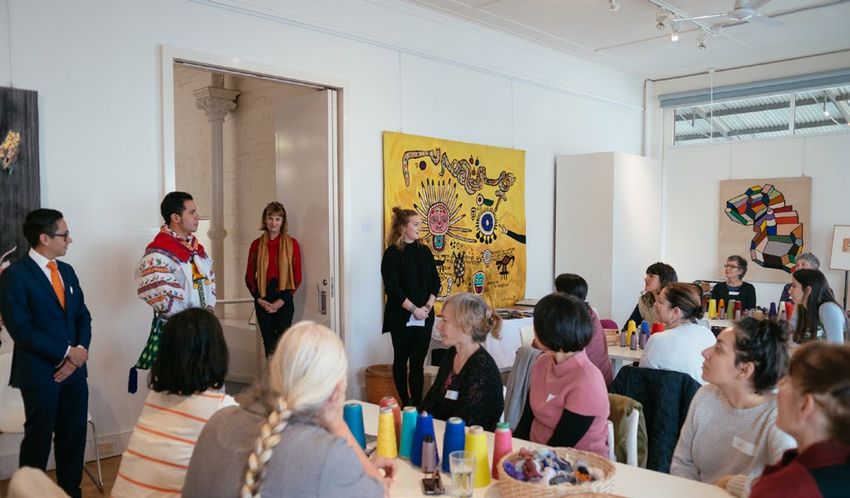
LC EIC
                        Inquiry into the impact of the COVID-19 pandemic on the tourism and events sectors
PGAV & NETS Victoria Submission - Inquiry into the impact     of the COVID-19
                                                          Submission  115       pandemic on the tourism and events sectors

Summary of strategic investments to address the longer-term impacts of COVID-19 on the public
gallery sector:

INITIATIVE                                               OUTCOME                                           INVESTMENT
Cultural Tourism Package                                 Delivering develop unique cultural                $1.2 million per annum, for 3 years.
                                                         tourism offers that boost daytrips
                                                         and overnights stays across
                                                         Victoria. Creating 8 new jobs across
                                                         Victoria.
Gallery Recovery & Innovation                            Address job losses and invest in                  $5 million per annum, for 3 years.
Package                                                  innovative programs to attract
                                                         visitors to galleries across Victoria.
Innovative Digital Touring Program Enable galleries to attract new                                         $5 million per annum, for 3 years.
                                   audiences to regional Victoria.
Digital Delivery Support Package                         Building awareness of Victoria’s                  $250,000 per annum, for 3 years.
                                                         public galleries and their world-
                                                         class collection to drive cultural
                                                         tourism across Victoria.
First Nations Access Package                             1. provide job security for First                 1. $2.5 million per annum, for 3
                                                            Nations staff at public galleries.                years.
                                                            Supporting 25 staff over 3 years.
                                                         2. state-wide First Nations
                                                            Traineeship program, in                        2. $1.4 million per annum, for 3
                                                            partnership with AFL ArtsReady.                   years.
                                                            Supporting 50 trainees.
                                                            Supporting 20 mentees and
                                                            trainees over 3 years.
                                                         3. Quick Response fund for First                  3. $250,000 per annum, for 3 years.
                                                            Nations cultural awareness
                                                            training and to access First
                                                            Nations expertise. Boosting
                                                            income for First Nations curators
                                                            and visual artists.

Gallery Infrastructure Program                           Enable galleries to deliver ambitious $10 million per annum, for 10 years.
                                                         exhibitions and touring programs,
                                                         attracting cultural tourists across
                                                         Victoria. Boosting constructions
                                                         jobs, particularly in regional Victoria.

Endnotes
1   International Arts Tourism: Connecting cultures, Australia Council for
    the Arts 2018; Domestic Arts Tourism: Connecting the County, Australia
    Council for the Arts 2020.
2   Ibid, Domestic Arts Tourism, pages 42 and 50.
3   Idid, Domestic Arts Tourism, page 18.
4   Ibid, International Arts Tourism, page 8.
5   Ibid, Domestic Arts Tourism, page 12.
6   See https://www.tra.gov.au/data-and-research/reports/national-
    visitor-survey-results-december-2020/national-visitor-survey-results-
    december-2020
7   See PGAV Fact Sheet Staffing Levels and Position Titles, 2019: https://
    pgav.org.au/file/8046/3155
8   COVID-19, digital inclusion, and the Australian cultural sector: A research
    snapshot, Indigo Holcombe-James, RMIT University, January 2021.
9   See https://www.nytimes.com/2015/05/14/arts/international/a-museum-
    at-the-forefront-of-digitization.html                                         Image: Bendigo Art Gallery with new signage and safety measures in place as
                                                                                  part of preparations to re-open to the public, July 2020.

8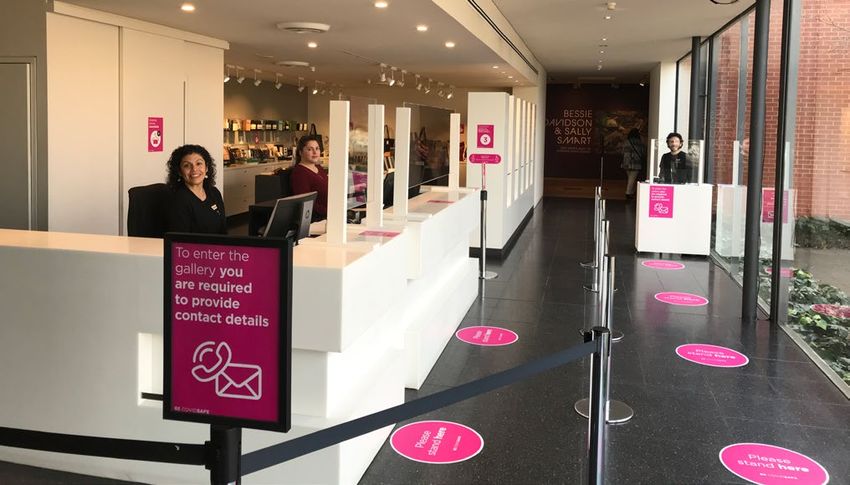
LC EIC
                        Inquiry into the impact of the COVID-19 pandemic on the tourism and events sectors
PGAV & NETS Victoria Submission - Inquiry into the impact     of the COVID-19
                                                          Submission  115       pandemic on the tourism and events sectors

PGAV Members
The PGAV represents 56 public galleries across
metropolitan, outer metropolitan and regional
Victoria:

Art Gallery TAMA
Art Gallery of Ballarat
ArtSpace at Realm
Arts Centre Melbourne
Arts Project Australia
Arts Space Wodonga
Australian Centre for Contemporary Art | ACCA
Australian Centre for the Moving Image | ACMI
Bayside Gallery
Benalla Art Gallery
Bendigo Art Gallery
Bundoora Homestead Art Centre
Bunjil Place Gallery
Burrinja Cultural Centre
Cardinia Cultural Centre Gallery
Carlisle Street Arts Space
Castlemaine Art Museum
Craft Victoria
Central Goldfields Art Gallery
City Gallery at Melbourne Town Hall
Counihan Gallery in Brunswick
Deakin University Art Gallery
Duldig Studio
East Gippsland Art Gallery
Eltham Library Community Gallery
Geelong Gallery
Gippsland Art Gallery
Glen Eira City Council Gallery
Hamilton Gallery
Heide Museum of Modern Art
Horsham Regional Art Gallery
Ian Potter Museum of Art
Incinerator Gallery
Koorie Heritage Trust
La Trobe Art Institute | LAI
Latrobe Regional Gallery | LRG
Linden New Art
Manningham Art Gallery
McClelland Sculpture Park + Gallery
Mildura Arts Centre | MAC
Monash Gallery of Art | MGA
Monash University Museum of Art | MUMA
Mornington Peninsula Regional Gallery | MPRG
National Gallery of Victoria | NGV
RMIT Gallery
RMIT INTERSECT
Shepparton Art Museum | SAM
Swan Hill Regional Art Gallery
TarraWarra Museum of Art                                             Images from top: Installation view, TESTAMENT: Robert Salzer Foundation
                                                                            Acquisitions, 2018 - 2019, Ararat Gallery TAMA. Artwork L-R: Lucas
The Dax Centre                                                          Grogan, Sarah Contos, Jemima Wyman, Jordan Marani, Tim Gresham,
Town Hall Gallery                                                     and Tony Garifalakis. © The artists, Ararat Gallery TAMA, Ararat Rural City
Walker Street Gallery                                              Council and MDP Photography & Video; Free yarn painting workshop at the
                                                                   Australian Tapestry Workshop as part of the Rafael Cilau Valadez exhibition
Wangaratta Art Gallery | WAG                                               at RMIT Intersect, 2016. Photo: Keelan O’Hehir; Children help create
Warrnambool Art Gallery                                             Bundit Puanthong’s Drawing Wall at Shepparton Art Museum (SAM), 2017;
Whitehorse Art Space                                               TarraWarra Museum of Art Education Coordinator conducting a school tour
                                                                              of ASSEMBLED: The Art of Robert Klippel. Image: Jacqui Shelton.
Wyndham Art Gallery

9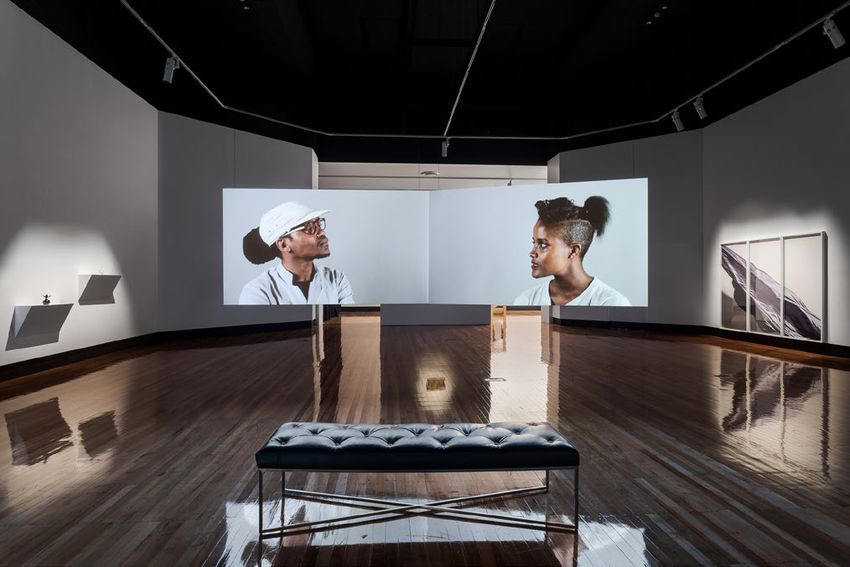
LC EIC
                        Inquiry into the impact of the COVID-19 pandemic on the tourism and events sectors
PGAV & NETS Victoria Submission - Inquiry into the impact     of the COVID-19
                                                          Submission  115       pandemic on the tourism and events sectors

PG Public
    Galleries
A V Victoria
    Association

LOCATION

NGV Australia
Federation Square
POSTAL ADDRESS

PO Box 7259
Melbourne, Vic 8004

CONTACT PGAV

T: 0403 268 017
WEB

pgav.org.au

CONTACT NETS VICTORIA

T: +61 3 8662 1507

10                                                      Cover image: Launch of the exhibition Not standing still- new approaches in documentary
WEB

netsvictoria.org.au                                    photography, Monash Gallery of Art, 2021. Artwork by Max Pinckers. Photo: Zan Wimberley.
You can also read


