Poisonous Plants of Washington State - PREPARED BY WSDOT Environmental Services Office January 16, 2019
←
→
Page content transcription
If your browser does not render page correctly, please read the page content below
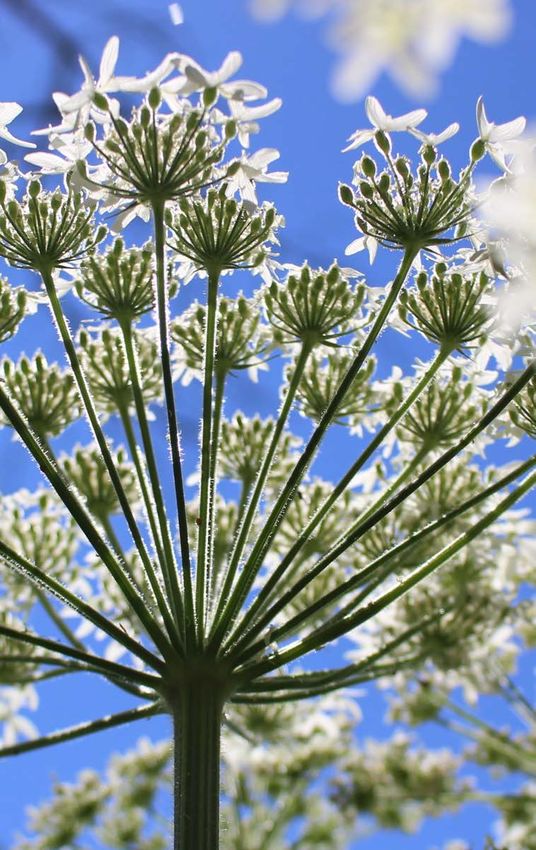
Poisonous
 Plants of
Washington
   State

                   PREPARED BY
                          WSDOT
      Environmental Services Office
                 January 16, 2019
Americans with Disabilities Act (ADA) Information: This material can be made available in an alternate
format by emailing the Office of Equal Opportunity at wsdotada@wsdot.wa.gov or by calling toll free, 855-
362-4ADA(4232). Persons who are deaf or hard of hearing may make a request by calling the Washington
State Relay at 711.
Title VI Notice to Public: It is the Washington State Department of Transportation’s (WSDOT) policy
to assure that no person shall, on the grounds of race, color, national origin or sex, as provided by Title
VI of the Civil Rights Act of 1964, be excluded from participation in, be denied the benefits of, or be
otherwise discriminated against under any of its federally funded programs and activities. Any person who
believes his/her Title VI protection has been violated, may file a complaint with WSDOT’s Office of Equal
Opportunity (OEO). For additional information regarding Title VI complaint procedures and/or information
regarding our non-discrimination obligations, please contact OEO’s Title VI Coordinator at (360) 705-7090.

                                                                                              19-01-0009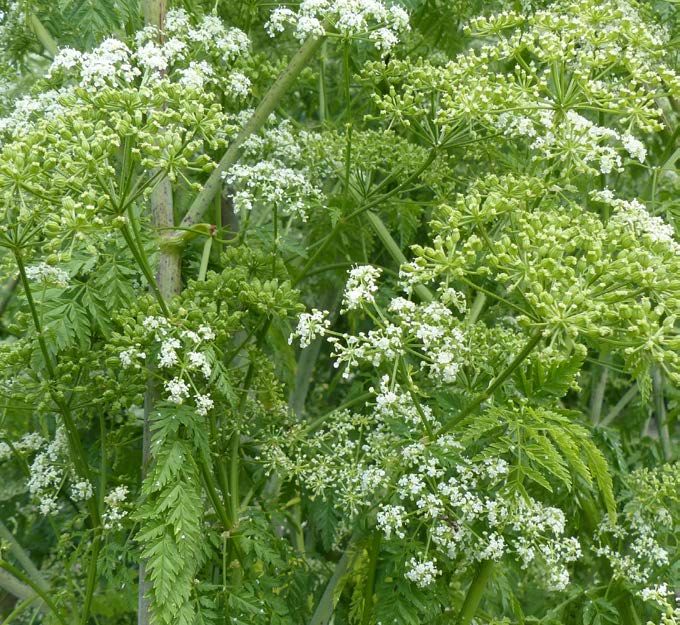
Table of contents                               Introduction
Introduction                                1   HOW TO USE THE GUIDE
Three types of plant irritation             2   Each page of this guide discusses poisonous or harmful plants across
                                                Washington State. Species are grouped with similar looking species and
Recommendations                             3   then occur in alphabetical order by common name. Use this guide as a
carrot family (Apiaceae)                    4   field reference. It can be kept in vehicles or field gear for easy reference.

common cowparsnip (Heracleum maximum)       6   SPECIES DESCRIPTIONS
giant hogweed (Heracleum mantegazzianum)    8   Each plant species includes the following information: where it occurs
                                                in Washington State, its habitat, a species description meant for
poison hemlock (Conium maculatum)          10   identification at arms-length, potential symptoms if encountered, and
western water hemlock (Cicuta douglasii)   12   actions to take following exposure.

wild parsnip (Pastinaca sativa)            14   LIMITATIONS
                                                This guide provides information on commonly encountered poisonous
buttercups (Ranunculus spp.)               16
                                                and harmful plants in Washington State, however, it is not a complete
climbing nightshade (Solanum dulcamara)    18   guide. Other harmful plants may occur in the landscape. Many plants
                                                may be poisonous if ingested. This guide focuses on risks associated with
English ivy (Hedera helix)                 20
                                                topical skin encounters for people working or recreating outdoors. It does
poison ivy (Toxicodendron radicans)        22   not cover poisonous plants in relation to culinary use, edible purposes, or
                                                medicinal use.
poison oak (Toxicodendron diversilobium)   24
                                                Reaction descriptions and treatment recommendations in this booklet
spurges (Euphorbia spp.)                   26   provide generalized information and do not replace professional medical
stinging nettle (Urtica dioica)            28   advice. CALL 911 OR POISON CONTROL 1-800-222-1222 and seek
                                                immediate medical services for severe reactions to poisonous plant
black locust (Robinia pseudoacacia)        30   exposure, or if you are uncertain of the severity of the exposed individual.
devil’s club (Oplopanax horridus)          32
non-native blackberries (Rubus spp.)       34
black hawthorn (Crataegus douglasii)       36
oneseed hawthorn (Crataegus monogyna)      38
roses (Rosa spp.)                          40
References                                 42

                                                                                       1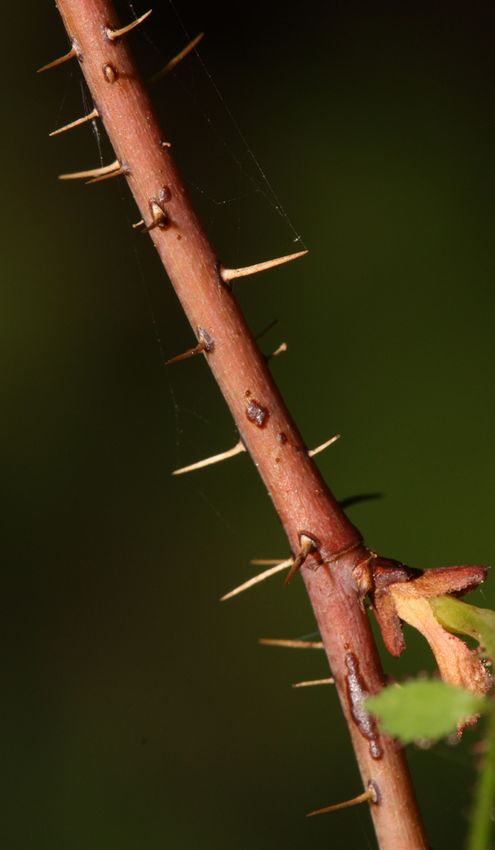
Three types of plant irritation                                                  Recommendations
There are three general ways plants can cause skin irritations (contact          Wear protective clothing including long sleeve shirts and pants, gloves,
dermatitis):                                                                     and protective eyewear. Always wash hands before eating or touching
                                                                                 your face, eyes, mouth, or genitals. If clothing is exposed to poisonous
                              CHEMICAL IRRITATION: chemical compounds            plant oils, wash clothing separately in hot water with detergent, including
                              are absorbed directly into skin, including in      boots and boot laces.
                              winter months when plants appear dormant
                              or are harder to identify without leaves,          MEDICAL ATTENTION/FIRST AID
                              flowers, or fruits (e.g. poison oak/poison ivy).
                                                                                 If exposed to harmful plants, wash hands and affected areas as soon as
                                                                                 possible with plenty of oil-removing soap or detergent and cool water,
                                                                                 then blot dry with a clean towel. Over the counter products such as
                                                                                 calamine lotion, topical steroids such as hydrocortisone cream, or oral
                                                                                 antihistamines such as Benadryl may be used, and in most cases may be
                                                                                 all that is needed for some reactions. If a rash worsens, blisters develop,
                                                                                 swelling occurs, eyes are affected, or any allergic reactions occur such as
                                                                                 difficulty breathing or hives, promptly seek professional medical help.
                              LIGHT SENSITIVITY: oils or sap from some
                              plants can cause skin irritations that increase    Tecnu makes several useful products that can help with removing plant
                              greatly in severity when exposed to sunlight       oils as well as treatment of rashes from poisonous plant materials. Tecnu
                              (e.g. many plants in the carrot family). This is   Original: Outdoor Skin Cleanser may help with prevention by removing
                              called phototoxicity or photoirritation.           oils, and Tecnu Calagel may help with treatment by relieving itch and pain.
                                                                                 Consider carrying these products in your first aid kit.

                              MECHANICAL INJURY: plants with sharp
                              features that may puncture the skin, with
                              some introducing toxins (e.g. nettles,
                              devil’s club).

Note: Initial exposure to a plant may not produce a reaction. Symptoms
can occur following subsequent exposures, even when prior exposure to
the same plant did not produce a reaction.
                                     2                                                                                 3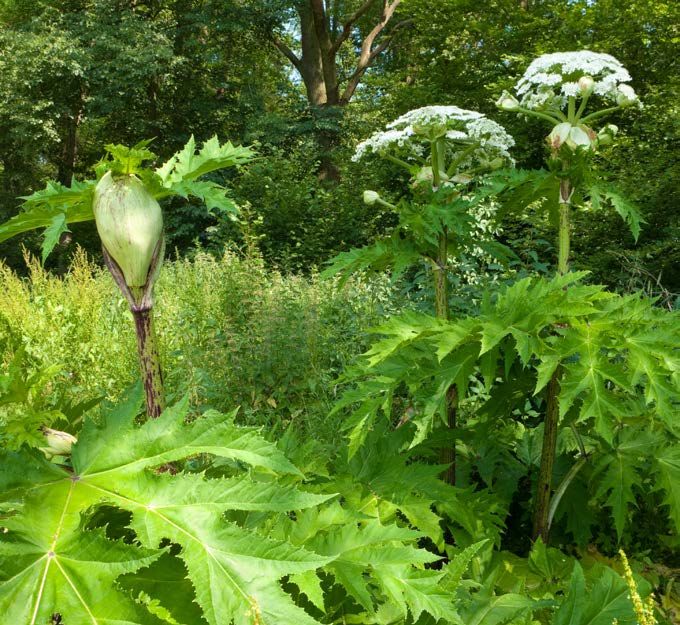
carrot family (Apiaceae)
Many species in the carrot family are poisonous and can cause severe skin
reactions when oils or sap are encountered, and even death if ingested. It
can be difficult to tell the difference between potentially harmless species
and harmful species, so it is best to avoid contact with plants in this family.
                             LOCATION: Canbe found in both eastern and
                             western Washington in a range of habitats.
                             HABITAT: Includes weedy, disturbed, or urban
                             areas, ditches, roadsides, riparian areas,
                             wetlands, and forests.

POISONOUS OR HARMFUL PORTION OF PLANT
All parts of some plants in this family can be poisonous, including: roots,
stem, leaves, flowers, seeds, oils from plant. Some species are extremely
toxic and can cause death, while some species in this family have milder
toxins. Some people may react, while others will not experience any
reaction. Symptoms can occur during subsequent exposure, even when
prior exposure to the same plant did not produce a reaction.
SPECIES DESCRIPTION
FLOWERS: Flower shape is called an umbel and resembles an umbrella with
         stalks holding up a flat top or convex head of smaller flowers.
         Flowers are typically white to pale pink or purple, sometimes
         yellow. Flowers have five petals
STEMS:    Stems often hollow, may have purple spots, streaks, or tint.
SYMPTOMS & TREATMENT
Oils or sap from some species in the carrot family cause mild to extremely
severe skin rashes which increase in severity when combined with
exposure to sunlight.
This is called phototoxicity or photoirritation and may result in:
• Itching, burning, blisters or rash
• Severe skin inflammation
• Temporary or permanent skin discoloration or scaring
• In eye, can lead to temporary or permanent blindness
Some plants in this family, if ingested, can lead to death.
GENERAL RECOMMENDATION
Avoid contact with all members of the carrot family if unsure of species
identification.

                                       4                                          5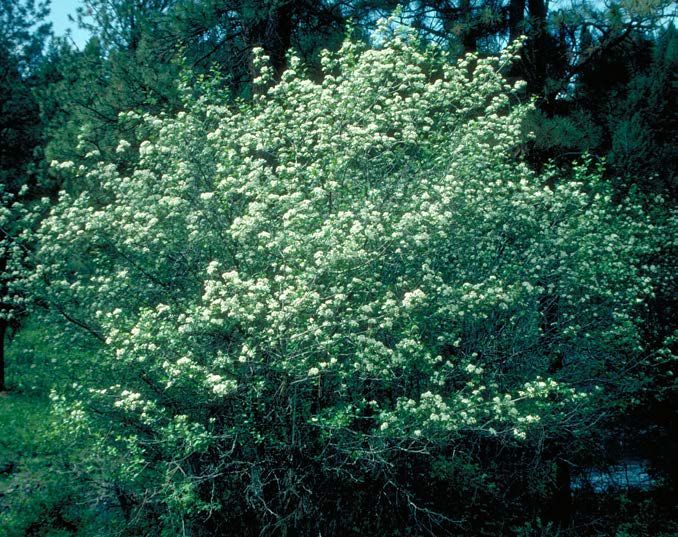
CARROT FAMILY
common cowparsnip (Heracleum maximum)
                             LOCATION: Widely distributed native
                             plant found in both eastern and western
                             Washington.
                             HABITAT: Moist areas at low to mid-elevations,
                             in stream banks, wooded areas, wetlands,
                             ditches, and roadsides.

POISONOUS OR HARMFUL PORTION OF PLANT
Sap is poisonous and is present in all portions of the plant. Phototoxic.

SPECIES DESCRIPTION
BLOOMS: June to August, in its 2nd year, 1st year only basal leaves present

FLOWERS:   flat-topped umbel (umbrella shape) with many small white
           flowers
LEAVES:    large and lobed (maple leaf shaped), along stem and at base, leaf
           base enlarged
STEMS:     robust, hollow, grooved, single stem, sometimes purple spotted,
           fine white hairs
HEIGHT:    3 to 10 feet
                                                                                Photo by Lisa Hupp/USFWS (CC BY 2.0)
SYMPTOMS                                  TREATMENT
• Oils from plant are phototoxic          • Wash affected area with
  making symptoms worse when                generous amounts of soap and
  exposed to sunlight                       cold water
• Rash                                    • May cover with cool cloth to
• Skin blistering                           reduce swelling

• Skin discoloration                      • Do not expose affected area to
                                            sunlight
                                          • Should resolve on its own
                                            without treatment
                                          • Over the counter medications
                                            can be used to treat symptoms
                                          • Steroids can be prescribed for
                                            severe reactions
                                          • If eyes are exposed rinse with
                                            cool water and wear sunglasses,
                                            seek medical attention

                                      6                                                                                7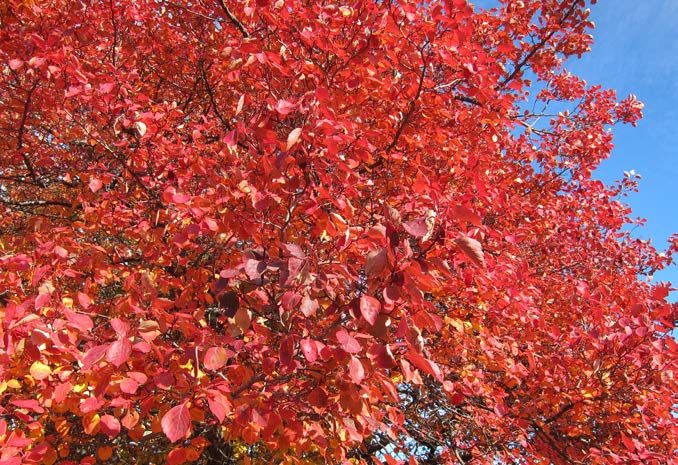
CARROT FAMILY
giant hogweed (Heracleum mantegazzianum)
                             LOCATION: Introduced    plant, occurring in
                             western Washington.
                             HABITAT: This is a horticultural, non-native plant,
                             most commonly found in disturbed sites near
                             residential areas, including ditches, roadsides,
                             and vacant lots. Establishes in moist soil and
                             can invade riparian areas and wetlands.

POISONOUS OR HARMFUL PORTION OF PLANT
Sap is extremely poisonous, is present in all parts of the plant, and more
highly concentrated on lower part of the stem, on white hairs on the
plant, and in flowers and seeds. Phototoxic.

SPECIES DESCRIPTION
BLOOMS: May through July, in its 2nd or 3rd year, 1st year only basal
        leaves present
FLOWERS:   convex umbel (umbrella shaped) with many small white flowers
LEAVES:    extremely large, up to 5 feet across, deeply lobed, along stem
           and at base
STEMS:     robust, ridged, hollow, with purple spots or streaks, and
           prominent white hairs
HEIGHT:    extremely large plant, 8 to 15 feet

SYMPTOMS                                   TREATMENT
• Oils from plant are phototoxic           • Wash affected area with
  making symptoms worse when                 generous amounts of soap and
  exposed to sunlight                        cold water
• Severe rash and burns                    • Do not expose affected area to
• Painful blistering                         sunlight

• Scaring                                  • Over the counter medications
                                             can be used to treat symptoms
• Long term sensitivity to sunlight
                                           • Steroids can be prescribed for
                                             severe reactions
                                           • If eyes are exposed, rinse with
                                             cool water and wear sunglasses,
                                             seek medical attention

                                                                                   Photo by kevsexotics (CC BY-NC-SA 2.0)

                                       8                                                                                    9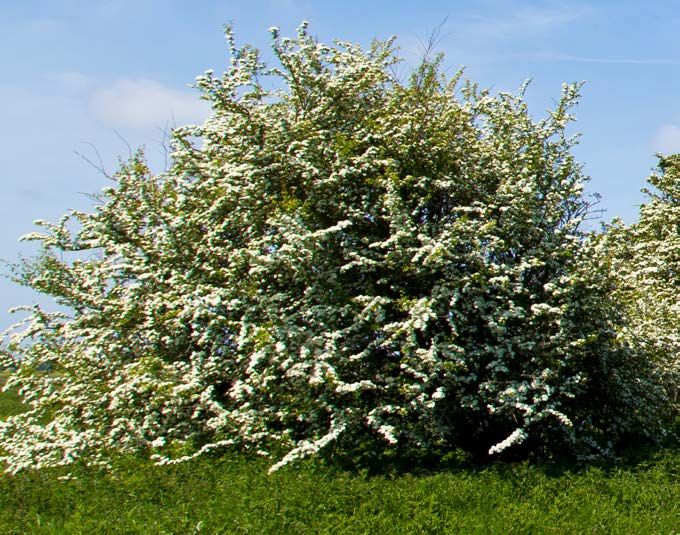
CARROT FAMILY
poison hemlock (Conium maculatum)
                             LOCATION: Widely distributed, introduced
                             plant, found in both eastern and western
                             Washington.
                             HABITAT: Disturbed areas with moist soils,
                             including ditches, beaches, wetlands, riparian
                             areas, waste places, urban areas, and farmland.

POISONOUS OR HARMFUL PORTION OF PLANT
Sap is poisonous and is present in all portions of the plant.

SPECIES DESCRIPTION
BLOOMS: May to August, in its 2nd year, 1st year only basal leaves present

FLOWERS:   umbel (umbrella shape) with many small white flowers
LEAVES:    large, dissected (lacy/fern-like), leaf base enlarged, and only
           on the stem
STEMS:     hollow, branched, ridged, purple spotted or streaked, hairless
HEIGHT:    6 to 8 feet

SYMPTOMS & TREATMENT
Extremely poisonous if ingested, even in small amounts, and can result
in fatality. Seek immediate medical attention if ingested or if eyes are
exposed.
Absorption of the toxin found in this plant occurs through the skin as
well as intestinally. Avoid handling this plant and seek immediate medical
attention if any symptoms develop after exposure.

SYMPTOMS                                    TREATMENT
• Early symptoms may include                • Wash affected area with
  nausea, stomachache, confusion,             generous amounts of soap and
  weakness, dizziness, drowsiness,            cold water
  and vomiting                              • If eyes are exposed rinse with
• Skin irritation including redness,          cool water
  swelling, or blisters, burning            • Seek immediate medical
  sensation, numbness                         attention if any symptoms occur
                                              after exposure to this plant

                                       10                                       11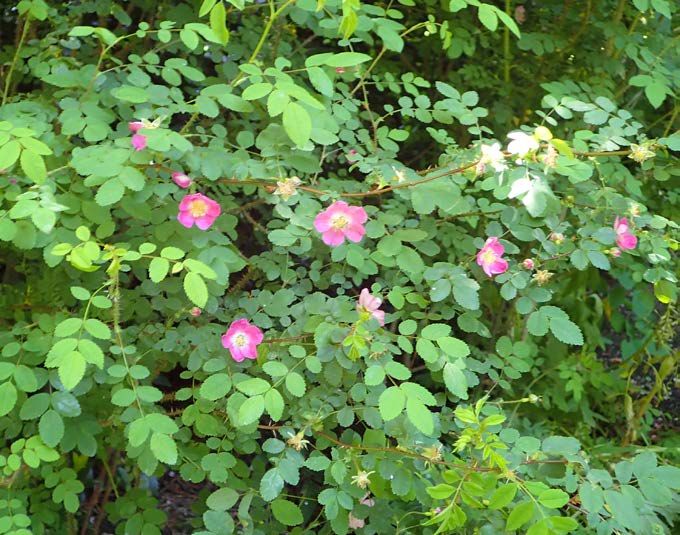
CARROT FAMILY
western water hemlock (Cicuta douglasii)
                             LOCATION: Widely distributed, native
                             plant, found in both eastern and western
                             Washington.
                             HABITAT: Low to moderate elevations, in
                             wetlands or areas with moist soils, including
                             streams, ditches, and wet pastures.

POISONOUS OR HARMFUL PORTION OF PLANT
All parts of the plant are poisonous, with higher concentrations of the
toxic compounds in roots and stem bases.

SPECIES DESCRIPTION
BLOOMS: June to August, in its 2nd year, 1st year only basal leaves present

FLOWERS:   umbel (umbrella shape) with many small white to greenish
           flowers
LEAVES:    dissected, sharply pointed and toothed, along stem and at base
STEMS:     solitary or a few together, hollow, may be purple tinged, hairless,
           thickened at base
HEIGHT:    2 to 6 feet
                                                                                 © Copyright Mel Harte 2010
                                                                                 www.discoverlife.org
SYMPTOMS & TREATMENT
Extremely poisonous if ingested, even in small amounts, and can result
in fatality. Seek immediate medical attention if ingested or if eyes are
exposed.
Absorption of the toxin found in this plant occurs through the skin as
well as intestinally. Avoid handling this plant and seek immediate medical
attention if any symptoms develop after exposure.

SYMPTOMS                                   TREATMENT
• Early symptoms may include               • Seek immediate medical
  seizure, nausea, vomiting,                 attention if any symptoms occur
  muscle twitch, increased pulse,            after exposure to this plant
  excessive salivation or frothing
  at the mouth, and dilation of the
  pupils

                                      12                                                                      13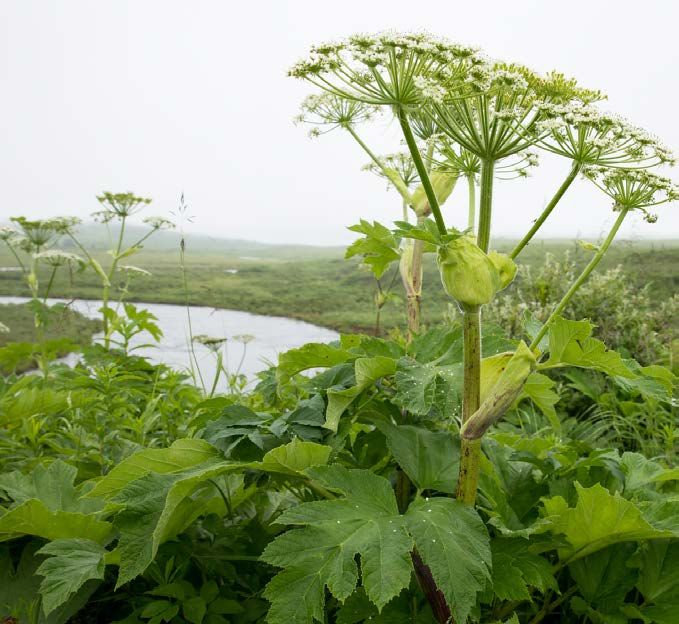
CARROT FAMILY
wild parsnip (Pastinaca sativa)
                             LOCATION: Scattered  locations throughout the
                             Pacific Northwest, introduced plant, found in
                             both eastern and western Washington.
                             HABITAT: Disturbed areas including ditches and
                             roadsides, prefers drier soils.

POISONOUS OR HARMFUL PORTION OF PLANT
Sap is poisonous and is present in all portions of the plant. Phototoxic.

SPECIES DESCRIPTION
BLOOMS: May to July, in its 2nd year, 1st year only basal leaves present

FLOWERS:   umbel (umbrella shape), with unequal length flowering stalks,
           and many small yellow flowers
LEAVES:    coarse, dissected into leaflets, toothed or lobed, along stem and
           at base, getting smaller farther up the stem
STEMS:     grooved, hollow, may be purple tinged, hairless
HEIGHT:    1 to 3 feet

SYMPTOMS                                   TREATMENT
• Oils from plant are phototoxic           • Wash affected area with
  making symptoms worse when                 generous amounts of soap and
  exposed to sunlight                        cold water
• Severe rash and burns                    • Do not expose affected area to
• Painful blistering                         sunlight

• Skin discoloration                       • Over the counter medications
                                             can be used to treat symptoms
                                           • Steroids can be prescribed for
                                             severe reactions
                                           • If eyes are exposed rinse with
                                             cool water and wear sunglasses,
                                             seek medical attention

                                                                                                 Photo by Victor M. Vicente Selvas
                                                                                       (Public domain), from Wikimedia Commons

                                      14                                          15
buttercups (Ranunculus spp.)
LOCATION: Widely distributed, native and
introduced plants, found in both eastern and
western Washington.
HABITAT: Occurs in a variety of habitats,
including cultivated varieties in residential
landscapes. Common habitats include moist
woods, meadows, open fields, wetlands,
riparian areas, as well as drier sites like
roadsides and urban areas.
POISONOUS OR HARMFUL PORTION OF PLANT
Sap is poisonous and is present in all portions of the plant.
SPECIES DESCRIPTION
BLOOMS: generally in spring
FLOWERS: generally with 5 yellow petals (sometimes white or red tinged),
either occurring singly or in loose clusters. Some species have
other flower characteristics
LEAVES: usually simple, lobed, or dissected
STEMS: erect or creeping
HEIGHT: various, but generally not much taller than 4 feet
SYMPTOMS TREATMENT
Some people may experience • Wash affected area with
allergic skin reaction to sap generous amounts of soap and
including: cold water
• Red rash • Over the counter medications
• Blisters can be used to treat symptoms
• Burning sensation • Steroids can be prescribed for
severe reactions
16 17climbing nightshade (Solanum dulcamara)
LOCATION: Widely distributed, introduced
plant, found in both eastern and western
Washington.
HABITAT: Low elevations, in disturbed areas,
roadsides, forests, moist clearings, riparian
areas, and wetlands.
POISONOUS OR HARMFUL PORTION OF PLANT
All parts are poisonous if ingested. Some people may experience mild skin
irritation, to more severe rash, when contacting the foliage.
SPECIES DESCRIPTION
BLOOMS: May through September
FLOWERS: clusters of purple and yellow flowers. 5 purple petals curled
backwards towards the stem, with bright yellow anthers
protruding out of the petals
FRUITS: clusters of drooping egg-shaped berries, mostly red, sometimes
orange, yellow, or green
LEAVES: variable, pointed tip, some with heart-shaped base, others with
lobes, or with one or two leaf appendages at base
STEMS: climbing, sprawling, semi-woody, sometimes covering other
vegetation
HEIGHT: variable depending if it is sprawling or climbing on other
vegetation
SYMPTOMS TREATMENT
• Highly toxic if ingested • Wash affected area with
• Some people may have skin generous amounts of soap and
reactions such as rash or blisters cold water
if skin comes in contact with the • Over the counter medications
plant can be used to treat symptoms
• Steroids can be prescribed for
severe reactions
Photo by Mary Ellen (Mel) Harte, Bugwood.org
18 19English ivy (Hedera helix)
LOCATION: Widely distributed, introduced
plant, primarily found in western Washington.
HABITAT: Low elevations in forests, disturbed
areas, and near residences.
POISONOUS OR HARMFUL PORTION OF PLANT
Sap from leaves or stems. Sap from crushed or broken stems can cause a
rash. Just brushing against the leaves will not cause a reaction for most
people.
SPECIES DESCRIPTION
BLOOMS: May to June
FLOWERS: clusters of many small greenish-cream flowers
FRUITS: dark purplish/black round fruits
LEAVES: evergreen, waxy/leathery, broadly triangular shaped with lobes
or wavy leaf edges
STEMS: woody vines, creating a sprawling groundcover or vining up
other vegetation, some stems may become very thick and
woody when climbing up trees
HEIGHT: varies depending on growth habit
SYMPTOMS TREATMENT
• Some people may experience • Wash affected area with
allergic skin reaction including generous amounts of soap and
itching or weepy blisters after cold water
exposure to sap in the leaves • Over the counter medications
can be used to treat symptoms
• Steroids can be prescribed for
severe reactions
20 21poison ivy (Toxicodendron radicans) SYMPTOMS TREATMENT
• Red rash • Wash affected area with
LOCATION: Widely distributed,native plant, • Swelling generous amounts of soap
primarily found in eastern Washington. (detergent/dish soap that cuts
• Itching oils) and cold water, or Technu
HABITAT: Low elevations and foothills, in open
• Bumps, patches, streaking, or Skin Cleanser
forests and forest edges, riparian areas, and
disturbed areas. weeping blisters • Scrub under nails with brush
• Itching occurs within 5 to 24 • May cover affected areas with
hours after exposure, and cool cloth
POISONOUS OR HARMFUL PORTION OF PLANT swelling and blistering occurs
within 48 hours • Over the counter medications
Leaves, stems, and roots of the plant contain poisonous oils, including the
can be used to treat symptoms
stems when leaves have fallen off in the fall, winter, and early spring prior • A prior exposure may not
to leaf emergence. produce a reaction, while a • Steroids can be prescribed for
subsequent exposure may result severe reactions
SPECIES DESCRIPTION
in a mild to severe reaction • Seek medical attention for
BLOOMS: April to July severe reactions including
FLOWERS: many small greenish-cream flowers exposure to eyes or mouth, rash
on face or genitals, swelling,
FRUITS: small white berries with greenish or yellowish tinge, in drooping
difficulty breathing, or if a severe
clusters
reaction has occurred in the past
LEAVES: three leaflets (“leaves of three, let it be”), leaf edges usually
• Oils from the plant can be easily
smooth or may be lobed, may be shiny or glossy, young leaves
transferred between clothing,
often rust-colored or red, turning yellow or red in the fall before
footwear and shoe laces, tools,
falling off
pet fur, or between your own
STEMS: the plant has various growth habits with woody stems forming body parts. Take care to wash all
shrubby thickets, vining up trees, or establishing as a exposed items or discard them
groundcover, stems can be reddish in color
HEIGHT: varies depending on growth habit
22 23poison oak (Toxicodendron diversilobium) SYMPTOMS TREATMENT
• Red rash • Wash affected area with
LOCATION: Widely distributed,native plant, • Swelling generous amounts of soap
primarily found in western Washington. (detergent/dish soap that cuts
• Itching oils) and cold water, or Technu
HABITAT: Low elevations, in open forests and
• Bumps, patches, streaking, or Skin Cleanser
forest edges, flood plains, wooded edges and
cliffs of Puget Sound and Salish Sea shorelines, weeping blisters • Scrub under nails with brush
riparian areas, and disturbed areas. • Itching occurs within 5 to 24 • May cover affected areas with
hours after exposure, and cool cloth
POISONOUS OR HARMFUL PORTION OF PLANT swelling and blistering occurs
within 48 hours • Over the counter medications
Leaves, stems, and roots of the plant contain poisonous oils, including the
can be used to treat symptoms
stems when leaves have fallen off in the fall, winter, and early spring prior • A prior exposure may not
to leaf emergence. produce a reaction, while a • Steroids can be prescribed for
subsequent exposure may result severe reactions
SPECIES DESCRIPTION
in a mild to severe reaction • Seek medical attention for
BLOOMS: April to July severe reactions including
FLOWERS: many small greenish-cream flowers exposure to eyes or mouth, rash
on face or genitals, swelling,
FRUITS: small yellow berries in drooping clusters
difficulty breathing, or if a severe
LEAVES: three leaflets (“leaves of three, let it be”), leaf edges may be reaction has occurred in the past
lobed (like an oak leaf), wavy, or toothed, often shiny or glossy,
• Oils from the plant can be easily
young leaves often rust-colored or red, turning yellow or
transferred between clothing,
red in the fall before falling off
footwear and shoe laces, tools,
STEMS: the plant has various growth habits with woody stems forming pet fur, or between your own
shrubby thickets, vining up trees, or establishing as a body parts. Take care to wash all
groundcover, stems can be reddish in color exposed items or discard them
HEIGHT: varies depending on growth habit
24 25spurges (Euphorbia spp.)
LOCATION: Widely distributed, native and
introduced plants, found in both eastern and
western Washington.
HABITAT: A variety of habitats including
disturbed sites. Many spurges are escaped
from cultivation.
POISONOUS OR HARMFUL PORTION OF PLANT
Milky sap or latex found in broken stems or leaves. Phototoxic.
SPECIES DESCRIPTION
There are many species of spurges and characteristics are variable. Often
they have a cluster of small flowers, with larger leaf like structures directly
below the flower cluster which may be showy compared to the small
flowers. The Christmas plant, Poinsettia, is a spurge.
SYMPTOMS TREATMENT
• Milky juice from plant is • Wash affected area with
phototoxic making symptoms generous amounts of soap and
worse when exposed to sunlight cold water
• Skin irritations, with severity • Do not expose affected area to
varying from person to person sunlight
• Eye irritation, with burning • If eyes are exposed rinse with
sensation and blurred vision cool water and wear sunglasses,
seek medical attention
• Over the counter medications
can be used to treat symptoms
• Steroids can be prescribed for
severe reactions
26 27stinging nettle (Urtica dioica) SYMPTOMS TREATMENT
• Small red, raised stinging bumps • Upon initial contact, try to avoid
LOCATION: Widely distributed, native or hives occur immediately after touching the exposed area
plant, found in both eastern and western contact, resembling mosquito for about 10 minutes to avoid
Washington. bites pushing the plant compound
• After initial sting, bumps can deeper into the body. This allows
HABITAT: Low to sub-alpine elevations, found in
become itchy the plant oil to dry on the skin.
diverse habitats including moist soils in shady
After plant oils dry, the skin can
forests, mountains slopes, and in sagebrush. • Stinging, redness, and bumps are be washed with soap and cool
temporary and generally clear water
POISONOUS OR HARMFUL PORTION OF PLANT
up within a relatively short time
Stinging hairs on leaves and stems. Tips of hairs puncture skin and deliver after exposure • A cool wet compress may be
stinging liquid. applied to relieve lingering
discomfort
SPECIES DESCRIPTION
• In most individuals the reaction
BLOOMS: May through September is very minor and treatment is
FLOWERS: small, inconspicuous clusters of drooping flowers not necessary
LEAVES: heart-shaped with coarsely serrated edges (like saw teeth) • In rare cases, some people may
have a more severe allergic
STEMS: erect and square sided
reaction, and should seek
HEIGHT: 3 to 8 feet immediate medical attention if
difficulty breathing or swelling
in the mouth is experienced, or
other signs of severe reaction
such as nausea, stomach cramps,
vomiting, or diarrhea occur
Photo by Richard New Forest
(CC BY-SA 3.0)
Photo by brewbooks (CC BY-SA 2.0)
28 29THORNY PLANTS TO AVOID
black locust (Robinia pseudoacacia)
LOCATION: Widely distributed, introduced
tree, found in both eastern and western
Washington.
HABITAT: Often near residences, disturbed
areas, and along river banks.
POISONOUS OR HARMFUL PORTION OF PLANT
Thorns on stems.
SPECIES DESCRIPTION
BLOOMS: May to June
FLOWERS: clusters of drooping, white pea flowers
FRUITS: flattened, brown pea pods
LEAVES: many oval-shaped leaflets, resembling the shape of garden pea
leaves
STEMS: woody trees with thick fissured silvery/gray or brown bark
HEIGHT: can reach over 80 feet
30 31THORNY PLANTS TO AVOID
devil’s club (Oplopanax horridus)
LOCATION: Widely distributed, native
plant, found in both eastern and western
Washington.
HABITAT: Low to mid elevations, in moist
forests, riparian areas, drainages, wetlands,
and ditches.
POISONOUS OR HARMFUL PORTION OF PLANT
Thorns on stems and leaves.
SPECIES DESCRIPTION
BLOOMS: May to July
FLOWERS: flowering stalks with clusters of small, greenish-white,
inconspicuous flowers
FRUITS: bright red clusters, on erect to drooping stalks above leaves
LEAVES: large, lobed (maple leaf shaped), with prickles on under side
along veins, and stalks attaching leaves to stem
STEMS: woody, erect, tan, with dense thorns
HEIGHT: 3 to 9 feet tall
TREATMENT
• immediately remove the
prickles with tweezers
• wash affected areas of skin
carefully with soap and water
• apply over the counter anti-
inflammatory cream if rash
occurs
• If a rash worsens or other
symptoms develop seek
medical attention
• If prickles become stuck in
the eyes, flush with copious
amounts of water and seek
medical attention
32 33THORNY PLANTS TO AVOID
non-native blackberries (Rubus spp.)
LOCATION: Widely distributed,introduced,
thicket forming bushes, found in both eastern
and western Washington.
HABITAT: Common in many habitats including
disturbed areas, waste places, forest edges,
and roadsides.
POISONOUS OR HARMFUL PORTION OF PLANT
Thorns on stems.
SPECIES DESCRIPTION
BLOOMS: May to June
FLOWERS: five petals, white to pink tinged
FRUITS: red to dark purple/black berries
LEAVES: several to five, large rounded or toothed leaflets
STEMS: woody arching canes with thorns, may be red or green
HEIGHT: up to 15 feet
34 35THORNY PLANTS TO AVOID
black hawthorn (Crataegus douglasii)
LOCATION: Widely distributed, native shrub or
small tree, found in both eastern and western
Washington.
HABITAT: Low to mid elevations in moist or dry
areas.
POISONOUS OR HARMFUL PORTION OF PLANT
Thorns on stems.
SPECIES DESCRIPTION
BLOOMS: May to June
FLOWERS: five white petals in clusters
FRUITS: deep red to dark purple/black berries in drooping clusters
LEAVES: simple with toothed tips, waxy/leathery
STEMS: single to multi stemmed small trees or shrubs, with long thorns
along younger stems
Photo by Nadiatalent
HEIGHT: up to 20 feet (Public domain), from Wikimedia Commons Photo by Kymi (CC BY-SA 3.0)
Photo by
Photo by Kymi
Dave (CC
Powell,
BY-SAUSDA
3.0) Forest Service (retired), Bugwood.org (CC BY 3.0 US) Photo by Matt Lavin from Bozeman, Montana (CC BY-SA 2.0)
36 37THORNY PLANTS TO AVOID
oneseed hawthorn (Crataegus monogyna)
LOCATION: Widely distributed, introduced
shrub or small tree, found in both eastern and
western Washington.
HABITAT: Low to mid elevations in moist or dry
areas.
POISONOUS OR HARMFUL PORTION OF PLANT
Thorns on stems.
SPECIES DESCRIPTION
BLOOMS: May to June
FLOWERS: five white petals in clusters
FRUITS: bright to deep red in drooping clusters
LEAVES: lobed and toothed, shiny/waxy
STEMS: single to multi-stemmed small trees or shrubs, with long thorns
along younger stems
HEIGHT: up to 40 feet
38 39THORNY PLANTS TO AVOID
roses (Rosa spp.)
LOCATION: Widely distributed, native and
introduced, thicket forming bushes, found in
both eastern and western Washington.
HABITAT: Common in many habitats including
forests and riparian areas.
POISONOUS OR HARMFUL PORTION OF PLANT
Thorns on stems.
SPECIES DESCRIPTION
BLOOMS: May to July
FLOWERS: five petals, usually light to dark pink
FRUITS: red drooping fruits
LEAVES: several to many toothed leaflets
STEMS: woody arching canes with thorns, may be red, green, or brown
HEIGHT: up to 15 feet
Photo by Krzysztof Ziarnek, Kenraiz (CC BY-SA 4.0) Photo by Walter Siegmund (CC BY-SA 3.0)
40 41References:
Giblin, D, Legler, B (eds.). 2003+. WTU Image Collection Web Site: Vascular
Plants, MacroFungi, & Lichenized Fungi of Washington State. University
of Washington Herbarium. Accessed 26 Dec 2018. Available at:
http://biology.burke.washington.edu/herbarium/imagecollection.php.
Hitchcock, L., Cronquist, A., Edited by Giblin, D. et. al. 2018. Flora of the
Pacific Northwest. Second Edition. Seattle, Washington. University of
Washington Press.
MacKinnon, A, Pojar, J, & Alaback, P. B. 1994. Plants of the Pacific
Northwest coast: Washington, Oregon, British Columbia & Alaska.
Vancouver, British Columbia: Lone Pine Publishing.
Turner, M, Gustafson, P. 2006. Wildflowers of the Pacific Northwest.
Portland, Oregon. Timber Press.
For more information, contact:
Tatiana Dreisbach, Wetland Biologist
WSDOT, Environmental Services Office
Olympia, Washington
360-570-2433
tatiana.dreisbach@wsdot.wa.gov
42Seek immediate medical services for severe reactions to poisonous plant exposure or if poisonous plants are ingested. Contact a medical professional for advice if you are unsure of the severity of the exposed individual. CALL 911 OR POISON CONTROL 1-800-222-1222
You can also read


