PRESIDENT'S CHARITY LUNCH A GLAMOROUS AFFAIR - DAVID MCWILLIAMS AT IPAV VALUATION SUMMIT
←
→
Page content transcription
If your browser does not render page correctly, please read the page content below

The Property Professional                                   Winter 2015

          President’s
        Charity Lunch
   a Glamorous Affair

                                                        David McWilliams
                                                        at IPAV Valuation
                                                        Summit

                            The Property Professional
Welcome | Winter ‘15

                                                                                 Message from
                                                                                 the CEO
                                                         Dear Member

                                                         F
                                                              irstly, I wish to congratulate all the recent recipients of IPAV’s Higher Certificate
                                                              in Business Real Estate who received their parchments at a special ceremony in
                                                              the Institute of Technology, Tallaght on 4 November.
                                                         Following an understandable dip during the recession, IPAV’s education courses are
                                                         now back on track with a large number of participants on all courses. Our next TRV
                                                         course begins on the 22nd January and I look forward to an increasing number of our
                                                         members becoming fully qualified as TEGoVA-approved residential valuers.
      Front Cover: IPAV President Eamon O’Flaherty       In this issue of the Property Professional we feature a report and picture special from
                and the Rose of Tralee, Elysha Brennan
                                                         our first ever Valuation Summit which took place in the Chartered Accountant’s House
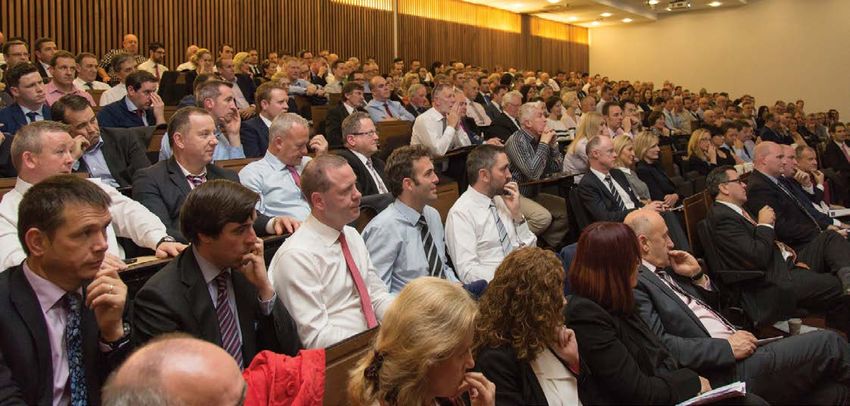
                              Photo: Brian Dempsey       in Dublin in early November. There was a record turnout of over 300 delegates and
     The property Professional                           it was wonderful to see such enthusiastic support from across the country. In this
                                                         issue, property journalist Donal Buckley gives an overview of the event while one of
              is the Magazine of
                                                         the European speakers, Luca Bertalot, CEO of the European Mortgage Federation,
   the Institute of Professional                         highlights the role of housing as central to the European project.
          Auctioneers & Valuers
                                                         Despite the very inclement weather, our Winter Seminar in Killenard, Co. Laois on
129 Lower Baggot Street Dublin 2                         November 17 was a major success and we have photographs from that event on pages
                                                         18 and 19 of this issue. I was particularly delighted that Maeve Hogan, the new CEO of
                          Tel: 01 6785685                the National Property Services Regulatory Authority, was present to address members
                          Fax: 01 6762890                and to answer question from the floor. IPAV looks forward to working closely with
                       E-mail: info@ipav.ie              Maeve and her team in the PSRA in the future.
                                                         There was also a very good attendance at our annual Lettings’ Day Seminar on 31
                                   Websites:
                                                         October and I wish to sincerely thank Tim Ryan for organising and all who attended
                                 www.ipav.ie             this, and indeed all of the above events.
                               www.onview.ie
                                                         In our Member Features, we talk to County Clare IPAV member John Phelan, Director
                          TEGoVA Website:                of the well-know Harry Brann agency in Killaloe which, this year, is celebrating 50
                           www.tegova.org                years in business. We wish John and his team many more successful years of trading.

                            CEI Website:                 Also in this issue Irish Examiner Property Editor Tommy Barker takes a light-hearted
                                                         look at the modern technology tools available to estate agents while in our Education
                      www.web-cei.com                    Section, Peter Brady, looks at the pros and cons of religious teaching in the classroom.
            Chief Executive Officer
                                                         Finally in the centre pages we feature our third very successful recent President’s
            Patrick Davitt FIPAV MCEI                    Charity Lunch where our special Guests of Honour were the Lord Mayor of Dublin,
                                 Editor                  Críona Ni Dhálaigh, the reigning Rose of Tralee, Elysha Brennan and Professor Mary
                               Tim Ryan                  King from Temple Street Children’s University Hospital, this year’s chosen charity.
               Grand Canal Consulting                    I would like to take this opportunity to wish all members and readers a Very Happy
                        Tel: 01 661 3788                 Christmas and a Prosperous 2016.
                         www.timryan.ie
                                                         Patrick Davitt
               Advertising & Design                      CEO
                            Designroom
                    info@designroom.ie
                     Tel: 01 615 4714/15                 Inside...
                              Publisher
                            Designroom
                                                         IPAV Summit	Page 6
                    www.designroom.ie                    Clare IPAV firms celebrates 50 years in business Page 12
        Property Professional                            President’s Charity Lunch	Page 14
                   Winter 2015                           IPAV Winter Seminar	Page 18
Views expressed by contributors or correspondents
 are not necessarily those of IPAV or the publisher
                                                         The Market Value of your Business                Page 20
    and neither IPAV nor the publisher accept any
                            responsibility for them.
                                                                                                                                        1
President’s Message | Winter ‘15

                           President’s Message
                          Welcome to the Winter 2015 edition of the Property Professional magazine.

                          It is hard to believe that another year has already passed and we are now facing into the New Year and
                          the challenges and opportunities it will bring for us. This time of year is also a time to reflect on the
                          happenings of the past year and to note any lessons learned so that all of us are better prepared for the
                          year ahead.

                          The past year has seen a real rise in activity for estate agents in all areas of the property industry and
                          while the prices achieved may be well down on the days of the economic boom, let us hope that we are
                          now witnessing the onset of a more sustainable and stable market.

                          In regard to residential prices, the most recent CSO figures published in November show prices rose
                          an average by 7.6% over the past year. While Dublin property prices have been getting the major media
                          attention, the CSO data confirmed that prices outside of the capital were up 10.7% compared with
                          October 2014. This is a very sustainable price increase and hopefully the New Year will see a gradual
                          increase in prices in rural areas which, for too long, have been completely lagging behind. As IPAV
                          has often pointed out, as long as it is cheaper to buy than to build houses, there will be no incentive for
                          builders or developers to get back into serious construction mode.

                          The rental market has, of course, seen dramatic rises, particularly in the Dublin area where the scarcity
                          of new build is causing major problems. Government action was long overdue to offer some solutions
                          and while the recently announced measures will give some relief, they are not at all adequate to meet
                          the scale of the crisis that exists. Further and more effective action will be needed in 2016 if we are
                          to get on top of the problem and have a sustainable rental market for our young people and those
                          immigrants who now wish to come home to partake in our rapidly growing economy.

                          When elected President last summer I promised to pursue a number of initiatives, one of which was
                          to bring life back to our rural towns and villages by providing tax incentives. Unfortunately, such a
                          package has still not been introduced and IPAV will be lobbying the new government which will take
                          office in the Spring of 2016 to make this a major priority.

                          The past year has also been an incredibly busy one for the Institute in many areas. We now have a large
                          number of students on our education courses again and it is great to see so many young and indeed
                          more mature people, option for IPAV’s courses as a route into a successful career in auctioneering and
                          estate agency. The Institute’s association with TEGoVA, the European Group of Valuers’ Associations
                          saw further progress with IPAV piloting the first Residential Valuers, (TRV) course, at ITT. November
                          4 was also a very special day for IPAV when over 300 of our members gathered in the Chartered
                          Accountants House, Pearse St, Dublin for our first Valuation Summit. This was a record, historic
                          gathering of IPAV members and already we are looking forward to an even more successful Summit in
                          2016.

                          The year also saw record attendances at our various seminars around the country and a full
                          programme will be launched for 2016 in due course.

                          The year ended once again with a very successful President’s Charity Lunch when I was delighted to
                          host the Lord Mayor of Dublin and other distinguished guests, all in a great fund-raising effort for
                          Temple Street Children’s Hospital.

                          Finally, I wish to thank all our staff at Head Office, namely Genevieve, Val and Sharon for their huge
                          effort throughout the year in supporting IPAV’s many activities. A very special word of thanks to our
                          CEO Pat Davitt, under whose guidance the Institute has continued to thrive and grow at a record pace.

                          A Very Happy Christmas and a Prosperous New Year to all.

                          Eamon O’Flaherty FIPAV MCEI
                          President

   2
IPAV NEWS | Winter ‘15

                                        Building costs need to be
                                        addressed as part of Government’s
                                        housing solution
                                        By Pat Davitt, CEO, IPAV

             R
                   ecently I described the Government’s latest plans
                   to boost housing construction as good for urban
                   Ireland but does not address areas outside of the
             main cities where second hand-homes are still selling for
             much less than the cost of building new ones.
             The construction measures, including the change to
             planning guidelines which will bring down the cost
             of building and taper the requirement for dual aspect
             apartments - and which IPAV has long called for - will
             certainly boost construction in Dublin and Cork.

             New measures to harmonise planning standards                    Community & Local Government to discuss its
             throughout the country also make sense. The measures            implications. We are delighted that other bodies now see
             mark a welcome change, a move away from an idealised            the value in such a development and are supporting our
             view of city living to a more practical one, acknowledging      call.
             the demographic changes in society, such as an increase
             in one person households.                                       We also continue to call for the setting up of a National
                                                                             Property Council involving all stakeholders to brief such
             However, the measures are very much centered on                 a Minister and advise Government on all aspects of the
             Dublin and Cork and do not address the cost of building         property industry. With a population heading for five
             outside of these areas. It does not address the fact that       million people in the very near future, we need a national
             a huge proportion of what a purchaser pays for a home           plan for all aspects of housing to draw the disparate parts
             goes directly back to the government in taxes. The lack         of housing policy together and plan for future need, based
             of clarity around house building costs is one of the            on population projections, socially desirable outcomes,
             ‘unknowns’ that needs to be addressed as part of the            good planning, investment and regulation.
             solution to the housing shortage.

             In this regard, I have written to the Minister for Finance,     Rental sector
             Michael Noonan TD, urging him and the Government                In regard to the Government’s recent proposals for the
             to undertake an independent study as a matter of                rental sector, IPAV believes that the limiting of residential
             urgency to establish the true cost of building in Ireland.      rent increases to a two-year period is a fair intervention
             Some sources are telling Government that the cost of            given that we have a serious housing deficit and
             building a new 3-bed semi-detached house could be as            consequential rental crisis.
             low as €100,000 without the site cost and the VAT. Yet
             the figures quoted most frequently from builders range          While we operate a market economy which ideally should
             from €220,000 to €250,000, including 13.5pc VAT, for            not involve such state intervention, there are times, such
             a similar type property. IPAV does not wish to see the          as now, when the market becomes so dysfunctional that
             price of second-hand homes rising to match those of new         short-term intervention is justified. IPAV welcomes the
             builds, if the price of new builds is excessive. This is such   so-called “sunset clause” promised by the Minister for
             a central issue we need to have absolute clarity on it from     Finance that would see the measure expire in four years’
             an independent source.                                          time.

             Lets not forget IPAV was one of the first bodies to call        We also welcomed the 100pc mortgage interest relief on
             for a vacant site levy which will come into operation in        borrowings for landlords who lease to tenants in receipt
             2017 and which should see an end to the hoarding of sites       of social housing supports but strongly argue that it
             and the interference of speculators in the residential site     should apply to all landlords. We would also like to see a
             market for a quick kill as well as seeing some of the vacant    widening of these rules to give tax relief to landlords who
             sites between the two canals in Dublin come back into           rent on longterm leases for 7, 10 or even 15 years. This
             development.                                                    tax allowance system currently operates in farm leases
                                                                             so why not in landlord/tenant leases as they play such an
             One year ago exactly, IPAV called for, and will continue        important part in the housing market and can be one, if
             to call for, a full Minister for Housing and we also met        not the most important, solution to the present housing
             officials from the Department of the Environment,               crisis.

   4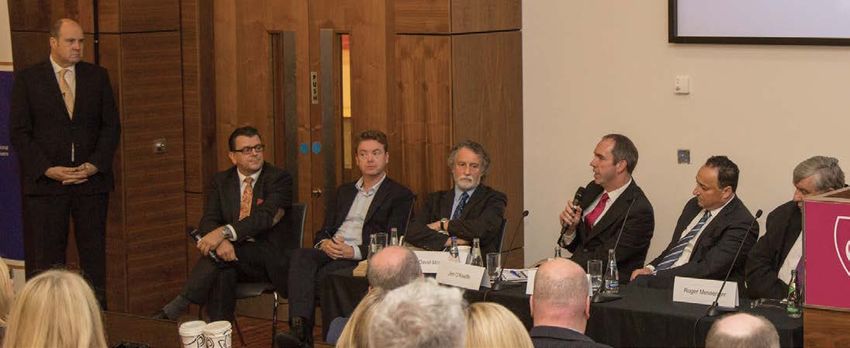
IPAV NEWS | Winter ‘15

Property Industry Excellence Awards

FitzGerald Kavanagh and Partners won the Conservation Award for their work on restoring St Mel’s Cathedral in Longford. The award was
presented by IPAV CEO Pat Davitt. Pictured are (l –r): Colm Redmond of FitzGerald Kavanagh and Partners, Pat Davitt, Bishop Colm
O’Reilly and Fr Tom Healy of St Mel’s.

T
        he Irish Independent Property Industry
        Excellence Awards were presented at a special
        event in the National Conference Centre on the
evening of Thursday, November 12. The programme
was established in partnership with all property
industry stakeholders and endorsed by all professional
institutes, representative bodies and government
agencies.
The judging panel is made up of leading property and
business leaders including IPAV CEO Pat Davitt and is
chaired by Professor Brian Norton, President of DIT.

Eunan O’Carroll, Director of Core Consulting, who
researched and produced the entire programme on
behalf of Independent News and Media commented:
“Recognising standards and excellence in an industry
that makes such a vital contribution to our economy
and society in general is vital. To do it in a way that
has integrity and provides an opportunity for all
stakeholders to put something back into the sector             IPAV members Bobby Geraghty, Hunters Estate Agents, Baggot St.,
through a Doctorate in Property Research is something          Dublin 4 and Paul McCourtney, Beirne & Wise, Churchtown, Dublin 14
that all property professionals should be proud.”              at the Property Awards ceremony in the National Conference Centre.

New measures will give significant boost to housing
construction – Ministers Kelly & Noonan
The Minister for the Environment, Community & Local                *	Changes to aspects of the operation of Strategic
Government, Alan Kelly T.D., and the Minister for Finance            Development Zones to enable swifter adjustments to meet
Michael Noonan, T.D., recently announced a number of                 market requirements;
measures to kick-start new housing construction, enhance           * The Governments Irish Strategic Investment Fund (ISIF) to
supply and at more affordable prices.                                examine funding for housing infrastructure on a case-by-
                                                                     case basis
A number of actions will be initiated from January of next year    These measures will combine with previous announcements
which include:                                                     including, the introduction of a vacant site levy, new Part V
                                                                   arrangements and 20,000 starter homes for the Greater Dublin
 *	An enhanced supply of more affordable starter homes in          area to be funded by NAMA.
   key locations through a targeted rebate of development
   contributions in Dublin and Cork for housing supplied           The national apartment planning guidelines will improve
   under certain price levels;                                     consistency in the approach to future apartment developments
                                                                   throughout the country will enhance supply and affordability
* 	New National Apartment Planning Guidelines to be
                                                                   by bringing down costs and also take on board and fast-track
   issued by the Environment Minister to reduce the cost of        the addressing of issues highlighted in a review of the Dublin
   apartment building in Dublin City by approximately €20,000      City Council draft development plan.
   per unit;
                                                                                                                               5
IPAV NEWS | Winter ‘15
                                                           Valuation Summit

                                      IPAV Summit explores Mortgage
                                      Lending Value concept
                                      By Donal Buckley

           E
                  U plans to improve standards for property
                  valuations could have serious impacts on the Irish
                  property market and further restrict the loan to
           value ratios available for purchasers.
           These were among the concerns raised by both European
           and Irish experts at the European Valuation Summit which
           IPAV hosted in Dublin on November 4 and was attended
           by over 300 delegates from Ireland and Europe.

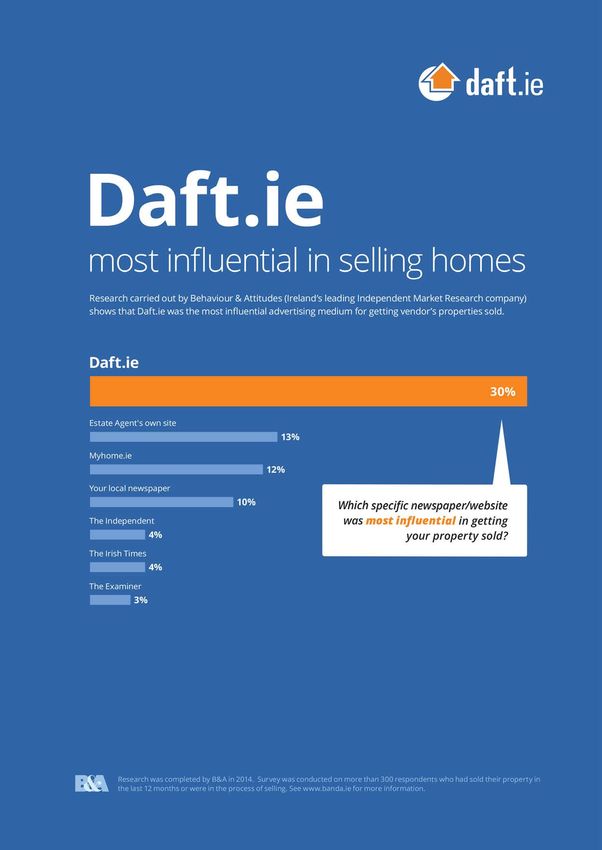
           The Summit was organised in response to EU proposals to
           introduce new valuations procedures based on the concept
           of Mortgage Lending Value (MLV) rather than the Market
           Value system which is used for most property transactions
           in the UK and Ireland.                                         some of the aspects of the new system. TEGoVA chairman
                                                                          Chris Grzesik, explained to the Summit the definitions of
           IPAV chief executive Pat Davitt opened the Summit              the two terms.
           saying it aimed to tease out the ramifications of a system
           that could impact everyone from consumers, to property
           professionals to the banking system and indeed to the          Prudent assessment
           economy. There may be an Irish solution that can be put in     MLV means the value of immovable property as
           place over time but this should not start with the German      determined by a prudent assessment of the future
           model.                                                         marketability of the property taking into account long
                                                                          term sustainable aspects of the property, the normal and
           MLV is a property valuation based on a range of factors        local market conditions, the current use and alternative
           that attempts to determine value over the longer term          appropriate uses of the property.
           rather than Market Value or ‘spot’ value, the only method
           currently operated in Ireland and based solely on current      Market Value on the other hand means for the purposes
           market conditions at the time of sale.                         of immovable property, the estimated amount for which
                                                                          the property should exchange on the date of valuation
           MLVs have been used in Germany for decades and are             between a willing buyer and a willing seller in an arm’s-
           credited with being a key factor underpinning the greater      length transaction after proper marketing wherein the
           stability of the German property market. The method is         parties had each acted knowledgeably, prudently and
           also applied in other countries including Portugal and the     without being under compulsion.
           Czech Republic while a variation is used in Spain.
                                                                          As the European Central Bank explained: “The use of
                                                                          market value when determining the value of the collateral,
           Prescriptive
                                                                          accompanied by a high LTV, could constitute a very high
           IPAV member and DNG Chief Executive, Keith Lowe feels          risk to mortgage lenders in the face of a downward trend
           that the German MLV methodology is very prescriptive in        in prices.”
           the way it assesses both costs and yields. He was especially
           concerned that it would be premature to introduce the          Consequently the EU and EBA felt a need for a new
           new rules into Ireland until the Irish Market was operating    system follows on from the EU’s introduction of Capital
           normally. He instanced how the Central Bank Residential        Requirements Regulation and the Capital Requirements
           Lending Rules had affected the Irish residential property      Directive (CRR/CRD IV) in order to regulate mortgage
           market. He pointed out that the alternative Spanish MLV        lending value methodology.
           is based on an analysis which requires an opinion on the
           sustainability of that value over three years. He advised      Mr Grzesik also pointed out that TEGoVA is advocating
           that TEGoVA and IPAV should undertake a review of the          that the EU moves away from methodology which is too
           European Banking Authority’s MLV Methodology when it           prescriptive.
           is issued.
                                                                          Reiner Lux, General Manager of Berlin-based HypZert,
           TEGoVA, the European Group of Valuers’ Associations to         explained that, as a result of the crash and negative equity,
           which IPAV is affiliated, intends to make submissions to       loan-to-value ratios in Ireland went from 80pc at the peak
           the European Banking Authority (EBA) asking it to amend        of the market in 2007 to 160pc in 2013. In countries such

   6
IPAV NEWS | Winter ‘15
                                                    Valuation Summit

        The MLV of a property must
        not exceed the value resulting
        from a prudent valuation
        of the future saleability of a
        property
as Spain which also experienced a property crisis, the rise
in the loan to value ratio was much less severe and this may
have been due to the use of MLVs. Consequently Spanish
mortgage holders may not have been as badly hit by
negative equity which can prove a drag on recovery in the
housing market as home owners in negative equity are less
likely to trade up or down.                                     Minister of State Simon Harris TD with IPAV Head Office
                                                                staff Sharon Mitchell (left) and Genevieve McGuirk at the
German banks use MLV to support 25 to 30 year mortgages
                                                                Valuation Summit.
so the value must be valid for this whole period. According
to German law, MLV of a property “must not exceed the
value resulting from a prudent valuation of the future
saleability of a property… Speculative elements must not be
taken into consideration.”                                      Luca Bertalot of European Mortgage Federation,
                                                                ECBC, pointed out that an EU approach based on
Consequently MLV is always well below the MV. While             a “one size fits all” may not work as a definition
during recessive market phases there may be a small gap         applicable to stable markets will not work for more
between MLV and MV, in boom phases, especially in               volatile, short-term markets.
foreign sub-markets, MLV may be more than 40% below
the market value.                                               Roger Messenger, Vice-Chairman TEGoVA and
                                                                Chairman of the European Valuers Qualification
But MLVs could restrict the amounts that can be borrowed        Board, gave what he called an Anglo-Saxon view.
through mortgages. Typically in Germany the MLV                 He acknowledged the need for LTV based capital
effectively limits LTVs to 60pc. Take for instance an 80%       requirements being linked to a long-term measure of
mortgage on property with a contract price of €300,000.         collateral value that is insensitive to the investment
With MV this would mean a mortgage would provide                cycle and the shortfall in mortgage drawdown may be
€240,000 towards the price and equity €60,000 ignoring          got from other sources in relation to the property or
transaction costs. But with MLV, the mortgage would             other properties owned by the mortgagee.
provide only €204,000 and the purchaser would need
€96,000 in equity.                                              In the UK the Turner 2009 Review of the valuation
                                                                issue suggested varying LTV and loan-to-income (LTI)
As well as assessment of the current use of the property,       ratios over the property cycle and reducing the ratio
MLV should also assess, among other aspects, possible           when property prices are rising strongly and vice versa.
alternative appropriate uses, the income value and the
depreciated replacement cost value.                             “However this does not take account of bank
                                                                behaviour in the good times chasing market share and
Aspects to be observed in the assessment of the sustainable     profit regardless,” he added.
gross rental income include:
                                                                Since then LTI has become strongly focused on the
• Long-term income generating potential of the property         residential sector with some amelioration in LTV.
• Sustainable incomes from the property, assuming proper
  management and permissible use                                While he accepts that MLV provides a valuation
                                                                stabilised through time utilising long term trends and
• Alternative use and sufficient third party use potential
                                                                discount rates, he said “it is not appropriate for valuing
• A sufficiently large occupier group                           exchange or use and is very subjective and based on
• Sustainable characteristics of the property serving as        historical data. This routine “cook book” approach
  collateral                                                    does not contain any known concept of value.”
• Normal regional market conditions
                                                                Lending bodies and clients have to chose between the
• Overrent not to be included                                   discredited approach of MV and the alternative of
                                                                trying to model for an uncertain future. He believes
Special requirements                                            that the MLV has led to more restricted trading in the
                                                                German property market and while acknowledging
Special requirements for income properties include              that it is stable, he says it is also boring. Mr Messenger
deducting at least 15% from gross income for operating          believes that MLV might lead to a 40% reduction in
expenses. Capitalisation rates range from at least 5% for       mortgage funds available per property.
residential and at least 6% for commercial properties.

                                                                                                                      7
IPAV NEWS | Winter ‘15
                                                               Valuation Summit

Part of the large attendance at the IPAV Summit.

IPAV members Jillian McGuirk, Terenure, Dublin 12 and Frank Regan,   IPAV President Eamon O’Flaherty with    Raymond Smith, Ballyjamesduff, Co.
Longford with economist and broadcaster David McWilliams.            Minister of State Simon Harris.         Cavan at the Valuation Summit

Pictured at the Valuation Summit with IPAV President Eamon O’Flaherty were        Claremorris estate agent and IPAV National Council member
Austin Reynolds, DNG, Phibsboro (left) and Liam Quain, Wyse Estate Agents,        Gerard Hanley with economist David McWilliams
Upper Baggot St., Dublin 2.

    8
IPAV NEWS | Winter ‘15
Valuation Summit
The couch discussion session at the Summit chaired by Ivan Yates with panellists (l – r): Reiner Lux, German Bank Valuers; David McWilliams,
economist; Neil Crosby, Professor of Real Estate, Reading University; Jim O’Keeffe, Mortgage Manager, AIB; Keith Lowe, CEO Douglas Newman Good
and Roger Messenger, Chairman, European Quality Valuation Committee.
At the Summit were (l – r): Brian Dempsey, IPAV Junior Vice- Lorraine Mulligan, Re/Max, Celbridge, Co. Kildare with Ivan Yates, who
President, David McWilliams, economist and Pat Davitt, CEO, IPAV. chaired the Summit .
John Earley, Property Partners Earley, The Square, Roscommon with Economist and broadcaster David McWilliams makes a point in his address.
economist David McWilliams.
9IPAV NEWS | Winter‘15
Valuation Summit
Thinking Outside the Box:
Housing - A Fundamental Issue for the
Future of the European Project?
By Luca Bertalot,
Secretary General, European Mortgage Federation
H
aving taken office in the Berlaymont building in
the heart of Brussels last November, President
Juncker finds himself, one year on, with the
responsibility of managing a much more complex
situation than that of Autumn 2014. The Juncker Plan,
which was intended predominantly to provide long-term
macroeconomic stimulus for growth in order to support
the monetary policy interventions of Frankfurt, now needs
to pave the way for a broader roadmap to reinforce the
credibility of the entire European project. This investment
plan, which is primarily a macroeconomic project, must
also take account of a new political dimension according to provide access to housing, by supporting an efficient
to which Europe can no longer afford to be economically pan-European housing policy which would allow the
fragmented or not fully co-ordinated from a political cost efficient use of public resources in combination with
perspective. support coming from the private sector.
One year after its announcement, there is a broad Striking the right balance between public and private
consensus on the need for the Capital Markets Union sector contributions to housing will have a broader
(CMU) as a complement to the Banking Union and this impact on a far-reaching policy spectrum, covering the
initiative has now landed on a concrete action plan that infrastructural sector, urbanism, transportation, the rental
will be implemented in the coming months. In a nutshell, sector, social mobility and energy efficiency policies. For
Mr Juncker has to convince 500 million citizens, of the time being however, Member States are deploying
which 64 million live in the UK, that Europe represents considerable amounts of national public and fiscal
the hope for a better future, not just for EU citizens, but resources without proper pan-European coordination on
also for the millions of refugees “ad portas” approaching these issues.
the Old Continent. Building hope for the future is the
challenge for the European and national leaders, which Housing is a strategic issue at global level: according
will prevent Europe from falling into the trap of populism to numbers produced by the World Bank, the global
and radicalism and help to defend freedom and tolerance, population will reach 8.3 billion by 2030, with 60% living
values on which the Union was founded. in cities. To meet this rising demand, we will need at least
565 million new residential units and for every home built
around the globe, five jobs are created.
Two essentials
In a very basic sense, when it comes to hopes for a better
future, we believe there are two essential, basic elements
Demographic change
in every citizen’s life: (i) the ability to have a job and (ii) Demographic change is another major challenge for
the possibility to buy a house/afford a housing solution Europe as a result of three major developments: declining
in order to bring up a family in the spirit of Van Gogh’s birth rates, longer life expectancy and increasing
“human nest”, the place of safety where hopes and dreams immigration. These trends have significant implications
can be nurtured. Jobs (alongside growth) are at the heart for productivity, economic growth, job opportunities,
of President Junker’s Plan; however, as far as the second social security, health care, pension and insurance systems,
element is concerned, particularly since the onset of and citizens’ mobility.
the crisis, housing markets across the EU have become
increasingly fragmented both within Member States and Looking at the current situation, we see a very fragmented,
between them. scattered landscape with – in some cases, a serious lack
of housing supply coupled with increasing demand,
This, coupled with the fact that the European Union especially in urban areas, as citizens increasingly leave
does not have competence in the area of housing policy, rural areas and head for the cities. The lack of a qualified
despite the housing sector being vital to achieve resource and trained building workforce in some Member States is
efficiency, urban growth, energy efficiency and social often cited as one of the major reasons for the inability to
cohesion, and therefore vital to the success of many EU meet growing demand. In addition, the reform of labours
policies, means that crucial opportunities to improve laws and unemployment rates are also altering risk profiles
the lives of millions of EU citizens are being missed. In and in some cases limiting access to mortgage credit and
our view, there is huge potential to boost investments therefore influencing citizens’ housing outcomes. These
supply and demand challenges are further complicated
10IPAV NEWS | Winter ‘15
Valuation Summit
by regulatory intervention at national and EU level on > It is necessary to strike the right
the mortgage lending side, which further impacts on
the provision of, and therefore access to, credit, putting balance, in terms of a level playing field,
further strain on housing markets. between international banks operating
We are on the cusp of a major, unprecedented revolution
in the European Union and European
in terms of the demographic make-up of European actors operating both internationally
society, of the mobility of citizens aimed at improving and domestically.
living and working conditions, of migration towards
Europe and within Europe, and, let’s not forget, of climate > The market impact of several key
change, which is pushing national and EU authorities to
look at the role buildings and their financing can play
regulatory developments should
in improving the EU’s energy profile. The sooner we be examined and efforts should be
understand this new reality, the better we can understand made to ensure the specificities of
how the Industry can respond, and even pre-empt these,
in order to deliver the best outcomes for EU citizens the European banking landscape are
and contribute in an ongoing way to the housing market appropriately taken account of in the
challenges of the present and future, whilst continuing to Basel Committee debates: i.e. Net Stable
support President Junker’s Capital Markets Union.
Funding Ratio (NSFR), the revision of
The EMF-ECBC is examining the important trends the standardised approach for credit
outlined above which are already impacting on mortgage
and housing markets of the future: on the 1st of October risk, the design of a capital floors
2015, the EMF-ECBC brought together the European framework, and the calibration of the
Commission, the United Nations and other relevant leverage ratio.
stakeholders to discuss the financing of energy efficiency
and determine what role the Industry can play in driving > The role of European lenders in the
improvements. On the 9th of October 2015 the EMF-
ECBC brought together industry leaders to discuss the framework of housing and small
role of covered bonds and the contribution of a potential and medium sized enterprise (SME)
new instrument, the European Secured Note (ESN) , to financing, and lending to the real
the financing of SMEs and therefore the real economy and
on the 23rd of October 2015, the EMF-ECBC exchanged economy is becoming increasingly
views with leading European academics and housing multi-faceted with the introduction of
experts from the European Network for Housing Research
(ENHR) during a day-long seminar to analyse housing
the Capital Markets Union.
market challenges, identify bottle necks and pinpoint > Covered bonds are a key long-term
the characteristics of rental and mortgage markets which
can be made more efficient in order to relieve areas of funding tool and the Industry is firmly
pressure, such as subsides and fiscal intervention. committed to achieving a higher level
Long-term financing is crucial for housing finance. of harmonisation, in line with EU
Building or purchasing a home is the most significant objectives and market preferences.
investment for the majority of European citizens,
representing typically four to five times their annual The absence of a pan European vision and focus on
income. In the absence of pre-existing wealth, they would housing issues to inform the EU’s position in a holistic
have to wait for 40 to 50 years or even longer in some way in discussions with the Basel Committee on Banking
areas if they had to rely solely on their individual savings. Supervision (BCBS) could be detrimental to the efficient
Borrowing resources are therefore necessary to acquire positioning of the European business model in the Basel
a home and more generally to support the European IV debates and therefore, as a knock-on effect, to the
economy. creation of well-functioning housing markets.
Given the size of the investment, repayments must be In the post-crisis scenario, when considering how best to
spread out over a long period to be compatible with ensure both monetary policy transmission and markets’
annual savings capacity. Long-term funding tools for fulfilment of citizens’ expectations, it is important to
banks are therefore required to avoid asset and liability recognise that three major layers of change are impacting
mismatches. Covered bonds are typically designed for upon housing systems in Europe: (i) changes in the
mortgage lending, and it is important to recall that demand structure; (ii) changes on the supply side which
a mortgage-focused bank tends to have more asset are driven by market dynamics, such as long-term
encumbrance than a bank with a non-mortgage focus. financing business models; and (iii) a completely new
Cutting back lending capacities of those more specialised regulatory environment.
mortgage-focused banks would limit the credit supply to
housing finance. Against this background and in light of the intense
regulatory activities of recent years, we call for a proper
analysis and assessment of this new environment and
The Basel debates we are happy to re-affirm the ongoing willingness of the
With this in mind, in the Basel debates, it is essential EMF-ECBC to engage with the European Commission on
to ensure the capability of the Industry to support the current and forthcoming regulatory initiatives.
growth agenda and provide long-term financing to
the real economy and several areas of reflection can be
identified: 11IPAV NEWS | Winter ‘15
Clare IPAV firm celebrates
50 years in business
Harry Brann Auctioneers
& Valuers are the longest
practising Estate Agents in the
Lower Lough Derg area of Co.
Clare. Established in 1965, this
year the firm is celebrating
50 years in business. Property Harry Brann Office
Professional editor Tim Ryan
spoke to its current director Unfortunately, in 1999 Harry Brann fell ill and
subsequently died. For a time the business was run by
and IPAV member John Phelan. his widow, Maura who in time persuaded John Phelan
T
to leave First Active to come join the business full-time.
he village of Killaloe in County Clare is probably
John, at the time, was due to move to take over the reins
best known historically as being the home of Brian
at the First Active Waterford branch, but instead opted
Ború, the former High King of Ireland (941 –
for a change of career and took up Maura Brann’s offer.
1014).
The offer involved a five-year run-in period after which
Located a very short distance from the new M7, Killaloe John was scheduled to buy out one hundred per cent of
and its twin town of Ballina on the Tipperary side, are the business and take over complete management. In the
linked by an impressive 13 arch bridge which the River event, Maura Brann opted to retire and John Phelan took
Shannon passes through en route to the Atlantic Ocean. over the reins in 2004, earlier than originally planned.
The twin towns have a combined population of 4,000
according to the most recent census of population. The
area is a major tourist location with Lough Derg being a REV Certificate
huge attraction for boating activities of all kinds. Like Maura Brann before him, John quickly acquired
membership of IPAV and enrolled in the IPAV Certificate
Harry Brann of Proficiency in Auctioneering course at the nearby
University of Limerick. In 2014, he was among the second
The firm of Harry Brann Auctioneers & Valuers was first group of members to obtain a REV Certificate at the
established by the late Harry Brann in 1965. Harry who Institute of Technology, Tallaght.
was a well known county councillor and community
activist used his huge range of contacts to entice people “Coming from a financial background I was always aware
to visit the area including many foreigners who bought of the importance of having regulations and good practice
permanent or holiday homes on the lakeshore. During methods, so I warmly welcomed the appointment of the
the 1980’s, Harry succeeded in bringing many GPA Regulator and the total professional approach now being
employees to set up home in the area and quickly built adopted towards the auctioneering and estate agency
up a reputation for specialising in the sale of lakeshore profession,” he says. “I fully support IPAV’s policy of
properties. Nowadays, Ballina/Killaloe could be described running ongoing Continuous Professional Development
as a very cosmopolitan area with many different (CPD) programmes for its members which I find very
nationalities residing there and commuting daily to work helpful in keeping members up-to-date with developments
in places like Limerick, Shannon & Nenagh. During his in the industry.”
years in business, Harry took on a First Active agency and
he formed a close relationship with John Phelan, the then John Phelan’s taking over of Harry Brann Auctioneers
manager of the First Active branch in nearby Nenagh. in 2004 saw him benefit from a number of good years’
trading in the run-up to and during the boom years before
John is a native of Killavilla, just north of Roscrea but on the property crash in 2007/8. He continued to widen the
the County Offaly side of the border, where he grew up firm’s catchment area to within a 10 – 12 miles radius of
on the family farm and attended the local school before Killaloe & Ballina. The firm had established a good lettings
joining First Active. His banking career brought about business over the years and it was this, like many similar
postings to a number of different branches, including IPAV firms, which “kept the door open” during the lean
Longford, Dundalk & Clonmel before finally being years. Apart from John, the firm has two employees, Maria
transferred to Nenagh in 1996. While in Nenagh he McNamara and Heather Robb, while former owner Maura
formed a close business relationship with Harry Brann and Brann drops in regularly to keep a watchful eye over
his wife Maura in the Killaloe agency and each directed proceedings.
business to the other when the opportunity arose.
12IPAV NEWS | Winter ‘15
The economic and property crash of 2008 saw prices in the area
drop by between 45 and 50 per cent. In particular, lakeshore
properties, which had commanded prices of €1m plus in the
boom times, saw a dramatic collapse and to date the recovery in
this sector has been poor. However there are signs that this may
be about to change and John recently secured the sale of his first
lakeshore property since 2007, “The Sidings” in Ballina/Killaloe.
Property prices in the twin-towns have now recovered to within A
35 to 40 per cent of peak and the biggest problem facing John complian
t
and his team is securing sufficient stock of good quality 3-4 bed & easy to
family homes, “but thankfully the market is moving again and use syste
what is available is selling”, he says. The new M7 motorway has m
seen added interest in the area as Lough Derg is now just a two
hour drive from Newland’s Cross making it very accessible to LEX AUCTIONEER ACCOUNTS &
Dublin people and even further afield.
LETTINGS MANAGEMENT SOFTWARE
Manage your client
& office accounts
under one roof
“The Sidings”, Ballina/Killaloe, a recent lakeshore property sale on
BENEFITS
Lough Derg and the first since the property downturn in 2007.
• Easy To Use & Supported by an Expert Team
However, John Phelan feels the 20 per cent deposit requirement • Complete Invoicing System
by the banks is far too restrictive for young people, trying to get a
foot on the property ladder. “With the cost of education soaring, • Tracks All Client Monies
most graduates have debts to repay from college, have to pay • Bank Reconciliation System
high rents and try to save at the same time. In a rising market,
many will never get to realise their dream”. He feels a 10 per cent • Tracks all Office Monies
deposit requirement, saved over a period of time would be much
• End of Year Reports
more appropriate.
• Comprehensive Property Ledger Card
A thriving lettings business
• Comprehensive Financial Reports
The lettings side of the business continues to thrive with many
Limerick, Shannon & Nenagh based workers using the scenic • Lettings Management Module
twin-towns as a base from which to commute from daily to places • Lettings Management Reports
like the University of Limerick and other numerous employments
in the mid-west hub. Apartments which cost in the range of
€100,000 are now fetching €550 - €650 in rent while houses with a OUR EXPERT TEAM
view of the lake rent at €1000 to €1200 per month.
Our team of Accounting Technicians has been
Harry Brann Auctioneers has also developed a niche market in providing expert advice to Property Service
land sales which are vibrant reflecting the positive upturn in the
Professionals for the past 10 years. We understand
agricultural industry.
your business and will be there to assist at all times.
John’s heavy workload, which normally extends to six days per
week, sees him make the daily 20 minute journey from Nenagh Our Competitive Pricing Includes :
where he lives with his wife Pauline, a native of Kilkenny and
their two children, Ciara (16) and Sean (14). • Installation
John Phelan’s principal leisure activity is hurling, from which he • Customisation
has derived a huge amount of pleasure over the years. In fact at • Training
the age of 49, he only recently played his last hurling game with
his home GAA club of Ballyskenach-Killavilla in the Offaly Junior • 12 Month Support & Updates
Championship. Back in Nenagh, John trains the Under-14s for
his adopted club, Nenagh Eire Og, a task which normally takes up To Arrange A Demonstration:
a few nights per week.
T: 01 8733512 or E: info@legalgeneral.ie
Overall, John Phelan is very happy with the career change
he made almost 16 years ago and having survived the recent For references visit:
recession, is looking forward to a gradual upward swing in the
property market with the property excesses of the past now
www.legalgeneral.Ie
banished to history. He loves working in Ballina/Killaloe, an area
he calls “The Kinsale of Limerick”
13IPAV NEWS | Winter ‘15
Third
President’s
Charity Lunch
The Lord Mayor of Dublin, Críona Ní
Dhálaigh, the Rose of Tralee, Elysha
Brennan, and Professor Mary King from
At the Lunch were (l-r): Pat Davitt, CEO IPAV; Críona Ní Dháligh, Lord Mayor of
Dublin; Prof. Mary King and Eamon O’Flaherty, IPAV President. Temple Street Children’s University
Hospital were the Special Guests at the
President’s Third Charity Lunch which
took place in the Westbury Hotel, Dublin
on Friday, December 4.
Well-known racing commentator and
Waterford IPAV member Brian Gleeson
was MC for the event which saw a large
attendance of IPAV members and guests
from all parts of the country.
Thanking the members for their efforts,
IPAV President Eamon O’Flaherty said
Pictured at the lunch where (l-r): Brian Dempsey, DNG; Maeve Hogan, Property Temple Street cares for 145,000 children
Regulator; Eamon O’Flaherty, IPAV President; Paul Muldoon, Advertising each year. Over 45,000 of these children
manager, Property Independent and Eamon Galvin, CEO, Daft.ie.
attend the Emergency Department
every year making it one of the busiest
in Europe. A staff of 85 Consultants and
over 950 full-time and part-time nursing,
paramedical and other staff deliver the
first class care provided there.
As a result of the President’s Lunch, he
said IPAV will be making a donation
to Temple Street Children’s University
Hospital, its chosen charity for 2015.
Racing Commentator and IPAV member Brian Gleeson who was MC at the Lunch. “Events such as this help to raise funds
to enable Temple Street to continue to
provide world class care to Ireland’s
sickest children,” he added.
An outline of the care and research
services provided at Temple Street was
given at the lunch by Professor Mary
King.
IPAV Senior Vice-President Alan Redmond and his father Shane Redmond at the
Charity Lunch.
14IPAV NEWS | Winter ‘15
IPAV President Eamon O’Flaherty; Aideen Ennis, MyHome.ie and Peter Dublin IPAV Members Eoghan Murray, The Property Shop; Michael
Dargan, Advertising Manager, The Irish Times. Malone, Falcondale Properties and Jarlath Moran, SATIS with Pat Davitt.
Fran Power, Property Editor, The Sunday Independent with IPAV President John Earley Property Partners, Earley, Roscommon; Ken MacDonald, Hooke
Eamon O’Flaherty. and MacDonald, Dublin 2 and Tom Crosse, GVM Properties, Limerick.
Keith Anderson Donegal Town; Sean Naughton, Roscommon and Ted Maria Clifford and Regina Mangan, Liberty Blue, Waterford with Paul
Kehoe, Kildare at the Lunch. McCourtney, Beirne and Wise, Dublin 14.
Grainne McKenna and Margaret Healy of DNG McKenna Healy, Skerries
Re/Max Agents Greg O’Toole, Niamh O’Leary, Brendan Cryan, Lorraine Co. Dublin with Eamon O’Flaherty.
Mulligan, Margaret Fogarty, Mick Wright, Lesley Kennedy, John Fogarty,
Paul Gartlan and Sunny Fahim at the Lunch. 15IPAV NEWS | Winter‘15
New measures
aimed at
stabilising rents
N
ew measures aimed at stabilising rents are contained
in a new Residential Tenancies (Amendment) Bill.
The Bill was signed into law by President Michael D
Higgins on Thursday, 3 December. It will now be brought
into force by a series of Statutory Instruments (SIs.) which
IPAV Junior Vice President and Photographer Brian Dempsey with the Lord
will be signed at various times by the Minister for the
Mayor of Dublin.
Environment, Community & Local Government. Below is a
summary of the main changes:
In support of Tenants....
Extended Period for Rent Reviews
Under the new legislation, rent reviews for all tenancies will
take place every 24 months rather than every 12 months
was the case, subject to a sunset clause which will revert the
period to 12 months in four years’ time. This will involve no
change to the fundamental mechanism for determining rents
under the legislation, which is by reference to market rent,
yet will provide the tenant with a longer period of predictable
rent.
Longer Notice of New Rent
Sinead Beggan and Jillian McGuirk, McGuirk Beggan,Terenure Dublin 12
at the Charity Lunch. The current requirement for a landlord to give their tenant a
minimum of 28 days’ notice of new rent is to be extended to
a minimum of 90 days, giving tenants a longer period to find
new accommodation, if necessary.
Form of Notification of New Rent to Tenant
In future, a landlord, when notifying a tenant of new rent,
will have to provide the notification in a particular format,
which will include providing information to the tenant in
relation to the dispute resolution procedures that a tenant can
pursue through the PRTB, where necessary, and specifying
supporting information that will need to accompany the
notice, including information in relation to the rents of three
other similar dwellings in the area.
Notification of Rent Increases to the PRTB
Prof Mary King Temple Street University Hospital addressing the Lunch In addition to notifying the PRTB of an increase in rent
Gathering. within one month, as is currently required, landlords
will be required to also provide additional supporting
documentation, including a signed statement by the tenant
that they have been made aware of their rights and supporting
documentation in relation to market rent for three similar
dwellings in the area.
Longer notice period for tenancy terminations
Building on the current legislative position, whereby the
period of notice of tenancy termination increases according
to the length of the tenancy, up to a maximum of 112 days
notice for tenancies of 4 years or more, further graduated
increases in the notice period are to be introduced, up to a
maximum of 224 days for tenancies of eight years or more, as
follows:
John and Margaret Fogarty MIPAV Re/Max Ireland at the Lunch.
16IPAV NEWS | Winter ‘15
5 years or more but less than 6 years 140 days
In support of Landlords.......
6 years or more but less than 7 years 168 days Enforcement of PRTB Determination Orders
7 years or more but less than 8 years 196 days Landlords have consistently called for more and faster enforcement
8 or more years 224 days by the PRTB in order to deal primarily with cases of rent arrears
and anti-social behaviour. The relevant legislation will be amended
Strengthen protections for tenancy terminations
so that PRTB Determination Orders can be enforced in the District
In order to guard against unscrupulous landlords evicting Court rather than the Circuit Court, reducing costs and case
tenants by falsely declaring that the property is needed for a processing times.
family member, or that it is going to be sold etc., measures
are being put in place to better protect tenants from such Validity of Notices of Termination
behaviour. These measures involve: The legislation will also be amended to address an issue of key
concern to landlords regarding Notices of Termination so that, where
• a landlord having to explain in a written statement to
there is a dispute between a landlord and a tenant, a minor error in
the tenant why a property might no longer be suitable to
the Notice of Termination does not have the effect of invalidating the
their accommodation needs having regard to the number
notice and causing a dispute resolution case to fall.
of bed and the size and composition of the household
• a landlord having to make a statutory declaration as to Tax Incentive for Landlords who take HAP/RAS/RS Tenants
their intention to sell a property A tax relief scheme will be introduced to incentivise landlords to rent
their properties to tenants in receipt of social housing supports such
• a landlord having to make a statutory declaration that the
as rent supplement payable by the Department of Social Protection
property is needed for his or her occupation or that of a
and the Housing Assistance Payment (HAP), payable by certain local
family member.
authorities.
Confirmation of tenancy – additional information to
The scheme will operate on the basis of providing a 100% interest
landlords and tenants
deduction for landlords as an expense against rental income
While the PRTB currently sends an acknowledgement of a (increased from the current 75% limit applicable to residential
tenancy registration to the landlord, in future, both landlords lettings), where they commit to providing accommodation for those
and tenants will be notified of tenancy registration and in receipt of the above payments. The accommodation would need to
the notice will also advise both parties of their rights and be available for a minimum period of 3 years and the tenancy would
obligations and of the dispute resolution procedures that are have to be registered with the Private Residential Tenancies Board
available through the PRTB. (PRTB).
Deposit Protection Scheme The increase in the deduction (from 75% to 100%) would be
Under this scheme, landlords will lodge tenancy deposits provided to the landlord on a retrospective basis after the three year
with the PRTB at the same time as they are registering their period has ended and where necessary certification is provided to
tenancy. The PRTB will hold these deposits for the duration confirm that the terms of the scheme were met.
of the tenancy. If the landlord agrees, the deposit will be
repaid to the tenant at the end of the tenancy. Where there is Increasing the homeless HAP Pilot limits by 50%
no agreement between the landlord and tenant on how the The maximum rent limits applying to properties that can be
deposit is to be repaid, the parties may apply to the PRTB for accessed by people assessed as being homeless in Dublin are being
dispute resolution. increased to 50% over rent supplement limits. This means that a
homeless family in need of a 3 bed in Dublin will now be able to find
accommodation to the value of €1,500 per month.
IPAV member Kevin Condon of DNG Kevin Condon, Blackpool, Cork won the Best Franchisee Supporter award
at DNG’s national conference which took place on Friday, November 6 in Dublin’s City West Hotel with almost
200 DNG staff and franchisees in attendance. Kevin is pictured receiving his award from guest speaker Padraig
17
Harrington, Eamon Galvin, CEO of Daft.ie (left) and Paul Newman, Chairman of DNG.IPAV NEWS | Winter ‘15
IPAV Winter
Seminar
Over 80 IPAV members attended the IPAV
Winter Seminar, held at the Heritage Hotel,
Killenard, Co, Laois on Tuesday, November
17 despite Storm Barney which was gusting
throughout the night.
The Seminar was addressed by Maeve
Hogan, Director of the National Property
Services Regulatory Authority and Frank
Brannigan, Examiner-of-Titles at the
Delegates at the Winter Seminar. Property Registration Authority. Both
speakers answered questions from the floor.
IPAV President Eamon O’Flaherty
welcomed the members and an update on
IPAV’s ongoing activities was given by
CEO Pat Davitt.
At the IPAV Winter Seminar were (l – r): Gerry Coffey, Williamstown,
Co. Galway; Maeve Hogan Property Regulator; James Kilcoyne Jnr.,
Ballaghadereeen, Co. Roscommon and Eamon O’Flaherty, IPAV
President.
Frank Brannigan, Examiner-of-titles with the Property Registration
Authority addressing the Winter Seminar.
Limerick IPAV National Council members Patrick Durkan (left) and
John Shaw at the Seminar. Margaret Healy and Deirdre McKenna from DNG McKenna Healy,
Skerries, Co Dublin at the Seminar.
18IPAV NEWS | Winter ‘15
Property Partners agents pictured at the Winter IPAV Seminar were (l – r): David McDonnell, P/P McDonnell, Mullingar; Eamon O’Flaherty, P/P
Brady, Maynooth; Gary Little, P/P John Little, Drogheda; Maeve Hogan, Director, NPSRA; John Buggy and Vicki Cunningham, P/P Buggy, Kilkenny;
Stephen Gunne, P/P Laurance Gunne, Dundalk and Mark Mullholland P/P Mullholland, Sligo.
John Ryan, Birr, Co. Offaly and Mervyn Lloyd, Mohill, Co. Leitrim at the Dublin brothers John and Paul Lappin at the Winter Seminar
Seminar.
Pictured at the Winter Seminar were (l – r): Frank Branigan, Property Registration Authority; Eamon O’Flaherty, IPAV President; Maeve Hogan,
Property Regulator and Pat Davitt, CEO, IPAV.
19IPAV NEWS | Winter ‘15
The Market Value of your
Business
By Jason Bradshaw FCA, Director of Corporate Finance with
PKF O’Connor, Leddy & Holmes
Background to Valuation Multiple
W
hat is the key to increasing the value of a The multiple applied to maintainable EBITDA can range
business? The critical factor to increasing from 0 - 12. There are numerous factors that you need to
the value of a business in one word is, consider when assessing the valuation multiple, which we
“Profitability”. The key to increasing profitability is to can set out below;
prepare a business development plan for the business
where you can set your goals, targets and objectives. • Type/Sector of Business
• Turnover level
This article will give a brief overview of current valuation
methods together with factors which can affect the • Sales Mix
valuation and will also briefly outline ways to increase the • Gross Margin
value of the business. For the purposes of this article, it is • Wage costs
assumed that the business is a limited company.
• Rent and other overheads
• Future growth potential
• Lease terms (if applicable)
The critical factor to • Future Profits and cash generation from the business
• Competition, including potential new openings
increasing the value of a
There is no magic formula for calculating the earnings
business in one word is, multiple but all of the above factors should be considered
“Profitability” in assessing the valuation of the business. It is imperative
that you engage the services of a Chartered Accountant
who has specialist Corporate Finance knowledge to advise
you in regard to the valuation of the business.
Basis of Valuation
The majority of businesses are valued on a multiple of Net Assets
maintainable EBITDA (Earnings Before Interest Tax In addition to the market value/goodwill of a business you
Depreciation and Amortisation). This is now the most must also calculate the net asset valuation. The net asset
common way to value a business as it will give the most valuation can be plus or minus depending on the Balance
accurate reflection of projected cash flow for the business. Sheet of the business. The net asset valuation consists
There are a number of businesses that are valued on a of the tangible assets associated with the business. The
multiple of turnover for example, Professional Service tangible assets consist of stock, debtors, cash at bank less
firms and Public Houses. all trading liabilities of the company.
In order to calculate the maintainable EBITDA of a
business you must estimate what you think the future Freehold Property
EBITDA of the business will be. Factors that need to be When there is a freehold property involved (property
taken into account include any future impact on turnover assumed to be included in the limited company), it is
or gross margin, sustainability of current overheads normal practice to have the property independently
and adjustment for any excess salary or rent or pension valued by a reputable firm of auctioneers. The valuation
payments to Directors. Any other factors that may affect of the freehold property would also be in addition to the
the profitability of the business must also be taken into market value/ goodwill and net asset value.
account e.g. the opening of another similar business to you
in your locality.
How do you increase the value of a Business?
After adjusting for all of the above items you will derive As set out above the key to increasing the value of a
a maintainable EBITDA figure. It is this maintainable business in one word is, “Profitability”. Profitability can
EBITDA figure which is then subject to a multiple in order be improved by putting in place a business plan and by
to arrive at a valuation for the business. This is commonly using Key Performance Indicators (KPI’s) to benchmark
referred to as the goodwill of the business. financial performance. All business owners must continue
to focus on increasing the profit levels of their business.
This can be achieved in a number of ways (in summary);
20You can also read


