Primary Care Frimley Health and Care 5-year Strategy - NHS East Berkshire CCG
←
→
Page content transcription
If your browser does not render page correctly, please read the page content below
Primary Care
Frimley Health and Care
5-year Strategy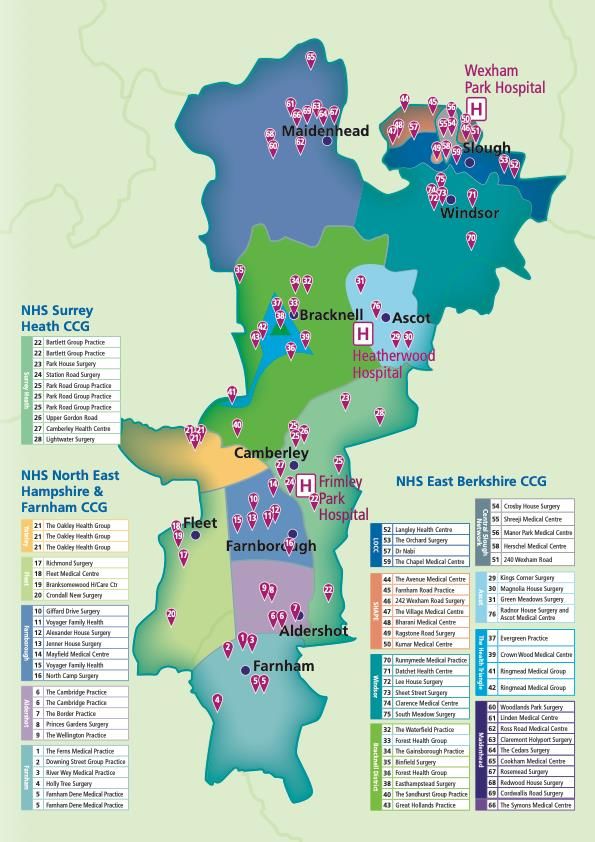
Foreword Primary Care needs to transform in order to
provide a service that :
This Primary Care Strategy provides an
overview of the plan to deliver primary takes collective action with system partners
care services over the next 5 years. on the determinants of health
is more joined up and coordinated in its care
It incorporates Frimley Health and Care
is proactive in the services it provides using
Integrated Care System (Frimley ICS)
predictive prevention to better support
ambitions alongside the priorities and
people to stay healthy and avoid illness
commitments in key publications including
complications
the NHS Long Term Plan (LTP).
provides more differentiated support offer to
“The past 60 years of the NHS have individuals reducing inequalities and enabling
seen remarkable changes. The them to take charge of their own health and
changes that will take place over wellbeing
the next 60 years will be more attracts and retains a high quality workforce
remarkable still and will transform
not only the opportunities provided
to us by health care but also our Primary Care will effect this change by working
very understanding of what it is to together across networks of practices and in
be ‘healthy’”.
partnership with other providers, commissioners,
our workforce, local communities and people.
- A Vision for General Practice in
the future NHS (Royal College of
General Practice) We are committed to meeting all the investment
requirements and actions in the NHS LTP. 2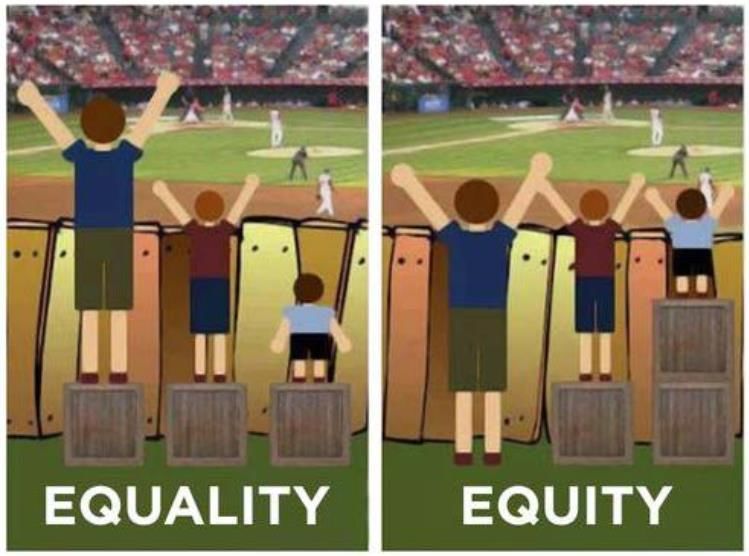
Development process

 This is the first time a Primary Care Strategy has been produced on a Frimley ICS footprint and it is a “work in
 progress”.

 •   The Frimley ICS is building from a strong base with good quality general practice and a well-established
     partnership approach with local populations and between providers and commissioners.
 •   Insight from our local communities, ICS partners and general practice has been used to inform this
     strategy and we are keen to continue to test our vision for primary care with our local populations as part
     of the Frimley ICS ambition to develop “Community Deals”
 •   Primary Care will have a key role in delivering the Frimley ICS ambition to support its citizens in “Starting
     Well” and “Focusing on Wellbeing”
 •   Primary Care’s focus will continue to be “working with” our partners and populations and we have more
     to do to integrate with other primary care services – oral and eye health and community pharmacies –
     and to utilise population health management approaches to optimise the support and interventions
     chosen to reduce inequalities
 •   Primary Care Networks, as the foundations of system delivery, are new organisations and the Frimley ICS
     is committed to supporting their development and creating an environment for them to thrive.
 •   Additional detail will be added on the phasing on the NHS Long Term Plan specific service improvement
     areas for general practice as draft national service specifications are shared in early 2020.
                                                                                                                     3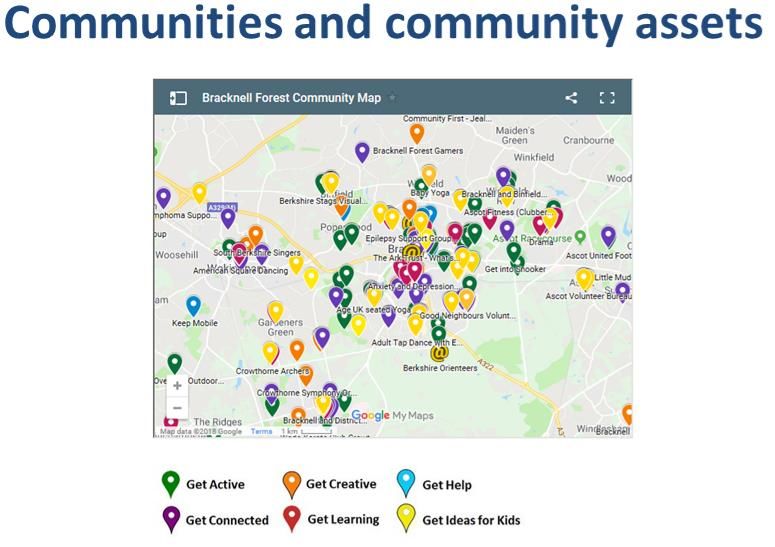
Contents

❶ Who we are, our                      ❸ What we want the                 ❺      The areas where we will          ❼ How we will deliver this
   journey so far, and                       future of primary                     focus our action to                       strategy in
     how we worked                          care to be like and                     realise our vision                neighbourhoods, places at
  together to develop                          the impact we                                                                system level
      this strategy                          want this to have

    Introduction                                                                                                            Organising
    and Context             Insights            Vision            LTP Delivery         Priorities          Enablers         to deliver

                    ❷ The understanding                  ❹        How this strategy               ❻ How we will ensure
                         and engagement we                        supports delivery                     value for money
                           have developed                          of the NHS Long                        from national
                         about the key trends                          Term Plan                        investment and
                          that impact on our                                                             enable service
                                strategy                                                                 transformation
                                                                                                       through our estate
                                                                                                                                                  4
Introduction              Vision and                                              Organising
and Context    Insights   ambitions    LTP Delivery   Priorities    Enablers      to deliver

                                           This section introduces Primary Care
                                           within the Frimley Health and Care
                                           System.
                                           It focuses on how general practice is
                                           organised, the population we serve and
                                           the progress that is being made to
                                           improve outcomes, service quality and
      Section 1:                           efficiency.
    Introduction                           It reflects a “new lens” for looking at our
                                           population with a greater focus on what
    and Context                            makes us healthy and a community
                                           network approach to managing demand
                                           and capacity.                                       5
Frimley Health and Care Integrated Care System
                                                          Frimley Health and Care
The Frimley Health and Care System (Frimley ICS)
brings together the Local Authorities and NHS
organisations with a clear shared ambition to work in
partnership with local people, communities and staff
to improve the health and wellbeing of individuals,
and to use their collective resources more effectively.

This Primary Care Strategy describes the collective
priorities and actions for the providers and
commissioners of Primary Care within this system.

The plan outlines how Primary Care will continue to
contribute towards the broader vision of improved
integration to drive quality health and care
improvements across our system and support
delivery of the six Frimley ICS ambitions.

                                                                                    6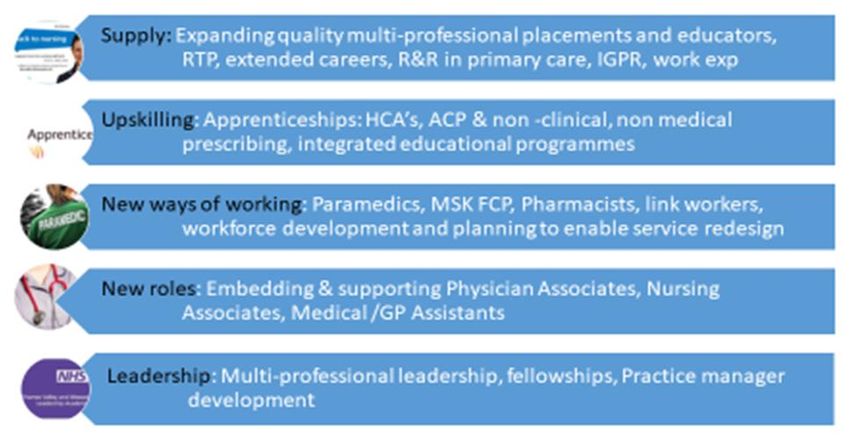
Frimley ICS strategic ambitions
                            These are the six Strategic Ambitions on which the system
                                  will focus and deliver over the next five years.

                                   3. Community Deals                     4. Our People
                                   We will agree with our                 We want to be known as
                                   residents, families and carers         a great place to work,
                                   how we work together to                develop, and make a
                                   create healthier communities           positive difference.
                                                                                                   5. Leadership, Culture
 2. Focus on Wellbeing                                                                             and Improvement
                                                          ❸               ❹                        We will work together to be
 We want all people to have
 the opportunity to achieve                                                                        agile, responsive, with
                                                        Community      Our                         everyone having the freedom
 their life chances, no matter
                                                        Deals          People
 where in our system they live
                                     ❷                                                      ❺      to innovate

                                        Focus on                                 Leadership,
                                        Wellbeing                                Culture and
                                                                                                             6. Outstanding use
                                                                                 Improvement
                                                                                                             of resources
1. Starting Well                                                                                             We will offer the best
We want all children
                                                                                        Outstanding❻         possible care and support
to get the same start   ❶        Starting                       Our System                                   where it is most needed in
in life                          Well                                                   use of
                                                                 Strategic              resources
                                                                                                             the most affordable ways

                                                                Ambitions
                                                                                                                                      7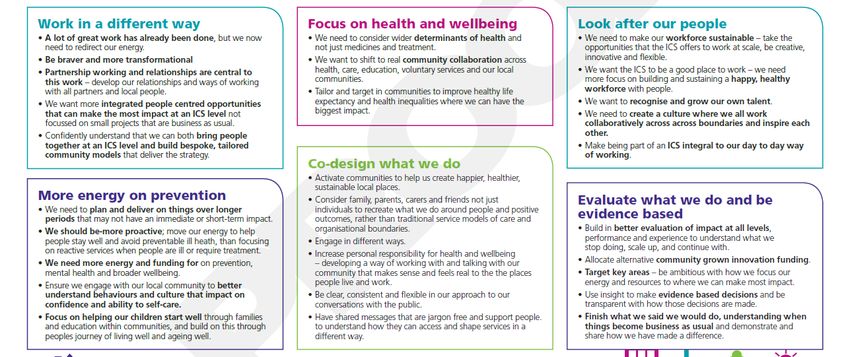
Role of Primary Care within the Frimley System
There are three important levels within which decisions are made within the Frimley system.
Primary Care has a voice at all three levels.

                                    14 neighbourhoods - The cornerstone of integrated care. Based on
                                    natural geographies, population distribution and need. Served by groups
                                    of GP practices working with community services and social care, in
                                    local communities, including through Primary Care Networks (PCNs)

      Bracknell
       Forest
                      North East
                     Hampshire &
                                    5 places – Served by a set of health or care providers in a town or
                     and Farnham
                                    district, connecting PCNs to broader services including those provided
       Slough        Surrey Heath
                                    by local councils, community hospitals or voluntary organisations. It will
            Royal Borough           normally include clusters of primary care networks.
            of Windsor &
             Maidenhead

                                    One system At this level, strategic planning and improvements can take
                                    place for the benefit of all as well as having an overview of system
                                    finance and performance. There are 73 general practices and two out of
                                    hours primary care providers within the Frimley System with
                                    representation on the ICS Board through PCN Clinical Director
                                    representation.                                                              8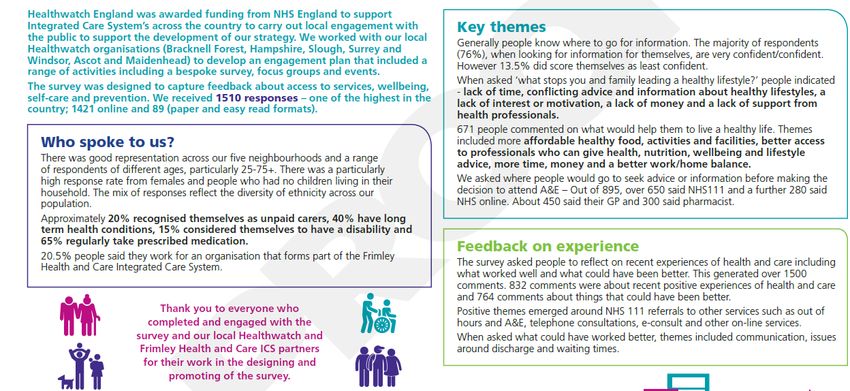
Understanding our population
Our ICS Strategy is rooted in the
health and care needs of the
population.
This page provides an overview
of the demographics of the
population, and key facts the
population needs within our
system.
Numbers in (brackets) represent
national figures.

                                    9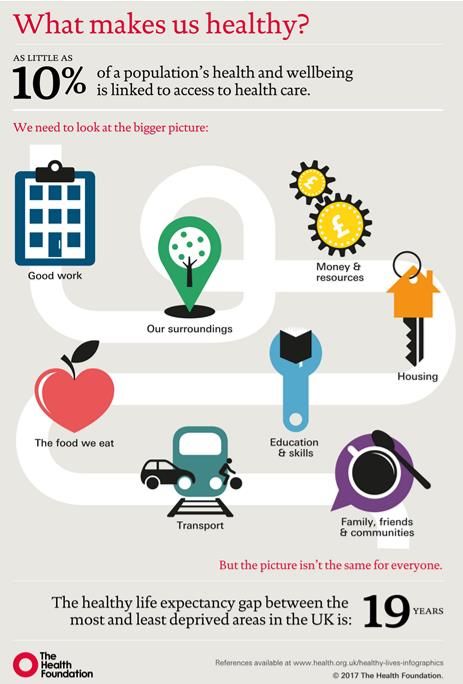
Population Profile
Frimley ICS ’s resident
population is expected
to increase by 5% from
2016 to 2031. The
increase is in older age
groups, particularly
those aged 85 and over.

                                                                              62% increase for people aged 85+

                                                                             33% increase for people aged 65-84

                                                                              Slight decrease for younger age groups

      Source: Office for National Statistics, Population projections for resident populations mid-2016                 10
Increasing ethnic diversity
2011 Census showed that Frimley Recent data indicates:
Health’s resident population was: • Proportion of babies born in the
- 81% White STP to mothers from BME groups
- 13% Asian/ Asian British has increased from 26% in
- 3% Black/ Black British 2012/13 to 29% in 2016/17.
- 2% Mixed ethnic group
- 1% Other ethnic group • Proportion of school children in
the STP that are from a BME
group has increased from 14% in
BME population differed significantly Jan 2011 to 19% in Jan 2018.
across the area from 54% of Slough’s
population to 9% in Surrey Heath
and Bracknell and Ascot CCGs.
Source: Office for National Statistics, Census 2011 Source: Public Health England, Pregnancy & Birth Profile
Dept. of Education, School pupil characteristics 2018
11Life Expectancy
Frimley Health’s life
expectancy has increased and
is significantly higher than
England for both men and
women.
However, there are variations
within the Frimley Health area.
12Multi morbidities
Based on Frimley Health STP’s
Sept-18 registered population:
159,073 people have 2 or
more chronic conditions
89,774 people have 3 or
more chronic conditions
56,519 people have
physical and mental health
comorbidities
Source: Public Health England (2018), Prevalence of multi-morbidity by local areas in England
13Primary Care is only part of the solution to healthier lives
Bracknell Forest Example
14Why we must act to reduce health inequalities
Whilst the overall shape of these health and care
needs changes quite slowly, we need to take account Economic Burden Moral reasons
of some important future trends: •Higher burden of disease in • 12 year gap in life
most deprived expectancy between the
neighbourhoods costs NHS wards with the lowest and
• The population is growing 22% more per woman and the wards with the highest
• The population is becoming more diverse 16% per man than in least
deprived areas
life expectancy
• More people are living alone •This applies both for men
(from 75.2yrs to 87.2yrs)
• After recent growth, the number of births and for women (from
each year is expected to level off 79.6yrs to 91.6yrs)
• The population is ageing
• Health inequalities persist
In general, our population is relatively healthy and
performs well against national averages but there
are inequalities and challenges within the system.
A trend or need at a system level can be very
different at neighborhood level (e.g. local authority
ward).
One of the great strengths of general practice is that
it understands and responds to very local needs and
has a key role in ensuring everyone has equal
opportunities and no-one gets left behind. 15Introduction Vision and Organising
and Context Insights Ambitions LTP Delivery Priorities Enablers to deliver
This section describes the insights which informed the
development of our Primary Care Strategy:
A survey of more than 1,500 local residents
An ‘Inspiration Station’ to hear the views of people
working in our system
Further workshops with GPs across the system
Analysis of key trends from more than 170 health and
wellbeing indicators
Section 2: Reviews of what we already know from our
Insights engagement with local people
Review of national policy and the NHS Long Term Plan
Patient access feedback from GP Survey
Understanding our primary care workforce issues 16Healthwatch supported the Frimley
Health and Care system to understand
the views of local people
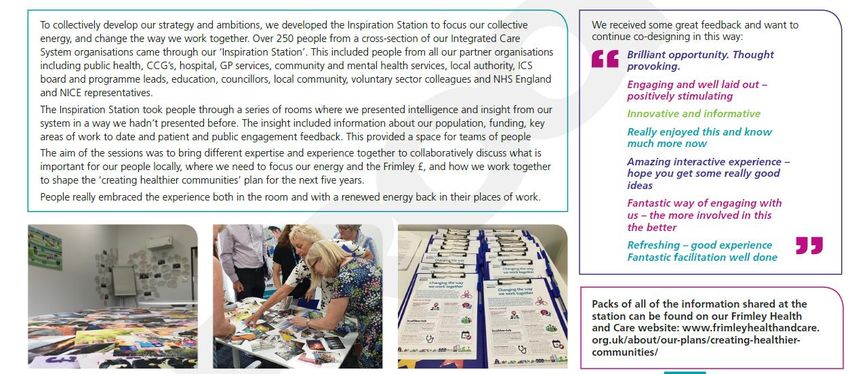
17We also created an ‘Inspiration Station’ to hear the views of c250
people working in a wide range of roles in the system
18What we heard at the Inspiration Station
19What we heard at the General Practice Workshops
What do you value most What has changed General What matters most to you
about the relationship Practice for the better? about the time you spend
between GP and patient? - Paramedics and ANPs for minor working?
- Continuity of care illnesses and home visits have both
- Having a manageable workload
- Local intelligence – the majority of helped
health and care is best understood - IT systems have improved - Working with a well balanced team
locally - Achieving great patient care
- Need more time and investment
How can General Practice
improve the way it works
What is the benefit of a with the wider Health and What needs to be different
wider practice team? Care System? in future?
- Work/life balance ensures longer - Add Mental Health and Physios
term sustainability in General - Develop Integrated Care Teams with - Patient education
Practice - Integrated IT systems to align with
social care and community care
- Ability to offer Mentorship Secondary care
- Most suitable clinician assigned to aligned with PCNs - Improve the Primary Care
the patient infrastructure
- This will take leadership, investment
- Wider team needs time to develop
and time
20Key trends and challenges
Overall: Good system performance with areas of variation that are often caused by deprivation and the wider
determinants of health which are amenable to prevention. Key role for Primary Care and their networks.
Examples from the data
Healthy life expectancy at Birth (all persons)
75
The system performs well relative to the rest of Windsor, Ascot and
Maidenhead The gap in healthy life
the country, but there are localised issues that 70 70.0
68.3 expectancy between the
highlight geographical or population variation. 65 7.3 10.7 highest and lowest local
60 61.0 authority areas has
Slough 59.3
worsened since 2012
There are some key areas where the ICS is 55
worsening at a steeper rate than nationally, 2012 2018
Potential Years of Life Lost from conditions amenable to healthcare (all
including potential years of life lost and
conditions) Indexed to Bracknell = 1
mortality measures. This means that some Bracknell and Ascot… 1.0 Significantly more
people are dying from conditions where Windsor, Ascot and… 1.2 potential years of life
effective prevention and treatment North East… 1.3
are lost in Slough than
interventions exist. Surrey Heath CCG 1.3
in Bracknell and Ascot
Slough CCG 1.7
Deprivation plays a significant role in driving 0.0 1.0 2.0
variation across the local authorities in our Percentage of physically inactive adults
Bracknell Forest
system. This is illustrated by high variation in Hampshire
Slough
50% A significant proportion
healthy life expectancy at birth and physical Surrey
Windsor and Maidenhead
40%
38% of the population are
inactivity. Whilst Slough is often an outlier, it 30% 31% physically inactive and
serves as a proxy for deprived communities 20% 20% the variation across
17%
across the system which then mask smaller 10% the system is
areas of geographical deprivation. 0% increasing 21
2015/16 2017/18Key trends and challenges
Overall: Our insight shows us we must focus on the worsening outcomes in our vulnerable groups,
deprived communities, as well as children and young people. Key role for Primary Care and partners.
Examples from the data
Proportion of people who are feeling supported to manage their condition
National top CCG
76% Across the system 31-
We need to better support people to help NHS North East… 69% 31% 45% of people do not
themselves. The proportion of people who feel NHS Surrey Heath CCG 69% 31% feel supported to
supported to manage their condition is low, with NHS Bracknell and… 69% 31% manage their
high variation across the system. NHS Windsor, Ascot… 67% 33%
condition
NHS Slough CCG 55% 45%
Some infants and children are getting a better start Child excess weight in 10-11 year olds
in life than others, with mortality data indicating 40 The % of children with
ICS National excess weight has
that some do better than others over a life course. 34.0 34.9
35 increased from 2013
This is also highlighted by worsening trends and 32.4
(28.6%) to 2018
variation for measures such as school readiness. 30
(32.4%) compared to a
28.6 flatter trend nationally
25
Generally, we saw a high proportion of metrics that 2013 2014 2015 2016 2017 2018
relate to mental health showing a negative trend, in Percentage of adults in contact with Mental Health services in employment
comparison to those that reflect physical health 20%
The % of people with MH
15% ICS National
13% conditions in
10% 9% employment has fallen
Access to services could be better for vulnerable 7% 7%
5% from 2013 (13%) to 2018
groups, with a worsening trend in variation such as 0% (9%) compared to a flat
for people with a long term mental health condition. trend nationally
22Our Patients’ Voice
I value my local
practice but I would like to know
I would like to be able to
realise they are where to go when I
book at appointments
under pressure, need help with my
use other services in
how can I help? health so make it
person, on the phone
and via an app, and a simple
reminder would be really
helpful
I would like
services to be
accessible with I would like to be
good car parking able to manage
and public my own illness
I would like to have choice
transport independently as
as to where I can see a
much as possible
professional from day, time
and I am
and venue so it fits in with
comfortable with
my life and my carers life
I don’t want to have
to tell my story each
time I see a
professional
Source: General Practice Patient Engagement 2013-2019
23Quality of General Practice
Each practice receives support to improve its CQC rating. As a result General Practice ratings
across the system have seen a steady improvement since 2015.
4% 3% 10% 5%
16%
77% 85%
2015 Outstanding 2019
Outstanding
Good
Good
Requires Improvement Requires Improvement
Inadequate Ratings as of 23rd September 2019 24Quality of General Practice – Access:
On the whole patients find it easy to
Patient Survey get through to their practice by
phone (68% nationally)
Overall experience of GP practice:
The majority of patients have had a good overall
experience of their GP practice (83% nationally)
65%
find it easy
82%
Good experience
55% have a GP
they prefer to see
(52% nationally)
47% of these
always or almost
always see their
preferred GP when
Healthcare Professional: they would like to
(48% nationally)
say they have confidence and trust in the
95% healthcare professional they saw (95% nationally)
say their needs were met at their last
94% appointment (94% nationally)
Source of data: GP Patient Survey 2019
25Our General Practice Workforce
Workforce shortages present a significant risk to delivery of our system priorities both
from a care delivery perspective and the leadership role required from general practice.
Analysis undertaken during 2018-19 provided a GP practice
workforce modelling tool that assisted in the development of a
primary care workforce plan, to ensure that the right people are
available with the right skills at the right time.
Supply Demand
A focus on GPs
The current GP Workforce across the Frimley ICS is marginally
below the national average (58.17) , at 57 GPs per 100k of
population.
Overall, the number of FTE GP partners remains larger than the
number of FTE salaried GPs.
There is a need to reverse the trend of declining GP numbers
(both FTE and head count).
Modelling shows that without taking any action there will be a
“workforce gap” of 167 WTE GPs across the system in five years’
time.
26Our Wider General Practice Workforce
• There are over 2,000 people working in general practice in our system. This equates to approximately 1%
of the national primary care workforce.
• There are a significant number of part-time staff. On average 1.5 people will need to be recruited to
make up every 1 full time equivalent role in the future.
• GPs form only 23% of this workforce with the highest number of staff being administrative.
Staff group %age of total staff
General Practitioners 23%
Nurses 13%
Direct Patient Care (other) 9%
Admin / Non-Clinical 55%
Total 100%
• 49% of the overall general practice workforce is over the age of 50. This percentage is higher for nursing
which also has the largest numbers over 60.
• There are specific PCNs whose workforce profile does not follow that of the ICS; this is either an
opportunity or a risk. For example, in Yateley 88% of FTE GPs are between the ages of 30-50 (ICS average
is 62%) and in Slough 18% of FTE GPs are over the age of 60 (ICS average is 6%) 27Introduction Vision and Organising
and Context Insights ambitions LTP Delivery Priorities Enablers to deliver
This section details the distinct ambitions
across the separate aspects of Primary
Care:
• General Practice
• Community Pharmacy
Section 3: • Eye Health
• Oral Health
Vision and
• Public Health Screening
Ambitions
28Vision for Primary Care
Primary care services provide the first point of contact in the healthcare system, acting as the ‘front door’ of
the NHS. Primary care includes general practice, community pharmacy, dental, and optometry (eye health)
services.
NHS England is responsible for commissioning high quality primary medical services for the population of
England but has delegated commissioning of primary medical care services (general practice) across the
Frimley system to Clinical Commissioning Groups (CCGs).
The following section of the strategy describe what success will look like in the future for each of these
services and have been developed in partnership between commissioners (CCGs and NHSE) and providers.
Primary Care Service Commissioned by
General Practice CCG
Community Pharmacy NHSE
Eye Health NHSE
Oral Health NHSE
Public Health Screening NHSE
29Vision for General Practice
An expanded, skilled, resilient and adaptable general practice workforce will help address current
workload issues
General Practice will work effectively in collaboration with colleagues across all health and social care
fields, for the benefit of patients and communities
Accessible, high-quality and comprehensive healthcare will be available both in-hours and out-of-hours
across all our neighbourhoods
Greater use of information and technology will be made to improve care quality and the patient
experience
Investment will be made in suitable community-based premises for delivering the highest quality care
for patients
Patients and healthcare professionals will routinely work together and share decisions about suitable
courses of treatment as equal partners
30Vision for Community Pharmacy
Community pharmacies are embedded within local neighborhoods improving the health and wellbeing
of the local population and helping to reduce health inequalities.
Community pharmacy will become a trusted, convenient first port of call for episodic healthcare advice
and treatment; and will be integrated with NHS 111
As community pharmacy focuses more on its clinical role of managing the minor illness aspects of urgent
care; helping to improve safety, outcomes and value from medicines; and supporting patients to prevent
ill health, it will need to have strong links with the Primary Care Networks (PCNs) Clinical Pharmacists.
Community pharmacy will play a key role in supporting personalisation including signposting and
referring to the social prescribing link worker, and other clinical professionals in the PCNs.
Community pharmacy will become an integral part of the neighbourhood health and wellbeing services
provided by Primary Care Networks, building on the Healthy Living Pharmacy Programme (HLP).
The Community Pharmacy Quality Payments Scheme, which forms part of the Community Pharmacy
Contractual Framework (CPCF), is designed to reward community pharmacies for delivering quality
criteria in all three of the quality dimensions: Clinical Effectiveness, Patient Safety and Patient
Experience.
31Vision for Oral Health
• Dental care services will be accessible, clearly signposted, supporting prevention and patient care.
Pathways from primary care to specialist dental services will be clear and easy for practices and patients
to navigate.
• Dental and oral health services will be integrated with PCNs working in neighbourhoods and emergency
care systems ensuring patients’ needs are met appropriately.
• “Starting Well” is an NHS England and NHS Improvement programme of dental practice-based initiatives
aims to reduce oral health inequalities and improve oral health in children under the age of five years.
The programme will be available to all children, with a focus on those who are not currently visiting the
dentist and under-one-year-olds. Slough is one of the 13 high priority areas already launched.
• There are patient and practice level interventions alongside work to strengthen relationships between
local communities and practices.
• The programme will complement existing local NHS England and NHS Improvement and local authority
led initiatives and the work of the Children’s Oral Health Improvement Programme Board and dental
contract reform.
32Vision for Eye Health
• Patients will be able to access a consistent and integrated eye care service in Primary Care across the
Frimley ICS. A number of evidence-based schemes in terms of improved outcomes and cost-effectiveness
are currently being considered for development. These include:
• Glaucoma Referral Refinement
• Pre and Post Cataract Service
• Minor Eye Conditions Service
• Children’s post screening eye test service
• Low vision service
• Frimley system will identify the opportunity to develop further community-based eye care services to shift
secondary care activity closer to home.
• The Frimley system will develop an ICS wide Optometry Connectivity Project (IT) so the Optometrists can
access the patients’ single care record to facilitate the delivery of care.
33Vision for Public Health Screening & Immunisation
NHS England & NHS Improvement will continue to commission high quality NHS screening
and immunisation services, with efficient use of resources, seeking to achieve positive
health outcomes and reducing inequalities in health
NHS England & NHS Improvement will implement planned changes in s.7A services in a
safe and sustainable manner, promptly and thoroughly
There will be close working with stakeholders including Primary Care Networks to embed
the role of coordinators who will have a key role in working with neighbourhoods. Support
and advice will be provided to coordinators to target variation and improve outcomes for
groups and areas with low screening and/ or vaccine uptake
As a system, ensure that all screening and vaccination programmes are designed to
support a narrowing of health inequalities include ensuring services meet the needs of
whole population including under-served groups
For the ICS, in collaboration with NHS E& I Public Health Commissioning team, key work
streams will include increasing uptake of cancer screening programmes and MMR
vaccination programme
34Key Changes in the Primary Care Experience by 2025?
Easy access to consistent health and wellbeing advice when needed
Clear signposting of where to go with what problem
More people report that their care was provided by the right person, at the
right time and in the right place.
People are being routinely being involved in care decisions and fully informed
about risks and benefits of different options
People are better equipped to manage own health care
Seamless experience with care effectively co-ordinated between providers
Hospital stays seen as part of a continuing relationship with care services not
an isolated episode
More people looked after in their own homes and in the community with
support from multidisciplinary teams
Targeted approaches to those with highest risk of poor health outcomes
Consultations range in type and length according to the time required to
adequately address issues in the context of the individual, family, work and
home
35Introduction Ambitions & Organising
and Context Insights Outcomes LTP Delivery Priorities Enablers to deliver
The NHS Long Term Plan provides a five year
framework to build resilience and
sustainability in General Practice and
through additional investment enable it to
play its role in narrowing health inequalities
and improving health and care outcomes.
Section 4: It builds on the policies and priorities
outlined in previous documents such as the
LTP Delivery GP Forward View and GP Partnership
Review.
36Long term plan focus for Primary Care LTP Delivery
Focus Focus Enable practices and patients to
Address workload issues resulting
benefit from digital technologies
❶ from workforce shortage building
sustainability and resilience
❹
Focus Improve integration and partnerships Focus Supporting people to have more
between providers through Primary control over their own health and
❷ Care Networks (PCNs) ❺ more personalised care when they
need it.
Develop and implement a coherent Focus
Focus
access offer to patients accessing
Strengthen its contribution to
❸ general practice appointments.
Joining up with other urgent care
❻ prevention and reducing health
inequalities
services.
LTP delivery expectations for general practice are phased and specific, linked to the increased
investment in additional roles and introduction of new evidence based service specifications.
37LTP Service Specifications LTP Delivery
LTP delivery expectations for general practice and their community partners are phased, specific, and linked
to the increased investment in additional roles and 7 evidence based service specifications.
Structured
medication Enhanced health Anticipatory care Personalised
reviews and in care homes requirements care
optimisation
Cardiovascular
disease Tackling
Supporting early
prevention and neighbourhood
cancer diagnosis
diagnosis inequalities
The specifications reflect the role PCNs will play in achieving the objectives set out in the LTP including:
• Boosting “out of hospital care” and dissolving the divide between primary and community services
• Reducing pressure on emergency services
• Enabling people to have more control over their own health and more personalised care when they
need it
• Ensuring digitally-enabled primary care services which improve accessibility to enable self-care and easy
equitable access to clinical and non-clinical care and support
• Increasingly focus on population health 38Introduction Ambitions & Organising
and Context Insights Outcomes LTP Delivery Priorities Enablers to deliver
This section will:
Describe how the priorities and actions
set out in this strategy
support and enhance the delivery of
the Frimley ICS Strategy and the
Section 5: NHS Long Term Plan and General
Practice Forward View (GPFV)
Priorities build a strong and resilient general
practice foundation for the future
39Primary Care Strategic Priorities
These are the four strategic priority areas that primary care will focus on over the next 5 years.
•Workforce planning
❶ Building resilience •Additional roles recruitment
•Retention
and sustainability •Resilience programmes (GPFV)
•Frimley Primary Care Training Hub
❷
Provider integration •System leadership, culture and development
•Primary Care Networks
and partnership •General Practice role within place based ICS structures
•Testing of new integrated community mental health model
•Coherent in and out of hours general practice access model
❸
Improving access •General practice alignment into Integrated Urgent Care
•NHS 111 direct booking
• Maximising digital the contribution to access improvement
• Implementation of 7 new service specifications
❹ Improving care & • Year 1 PCN identified service improvement projects
• Data driven care: role of digital & population health management to support clinical
saving lives decision making and reduce inequalities
• Primary care role in ICS ambitions delivery
40Priority 1: Building general practice resilience and sustainability
Overview
We will address the workload issues resulting from workforce shortages and ensure this workforce is then optimised to reduce inefficiencies and
improve workforce satisfaction. Focusing on both recruitment of additional roles and retention of our existing workforce. The new Frimley Primary
Care Training Hub will play a key role in the training and development needs associated with this priority. Opportunities for portfolio careers across
ICS providers and flexible working will be maximised and unintended consequences of additional roles on other providers mitigated.
Actions Outcomes
2019-20 Actions (Foundation Year)
1. ICS workforce trajectories agreed for next 5 years
• Closing of “do nothing” workforce gap
2. PCN level 3 year plan developed for additional roles (2019 – 2022) • Multidisciplinary workforce options will
3. HR and development strategy for additional roles agreed with PCN Clinical Directors be available to all GP practices
and Frimley Primary Care Training Hub • Maximum utilisation across ICS additional
roles funding
4. Recruitment of social prescribing link workers and clinical pharmacists in line with • Decline in GP numbers halted
plans (Year 1 of additional roles plan) • Improved staff satisfaction in general
5. Implementation of GP Forward View (GPFV) plans to support workforce retention practice
• Workforce retention rates above national
2020-21 actions
average for new and existing roles
6. Year 2 of additional roles recruitment: first contact physiotherapist & physician • Fewer practices in acute need of help
associates from CCGs
7. Frimley Primary Care Training Hub goes live
8. Implementation of apprenticeships and fellowships in primary care
2021-3 actions
9. Year 3 of additional roles recruitment : paramedic practitioners
41Priority 2: Provider Integration and Partnership
Overview
We will boost out of hospital care and finally dissolve the historic divide between primary and community health and care
services through further expansion of integrated community multi-disciplinary teams aligned with new primary care networks.
Actions
Outcomes
2019/20 actions (Foundation Year) • Primary Care maturity
increases in line with
• 100% population covered by PCNs development plans
• Local providers (health and care) are aware and engaged with PCNs within their boundaries. • Adult mental health outcomes
• PCN infrastructure in place improve as a result of new
integrated community model
• ICS strategy delivery plans utilise PCN neighbourhood opportunities
• Multi-agency place based social
2020-21 actions
prescribing plans in place &
• Partnership arrangements added to Network Agreements & service specification enable more people to have
interdependencies mapped control over their own health
• Implementation of PCN partnership development plans and care
• Realignment of community operational teams in line with PCN boundaries if appropriate to
enhance integrated community-based care
• PCN test site community mental health models established (x7 across ICS)
2021-22 actions
• Place based provider partnerships established across ICS
42Priority 3: Access Improvement
Overview
We will put in place a coherent access offer for general practice appointments from practices (in hours) and PCNs (out of hours)
in line with The National Access Review and feedback from our population as part of Community Deal conversations. Ensure
this new offer forms part of a system wide integrated urgent and emergency care offer and is supported by high uptake of
digital offers.
Actions Outcomes
2019/20 actions (Foundation Year)
• Variation in patient reported GP access
• GP Access baseline established and models/opportunities/risks identified experience will be reduced
• Baseline current Integrated Urgent Care (IUC) Models and primary care • Fragmentation of urgent (same day)
roles/risks/opportunities in wider set of integrated services services will be reduced with patients
• Direct Booking to GP Practices from 111 enabled reporting improved access to same day
• Increase uptake of digital services / Rollout of eConsult & online booking appointments
• Ensure maximise digital offering
2020-21 actions contribution to improving access
• Engage with local population as part ICS Community Deal conversations • 100% population to have access
• Gain understanding of variation and access inequalities–warranted and unwarranted to online consultations by 2023/24
• Full online access to patient’s digital record including digital correspondence from April • 30% of population registered to
2020 for all patients & video Consultation by April 2021 use NHS app by 2023/24
2021-23 actions
• Deliver single combined out of hours access service offer through PCNs (extended
hours DES)
• Implement new in and out of hours access offer aligned to system integrated urgent
care model
43Priority 4: Improving care and saving lives
Overview
We will use the new PCN model to deliver service improvements where they can have a significant impact on improving health
and saving lives – using the 7 national service specifications, ICS priority areas and PCN identified opportunities as part of their
development plans as the starting point. Contribute to reducing inequalities across our system in these areas through
enhanced data driven decision making.
Actions Outcomes
2019/20 Foundation Year
• Prepare for 5 service specifications to be implemented in 2021/22
• Identify opportunities to align delivery plans with existing ICS projects and strategic • Improving health and saving lives (e.g.
ambitions strokes, heart attacks and cancer)
• Identify local PCN service improvement projects and commence delivery by the end of • Improving the quality of care for people
March 2020 with multiple morbidities (holistic and
personalised care and support planning,
• Develop a Population Health Management framework and training for PCNs
structured medication reviews,
2020-21 Actions intensive support for patients who need
• Implement 5 new national service specifications and prepare for the two for it most including care home residents)
implementation in 2021/22 • Helping make the NHS more
• Implement any new arrangements for vaccinations and immunisation following sustainable (e.g. helping to reduce
National Review and align to ICS Starting Well ambition. avoidable emergency admissions)
• Realise benefits of local PCN improvement projects
Use outcome measures within the service
• Build easy access to data and information to inform clinical decision making and
specifications and ICS strategic ambitions
prioritisation
2020-23 Actions
• System wide data driven decision making information and Insight available to all 44Introduction Ambitions & Organising
and Context Insights Outcomes Priorities LTP Delivery Enablers to deliver
This section summarises the key areas that
will enable us to deliver our priorities:
• Finance
• Estates
• Digital
• Workforce
Section 6:
Enablers
45Primary Care Investment Enablers
The Frimley ICS is committed to meeting all the new primary care investment
requirements outlined in the NHS LTP and ensuring maximum value for money.
Our plan will ensure the additional investment stabilises and transforms general practice
enabling it to play its role as a core system partner and support the delivery of the ICS
ambitions, and the aspirations set out in the NHS Long Term plan.
The following slides describe the known financial allocations over the duration of this
strategy. The additional investment in 2019/20 will be used in line with national
requirements and managed through a combination of Primary Care Commissioning
Committees (PCCCs) for CCG delegated budgets and the Primary Care Transformation
Steering Group for National ICS Programme Funding.
46Five Year Financial Allocations
Enablers
The financial plan for Primary Care has two main components:
• Delegated Primary Care Budgets (received as part of CCG allocations)
• This includes Network Contract Funding
• National ICS Programme Funding (received as part of ICS allocations from NHSE/I) split into three main
areas:
• GPFV monies
• Primary Care Network Development Funding
• Workforce development funding
• Allocation timeframes vary with some budgets for future years not yet available (tbc)
A high level summary over the duration of this strategy is detailed below:
ICS Budgets 2019/20 2020/21 2021/22 2022/23 2023/24
£000's £000's £000's £000's £000's
1. Delegated Primary Care Budgets 99,109 103,178 107,527 112,441 118,113
- Delegated budget less Network DES estimate 95,644 96,933 99,245 101,364 103,767
Source LTP template v3
- Network Contract (estimate based on poptn share 3,465 6,245 8,282 11,077 14,346
20/21 and beyond)
2. Programme Funding 1,645 651 tbc tbc tbc
- GPFV monies 737 651 tbc tbc tbc
- Primary Care Network Development 535 tbc tbc tbc tbc
- Workforce Development 373 tbc tbc tbc tbc
47Delegated Primary Care Budgets 2019/20
Enablers
The table below indicates the changes to Primary Care delegated budgets in 2019-20.
Surrey Heath has received an allocation uplift of 3.95%. However, for reasons of historical
rebalancing, both NEHF (2.64%) & East Berkshire (3.09%) have been challenged with uplifts
below the national average of 3.5%.
Across the ICS, the uplift is just 3.06%. This is 0.44% below the national average, equating to a
shortfall equivalent to circa £427k. This has been balanced through changes to other parts of
delegated funding and reserves.
Investments: GP Contract Reforms National Surrey Heath NEHF EBerks TOTAL ICS
Allocations Changes 2019-20 Average £000's £000's £000's £000's
Historic delegated allocations as per
allocation papers 11,254 28,410 56,506 96,170
Final notified allocation as per Plans 11,699 29,159 58,251 99,109
Increase over historic allocation 445 749 1,745 2,939
Increase per head poptn £4.58 £3.28 £3.76 £3.72
Revised uplift compared to national average 3.50% 3.95% 2.64% 3.09% 3.06%
Variance to national average 0.5% -0.9% -0.4% -0.4%
Potential surplus/deficit compared to
national average 51 -245 -233 -427
48Network Contract and Participation Funding
over Five Years Enablers
The table below shows the split of investment arising from the Network DES & participation payments
available to the PCN’s & practices over the five years of the contract.
In the first year, this investment amounts to £4.7m across the ICS. Just under £4m of this (all bar the
Extended Access funding) is entirely new money for practices and PCNs.
2019/20 2020-24 2019/20 2020/21 2021/22 2022/23 2023/24
Per head Per head £000’s £000’s £000’s £000’s £000’s
Participation Payments £1.76 £1.76 £1,282 £1,282 £1,282 £1,282 £1,282
Network DES Primary Care Network £1.50 £1.50 £1,184 £1,184 £1,184 £1,184 £1,184
Components Funding
Clinical Lead £0.51 £0.69 £406 £541 £541 £541 £541
Extended Access £1.10 £1.47 £868 £1,157 £1,157 £1,157 £1,157
Additional Roles up to up to up to up to up to
£1,007 £3,363 £5,400 £8,195 £11,464
Total Network DES Components £3,465 £6,245 £8,282 £11,077 £14,345
Combined Network DES and Participation payments up to up to up to up to up to
£4,747 £7,527 £9,564 £12,359 £15,627
49ICS Programme Funding 2019/20 and 2020/21
Enablers
For 2019/20 and 2020/21, National ICS Programme Funding has been allocated to specific
programmes of work as shown in the table below.
Historically, the GPFV allocation was previously received by CCGs so this is not new money.
Allocations for future years are yet to be confirmed.
2019/20 2020/21
GP Forward View 1 Practice Resilience £97,826 £103,440
2 GP Retention £155,280 £155,160
3 Reception and Clerical £131,877 £131,688
4 Online Consultations £351,996 £209,250
5 Practice Nursing - £51,720
Primary Care Networks PCN network development £535,000 TBA
Workforce 1 Primary Care Training Hubs £122,000 TBA
Development 2 Fellowships – Core Offer £110,000 TBA
3 Fellowships – Aspiring Leaders £141,000 TBA
£1,644,979 £651,258Estates Enablers
Primary care is supported through a mixed “tenure” model with some sites being within
NHS ownership (notably NHS Property Services) whilst others are owner-occupied or
leased. In many instances the Primary Care estate requires considerable investment to
meet the future needs of the system.
There have already been some notable successes in bringing investment into the
development of primary care premises (e.g. £2.2m ETTF funding committed in East
Berkshire CCG, with further opportunities subject to ICS capital investment approval).
In delivering this strategy we will explore every opportunity to co- locate complementary
services on our estate to deliver truly integrated care, and to exploit opportunities to
partner with local authorities in their local infrastructure plans.
The Appendix details a number of ICS Primary Care Capital Schemes worth £62.7m over
the next five years which are at various stages of approval (Planning/Approved/Build in
Progress).
51Digital Enablers
The system is adopting the national ‘Digital First’ approach, which will make a crucial contribution to our
strategy is a number of key areas:
PATIENT ACCESS POPULATION HEALTH MANAGEMENT
Online appointment booking, online
consultations, the use of the NHS App, and other The digital platforms on which our
digital innovations will have a beneficial effect on Population Health Management tools
operational processes across Primary Care. are built will enable Primary Care
Networks to shape and deliver services
Patients will be able to access appointments in a which identify genuine need for their
more efficient and effective way, and this will patients in an ever more relevant way.
have the accompanying benefit of increasing
resilience in General Practice by alleviating
unnecessary workload. DATA DRIVEN CARE
Progress in joining up information
SELF-MANAGEMENT across our system will deliver more
precise decision making In term this
Digital technologies will also provide patients
will enable clinicians to better tailor
with readily available information via online
care for individuals and inform
resources, to allow the effective self-
prioritization of change programmes
management of self-limiting conditions.
and investment across populations.
This will reduce pressure on services where
intervention is not necessary. 52Workforce: Five year projection of general practice workforce Enablers
Assumptions:
• Based on known increases in population changes and network contract/additional roles planning assumption. No
adjustment for workflow shift from secondary care services
• Workforce increase only part of solution to rising demands – will need to design roles, increase workforce flexibility,
work smarter, change nature of relationship with people and communities
• No increase in GP FTE numbers anticipated but reducing trend will be reversed and numbers stabilised.
• Known increase in part time roles and portfolio careers means that for each 1 FTE roles we will need to recruit 2
additional people.
Full Time Equivalents Current 2020/21 2021/22 2022/23 2023/24
Baseline
All GPs 410* 410 (+0%) 410 (+0%) 410 (+0%) 410 (+0%)
Nurses 175* 177 (+1%) 182 (+3%) 191 (+5%) 210 (+10%)
Direct Patient Care 128* 128 (+0%) 129 (+1%) 133 (+3%) 140 (+5%)
Admin/Non-Clinical 780* 780 (+0%) 780 (+0%) 780 (+0%) 780 (+0%)
Additional Workforce ** 31 78 (+152%) 127 (+63%) 197 (+55%) 239 (+21%)
TOTAL 1,524 1,573 (+3%) 1,629 (+4%) 1,712 (+5%) 1,779 (+4%)
*Source of data: NHS Digital, June 2019 ** See also Appendix 1. Numbers may change subject to Primary Care Networks’ Final Workforce Plans
53Frimley ICS Training Hub Enablers
The Frimley ICS Primary & Community Care Training Hub
The NHS Long Term Plan describes a commitment will bring together the roles of existing Hubs. The ambition
from NHSE/HEE to establish Primary & Community is for each Primary Care Network (PCN) to have access to TH
Care Training Hubs on Integrated Care System (ICS) services to support objectives in implementing the
footprints from 2020/21. multidisciplinary team.
2019/2020 Milestones Date
Each Clinical Commissioning Group within Frimley
ICS is currently supported by a different Training Co-design Group convened to establish vision, May 2019 –
Hub; East Berkshire, Surrey and Wessex. principles, hosting arrangements, funding & Mar 2020
infrastructure
Training Hub Core Functions (phased from April 2020)
Governance framework, operating model, principles Oct 2019
and proposal approved
Stakeholder engagement and consultation phase – Nov 2019 –
strategic priorities, core functions and resourcing Jan 2020
finalised
Governing Board convened, governance Dec 2019 –
documentation finalised and recruitment commenced Feb 2020
Frimley ICS Primary & Community Care Training Hub April 2020
launched, resourced and fully operational
Phased implementation of core functions – early likely April 2020 –
focus on placements, apprenticeships, fellowships and April 2021
embedding/supporting expanded workforceIntroduction Ambitions & Organising
and Context Insights Outcomes Priorities LTP Delivery Enablers to deliver
This section will set out how we are
organising to deliver this primary strategy,
including what this means we will be doing
in PCNs, places and at system level.
It is anticipated that the governance
structures to support delivery will develop
Section 7: over time as new PCN, CCG, ICS and
Organising to Regional/National team arrangements
evolve.
deliver
55Organising to Deliver Organising to
deliver
• Neighbourhoods (including PCNs) and places are our foundations for primary care delivery and its
integration with other providers
• The choice of delivery footprint – neighbourhood or place will vary and is dependent on scale
Neighbourhoods requirements, population flows and delivery partner arrangements e.g. local authority/community
PCNs provider boundaries
Bracknell
North East • CCGs will be organised on place based footprints enabling capacity/capability support as required.
Forest
Hampshire &
and Farnham • Individual surgeries remain a key physical hub for local populations
• All delivery is dependent on individual practice level buy-in and clear mandates for “at scale”
Slough Surrey Heath general practice working through PCNs and Federations.
• Existing PCN and place based meetings and plans will be utilised where possible to support
Royal Borough
of Windsor & delivery and further relationship building and capacity/capability development
Maidenhead
Places
• The increased collaboration between CCGs within the Frimley system will support a single line of
sight across both delegated and programme primary care budgets and investments whilst
retaining statutory governance responsibilities at CCG level
• New ICS wide governance arrangements will support strategic planning and accountability
arrangements and enable close working relationships with the NHSE/I Regional and National
teams
• The existing Frimley ICS Primary Care Steering Board and PCN Alliance meetings will continue to be
System
used to frame required strategic changes for local implementation and share best practice to
reduce unwarranted variation in care and outcomes. The membership and Terms of reference for
this groups will be updated if required as part of the delivery plans for the ICS Strategy 56Introduction Ambitions & Organising
and Context Insights Outcomes LTP Delivery Priorities Enablers to deliver
This appendix provides some key additional
data and information which inform the
sections in the main body of the document.
1: PCN Additional Workforce
2: PCN Maturity
Appendix 3: Key Long Term Plan metrics for Primary
Care
4. Estates
57Appendix 1: Primary Care Network Additional Workforce Appendix
• Primary Care Networks have been considering their plans for the additional workforce
roles to be employed over the five year term of the Networks DES contract.
• The following indicative trajectory would be affordable within the financial envelope of
the contract, but is subject to the plans the PCNs are developing during Q3 2019/20.
• The is a recognised need to co-ordinate the recruitment process to mitigate risks to
partners within the ICS and maximise opportunities for improved outcomes for pateints.
2019/20 2020/21 2021/22 2022/23 2023/24
Social Prescribing Link Workers 15 15 15 15 15
Clinical Pharmacists 14 21 28 56 56
Physician Associates 0 21 28 42 56
First Contact Physiotherapists 0 21 28 42 56
Paramedics 0 0 28 42 56
Total 31 78 127 197 239
Available Budget £1,007m £3,363m £5,400m £8,195m £11,464m
*Numbers may change subject to Primary Care Networks’ Final Workforce Plans 58Appendix 2: PCN Maturity Appendix
The Primary Care Networks have submitted self-assessments of their maturity both at formation, and of
their expected position by March 2020, along a four-step process defined by NHSE/I from ‘Foundation’ to
‘Step 3’. Overall the system expects to move from ‘Foundation’ level to ‘Step 1’ during 2019/20:
Network Baseline Aspiration
Ascot Foundation Step 1
Bracknell Foundation/Step 1 Step 1 / Step 2
The Health Triangle Foundation Step 1
LOCC Foundation Foundation
SHAPE Step 1 / Step 2 Step 2 / Step 3
Central Slough Network Step 1 / Step 2 Step 2 / Step 3
Maidenhead Foundation Step 1
Windsor Foundation Step 1
Aldershot Foundation/Step 1 Step 1 / Step 2
Farnborough Step 2 Step 1 / 2 / 3
Farnham Step 1 / 2 / 3 Step 2 / 3
Fleet Foundation/Step 1 Step 2 / Step 3
Yateley Step 1 / Step 2 Step 2 / Step 3
Surrey Heath Foundation/Step 1 Step 1 / Step 2
OVERALL Foundation Step 1
59Appendix 3: Strategic Planning – Long Term Plan
Appendix
Planned Trajectories for three key Primary Care metrics in the Long Term Plan:
2019/20 2020/21 2021/22 2022/23 2023/24
Access to Online Consultations 83.5% 100% 100% 100% 100%
(% of pop)
Registered to use the NHS App 0.5% 3.0% 7.5% 15% 30%
(% of pop)
Social Prescribing Referrals 5,300 5,300 5,300 5,300 5,500
(count)
Social Prescribing Link Workers 26.5 26.5 26.5 26.5 27.5
(count)
60Appendix 4a: Estates
Appendix
ICS Primary Care Capital Schemes Summary (Planning/Approved/Build in Progress):
2019/20 2020/21 2021/24 TOTAL
GP Premises £1,121k £250k £400k £1,771k
Improvements
£250k < £500k
GP Premises £8,567k £15,176k £4,000k £27,743k
Improvements
> £500k
Local Health Hubs £2,300k £19,543k £11,347k £33,190k
£11,988k £34,969k £15,747k £62,704k
61Appendix 4b: Estates
Appendix
Maturity of Estates Strategy by Primary Care Network:
Stages of Primary Care Estates Strategy development
STAGE 1 STAGE 2 STAGE 3
Ascertaining baseline position Define future plan for Primary Determining methodology to
where are we now ? Care Estate strategies enable future plan
Where do we want to be? implementation.
How are we going to get
there?
No of PCNs 0 14 0
Development of the respective Primary Care Estates Strategies are currently at stage 2 and will
be based on developing the existing Primary Care Infrastructure Strategies and Plans into a
Primary Care Network Estates Strategy for each Network. This is because PCNs are at a
formative stage and typically the CCG Infrastructure Plans will need to be divided into PCN
Estates Plans
62You can also read


