Programme CAPITAL INVESTMENT - Guidance for applicants 2021/22 - Arts Council England
←
→
Page content transcription
If your browser does not render page correctly, please read the page content below

0161 934 4317
                                    enquiries@artscouncil.org.uk
                                              artscouncil.org.uk

CAPITAL INVESTMENT
Programme
Guidance for applicants – 2021/22

                                        Market Hall – Devonport
Published 21 September 2021                 Photo © Jay Stone
CAPITAL INVESTMENT – Programme, Guidance for applicants – 2021/22
                                                                                                                                                                               artscouncil.org.uk

Capital Investment Programme – Guidance for applicants
                                                     Summary of key information

     What do we fund?                                Capital expenditure to support cultural organisations to adjust buildings and equipment so that
                                                     they can operate safely post-pandemic, improve access, seize on technological opportunities,
                                                     and reduce environmental impact.
                                                     We define capital expenditure as an amount spent to purchase or improve fixed assets that
                                                     will be capitalised on your balance sheet.

     Who can apply?                                  Not-for-profit cultural organisations based in England. Organisations must be able to clearly
                                                     demonstrate that their primary aims are around culture and that the activities they are applying
                                                     for fall within the remit of Arts Council England1.
                                                     Museum applicants must be non-national Accredited museums (full and provisional) or
                                                     museums confirmed by the Arts Council as working towards Accreditation (see list here).
                                                     The lead organisation (the organisation submitting the application) should be properly
                                                     constituted with a governing document.
                                                     Examples of the kinds of organisations that are eligible to apply include:
                                                     • charities
                                                     • charitable trusts
                                                     • charitable incorporated organisations (CIOs) registered with the Charity Commission
                                                     • charitable companies registered with the Charity Commission
                                                     • community interest companies (CICs) registered with the CIC regulator
                                                     • limited companies registered at Companies House who do not distribute profit to their
                                                       members or shareholders
                                                     • statutory bodies and other public bodies who run or maintain cultural services
1
    Arts Council England’s remit covers visual arts, music, libraries, literature, theatre, dance, combined arts and museums.

                                                                                                                                                                                               2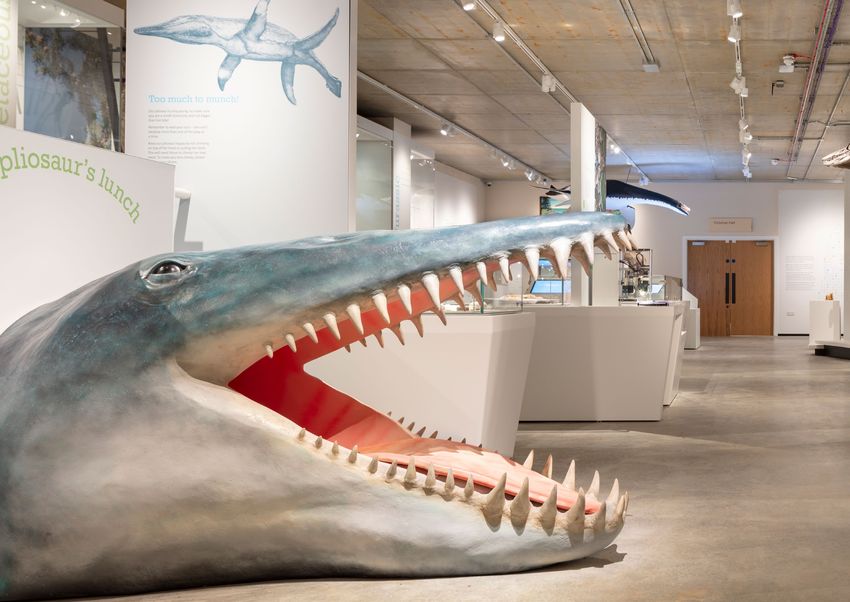
CAPITAL INVESTMENT – Programme, Guidance for applicants – 2021/22
                                                                                                                                 artscouncil.org.uk

                            Summary of key information

Who can apply?              We will accept partnership applications between formally constituted cultural organisations.
(continued)                 One organisation must act as the lead organisation and submit the application depending on
                            who is most appropriate to meet the programme aims. All partners to the partnership will
                            need to be not-for-profit organisations and meet the eligibility requirements set out above.
                            Applicants must demonstrate that the activities they are applying for will benefit the cultural
                            sector within England and be relevant to the widest possible number of people.
                            This programme is only open to applicants with a registered address in England.

When are the key dates of   Before you can apply, you need to create a user account and applicant profile on Grantium. As
this fund?                  this profile approval may take up to 10 working days, you should create your user account well
                            in advance of the deadline for submitting any Expression of Interest.
                            If you have an existing applicant profile, check if you need to update your details.
                            The online Expression of Interest form will be open on Grantium between 12 noon on
                            5 October 2021 and 12 noon on 26 October 2021.
                            The online application form will open on Grantium between 12 noon on 10 November 2021
                            and 12 noon on 13 December 2021.

How much can be applied     £100,000 (minimum) – £750,000 (maximum)
for per application?        Grants close to the maximum value are likely to be made only by exception.

                                                                                                                                                 3
CAPITAL INVESTMENT – Programme, Guidance for applicants – 2021/22
                                                                                                                                 artscouncil.org.uk

                             Summary of key information

Minimum partnership          We want to make our funding go further, and we expect you to make the most of other
funding from other sources   sources of income available to you:
                             • for grants between £100,000 to £250,000 – at least 5 per cent must come from other
                               sources
                             • for grants from £250,001 to £750,000 – at least 10 per cent must come from other sources
                             It is expected that no more than 50 per cent of partnership funding would be in-kind support.
                             We will not accept other grants awarded by Arts Council England as partnership funding,
                             including Cultural Investment Fund, Cultural Capital Kickstart Fund or Cultural Recovery Fund.

When must the activity       Activities must start between 1 April 2022 and 30 September 2022 and end no later than
take place?                  31 March 2025.

When will we make our        We will aim to notify applicants of our decision by early April 2022.
decision?

                                                                                                                                                 4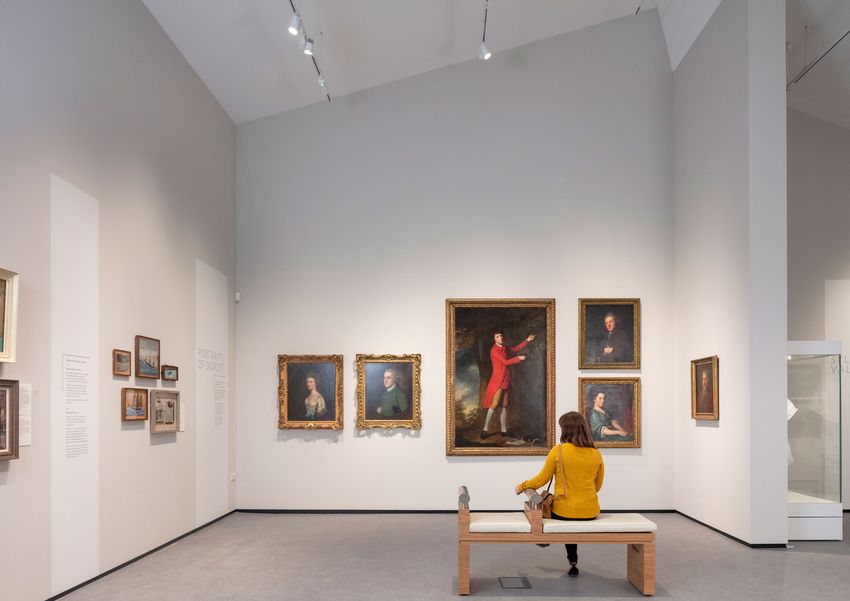
CAPITAL INVESTMENT – Programme, Guidance for applicants – 2021/22
                                                                                                                                                              artscouncil.org.uk

                                                              HOW TO                                     OTHER                          CAPITAL                       GLOSSARY
INTRODUCTION                  ELIGIBILITY                              DECISION MAKING
                                                               APPLY                                  INFORMATION                    REQUIREMENTS                     OF TERMS

          Contents
          Introduction                                                      6       Decision making                                                                     53
               Programme Aims                                               7       Other information                                                                   57
               Investment Principles                                        9            Complaints procedure                                                           58
               How much funding is available?                              11            Counter fraud measures                                                         58
               Other capital funding                                       11            Data Protection                                                                59
          Eligibility                                                      12            Freedom of Information Act                                                     60
               Who can apply?                                              13            Public sector equality duty                                                    60
               Who cannot apply?                                           15            Subsidy control                                                                61
               How much can be applied for                                 15       Capital requirements                                                                62
               Minimum partnership funding from other sources              15            Environmental responsibility                                                   63
               When must the activity take place?                          17            Financial viability                                                            64
               Additional eligibility for building projects                17            Government Indemnity Scheme                                                    66
               What activity can be supported?                             20            Inclusivity and relevance                                                      66
               What activity cannot be supported?                          22            Ownership of land and buildings                                                67
               When will decisions be made?                                23            Procurement                                                                    69
          How to apply                                                     24            Project quality                                                                70
               Making an Expression of Interest                            27            Security requirements                                                          71
               Reviewing your Expression of Interest                       28       Glossary of terms                                                                   72
               Making an application                                       28

                                                                                                                                                                              5
CAPITAL INVESTMENT – Programme, Guidance for applicants – 2021/22
                                                                   artscouncil.org.uk

                   Introduction

Dorset Museum
Photo © Fernando
Manoso-Borgas

                                                                                   6
CAPITAL INVESTMENT – Programme, Guidance for applicants – 2021/22
artscouncil.org.uk
HOW TO OTHER CAPITAL GLOSSARY
INTRODUCTION ELIGIBILITY DECISION MAKING
APPLY INFORMATION REQUIREMENTS OF TERMS
Introduction
Thank you for your interest in the Capital Investment Programme. This guidance tells you
how to apply for capital grants of £100,000 to £750,000.
Programme aims
Let’s Create, Arts Council England’s strategy for 2020-30, is built around three Outcomes
and four Investment Principles. They are designed to work together to achieve our vision of
a country in which the creativity of each of us is valued and given the chance to flourish, and
where every one of us has access to a remarkable range of high-quality cultural experiences.
For further information on Let’s Create, please visit our website.
To be ‘fit for the future’ for the new post-pandemic world, many of our arts organisations,
museums and libraries will need to achieve significant change. To do so, they will need to
invest in digital and physical infrastructure to be agile and flexible enough to respond to
emerging challenges and opportunities.
The Capital Investment Programme is an open access programme that will use our four
Investment Principles to help steer that change. We believe that organisations that are
committed to adopting these Investment Principles will be better able to deliver the Let’s
Create Outcomes, and to provide greater benefit to the public.
7CAPITAL INVESTMENT – Programme, Guidance for applicants – 2021/22
artscouncil.org.uk
HOW TO OTHER CAPITAL GLOSSARY
INTRODUCTION ELIGIBILITY DECISION MAKING
APPLY INFORMATION REQUIREMENTS OF TERMS
We will support cultural organisations to adjust buildings and equipment so that they can
operate safely post-pandemic and improve access, seize on technological opportunities, and
reduce environmental impact. Applications must fully consider how their project addresses all
four Investment Principles.
The longer-term impacts we expect to see from this programme are:
• all communities and individuals can actively engage with and enjoy creativity and culture
• capital investments are transformational in their impact on the range and reach of
collaborations related to creative and cultural activities
• the business models of cultural organisations can adapt to the changing environment
around them and the needs of the communities with whom they work
• organisations exhibit dynamic behaviour, developing and increasing the value they
create and establishing new business models to enable them to adapt to a challenging
environment
• organisations demonstrate leadership in environmental responsibility
• the carbon footprint of the cultural sector is reduced
• creative spaces are more inclusive, safe, and accessible for all
8CAPITAL INVESTMENT – Programme, Guidance for applicants – 2021/22
artscouncil.org.uk
HOW TO OTHER CAPITAL GLOSSARY
INTRODUCTION ELIGIBILITY DECISION MAKING
APPLY INFORMATION REQUIREMENTS OF TERMS
Investment Principles
The immediate impacts we expect to see from this programme are listed below. Applications
must respond to at least one impact from each of the Let’s Create Investment Principles (ie
each application must address a minimum of four impacts) as set out here:
1. Ambition & Quality: Cultural organisations are ambitious and committed to
improving the quality of their work
• improved cultural spaces in places where there is currently limited physical infrastructure
• improved quality of experience for creative and cultural practitioners, partners, workforce,
volunteers, visitors, participants through enhanced physical and digital infrastructure
• capital assets support organisations in their ambitions for their work
2. Dynamism: Cultural organisations are dynamic and able to respond to the challenges
of the next decade
• physical infrastructure is appropriate for business needs
• digital infrastructure is used across organisations to improve performance and data
collection and for the production, distribution, and exhibition of content
• business model innovation is achieved by using physical and digital infrastructure to
leverage additional value, maximise efficiency and enable operational improvements
9CAPITAL INVESTMENT – Programme, Guidance for applicants – 2021/22
artscouncil.org.uk
HOW TO OTHER CAPITAL GLOSSARY
INTRODUCTION ELIGIBILITY DECISION MAKING
APPLY INFORMATION REQUIREMENTS OF TERMS
3. Environmental Responsibility: Cultural organisations lead the way in their approach
to environmental responsibility
• organisations are developing net zero carbon pathways and measure and report on their
progress in doing so
• organisations are leaders within their communities, employing environmentally responsible
approaches to delivering their activities and managing their assets
• investment supports decarbonisation through environmentally responsible buildings and
sustainable production and touring
4. Inclusivity & Relevance: England’s diversity is fully reflected in the organisations and
individuals that we support, and in the culture they produce
• organisations are relevant, inclusive, and representative of the communities with whom
they work and aim to actively form relationships with under-served communities
• inclusive public spaces are created in which to engage with and enjoy creativity and culture
• capital assets enable more representative engagement in creativity and culture
We expect organisations who receive a grant to evaluate their projects against these impacts.
Please note: Grant funding should not be directed towards activities which directly generate
income by offering goods or services on a market for a commercial fee.
10CAPITAL INVESTMENT – Programme, Guidance for applicants – 2021/22
artscouncil.org.uk
HOW TO OTHER CAPITAL GLOSSARY
INTRODUCTION ELIGIBILITY DECISION MAKING
APPLY INFORMATION REQUIREMENTS OF TERMS
How much funding is available?
Up to £20 million for 2021/22 and 2022/23.
We expect to support a mix of physical and digital infrastructure projects of varying sizes subject to the quality of the
proposals we receive.
This is a competitive programme. We anticipate high demand, and we expect to receive more strong applications
than we can support. We recommend that you consider implementing a contingency plan should you be unsuccessful.
Other capital funding
Capital funding is available through a range of other Arts Council programmes including Arts Council National Lottery Project Grants
and Cultural Investment Fund (CIF)
You may apply to other Arts Council funding programmes providing you meet the eligibility criteria for those funds,
but not for the same project outlined in any other application to us.
Grant funding for capital projects with a heritage focus are also available from the National Lottery Heritage Fund.
Please check the relevant guidance and criteria for further information.
Contact us
You can get advice and support from our Customer Services team. If you decide to apply, we wish you every success.
11CAPITAL INVESTMENT – Programme, Guidance for applicants – 2021/22
artscouncil.org.uk
Eligibility
Market Hall – Devonport
Photo © Jay Stone
12CAPITAL INVESTMENT – Programme, Guidance for applicants – 2021/22
artscouncil.org.uk
HOW TO OTHER CAPITAL GLOSSARY
INTRODUCTION ELIGIBILITY DECISION MAKING
APPLY INFORMATION REQUIREMENTS OF TERMS
Eligibility
Before applying, please read the eligibility requirements for the programme carefully. If you
do not meet any of these requirements it will not be possible to consider your application for
funding. You should also consider our capital requirements set out in this guidance and the
Arts Council’s Standard Terms and Conditions for Capital Investments (grants up to £750,000).
Who can apply?
• Not-for-profit cultural organisations based in England. Organisations must be able to
clearly demonstrate that their primary aims are around culture and that the activities they
are applying for fall within the remit of Arts Council England.2 Museum applicants must be
non-national Accredited museums (full and provisional), or museums confirmed by the Arts
Council as working towards Accreditation (see list here).
The lead organisation (the organisation submitting the application) should be properly
constituted with a governing document. Examples of the kinds of organisations that are
eligible to apply include:
• charities
• charitable trusts
• charitable incorporated organisations (CIOs) registered with the Charity Commission
2
Arts Council England’s remit covers visual arts, music, libraries, literature, theatre, dance, combined arts and museums.
13CAPITAL INVESTMENT – Programme, Guidance for applicants – 2021/22
artscouncil.org.uk
HOW TO OTHER CAPITAL GLOSSARY
INTRODUCTION ELIGIBILITY DECISION MAKING
APPLY INFORMATION REQUIREMENTS OF TERMS
• charitable companies registered with the Charity Commission
• community interest companies (CICs) registered with the CIC regulator
• limited companies registered at Companies House who do not distribute profit to their
members or shareholders
• statutory bodies and other public bodies who run or maintain cultural services
• Partnership applications between properly constituted cultural organisations. One
organisation must act as the lead organisation and submit the application depending on
who is most appropriate to meet the Programme aims. All partners to the partnership will
need to be not-for-profit organisations and meet the eligibility requirements set out above.
If the project is funded, Arts Council England will enter into a legally binding grant
agreement with the lead organisation. This organisation must accept the Arts Council’s
Standard Terms and Conditions for Capital Investments (grants up to £750,000) and will
be solely accountable to the Arts Council for all monitoring information, how all the money
is spent, and for the successful delivery of the project. Before the project can start, the
Arts Council must approve a partnership agreement between the lead organisation and
the other partners involved in the project. There is further guidance about partnership
agreements on the Arts Council England website.
Applicants must demonstrate that the activities they are applying for will benefit the cultural
sector within England and be relevant to the widest possible number of people.
14CAPITAL INVESTMENT – Programme, Guidance for applicants – 2021/22
artscouncil.org.uk
HOW TO OTHER CAPITAL GLOSSARY
INTRODUCTION ELIGIBILITY DECISION MAKING
APPLY INFORMATION REQUIREMENTS OF TERMS
Who cannot apply?
• organisations who distribute profit to members or shareholders
• organisations who are not properly constituted with a governing document
• organisations who do not have a registered address in England
• organisations whose primary aims are not cultural
• organisations applying for activities that fall outside the remit of Arts Council England
• individuals
How much can be applied for
• between £100,000 (minimum) – £750,000 (maximum)
Minimum partnership funding from other sources
We want to make our funding go further, and we expect you to make the most of other sources of
income available to you. The minimum partnership funding requirements for the programme are:
• for grants between £100,000 to £250,000 – at least 5 per cent must come from other sources
• for grants from £250,001 to £750,000 – at least 10 per cent must come from other sources
15CAPITAL INVESTMENT – Programme, Guidance for applicants – 2021/22
artscouncil.org.uk
HOW TO OTHER CAPITAL GLOSSARY
INTRODUCTION ELIGIBILITY DECISION MAKING
APPLY INFORMATION REQUIREMENTS OF TERMS
Eligible sources of partnership funding include:
• grants from trusts and foundations
• other public funding including central government and local authority funding
• local enterprise partnerships
• grants from other National Lottery distributors
• donations from individuals or companies
• public appeals and fundraising events
• a contribution from your organisation
• loan finance
• in-kind support – it is expected that no more than 50 per cent of partnership funding would
be in-kind support
Please note: We will not accept grants awarded by Arts Council England, including Cultural
Investment Fund, Cultural Capital Kickstart Fund or Cultural Recovery Fund, as partnership
funding.
We expect you to have secured the necessary partnership funding before starting your
project. You must tell us how you are raising the remaining funds to complete the project in
your application.
16CAPITAL INVESTMENT – Programme, Guidance for applicants – 2021/22
artscouncil.org.uk
HOW TO OTHER CAPITAL GLOSSARY
INTRODUCTION ELIGIBILITY DECISION MAKING
APPLY INFORMATION REQUIREMENTS OF TERMS
When must the activity take place?
• activities must start between 1 April 2022 and 30 September 2022
• activities must end no later than 31 March 2025
In considering the start date for your activities, please note:
• we define the start date as the point at which you will make a commitment, financial or
otherwise, to undertake the whole project
• we are unable to pay for costs invoiced before the date you accept our funding agreement
• we expect your first payment request to be made within one month of your start date
Additional eligibility for building projects
The following eligibility requirements apply to building projects. We define a building project as
any type of building or construction work that is required to comply with statutory approvals
such as building or planning regulations.
The main statutory approvals and consents are:
• building regulations
• outline planning permission
• full planning permission
• listed building consent
• change of use
17CAPITAL INVESTMENT – Programme, Guidance for applicants – 2021/22
artscouncil.org.uk
HOW TO OTHER CAPITAL GLOSSARY
INTRODUCTION ELIGIBILITY DECISION MAKING
APPLY INFORMATION REQUIREMENTS OF TERMS
• conservation area consent
• lawful development certificate
Please note: If any part of your project is subject to one or more of these statutory approvals,
it will be classified as a building project and must meet the following requirements. If you
are applying for a building project and do not meet any of these requirements it will not be
possible for us to consider your application for funding:
• you must be able to demonstrate that you own the land and/or buildings (either as a
freehold or leasehold) on which you will spend the grant, and that the land and buildings
can be used for the project purposes
• organisations that hold a leasehold interest to land or buildings must hold the
responsibilities for repair and insurance under the terms of their lease (eg a full repairing
lease)
• if you are following the Royal Institute of British Architects (RIBA) design stages, your
project must be developed to at least RIBA Work Stage 3 (RIBA Plan of Work 2020) by the
time you make an application
Please note: If you are offered a grant, we expect the land and buildings to be used for
the ‘Funding Agreement Duration’ as set out in our Standard Terms and Conditions Capital
Investment (grants up to £750,000):
• for grants up to and including £499,999: 10 years from the date of the funding agreement
• for grants from £500,000 and up to and including £750,000: 15 years from the date of the
funding agreement
18CAPITAL INVESTMENT – Programme, Guidance for applicants – 2021/22
artscouncil.org.uk
HOW TO OTHER CAPITAL GLOSSARY
INTRODUCTION ELIGIBILITY DECISION MAKING
APPLY INFORMATION REQUIREMENTS OF TERMS
If you hold a leasehold interest in the land and/or buildings or are purchasing a leasehold
interest with our grant, you must be able to demonstrate that the lease meets the following
additional requirements:
• for grants up to and including £499,999: a registered and assignable lease of at least 10
years; or,
• for grants from £500,000 and up to and including £750,000: a registered and assignable
lease of at least 15 years; and,
• in both cases noted above, the lease should be without a break clause or a forfeiture on
insolvency clause, and have a permitted user clause that is compliant with the project and
the proposed use
This means that if the lease contains a break clause and/or forfeiture on insolvency clause
during the ‘Funding Agreement Duration’, you will need to arrange for a Deed of Variation to
the lease to be completed to remove these provisions and meet our requirements. You will
need to liaise with your landlord to achieve this. We would require this to be in place prior to
any grant payments being released. Full information on our ownership of land and buildings
requirements are set out in capital requirements.
19CAPITAL INVESTMENT – Programme, Guidance for applicants – 2021/22
artscouncil.org.uk
HOW TO OTHER CAPITAL GLOSSARY
INTRODUCTION ELIGIBILITY DECISION MAKING
APPLY INFORMATION REQUIREMENTS OF TERMS
What activity can be supported?
While the following list is far from exhaustive, we will support a range of activities providing
the expenditure can be capitalised on your balance sheet and meets our capital requirements
set out in this guidance. This includes but is not limited to:
Digital infrastructure to enable the use of technology to produce, distribute and exhibit
cultural content, reaching homes, cultural venues, and community spaces. This includes
purchasing:
• capability to enhance core areas such as: data and analytics; content strategy; digital
accessibility; digital marketing; customer relationship management; e-commerce; and
business systems
• capability to support content production, dissemination and improving the visitor
experience
Physical infrastructure to address access, reduce environmental impact, support new
business models and create an environment to meet the diverse needs of creative
practitioners, participants, partners, workforce, volunteers, and audiences. This includes:
• purchasing movable equipment or low emission vehicles that support sustainable
production and touring
• purchasing furniture, fixtures, and equipment to enable organisations to operate safely
post-pandemic
20CAPITAL INVESTMENT – Programme, Guidance for applicants – 2021/22
artscouncil.org.uk
HOW TO OTHER CAPITAL GLOSSARY
INTRODUCTION ELIGIBILITY DECISION MAKING
APPLY INFORMATION REQUIREMENTS OF TERMS
• improving accessibility of physical infrastructure. For example:
o purchasing equipment, vehicles, or musical instruments to enable choice and
participation in cultural activities
o undertaking works to cultural buildings to install Changing Places facilities, accessible
toilets, ramps, lifts, and signage that meet best practice guidelines
• increasing the environmental performance of physical infrastructure such as purchase of
LED lighting, installing, or retrofitting sustainable technologies, environmental monitoring
systems or upgrading existing building fabric to enhance thermal performance
• public realm improvements such as landscaping or pedestrian access to support outdoor
cultural events or festivals
• adaptive reuse of existing buildings to provide new spaces in areas of low cultural
infrastructure as an alternative to new construction and to support a circular economy.
Please note: development of existing buildings is a more sustainable choice than a new
building. If your project includes the development of a new building, your application needs
to demonstrate why this is the best option
• adaptation, retrofitting, or extension of cultural buildings to increase capacity or support
business model innovation
• purchasing a freehold interest or a finance lease. Please note: your application will need to
include an independent property valuation and condition survey
• professional fees directly related to the project
• time-limited costs that you may incur that are directly related to the project
• VAT that you cannot recover from HM Revenue and Customs
21CAPITAL INVESTMENT – Programme, Guidance for applicants – 2021/22
artscouncil.org.uk
HOW TO OTHER CAPITAL GLOSSARY
INTRODUCTION ELIGIBILITY DECISION MAKING
APPLY INFORMATION REQUIREMENTS OF TERMS
What activity cannot be supported?
• expenditure that will not be capitalised
• purchase of a leasehold interest that will not be capitalised as a finance lease
• goods, works or services that have been bought or ordered before the date of the funding
agreement
• costs that are already paid for by any other income
• research work
• development of architectural drawings up to RIBA Work Stage 3
• routine maintenance and minor repairs which should form part of a maintenance and
management plan
• building projects that do not meet our requirements for ownership of land and buildings set out
in capital requirements
• assets that you plan to sell
• general running costs or overheads such as staffing, rent, storage, insurance, and maintenance
costs
• goods, works or services that have not been procured in accordance with the requirements set
out in capital requirements
• activities which directly generate income by offering goods or services on a market for a
commercial fee
• activities covered by statutory duties including those for educational purposes necessary by law
22CAPITAL INVESTMENT – Programme, Guidance for applicants – 2021/22
artscouncil.org.uk
HOW TO OTHER CAPITAL GLOSSARY
INTRODUCTION ELIGIBILITY DECISION MAKING
APPLY INFORMATION REQUIREMENTS OF TERMS
When will decisions be made?
We will aim to notify applicants of our decision by early April 2022.
23CAPITAL INVESTMENT – Programme, Guidance for applicants – 2021/22
artscouncil.org.uk
How to apply
BALTIC Library
Photo © House of Hughes
24CAPITAL INVESTMENT – Programme, Guidance for applicants – 2021/22
artscouncil.org.uk
HOW TO OTHER CAPITAL GLOSSARY
INTRODUCTION ELIGIBILITY DECISION MAKING
APPLY INFORMATION REQUIREMENTS OF TERMS
How to apply
Applications are made using Arts Council England’s Grantium grant management system. For further
details on this, including how to set up your applicant profile, submit your Expression of Interest and
complete your application, please see our website.
There will be an Expression of Interest stage (which all applicants must complete before being able to
submit an application), after which projects that are considered to have the potential to deliver against the
programme aims will be invited to submit an application.
To apply, you need to create a user account and applicant profile on Grantium. You cannot start your
eligibility questionnaire, Expression of Interest or application until your applicant profile has been validated,
which may take up to 10 working days. Once your applicant profile has been validated and you have
registered for the Capital Investment Programme, you can begin working on your eligibility questionnaire
and Expression of Interest.
25CAPITAL INVESTMENT – Programme, Guidance for applicants – 2021/22
artscouncil.org.uk
HOW TO OTHER CAPITAL GLOSSARY
INTRODUCTION ELIGIBILITY DECISION MAKING
APPLY INFORMATION REQUIREMENTS OF TERMS
The following diagram provides an overview of the required stages of the Capital Investment Programme:
Create a user account and applicant profile on Grantium
Submit Expression of Interest (EOI)
Arts Council England review of EOI
Invitation to apply
Application
Eligibility check
Arts Council England assessment against criteria including risk assessment
Arts Council England makes award decisions
Applicants receive decision notification
26CAPITAL INVESTMENT – Programme, Guidance for applicants – 2021/22
artscouncil.org.uk
HOW TO OTHER CAPITAL GLOSSARY
INTRODUCTION ELIGIBILITY DECISION MAKING
APPLY INFORMATION REQUIREMENTS OF TERMS
Making an Expression of Interest
The online Expression of Interest form will open on Grantium at 12 noon on 5 October 2021.
Expressions of Interest must be submitted by 12 noon on 26 October 2021.
If you have a project that could make a significant contribution to the programme aims please
tell us about it by completing an Expression of Interest through Grantium. This will give you
the opportunity to describe your project in no more than 2,500 characters (around 400 words).
As part of your submission, you will be asked to:
• complete an eligibility questionnaire
• select the Let’s Create Outcomes that apply to your project
• tell us how many people benefitted from your work in its last full year of operation
• confirm the overall cost of your project and the amount you will request from us if you are
invited to apply
• confirm whether any part of your project is subject to statutory approvals
• confirm which RIBA design stage your project has reached (if applicable)
• give a brief outline of the project you are asking us to support, the preparatory work you
have completed and the type of activity you are planning to undertake
• with reference to the programme aims and the four Investment Principles, briefly explain
the targets you are working towards for each Investment Principle and the new activities
the project will enable you to undertake to support these ambitions
27CAPITAL INVESTMENT – Programme, Guidance for applicants – 2021/22
artscouncil.org.uk
HOW TO OTHER CAPITAL GLOSSARY
INTRODUCTION ELIGIBILITY DECISION MAKING
APPLY INFORMATION REQUIREMENTS OF TERMS
Reviewing your Expression of Interest
If it is considered that your project could make a significant contribution to the programme
aims, you will be informed by 10 November 2021 and invited to submit an application. You will
then have until 12 noon on 13 December 2021 to develop and submit your application and
provide the mandatory supporting documents as detailed in this guidance.
If it is considered that your project does not have the potential to deliver strongly on the
programme aims, you will also be informed by 10 November 2021. Arts Council England
is unable to give detailed feedback or engage in a discussion about why you are not being
invited to submit an application.
If you are invited to submit an application, this is not a guarantee that the application
will go on to be successful. The Expression of Interest process is not a grant decision-
making process, and funding decisions will be based on the detail in an application that has
been through the assessment and decision-making processes as outlined in this document.
Making an application
The online application form will open on Grantium on 10 November 2021. Applications must
be submitted by 12 noon on 13 December 2021. Applications submitted after this time will
not be considered.
28CAPITAL INVESTMENT – Programme, Guidance for applicants – 2021/22
artscouncil.org.uk
HOW TO OTHER CAPITAL GLOSSARY
INTRODUCTION ELIGIBILITY DECISION MAKING
APPLY INFORMATION REQUIREMENTS OF TERMS
Application process
1. Read this guidance carefully and contact us
This guidance gives you information on how to apply and answers some common
questions. If you have any further questions or if you have any access needs where
you require further support to complete your application, you can contact our
Customer Services team.
2. Check the information in your applicant profile on Grantium is accurate and
up to date
See the guidance on our website.
3. Prepare and submit your proposal
You must apply through Grantium. The Grantium guidance for applicants available on our
website should provide you with all the information you need about how to access the
system and complete your online application.
Basic details
Please provide a concise description of the project you are asking us to support. Please also
confirm the main artform, the amount you are requesting, the activity start and end dates, and
whether your project includes the purchase of land and/or buildings.
29CAPITAL INVESTMENT – Programme, Guidance for applicants – 2021/22
artscouncil.org.uk
HOW TO OTHER CAPITAL GLOSSARY
INTRODUCTION ELIGIBILITY DECISION MAKING
APPLY INFORMATION REQUIREMENTS OF TERMS
Our Outcomes
Please select at least one of the three Let’s Create Outcomes that apply to your application.
Investment Principles
Please explain how you have used each of our Let’s Create Investment Principles in planning
your project, providing a brief statement on the targets you are working towards for each
Investment Principle and the new activities the project will enable you to undertake to support
your ambitions. You will be asked to provide more detail on this in the evaluation section
below.
Evaluation
Tell us how you plan to monitor and evaluate your progress against the Investment Principles’
impacts throughout and following the project.
Reflecting on the Investment Principles’ impacts set out in the programme aims, select the
impacts that apply to your project, setting at least one impact per Investment Principle and
one indicator per impact. If you are awarded a grant, we will ask you to evaluate your project
against these impacts and indicators.
Project beneficiaries
Tell us whether your project is aimed at any particular groups and estimate how many people
will benefit from your project once it is complete.
30CAPITAL INVESTMENT – Programme, Guidance for applicants – 2021/22
artscouncil.org.uk
HOW TO OTHER CAPITAL GLOSSARY
INTRODUCTION ELIGIBILITY DECISION MAKING
APPLY INFORMATION REQUIREMENTS OF TERMS
Finance
In this section, you will be asked to complete a budget for your project.
Income
Complete the income section to tell us where you expect to get other funding from, how much
that will be, and whether it is expected or confirmed.
If you are including non-cash contributions (in-kind support), give an estimated value for each
item.
Expenditure
Complete the expenditure section to show the expenditure for your entire project. Expenditure
should be set against the following budget headings as appropriate to your project:
• purchase of land or buildings – costs related to land and building purchases
• construction – estimated construction costs, contingency and inflation
• furniture, fittings, and equipment – movable furniture and equipment of a general nature
• specialist equipment – theatre lighting, AV and digital equipment, sustainable technologies,
access equipment, display cases, musical instruments, security systems, environmental
monitoring systems or vehicles
• fees and charges – costs such as project management, legal or consultants’ fees that are
directly related to the project you are asking us to support
• client costs – time-limited costs that you may incur that are directly related to the project you
are asking us to support
31CAPITAL INVESTMENT – Programme, Guidance for applicants – 2021/22
artscouncil.org.uk
HOW TO OTHER CAPITAL GLOSSARY
INTRODUCTION ELIGIBILITY DECISION MAKING
APPLY INFORMATION REQUIREMENTS OF TERMS
• public realm improvements – costs such as landscape or pedestrian access
improvements
• contingency – that is not shown separately above
• irrecoverable VAT – any VAT that you cannot recover from HM Revenue and Customs
• personal access costs – extra costs related to the access needs of people you are working
with to deliver the project or manage your grant (eg a support worker to help a project
manager with access requirements to complete payment requests online)
Please note: you cannot apply to us for access costs that are already covered by the Access
to Work scheme.
You should make sure that the costs are as accurate as possible. If you have to spend more to
complete your project, we will not contribute to any extra costs.
Access and inclusion
Complete the table to provide the specific measures you will include in your project to
address any barriers to access and promote inclusion. Select the headings as appropriate to
your project:
• fixed furniture and equipment – items such as accessible information/ticketing counters,
non-reflective secure display case, bar and food serveries or seating
• movable furniture and equipment – portable items to enable inclusive cultural
participation such as height-adjustable furniture, lights or heaters, participants’ equipment
such as a potter’s wheels or photography apparatus
32CAPITAL INVESTMENT – Programme, Guidance for applicants – 2021/22
artscouncil.org.uk
HOW TO OTHER CAPITAL GLOSSARY
INTRODUCTION ELIGIBILITY DECISION MAKING
APPLY INFORMATION REQUIREMENTS OF TERMS
• musical instruments – accessible musical instruments
• audience/performer aids – assistance alarms, sensory or visual indicators for performers
• floor surfaces – improvements to internal and external surfaces such as paths,
landscaping, or level drop-off points near entrances
• entrances and doorways – improvements such as level or ramped access; intercom
system; widened doorways; easy-access, high-visibility doors; power-assisted doors
• auditorium seating – easy access seats in auditoria spaces for those with mobility
impairments
• wheelchair spaces – creation of wheelchair spaces in auditoria spaces
• sound enhancement systems – fixed or portable sound enhancement systems including
induction loops
• audio enhancement systems – fixed or portable visual enhancement systems including
audio description, captioning and backstage communications
• circulation spaces – improvements such as nose markings on steps, installing handrails or
improvements to floor or wall coverings
• decoration and lighting – internal and external improvements to decoration (eg high
contrast tones) and lighting to distinguish between walls, floors and doors
• acoustic environment – improvements such as sound absorbing surfaces to reduce
unwanted noise
• quiet spaces – spaces for use by participants, performers, or workforce
33CAPITAL INVESTMENT – Programme, Guidance for applicants – 2021/22
artscouncil.org.uk
HOW TO OTHER CAPITAL GLOSSARY
INTRODUCTION ELIGIBILITY DECISION MAKING
APPLY INFORMATION REQUIREMENTS OF TERMS
• dressing rooms and changing facilities – facilities for performers and participants
• baby changing facilities – changing area for parents or carers
• toilets – provision of accessible, ambulant disabled, or gender-neutral toilets
• changing places – facilities designed to meet the needs of people with multiple learning or
other physical disabilities
• passenger lifts – lifts designed to best practice guidelines
• platform lifts – a lift designed to overcome a step or similar vertical barrier
• signage and way-finding – improved internal and external signage and wayfinding
including voice-activated systems
• evacuation routes and refuge spaces – improvements to means of escape for disabled
people
• vehicles – accessible vehicles (for wheelchair users or those with mobility impairments) or
vehicles adapted for use by drivers with a disability
Statutory approvals (building projects only)
Please list all statutory approvals and consents that apply to your project, selecting ‘Not
applicable’ if statutory approvals are not required. These must be in place to enable you to
start your project in the timescale required for this programme.
34CAPITAL INVESTMENT – Programme, Guidance for applicants – 2021/22
artscouncil.org.uk
HOW TO OTHER CAPITAL GLOSSARY
INTRODUCTION ELIGIBILITY DECISION MAKING
APPLY INFORMATION REQUIREMENTS OF TERMS
Design development (building projects only)
Please indicate which RIBA work stage your project has reached, selecting ‘Not applicable’ if
your project is not following the RIBA work stages.
Size and cost of building (building projects only)
Please provide details of the size of your building (gross internal floor area). If the project will
increase the size of your building on completion, please provide details.
Provide the overall internal floor area of the parts of the building included in your project,
indicating whether refurbishment or new build, and the estimated cost per square metre
of your project at current prices. The latter figure will be the cost of construction or
refurbishment (including preliminaries and contingencies) divided by the gross internal floor
area in metres of the part(s) of the building you are working on (the total of refurbishment and
new build above). Your cost plan should give you this figure.
Energy consumption (building projects only)
If you have a display energy certificate, complete the table to provide details of your actual
energy performance. Confirm how you will measure your energy consumption prior to
undertaking your project and on completion.
Sustainable technologies (building projects only)
Complete the table to tell us which sustainable technologies you have considered, and
which ones are included in your project. We do not expect you to have considered all these
technologies.
35CAPITAL INVESTMENT – Programme, Guidance for applicants – 2021/22
artscouncil.org.uk
HOW TO OTHER CAPITAL GLOSSARY
INTRODUCTION ELIGIBILITY DECISION MAKING
APPLY INFORMATION REQUIREMENTS OF TERMS
Location
We report to local and national government on where funded activity takes place. To help us
to do this, please provide the current address of your organisation.
Ownership of land and buildings (building projects only)
Please provide the full address of the land and/or buildings where the project will take place.
If it will take place in your current premises, please re-enter the address provided under
‘location’. Provide details of your freehold or leasehold interest in the land and/or buildings and
answer the corresponding questions.
Activity plan
The activity plan should include all project milestones. The level of detail will vary depending
on your project but in all cases it should:
• reflect when each part of the project is expected to start and finish
• confirm the lead manager for each task
For building projects, it must:
• include details of the design, procurement, construction, and commissioning activities
• state when relevant statutory approvals will be applied for and when decisions are
expected
• identify anticipated completion dates for freehold or leasehold purchases (if applicable)
• include the RIBA design stages (if applicable)
36CAPITAL INVESTMENT – Programme, Guidance for applicants – 2021/22
artscouncil.org.uk
HOW TO OTHER CAPITAL GLOSSARY
ELIGIBILITY DECISION MAKING
APPLY INFORMATION REQUIREMENTS OF TERMS
Proposal
The proposal is divided into three sections and should be no longer than 40,000 characters in
total. You do not need to use the full character count if you feel it is unnecessary.
Meeting the brief
Character count: up to 15,000 characters (around 1,700 words)
With reference to the programme aims and our four Investment Principles, set out your ambitions for the project and how it
will help to achieve at least one of the Let’s Create Outcomes.
This should include:
• a detailed project description
• how the project will achieve the Let’s Create Outcomes and Investment Principles impacts you have selected in the
evaluation section
• a summary of the needs analysis you have completed including the options appraised and the reasons for choosing the
proposed option
• how the project will improve the quality of your work
• how this investment will enable you to operate safely post-pandemic and respond to emerging future challenges and
opportunities
37CAPITAL INVESTMENT – Programme, Guidance for applicants – 2021/22
artscouncil.org.uk
HOW TO OTHER CAPITAL GLOSSARY
INTRODUCTION ELIGIBILITY DECISION MAKING
APPLY INFORMATION REQUIREMENTS OF TERMS
• how the project will support your organisation to be more inclusive and strengthen the relevance to the communities with
whom you work including reaching under-served communities
• details of the consultation you have undertaken that demonstrates the project will be relevant to the widest number of
people
• how the project will support environmental responsibility and net zero carbon pathways
(Capital requirements sets out our expectations on environmental responsibility and inclusivity and relevance)
Governance and management of activity
Character count: up to 15,000 characters (around 1,700 words)
Set out your plans for managing the project, including how you will ensure it is delivered on time and on budget and within the
delivery timescale for this programme.
This should include:
• the relevant skills and experience of those involved in delivering and leading the project including your plans for project
management
• how the project will be monitored and reported to your board and/or senior management
• how the risks will be managed and who will be responsible for approving project changes such as, but not limited to, the
specifications, budgets, timetables or use of contingency
• details of any partners involved in the delivery of the project
• how the project will contribute to the implementation of your equality and diversity policy and action plan
38CAPITAL INVESTMENT – Programme, Guidance for applicants – 2021/22
artscouncil.org.uk
HOW TO OTHER CAPITAL GLOSSARY
INTRODUCTION ELIGIBILITY DECISION MAKING
APPLY INFORMATION REQUIREMENTS OF TERMS
• how the project will affect your current activities during its delivery and on completion. Tell us how you will ensure you have
the capacity to carry it out successfully and operate the assets in the longer term
• how the project will:
o address quality, be fit for purpose and meet users’ needs
o minimise any negative environmental impact
o achieve value for money
o improve access and consider inclusive design, where relevant. If an access audit has been completed, tell us which
recommendations will be implemented and the rationale for excluding any of the recommendations from the project
(Capital requirements sets out our expectations on environmental responsibility, inclusivity and relevance, procurement and
project quality)
Financial viability
Character count: up to 10,000 characters (around 1,500 words)
Tell us about the work you have done to assess the project’s financial impact, both during and after the project is completed.
This should include:
• the professional advice or quotations you have sought to support your budget, including how you have calculated allowances
for such things as, but not limited to, specialist equipment, sustainable technologies, furniture, fittings and equipment,
contingency, inflation, and VAT
39CAPITAL INVESTMENT – Programme, Guidance for applicants – 2021/22
artscouncil.org.uk
HOW TO OTHER CAPITAL GLOSSARY
INTRODUCTION ELIGIBILITY DECISION MAKING
APPLY INFORMATION REQUIREMENTS OF TERMS
• how you have taken account of the project’s financial implications. Tell us whether the project will provide any financial
savings or how you have budgeted for any additional costs when completed
• the other sources of funding you intend to apply for and the progress and timetable for these applications
• if applying for a building project, tell us whether you currently have a costed maintenance management plan and whether
funding is available to carry it out
(Capital requirements sets out further details for considering financial viability)
40CAPITAL INVESTMENT – Programme, Guidance for applicants – 2021/22
artscouncil.org.uk
HOW TO OTHER CAPITAL GLOSSARY
INTRODUCTION ELIGIBILITY DECISION MAKING
APPLY INFORMATION REQUIREMENTS OF TERMS
Attachments
You must upload the following mandatory attachments:
Cash flow for the project Please use the cash flow template provided. It should show both project income and
activity outgoings and the expected grant payments from us and should align with the income
and expenditure figures already provided. You should take the following information into
consideration when preparing your cash flow forecast:
• we are unable to pay for costs invoiced before the date you accept our funding agreement
• payments will be made against actual expenditure
• we will retain 10 per cent of the grant until the project has been completed
• grants are only available to support activity up to 31 March 2025
• we expect your first payment request to be within one month of your start date
Risk register Please submit a risk register covering all the risks you have identified with your project.
It should include:
• the risk and the likelihood of the risk occurring
• the impact on your project if it does happen
• how much each risk may cost – this will help you to check whether you have enough
contingency set aside if something does go wrong
41CAPITAL INVESTMENT – Programme, Guidance for applicants – 2021/22
artscouncil.org.uk
OTHER CAPITAL GLOSSARY
INTRODUCTION ELIGIBILITY DECISION MAKING
INFORMATION REQUIREMENTS OF TERMS
• how you can prevent the risk or deal with it (mitigate it) if it does happen
• the person responsible for dealing with the risk
We use your analysis of risks to the activity to help us with our assessment of governance and
management of activity. We want you to show that you have considered risk thoroughly and
have thought about how you will manage and mitigate it.
Evidence of partnership Provide evidence of the funding you have secured to date as outlined in your project income
funding or fundraising plan and expenditure. This may include:
• letters of support from potential funders, if available
• offer letters confirming amounts already secured, including any conditions attached
to this funding
• evidence of any contribution of your own funds (eg board minutes)
If you have not secured all your funding, please attach a fundraising plan outlining:
• the timeline for raising the remaining funds
• the methods you will use to raise the funds, eg campaign, fundraising events
• how you will ensure the required funding is in place to start your project in the
timeframe set out in your application
42CAPITAL INVESTMENT – Programme, Guidance for applicants – 2021/22
artscouncil.org.uk
HOW TO OTHER CAPITAL GLOSSARY
INTRODUCTION ELIGIBILITY DECISION MAKING
APPLY INFORMATION REQUIREMENTS OF TERMS
Procurement method This should document the procedures that will be used to select suppliers and contractors
statement and when buying goods and must demonstrate that these comply with all relevant UK public
regulation procurement laws. If applying for a building project, include details of the proposed
method of procurement for construction works. (See capital requirements).
Cost plan This should be prepared by a quantity surveyor and provide details of the construction,
(building projects only) furniture, fittings, and equipment costs. It should reflect the RIBA work stage that your project
has reached, if applicable.
Design drawings and Detailed drawings and specification should be submitted. Plans for architectural elements
project specifications should be developed to at least RIBA Work Stage 3.
(building projects only)
Drawings should be provided with the scale of the drawing clearly shown and all information
clearly indexed. Your design information must be submitted as one digital file.
Access audit This should be prepared by an independent access consultant. The audit should provide details
(building projects only) of existing barriers and recommend specific measures to overcome these. It must describe
both the process followed in conducting the audit and how access for all will be provided with
reference to building regulations and best practice. For more information, see Building Access:
A best practice guide for arts and cultural organisations.
43CAPITAL INVESTMENT – Programme, Guidance for applicants – 2021/22
artscouncil.org.uk
HOW TO OTHER CAPITAL GLOSSARY
INTRODUCTION ELIGIBILITY DECISION MAKING
APPLY INFORMATION REQUIREMENTS OF TERMS
Income and This should set out the financial implications of the project for at least five years from
expenditure forecasts completion and demonstrate the project is sustainable in the longer term. This should include,
(building projects only) but not be limited to:
• an overview of your financial operating model including your main sources of funding
• a forecast income and expenditure account showing how you have considered any
additional running costs arising from the project
• a cash flow forecast showing the expected monthly cash income and outgoings
• the assumptions underlying these forecasts, eg the average number of participants or
forecast overhead costs
• a sensitivity analysis to show what your finances will look like if your forecasts fall short by
various amounts
• the risks to your operation if the scenarios in your sensitivity analysis occur and the action
you might take
Evidence of Provide as applicable the register of freehold title with plan and/or the register of leasehold
property ownership title with plan and a copy of the lease.
(building projects only)
Plans, surveys and Provide the following:
valuations
• copy of title being purchased with location plan
(purchase of leasehold or
freehold interest only) • costed condition survey to support the purchase of a leasehold or freehold interest
• independent property valuation to support the purchase of a leasehold or freehold interest
44You can also read


