IFC-Canada Climate Change Program - 2019 Results Update - International Finance ...
←
→
Page content transcription
If your browser does not render page correctly, please read the page content below

IFC-Canada Climate Change
Program
2019 Results Update

IN PARTNERSHIP WITH

© International Finance Corporation 2020. All rights reserved.

2121 Pennsylvania Avenue, N.W. Washington, D.C. 20433
www.ifc.org

The material in this work is copyrighted. Copying and/or
transmitting portions or all of this work without permission may be
a violation of applicable law. IFC does not guarantee the accuracy,
reliability or completeness of the content included in this work,
or for the conclusions or judgments described herein, and accepts
no responsibility or liability for any omissions or errors (including,
without limitation, typographical errors and technical errors) in the
content whatsoever or for reliance thereon.

Table of Contents
Abbreviations & Acronyms  . . . . . . . . . . . . . . . . . . . . . . 2

INTRODUCTION  .  .  .  .  .  .  .  .  .  .  .  .  .  .  .  .  .  .  .  .  .  .  .  .  .  .  . 3

Program Eligibility  . . . . . . . . . . . . . . . . . . . . . . . . . . . . . . 3

Eligible Countries  . . . . . . . . . . . . . . . . . . . . . . . . . . . . . . 4

Eligible Sectors  . . . . . . . . . . . . . . . . . . . . . . . . . . . . . . . . 4

DEVELOPMENT IMPACT TO DATE .  .  .  .  .  .  .  .  .  .  .  . 5

IFC-CANADA CLIMATE CHANGE
PROGRAM IN ACTION  .  .  .  .  .  .  .  .  .  .  .  .  .  .  .  .  .  .  .  .  .  . 6

ADVISORY SERVICES  .  .  .  .  .  .  .  .  .  .  .  .  .  .  .  .  .  .  .  .  .  .  . 10

STORIES OF IMPACT .  .  .  .  .  .  .  .  .  .  .  .  .  .  .  .  .  .  .  .  .  .  .  . 10

PECASA Wind Farm now Operational . . . . . . . . . . . . . 11

Providing Clean Energy to Underserved
Communities in Myanmar . . . . . . . . . . . . . . . . . . . . . . . 12

CONCLUSION  .  .  .  .  .  .  .  .  .  .  .  .  .  .  .  .  .  .  .  .  .  .  .  .  .  .  .  .  . 14

ANNEXES  .  .  .  .  .  .  .  .  .  .  .  .  .  .  .  .  .  .  .  .  .  .  .  .  .  .  .  .  .  .  .  .  . 15

Annex A: Portfolio of Projects as of June 30, 2019 . . . 15

Annex B: Monitoring and Reporting  . . . . . . . . . . . . . . 31

                                                                                                                1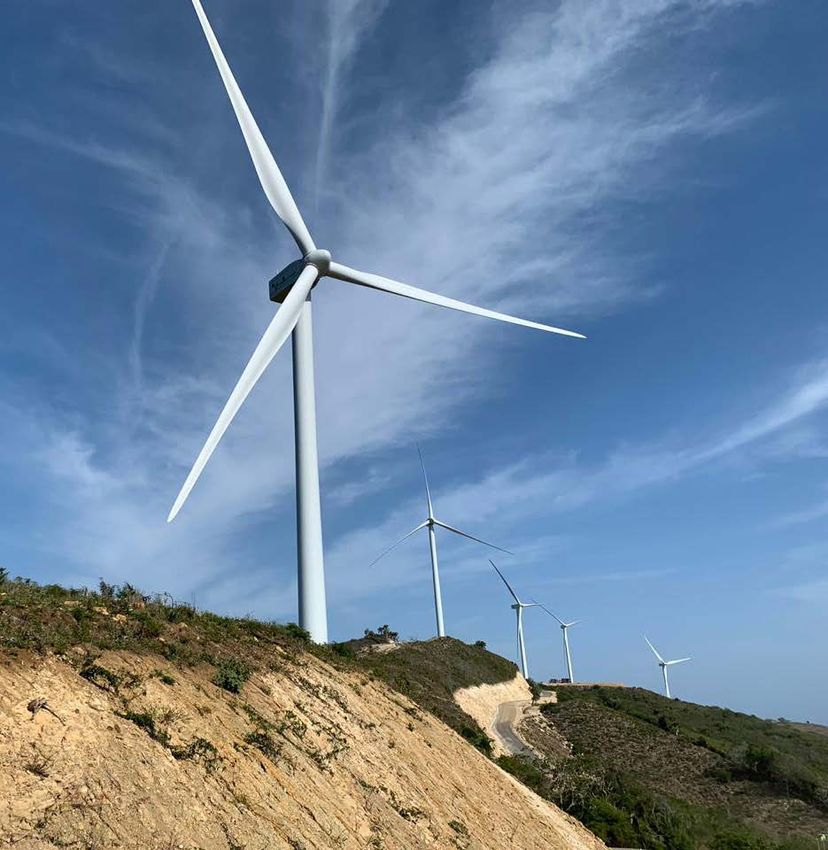
ABBREVIATIONS & ACRONYMS

AIMM Anticipated Impact Measurement and Monitoring system

BCFP   Blended Climate Finance Program

BFC    Blended Finance Committee

BFD    Blended Finance Department

CCCP   Canada Climate Change Program

DFI    Development Finance Institution

FI     Financial Institution

FY     Fiscal Year

GHG    Greenhouse Gas

GoC    Government of Canada

GWh    Gigawatt-hour

IFC    International Finance Corporation

ODA    Overseas Development Assistance

PPP    Public Private Partnerships

MNO    Mobile Network Operator

MtCO2 Metric ton of CO2 equivalent

MW     Megawatt

MWh    Megawatt-hour

PV     Photovoltaic

RE     Renewable Energy

SDGs   Sustainable Development Goals

WBG    World Bank Group

                                                   2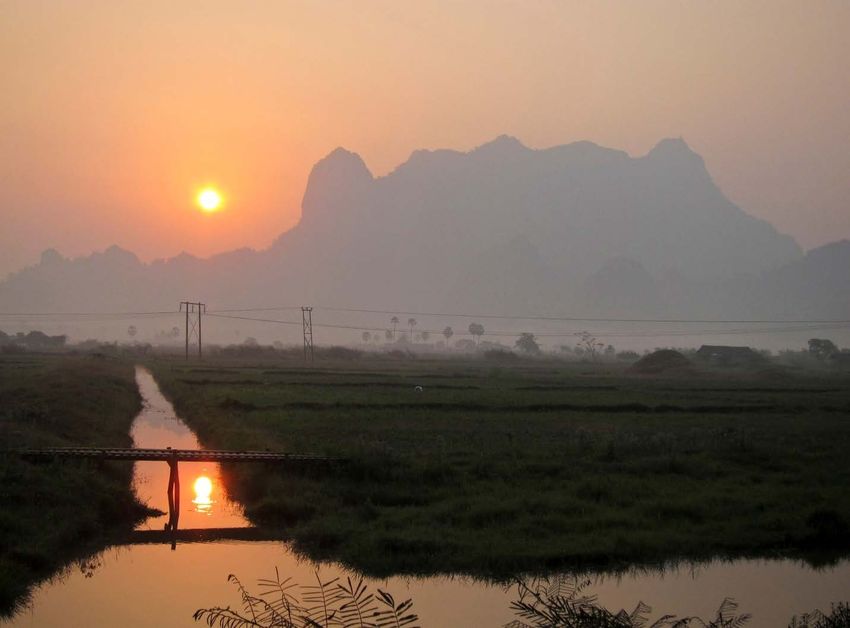
The investment period of the IFC-Canada Climate Change Program ended in 2018. The following
report provides an update on the program results, progress and changes that have occurred
between July 1, 2018 and June 30, 2019.1

Introduction
The IFC-Canada Climate Change Program (IFC-CCCP or                     that has since grown to include two new programs that will
“the Program”), established in March 2011, is a partnership            mobilize private capital for global climate action: the Canada-
between the Government of Canada (GoC) and the                         IFC Blended Climate Finance Program (CA$250 million, March
International Finance Corporation (IFC) to promote private             2018) and the Canada-IFC Renewable Energy Program for
sector financing for clean energy and climate adaptation               Africa (CA$155 million, December 2017.)
projects to catalyze investments in low-carbon technologies.
The GoC contributed a total of 351.8 million Canadian dollars of       PROGRAM ELIGIBILITY
which CA$345.9 million of concessional funds was dedicated to
support investment projects and a CA$5.8 million grant was             IFC acts as an implementing entity for both investment and
dedicated to support advisory services and technical assistance        advisory components of the Program. For the investments,
projects. From the investment pool of funds, the Program               IFC is conducting blended concessional finance operations
committed CA$75.0 million for the IFC Catalyst Fund, an                by blending Canada’s concessional funds alongside IFC’s
investment in private equity funds, platform companies, and            own commercial resources to enable high-impact projects
co-investments focused on providing capital to renewable               that require financing on concessional terms and have met
energy projects and to companies that develop resource-                eligibility requirements. Through its blended concessional
efficient, low-carbon products and services in emerging                finance activities, IFC deploys third party financing on
markets.2                                                              concessional terms through investment instruments to
                                                                       mobilize private sector projects that would not otherwise
The GoC was the first bilateral partner to support IFC’s               happen. These blended finance investments play a catalytic
blended finance investments in climate change projects,                role by providing softer financing or risk mitigation to enable
collaborating to mobilize private sector financing for                 these projects to move forward. IFC applies a set of enhanced
mitigation and adaptation. This has been an important and              blended concessional finance principles to any blended finance
fruitful partnership, one that has worked to catalyze private          project, bolstered by a strong governance structure.5 Careful
sector investments through 46 activities (26 investment                investment of concessional financing allows IFC to boost
projects and 20 advisory projects) in over 30 countries under          climate-smart private investments where they would not exist
the Program alone. Overall, this innovative partnership has            otherwise, ensuring there is no market distortion and that
unlocked $1.8 billion3 of private sector climate financing             these new markets can continue on fully commercial terms in
(including IFC’s own financing) in emerging markets weighted           the future. The advisory services component of the program
to Asia, Africa, and the Middle East.4                                 helps build institutional capacity and create an enabling
                                                                       environment to encourage private sector investments in
The IFC-CCCP was the first blended climate finance program
                                                                       climate-smart technologies.
between Canada and IFC — the beginning of a partnership

                                                                   3
ELIGIBLE COUNTRIES

Program funds were invested across projects that are both
eligible to receive blended finance funding, meet Program
eligibility parameters and are in countries eligible to receive
Official Development Assistance (ODA) from the
Government of Canada, which include the following:

Africa                 Nigeria                Nauru
Algeria                Rwanda                 Nepal
Angola                 Sao Tome &             Palau
Benin                    Principe             Pakistan
Burkina Faso           Senegal                Papua New Guinea
                                                                      Guatemala               Saint Vincent &         Jordan
Burundi                Seychelles             Philippines
                                                                      Guyana                    the Grenadines        Kosovo
Botswana               Sierra Leone           Samoa
                                                                      Haïti                   Suriname                Lebanon
Cabo Verde             South Africa           Sri Lanka
                                                                      Honduras                                        Macedonia
Cameroon               eSwatini (formerly     Solomon Islands                                 Eastern Europe &
                         Swaziland)                                   Jamaica                 Middle East             Moldova
Congo                                         Tajikistan
                       Tanzania                                       Mexico                  Albania                 Montenegro
Côte d’Ivoire                                 Timor-Leste
                       Togo                                           Montserrat              Armenia                 Serbia
Chad                                          Thailand
                       Tunisia                                        Nicaragua               Belarus                 Turkey
Comoros                                       Tokelau
                       Turkmenistan                                   Panama                  Bosnia &                Ukraine
Democratic                                    Tonga
                       Uganda                                         Saint Lucia               Herzegovina
 Republic of                                  Tuvalu
 Congo                 Zambia                 Uzbekistan
Djibouti
                       Asia-Pacific           Vanuatu                 ELIGIBLE SECTORS
Egypt                                         Viet Nam
                       Afghanistan
Equatorial Guinea                                                     Eligible investments and advisory services activities were
                       Azerbaijan             Yemen
Ethiopia                                                              designed to support greenhouse gas emission abatement
                       Bangladesh             South America
Gabon                                                                 and climate adaptation opportunities, such as those related
                       Bhutan                 Argentina
Gambia                                                                to: (i) low carbon opportunities in the power sector, including
                       Cambodia               Bolivia
Ghana                                                                 renewable energy and increased efficiency in generation,
                       Cook Islands           Brazil
Guinea                                                                transmission, and distribution; (ii) largescale adoption of
                       Fiji                   Colombia
Guinea-Bissau                                                         energy efficient technologies and other demand management
                       Georgia                Ecuador
Kenya                                                                 techniques in industrial sectors, as well as commercial and
                       India                  Paraguay
Lesotho
                       Indonesia                                      residential buildings; (iii) sustainable agriculture, forestry,
Liberia                                       Peru
                       Kazakhstan                                     and land use; and (iv) reductions in the vulnerability of human
Madagascar                                    Caribbean and
                       Kiribati                                       or natural systems to actual or expected climate change
Malawi                                        Central America
                       Kyrgyz Republic                                impacts and risks by maintaining or increasing adaptive
Mali                                          Belize
                       Laos                                           capacity and resilience.
Mauritius                                     Costa Rica
                       Malaysia
Mauritania                                    Dominica                The Program’s advisory services projects provide technical
                       Maldives
Morocco                                       Dominican
                       Marshall Islands                               assistance and capacity building to firms (e.g., service
Mozambique                                     Republic
                       Micronesia                                     providers, project developers), financial intermediaries, and
Namibia                                       El Salvador
                       Mongolia                                       governments, offer knowledge management, and disseminate
Niger                                         Grenada
                                                                      information on lessons learned and best practices.

                                                                  4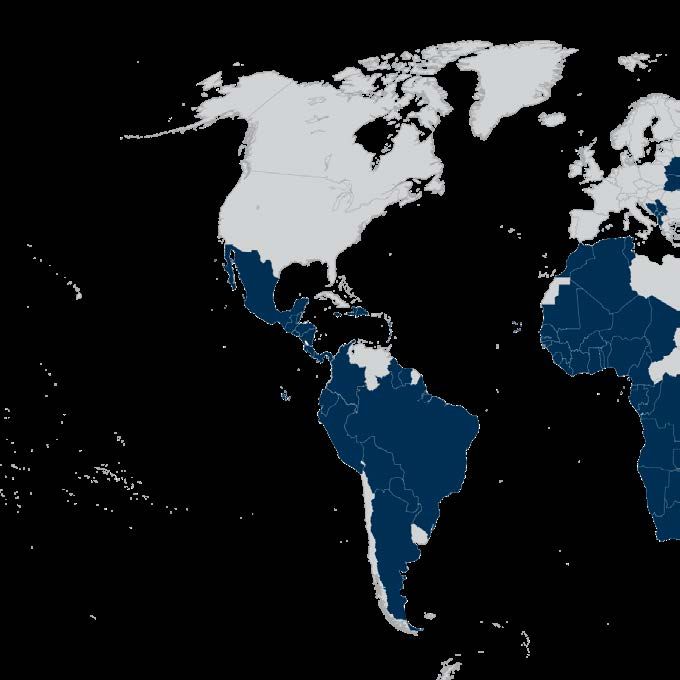
Development Impact to Date
                                                      6

  392
                    21.6 million        2 million
         MW

                     m3 fresh water     MWh energy
capacity financed
                     saved per year     saved per year

3.9 million            INVESTMENT
                      572,000
                                           ADVISORY
                                         654,700

  people with
improved access      MtCO2 emissions    MtCO2 emissions
   to energy         avoided per year   avoided per year

                            5
IFC-Canada Climate Change
Program in Action
as of June 30, 2019
in million US$
Investment
26 Investments
20 Countries
$261.0 million of Program Funds
Advisory Services
20 Advisory Projects
11 Countries
$5.7 million of Program Funds $17.0
$20.0 Mexico Dominican
Republic
$5.1 Honduras $10.8
Burkina Faso
$10.0 Jamaica
$0.3 Brazil
$14.3 Chile
$2.1 Global & Regional
6$12.7 $0.3 $0.7 $8.0 $14.0 $3.5
Bosnia and Serbia Albania Armenia Lebanon West Bank
Herzegovina & Gaza
$21.2 $0.4 $19.7 $0.3 $6.0
Jordan Pakistan Nepal Bangladesh Myanmar
India Thailand $0.7
$0.5
Phillipines $39.0
Uganda Kenya Sri Lanka
Ghana
Nigeria
$15.0 $0.5 $4.0 $12.8
$0.2
Zambia
South Africa $25.3
$2.3
7Table 1: Final Investment Portfolio as of June 30, 2019
Project Country Year CCCP Funding IFC Other Total
Committed Funding Funding* Project
Cost
in million US$
Sustainable Energy Finance
HSBC Armenia Armenia 2012 8 22 - 30
Sasfin EE South Africa 2012 2 8 - 10
Atlantida Loan Honduras 2012 5 45 - 50
Credins Bank Albania 2013 1 12 - 13
Fransabank Lebanon 2014 3 7 - 10
Lebanese LC Lebanon 2014 2 2 - 3
Fransabank Tranche II Lebanon 2016 6 14 - 20
Lebanese LC Tranche II Lebanon 2016 4 4 - 7
Unicredit Mostar Bosnia and Herz. 2016 2 3 - 5
Climate-Smart Agriculture
Sri Lanka Agri-finance Sri Lanka 2018 5 45 - 50
Green Buildings
Urbi Verde I Mexico 2012 20 50 35 105
HF Kenya Kenya 2013 4 16 88 108
Energy Efficiency
TICO Ghana 2012 15 80 265 360
SSL Bosnia III Bosnia and Herz. 2013 10 22 38 70
Renewable Energy
La Huayca II Chile 2013 14 14 39 67
Kabeli Nepal 2014 19 19 64 100
BMR Wind Jamaica 2014 10 10 70 90
Arpico Retail Sri Lanka 2016 8 8 5 20
FRV Solar Jordan Jordan 2016 21 21 43 85
Thomas Lloyd Phillipines 2017 39 64 197 300
Scaling Solar I Zambia 2017 13 13 34 60
FCS RE Windiga Burkina Faso 2017 11 10 20 40
Prico Solar West Bank/Gaza 2017 4 4 5 12
Pecasa Dominican Republic 2017 17 19 90 125
Yoma Micropower Myanmar 2018 6 7 16 29
Scaling Solar II Zambia 2018 12 9 25 46
Total 261 525 1,032 1,815
Notes: Committed investments are those with a signed investment agreement. Once amounts are committed, there is a legally binding obligation to disburse if
disbursement conditions are met. The table excludes cancelled projects and amounts. Slight variation in totals is due to rounding.
*Includes financing from other development finance institutions and the private sector.
8Table 2: Final Advisory Services Portfolio as of June 30, 2019
Project Country Year CCCP Funding IFC Other Total
Approved Funding Funding* Project
Cost**
in thousand US$
Energy Efficiency
Brazil Hotel EE Brazil 2011 300 500 800
-
ECA Energy & Water Solutions for ECA 2016 220 310 3,680 4,210
Corporates
Energy and Resource Efficiency SSA 2016 300 30 2,088 2,140
Solutions in Africa
Partnership for Cleaner Textiles Bangladesh 2016 300 110 9,449 9,859
Renewable Energy
Nygak III Mini Hydro PPP Uganda 2012 200 643 822 1,665
Thailand Clean Energy Thailand 2012 680 148 1,000 1,828
Gujarat Solar PPP India 2013 100 194 400 694
Orissa RT Solar PPP India 2013 130 0 281 411
Odisha Solar PPP India 2014 225 8 300 533
Nepal Sustainable Hydropower Nepal 2016 165 565 3,287 4,017
Lighting Africa Nigeria Program Nigeria 2016 200 128 5,484 5,812
Lighting Pakistan Pakistan 2016 400 65 4,411 4,876
Sustainable Energy Finance
Bancatlan SEF AS Honduras 2012 52 8 40 100
MENA SEF MENA 2014 455 397 1,098 1,950
Green Buildings
Green Buildings PDP Global 2013 600 1,200 2,507 4,307
Adaptation
Climate Risk Management Pilot Global 2014 500 500 0 1,000
PPCR Nepal Agri Nepal 2016 200 - 2,290 2,490
Solid Waste Management
Albania Solid Waste PPP Albania 2013 125 - 513 638
Kampala Solid Waste PPP Uganda 2013 250 30 990 2,352
Belgrade W2E PPP Serbia 2014 250 - 417 2,950
Total Advisory Projects 5,652 4,337 39,556 52,632
Notes: Table includes IFC funding, other funds and project cost at project approval. Slight variation in totals is due to rounding.
MENA = Middle East and North Africa, ECA = Europe and Central Asia, SSA = Sub-Saharan Africa.
*Includes financing from other development finance institutions and the private sector
**Project cost reflects amounts at the time of approval of the Program funding
9Advisory Services
Advisory services under the Program worked to build local have leveraged Program funds of $5.7 million to create a
capacity, fill information gaps in the market, and enable portfolio of 20 projects across 11 countries.
countries to adopt regulatory and business environments that
The advisory services component of the Program concluded
encourage the private sector to invest in renewable energy,
in 2019 with all projects reaching operational and financial
energy efficiency, and cleaner technologies. Advisory projects
closure.
Stories of Impact
The Program’s 46 investment and advisory projects range While the investment period of the Program ended in 2018,
from large renewable energy investments in wind and solar, committed projects continue to advance and have yielded
to smaller-scale renewable projects, to investments in results in the past year.
climate-smart agriculture across the world.
10PECASA Wind Farm In 2018, the Canada Climate Change Program contributed
$17 million to a $120 million financing package for the
now Operational construction of a new, grid-connected 50MW wind
farm in the Dominican Republic — Parques Eólicos del
ACCELERATING DOMINICAN Caribe (PECASA). Comprising twenty-five 2MW turbines,
REPUBLIC’S TRANSITION TO A PECASA is expected to reduce greenhouse gases by about
LOW-CARBON FUTURE 91,000 tons CO2 equivalent a year — roughly comparable
L
to taking 20,000 cars off the road.
ike many of its Caribbean neighbors, the Dominican
Republic is one of the most vulnerable countries In 2019, PECASA became operational. The wind farm was
in the world to climate change — certain regions inaugurated last June in a ceremony that included the
are susceptible to floods and mudslides from severe Head of Akuo Energy (sponsor of the project) as well as
storms, and more arid parts are experiencing increasing the Dominican Republic President Danilo Medina.
temperatures that reduce water supplies and crop yields.
Canada-IFC blended concessional finance support for
The country has embarked on an ambitious program to
PECASA means over 150,000 homes in Monte Cristi
develop renewable energy, aiming to generate a quarter
province will have much needed green electricity.
of its electricity from renewable energy sources by 2025,
Furthermore, the roads built to develop the project will
reducing the country’s reliance on fossil fuels.
also help enhance agricultural plots and develop grazing.
“The size of this project matches
the Dominican government’s
ambitions regarding its energy
transition. President Medina’s
presence is an illustration of just
how important this project is for
the country. Akuo Energy is eager
to work alongside Dominican
players over the long term, and
PECASA is a first step in this
direction”
— Eric Scotto, Chairman and cofounder of
Akuo Energy.
11Providing Clean Energy to
Underserved Communities in
Myanmar
THE YOMA MICRO POWER PROJECT
M
yanmar has a legacy of conflict that has left nearly 20 percent of its 53 million
citizens in poverty, particularly in rural areas. It is one of the least electrified
countries in South East Asia with grid-access reaching less than a third of the
country population. Most people and small businesses use diesel generators, kerosene,
candles, and other substitutes for day-to-day life. Renewables are really the best option
available for electrification of remote communities.
12Despite the limited
availability of electricity,
demand for mobile data
services in the country is
surging. Mobile network
operators (MNO) are
rapidly building new
telecom towers in both
rural and urban areas. In
2017, there were already
about 14,000 towers in
the country; by 2021, more
than 10,000 new towers
will be added.
These mobile networks
and towers need reliable, 24/7 power.
The $6 million concessional loan from the Canada Climate The concessionally priced loan enabled a test of this
Change Program to Yoma Micro Power supported the distributed generation model with towers acting as
construction and operation of distributed generation units anchors and communities benefiting from new electricity
that generate power through solar hybrid systems for connections. The IFC-CCCP contribution helps create a
off-grid telecom towers and, where feasible, extend to more attractive investment climate where private sector
underserved communities with no grid connection. investors are more willing to extend energy access to
villages despite the uncertainties involved in this first-
With the rapid reduction in the cost of solar panels and
of-its-kind investment. As importantly — the use of
batteries, mini-grids offer an efficient and cost-effective
concessional capital allows local consumers to pay less for
pathway for rural electrification. Each distributed
power and lighting solutions than they did before.
generation unit includes solar PV systems combined with
stationary battery storage and high-efficiency diesel
Update since end-of-investment period
generators. The PV modules generate most of the power
required, with batteries bridging the power requirements The project is still in its early stages, but initial results are
for non-daylight hours. The high-efficiency diesel promising. An off-taker agreement with an MNO tower
generator operates on average for only 1–2 hours per day company was secured, paving the way for the pilot phase
when solar generation is not available, and battery storage implementation of 250 tower sites, to be completed in
is depleted. early 2020. With 150 sites completed already, the pilot
project is expected to deliver power to 25 previously
unelectrified villages by 2021.
13Conclusion
The support of partners like Canada has never been more investment in key areas such as resilient infrastructure,
essential for IFC to continue to expand into the most climate-smart agriculture, and clean energy, with an added
challenging settings. Looking ahead, it is clear the private emphasis on gender-responsive climate action. Canada has
sector has an indispensable role to play in meeting the climate been a global champion of gender equality, recognizing that
finance gap, at a time of great urgency in the climate crisis. the issue of climate change and the empowerment of women
and girls are interconnected.
With the sunset of the IFC-CCCP, IFC is proud to continue
forward momentum on climate with the Canada-IFC Blended finance solutions can push the private sector to reach
Renewable Energy Program for Africa and the Canada-IFC a stage where concessional funds are not needed and play
Blended Climate Finance Program. These programs will a key role in financing some of the greatest development
expand IFC’s reach both in countries that can contribute challenges. Through its trusted partnership with Canada, IFC
significantly to greenhouse gas reductions and into will continue to ignite greater private investments in climate-
the poorest, most vulnerable countries, where blended smart infrastructure and technologies that support the
concessional finance solutions can be used to unlock transition to low-carbon and resilient economies.
opportunities for the private sector. Through an expanded
scope, these new programs look to attract greater private
14Annex A: Portfolio of Projects as of
June 30, 2019
The following annex details investment and advisory projects under the IFC-CCCP. The investments are grouped by relevant
themes: sustainable energy financing; climate-smart agriculture; green buildings; energy efficiency; and renewable energy.
All figures are in U.S. dollars unless otherwise indicated.
INVESTMENTS
Sustainable Energy Financing
HSBC Armenia
Country Armenia Total Project Cost $30.0m Program leverage 2.8x
to all parties
Product Senior Debt IFC Funds $22.0m Program leverage to IFC 2.8x
Commitment Date May 2012 and Program Funds $8.0m
April 2013
Description The Program supported the development of sustainable energy financing in Armenia through the
provision of financing to HSBC Armenia, the first bank in the country to offer energy efficiency and
renewable energy financing. This project aimed to reduce initial entrant market barriers and promote
the uptake of similar investments by other financial institutions. This project was complemented
by advisory services to help the bank build the internal capacity to screen, appraise, and monitor
sustainable energy projects. The project was committed in two separate tranches of $4 million each.
Sasfin EE
Country South Africa Total Project Cost $10.0m Program leverage 3.3x
to all parties
Product Senior Debt IFC Funds $7.7m Program leverage to IFC 3.3x
Commitment Date June 2012 Program Funds $2.3m
Description Credit line to Sasfin Bank to promote investments in energy efficiency and renewable energy projects
in South Africa, particularly to SME clients. The Program funds were offered at a concessional rate to
offset the additional costs of developing the new line of business. The project seeks to increase the
rate of deployment of financing to support clean energy investments in South Africa.
15Atlantida Loan
Country Honduras Total Project Cost $50.0m Program leverage 9.0x
to all parties
Product Senior Debt IFC Funds $45.0m Program leverage to IFC 9.0x
Commitment Date May 2012 Program Funds $5.0m
Description The Program provided a credit line on concessional terms to Banco Atlantida, a leading locally owned
financial institution, to support lending to small scale renewable energy and energy efficiency projects
in Honduras. This project was complemented by advisory services, co-funded by the Program, to help
the bank build a pipeline and finance renewable energy projects.
Credins Bank
Country Albania Total Project Cost EUR€10.0m Program leverage 9.0x
to all parties
Product Senior Debt IFC Funds EUR€9.0m Program leverage to IFC 9.0x
Commitment Date March 2013 Program Funds EUR€1.0m
Description Credit line, including a concessional loan from the Program, to support Credins Bank in the
development of a new product line dedicated to energy efficiency and renewable energy financing
in Albania. Credins Bank was the first local bank in Albania to offer sustainable energy financing
to corporate/SME clients. This project helped establish a track record of successful climate friendly
investments in Albania, reduce initial entrant market barriers and promote uptake of similar
investments by other financial institutions. In parallel, IFC advisory services were provided to the bank
to build pipeline and capacity to execute energy efficiency and renewable energy loans.
Fransabank
Country Lebanon Total Project Cost $10.0m Program leverage 2.3x
to all parties
Product Senior Debt IFC Funds $7.0m Program leverage to IFC 2.3x
Commitment Date May 2014 Program Funds $3.0m
Description Credit line to Fransabank SAL to finance energy efficiency and renewable energy projects in Lebanon.
The Program funds were offered at a concessional rate to offset early market entrant costs and
provide incentives to accelerate sustainable energy financing. The project expects to promote uptake
of similar investments by other financial institutions in the country.
This project is complemented by advisory services, co-funded by the Program, to help the bank build
the internal capacity to screen, appraise, and monitor sustainable energy projects.
16Lebanese LC
Country Lebanon Total Project Cost $3.0m Program leverage 1.0x
to all parties
Product Senior Debt IFC Funds $1.5m Program leverage to IFC 1.0x
Commitment Date May 2014 Program Funds $1.5m
Description Credit line to Lebanese Leasing Company SAL, the leasing arm of Fransabank SAL, to finance energy
efficiency and renewable energy projects through its leasing operations targeting SME clients. The
Program funds were offered at a concessional rate to offset early market entrant costs. This is the first
sustainable energy finance dedicated project in the leasing sector in Lebanon, sending a strong signal
to other financial institutions in the market to follow suit in this niche segment.
The now complete advisory services portion of the project helped the client develop and market the
sustainable energy finance leasing product.
Fransabank Tranche II
Country Lebanon Total Project Cost $20.0m Program leverage 2.3x
to all parties
Product Senior Debt IFC Funds $14.0m Program leverage to IFC 2.3x
Commitment Date April 2016 Program Funds $6.0m
Description Follow on credit line to Fransabank SAL to finance energy efficiency and renewable energy projects in
Lebanon. Program funds for this subsequent project were to be disbursed subject to full utilization of
the first project (previously described).
Lebanese LC Tranche II
Country Lebanon Total Project Cost $7.0m Program leverage 1.0x
to all parties
Product Senior Debt IFC Funds $3.5m Program leverage to IFC 1.0x
Commitment Date January 2016 Program Funds $3.5m
Unicredit Mostar
Country Bosnia Total Project Cost € 5m Program leverage 1.0x
to all parties
Product Senior Debt IFC Funds € 2.5m Program leverage to IFC 1.0x
Commitment Date May 2016 Program Funds € 2.5m
17Climate-Smart Agriculture
SL Agri (National Development Bank)
Country Sri Lanka Total Project Cost $50.3m Program leverage 8.5x
to all parties
Product Senior Debt IFC Funds $45.0m Program leverage to IFC 8.5x
Commitment Date June 2018 Program Funds $5.3m
Description IFC is supporting a platform of three financial institutions to expand into core agri-finance space
which is already considered a risky business by the banks. While this project is supported by the IFC-
CCCP, two other FIs under this platform are supported by the Canada-IFC Blended Climate Finance
Program. In addition, WEOF helps increase impact by encouraging them to allocate a certain portion
of agri finance for Climate Smart Agriculture and to women-owned agri enterprises and women
farmers. The costs associated with climate-related and/or women-focused financing can go beyond
financial risks (e.g. weather, government policies on import, warehousing, post-harvest losses or
subsidies etc.) and therefore will receive additional price reductions if certain pre-agreed targets are
reached.
Green Buildings
Urbi Verde I
Country Mexico Total Project Cost $105.0m Program leverage 4.3x
to all parties
Product Senior Debt IFC Funds $50.0m Program leverage to IFC 2.5x
Commitment Date September 2012 Program Funds $20.0m
Description The project sought support the construction and development of environmentally sustainable, low-
income housing in Mexico through the provision of financing to home developer Urbi. Urbi wanted to
demonstrate a green housing model that couples home energy efficiency improvements with the use
of solar photovoltaic technology for homebuyers and housing communities. Urbi committed to adopt
IFC’s Green Building Standard, by reducing final energy usage, water usage and construction materials
usage each by 20%, vis-à-vis the market standard across all new Urbi projects. The ultimate objective
of this project was to allow Urbi to pilot and evaluate this new model at scale, to eventually facilitate
further investment on commercial terms.
HF Kenya
Country Kenya Total Project Cost $108.0m Program leverage 26.0x
to all parties
Product Senior Debt IFC Funds $16.0m Program leverage to IFC 4.0x
Commitment Date February 2013 Program Funds $4.0m
Description Credit line to the Housing Finance Company of Kenya, a leading mortgage and housing development
finance bank, to enter the nascent market for green housing. The Program funds will enable the
bank to include green elements in a portion of their proprietary new housing portfolio. HF Kenya has
financed 714 green building units (487 have been completed). All units have solar water heaters, most
have dual-flush toilets, and many have low flow showers.
18Energy Efficiency
TICO
Country Ghana Total Project Cost $360.0m Program leverage 23.0x
to all parties
Product Senior Debt IFC Funds $80.0m Program leverage to IFC 5.3x
Commitment Date July 2012 Program Funds $15.0m
Description First project-financed independent power producer in Ghana to convert the existing Takoradi II
gas-powered plant into a combined cycle unit, increasing its output from 220MW to approximately
330MW without requiring additional fuel and thus without additional GHG emissions. The plant is
expected to account for some 15% of Ghana’s power generation capacity, providing power to more
than a million people. This project is also expected to pave the way and establish benchmarks for
future private-sector power and energy efficiency projects in the country.
SSL Bosnia III
Country Bosnia and Total Project Cost €53.0m Program leverage 6.1x
Herzegovina to all parties
Product Senior Debt IFC Funds €16.5m Program leverage to IFC 2.2x
Commitment Date June 2013 Program Funds €7.5m
Description This project supports Sisecam Soda Lukavac (SSL), a soda ash producer in Bosnia and Herzegovina, to
improve resource and energy efficiency practices as part of the facility expansion plan. In particular,
the Program funds will finance an energy efficient fluidized bed boiler, expected to improve the
efficiency of steam power generation by 15% and reduce electricity consumption by 50%.
Renewable Energy
La Huayca II
Country Chile Total Project Cost $67.0m Program leverage 3.7x
to all parties
Product Senior and IFC Funds $14.0m Program leverage to IFC 1.0x
Subordinated
Debt
Commitment Date October 2013 Program Funds $14.0m
Description Senior and subordinated loans to finance the expansion of merchant solar PV power plant La Huayca
from 1.4MW to 30.5MW. This plant was the first large-scale merchant solar plant in the Northern
Interconnected System in Chile, where penetration of renewable energy was 0.4% at the end of
2012. Program funds helped mitigate the high risk of investing in merchant solar power and achieve
financial close. This project was designed to help demonstrate the viability of merchant solar power
plants in Chile by establishing a track record of successful performance for future investors and
developers.
19Kabeli
Country Nepal Total Project Cost $100.0m Program leverage 4.2x
to all parties
Product Senior Debt IFC Funds $19.0m Program leverage to IFC 1.0x
Commitment Date July 2014 Program Funds $19.0m
Description Senior loan to finance the construction of the first project-financed hydropower plant in Nepal.
When fully constructed, the 37.6MW peaking run-of-river hydropower plant is expected to help
address acute energy shortages in the country. The Program funds in the form of senior concessional
loan were crucial in enabling the project to proceed to financial close by improving the debt service
coverage ratio and by providing the long-term financing not otherwise available in the market
under current conditions. This project is expected to unlock the country’s hydropower potential, that
is currently less than 2% developed, and to help transform the energy sector of this post-conflict
country.
BMR Wind
Country Jamaica Total Project Cost $90.0m Program leverage 8.0x
to all parties
Product Senior Debt IFC Funds $10.0m Program leverage to IFC 1.0x
Commitment Date December 2014 Program Funds $10.0m
Description Senior loan to finance the construction of the first private sector wind project in Jamaica. The project
has a capacity of 36.3MW, the largest renewable energy project developed by the private sector
in Jamaica to date. It supports the country’s urgent need for diversification of power sources as a
way to reduce electricity retail tariffs. The Program funds helped achieve commercial viability at the
proposed tariffs. This project has helped reduce entry costs for future developers and demonstrate the
bankability of utility scale wind farms in Jamaica for future private sector developers.
Arpico Retail
Country Sri Lanka Total Project Cost $20.0m Program leverage 1.6x
to all parties
Product Senior Debt IFC Funds $7.5m Program leverage to IFC 1.0x
Commitment Date February 2016 Program Funds $7.5m
Description Senior loan to support the installation of rooftop solar PV panels and implementation of green building
measures on a chain of 18 supermarkets in Sri Lanka as part of IFC larger investment to finance
expansion of the retail operations. Blended finance was needed to provide long-term financing not
available from local banks due to lack of track record and reduce payback to an acceptable level. This
is the first of its kind commercial implementation of rooftop solar PV grid-connected project under
the country’s net metering scheme and IFC’s first distributed solar PV and green buildings project in
the retail sector.
20FRV Solar Jordan
Country Jordan Total Project Cost $85.0m Program leverage 3.0x
to all parties
Product Senior and IFC Funds $21.0m Program leverage to IFC 1.0x
Subordinated
Debt
Commitment Date June 2016 Program Funds $21.0m
Description IFC arranged $74 million in debt to finance a 50 MW solar photovoltaic (PV) power plant in northern
Jordan, sponsored by Fotowatio Renewable Ventures B.V. (FRV), a leading renewable energy
developer with a global footprint and the intention to grow its portfolio of renewable power assets in
emerging markets.
Program funds support one of the lowest tariffs for solar PV in the Middle East and North Africa region
(at the time of financial closure) — well below Jordan’s average cost of conventional power, making
it one of the lowest cost producers of power in the country. The plant provides Jordan with clean
energy, helping reduce the country’s reliance on expensive fossil fuels, and demonstrate the low cost
of solar PV, which can be replicated in other countries.
Thomas Lloyd
Country Philippines Total Project Cost $300.0m Program leverage 6.7x
to all parties
Product Senior Debt IFC Funds $64.0m Program leverage to IFC 1.6x
Commitment Date August 2017 Program Funds $39.0m
Description This 70 MW project in the Philippines consists of three biomass plants which will use sugarcane trash
as the primary fuel instead of bagasse. Cane trash is currently burnt in the fields by farmers after the
harvest of sugarcane which contributes to air pollution. This would also be the first biomass project
in the world to use sugarcane trash to generate power. This innovative Project will provide significant
development impact by generating electricity from renewable sources.
Scaling Solar Zambia
Country Zambia Total Project Cost $60.0m Program leverage 3.0x
to all parties
Product Senior Debt IFC Funds $13.0m Program leverage to IFC 1.0x
Commitment Date October 2017 Program Funds $13.0m
Description Neoen/First Solar were one of two winners in the inaugural Scaling Solar tender in Zambia, setting a
new benchmark for solar tariffs in sub-Saharan Africa, with a ground-breaking tariff - 6.015 US cents
per kilowatt hour (fixed for 25 years). The financing package includes senior loans from IFC for its
own account, the IFC-Canada Climate Change Program, and OPIC, along with an interest rate swap
from IFC and a partial risk guarantee from the World Bank’s International Development Agency. The
Neoen/First Solar plant will have a capacity of 47.5MWac, whose low-cost renewable power will
help the country cope with droughts that have afflicted its hydropower facilities. Construction was
completed and the plant is now operational.
21FCS RE Windiga
Country Burkina Faso Total Project Cost € 33.0m Program leverage 3.0x
to all parties
Product Senior Debt IFC Funds € 8.8m Program leverage to IFC 1.0x
Commitment Date December 2017 Program Funds € 10.8m
Description Senior loan to finance the construction of a 26.8 MW solar PV power plant in Burkina Faso, which will
become the first utility-scale solar Independent Power Producer (“IPP”) in the country. The Program
funds helped achieve financial close by allowing the project to proceed at a competitive tariff. By
leveraging a reliable renewable resource, the project helps to diversify Burkina Faso’s electricity
mix and partly hedge against fluctuations in oil prices, especially in a context of inefficiencies in the
country’s fuel supply chain. The success of the project will help establish a track record for other
private investors and developers by demonstrating the viability of developing solar PV in the country
following international project finance standards.
Prico Solar
Country West Bank and Total Project Cost $12.0m Program leverage 3.0x
Gaza to all parties
Product Senior Debt IFC Funds $4.0m Program leverage to IFC 1.0x
Commitment Date December 2017 Program Funds $3.5m
Description Palestine-based investment house, the Prico Group will construct, operate, and maintain a
7-megawatt rooftop solar photovoltaic power plant in Gaza. This project is the first private
investment in the energy sector in Gaza in more than a decade.
Power outages in the West Bank and Gaza currently range from between 12 to 16 hours per day and
there is also a high reliance on imported energy. Currently, 70 percent of electricity and 100 percent
of energy used in Gaza is imported. The project is expected to provide critical energy to 32 factories
in Gaza’s only industrial park, the Gaza Industrial Estate, at a price competitive to the grid and below
the cost of diesel-based generation. The project is expected to support employment opportunities, as
more reliable and cheaper electricity that will be available for greater production of goods by factories
inside the park.
Pecasa
Country Dominican Total Project Cost $125.0m Program leverage 6.4x
Republic to all parties
Product Subordinated IFC Funds $18.5m Program leverage to IFC 1.1x
Debt
Commitment Date December 2017 Program Funds $17.0m
Description Subordinated loan to finance the construction of a 50 MW wind farm in the Dominican Republic. The
plant will sell its energy output to CDEEE, the government-owned national utility holding, under a
20-year Power Purchase Agreement (PPA). Inaugurated in June 2019, Pecasa is one of the largest wind
farms in the country and the first grid-connected wind farm to be financed using a project finance
structure. The project will help the Dominican Republic diversify its energy matrix and reduce its
reliance on imported fossil fuels.
22Yoma Micro Power Myanmar
Country Myanmar Total Project Cost $29.0m Program leverage 3.9x
to all parties
Product Senior Debt IFC Funds $7.0m Program leverage to IFC 1.2x
Commitment Date March 2018 Program Funds $6.0m
Description Senior loan to support the construction and operation of distributed generation units to provide
electricity through solar hybrid systems to telecom towers and villages without grid connection.
The proposed project will serve as a pilot of 250 DGs, given the nascent stage of the business model
globally, and as the first project of its kind in Myanmar, a pilot approach is the most prudent pathway
to successfully scale up – particularly for identifying a commercially viable approach to incorporate
villages into a subsequent, full-scale roll out. The Project would be the first to use solar hybrid systems
to generate electricity for telecom towers and community mini-grids in Myanmar and one of the first
in the world. If successful, it is expected that this project will serve as a benchmark both domestically
and globally, establishing a track record of successful performance for future investors and developers.
Scaling Solar Zambia II
Country Zambia Total Project Cost $46.0m Program leverage 2.8x
to all parties
Product Senior Debt IFC Funds $9.0m Program leverage to IFC 0.8x
Commitment Date June 2018 Program Funds $12.0m
Description Enel Green Power, the second of two winners in the first round of Scaling Solar tenders in Zambia,
was awarded the right to develop, finance, construct, own and operate a 28MWac solar power plant.
The project will provide power to the Zambian grid at the equivalent of 7.8 US cents per kilowatt
hour (fixed for 25 years) — one of the lowest prices for electricity in the region. The financing package
includes senior loans from IFC for its own account, the IFC-CCCP, and the European Investment
Bank, as well as interest-rate swaps from IFC and a partial risk guarantee from the World Bank’s
International Development Agency.
23ADVISORY PROJECTS
The following is a portfolio of advisory projects under the IFC-CCCP. All advisory projects were completed and closed as of June
30, 2019.
Energy Efficiency
Brazil Hotel Energy Efficiency (Pro-Hotels)
Country Brazil Total Project Cost $800,000 Program leverage 1.7x
to all parties
Approval Date December 2011 IFC Funds n.a. Program leverage to IFC n.a.
Program Funds $300,000
Description The project aims to develop the energy efficiency finance market in Brazil, through the development
of the energy service companies (ESCO) market for the hotel sector, where more than 130,000 hotels
across the country represent a significant potential for reduction of energy consumption and GHG
emissions. The project supported selected ESCOs to: (i) carry out energy audits in interested hotels;
(ii) define and structure energy efficiency projects; (iii) present bankable hotel projects to financial
institutions to secure needed financing; and (iv) implement energy efficiency projects in hotels. Energy
efficiency projects in hotels focused primarily on improving air conditioning equipment, introducing
solar water heating and water conservation measures and enhancing energy management. The
project expected to reach at least 50 participating hotels from different regions of the country.
ECA Energy & Water Solutions for Corporates
Country Europe and Total Project Cost $4.2m Program leverage 18.1x
Central Asia to all parties
Approval Date March 2016 IFC Funds $310,000 Program leverage to IFC 1.4x
Program Funds $220,000
Description The objective of the project is to increase investment into energy and water efficient solutions, so that
companies and municipalities in ECA become more productive and competitive. Formally launched
in January 2016, this project will deliver advisory services on energy and resource efficiency to 18 to
20 corporate or municipal clients over three years. The project is expected to facilitate $90 million
of investment in resource efficiency improvements, helping to save 220,000 MWh of energy and 1.4
million m3 of water use annually, resulting in 150,000 tons of GHG emissions avoided annually.
24Energy & Resource Efficiency Solutions in Africa
Country/Region Sub-Saharan Total Project Cost $2.1m Program leverage to all 6.1x
Africa parties
Approval Date February 2016 IFC Funds $30,000 Program leverage to IFC 0.1x
Program Funds $300,000
Description The objective of the project is to catalyze the uptake and use of resource efficiency and clean energy
solutions that will increase the competitiveness and performance of companies in the manufacturing,
agribusiness and services sectors. The project will provide tailored advice and solutions for individual
companies, for groups of firms and industries in Africa and selected sector-level recommendations
and input for policy makers in targeted sectors. The project is expected to work with clients in Nigeria,
Kenya, Zambia, Tanzania, Senegal, Mozambique, Ethiopia and South Africa.
Partnership for Cleaner Textiles (PaCT)
Country Bangladesh Total Project Cost $9.9m Program leverage 31.9x
to all parties
Approval Date February 2016 IFC Funds $110,000 Program leverage to IFC 0.4x
Program Funds $300,000
Description The objective of the PaCT project was to enhance the long-term competitiveness and sustainability of
the Bangladeshi textile’s wet processing sector by supporting factories in specific geographic clusters
to reduce their energy, water, and chemical use.
Renewable Energy
Nygak III Mini Hydro PPP
Country Uganda Total Project Cost $1.6m Program leverage 7.3x
to all parties
Approval Date May 2012 IFC Funds $643,000 Program leverage to IFC 3.2x
Program Funds $200,000
Description This project supported the structuring and development of a 5.5MW small hydropower plant in
the rural West Nile region of Uganda. IFC advised the Uganda Electricity Generation Company Ltd.
(UEGCL) in identifying and selecting, through a competitive bid process, a sponsor that would develop
and operate the power plant under a PPP agreement.
25Thailand Clean Energy
Country Thailand Total Project Cost $1.8m Program leverage 1.7x
to all parties
Approval Date September 2012 IFC Funds $148,000 Program leverage to IFC 0.2x
Program Funds $680,000
Description The project aimed to assist the Government of Thailand to accelerate the implementation of private
sector investment in solar and wind energy, removing market barriers impeding the further scale up
of renewable energy investments. The primary project activities included refining the implementation
of renewable energy policies based on global best practices and providing pre-feasibility services to
ensure the design of sound business models for solar and wind energy projects.
Gujarat Solar PPP
Country India Total Project Cost $693,936 Program leverage 5.9x
to all parties
Approval Date June 2013 IFC Funds $193,936 Program leverage to IFC 1.9x
Program Funds $100,000
Description Advisory services to assist the Government of Gujarat (GoG) in India to develop a distributed/rooftop
solar project in five cities (Vadodara, Mehsana, Rajkot, Surat, and Bhavnagar).
Orissa RT Solar PPP
Country India Total Project Cost $411,000 Program leverage 2.2x
to all parties
Approval Date June 2013 IFC Funds n.a. Program leverage to IFC n.a.
Program Funds $130,000
Description Advisory services to assist the Government of Odisha, India in structuring and implementing a PPP
transaction for grid-connected rooftop/distributed solar power projects in the cities of Bhubaneswar
and Cuttack. The project aims to build capacity within the relevant government entities to manage,
implement, and monitor rooftop PV solar projects. Since the concept of grid-connected PV solar
rooftop is new in India, technical support is also needed in terms of PV project implementation and
revenue model design to facilitate private sector investments. The project expects to develop a
replicable and bankable structure and business model based on detailed due diligence and stakeholder
consultations for the Government of Odisha.
Odisha Solar PPP
Country India Total Project Cost $533,000 Program leverage 1.4x
to all parties
Approval Date December 2014 IFC Funds $8,000 Program leverage to IFC n.a.
Program Funds $225,000
Description Advisory services to assist the Government of Odisha, India in structuring a sustainable and bankable
project to develop a 40-60MW solar park and in conducting a competitive transparent tender process
to attract private sector participation to implement the project.
26Nepal Sustainable Hydropower
Country Nepal Total Project Cost $4.0m Program leverage 23.4x
to all parties
Approval Date February 2016 IFC Funds $565,000 Program leverage to IFC 3.4x
Program Funds $165,000
Description The objective of the project was to support the emergence of a pipeline of investable hydropower
projects in Nepal. Advice was provided to developers and their contractors to enable them to adhere
to international industry standards on project development practices, including technical, commercial,
environmental and social aspects. Assistance will be provided to the Ministry of Science, Technology
and Environment to upgrade current Nepali standards to better align with international requirements
and promote a regulatory environment conducive to the development of bankable hydropower
projects.
Lighting Africa Nigeria
Country Nigeria Total Project Cost $5.8m Program leverage 28.1x
to all parties
Approval Date December 2015 IFC Funds $128,438 Program leverage to IFC 0.6x
Program Funds $200,000
Description The project sought to catalyze the development of a commercially viable market for clean, modern
and affordable off-grid energy products serving consumers at the base of the pyramid in Nigeria,
currently relying on fossil-based fuels (especially kerosene) and other polluting products to meet their
lighting needs.
Four major pillars of the program activities were:
(i) Consumer education: The program carries out consumer education campaigns in Nigeria using a
combination of road shows, radio advertising and product presentation forums, to increase awareness
of solar lanterns and solar home systems.
(ii) Retail channel expansion: to help create a robust distribution channel that reaches rural
consumers, the program has set up a retail channel development plan to expand the distribution
footprint of solar lanterns/home systems by recruiting and training retailers in different parts of
Nigeria.
(iii) Business-to-business connections, by creating business-to-business linkages through events
connecting manufacturers with distributors, and distributors with retailers.
(iv) Access to finance, to ease consumer access to finance challenges, the program will work with
micro-finance institutions
27Lighting Pakistan
Country Pakistan Total Project Cost $4.9m Program leverage 11.2x
to all parties
Approval Date January 2016 IFC Funds $65,000 Program leverage to IFC 0.2x
Program Funds $400,000
Description The objective of this project was to increase access to modern and clean energy services for lighting
and associated services for 1.5 million people in Pakistan. Lighting Pakistan, an integral part of the
IFC Lighting Program, seeks to accelerate the development of a sustainable commercial market for
quality off-grid solar powered lighting and auxiliary power producing products. The project focuses
on supporting IFC Lighting Global Quality Assured manufacturers to enter and achieve scale in the
Pakistan off-grid solar lighting market. IFC activities were focused around a number of key activities
such as market intelligence, business to business linkages, and consumer awareness campaign.
Sustainable Energy Finance
Bancatlan SEF AS
Country Honduras Total Project Cost $100,000 Program leverage 0.9x
to all parties
Approval Date April 2012 IFC Funds $7,800 Program leverage to IFC 0.1x
Program Funds $52,200
Description Advisory services to support Banco Atlantida in Honduras to develop its capacity to identify, analyze,
and finance small-scale renewable energy projects. The project included the following activities: (i)
developing internal procedures for sustainable energy projects, including the implementation of an
environmental and social framework for renewable energy projects; (ii) training Banco Atlantida’s
staff on sustainable energy finance, with a focus on project finance for renewable energy; and
(iii) establishing alliances with sustainable energy experts and consultants. This advisory project
complements the credit line provided to Banco Atlantida, also with the support of the Program, to
finance sustainable energy projects in Honduras.
MENA SEF
Country Middle East and Total Project Cost $1.9m Program leverage 3.3x
North Africa to all parties
Approval Date May 2014 IFC Funds $397,165 Program leverage to IFC n.a.
Program Funds $455,000
Description Advisory services were provided to financial intermediaries in the MENA region to catalyze
investments into energy efficiency and renewable energy. MENA is the second most energy intensive
region globally in terms of primary energy consumption per unit of economic output. This undermines
the competitiveness of the region’s enterprises, particularly given scarce resources and growing
electricity tariffs.
The Program contributed $455,000 to provide advisory services to build financial intermediaries’
capacity to assess, screen and appraise private sector clients seeking sustainable energy financing.
28Green Buildings
Green Buildings Product Development Project
Country Global Total Project Cost $4.3m Program leverage 6.2x
to all parties
Approval Date December 2013 IFC Funds $1.2m Program leverage to IFC 2.0x
Program Funds $600,000
Description Part of a global IFC investment-advisory green buildings program, project supported the development
of a web platform for IFC’s green building EDGE (Excellence in Design for Greater Efficiency) tool as
well as development of certification protocol and training materials. EDGE is a software tool that
construction companies and housing developers can use to identify options and technical solutions
that help reduce energy and water consumption in their projects. The tool can be tailored for country-
specific solutions and has a user-friendly interface which allows companies to use it without the need
to hire green building specialists. The tool and certification have been piloted successfully with IFC
clients in several countries. Based on positive client feedback, IFC is now embarking on an effort to roll
out certification systems with local partners. The objective of the program was that in target markets
20 percent of new buildings comply with voluntary green building standards within 7 years from the
start of local market interventions.
Adaptation
Climate Risk Management Pilot
Country Global Total Project Cost $1.0m Program leverage 1.0x
to all parties
Approval Date February 2014 IFC Funds $500,000 Program leverage to IFC 1.0x
Program Funds $500,000
Description The project aimed to develop tools to manage climate risks in climate sensitive sectors. Tools include:
(i) screening process for new investments and their categorization according to the level of climate
risk; (ii) “sectoral manuals” or compendia of sectoral climate change-related risks and essential climate
variables that could affect the performance of an investment, as well as risk mitigation measures; and
(iii) climate change information specific to the climate variables identified for a set of pilot countries or
regions.
PPCR Nepal Agri
Country Nepal Total Project Cost $2.5m Program leverage 11.5x
to all parties
Approval Date March 2016 IFC Funds – Program leverage to IFC n.a.
Program Funds $200,000
Description Nepal is one of the most vulnerable countries in the world to the effects to climate change. Building
resilience to climate change through adaptation is one of the key development priorities of the
Government of Nepal and of the international development community. Since 2013 IFC has worked
with lead agribusiness firms to support the smallholder farmers in their supply-chains to adopt climate
resilient practices, such as water management and improved resilient seed varieties.
29Solid Waste Management
Albania Solid Waste PPP
Country Albania Total Project Cost $638,000 Program leverage 4.1x
to all parties
Approval Date April 2013 IFC Funds n.a. Program leverage to IFC n.a.
Program Funds $125,000
Description Advisory services to support the Albanian Municipality of Tirana (MoT), to structure and implement
a PPP transaction to improve waste management. The MoT, with more than 700,000 people, has
a pressing need to introduce space-efficient waste disposal and possibly expand landfill capacity.
Planned advisory services to the municipality included due diligence analysis of the project, assessment
of investors’ interest, structuring of the transaction; and drafting of the tender documentation.
Kampala Waste Management PPP
Country Uganda Total Project Cost $2.4m Program leverage 8.4x
to all parties
Approval Date May 2013 IFC Funds $30,000 Program leverage to IFC 0.1x
Program Funds $250,000
Description Advisory services to assist the Kampala City Council Authority (KCCA) in Uganda in structuring and
implementing a PPP transaction to manage municipal solid waste in the city of Kampala. In addition
to improving waste management, the anticipated disposal treatment method involving landfill gas
extraction to energy is expected to increase renewable energy capacity of about 3-5MW fed into the
national grid.
Belgrade W2E PPP
Country Serbia Total Project Cost $2.9m Program leverage 10.8x
to all parties
Approval Date November 2014 IFC Funds n.a. Program leverage to IFC n.a.
Program Funds $250,000
Description Advisory services to assist the authorities of the city of Belgrade, Serbia in structuring a sustainable
and bankable PPP project to create new municipal waste treatment facilities, including a greenfield
state-of-the-art waste-to-energy complex, remedy an existing dumpsite and create a new landfill.
The City of Belgrade generates about 600,000 tons of municipal waste per year and was seeking to
improve its waste treatment and disposal practices to be compliant with national and EU legislation
and regulation.
30You can also read


