Geothermal Technologies Program - Buried Treasure The Environmental, Economic, and Employment Benefits of Geothermal Energy
←
→
Page content transcription
If your browser does not render page correctly, please read the page content below
Geothermal Technologies Program

                           Buried Treasure
             The Environmental, Economic, and
      Employment Benefits of Geothermal Energy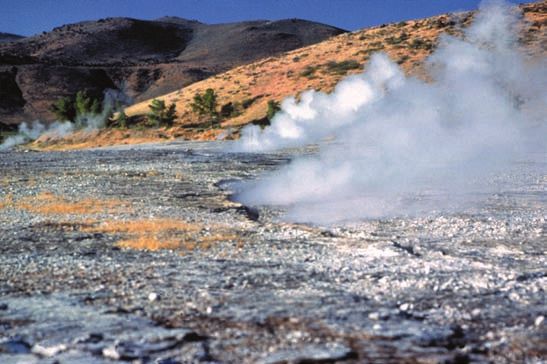
As charged by Secretary Abraham, the Office of Energy Efficiency
    and Renewable Energy provides national leadership to revolutionize
   energy efficiency and renewable energy technologies, to leapfrog the
             status quo, and to pursue dramatic environmental benefits.

     The Geothermal Technologies Program, a critical part of our overall
        effort, is making great strides toward increasing the viability and
          deployment of geothermal heat and power. The peer reviewed,
      focused R&D and supporting outreach activities conducted by this
           program will enable broad expansion of the use of geothermal
        resources throughout the western United States. Through federal
     leadership and partnership with states, communities, industry, and
    universities, we will ensure that geothermal energy is established as
      an economically competitive contributor to the U.S. energy supply.
         Our program’s success will mean a stronger economy, a cleaner
            environment, and a more secure energy future for our nation.

                       “Pursuing a prosperous future
                     where energy is clean, abundant,
                          reliable, and affordable....”

                                 David K. Garman
                               Assistant Secretary
          Energy Efficiency and Renewable Energy

Cover image: People enjoy the geothermal, hot spring pools in Yellowstone National Park, Wyoming.
                                                                          PIX 03698 Warren Gretz, NREL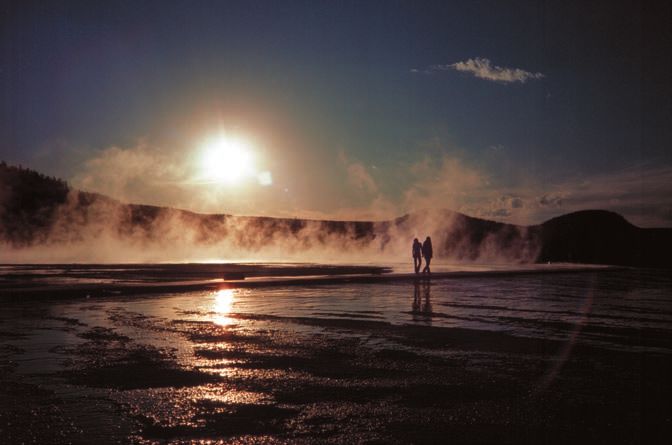
About Geothermal Energy

T
      he geothermal energy potential beneath our feet is vast. This tremendous resource amounts to
      50,000 times the energy of all oil and gas resources in the world. And geothermal energy is clean;
      it represents a promising solution for the nation and the world as we become ever more concerned
about global warming, pollution, and rising fossil energy prices. Furthermore, increased development of
geothermal energy gives people the potential to gain better control of their own local energy resources and
use a secure, safe, domestic source of energy.
There are three primary ways we can use geothermal energy: for electricity production, for direct-use
applications, and for heating and cooling buildings with geothermal heat pumps.
Electricity Production
Electricity production using geothermal energy is based on conventional steam turbine and generator
equipment, in which expanding steam powers the turbine/generator to produce electricity. Geothermal
energy is tapped by drilling wells into the reservoirs and piping the hot water or steam into a power plant
for electricity production. The type of power plant depends on a reservoir’s temperature, pressure, and fluid
content. There are three types of geothermal power plants: dry-steam, flashed-steam, and binary-cycle
(see Figure 1 on page 2 for more information).
Direct Use
Hot water from geothermal resources can be used to provide heat for industrial processes, greenhouses,
crop drying, heating buildings, or even melting snow on sidewalks and bridges. This is called “direct use.”
A well is drilled into a geothermal reservoir to provide a steady stream of hot water. The water is brought up
through the well, and a mechanical system—piping and pumps, a heat exchanger, and controls—delivers
the heat directly for its intended use.
Geothermal Heat Pumps
Geothermal heat pumps (GHPs) use the shallow ground—which maintains a nearly constant temperature
between 50° and 60°F (10°–16°C)—as an energy storage device. GHPs transfer heat from a building to
the ground during the cooling season, and transfer heat from the ground into a building during the heating
season. GHPs marketed today also can provide hot water.
A Buried Treasure of Environmental, Economic, and Employment Benefits
Together, all of these geothermal technologies are a winning combination for cleanly meeting our country’s
energy needs. Many U.S. communities and individuals benefit environmentally from using geothermal
energy. And geothermal energy resources are domestic resources. Keeping the wealth at home translates to
more jobs and a more robust economy.
This publication further explores the environmental, economic, and employment benefits of geothermal
electricity production and geothermal direct-use.

                                                 Contents
            2   Environmental Benefits and Impacts of Geothermal Energy
                                          Geothermal Power Plants
                                             Meeting Clean Air Standards
                              Minimizing Solid Waste and Recovering/Recycling Minerals
                                 Meeting Water Quality and Conservation Standards
                                          Minimizing Land Use and Impact
                                   Geothermal Direct-Use Applications

  10 Economic and Employment Benefits and Impacts of Geothermal Energy
                                              Economic Impacts
                                   Economic Impact of Geothermal Greenhousing
                                            Employment Benefits
                                California Job Growth from Geothermal Development

                                           14 References

                                                                                                                 1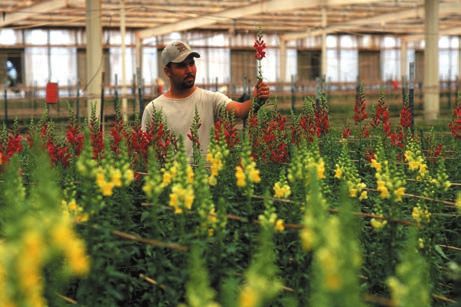
Environmental Benefits
    and Impacts of
    Geothermal Energy

    A    ll energy development and production
         impacts the environment to some
    degree. But the use of geothermal energy
                                                   Figure 1. Types of Geothermal Power Plants
                                                    Dry-steam power plants
    can greatly minimize these impacts,             draw from underground reservoirs
    resulting in environmental benefits for         of steam. The steam is piped directly
    many states and local communities with          from wells to the power plant, where
    growing energy needs.                           it enters a turbine. The steam turns
                                                    the turbine, which turns a generator.
    Geothermal energy is clean, sustainable         The steam is then condensed and
    energy. Also, most geothermal energy            injected back into the reservoir
    development postdates the passage of            via another well. First used in Italy
    the National Environmental Policy Act           in 1904, dry steam is still very
    in 1970. Therefore, the geothermal              effective. The Geysers in northern
    industry has grown up in an age of higher       California, the world’s largest single
    environmental awareness. As a result, the       source of geothermal power, uses
    use of geothermal energy helps keep our         dry steam.
    air and water clean. Its use also greatly
    minimizes the amount of resulting solid         Flashed-steam power plants
    waste and land required for energy              tap into reservoirs of water with
    production. The U.S. Department of              temperatures greater than 360°F
    Energy (DOE) works closely with its             (182°C). This very hot water flows
    geothermal industry partners to further         up through wells under its own
    reduce any environmental impacts from           pressure. As it flows to the surface,
    geothermal operations—from power                the fluid pressure decreases and
    plants and direct-use applications.             some of the hot water boils or
                                                    “flashes” into steam. The steam is
    Geothermal Power Plants                         then separated from the water and
    Power plants operating in the United            used to power a turbine/generator
    States have to meet many federal, state,        unit. The remaining water and
                                                    condensed steam are injected
    and local environmental standards and
                                                    through a well back into the reservoir.
    regulations, such as the Clean Air Act.
    Local communities have shown that use
    of their geothermal resources to generate       Binary-cycle power plants
    electricity can easily meet or surpass these    operate with water at lower
    standards and regulations (see The Award-       temperatures of about 225° to 360°F
    Winning Environmental Performance of            (107° to 182°C). These plants use
    Geothermal Power in California on page 6).      heat from the geothermal water
                                                    to boil a working fluid, usually an
    Meeting Clean Air Standards                     organic compound with a lower
    Geothermal power plants can meet the            boiling point. The working fluid
    most stringent clean air standards. They        is vaporized in a heat exchanger
    emit little carbon dioxide, very low            and the vapor turns a turbine. The
    amounts of sulfur dioxide, and no nitrogen      water is then injected back into the
    oxides (see Charts 2 and 3 on page 4).          ground to be reheated. The water
    To put this in perspective, electricity         and the working fluid are confined
    produced from U.S. geothermal resources         in separate closed loops during the
    annually offsets the emission of 4.1            process, so there are little or no air
    million metric tons of carbon dioxide,          emissions.
    200,000 tons of sulfur dioxide, 80,000
    tons of nitrogen oxides, and 110,000
    tons of particulate matter compared to
    conventional coal-fired plants.

2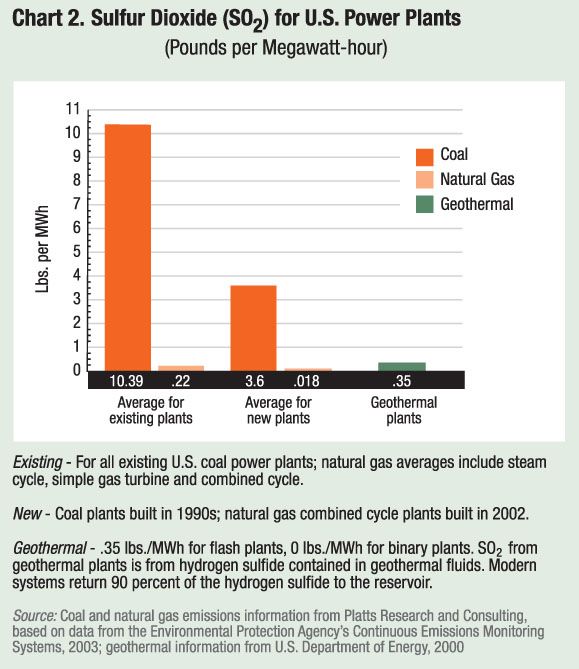
The small quantities of gases emitted
PIX 07658, Joel Renner, INEEL
from geothermal power plants aren’t
created during power production (there’s
no combustion) but are natural, minor
constituents of all geothermal reservoirs.
These gases eventually would vent to the
atmosphere without geothermal power
development, although at much slower
rates. Dry-steam and flashed-steam plants
emit mostly water vapor. Binary-cycle
power plants emit virtually no gases
because they operate using a closed-loop
system. See Figure 1 on page 2 for more
information on how these types of plants
operate.
When geothermal power plants do emit
gases, it’s mostly carbon dioxide, which
isn’t a pollutant but a greenhouse gas. But
geothermal power plants emit much less
carbon dioxide than fossil fuel power
plants. See Chart 1.
Also, the common practice by geothermal
power plants to inject geothermal fluids
back into reservoirs to sustain resources
has diminished their carbon dioxide
emissions. Carbon dioxide emissions
from the Dixie Valley geothermal “flashed-
This geothermal steam power plant in Steamboat Springs, Nevada, emits mostly water vapor.
steam” power plant in Nevada decreased
from 0.152 pounds per kilowatt-hour
(kWh) in 1988 when it didn’t use this
practice to 0.093 pounds per kWh in 1992
when it did. That’s a 39 percent reduction.
The Coso Operating Company in
California has experimented with injecting
carbon dioxide back into geothermal
injection wells—another practice that may
hold some promise for preventing carbon
dioxide emissions altogether from dry-
steam and flash-steam plants.
There currently aren’t any federal carbon
dioxide emission limits. However,
geothermal power plants help support
the Bush Administration’s 2001 National
Climate Change Technology Initiative,
which was established to strengthen
technology research and development
(R&D) related to climate change. The
initiative included tax incentives for the
use of renewable energy in buildings and
for electricity generation.
Gases released from geothermal fluids
may also include hydrogen sulfide, which
causes the characteristic sulfurous odor
often evident near natural hot springs. But
typical emissions of hydrogen sulfide from
geothermal plants are less than 1 part per
billion—well below what people can smell.
3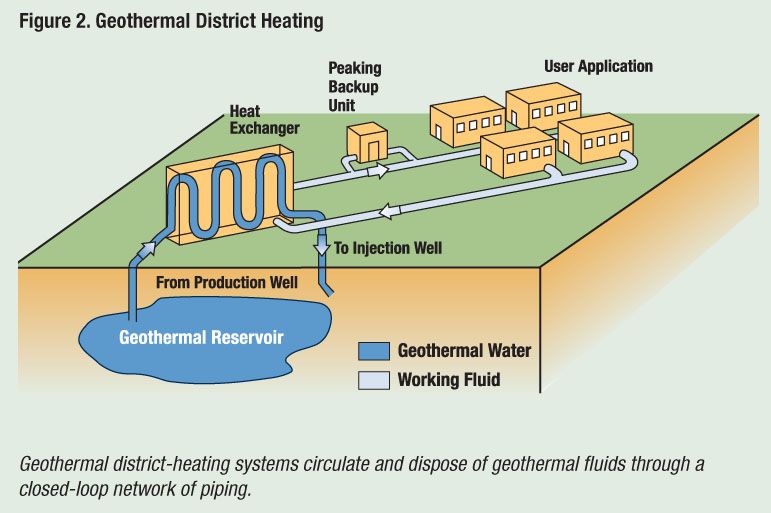
In fact, most geothermal power plants
    produce such low concentrations of
    hydrogen sulfide that they require no
    special controls to comply with most state
    and federal emission standards. At The
    Geysers in California, the steam contains
    up to 0.15 percent hydrogen sulfide by
    weight, but treatment processes remove
    more than 99.9 percent of emissions.

    As a result of the efficiency of the
    hydrogen sulfide treatment processes
    at The Geysers, Lake County became
    the first and only county in compliance
    with California’s stringent air quality
    regulations in 1990. The State of
    California has also honored Pacific Gas
    & Electric Company (initial owner) and
    Calpine Corporation (present owner)
    for pollution prevention at The Geysers
    (see The Award-Winning Environmental
    Performance of Geothermal Power in
    California on page 6).

    DOE laboratories continue to investigate
    even more efficient processes for detecting
    and treating gases and particulate
    matter produced by geothermal plants.
    The Idaho National Engineering and
    Environmental Laboratory has developed
    a new monitoring system that uses laser
    technology for the real-time detection of
    gases and particulates in process streams.
    The system can measure hydrogen sulfide
    levels at the part per million (ppm)
    level, and it may also help warn about
    equipment corrosion.

    Minimizing Solid Waste and
    Recovering/Recycling Minerals
    Although many geothermal plants
    generate no appreciable solid waste, the
    unique characteristics of some geothermal
    fluids require special attention to handle
    entrained solid byproducts. Interestingly,
    these solid byproducts often contain
    valuable minerals that can be recovered
    and recycled for other industrial uses.

    At the Salton Sea plants in southern
    California, the mineralized geothermal
    brine contains enough corrosive salts and
    heavy metals to require special disposal.
    To remove the heavy metals, the plants
    dewater the waste stream. The salts are
    crystallized and removed. The remaining
    solids contain mostly silica, which
    is removed for use as a valuable raw
    material in several industrial processes.

4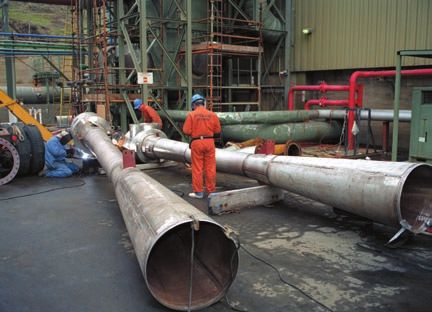
Valuable minerals and metals can even Minimizing Land Use and Impact
PIX 08996, Geothermal Resources Council
be recovered via the hydrogen sulfide The western United States not only features
treatment systems at The Geysers in some of the most beautiful scenery—from
northern California. One system converts snow-capped mountain ranges to desert
the hydrogen sulfide into elemental sulfur, sunsets and ocean views—but also the
which is recycled for use as a feedstock for country’s greatest potential for geothermal
sulfuric acid production. power. And geothermal power plants are
compatible with these scenic, fragile areas.
Meeting Water Quality and
Geothermal power plants have small
Conservation Standards
footprints; that is, they require little land
U.S. geothermal power plants use cooling
compared to coal and nuclear power plants.
towers or air-cooled condensers to reject
An entire geothermal field uses 1-8 acres
waste heat into the atmosphere. Therefore,
per megawatt (MW) versus 5-10 acres per
they, unlike most fossil fuel and nuclear
MW for nuclear operations and 19 acres
power plants, dump no waste heat into
per MW for coal. Coal power plants also
rivers or surface water. Waste heat disposal
require huge acreages for mining their
can disrupt biota—such as algae and fish—
fuel. These mining operations can involve
in local water bodies.
the large-scale movement of earth for
construction of underground mine shafts
Technology for the safe, nonpolluting
and tunnels, waste heaps, and/or open
use of geothermal fluids has been
pits. In areas disturbed by open pit mining,
carefully developed and rigorously tested.
plants have a difficult time participating in
Geothermal production and injection The Salton Sea’s geothermal resource not only the carbon cycle and evapotranspiration,
wells are lined with steel or titanium
produces electricity in southern California but which replenishes water in the atmosphere.
casing and cement to isolate fluids from
also silica—a raw material used in several Adequate remediation of strip-mined areas
the environment, including groundwater.
industrial processes—which is recycled from can be expensive too.
Repeated examination—using sonic
logging instruments and videography— its solid waste. A typical geothermal power plant requires
of the casing and cement ensures that no wells, and drilling them impacts the land.
leakage occurs. Spent geothermal fluids However, advanced directional or slant
PIX 01044, David Parsons, NREL
are then injected back into the reservoirs drilling technology has evolved, which
from which they were drawn. This solves minimizes the impact. This drilling
the fluid disposal problem, and it prolongs technology allows several wells to be
the use of the geothermal reservoirs drilled from one location, reducing the
because it replenishes fluids. amount of land needed for drilling pads,
access roads, and geothermal fluid piping.
The Lake County Sanitation District in For geothermal exploration, slimhole
northern California found that injecting drilling—developed by DOE’s Sandia
effluent from its wastewater treatment National Laboratories—can be used to
facility into several wells connected to minimize environmental impact. Slimhole
The Geysers geothermal reservoir was wells are only 4” to 6” in diameter while
environmentally superior to conventional traditional geothermal exploration wells
surface disposal methods, such as surface are 8” to 12” in diameter. Slimhole drilling
water discharge or land irrigation. Rising also reduces the amount of land needed for
production shows that this effluent site preparation and road construction.
injection also helps replenish the steam
resource at The Geysers, which was Land subsidence can occur following
diminishing prior to this process. In the withdrawal of large amounts of
addition, it has reduced the amounts of Geothermal power plants use cooling towers, fluid—water, oil, and even geothermal
noncondensable gases, including hydrogen like these at The Geysers, to safely reject fluid—from beneath the earth’s surface.
sulfide, in the steam. The recycling of waste heat into the atmosphere. The common practice by geothermal power
wastewater for extending the life of the plants to inject spent geothermal fluids
geothermal reservoir helps conserve water back into reservoirs to sustain resources
resources in this arid region too. continue to work on ways to improve the helps prevent subsidence from occurring.
efficiency of air-cooled condensers. The
To conserve water, especially in arid low profiles of air-cooled plants also blend Induced seismicity or earthquake activity
regions, geothermal power plants can use in well with scenic areas (see the Hawaii becomes a concern when large amounts
air instead of water to condense spent Puna photo on page 6). of geothermal fluids are withdrawn and
steam/turbine exhaust fluid for injection injected below the earth’s surface,
back into the reservoir. DOE researchers
5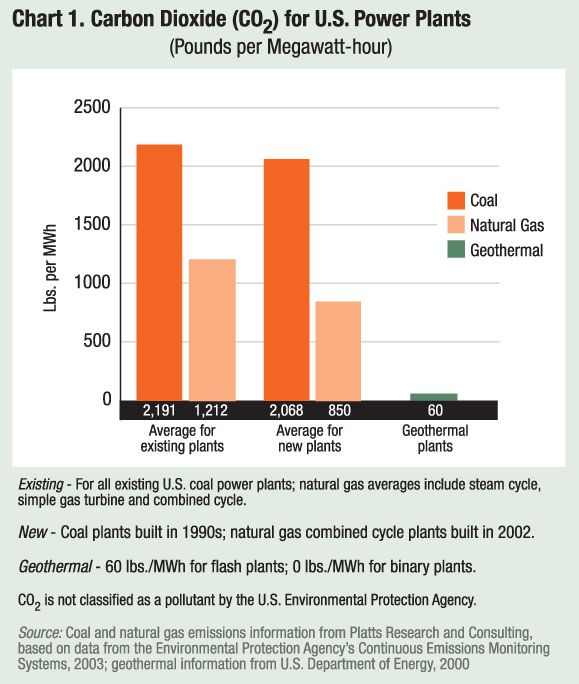
especially in areas with a high frequency

                                                                                                                                                                                Geothermal Education Office
    of naturally occurring seismic events. If
    induced seismicity occurs, it’s typically
    less than magnitude 2.5 on the Richter
    scale (earthquakes usually aren’t felt
    below 3.5). Recently, some areas
    near The Geysers geothermal field
    in California have been experiencing
    increased seismic activity. There’s concern
    that it could be due to the wastewater
    injection—which has helped replenish
    the geothermal resource—from the Lake
    County Sanitation District. DOE, the U.S.
    Geologic Survey, and the geothermal
    power companies at The Geysers are
    monitoring this activity.                            This 30-MW, air-cooled geothermal power plant on the Big Island of Hawaii (Puna) blends in
                                                         well with the natural landscape.
    Because of their minimal land use and
    impact, geothermal power plants blend in             than 400 MW of electricity within one            even noticing the geothermal power plant
    harmoniously with a variety of other land            of the most productive agricultural areas        in the area, which was designed to blend
    uses. For example, once the power plant              in the world. One of these plants—at             into the landscape. In areas with natural
    and associated wells are completed, the              the southern end of the Salton Sea—is            hot springs and steam vents, proper siting
    land can be used for livestock grazing or            neighbor to a national wildlife refuge           of injection and production wells can
    other agricultural purposes. The Imperial            that shelters hundreds of animal species.        minimize any impact to these scenic and
    Valley of southern California hosts 15               Visitors to Mammoth Lakes, California,           recreational attractions.
    geothermal power plants producing more               enjoy many outdoor activities without

    The Award-Winning Environmental Performance of Geothermal Power in California
    For more than a decade now,                                                                                                                 2002 – 2003

                                                                                                                         Mammoth Pacific L.P.
    three power companies and                                                                                                                   Calpine Corporation—for
    one community in California                                                                                                                 its geothermal operations
    have received awards for their
                                                                                                                                                at The Geysers—received
    outstanding environmental
                                                                                                                                                environmental and safety
    performance from the use of
    geothermal power. Here’s a                                                                                                                  performance awards from
    timeline of their award-winning                                                                                                             the California Department of
    performance, which can be                                                                                                                   Conservation, which praised
    expected to continue for many                                                                                                               the company for air quality
    decades to come.                                                                                                                            improvement and pollution
                                                                                                                                                prevention.
    1990
    Pacific Gas & Electric Company                                                                                                              2003
    received California’s first Air                                                                                                             Mammoth Pacific, for its
    Pollution Reduction Award for                                                                                                               Mono County geothermal
    minimizing hydrogen sulfide                                                                                                                 facilities, received the
    emissions at The Geysers.                                                                                                                   Governor’s Environmental and
                                           Mammoth Pacific was honored as a recipient of the 2003 Governor’s                                    Economic Leadership Award,
    1990 – 2004
                                           Environmental and Economic Leadership Award in California. Shown here                                which recognizes the use of
    Lake County—home to five of
    The Geysers power plants—has           from left to right: actor Beau Bridges, Secretary for Resources Agency Mike                          innovative technologies to
    been the only California air           Chrisman, Larry Nickerson and Bob Sullivan of Mammoth Pacific, Governor                              improve environmental quality
    district to attain all state ambient   Arnold Scharzenegger, Cal/EPA Secretary Terry Tamminen, and Department of                            and protect public health and
    air quality standards for more         Food & Agriculture Secretary A.G. Kawamura.                                                          safety.
    than a decade.
    1991                                                 2000 – 2004                                      2004
    The California State Assembly passed a               For four consecutive years, Mammoth Pacific      For its geothermal operations at The Geysers,
    resolution commending Mammoth Pacific on             has received from the California Department      Calpine Corporation received the Clean Air
    the start-up of two of its geothermal power          of Conservation an award for its outstanding     Award for Technology Development from the
    facilities in Mono County, recognizing its use       environmental record at its Mono County          American Lung Associations of the Bay Area.
    of clean energy without “environmentally             geothermal facilities.
    damaging emissions.”

6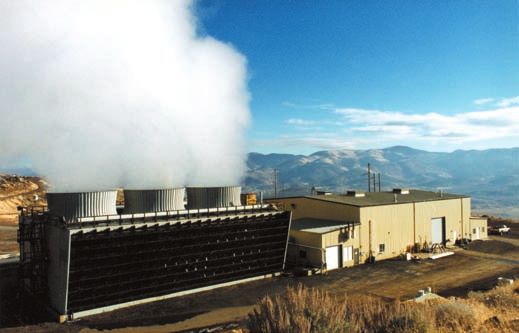
Table 1. Primary Federal Environmental Regulations Governing Geothermal Energy Development

  Laws & Regulations                         Air      Surface       Geothermal          Solid          Liquid        Noise       Subsidence/          Cultural         Biological
                                                       Water          Fluids            Waste          Waste                      Seismicity         Resources         Resources
  Federal Water Pollution                                 X                                               X
  Control Act (NPDES)
  Safe Drinking Water Act                                                  X                              X
  (Underground Injection
  Control Regulations)
  Clean Air Act                               X
  Resource Conservation and                                                                X              X
  Recovery Act (RCRA)
  Toxic Substance Control Act                                                              X              X
  National Environmental Policy               X           X                X               X              X             X               X                  X               X
  Act (NEPA)
  Noise Control Act                                                                                                     X
  Geothermal Resource                         X           X                X               X              X             X               X                  X               X
  Operational Order #4
  Occupational Safety & Health                X                            X               X              X             X
  Act (OSHA)
  Endangered Species Act                                                                                                                                                   X
Source: Lunis, B.; Breckenridge, R; and McClenahan Hietter, L. “Environmental Considerations,” Chapter 19. Lund, J. ed. et al. Geothermal Direct-Use Engineering and
Design Guidebook. 3rd edition. Geo-Heat Center, Oregon Institute of Technology, 1998. p. 444.

Geothermal Direct-Use                                          Geothermal fluids vary from resource to                         emissions-free systems. See Figure 2 for
                                                               resource, but the low- to mid-temperature                       an example of how such a system works.
Applications
                                                               geothermal fluids used for direct-use
Most geothermal direct-use applications                        typically contain lower levels of gases                        The carbon dioxide found in geothermal
impact the environment to a lesser degree                      than the higher temperature fluids used                        fluids could prove beneficial to direct-use
than large-scale, geothermal power plants.                     for power production. Today, most                              greenhouse applications. Carbon dioxide
This can benefit states, local communities,                    geothermal direct-use applications                             is a very effective growth stimulant
agribusinesses, and other industries that                      circulate these fluids through closed-loop,                    for plants. Studies have shown that an
need these resources.                                                                                                         increase in carbon dioxide from a normal
                                                                                                                              level of 300 ppm to approximately 1,000
                                                                                                                              ppm can raise crop yields up to 15 percent.
                                                                                                                              Therefore, some researchers suggest that
                                                                                                                              geothermal greenhouse heating systems
                                                                                                                              could utilize the carbon dioxide present
                                                                                                                              in the fluids if they find a way to remove
                                                                                                                              any hydrogen sulfide, which can damage
                                                                                                                              plants. Most geothermal fluids usually
                                                                                                                              contain low, non-hazardous levels of
                                                                                                                              hydrogen sulfide.

                                                                                                                                                                                    7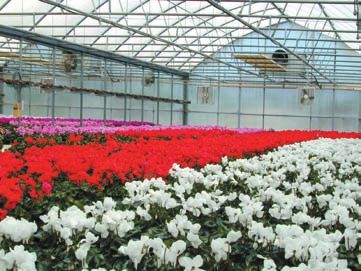
To further isolate geothermal fluids

                                                                                                                                                                                  PIX 13098 Bruce Green, NREL
    from the environment, production and
    injection wells in direct-use systems are
    lined with cement and steel, fiberglass,
    or thermoplastics. The method chosen
    for disposing of the spent geothermal
    fluids depends on the quality of the
    fluids, local hydrological conditions,
    and environmental regulations. In some
    instances, these fluids, once cooled, can
    be safely discharged to surface water.
    However, if they contain levels of certain
    chemical constituents—such as boron,
    fluoride, and total dissolved solids—
    above required environmental standards,
    the direct-use systems treat them, inject
    them, or both.

    In general, the total dissolved-solids
    content increases with the temperature
    of the geothermal fluids. Therefore, the
    geothermal fluids used for direct-use
    applications typically contain less than                    Someday, geothermally heated greenhouses, like this one in Idaho, may be able to use the
    those used for geothermal power, but more                   carbon dioxide found in geothermal fluids as a growth stimulant.
    than most cold-water sources. Geothermal
    fluids used for direct-use applications                     any more solid waste than those that use                      they can generate additional income
    contain between 400 to 3,000 ppm of                         other energy resources. Actually, a few                       as local tourist attractions.
    total dissolved solids. Most drinking-                      geothermal aquaculture operations have
    water standards limit the amount of total                   discovered an environmentally friendly                        Geothermally heated livestock
    dissolved solids at 1,000 ppm primarily                     way to dispose of the byproducts from                         facilities make waste management
    for taste, not health considerations.                       fish processing activities—alligators.                        and collection easier for farmers and
                                                                Alligators thrive in geothermally heated                      ranchers. The geothermal water can
    Aquaculture and horticulture businesses,                    waters in unexpected climates and areas,                      be used directly for cleaning and
    and other industries that use geothermal                    such as Idaho and Colorado. And in colder                     sanitizing these facilities, as well as
    direct-use systems typically don’t generate                 climates, where alligators are rarely seen,                   drying the waste.

    Table 2. Probability and Severity of Potential Environmental Impacts from Geothermal Direct-Use Projects
     Impact                                      Probability of Occurring             Severity of Consequence                            Duration of Impact
     Air quality emissions                       low                                  medium                                             short-term
     Surface water discharge                     medium                               low to medium                                      short-term to long-term
     Underground contamination                   low                                  medium                                             long-term
     Land subsidence                             low                                  low to medium                                      long-term
     High noise levels                           high                                 medium to high                                     short-term
     Well blowouts                               low                                  low to medium                                      short-term
     Conflicts with cultural and                 low to medium                        medium to high                                     short-term to long-term
     archeological features
     Social economic problems                    low                                  low                                                short-term
     Chemical or thermal                         medium                               medium to high                                     short-term to long-term
     contamination
     Solid waste disposal                        medium                               medium to high                                     short-term
    Source: Lunis, B.; Breckenridge, R; and McClenahan Hietter, L. “Environmental Considerations,” Chapter 19. Lund, J. ed. et al. Geothermal Direct-Use Engineering and Design
    Guidebook. 3rd edition. Geo-Heat Center, Oregon Institute of Technology, 1998. p. 443.

8
PIX 07215 Sierra Pacific
Geothermal power production in Steamboat Springs, Nevada, doesn’t impact the natural beauty of these hot springs in the nearby area.
With direct-use applications, land amounts of fluid compared to geothermal
PIX 05871 Warren Gretz, NREL
use issues usually only arise during power plants, induced seismicity really
exploration and development when isn’t much of an issue either.
geothermal reservoirs are located in or
near heavily urbanized areas, critical
Conclusion
Where geothermal resources are available,
habitat areas, or intensive agricultural
everyone—from power companies,
areas. Typically, these issues can be
agribusinesses, and industry, to states,
resolved through proper land use and
local communities, and individuals—can
environmental planning. Most direct-
benefit environmentally from using
use geothermal wells are drilled using
geothermal energy. Because geothermal
conventional water-well technology and
energy is an inherently clean form of
equipment, which have even less impact
energy (with no combustion), it’s easier
than even the drilling technologies
to meet environmental standards and
used for geothermal power plants. And
regulations when used. This makes using
buildings designed for direct-use space
geothermal energy—whether for electricity
heating systems may actually require less
or heat—an attractive alternative to some
land because there’s no need to construct
other forms of energy. And many may find
space for conventional heating equipment
These alligators at a high-altitude, 8,200' that the environmental benefits of using
(e.g., boilers and gas vents).
fish farm in Colorado thrive in geothermally geothermal energy also extend to reaping
heated waters and on byproducts from fish economic and employment benefits for
Like geothermal power plants, injection
processing activities, reducing solid waste their communities and the nation as a
can be used for direct-use applications not
disposal. whole.
only to maintain the reservoir, but also to
prevent land subsidence. However, few,
if any, direct-use applications require the
removal of enough fluid that could result
in subsidence. Also, because direct-use
applications withdraw and inject small
9Economic Impacts and
PIX 01125 David Parsons, NREL
Employment Benefits
E conomic development and
employment benefits are interrelated.
When geothermal power plants are
planned and built, expenditures are made
for services and equipment, as well as for
taxes and royalties. These expenditures
stimulate the creation of additional
indirect jobs, more economic activity, and
increased tax revenues. Ultimately, this
reduces the burden on individual taxpayers
in the community.
The geothermal power industry provides a
wide range of employment opportunities
(see Job Types and Industry Profiles on
page 13)—from exploration and drilling
jobs; to high-tech manufacturing of
generator, turbine, and power conditioning
components; to maintenance jobs at
geothermal power plants. Through the
economic multiplier effect (see The
Multiplier Effect on page 11), wages and Workers install new piping at one of the geothermal power plants at The Geysers in northern
salaries earned by industry employees California.
generate additional income and jobs in
the local and regional economy. decrease the trade deficit further and federal lands in Nevada—half of these
contribute to domestic economic health. revenues are returned to the state.
Geothermal energy production in the During the next 20 years, foreign countries
United States is a $1.5-billion-dollar- are expected to spend $25 to $40 billion Economic Impact of
per-year industry. In 1996, the U.S. constructing geothermal power plants. Geothermal Greenhousing
geothermal energy industry as a whole Noteworthy economic growth in New
provided approximately 12,300 direct and Numerous states throughout the United Mexico has occurred during the last 10
an additional 27,700 indirect jobs. The States are now seeking to expand their years as a result of the geothermal energy
domestic electric generation part of the use of geothermal energy and to realize program at the Southwest Technology
industry employed about 10,000 people the various benefits, such as energy Development Institute at New Mexico
to install and operate geothermal power supply diversity, expansion, reliability, State University (NMSU). New Mexico
plants in the United States and abroad, environmental attractiveness, and has taken the nation’s lead in geothermally
including power plant construction and economic development. Some states have heated acreage of greenhouses with more
related activities such as exploration and been quick to recognize that, in many than half of the state’s acreage now heated
drilling. This same industry indirectly instances, money spent on energy leaves with geothermal energy.
employed about 20,000. the community, going to outside utilities
or energy suppliers. That same money New Mexico appeals to the greenhouse
Economic Impacts is no longer available to foster local industry for several reasons, including
One of the most important economic economic activity. a good climate, inexpensive land, a
aspects of geothermal energy is that it is trained agricultural labor force, and the
generated using indigenous resources, Nevada’s geothermal plants produce about availability of relatively inexpensive
which reduces our nation’s dependence on 240 MW of electricity, which saves energy geothermal heat. Clients of the NMSU
imported energy, thereby reducing trade imports equivalent to about 800,000 incubator greenhouse have built about 28
deficits. Reducing trade deficits keeps tons of coal or 3 million barrels of oil acres of greenhouses, which have created
wealth at home and promotes healthier each year. In addition, state governments about 250 jobs with an estimated payroll
economies. Nearly half of the U.S. annual receive tax revenue. In 1993, Nevada’s of $3.7 million per year and estimated
trade deficit would be erased if imported geothermal power plants paid $800,000 sales of $13.4 million. The largest
oil were displaced with domestic energy in county taxes and $1.7 million in geothermal greenhouse in the nation is
resources. In addition, there is a huge property taxes. The U.S. Bureau of Land the Burgett Geothermal Greenhouse near
international market for geothermal Management collects nearly $20 million Animas in southwestern New Mexico.
energy-related equipment manufactured each year in rent and royalties from This 32-acre facility produces high-quality
domestically, with the potential to geothermal plants producing power on cut roses that are widely marketed.
10PIX 113011 Robb Williamson
The Multiplier Effect:
A Little Goes a Long Way
The multiplier effect is sometimes
called the ripple effect, because a
single expenditure in an economy
can have repercussions throughout
the entire economy, much like ripples
spreading across a pond. The multiplier
is a measure of how much additional
economic activity is generated from an
initial expenditure.
For example, a dollar spent on
consumer goods in a local store might
generate $2.00 of economic activity in
the local economy. This occurs as the
dollar is re-spent; the store pays its
employees, who purchase more goods,
all with the same original dollar.
In cases such as the purchase of
foreign petroleum products, the
multiplier effect shifts away from our
domestic economy, and the benefits
The Masson Radium Springs Farm geothermal greenhouses are located on private land in are realized elsewhere. Use of
southern New Mexico. domestic energy resources such as
geothermal will retain the economic
New Mexico has a total of 50 acres Development, California State University benefit of the multiplier effect here at
of greenhouses that are heated with (Chico), prepared an economic impact home.
geothermal energy. This represents a analysis of these geothermal development The multiplier effect causes different
payroll of more than $5.6 million and projects. The study concludes that the types of economic benefits as a result
sales of $20.6 million. Nearly all of the total impact on real (inflation adjusted) of investments in geothermal energy
greenhouse sales are made to out-of-state business revenue in Siskiyou, Modoc, technologies:
buyers. In addition, the greenhouses pay and Shasta counties in California and
royalties for geothermal production. Klamath County in Oregon is an increase Direct effects – These are on-
of almost $114 million over the projected site jobs and income created as the
Altogether, the projected near-term new 30-year life span of the project. On an result of the initial investment; the
greenhouse acreage and business start-ups annual basis, local income will increase people who perform site drilling, or
represent a capital investment of more by $3.8 million annually as a result of assemble generators and turbines at a
than $21.5 million with sales of nearly construction and operation of the new manufacturing plant, for example.
$26.1 million. Nearly 500 new jobs are energy infrastructure.
the result. Annual energy savings to the Indirect effects – These are
greenhouse operators using geothermal Dr. Gallo assessed revenue impacts in two additional jobs and economic activity
energy approaches $1 million. With stages. The local revenues (first stage) involved in supplying goods and
continued growth, other suppliers and directly generated by geothermal energy services related to the primary activity;
market brokers may move their operations development were allocated to Siskiyou for example, workers who manufacture
and warehouses to New Mexico, adding to County. This part of the analysis includes drilling bits and related supplies.
the revenue stream of the state economy. the county share of federal royalties and
Almost all growth will occur in rural areas property taxes paid to the county general Induced effects – This is
where economic development initiatives fund on the value of the plant. employment and other economic
are frequently overlooked. activity generated by the re-spending
In addition, indirect business taxes (second of wages earned by those directly
Case Study – Fourmile Hill and stage) accrue as a result of the increased and indirectly employed in the
Telephone Flat Economic Impacts regional spending. Those taxes include industry; jobs created by drilling bit
Calpine Corporation has proposed property taxes, sales tax revenues, motor manufacturing-plant workers spending
building two new geothermal power plants vehicle in-lieu fees, and other state and their wages at the local grocery store,
in Siskiyou County located in northern federal taxes (including income, social for example.
California. In June 2002, Professor David security, and profit taxes) that, in part,
E. Gallo of the Center for Economic are returned to the counties.
11could serve as a considerable plants themselves —plus 15,500 jobs
PIX 13023 Robb Williamson
economic stimulus, particularly associated with O&M equipment and
for a region with nearly services—for a total 765,000 person-years
double the national average of O&M employment over the 30-year
unemployment.” period.
Impacts – When both power Table 3 provides estimates of job creation
plants are considered, the from geothermal power development
total impact on real income based on existing and planned projects
in the four-county region is in California, and the market outlook
a $113,925,512 gain, and of project developers and equipment
the yearly average gain is manufacturers. Natural gas is included
Workers process commercially raised roses at a $3,797,517. Local government in Table 3 because the bulk of new
geothermally heated greenhouse nursery in New Mexico. revenues for the four-county nonrenewable generation is expected to
region increase to a total of rely upon natural gas. Table 3 indicates
$3,030,276 for a 30-year period that geothermal power generation yields
(assumed plant lifetime). significantly more jobs per MW of
PIX 03703 Geo-Heat Center, OIT installed capacity than do natural gas
Employment Benefits plants.
A 1994 analysis estimates
a multiplier effect (see The Another economic impact analysis of
geothermal power plant construction
Multiplier Effect on page 11)
showed job creation of 26 jobs per
of 2.5 for U.S. geothermal
MW of power plant capacity. A 50-
investment; that is, one dollar
MW geothermal power plant would
of investment in a geothermal
create about 1,300 jobs, based on this
venture produces $2.50 in analysis. In other words, for every MW
economic activity through of geothermal power plant construction,
spending in supplier industries 26 direct, indirect, and induced jobs are
Workers assemble new growing beds for a geothermally
and other effects. Assuming created. This compares with between 6
heated greenhouse nursery in Utah.
7,000 MW of U.S. geothermal to 8 jobs created in the construction of a
electric capacity in 2020, this natural gas power plant (i.e., combustion
same analysis calculates $14 turbine and combined cycle). O&M jobs
These tax revenues accrue to the county billion in economic activity due to direct —more desirable because they represent
in which the initial spending occurs, and investment in geothermal development, full-time jobs for the duration of plant
are allocated to the broader four-county plus another $20 billion in indirect service—were about 1.88 jobs per MW
regional economy. All of these economic activity. The total $34 billion in economic of geothermal plant capacity. Natural gas
facets of geothermal development activity translates to 680,000 person- power plants showed figures of 0.21 to
continue to ripple through the local and years of employment from 1994 to 2020 0.45 per MW for O&M jobs.
regional economy. (based on an annual salary plus overhead
of $50,000 in 1994 dollars) for these jobs. California Job Growth from
As outlined in the report, “Under the two In addition, operating and maintaining Geothermal Development
power plant scenario, Siskiyou County (O&M) the 7,000 MW of capacity over California’s new Renewables Portfolio
alone will gain more than $1 million each plant’s 30-year lifetime will generate Standard (RPS) is expected to create very
annually in property tax and royalty $525 million in economic activity. This substantial growth in economic activity
revenues,” said Gallo. “These projects equals 10,500 jobs associated with the and job creation within the geothermal
industry. The RPS is presently set at 20
percent renewables by 2017. If California
Table 3. Comparative Job Creation energy companies satisfy 50 percent of
RPS-required renewable energy growth
Power Source Construction O&M Employment Total Employment for 500
with geothermal energy, they will develop
Employment (jobs/MW) MW Capacity
1,680 MW of geothermal power capacity
(jobs/MW) (person-years)
over the next 14 years.
Geothermal 4.0 1.7 27,050
Natural Gas 1.0 0.1 2,460 According to the Geothermal Energy
Association, California has the potential
Source: Renewable Energy and Jobs – Employment Impacts of Developing Markets for Renewables in California,
and based on California Renewable Technology Market and Benefits Assessment, Electric Power Research Institute, to boost output from existing plants in
November 2001. the near term by 300 to 600 MW, and
12can develop up to 1,000 MW at known
but undeveloped reserves at each of Job Types and
PIX 04133 Jeff Hulen
three locations—the Salton Sea, northern
California, and The Geysers area north of Industry Profiles
San Francisco—for a total of 3,600 MW When the discussion turns to job
that can be practically developed with creation, elected officials, political
today’s technology. leaders, decision-makers and
policymakers tend to listen. The
The Geothermal Resources Council lists
type of jobs created can also be an
20 California-based geothermal energy
development and service companies. important consideration. Here’s a
Three of the world’s biggest geothermal sampling of specific jobs related
power companies are located in California. to geothermal development:
These businesses should benefit from this welders; mechanics; pipefitters;
growth also. Assuming that just 30 percent plumbers; machinists; electricians;
of manufacturing activity associated with carpenters; construction and
California geothermal energy development drilling equipment operators and
occurs in-state, full realization of the excavators; surveyors, architects
targets in the California RPS would result and designers; geologists and
in the employment presented in Table 4. hydrologists; electrical, mechanical,
and structural engineers; HVAC
Table 4. California RPS-Induced
technicians; food processing
Geothermal Employment specialists; aquaculture and
Construction 800 person/ horticulture specialists; resort Workers set up a coring rig at The Geysers in
Employment for years managers; and spa developers. Northern California.
International Market
Construction 1,230 person/ Economic activity and job creation within the geothermal industry impact the
Employment for years following areas:
In-State Market
• Mechanical equipment and primary metal suppliers make casings for geothermal
Operating 59,030 person/
well shafts, drilling equipment, power plant equipment and controls, pumps, and
Employment for In- years
transport or light-construction equipment (e.g., loaders, tractors, and trucks).
State Market
TOTAL 61,060 person/ • General consultants and contractors search for geothermal resources and prepare
years simulations of resource availability and economic analysis so that developers can
Source: Renewable Energy and Jobs – Employment obtain financing.
Impacts of Developing Markets for Renewables in
California, and based on California Renewable Technology • Drilling and well services firms use resource management, geoscience, and
Market and Benefits Assessment, Electric Power stabilization technology and expertise similar to that of the petroleum industry.
Research Institute, November 2001.
Conclusion • Environmental services firms manage paperwork, permitting, well testing, water
Development and use of a domestic testing, air sampling and other tasks required for regulatory approvals.
energy resource such as geothermal energy
brings with it a multitude of economic and • Geothermal developers—under contract to a utility, government, or other entity to
employment benefits. These economic develop a project—often act as general contractors and hire other firms to do the
benefits, such as the multiplier effect, are work. This can include all facets of development, from construction site security and
greatly extended within the local domestic safety, to turnkey requirements.
economy when development of a domestic
• Power plant ownership and operations firms may be electric utilities or independent
energy resource is realized. Many of the
power producers, which require trained and certified power plant operators and
jobs created occur in rural areas where
economic development initiatives are maintenance staff.
frequently overlooked. Growth in the
energy production sector of the economy
will occur, and the character of the energy
resources developed will have significant
economic and employment repercussions
for the United States. In turn, this growth
will have a positive impact on the
environment.
13References
Environmental Benefits and Impacts Reed, M.J.; Renner, J.L. “Environmental
of Geothermal Energy Compatibility of Geothermal Energy,”
Chapter 2. Sterret, F.S. ed. Alternative
Bloomfield, K.; Moore, J.; Neilson, Jr., R. Fuels and the Environment. Boca Raton:
“Geothermal Energy Reduces Greenhouse CRC Press, 1995.
Gases,” Geothermal Resource Council
Bulletin, March/April 2003, p. 77-79. “Slimhole Geothermal Drilling.” Sandia
National Laboratories Web site,
Duffield, W.A.; Sass, J.H. Geothermal www.sandia.gov/geothermal/Programs/
Energy—Clean Power From the Earth’s slimhole.htm (14 April 2004).
Heat. U.S. Geologic Survey, 2003.
Economic Impacts and Employment
Dunstall, M.G.; Graeber, G. “Geothermal Benefits
Carbon Dioxide for Use in Greenhouses,”
Geo-Heat Bulletin, Vol. 18, p. 1-14. Clean Power for 21st Century, Dollars
from Sense: The Economic Benefits of
“Environmental and Economic Impacts of Renewable Energy. U.S. Department of
Geothermal Energy,” U.S. Department of Energy Office of Power Technologies,
Energy Geothermal Energy Program Web 1997 (www.nrel.gov/docs/legosti/fy97/
site, www.eere.energy.gov/geothermal/ 20505.pdf).
geoimpacts.html (10 March 2004).
The Economic Impact of Calpine’s
“Environmental Impacts of Geothermal Geothermal Development Projects in
Energy,” U.S. Department of Energy Siskiyou County, California. Center for
Geothermal Technologies Program Web Economic Development, California State
site, www.eere.energy.gov/geothermal/ University, June 2002 (www.csuchico.edu/
environ_impacts.html (26 May 2004). cedp/pdf/esp.calpine.pdf)
Geothermal: Clean Energy from the Earth. “Economic Impact of Geothermal
U.S. Department of Energy, October 1999. Greenhousing,” New Mexico State
University, Southwest Technology
Geothermal Direct-Use Engineering and Development Institute Web site,
Design Guidebook. 3 edition. Lund,
rd www.nmsu.edu/~tdi/Geothermal-Energy/
J.W., ed. et al. Geo-Heat Center, Oregon EconomicImpact/EconomicImpact.html
Institute of Technology, 1998. (August 2001).
Geothermal Energy: Clean Sustainable Meidav,T.; Pigott, J. “The Impact of
Energy for the Benefit of Humanity and Geothermal Energy Development on
the Environment, University of Utah, Employment,” Geothermal Resource
April 2001. Council, Transactions 18, October 1994,
pp. 55-60.
Geothermal Today: 1999 Geothermal
Energy Program Highlights. U.S. Roberts, P; et al. DynCorp, Inc.
Department of Energy, May 2000. “An Assessment of the Economic
and Employment Impacts of the
Geothermal Today: 2003 Geothermal Commercialization of Renewable
Technologies Program Highlights. U.S. Technologies in Washington/Oregon,”
Department of Energy, September 2003. Second Biomass Conference of the
Americas, Proceedings, August 21 – 24,
“Mammoth Pacific’s Award Winning 1995, pp. 1484-1493.
Facilities.” Mammoth Pacific Web
site, www.mammothpacific.com/ Renewable Energy and Jobs
awardfacilities.html (20 April 2004). – Employment Impacts of Developing
Markets for Renewables in California.
Rafferty, K.D. “Environmental Environment California Research and
Considerations for Geothermal Energy as Policy Center, July 2003 (www.environm
a Source for District Heating,” ASHRAE entcalifornia.org/reports/renewables_jobs_
Transactions, Vol. 102, Part 2, 1996, pp. 7_03.pdf).
457-460.
14KEY CONTACTS
U.S. Department of Energy (DOE)
Roy Mink, Director
Office of Geothermal Technologies
1000 Independence Avenue, SW
Washington, DC 20585
202.586.5348
www.eere.energy.gov/geothermal
DOE Golden Field Office
Jay Nathwani, Senior Geothermal Projects Manager
1617 Cole Blvd.
Golden, CO 80401-3393
303.275.4756
jay.nathwani@go.doe.gov
www.go.doe.gov
National Renewable Energy Laboratory
Gerry Nix, Manager
303.384.7566
gerald_nix@nrel.gov
Bruce Green, Communications Contact
303.275.3621
bruce_green@nrel.gov
Geothermal Program
1617 Cole Boulevard
Golden, CO 80401-3393
www.nrel.gov/geothermal
Idaho National Engineering and
Environmental Laboratory
Joel Renner, Manager
Geothermal Program
2525 Fremont Ave.
Idaho Falls, ID 83415-3830
208.526.9824
rennerjl@inel.gov
geothermal.id.doe.gov
Sandia National Laboratories
Craig Tyner, Manager
Geothermal Research Department
P.O. Box 5800
Albuquerque, NM 87185-0708
505.844.3340
cetyner@sandia.gov
www.sandia.gov/geothermal
Program and Industry Collaboration
The Department of Energy’s Geothermal Technologies Program works in partnership
with industry to establish geothermal energy as an economically competitive
contributor to the U.S. energy supply. This well-established partnership helps attain
R&D relevance and smooth adoption of new geothermal technologies. Without this
collaboration with our many industry partners and professionals, attaining Program
goals and objectives would be greatly impeded.
Dr. Roy Mink
DOE Geothermal Technologies
Program Manager
1516
A Strong Energy Portfolio for a Strong America
Energy efficiency and clean, renewable energy will mean
a stronger economy, a cleaner environment, and greater
energy independence for America. Working with a wide array
of state, community, industry, and university partners, the
U.S. Department of Energy’s Office of Energy Efficiency and
Renewable Energy invests in a diverse portfolio of energy
technologies.

Produced for the

1000 Independence Avenue, SW, Washington, DC 20585
By the National Renewable Energy Laboratory,
a DOE National laboratory

DOE/GO-102004-1985
Revised November 2004
Printed with renewable-source ink on paper containing at least
50% wastepaper, including 20% postconsumer waste
You can also read


