Beyond smart Generating the demand-side flexibility opportunity for British energy - CGI.com
←
→
Page content transcription
If your browser does not render page correctly, please read the page content below

Experience the Commitment®

Beyond smart
Generating the demand-side flexibility
opportunity for British energy

About the author                                                                                             Contents

                                             Rich joined CGI in 2007, working across its smart                4   Executive summary                          18   How the digital switchover transformed
                                             utilities offerings.                                             6   Lessons for the energy sector              		   viewer expectations
                                             He has over 25 years’ experience in the utilities sector,        6   Creating a Market Infrastructure
                                             covering areas such as competitive energy markets,                                                              20   How portable players changed the way we
                                             smart meter and smart grid strategy.                             7   Introduction                               		   access music
                                                                                                                                                             20   Bringing the world online
                                             Rich is a regular speaker at utility events and has
                                             authored numerous papers and articles on smart meters            8   Establishing the environment for           21   Understanding your place in the value chain
                                             and grids, security and privacy, and the effect that market     		   energy flexibility                         22   Maintaining market leadership
                                             structure has on realising a smart vision.                       8   From trilemma to virtuous circle
                                                                                                             10   Consumers are crucial to                   24   Promoting a market-driven approach
                                             In 2016, Rich authored the first “Energy Flexibility
                                             For Dummies” book with Wiley publishing house:                       demand-side flexibility                    24   Dealing with a changing
                                             www.cgi-group.co.uk/the-dummies-series                          10   Securing the investment for success        		   physical infrastructure
                                                                                                             11   Policy promotes investment                 24   Maintaining the supply side
                                             He is also active in the leadership of a number of              		   in transformation                          26   Developing the demand side
                                             industry associations.
                                                                                                             11   Establishing access and                    27   Working with consumers to
                                             Rich is a professional engineer by background and               		   commercial arrangements                         access flexibility
                                             has spent his career working with organisations to                                                              28   Determining the size of the prize
Rich Hampshire                               implement transformation.
VP, Digital Utilities,                                                                                       12   Lessons from technology-enabled            30   Encouraging speedy technology adoption
CGI UK                                       Outside work, Rich is passionate about sport and                		   market transformations in other sectors
@richhampshire                               coaches rugby and skiing. Fortunately, those activities                                                         31   Creating a Market Infrastructure
www.cgi-group.co.uk/experts/rich-hampshire   involve his kids!                                               13   How mobile telephony created
                                                                                                             		   flexible communications                    33   Conclusions
                                                                                                             13   Establishing the physical infrastructure   33   Five lessons for a flexible energy market
                                                                                                             13   Changing the energy system                 34   The need for connected infrastructures
                                                                                                             14   Overcoming the consumer challenge          34   The rise of demand-side flexibility
                                                                                                             16   Growing the customer base, attitudes
                                                                                                             		   and trust                                  35   References

Beyond smart                                                                                             2   Beyond smart                                                                                     3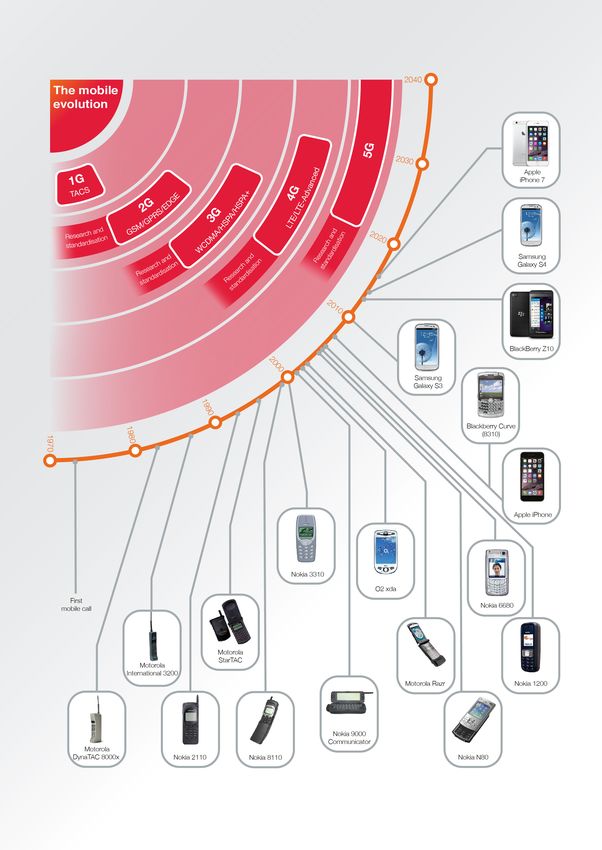
Executive summary

The British energy sector faces major challenges in the coming years if we,                                                 To make this transition a success and ensure that the value of
as consumers, are to continue to benefit from the levels of reliability we have                                             demand-side flexibility can be realised, the energy sector needs to
come to take for granted. But, as with all major challenges, there come                                                     create the right environment in which a market for flexibility services
great opportunities.                                                                                                        can flourish. And this means establishing a number of crucial enablers:

The current generating capacity is set to take a major       While decarbonising generation is reducing flexibility,        Consumers                                               Commercial arrangements
hit, with almost half of it due to retire by 2025. This      the decarbonisation of the ways we consume                     From meeting customer needs to defining                 Energy companies (both old and new) need
is coupled with a forecast five per cent net growth          electricity is creating new sources of flexibility beyond      affordable price points, encouraging consumers          the ability to assess the opportunities and risks
in consumption by 2030. This might not sound                 the meter on the demand side. And this will see a              to adopt low-carbon demand-side technologies            involved in their energy flexibility investments.
significant, but it will have a disproportionate effect on   huge shift towards demand-side energy flexibility              and make available the associated demand-side           Their ability to access shared infrastructures,
peak demand.                                                 as organisations work with consumers to manage                 flexibility will be crucial in keeping the supply and   clarity on the commercial arrangements for that
                                                             consumption at peak (and off-peak) times.                      demand for electricity in balance.                      access and on the technical standards needing to
The retirement of existing fossil-fuel and nuclear                                                                                                                                  be met will make it easier for organisations to build
generating capacity presents an opportunity to               How the energy system reacts and adapts to these               Securing investment                                     their investment cases.
decarbonise electricity generation. However, much of         changes will determine how successful it will be in            Developing the infrastructure and the means by
that retiring capacity is dispatchable and provides the      satisfying consumers’ energy needs in the decades              which demand-side flexibility can be economically       Policy
system with the flexibility it needs to stay in balance      to come.                                                       accessed will require investment. And that means        The commercialisation of energy flexibility is
and make sure that our smartphones can be charged.                                                                          providing the clarity that gives investors and other    vital. This is where clear, stable policies and
                                                                                                                            stakeholders the confidence to embark on their          appropriate incentives will play a vital role in
The new sources of low-carbon generation (such as                                                                           energy flexibility journey.                             attracting investment and accelerating adoption
wind and solar PV) tend to be intermittent — which,                                                                                                                                 by consumers.
by their nature, are inflexible. This creates a huge
challenge for the electricity system, which needs to
establish new sources of flexibility to keep the system
in balance.

Beyond smart                                                                                                         4   Beyond smart                                                                                                       5
Introduction

Lessons for the energy sector                           Creating a Market Infrastructure                             There are many (potentially conflicting) choices for how Britain will satisfy its
                                                                                                                     energy needs over the coming decades. However, what is clear is that
Embracing demand-side flexibility will be perhaps       With different parties being able to gain benefit
the most fundamental transformation for the energy      from access to demand-side flexibility at different          consumers must continue to benefit from the levels of reliability they have come
industry since privatisation in the 1980s.              times, consideration needs to be given to the                to take for granted — at an overall bill that doesn’t increasingly eat into their
                                                        nature of the Market Infrastructure required to              disposable incomes and doesn’t cost the earth, literally.
But there are lessons to take from similar              enable a well-functioning competitive market for
transformations in other sectors.                       flexibility services.

These include:                                          A smart, flexible energy system is the key to ensuring       Almost half of Britain’s existing generating          The likely shape of the power system in 2030
                                                        that consumers continue to benefit from the levels of        capacity is expected to retire by 2025. And,          and 2050 is well understood. This paper takes
•   The move to mobile telephony
                                                        reliability and affordability that they have come to take    by 2030, consumption is expected to see a net         that as a given, but explores some of the factors
    The development of mobile telephones required
                                                        for granted when it comes to energy.                         growth of five per cent through the electrification   that will enable this transformation. It seeks to
    the deployment of a brand-new infrastructure.
                                                                                                                     of heat and transport and the adoption of other       identify lessons that the energy sector can learn
    The innovation shown across the mobile              A Market Infrastructure is vital to the smooth running
                                                                                                                     low-carbon technologies on the demand side.           from other industries’ experience with fundamental
    telecoms sector provides an example that energy     of this smart system — creating opportunities for
                                                                                                                     But the impact of this growth in consumption will     transformation. It also outlines the important role
    organisations could follow.                         organisations and customers to mutually benefit from
                                                                                                                     have a disproportionate effect on peak demand.        that a Market Infrastructure will play in securing
                                                        the flexibility on the demand side.
•   The digital TV switchover                                                                                                                                              investment, enabling change and providing greater
                                                                                                                     This presents unprecedented challenges to the         energy flexibility for both providers and consumers.
    The regulatory-driven move from an analogue
                                                                                                                     design and operation of Britain’s power system.
    to digital system of TV broadcasting is a prime
                                                                                                                     It will bring about arguably the most fundamental
    example of promoting transformation through
                                                                                                                     transformation in Britain’s energy system, from a
    consumer adoption of new technologies —
                                                                                                                     commercial perspective, since privatisation in the
    something that can inspire the energy sector
                                                                                                                     late 1990s or, from an engineering perspective,
    in its access to, and use of, demand-side
                                                                                                                     since the construction of the national transmission
    flexibility. It also provides insights about the
                                                                                                                     system almost a century ago.
    potential pathways for the adoption of low-carbon
    technologies by consumers.

•   The advent of digital portable music
    Leveraging a mixture of infrastructures,
    from the World Wide Web to communications
    networks, the development of portable music has
    more than one lesson to teach the energy sector
    when it comes to transformational change.

Beyond smart                                                                                                     6   Beyond smart                                                                                                 7
Establishing the environment
for energy flexibility

The so-called ‘Energy Trilemma’ comprises the three pillars of energy policy —
namely security of supply, addressing climate change and keeping energy
affordable. However, the very use of the term ‘trilemma’ implies that there are
trade-offs between each of these policy pillars.

From ‘trilemma’ to virtuous circle

The conventional operation of the electricity system    The reality is, in highly interconnected systems
is being challenged by the growth in intermittent,      that comprise many actors (such as the British
inflexible, low-carbon generation technologies (such    electricity market), that independently regulated
as wind and solar photovoltaic) on the supply side.     competitive markets sometimes need a hand to
There are also new forms of flexible, low-carbon load   operate effectively.
on the demand side, such as demand-side storage
and the electrification of heat and transport.          It is necessary to create the conditions for a market
                                                        where innovative low-carbon technologies become
These new sources of low-carbon demand, which           commercialised and deliver a full range of benefits
are being progressively adopted beyond the meter,       to consumers.
deliver new sources of demand-side flexibility. These
have the potential to turn the ‘trilemma’ into a        And this requires a number of crucial enablers to
virtuous circle.                                        be established.

However, things are not as simple as replacing the
loss of generating capacity (and the associated
loss of conventional sources of flexibility in the
system) with demand-side flexibility and matching
demand to the available supply. If they were,
then we would see faster progress.

                                                                                                                    Fig. 1: Energy flexibility factors and relationships

Beyond smart                                                                                                    8   Beyond smart                                           9
Consumers are crucial to Establishing access and
demand-side flexibility commercial arrangements
Clearly, these low-carbon technologies on the Investor confidence is built on having clarity on the When these fundamental principles are applied to Organisations or individuals that want to offer
demand side can help to satisfy the need for flexibility policy, legislative and regulatory context in which the creation of Market Infrastructures, the value of the products and services to consumers, and need to
in the electricity system. But consumers need to they will be operating. But it goes further, into market is maximised and the barriers to competition make use of infrastructure and assets belonging to
understand the opportunities open to them should understanding how they will be able to interoperate minimised. This makes it easier to get innovative other actors, need to know how they can access
they choose to provide access to their demand-side both within the context of the system and with other new products and services to market, making it that infrastructure and the associated commercial
flexibility. Only then will the adoption of low-carbon participants in the market. an attractive place to do business and enhancing arrangements. Organisations that have invested in
technologies fully accelerate and the market for consumer choice. infrastructure and assets want to see results: they
demand-side flexibility services be established. Understanding the contractual terms under which want to be able to see their route to revenue from
shared ‘physical infrastructures’ can be accessed, Fig.1 articulates the inter-relationship between the users of the infrastructure and assets they
Consumer attitudes and their desire to change and the mechanisms by which parties get paid (a each of these factors, as well as some of the factors make available.
(or simply to adopt something they perceive to be commercial Market Infrastructure), will enable them vital to creating markets, such as standards and
better) are vital. to understand their route to revenue and identify the consumer education. For instance, is the company offering a consumer
potential return on their investments. a service to manage that consumer’s demand-side
Products and services need to be available at the Policy promotes investment flexibility in a position to assess the risks associated
right price points to not only meet consumers’ needs, It is this latter, and essential, piece of how markets in transformation with how they make that flexibility available to other
but also to satisfy their wants. And, of course, people operate that is seldom discussed: the importance participants — or how that value is likely to vary
need to have confidence in the security of these of defining the market rules and establishing a For nascent technologies, clarity on policies and
between different actors? Without that understanding,
products and of their data, and have trust in their Market Infrastructure that enables the market to appropriate fiscal incentives designed to accelerate
how can they assess the level of risk they are taking
chosen service providers or product suppliers. operate effectively. their adoption is important. The right level of incentive
on, and determine what level of benefit they can pass
will help these technologies become commercialised.
to their customers while still making a sufficient return
In order to achieve this, there has to be the necessary The guiding principle for any Market Infrastructure
on their investment for the risks they are taking?
investment to take a great idea through research and should be that it only handles: But it is also important to be clear about how the
development to full commercialisation. incentive mechanisms will reduce as the market
It is also important to remember that technical
• activities that are common to all market grows. When economies of scale are achieved,
standards and codes of connection are a vital part
Of course, if there is an obvious need, the consumer participants; and become reflected in price points, the interests
of this understanding.
benefits are clear, there’s active customer pull and a of taxpayers, who are ultimately funding these
clear route to revenue — then attracting the necessary • activities where there are significant economies incentives, need to be protected. Indeed, the significance of technical standards
investment becomes easier. of scale that benefit all participants; and
should not be underestimated in establishing resilient
The real challenge in highly interconnected,
supply chains for products and services — as well
Securing the investment for success • where failure to fulfil activities correctly by one multi-actor systems, such as the British electricity
as enabling competition in the provision of those
participant has a disproportionate impact on the market, is enabling all investors to understand how
goods, which in turn drives down prices and
A highly unbundled market with a multitude of ability of other participants to operate effectively, they will get a return on their respective investments,
increases innovation.
participants and multilateral commercial arrangements or impacts the customers’ experience of, and and how they can gain value building on each
(or a multitude of bilateral arrangements), such as the trust in, the market. other’s propositions. This all provides a clearer view of both the
British energy market, can look daunting.
opportunities and risks in the future energy markets.
Additionally, the infrastructure should not be
responsible for activities from which market
participants can either differentiate themselves or
create cost leadership.
Beyond smart 10 Beyond smart 11
Lessons from technology-enabled                                                      How mobile telephony created
market transformations in other sectors                                              flexible communications

  “        Study the past, if you would
                                          “                                          It is always going to be hard to identify when a technology becomes mainstream.
                                                                                     But it is safe to say that taking a long view of the development of the mobile
           define the future.                                                        telephony market shows significant parallels with the way a smart, flexible energy
                                                                                     system and a well-functioning market for energy and energy services is likely to
           Confucius                                                                 mature over the coming decade or so.

    Fortunately, there are some great examples of technology-enabled,                Establishing the physical infrastructure
    market-level transformations that can help inform the approach to the            After the first successful mobile telephone call in      These new demands being placed on the existing
    transformation of the energy sector into a smart, flexible energy system.        1973, there was a need to deploy the first generation    infrastructure means that the way it is designed,
                                                                                     of physical communications infrastructure to provide     operated, and maintained needs to change if
                                                                                     the coverage required for people to make calls from      consumers are going to continue to enjoy the levels
                                                                                     wherever they needed or wanted.                          of reliability, economy and — above all — safety that
                                                                                                                                              they have come to take for granted.
                                                                                     The telecommunications sector has been continually
                                                                                     innovating and deploying new infrastructures —           This transformation in the design, operation, and
                                                                                     and successfully concurrently operating different        maintenance of the electricity network will be enabled
                                                                                     generations of technologies — ever since.                by the increasing inter-connectivity of devices
                                                                                                                                              connected to the infrastructure. The timely visibility of
                                                                                     The clarity it has on technology standards has           the data produced by these devices will then enable
                                                                                     enabled resilient, competitive supply chains to be       informed decisions to be made about the actions to
                                                                                     established. And it has driven continual innovation in   be taken, or not, as the case may be.
                                                                                     both the technology and services offered.
                                                                                                                                              Timely visibility is important. For some data streams,
                                                                                     Codes of Connection have enabled multiple users and      that may mean near real-time. For others ‘timely’ may
                                                                                     service providers to connect devices to the networks     have longer latency periods, or may be processed
                                                                                     concurrently, with competition for consumers driving     close to the point where the data is generated (‘the
                                                                                     innovation in the devices themselves and the services    edge’), with only exceptions being made visible
                                                                                     that can be offered over the communication networks.     more widely.

                                                                                     Changing the energy system                               The inter-connectivity is likely to lead to a
                                                                                                                                              convergence of the utilities and telco sectors. The
                                                                                     In the case of the electricity sector, the physical
                                                                                                                                              power system may choose to leverage the existing
                                                                                     power infrastructure (the wires) is already deployed.
                                                                                                                                              communications infrastructures, rather than deploying
                                                                                     However, the low-carbon technologies that are being
                                                                                                                                              its own communications infrastructures, to make sure
                                                                                     progressively connected on both the supply side and
                                                                                                                                              that it operates as cost-effectively as possible.
                                                                                     beyond-the-meter are changing the dynamics of the
                                                                                     system, dramatically.

Beyond smart                                                                    12   Beyond smart                                                                                                    13
Cost of memory storage
Overcoming the consumer challenge $300m
In terms of quality of connectivity, functionality, It’s hard to comprehend, but the average mobile
size and power, mobile handsets have come a phone has way more computing power than $250m
long way from the first generation ‘bricks’ of the the whole of NASA had when it landed Neil
1980s to the iPhone 7, Google Pixel, Samsung Armstrong and Buzz Aldrin on the Moon in 1969. $200m
Galaxy range or the latest Windows phones
(phones from a plethora of other manufacturers Or, if we take the 1985 Cray-2 ‘supercomputer’
$150m
$/TB
are available!). — the world’s fastest supercomputer until
1990 1, 2, 3. It ran with a performance of up to
This continual innovation has come about, 1.9 GFLOPS, 2GB of memory, operated at $100m
in part, by the regeneration of the physical 244MHz, required liquid immersion cooling of
communication infrastructure and its capabilities. its 200-kilowatt hardware and cost $16 million
$50m
But it is also the level of competition in the ($32m when adjusted for inflation to 2010 prices).
supply chain for handsets that is driving not Compare that with the iPhone 7, with its 729.6
just innovation in the devices, but also in the GFLOPS, 2GB of RAM, up to 256GB of internal $0
services that can be delivered via those devices. memory, 2.34GHz speed, around 0.5W power 1980 1990 2000 2010 2020
Handsets are no longer just phones, they are requirement for voice calls and a price point of
communication platforms — in fact, voice traffic $849 (for the top spec 256GB version) 1, 4.
across mobile and fixed line fell by around 15 per
cent between 2010 and 2015. That equates to an improvement of 14.5 million Cost of processing power
times to the processing power, and power
The key to this innovation is the way that requirements per unit of processing power that $50m
consumers have accepted new technology into are 150 million times more efficient.
their lives. People don’t buy tech for tech’s sake.
$40m
$/GFLOPS ($, adjusted to 2013 base)
These ratios are so mind blowing as to be
The perceived benefits of a new device — almost incomprehensible.
whether the ability to connect with friends,
$30m
manage bank accounts or compare prices on If we can take one thing from them, it is that
the move — are what drive acceptance where technologies address a market need or,
of technology. indeed, an unidentified consumer want, then the $20m
pace of change, the growth in performance and
As the acceptance of these devices into our lives economies of scale are incredible.
has grown, the costs have fallen exponentially $10m
— making devices accessible to the masses.
$0
1980 1990 2000 2010 2020
Fig. 2: Technology cost reductions 5, 6
Beyond smart 14 Beyond smart 15Growing the customer base, attitudes and trust But, of course, in the case of the electricity system, Studying the telco sector can provide insights into the the low-carbon devices (the equivalent of the mobile establishment of supply chains for devices, the role handsets) need to be deployed across the power of standards in establishing those supply chains and infrastructure, and more widely throughout the creating resilience across that supply chain. end-to-end system. The end-to-end system extends beyond the existing power infrastructure into the new This enables competition and drives innovation in forms of generation on the supply side and the new the devices themselves, and the associated services forms of demand beyond the plug. offered that deliver new choices for consumers. Beyond smart 16 Fig. 3: The mobile evolution
How the digital switchover 2015
transformed viewer expectations The
digital TV
switchover
xes
ers
bo
201
tun
0
op
ital
t-t
The transition from analogue television to digital television was ultimately driven
Se
dig
by regulation and the desire to close down the analogue network. However,
ed
there are potential lessons for the energy market about how technology enables Analogue
at
network
gr
market-level change.
te
shutdown
In
20
05
From the deployment of the digital television The importance of technical standards for the digital
infrastructure, to the parallel running of the digital tuners meant there was supply chain resilience,
and the analogue networks, to the development competition driving down prices, and the opportunity
200
and progressive adoption of digital TV tuners, there for innovation driving up functionality. This means you
are some significant potential opportunities for the can pick up a set-top-box in your local supermarket Beginning
0
1995
British energy system to learn how to become today, that has more functionality than that £80 box of regional
smarter and more flexible. Here, we’ll focus on had back in 2002, at a quarter of the price. digital
the customer aspects. ITV Digital
switchover
The major learning point from the digital TV switchover shuts down
When the commercial operation of ITV Digital went is about customer engagement. For the small additional
bust in 2002, it could have been a serious setback cost of a set-top-box, or a marginal increased cost of a
to viewers’ trust and acceptance of the digital TV with an integrated digital tuner, the viewer received
switchover. However, later that year Freeview was access to a wealth of additional channels and content.
established, providing viewers with access to There is an immediate perceived benefit to the viewer
additional TV channels and content free of charge around the level of entertainment available to them.
when they either replaced their TV with one that
had an integrated digital tuner, or purchased a The question that this raises for the energy sector is,
simple-to-install ‘set-top-box’ (which could also be ‘what is the additional benefit, equivalent to digital TV
put underneath people’s existing analogue TVs!). content, for energy consumers in an energy system that
employs demand-side flexibility?’
The early adopters of the digital TV experience —
those who wanted access to the newly available While we have focused here on the consumer
digital content — did not have to spend several experience, there are also potential parallels in the way ONdigital
the digital television infrastructure was deployed — on ONdigital Freeview
hundred pounds replacing their existing (potentially rebrand to
recently purchased) analogue TV with a new a region by region basis, with the infrastructure being launch launch
ITV Digital
digital TV. They could spend around £80 (2002 prices) reinforced as demand grew. The value of flexibility to
on an easy-to-fit ‘set-top-box’. At a certain point, any the energy system will be greatest where it meets the
new TV purchased had an integrated digital tuner, need at a location within the infrastructure.
so anyone needing to replace an old TV would get
access to digital content by default.
Beyond smart 18 Fig. 4: The
Beyond digital TV switchover
smart 19How portable players changed the
way we access music
7, 8
When the late Steve Jobs soldered a click wheel, screen, 3.5mm earphone jack Understanding your place in the
and USB interface to a hard drive and, in 2001, launched the first iPod, did he value chain
imagine the fundamental transformation that it would create in the way we buy What made the iPod a success, far more than being Innovation has not stopped since the iPod arrived,
and listen to music? the next bit of cool technology for music lovers, was but the subsequent changes have been incremental
Apple’s approach and its clarity about its position in rather than fundamentally transformational.
the value chain. Via iTunes, you could transfer all your
existing digital music to your PC and/or your iPod. The move from the click wheel to the touch screen
We can now take the long view of what has happened • Through the 80s and 90s, the personal iTunes was available both for Apple’s own Mac OS with the iPod Touch offered the ability to watch
over the last 15 years and use it to inform our thinking computer market was developing, costs were and for Microsoft’s Windows operating systems, so stored movies or catch up on TV on the move. The
about how the energy sector might transform over the plummeting, and functionality and memory listeners weren’t locked into Apple computers. iTunes convergence of mobile telephony with media brought
coming 15 years. storage were spiralling. also transformed the way people buy and listen to about the iPhone at the start of 2007. With higher
music; selecting preferred songs from albums and no bandwidth mobile communications networks, 3G and
Bringing the world online • The telecoms sector went through a revolution in latterly 4G/LTE, live TV and streamed music became
longer listening to an album as a whole.
data transfer over fixed lines, the development of a reality.
The portable music journey starts in the analogue the mobile telecoms sector and the move to The use of the standard 3.5mm jack enabled the
world 22 years before the iPod, when the Walkman digital telecoms. Permanent connectivity through the mobile network
listener to choose their own headphones, and
became an 80s icon and established the market for or the use of Bluetooth negate the need for wires
kick-started innovation in the headphones
personal, portable music. By 2000, the required physical infrastructures were everywhere. All of these things are incrementally
market — arguably even creating that market.
in place for the next fundamental transformation. The improving the customer experience, but they are not
Soon after, music made the switch to digital, but the World Wide Web was established, the communication The Apple 30-pin standard connector enabled a the fundamental transformation that the iPod created
user still had the inconvenience of carrying multiple networks were in place with the bandwidth to handle market in devices that meant you could connect in the music sector.
cassettes or CDs to use with portable players. the necessary data transfer rates, and people had your entire music collection to your existing stereo,
the means to get online in their homes via their amplifier and speakers; or even to your car stereo. Over the last 15 years — through the use of
In parallel with these developments in the music
personal computers with plenty of cheap memory standards — the portable music player has
market, there were three technological markets
storage. Adding to this was the fact that people were Apple not only understood what it was great at but, evolved from a cool device into a near-permanently
evolving that the iPod leveraged in its success:
becoming more dissatisfied with either having to far more importantly, it understood that, by using connected communications platform around which
loop the same album on their portable player or the standards for its interfaces, it could consolidate its we live our lives.
• The internet had been quietly developing and
inconvenience of carrying a bag of tapes or CDs position at the heart of its chosen market.
was being used in the education and scientific
around with them. It also provides digital innovators with the platform
communities through the 1970s and 1980s. But
By actively addressing potential barriers to the over which they can offer their services via a whole
the internet didn’t become mainstream until, in
The time was perfect for a personal music player adoption of its technology and enabling its technology range of apps.
1989, Tim Berners-Lee created a new way of
that could be connected to the World Wide Web via to be used by companies that were the leaders in their
distributing information across the internet and the
your home PC, and onto which not just a few extra respective parts of the value chain, Apple established
World Wide Web was born.
albums could be downloaded, but your entire digital itself as the de facto standard and established its
music collection. devices as THE brand to have.
Beyond smart 20 Beyond smart 21The 2020
evolution
eb
of portable
ide W
media
t
ne
te r
dW
in
orl
e
th
of
eW
n
a ti
o 2010
th
Cre
Cs
Maintaining market leadership
of
n
fP
io
e
no
at
Cr
ic
As the technology costs tumble and accessibility to There is little doubt that demand-side flexibility will
io
iPhone 7
us
t
op
m
this technology widens to include a greater proportion have a similar, fundamentally transformative effect on
Ad
al
git
of the population, the size of the market grows. the way the end-to-end electricity system operates.
di
Simultaneously, the costs of entry fall and competitors
of
20
nt
There is much that the energy sector can learn 00
ve
enter the market.
Ad
from the revolution in digital music. This includes
And, of course, with competitors in the market, there the role of standards, actively seeking to reduce
are increasing choices from which consumers are barriers to adoption, and understanding your position
able to benefit, across the range of price points. in the value chain. Developing collaborative operating
models that enhance your own proposition by
19
All too often, you see the innovators and early movers working with partners who are leaders in the parts
90
iPod Touch
fall by the wayside. Who recalls the MPMan or any of of the value chain in which they choose to operate,
the other MP3 players that preceded the iPod? as well as building and maintaining a brand with
1980
which your customers want to become associated,
So how has Apple built and maintained its leading
1970
will also be vital.
position over the long term? It would be easy to say
it is down to ‘brand’, but creating a brand with which MPMan
iPhone
people want to be associated — and for which they
are prepared to pay a premium — in an increasingly
commoditised market is something that has to
be built.
Apple continues to innovate and drive forward the
functionality and capability, as well as the range, iPod
of devices that it offers its consumers.
MiniDisc player
Sony Walkman
Discman
Beyond smart 22 Fig. 5: The
Beyond evolution of portable media
smart 23Promoting a market-driven approach
The British electricity market is one of the most unbundled and consistently 20.0%
competitive energy markets anywhere in the world. The challenge of utilising 15.0%
demand-side flexibility to maintain security of supply and keep electricity
affordable for consumers therefore has to be established in a market-led context. 10.0%
5.0%
0.0%
This means bringing a number of stakeholders Dealing with a changing
2005/06
2006/07
2007/08
2008/09
2009/10
2010/11
2011/12
2012/13
2013/14
2014/15
2015/16
2016/17
2017/18
2018/19
2019/20
2020/21
2021/22
2022/23
2023/24
2024/25
2025/26
2026/27
together to achieve this transformation. These include: physical infrastructure -5.0%
• The Distribution Network Operators (DNOs) It is too simplistic to say that we already have the -10.0%
physical infrastructure in place for Britain’s electricity
• The Transmission System Operator (TSO) -15.0%
system. It is true that we have the transmission and
distribution infrastructures in place to get electricity -20.0%
• The Energy Retailers
from power station to plug.
• The Energy Traders -25.0%
However, what connects to either end of that
• The Aggregators infrastructure, and will become intrinsic to the -30.0%
end-to-end system, is changing, fundamentally.
• The Energy Service providers, and Fig. 6: Capacity margin projections 9
Maintaining the supply side
• The Consumers
Between now and 2025, almost half of Britain’s
With the exception of the TSO, there are multiple existing generating capacity is due to retire. Over
actors in each group. And it is quite feasible that the coming decade, this will present an increasing This presents a major opportunity to decarbonise the Wind and solar generation are, by their nature,
some will take strategic decisions to participate in capacity margin challenge. Capacity margin is a way Britain satisfies its need for energy by replacing intermittent and inflexible. Unlike some other
multiple roles. measure of the degree to which available generating the retiring capacity with low-carbon sources. territories, the availability of energy from wind and
capacity exceeds the maximum level of projected solar generation correlating with demand is not
Each role could gain value from demand-side demand for electricity at any given time. However, the challenge comes from the differences coincident in Britain. In Hawaii, increased demand
flexibility at different times, and it is equally feasible between the characteristics of low-carbon generation from air-conditioning occurs on the hottest days,
that one role or actor could be gaining value to the compared with traditional, dispatchable, flexible, which correlates with peak output from solar arrays.
detriment of other roles at certain times. fossil-fuel thermal generation.
Unfortunately, Britain’s peak demands tend to occur
on cold, wet, dark winter evenings, which is not
conducive to high levels of solar generation!
Beyond smart 24 Beyond smart 25Developing the demand side Working with consumers to
access flexibility
If Britain is to achieve its legally binding climate The World Wide Web and the support of Consumer
change commitments (with other sectors looking to Access Devices by smart meters will enable a whole In a smart, flexible energy system, the boundary The question then becomes one of how to engage
decarbonise through electrification of their energy new market to be established in energy services, between the physical infrastructure and the consumer those consumers that have the capability to make
needs), there will be a disproportionate impact on without the need for providers of those services to becomes blurred. a material contribution to the flexibility of the energy
the electricity sector, which will need to virtually become signatories to the Smart Energy Code or to system by allowing some control over their
decarbonise by 2050. become a DCC Service User. The consumers’ investment in low-carbon low-carbon technologies.
technologies is driving the transformation of the
With the progressive adoption of low-carbon demand Those consumers who have invested in low-carbon electricity infrastructure. However, if the consumer Many people default to talking about some form of
beyond the meter, through the electrification of heat technologies (including demand-side storage) in their enables the demand from their low-carbon price reward, but many studies question whether
and transport (and the likely take up of demand-side homes will be the ones that have more demand with technologies to be controlled in response to the needs this is too simplistic and whether price is really a
storage), there will be growing levels of demand-side a greater degree of flexibility. of the infrastructure, then these devices become an fundamental motivator that will engage people in
flexibility that has the potential to compensate for intrinsic part of a whole energy system. sustained action.
the loss of flexibility on a decarbonised supply side. It is these consumers who will be best placed to
This has significant potential to help to address the take advantage of the benefits of making their British consumers have had little incentive or ability When looking at other technology-driven market
capacity margin challenge. flexibility available to the energy system, should to control when they use electricity. As such, the only transformations, the importance of building brand
they so choose. route they have had to control the size of their bills has loyalty was identified as an important factor for
The growing adoption of demand-side generation, been to control how much electricity they use, which, sustained success. Understanding customers and
such as photo-voltaic solar panels or micro-CHP units, So, it is the consumers driving the transformation in unless they do something about the energy efficiency proactive communication with different customer
and demand-side storage solutions will also start to the energy system through their adoption of of their homes, means reducing waste or suffering segments based on their individual motivators will
increase volatility in the demand profiles seen by the low-carbon technologies who are also the ones who energy austerity. be important in building the trust necessary for
distribution system to which premises are connected. have the potential to be part of the solution to the consumers to allow their energy service provider to
challenges that this creates for the way in which the Smart meters will provide those ‘switched on’ manage their energy consumption and flexibility on
The information and communication infrastructure system is designed and operated. consumers with the means to identify when they are their behalf and build enduring relationships.
established through the deployment of smart meters wasting energy, and where they may benefit from
to homes and small businesses by 2020 will enable investing in energy efficiency. However, for many
those consumers who are prepared to make their vulnerable consumers, the default will be energy
demand-side flexibility available, and who choose austerity, the so-called choice between ‘heat or eat.’
to participate in the energy market, to benefit from
energy prices that reflect not just how much energy
they consume, but when they use it.
Beyond smart 26 Beyond smart 27Determining the size of the prize Years it takes technology to be adopted
There are a lot of numbers about the value of a more This is why demand-side flexibility will be vital to
flexible energy system, from the headline gross meeting consumers’ peak energy demands. 70%
benefit of £8bn per annum (at a carbon intensity of
50gCO2/kWh) in 2030 to £3bn-£3.8bn gross benefit at It won’t be enough simply to create more low-carbon
the legally binding 2030 target level of 100gCO2/kWh. generation capacity — the British energy system
60%
These values relate to the value accruing from all will also rely on its ability to provide, and encourage
sources of flexibility and include interconnectors, grid consumers to adopt, flexibility to counteract
connected storage as well as demand-side flexibility10. intermittent renewable sources.
% of population that adopted a technology
50%
Demand-side flexibility is increasing as a by-product Innovative technology companies are developing
of the decarbonisation of heat and transport. If that the technologies that enable connected appliances,
can be made available to the system simply and low-carbon technologies, the smart-metering 40%
economically, there is a significant prize to be had. infrastructure and energy service providers to be
And it empowers consumers to take control of connected. Innovation programmes and
their bills. proofs-of-concept such as UK Power Networks’
30%
Low Carbon London programme, Northern
The size of bills will no longer be about how much Powergrid’s Customer Led Network Revolution and
energy is consumed and energy austerity, but about ENEXIS’s Jouw Energie Moment (Your Energy
WHEN energy is consumed. Moment) programme are establishing customers’ 20%
attitudes to allowing their homes to become part of
Taking National Grid’s 2016 Future Energy Scenarios, the energy system.
given this paper focuses on a more market-oriented 10%
scenario, we willl use the Consumer Power scenario 11. Securing consumer confidence is based on a
In 2015, 23.4 per cent of installed supply capacity was number of factors that will carry different levels of
wind or solar, meeting 13.8 per cent of consumption. weighting with individual consumers.
0%
In 2030, under the Consumer Power scenario, 45
The key is understanding consumers’ specific 1 6 11 16 21 26 31 36 41 46 51 56 61 66 71 76 81 86
per cent of supply capacity will be from wind and
solar and it is projected to be meeting 37 per cent of wants and needs, and addressing those in
any communications. Years after introduction
consumption. Interconnection capacity will have more
than tripled in 2030 to 15 per cent, satisfying a quarter
Building trust through peer advocacy and education,
of consumption.
addressing concerns around cyber and data security
Smartphone TV Radio Internet
What is not specified is the degree to which output threats, building confidence in the technology and
from wind and solar generation or the availability ensuring that consumers have meaningful choices
Mobile phone Computer Telephone Electricity
of import across the interconnectors correlates with in the technologies and the service providers are all
peak demands, and therefore the security of the important elements of winning consumers’ trust and
system in having sufficient supply margin available them embracing these new technologies in their lives.
when required to meet that demand and keep the
Achieving this is built on the use of standards that
system in balance.
enable resilient supply chains to be established and Fig. 7: Technology adoption rates 12
drive competition and innovation.
Beyond smart 28 Beyond smart 29Creating a Market Infrastructure
Encouraging speedy technology adoption How the energy market will need to operate is generally not the focus of
discussions about a smart, flexible energy system. But, in the GB energy market
If Britain is to realise the full benefit to the energy The real challenge is how homes are decarbonised.
system from demand-side flexibility, it is important to Currently around 20,000 homes are refurbished per
(with its multitude of participants each fulfilling very different roles and with varied
understand the likely adoption rates of the enabling annum in a way that addresses their carbon impacts. value drivers), clarity on how the market is expected to operate and the
technologies. The factors that will affect consumer That figure needs to increase to 20,000 per week by obligations of different participants will be crucial to success. The importance of
acceptance of energy service propositions rely on 2025 if the 2050 targets are to be achieved, according defining the market rules and establishing a Market Infrastructure that enables
active management of flexibility rather than energy to the Energy Systems Catapult.
the market to operate effectively will be vital to Britain’s future energy system.
austerity and passive energy efficiency.
The role of policy, regulation and standards will be
Fig. 7 compares the adoption rates of various vital to achieving the adoption of low-carbon options, What is clear is that, in a smart, flexible energy system, different market participants will be able to generate
technologies. Those technologies, such as electricity including building standards, device energy efficiency value from access to flexibility services:
and telephone, which require the deployment of big standards, and potentially the requirement for home
physical infrastructures and physical connections to energy storage as a new form of white goods in new
be made at the point of use, take significantly longer and refurbished homes. • Consumers will be able to control the size of their • Aggregators and energy service providers will
to achieve high levels of adoption than cheaper, bills by offering their demand-side flexibility to the see new opportunities to deliver services to the
easier-to-access technologies. With the average life of home heating systems market and shifting when they import energy from mass market.
being around 15 years, and people refurbishing the system.
The more rapidly adopted technologies all their kitchens every 15-20 years, that is 1.35m – • The TSO will have access to new sources
leveraged existing infrastructures, required little 1.8m homes undertaking some form of significant • Retailers will be able to deliver new services to of flexibility that will enable it to fulfil its obligation
specific expertise to access the perceived benefit, refurbishment per annum. their customers. They will be able to begin to truly to keep the transmission system in balance.
and were at accessible price points. The pace of differentiate themselves (rather than by simply
adoption of the smartphone leveraged all of these So, with the right policy, regulatory and standards providing a great billing service). They will be able • The DNOs will transition to become Distribution
factors, but also acted as a platform for convergence frameworks in place, the Energy Systems Catapult’s to develop new business-operating models that System Operators, making use of their access to
of access to a number of propositions — from calls, to target of decarbonising 20,000 homes per week embrace access to flexibility and enable them to flexibility services on their networks to keep their
internet, to music. by between 2025 and 2050 starts to look manage their operating costs and wholesale distribution systems in balance and defer or avoid
more achievable. market risks. the need for network reinforcement.
The adoption rates of low-carbon technologies
into people’s homes is likely to align with that of Policy, regulation, and standards have been • Energy Traders will see the opportunity to create
computers and white goods. But the adoption of the successful in driving energy efficiency, from the tradeable options based on flexibility.
home control technologies that will make access to adoption of double-glazing, to insulation, to
demand-side flexibility part of a wider system is condensing boilers, to energy efficient lighting. This
likely to be closer to the adoption of other consumer is the case to the extent that — whereas in the past a
electronics propositions. home with such measures would attract a premium —
today homes not meeting the standards are devalued.
Beyond smart 30 Beyond smart 31Conclusions
LACK OF A
METERING COMMERCIAL/
INFRASTRUCTURE MARKET
FRAMEWORK Five lessons for a flexible energy market
TO OPTIMISE
5. 1. In the section ‘Establishing the environment for energy flexibility’, we covered a model that looked at what
needs to happen to transform the energy challenge from being a trilemma into a virtuous circle.
TOP FIVE
BARRIERS TO
The three examples of technology driven market transformations demonstrate some of the themes that
DEMAND-SIDE
FLEXIBILITY support this model:
4. 1. Understanding the wider context (the system of systems) in which the transformation
is occurring.
INEFFICIENCIES The example here is the iPod’s success being built on what was happening in the telecommunications,
IN THE SYSTEM 2.
home computing and the internet sectors.
LACK OF
VISIBILITY OF POTENTIAL FOR
2. The significance of standards in establishing supply chain resilience, driving down cost
OTHER CONFLICT
BETWEEN and incentivising innovation.
PARTICIPANTS’
ARRANGEMENTS MARKET
PARTICIPANTS The examples of the mobile phone and digital TV markets demonstrate how processing power and
3. functionality have spiralled — as well as how costs and energy consumption have plummeted, making
these technologies accessible to everyone.
Fig. 8: Barriers to Market for Demand-Side Flexibility
3. The importance of understanding position in the value chain, actively addressing
barriers and developing collaborative business models that enhance both your and your
Value could accrue to multiple parties concurrently, The top three barriers identified across the different partners’ propositions.
but it is also quite feasible that other market market participant groups all related to commercial
participants could suffer a loss of value. What and market arrangements. Look at the example of Apple and how it enhanced its position at the heart of its chosen market by
happens if the DNO has a network outage due to making it easy for other businesses that are great in their parts of the value chain to leverage Apple’s
consumers or retailers turning up demand in response This clearly demonstrates the need for neutral products in their propositions.
to low wholesale energy costs and an abundance of facilitation of the market for these services.
4. Understanding the consumer need.
supply? Or, conversely, what happens if the DNOs
How that market is to be facilitated, and which role
turn down demand to avoid an outage, causing the
should have the obligation to provide that neutral All three examples address customer convenience, but what will be the media equivalent of digital TV
consumer or supplier to miss out on consuming when
facilitation of the market remain open questions. for the electricity sector?
the wholesale price is low?
But they are questions that need to be addressed 5. Building and maintaining a trusted brand with which your customers choose to
In ‘Energy Flexibility: Transforming the Power System
quickly if Britain is to achieve its legally binding associate themselves.
by 2030’, industry leaders identified the main barriers
climate change targets.
to the market for flexibility services 13.
The example being how Apple has maintained its leading position and attracted a premium
through brand loyalty.
Beyond smart 32 Beyond smart 33References
1. A modern smartphone or a vintage supercomputer: which is more powerful?, phone Arena, June 2014
2. SUPERCOMPUTER vs your computer in bang-for-buck battle, The Register, March 2012
3. The CRAY-2 Computer System, Cray Research, Inc., May 2016
4. iPhone 7: GPU, Forsyth Analytics, May 2016
The need for connected infrastructures 5. Wikipedia history of GFLOPS costs, AI Impacts, October 2015
6. Tracking the astounding pace of digital storage, BoingBoing, March 2011
The revolution in the portable music sector required In ‘Energy Flexibility: Transforming the Power System
7. Walkman to iPod: Business-Model Transformation, Recode, September 2015
three separate infrastructures to be in place: the by 2030’, industry leaders identified storage as being
8. From Walkman to iPod: What Music Tech Teaches Us About Innovation, The Atlantic, March 2012
communications infrastructure with the necessary the most significant technology in facilitating the
9. Power market forecasts for the next decade: top issues to watch, ABB Market Advisory, September 2016
bandwidth and latency; the World Wide Web to have necessary flexibility in the British electricity system.
10. Value of Flexibility in a Decarbonised Grid and System Externalities of Low-Carbon Generation Technologies,
been established; and the acceptance of personal Demand-side storage was the technology that they
The Committee on Climate Change, October 2015
computers into most homes. had the highest confidence in being mature and
11. Future Energy Scenarios 2016, National Grid, December 2016
commercialised by 2030. It was also notable that
The transformation of the electricity sector into a 12. Are Smart Phones Spreading Faster than Any Technology in Human History?, MIT Technology Review,
survey participants from the retail and trading market
smart, flexible energy system will follow a similar May 2012
roles saw the greatest business opportunities in
path. It will be established on the smart meters, run 13. Energy Flexibility: Transforming the Power System by 2030, CGI IT UK Ltd, May 2016
making use of demand-side flexibility to efficiently
across the existing World Wide Web and will flourish manage their portfolios.
on the back of the acceptance of flexible, low-carbon
technologies into people’s homes. If policy, regulation and standards can be coherently Other references used throughout the white paper:
aligned to deliver the physical infrastructures and
The rise of demand-side flexibility devices that provide the level of flexibility across the • E-Storage: Shifting from cost to value, World Energy Council, January 2016
system to economically maintain security of supply, • Internet access – households and individuals: 2016, Office for National Statistics, August 2016
By 2030, it is quite feasible that six million homes the challenge then becomes one of ensuring that the • Power sector scenarios for the fifth carbon budget, The Committee on Climate Change, October 2015
could have some level of demand-side storage. market for energy and flexibility services operates • System Integration Costs for Alternative Low Carbon Generation Technologies – Policy Implications, The
effectively and delivers genuine benefits to consumers Committee on Climate Change, October 2015
Taking today’s ratings of home storage, that could be • Smart Power, National Infrastructure Commission, March 2016
by ensuring that their bills are driven by when they
around 30GW (almost half of the projected average • Delivering future-proof energy infrastructure, National Infrastructure Commission, March 2016
consume rather than how much they consume.
cold spell (ACS) peak demand) storing an average of • A SMART, FLEXIBLE ENERGY SYSTEM - A call for evidence, BEIS, November 2016
40GWh of energy (equivalent to the projected output But, if we are to realise the opportunity to employ • An analysis of electricity system flexibility for Great Britain, BEIS, November 2016
from Hinckley Point C for 12 hours), assuming a demand-side flexibility to convert the ‘Energy • Position Paper: Making the electricity system more flexible and delivering the benefits for consumers, Ofgem,
uniform distribution of storage from empty to Trilemma’ into a virtuous circle, then time is short. September 2015
fully charged. • Electric Shock: Will the Christmas lights go out next winter?, British Infrastructure Group, December 2016
Looking at it from the perspective of demand turn-up,
this would equate to more than the de-rated solar and
wind generation capacity in 2030 under the Consumer This paper addresses a fast-moving area of discussion and development. Between its drafting
Power scenario, with sufficient spare storage capacity and publication, thinking has continued to progress:
to store all the energy produced in an hour.
• National Grid has published its Future Energy Scenarios for 2017
• BEIS has published ‘Upgrading our energy system: a smart systems and flexibility plan’ in response to
its call for evidence on a Smart, Flexible Energy System
• The Committee on Climate Change has published its ‘2017 Report to Parliament – Meeting Carbon
Budgets: Closing the policy gap’ and the associated report ‘Roadmap for flexibility services to 2030
(Poyry and Imperial College London)’
Beyond smart 34 Beyond smart 35You can also read


