VISION FOR DEEP GEOTHERMAL - Turboden
←
→
Page content transcription
If your browser does not render page correctly, please read the page content below
VISION FOR
DEEP GEOTHERMAL

        VISION FOR DEEP GEOTHERMAL   1
Rising to
                                                                        Climate change and energy supply are two of the biggest challenges that
                                                                        the world is facing today. To tackle these issues, the European Union has
                                                                        designed the Energy Challenge in a move towards a reliable, sustainable
                                                                        and competitive energy system.
                                                                        The current negotiation of the 2030 climate and energy packages aims

    the
                                                                        to set ambitious targets regarding minimum shares of renewable energy
                                                                        consumption and energy savings, and thus to pave the way to the
                                                                        decarbonisation of the European economy by 2050 with more than an
                                                                        80% reduction in greenhouse gas emissions (GHGs). The development
                                                                        of low carbon technologies is a key part of the EU strategy. Geothermal
                                                                        energy, and its generation of electricity, heating and cooling, can

    VISION
                                                                        contribute to the local, regional and global energy transition toward
                                                                        reliable, clean and affordable energy sources.
                                                                        To speed up the development and deployment of low-carbon
                                                                        technologies, including geothermal energy, and to strengthen the
                                                                        cooperation with Stakeholders under the Strategic Energy Technology
                                                                        Plan (SET-Plan), the European Commission has introduced Technology
                                                                        and Innovation Platforms (ETIPs).

                                                                                                                   FIGURE 1
                                                                                                                   Shares (%) of EU28 final energy
                                                                                                                   consumption per sector ( 1143
                                                                                                                   Mtoe) and sectorial penetration of
                                                                                                                   Renewable Energy Sources (RES)
                                                                                                                   (source: SHARES, Eurostat, 2016).
                                                                      RES in H&C          19%

                                                                                                     25%               29,6%
                                                                                                     Electricity
                                                                                   47%
                                                                                   Heating                                      RES in Electricity
                                                                                   & Cooling

                                                                                                    28%
                                                                                                    Transport

2    European Technology and Innovation Platform on Deep Geothermal       RES in Transport                         VISION FOR DEEP GEOTHERMAL           3
                                                                                               7%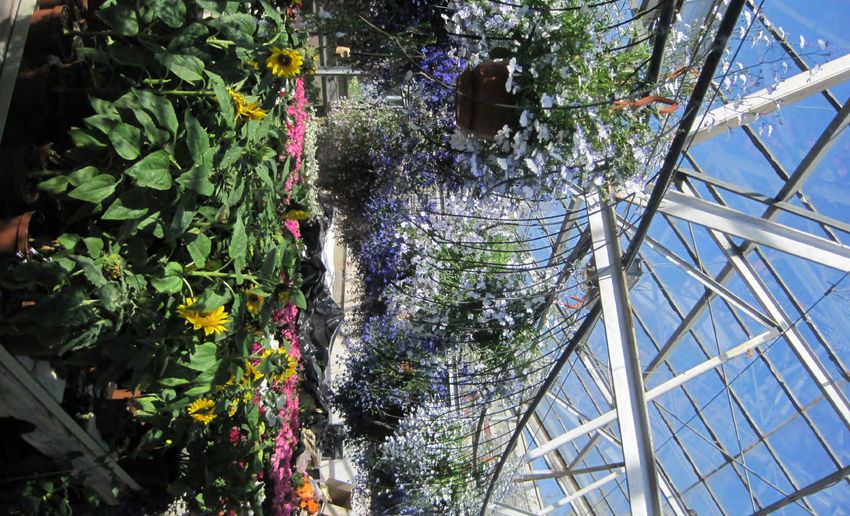
CONTRIBUTORS                                                                                                CONTENTS
    Editor in Chief
    Ruggero Bertani (Enel Green Power)

    Co-Editors
    Bruno Leray (Storengy – Groupe ENGIE); Jan-Diederik Van Wees (TNO & Utrecht
    University)

                                                                                                                     This Vision for Deep Geothermal looks towards the future of
    Editorial Team
                                                                                                                     Deep Geothermal energy development in the few next decades,
    Philippe Dumas, Ben Laenen, Adele Manzella, Anna Pellizzone, Valentina Pinzuti,                                  and highlights the great potential of untapped geothermal
    Katleen van Baelen, Thomas Garabetian
                                                                                                                     resources across Europe.

    With special thanks to the ETIP-DG Steering Committee
    Miklos Antics (GPC IP/GEOFLUID); Marco Baresi (Turboden S.p.A.); Fausto Batini
    (Magma Energy Italia – Rete Geotermica); David Bruhn, (Helmholtz Centre
    Potsdam-GFZ, TU Delft); Bodo von Düring (von Düring Group); Sylvie Gentier
    (BRGM); Hjalti Páll Ingólfsson (GEORG); Adele Manzella, (Italian National Research
                                                                                                                 6   Future development of deep geothermal
    Council, Inst. Geosciences and Earth Resources - CNR-IGG); Jean Philippe Soulé
    (Fonroche Géothermie); Philippe Dumas (EGEC appointed); Ernst Huenges (EERA-
                                                                                                                     technologies in Europe
    JPGE appointed); Paul Ramsak (GEOTHERMICA ERA-NET appointed); Jiri Muller
    (IEA-Geothermal appointed)

                                                                                                                8    Geothermal in Europe today
    Cover
    “City of the future”, Andrei Cotrut

                                                                                                                16   Unlocking geothermal energy
    ISBN 9788879580359
    Citation: European Technology and Innovation Platform on Deep Geothermal (ETIP-DG) (2018).
    “Vision for deep geothermal”.
                                                                                                                26   Increasing the social welfare in Europe
    Reproduction and translation for non-commercial purposes are authorised, provided that
    appropriate acknowledgement of the source is given. All reasonable precautions have been
    taken by ETIP-DG to verify that data are accurate and in accordance with available resources. In
    no case shall the author be liable for any loss or damage resulting from the use of this document.          28   Novel technologies for full and responsible
    © 2018, European Technology and Innovation Platform on Deep Geothermal (ETIP-DG)                                 deployment of geothermal potential

                  The sole responsibility of this publication lies with the author. The European Union is not
                  responsible for any use that may be made of the information contained therein. Co-funded by
                  the European Union’s Horizon 2020 research and innovation programme [GA. No 773392 ]
4           European Technology and Innovation Platform on Deep Geothermal                                                                         VISION FOR DEEP GEOTHERMAL      5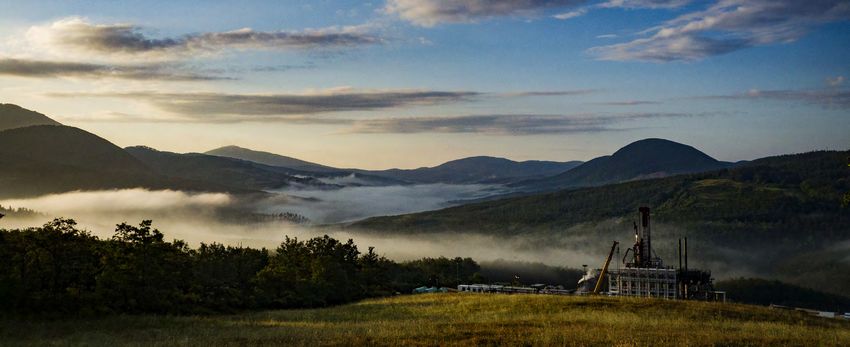
energy, geothermal will be crucial in         This Vision is designed to trigger a
INTRODUCTION                                                                               the future energy system.                     debate about how best to achieve
                                                                                                                                         a future for geothermal energy in
                                                                                           The previous geothermal Vision was            Europe that is secure, affordable, low

FUTURE DEVELOPMENT                                                                         part of the Common Vision for the
                                                                                           Renewable Heating & Cooling (RHC)
                                                                                                                                         carbon and which has the least impact
                                                                                                                                         on nature. The Strategic Research
                                                                                           sector in Europe, organized by the RHC        Agenda and Roadmap documents,

OF DEEP GEOTHERMAL                                                                         Platform1. The main challenges and
                                                                                           research needs for the full deployment
                                                                                                                                         which will follow, will outline how the
                                                                                                                                         EU’s energy policy needs to develop
                                                                                           of geothermal energy were laid out in         between now and 2050 if this Vision is

TECHNOLOGIES IN EUROPE                                                                     2011, and paved the road to our Vision
                                                                                           today.
                                                                                                                                         to be achieved.

     The Vision of the European Technology       minimum depth typically exceeding         1 - 2020-2030-2050 Common Vision for the
     and Innovation Platform on Deep             500 m.                                    Renewable Heating&Cooling sector in Europe,
                                                                                           RHC Platform, European Union 2011
     Geothermal (ETIP-DG) entails using
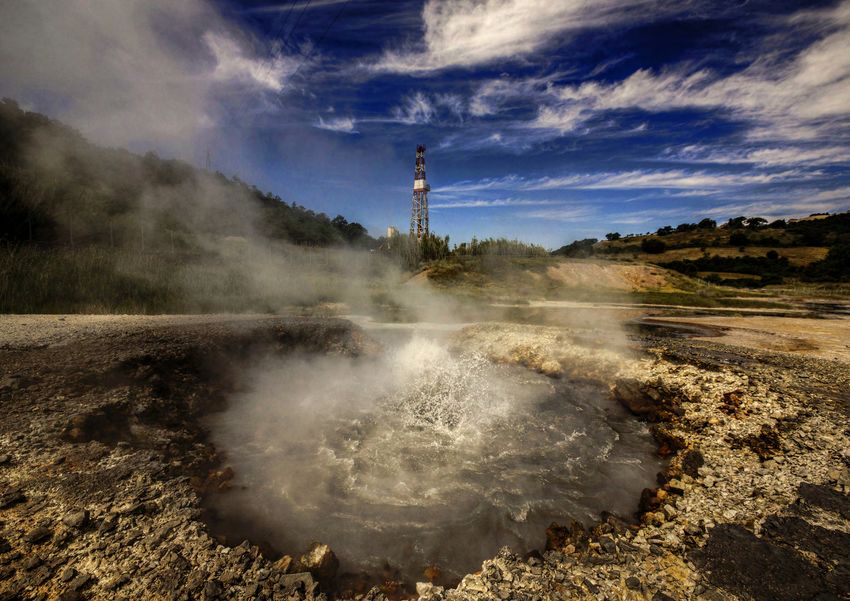
     geothermal energy to cover:                 Deep geothermal covers a wide range       Photo: Geothermal power plant in Italy
                                                 of technologies, some specific to the
     1. A significant part of the demand         sector, others typically used in other
        for domestic heat; and                   sectors (e.g. heat pumps), which in
                                                 combination enhance performance.
     2. Much of the demand for electrical        The technologies are also highly
        power in Europe.                         relevant for heat storage and other
                                                 renewable energy applications.
     This includes fully exploiting the
     flexibility of the geothermal supply,       Geothermal has huge potential and
     providing large centralized as well         opportunities. After nearly a decade
     as domestic and decentralized small         of slow development, in the last five
     scale options.                              years there has been a resurgence of
                                                 interest in geothermal applications
     The ETIP-DG is an open stakeholder          in terms of electricity generation and
     group, including representatives from       direct uses of heat (above all district
     industry, academia, research centres,       heating).
     and sectorial associations supporting
     the deployment of the next generation       Many non-technical barriers are still
     of geothermal electricity and heat          to be overcome. The success of the
     plants. The ETIP-DG involves Research,      energy transition entails designing
     Development and Innovation (R&D&I)          optimal scenarios in terms of costs
     for sustainable heat extraction from        and affordability for the customers
     the earth. It is also a hub for sharing     and the citizens, while guaranteeing
     information and experiences. Despite        energy comfort. New developments
     the name “deep geothermal”, depth           should also take into account other
     is not a limiting factor, but in practice   societal challenges such as social
     threshold temperatures (depending           welfare and climate change. As a
     on utilisation technologies) for            local and stable source of renewable
     geothermal resources relate to a

 6          European Technology and Innovation Platform on Deep Geothermal                                                               VISION FOR DEEP GEOTHERMAL                7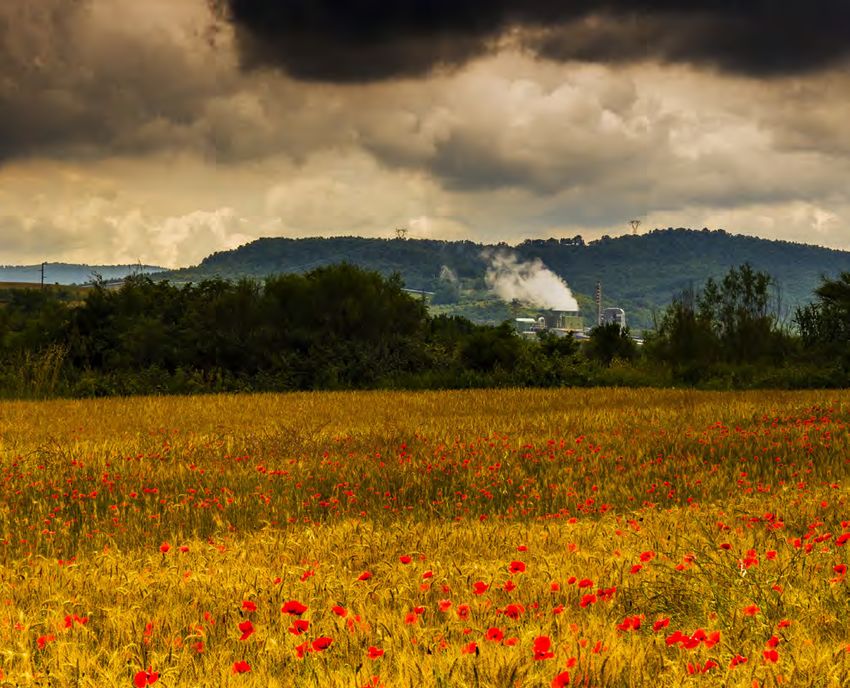
SOLAR SOLAR ONSHORE OFFSHORE
GEOTHERMAL BIOMASS HYDROPOWER
PHOTOVOLTAIC THERMAL WIND WIND
Average
600
GEOTHERMAL IN EUROPE
500
LCoE 2010 - 2016
400
(2016 EUR/kWh)
TODAY 300
200
ng os s
ra er c uel
e t
w il f
100
po ss
Fo
The growth potential for geothermal all over Europe. For example, the
has been recognized just recently, 46°C thermal springs in Bath (UK) 0
but geothermal has been a source of were thermal baths in Roman times. 2010 2016 2010 2016 2010 2016 2010 2016 2010 2016 2010 2016 2010 2016
energy to humankind since the dawn In the Middle Ages, the hot springs
(weighted average
Capacity Factor
of civilization. For centuries, hot of the Elvenschans (Belgium) were a
Min
range, 2016)
85% 93% 12% 12%
springs have been used for bathing, secure source of flowing fresh water 26%
24% 26%
36% 31%
healing, heating, and as a secure even during the harshest winters.
Max
58% 61% 40% 36%
53%
source of water in hundreds of places Today, geothermal energy is being
exploited as a direct source of heat
on a large scale by tapping into hot-
water-bearing underground layers. Capacity 79%
Factors 53%
FIGURE 2 The resource is renewable, since Non-RES
Thanks to the continuous release of heat is continuously supplied at Fossil fuels Nuclear
heat, underground temperature, with a depth by geological processes, and
trend that depends on local geological is dispersed through the soil. Using
conditions, increases with depth. The geothermal technologies, part of
average trend is technically called this heat is concentrated and used at
geothermal gradient. the earth’s surface. The geothermal FIGURE 3
industry in the EU is a world leader in which developed without a subsidy Since geothermal energy is constantly
the geothermal market, and exports in the 1970s, or the fact that the city provided, the Capacity Factor (i.e. actually
0 50 100 150 200 250 300 Temp °C its expertise and products globally. of Munich plans to decarbonize the produced energy with respect to the full
0
city’s energy supply by 2040 using capacity) is much higher than for other
200 average T gradient
Although geothermal development geothermal resources which they renewable energy sources (sources:
in Europe dates back more than a found were the most economic of Renewables 2017 Global Status Report,
example of T measured
400 in geothermal area century, it still occupies a niche market alternative renewable energy sources. REN21; EUROSTAT), resulting in a total cost
compared to other energy sources. The (LCoE) comparable or lower than for other
600 development of geothermal energy is Other challenges are financial, legal, energy sources (source: IRENA, 2017)
hindered by limited knowledge about logistic and technical. Although EU
800 the technologies and their potential support for geothermal research,
among policy makers, economic development and innovation has
1000 actors and the public. For example, increased, it is still lower than for States, and long and complex
few people are aware of the huge other renewable energy sources. authorization have slowed down
Depth m
contribution of geothermal energy Complex and incomplete regulations, geothermal deployment.
for district heating in the Paris Basin, fragmented among EU Member
8 European Technology and Innovation Platform on Deep Geothermal VISION FOR DEEP GEOTHERMAL 9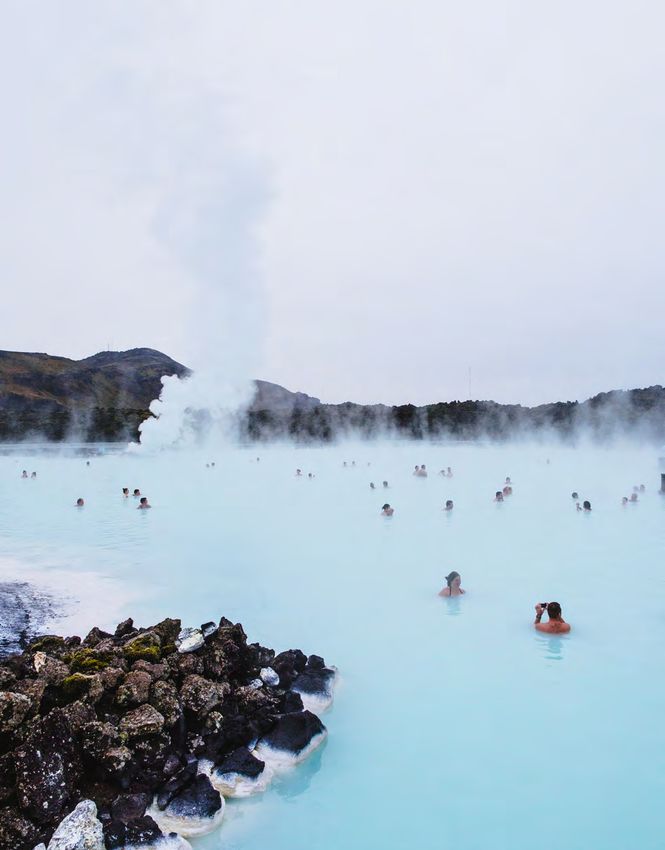
ICELAND
5003 GWh
Electricity Italy, geothermal fluids produced
enough electricity to power the local
Electricity is produced from industry in boron products.
geothermal fluids through a turbine,
where heat is transformed into By the 1970s, only a few plants had
GERMANY
mechanical energy and then into been installed in Europe, mainly 61 GWh
electricity via a generator. The in Italy and Iceland, followed by
fluid sent to the turbine can be the France (Guadeloupe), and Turkey.
geothermal fluid extracted from All of them used high temperature
the ground (direct or flash steam (over 250 °C) resources with direct
AUSTRIA
systems) or a secondary fluid heated or flash steam turbine technology.
2.2 GWh
by the geothermal fluid through a heat With the development of binary FRANCE
exchanger (binary systems). cycle technologies that can produce 102 GWh
electricity from lower temperatures
Electricity was first generated from (as low as about 110 °C), geothermal PORTUGAL
173 GWh
geothermal resources in the first plants were then set up in other
decade of the 20th century, when in countries (Austria, Germany,
the village of Larderello in Tuscany, Portugal). Today, there are 102 Potential (TWh)
ITALY
6188 GWh
TURKEY
ROMANIA N.A.
> 100 0.4 GWh
FIGURE 4 Units
Technologies and comparison of size and number of units Capacity (GW) 50-100
Average Size (MW)
(source: EGEC Geothermal Market Report, 2016) FIGURE 5
10-50
Dry steam power plants Flash steam power plants Binary cycle power plants
Potential electricity production to 2050 (available data
as estimated by GEOELEC project, taking into account
0-10
underground temperature distribution) and current electricity
generator load flash
tank
generator load generator load production in Europe (source: EGEC Geotehrmal Market Report,
2016)
turbine cooler turbine cooler turbine dry cooler
geothermal power plants in the seven Cost of Electricity, LCoE) value of
heat exchanger
with working fluid
countries mentioned above with a less than 150 €/MWh for 2030 and
total installed capacity amounting less than 100 €/MWh for 2050. The
production well
injection well
production well
production well
injection well
injection well
to around 2.5 GWe, producing some total geothermal electricity potential
14.6 terawatt-hours (TWh) of electric in the EU is 34 TWh, about 1% of the
rock layers rock layers rock layers power every year.2 projected total electricity supply in
the EU in 2030. Economies of scale,
Highly cost competitive but geographically limited Most dominant in terms of global capacity Useful alongside geothermal heating, hot spring, etc
Electricity generation from innovative concepts for accessing the
7,7
359 geothermal resources has a huge underground, and substantial cost
345
62,9
potential in Europe, especially when reductions, should lead by 2050 to a
the new generation of technologies coverage of as much as 50% of the
45
for enhancing heat extraction projected electricity supplied in the
become competitive. The economic Europe (including Iceland, Turkey and
2,8 29 28
potential for geothermal power in Switzerland)3. Geothermal electricity
27 25,3
Europe in 2030 and 2050 has been could be generated in most European
63
1,7
56
14,8 estimated using a cost (Levelised countries.
1
28
0,75 32 0,8 26
0,73 0,8
16 3 22 2,8
0,06
Global (2010) Europe (2010) Europe (2015) Global (2010) Europe (2010) Europe (2015) Global (2010) Europe (2010) Europe (2015)
2 - EGEC Geothermal Market Report 2016 3 - Towards more geothermal electricity
generation in Europe, GEOELEC Project, 2014
10 European Technology and Innovation Platform on Deep Geothermal VISION FOR DEEP GEOTHERMAL 11
Heating and cooling cold (H&C) to single houses also in the direct use of geothermal heat has TOP 7 COUNTRIES
combination with geothermal heat grown continuously, with peaks in for geothermal district heating
pumps, up to providing heat to whole development shortly after the first oil production (Source: EGEC
The heating and cooling sector cities or city quarters through large crisis and over the last decade. Geothermal Market Report 2016)
represents nearly 50% of Europe’s district heating (DH) networks.
energy demand, and geothermal Today, Europe has 280 plants for
energy is becoming more and more Deep Geothermal installations require GeoDH5. The plants are spread over 24 Iceland › 6421 GWth
attractive as a competitive renewable the extraction of fluids from the countries and represent a total heating
heating source, as the energy sector underground and their reinjection capacity of some 4.8 GWth. In 2015, France › 1335 GWth
as a whole is facing a dual challenge: after use, in a typical doublet or triplet they supplied about 12.9 TWh of heat.
decarbonisation whilst securing the system (as in Figure). The heat from With 163 plants under construction Germany › 662 GWth
provision for heating at an affordable the fluids can be used directly, or or investigation in 2016, the heating
price for consumers. enhanced by ground source heat pump capacity from deep geothermal Hungary › 380 GWth
(GSHP) technologies. Heat pumps can sources in Europe is expected to grow
To cover demand for heating and be used to adjust the temperature of significantly. Austria › 272 GWth
cooling, Deep Geothermal energy geothermal fluids to the (higher) level
offers vast resources to be utilized needed, for example, in a residential
for numerous technical options, building, or to adjust the temperature
ranging from the supply of heat and of heat coming from cooling the
building to the (lower) level required
to inject it into the ground. Systems FIGURE 7
can be small (from 0.5 to 2 MWth), or Installed capacity of geothermal heat for
large with a capacity of 50 MWth or 5 - EGEC Geothermal Market Report 2016 different applications in Europe (Source:
more. Antics et al., 2016)
In 1930, the first geothermal district
heating (GeoDH) system in Europe
3500
was installed in Reykjavik, Iceland.
The government of Iceland promoted
the exploration for geothermal 3000
resources as well as research
into the various ways geothermal 2500
energy can be utilised. The Icelandic 200
180
government also set up an Energy 160
Fund to further increase the use of 2000 140
installed capacity (MW)
120
geothermal resources.4 Since then, 100
80 District heating plants
1500
60
Agri-Aquaculture
00 m
40
4 - Geothermal development and research in 20 Balneology
Iceland, ORKUSTOFNUN, 2010 1000 0
± 1000-50
Individual buildings
UK
RO
SK
NL
RS
BG
PL
GR
AT
SI
HR
SE
MK
CH
BA
PT
AL
LT
BE
CZ
& other uses
FIGURE 6 500 Deep geothermal use only
A typical doublet/triplet system for fluid
management: a production well (in red) for
rock layers extracting hot fluids from the underground; 0 TR
IS
IT
HU
FR
DE
an injection well to re-inject fluid cooled after
heat utilization (in blue). A third well can be
added for production or injection.
12 European Technology and Innovation Platform on Deep Geothermal VISION FOR DEEP GEOTHERMAL 13
SWEDEN
1 MWth
ICELAND
41 MWth DENMARK
3 MWTh
POLAND
6 MWth
GERMANY
25 MWth
NETHERLANDS
14 MWth
BELGIUM
2 MWth
CZECH REPUBLIC
SLOVAKIA 1 MWth
5 MWth
AUSTRIA
9 MWth
FRANCE
57 MWth
Temperature distribution
at 1000 m; T > 50°C
Temperature distribution
CROATIA
at 2000 m; T > 90°C
4 MWth
SWITZERLAND
Other potential reservoirs
7 MWth
Photo: Greenhouse heated by geothermal in The
Netherlands ITALY
22 MWth
ROMANIA
10 MWth
Geothermal sources are also used Geothermal plays also an important
HUNGARY
for industrial purposes, as in Alsace role for agriculture, providing heat to 25 MWth
(France) where heat is supplied to greenhouses. This means that cold
a bio-refinery, or in Tuscany (Italy) countries, such as Iceland and The SERBIA
20 MWth
for beer production. Furthermore, Netherlands, can produce eggplants,
the use of geothermal heat is tomatoes and other plants for both
being investigated for desalination local use and export to other countries. FIGURE 8
and other innovative industrial Also countries with a mild climate Areas suitable for geothermal heating and cooling
applications. HORIZON 2020, can benefit of geothermal heat: networks (combination of high heat demand and areas
INTERREG and local programmes such greenhouses in geothermal areas of where the temperature at 2 km depth is higher than
as UDG in the Netherlands, should all Italy produce flowers and basil for the 60°C. Source: update GeoDH, 2014, and available data),
lead to a growing number of industrial Italian market during winter. and actual geothermal district heating installed capacity
applications of deep geothermal (Source: EGEC Geothermal Market Report, 2016).
energy all over Europe.
14 European Technology and Innovation Platform on Deep Geothermal VISION FOR DEEP GEOTHERMAL 15
UNLOCKING GEOTHERMAL
ENERGY

     Heat generation                          temperature geothermal resources
     development                              in district heating in urban areas
                                              anywhere in Europe.

     Thanks to continuous technological       Through demand site management
     developments, geothermal resources       or thermal energy storage it will be
     that previously were out of reach will   possible to balance heat demand
     be explored and developed. The new       and supply in a DH network. While
     technologies will make it technically    demand in a DH network fluctuates
     and economically feasible to deliver     on a daily, weekly and seasonal basis,
     hot fluids even in areas with an         the supply from a geothermal source
     average or low geothermal gradient,      is constant all year round. Increasing
     by enhancing heat extraction, going      the number of full load hours of the
     deeper, or with the help of heat         geothermal installations has a direct
     pumps to lift the temperature. High      impact on profitability. One way to
     temperature geothermal sources will      balance supply and demand is by
     also drive absorption chillers, making   demand site management in order
     deep geothermal a unique energy          to lower peak demands. Another
     source for fourth generation district    option is to use thermal energy
     heating & cooling (DHC) networks and     storage systems, to supply additional
     for industrial processes.                thermal power during periods of peak
                                              demand. Thermal energy storage
     Over the last decades, the supply and    can take different forms, e.g., local
     return temperatures of DH networks       water storage tanks to balance day-
     have been reduced. Since modern,         time fluctuations in demand, large
     energy efficient buildings and new       underground       seasonal     storage
     heating systems allow rooms to           systems, or thermo-chemical storage
     be comfortably heated at supply          systems.                                                                                     Photo: Blue Lagoon, Iceland
     temperatures of 40°C and less, the
     operative temperatures of the DHC        The     sequential  operation   of
     network can be further reduced.          geothermal heat by integrating           further improve efficiency, with a     cheap heat for air conditioning,
     Third and fourth generation DH and       different technologies that use          positive economic impact in project    agricultural or industrial applications,
     DHC networks will be developed, and      progressively lower temperatures,        development and major benefit for      and even for hydrotherapy and healing
     it will be possible to integrate low     known as cascade applications, will      local communities in utilising clean   as in the “Blue Lagoon” in Iceland.

16          European Technology and Innovation Platform on Deep Geothermal                                                    VISION FOR DEEP GEOTHERMAL                 17
District Heating & cooling (also low T buidings)

                                                                                                                                                      4G 2020-2050
                                                                                                                                          2020-2050
     Future
     Energy
     Sources                                                                                                                                                                        PtoH
               battery   wave
               storage
                                                      central / decentral power generator
                                                                          interconnections
                                                                               SMART GRID
Electricity generation The “temperature parameter” affects Enhanced technical solutions scale, and safety precautions
development the efficiency of transformation will boost the electrical potential will be standardized;
from heat to electricity, whereas development:
the “flow rate constraint” is related ›› The unique capability of
The use of geothermal heat for to the number of wells required ›› The utilisation of geothermal geothermal energy to operate
producing electricity is the most for a given supply threshold. The resources will be optimized, with in hybrid mode with other
flexible way to produce a clean highest potential for massive supply a focus on increasing efficiency renewable energy sources
renewable and sustainable energy, from geothermal resources is in and reducing LCoE for low (photovoltaic, concentrated
easily transportable even over long areas showing high temperature temperature binary plants; solar, biomass and biofuels)
distances and ready for use for the at relatively shallow depths (e.g. in will be intensified, with an
end-users. Only two conditions are magmatic areas, as in Iceland, Italy, ›› The existing high temperature overall increase in total energy
necessary: the hot fluid produced Turkey and volcanic areas). However, technologies (heat exchanger, conversion factor;
via a geothermal well must have a with new technologies geothermal flash/steam plants) will
sufficient flow rate and must have a electricity generation will be possible be improved, even through ›› New technologies will enable
temperature above a given threshold.6 everywhere, going deep enough to disruptive ideas on cycle design, us to access and manage deep
reach the required temperature and novel materials, and more; and extremely hot resources,
improving heat extraction wherever whose productivity will be ten
6 - The threshold depends on used the natural flow rate proves to be too ›› Technologies for enhancing times higher than in existing hot
technology, including hybrid generation, and low. heat extraction at depth will systems;
satisfies the thermodynamic principle.
be optimized, proved at a large
›› Cutting-edge technologies
will be extensively assessed
for producing from untapped
resources that pose peculiar
issues, such those off-shore,
close to magma shallow
intrusions, depleted or
unproductive hydrocarbon fields
and more.
Geothermal energy will also play a
unique role on islands and in remote
areas, where its flexibility and
stability can be a major asset for small
local grids, solving critical problems
for isolated communities.
Photo: Combined biomass-geothermal
power plant ”Cornia 2”, Italy
20 European Technology and Innovation Platform on Deep Geothermal VISION FOR DEEP GEOTHERMAL 21Combining renewable
heat and electricity
ns l
tio na
ec tio
nn na
co ter
sectors and markets
In
PtoH
Transmission grid
for an optimal use of Backbone heating grid
Interregional transport
220 - 380 kV high supply temperature
Regional transport (>90°C)
geothermal energy
110 - 150 kV
Cluster heating grid
low supply temperature
The integration of local renewable low return temperature
Combined production of Cool, Heat resources such as photovoltaics,
and electrical Power (CCHP) will be solar thermal, (small) wind turbines or CHP
Distribution grid
optimized thanks to low temperature digesters will allow users to become DSO
Interregional scale medium voltage
(binary) conversion technologies, both producers and consumers of Cluster heating grid
high supply temperature
which are less vulnerable to energy, i.e. “prosumers”. (>80°C)
CHP
maintenance. These can be improved
PtoH
and made affordable by: Balancing the energy networks will
become more challenging due to the
›› Increasing the efficiency, and intermittent character of various Regional scale Distribution grid
DSO
reducing losses and internal renewable energy sources, the actions low voltage
consumption; of prosumers and the interconnection
between electricity, heating &
›› Improving reliability and cooling, gas and transportation. Deep
durability (resistance to geothermal bridges different energy
corrosion, abrasion) of sectors, as it can be used for base Local scale
equipment; load supply or adjusted to deal with
imbalances in demand and supply: Micro scale
›› Extending the economic
resource base by breakthroughs ›› Geothermal CCHP plants create
in technologies for subsurface flexibility to supply heat/cold or LEGEND
access and heat extraction from electricity depending on demand;
the underground; Hydro power & pumped hydro Geothermal Power plant Wind power Geothermal power plant Heat Pump
›› By linking geothermal sources
›› Reducing the overall cost for to heat pumps, the heat supply Solar power Industry Electric Storage Photovoltaics Historic Building Thermal Storage
CCHP generation. Our target is during periods of high heat Solar Thermal Public Building Biomass Railway Office Building Fossil Fuel
to reach an LCoE of 10 €/MWh demand increases;
within a few decades. Electric Vehicle New Building PtoH Power to Heat
CHP Combined Heat and Power
›› The excess heat from other
Deep geothermal adds flexibility to sources is stored underground
the energy landscape of the future by geothermal wells;
with its interconnected local energy FIGURE 10
grids that are fed by a variety of local ›› The excess electricity supply can Due to this flexibility, deep geothermal In the interconnected energy networks
(renewable) energy sources and that be stored underground as heat can balance energy flows in DHC based on renewable energy sources,
connect the various energy sectors for later use; networks that integrate multiple geothermal and underground thermal
(i.e., electricity, heating & cooling renewables (over all energy vectors). storage play an important role (courtesy
and transport). The local grids will ›› Fuels (e.g. gas, methanol) This adds to the attractiveness of of DNV GL, based on: Noordhoff Uitgevers
be driven by new market models produced by geothermal fluids geothermal as indigenous, locally B.V., 2012)
in which the separation between and heat can be used to store available, environmental benign,
energy producers and consumers energy or for transportation clean, renewable and sustainable
becomes less sharp than it is today. purposes. energy source.
22 European Technology and Innovation Platform on Deep Geothermal VISION FOR DEEP GEOTHERMAL 23We have a vision of the “city of the future”: a combination of renewable
energy sources, for local electricity and heating/cooling supply at house
level, with or without storage facilities, and electrical cars integrated into
the system. We envisage large heating networks fed by geothermal heat,
with intelligent exchanges of energies between houses and the major
supply pole. It will be a city that has 100% renewable power sources in
terms of electricity, heating/cooling and mobility, with zero impact on the
environment (no pollution, no GHG emission, no long distance transportation
of fossil fuels), where citizens will act as “prosumers” in a smart, clean,
renewable and sustainable system.
CITY OF THE
24
FUTURE
European Technology and Innovation Platform on Deep Geothermal VISION FOR DEEP GEOTHERMAL 25Geothermal technologies will achieve the decentralised energy distribution
a lower environmental footprint than and facilitate the evolution from
any other renewable energy source: consumers to prosumers.
›› Any contaminant contained By strengthening dissemination,
in geothermal fluid will be re- education and outreach, society will
injected into the subsurface be aware of the benefits and impacts
or captured and utilised, when of geothermal energy. Further
useful, or correctly disposed of; specialisation will create new jobs
opportunity. Citizens will be ready to
›› The total re-injection of actively contribute to a sustainable
geothermal fluids into the and effective geothermal growth
subsurface will guarantee that planning by a mutual exchange of
the current zero emissions of perspectives.
industrial plants due to the
absence of combustion will be The Deep Geothermal sector also
accompanied by zero natural aims to guarantee protection and
greenhouse gas emissions empowerment of customers, offering
whenever geothermal fluids meaningful and efficient choices
contain non-condensable gases; and expecting their increasing
participation in the energy market,
›› There will be no induced both as consumers and prosumers.
seismicity hazard thanks to
advanced fluid extraction and
injection technologies, and
the abundant and transparent
monitoring data to distinguish
INCREASING SOCIAL between natural and industrially-
driven phenomena;
WELFARE IN EUROPE ›› Any unwanted and/or
unpredictable interactions with
other geological or ecological
systems will be avoided through
The Europe 2020 strategy aims to inclusion, as well as cohesion and comprehensive monitoring and
overcome the shortcomings of the solidarity within and among Member remediation.
current energy growth model in order States8. The geothermal approach
to achieve smart, sustainable and aims to comply with Responsible Geothermal deployment will create
inclusive growth.7 Research and Innovation (RRI) that wealth: local jobs and investments
has sustainability, inclusion and will be at the service of citizens.
Geothermal technologies will thus public engagement within its key Geothermal skills will be reinforced
improve the quality of life, the dimensions. to provide a more stable European
quality of the environment and social market and to expand exports of
equipment and expertise. Local energy
solutions with citizen participation
7 - Indicators for promoting and monitoring 8 - Responsible Research and Innovation: and attention for the socially weak
Responsible Research and Innovation, options for research and innovation policy in will be designed. The technologies
European Commission the EU, by Owen R., 2014
for micro-supply will further expand
26 European Technology and Innovation Platform on Deep Geothermal VISION FOR DEEP GEOTHERMAL 271 2 3
NOVEL TECHNOLOGIES FOR
FULL AND RESPONSIBLE Prediction,
assessment and
Resource Heat and electricity
development generation
DEPLOYMENT OF access to the
resource Extraction of
heat from the
GEOTHERMAL Assessment and optimization of
environmental, social and
A better
understanding
underground will
be maximized by
The net efficiency,
performance and
cost-effectiveness
4
improved well
POTENTIAL
of complex and
economic footprints deep geological designs, and safe of production
processes will and sustainable systems will be
... will optimized, extending
enhance the flow enhancement;
predictability lifetime of the temperature
1) helpPrediction,
to establish a assessment and access to the
legislative framework
of physical boreholes range of application;
that will sustain geothermal deployment, its
We are forecasting a very ambitious resource
penetration and profitability while guaranteeing and chemical and system conversion of heat
development of geothermal energy components will to electricity and
that resources are properly managed; underground
utilization in Europe, both for A better understanding of complex and deep to chill will be only
2) provide low environmental impact conditions; deep be prolonged
electricity and heat. However, in order geological processes will enhance the predictability constrained by
technologies; exploration by monitoring,
to make our Vision a solid reality in of physical and chemical underground conditions; physical laws and
technologies augmented
the near future, we have to go beyond deep
3) define exploration
economic technologies
evaluation criteria,will have high-
including the production will
resolution imaging capacity and data modelling will have high- with in-depth
the business-as-usual approach technical and economic risk assessment; be totally responsive
will be fully integrated; there will be safe, rapid resolution imaging understanding
and to promote breakthroughs in all 4) sustain partnerships between companies and to the demand
and automated technologies for accessing the capacity and of reservoir
the technological and cross-cutting consumers, by strengthening reciprocal trust and sustainable;
innovation themes, while pursuing underground data modelling and thermal
through ethics and security . loop processes; hybrid, multi-source
the EU long-term goal9 of reducing will be fully
integrated; there geothermal energy and multipurpose
costs and increase performance
will be safe, rapid storage will be high-efficiency
of geothermal technologies and
and automated efficient, fully systems embedding
installations.
Data and knowledge sharing technologies for integrated in the geothermal
technology will
5
A new generation of technologies accessing the energy systems
Information, communication and underground. and responsive to become the European
and knowledge management for a
full and responsible deployment of analytics capabilities will be enabled demand. standard.
geothermal potential is foreseen, and on a large scale; underground data
will expand in number and type,
challenges in the technological and
will be globally organized and made easily
cross-cutting innovation themes will
accessible; terms of reference for reporting and
be completed.
computing geothermal potential, production
and capacity will be harmonized; data sharing
will improve scalability and extrapolation of the FULL AND RESPONSIBLE DEPLOYMENT OF
9 - SET Plan, Declaration of intent on Strategic information, improving the capacity to forecast
Targets in the context of an Initiative for
Global Leadership in Deep Geothermal Energy, techno-economic parameters and influencing GEOTHERMAL RESOURCES
European Commission 2016 energy planning.
28 European Technology and Innovation Platform on Deep Geothermal VISION FOR DEEP GEOTHERMAL 29RESOURCE POTENTIAL FIT FOR PURPOSE
Geothermal is a widely available Geothermal has a large potential
energy source, since underground of expansion in numerous
heat is available everywhere applications and places
GROWTH
STABILITY & AVAILABILITY
Production from untapped
Geothermal energy is available
geothermal resources has the
around the clock and has a
potential to become a local
predictable output
economic development booster
SUSTAINABILITY
The geothermal environmental
KEY MESSAGES COGENERATION &
HYBRIDISATION
Geothermal can be combined
footprint is much lower than with other energy sources
those of other energy sources and technologies to optimise
efficiency
OPTIMISATION COOL & APPEALING
Geothermal is a versatile energy, Beside cooling the air of our
whose multiple-applications houses, working spaces, malls,
FLEXIBILITY are optimised by cascading uses and airport geothermal is simply
MARKET PENETRATION &
of heat at progressively lower beautiful because it is essentially
Geothermal operates temperatures invisible SOCIAL DIMENSION
continuously to meet the
Geothermal is a domestic and
minimum level of power demand
green resource, secure, stable,
and may adapt to meet variable
clean, and contributes to energy
levels of energy demand
efficiency
30 European Technology and Innovation Platform on Deep Geothermal VISION FOR DEEP GEOTHERMAL 31GLOSSARY
BASE LOAD ENVIRONMENTAL FOOTPRINT HEAT PUMP states that “[t]he Union shall have the
The minimum amount of energy that a utility It measures the effect on environment A device that moves thermal energy in the objective of strengthening the scientific
or distribution company must generate for its involved in the production of the energy under opposite direction of spontaneous heat and technological bases by achieving
customers, or the amount of energy required to consideration (or any other good or service in transfer by absorbing heat from a cold a European research area in which
meet minimum demands based on reasonable other contexts). space and releasing it to a warmer one. researchers, scientific knowledge
expectations of customer requirements. and technology circulate freely,
EUROPEAN STRATEGIC ENERGY TECHNOLOGY LEVELISED COST OF ENERGY (LCOE) and encouraging it to become more
BINARY SYSTEM PLAN (SET-PLAN) The ratio between the cost of a generating competitive, including in its industry,
A type of geothermal plant that uses European plan for accelerating the development an asset during its whole lifetime and the while promoting all the research activities
geothermal fluids to heat a secondary fluid, and deployment of low-carbon technologies. It electricity produced. Representing the deemed necessary”2.
which is in turn used to generate electricity by seeks to improve new technologies and bring total costs, it can be used to compare
mean of a turbine. It differs from Flash Steam down costs by coordinating national research different technologies that have unequal RESPONSIBLE RESEARCH AND
systems in that the water or steam from the efforts and helping to finance projects. The lifespans, project sites, capacities, capital, INNOVATION (RRI)
geothermal reservoir never comes in contact SET-Plan promotes research and innovation and operating costs and revenues. According to this approach societal actors
with the turbine/generator units. efforts across Europe by supporting the work together during the whole research
most impactful technologies in the EU’s PROSUMERS and innovation process in order to better
CAPACITY FACTOR transformation to a low-carbon energy system. People who both consume and produce align both the process and its outcomes,
The ratio between the energy actually produced It promotes cooperation amongst EU countries, energy. with the values, needs and expectations
and the energy that would be produced at full companies, research institutions, and the EU of European society3.
capacity. itself. QUALITY OF LIFE
A broader concept than economic SUSTAINABLE DEVELOPMENT
CASCADE USES EUROPEAN TECHNOLOGY AND INNOVATION production and living standards, including Meeting the needs of the present whilst
A sequential operation of geothermal heat PLATFORMS (ETIPS) the full range of factors that influence ensuring future generations can meet
by integrating different technologies that An open platform created to support the what people value in living, beyond the their own needs. It has three pillars:
use progressively lower temperatures. implementation of the SET-Plan by bringing purely material aspects. economic, environmental and social.
The resulting poly-generation exploits the together EU countries, industry, and To achieve sustainable development,
available energy after each use, and optimises researchers in key areas. These platforms PUBLIC ENGAGEMENT policies in these three areas must work
the generation benefiting in different uses of promote the market uptake of key energy It envisions impacts and reflect on the together and support each other4.
lower temperature requirements. technologies by pooling funding, skills, and underlying assumptions, values, and
research facilities. purposes to better understand how R&I TURBINE
CONSUMERS shapes the future. This yields to valuable A device that converts the kinetic energy
Persons purchasing and consuming energy (or FLASH STEAM SYSTEM insights and increase our capacity to act into mechanical energy and, combined to
any goods and services in other contexts). A type of geothermal plant that uses on what we know1. a generator, to electrical energy.
geothermal fluids in the vapor phase to drive
DISTRICT HEATING a turbine and produce electricity (see Binary RE-INJECTION
A system for distributing, via a network of system). Injection of geothermal fluids, cooled
pipes, hot water generated in a centralised after heat extraction, in the underground,
location for residential and commercial heating GREENHOUSE GASES typically close by the extraction area.
requirements such as space heating and water Any gaseous compound in the atmosphere
heating. that is capable of absorbing infrared RESEARCH AND DEVELOPMENT AND
radiation, thereby trapping and holding INNOVATION (R&D&I)
DISTRICT HEATING AND COOLING heat in the atmosphere. Promoting R&D&I is an important 2 - Official Journal of the European Union
An expansion of the district heating concept, European Union objective laid down 27/6/2014
combining technologies for centralised HYBRID SYSTEMS in Article 179 of the Treaty, which 3 - “RRI. Europe’s ability to respond to societal
generation and distribution of heating and
Two or more modes of power generation challenges”, EU Commission, 2012
cooling. combined together, usually using 4 - EU trade policy and sustainable
32 European Technology and Innovation Platform on Deep Geothermal
renewable technologies. 1 - https://www.rri-tools.eu/about-rri VISION FOR DEEP GEOTHERMAL
development 33TERMS & REFERENCES
ABBREVIATIONS
Antics M., Bertani R., Sanner B. (2016). “Summary of History Database of the Global Environment. http://
CCHP H&C EGC 2016 Country Update Reports on Geothermal themasites.pbl.nl/tridion/en/themasites/hyde/
Combined Cool, Heat and electrical Heating and Cooling Energy in Europe”. Proc. European Geothermal index.html
Power Congress 2016.
GeoDH Project (2014). “Map tool, GeoDH Map”.
LCOE EGEC (European Geothermal Energy Council) (2017). Available at: http://geodh.eu/geodh-map/
DH Levelised Cost of Energy “EGEC Geothermal Market Report 2016”. Available at:
GEOELEC Project (2013). “A prospective study on the
https://www.egec.org/media-publications/egec-
District Heating geothermal-market-report-2016/
geothermal potential in the EU”. Available at: http://
O&M www.geoelec.eu/wp-content/uploads/2011/09/D-
European Union (2011). “2020-2030-2050 Common 2.5-GEOELEC-prospective-study.pdf
DHC Operation and Maintenance Vision for the Renewable Heating& Cooling sector
District Heating and Cooling IRENA webtool. “LCOE 2010-2016”. Available
in Europe, RHC Platform”. ISBN 978-92-79-19056-
at: http://resourceirena.irena.org/gateway/
R&D&I 8 doi:10.2788/20474. Available at: http://www.
dashboard/?topic=15&subTopic=38
rhc-platform.org/fileadmin/Publications/RHC_
EU Research, Development and
BROCHURE_140311_web.pdf Lund, H., Werner, S., Wiltshire, R., Svendsen, S.,
European Union Innovation Thorsen, J.E., Hvelplund, F., and Vad Mathiesen,
European Commission (by Owen R.) (2014).
B. (2014). “4th Generation District Heating (4GDH):
“Responsible Research and Innovation: options for
GEODH RES Integrating smart thermal grids into future
research and innovation policy in the EU”. Available
sustainable energy systems.” Energy 68: 1-11.
Geothermal District Heating Renewable Energy Source at: https://ec.europa.eu/research/innovation-
union/pdf/expert-groups/Responsible_Research_ Noordhoff Uitgevers B.V. (2012). “De Bosatlas van de
and_Innovation.pdf energie”.
GHG RRI
GreenHouse Gases Responsible Research and Innovation European Commission (2015). “Indicators for ORKUSTOFNUN (National Energy Authority) (by
promoting and monitoring Responsible Research Sveinbjörn Björnsson, Inga Dóra Guðmundsdóttir,
and Innovation. Report from the Expert Group on Jónas Ketilsson) (2010). Geothermal development
GSHP Policy Indicators for Responsible Research and and research in Iceland. ISBN: 978-9979-68-273-
Ground Source Heat Pump Innovation”. Available at: https://ec.europa.eu/ 8. Available at: http://www.nea.is/media/utgafa/
research/swafs/pdf/pub_rri/rri_indicators_final_ GD_loka.pdf
version.pdf
REN21 (2017) “Renewables 2017 Global Status
European Commission (2016). “SET Plan Declaration Report”. ISBN 978-3-9818107-6-9. Available
of intent on Strategic Targets in the context of an at: http://www.ren21.net/wp-content/
Initiative for Global Leadership in Deep Geothermal uploads/2017/06/17-8399_GSR_2017_Full_
Energy”. Available at: https://setis.ec.europa.eu/ Report_0621_Opt.pdf
system/files/integrated_set-plan/declaration_of_
SHARES-EUROSTAT webtool. Available at: http://
intent_geoth_0.pdf
ec.europa.eu/eurostat/web/energy/data/shares
EUROSTAT database. ‘‘SHARES 2016’’.
Available at: http://ec.europa.eu/eurostat/
documents/38154/4956088/SHARES-2016- PHOTO CREDITS
SUMMARY-RESULTS.xlsx/97eeb23c-9521-45d6-
ab30-578246f1a89d COVER: Andrei Cotrut, © ETIP-DG
PAGE 02: © Fabio Sartori, ENEL Green Power
EUROSTAT database. “Energy balances, 2018
edition”. Available at: http://ec.europa.eu/eurostat/ PAGE 07: © Fabio Sartori, ENEL Green Power
The Secretariat of the European Technology & Innovation PlatIform on Deep Geothermal (ETIP-DG)
web/energy/data/energy-balances PAGE 14: © Paul Ramsak
is jointly managed by:
EUROSTAT database. “Infrastructure – PAGE 17: Pixabay
electricity – annual data”. Available at: http:// PAGE 18: Courtesy of Platform Geothermie
appsso.eurostat.ec.europa.eu/nui/show. PAGE 20: © Fabio Sartori, ENEL Green Power
do?dataset=nrg_113a&lang=en
PAGE 24: Andrei Cotrut, © ETIP-DG
Harvey, A., Larson, A., and Patel, S. (2017). “History PAGE 26: © BRGM
National Research Council of Italy of Power: The Evolution of the Electric Generation PAGE 27: © ENEL Green Power
Industry”. Power Magazine, 10/01/2017
PAGE 30: iStockPhotos
34 European Technology and Innovation Platform on Deep Geothermal VISION FOR DEEP GEOTHERMAL 35The European Technology & Innovation Platform on Deep Geothermal (ETIP-DG) is an open
stakeholder group, endorsed by the European Commission under the Strategic Energy Technology
Plan (SET-Plan), with the overarching objective to enable deep geothermal technology to proliferate
and reach its full potential everywhere in Europe.
The primary objective is overall cost reduction, including social, environmental, and technological
costs.
The ETIP-DG brings together representatives from industry, academia, research centres, and
sectoral associations, covering the entire deep geothermal energy exploration, production, and
utilization value chain.
For more information on its activities visit www.etip-dg.eu
Vision for Deep Geothermal
ISBN 9788879580359
© 2018, European Technology and Innovation Platform on Deep Geothermal (ETIP-DG)
To obtain this publication visit: www.etip-dg.eu
Contacts: info@etip-dg.eu
The sole responsibility of this publication lies with the author. The European Union is not
responsible for any use that may be made of the information contained therein. Co-funded by
the European Union’s Horizon 2020 research and innovation programme [GA. No 773392 ]
36 European Technology and Innovation Platform on Deep GeothermalYou can also read


