Quality of life ADULTS WITH MENTAL HEALTH ISSUES - UNDERSTANDING - NCSS
←
→
Page content transcription
If your browser does not render page correctly, please read the page content below

UNDERSTANDING
THE
      Quality of life   OF

      ADULTS WITH
         MENTAL
      HEALTH ISSUES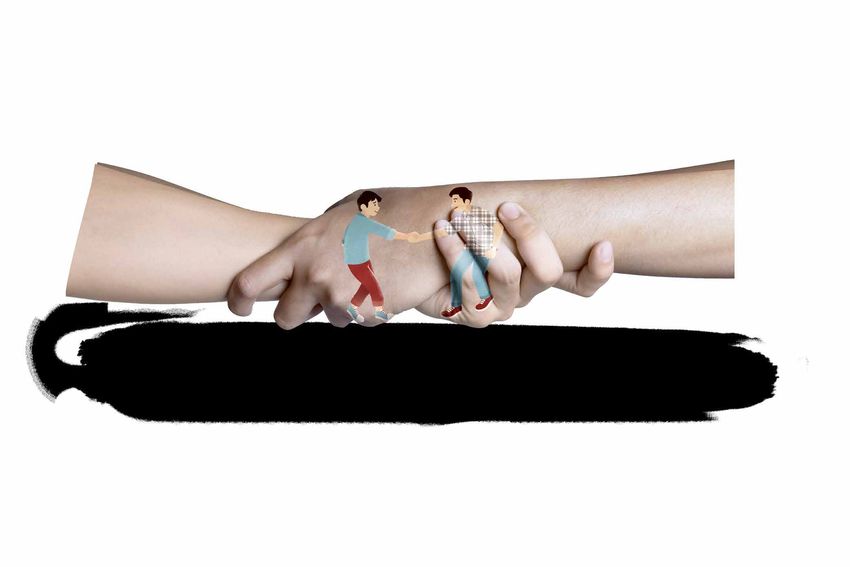
This publication is also available online at https://www.ncss.gov.sg/Press-Room/Publications
CONTENTS
                                                                                                          06                        16
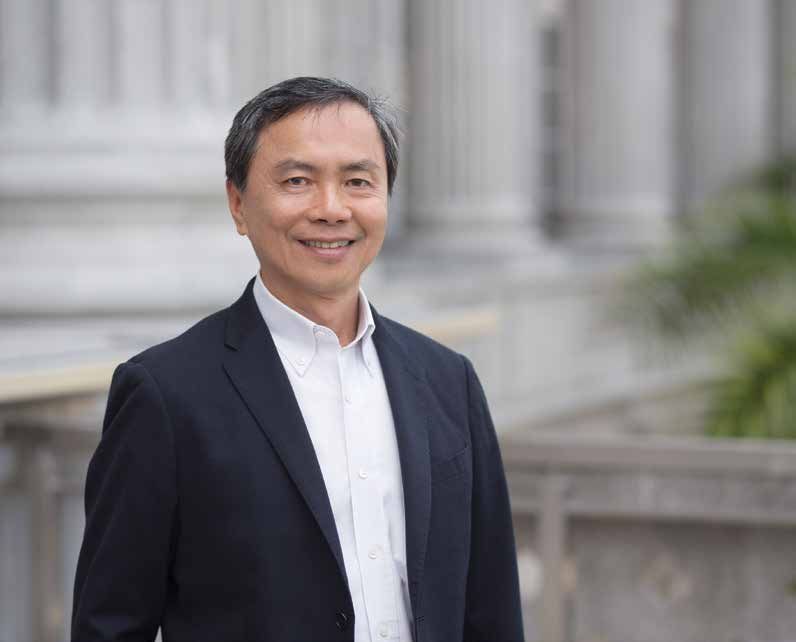
                                                                                                          PRESIDENT'S               QUALITY OF LIFE
                                                                                                          FOREWORD                  STUDY ON PERSONS
                                                                                                          by Mr Hsieh Fu Hua,       WITH MENTAL HEALTH
                                                                                                          NCSS President            ISSUES

                                                                                                          07                        32
                                                                                                          FOREWORD                  THE MENTAL HEALTH
                                                                                                          by Dr Gerard Ee,          SERVICE LANDSCAPE
                                                                                                          Chairman of the NCSS
                                                                                                          Advocacy and Research     33
                                                                                                          Panel                     WHAT CAN YOU DO?

                                                                                                          08                        34
                                                                                                          MESSAGE                   ACKNOWLEDGEMENTS
Copyright © 2017 by National Council of Social Service                                                    from Ms Chan Lishan,
ISBN : [978-981-11-4229-1]                                                                                Author, A Philosopher’s   35
                                                                                                          Madness                   References
All Rights Reserved. No part of this publication may be reproduced or transmitted in any form or by any
                                                                                                                                    Annexes
means, electronic or mechanical, including photocopying, recording, or by any information storage         09                        36 A
                                                                                                                                        : Glossary of Quality
system and retrieval system, without the written permission of the copyright owners.                      AN OVERVIEW OF               of Life Domains and
                                                                                                          MENTAL HEALTH                Facets
Designed and Printed in Singapore by
Oxygen Studio Designs Pte Ltd                                                                             12                        38 B
                                                                                                                                        : Glossary of Mental
www.oxygensd.com                                                                                          Introduction                 Health Services and
                                                                                                                                       List of Mental Health
Please address all queries regarding this publication to:                                                                              Agencies
Advocacy and Research Team
National Council of Social Service
170 Ghim Moh Road, #01-02
Singapore 279621
Tel: 6210 2500
Fax: 6468 1012
research@ncss.gov.sg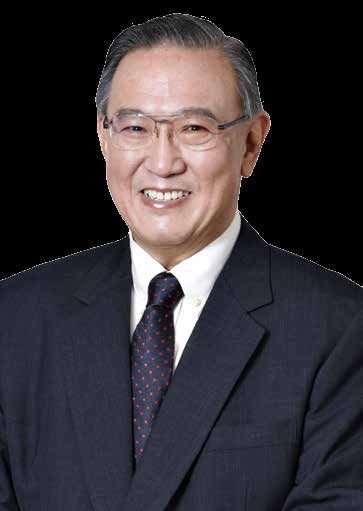
Before I became President of NCSS, I used                                                  Regardless of ability, condition or age, our lives
                                   to volunteer for a charity, handing out food                                               are made up of many diverse facets, aspects and
                                   provisions to vulnerable families. Many recipients                                         experiences intricately woven together. Even as
                                   were kind and invited me into their homes. What                                            individuals, we are shaped by the ecosystem we
                                   struck me during these visits was the sight of                                             live in, be it the people close to us, community or
                                   stacks of unconsumed and even expired food.                                                wider society. Hence, focusing on a few aspects
                                   They explained to me that when social service                                              rather than the whole – the individual rather than
                                   organisations offered help, it was usually food.                                           his or her interactions with the entire ecosystem –
                                                                                                                              prevents us from seeing meaningful linkages that
                                   While well-intentioned, gifts of food address                                              contribute to who a person is.
                                   hunger as opposed to what keeps people hungry.
                                   That food goes uneaten and families remain                                                 With this in mind, NCSS carried out a series of
                                   vulnerable tells us that hunger is but one need                                            studies to examine the quality of life of various
                                   among many. It also reminds us that people’s real                                          vulnerable populations and seniors through
                                   needs can be very different from what we believe                                           a person-centred and holistic approach. To
                                   them to be.                                                                                understand their aspirations, needs and well-being
                                                                                                                              from their perspective, we adopted the World
                                   In addressing these issues, NCSS advocates                                                 Health Organisation’s framework on Quality of Life,
                                   a quality of life approach to understanding                                                conducting surveys, interviews and discussions.
                                   needs. Areas such as psychological well-being,
                                   independence and having social support are vital                                           This is one in a series of publications that presents
                                   to living well. This entails encouraging people                                            the results of those findings to practitioners, social
                                   to express what they need, and to be active                                                service professionals, volunteers and service users
                                   participants in addressing their own needs.                                                for their application. Each contains rich information
                                                                                                                              that can be used to guide social service providers,

PRESIDENT'S                                                                               FOREWORD
                                   The Quality of Life Study has shed valuable                                                funders and other stakeholders in the social
                                   insights on how all individuals can hold onto                                              service ecosystem, to dive into understanding
                                   their aspirations, use their abilities and be active
FOREWORD
                                                                                                                              and developing solutions so as to empower service
                                   in society. It has surfaced the need for open          Dr Gerard Ee                        users towards achieving their fullest potential.
                                   conversations to increase mental health awareness      Chairman of the NCSS Advocacy and
MR Hsieh Fu Hua                    and improve mental well-being. More can also be        Research Panel                      Among numerous applications, the insights
NCSS President                     done to support them in achieving meaningful                                               gleaned from these findings have contributed
                                   employment and at the workplace. Persons                                                   towards national initiatives such as the Enabling
                                   with mental health issues have strengths and                                               Masterplan 3, the nation’s disability blueprint,
                                   expertise which can be unlocked when we focus          "Regardless of ability,             as well as the Social Service Sector Strategic
"That food goes uneaten and        on supporting their pursuits and ambitions.            condition or age, our lives         Thrusts, a five-year strategic roadmap for the
families remain vulnerable tells                                                          are made up of many diverse         sector developed in partnership with the public,
                                   Ultimately, it is my hope that every contributor to                                        private and people sectors.
us that hunger is but one need     this sector can join NCSS in taking a person-first     facets, aspects and experiences
among many."                       perspective, seeing individuals beyond recipients
                                                                                          intricately woven together."        I am extremely grateful to our advisors. They are
                                   of help alone and empowering all to live with                                              experts in the field of statistics, psychology, social
                                   dignity in a caring and inclusive society.                                                 work, disability, mental health and seniors and
                                                                                                                              research. I am also thankful to each and every
                                                                                                                              respondent who participated in the study, along
                                                                                                                              with the many who helped ensure that their
                                                                                                                              opinions were heard.

6                                                                                                                                                                                 7
AN OVERVIEW OF MENTAL HEALTH
I was 24 years old when I went mad. That was in
2008. During my hospitalisation, I was restrained. I
was tied down to the bed for more than 12 hours, AN OVERVIEW OF MENTAL HEALTH
in a room with ten other patients. When the nurses
removed the raffia that bound my wrists and ankles, What is Mental Health?1
I tried to stand up but immediately collapsed onto
the floor. I was wheeled into the shower room and
doused in cold water. One does not have to go A state of well-being in which every individual can:
through this traumatic experience to appreciate
how I felt at the time – ignored, that nobody was
listening, that no one cared.
This impressive study is a serious attempt to
understand what quality of life means to persons
with mental health issues, by a governmental
organisation that recognises the importance of
mental health for individuals and society. This effort
is part of a wider series of studies that looks at the
quality of life of vulnerable persons in Singapore.
Realise his or Cope with the normal Work productively Have the ability to
her potential stresses of life and fruitfully contribute to the
It is the mark of enlightened policy-making to
community
consider and include the views of those who are
most affected by it. In this study, NCSS has sought
out and integrated the perspectives of persons with
mental health issues. By caring to listen, it has given
iation from
persons with mental health issues the opportunity dev
u s of the cul so
s
to make their views heard. What is a Mental Disorder?2 m t
no o
cia
i
Ser
ur
r
According to the Diagnostic and Statistical
l
e
MESSAGE This publication is a consolidation of those views.
It highlights how the quality of life of persons with
mental health issues can be improved, putting
Manual of Mental Disorders (DSM-5), a
mental disorder is characterised by clinically
significant disturbances in a person’s behaviour,
Deviance
Ms Chan Lishan forth ideas that will be useful to mental health thinking or feeling that suggest dysfunction
ly
Author, A Philosopher’s Madness professionals and decision-makers, and which in psychological, biological or developmental
on h i n t e r f e r e s w e
v
cti
h
begins to answer the question – how can society processes underlying mental functioning.
it
ction effe
build meaningful connections with such persons
Significant pe r
occupation
who are vulnerable and have been stigmatised? Mental disorders are usually associated with
"Let us build a society where significant distress or disability in social,
Distress Dysfunction
all persons with mental health
fun
iti ial,
One of the recommendations in this publication occupational or other important activities. As
so o
ns
c
to
is that there be more opportunities for persons a rule of thumb, it satisfies three criteria:
al
issues are in a place where n B eha ur wh
ic
ot al distress i iv
es
r
o
with mental health issues, that employers take he r vio s
important ac
t the er
they can feel that somebody is advantage of the strengths of this under-utilised ability of a p
group. It is wonderful to note that NCSS is leading
listening, that someone cares." by example in this respect. Beyond advocating for
more opportunities for vulnerable persons, it is also
open, as an organisation, to hiring them.
This publication by NCSS is a small but necessary
step, to a future where persons with mental health
issues are treated with dignity. It should be read
carefully. Let us build a society where all persons with 1 World Health Organisation. (2014). Mental Health: A State of Wellbeing.
2 American Psychiatric Association. (2013). Diagnostic and Statistical Manual of Mental Disorders: DSM-5.
mental health issues are in a place where they can
feel that somebody is listening, that someone cares.
8 9AN OVERVIEW OF MENTAL HEALTH AN OVERVIEW OF MENTAL HEALTH
Demographics and Key Trends
Tabled below are some common mental health disorders. Virtually all of them vary in severity, and require
the presentation of multiple, clinically observable symptoms to be diagnosed.
Major Depressive Disorder, Alcohol Abuse and Obsessive-Compulsive Disorder
Addictions (e.g. substance, behavioural)
Addictions affect people both physically and
psychologically. A person can become addicted to
either substances (e.g. abuse of drugs, alcohol) or to
certain behaviours (e.g. gambling, sex, the Internet).
Generalised Anxiety Disorder
Persistent and excessive symptoms of anxiety not
restricted to a particular event or circumstance.
Manifests in both physical (e.g. trembling, increased
muscle tensions) and psychological (e.g. excessive
worrying, difficulties concentrating) forms, which
1 are highly common in Singapore.3
Major Depressive Disorder is the most common mental illness in Singapore,
with nearly 1 in 20 having experienced it at some point in their life.
It affects women 1 Hhadalfaofchronic
those who experienced it also
Anorexia Nervosa
Self-starvation and excessive weight loss, coupled
interfere with day-to-day activities and relationships. more than men.
2 physical illness.
with an intense fear of gaining weight.
Bipolar Disorder
Characterised by repeated episodes in which mood,
energy and activity levels alternate significantly.
Obsessive-Compulsive Disorder
Obsessions are recurrent and persistent ideas, images
or impulses, while compulsions refer to physical
or mental acts that are repetitive, purposeful, and
which attempt to reduce the anxiety caused by
2 ost major mental illnesses occur by the age of 264, and begin when a person
M
is between the age of 18 and 29.5
Unlike mood swings, mood changes in bipolar the obsession.
disorder are severe, persistent and significantly
affect the individual’s ability to function.
Bulimia Nervosa
Cycles of binge-eating and purging. The person
consumes large amounts of food at short intervals,
Panic Disorder
Severe, recurrent and often unexpected panic
attacks that significant impair a person’s life. Panic
attacks are typically characterised by a sudden
onset of pounding heartbeat, shakes, cold sweat,
3 Only less than a third who have a mental illness seeks help.6
before getting rid of the food through vomiting, breathlessness or giddiness.
laxative abuse or over-exercising. The public believes that persons with mental health issues can recover if they
4
Post-Traumatic Stress Disorder want to, are unpredictable and that having a mental health issue hints at
Dementia Affects many who survive major, traumatic personal weakness.7
A group of syndromes that affect the brain and are experiences that are unexpected, life-threatening
characterised by progressive global deterioration or highly distressing as perceived by a person.
in intellect including memory, learning, orientation, Manifests in avoidance, hyper-arousal as well as
language, comprehension and judgement. intense psychological distress as a result of exposure
to anything associated with the trauma in question.
5
Major Depressive Disorder
Profound and pervasive feelings of sadness, emptiness, Schizophrenia Most people can recognise symptoms of Major Depressive Disorder and Alcohol
worthlessness and hopelessness that affect both A disorder characterised by major psychosis (e.g. Abuse, though not so for Obsessive-Compulsive Disorder and Schizophrenia.8
body and mind. delusions, hallucinations, disordered thinking or
abnormal behaviour) but also deficiencies in mental
functioning such as impairments in attention, poverty
of speech or lack of emotional response.
3 Institute of Mental Health. (2011, Nov 18). Latest Study Sheds Light on the State of Mental Health in Singapore.
4 Ibid.
5 Vaingankar, J. A., Rekhi, G., Subramaniam, M., Abdin, E., & Chong, S. A. (2013). Age of Onset of Life-time Mental Disorders and Treatment Contact. Age
of onset was self-reported. Disorders considered excluded eating disorders and phobias.
6 Chong, S. A., Abdin, E., Vaingankar, J. A., Kwok, K. W., & Subramaniam, M. (2017). Where Do People With Mental Disorders in Singapore Go To For Help?.
Sources: DSM-5, Health Promotion Board, Institute of Mental Health, NCSS 7 Institute of Mental Health. (2015, Oct 6). IMH’s National Mental Health Literacy Study Shows Dementia, Alcohol Abuse and Depression are the Most
Recognisable Among Common Mental Disorders.
8 Ibid.
10 11Introduction
Anyone can experience a mental health issue at some stage in life.
While addressing its symptoms is important, it is equally significant
to recognise that those affected do not stop having the same needs
as any other person. Hence, solutions need to go beyond a person’s
condition alone and meet needs in a more effective, collective and
sustained manner.
To this end, NCSS supports a person-centred and ecosystem
approach towards helping individuals achieve quality of life. This
is also the value which underlies the Social Service Sector Strategic
Thrusts (2017-2021), a 5-year roadmap for the social service sector.9
Person-Centred
A person-centred approach operates on the belief that an
individual has the capacity to understand, articulate and work
through problems, making decisions on how to overcome
them.10
Ecosystem
Addressing individuals holistically also means seeing them as
connected to different contexts that mutually influence each
other, and which impact every aspect of an individual’s life —
an ecosystem11 comprising caregivers and family, community
and wider society. In practice, this means that understanding
the needs of persons with mental health issues necessitates
taking into account their interactions with the ecosystem,
towards more holistic understanding and solution creation.
Quality of Life
Taking a multi-faceted approach to individual well-being, a
key goal is to ensure that individuals’ quality of life is optimised
in the form of a core set of diverse, essential needs to be met.
These needs are evaluated from individuals’ own point of view,
which gives credence to people’s own awareness of what
they need. This is important because researchers agree that
the assessment of quality of life is subjective12, but also and
because individuals perceive needs and give importance to
them in different ways.
9 T he Social Service Sector Strategic Thrusts document may be found on NCSS’ website at http://
www.ncss.gov.sg/4ST.
10 The term “person-centred” was first introduced by the psychologist Carl Rogers in the 1940s.
Further information about the person-centred approach can be found at http://adpca.org/
content/history-0.
11 Bronfenbrenner, U. (1986). Ecology of the Family as a Context for Human Development: Research
Perspectives.
12 Blatt, B. (1987). The Conquest of Mental Retardation; Taylor, S. & Racino, A. (1991). Community
Living: Lessons For Today.
12 13Domains
facets
The World Health Organisation Physical
(WHO) defines Quality of Life 1 Pain and Discomfort 2 Energy and Fatigue 3 Sleep and Rest
as such13:
Level of
2 ACTIVITIES OF 3 DEPENDENCE ON MEDICAL
Independence 1 Mobility 4 WORK CAPACITY
An individual’s DAILY LIVING TREATMENT / MEDICATION
perception of their
Social
position in life in the Relationships 1 PERSONAL RELATIONSHIPS 2 SOCIAL SUPPORT 3 SEXUAL ACTIVITY
context of the culture
and value systems in Environment
which they live and 1 SAFETY AND SECURITY 2 HOME ENVIRONMENT 3 FINANCIAL ADEQUACY 4 HEALTH AND SOCIAL CARE
in relation to their 5 OPPORTUNITIES 6 RECREATION AND 7 PHYSICAL 8 TRANSPORT
goals, expectations, TO ACQUIRE NEW LEISURE ENVIRONMENT
INFORMATION AND SKILLS
standards and
concerns.
Psychological
1 POSITIVE FEELINGS 2 THINKING, LEARNING, 3 SELF-ESTEEM 4 BODY 5 NEGATIVE
MEMORY AND IMAGE AND FEELINGS
It conceptualises Quality of Life
CONCENTRATION APPEARANCE
in six constituent domains, sub-
divided into 24 facets. More details
on the domains and facets may be Personal Beliefs
found in Annex A. 1 PERSONAL BELIEFS,
SPIRITUALITY/ RELIGION
With this in mind, NCSS conducted the Quality of reference them for deeper solutioning, research,
Life Study on Persons with Mental Health Issues service planning efforts, public education and policy
in Singapore. This survey targeted persons with recommendations.
mental health issues who are or have accessed
social support, and is the first study carried out for The results from this inaugural study serve also as
this group that focuses on their quality of life and a baseline for future comparison, allowing changes
what they consider important to their well-being. in quality of life to be tracked over time. This will
strengthen the social service sector’s ability to assess
These findings support existing knowledge and the impact of our schemes, initiatives, services and
feedback, and help NCSS represent the views of programmes, and identify trends for future needs
persons with mental health issues. NCSS will also and gaps.
13 W
orld Health Organization. (1993). Study Protocol for the World Health Organization Project to Develop a Quality of Life Assessment Instrument
(WHOQOL).
14 15STUDIES STUDIES
QUALITY OF LIFE STUDY ON
PERSONS WITH MENTAL HEALTH ISSUES
Research Objectives Method Nearl
This study was carried out in two stages, comprising y
• To understand the needs of persons with a survey as well as post-survey focus group
mental health issues across six domains of discussions.
quality of life14
Quantitative Survey
Physical Participants for the quantitative survey were
l Ind obtained through a random sampling of mental
Le pend
health service users from various mental health
Beli ona
vel ence
e
efs
Pers
6
agencies and networks. Respondents were screened
of
to ensure that they were in stable condition to
domains respond to the survey15.
of quality
Psych
of life
ships
The survey was self-administered and conducted
ion l
lat Socia
pre
olo
s
al face-to-face. The final sample comprised 477 tha ented
gic
Re responses. Respondents were asked to complete n on mor
hea
Environment
the survey on their own, and assisted if they had lth c e men e
ond tal
trouble understanding any terms. itio
• To obtain a quantitative baseline for the
n.
quality of life of persons with mental health
issues
• To surface priority areas for action
Respondent Breakdown by Gender Respondent Breakdown by Education
Male Female Secondary Institute of University Others
56.2% 43.8% and Below Technical and Higher 0.2%
Respondent Breakdown by Respondent Breakdown by 61.4% Education/ 11.6%
Mental Health Condition Severity of Mental Health Condition Polytechnic/
Psychosis Mood Substance Anxiety Junior College
27.9% Disorder Abuse Disorder 26.8%
14.3% 7.7% 4.4%
Mild Moderate to
Any other Comorbidity 68.2% Severe
disorder (>1 condition) 31.8%
13.2% 32.5%
14 M ore details on the domains, and facets under each domain, in Annex A.
15 Includes persons with mental health illness accessing or who have accessed social services, and whose condition has to be stable for at least 2 weeks.
Participants with these conditions were excluded: Severe Dual Diagnosis (i.e. mental illness with severe intellectual disability), Autism Spectrum Disorder
(ASD) and Attention Deficit Hyperactivity Disorder (ADHD). No representative national registry for persons with mental health issues exists, especially
as many who have mental health issues do not seek help. Response Rate = 76%. Of 630 surveys distributed, 477 were used after data verification.
16 17STUDIES STUDIES
Respondents Who Have Used or Are Currently Accessing Services^ In this survey, three World Health Organisation Quality of Life (WHOQOL) instruments were used. Further
questions were asked on their satisfaction of services accessed, the types of services they require as
Psychological Services well as the Quality of Life domain(s) in which they desired the most improvement. All questions were
320 translated into Chinese, Malay or Tamil where necessary.
(e.g. in polyclinics, hospitals)
Case Management and Counselling 300
Quality of Life WHOQOL-BREF17
Employment-Related Services This is a 26-item scale that asks respondents to rate their perceived
189
(e.g. skills upgrading, job support) state of well-being in the last two weeks. Questions are answered
Residential Home 166 on a five-point scale and comprise of:
Financial Assistance 166 WHOQOL-DIS • 24 questions that corresponded with the 24 facets of Quality of Life
• Two questions regarding their perception of life and health overall
Day Activity Centre 156
Specific to Persons with
In addition to the sample of persons with mental health issues, the
Mental Health Issues
Helplines 69 WHOQOL-BREF was administered to the general population sample
as well.
Befriending Services 33 WHOQOL-BREF
Hostels
WHOQOL-DIS
16
This is an add-on module of WHOQOL-BREF which surveyed
0 100 200 300 400 respondents on three areas of life regarded as important to persons
Number of Respondents with mental health issues – Autonomy, Discrimination and Social
Inclusion18. Similarly, questions were answered on a five-point scale
WHODAS 2.0 and based on respondents’ experiences in the last two weeks. There
^
Respondents were allowed to indicate their attendance of more than one service
were 13 questions in total, including:
Volunteering Education • One question about the overall effect of the mental health issue(s)
5.0% 1.9% on respondents' life
Retired • 12 questions on aspects related to Autonomy, Discrimination and
Others (e.g. Vocational 1.3% Other Areas Social Inclusion, in particular:
Training, Halfway House) Open Employment Surveyed by NCSS
6.1% 26.2%
Facet Areas Covered
Home-based (e.g. Autonomy Feeling in control of one’s life
homemaker) Respondent Being able to make day-to-day choices and
6.9% Breakdown 1. Demographics big decisions in life
by Main Daily 2. D esired Areas of Discrimination Unfair treatment
Activity Type Improvements Needing to stand up for oneself
None
10.1% 3. P
erception of Health Worries about the future
Status and Health Social Inclusion Feeling accepted and respected in society
Unemployed & Sheltered Employment Conditions Ability to communicate effectively with
Seeking Work 17.0% people
4. Service-Related
10.5% Questions Opportunities to be involved in social and
Day Hospital & local activities
Day Centre Feeling that dreams, hopes and wishes will
15.1%
be realised
COMPARISON TO THE GENERAL POPULATION
As a basis for comparison, NCSS obtained a representative sample (n = 942) of the general population 16 R
esponses from the general population sample who indicated that they had mental health conditions and/or disability were removed so that the general
through the Department of Statistics16 as well. population sample could be used as a control group for comparison with the other target groups. 2,000 households surveyed. Response rate: 50%.
17 According to WHOQOL Group (1998), the WHOQOL-BREF has been validated cross-culturally for various populations worldwide.
18 Items were generated from focus group discussions, tested and validated across 15 countries (Power, Green & The WHOQOL-DIS Group, 2010).
18 19STUDIES STUDIES
WHODAS 2.0 (WHO Domain Areas Covered At the facet level ^, persons with Quality of Life Score by Facet
Disability Assessment Cognition Understanding and communicating mental health issues reported the: Health and Social Care 69.1
Schedule)19 • Worst scores in financial adequacy Mobility 68.5
Top 5
This 36-item instrument measures Getting Along Interacting with other people and dependence on medication Pain and Discomfort 67.9
facets
Transport 67.7
functioning levels in six domains Life Activities Domestic responsibilities, leisure, work and or treatments Physical Environment 65.4
of health and disability. Responses school • Best scores in access to health and Activities of Daily Living 63.4
are indicated on a five-point scale social care, and mobility Self-Esteem 62.7
to measure intensity and the level Mobility Moving and getting around Safety and Security 62.3
Sleep and Rest 60.5
WHOQOL-BREF Facets
of difficulty in performing these Participation Joining in community activities, Home Environment 60.1
activities: participating in society Body Image and Appearance 59.9
Personal Relationships 59.8
Self-Care Attending to one’s hygiene, dressing, eating Negative Feelings 59.6
and staying alone Energy and Fatigue 59.3
Social Support 57.9
Focus Group Discussions Work Capacity 57.8
Personal Beliefs 55.1
To derive deeper insights into the survey findings, focus group discussions were carried out with Opportunities to Acquire Information and Skills 54.8
mental health practitioners and leaders. The discussions included open conversations on participants’ Thinking, Learning, Memory and Concentration 54.6
understanding and views on the needs of and challenges faced by persons with mental health issues, Positive Feelings 52.4
pain points as well as strategies in moving forward. Sexual Activity 51.5
Recreation and Leisure 51.4 Bottom 5
facets
Dependence on Medication or Treatments 51.0
Key Findings Financial Adequacy 45.6
To apply the findings in a more direct manner, ideas and innovative solutions (from Singapore or from 0 20 40 60 80 100
overseas) are presented that adopt a person-centred and ecosystem approach in improving the lives of Quality of Life Score
persons with mental health issues. They are not meant to be prescriptive, but to highlight both existing ^
For more information on the Quality of Life domains/facets, please refer to Annex A.
and innovative models to inspire more solutions that are ground-up.
Idea: Boost
The counsellors at the
Finding #1 personal support
Singapore Management
networks.
Universit y's (SMU) M rs
Persons with mental health issues experienced a lower quality of life than the general population. Focus group discussions revealed the Wong Kwok Leong Student
importance of growing the personal support Wellness Centre are often
At the domain^ level, the scores for personal beliefs and social relationships were the lowest. network of persons with mental health issues assisted by Peer Helpers,
to encourage them to perform self-care, full-time undergraduate
participate in social and recreational activities students trained in helping
General Population and have hope for the future. This is especially skills to provide a listening
Quality of Life Score by Domain Persons with Mental Health Issues critical as several experienced abandonment ear and emotional support
and attrition of both friends and family upon for their peers. Peer helpers
100 75.9 being diagnosed. also organise campaigns and
69.0 62.6** 70.2 69.0 69.8 67.7 70.3
80 60.2** 59.6** events which raise awareness
Quality of Life Score
56.4** 57.9** 55.1** 58.6**
Peer support programmes and peer specialists of mental health and well-
60 were shared to be effective in speeding up being in the entire SMU
40 the recovery process of a person with mental community.
health issues, and to increase self-confidence
20 through peer role-modelling. More information may be
0 found at: www.smu.edu.sg/
Physical Level of Social Environment Psychological Personal Overall QOL wklswc/smu-peer-helpers
Independence Relationships Beliefs
** p < 0.01. A Multivariate Analysis of Variance was performed on the six domains related to quality of life (DV) and group membership (IV).
19 The WHODAS 2.0 has been tested in different cultural settings and health populations and has robust psychometric properties (Gold, 2014).
20 21STUDIES STUDIES
Finding #2 Finding #3
Persons with mental health issues who had complex needs (i.e. having a disability or being over the age
Idea: Look out for
of 65), reported lower quality of life.
caregivers with
Quality of Life Score by Presence of Complex Needs mental health
issues and extend
100 the necessary
* Currently, it is unclear as to whether the
support.
mental health condition was acquired 10.9%
80 before or during caregiving. However, of respondents
54.3 59.3
looking out for this group is important as the were also
Quality of Life Score
60 quality of care they provide to those they caregivers.
serve is often closely linked with their own
40 quality of life.
Complex Needs
While there are some support avenues for
No Complex Needs 20
caregivers of persons with mental health issues
(e.g. the Family Link Program, support groups
0 by Singapore Association for Mental Health),
*p < 0.05 Persons with Mental Health Issues more can be done for caregivers with mental
health issues. This could involve preventive
mental health measures for new caregivers, or
Idea: Expand
extending support to caregivers with mental
mental health
health issues.
services to seniors
as well as persons
More support and guidance could be
with disabilities.
given to mental health agencies to
Finding #4
better serve clients who are seniors
or who have disabilities, and to collaborate
with other community organisations. There Persons with mental health issues wanted to see improvements in their psychological well-being, level
could also be a greater and preventive of independence and social relationships. In particular, a significant number expressed their desire to
emphasis on mental well-being upon the be employed.
diagnosis of a disability or when dealing with
seniors, particularly those who are at risk for Persons with mental health issues hoped to be supported
socially and psychologically to live independently
vulnerability such as singles or those who are
socially isolated. 100
55.1 62.6 60.2
80 Physical Level of
Quality of Life Score
Personal
Independence
60 Beliefs
In building the capability for community based psychiatric assessment, the Aged Psychiatry Community 40 56.4 57.9
59.6 Social Psychological
Assessment and Treatment Service–Regional Eldercare Agencies Partnership (APCATS-REAP) 20 Environment Relationships
was initiated to train eldercare agencies and General Practitioners (GPs) to provide coordinated mental
health services for the elderly in the community. It focuses on building organisational capabilities in 0
early detection as well as management and coordination of mental healthcare.
Smallest desired improvement Greatest desired improvement
More information may be found at: www.imh.com.sg/education/page.aspx?id=658
22 23STUDIES STUDIES
Finding #5
A number of those surveyed who are higher functioning responded that they are not engaged in a main
daily activity, be it employment, education or other forms.
1 The Singapore Anglican Community Services’
Integrated Employment Services helps
persons in recovery seek sustained employment.
2 In a bid to strengthen the support for persons
with mental health issues, mental health
social service organisations as well as the Institute
In addition to career guidance and training by of Mental Health (IMH) have hired 25 full-time
WHODAS 2.0 Score by Occupation/Main Activity employment specialists, it features a mobile team peer support specialists in a move to recognise
Each dot represents of mental healthcare specialists and occupational peers in the recovery journey. These agencies
one respondent. 100 therapists that provide on-the-job support until collaborated with NCSS on the Peer Support
The WHODAS 2.0 the worker becomes more independent. Specialist Programme, which trains persons in
domains are (p.20): recovery to work as peer support specialists in the
• Cognition 75 More information may be found at http://sacs. social service and healthcare sectors. Skills learnt
WHODAS 2.0 Score
• Getting Along org.sg/our-services/psychiatric-rehabilitation-and- include recovery language, class facilitation and
• Life Activities recovery-services/ self-care.
• Mobility 50
• Participation More information may be found at: www.ssi.sg/
• Self-Care peersupportspecialistprog
25
0 Encouraging employers to collaborate with mental health service providers to develop
Open Sheltered/ Education/Day None mental health services such as counselling or stress management techniques can also help
Employment Voluntary Activity Centre/
in safeguarding workplace mental health.
Employment Others
Idea: Support Occupation/Main Activity
persons with
mental health
In addressing the loss of productivity as a
issues to achieve
result of ill mental health among employees,
sustainable and
Despite career guidance and training being available, Électricité de France (EDF) Energy rolled out its
meaningful
survey respondents frequently communicated that Employee Support Programme, a partnership
employment.
they did not know how or lacked self-confidence to between its occupational health department
access them. In this regard, proactive assistance and and a team of specialist psychologists and
outreach would be helpful. therapists in the UK. It was developed in
consultation with the company’s stakeholders,
Focus group participants also suggested matching jobs to and involves segments such as cognitive-
the interests and abilities of persons with mental health behavioural therapy for employees who need
issues, as well as more assistance to train and connect them quick access to treatment and advice, as well as
to meaningful employment opportunities. a training programme for managers to mitigate
the effects of ill mental health.
More information may be found at: wellbeing.
bitc.org.uk/all-resources/case-studies/better-
specialist-support-edf-energy
If a company has the practice of offering small accommodations or alternative work arrangements
such as flexible working hours, restructured job scopes or taking time off, such extensions can
be availed to persons with mental health issues on the basis of valid certification.
24 25STUDIES STUDIES
Finding #6
Persons with mental health issues felt that they lacked autonomy and control over their lives and in
making life decisions.
They also felt excluded from contributing meaningfully to society, worried about future prospects and did
not feel that they could fulfil their potential.
WHOQOL-DIS Score by Area
Best Discrimination 69.2
Social Acceptance 65.4
Choice 62.5
Communication Ability 58.6
Respect 54.9
WHOQOL-DIS Area
Autonomy 54.3
Advocacy 53.6
Social Network and Interaction 52.2
Idea: Create Personal Potential 50.7
volunteer Bottom
Future Prospects 50.4
opportunities 5 areas
for persons with Control 49.5
In addition to meaningful employment, volunteering can have a positive
mental health Worst Social Inclusion and Contribution 47.1
effect on the subjective well-being of persons with mental health issues
issues.
by improving their social participation and chances to make friends. This 0 25 50 75 100
provides for a self-validating experience and fosters the belief that one’s
actions can make a difference.
Idea: Change The Agency for Integrated
public attitudes Care (AIC) works closely
towards mental with government agencies,
health issues. community partners,
The most significant barriers to
Tapping on the unique experiences of persons with mental health issues can be helpful in specific areas grassroots organisations
inclusion and acceptance are attitudes
of mental health work. Thus, apart from opportunities such as events management, administration as well as health and social
and mindsets. It is important to change the
and intermediary support, the England-based mental health charity Self Help takes volunteerism care partners to form a
negative perception of mental health issues
one step further. Local Community Support
and to improve awareness and understanding.
Network, which works to
This is especially important, given that
Inclined towards an ecosystem and user-led approach to volunteerism, the charity encourages service raise mental health awareness
knowledge of mental disorders remains a
users, their friends/relatives and carers to contribute in designing the activities of the charity itself. MIND of grassroots leaders and
SET concern in Singapore.
For instance, the Design of New Unique Therapeutic Services (DONUTS) group is a monthly “co- community partners,
production” meeting that discusses the design and development of peer-based services. In addition, empowering them to
Public education efforts might focus on more
its Service User Reference Forum (SURF) offers volunteers the chance to work with senior managers recognise residents at risk and
tangible ways in which the public could reach
in raising awareness and developing the profile of Self Help and its services. learn how to better support
out towards persons with mental health issues,
them. It has outreached
such as role-playing everyday scenarios where
More information may be found at: www.selfhelpservices.org.uk/get-involved/volunteering to grassroots leaders and
individuals might exhibit behaviour or share
community partners with
concerns that require intervention or support.
educational and training
workshops.
26 27STUDIES STUDIES
Finding #8
The Human Library is a programme with
It helps to be familiar with mental wellness many chapters worldwide. It is designed to set Respondents were more likely to have a lower quality of life^ if they had:
from a young age. In school, anecdotes of the stage for positive conversations that can
persons in recovery, or mental health facts, challenge stereotypes and prejudices through
dialogue. It features a cost- and space-efficient Lower Not been earning Not engaged
could be included as part of the curricula. functioning level a personal in regular sports or
Students could also be tasked with out-of- “library”, which features human beings as “books”,
whose time can be “borrowed” by others to find
123
(3.8x) income (1.7x) physical recreational
classroom assignments at mental health activities (1.7x)
agencies, where they might be exposed to out more about their lives. Among the many
a more grounded understanding of things who have signed up as “books” for “loan”, several
beyond textbook knowledge. have had mental health issues, such as Bipolar
Disorder, Attention Deficit Hyperactivity Disorder inary logistic regression was conducted (median QOL cutoff). Controlled for age and gender.
B
Idea: Encourage
^
and Post-Traumatic Stress Disorder. Lower quality of life refers to scores in the bottom 50th percentile.
persons with
mental health
More information may be found at: humanlibrary.org
issues to stay
healthy. 53% of respondents surveyed reported having a chronic disease such as
Finding #7
heart disease, asthma, stroke and diabetes.
Respondents who are or have accessed step-down care20 reported significantly higher physical, level of For example, individuals taking antipsychotics had a greater risk of physical health
independence, psychological and personal beliefs scores, than those who have not. problems (e.g. inadequate nutrition, reduced exercise/fitness, pain and discomfort),
negative impact on sensory functioning or lesser ability to perform activities of
Quality of Life Domain Score by Type of Care daily living — all of which put them at greater risk for chronic disease.
* * * *
Conversely, having a chronic disease may also increase one’s propensity for mental
100
66.3 illness, as it can result in significant changes to way of life or increased financial
64.4 58.7 61.5
62.5 57.7 burden, which contribute in turn to poorer mental health.
80 60.3
Have Not 57.1 55.2 58.5 54.3
Quality of Life Score
Accessed Step- 52.5
Down Care Before 60
Have Accessed/Is 40 Idea: Optimise
Accessing Step- opportunities
Down Care Sports and recreational activities can also
20 for sports and
help individuals safeguard their mental
recreational
*p < 0.05 well-being and improve their quality of life.
0 activities.
Physical Level of Social Environment Psychological Personal
Idea: Improve Independence Relationships Beliefs
transition support Recognising the role of physical activity in the prevention and management of mental health issues,
for persons with the London-based charity Mind has pioneered Get Set to Go, a programme which aims to support
mental health people with mental health issues to feel more confident about being physically active. It adopts a
Transition support can be in the form of accompanying persons in
issues returning multi-pronged approach that includes organised sport and physical activity sessions, online peer
recovery to follow-up and other community-based services, addressing
to the community. support as well as national campaigns to promote the mental health benefits of physical activity. In
their worries about reintegrating into the community or engaging
them with peer support specialists in their journey beyond the mental particular, it trains peer sports navigators — volunteers who have had first-hand experience of mental
healthcare system. Having such support can help them to better reintegrate health problems or have supported loved ones in managing their mental health — as positive role
into the community. models to encourage participants to get active.
More info may be found at: www.mind.org.uk/about-us/our-policy-work/sport-physical-activity-and-
20 Transition care for persons recovering from mental illness includes hostels and residential homes. mental-health/get-set-to-go/
28 29STUDIES STUDIES
Finding #9
In sum, the ideas may be classified into three broad areas of action:
In holistically improving the areas outlined in the WHOQOL-BREF, addressing social inclusion when TRANSLATING IDEAS TO ACTION
designing initiatives can achieve the greatest effect.
Social Support & Opportunity Personal Potential
Aspects to focus on include: Inclusion
• Eliminating barriers to understanding, communicating and getting along with others
• Increasing social participation Improve persons with mental
Work towards full and Improve availability and
health issues’ physical and
effective participation and access to resources and
Hence, for instance, leisure activities for persons with mental health issues could be designed to encourage mental well-being so that
inclusion of persons with opportunities for persons
positive interactions with the community or others in the neighbourhood. they can achieve their
mental health issues in society with mental health issues
personal potential
The Structural Equation Modelling (SEM) is used to understand the relationship between factors,
Encourage persons with mental health issues to stay physically
particularly that between observable and unobservable variables. It provides numerical estimates
healthy through sports and recreational activities
that indicate the strength of such relationships.
Boost the personal support Expand mental health services
PERSONS WITH MENTAL HEALTH ISSUES: STRUCTURAL EQUATION MODELLING ^ networks of persons with to seniors and persons with
mental health issues disabilities
WHOQOL-BREF Quality of Life of Persons with Mental Health Issues
Change public attitudes
0.54 through community training Extend the necessary support
and workshops as well as to caregivers with mental
WHOQOL-DIS Autonomy Social Inclusion Discrimination events to impart mental health issues
health literacy
0.18 0.22 0.22 0.35
Support persons with
Difficulty Teach others to interact
Understanding and Getting Along mental health issues
Participating in with and help persons with
Communicating With People to achieve and sustain
Society mental health issues
WHODAS 2.0 meaningful employment
Household Create volunteer opportunities
Getting Around Self-Care
Activities
Improve transition support
^
A simplified representation of Structural Equation Modelling – Multiple Indicators Multiple Causes Method for persons with mental
health issues returning
Idea: Promote to the community
understanding
and effective
interaction.
NCSS’ Removing Barriers Series of booklets
includes one for persons with mental health
issues, and details important tips for how people
can support them in everyday environments
such as work, school or the neighbourhood.
More information can be found on the NCSS
website at https://www.ncss.gov.sg.
30 31THE MENTAL HEALTH SERVICE LANDSCAPE WHAT CAN YOU DO?
The following key programmes and services cater to persons with mental health issues21. At the end of the day, everyone plays an important role in the mental health support ecosystem. Here
are some suggestions for what you can do:
For more information, a glossary as well as a list of mental health agencies is attached in Annex B.
If you are a… You can…
Prevention and Early PERSON WITH A Reach out to family and friends whom you can trust. Speak up and don’t be afraid.
Healthcare and Social Services MENTAL HEALTH
Identification ISSUE If you are between 16 and 30, contact CHAT for a free and confidential check, or email them at CHAT@
mentalhealth.sg. Most people complete their checks within two weeks of contacting CHAT.
Early Identification and Psychiatric Treatment and Counselling Services and EMPLOYER If an employee reveals that he or she has a mental health issue, be honest and open about how you
Detection Psychological Intervention Family Work can support them at work.
(e.g. CHAT, EPIP)
Help make the workplace more inclusive for persons with mental health issues. When in doubt, seek
Illness Management and the advice of IMH Job Club or SACS Integrated Employment Services. Give persons with mental
Health Promotion Befriending health issues a chance; ascertain their strengths instead of deciding their weaknesses.
Recovery
SERVICE PROVIDER View service users as persons worthy of help, support and recovery. Empower them to achieve their
Psychiatric Rehabilitation and fullest potential. Support them to actualise their potential and aspirations in wider society.
Suicide Prevention Support Groups
Residential Services GRASSROOTS Raise awareness of mental health issues in the community, and encourage any who feel distressed to
WORKERS reach out for assistance appropriately.
Addictions Services Peer Support Services CO-WORKER / Express your concern. Let your friend know that you care about him or her, and have observed changes
(e.g. National Addictions (e.g. Peer Support Specialist FRIEND in his or her behaviour.
Management Service) Programme*)
Lend a listening ear and provide your support, and encourage him or her to seek professional help if
necessary.
Home Visits and Community Halfway Houses CAREGIVER Don’t be afraid to confide in others. If you need help, reach out to friends, family or organisations like
Outreach
the Caregivers Alliance Limited, or visit them at the Caregivers Support Centre at IMH.
Employment Support FAMILY Support your parent, sibling or child in any way you can. For example, suggest joint activities that you
Psychiatric Assessment enjoy doing together previously but may have stopped engaging in, or simply spend more time in his
(e.g. IMH Job Club, Project
(e.g. CHAT, Community Psychogeriatric Team) or her company.
H.I.R.E*)
Be watchful, and reach out if you notice unusual behaviour such as social withdrawal, strong changes
Individual Training and in mood or self-hurting behaviour.
GP Partnerships
Support MEMBER OF THE Recognise that mental health issues are real, and that dismissing them would only cause the problem
PUBLIC to get worse for those who experience them.
Caregiver Support
If you encounter someone who might need help or exhibits symptoms of mental health issues, reach
Social Service Offices out and encourage him or her to seek help. Speak up on his or her behalf if the individual is being
ridiculed or harassed.
Family Service Centres
Download a copy of the Removing Barriers series off NCSS’ website and share it with people you know.
Help others understand the challenges that persons with mental health issues face, and encourage
Suicide Intervention/Postvention inclusive behaviour.
Crisis Management A list of hotlines may be found on the last page.
Information and Referral Services
Helplines
* indicates programmes in the pilot phase
21 Programmes and services listed are not exhaustive.
32 33ACKNOWLEDGEMENTS REFERENCES
We would like to thank all our respondents, who have been gracious and kind enough to share their
Agency for Integrated Care. (2016). Gold, L. H. (2014). DSM-5 and the Patel, V., Saxena, S., de Silva, M., & Samele,
Factsheet: Local Community Support Assessment of Functioning: The C. (2013). Report of the Mental Health
service providers and partners for providing us with your feedback and assistance. Network. Retrieved from www.aic. World Health Organization Disability Working Group 2013. Retrieved from
sg/sites/aicassets/AssetGallery/ Assessment Schedule 2.0 (WHODAS https://www.imperial.ac.uk/media/
Factsheets/Factsheet-%20Local%20 2.0). Journal of the American Academy imperial-college/institute-of-global-
Community%20Support%20 of Psychiatry and the Law Online, 42(2), health-innovation/public/WISH_
NCSS CONSULTANTS/ NCSS Advocacy and Research Team 173-181. Mental_Health_Report.pdf
Sim Gim Guan CO NVESTIGATORS Tina Hung sg/aicassets/factsheets
Institute of Mental Health. (2011, Nov Social Service Sector Strategic Thrusts
Tina Hung Dr Lidia Suarez, Fazlin Abdullah American Psychiatric Association. 18). Latest Study Sheds Light on the Steering Committee. (2017). Social
Anjan Ghosh James Cook University Dilys Tan (2013). Diagnostic and Statistical State of Mental Health in Singapore. Service Sector Strategic Thrusts:
Robyn Tan Manual of Mental Disorders: Retrieved from https://www.imh. 2017-2021.
RESEARCH TEAM Dr Joseph Simons, DSM-5. Washington, DC: American com.sg/uploadedFiles/Newsroom/
Benjamin Tay Vaingankar, J. A., Rekhi, G., Subramaniam,
Quality of Life Study on Persons A*STAR Psychiatric Association. News_Releases/SMHS%20news%20
Charmaine Lee release.pdf
M., Abdin, E., & Chong, S. A. (2013).
with Mental Health Issues A/Prof Kenneth Poon, Lim Zhong Hao Blatt, B. (1987). The Conquest of Mental Age of Onset of Life-time Mental
Fazlin Abdullah National Institute of Education Retardation. American Psychologist, Institute of Mental Health. (2015, Oct Disorders and Treatment Contact.
Andrew Lim 31, 47-52. 6). IMH’s National Mental Health Social Psychiatry and Psychiatric
Wee Xue Ting A/Prof Ng Tze Pin, Marcus Ow Literacy Study Shows Dementia, Epidemiology, 48(5), 835-843.
Lim Woan Yun Bronfenbrenner, U. (1986). Ecology of
National University of Singapore Tan Zhuan Liang Alcohol Abuse and Depression are
the Family as a Context for Human WHOQOL Group. (1998). Developmental
Benjamin Tay the Most Recognisable Among
In memory of: Development: Research Perspectives. of the World Health Organization
Dilys Tan Developmental Psychology, 22(6),
Common Mental Disorders.
WHOQOL-BREF Quality of Life
Hah Yu Wei
†
Prof Michael Power (1954-2017) 723-742.
Retrieved from https://www.imh.
Assessment. Psychological Medicine,
National University of Singapore com.sg/uploadedFiles/Newsroom/
Lindy Teo Chia, L. (2017, Mar 9). 5-year Community News_Releases/6Oct15_Mind%20
28(3), 551-558.
Low Jian Jian …and all who have contributed to Mental Health Master Plan Matters%20Media%20Release.pdf World Health Organization (WHO).
Omela Ng the research and this publication in to be Launched. Channel (1993). Study Protocol for the World
Mind. (2016). Get Set to Go: Interim Report
Terence Sia one way or another. NewsAsia. Retrieved from www. Health Organization Project to
Findings. Retrieved from https://
channelnewsasia.com/news/ Develop a Quality of Life Assessment
www.mind.org.uk/media/4927020/
PUBLICATION WRITERS singapore/5-year-community- Instrument (WHOQOL). Quality of Life
mental-health-master-plan-te-be- Research, 2(2), 153-159.
Andrew Lim launched-8773262 Mohandas, V. (2015, 6 Oct). More
World Health Organisation. (2014).
EDITORS Awareness of Mental Disorders
Chong, S. A., Abdin, E., Vaingankar, J. Mental Health: A State of Wellbeing.
Needed in Singapore: Study.
A., Kwok, K. W., & Subramaniam, M. Retrieved from http://www.who.int/
Dilys Tan Channel NewsAsia. Retrieved
(2017). Where Do People With Mental
Benjamin Tay Disorders in Singapore Go To For
from www.channelnewsasia.com/
news/singapore/more-awareness-
Help?. Retrieved from http://www.
of-mental-disorders-needed-in-
annals.edu.sg/pdf/41VolNo4Apr2012/
singapore-study-8250018
V41N4p154.pdf
Power, M. J., Green, A. M. & The WHOQOL-
Deloitte Centre for Health Solutions.
DIS Group. (2010). Development of the
(2017). At A Tipping Point?: Workplace
WHOQOL Disabilities Module. Quality
Mental Health and Wellbeing.
of Life Research, 19(4), 571-584.
Retrieved from https//www2.
deloitte.com/content/dam/Deloitte/
uk/Documents/public-sector/
deloitte-uk-workplace-mental-
health-n-wellbeing.pdf.
34 35ANNEX A: GLOSSARY OF QUALITY OF LIFE DOMAINS AND FACETS
Domain Facet Description Domain Facet Description
Physical Pain and Discomfort This facet explores unpleasant physical sensations experienced by a person Psychological Positive Feelings This facet examines how much a person experiences positive feelings of
and the extent to which these sensations are distressing and interfere contentment, balance, peace, happiness, hopefulness, joy and enjoyment
with life. of the good things in life.
Energy and Fatigue This facet explores the energy, enthusiasm and endurance that a person Thinking, Learning, This facet explores a person's view of his/her thinking, learning, memory,
has in order to perform the necessary tasks of daily living, as well as other Memory and concentration and ability to make decisions. This incorporates the speed of
chosen activities such as recreation. Concentration thinking and clarity of thought.
Sleep and Rest This facet concerns how much sleep and rest, and problems in this area, Self-Esteem This facet examines how people feel about themselves. This might range
affect the person's quality of life. from feeling positive about themselves to feeling extremely negative about
themselves.
Level of Mobility This facet examines the person's view of his/her ability to get from one place
Independence to another, to move around the home, move around the work place, or to Body Image and This facet examines the person's view of his/her body. Whether the
and from transportation services. Appearance appearance of the body is seen in a positive or negative way is included
in this facet.
Activities of Daily Living The facet explores a person's ability to perform usual daily living activities.
Negative Feelings This facet concerns how much a person experiences negative feelings,
Dependence on This facet examines a person's dependence on medication or alternative
including despondency, guilt, sadness, tearfulness, despair, nervousness,
Medication or Treatments medicines for supporting his/her physical and psychological well-being.
anxiety and a lack of pleasure in life.
Work Capacity This facet examines a person's use of his or her energy for work. "Work" is
Personal Beliefs Personal Beliefs, This facet examines the person's personal beliefs and how these affect
defined as any major activity in which the person is engaged.
Spirituality/Religion quality of life. This might be by helping the person cope with difficulties in
Social Personal Relationships This facet examines the extent to which people feel the companionship, his/her life, giving structure to experience, ascribing meaning to personal
Relationships love and support they desire from the intimate relationship(s) in their life. questions and providing the person with a sense of well-being.
It also addresses commitment to and current experience of caring for and
providing for other people.
Social Support This facet examines how much a person feels the commitment, approval,
and availability of practical assistance from family and friends.
Sexual Activity This facet concerns a person's urge and desire for sex, and the extent to which
the person is able to express and enjoy his/her sexual desire appropriately.
Environment Opportunities to Acquire This facet examines a person's opportunity and desire to learn new skills,
New Information and acquire new knowledge and feel in touch with what is going on.
Skills
Recreation and Leisure This facet explores a person's ability, opportunities and inclination to
participate in leisure, pastimes and relaxation.
Physical Environment This facet examines the person's view of his/her environment. This includes
the noise, pollution, climate and general aesthetic of the environment and
whether this serves to improve or adversely affect quality of life.
Transport This facet examines the person's view of how available or easy it is to find
and use transport services to get around.
Safety and Security This facet examines the person's sense of safety and security from
physical harm.
Home Environment This facet examines the principal place where a person lives, and the way
that this impacts on the person's life.
Financial Adequacy The facet explores the person's view of how his/her financial resources
and the extent to which these resources meet the needs for a healthy and
comfortable lifestyle.
Health and Social Care The facet examines the person's view of the health and social care in the
near vicinity.
36 37You can also read


