Racial Differences in Perceived Risk and Sunscreen Usage
←
→
Page content transcription
If your browser does not render page correctly, please read the page content below

Open Access Original
                                Article                                                   DOI: 10.7759/cureus.33752

                                                 Racial Differences in Perceived Risk and
                                                 Sunscreen Usage
Review began 11/17/2022
                                                 Rebecca Fliorent 1 , Alicia Podwojniak 1 , Lianne Adolphe 1 , Katharine Milani 1
Review ended 12/20/2022
Published 01/13/2023                             1. Department of Molecular Biology, Rowan University School of Osteopathic Medicine, Stratford, USA
© Copyright 2023
Fliorent et al. This is an open access article   Corresponding author: Katharine Milani, milani@rowan.edu
distributed under the terms of the Creative
Commons Attribution License CC-BY 4.0.,
which permits unrestricted use, distribution,
and reproduction in any medium, provided
the original author and source are credited.     Abstract
                                                 Background
                                                 Although White individuals have higher incidence of melanoma, clinical outcomes are worse among patients
                                                 with skin of color. This disparity arises from delayed diagnoses and treatment that are largely due to clinical
                                                 and sociodemographic factors. Investigating this discrepancy is crucial to decrease melanoma-related
                                                 mortality rates in minority communities. A survey was used to investigate the presence of racial disparities
                                                 in perceived sun exposure risks and behaviors.

                                                 Methods
                                                 A survey consisting of 16 questions was deployed via social media to assess skin health knowledge. Over 350
                                                 responses were recorded, and the extracted data were analyzed using statistical software.

                                                 Results
                                                 Of the respondents, White patients were significantly more likely to have higher perceived risk of developing
                                                 skin cancer, highest levels of sunscreen usage, and higher reported frequency of skin checks performed by
                                                 primary care providers (PCPs). There was no difference between racial groups in the amount of education
                                                 provided by PCPs related to sun exposure risks.

                                                 Conclusion
                                                 The survey findings suggest inadequate dermatologic health literacy as a result of other factors such as
                                                 public health and sunscreen product marketing rather than as a consequence of inadequate dermatologic
                                                 education provided in healthcare settings. Factors such as racial stereotypes in communities, implicit biases
                                                 in marketing companies, and public health campaigns should be considered. Further studies should be
                                                 conducted to determine these biases and improve education in communities of color.

                                                 Categories: Dermatology, Public Health
                                                 Keywords: prevention in primary care, primary care education, skin cancers, public health education, ethnic groups,
                                                 healthcare inequality, melanoma, sunscreen, racial bias

                                                 Introduction
                                                 Melanoma is one of the most common skin cancers in the United States, resulting in more than 9000 deaths
                                                 per year [1]. Patients diagnosed early have a greater survival rate than those diagnosed after the cancer has
                                                 already metastasized to the lymphatic system [2]. This makes time for treatment crucial in minimizing
                                                 mortality. Although White patients have a higher incidence of melanoma, the overall survival rate of
                                                 melanoma in patients of color is significantly lower due to delayed diagnosis and treatment [3]. The disparity
                                                 in time to diagnosis and treatment in patients of color is due to a myriad of clinical, psychological, and
                                                 sociodemographic factors, such as atypical presentation, decreased health literacy, provider supply, distance
                                                 to dermatologic care, and poverty rate [4]. The commonly held belief that darker-skinned individuals are
                                                 protected from melanoma is one of the most common barriers in diagnosing melanoma at earlier stages.
                                                 Studies have shown that despite Black patients having a higher mortality rate when diagnosed with
                                                 melanoma, they were less likely to be concerned with the threat of the disease and less likely to recognize
                                                 malignant lesions [5]. Studies have confirmed that even the darkest skin tones are not completely protected
                                                 against ultraviolet (UV) radiation. Even at very low UV exposures, DNA damage can be measured in all skin
                                                 types, and this DNA damage may result in the development of melanoma [6].

                                                 It has also been proposed that the unfavorable clinical outcomes seen in patients with skin of color are less
                                                 due to the aggression of the disease but may instead be due to lower socioeconomic status (SES), which
                                                 impacts access to healthcare and subsequently time to diagnosis. Melanoma treatments are estimated to be
                                                 approximately $44.9 million among Medicare patients with existing diagnoses and $932.5 million among
                                                 new diagnoses [7]. Future projected costs of treating new patients with melanoma are expected to triple to
                                                 about $1.6 billion by 2030 according to recent CDC data. Costs vary based on the stage of disease, the level of

                                How to cite this article
                                Fliorent R, Podwojniak A, Adolphe L, et al. (January 13, 2023) Racial Differences in Perceived Risk and Sunscreen Usage. Cureus 15(1): e33752.
                                DOI 10.7759/cureus.33752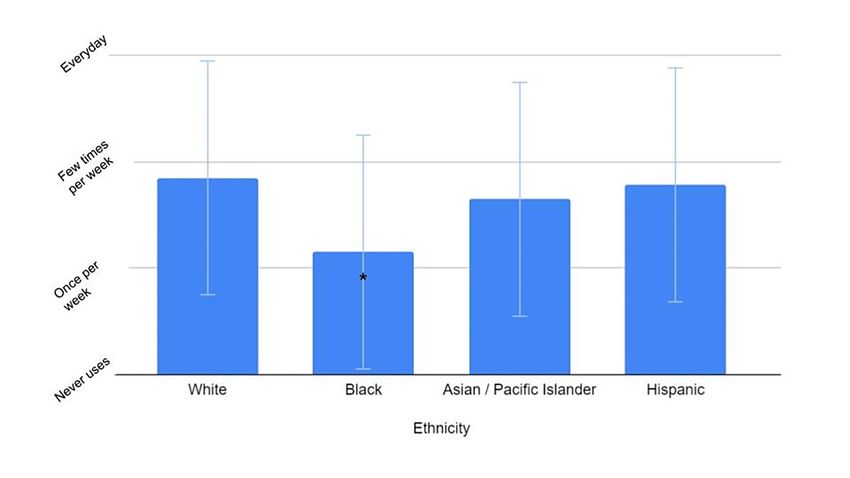
progression, and the type of care received. One study identified that the cost of melanoma treatment per
                                                   patient averaged around $1000 in 2006 and has increased to $1600 in 2011 [8]. Given these staggering
                                                   numbers, there is further incentive for promoting efforts to enhance primary and secondary prevention
                                                   efforts. A study involving White, Hispanic, Black, and Asian patients with cutaneous melanoma
                                                   demonstrated that low socioeconomic status (SES) independently predicted poor outcome among patients
                                                   [9]. Advanced stages of the disease often require more aggressive treatments such as chemotherapy or
                                                   surgery, which are costly modalities that tend to be seen more in minority populations [10]. Further,
                                                   dermatologic provider density is disproportionately lower in low-income communities [11]. This results in
                                                   greater responsibility for the primary care provider (PCP) to diagnose a condition that has a less common
                                                   presentation in patients with skin of color, and oftentimes, they fall short. Such systemic disparities play an
                                                   additional role in the inequity of melanoma diagnoses.

                                                   Ethnic minority populations have been widely underrepresented in dermatologic pedagogy, research, and
                                                   public health marketing campaigns. As such, there are few studies investigating the racial disparities in skin
                                                   protection and the role clinical, psychological, and sociodemographic factors play in the diagnosis and
                                                   treatment of melanoma. The aim of this brief report is to examine trends related to skin cancer and related
                                                   behaviors as they relate to health literacy and other risk factors in White versus non-White patients. The
                                                   results from the survey data collected indicate that there may be social and cultural factors contributing to
                                                   this disparity that is observed in melanoma outcomes in White versus non-White individuals. The results
                                                   presented here may help redefine how healthcare practitioners educate the public on melanoma and sun
                                                   protection behaviors.

                                                   Materials And Methods
                                                   To explore the relationships between race and skin health knowledge, a 16-question survey was deployed via
                                                   Qualtrics to examine the presence of health disparities in melanoma diagnosis and treatment. The first four
                                                   questions gathered socioeconomic and demographic data. There were five Likert scale questions that
                                                   focused on sunscreen usage and reasons that may impact its use and six yes/no questions that attempted to
                                                   obtain information on their experience with their primary care providers as it relates to skin conditions
                                                   including melanoma and sunburns. There was also one open-ended question for any additional comments
                                                   the participants wanted to include. The questions included in this survey were developed based on an
                                                   extensive literature review and modeled after previously published surveys.

                                                   The survey was distributed on various social media sites including Facebook, Twitter, GroupMe, and Reddit,
                                                   and it was made available during the summer months to attempt to capture peak sun protection usage. The
                                                   social media groups targeted populations in and around the Southern New Jersey/Philadelphia suburban
                                                   area since the survey included a question on which primary care provider group the participant utilized. A
                                                   majority of the respondents selected “other” for the primary care question and did not fill in their provider
                                                   information; thus, we did not include that information in our analysis. The demographic proportions of the
                                                   participants reflect the makeup of this geographic area, with approximately 10%-20% of the population
                                                   being non-White. The subjects were limited to individuals 18 years of age or older who completed the
                                                   survey. After posting, the survey link remained active online for eight weeks.

                                                   Participants were asked to self-report their racial group (Black, White, Asian/Pacific Islander, or Hispanic),
                                                   as well as other demographic information including age, sex, education level, and average household
                                                   income. Information regarding the various aspects of sun exposure risks, education, and behaviors was
                                                   collected using a combination of multiple-choice and yes/no questions. Questions asking about the
                                                   frequency and severity of sunburns, past melanoma diagnosis (either the patient themselves or family
                                                   history), the patient’s understanding of skin care (“How often do you use sunscreen?” and “What is your
                                                   main reasoning for using sunscreen?”), and the level of education received on skin care from primary care
                                                   physicians (“How often do you receive skin checks at your primary care office?” and “How much education
                                                   have you received on melanoma from your healthcare provider?”) were all used to evaluate knowledge and
                                                   perceived risk. To determine statistical significance, the responses of the racial groups for “yes/no” questions
                                                   were compared utilizing a chi-square analysis. Multiple Student’s t-tests were performed to compare the
                                                   average response rates between the racial groups for scaled questions.

                                                   Results
                                                   A total of 306 individuals completed this survey, including 19 Asian/Pacific Islander participants, 13 Black
                                                   participants, 15 Hispanic/Latino participants, and 259 White participants. These results reflect the
                                                   demographic distributions seen in the Southern New Jersey/Philadelphia suburban area. The parameters
                                                   analyzed were perceived risk of skin cancer, sunscreen usage, perceived education from primary care
                                                   providers on skin health, perceived education of participants with and without a family history of
                                                   melanoma, and skin checks performed. There was a significant difference in the perceived risk of skin cancer
                                                   between ethnic groups when compared to White respondents (Figure 1).

2023 Fliorent et al. Cureus 15(1): e33752. DOI 10.7759/cureus.33752                                                                                                   2 of 6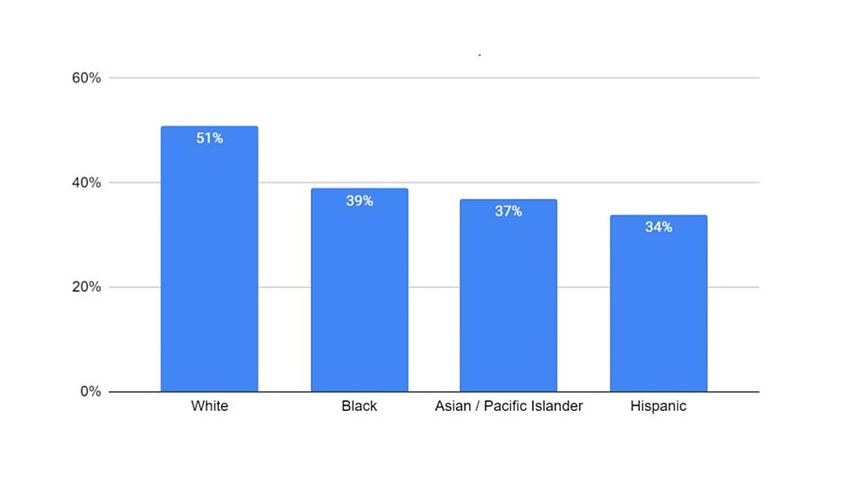
FIGURE 1: Perceived risk of UV-caused skin damage between racial
                                                     groups
                                                     Graph showing differences in perceived risk of developing UV damage, including skin cancer, between ethnic
                                                     groups based on answers to “yes/no” questions. Total responses: White, 259; Black, 13; Asian/Pacific Islander, 19;
                                                     and Hispanic, 15. There was a statistically significant difference found between Black and Asian/Pacific Islander
                                                     groups when compared to White respondents, with those groups having a lower perceived risk. A chi-
                                                     square analysis was performed to determine significance

                                                     ***P value < 0.0001

                                                     UV: ultraviolet

                                                   In response to a “yes/no” question, Black and Asian/Pacific Islanders had the lowest perceived risk of being
                                                   diagnosed with skin cancer than the other participants (P < 0.0001). Black participants also had significantly
                                                   lower self-reported sunscreen usage when compared to White participants (P < 0.05) than those of the other
                                                   groups (Figure 2).

                                                     FIGURE 2: Average reported sunscreen use per week
                                                     Graph showing the average reported sunscreen usage per week based on ethnicity. There is a statistically
                                                     significant difference between the reported sunscreen usage of White and Black populations; error bars represent
                                                     standard deviation. There is also a decrease between White and non-white groups, but it is not statistically
                                                     significant (p value = 0.642)

                                                     *P value < 0.05

2023 Fliorent et al. Cureus 15(1): e33752. DOI 10.7759/cureus.33752                                                                                                       3 of 6
Data on skin cancer education received from healthcare professionals showed that there was an overall
decrease in the levels of reported education on the risks of sun exposure received between White and non-
White ethnic groups (Figure 3).
FIGURE 3: Percentage of respondents having received education on the
risks of sun exposure
Graph displaying the percentage of respondents who claim to have received education (either written or verbal)
on the risks of sun exposure, including melanoma, from their primary care physician. Although there is an overall
decrease, the difference between the White ethnic group and others was not significant (p value = 0.162)
A nonsignificant downward trend was observed, with Hispanic individuals reporting the lowest levels of
received education.
Discussion
Ethnic minorities with darker skin tones, inducing Black individuals, face a greater risk of melanoma-related
mortality when compared to White populations [12]. The barriers hindering appropriate treatment and
diagnosis of melanoma in these patients were explored in our survey and include the lack of health
literacy and psychological and socioeconomic factors. Investigating these disparities is crucial in order to
decrease the disparity in melanoma-related mortality rates.
Although there are significantly higher rates of melanoma among non-Hispanic White individuals, the cases
among patients with darker skin are generally diagnosed at later stages and have worse clinical outcomes.
This may be due to a variety of factors including differing clinical presentations in individuals with black and
brown skin, various socioeconomic factors, and/or receiving different or no information from their primary
care providers. The survey included questions designed to assess the impact of information about the risks of
sun exposure received from primary care offices.
The results from the survey indicate that there is a slight decrease in the percentage of non-White
individuals receiving this type of information from their primary care providers; however, this decrease does
not reach statistical significance (Figure 3). Approximately 40% of Black individuals reported receiving
information about the risks of sun exposure, while only 8% reported feeling at risk of skin damage as a result
of sun exposure (Figure 3 and Figure 1). Black individuals also had the lowest reported sunscreen usage
among the different ethnic groups (Figure 2). The difference between the perceived risk of sun exposure and
the education received about those risks suggests that there may be more factors that heavily influence
perceived risk and subsequent behaviors, such as sunscreen application. These findings point to a prodigious
public health issue. Stereotypes surrounding skin health for patients with darker skin are perpetuated by a
lack of dermatologic representation in the media, including sunscreen marketing, contributing to the Black
population’s low health literacy on the efficacy of sunscreen use in preventing skin cancer.
The stereotypes surrounding darker skin and skin cancer impact risk perception. Theories in health
psychology argue that people with a higher perceived risk of developing certain illnesses are more likely to
engage in health protective behavior [13]. Black individuals are more likely to have inaccurate risk
perceptions and less knowledge about skin cancer than White individuals, leading to poor health protective
behaviors [14]. In one study assessing knowledge, attitudes, and practices regarding skin cancer and sun
exposure, it was found that Black and African American men were less likely to know that people with dark
2023 Fliorent et al. Cureus 15(1): e33752. DOI 10.7759/cureus.33752 4 of 6skin could get skin cancer and did not feel that they were at risk of developing melanoma as compared to
White participants [15]. In another study, this low perceived risk was confirmed, with 46% of African
Americans reporting zero skin cancer risk and 76% perceiving zero or low risk [13].
Proper and regular application of sunscreen may help reduce the risk of developing melanoma; however,
implicit bias and stereotyping present in the sun protection factor (SPF) marketing industry and cosmetic
websites may have an effect on propagating erroneous ideologies concerning skin cancer in both ethnic
minority populations and healthcare providers. These psychological phenomena inevitably act as a barrier,
hindering diagnosis and treatment in patients of color. While skin health disparities may exist at a primary
care level, we believe that this disparity stems from a larger public health issue. Educating at-risk minority
groups on the potential dangers of skin cancer can lead to an increase in sun protective behaviors and
potentially eliminate the disparities seen in diagnosis [16].
Historically, public health education and interventions to promote sun protective behaviors have been
aimed toward the non-Hispanic White community despite Black individuals having a higher mortality rate.
Studies have shown that sun protective behavior improved in Black participants who received melanoma
education and that those improvements were long-lasting [17]. The SPF marketing industry and cosmetic
websites display a lack of appropriate marketing geared toward protecting non-White individuals from skin
cancer. One review identified the Internet and social media as top sources of skin health information in
people of color [18]; however, another study identified websites that recommend more expensive and less
protective sunscreens to consumers with skin of color, as compared to White consumers [19]. Social media
marketing poses a clear route to obtaining skin health information and can influence the consumer’s
understanding and decisions.
Limitations
Despite having canvassed a wide variety of participants, the results reported in this research have several
limitations. A large percentage of the responses was obtained from White survey participants leading to a
disproportionate response rate. This may have been due to the social media sites that were targeted for the
survey distribution. One of the initial focuses of the survey was on healthcare systems in the Southern New
Jersey/Philadelphia area, so the survey was distributed to social media groups that targeted those
populations. The demographics of this geographic area are reflected in our survey results, with
approximately 85% of the population being White. Nonetheless, the results in some categories obtained were
statistically significant. Likewise, the self-reported data acquired from our survey do not allow for the
verification of responses and can lead to a number of biases including selective memory and exaggeration.
Lastly, the education level of the participants skewed the results of certain survey questions. A majority of
patients reported that they obtained a college or doctorate degree leading to an uneven response to
questions about previous knowledge on skin cancer and UV scales.
Conclusions
Our findings confirm the existing disparities between different ethnic groups in their perception of risks
associated with UV exposure and the development of melanoma. The results obtained in this study are in
line with the perception of a reduced risk to traditionally darker skin tone ethnic groups likely resulting in a
reduction in the amount of preventative action being taken in the form of sunscreen application that we also
observed. Our results also indicate that this perception of a reduced risk of UV-caused skin damage is not due
to the lack of information being received from primary care providers. It is encouraging to see that
healthcare providers are providing appropriate education to their patients regardless of their ethnicity.
However, this does indicate that there are other factors in play that are influencing this perceived risk and
subsequent behaviors. Our hypothesis is that this perception is heavily influenced by marketing strategies,
and those strategies are possibly negatively impacting the public health of minority ethnic groups. It is
imperative to continue to educate the public about skin health in non-White individuals to further reduce
their risk, and the media’s role in this public perception should be more closely investigated. It should be a
public health initiative to change the narrative of skin health in ethnic minorities.
Additional Information
Disclosures
Human subjects: Consent was obtained or waived by all participants in this study. The institutional review
board (IRB) of Rowan University School of Osteopathic Medicine issued approval PRO-2022-151. This study
proposal was submitted and reviewed by our IRB (Department of Health and Human Services {DHHS}
Federal Wide Assurance Identifier: FWA A00007111). This study was categorized as exempt and was
approved on June 3, 2022. Animal subjects: All authors have confirmed that this study did not involve
animal subjects or tissue. Conflicts of interest: In compliance with the ICMJE uniform disclosure form, all
authors declare the following: Payment/services info: All authors have declared that no financial support
was received from any organization for the submitted work. Financial relationships: All authors have
declared that they have no financial relationships at present or within the previous three years with any
organizations that might have an interest in the submitted work. Other relationships: All authors have
declared that there are no other relationships or activities that could appear to have influenced the
2023 Fliorent et al. Cureus 15(1): e33752. DOI 10.7759/cureus.33752 5 of 6submitted work.
References
1. Marghoob NG, Liopyris K, Jaimes N: Dermoscopy: a review of the structures that facilitate melanoma
detection. J Am Osteopath Assoc. 2019, 119:380-90. 10.7556/jaoa.2019.067
2. Shah P, Shao Y, Geller AC, Polsky D: Late-stage melanoma in New York state: associations with
socioeconomic factors and healthcare access at the county level. J Invest Dermatol. 2021, 141:1699-706.e7.
10.1016/j.jid.2020.12.027
3. Dawes SM, Tsai S, Gittleman H, Barnholtz-Sloan JS, Bordeaux JS: Racial disparities in melanoma survival . J
Am Acad Dermatol. 2016, 75:983-91. 10.1016/j.jaad.2016.06.006
4. Tripathi R, Archibald LK, Mazmudar RS, Conic RR, Rothermel LD, Scott JF, Bordeaux JS: Racial differences
in time to treatment for melanoma. J Am Acad Dermatol. 2020, 83:854-9. 10.1016/j.jaad.2020.03.094
5. Amber KT, Ledon JA, Savas JA, Dusseault SK, Nouri K: Visual identification of skin cancer in beachgoers: a
need for improved education on non-melanoma skin cancer in the general population and melanoma in the
African-American population. Int J Dermatol. 2015, 54:e85-7. 10.1111/ijd.12684
6. Tadokoro T, Kobayashi N, Zmudzka BZ, et al.: UV-induced DNA damage and melanin content in human
skin differing in racial/ethnic origin. FASEB J. 2003, 17:1177-9. 10.1096/fj.02-0865fje
7. Guy GP Jr, Ekwueme DU, Tangka FK, Richardson LC: Melanoma treatment costs: a systematic review of the
literature, 1990-2011. Am J Prev Med. 2012, 43:537-45. 10.1016/j.amepre.2012.07.031
8. Chen JT, Kempton SJ, Rao VK: The economics of skin cancer: an analysis of Medicare payment data . Plast
Reconstr Surg Glob Open. 2016, 4:e868. 10.1097/GOX.0000000000000826
9. Zell JA, Cinar P, Mobasher M, Ziogas A, Meyskens FL Jr, Anton-Culver H: Survival for patients with invasive
cutaneous melanoma among ethnic groups: the effects of socioeconomic status and treatment. J Clin Oncol.
2008, 26:66-75. 10.1200/JCO.2007.12.3604
10. Behbahani S, Malerba S, Samie FH: Racial and ethnic differences in the clinical presentation and outcomes
of acral lentiginous melanoma. Br J Dermatol. 2021, 184:158-60. 10.1111/bjd.19406
11. Geisler A, Masub N, Toker M, et al.: Skin of color skin care needs: results of a multi-center-based survey . J
Drugs Dermatol. 2022, 21:709-11. 10.36849/JDD.6557
12. Chao LX, Patterson SS, Rademaker AW, Liu D, Kundu RV: Melanoma perception in people of color: a
targeted educational intervention. Am J Clin Dermatol. 2017, 18:419-27. 10.1007/s40257-016-0244-y
13. Pichon LC, Corral I, Landrine H, Mayer JA, Adams-Simms D: Perceived skin cancer risk and sunscreen use
among African American adults. J Health Psychol. 2010, 15:1181-9. 10.1177/1359105310364177
14. Buster KJ, You Z, Fouad M, Elmets C: Skin cancer risk perceptions: a comparison across ethnicity, age,
education, gender, and income. J Am Acad Dermatol. 2012, 66:771-9. 10.1016/j.jaad.2011.05.021
15. Joseph A, Kindratt T, Pagels P, Gimpel N: Knowledge, attitudes, and practices regarding skin cancer and sun
exposure among homeless men at a shelter in Dallas, TX. J Cancer Educ. 2020, 35:682-8. 10.1007/s13187-
019-01511-8
16. Wu T, Su J, Zhao S, Chen X, Shen M: Development and assessment of a brief tool to measure melanoma-
related health literacy and attitude among adolescents. J Cancer Educ. 2020, 35:905-11. 10.1007/s13187-
019-01541-2
17. Tsai S, Frank SH, Bordeaux JS: Improving sun-protective behaviors and self-skin examinations among
African Americans: a randomized controlled trial. Dermatol Surg. 2018, 44:512-8.
10.1097/DSS.0000000000001366
18. Glazer AM, Rigel DS: Analysis of trends in geographic distribution of US dermatology workforce density .
JAMA Dermatol. 2017, 153:472-3. 10.1001/jamadermatol.2016.6032
19. Song H, Beckles A, Salian P, Porter ML: Sunscreen recommendations for patients with skin of color in the
popular press and in the dermatology clinic. Int J Womens Dermatol. 2021, 7:165-70.
10.1016/j.ijwd.2020.10.008
2023 Fliorent et al. Cureus 15(1): e33752. DOI 10.7759/cureus.33752 6 of 6You can also read


