REDUCING THE HEALTH AND WATER, SANITATION AND HYGIENE (WASH) IMPACTS OF CLIMATE CHANGE - SETTING THE SCENE ON HEALTH, WATER, SANITATION AND ...
←
→
Page content transcription
If your browser does not render page correctly, please read the page content below
REDUCING THE HEALTH AND WATER,
SANITATION AND HYGIENE (WASH)
IMPACTS OF CLIMATE CHANGE
SETTING THE SCENE ON HEALTH, WATER,
SANITATION AND HYGIENE (WASH) RESPONSE
IN A CHANGING CLIMATE

                            FEBRUARY 2021
IFRC REDUCING THE HEALTH AND WATER, SANITATION AND HYGIENE (WASH) IMPACTS OF CLIMATE CHANGE FEBRUARY 2021
CONTENTS
INTRODUCTION 4
1. MAJOR HEALTH IMPACTS RELATED TO CLIMATE CHANGE 5
1.1 HEALTH, LIVELIHOODS AND NUTRITION 5
1.2 VECTOR-BORNE DISEASES 6
1.3 WATER-BORNE DISEASES 6
1.4 HEATWAVES 7
1.5 AIR POLLUTION 7
1.6 AGGRAVATED HEALTH IMPACTS IN CONFLICT
AND DISPLACEMENT 8
1.7 MENTAL HEALTH AND PSYCHOSOCIAL SUPPORT (MHPSS) 9
1.8 SEXUAL AND REPRODUCTIVE HEALTH 9
1.9 COVID-19 AND CLIMATE 10
2. IFRC PLANS TO ADDRESS CLIMATE-RELATED HEALTH CHALLENGES 11
2.1 PROGRAMMATIC MODALITIES 12
3. EXAMPLES OF OPPORTUNITIES FOR ACTION 16
3.1 COMMUNITY-BASED SURVEILLANCE AND
EARLY WARNING EARLY DETECTION 18
3.2 HEALTH AND CLIMATE ASSESSMENTS 18
3.3 HEAT ACTION 18
3.4 VECTOR-BORNE DISEASES 19
3.5 WATER-BORNE DISEASES 19
3.6 WASTE MANAGEMENT 19
3.7 INDOOR POLLUTION 20
3.8 MENTAL HEALTH AND PSYCHOSOCIAL SUPPORT (MHPSS) 20
3.9 COVID-19 RECOVERY AND CLIMATE ACTION 21
3.10 RESILIENT HEALTH SYSTEMS 21
3.11 ONE HEALTH 22
3.11 ADVOCACY AND PARTNERSHIPS TO PROMOTE LOCAL HEALTH
INITIATIVES IN ADAPTATION STRATEGIES 22
4. TARGETS FOR SUCCESS 23
ANNEX 1. GUIDING PRINCIPLES 24
ANNEX 2. KEY DOCUMENTS 26
INTERNATIONAL RED CROSS AND RED CRESCENT MOVEMENT 26
OTHERS 26
REFERENCES 27
2IFRC REDUCING THE HEALTH AND WATER, SANITATION AND HYGIENE (WASH) IMPACTS OF CLIMATE CHANGE FEBRUARY 2021
This paper is a resource for National Red Cross Red Crescent Societies
and their partners seeking to address health risks that are
aggravated by climate change. It outlines the adverse impacts of
climate change on human health and seeks to unpack the second
pillar of the Movement Ambitions to Address the Climate Crisis,
which focuses on reducing the health impacts of climate change.
It frames Red Cross and Red Crescent commitments on health and
WASH in a changing climate, in particular for the most vulnerable.
It explores the urgency of climate action with respect to health and
offers examples for action for National Societies and partners.
3 Cover illustration designed by starline / FreepikIFRC REDUCING THE HEALTH AND WATER, SANITATION AND HYGIENE (WASH) IMPACTS OF CLIMATE CHANGE FEBRUARY 2021
INTRODUCTION
Climate change is one of the greatest threats to public health in the 21st century.
It is a humanitarian emergency, requiring urgent action globally at scale. The
number of climate- and weather-related disasters has been increasing since the
1960s, and has risen almost 35 per cent since the 1990s, according to World
Disasters Report 2020. Climate change has already been killing people and
devastating lives and livelihoods every year, and it will only get worse without
immediate and determined action [WDR 2020]. Currently climate change already
causes an estimated 150,000 deaths annually [WHO/UNEP HELI [2]]. A conservative
projection by WHO estimates that approximately 250,000 additional deaths will
occur each year due to climate change between 2030 and 2050 [WHO 2014].
Climate change is widening inequalities and creating new vulnerabilities through
its impacts on health and WASH, nutrition, livelihoods, air quality, labour
productivity and income, and displacement amongst others (See Figure 2). According
to the Intergovernmental Science-Policy Platform on Biodiversity and Ecosystem
Services (IBPES), current trends in biodiversity loss and ecosystems degradations
undermine progress towards 80 per cent (35 out of 44) of the Sustainable
Development Goals related to poverty, hunger, health, water, cities, climate, oceans
and land [IBPES 2019]. Climate change could push more than 100 million people
within developing countries below the poverty line by 2030 [World Bank,
Shockwaves report, 2015].
The marginalized and the poorest with limited adaptive capacity, who do not
have the resources to access to health and protect themselves from disasters
and who, more often than not, live in areas where climate impacts like floods,
droughts and storms hit hardest, are forced to make do with limited health
services. Women and girls are disproportionately impacted, experiencing
unequal access to resources and decision-making, especially in areas faced
with high levels of poverty. It is important to identify gender-sensitive
strategies that respond to this (UNDP, Gender and Climate Change 2017). The
IFRC network is committed to meet the urgency and scale of the climate crisis,
which is strongly reflected in IFRC Health and Care Framework 2030 and IFRC
Strategy 2030. Reducing the health impacts of climate change is one of the key
4 pillars of the Movement’s climate ambitions 2020.IFRC REDUCING THE HEALTH AND WATER, SANITATION AND HYGIENE (WASH) IMPACTS OF CLIMATE CHANGE FEBRUARY 2021
1. MAJOR HEALTH IMPACTS
RELATED TO CLIMATE CHANGE
Climate change is adversely affecting human health, directly through exposure to hazards
and indirectly through natural and socio-economic systems. Intersecting issues
such as annual variability and rising frequency and intensity of extreme weather,
pressures on natural resources, voluntary and involuntary migration and rapid
urbanization have serious consequences on both physical as well as mental health
and well-being. Health systems face moving targets as both vulnerabilities and
the population at risk are constantly evolving and expanding in all regions of the
world. The first four sections below are listing direct health impacts of climate
change; the next five focus on the more indirect health impacts of climate change
or on contexts that require specific attention.
1.1 HEALTH, LIVELIHOODS AND NUTRITION
Over 70 per cent of global rain-fed agriculture and the 1.3 billion people dependent
on deteriorating agricultural land are at risk of losing their livelihoods and from
nutritional insecurity given the shifting patterns and extremes of temperature
and precipitation. Climate change is expected to depress growth in global
agriculture yields up to 30 per cent by mid-century unless adaptation efforts are
undertaken [Global Commission on Adaptation 2019].
CO2 concentrations affect the quantity and nutritional value of staple crops and
will drive hidden-hunger crises by adding an extra 122 million people who are
protein-deficient, an extra 175 million who are zinc deficient, and 1.4 billion
women and children under five in countries with high levels of anaemia losing
more than 4 per cent of their dietary iron [Smith et al. 2018]. The UN Food and
Agriculture Organization (FAO) suggests that the world is off track to achieve zero
hunger by 2030. On current trends, the number of people affected by hunger
would surpass 840 million by 2030. In 2019, one in ten individuals globally (nearly
750 million) were exposed to severe levels of food insecurity. According to the
World Bank [2020], the Covid-19 pandemic may add between 83 and 132 million
people to the total number of undernourished in the world in 2020 (depending on
the economic growth scenario).
5IFRC REDUCING THE HEALTH AND WATER, SANITATION AND HYGIENE (WASH) IMPACTS OF CLIMATE CHANGE FEBRUARY 2021
1.2 VECTOR-BORNE DISEASES
Impacts are escalating faster than anticipated and are already being felt across the world,
with climate-vulnerable communities hit the hardest. Vector-borne diseases
represent up to one sixth of illness and disability suffered around the world. An
estimated 1 billion people are infected annually with vector-borne diseases,
including malaria, dengue, schistosomiasis, leishmaniasis, Chagas disease, yellow
fever, lymphatic filariasis and onchocerciasis. The WHO says that over half of the
global population is at risk [WHO 2014]. Climate change will affect vector range
(expansion/contractions), influence life cycles of vectors as well as reproduction rate
of parasites and potentially lengthen/shorten seasonal activity of vectors and the
risks associated with bites [Semenza et al. 2018]. Scientists estimate up to 6 billion
people could be at risk of dengue by 2085 [Hales et al. 2002] due to a variety of
factors, such as rapid urbanization, increased global travel and climate change.
However, the climate change impacts on vectors is not uniform, forcing
communities and individuals to adapt to changing risks: increases in infection will
occur in some areas where there is less experience with (and therefore less
resilience to) these diseases, and decrease in others [Ryan et al. 2020]. Over 70 per
cent of diseases are vector-borne or zoonotic in origin [Morens et al. 2020,
Morens et al. 2004], which calls for effective routine monitoring of evolving risks
and vulnerabilities using the one-health approach (plant, animal and human health
surveillance and response).
1.3 WATER-BORNE DISEASES
Climate change increases rainfall variability; too much and too little rain both have a
severe impact on human health. Around four in ten people are affected globally by
water scarcity [WHO 2018] and water security for 80 per cent of the world’s
population is under threat [Ebi et al. 2019]. The number of people lacking sufficient
water at least one month per year is projected to increase from 3.6 billion today to
more than 5 billion by 2050 [Global Commission on Adaptation 2019]. At least 25 per
cent of global health-care facilities already lack basic water services and 20 per cent
have no sanitation service [WHO/UNICEF 2019]. Although there are financial,
technological and physiological limits, prioritizing adaptation, including
measures to adapt to increased water scarcity, is critical in the fight to reduce
the impacts of climate change. Changes in rainfall have altered distribution of
some water-borne illnesses and disease vectors, for some vulnerable populations
globally, according to the IPCC. Diarrhoeal disease, mostly resulting from
contaminated water and food sources, is a leading cause of child mortality and
morbidity around the world. For instance, according to the WHO, diarrhoea is a
major cause of malnutrition, and malnourished children are more likely to fall ill
from it, thus creating a vicious circle [WHO 2017].
6IFRC REDUCING THE HEALTH AND WATER, SANITATION AND HYGIENE (WASH) IMPACTS OF CLIMATE CHANGE FEBRUARY 2021
1.4 HEATWAVES
In many parts of the world, more intense and frequent heatwaves are occurring
due to climate change. The frequency and intensity of heat is expected to rise
further in most land regions (high confidence) [Ebi et al. 2019]. Extreme heat is most
acutely felt in cities, where the urban heat-island effect exacerbates extreme
temperatures. With rapid urbanization, even more people will be exposed and
impacted by extreme heat in the coming decades. Heatwaves are (a) hitting
everywhere (e.g. making it the most deadly disaster events of 2019 and 2020 in
Europe); and (b) heat mortality is very poorly registered, so we don’t even know how
big the problem is, especially in developing countries, where we see the impacts are
enormous. Extreme heat is a risk to human health and well-being. The elderly,
street vendors, young children, those with pre-existing medical conditions, and
people living in informal settlements are amongst the most vulnerable to the heat.
Extreme heat can occur over large geographic areas and can combine with other
factors such as humidity to increase the risk of negative health impacts and death.
However, there are many simple, low-cost solutions that can save lives and need to
be urgently adopted in cities across the world to adapt to this increase in heat risk.1
The Lancet Countdown report of 2019 says we might face nearly 1 million work
life-years lost by 2030 due to heat related fatalities, which could be up to 70 million
work life-years lost due to reduced labour productivity. [Kjellstrom T, et al.
Occupational heat stress: contribution to WHO project on “Global assessment of the
health impacts of climate change”, which started in 2009, and Kjellstrom T, et al.
Threats to occupational health, labor productivity and the economy from increasing heat
during climate change: an emerging global health risk and a challenge to sustainable
development and social equity]
1.5 AIR POLLUTION
Annually over 7 million deaths are linked to exposures to outdoor and indoor air
pollution [WHO 2014]. Improving air quality can have benefits for health including
reduction in non-communicable diseases (NCDs) such as stroke, heart disease,
chronic and acute respiratory disease. Cutting emissions and tackling pollution
(climate mitigation) are crucial, and will have multiple benefits to health. The health
risks are more related to the causes of climate change (emissions), and as such
measures to address it will offer benefits to address climate change. Sometimes air
pollution can be linked to several impacts of climate change, such as the mixtures of
air pollutants produced by wildfires, which adversely affect human health both
directly and indirectly. Or climate variability can influence air quality, including
1 For examples of actions that can be taken to address heat, please see the Heatwave guide for cities and the Heatwave
7 guide for Red Cross Red Crescent branches.IFRC REDUCING THE HEALTH AND WATER, SANITATION AND HYGIENE (WASH) IMPACTS OF CLIMATE CHANGE FEBRUARY 2021
effects on airborne allergens like pollen, or elevated concentrations of near-surface
ozone during heatwaves, which cause significant mortality. Lastly, household air
pollution (HAP) is in many countries a significant health challenge. Traditional
biomass and coal stoves used by almost half of the world’s population cause major
negative impacts on health, mainly in relation to chronic obstructive pulmonary
disease and pneumonia in children under five.
1.6 AGGRAVATED HEALTH IMPACTS IN CONFLICT
AND DISPLACEMENT
The ICRC report When rain turns to dust (2020) highlights how climate risks
disproportionately affect countries in situations of armed conflicts. Climate
risks in conflict-affected areas exacerbate food insecurity and health disparities, and
it limits access to essential services, while weakening the capacity of governments
and institutions to provide basic support [ICRC 2020].
The Global Compact on Refugees, adopted in the UN General Assembly in 2018,
recognizes that climate, environmental degradation and natural disasters
increasingly interact with the drivers of refugee movements [United Nations,
2018]. Changing environmental conditions such as floods, droughts, changing
precipitation patterns and agricultural land degradation, negatively affect people’s
lives, with large numbers forced to relocate in order to survive. Conflict and
migration (forced or voluntary) have multiple impacts on population health, whether
directly causing death or injury, or indirectly by resulting in lack of access to, or
interruption of, health services. It is noteworthy that competition over scarce
natural resources and new displacement patterns can generate intercommunal
conflict and aggravate already existing vulnerabilities.
Up to 25 million people were displaced due to disasters in 2019, out of which almost
24 million were displaced due to climate- and weather-related disasters [World
Disaster Report 2020]. Ensuring that minimum standards are maintained in health
services can be challenging because of a lack of qualified staff, lack of knowledge or
understanding of displacement-related health risks and the health profile of the
displaced population, or lack of respect for human rights, such as the right to
privacy and confidentiality during all stages of treatment.
8IFRC REDUCING THE HEALTH AND WATER, SANITATION AND HYGIENE (WASH) IMPACTS OF CLIMATE CHANGE FEBRUARY 2021
1.7 MENTAL HEALTH AND PSYCHOSOCIAL SUPPORT
(MHPSS)
Extreme-weather events associated with climate can impair the mental health and
psychological well-being of communities, in particular leading to increases in
depression and post-traumatic stress disorder. Also the more gradual changes
caused by global warming can be harmful to mental health. There is increasing
evidence that a significant proportion of people might be experiencing a harmful
level of anxiety associated with their perception of climate change [Viola Mambrey,
et al. 2019]. Mental health impacts of climate change have the potential to affect a
significant proportion of the population. More research is needed to document the
extent of these impacts as well as the best options for preventing and treating them.
1.8 SEXUAL AND REPRODUCTIVE HEALTH
There are four major climate change-related drivers affecting sexual and
reproductive health. The first are the impacts of increased extreme-weather events,
which will aggravate sexual violence, sexual exploitation and abuse, trafficking and
domestic violence faced by women and girls during and after disasters [World
Disaster Report 2020]. Secondly, an increase of sexually transmitted diseases,
maternal mortality and mental health issues occurs in forced displacement and
migration [IPCC WGII AR5]. Thirdly, an IUCN 2020 study highlights the strong link
between degradation and/or loss of natural resources and sexual exploitation,
sexually based violence and child marriage. This includes, for instance, women and
girls facing sexual threats as they walk further, more frequently, to collect water and
firewood. Lastly, some of the direct health impacts of climate change trends, such as
severe heat, longer dry days or changes in humidity as well as water scarcity will
disproportionately fall on women and children [WHO, 2014]. For instance, pregnant
women are twice as vulnerable to malaria and maternal malaria and this results in a
higher risk of spontaneous abortion, premature delivery, low birth weight and still
birth. Or for instance, at times of water crisis there is a highly adverse impact on
hygiene practices during menstruation.
9IFRC REDUCING THE HEALTH AND WATER, SANITATION AND HYGIENE (WASH) IMPACTS OF CLIMATE CHANGE FEBRUARY 2021
1.9 COVID-19 AND CLIMATE
As highlighted by the Lancet Countdown Report 2020, climate change and Covid
represent a converging crisis. They point out that we do not have the luxury to focus
on just one of them. While disasters continue to strike, we’ll need to continue to
invest in community resilience and disaster risk reduction, whilst also grappling with
covid measures. A new analysis in September 2020 on the COVID pandemic,
published by the IFRC and the Climate Centre, reveals that at least 51.6 million
people worldwide have been affected by floods, droughts or storms and Covid-19.
The pandemic is increasing the needs of people suffering from climate-related
disasters, compounding the vulnerabilities they face and hampering their recovery.
At least a further 2.3 million people have been affected by major wildfires and
nearly 432 million in vulnerable groups have been exposed to extreme heat, while
contending with the direct health impacts of Covid-19 or measures implemented to
curb its spread. The analysis, which quantifies the overlapping vulnerability of
communities, shows that out of 132 unique extreme weather events that have
occurred so far in 2020 alone, 92 have overlapped with the Covid-19 pandemic. Our
prevention planning needs to be tailored to this reality.
10IFRC REDUCING THE HEALTH AND WATER, SANITATION AND HYGIENE (WASH) IMPACTS OF CLIMATE CHANGE FEBRUARY 2021
2. IFRC PLANS TO ADDRESS
CLIMATE-RELATED HEALTH
CHALLENGES
The IFRC recognizes that the ownership and responsibility for the provision of
essential services lies with governments, with varying levels of support provided by
non-governmental actors, including the private sector, civil society and communities
themselves. As community-based organizations, acting as auxiliaries to public
authorities, National Societies are well positioned to strengthen the link between
national policies, communities and the health systems that serve them.
The IFRC consists of 192 National Societies, with an estimated 465,000 staff and
13.7 million volunteers. Latest available data indicate that, annually, some
103 million people are reached directly with health services, as well as another
15.9 million through WASH. These numbers highlight the significant contribution of
the IFRC to global health and WASH outcomes.
Within the different approaches, there are some consistent areas of focus of Red
Cross Red Crescent work in health and WASH:
1. Disease prevention and health promotion. The IFRC supports individuals
and communities by increasing their capacity to gain control over their own
health and well-being, strengthening health literacy and taking multi-sectoral
action to promote healthy behaviours and empowerment, and to address
stigma and discrimination.
2. Service delivery in health and WASH. In contexts where this is appropriate, staff
and volunteers are involved in task shifting, learning and implementing new skills
and tasks to confront the most important health problems for their local contexts.
This includes ensuring that operations reach the most vulnerable and marginalized
such as persons living with disabilities.
3. Health and WASH emergencies preparedness and response. All over the world
11 volunteers trained in first aid (traditional and psychological first aid and in pre-
hospital care) serve their immediate communities during emergencies.IFRC REDUCING THE HEALTH AND WATER, SANITATION AND HYGIENE (WASH) IMPACTS OF CLIMATE CHANGE FEBRUARY 2021
4. Epidemic/pandemic preparedness and response. Community-based
surveillance and early detection at community level are beneficial in tackling a
potential epidemic at its onset. Similarly during an outbreak, communities that
are well educated about the mode of transmission and treatment of the
disease as well as its psychosocial impacts, can significantly contribute to the
swift ending of an epidemic.
5. Humanitarian diplomacy in health and WASH. Humanitarian diplomacy involves
persuading decision-makers and opinion leaders to act at all times in the interests
of vulnerable people, and with full respect for fundamental humanitarian principles.
Climate-related health vulnerabilities can be appropriately addressed in all relevant
approaches as listed above.
The Red Cross Red Crescent Movement ambitions on climate say: We will
systematically integrate climate risk management across our health programmes and
anticipate the health-related consequences of climate change and environmental
degradation, focusing on people experiencing increased exposure and vulnerability. This
will require scaling up our health literacy, health promotion, hygiene promotion and
community preparedness interventions for climate-related diseases, including vector-
borne, water-borne and chronic respiratory diseases in high-risk areas. We will seek to
use climate information to anticipate, prepare for and reduce the impacts of climate-
related health emergencies, including in conflict settings.
To meet these ambitions, and to integrate climate risk management into the IFRC’s
health areas of focus, it will require changes and improvements to how we develop
and implement our programmes and operations.
2.1 PROGRAMMATIC MODALITIES
The Health and Care Framework 2030 together with the IFRC Strategy 2030 presents
the collective priorities and programming modalities that define the work of
National Societies in health and care including climate change. It illustrates a
pathway for their programming in their auxiliary role around health and care, and
links the work of the IFRC network in health and care to the global agenda of the
Sendai Framework and the SDGs. Our vision is to reduce the current and future
humanitarian impacts of environmental degradation and climate change and
enable people to adapt and thrive in the face of it.
Translating commitment into action will include a clear local focus and
incorporating climate information across our health, WASH and care
operations, programmes and advocacy work. By making better use of climate
information across timescales – long-term projections, medium seasonal
12IFRC REDUCING THE HEALTH AND WATER, SANITATION AND HYGIENE (WASH) IMPACTS OF CLIMATE CHANGE FEBRUARY 2021
forecasts and short-term weather forecasts – we can better anticipate, prepare
and invest in risk reduction; also with regards to health programming and
ensuring to no one is left behind. Our efforts will also include emission
reductions. Ultimately, we will be looking for optimal benefits for health and
well-being, through simultaneous action on preventing and responding to
ecosystem degradation, climate change and disaster risk reduction, and
essentially building back better and greener.
Below we have identified seven steps to support large-scale evidence-based
action to reduce the health impacts of climate change, by demonstrating how
specific climate and health risks will be addressed within our overall approach
to resilience and disaster risk management.
Establish partnerships cross-sectoral collaborations
Risk-informed
early action Knowledge
& One health mobilization
Understand & Respond & recover
communicate risks across systems Advocate
Anticipate & Learn & adapt
prepare
All-hazards Build back Influence
approach better adaptation plans
Greening – do no harm reduce carbon footprint
Figure 1. Seven steps to support large-scale evidence-based action to reduce the health
impacts of climate change.
13IFRC REDUCING THE HEALTH AND WATER, SANITATION AND HYGIENE (WASH) IMPACTS OF CLIMATE CHANGE FEBRUARY 2021
1. Understand and communicate how climate change aggravates health risks.
This will include developing stronger analytical capability for integrated (using an
all-hazard approach) health and climate risk assessments at the national and local
levels [UNISDR Sendai Framework 2015-2030]. We will focus on identifying specific
drivers of vulnerability for health, social and economic impacts of environmental
and climate change in the medium and long-term (e.g. demography and livelihoods).
Effective assessments and communication of risks (including capacity building
through staff training) as well as barriers to behaviour modification will form the
mainstay for improving community engagement and mobilizing action. More
research will also be needed to understand the indirect linkages of climate change
impacts on health, for instance the impact of climate change upon sexual and
reproductive health.
2. Anticipate and prepare for health risks. Our programmes and projects adopt a
multi-hazard early warning early action/early detection approach. We will aim to
make existing programmes climate smart (especially for vector-, water- and food-
borne diseases. See Figure 1) by systematically integrating medium and long-term
climate information to anticipate, prepare for and reduce the health impacts in
high-risk areas, including through the One Health approach, increased community-
based surveillance, and forecast-based early action principles and mechanisms.
We will achieve this by working in close collaboration with the national hydro-
meteorology services and health authorities. Long-term adaptation options are
also crucial to reduce health risks and can be achieved with cross-sectoral
collaborations within our One Health approach, with its focus on human, animal
and environmental health.
3. Respond and recover across systems. Through the support of skilled and
empowered communities, volunteers and staff, we will promote integrated, risk-
informed, systems-level responses to address climate-related health vulnerabilities.
In addition, we will scale up existing community-based surveillance efforts for early
detection and response to outbreaks of emerging and re-emerging climate-
sensitive outbreaks of infectious disease. We will adopt a build back better (and
greener) approach to reduce future vulnerabilities (e.g. addressing the root causes
of risks when caused by ecosystem degradation or drivers of environmentally
motivated voluntary and involuntary displacement). Community-risk perception
and local adaptation knowledge will be at core of solution-oriented programmes.
4. Learn and adapt. We will work with communities and volunteers to systematically
collate a stronger evidence base for health within adaptation action and facilitate
sharing of better practices in climate-health risk assessments, health prevention
and management across the Movement (knowledge mobilization). We will
strengthen monitoring and evaluation of existing climate-adaptation programmes
and establish feedback loops for system-wide transformations to scale up
evidence-informed practice for both climate mitigation as well as adaptation.
14IFRC REDUCING THE HEALTH AND WATER, SANITATION AND HYGIENE (WASH) IMPACTS OF CLIMATE CHANGE FEBRUARY 2021
5. Advocacy. We will seek to achieve the right level of ambition for both adaptation
and mitigation. We will also strive to embed locally led, inclusive DRR and health
prevention into national (and local) adaptation plans and strategies. Community
needs and solutions to climate change will be at the heart of all investments aiming
to tackle climate change. We will work with national representatives to support
policies and planning processes including ambitions for health within the Nationally
Determined Contributions (NDCs) and align our activities to augment the local and
National Adaptation Plans (NAPs) [WHO 2019].
6. Cross sectoral partnerships. We will establish partnerships to complement our
efforts to reduce risks and adapt to climate change. We can’t address climate
change on our own, partnerships are essential to climate-smart programming,
especially with governments, including meteorological offices, communities,
academia, private sector, WHO and civil society organizations (CSOs), amongst
others.
7. Guided by the Green Response Framework [IFRC 2018], the Movement Ambitions
to Address the Climate Crisis and the current Climate and Environment Charter
under development, we will strive to Green the Red, to do no harm, and
consider including environmentally sustainable practice into all operations,
programmes and advocacy work.
15IFRC REDUCING THE HEALTH AND WATER, SANITATION AND HYGIENE (WASH) IMPACTS OF CLIMATE CHANGE FEBRUARY 2021
3. EXAMPLES OF OPPORTUNITIES
FOR ACTION
2021 is an important year for international climate action. Whilst recovering from
the global Covid-19 pandemic, and the associated impacts upon lives and livelihoods
and sustainable development, it is clear that governments are prioritizing healthy
and sustainable recovery packages. National Societies are uniquely placed to
promote and play a role in green and inclusive, resilient recovery packages, that
leave no one behind [IFRC 2020].
In this section we propose several concrete programming opportunities for
National Societies to scale up preventative health programming in a changing climate.
It is by no means an exhaustive list, but it intends to inspire and provide further
ideas to action. Secondly, we highlight several approaches and enablers for action.
Many of these concrete ideas show that climate action is not a completely new line
of work; we are already doing it in so many places as part of our portfolios on
health, risk and resilience, as well as humanitarian diplomacy. Often climate
programming has been undertaken by disaster management departments, but a
more cross-cutting approach is needed. For instance, with DM teams early action
protocols are being developed for deployment with DREF funding, but often many
early actions are related to health and WASH.
16IFRC REDUCING THE HEALTH AND WATER, SANITATION AND HYGIENE (WASH) IMPACTS OF CLIMATE CHANGE FEBRUARY 2021
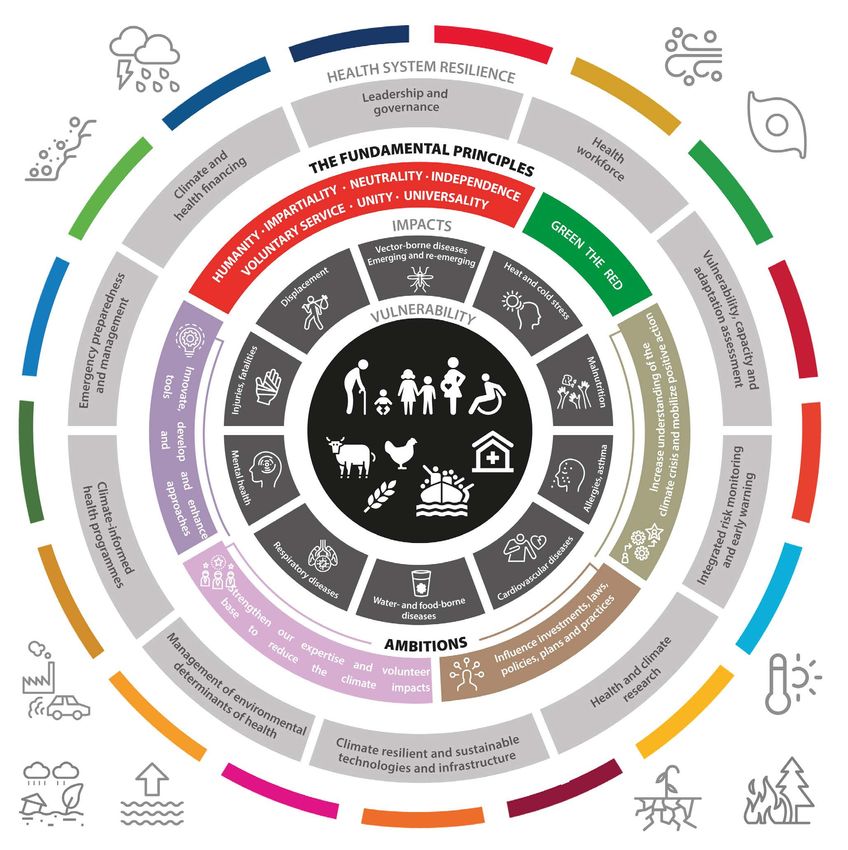
Figure 2: Addressing the drivers of health and climate vulnerability at the community level;
reducing differentiated needs, vulnerabilities and capacities (centre) and strengthening
community resilience through IFRC action on the ground will support the resilience of health
systems as well as progress towards the Sendai Framework for Disaster Risk Reduction as well as
the Sustainable Development Goals (outer ring).
17IFRC REDUCING THE HEALTH AND WATER, SANITATION AND HYGIENE (WASH) IMPACTS OF CLIMATE CHANGE FEBRUARY 2021
3.1 COMMUNITY-BASED SURVEILLANCE AND
EARLY WARNING EARLY DETECTION
Scaling of community-based surveillance and early warning early detection systems
for diseases that can be monitored and sometimes (partly) predicted by forecasts,
will be beneficial. It offers important roles for community volunteers and staff,
especially in remote areas. The relationship between disease outbreaks and climate
variability, coupled with the predictability of climate variability events like ENSOs
provide good opportunity for humanitarian organizations to strengthen health
preparedness activities. This may include, but is not limited to, enhanced
surveillance, increased surge capacity for health workers to supplement
government efforts and supporting community-level, disease-preventive actions
(e.g. water purifying tablets to prevent diarrhoea).
3.2 HEALTH AND CLIMATE ASSESSMENTS
Health priorities can be best determined by dedicated country or local level health
and climate-risks assessments (with disaggregated data collection for women and
marginalized groups). From a recent round of health and climate assessments in
Asia and African countries, the IFRC saw how many of the prioritized climate-
induced health risks are interrelated. For instance, malnutrition and food shortages
are often due to poor use of land, and aggravated by longer drier spells or water
scarcity, and can best be tackled through integrated risk management approaches.
Such approaches should include landscape and ecosystem-based approaches, with
a very strong focus on gender. Often we witness a lack of solid health expertise in
such resilience approaches, while the solutions to the identified risks to resilience
often touch upon health concerns. Resilience and DRR, however, should include a
strong focus on community and emergency health and WASH, and vice versa.
3.3 HEAT ACTION
An important opportunity identified by the IFRC, is the scaling up of preventative
heat action, especially in urban areas. Addressing the impacts from the increased
frequency and intensity of heatwaves is important for many countries. Many cities
over the past decade have been confronted with inadequate capacity to respond to
heatwaves. Mortality and morbidity from heatwaves, however, can be greatly
reduced through the implementation of relatively simple and cost-effective actions.
The IFRC has ample guidance tools in place to address heatwave risks, including a
Heatwave Guide for Cities.
18IFRC REDUCING THE HEALTH AND WATER, SANITATION AND HYGIENE (WASH) IMPACTS OF CLIMATE CHANGE FEBRUARY 2021
3.4 VECTOR-BORNE DISEASES
A most urgent risk of the climate crisis to human health in many countries is the
geographic expansion of climate sensitive vector-borne diseases (such as malaria
and dengue). The scaling up of preventative vector-borne disease
programming can address this growing burden. There are often many factors
contributing to an unexpected outbreak of vector borne diseases, so there can be
limited predictability for action to be activated. However, seasonal outbreaks can
benefit from anticipatory seasonal planning, and ideas are being developed to
explore the potential to develop anticipatory action plans for these outbreaks. It
will also be key to strengthen capacities and adopt new strategies to address
changing disease patterns in new areas. The development of tailored action plans
can enable National Societies to better shape their response activities against
vector-borne diseases.
3.5 WATER-BORNE DISEASES
National Societies can use weather and climate information services to anticipate
and prepare for potential outbreaks of water-borne diseases due to climate change,
especially disaster-related disease outbreaks. Interventions in community-based
resilience programming need the full integration of water, sanitation and hygiene
(WASH). Climate trends can amplify the need to focus on issues such as, sufficient
access, quality and quantity of water through water harvesting, or low-cost
interventions such as chlorinating water supply. Changing rainfall patterns, shifting
seasons, and higher temperatures can also indicate the need to reallocate attention
around different WASH interventions; for instance, food hygiene measures,
menstrual hygiene, or hygiene interventions specific to the prevention and control
of particular diseases after disasters. School safety programmes also offer a good
entry point for climate related water, sanitation and hygiene promotion, to
strengthen the resilience of communities and achieve behavioural change. It is
important to find local inclusive solutions by harvesting community knowledge, and
value-adding if necessary, on low-cost, traditional ways to clean and store water and
maintain hygiene.
3.6 WASTE MANAGEMENT
With increased climate variability and more extreme events, the clogging of
drainage and sewage systems poses serious risks to health during and after
flooding events. Solid waste management can reduce the risk of disease outbreaks
after floods. Cleaning campaigns offer an easy and meaningful way to improve
human, animal and environmental health, and make the public more aware of the
impact of waste as well as opportunities to recycle it.
19IFRC REDUCING THE HEALTH AND WATER, SANITATION AND HYGIENE (WASH) IMPACTS OF CLIMATE CHANGE FEBRUARY 2021
3.7 INDOOR POLLUTION
Traditional open cooking fires pose a serious threat to indoor pollution and further
spur deforestation. Fuel-efficient cook stoves reduce health risks from indoor air
pollution, while at the same time allowing significantly lower fuel costs and reduced
deforestation. Indoor air pollution has often been addressed by National Societies
and there are many good practices within the IFRC network.
3.8 MENTAL HEALTH AND PSYCHOSOCIAL SUPPORT
(MHPSS)
Climate change affects mental health in a variety of direct, indirect, and overarching
pathways, disproportionately affecting the most marginalized. The mental health
implications of climate change can result in mental problems and illness as well as
affirmative psychosocial outcomes. Adaptation measures that address the
psychosocial impacts of climate change come in a variety of forms:
• Policy responses: improving access and funding to mental health care.
• Surveillance and monitoring: administering epidemiological surveys after
extreme weather events, and monitoring emergency department visits during heat
waves and following extreme weather events.
• Practice: the application of a stepped-care approach to mental health that is often
used in disaster mental health to support different levels of interventions
depending on the timing of the disaster and the level of distress [Bower et al. 2005,
Twomey et al. 2012].
• Preparation and response: climate change adaptation/resilience planning in
the mental health system.
• Community-based interventions: climate change resilience plans that address
psychosocial wellbeing.
• Special training for care providers and first responders: e.g. psychological
first aid.
20IFRC REDUCING THE HEALTH AND WATER, SANITATION AND HYGIENE (WASH) IMPACTS OF CLIMATE CHANGE FEBRUARY 2021
3.9 COVID-19 RECOVERY AND CLIMATE ACTION
The converging crisis of climate change and Covid-19 are stretching our capacity to
cope and both demonstrate the unequal burden upon the most vulnerable. We
cannot focus on just Covid or just climate change. While disasters continue to strike,
there is a need to continue to invest in (locally led) community resilience and
disaster risk reduction, whilst also grappling with Covid measures. Our prevention
planning needs to be tailored to this reality. National Societies can also promote and
play a role in green and inclusive, resilient recovery packages, that leave no one
behind. Current estimates suggest that barely 0.2 per cent of the nearly US$ 12
trillion committed to Covid recovery by the world’s 50 largest economies has been
committed to stimulate low-carbon, greener elements of their economies [IFRC
2020]. National Societies can support governments with Covid recovery plans, while
emphasizing that climate action as defined in the country’s commitments to the
Paris Agreement (such as the NDCs and NAPs) offer helpful elements to help shape
such a recovery. Dedicated climate-smart health action is a substantial component
of many of the NDCs and NAPs.
3.10 RESILIENT HEALTH SYSTEMS
Health system resilience means “the ability to prepare for, manage (absorb, adapt
and transform) and learn from shocks” [WHO, European observatory, 2020]. As
auxiliaries to the government, National Societies can play a strong role in countries’
health systems. The Red Cross Red Crescent can identify gaps, weaknesses and
propose or even implement complementary support to strengthen the resilience of
health systems, all of which are vulnerable to shocks and changes. Health systems
can even become dysfunctional or collapse due to major disasters or health
emergencies [Health System Resilience, My Friday et al., 2020]. In 2007, WHO
introduced a framework of resilience to strengthen health systems in such a way
that disruption or collapse can be avoided [WHO 2007]. Addressing the resilience of
health systems has now become increasingly important, as the major impacts of
Covid have laid bare many of the vulnerabilities of health systems in many countries.
21IFRC REDUCING THE HEALTH AND WATER, SANITATION AND HYGIENE (WASH) IMPACTS OF CLIMATE CHANGE FEBRUARY 2021
3.11 ONE HEALTH
For the climate and health agenda, the One Health approach can offer many
advantages. Especially to reduce increasing pressure on livelihoods in areas that
are experiencing more climate variability and ecosystem degradation, the One
Health approach2 can be recommended. It strengthens the ability of communities,
National Societies and other partners to prevent, detect and respond to disease
threats and play a significant role in preparing for future risks. It adopts a whole of
society, all-hazard approach to epidemic and pandemic preparedness, embedded
in One Health in community health promotion and community-based surveillance
(CBS) activities. This approach builds greater buy-in and sustainability for
improved community engagement in human and animal disease prevention,
earlier alerting of local health authorities, and earlier action for the timely control
of possible outbreaks. It reflects the interconnected nature of human and
animal health, as well as the environment, which is often considered as the
neglected component of the triad.
3.11 ADVOCACY AND PARTNERSHIPS TO PROMOTE
LOCAL HEALTH INITIATIVES IN ADAPTATION
STRATEGIES
Country commitments to Paris are formulated in NDCs and NAPs. National
Societies are well placed to engage in dialogues on climate adaptation with their
governments and can bring the voice of the communities (local needs and
solutions) to the table. Often local DRR and health prevention are not identified as
adaptation practices, while it should be at the heart of it. We can ensure that
adaptation does not comprise solely large infrastructural developments, but that
it can start with less costly necessary community-based adaptation practices.
2 The One Health approach encompasses issues such as food safety and security, zoonoses, which comprise diseases
that can spread between animals and humans, as well as antibiotic resistance. Changes in temperature,
precipitation patterns and humidity, combined with deforestation, unsustainable agriculture practices and
irresponsible use of antibiotics in agriculture and human medicine, are bound to have devastating effects in each
22 component of the One Health triad.IFRC REDUCING THE HEALTH AND WATER, SANITATION AND HYGIENE (WASH) IMPACTS OF CLIMATE CHANGE FEBRUARY 2021
4. TARGETS FOR SUCCESS
• By 2025, 75 National Societies have completed a climate and health
impact assessment.
• By 2025, 60 National Societies have developed a specific plan of action
or programmes in place to address the priorities identified by a climate
and health impact assessment.
• By 2025, 60 National Societies are engaged with their government in
policy dialogues on adaptation, and/or promote local health needs and
solutions as an adaptation strategy in policy dialogues.
• By 2025, 250 million people are covered by new or improved multi-
hazard (heat, cold, flood) early warning early action systems.
These indicators will part of the health and care framework monitoring
and evaluation.
23IFRC REDUCING THE HEALTH AND WATER, SANITATION AND HYGIENE (WASH) IMPACTS OF CLIMATE CHANGE FEBRUARY 2021
ANNEX 1. GUIDING PRINCIPLES
Leave no one behind. Inequalities impede human development and drive negative health
outcomes especially amongst those who are furthest behind. Aligned with the
Universal Health Coverage (UHC) agenda, the Red Cross Red Crescent will continue
to reach those in need, including climate-related vulnerable people, and ensure that
the health needs of a majority are identified, monitored and addressed, accounting
for contextual changes over time, including after the Covid pandemic.
Engage and empower the vulnerable. With community outreach, capacity building and
capability enhancing activities, and an inclusive and gender-sensitive approach,
National Societies will empower youth, volunteers, marginalized groups, and
women to understand risks better and take up or call for dedicated evidence-
informed climate action at the local and national levels.
Strengthen climate responsiveness and resilience of health systems. Red Cross Red
Crescent community-based health and surveillance programmes and its extensive
volunteer network and action on the ground will support public health systems to
sensitize, prepare for and manage (absorb, adapt and transform) the current and
future health impacts of climate change.
Foster and strengthen partnerships. The Red Cross Red Crescent will leverage capacities
and resources within and outside the humanitarian and development sectors, such
as academia, CSOs, the private sector, governments and communities. It will work
closely with national agencies and donors to improve finance flows, strengthen
infrastructure, facilitate access to technology- based solutions and innovations for
climate adaptation and resilience as well as support forecast-based financing
mechanisms to scale up anticipatory on the ground adaptation.
Agile and cross-sectoral approach. Climate-smart programming requires a flexible and
dynamic (iterative and incremental) approach. The Red Cross Red Crescent aims to
accommodate the uncertainties and variability of evolving risks and vulnerabilities,
both at the national and sub-national levels. Our approach will support the needs of
demographic, nutritional and epidemiological transitions within communities in a
changing climate.
24IFRC REDUCING THE HEALTH AND WATER, SANITATION AND HYGIENE (WASH) IMPACTS OF CLIMATE CHANGE FEBRUARY 2021
ANNEX 2. KEY DOCUMENTS
INTERNATIONAL RED CROSS AND
RED CRESCENT MOVEMENT
1. STRATEGY 2030 A Platform for Change
2. Strategy 2030 Update Report – Visions for the Organization
3. Ambitions to Address the Climate Crisis
4. International Federation of Red Cross and Red Crescent Societies
Framework for Climate Action Towards 2020
5. The Cost of Doing Nothing: The humanitarian price of climate change
and how it can be avoided
6. ICRCs Strategy 2019-22
7. Climate Training KIT
8. Climate-smart programming guidance
9. Minimum Standards for local climate-smart disaster risk reduction.
10. Green Response
11. Health and Climate Change: taking care of humankind at +2°C
12. Heat guide for cities and Heat guide for Branches
13. Heat and COVID19 Guide
14. World Disasters Report 2020 (IFRC)
15. Forecast-based Financing
OTHERS
1. Lancet Countdown: Tracking progress on health and climate change
2. UN Sustainable Development Goals
3. WHO Operational framework for building climate resilient health systems
4. WHO Guidance for Climate Resilient and Environmentally Sustainable
Health Care Facilities
5. The Sendai Framework for Disaster Risk Reduction 2015-2030
6. Words into Action: Engaging for resilience in support of the Sendai Framework for
Disaster Risk Reduction 2015-2030
25IFRC REDUCING THE HEALTH AND WATER, SANITATION AND HYGIENE (WASH) IMPACTS OF CLIMATE CHANGE FEBRUARY 2021
REFERENCES
1. Palinkas, L., & Wong, M., Global Climate Change and Mental Health. Current Opinion in
Psychology, 2020. 32: p. 12-16.
2. UNEP, Health and Environment Linkages Initiative: Climate Change Priority Risks. World
Health Organisation and The United Nations Environment Programme. Available at
https://www.who.int/heli/risks/climate/climatechange/en/. Accessed on
17 November 2020.
3. World Health, O., Quantitative risk assessment of the effects of climate change on
selected causes of death, 2030s and 2050s. 2014, Geneva: World Health Organization.
4. Tabari, H., K. Madani, and P. Willems, The contribution of anthropogenic influence to
more anomalous extreme precipitation in Europe. Environmental Research Letters,
2020. 15(10): p. 104077.
5. Bosurgi, R., Climate crisis: healthcare is a major contributor, global report finds. BMJ,
2019. 366: p. l5560.
6. CRED, Human Cost of Disasters: An overview of the last 20 years2000-2019, U. CRED,
Editor. 2020, Center for Research on Epidemiology of Disasters. Available at https://
www.undrr.org/publication/human-cost-disasters-2000-2019. Accessed 9 November
2020: Brussels, Belgium. p. 1-17.
7. UNEP, Emissions Gap Report 2019. 2019, United Nations Environment Programme.
Available at https://wedocs.unep.org/bitstream/handle/20.500.11822/30797/
EGR2019.pdf?sequence=1&isAllowed=y. Accessed on 9 November 2020.: Nairobi.
8. Ebi K., C.-L., D. Wyn, A, The 1.5 Health Report: Synthesis on Health & Climate Science In
The IPCC SR1.5. 2019, Available at https://www.who.int/globalchange/181008_
the_1_5_healthreport.pdf. Accessed on 9 November 2020.: Korea.
9. IBPES, Summary for policymakers of the global assessment report on biodiversity and
ecosystem services of the Intergovernmental Science-Policy Platform on Biodiversity and
Ecosystem Services. 2019, IPBES secretariat. Available at IPBES secretariat, Bonn,
Germany. https://doi.org/10.5281/zenodo.3553579. Accessed on 9 November 2020.:
Bonn, Germany.
10. Worldbank, Shockwaves report, 2015, Petr Havlík, Hugo Valin, Mykola Gusti, Erwin
Schmid, David Leclère, Nicklas Forsell, Mario Herrero, Nikolay Khabarov, Aline
Mosnier, Matthew Cantele, and Michael Obersteiner
11. IFRC, The Cost of Doing Nothing: The Humanitarian Price of Climate Change and How It
Can Be Avoided. 2019, International Federation of Red Cross and Red Crescent.
Available at https://media.ifrc.org/ifrc/wp-content/uploads/sites/5/2019/09/2019-
IFRC-CODN-EN.pdf. Accessed on 10 November 2020.: Geneva.
12. WHO, 7 million premature deaths annually linked to air pollution. 2014, World Health
Organisation. Available at https://www.who.int/mediacentre/news/releases/2014/
air-pollution/en/. Available at 11 November 2020.: Geneva.
13. Smith, M.R. and S.S. Myers, Nature Climate Change, 2018. 8(9): p. 834-+.
14. WHO. Health and Climate Change. 2018 [cited 2020 12 November ]; https://www.who.
int/news-room/facts-in-pictures/detail/health-and-climate-change.
26IFRC REDUCING THE HEALTH AND WATER, SANITATION AND HYGIENE (WASH) IMPACTS OF CLIMATE CHANGE FEBRUARY 2021
15. WHO, WASH in health care facilities: Global Baseline Report 2019. 2019, World Health
Organization and the United Nations Children’s Fund. Available https://apps.who.
int/iris/bitstream/handle/10665/311620/9789241515504-eng.pdf. Accessed on
9 November 2020: Geneva.
16. WHO, A Global Brief on Vector-Borne Diseases. 2014, World Health Organisation,
Available at https://apps.who.int/iris/bitstream/handle/10665/111008/WHO_DCO_
WHD_2014.1_eng.pdf, Accessed 9 November 2020: Geneva.
17. Semenza, J.C. and J.E. Suk, Vector-borne diseases and climate change: a European
perspective. FEMS Microbiology Letters, 2018. 365(2).
18. Hales, S., et al., Potential effect of population and climate changes on global distribution
of dengue fever: an empirical model. Lancet, 2002. 360(9336): p. 830-4.
19. Ryan, S.J., C.A. Lippi, and F. Zermoglio, Shifting transmission risk for malaria in Africa
with climate change: a framework for planning and intervention. Malaria Journal, 2020.
19(1): p. 170.
20. Morens, D.M. and A.S. Fauci, Emerging Pandemic Diseases: How We Got to COVID-19.
Cell, 2020. 182(5): p. 1077-1092.
21. Morens, D.M., G.K. Folkers, and A.S. Fauci, The challenge of emerging and re-emerging
infectious diseases. Nature, 2004. 430(6996): p. 242-249.
22. ICF. Guidance: International Climate Finance. 2018.
23. IFRC, A humanitarian recipe for a green, resilient and inclusive recovery from COVID-19.
2020, Solferino Academy and International Federation of the Red Cross and Red
Crescent Societies. Available at https://future-rcrc.
com/2020/07/03/a-humanitarian-recipe-for-a-green-resilient-and-inclusive-
recovery-from-covid-19/. Accessed on 17 November 2020.: Geneva.
24. IFRC, Strategy 2030: Platform for Change (Local Action Global Reach). 2020, The
International Federation of Red Cross and Red Crescent Societies (IFRC). Available at
https://future-rcrc.com/wp-content/uploads/2020/01/S2030-EN.pdf. Accessed on
11 November 2020.: Geneva.
25. IFRC, Framework for Climate Action Towards 2020. 2017, International Federation of
Red Crossand Red Crescent Societies. Available at http://www.climatecentre.org/
downloads/files/CLIMATE%20FRAMEWORK%20FULL.pdf. Accessed on 11 November
2020.: Geneva.
26. UNISDR, Sendai Framework for Disaster Risk Reduction 2015-2030. United Nations
Office for Disaster Risk Reduction. Available at https://www.preventionweb.net/
files/43291_sendaiframeworkfordrren.pdf. Accessed 12 November 2020.: Geneva.
27. IFRC, Green Response. 2018, International Federation of the Red Cross and Red
Crescent Societies. Available at https://media.ifrc.org/ifrc/wp-content/uploads/
sites/5/2018/08/Green-Response-Snapshot-March-2018.pdf. Accessed on
12 November 2020.: Geneva.
28. WHO, 2018 WHO health and climate change survey report: tracking global progress.
2019, World Health Organisation (WHO/CED/PHE/EPE/19.1). Available at https://apps.
who.int/iris/bitstream/handle/10665/329972/WHO-CED-PHE-EPE-19.11-eng.
pdf?ua=1. Accessed 12 November 2020.
27IFRC REDUCING THE HEALTH AND WATER, SANITATION AND HYGIENE (WASH) IMPACTS OF CLIMATE CHANGE FEBRUARY 2021
29. IPCC SR1.5. 2019, Summary for Policymakers, available at https://www.ipcc.ch/sr15/
chapter/spm/
30. Come Heat or High Water, World Disaster Report 2020, available at https://media.ifrc.
org/ifrc/world-disaster-report-2020
31. ICRC 2020, When rain turns to dust, available at https://www.icrc.org/sites/default/
files/topic/file_plus_list/rain_turns_to_dust_climate_change_conflict.pdf
32. United Nations. Report of the United Nations High Commissioner for Refugees Part II
Global compact on refugees (A/73/12 (Part II)), available at https://www.unhcr.org/gcr/
GCR_English.pdf
33. Essack Sabiha, 2018: Environment: the neglected component of the One Health triad.
The Lancet.
34. NASA OISS and NOAA NCEI and the figure is developed by Climate Central, 2021.
35. Lancet Countdown: Tracking Progress on health and climate change, 2020. https://www.
lancetcountdown.org/2020-report/
36. Blake P., Wadhwa D. in World Bank Blogs, 2020 Year in Review: The impact of COVID-19
in 12 charts, available at https://blogs.worldbank.org/voices/2020-year-review-
impact-covid-19-12-charts
37. Health system resilience, WHO, European observatory, 2020
38. Health System Resilience: What Are We Talking About? A Scoping Review Mapping
Characteristics and Keywords, My Fridell, Sanna Edwin, Johan von Schreeb, and Dell
D. Saulnier, 2020
39. Everybody’s Business: Strengthening Health Systems to Improve Health Outcomes:
WHO’s Framework for Action. Geneva: World Health Organization; 2007.
40. UNDP, Gender and Climate Change 2017
41. Gender, Climate Change and Health, WHO 2014, https://apps.who.int/iris/bitstream/
handle/10665/144781/9789241508186_eng.
pdf;jsessionid=DA0D86060593ED50F071C49489BE73DD?sequence=1
42. IPCC WGII, AR5, Chapter 11, Smith, K.R., A.Woodward, D. Campbell-Lendrum, D.D.
Chadee, Y. Honda, Q. Liu, J.M. Olwoch, B. Revich, and R. Sauerborn, 2014: Human
health: impacts, adaptation, and co-benefits. In: Climate Change 2014: Impacts,
Adaptation, and Vulnerability. Part A: Global and Sectoral Aspects. Contribution of
Working Group II to the Fifth Assessment Report of the Intergovernmental Panel on
Climate Change [Field, C.B., V.R. Barros, D.J. Dokken, K.J. Mach, M.D. Mastrandrea, T.E.
Bilir, M. Chatterjee, K.L. Ebi, Y.O. Estrada, R.C. Genova, B. Girma, E.S. Kissel,A.N. Levy,
S. MacCracken, P.R. Mastrandrea, and L.L.White (eds.)]. Cambridge University Press,
Cambridge, United Kingdom and New York, NY, USA, pp. 709-754.
43. Kjellstrom T, Lemke B, Otto M, Hyatt OKD Occupational heat stress: contribution to
WHO project on “Global assessment of the health impacts of climate change”, which
started in 2009. Health and Environment International Trust, Mapua 2014.
44. Kjellstrom T, Lemke B, Otto M, Hyatt O, Briggs D, Freyberg C, Threats to occupational
health, labor productivity and the economy from increasing heat during climate change:
an emerging global health risk and a challenge to sustainable development and social
28 equityYou can also read


