Ōtautahi Christchurch Climate Change Strategy - Draft 2021 Have your say
←
→
Page content transcription
If your browser does not render page correctly, please read the page content below
Ōtautahi Christchurch
Climate Change Strategy
Draft 2021
Have your say

Tell us what you think by 25 April 2021

  ccc.govt.nz/haveyoursay
How to have your say

Written feedback                                           Come and talk to us
    Fill out our online form at                            Come along to our drop-in sessions to talk to us
    ccc.govt.nz/haveyoursay                                about the draft policy. Staff will be available to
    This is your quickest and easiest option.              answer your questions.

    Fill out a submission form (available from libraries   Drop-in sessions*
    and service centres), fold and send to us freepost.
                                                           TSB Space, Level 1, Tūranga, 60 Cathedral Square
    Post a letter to:                                      • Tuesday 23 March, 11.30–1.30pm
    Freepost 178
                                                           • Wednesday 31 March, 4.30–6.30pm
    Attn Tessa Zant
    Draft Ōtautahi Christchurch
                                                           These are shared sessions with colleagues
    Climate Change Strategy
                                                           from the Long Term Plan 2021-2031, the
    Public Information and Participation Unit
                                                           Development Contributions Policy review and the
    Christchurch City Council
                                                           Representation Review 2021, so you can find out
    PO Box 73016 Christchurch Mail Centre, 8154
                                                           more and have your say about all four proposals.
    Postage is free (you don’t need a stamp)
                                                           *Please note, these sessions may need to be
    Email your feedback to Engagement@ccc.govt.nz          postponed or cancelled if COVID alert levels change.
    with ‘Draft Ōtautahi Christchurch Climate Change
    Strategy’ in the subject line.                         Can’t make these meetings?
                                                           If there is a community meeting you would like us
    Deliver to:                                            to attend, please let us know. You can also phone
    Te Hononga Civic Offices at 53 Hereford Street         any time to speak with us directly about
    by 5pm Sunday 25 April.                                the project.

                                                           Tessa Zant,
                                                           Senior Engagement Advisor
                                                           Phone: 03 941 8937
 ccc.govt.nz/haveyoursay
Climate change is the biggest challenge of
our time. It is already affecting our weather,
health and wellbeing, natural environment,
taonga species, mahinga kai, food production,
biosecurity, infrastructure, and the economy.

Contents
Introduction.........................................................................................1   Climate action programmes .................................................. 17

Christchurch’s commitment to climate action..............3                                                       Programme 1: Building the foundation -
                                                                                                                 partnerships and resourcing........................................ 18
A climate change strategy for Christchurch.....................3
                                                                                                                 Programme 2: Understanding the
How this strategy was developed..........................................4                                       local effects of climate change.................................... 19

How this strategy works...............................................................4                          Programme 3: Proactive climate planning
                                                                                                                 with communities............................................................... 20
Our climate goals for Christchurch........................................5
                                                                                                                 Programme 4: Adapting and greening
        Our climate action programmes.................................. 6                                        infrastructure ......................................................................... 21
        Christchurch’s greenhouse gas emissions.............7                                                    Programme 5: Carbon removal and
                                                                                                                 natural restoration.............................................................. 23
The local impacts of climate change....................................8
                                                                                                                 Programme 6: Economic transformation
Our principles for responding to                                                                                 and innovation...................................................................... 24
climate change...................................................................................9
                                                                                                                 Programme 7: Low-emission
Our climate change goals for Christchurch................... 11                                                  transport system ................................................................. 25
        Goal 1: Net zero emissions Christchurch.............. 12                                                 Programme 8: Energy efficient homes
        Goal 2: We understand and are preparing for                                                              and buildings.......................................................................... 27
        the ongoing impacts of climate change................ 13                                                 Programme 9: Towards zero waste.......................... 28
        Goal 3: We have a just transition to an                                                                  Programme 10: Sustainable food system............ 29
        innovative low-emission economy.......................... 14
                                                                                                         How does this fit with other strategies............................ 31
        Goal 4: We are guardians of our natural
        environment and taonga................................................ 16                        References.......................................................................................... 32

                                                                                                         Appendix A......................................................................................... 33
Introduction
    Climate change is the biggest challenge of our time. It is already affecting our weather,
    health and wellbeing, natural environment, taonga species, mahinga kai, food production,
    biosecurity, infrastructure, and the economy.
    Responding to climate change is now an urgent issue.           For Ngāi Tahu Papatipu Rūnanga and whānau, climate
    Global efforts to address climate change and reduce            change will have a particular impact on cultural wellbeing,
    greenhouse gas emissions are falling short and, as a result,   resilience and the ability for mana whenua to maintain
    our world is heating up, our sea levels are rising and our     ancestral links with the landscape and taonga species.
    climate is changing at an unprecedented rate.
                                                                   Climate change will continue to affect our lives
                                                                   significantly and, without action, the world our children
      The last decade was the hottest in human                     and grandchildren inherit will be vastly different to the
      history and, without decisive action,                        world we live in today. We need to work together now to
      temperatures will continue to rise,                          avoid the worst effects of climate change.
      bringing more extreme weather and                            As a district, we need to reduce our carbon emissions and
      climate-related events.                                      do what we can to mitigate the effects of climate change.
                                                                   We also need to prepare for the changes that are ahead of
                                                                   us and respond to the social, environmental and economic
    In Christchurch and Banks Peninsula, our summers are           effects of our changing climate.
    becoming hotter, dryer and longer, and our winters shorter
    and milder. We are likely to experience more extreme rain,     By collectively committing to urgent climate action, we
    wind, fire and flooding. Some areas will become more           can create a better future for Christchurch and explore
    prone to drought while our low-lying coastal areas will be     new opportunities as we transition to a low-emission,
    more exposed to tidal flooding.                                innovative and more sustainable city – a city open to new
                                                                   ideas, new people and new ways of doing things.

1   Ōtautahi Christchurch Climate Change Strategy | Draft 2021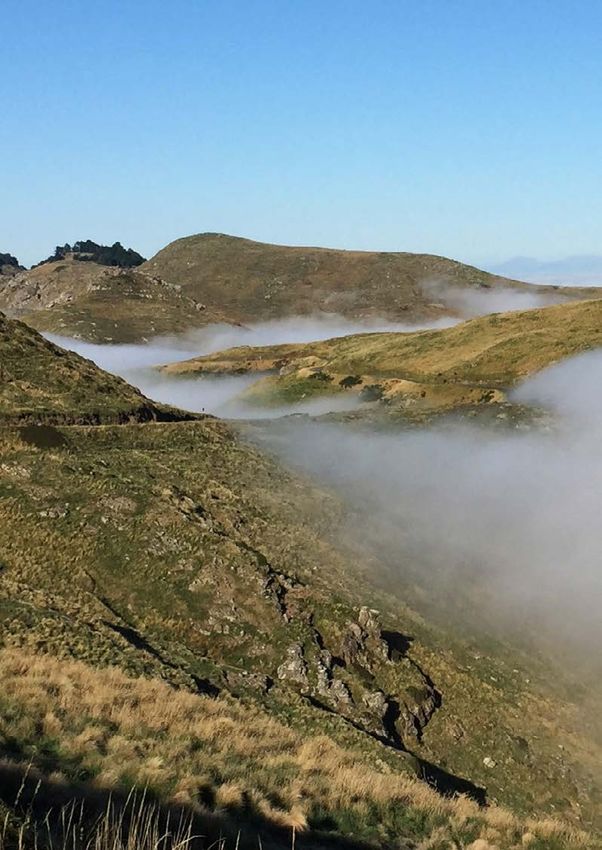
Taking action on climate change
          will also deliver many benefits.
             Our community will be able to
         enjoy a greener and more liveable
      city with healthier homes, improved
      air and water quality, new transport
    options, more trees and green spaces,
          and a vibrant local economy with
innovative businesses and new green jobs.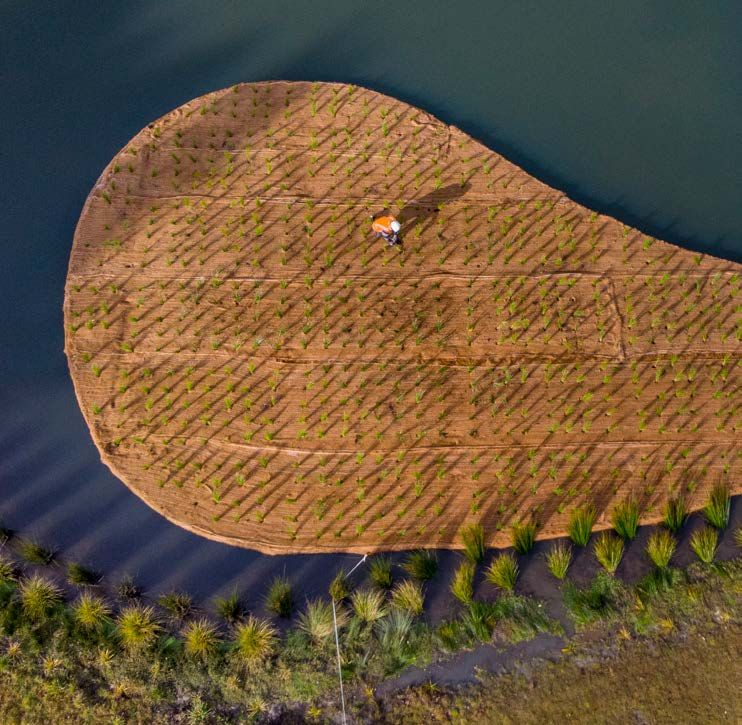
Christchurch’s commitment to climate action

               In 2019, Christchurch City
              Council declared a Climate
            and Ecological Emergency and
         adopted ambitious greenhouse gas                          Council has set the target of achieving
                                                                  net zero greenhouse emissions by 2045
         emissions targets for our district. In                    (excluding methane), and to halve our
        doing so, we joined a growing number                     emissions by 2030, from 2016-17 levels. To
         of councils across New Zealand and                      achieve these targets, we all need to make
            cities worldwide committed to                         changes to the way we travel, the waste
                                                                     we create, how we grow our food
            taking urgent action to reduce                                and the energy we use.
                their carbon emissions.

    A climate change strategy for Christchurch

                          Our draft climate
                        change strategy is a                                           This is a
                  blueprint for collective action                              long-term framework
                 and part of a wider conversation                            for Christchurch’s climate
             about how we work together to reduce                           change journey and we will
                                                                           develop new programmes of
           our greenhouse gas emissions to minimise                        work as our understanding of
         future harm, and plan for the ongoing effects                     our changing climate and its
          of climate change. It reinforces Christchurch                     consequences continues to
              City Council’s commitment to climate                                     evolve.
             change leadership, and is based on the
             latest scientific advice, underpinned by
              government legislation, and driven by
                increased calls for action from the
                 community, who are at the heart
                      of our decision-making.

3   Ōtautahi Christchurch Climate Change Strategy | Draft 2021
How this strategy was developed                                             How this
The draft strategy was developed using feedback from Ngāi Tahu and          strategy works
the Papatipu Rūnanga, public surveys, Councillors, and staff, as well
as an external technical advisory group with representation from local      We have set four Climate Goals for
academics, scientists, unions, youth, health, community, and climate and    Christchurch, supported by 10 Climate
sustainability advocates.                                                   Action Programmes that outline what
                                                                            we need to do to achieve these goals.
In developing the draft strategy, we also looked to both local and
international examples of strategies including Ngāi Tahu’s strategy,
He Rautake Mō Te Huringa O Te Āhuarangi, Auckland’s Climate Action             The Council can’t do this
Framework and Wellington’s blueprint for a Zero Carbon Capital.                alone - everyone has a part to
We will continue to work with the community, Ngāi Tahu and the Papatipu        play in taking climate action.
Rūnanga, central government, stakeholders, businesses and organisations
across Christchurch and Banks Peninsula, to further develop and
implement the Climate Action Programmes in the strategy.

              To achieve our climate goals, we need the people and
               organisations of Christchurch and Banks Peninsula
                  to work together to deliver the actions under
                        our Climate Action Programmes.

                                                                           Ōtautahi Christchurch Climate Change Strategy | Draft 2021   4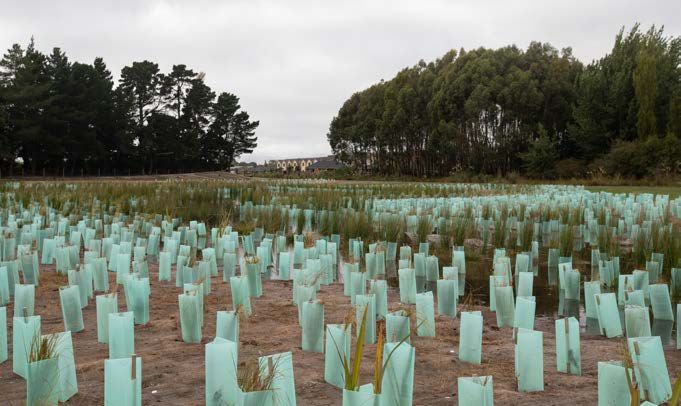
Our climate change goals for Christchurch

                                                 Goal 1
                                                 Net zero emissions Christchurch

                                                 Goal 2
                                                 We understand and are preparing for
                                                 the ongoing impacts of climate change

                                                 Goal 3
                                                 We have a just transition to an
                                                 innovative low-emission economy

                                                 Goal 4
                                                 We are guardians of our natural
                                                 environment and taonga

5   Ōtautahi Christchurch Climate Change Strategy | Draft 2021
Our climate action programmes -
achieving our goals together

Building the foundation
     - partnerships and
              resourcing
                           1
                                  2        Understanding
                                           the local effects of
                                           climate change
      Proactive climate
         planning with
          communities
                           3
                                  4        Adapting and
                                           greening
                                           infrastructure
   Carbon removal and
    natural restoration    5
                                  6        Economic
                                           transformation
                                           and innovation

         Low-emission
      transport system     7
                                  8        Energy efficient
                                           homes and
                                           buildings
               Towards
             zero waste    9
                                  10             Sustainable
                                                 food system

                                  Ōtautahi Christchurch Climate Change Strategy | Draft 2021   6
Christchurch’s greenhouse gas emissions
    Data for the financial year 2018/19 shows that our district’s total gross greenhouse
    gas emissions were 2.72 million tonnes of carbon dioxide equivalent (tCO2-e),
    slightly higher than two years ago. However, due to population increase, our per
    capita emissions remained stable at 7.1 tCO2-e/person. This is more than the
    global average of approximately 4.3 tCO2-e per person.
    The bulk of Christchurch’s greenhouse gas emissions               To reach our emissions reduction targets we will
    came from transport (54.0% including 36% from land                need to change the way we travel, increase the use
    transportation), the energy powering our homes,                   of renewable energy, improve the energy efficiency
    buildings and businesses (stationary energy, 19.0%),              of our buildings, reduce waste and support
    agriculture (15.3%), waste (7.4%) and industrial                  regenerative agriculture.
    product and gas use (IPPU, 4.2%) .

                                from industrial
                                    gases

                                                                  2.72
                                                                 million tonnes
                                                                    of CO2e

7   Ōtautahi Christchurch Climate Change Strategy | Draft 2021
The local impacts of climate change
Significant changes to our climate are likely in
the future. Average temperatures are projected to
increase by 0.50C to 1.50C by 2040
and 30C by 2090
increasing heat stress on people, animals and plants.
Scientists predict a 30cm sea level rise by 2050, with a 50cm rise by
2075 and 1m by 2115, if global greenhouse gas emissions continue
at the current rate. This will have huge impacts on our district’s
low-lying areas, cause significant drainage issues and place
major strain on our infrastructure and communities.
50cm
Given the exact rate and timing of seas level rise remains
uncertain, we will continue to update the information 30cm sea level rise
by 2075
sea level rise
based on the latest scientific evidence.
by 2050
On Banks Peninsula, increased drought conditions will place
the surface and drinking water supply under increasing strain,
increase the risk of wildfires, and increase the erosion of soils,
making revegetation more difficult.
The table in Appendix A outlines more of the key changes that we need to be preparing for across our district, based
on the latest available scientific modelling, using the Intergovernmental Panel on Climate Change’s RCP 8.5 scenario
(aligning with national and regional modelling).
Ōtautahi Christchurch Climate Change Strategy | Draft 2021 8Our principles for responding to climate change
These principles guide how we will work with the community when developing and
implementing Christchurch’s climate action programmes.
In our responses to climate change we will:
we will acknowledge the principles we will take an intergenerational
of the Treaty, including the view to ensure our responses to
Honour principles of partnership and the Think climate change are sustainable
te Tiriti active protection of Māori interests long term over the long term, benefiting both
in land and water. This includes the current and future generations.
upholding of kaitiakitanga, and a
duty to actively engage.
we will work in partnership with our climate actions will aim to
Be households, community groups, improve our community’s social,
businesses, unions, iwi, local and Promote cultural, environmental, and
collaborative central government organisations wellbeing economic wellbeing. Actions with
and build on existing knowledge to co-benefits will be encouraged.
develop and implement actions.
we will display the strong leadership our actions and responses to
required to address the climate climate change will be based on
challenges and opportunities for the Be evidence sound evidence.
Act boldly
district. based
we will share local emissions
data and climate risk information
with Ngāi Tahu and the Papatipu We will support positive and
Rūnanga, governance group Seek innovative ideas that contribute to
Be transparent
partners and the community, opportunities climate solutions for Christchurch.
and help people understand our
decisions.
we will ensure people are
Be equitable empowered to participate in our
and inclusive programmes and we will avoid our
response to climate change having
inequitable impacts on people.
9 Ōtautahi Christchurch Climate Change Strategy | Draft 2021Our climate change goals for Christchurch
Our goals set out what we want to achieve to limit the impacts of climate change.
While they focus on four specific areas, there are many links between the goals,
and some of the actions we take will provide mutual benefits across multiple areas.
For example, planting native trees and restoring wetlands is an action that will contribute towards achieving
each of the goals. Trees and wetlands absorb carbon dioxide emissions (Goal 1), provide flood mitigation to
protect from future storms (Goal 2), provide local jobs (Goal 3), and restore the natural environment (Goal 4).
11 Ōtautahi Christchurch Climate Change Strategy | Draft 2021Goal 1: Christchurch has net
zero emissions
Greenhouse gas emissions from human activities are heating the atmosphere
and changing our climate. Christchurch needs to join global efforts to rapidly
reduce our emissions to help prevent further harm.
Following public consultation, the Council has set new greenhouse gas
emissions targets for Christchurch:
• Net zero greenhouse gas emissions by 2045, and a 50% reduction from the
baseline financial year 2016/2017 levels, by 2030 (excluding methane);
• At least a 25% reduction in methane emissions by 2030, and 50% reduction
from the baseline financial year 2016/2017, by 2045
We have also set an ambitious target of being net carbon neutral for the
Council’s operations by 2030. This will require Council to track and monitor our
progress, to demonstrate our leadership and commitment as an organisation
towards climate action. While becoming net carbon neutral may require the use
of carbon offsets in the future, Council’s preference is to make reductions first,
wherever practicable.
To achieve these targets we all need to make changes in the
way we move, how we power our homes, buildings, businesses
and infrastructure networks, how we deal with waste and how
we grow food.
We have comprehensive district-wide greenhouse gas emissions baseline data.
We will monitor progress over time with a series of indicators in between more
substantial reporting. Pathway modelling will show the types and levels of
emission reductions needed in various sectors to meet our emissions targets.
We will focus our resources where they will have the biggest impact.
We also need to address the embodied carbon (carbon emitted in the
production of the materials such as concrete and steel) that we use in our
buildings and infrastructure, and transition towards more sustainable materials
and construction techniques.
Signs of success – what we want to see in the future
• Climate leadership – Our civic partners, Papatipu Rūnanga, community
leaders, business leaders, and influential organisations will lead by example
and accelerate local and suppliers’ emission reductions.
• Action pathways – Our community will understand the need to reduce
greenhouse gas emissions and will be actively involved in developing
pathways to achieve a net zero emission Christchurch.
• People able to act – We will support our communities, businesses and
individuals to plan for, and implement a just transition to net zero emissions.
• Low-emission transport – Our city will be designed so people can take fewer
and shorter trips to access goods and services, and have access to safe and
reliable low-emission travel choices.
Ōtautahi Christchurch Climate Change Strategy | Draft 2021 12Goal 2: We understand and are
preparing for the ongoing impacts
of climate change
Climate change will affect everyone. While we work to mitigate the effects of
climate change, our communities will need to adapt to the changes that are
already unavoidable.
To develop resilient communities, we need to be aware of how and
where we will be affected by the impacts of climate change, and plan our
infrastructure accordingly. By understanding the local physical, social,
economic and wider environmental impacts, we can work with communities
to plan how they can adapt and take action to protect what they value most.
We’ll share research and data on the changing climate and environment with
Ngāi Tahu and other agencies.
We have already started to plan for the future with our coastal
communities. Sea level rise is causing coastal hazards such as
flooding, erosion, and rising groundwater.
Other climate hazards, such as droughts and the increased risk of wildfires,
will require different solutions, but we will use the same approach of working
together with communities to address these.
Signs of success – what we want to see
• Resilient communities – our communities and Papatipu Rūnanga will have
a good understanding of, and be prepared for, the current and future impacts
of climate change and be actively involved in decisions that affect them.
• Clear pathways – we will provide clear and consistent direction and
leadership for proactive and confident responses to future impacts of
climate change
• Adaptive capacity – Council, Papatipu Rūnanga, communities, and
businesses will have the knowledge, networks and resources to adapt and
evolve over time. Risk management and budgeting processes will set out the
requirements for responding to climate change.
• Dynamic infrastructure planning – Council plans and policies will be
updated to outline how infrastructure and services will continue to adapt to
the future impacts of climate change.
13 Ōtautahi Christchurch Climate Change Strategy | Draft 2021Goal 3: We have a just transition
to an innovative, low-emission
economy
The move to a low-emission and more environmentally sustainable economy
will create new opportunities, businesses and jobs. Innovative solutions to
climate change will contribute to a workforce transition away from resource
intensive industries.
However, the transition to a low-emissions economy may impact and benefit
some parts of our community more than others. Fair and inclusive decision-
making as part of our just transition to a low-emission economy will give
everyone the opportunity to benefit from the changes. Those who face hardship
will need support through the transition.
Education, training and an openness towards innovation will
be vital to ensure that Christchurch continues to be a city of
opportunity for all.
Signs of success – what we want to see in the future
• Planning together – employers, unions, central government, Council,
Papatipu Rūnanga, and community groups will work together to plan our
transition to an innovative, low-emission economy.
• Lifelong learning and reskilling – everyone will have equitable access to
education, training and lifelong learning, to reach their full potential in our
innovative, low-emission economy.
• Innovation and economic diversity – creative climate change solutions and
innovation will be supported for a more diverse, resilient and sustainable
economy.
• Strong communities – support groups, networks and services will connect
and assist our community, increasing individuals’ ability to adapt to change.
Ōtautahi Christchurch Climate Change Strategy | Draft 2021 14Goal 4: We are guardians of our
natural environment and taonga
A healthy environment is vital for the health and wellbeing of our people. Our
natural environment is already under pressure from climate change. Changes
to our natural environment and biodiversity may soon threaten our food and
water supplies and reduce the natural absorption of carbon dioxide.
By restoring the natural environment, we will reduce the
impacts of climate change, as trees, soils, and wetlands absorb
large amounts of carbon dioxide that would otherwise further
heat the atmosphere.
This also helps reduce the severity of flooding, prevents erosion, and
encourages biodiversity.
Signs of success – what we want to see
• Support our kaitiaki – we’ll support people and groups who are kaitiaki
(caretakers) of our environment and taonga.
• Value nature – our community will understand, value and care for our
indigenous plants, animals and ecosystems.
• Restore ecosystems – vulnerable species, habitats and ecosystems will be
protected and managed in ways that support their restoration.
• Garden city – green spaces and healthy ecosystems will be protected as a
vital part of our district.
• Natural carbon absorption – carbon dioxide will be removed from the
atmosphere in ways that benefit local ecosystems and communities.
Ōtautahi Christchurch Climate Change Strategy | Draft 2021 16Climate Action Programmes
achieving our goals together
We have developed 10 climate action programmes, focusing on specific areas,
to help achieve our climate goals.
Each programme relies on building partnerships Our climate action programmes will be responsive to
across our district. The Council has a lead role in some new information and ideas as they emerge, and be able
programmes and their related actions, while in others to take advantage of new opportunities and funding
our role is to support, advocate and encourage others streams. We’ll regularly review and modify the programme
to take action. The focus areas identified under each structure to deliver actions more effectively. We will also
programme are a starting point to be developed further establish systems for monitoring and letting people know
with Ngāi Tahu Papatipu Rūnanga as mana whenua, about our progress, issues and actions.
businesses, organisations, and community groups.
We’ve identified a ‘Next Step for Council’ for each
programme to get things underway as we build up
each programme further with the community.
17 Ōtautahi Christchurch Climate Change Strategy | Draft 2021Programme 1: Building the Supports Goals 1-4:
foundation - partnerships
and resourcing
Our commitment
Christchurch has net
Meeting Christchurch’s climate challenge will require the support of the whole zero emissions
community. By harnessing the leadership and resources of Ngāi Tahu Papatipu Rūnanga,
community groups, businesses and networks across our city and district, we can develop
our response to climate change together.
We will build strong partnerships with inclusive and transparent governance
arrangements to create and implement our climate action programmes and support
broad, city-wide involvement.
Across Council, the work we do and the decisions we make will support our climate goals.
Our focus areas
We understand and are
• Establish climate change partnerships, resourcing, monitoring and reporting across preparing for the ongoing
all programmes. impacts of climate change
• Develop a ‘just transition lens’ for use across all programmes to ensure actions benefit
society and support those most vulnerable to change.
• Develop a communications and behaviour change programme to raise climate change
awareness and encourage people to become involved in community initiatives.
• Further develop the Council’s own response to climate change, focused on minimising
our organisational emissions and increasing the resilience of our facilities,
infrastructure, and services for our communities.
• Advocate to central government on climate issues.
We have a just transition
Some examples of what’s already happening to an innovative,
low-emission economy
• The Greater Christchurch Partnership enables city and district leaders to work together
to address our regional climate challenges.
• Council’s internal Resource Efficiency and Greenhouse Gas Emission programme
focuses on Council becoming more resource efficient and reducing greenhouse gas
emissions from our operations.
• Council reports on Christchurch’s greenhouse gas emissions.
• All Council’s decision-making reports have a section considering the impacts
on climate change.
We are guardians of our
Next step for Council: natural environment
and taonga
Establish a climate leadership group with key stakeholder
representatives to implement the strategy.
Ōtautahi Christchurch Climate Change Strategy | Draft 2021 18Programme 2: Understanding the Supports Goal 2:
local effects of climate change
Our commitment We understand and are
Climate change affects local communities in different ways. We will gather local data to preparing for the ongoing
impacts of climate change
understand the implications across our district – for our people, our infrastructure, our
economy, and our environment – and share this information with our communities so we
can plan for the future together.
Our focus areas Some examples of what’s already
• Complete comprehensive district risk assessments to happening
deliver local data across all domains, including updates
• NIWA remodelling of global climate models shows
and monitoring of hazards, exposure and vulnerability.
projections of how the climate will change in the
• Increase understanding of the expected social and South Island/Canterbury.
economic implications of climate change.
• High-level risk screenings are underway at national,
• Identify indicators to monitor how and how quickly our regional and local levels to identify which areas are most
climate is changing. susceptible to which climate-change related risk.
This is used to inform adaptation planning and covers
• Support Ngāi Tahu Papatipu Rūnanga to identify and
natural, built, human, economic, and governance risk.
use culturally relevant indicators to monitor impacts on
mahinga kai and other cultural resources. • Ngāi Tahu have worked with rūnanga to develop their
climate change risk assessment.
• Understand the various legal and governance
requirements, roles and responsibilities of climate • We monitor tides, river flow, rainfall and groundwater to
adaptation, to ensure the Council and others fulfil their provide a baseline for measuring change.
duty of care for communities.
• We have commissioned several reports on climate-
• Identify the infrastructure that is most vulnerable to sea related coastal hazards and tidal ranges, and the
level rise and other climate change impacts, including Council’s flood modelling now considers climate change.
water supply on Banks Peninsula, to inform community
discussions and infrastructure planning.
• Identify triggers and thresholds that indicate how
our exposure and vulnerability to climate hazards is
changing, and where adaptation steps are needed.
• Create a targeted communication programme to explain
Next step for Council:
what the data means for specific communities across To complete Christchurch’s climate change risk
Christchurch and Banks Peninsula. assessment, including environmental, social,
cultural and economic impacts.
• Share research and data with Ngāi Tahu Papatipu
Rūnanga and partner agencies.
19 Ōtautahi Christchurch Climate Change Strategy | Draft 2021Programme 3: Proactive climate Supports Goals 2 and 3:
planning with communities
Our commitment We understand and are
Supporting communities to plan for and adapt to future climate change challenges preparing for the ongoing
impacts of climate change
empowers them to use their own knowledge and social networks to take action.
Change is an opportunity for innovation, and for our communities to have a say in
shaping their future. We will help our communities to thrive by identifying our shared
values, and the local changes we need to make together.
We will improve our knowledge of the full range of climate change impacts across
Christchurch and Banks Peninsula and, together with our communities, determine We have a just transition
how best to respond to the physical changes and the flow-on social, economic and to an innovative,
wider environmental impacts. low-emission economy
Our focus areas Some examples of what’s already happening
• Partner with Ngāi Tahu whānui to co-create • Council has established a Coastal Hazards Adaptation Planning
adaptive pathways, ensuring that Ngāi Tahu programme and has identified the priority communities to pilot
values and aspirations are embedded in our adaptation planning with. The Programme will work with low-lying
city’s adaptation approach. inland and coastal communities to identify adaption pathways to
plan for and respond to hazards caused by sea level rise.
• Provide climate education in schools and
promote youth voices and leadership. • A series of workshops were held in late 2020 with communities
across the district, and a Coastal Hazards Working Group has
• Develop holistic, long-term responses to
been established with membership from Council, Environment
natural hazards and climate change with
Canterbury and Ngāi Tahu to oversee the ongoing development of
community and all Council activity areas.
this programme of work.
• Involve the community in long-term
• Climate change education is being supported in coastal and
infrastructure planning, as part of
low-lying inland schools to raise awareness about wider climate
community adaptation discussions.
change issues, the impacts of sea level rise and how we can
• Work with communities on Banks Peninsula respond as a city.
to develop responses to localised climate
• The CoastSnap community science initiative has been launched,
issues such as threats to water supply,
with sites on the New Brighton Pier and the Taylors Mistake
increased wildfire risk, and erosion.
walkway encouraging people to help monitor coastal change.
• Work with key stakeholders (including
• Te Rūnanga o Ngāi Tahu has developed their climate change
Canterbury District Health Board and
strategy, Te Tāhū o Te Whāriki, and is initiating discussions on
Environment Canterbury) to identify and
adaptation planning with Papatipu Rūnanga.
mitigate emerging health issues caused
by the impacts of climate change, such as • The Canterbury Regional Climate Change Working Group and the
extreme heat, damp housing, poor air quality Resilient Greater Christchurch Plan assists city and district leaders,
and stress-related mental health issues. including Ngāi Tahu, to empower their communities to take
climate change action.
Next step for Council:
The Council has commissioned a coastal hazard assessment and strategic adaptation framework to guide
the development of adaptation pathways with communities exposed to coastal hazards caused by climate
change. Once these documents are ready for release in late 2021, Council will engage with communities to
raise awareness of coastal hazards, and seek feedback on the strategic adaptation framework to ensure that it
meets the expectations of Christchurch communities/is fit for purpose.
Ōtautahi Christchurch Climate Change Strategy | Draft 2021 20Programme 4: Adapting and Supports Goals 2 and 4:
greening infrastructure systems
Our commitment
We understand and are
Our buildings and infrastructure are increasingly coming under threat due to the impacts preparing for the ongoing
of climate change. Infrastructure supports our quality of life, and represents one of the impacts of climate change
biggest investment decisions in Christchurch. We will ensure our infrastructure can cope
with the changing climate conditions in the future, while still delivering the services our
communities need.
Any new infrastructure will utilise low-energy solutions, and be designed to minimise
the amount of embodied carbon in the materials used so it is as efficient and
We are guardians of our
sustainable as possible. natural environment
and taonga
Green infrastructure (such as swales, rain gardens, sand dunes, street trees, natural
waterways, plants, stormwater retention basins, and permeable paved paths) helps us
manage flooding, storm surges, and erosion along our coasts and hillsides, and cleans
our rivers and air. We will continue to incorporate greener infrastructure to respond to our
changing climate, lower our infrastructure’s carbon footprint, and allow nature to thrive
while supporting our wellbeing.
Our focus areas Some examples of what’s already
• Incorporate green infrastructure solutions when happening
renewing infrastructure.
• Street upgrades within the central city’s Ōtākaro Avon
• Include the community in long-term infrastructure River Precinct use rain gardens to filter rainwater and
planning and adaptation discussions. increase green space.
• Use the Ōtākaro Avon River Corridor Regeneration Plan • The Council’s Integrated Water Strategy, Asset
to improve ecological values and restore natural buffers Management Plans, Activity Plans and Infrastructure
to the impacts of flooding and sea level rise. Strategy outline climate change issues and consider
green infrastructure solutions.
• Continue to manage our surface water through our six
values (drainage, ecology, cultural, recreation, landscape • New developments require onsite treatment of
and heritage) and partner with Ngāi Tahu to uphold stormwater, such as swales, rain gardens and retention
cultural and ecological values and water quality. basins to manage how stormwater enters our waterways
and to reduce downstream flooding.
• Promote sustainable water use as part of a response to
reduced surface water supply. • The Ōtākaro Avon River Corridor Regeneration
Plan includes green infrastructure solutions,
• Update Council guidelines, policies and planning
including wetlands and expanded salt marsh
processes, including infrastructure design specifications,
areas, to improve floodplain management and
to reflect new climate data and inform infrastructure and
resilience to rising sea levels.
adaptation planning.
• The Land Drainage Recovery Programme takes into
• Increase tree cover across the city.
account the impacts of climate change in its planning.
• Optimise existing and new infrastructure to improve
• The Ōtākaro Avon, Ōpāwaho Heathcote and Styx
water and energy efficiency.
Catchment Management Plans respond to flood
• Consider options for servicing relocatable housing. management risk and water quality issues.
21 Ōtautahi Christchurch Climate Change Strategy | Draft 2021Next step for Council:
Create a series of ponds, wetlands, intertidal habitat and stormwater treatments in
Bexley (Ōtākaro Avon River Regeneration Plan Area), to naturally filter surface water,
support biodiversity, enhance flood management and improve amenity.
Ōtautahi Christchurch Climate Change Strategy | Draft 2021 22Programme 5: Carbon removal Supports Goals 1 and 4:
and natural restoration
Our commitment
Christchurch has net
Our biodiversity and ecosystems will be increasingly threatened by climate change. zero emissions
By protecting and expanding natural areas in our district, we will help capture carbon
dioxide, while benefiting natural ecosystems and biodiversity.
The Council’s preference is for us all to reduce our emissions as much as possible.
However, it is likely that even after significantly reducing greenhouse gas emissions
across all sectors, we will still need to ‘offset’ the remaining, unavoidable emissions. To
achieve safer and lower levels of global warming we need to remove emissions directly
We are guardians of our
from the atmosphere. We will achieve this by regenerating forests, planting trees, natural environment
restoring wetlands and enriching soil carbon. These projects can also benefit our local and taonga
economy and improve the amenity of local communities.
Our focus areas Some examples of what’s already
• Develop an approach to measure, reduce, and offset happening
our emissions.
• Regeneration of indigenous forest on Banks Peninsula
• Increase carbon sequestration through planting and including Hinewai Reserve.
natural regeneration of indigenous, and more fire
• The Rod Donald Banks Peninsula Trust is developing
resistant forest across Banks Peninsula.
environmental guardianship of Banks Peninsula.
• Identify, protect and restore areas of significant
• The Council’s Christchurch and Banks Peninsula Tree
indigenous biodiversity.
and Urban Forest Plan aims to increase canopy cover in
• Naturalise waterways and introduce wetlands across Christchurch and Banks Peninsula, which will assist with
the city. carbon sequestration, and reduce stormwater run-off.
• Restore coastal ecosystems. • School and community groups take part in planting days
and care for our rivers, coasts, hills and parks.
• Create natural corridors between key forest/planted
areas in Christchurch and Banks Peninsula to • Trees for Travellers, Million Meters Stream Project and
encourage biodiversity. One Billion Trees Programme get communities involved
in restoration and carbon sequestration projects.
• Increase tree canopy cover in the city.
• The Christchurch Biodiversity Fund provides grants
to private landowners to protect and enhance sites of
ecological significance.
• Biodiversity education is provided through Council’s
Learning Through Action programme.
Next step for Council:
Identify sites where partnership opportunities could increase
indigenous planting across Christchurch and Banks Peninsula
23 Ōtautahi Christchurch Climate Change Strategy | Draft 2021Programme 6: Economic Supports Goal 3:
transformation and innovation
Our commitment
We have a just transition
To reach our goal of zero net greenhouse gas emissions, we need innovative climate to an innovative,
solutions and an economic transformation to move away from resource intensive, high low-emission economy
emission industries.
A move towards low-emission, high value local businesses will create significant new
opportunities for entrepreneurs, social enterprises and agile businesses. We will
support economic transformation in renewable energy, transport, health, food and
technology to provide new jobs and a more diverse, resilient and sustainable economic
base for Christchurch.
A just transition to a low-emission economy will require support for people employed in
sectors impacted by rapid change. To make Christchurch an attractive place for employers
and employees, we will encourage training and education for emerging low-emission jobs.
Our focus areas Some examples of what’s already
• Support local entrepreneurship and climate happening
innovation networks to promote innovation and
• The Centre of Entrepreneurship at Canterbury University
new job opportunities in mitigation and adaption to
encourages innovators to solve real world problems
climate change.
while building a new generation of entrepreneurs, often
• Enable the use of technology and rapid prototyping of with a focus on sustainability and our climate challenges.
innovative ideas that will transition Christchurch into a
• Haea Te Awa is a strategy developed by Te Rūnanga
low-emission city.
o Ngāi Tahu to grow regional development, led by
• Improve access to education, (re)training and the life-long Papatipu Rūnanga.
learning necessary to support workers and businesses
• Smart Seeds is a design-led innovation programme
through our transition into a low-emission city.
focused on creating solutions to complex challenges
• Redefine measures of progress to better reflect social, by bringing mentors and emerging leaders together.
cultural, economic and environmental wellbeing. Christchurch Supernodes bring together students, iwi,
education providers, industry, and government to create
• Encourage and support local businesses, social
new solutions and business opportunities for a low-
enterprises, and the community sector to innovate and
emission future economy.
transform the economy to respond to climate challenges
and opportunities. • The Akina Foundation supports social enterprise
organisations and helps to transform business through
the Impact Initiative.
• The Council’s Smart City Programme helps to deploy
innovative technologies and solutions to support smart
Next step for Council: living and businesses in Christchurch.
Work with ChristchurchNZ, the Canterbury • Christchurch City Holdings Ltd is working to get all
Employer’s Chamber of Commerce and other Council-owned companies to be net carbon neutral in
stakeholders to deliver a series of events their operations by 2030.
and activities to highlight and drive climate
innovation in Christchurch. • Council’s Sustainability Fund supports innovative
community and business projects that respond to
climate change.
Ōtautahi Christchurch Climate Change Strategy | Draft 2021 24Programme 7: Low-emission Supports Goal 1:
transport system
Our commitment
Christchurch has net
Road transport is the biggest single contributor to Christchurch’s emission footprint. zero emissions
The transport sector contributes 54% of our district’s greenhouse gas emissions, with
36% coming from road transport. Reducing transport emissions is essential to achieve
our greenhouse gas emissions targets. Christchurch has high levels of private car use
and low level use of public transport.
We will make significant changes to our transport infrastructure to help meet our
emissions targets. To halve our emissions in the next decade, we need to dramatically
reduce the kilometres travelled in fossil fuel-powered vehicles. We will promote
alternatives such as active and public transport.
Redesigning our suburbs and city to encourage more walkable neighbourhoods,
where most short trips to services can be taken on foot or by bike, will further reduce
transport-related emissions.
Reducing transport emissions provides wider benefits by improving air quality and
reducing noise, while creating more connected neighbourhoods and continuing to
support our economy through the efficient movement of people and goods.
Our focus areas Some examples of what’s already
• Understand the pathways to reducing transport happening
emissions and develop a progressive series of options to
• New cycleways in Christchurch are encouraging more
achieve them.
people to cycle - on average, an estimated 40,000
• Improve tools to model emissions reduction people cycle to work or school each day in Christchurch.
scenarios and show the wider impact, benefits and
• 3,000 school students are provided with on-road cycle
costs of each option.
skills education (Cycle Safe) annually.
• Improve the attractiveness of sustainable modes
• Workplace travel planning is delivered to offices with a
compared to driving.
combined staff count of 3,200 per year.
• Increase education and incentivise the use of
• Three battery electric buses currently operate on the
sustainable transport, such as walking, cycling,
Airport to Bus Interchange route.
scootering, and public transport, and the reduction of
emissions by working from home. • Council is developing a Spatial Plan to provide better-
integrated land use planning for sustainable transport
• Integrate sustainable transport and land use planning,
and development.
reducing the need for car trips.
• We support mode shift initiatives across Greater
• Encourage use of zero exhaust emission vehicles (such
Christchurch - in particular through the Greater
as battery electric vehicles and electric bikes).
Christchurch Public Transport Futures Business Cases,
• Consider models of integrated community living and and other service and infrastructure improvements to
economic sustainability such as kāinga nohoanga, improve the bus network.
which reduce the need to travel for work.
• Christchurch won the EVworld ‘Most EV Friendly
Town of the Year’ award for the second time in 2019.
Christchurch has at least 90 public electric vehicle
charging points.
25 Ōtautahi Christchurch Climate Change Strategy | Draft 2021• The Zilch battery electric car share service provides
a zero emission transport option for businesses and
residents. Next step for Council:
• There are permits for 1600 e-scooters for short-term Complete the Christchurch Transport Plan to
hire on the streets of Christchurch. More than one understand pathways to reduce emissions and
million trips were taken on e-scooters in their first year identify a progressive series of options to achieve
in Christchurch. the level of reductions we are seeking.
Ōtautahi Christchurch Climate Change Strategy | Draft 2021 26Programme 8: Energy efficient Supports Goal 1:
homes and buildings
Our commitment
Christchurch has net
Our homes, buildings, businesses and infrastructure consume large amounts of resources zero emissions
such as energy, water and materials to build, operate, maintain, repair and replace.
We will design our homes, businesses, buildings, and infrastructure to be more energy
and resource efficient, and powered by affordable, renewable energy. This will lower
emissions, reduce costs, deliver healthier buildings, create businesses that are more
efficient and conserve our precious resources.
Our focus areas Some examples of what’s already happening
• Increase business resource efficiency • Over one hundred businesses (making up more than 60% of New
(low energy and water usage) and reduce Zealand’s total greenhouse gas emissions) have joined the Climate
greenhouse gas emissions. Leaders Coalition committing to reduce their emissions in line with
Intergovernmental Panel on Climate Change advice.
• Reduce residential greenhouse gas
emissions and support resource efficient • Replacing the street lighting network with LED lights and smart
healthy homes. controls is estimated to save $1m per year in electricity costs by
June 2021, $600,000 in maintenance costs per year, and reduce
• Advocate to central government for improved
greenhouse gas emissions by 1,500 tonnes per year.
national building and energy efficiency and
GHG emissions reductions standards. • The Council-run Target Sustainability service assists Christchurch
businesses to be energy efficient, reduce greenhouse gas
• Maximise resource efficiency in our existing
emissions, solid waste and water use. Council, working with EECA,
infrastructure and facilities, and minimise
has delivered resource efficiency design advice to over 500,000
embodied carbon when designing and
square metres of commercial buildings.
building new facilities and infrastructure.
• Artesian ground source heat pumps have been installed at the
• Investigate the use of wind and solar energy
Town Hall, Tūranga library, the Arts Centre, and at The Terrace
for individual houses, small communities,
and West End developments.
kāinga nohoanga, marae and businesses.
• The new Metro Sports Centre will have a wastewater heat
recovery system.
• Over 8,000 Christchurch homeowners have received advice and
support to improve the health and efficiency of homes through
Build Smarter and Warmer Kiwi Homes.
Next step for Council:
Promote awareness of resources available to
communities and businesses to assist with
energy efficiency efforts.
27 Ōtautahi Christchurch Climate Change Strategy | Draft 2021Programme 9: Supports Goals 1 and 4:
Towards zero waste
Our commitment
Christchurch has net
Generally, our society buys things, uses them, and then throws them away. This is zero emissions
unsustainable and generates greenhouse gases and other pollution throughout the
lifecycle of products. About 9% of Christchurch’s greenhouse gas emissions come from our
waste. However, approximately 40% of waste currently going to landfill in Christchurch has
the potential to be recycled or composted, using the services currently available.
We will move towards a zero waste, circular economy, enabling resources to be reused or
recycled, supporting new jobs and innovation, and creating a low-emission, resilient and
We are guardians of our
more sustainable economy. natural environment
and taonga
Our focus areas Some examples of what’s
• Maximise composting of organics. already happening
• Maximise recycling of all recyclable materials. • 65% of our kerbside collection is diverted from landfill,
including 55,000 tonnes of organic matter, and 40,000 tonnes
• Show leadership and support innovation
of materials is recycled (data from 2018/19 financial year).
in the Christchurch waste and resource
recovery sector. • We are supporting the central Government waste reduction
work programme and participating in the national task force
• Promote how people can find new uses for
for recycling.
things that would otherwise be treated
as waste. • Local social enterprise Kilmarnock Enterprises employs and
supports differently abled people through the recycling and
• Encourage people to purchase products
reprocessing of waste materials.
and support businesses that value the
environment. • Living Earth produces high quality certified organic compost in
Christchurch at the largest enclosed compost plant in
• Promote the ‘sharing economy’ such as car
New Zealand.
sharing, tool libraries and toy libraries where
people can borrow goods as needed, moving • Local online platforms sell second-hand goods, which might
away from a buy-use-discard model. otherwise go to landfill.
• Eco-Shop sells second-hand household items that might
otherwise go to landfill. Residents can drop goods at three
Eco-Drop locations.
Next step for Council:
Implement the Council’s Waste
Management and Minimisation Plan
ccc.govt.nz/ourwaste
Ōtautahi Christchurch Climate Change Strategy | Draft 2021 28Programme 10: Supports Goals 1 and 4:
Sustainable food system
Our commitment
Christchurch has net
The production, distribution, consumption and disposal of food generates significant zero emissions
greenhouse gas emissions. Changing the way we grow and consume food can create
a more resource efficient, low-emission and resilient local food economy. The average
New Zealand household throws out $650 of food – a national total of 157,000 tonnes –
each year.
Christchurch has an opportunity to become an international hub and leader in agri-tech
research, to develop solutions that help the agricultural sector produce food with the
We are guardians of our
lowest possible emissions, and crops that are resilient to the changing climate. We will natural environment
support sustainable food production to improve people’s health and wellbeing, while and taonga
restoring the natural environment.
The importance of mahinga kai to rūnanga and whānau goes back centuries and is
essential to sustain culture and identity.
Our focus areas Some examples of what’s already happening
• Reduce agricultural greenhouse gas • Smartview maps 12,000 fruit and nut trees in public places
emissions and improve food security. across Christchurch.
• Support regenerative agricultural practices • The Food Resilience Network is encouraging the growing of food in
and resilient food production. homes, schools and community gardens throughout Canterbury.
Christchurch has 30 community gardens.
• Enable kāinga nohoanga and mahinga kai.
• ChristchurchNZ has identified ‘Food, Fibre and Agri-tech’ as a
• Encourage urban farming and home, school
supernode of sustainable economic development in our region.
and community gardening, and support
groups who assist others to learn about • Food Bank Canterbury rescues surplus or donated food and
growing their own food. allocates it to those in need. To date they have provided 2.2 million
meals, avoiding an estimated 600 tonnes of greenhouse gas
• Support organisations that help minimise
emissions from food waste.
food waste and improve food security, such
as food rescue, food banks and community • In a recent Council survey, 59% of Christchurch households said
food sharing services. they grow fruit or vegetables at home in a Council survey.
• Promote sustainable, low-emission food • Love Food Hate Waste is a campaign to reduce food waste. The
choices. average New Zealand household throws out $650 of food each
year – a national total that could feed the population of Dunedin
• Protect highly productive soils.
for nearly three years (157,000 tonnes).
Next step for Council:
Support the planting of 500 fruit trees
in schools and community locations
in Christchurch.
29 Ōtautahi Christchurch Climate Change Strategy | Draft 2021Ōtautahi Christchurch Climate Change Strategy | Draft 2021 30
How does this fit with other strategies
     This strategy fits alongside and complements a wide variety of national, regional and local
     policies, strategies and plans.
     It underpins the Council’s Strategic Priority of ‘Meeting                     It has links to other Council strategies and plans and
     the challenge of climate change through every means                           will increasingly influence the development of future
     available’ and supports our key Community Outcome                             plans and strategies, as climate action is embedded
     themes of Resilient Communities, Liveable City, Healthy                       across Council activities.
     Environment, and Prosperous Economy.

                                                           International Climate Agreements
                                            e.g. UN Framework Convention on Climate Change, Paris Agreement

                                     New Zealand Government legislation and policy guidance
                                           e.g. Zero Carbon Act, Coastal Policy Statement, Local Government Act

                                                                  Regional Strategies and Plans
                                             e.g. Resilient Greater Christchurch Plan, Greater Christchurch 2050

                                                                    Christchurch City Council

                                                                   Community Outcomes
                                                  what we want to achieve together with the community

                                                              Council’s Strategic Priorities
                       areas of focus including ‘Meeting the challenge of climate change through every means available’

                                                    Council’s Strategies, Plans and Policies

                                                  Transport                                    Infrastructure
                                                                           Climate
                  Integrated Water Strategy                                Change                 Urban Development
                                                                           Strategy
                                         Biodiversity                                             Our Heritage Our Taonga

                                 Waste Minimisation                                             Open Spaces

                                                                   Climate Action Programmes

                 Funding delivered through Council’s Long Term Plan and Annual Plan process

                                                Community and business led climate actions

31   Ōtautahi Christchurch Climate Change Strategy | Draft 2021
You can also read


