Remembering 30 years of conservation since 1989 - Daniel Libeskind: designing for the past and future - URA
←
→
Page content transcription
If your browser does not render page correctly, please read the page content below
ISSUE 12 · 2020

                                   Remembering 30 years
                                            of conservation since 1989

Daniel Libeskind:   Celebrating     Redesigning
designing for the   conservation    nursing homes
past and future     champions       of the future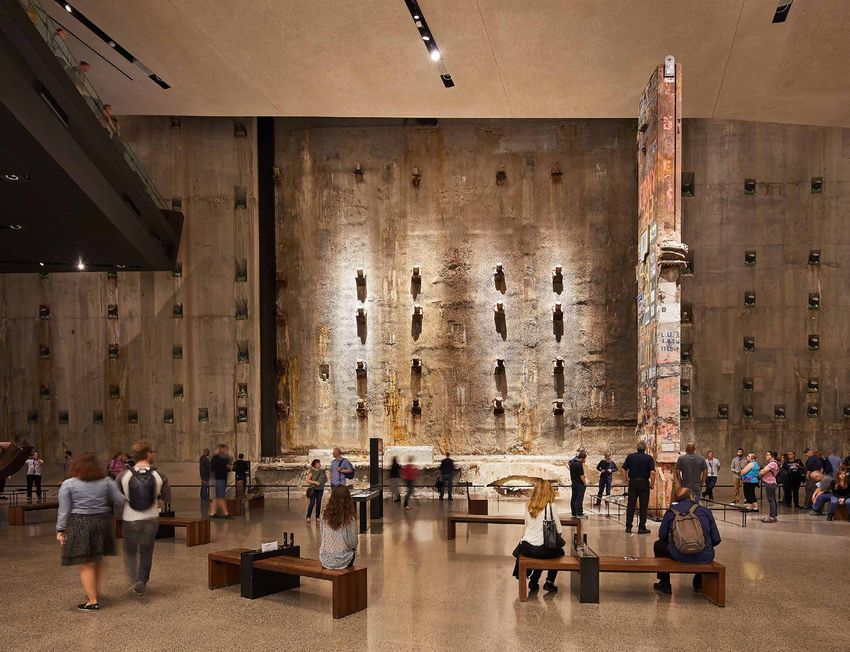
THINKING ALOUD / EDITOR’S NOTE
ISSUE 12 · 2020 ISSUE 12 · 2020
Remembering 30 years
of conservation since 1989
PG: 30 INDEX: PLUS CODE: AREA: +65/SG PG: 31 INDEX: PLUS CODE: 7RHV+X7 AREA: 07-08/BP-TP
Designing for
12
11
the past and future
END GABLE WALL Daniel Libeskind:
designing for the
past and future
Celebrating
conservation
champions
Redesigning
nursing homes
of the future
10
DECORATION
→ 29 Neil Road, Singapore 088818
Cover A montage of artworks by
9
As you make your way up to the junction of
Neil Road and Duxton Road, look out for the
moulded coping and ornamented mouldings on
students from the School of the
Arts, Singapore (SOTA), inspired
8
the gable-end walls.
These are common features
on shophouses, many of which take by conserved buildings. These
7
inspiration from southern Chinese
architecture. These ornamentation are on display at the URA Centre
(21) are based on the Five Elements of
Earth, Fire, Metal, Water and Wood.
ground floor. Find out what else
6
This unit is unique because it is students are doing to spark
one of the few walls that have an
additional moulding. interest in heritage buildings on
5
(22)
page 28. Image credit: SOTA.
In this issue, we look at the retention and creation into account “the story that has developed from
4
of places that connect us deeply to our past and before we were born into something that will
3
Editor
our future. We also look at how the design of care represent future generations,” he adds. This
2
Serene Tng
NAME:
NOTE:
serene_tng@ura.gov.sg facility spaces in neighbourhoods is evolving in need to connect to our past and yet cater to
1
(22) Pay attention to the delicate
Look out for ornamented mouldings on gable-end walls at 29 Neil Road – this and other interesting discoveries
moulding can be
on top of the shophouse.
SECTOR:
uncovered
07/08
AREA:
through a self-exploration
Bukit Pasoh—Tanjong Pagar guide, Backyard65, on Tanjong Pagar and Bukit Pasoh. contributing to our sense of place and home. the present and future underlies the dedicated
0
Contributing writers
efforts of pioneers and champions who have
Ian Tan
Known for designing memorials and cultural contributed to the conservation journey in the
Contents Jennifer Eveland
Justin Zhuang institutions, we speak to architect Daniel Libeskind last 30 years since 1989. We catch a glimpse
to understand what it takes to design core places into the struggles and triumphs of wrestling
Photographer
THINKING ALOUD 28 Telling stories Chee Boon Pin of culture and heritage. “You have to put your head with the unknown and overcoming challenges
03 Designing for the past and future Youths tell stories of food, friendship and ears to the earth in order to listen, not only to to retain over 7,000 buildings today.
and personal ties around heritage Design
the voices around you but to the inaudible voices.
SPOTLIGHT Green House Design
buildings through films + Communications You have to use your eyes to see the invisible parts Beyond places of identity, ordinary spaces also
04 In short
Private Limited of the site…this is the kind of connection that you contribute to our sense of place and home.
INSIGHT
should search for when you work on a project,” We look at how the design of care facilities
05 The invisible unicorn 32 Rethinking the design of Published by
Renowned architect Daniel Libeskind says Daniel in understanding the essence of a site. such as nursing homes are evolving to cater
nursing homes
reveals the essence of designing for to changing needs. We talk to designers and
From care facility to home and
the past and future A member of the Jury Panel for the International experts of an ongoing study who are delving
community space, designers and
Architectural Design Competition for the Founders’ deeper into new design typologies for nursing
experts are exploring new nursing 45 Maxwell Road
10 Remembering 30 years Memorial, Daniel believes that it is memory as the homes that can enhance our sense of self,
home design typologies The URA Centre
We celebrate the many individuals who Singapore 069118 foundation of architecture that “gives us a sense community and home.
contributed to 30 years of Singapore’s IN PICTURES of connection between traditions of the past, the
conservation journey since 1989 in 41 What if… Connect with us present and the future”. The challenge is in taking
six phases: www.ura.gov.sg/skyline
We look back at the 1971 Concept
• First stirrings Plan that has shaped Singapore’s
• Laying the foundation physical landscape today
• Making it work
• New frontiers 44 Runway for your imagination
• Closer partnerships How can we transform the Paya @URASingapore
• The way forward Lebar Airbase into a liveable town for
@URAsg
the future? A new ideas competition
24 What to read is now open @urasingapore
Impactful publications that capture the Company/URASingapore
beauty of Singapore’s built heritage 46 At a glance
Five initiatives shaping our cityscape No part of this publication
26 Artist’s homecoming at may be reproduced in whole
Nassim Road or part without the prior
UK artist Chloë Manasseh reimagines consent of URA. All rights
reserved.
her grandfather’s home at 28 Nassim
Road, built more than 100 years ago ISSN 24249971
02 Above Backyard65 is produced by the Singapore Institute of Technology (SIT). Image credits: William Sim (sketch) and SIT. Access the guide: go.gov.sg/ura-consareas 03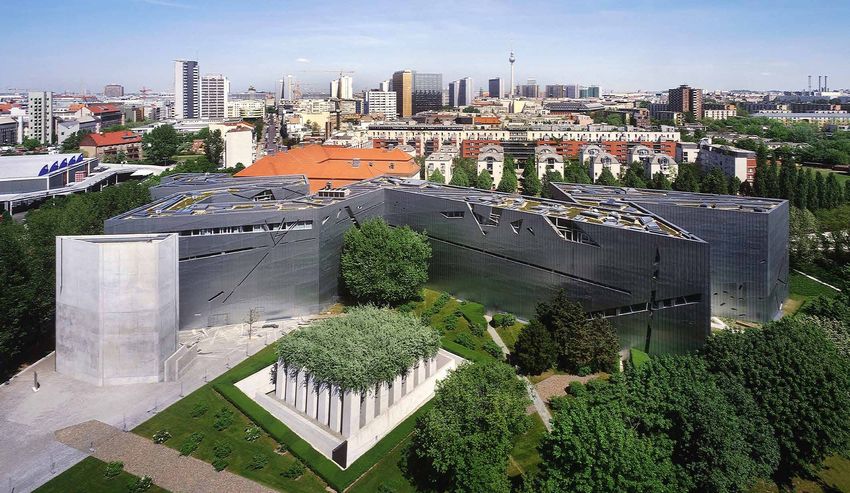
SPOTLIGHT / IN SHORT SP OTLIGHT / DESIGNING FOR PAST AND FUTURE
3.8 km
The length of the runway at the Paya Lebar Airbase.
30
Since 1989, dedicated and proactive
The invisible
unicorn
Invisible unicorns and connecting to the
A competition is now open, inviting designers and the community conservation efforts over 30 years have
to envision its future together. A key landmark that reflects resulted in retaining more than 7,000 heart – world renowned Polish-American
Singapore’s aviation history, it served as the second international buildings. We celebrate the many champions
and individuals who have been a valuable
architect Daniel Libeskind reveals the
airport in Singapore from 1955 to 1981.
part of this journey. essence of designing for both the past and
the future.
Writer Serene Tng | Photographer Chee Boon Pin
“I consider memory the foundation of Renowned architect Daniel Libeskind
on the importance of memory in
architecture. It is memory that creates orientation designing spaces that connect the past,
present and future. He is part of a seven-
and gives us a sense of connection between member Jury Panel for the International
Architectural Design Competition for
traditions of the past, the present and the future.” the Founders’ Memorial.
Daniel Libeskind believes that architecture is a
humanistic discipline grounded in history and
tradition, as told to writer Stanley Meisler of the
1971
“We should continue to evolve the Smithsonian Magazine.
design of future nursing homes An academic until age 43 and informed by a deep
to have greater porosity and commitment to music, philosophy, literature and
accessibility, to encourage greater poetry, Daniel’s many projects from the Jewish
Museum in Berlin to the World Trade Centre site not
interactions between the nursing only draw from the social and historical contexts of
home residents and the community.” The year that the 1971 Concept Plan was finalised. sites, they tell a story and evoke cultural memories
The plan has significantly shaped Singapore’s that reach out to humanity.
Fung John Chye, Associate Professor, School of Design and physical landscape today. It is on display at the
Environment, National University of Singapore, envisioning Singapore City Gallery that captures Singapore’s
the design of future nursing homes. He is leading an ongoing planning efforts and transformation over the years. The Jewish Museum in Berlin which opened in
study, “Designing Future-Ready and Sustainable Nursing 2001 was Daniel’s first major project and a series
Homes for Person-Centric Care Models in Communities”. of influential museum commissions followed after
that. In 2003, his firm, Studio Libeskind won another
historic competition to create the master plan for
the rebuilding of the World Trade Centre in New
“Right from the beginning in urban renewal, we York. Over half of the 16-acre site was given to
public space including the memorial which opened
have already designated areas for preservation. in 2014.
We have identified Chinatown, Little India and We caught up with Daniel on what it means to
design a physical space for both the past and
Kampong Gelam for conservation…” the future, the significance of memories as the
foundation of architecture and listening to the
Conservation pioneer Alan Choe prepared conservation plans even amidst urgent urban renewal efforts in the 1960s and 1970s. inaudible voices of the ground.
He headed the urban renewal unit in 1964, a forerunner of URA formed in 1974.
04 05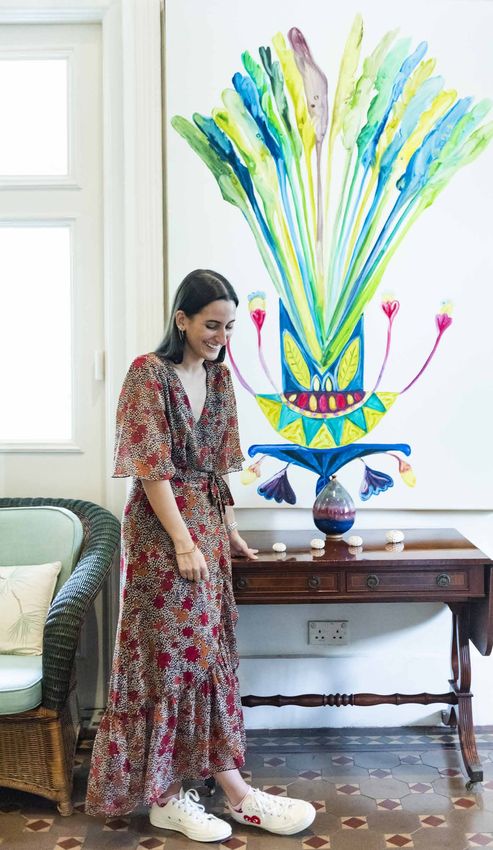
SP OTLIGHT / DESIGNING FOR PAST AND FUTURE SP OTLIGHT / DESIGNING FOR PAST AND FUTURE
The key to managing change is lodged in the
human heart…the challenge is in taking into account
the story that has developed from before we were born
into something that will represent future generations.
Why is memory important in the design of and a home, just as there is a difference between
physical spaces? biology and the human spirit. This is the profound
aspect of being involved in architecture and creating
Daniel: I consider memory the foundation of a place. You are creating a home which goes beyond
architecture. It is memory that creates orientation the physical necessities of life. It is not about how
and gives us a sense of connection between many square metres of space you have – it is about
traditions of the past, the present and the future. the quality of that space.
Memory is key to all my work. When you deal with
places of memory, you have to be able to transmit How do you go about understanding the essence
something beyond the past. You have to transmit of a place?
the hopes of the future. You have to structure the
spaces in such a way that it has the equivalent to the Daniel: You have to know what surrounds you by
complexity of the human spirit and mind. Without putting your head and ears on the earth in order to
memory, we would not know who we are or where listen, not only to the voices around you but to the
we are going. inaudible voices. You have to use your eyes to see
the invisible parts of the site, not just what you can
Why is designing museums and memorials photograph with your camera. This is the kind of
important to you? connection that you should search for when you
work on a project.
Daniel: I have had the good fortune of being able to
work on many cultural institutions and memorials Are there other ways in which you “listen” to the
around the world dealing with different kinds of ground?
memories. In a way, these spaces are a core part
of our lives. We might have spaces that cater to our Daniel: I never go to the site with my camera. I
domestic arrangements such as places to work in, sometimes do not even go with a sketch book or any
places to go to. But in the end, to find who we are, motive. The Chinese have the concept of the unseen
why we are here and where we are going, you need unicorn. The idea is that the unicorn is ever present,
a place of encounter, not just a space with a social but most people only see the white horse. They do
realm, but a space that really forms our identities. not see the unicorn that is hidden and in proximity.
What contributes to our sense of place? So the site in the same way is like the invisible
unicorn. It is there and is ever present, but is
Daniel: Our sense of place is about being human. camouflaged by our expectations. You have to
Animals have nests and burrows. Only human open up to the unexpected. If you do not expect the
beings have something more than a habitat. They unexpected, you will miss it – It will just go by you!
have a home. There is a difference between a habitat And that is the time that triggers the eureka moment.
Above The Jewish Museum in Berlin designed by Daniel Libeskind is considered one of the most revolutionary structures built since the war in Germany
or anywhere. Opened in 2001, its zinc exterior sliced in dozens of random geometric shapes are likened to an exploded Star of David. Through its design,
Daniel sought to integrate the physical and spiritual meaning of the Holocaust into Berlin’s consciousness. Image credit: Studio Libeskind.
06 07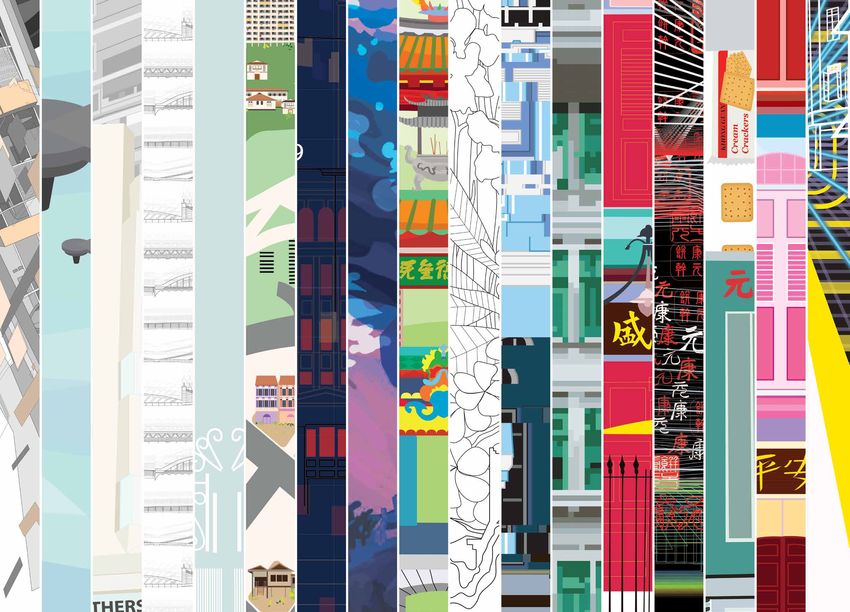
SP OTLIGHT / DESIGNING FOR PAST AND FUTURE                                                                                                                                                                              SP OTLIGHT / DESIGNING FOR PAST AND FUTURE

                                                                represents the strength of the human spirit in the
      In our need to retain our heritage and cater for          face of tragedy. I thought people should experience
      the future, how can we manage change?                     the bedrock where the tragedy happened. This is
                                                                also the foundation from where all the buildings rise
      Daniel: The key to managing change is lodged in           up. Opening this foundation to the public view was
      the human heart. We must stay connected to where          challenging in every way. Because when you have a
      we are – the sky, the earth, the uniqueness of the        foundation, you usually put something on top of it.
      genius loci (protective spirit of a place) which is not   Exposing it has never been done before in history.
      exchangeable with anything else. The challenge is         It is only in ruins that you can see open foundations
      in taking into account the story that has developed       but this is a living foundation.
      from before we were born into something that will
      represent future generations. It is about how to          I was very moved when Pope Francis came to New
      shape developments in a way that is inspiring to          York to give a key address in 2015 and he made
      a child that is just born, who is emerging into the       this address in front of this wall to the world. He did
      world and still find the world open and free.             not choose Times Square. He did not choose the
                                                                Central Park. He did not choose the Saint Patrick’s
      For projects with significant public impact such          Cathedral. He chose this wall. This is because the
      as the new World Trade Centre where you were              walls have a voice. And it is that voice that also
      the master planner for the site, how did you see          resonates in the invisible aspect of New York and
      your role in managing competing views?                    the skies of New York in supporting the buildings
                                                                surrounding the site.
      Daniel: I am a great believer in democracy. Every
      one of my large projects had been in the centre           It is very important to imbue the site with symbolic
      of the public realm. It was engaged in often very         and democratic meanings and a sense of the future,
      tense and fractious public discourse. But without         a very beautiful future so that the world moves into
      engagement, the project would mean nothing. A             the light and not into the darkness.
      project like Ground Zero would never be done if one
      did not garner extremely competing views. There           In designing for the future, what is one thing
      were very different views on what to do there. Almost     architects and designers should do more of and
      every stakeholder had another view.                       one thing less of?

      As the master planner of the site, I worked to bring      Daniel: They should be more open to the wonders
      people together, not just with an architect there but     of the world. One should be astonished by science,        in a garden. What an ingenious and yet fundamental                                   into the street sort of independently. That is who you
      with a place. What does the place mean? What does         beauty, art, technological advancements, history,         vision for humanity. You know, not to just live in a                                 are designing for. You are not just designing for the
      the event mean? How do we give hope after such a          which has the power to show us what the whole             concrete jungle but create a place people feel good                                  people around you. Just the way Shakespeare did
      catastrophic event? How can we develop the city to        trajectory is and can be. What should be avoided          about and enjoy living in it. I think that is an aspect                              not really write his sonnets just for any known lover.
      be full of optimism and beauty, while using memory        is to diminish ambitions. To mediocritise and level       of Singapore that is really astonishing given that it                                He wrote it for the lover of the future.
      as a fulcrum of the experience?                           everything into a sort of common denominator              is a small place but what a leading place in its ideas
                                                                instead of opening it up to the highest expectations.     and visions.                                                                         Daniel Libeskind is the Founder and Principal Architect of
      At the centre of your master plan for the new                                                                                                                                                            Studio Libeskind. He is also part of a seven-member Jury
      World Trade Centre site is the retention of the           What is most striking to you about Singapore’s            What do you find most satisfying about being                                         Panel for the International Architectural Design Competition
      concrete foundation walls that survived. This             architecture?                                             an architect?                                                                        for the Founders’ Memorial, which will be located at
      huge slurry wall has become a symbolic hero.                                                                                                                                                             Bay East in the Marina Bay area. The winning design will
                                                                Daniel: What is significant is Lee Kuan Yew’s original    Daniel: You are not really working just for yourself.                                be announced in the first quarter of 2020. For more
      Daniel: The wall was a key concept in my                  idea in how to transform this city state into a kind of   It is not about you. It is about something that you                                  information about the Founders’ Memorial, go to
      masterplan. It is an engineering marvel and               a humanistic environment. Garden in a city and city       are doing for someone whom you do not even know,                                     www.foundersmemorial.sg
                                                                                                                          who will be born many years later, who will come

                                                                                                                          Above Three-foot thick and 70-foot-high, the concrete slurry wall built in the 1960s surrounded the World Trade Centre site. Surviving the 9/11 tragedy,
                                                                                                                          it kept the waters of the Hudson River at bay. Today, it is part of the Ground Zero site as a tribute to it being an engineering marvel and is a testimony to the
                                                                                                                          strength of the human spirit. Image credit: Studio Libeskind.

08                                                                                                                                                                                                                                                                                            09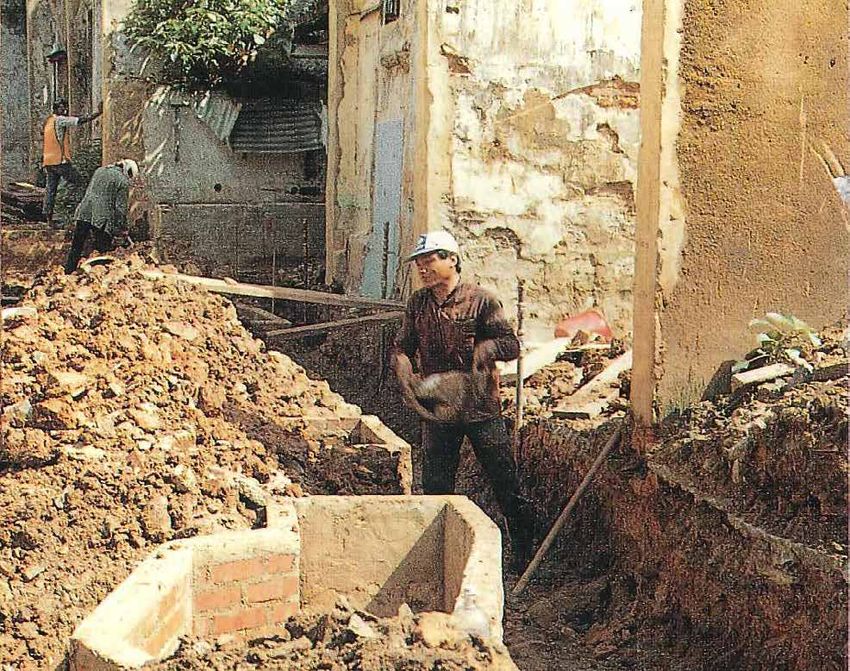
S P O T L I G H T / 3 0 Y E A R S O F C O N S E R VAT I O N S P O T L I G H T / 3 0 Y E A R S O F C O N S E R VAT I O N
Remembering 30 years
Singapore’s conservation journey in the last 30 years since 1989
has been both a collective and a highly personal one. It is tied to
our identity and soul.
Reflecting on conservation efforts over
6,130 Shophouses
the years, Desmond Lee, Second Minister
for National Development shared in his
speech at the annual 25th Architectural
600 Terrace houses
Heritage Award and the launch of “30 years Hindu Temples Churches
Shophouses
250
of conservation” exhibition on 21 October Bungalows/
2019: free standing houses
“Our conservation journey started as early
as the 1960s, when we began to safeguard
older areas of our city. At this time, urban
renewal was an urgent task, and many
Black & White Houses Pre-war Flats
15 Structures/Infrastructures
(bridges, towers,
bandstands, railway/
people did not quite see the value in fire stations, etc)
keeping older buildings. I think you cannot Mosques Kallang Airport
look at it from today’s lens, but put yourself
in the shoes of Singapore back then in
the 1960s, and the kinds of imperatives,
pressures, that Singapore then was under.
Pavilions
40 Religious buildings
(churches, mosques,
temples)
Bridges
Towers
Thankfully, our pioneers saw the
importance of protecting our built
heritage. At the same time, they Chinese Temples Schools
30 Schools
recognised that conservation had to
be done pragmatically and with careful
selection. Buildings needed to serve new
purposes with new times, and continue
to contribute to Singapore’s progress and 1960s–1970s 1980s 1990s 2000s 2010s
development. Putting this philosophy into
practice, URA launched the conservation
First Laying the Making New Closer
programme in the 1980s, with the first
phase of large-scale conservation. Since
stirrings foundation it work frontiers partnerships
then, we have continued to expand the
footprint of our conserved landscape.
Looking back on this journey, we celebrate Even in the midst of urgent By the 1980s, the context had Throughout the 1990s, the focus The 2000s saw a shift in public From the 2010s, there is a closer
not just 30 years of hard work, but also 30 renewal efforts in the 1960s and shifted where conservation was on clarifying and deepening expectations, with a growing collaboration and partnership in
years of partnerships, 30 years of trust.” early 1970s, there were already could be considered on a larger conservation principles and interest in shaping a stronger conservation efforts between the
early stirrings on the importance scale. The defining Central standards that could hold up to sense of the collective past public, private and people sectors.
In remembering these 30 years, we present of heritage conservation. Area Structure Plan created global standards. The Architectural and identity together. The Individuals and communities are
highlights from a special supplement Pioneers such as Alan Choe and opportunities for entire areas Heritage Award that remains community also played a bigger increasingly taking ownership to
featuring 30 individuals who contributed to Dr Liu Thai Ker worked behind to be conserved. 1989 was a today was introduced in 1995 to role in contributing to important define and shape identities and the
shaping and sustaining Singapore’s built the scenes to influence the path turning point where 10 areas encourage quality restoration. restoration work and the curation built heritage and finding new ways
heritage. The full supplement is available at towards conservation. were gazetted for conservation of historic buildings. to make the built heritage more
go.gov.sg/urapublns. covering 3,200 shophouses. accessible and relevant.
Above Various types of buildings conserved over the years. The number of buildings conserved for each type is rounded off.
10 11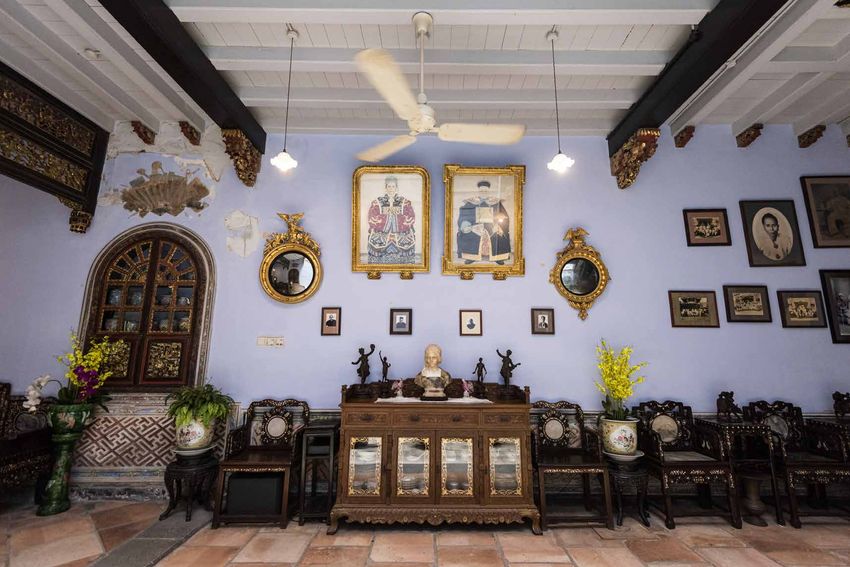
S P O T L I G H T / 3 0 Y E A R S O F C O N S E R VAT I O N                                                                                                                                                                                                                S P O T L I G H T / 3 0 Y E A R S O F C O N S E R VAT I O N

          First stirrings
                                                                                               Thus, even while addressing practical needs, a
                                                                                               range of smaller rehabilitation and conservation
                                                                                               efforts took place and more extensive conservation
          Even in the midst of urban renewal efforts                                           plans were prepared behind the scenes. “Right
                                                                                               from the beginning in urban renewal, we have
          in the 1960s and 1970s, architect-planners
                                                                                               already designated areas for preservation. We have
          Alan Choe and Dr Liu Thai Ker worked
                                                                                               identified Chinatown, Little India and Kampong
          behind the scenes in influencing the path                                            Gelam for conservation more from an urban design
          towards conservation.                                                                and planning point of view,” says Alan.

                                                                                               The support for conservation did not come easy.
          The 1960s and early 1970s were focused on urgent                                     To Thai Ker, “at every step of the way, there were
          urban renewal. Much of Singapore’s problems came                                     serious challenges, in the early days, when buildings
          from the city centre. The housing shortage was                                       were frequently destroyed or damaged.” It took
          acute then, with three quarters of the population                                    “a series of champions with passion, careful
          crammed into the small downtown area, and many                                       strategising and even some cunningness” to make
          families squeezed into shared accommodation                                          things happen. To him, it was about putting in place
          in decrepit shophouses. Even in the midst of the                                     strategies at the right time, where circumstances
          renewal efforts, there were already early stirrings on                               and interconnected events enhanced each other
          the importance of heritage conservation amongst                                      in leading to the support for a stronger focus on
          planners, experts, architects and others.                                            conservation.

          Alan Choe was the first architect-planner in the                                     In finalising the Conservation Master Plan, Thai
          Housing & Development Board (HDB) when he                                            Ker recalls: “We identified buildings which were                    1                                               2
          joined in 1962. He later headed the urban renewal                                    50 years old and more2 and worked out the criteria
          unit in 1964, a forerunner of URA (formed in 1974),                                  to determine objectively whether they should be
          tasked to oversee urban renewal efforts particularly                                 conserved or not. In many other cities, I was told,
          for the Central Area. Dr Liu Thai Ker was the                                        only buildings that were at least 50 years old could
          Chief Executive Officer (CEO) for the Housing &                                      be considered for conservation. This is because If
          Development Board (1975-1989) and later the CEO                                      you decide to conserve a building too hastily, you
          and Chief Planner of URA (1989-1992). An advocate                                    do not have the historical perspective to assess its
          for conservation, Thai Ker led the development of                                    architectural merit correctly.
          the first Conservation Master Plan for Singapore
          in 19891.                                                                            The six criteria of selection that were developed
                                                                                               by my colleagues, to determine if a building should
          While renewal efforts elsewhere which began in the                                   be conserved, were benchmarked against those
          United States from 1949 onwards was about tearing                                    of other well-known historical cities to ensure that
          down older parts of the city, Alan recognised that                                   they could measure up to international standards.
          Singapore’s situation was unique.                                                    Because of the six criteria, we were able to convince
                                                                                               our government to conserve so much.”

                                                                                                                                                                   3                                                                  4

          1
           The Conservation Master Plan was unveiled in 1986 and 10 areas were eventually gazetted for conservation in 1989 – Chinatown (Kreta Ayer,
          Tanjong Pagar, Bukit Pasoh, Telok Ayer) Kampong Gelam, Little India, Boat Quay, Clarke Quay, Cairnhill and Emerald Hill. This marked the start of more       1. The Queen and the Duke of Edinburgh, Prince Philip, visited 9 Neil Road in 1989. Dr Liu Thai Ker (far left) is with the URA Chairman then,
          comprehensive conservations efforts carried out over 30 years.                                                                                               Professor Khoo Cheng Lim (on Dr Liu’s right).
          2
              Buildings considered and identified for conservation today have to be at least 30 years old.                                                             2. A sketch plan by the United Nations team from their 1971 report, proposing the conservation of Kampong Gelam and parts of Chinatown.
                                                                                                                                                                       3. Alan Choe (in the middle with the pointer stick), hosting guests in 1978.
                                                                                                                                                                       4. Smith Street in Chinatown in 1974. The 1960s and early 1970s were focused on urgent urban renewal. Three quarters of the population
                                                                                                                                                                       was crammed into the downtown area.

12                                                                                                                                                                                                                                                                                                                                 13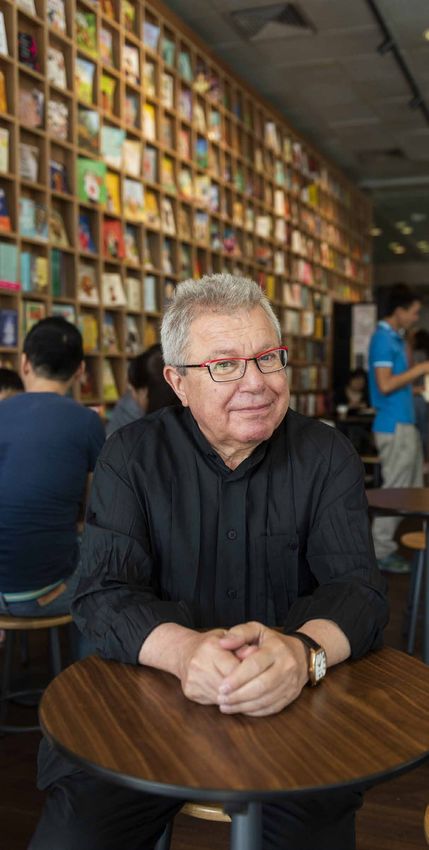
S P O T L I G H T / 3 0 Y E A R S O F C O N S E R VAT I O N S P O T L I G H T / 3 0 Y E A R S O F C O N S E R VAT I O N
Laying the foundation
By the 1980s, the context had shifted where the urban planning process. This enabled us to take
conservation could be considered on a larger scale. a more holistic and integrated approach in making
The pressure for redevelopment had subsided. The conservation workable and viable within the larger
focus also shifted to retaining unique and desirable fabric. From the land point of view, we planned for
In making the case for conservation in the 1980s, conservation pioneers Koh-Lim Wen characteristics of the urban environment. and carried out land reclamation for Marina Bay.
Gin, Khoo Teng Chye, Goh Hup Chor and Pamelia Lee championed hard while French This meant that the city could grow into Marina
architect Didier Repellin inspired many on the importance of good restoration work. Koh-Lim Wen Gin who joined URA in 1974 as a Bay and that allowed us to keep a large part of the
young architect and architect-planner Goh Hup historic areas.
Chor in 1982 were instrumental in leading the
crucial conservation efforts while Khoo Teng Chye The Tourism Product Development Plan in 1986
strengthened the case further as an engineer included the conservation of entire historic
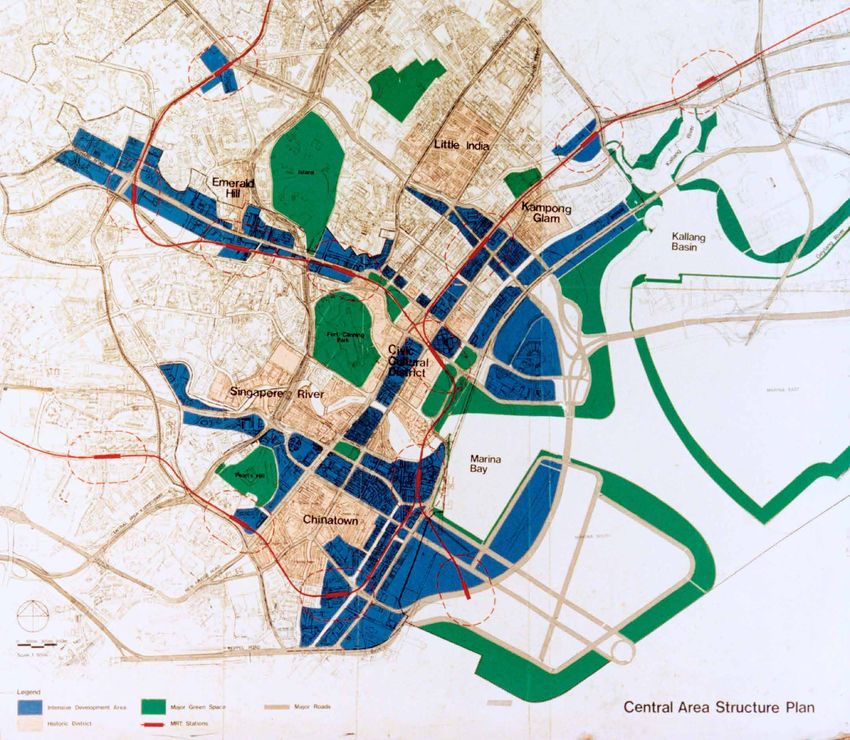
and corporate secretary in URA in the 1980s. And districts. What was special about these areas?
Pamelia Lee as the Singapore Tourism Board head
of product development then used the tourism Pamelia: It took Singaporeans five generations to
agenda to “help save Singapore’s historic districts”. build up a patina that is rich and unique. Seen from
the eyes of an artist, our historic areas are full of
Chief Architect for Historic Monuments and life and character. Seen from the eyes of the urban
Inspector General of Historic Monuments in France, planner, they are a rich assembly that cannot be
Didier Repellin awakened people to the charm of engineered or forced. Seen from the eyes of tourists,
shophouses and the importance of good restoration they are better than any man-made attraction.
in working on projects such as the Armenian
shophouses, CHIJMES and Empress Place as a You were drawn to the Armenian shophouses
conservation consultant in the 1980s and 1990s. and chose to restore one of them.
What were some of the early considerations in Didier: Every one of the shophouse was different.
thinking about heritage and conservation? The engravings were beautiful and spontaneous.
There was so much personal and local expression
Wen Gin: As a planner and architect, we looked behind them and I was very touched by their qualities.
at heritage from the point of view of how the city
should evolve as a total environment. If you take a What is one lesson learnt that remains relevant
macro perspective on the city itself, the city needs for architects and planners today?
the soul and the character and the history needs to
be maintained. We also saw the early settlements Hup Chor: Regardless of changing demands and
where Stamford Raffles marked out in his town tastes, we must remain convicted and committed
plan as really the start of Singapore. Why it is so to the professional values and beliefs that we are
important that we must conserve Chinatown, Little trained in as architects and planners. It is our role
India, Kampong Gelam is because these are the to present a strong case to decision makers for the
areas designated as the ethnic areas. things that we believe in and not wait for things to
happen or directions to be given. We set the pace
What were some of the factors that favoured the for the city.
early conservation efforts?
Teng Chye: A key aspect that was crucial to the
efforts was making conservation an integral part of
Above The Central Area Structure Plan by URA in 1985 created opportunities for entire areas of Chinatown, Little India and Kampong Gelam to be conserved.
14 15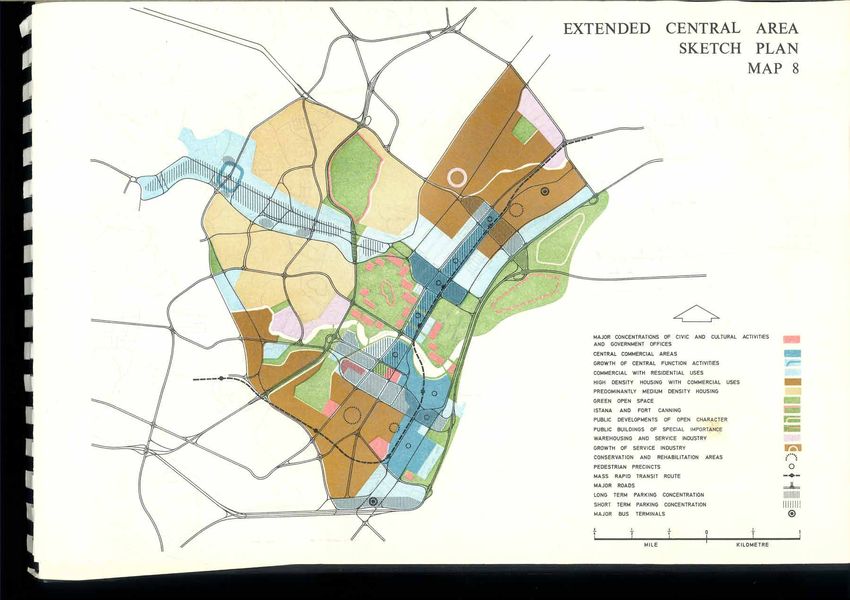
S P O T L I G H T / 3 0 Y E A R S O F C O N S E R VAT I O N S P O T L I G H T / 3 0 Y E A R S O F C O N S E R VAT I O N
“The buildings then were constructed back
to back to each other so that made it more
challenging,” says Seng Ann. The back
lane served many purposes in supporting
essential electrical and water supplies,
including doubling up as a fire escape
route. Today, this little jagged back lane has
evolved with a sub character of its own.
With a greater appreciation for
conservation in the 1990s, many individuals
have also come forward to volunteer their
properties for conservation under URA’s
“Conservation initiated by Private Owner’s
Scheme” initiated in 1991. One of them
1 2 was Daniel Teo, Chairman and Managing
Director, Hong How Group and Director,
Tong Eng Group. He volunteered 338E
Making it work
River Valley Road for conservation in 1992
and 36 and 38 Armenian Street in 2001,
where the restoration of the shophouses 3
along these streets later garnered the
In deepening conservation efforts in the 1990s, four professionals and experts,
Architectural Heritage Award in 2010.
Dr Richard Helfer, Ler Seng Ann, Daniel Teo and Er Kian Hoo paved the way in
conservation/restoration work and in improving the historic districts. In building up expertise in good restoration
work, Er Kian Hoo, Principal Partner of
Towner Construction’s passion for such
Throughout the 1990s, the focus was on clarifying something that Singaporeans and visitors could work grew since his first project in 1995.
and deepening conservation principles and experience as an important relevant component He and his firm have carried out over 40
standards that could hold up to global standards. of the history of Singapore and a national icon restoration projects in more than 20 years.
Seminars and talks were organised to educate the for Singaporeans to be proud of”. This vision still
industry and public on the value of conservation and survives some three decades on. “Restoration projects are very different
restoration techniques. The Architectural Heritage from any other construction work that
Award that remains today was introduced in 1995 to Ler Seng Ann, URA’s Group Director for we do. Every conserved building comes
encourage quality restoration. development services who has led various with very different challenges. We have
infrastructure and restoration works over the years, to take the time to understand how
Dr Richard Helfer oversaw the conservation, recalls overcoming many challenges in putting in the building was built and the kind of
restoration and redevelopment of Raffles Hotel, place essential infrastructure to enable historic materials used,” says Kian Hoo. He hopes
from 1989 to 1991 that had set a new benchmark, districts to meet modern needs. builders, building owners, architects and
as the then Founding Chairman and Chief Executive other building professionals will take the
Officer of Raffles International Hotels & Resorts and For example, the Tanjong Pagar area in Chinatown time to appreciate and understand good
Executive Director and Chairman of Raffles Hotel. was in need of major improvements. It did not have restoration work and what it involves. 4
“When you do proper conservation and restoration a proper sewerage system. To provide the necessary
of a building, you have to have a clear vision of what sewerage system, an entire new back lane had to be
you want it to be,” he says. “Our goal was to create created in between the rows of shophouses.
1. Some of the 32 out of 220 shophouses in Tanjong Pagar restored by URA, with 9 Neil Road (in the middle) completed as a “show house” to demonstrate
the quality of restoration. 3. 36 and 38 Armenian Street were volunteered for conservation by real estate developer Daniel Teo as part of URA’s conservation voluntary scheme.
2. Creating the back lane between the shophouses in Tanjong Pagar to provide the essential sewerage system as part of the crucial improvements for 4. The Warehouse Hotel is one of the many restoration projects by Towner Construction, which has carried out over 40 restoration works in more than
historic districts to enable them to meet modern needs. 20 years. Image credit: Darren Soh.
16 17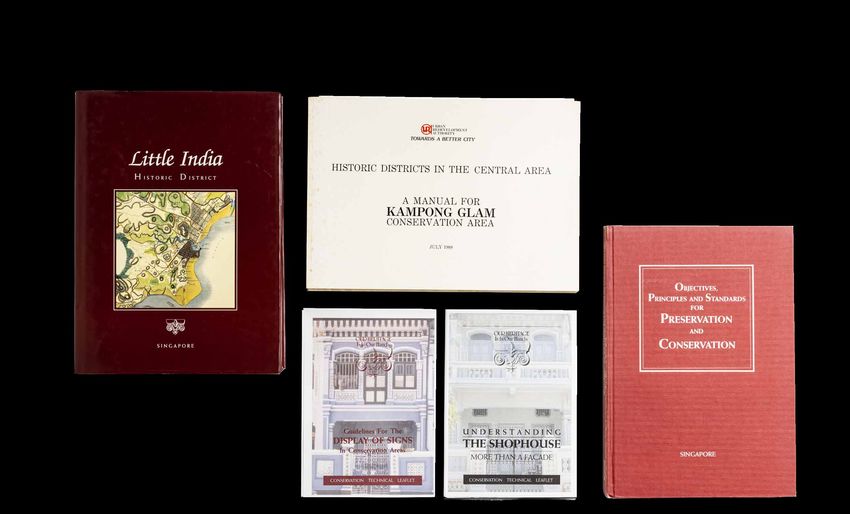
S P O T L I G H T / 3 0 Y E A R S O F C O N S E R VAT I O N                                                                                                                                                                                                   S P O T L I G H T / 3 0 Y E A R S O F C O N S E R VAT I O N

          New frontiers
                                                                                                                                                           With a growing love and appreciation for conserved
                                                                                                                                                           buildings, the community also contributed in more
                                                                                                                                                           significant ways to Singapore’s built heritage as
          With the critical mass of historic buildings conserved by the early 2000s, the Chairman                                                          in the case of the NUS (National University of
                                                                                                                                                           Singapore) Baba House.
          of the Conservation Advisory Panel (CAP), Dr James Khoo and CAP member Wo Mei Lan
          contributed to deeper conversations about identity and heritage and Peter Lee led the
                                                                                                                                                           “A precious jewel”, it is one of the last remaining
          restoration and curation of the NUS Baba House.                                                                                                  intact Peranakan residential homes in Singapore
                                                                                                                                                           that still has many original and unique architectural
                                                                                                                                                           features of fine workmanship and quality in place.
          The 2000s saw a shift in public expectations, with a                                                                                             As its honorary curator, Peter Lee worked with the
          growing interest in shaping a stronger sense of the                                                                                              NUS Department of Architecture, NUS Museum,
          collective past and identity together. The community                                                                                             The Peranakan Association of Singapore and URA to
          also played a bigger role in contributing to important                                                                                           restore and curate it as a living heritage museum.
          restoration work and the curation of historic
          buildings. An example is the NUS Baba House.                                                                                                     Since it opened in 2008, the Baba House continues
                                                                                                                                                           to fascinate in its form, curation and role in teaching
          Dr James Khoo, a neurosurgeon, led the public                                                                                                    and inspiring conversations about our past, present
          engagements in 2002, contributing to the Identity                                                                                                and future.
                                                                                                                                                                                                                                                             3
          Plan, a land use plan “plus”, that presented ideas on
          how to retain the identities of 15 local areas as part
          of the Master Plan 2003. He was the Chairman of                                  1
          the Old World Charm Subject Group that was part of
          the Identity Plan, focusing on four areas – Balestier,
          Jalan Besar, Tanjong Katong and Joo Chiat.

          He also later became the Chairman of URA’s
          Conservation Advisory Panel (CAP) from 2002 to
          2010, an independent platform that provided
          regular feedback on conservation proposals.

          Architect Wo Mei Lan, co-founder of Liu & Wo
          Architects who has built up her passion for historic
          buildings and restoration work over the years,
          developed a deeper understanding and appreciation
          for Singapore’s built heritage when she became a
          member of CAP from 2006 to 2012.

          On the value of CAP, she shares: “It offers an
          avenue for various different perspectives to be
          considered in evaluating the merits of a building for
          conservation. Beyond just the retention of buildings,
          we also discussed how buildings can fit into the
          physical, cultural and social contexts and how it
          can be relevant for future generations.”
                                                                                           2                                                               4

          1. The CAP Chairman, Dr James Khoo (at the bottom), at one of their meetings. The CAP has evaluated 34 proposals covering 1,000 buildings        3. Curator Peter Lee at the NUS Baba House at 157 Neil Road.
          during its tenure from 2002 to 2018.                                                                                                             4. The ancestral hall in the NUS Baba House. Many pieces of furniture in the Baba House are original to the house.
          2. Architects Wo Mei Lan and Liu Kah Teck in their office at Duxton Hill. As early stakeholders in the Tanjong Pagar area, having bought their
          shophouse units in the initial phases of the shophouse tender for sale, they have grown to appreciate the importance of such historic areas.
          Image credit: Liu & Wo Architects.

18                                                                                                                                                                                                                                                                                                                    19
S P O T L I G H T / 3 0 Y E A R S O F C O N S E R VAT I O N S P O T L I G H T / 3 0 Y E A R S O F C O N S E R VAT I O N
Closer partnerships
With closer partnerships
between the public, private
and people sectors from the
2010s, five individuals – Melody
Zaccheus, Kwek Li Yong, Jayson
Goh, Ashish Manchharam
and Jonathan Poh, are actively
shaping Singapore’s built
heritage in a variety of ways.
1 2 3 4 5
Melody Zaccheus Kwek Li Yong Jayson Goh Ashish Manchharam Jonathan Poh
From the 2010s, there is a closer Heritage correspondent Co-Founder President Founder and Managing Director Principal Architect/Director
collaboration and partnership in The Straits Times My Community 160 Squadron Anti-Aircraft 8M Real Estate Provolk Architects
conservation efforts between the Alumni Association
public, private and people sectors. Straits Times heritage correspondent The key for the past to stay relevant Ashish Manchharam still remembers The proactive effort of architect
Individuals and communities are Melody Zaccheus believes telling good for the present and future is letting A simple storyboard at Block 450 at the strong sense of community shared Jonathan Poh and his Save Dakota
increasingly taking ownership to heritage stories helps connect people communities shape their identities Seletar East Camp has connected amongst residents of Kampong Gelam Crescent group has helped to retain
define and shape identities and the and their relationships to places. and heritage, says Li Yong, co-founder generations of those who served in the where he spent his early childhood, six blocks at Dakota Crescent, one of
built heritage and finding new ways of civic and heritage group, My 160 Squadron, Singapore’s longest- and though his family moved out when Singapore’s oldest housing estates.
of making the built heritage more Melody’s foray into the heritage Community. serving air defence unit. “Block 450 is he was just a boy, he is still deeply
accessible and relevant through beat can be traced back to an article the physical manifestation of the home connected to the neighbourhood. The estate is an example of early public
stories, talks, films and tours. she wrote in 2012 on the National What started as two students (Li Yong spirit of every one of the servicemen housing designed by British town
Heritage Board’s efforts to document and Jasper Tan) going door-to-door in and women who have gone through His growing up years in a historic planners. The Singapore Improvement
Stakeholders are also actively leading Singapore’s eight remaining traditional Queenstown to document residents’ Squadron 160 and contributed to the district has influenced the way he Trust built it in 1958 for public rental
place-making efforts in sustaining the bakeries known for producing memories of the town in 2010 has air defence of this country for the last manages 52 shophouses in Singapore. housing. His “Save Dakota” campaign
rich heritage and culture of historic conventionally prepared breads and since grown into a volunteer-led 50 years,” says Jayson. To him, shaping the use of shophouses initiated in 2014 and subsequent
districts and key neighbourhoods. buns. Learning first-hand about the organisation that runs a museum, is about ensuring the heritage and ground-up efforts contributed to the
struggles of these dying businesses, conducts heritage research and He initiated the storyboard on site, essence of historic districts remain. retention of six blocks, the estate’s
which once numbered up to 200 in documentation as well as organises which was put up in 2015 when he courtyard and the iconic dove
the 1970s, inspired the then fresh community events. A reason for the came to know about the conservation “Real estate use and requirements playground in December 2017.
journalism graduate to pursue more of group’s growth has been its highly of the block in 2014. This is part change over time and you have to
such evocative stories. accessible programmes, which centre of URA’s initiative to encourage re-adapt. On the flipside here you have Reflecting on lessons gained, he
on the sharing and exchange of stakeholders to produce heritage people who say let us keep it the same shares: “It is important to put across
Melody believes communities should personal memories. storyboards to share stories about as it was before,” he says. “We want to proposals that are well thought through
be more involved in deciding what important historic buildings. make sure we have a good mixture of to present a coherent picture of the
Singapore keeps for the future. While conserved buildings and sites the two.” historic buildings and its larger context.
“You cannot divorce a space from provide an anchor for the community, “The storyboard reflects an era and the It is also important to listen well to
its community and we should not Li Yong says intangibles such as stories people who contributed to this place many different voices and views
be alienating heritage from the very keep them relevant to the present. and to this country,” says Jayson. “And on ground.”
communities the structures are sited “Any building, any site, any object is the more the content of the storyboard
in,” she says. meaningless without the memories reflects that, the more historical
and experiences that wrap around meaning and heritage a place will have
these,” says Li Yong. for future generations.”
1. Journalist Melody Zaccheus at the iconic playground at Dakota Crescent. Her media coverage of this neighbourhood inspired greater public 3. Jayson Goh (far left) at the unveiling of the storyboard in 2015 at Block 450 at Seletar East Camp with Minister Chan Chun Sing beside him. Image credit: 160 Squadron.
discussion about its merits and why it should be retained. Image credit: Dax Lim. 4. Ashish Manchharam at his latest boutique integrated lifestyle destination, KēSa House, along Keong Saik Road. Managing 52 shophouses, he seeks to inject new life
2. My Community co-founder Kwek Li Yong (in red T-Shirt) with his team. Image credit: My Community. into historic districts with creative uses while retaining their heritage.
5. Architect Jonathan Poh leading a tour together with Dakota Adventures as part of the efforts to raise awareness on the value of Dakota Crescent.
Image credit: Save Dakota Crescent.
20 21S P O T L I G H T / 3 0 Y E A R S O F C O N S E R VAT I O N S P O T L I G H T / 3 0 Y E A R S O F C O N S E R VAT I O N
The way forward
To ensure historic buildings continue to last, we
need to pay closer attention to the science of
restoration, suggests Dr Yeo Kang Shua, Associate
What are the challenges for conservation for the future? Key players and experts, Professor, architectural history, theory and criticism,
the Singapore University of Technology and Design.
Chan Sui Him, Dr Chua Ai Lin, Dr Yeo Kang Shua, Dr Nikhil Joshi and Tan Kar Lin reflect
A project he has been working on for years is
on key issues to focus on.
building a database of colour profiles and paints
used in Singapore’s historic buildings. While it may
seem like a trivial detail, he says paint colour offers
“In envisioning Singapore 50 years from now, we “Heritage is about the future,” says Dr Chua Ai Lin, an understanding of the preferences of society then
need to also ask ourselves if our current policies, Executive Director of the Singapore Heritage Society and even what was available to the industry. “When
programmes and efforts can continue to sustain our (SHS). “It is about people, not just about buildings. It you use inappropriate materials, the eventual loss is
efforts of balancing the old and new for the future,” is not about something that is gone, but something even more than if you leave it alone,” he says.
says Chan Sui Him. He is the first Chairman of URA’s that is here.” This belief that Singapore must have
Heritage and Identity Partnership formed in 2018 a “living presence of the past” was why a group of Tan Kar Lin, partner of Studio Lapis and Dr Nikhil
to support public-private-people collaboration in citizens led by architect William Lim founded the Joshi, researcher and conservation consultant are
3
shaping and promoting Singapore’s built heritage SHS in 1987. actively promoting good restoration work and the
and identity. use of traditional materials such as lime plaster for
As heritage becomes more mainstream, Ai Lin historic buildings. On the value of lime plaster, Nikhil explains:
An architect for over 50 years, Sui Him was the Chief believes SHS must dig deeper into the issues it “Although Singapore used to have craftspersons
Executive Officer (1999-2004) and Chairman (2004- champions, going beyond nostalgia and memories. To deepen the public and industry’s appreciation skilled in making lime suitable for the local climate,
2015) of DP Architects. “I see our niche as looking at intellectual and for conservation and restoration work, Kar Lin they vanished in the mid-20th century due to
policy issues,” adds the independent historian. worked with URA to produce an eight-volume the popularity of modern construction. Historic
“We are asking questions about best practices in Conservation Technical Handbook as its editor from buildings were built with porous materials such as
heritage management, sustainability and how to 2016 in collaboration with ICOMOS Singapore, clay bricks, sand, earth and timber. In particular, the
move forward.” which was set up in 2014 as the local chapter of the mortars used to construct traditional brick and stone
International Council of Monuments and Sites. walls is composed of sand, water, and non-hydraulic
“The handbook series is intended to introduce a lime, also known as slaked lime, high calcium lime
range of available diagnostic and conservation or air lime. The mortar sets slowly by absorbing
methods and materials, presented through real local carbon dioxide and allow moisture trapped within
project examples that follows best conservation walls to escape through the joints, allowing the walls
practices based on ICOMOS principles. Through to breathe.”
this, we hope to also bring across the point that we
do have local resources and skills to carry out quality
conservation work,” says Kar Lin.
1 2
4 5
1. Chan Sui Him, the Heritage and Identity Partnership Chairman (standing with blue shirt) with some of its members and URA management staff. 3. Dr Yeo Kang Shua (with white helmet) at the Yueh Hai Ching temple restoration. Image credit: Lim Shao Bin.
2. The five past Presidents of the Singapore Heritage Society (SHS); clockwise from top left, Dahlia Shamsuddin, Dr Chua Ai Lin, Dr Kevin Tan, 4. Professors and students at Nikhil (far right)’s first course on lime plaster for the National University of Singapore in 2016. Image credit: Nikhil Joshi.
William Lim and Kwok Kian Woon. Image credit: SHS. 5. Kar Lin (second from right) with other founding committee and advisors of the ICOMOS Singapore. Image credit: ICOMOS Singapore.
22 23S P O T L I G H T / 3 0 Y E A R S O F C O N S E R VAT I O N S P O T L I G H T / 3 0 Y E A R S O F C O N S E R VAT I O N
What to read
Behind the written word are authors, photographers, architects and residents who
have lived through the times and embraced the beauty and wonder of Singapore’s built
heritage. We look at a few publications that have made an impact.
Photographer Chee Boon Pin
Architectural records greater interest in Singapore’s rich pre-war
architecture with their well-illustrated records
Characters of Light1 (1957) was one of the first and served to support the hard-fought conservation
photo-books to capture the beauty of Singapore’s battles during the crucial periods. The Singapore
built heritage in the 1950s on the cusp of great Shophouse (2010) deepened people’s
change. The book is significant in offering a understanding of the shophouse. Its author,
fascinating glimpse of old Singapore. Its author, Dr Julian Davidson, has been passionately
Majorie Doggett, who came to Singapore in 1947 researching and documenting Singapore’s
and became a citizen in 1961, was also considered architectural heritage for many years.
by architectural historian Dr Julian Davidson as “one
of the finest photographers of her time working in Conservation guides
Singapore”. Through thoroughly researched texts,
Majorie brought the buildings to life. “A building Three publication series produced by URA in the To keep pace with advancements in the practice, Charmaine who grew up in Keong Saik hopes
remains like a cold stone monument unless it 1980s and 1990s served as important guides for the Conservation Technical Handbook was that “people can remember Keong Saik as a place
is possible to visualise the sort of person who professionals and owners of conservation buildings published from 2016 in collaboration with where our forebears had come to settle from China,
constructed it and lived in it,” she said in her to appreciate the value of conservation and ICOMOS Singapore. worked hard to make a living, and left an imprint
1985 edition. understand important considerations in restoring here.” She adds: “It was not merely streets that
the buildings and shaping the streetscapes in the In addition to the publications, smaller leaflets provided entertainment to pleasure seekers, but a
Pastel Portraits (1984) by Gretchen Liu and Living historic districts. produced presented regular insights on place where a community of people, despite their
Legacy (1994) by Professor Robert Powell inspired conservation guidelines and considerations on difficulties, persevered in working towards the hope
Initial manuals for Chinatown, Little India and specific building types and elements over the years. of a better future.
Kampong Gelam (1988) were published as part of To help owners on restoring their buildings, smaller
the Conservation Master Plan to solicit feedback “Do It Right” guides have been produced, such as Keong Saik can, and should, serve as an inspiration,
from professionals. The manuals presented the for Tiong Bahru. or a reminder, of how far Singapore has come as a
planning and urban design considerations for the country made up mainly of immigrants who left their
historic districts, architectural characteristics and Personal stories home countries to make a life for themselves.”
restoration principles and conservation guidelines.
An updated series with similar themes was With a deeper appreciation for the built heritage and
published in 1995. collective identities, recent books are presenting
more intimate stories and the lives of residents and
In raising the conservation and restoration standards others within historic neighbourhoods. Examples are
in the 1990s, the book, Objectives, Principles and On a little hill in Chinatown: Singapore’s Ann Siang
Standards for Preservation and Conservation (1993), Hill (2010) by legal historian and scholar Kevin Tan,
was an important guide by URA and the Preservation 17A Keong Saik Road (2018) by Charmaine Leong
Monuments Board. It detailed key principles such as and Leluhur Singapore’s Kampong Gelam (2019)
the “3Rs – maximum retention, sensitive restoration, by Hidayah Amin.
careful repair” which continue to be used today.
1
Characters of Light was first published in 1957 and republished in 1985. A recent publication, Majorie Doggett’s Singapore (2019) offers another
fresh view of old Singapore and Majorie’s personal life.
24 25S P O T L I G H T / 3 0 Y E A R S O F C O N S E R VAT I O N S P O T L I G H T / 3 0 Y E A R S O F C O N S E R VAT I O N
Artist’s homecoming
at Nassim Road
Floral patterns and jungle scape – UK artist Chloë Manasseh reimagines
28 Nassim Road, her grandfather’s home built more than 100 years ago.
Writer Serene Tng | Photographer Chee Boon Pin
It is a special homecoming for the Singapore-based 28 Nassim Road is part of the White House Park/
UK artist Chloë Manasseh, stepping back into her Nassim Road conservation area. It was built
grandfather’s world, in the house that he was born. more than 100 years ago in 1904 by Ezekiel Saleh
Her grandfather, Leonard Manasseh, a renowned Manasseh, Chloë’s great grand uncle. He was a
British architect, was born in 1916 at 28 Nassim merchant from Baghdad who sold rice and opium.
Road in Singapore, now the official residence of the R.A.J. Bidwell of renowned local architectural firm
British High Commissioner. Swan & Maclaren (now known as Swan & Maclaren
Architects) designed the mansion and other
Chloë was invited by the British High Commissioner prominent landmarks such as the Raffles Hotel and
to present a series of paintings inspired by Eden Goodwood Park Hotel. It was eventually sold to the
Hall at 28 Nassim Road in 2019. In “Fruitfulness of British government in 1955 by Ezekiel’s stepson,
Forgetting”, she wanted to recreate the sense of Vivian Bath.
home by bringing the outside in. Her paintings are
filled with floral patterns and birds, drawing from the Chloë’s works has exhibited internationally. Working
intricate patterns in the house and Singapore’s between painting, print, video and installation, her
natural landscape. works sit between experience and imagination. On
her love for painting, it was her grandfather who
Homestead inspired her. She recalls: “I started painting at a
very young age with my grandfather and in a way,
“There is a human tendency to want to bring he mentored me. I remember sitting on a stool and
elements from the outside into one’s home such painting together with my grandfather on a hill top Finding identity
as plants. This makes you feel more familiar in your in the south of France.”
homestead and more grounded,” says the 28-year- In all of her works, she is fascinated with how people
old. In blending in the paintings into the home, she Her grandfather was one of the leading British engage with their physical surroundings and its
measured and custom fit each one specifically into architects of the 1960s. He was also an impact on one’s identity and how imaginations
the different spaces and corners for them to look like accomplished painter in oils and watercolours contribute back to shaping spaces. In her search
they have been a part of the home for a long time. where his artworks show his style in architecture in for her own identity, she is comforted that her
his delicate approach to buildings. grandfather’s home remains intact after all these
The original grounds around Eden Hall was home to years. Chloë now calls Singapore her home and
variety of tropical birds, including kingfishers, long- is studying her second Masters focusing on Art
tailed parakeets and black-napped oriels. It also had Therapy at the Lasalle College of the Arts.
a stable and a tennis court. Remembering stories
she hears from her family about the house and The “Fruitfulness of Forgetting” was presented by The British
Singapore, she imagines Singapore then as a “jungle Council, in partnership with the British High Commission
scape, with animals roaming freely.” and ArtPorters.
Above Artist Chloë Manasseh and some of her artworks at 28 Nassim Road in 2019. The black and white photo (image credit: Chloë Manasseh) shows
her with her grandfather, Leonard Manasseh, who was born at 28 Nassim Road in 1916.
26 27S P O T L I G H T / H E R I TA G E C O M E S A L I V E S P O T L I G H T / H E R I TA G E C O M E S A L I V E
Telling stories Clifford Pier
Celebrating food across time
Youths brought new life to historic In addition to the annual Architectural Heritage
buildings by telling poignant stories Award (AHA) conferred to two projects in 2019 –
in many different ways at URA’s 2019 Temasek Shophouse at 28 Orchard Road and a What is special about this film Rare footages of old Singapore
Architectural Heritage Season. residential shophouse at 105 Onan Road, the third Produced by Nichole Tan, G. Nanthinee Shree, Nur Afrina Zulkifli, Brenda Jansen
edition of URA’s annual Architectural Heritage Gazetted for conservation in March 2007
Writers Jennifer Eveland and Serene Tng
Season in November and December 2019 presented Awarded the AHA as part of the “Fullerton Heritage” development in 2011
more heritage events and activities including a wider
range of youth projects.
Behind every historic building are stories of people
and connection across time. Whether it is through A key feature is the Architectural Heritage Award
photography, artworks or films, youths are finding film series that has been presenting diverse stories
new ways to tell new and fresh stories about historic of conserved buildings and national monuments. In
gems that make these landmarks even more its fifth year, the project is a collaboration between
precious. URA and the Nanyang Technological University’s
Wee Kim Wee School of Communication and
Information. We check out three out of the 15 films
screened at The Projector on 24 Oct 2019.
Watch all the
films here
Other youth projects
Explore heritage gems in Tanjong Pagar and Bukit Pasoh with
a special self-exploration guide, Backyard65, produced by the
Singapore Institute of Technology. Access the guide here:
KHONG GUAN
go.gov.sg/ura-consareas
Crackers
KHONG GUAN
Cream
Crackers
Cream
“My father landed on this Clifford Pier in the 1930s. Through vintage footage and swanky jazz, the film
KHONG GUAN
Crackers
Check out 18 whimsical and quirky illustrative artworks inspired Back then, the car park in front of Clifford Pier…there transports you back in time to the bustling street
Cream
by conserved buildings by students from the School of the Arts, are plenty of hawkers to provide food and beverages life around the pier. Built in 1933 by the Public
Singapore. These are on display at the URA Centre ground floor for people who are working along Collyer Quay and Works Department, the boat services at Clifford Pier
facing Maxwell Road. Telok Ayer Basin,” says Bill Jee, a local tour guide. ended in 2006. This art-deco style building was then
sold together with the former Customs Harbour
Rediscover Kampong Gelam with new lens through photographs Part of the experience of arriving and departing Branch building to form part of “Fullerton Heritage”,
by over 30 students, mentored by professional photographers in Singapore through Clifford Pier located in the heart a waterfront development today that has hotel,
partnership with the National Youth Achievement Awards Young of the city and working in the area for over 60 years is commercial and recreational uses.
Photographers Network. The photographs were exhibited at the the street food available just around the corner.
Malay Heritage Centre until 13 January 2020. A selection can be The contemporary Asian restaurant at Clifford Pier
found in this issue’s back page. This film remembers and celebrates the street food continues the celebration of street food with its own
that has bonded people across time around this take on hawker dishes.
historic building.
Above “People’s Biscuits” by student Kristen Ooi, inspired by the Khong Guan Building. This is one of the many artworks by students from the School of Above Screen shot of Bill Jee, a local tour guide, who shares his father’s experience of Clifford Pier in the 1930s, as taken from the student film on Clifford
the Arts, Singapore (SOTA), on display at the URA Centre ground floor. Image credit: SOTA. Pier, released as part of URA’s 2019 Architectural Heritage Season.
28 29You can also read


