RNLI 2018
Operational
Statistics
←
→
Page content transcription
If your browser does not render page correctly, please read the page content below
RNLI 2018 Operational Statistics
RNLI 2018 Operational Statistics
RNLI lifesaving locations
Aith [1]
All-weather lifeboat station (ALB)
Severn Tamar Tyne
1 2 3
Contents
Length: 17.3m Length: 16.3m Length: 14.3m Inshore lifeboat station (ILB)
Max speed: 25 knots Max speed: 25 knots Max speed: 18 knots
Range: 250 nmiles Range: 250 nmiles Range: 240 nmiles Lerwick [1] ALB and ILB station
Crew: 6–7 Crew: 6–7 Crew: 6
Lifeguard support centre
RNLI offices
Flood rescue asset
Stromness [1] Kirkwall [1] RNLI Headquarters
XXXXXXXXXXXXXXXXXXXXXXXXX
Longhope [2]
Lifesaving regions
14-00
Thurso [1] There are two new divisions which cross
1. Rescue map Inside front cover
4 Trent 5 Shannon
Length: 14.3m Length: 13.6m Wick [4] regional boundaries. Stations are still
supported by the region that they fall inside.
Max speed: 25 knots Max speed: 25 knots Stornoway [1]
Range: 250 nmiles Range: 250 nmiles
Lochinver [1]
2. Foreword 3
Crew: 6 Crew: 6
Leverburgh [5] Buckie [1] Macduff [8] 3. Data collection 4
Invergordon [4] Fraserburgh [4]
Portree [4] Kessock [8] Peterhead [2] 4. Operational aims 4
Kyle of Lochalsh [8] Loch Ness [8]
SCOTLAND
Barra Island [1] Mallaig [1]
Aberdeen [1,9] 5. Definitions 5
6 Mersey
Stonehaven [8]
Length:
Max speed:
11.6m
17 knots
Montrose [5,9]
Range: 140 nmiles
Tobermory [1] Arbroath [6,9] 6. Lifeboat statistics 7
Crew: 6
Broughty Ferry [4,9]
Oban [4] Anstruther [6,9]
Perth
Kinghorn [8] 7. Lifeguard statistics 23
Helensburgh [8] North Berwick [9]
Tighnabruaich [8] Dunbar [4,9]
Type B Flood Team
Response: 6hrs Islay [1]
Queensferry [8]
Eyemouth [4,9] 8. Beach management statistics 2018 33
Largs [8]
Crew: 7 Arran [8] Berwick-upon-Tweed [6,9]
Crew endurance: 4 days (Lamlash)
Campbeltown [1,9]
Troon [4,9] Seahouses [6,9]
Craster [9]
9. Community safety statistics 2018 35
Lough Swilly [5,8] Portrush [1,9]
Newbiggin [8]
Amble [5,9] NORTH
AND EAST
Girvan [5] Blyth [8,9]
10. Flood rescue statistics 2018 41
IRELAND Arranmore [1] Red Bay [4,8]
Ballymoney Larne [4,9]
Stranraer [9] Kippford [9]
Portpatrick [2]
Cullercoats [8]
Tynemouth [1,9]
Bangor [8] Kirkcudbright [8]
Silloth [8]
Sunderland [8,9] 11. International statistics 2018 43
Bundoran [8] Workington [5,9] Redcar [8,9] Hartlepool [4,8]
Ballyglass [1,9] Enniskillen [8,12] Donaghadee [4] Staithes and Runswick [8]
St Bees [8]
Sligo Bay [8] Portaferry [8]
Ramsey [6]
Whitby [4,9] 12. Youth education statistics 2018 45
Carrybridge [8,12] Newcastle [6,9] Peel [6] Scarborough [5,9]
Douglas [3] Barrow [2,9]
Achill Island [4] Port Erin [8] Filey [6,9]
Port St Mary [4,9] Morecambe [9,10]
Kilkeel [8] Flamborough [8]
Blackpool [8,9,9] Fleetwood [5,9] Bridlington [5,9]
Clogherhead [6]
Clifden [6,8,9] Llandudno [5,9] Withernsea [9]
Lytham St Annes [5,9]
Lough Ree [8] Skerries [8] Beaumaris [8] Humber [1]
Galway [8] Swords Moelfre [2,9] Hoylake [5]
Howth [4,9] Rhyl [6,9] Cleethorpes [9]
Aran Islands [1] Holyhead [1,9] New Brighton [8,10]
Mablethorpe [8,9]
Dun Laoghaire [4,9] Trearddur Bay [8,9] West Kirby [9]
St Asaph Flint [9] Skegness [5,9]
Lough Derg [8] Conwy [9] Sheringham [8]
Wicklow [3,9]
Porthdinllaen [2] Wells [6,9] Cromer [2,9]
Criccieth [8,11]
Kilrush [8] Arklow [4]
Courtown [9]
Abersoch [8]
Pwllheli [6,9] Barmouth [6,9] WALES Hunstanton [8,10]
Happisburgh [8,9]
Great Yarmouth and
Fenit [4,9]
Wexford [9]
Rosslare Harbour [1]
Aberdovey [8]
Borth [9]
AND Gorleston [4,8,11]
Lowestoft [5]
Valentia [1]
Kilmore Quay [2]
Youghal [8] New Quay [6,9]
Aberystwyth [8,11] WEST Chiswick [7] Tower [7] Southwold [8]
Aldeburgh [6,9]
Ballycotton [4] London Harwich [1,8]
Cardigan [8,9]
Fishguard [4,9] Ipswich Walton and Frinton [2]
Crosshaven [8] Gravesend [8]
Kinsale [8] St Davids [2,9] Teddington [9,9] Clacton-on-Sea [8,9]
Castletownbere [1]
Little and Broad Haven [9] West Mersea [8]
Tenby [2,9] Port Talbot [9]
Baltimore [2,8] Helvick Head [8] London/River Thames close up Burnham-on-Crouch [8,9]
Angle [2,9] Porthcawl [8,9]
Union Hall [8] Tramore [9] Burry Port [8,9] Portishead [8] Southend-on-Sea [8,9,9,10]
Dunmore East [4] Horton and Port Eynon [9] Penarth [8,9] London Margate [6,9]
Courtmacsherry
Harbour [4] Fethard [9] The Mumbles [2,9] Barry Dock [4] Weston-super-Mare [8,9] Sheerness [4,9] Ramsgate [4,8]
Ilfracombe [5,9] Whitstable [8] Walmer [8,9]
Burnham-on-Sea [8,9]
Appledore [2,8] Dover [1]
Minehead [8,9]
Clovelly [8] Littlestone-on-Sea [8]
Bude [9,12] Calshot [8,9] Dungeness [5]
7 E class
Port Isaac [9] Lyme Regis [8] Rye Harbour [8]
Length: 10.5m Rock [9]
Max speed: 40 knots Hastings [6,9]
Padstow [2]
Endurance: 4hrs at max speed Eastbourne [2,9]
Newquay [8,9]
Crew: 3–4 Saltash Newhaven [1]
Poole [8,9]
Brighton [8]
SOUTH
St Agnes [9] Swanage [5,9]
St Ives [5,9] Shoreham Harbour [2,9]
Weymouth [1,8] Littlehampton [8,9]
WEST
Sennen Cove [2,9] Exmouth [5,9]
Selsey [5,9]
B-000
Fowey [4,9] Teignmouth [8,11]
St Mary’s [1] Hayling Island [8,9]
Penlee [1,8] Torbay [1,9] Mudeford [8]
B class (Atlantic 75, 85) Looe [8,9] Bembridge [2,9] Portsmouth [8,9]
8 Length: 7.4–8.5m Plymouth [1,8]
Dart [8,9]
The Lizard [2] Cowes [8]
Max speed: 32–35 knots Alderney [4] Yarmouth [1]
Salcombe [2,8]
SOUTH EAST
Falmouth [1,8]
Endurance: 2.5hrs at max speed
St Peter Port [1] Lymington [8]
Crew: 3–4
St Catherine [8]
St Helier [2,8]
XXXXXXXXXX
RWC-000
D class Hovercraft Inshore rescue boat Rescue watercraft
9 Length: 5m
10 Length: 8m
11 Length: 3.9m
12 Length: 3.3m
Max speed: 25 knots Max speed: 30 knots Max speed: 26 knots Max speed: 48 knots
Endurance: 3hrs at max speed Endurance: 3hrs at max speed Endurance: 2hrs at max speed Endurance: 1.5hrs at max speed
Crew: 2–3 Crew: 2–4 Crew: 2 Crew: 1–2
As at December 2018 1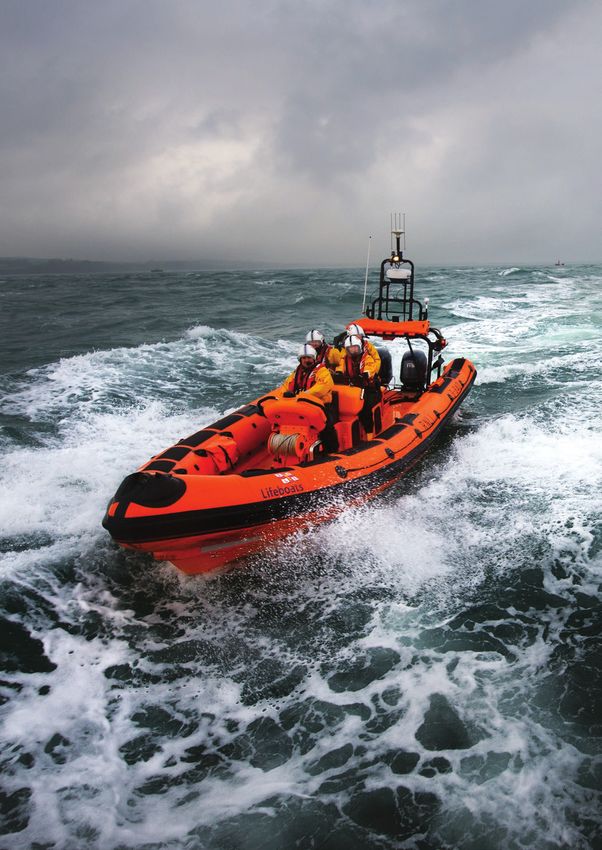
RNLI 2018 Operational Statistics

     Foreword
     It is an honour to present the RNLI 2018 Operational Statistics.             The delivery of our national awareness campaign,
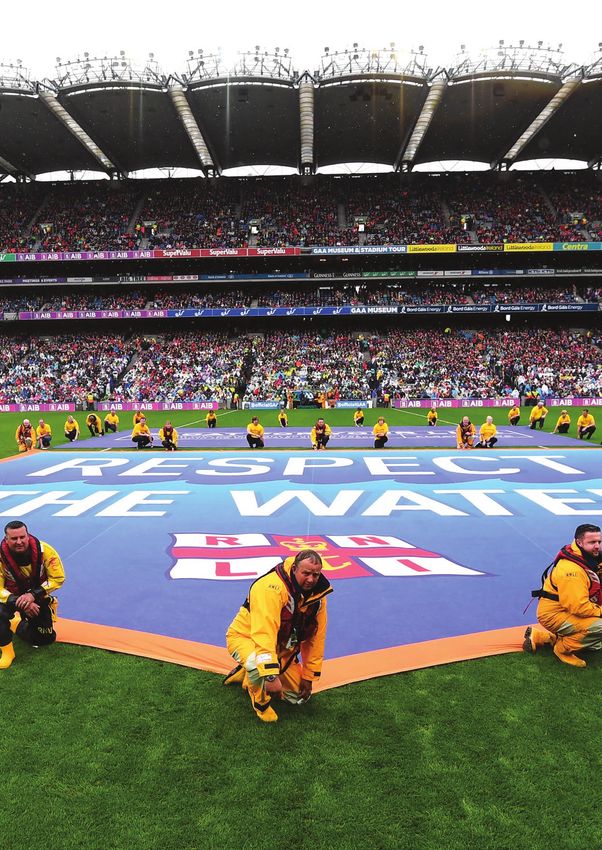
     The report summarises the extensive work delivered right across         Respect the Water, is beginning to see more people recall
     the drowning chain by our lifeboat crews, lifeguards, safety and        the campaign’s key message – Float to Live. When asked what
     education teams, and international partners, all of which is            they would do first if they fell into open water unexpectedly,
     carried out to deliver the RNLI’s core purpose of ending                there was a significant increase post-campaign between 2017
     preventable loss of life at sea.                                        and 2018 in young men spontaneously stating that they would
          Over the course of 2018, lifeboats launched 8,964 times            float first.
     (2017: 8,436), aiding 9,412 people (2017: 8,072). Overall, lifeboat          Over 266,000 people visited RespectTheWater.com with
     statistics are broadly similar in terms of volume when compared         87% of users surveyed saying they learnt something new from
     against the last 5 years, although activity was slightly raised         the site. Across the 2017 and 2018 campaigns, 11 survivor stories
     from 2017. This is most likely down to the good weather                 were recorded. These 11 people contacted the RNLI to say that
     experienced through the summer holiday period with                      they believe the float technique helped to save their life.
     2018 being the world’s 4th hottest year on record.                           Drowning is a global epidemic that claims the lives of an
          Our lifeguards attended 19,449 incidents on RNLI-patrolled         estimated 320,000 people**. The RNLI is working with partners
     beaches (2017: 15,558) and aided 32,207 people (2017: 24,044).          to help reduce this in low- and middle-income countries where
     Despite an overall increase in the number of people aided,              drowning causes a disproportionately high number of deaths.
     the number of people involved in aquatic incidents has                  In 2018, the RNLI worked with partners in Bangladesh and
     remained broadly similar. This is likely to be reflective of            Tanzania to build capacity to deliver effective lifesaving
     the proactive preventative interventions of our lifeguards and          and prevention work.
     is testament to their dedication to our strategy of breaking the             Our work to raise the profile of drowning as an issue of
     drowning chain earlier wherever possible. A total of 3,430,580          global importance had notable successes, including convening
     preventative actions by lifeguards were recorded in 2018.               Ambassadors to the United Nations (UN) from Bangladesh,
          Altogether, our rescue services saved 329 lives (lifeboats:        Vietnam, Fiji, Thailand, Tanzania and Ireland in New York to
     211 and lifeguards: 118). But our early interventions, from raising     establish the UN Group of Friends on Drowning Prevention.
     awareness through education initiatives through to recovering           The RNLI also delivered development training to advocates
     people before life is at risk, may have saved many more.                from 11 countries.
          There has been a decline in the 3-year average for UK accidental        What the RNLI achieved in 2018 could not have been
     coastal fatalities for the second year running. In 2017 this was 148    done without the selfless dedication and commitment of our
     dropping to 131 in 2018*. No doubt this has been helped by the          volunteers, supporters and staff. These figures are a testament
     prevention work that staff and volunteers carry out on a daily basis.   to that commitment, so thank you to each and every one of
          As participation in watersports continues to increase, so must     you who has contributed to this vital lifesaving work we are
     the role of prevention if we are to make further inroads towards        all privileged to be a part of.
     reducing accidental coastal fatalities. Targeted behaviour change
     interventions continue to impact with a focus on high-risk
     activities such as sub-aqua diving, angling and commercial fishing.
          Our Youth Education Team delivered water safety messages
     to over 520,000 young people last year.

                                                                             Paul Boissier
                                                                             RNLI Chief Executive

     Figures taken from the WAter Incident Database (WAID)
    *

     and include coastal accidental and natural cause fatalities only.
     They are based on the 3-year rolling average from 2015–17
     and from 2016–18.

    **
          Figure estimated by the World Health Organisation (WHO).
2                                                                                                                                                3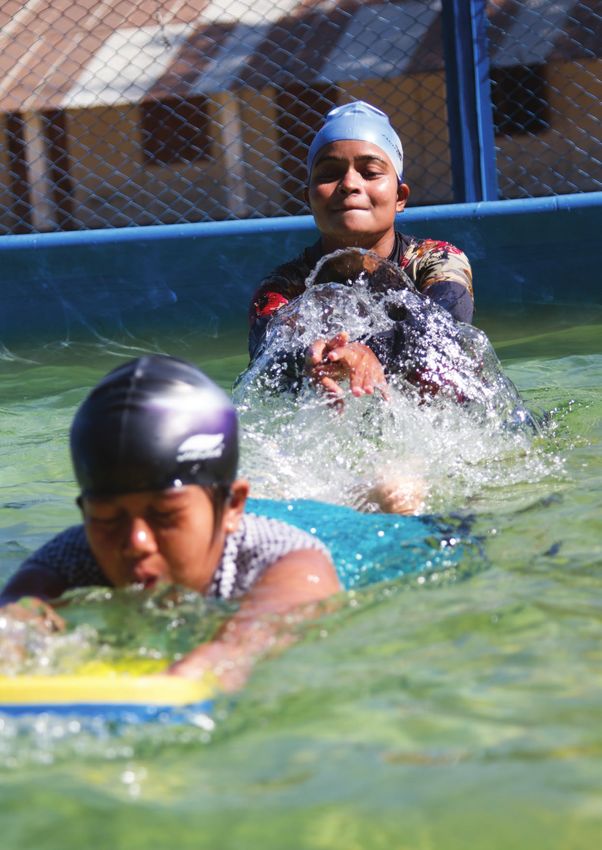
RNLI 2018 Operational Statistics
Data collection Definitions
Incident data is collected from lifeboat crews through an incident information in a more structured way and is allowing us Lifeguards Lifeboats
electronic return of service. Lifeguards and the Flood Rescue to develop what information we capture and how we will capture
Actions taken by lifeguards – the number of different Life saved – where, if not for the actions of the lifeboat
Team complete paper incident forms. These returns are entered, it for the future.
ways that lifeguards deal with incidents. Any one casualty and/or its crew, a life would have been lost.
processed, checked and validated at RNLI Headquarters by the For the RNLI’s international projects, project partners are
could receive multiple actions by lifeguards. Actions where no Operational lifeboat station – lifeboat stations are classed as
Service Information Section. This incident data provides the responsible for collecting, analysing and reporting summary data.
people are involved are also included. operational if their lifeboats have been declared as operationally
basis for the statistics in this report. Though the RNLI aims to verify this data through spot-checking,
In 2017, we introduced a more detailed casualty reporting the data is not owned by the RNLI and is not directly comparable Animals – when a lifeguard rescues or assists an animal to safety. capable to the appropriate national/state coordinating authority
system called Lifesaving Activity Reporting (LSAR). This collects to RNLI operational statistics from the UK and Ireland. Assistance – where a lifeguard aids a person in the sea who is at (for example, the Irish Coast Guard (IRCG)).
low risk but, if left, would be at increased risk. People aided – all people aided by the RNLI where lives are saved
Operational aims
Beach visitors – the number of beach visitors is assessed by and people are assisted or rescued.
recording an estimate, every 2 hours, of the number of beach Flood rescue
users within the lifeguard patrol areas, those in the water
Assistance – where the rescuer aids a person who is at low risk
between the red and yellow flags, and those in the water
but, if left, would be at increased risk.
using surf and other craft between the black and white flags.
Concept of operations The highest number for each category each day is then used Community tasking – lifeboat station or lifeguard unit.
The RNLI saves lives at sea throughout the UK, Ireland, Year Performance standard (%) to obtain the overall number. Deployment – where flood rescue team members depart from
Isle of Man and Channel Islands by providing: 87.7 Body recovery – where a lifeguard responds to an incident their base either to the incident or to a strategic holding area (SHA).
2017
• a strategically located fleet of all-weather lifeboats, knowing that they will be required to recover a body. Flood Rescue Team (FRT) tasking – one of the designated flood
which are available at all times, and tactically placed 2018 84.2 rescue assets.
These include those in the sea or on land.
inshore craft, which are subject to weather limitations Life saved – where, if not for the actions of the Flood Rescue Team,
Casualty care – where a lifeguard formally assesses and/or
• a lifeguard service on a seasonal basis • reach any beach casualty up to 300m from shore, within the a life would have been lost.
treats a casualty according to RNLI casualty care protocols.
• safety education and accident prevention red and yellow flags, on RNLI lifeguard-patrolled beaches,
False alarm – when a lifeguard responds to an incident where Incidents – flood incidents are usually the result of specific events,
• a flood rescue capability available for deployment to a within 3½ minutes
a person is believed to be in difficulty but upon arrival it is such as storms. If the event cannot be associated with a specific
defined standard of performance, commensurate with the –– In 2018, RNLI lifeguards attended 19,449 incidents on
confirmed they do not require assistance. event, a flood incident can potentially be defined through the
resources available, using trained and competent people who, RNLI-patrolled beaches (2017: 15,558), aided 32,207
Incident – any situation that RNLI lifeguards are involved in. establishment of the emergency management command structure
wherever possible, are volunteers. people (2017: 24,044) and saved 118 lives (2017: 84).
(Gold/Silver/Bronze).
It is not cost-effective to measure the average response Life saved – where, if a lifeguard had not intervened, a life would
Strategic performance standards time but our risk assessment process, fitness standards and have been lost. Rescue – where the rescuer responds to a person at risk and
We aim to: operational configuration of the lifeguard service are all physically returns them to a place of safety or transfers them
Mass rescue – where there are five or more people at risk and
• achieve an average launch time of 10 minutes from designed to achieve this strategic performance standard. to another rescue craft/asset.
a lifeguard physically returns them to shore or transfers them
notification to the RNLI to a rescue craft. Standby – when flood rescue teams are requested to go to
–– An overall average launch time of 9.7 minutes was achieved • deliver clear, straightforward safety advice and products a heightened state of preparedness. Some or all of the team
Minor first aid – where a lifeguard treats a casualty due to
in 2018 (2017: 9.1 minutes) and this may reflect the good that positively influence behaviour, measured against assemble to prepare kit and/or are on standby at base or home.
sickness or injury who is at low or no risk but requires treatment
practice of fully briefing crews before launch. agreed benchmarks International
to ensure the risk does not increase.
–– In 2018, the Community Safety Team spoke to over 56,000
Year Average time to launch in minutes Missing/found – where a lifeguard assists in the location of First aid actions – these include both minor and major casualty care.
people face-to-face for several minutes or more through
children separated from their parents/guardians, or other people In an overseas context, the full RNLI casualty care protocols cannot
9.1 a variety of approaches promoting key safety messages
2017 who have been found or reported missing, including those who always be adhered to, particularly where there is no effective
across communities.
9.7 are known to be missing as a result of an incident in or on the water. ambulance service or sufficient standards of emergency
2018 –– During the summer, 50% of young men (aged 16–39 years)
Near miss – when a lifeguard observes an incident, event or referral services.
in the UK, and 63% of young men in Ireland recall seeing or
• reach all notified casualties where a risk to life exists, hearing the Respect the Water campaign. condition that does not cause death or serious injury but has Rescue – where a lifeguard responds to a person at risk and
in all weathers, out to a maximum of 100 nautical miles –– A major campaign targeting divers, particularly those the potential to do so. physically returns them to shore. This includes incidents where
–– Lifeboat crews launched on service 8,964 times in 2018 aged over 50, encouraged them to get a regular health check Non-aquatic assistance, including from sandbanks – if a lifeguard had not intervened, a life would have been lost.
(2017: 8,436) and aided 9,412 people (2017: 8,072). with a healthcare professional or a registered diving doctor. when a lifeguard assists a person who was not in the water, Survival swimming – two different swimming programmes
The WellPoint health kiosks have now been used by 3,323 or clears a sandbank of people who are at risk and ensures implemented in different locations: the RNLI Aquatic Survival
Number of lifeboat Number of people divers since 2016 at dive centres and dive shows in the UK they return to shore. Swimming Programme delivered in natural open water bodies;
Year
launches aided by lifeboat crews and Ireland. Other – anything else that does not fit into the specified categories. and the registered trademark programme SwimSafe delivered
in community ponds or portable swimming pools in Bangladesh.
2017 8,436 8,072 People aided – the total number of people that lifeguards have aided.
• maintain the capability to deploy up to 7* Type B flood Water safety lessons – formal sessions delivered to schoolchildren
Preventative action – any action taken by a lifeguard that provides
2018 8,964 9,412 rescue teams in a school setting, based on the 10 standard water safety messages
advice, guidance or direction to a person that mitigates against risk.
a. the first two teams to reach any rendezvous point within the included in the RNLI Aquatic Survival Manual. Or more informal
• reach 90% of all casualties within 10 nautical miles of the UK, Ireland and Isle of Man** within 6 hours of request Rescue – where a lifeguard responds to a person at risk and community meetings covering the same content in villages near
coast and within 30 minutes from launch, in all weathers, b. an international team of 6 boats and 25 personnel to any UK physically returns them to shore or transfers them to another to the schools visited.
where there is an identified need port of departure within 24 hours. rescue craft.
–– The performance standard achieved in 2018 was 84.2% –– There were no flood deployments in 2018 (2017: 1) Search – an organised search, with other search and rescue units,
(2017: 87.7%). and no people assisted (2017: 2). for a missing person either at sea or on land.
*
This changed towards the end of the year.
4 **
It is not yet possible to meet this timescale in the Channel Islands. 5
RNLI 2018 Operational Statistics

    Lifeboat statistics overview
    2018

    Lifeboats                                         Number
    Launches                                            8,964
    People aided                                        9,412

    2014–18 launch statistics

    Year                               Rescue craft              Launches              Lives saved          People aided
                                            ALB                    2,407                     102                 3,307
                                            ILB                    5,938                     263                5,350
    2014
                                            IRH                       95                       3                   63
                                           RWC                        22                       0                     7
    2014 Total                                                    8,462                      368                8,727
                                            ALB                    2,492                      86                3,003
                                            ILB                    5,619                     245                4,883
    2015
                                            IRH                       94                      17                    87
                                           RWC                        23                       0                     0
    2015 Total                                                     8,228                     348                7,973
                                            ALB                    2,606                      74                3,689
                                            ILB                    6,136                     352                4,887
    2016
                                            IRH                       78                       5                    61
                                           RWC                         31                      0                     6
    2016 Total                                                     8,851                     431                8,643
                                            ALB                    2,596                      34                3,236
                                            ILB                    5,746                     137                4,750
    2017
                                            IRH                       69                       1                    71
                                           RWC                        25                       0                    15
    2017 Total                                                    8,436                      172                8,072
                                            ALB                    2,541                      42                3,580
                                            ILB                    6,267                     166                5,690
    2018*
                                            IRH                      114                       3                    77
                                           RWC                        42                       0                    65
    2018 Total                                                    8,964                      211                9,412

    ALB – all-weather lifeboat
    ILB – inshore lifeboat, including boarding boat and inshore rescue boat (IRB) launches
    IRH – inshore rescue hovercraft
    RWC – rescue watercraft

6                                                                                                                                  7
RNLI 2018 Operational Statistics
Lifeboat statistics 2014–18
The following two tables show the RNLI regions as of 2017. The previous year’s statistics have been restated based on the new regions.
Lifeboat launches by region Lifeboat launches and number of people aided
10,000
Year/Number of launches
RNLI region
2014 2015 2016 2017 2018 9,412
9,500
Number of launches and people aided
South West 1,148 1,098 1,177 1,224 1,325
Wales and West 1,485 1,482 1,566 1,445 1,541 8,964
9,000 8,851
8,727
Ireland 1,136 1,132 1,183 1,145 1,066 8,643
Scotland 1,004 1,078 1,102 1,159 1,185 8,500
8,462 8,436
8,228
North and East 1,079 1,015 1,183 1,062 1,105 8,072
8,000
7,973
South East 2,603 2,422 2,634 2,389 2,740
On passage/Other 7 1 6 12 2
7,500
Total 8,462 8,228 8,851 8,436 8,964
7,000
0
2014 2015 2016 2017 2018
People aided by region Year
Launches
Year/Number of people aided People aided
RNLI region
2014 2015 2016 2017 2018
South West 1,124 1,031 1,193 1,152 1,650
Wales and West 1,530 1,298 1,393 1,376 1,504
Ireland 1,466 1,279 1,704 1,388 1,441
Scotland 1,175 1,046 1,126 999 1,254
North and East 1,147 1,187 1,119 1,030 1,251 Lifeboat launches by month
South East 2,275 2,132 2,107 2,101 2,309 1,800 2014
2015
On passage/Other 10 0 1 26 3
1,600 2016
Total 8,727 7,973 8,643 8,072 9,412 2017
1,400 2018
1,200
Number of launches
Hours at sea 1,000
Year/Number of launches, exercises and hours at sea 800
2014 2015 2016 2017 2018
600
Launches 8,462 8,228 8,851 8,436 8,964
Hours on service 54,944 57,394 60,307 63,398 65,533 400
Exercises 17,705 17,513 17,437 14,466 15,232
200
Hours on exercise 162,686 171,677 168,562 144,441 154,817
0
Total hours at sea 217,630 229,071 228,869 207,839 220,350 Jan Feb Mar Apr May Jun Jul Aug Sep Oct Nov Dec
Month
8 9
RNLI 2018 Operational Statistics

Lifeboat statistics 2018
Region                                                                                                                               Lifeboat launches in varying wind speeds

                                      Number                                             People aided
RNLI region                          of lifeboat         Launches         Lives saved     (including                                                      2,500
                                      stations                                           lives saved)
South West                               28                1,325                30           1,650                                                                                              2,133              2,084
Wales and West                           43                1,541                60           1,504                                                        2,000
Ireland                                  51                1,066                 19          1,441
Scotland                                 46                 1,185                18          1,254

                                                                                                                                     Number of launches
                                                                                                                                                                                                                                       1,507
                                                                                                                                                          1,500
                                                                                                                                                                               1,491
North and East                           36                 1,105                21          1,251
South East                               34                2,740                63           2,309
On passage/Other                        n/a                    2                  0              3
                                                                                                                                                          1,000
Total                                   238               8,964                 211          9,412                                                                                                                                                              750

Lifeboat services performed in daylight/darkness                                                                                                           500     386
                                                                                                                                                                                                                                                                                   342
                                                Number of lifeboat services in ...*                                                                                                                                                                                                                   159
RNLI region                                                                                          % in darkness                                                                                                                                                                                                    79
                                                                                                                                                                                                                                                                                                                                   23                  6              4
                                              Daylight                      Darkness                                                                          0

South West                                      805                             519                           39.2

                                                                                                                                                                  (
Lifeboat statistics 2018 RNLI 2018 Operational Statistics
First information received Distance to casualty
Source Number of launches % of launches Number of launches
Coastguard 8,026 89.5 Distance to casualty (nautical miles) ALB ILB IRH RWC
Lifeboat station personnel 724 8.1
0–6 1,591 5,238 72 10
Casualty 90 1.0
7–10 323 331 9 3
Public 29 0.3
11–15 209 71 2 1
Other 26 0.3
16–20 102 19 1 0
Police 19 0.2
Harbour master 17 0.2 21–25 44 2 0 0
Another vessel 16 0.2 26–30 18 2 0 0
A friend at the scene 7 0.1 31–35 8 0 0 0
Member of group (such as club or school) 4 0.0 36–40 5 0 0 0
Medical authority 3 0.0 41–45 3 0 0 0
Member of the family at the scene 2 0.0 46–50 1 1 0 0
Work colleague 1 0.0
51–55 2 0 0 0
Total 8,964 100.0
56–60 0 2 0 0
61+ 0 0 0 0
Rescue craft did not reach casualty 235 601 30 28
Total 2,541 6,267 114 42
Time to launch from receipt of first information
2,500 ALB
2,351 ALB – all-weather lifeboat
ILB ILB – inshore lifeboat, including boarding boat and inshore rescue boat (IRB) launches
RWC IRH – inshore rescue hovercraft
2,000
1,996 IRH RWC – rescue watercraft
Number of launches
1,500
1,040
1,000
797
650
469 482
500
398 318
307
30 36 29 21
6 3 3 9 12 7
0
0–5 6–10 11–15 16–20 20+
Time to launch (minutes)
ALB – all-weather lifeboat
ILB – inshore lifeboat, including boarding boat and inshore rescue boat (IRB) launches
IRH – inshore rescue hovercraft
RWC – rescue watercraft
12 13
Lifeboat statistics 2018                                                                                                                                    RNLI 2018 Operational Statistics

Casualty activities                                                     Types of vessel launched to

Activity                           Number of launches   % of launches   Vessel type                                 Craft type         Number of launches           % of launches
Walking                                   623               14.9                                      Yacht (with engine)                     914                        24.9
Suspected self-harm                        527              12.6                                      Sailing dinghy                          103                         2.8
Sailing                                   482                11.5                                     Keelboat                                57                          1.6
Powered vessels                           440               10.5                                      Multihull sailing boat                  34                          0.9
Swimming                                  266                6.3        Sailing pleasurecraft         Yacht (no engine)                       29                          0.8
Kayaking/Canoeing                         194                4.6                                      Windsurf                                27                          0.7
Commercial fishing                         193               4.6                                      Kitesurf                                 21                         0.6
Angling                                    181               4.3                                      Sailing training vessel                  17                         0.5
Waterside activity                         122               2.9                                      Tall ship                                2                          0.1
Inflatables                                107               2.6        Sailing pleasurecraft Total                                         1,204                       32.8
Personal watercraft (Jet skiing)           94                2.2                                      Powered boat                            794                        21.7
Rowing                                      47                1.1                                     Personal watercraft (jet ski)           139                         3.8
Kitesurfing                                39                0.9                                      Powered RIB                             137                         3.7
Climbing                                   36                0.9                                      (Rigid Inflatable Boat)
                                                                        Power pleasurecraft
Criminal activity                          36                0.9                                      Other powered vessel                    123                         3.4
Scuba diving                               36                0.9                                      Chartered angling vessel                38                          1.0
Stand-up paddleboarding                    34                0.8                                      Dive boat                               23                          0.6
Windsurfing                                32                0.8                                      Powered tender                           15                         0.4
Vehicle activity                            31               0.7        Power pleasurecraft Total                                           1,269                       34.6
Surfing                                    25                0.6                                      Houseboat                                15                         0.4
Jumping into water                          21               0.5        Miscellaneous                 Search and rescue (SAR) vessel           7                          0.2
Bodyboarding                                9                0.2                                      Amphibious vehicle                       3                          0.1
Waterskiing                                  1
Lifeboat statistics 2018 RNLI 2018 Operational Statistics
Cause of vessel incidents Casualty care incidents Stretcher usage
Type of vessel incident Number of launches % of launches Lifeboat casualty care Number Type of stretcher Number of times used
Machinery failure 1,322 36.0 Incidents 408 Orange basket 61
Stranding/Grounding 343 9.3 Casualties treated 438 Other stretcher 16
Other 224 6.0 Casualties treated who were big sick †
185 Spine board 8
Casualties treated who were little sick †
253 PS1 6
Blown/Swept out to sea 169 4.5
Neil Robertson 3
Capsize 108 2.9 The big/little sick evaluation is decided upon by using
†
Ambulance pouch 2
Out of fuel 75 2.0 physiological markers from the casualty. Big sick casualties
are time-critical and need evacuation as soon as possible. Total 96
Collision with rocks 71 1.9 They are often treated en route rather than at the scene of
Sinking/Sunk 66 1.8 the incident. Little sick casualties are not time-critical and
can be fully treated at the scene of the incident prior to a
Vessel abandoned derelict or adrift 61 1.7 steady evacuation.
Vessel dragging anchor 38 1.0
Collision with submerged object 31 0.9
Casualty care – condition
Collision with object on surface 28 0.9
Unsure of position (lost) 26 0.7 Category Medical condition Number % of casualties
Fire/Explosion 25 0.7 Unconscious and not breathing 36 5.9
Overcome by crashing waves 21 0.6 Lifesaving intervention Unconscious and breathing 22 3.6
Life-threatening bleed 7 1.2
Person ill 21 0.6
Person to be taken ashore 19 0.5 Other illness type 32 5.3
Chest pains/discomfort (non-traumatic) 31 5.1
Swamping 18 0.5
Fits, seizures and convulsions 12 2.0
Collision with other craft 16 0.4
Unknown illness/stroke 12 2.0
Man overboard 15 0.4
Seasickness 10 1.7
Person injured 13 0.4 Illness
Diabetes 9 1.5
Vessel unsure of position 12 0.3 Asthma 5 0.8
Missing or overdue 11 0.3 Diving-related 4 0.7
Person ill onboard (excluding man overboard) 10 0.3 Severe allergic reaction 3 0.5
Stings and bites 3 0.5
Person injured onboard (excluding man overboard) 6 0.2
Ambulance or doctor call 3 0.1 Fracture 51 8.4
Other injury 46 7.6
Open channel VHF 1Lifeboat statistics 2018 RNLI 2018 Operational Statistics
Casualty care – treatment Casualties treated – age ranges
Type Treatment Number % 13–17 years
Plastic airway 23 3.1 7.3%
Airway management Suction 18 2.4 0–12 years
7.3%
Recovery position 8 1.1
Free-flow mask 88 11.7
Oxygen 65+ years
Bag and valve mask 27 3.6 13.9% 18–64 years
71.5%
Chest compressions 33 4.4
CPR (cardiopulmonary resuscitation) Defibrillator other 11 1.5
Defibrillator RNLI 4 0.5
Fracture straps 16 2.1
Direct pressure 10 1.3
Collar 7 0.9
Manual immobilisation 7 0.9
Other dressing/stabilisation 6 0.8 Casualty handover – by response Unconscious, breathing
Dressing/stabilisation Ambulance dressing 5 0.7 2.7%
Triangular bandage 3 0.4
Unconscious, not breathing
Crepe 2 0.3 8.7%
Eye wash 2 0.3
Gauze 2 0.3
Trauma dressing 2 0.3
Entonox 34 4.5
Aspirin 11 1.5 Conscious
88.6%
GTN (glyceryl trinitrate) 10 1.3
Drugs Glucogel 8 1.1
Paracetamol 2 0.3
Salbutamol inhaler 2 0.3
Seasickness tablets 1 0.1
Blanket 95 12.7
Warmed 79 10.5 Duty of care handover
Casualty bag 23 3.1 No handover
Temperature control Lifeguard 3.9% Other
Balaclava 20 2.6 7.8%
0.2%
Other temperature control 8 1.1 Air ambulance
Cooled 2 0.3 1.4%
Unknown
0.7% Police
Sitting 84 11.2 Lifeboat
1.4%
1.8%
Lying 78 10.4
Relative
Treatment position W position 13 1.7
6.4%
Standing 5 0.6 Ambulance
Leaning forward 1 0.1 Helicopter 66.0%
10.5%
Total 750 100.0
18 19RNLI 2018 Operational Statistics
Lifeguard statistics overview
2018 2014–18
Lifeguards Number Year/Numbers
Lifeguards
Incidents 19,449 2014 2015 2016 2017 2018
Lives saved 118 Number of lifeguard units 215 225 240 249 248
People aided 32,207 Incidents 17,050 15,714 17,414 15,558 19,449
Preventative actions 3,430,580 People aided 19,353 18,181 20,538 24,044 32,207
Average number of incidents per unit 79 70 73 62 78
Actions taken 2014 2015 2016 2017 2018
Lives saved 92 94 127 84 118
Rescue 1,769 1,790 2,082 1,783 1,629
Assistance 2,266 2,752 2,876 2,884 2,483
Casualty care 1,083 1,080 1,210 1,200 1,221
Minor first aid 11,884 10,592 10,966 9,490 12,366
Search 182 160 197 213 313
Missing/found 1,299 1,103 1,777 1,440 1,731
Mass rescue – – – 6,898 10,408
Non-aquatic assistance including from sandbanks – – – 6,085 10,807
Near miss 400 301 978 517 466
False alarm – – – 98 107
Animals – – – 182 160
Other 378 309 325 734 430
Lifeguard incidents by month 2014–18
10,000
9,000 2014
2015
8,000 2016
2017
7,000 2018
Number of incidents
6,000
5,000
4,000
3,000
2,000
1,000
0
Jan Feb Mar Apr May Jun Jul Aug Sep Oct Nov Dec
Month
20 21RNLI 2018 Operational Statistics
Lifeguard statistics 2018
Preventative actions Rescue equipment and other methods used
Type of preventative action Number of actions Rescue equipment/method used Number of times used % of incidents
Face-to-face 1,713,435 Rescue board 2,490 39.9
Public announcement (PA)/loudspeaker 59,604 Responder bag 1,109 17.8
Positioning signs/flags 914,672 Inshore rescue boat 434 6.9
Moving signs/flags 392,737 Rescue watercraft 415 6.6
Other preventative actions †
350,132 Rescue tube 251 4.0
Total 3,430,580 Swim 78 1.2
Other includes using hand signals and whistles, and removing hazardous objects.
† Other †
1,470 23.5
Total 6,247 100.0
Other includes: use of all-terrain and four-wheel drive vehicles (ATVs and 4WDs); lifting; climbing; wading; and snatch and grab of casualties.
†
Distance to casualty Casualty activities – top 15 incidents
2,000
300+ 0.4% 0.7% 0.9% 1.3% 1.4% 2.3%
water’s edge (m)
Distance from
201–300 0.7% 0.8% 1.5% 1.5% 1.2% 0.7% 1,800 1,758
51–200 5.6% 9.0% 10.5% 3.7% 1.9% 1.1%
1,600
0–50 14.9% 23.4% 8.4% 3.8% 2.5% 1.8%
Within flags 0–50 51–200 201–500 501–1,000 1,000+ 1,400
Distance from lifeguard unit (m) 1,264
1,209
Number of incidents
1,200
Distance from rescuer presents lowest danger to casualty
Distance from rescuer presents moderate danger to casualty 1,000
Distance from rescuer presents highest danger to casualty
800
600
506
Member of public 483
Coordination of main incidents 393
Ambulance 0.1% 400
Police
0.5% 258 236
0.1%
Other 200 141 131 112 98 92
0.1% 83 56
0
Walking
Bodyboarding
Swimming
Relaxing
Surfing
Inflatables
Kayaking
Paddleboarding
Paddling
Climbing
Playing
Personal watercraft (Jet skiing)
Walking with dog
Kitesurfing
Fishing
Coastguard
1.3%
Lifeguard
97.9% Activity
22 23Lifeguard statistics 2018 RNLI 2018 Operational Statistics
Environmental causes of incidents – top 6 Casualty care incidents Stretcher usage
1,200
Lifeguard casualty care Number Type of stretcher Number of times used
Incidents 1,325 Spine board 50
1,000 979
People aided 1,346 Other stretcher 30
Number of incidents
804 People aided who were big sick† 462 Ambulance pouch 16
800
People aided who were little sick †
884 Orange basket 4
608 Neil Robertson 1
600 The big/little sick evaluation is decided upon by using
†
physiological markers from the casualty. Big sick casualties Total 101
are time-critical and need evacuation as soon as possible.
400
339 They are often treated en route rather than at the scene of
235 the incident. Little sick casualties are not time-critical and
200 188 can be fully treated at the scene of the incident prior to a
steady evacuation.
0
Rip currents
Tidal cut-off
Winds
Other currents
Plunging/dumping waves
Surging waves
Casualty care – condition
Category Medical condition Number % of casualties
Unconscious and breathing 54 3.1
Unconscious and not breathing 16 0.9
Lifesaving intervention
Choking 4 0.2
Environmental cause
Life-threatening bleed 3 0.2
Unknown illness/stroke 173 10.0
Other illness type 126 7.3
Fits, seizures and convulsions 87 5.0
Chest pains/discomfort (non-traumatic) 60 3.5
Illness Asthma 47 2.7
People missing/found including searches – age ranges Stings and bites 42 2.4
Severe allergic reaction 37 2.1
0–1 years
18+ years Diabetes 33 1.9
9.9%
4.2%
Seasickness 1 0.1
14–17 years
3.1%
Fracture 295 17.1
Head injury 207 12.0
2–5 years External bleed 188 10.9
32.8%
Spinal injury 61 3.5
10–13 years Injury
17.7% Other injury 43 2.5
Burns 16 0.9
Chest injury 15 0.9
Internal bleed 9 0.5
Cold 74 4.3
6–9 years
32.2% Drowning – conscious 60 3.5
Heat exhaustion 46 2.7
Immersion or heat-related Drowning – unconscious 11 0.6
Heatstroke 7 0.4
Hypothermic 6 0.4
Other immersion/heat-related 6 0.4
Total 1,727 100.0
24 25Lifeguard statistics 2018 RNLI 2018 Operational Statistics
Casualty care – treatment Unknown
Casualties treated – age ranges 0.3%
Type Treatment Number % 13–17 years
Recovery position 76 2.4 11.3%
Plastic airway 19 0.6
Airway management
Suction 14 0.4
18–64 years
Back slaps 3 0.1 52.4%
0–12 years
Free-flow mask 325 10.2 17.2%
Oxygen Bag and valve mask 16 0.5
Pocket mask 1 0.1
Chest compressions 17 0.5
CPR (cardiopulmonary resuscitation) Defibrillator RNLI 14 0.4 65+ years
18.8%
Defibrillator other 6 0.2
Ambulance dressing 112 3.5
Eye wash 96 3.0
Gauze 94 3.0 Casualty handover – by response
Direct pressure 70 2.1 Unconscious, breathing Unconscious, not breathing
Cold water 65 2.0 1.0% 1.0%
Triangular bandage 52 1.7
Crepe 42 1.3
Dressing/stabilisation Other dressing/stabilisation 41 1.3
Manual immobilisation 36 1.1
Fracture straps 22 0.7
Hot water 17 0.5 Conscious
98.0%
Trauma dressing 14 0.5
Collar 11 0.3
Cling film 6 0.2
Indirect pressure 5 0.2
Paracetamol 132 4.1
Entonox 107 3.4
Glucogel 106 3.2
Drugs Salbutamol inhaler 61 2.0
Duty of care handover Police
Casualty's own medication 36 1.1 0.7%
Lifeboat
0.1%
Aspirin 21 0.8 Air ambulance
1.3% Other lifeguard unit
GTN (glyceryl trinitrate) 21 0.8 0.1%
Unknown
Blanket 267 8.4 5.2%
Warmed 214 6.6
Cooled 120 3.7
Temperature control
Casualty bag 30 0.9
Other temperature control 17 0.6 No handover
8.8% Ambulance
Balaclava 16 0.6
40.2%
Sitting 561 17.6
Lying 219 6.7
Treatment position W position 42 1.3 Other
Standing 30 0.9 13.8%
Leaning forward 16 0.6 Relative
29.8%
Total 3,190 100.0
26 27Lifeguard statistics 2018 RNLI 2018 Operational Statistics Minor first aid Top 10 minor conditions Top 10 minor treatments Condition Number Treatment Number Weever-fish sting 6,797 Hot water 6,667 Cut 3,109 Reassurance 5,828 Graze 1,735 Plaster 3,314 Puncture 496 Medi-wipe 2,326 Foreign object in eye 313 Eyewash 2,068 Bruise 239 Cold water 1,260 Bee/Wasp sting 233 Non-absorbent gauze 777 Break/Loss of nail 169 Cold compress 543 Jellyfish sting 157 Surgical tape 511 Nose bleed 62 Shade 506 Total 13,310 Total 23,800 28 29
RNLI 2018 Operational Statistics

     Beach management
     statistics 2018
     The RNLI lifeguard service endeavours to provide services based       Beach safety signage
     on beach safety assessments and that meet best practice standards.    2018 saw the continued rollout of beach operators installing
     Effective and efficient beach management is a core organisational     the RNLI’s national guideline beach safety signage system.
     competency that drives service delivery. We also provide advice and   Signage audit reports were provided for 17 non-RNLI beaches,
     support to beach operators on a national and international basis.     bringing the total number audited to 262. The RNLI’s publication
                                                                           A Guide to Beach Safety Signs, Symbols and Flags is available as a
     Beach safety assessment consultancy service                           self-help guide to all beach operators and the RNLI can provide
     The RNLI lifeguard service offers a free coastal beach safety         local authorities with further assistance and advice through
     assessment consultancy service to all local authorities and           beach safety signage audits.
     private beach owners. The assessment process is designed
     to help facilitate a comprehensive beach safety management            Public rescue equipment
     strategy by highlighting hazards and assessing ratings and            Following on from the RNLI’s publication A Guide to Coastal
     suggested control measures. The number of non-RNLI                    Public Rescue Equipment, public rescue equipment audit reports
     beaches assessed in 2018 was 6, bringing the total                    were provided for 23 non-RNLI beaches. This brings the total
     number assessed to 453.                                               number of non-RNLI beaches that have now benefited from
          In addition to the external consultancy service,                 this service to 160. The publication is also available to beach
     a full beach safety assessment is completed for each RNLI             operators as a self-help guide.
     lifeguarded beach every 5 years, with annual reviews carried
     out in between by the local teams. Figures shown below do
     not include internal assessments.

      Audits carried out                                                      2014         2015          2016          2017          2018
      Initial beach safety assessment                                          29            14             3            34             6
      Beach safety signage audits                                              24             4            12            29            17
      Public rescue equipment audits                                           22              3            3            26            23
      Quick scans                                                             105             31           29            42             0

30                                                                                                                                           31
RNLI 2018 Operational Statistics
Community safety
statistics 2018
The role of prevention in the RNLI is seen as essential in reducing Respect the Water
the number of coastal fatalities and helping the organisation move Respect the Water is the RNLI’s national drowning prevention
towards its target of a 50% reduction by 2024. In its concept campaign and since its national launch in 2015, we have seen a
of operations, the RNLI identifies safety education and year on year increase in campaign awareness among our target
accident prevention as a key strand. audience (young men aged 16–39 years) as well as real world
impact of our key message – Float to Live. This message arms
Results of the UK Watersports Participation Survey people with the knowledge needed to keep themselves safe,
The number of people taking part in water-based activities, and survive, if they find themselves in danger in the water.
including coastal walking and leisure time at the beach, increased We are proud to say that 11 people have now claimed the
in 2018. Each year, in September, a consortium of organisations, floating advice they learnt from our Respect the Water
including partners such as British Marine, the Royal Yachting campaign helped to save their life.
Association (RYA) and the Maritime and Coastguard Agency (MCA),
commission market research specialists, Arkenford Ltd, to conduct 2018 activity highlights include:
a UK Watersports Participation Survey. This covers watersports • We secured 535 items of media coverage with print
activities on the coast, inland and abroad carried out by those and broadcast items reaching 46 million people.
living in the UK. • Our Float to Live advert was seen by nearly 3 million people
Surveying around 12,000 adults aged 16 years and over, in cinemas and reached 3.7 million more across social media,
the 2018 survey showed a 1.1% point increase in the percentage where it was shared 32,000 times (26.4% above target) and
of people taking part in watersports (coastal and inland) generated 76,000 engagements.
and activities connected with the coast on the previous year. • In total over 266,000 people visited RespectTheWater.com,
This equates to a best estimate volume of an additional 0.7 million with 87% of users surveyed saying they learnt something
adults participating in these activities since the 2017 survey. This is new from the site.
largely due to increases in open water swimming and leisure time
at the beach in 2018. The 2018 survey also revealed the highest 2018 outcome highlights include:
participation estimate since the survey began in 2002. • 50% of young men in the UK and 63% of young men
in Ireland recall seeing or hearing the Respect the Water
A focus on communities campaign during the summer. Nationally, this recognition
In 2018, the Community Safety Team promoted prevention is 32% of the population in the UK and 52% in Ireland.
messages across communities and recorded meaningful • Young men are more likely to take precautions near the water
conversations about water safety with over 56,000 people as a result of seeing the campaign. 77% of young men in the UK
through a variety of methods. The team uses evidence and and 85% in Ireland claim they will take precautions, rising
research into key areas to develop interventions including training, to 87% and 88% respectively among advert recognisers.
advice and products that focus on changing behaviours within • We are seeing more people recall the Float to Live messages.
the groups most at risk. In 2018, the activities focused on were When asked what they would do first if they fell into open water
sub-aqua diving, walking and waterside, boating, angling and unexpectedly, there was a significant increase post-campaign
kayaking with an emphasis on diver health, lifejacket wear between 2017 and 2018 in young men spontaneously stating
and carrying a means of calling for help. that they would float first (from 17% to 22% in the UK,
To follow is a brief account of community safety activity and from 26% to 33% in Ireland).
in 2018 with accompanying data where available. Much of this • Relevancy of the campaign message is also improving among
data is dependent on the activity and efforts of volunteers and the target audience with 69% of young men aged 16–39 years
is not subject to the same quality controls as lifeboat returns in the UK agreeing that the Respect the Water messaging is
of service or lifeguard records. In addition, 2018 data may not be relevant to them – the highest since the campaign began in 2015.
directly comparable with earlier years due to changes in resources Most importantly, we know our Float to Live campaign message
and approach, including the roll-out of a new prevention is helping to save lives. Across the 2017 and 2018 campaigns,
monitoring system. This new system enables more reliable data 11 survivor stories were recorded – that’s 11 people who contacted
reporting but does not yet capture all activity. Current reporting the RNLI to say that they believe the float technique helped to
captures data from around a third of lifeboat stations. save their life.
32 33Community safety statistics 2018 RNLI 2018 Operational Statistics
Increasing awareness and changing behaviour Sub-aqua diving and London Boat Shows, safety prizes kindly donated from Individual advice
The Community Safety Team monitors measures relating The statistics in the British Sub-Aqua Club (BSAC) Diving Incident manufacturers were given away as part of a free prize draw. The RNLI has 497 active community safety volunteers who
to water safety including changes in awareness, attitude, Report 2018 show that there was an average of 13 fatalities each In addition, at Southampton Boat Show we also promoted are specially trained to provide safety advice on a wide range
knowledge and behaviour. year over the last 10 years. In 2018 (end of September the use of the RYA SafeTrx app alongside the RYA and the MCA. of topics. Advice may vary from basic discussions about the
Those reporting carrying a means of calling for help 2017–October 2018), there were 19 fatal incidents reported in The number of lifejacket lockers increased in 2018. The lockers weather and tides to highly specialised information on engines,
has increased. In 2018: the UK. The report can be downloaded from the BSAC’s website: provide sailors and boaters with a place to securely store their vessel stability and lifejacket use and duration.
• 63.5% of people involved in our target watersports bsac.com/safety/diving-incidents/annual-diving-incident-report. lifejackets once they’ve come ashore in a tender or dinghy. The Community Safety Events Team attends national and
(diving, kayaking, angling and boating) reported carrying The RNLI continued its major campaign relating to divers’ The Community Safety Team facilitated the addition of three regional events as well as supporting volunteers at local events.
either an EPIRB (Emergency Position-Indicating Radio Beacon), health and asked divers, particularly those aged over 50, to get new locations: Braye Harbour in Alderney; and Falmouth and The team records the number of face-to-face conversations they
PLB (Personal Locator Beacon) or mobile phone. That’s a rise of a regular health check with a healthcare professional or a registered St Mawes in Cornwall. have with members of the public at events they are responsible for.
over 5% since 2017. diving doctor. As part of this campaign we continued our tour of In April 2017, a new monitoring system started to be rolled out to
• 62% of boaters reported wearing a personal flotation device the main UK dive centres with WellPoint health kiosks, encouraging a small number of users to allow volunteers to record the activity
Lifejacket lockers 2016 2017 2018
(PFD) the last time they carried out this activity, which has divers to check on their cardiac health. In 2018, we placed three they deliver related to prevention. This system has continued
increased from 57% in 2017. When other watersports categories machines in various dive centres and at dive sites throughout Lifejacket locker sites 5 7 10 its rollout and around a third of lifeboat stations are now using
are added, including angling and kitesurfing, this drops to 50% the UK. We also placed an extra kiosk in the Orkney Isles during the system. In 2018, we recorded that 56,423 people received
Number of lockers 52 66 94
of adults wearing a lifejacket/buoyancy aid, which is slightly the key months of August and September. A full evaluation has some form of safety advice from team members. As this system
below the 2017 figure of 53%. This reduction in reported been concluded on this project, which has begun to show small, continues to roll out, we can be more confident in our reporting
lifejacket wear is in line with observed figures for 2018, but measurable, behaviour change. Walking and waterside activities and some increases may be due to improved recording.
which also saw a decrease on previous years. In 2018, there were fewer users of the kiosks than in previous During 2018 our volunteers continued to promote our core walking
Every year we carry out lifejacket observations on the years due to two main reasons. Two of the machines developed a and waterside safety messages: be wary of all edges; always take
Safety advice 2016 2017 2018
extent of lifejacket wear on watercraft at the coast. The number technical fault and were unavailable at the Birmingham Dive Show. a means of calling for help; tell someone where you are going and
of observations recorded in 2018 was approximately 17,000 – We also tried out different strategies in locating kiosks in different when you will be back; take care in dark and slippery conditions; Number of people recorded as
lower than that recorded in both 2017 and 2016. We are currently locations for longer periods, meaning geographical spread was and check the weather and tides. receiving advice and products 14,193 18,300 56,423
undertaking analysis of the 2018 data to better understand the considerably reduced on 2017 figures. Our volunteers continued to support our safety messages by from the Community Safety
reduction in PFD wear. giving out calling for help keyrings which explain how to get help Events Team
in an emergency.
Using RNLI WellPoint kiosks 2016 2017 2018
Observed PFD wear 2016 2017 2018
Divers 1,041 1,438 844 Dog walking Lifejackets
Adults 48% 51% 43% In addition, our volunteers promoted our dog walking safety Lifejackets save lives. Our lifeboat crews have been wearing
Non-divers 910 715 631
messages, including: keep your dog on a lead if you’re close to them since the 19th century and the RNLI has been encouraging
Children 77% 78% 71%
Total 1,951 2,153 1,475 cliff edges or fast-flowing rivers; and if your dog goes into the lifejacket use for many years. We offer the public expert advice on
water or gets stuck in the mud, don’t go in after them – call 999 lifejackets through our free lifejacket checks, dedicated clinics and
Angling In October 2016, the RNLI Diver Sea Survival course or 112 and ask for the coastguard. The promotion of these messages other events. In 2018, we recorded checks of 4,522 lifejackets to
In 2018, the RNLI continued to consolidate its safety initiatives was launched. By the end of 2017, six training agencies was through face-to-face conversations around the coast and at make sure they were serviceable.
relating to angling, which began in 2013. Press and social media in the UK and Ireland were starting to teach the course various local and national events including DogFest where we
communications targeted rock and boat anglers, who were asked and the club-based workshop version. As at the end of 2018, spoke to 800 dog owners. We continued with our partnership with Advice Onboard
to always wear a lifejacket and carry a means of calling for help. 260 PADI instructors worldwide can now teach the course. Vets4Pets in Wales giving our dog walking safety advice and even The RNLI offers a free, friendly and confidential service, known as
We saw a major breakthrough with our priority target audience organised a dog walk, Welly Walkies, which was well attended. Advice Onboard, that looks at the safety aspects of almost any type
of rock anglers through working with a key influencer. One of Sailing and boating of leisure craft. The face-to-face sessions are conducted by our
our specific lifejacket films received over 137,000 views in a The focus of the sailing and boating work for 2018 was Cut off by the tide highly-trained volunteers and take place onboard the owners’ craft.
4-week period, resulting in reports of behaviour change with to encourage lifejacket wear, including lifejacket checks, Our cut off by the tide interventions continued in 2018 including This service is available in all parts of the UK and Ireland.
anglers purchasing lifejackets. In November, this led to an angler and to carry a means of calling for help. These messages our free Text for Tide service which provides safe crossing times
saying that his life had been saved after he was swept into the sea – were mainly given by volunteers through face-to-face activity to members of the public wanting to travel to islands that get Advice Onboard 2016 2017 2018
he was wearing a lifejacket that had been purchased after seeing such as lifejacket clinics and Advice Onboard sessions as well as completely cut off by the tide. The service, which currently
one of our films on the key influencer’s blog. at local and national events. operates year-round at Cramond Island near Edinburgh and Number of Advice Onboard
193 176 148
In 2018, we attended three national shows; the London during the summer only at Coney Island in Co Sligo, receives sessions recorded
Kayaking Boat Show, the Volvo Ocean Race stopover in Cardiff and over 6,500 texts annually.
Our kayaking messages continued to be promoted via a campaign the Southampton Boat Show. Our staff and volunteers worked We also installed an updated digital live tide sign at Sully Island Commercial fishing
that ran between May and October 2018. The aim of the campaign alongside face-to-face fundraisers promoting the key safety near Cardiff to warn members of the public when the causeway Commercial fishing is recognised as a dangerous profession, and
was to make kayakers aware that they should always take a means messages to members of the public. At both Southampton is impassable. the RNLI is working hard to reduce the number of commercial
of calling for help and keep it within easy reach when paddling. fishermen who lose their lives each year. During 2018, we had
The campaign reached a total of 7 million people through print, Face-to-face safety conversations 2016 2017 2018 Community Responder programme conversations with more than 2,800 commercial fishermen
broadcast and Facebook activity. This was largely due to an at boat shows We continued to pilot the Community Responder programme through exhibitions and directly at ports. We also launched
emotive story of a father and son which was broadcast on in 2018. The programme is designed to increase the vigilance of a social media campaign promoting the use of man overboard
national television and published in national newspapers. London Boat Show 1,594 1,500 2,071 staff at waterside venues and to equip them with the skills to use recovery systems. So far, the campaign has driven over 197,000
Waterproof phone cases continued to be offered to those Southampton Boat Show 2,110 2,949 4,571 suitable public rescue equipment, such as throw bags, in the event completed views across all film lengths and versions, and over
who engage with our volunteers. We have improved the pouch of someone entering the water. It has been piloted in four areas with 8,000 unique page views on RNLI.org.
design enabling people to take photos while using it, using this Volvo Ocean Race N/A N/A 1,495 a mixture of RNLI trainers and partner organisations such as fire
social aspect to increase the likelihood of behaviour change. and rescue services delivering the programme to waterside venues.
34 35Community safety statistics 2018 RNLI 2018 Operational Statistics
Lifejackets for commercial fishermen Training for commercial fishermen
Working together with the Fishing Industry Safety Group (FISG), Our fishing safety manager and coordinators are accredited
the RNLI has provided design advice and distribution of lifejackets, SEAFISH instructors for government mandatory safety courses
accompanied by training. The FISG worked collaboratively with and voluntary courses. Mandatory courses include safety awareness,
lifejacket manufacturers to design a lifejacket that is small, durable firefighting, first aid and sea survival as well as health and safety.
and positioned so that it does not interfere with the machinery Voluntary courses include stability and bridge watch-keeping.
and tools used by commercial fishermen. In 2018, the majority Effective training is a key step in growing a safety culture within
of lifejackets distributed were funded by the Welsh Fishing the commercial fishing industry. The table below shows the
Safety Committee and Seafarers UK. number of fishermen trained and training days delivered by
the RNLI Commercial Fishing Team.
Lifejackets for commercial 2016 2017 2018
fishermen Training given to 2016 2017 2018
Commercial fishing lifejackets issued 247 85 816 commercial fishermen
Fishermen trained by the RNLI in Fishermen trained 288 395 383
247 88 816
lifejacket use
Training days 24 27 18
Individual advice to commercial fishermen
Three commercial fishing safety staff members, who are all
former commercial fishing skippers, provided individual advice
and information relating to lifejackets, liferafts, man overboard
recovery systems, location devices and risk assessments.
Safety advice for 2016 2017 2018
commercial fishermen
Fishermen given individual advice
1,509 2,101 2,161
at port
Fishermen given individual advice Not
1,740 650
at exhibitions/fishing shows recorded
Vessels visited 505 812 491
Ports visited 279 281 224
36 37You can also read


