Safety Planning Information for Neighbors of Millstone Power Station - PARA OBTENER LA VERSION ESPANOLA DE ESTA GUIA O LA ADJUNTA ENCUESTA PARA ...
←
→
Page content transcription
If your browser does not render page correctly, please read the page content below

Safety Planning Information
for Neighbors of Millstone
Power Station

PARA OBTENER LA VERSION ESPANOLA DE ESTA
GUIA O LA ADJUNTA ENCUESTA PARA NECESIDADES
ESPECIALES, llame (800) 397-8876, o contacte su Oficina de
Manejo de Emergencias local.
Message from the Connecticut Department of Emergency
  Services and Public Protection (DESPP) Division of
Emergency Management & Homeland Security (DEMHS)
This booklet is Connecticut’s nuclear power plant emergency
preparedness guide for the general public. It contains information
about nuclear power plants and specific emergency planning
information for Millstone Power Station owned by Dominion Energy
Nuclear Connecticut, Inc., located in Waterford. This guide is
produced in coordination with DESPP/DEMHS’s Radiological
Emergency Preparedness Unit and Dominion Energy.
DEMHS works closely with Dominion Energy to ensure that the public
is aware of what they should do in the unlikely event of an emergency
at Millstone Power Station. This information is available to the public
in a variety of areas:
• This booklet is updated annually and mailed to all households and
  businesses in the communities located within the 10 mile area
  around Millstone Power Station.

• For residents of Fishers Island, New York the Fishers Island Utility
  Company provides emergency guidance at fiuc.net/emergency/.
  Pages 1 through 3 of the Fishers Island phone book also contain
  emergency information.

• Emergency information is posted annually at public venues such as:
  state parks, boat launches, beaches, forests, campgrounds, hotels,
  motels, inns, marinas, museums, and other attractions.

• Specialized emergency planning guidance is available for the
  agricultural community.

Please visit www.ct.gov/demhs for additional information regarding
our radiological emergency preparedness program. Other useful
references can be found on page 32 of this booklet. We encourage
you to place this and other disaster planning information in a
convenient location.
Please feel free to contact our office if you have any questions
or would like to request any of our publications. Connecticut’s
Radiological Emergency Preparedness Unit can be reached by calling
860-256-0800, or 1-800-397-8876.
DESPP/DEMHS 2018-2019
Readiness Preparation Checklist
Use this checklist to prepare for an emergency situation:

❏ Individuals with functional needs that affect your ability to evacuate
    should complete and return the confidential registration form.
    This form is mailed to residents within the 10 mile preparedness
    zone around Millstone every year. You may also contact your
    community’s Emergency Management office to let them know of
    your needs (see page 31 for local offices).
❏   Review this booklet carefully and keep it handy.
❏   Make sure everyone in your household knows what to do in an
    emergency, especially children.
❏   Keep important papers in a safe and handy place.
❏   Make sure your vehicle is ready to use, have an extra set of car
    keys and keep emergency supplies in your vehicle:
    - Flashlight and batteries
    - First aid kit
    - Safety flares
    - Fire extinguisher
    - Road maps
❏   Develop an emergency supply kit, including:
    - A three-day supply of water (1 gallon/person per day).
    - Battery-powered radio, extra batteries, cell phone, charging cords.
    - Food for at least 3 days – canned/sealed packaged foods and
      juices that do not require refrigeration or cooking. Foods for
      infants and elderly.
    - Non-electric can opener, cooking tools and fuel, paper plates and
      plastic utensils.
    - Toiletries.
    - Blanket/sleeping bag, pillows for each member of the family, a
      change of season-appropriate clothing.
    - Prescription and non-prescription medications your family needs.
    - Baby and children’s items (diapers, toys, and books).
❏   Develop a plan for your pets before there is an emergency. See
    page 13 for a sample pet emergency supply kit.

                                           Emergency Information       1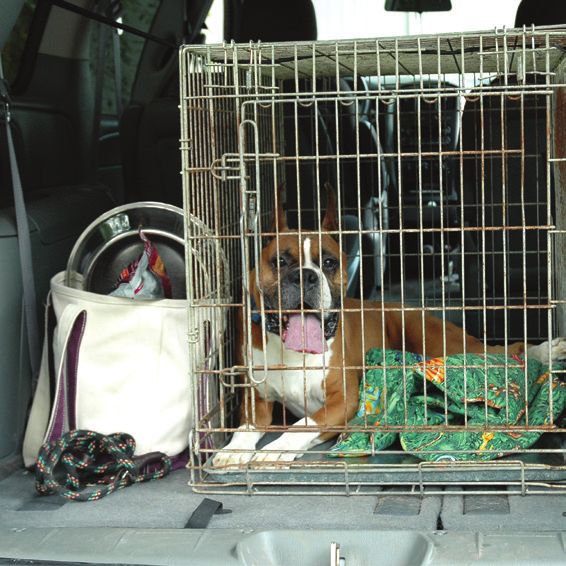
Contents – Emergency Information
Readiness Preparation Checklist....................................................1

What Happens During A Nuclear Power Plant Emergency?...........4

How Will You Know That An Emergency Exists?............................4

What Should You Do In a Nuclear Power Plant Emergency?.........5

The Emergency Alert System (EAS)...............................................5

Additional Sources of Emergency Information................................6

Millstone Station Emergency Planning Zones.................................7

Shelter in Place...............................................................................8

Evacuation.....................................................................................10

Evacuation Reception Centers......................................................11

Why Go To A Reception Center?..................................................12

What If You Have Functional Needs?...........................................12

What If Your Children Are In School Or Child Care?....................13

What About Pets?.........................................................................13

Information For The Agricultural Community.................................14

How Will You Know The Emergency Has Ended?........................15

Planning Beyond 10 Miles Of Millstone Power Station.................15

50-Mile Zones................................................................................15

Evacuation Map....................................................................... 16-17

Emergency Planning Zone Evacuation Route Directions:.............18

What Is KI?....................................................................................20

 2      Emergency Information
Contents – Supplemental Information
What Is Radiation?........................................................................23

Radiation Protection......................................................................24

Where Does Radiation Come From?............................................24

How Quickly Would A Nuclear
Power Plant Emergency Develop?................................................26

How Are Nuclear Power Plant Emergencies Prevented?.............26

Who Could Be Affected In A Nuclear Emergency?.......................28

Nuclear Emergency Classifications...............................................28

In Conclusion.................................................................................30

Additional Information....................................................................31

Web Sites......................................................................................32

                                                        Supplemental Information                    3
What Happens During A Nuclear Power Plant Emergency?
A nuclear power plant emergency could result in the release of
radioactive material. Normally, this radioactive material is contained
within the plant by a number of protective barriers and systems. In the
unlikely event that protective barriers or systems fail to work properly,
radioactive material in the form of gases or small particles could
escape from the plant into the air. This could result in the public being
exposed to radioactive contamination and receiving a dose of radiation.

      How Will You Know That An Emergency Exists?
Local or state officials will alert the public if an emergency exists at
Millstone Power Station. They may use several methods to alert and
notify including: CT Alert (automated telephone calls or texts), social
media, news media, the Emergency Alert System (EAS) on radio and
televisions, and emergency sirens.

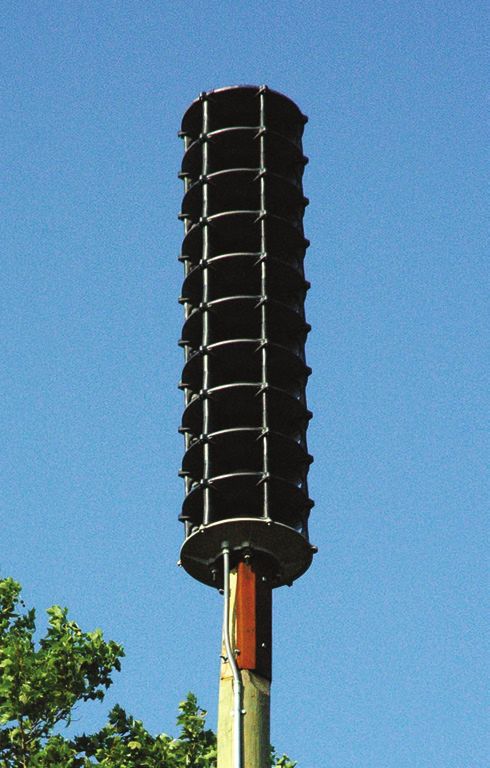
Emergency sirens are an outdoor warning system that are located
throughout the approximate 10-mile Emergency Planning Zone (EPZ).
See the map on page 7.

Sirens are not a signal to evacuate. They are a signal to turn on
your radio or television and tune into an Emergency Alert System
(EAS) station near you. (See “The Emergency Alert System (EAS)” on
page 5 for a listing of EAS stations.)

A steady tone for three minutes (that may be repeated) signals a
nuclear plant emergency.

These sirens are maintained and routinely tested throughout the
year by Millstone Power Station. Many communities also routinely
test their sirens and use them as part of their own fire and disaster
warning systems. In the event that a siren fails to activate, procedures
call for “back-up route alerting.” Route alerting means that local first
responders will go street by street, using emergency vehicles and
public address loudspeakers to warn the public.

The US Coast Guard will broadcast waterway advisories for the EPZ
via VHF marine radio. For waterway questions, contact USCG Sector
Long Island Sound by phone 800-774-8724/203-468-4401 or via VHF
radio channel 16.

 4    Emergency Information
What Should You Do In a Nuclear Power Plant Emergency?
                          Stay calm, and remember that a nuclear
                          power plant emergency would most likely
                          take hours to develop into a situation that
                          could affect public health and safety. You
                          will be kept informed by local and state
                          officials throughout the emergency.

                          You may be instructed to:
                          •   MONITOR AND PREPARE to follow
                              instructions from public officials.
                          •   Ingest your potassium iodide (KI)
                              tablets.
                          •   Stay indoors and take shelter.
                          •   Evacuate to a reception center
                              (see page 11).

Other things you should do in any emergency:
Monitor the news and social media for updates and guidance.
Check with your neighbors to make sure they are aware of
the emergency.
Do not use the telephone unless it is absolutely necessary. Telephone
lines are needed by local officials to respond to the emergency.
(Consider a short text message instead of a call.)
Please do not call local authorities unless you need special assistance.

              The Emergency Alert System (EAS)
The EAS allows local and state officials to interrupt radio and
television programming with emergency information and instructions.
In the event of an emergency, you should tune in to your local EAS
radio or TV station.

                   Primary EAS Radio Stations
   WTIC – 1080 AM & 96.5 FM (Hartford)
   WDRC – 1360 AM & 102.9 FM (Hartford)
   WCTY – 97.7 FM (Norwich)

                                          Emergency Information         5
Other EAS Radio Stations
WXLM–980 AM WMRD–1150 AM WICH–1310 AM
WLIS–1420 AM WNPR– 89.1 FM WPKT–90.5 FM
WNLC–98.7 FM WKNL–100.9 FM WMOS–102.3 FM
WIHS–104.9 FM WQGN–105.5 FM WBMW–106.5 FM
WWRX–107.7 FM
EAS TV Stations
WFSB – Channel 3 WTNH – Channel 8 WHPX – Channel 26
WVIT – Channel 30 WTIC – Channel 61
Additional Sources of Emergency Information
CT Alert is used by local and state public
safety officials to notify the public of
emergencies. The system uses the 911
database of landline phone numbers to send
an automated message. If you want the
system to send alerts to other communication
devices that you use, go to www.ct.gov/ctalert.
You can add mobile phones, Voice Over
Internet Protocol (VOIP) landlines, e-mail, and text messaging.
Register today!
2-1-1 Infoline - During times of emergency or disaster the United
Way of Connecticut’s 2-1-1 informational service serves as the State
information hotline. The hotline is accessed toll-free from anywhere in
Connecticut by simply dialing 2-1-1. It operates 24 hours a day, 365
days a year. Multilingual call specialists and TDD access are available.
Individuals with Voice Over Internet Protocol (VOIP) services can
access 2-1-1 by dialing 1-800-203-1234. Rotary phone users should
dial 1-800-505-2000 for assistance. Our website link is https://
www.211ct.org
Connecticut Network (CT-N) -
During times of emergency or disaster
Connecticut Network (CT-N) will provide
emergency public information directly from the
State Emergency Operations Center.
6 Emergency InformationEmergency information can be broadcast over CT-N 24 hours a day,
seven days per week without interruption.
Most cable systems offer CT-N on their expanded basic lineups. To
find out your community’s CT-N channel, go to:
www.ctn.state.ct.us/ctn_tv.asp
or call 860-240-1400 or 860-240-0365.
Millstone Station Emergency Planning Zones
Approximately 10 Miles (See pages 16-17 for larger map.)
Salem N
MILLSTONE EMERGENCY Montville NNE
PLANNING ZONES NNW 10 mile
s
°
11.25
348.75°
C-2 NE
East Haddam
°
.75
Ledyard
32
NW
33
6.2
E-1
5°
C-3
East Waterford
Lyme 5° Stonington
Lyme 293.7 D-2 C-1 5 mile I-3
56
.2
5° s Groton Town
B-2 B-3 ENE
WNW
New E-2
B-1 London
281.25 Old G-3 H-3 78.75
°
°
Lyme A-2 A-1
Old Saybrook
D-1 E
W Millstone Station Groton
G-1 G-2 City
s
il e
m
2 101.25°
258.75°
F
H-1 H-2
Fishers Island, NY
ESE
WSW 12
° 3
23
6 .25
I-1 I-2 .75
°
Long Island Sound
SW SE
14
5°
6
168.7
5°
3.7
.25
191.2
21
°
8/2018
5°
SSW SSE
Plum Island S
0 1.25 2.5 5 7.5 10
Miles
Author: gfabris Sources: USCG, CT DEMHS, Dominion, CT DEEP
Emergency Information 7Shelter in Place
Shelter in place may be recommended during a nuclear power
station event. Shelter in place means going indoors and remaining
indoors until the emergency is over. Such action will reduce an
individual’s exposure to radiation resulting from a radioactive release
of short duration.
Use this checklist if you are directed to shelter in place:
❏ If driving, close windows/vents and turn off air conditioner
or heater.
❏ Go home or to a public building.
❏ Keep family and pets indoors.
❏ Close all windows and doors.
❏ If possible, turn off all devices that draw outside air.
❏ Extinguish stove/fireplace fires and close flues when possible.
❏ Avoid using telephones, including cell phones, to prevent
overloading the system and interfering with emergency use.
❏ Remain indoors until officially notified that the emergency is over.
❏ Do not evacuate unless told to do so.
❏ Continue to monitor your local Emergency Alert System (EAS)
radio/TV station (see “The Emergency Alert System” on page 5).
If you must go outside, covering your mouth and nose with a cloth
(e.g., folded handkerchief or towel) may help prevent breathing in
radioactive particles. Move quickly and limit outdoor exposure time to
as little as possible.
Food already in your home is safe to eat, although food grown locally
may have to be tested by state monitors before it is consumed.
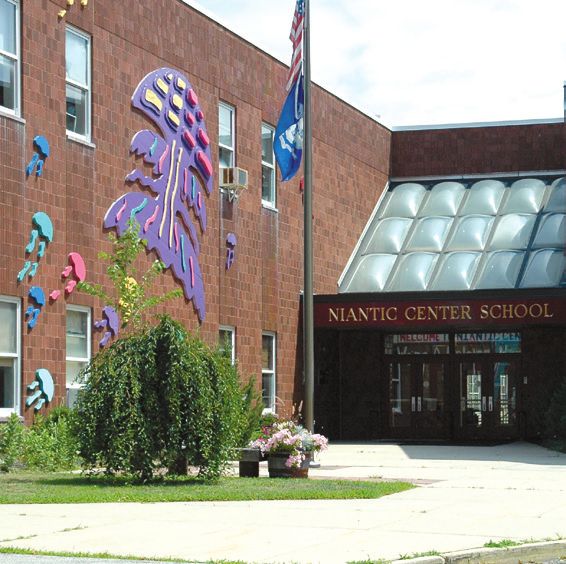
Children in schools will be cared for through the school’s emergency
procedures. Become familiar with these procedures and follow them.
8 Emergency InformationWhen you go inside, remove the outer layer of your clothing. If
radioactive material is on your clothes, getting it away from you will
reduce the external contamination and decrease the risk of internal
contamination. It will also reduce the length of time that you are
exposed to radiation. If possible, place the clothing in a plastic bag or
leave it in an out-of-the-way area, such as the corner of a room. Keep
people away from it to reduce their exposure to radiation. Wash all of
the exposed parts of your body using lots of soap and lukewarm water
to remove contamination. This process is called decontamination. Try
to avoid spreading contamination to parts of the body that may not be
contaminated, such as areas that were clothed. If you can, you should
also cover your mouth with a mask, cloth, or towel when you are
decontaminating other people (such as children) or pets. You may use
scissors to carefully cut away clothing so that you avoid contaminating
other parts of your body (as with pulling a t-shirt over your head).
Emergency Information 9Evacuation
Use this checklist to prepare to evacuate if/when directed:
❏ Gather together those household members who are present.
❏ Pack the following items, as necessary:
- Clothing, money, credit cards, checkbook
- Prescription medicine or special medical equipment
- Potassium Iodide (KI) tablets
- Blankets, pillows, soap, towels, toiletries
- Diapers, bottles, milk/baby formula, toys
- Identification and important personal papers
- Portable radio, flashlight, batteries
❏ Close and lock all windows and doors.
❏ Turn off devices that draw outside air.
❏ Turn off lights and electrical appliances (except refrigerator
and freezer).
❏ Continue to listen to a local Emergency Alert System (EAS) radio
station in your vehicle.
❏ Leave food and water for pets, or have alternate plans for their
care. Reception Centers and some shelters may have provisions
for your pets, but the best thing to do is plan ahead for their care.
See page 13 for more information on planning for your pets.
❏ Check with your neighbors to see if they need a ride and carpool
with them, if possible.
❏ Go to your assigned evacuation reception center (see page 11).
Follow evacuation routes described in pages 16 - 17 of this book
or as directed by news advisories.
❏ If you are on the waterways, you may not be allowed to return to
your original point of departure. Follow the guidance of the US
Coast Guard, harbor master and local Emergency Management
officials. You may be directed to another port where transportation
can be made available to reception centers.
10 Emergency InformationEvacuation Reception Centers
For Communities Located Within 10 Miles of
Millstone Power Station
Town Host Reception Center
Community
Southern Connecticut State University
Moore Field House,
East Lyme New Haven 125 Wintergreen Ave.
New Haven, CT 06515
Groton City Norwich Technical High School
& Norwich 7 Mahan Drive
Groton Town Norwich, CT 06360
UCONN Field House
Ledyard UCONN/Storrs 2111 Hillside Road
Storrs, CT 06269
Southern Connecticut State University
Lyme Moore Field House
& New Haven 125 Wintergreen Ave.
Old Lyme New Haven, CT 06515
East Hartford High School
Montville East Hartford 869 Forbes Street
East Hartford, CT 06118
Windham High School
New London Windham 355 High Street
Willimantic, CT 06226
East Hartford High School
Waterford East Hartford 869 Forbes Street
East Hartford, CT 06118
Windham High School
Fishers Windham 355 High Street
Island, NY Willimantic, CT 06226
Only a portion of Ledyard, Lyme and Montville are located in the 10-mile
emergency planning zone. The areas within the EPZ are:
(1) Ledyard EPZ – All areas south of Hurlbutt Road, Whalehead Road and
Sandy Hollow Road to Route 117.
(2) Lyme EPZ – All areas east of Route 156 and south of Beaver Brook Road.
(3) Montville EPZ – All areas south of Grassy Hill Road, Chesterfield Road,
Route 163 and Depot Road to Waterford and East Lyme town lines
including those areas between Glendale Road and Chapel Hill Road in
Oakdale Heights.
Emergency Information 11Why Go To A Reception Center?
Each community in the Millstone Emergency Planning Zone (EPZ)
has been assigned a Reception Center that is at least 15 miles from
the nuclear plant site (see page 11).
Reception Centers are staffed with first responders and other
individuals trained and prepared to provide evacuees with the
following services:
- registration and family reunification
- radiological monitoring and decontamination for people, pets
and vehicles.
- functional needs support and crisis counseling
- basic emergency medical services
- potassium iodide (KI) tablets
- American Red Cross services (connection to shelters)
A map of evacuation routes to reception centers is found on pages 16
- 17 of this guide, online at www.ct.gov/demhs and will be provided
to the media in the case of an emergency.
What If You Have Functional Needs?
If you have functional
Do you have special needs that would require help in an emergency
or evacuation? If “yes,” please fill out the survey below.
IMPORTANT !
WOULD YOU NEED SPECIAL HELP
needs, such as
IN AN EMERGENCY?
This survey is for individuals living within the approximate 10-mile Emergency Planning Zone (EPZ) of Millstone Power YOUR CITY/TOWN’S ANNUAL
Station in Waterford, CT. Additional information can be found in the booklet "Safety Planning Information for EMERGENCY “SPECIAL NEEDS”
Neighbors of Millstone Power Station". (See pages 1-3 in the Fishers Island phone book.) REGISTRATION FORM IS INSIDE
RETURN POSTAGE PAID
vision or hearing
Please complete and return this yearly survey – even if you have done so before. Check the New Survey box below
if this is the first time you are completing this survey or haven’t done so in years. The survey is given to your city/ IMPORTANTE!
town’s Emergency Management Official to ensure that there is up-to-date information to provide assistance, if needed, ¿Necesitaría Ud. asistencia especial en
in the event of an emergency or evacuation. When special assistance is no longer needed, the local Emergency caso de una emergencia?
Management Official should be notified. The form should only include information regarding impairments that
La encuesta anual de su ciudad
impairments, and
will impede self-evacuation from your home. necesidades especiales para
emergencias está dentro
FRANQUEO PAGADO
DETACH HERE AND MAIL BOTTOM PART ADDITIONAL INFORMATION: www.ct.gov/demhs or 800-397-8876
would need assistance
THIS INFORMATION WILL BE KEPT CONFIDENTIAL
I / this person will need assistance in the event of an emergency or evacuation: PLEASE PRINT
name date
street address
sheltering in place or evacuating, you should
city state zip code
phone number cell ( ) *TDD/TTY ( )
*Telecommunication device for the
home ( ) work ( ) deaf/Text Telephone
If you are a part-time resident (i.e., summer only), please list the months you are living at this address: From:
register annually with your community’s
To:
Please mark an "X" in each box that applies.
This is a new survey, or one that hasn't been updated in years. Childcare Provider Needs
Need assistance for evacuation for the following reasons: Assistance with transport of
Children. How many? ________
emergency management office. Each year,
I use a wheelchair and
Hearing impaired and need need an accessible ride. Life Support Device
assistance for evacuation. Folding Wheelchair and need special assistance.
Electric Wheelchair (Explain)__________________
Sight impaired and need
Use *TDD/TTY Other needs that will prevent
assistance for evacuation
prompt evacuation.
a registration form is mailed to each postal
Need a ride for (Explain)__________________
Confined to bed. (Livestock, pets, language
evacuation.
translation, etc.)
Name of person completing this survey ______________________________Phone: ( )_____________________________
Relative or other person we can notify to help you in the event of an emergency or evacuation:
customer within the 10-mile emergency
NAME
STREET ADDRESS
CITY STATE ZIP CODE
planning zone around Millstone Power
PHONE NUMBER CELL ( )
HOME ( ) WORK ( ) *TDD/TTY ( )
MPS 2018
11/18
FOLD HERE
Station. When completed and mailed back,
this information is given to your community’s emergency management
office. The information is confidential and is not shared beyond public
safety officials. It is important to keep this information updated, so
please fill it out every year.
12 Emergency InformationWhat If Your Children Are In School Or Child Care?
Each school and licensed child care
facility within the 10 mile emergency
planning zone around Millstone Power
Station is required to have plans in place
to provide for the safety of the children
in their care. These plans are developed
in conjunction with local emergency
management officials and are reviewed
by state and federal officials.
Depending on the circumstances of the
emergency, schools may enact their
early dismissal procedures, shelter in place, or conduct precautionary
transfers to another school or a reception center. Each school
year, parents and children should become familiar with the school’s
emergency plans and procedures.
If your child has special needs, make sure they have a go-kit with
them at all times with medications, or other things they may need in
an emergency.
Before an emergency occurs become familiar with your school
or child care provider’s emergency plans. Make sure you provide
them with your up-to-date emergency contact information and
make a family plan.
What About Pets?
Long before an emergency occurs,
individuals should consider what they
would do with their pets should they
need to evacuate. You should never
hesitate to evacuate your home if
directed because you have to leave your
pets. Identify places that would accept
pets in an emergency, such as boarding
kennels, or with friends or family outside
the affected area.
Emergency Information 13There are plans in place to have provisions for receiving pets at
reception centers. Many local community shelters are now pet friendly
in Connecticut. Consider having your pet micro-chipped for easier
identification in the event that you become separated.
Have a pet disaster/evacuation kit ready. The kit should include: food,
water and medicine for three days, pet carrier, litter box and litter, ID
tags attached to your pet, leashes. Also think about including medical
and veterinary records, toys, blanket or bed, and current photos.
Do NOT give your KI to your pets. The KI supplied is not labeled for use
in pets. Using KI for your pets should only be done under the guidance of
your veterinarian. KI can harm your pet if not dosed correctly.
For more information on disaster preparedness for your pets
or livestock, visit FEMA’s web site http://www.ready.gov/
animals, also see the Connecticut State Animal Response
Team web site http://ctsart.org/who_we_help/
Information For The Agricultural Community
If you have livestock or agricultural products, please
call 1-800-397-8876 for a copy of the brochure
“Radiological Emergency Information for
Connecticut’s Agricultural Community.”
14 Emergency InformationHow Will You Know The Emergency Has Ended?
Federal, state, local and Millstone Power Station officials will work
closely together for the duration of the event. If radiation is released,
state and federal officials will use monitored radiation levels to
determine when it is safe to return home. Public officials will inform
you of this information.
Planning Beyond 10 Miles of Millstone Power Station
If an accident were to occur at Millstone, the area within 50 miles of
the station would be assessed to determine if there has been any
impact on the environment. If there is any impact, the public in the
affected area would be notified. If any actions are necessary, the
public would be informed of the actions to be taken.
NOTE: A portion of Connecticut also falls within 50 miles of Indian
Point Power Station in Buchanan, New York. The Connecticut
Radiological Emergency Response Plan (RERP) has procedures in
place for emergencies that extend beyond 10 miles for both Millstone
and Indian Point. This includes assessing food and drinking water
for contamination and determining the need for additional public
protective actions.
50-Mile Zones
Providence
Hartford
New York Connecticut Rhode
Island
New Haven
FI, NY
Indian Millstone
Point Long Island
Block Is, RI
Sound
Riverhead
Long Island
miles km
0 5 0 5 10
Emergency Information 15Evacuat
Emergency Planning Zone Evacuation Ro
See next page for driving directions
UConn Fie
2111 Hillsid
East Storrs, CT
East Hartford High School
Hartford
869 Forbes Street 5A
East Hartford, CT 06118
3
2
I-91
2
9
9
Southern Connecticut State University
Moore Field House
125 Wintergreen Ave.
New Haven, CT 06515 9
Ess
New
O
Haven
S
I-95
0
16 Emergency Informationtion Map
outes
Mansfield
eld House UConn
de Road
Windham High School
06269 195 355 High Street
Willimantic, CT 06226
14 Ex it 89
14
Windham
14A
32
49
32 I-395
2 Norwich Norwich Technical
81E
High School
354 7 Mahan Drive
Norwich, CT 06360
11 49
O
ld
82 Co
lc
he
2A
st
er
Rd 2
Montville 117
Ledyard 201
85 184
32
I-395 12
Lyme East Waterford
Town of Stonington
Lyme
Groton I-95
New
349
sex I-95
London
Groton
City
Old
Old
Saybrook
Lyme Ferry route
Thames River
Millstone Station
Long Island Sound Fishers Island, NY
4.2 5 8.5 17 Miles 2016
Emergency Information 17Emergency Planning Zone Evacuation Route Directions:
Waterford to East Hartford
Route 85 North to Route 82 West to Route 11 North to Route 2 West
to exit 5A (Main St.) Right at light onto Brewer St. to intersection with
Forbes St. Left onto Forbes St. to East Hartford High School.
OR
Old Colchester Road to Route 354 to Route 2 West to exit 5A (Main
St.). Then same as above to East Hartford HS.
OR
Interstate 395 North to Route 2 West to Exit 5A (Main St.). Then same
as above to East Hartford HS.
OR
Interstate 95 South to Route 9 North to 1-91 North to Exit 25-26
(Route 3 North). Take Exit 25, cross over Putnam Bridge to Route 2
West to Exit 5A (Main St.). Then same as above to East Hartford HS.
East Lyme, Lyme & Old Lyme to New Haven
Interstate 95 South to Exit 44 to Route 10 North (Ella Grasso Blvd.).
Continue on Ella Grasso Blvd. to left on Crescent, Right on Fitch, and
Left on Wintergreen to Connecticut State U Moore Field House.
Montville to East Hartford
Old Colchester Road to Route 354 to Route 2 West to exit 5A (Main
St.). Take a right at the light onto Brewer St. to intersection with
Forbes St. Turn left onto Forbes St. to East Hartford H.S.
OR
Rte. 85 North to Route 82 West to Route 11 North to Route 2 West to
Exit 5A (Main St.). Then same as above to East Hartford HS.
OR
Interstate 395 North to Route 2 West to Exit 5A (Main St.). Then same
as above to East Hartford HS.
New London to Windham
Route 32 N to Frog Bridge, Route 66. Right, over bridge, stay straight
on Jackson St. to left on Valley St. Turn right onto High St. uphill to
Windham High School.
18 Emergency InformationLedyard to Storrs
Route 12 North to Route 2A West to 1-395 N to Exit 32, (was exit
89). Take Route 14 West to 203 N to Route 14 W to Route 195 N to
UCONN field house.
Groton City & Groton Town to Norwich
Route 12 North to Route 2A West to Interstate 395 N to Exit 13A (was
81E). Take Route 2E to 169 North (Harland Rd.) Right on Ox Hill Rd.,
turn right before Mahan Drive into Norwich Technical High School.
OR
Route 349 North (CB Sharp Hwy) to I-95 N to Route 117 North to
Route 2 West to Route 169 North (Harland Rd.). Right on Ox Hill Rd.
Turn right before Mahan Drive into Norwich Technical High School.
OR
Route 184 East to Route 201 North to Route 2 West to Route 169
North (Harland Rd.). Right on Ox Hill Rd., turn right before Mahan
Drive into Norwich Technical High School.
Please Note:
Lyme EPZ
All areas East of Route 156 and South of Beaver Brook Rd.
Montville EPZ
All areas south of Grassy Hill Rd., Chesterfield Rd., Route 163 and
Depot Rd. to the Waterford and East Lyme town lines including those
areas between Glendale Rd. and Chapel Hill Rd. in Oakdale Heights.
Ledyard EPZ
All areas South of Hurlbutt Rd., Whalehead Rd. and Sandy Hollow
Rd. to Route 117.
Fishers Island to Windham
To New London or Stonington Harbor. State provided bus
transportation to Windham High School.
Emergency Information 19What Is KI?
Potassium Iodide, also known as
KI, is an over-the-counter salt tablet
that can protect your thyroid gland
when there is a chance you might
be exposed to a harmful amount of
radioactive iodine. Taking KI
saturates the thyroid with non-
radioactive iodine and prevents
radioactive iodine from being absorbed. Radioactive iodine can harm
your thyroid gland and can increase your risk of developing thyroid
cancer years after exposure. For most individuals, taking KI is safe;
however, adverse reactions are possible in persons having existing
thyroid conditions and those with an allergy to iodine. Consult your
physician if you have concerns about the safety of KI.
Not every radiation emergency will result in the release of radioactive
iodine. KI is a supplement to the primary protective actions of
evacuation and/or sheltering and should only be taken upon
direction of state health officials. KI does NOT protect against other
radioactive materials that might be released during a nuclear power
station emergency.
Dosing instructions are available in the ThyroSafe package.
RECOMMENDED DOSAGE FOR POTASSIUM IODIDE
Age Group KI Dosage Number of 65 mg Tablets
Adults and Adolescents* 130 mg 2 Tablets
(Over 150 lbs.)
Children 3-18 yrs.** 65 mg 1 Tablet
(Under 150 lbs.)
Infants to Toddlers 32 mg 1/2 Tablet
1 month – 3 years**
Infants Birth – 1 month** 16 mg 1/4 Tablet
A dose of KI may be and crushed to form a powder.
Powdered KI may be mixed with milk, water, formula or soft foods.
*Individuals 12 to 18 years and over 150 lbs. should take the adult
dose of 130 mg (two – 65 mg tablets).
**Breast feeding women receive the adult dose and their breast fed
child is dosed separately.
Please note: During an emergency, KI will only be available at
your designated reception center (see page 11).
20 Emergency InformationPeople who live and work within a ten-mile area around Millstone
Power Station can obtain KI at any time (except during emergencies)
at the following locations:
East Lyme Town Hall Monday – Friday (860) 739-6931
108 Pennsylvania Ave. 8:00 a.m. – 4:00 p.m. Ext. 1135
Groton City Groton Municipal Building Monday – Friday (860) 446-4102
City Clerk’s Office 9:00 a.m. – 4:00 p.m.
295 Meridian St.
Groton Town Town Hall Monday – Friday Dispatch
Town Clerk’s Office 8:30 a.m. – 4:30 p.m. Center:
45 Fort Hill Rd. (860) 445-2000
Groton Town PD, Police Department is Town Clerk:
68 Groton Long Point Rd. open 24 hours a day 860-441-6640
Ledyard Ledyard Regional VNA Monday – Friday (860) 464-8464
741 Colonel Ledyard Hwy. 8:00 a.m. – 4:00 p.m.
Ledyard Senior Center Monday – Friday (860) 464-0471
12 Van Tassell Dr. 8:30 a.m. – 2:30 p.m. or (860) 464-0478
(Gales Ferry)
Ledyard Police Dept. Police Department is (860) 464-6400
737 Colonel Ledyard Hwy. open 24 hours a day
Lyme Town Hall Monday – Friday (860) 434-7733
Town Clerk’s Office 9:00 a.m. – 4:00 p.m.
480 Hamburg Road
(Route 156)
Montville Town Hall Monday – Friday (860) 848-1417
Office of the Fire 8:00 a.m. – 4:30 p.m.
Marshal and Emergency
Management Office
310 Norwich - New
London Tpke.
New London Fire Headquarters Daily (860) 440-6671
289 Bank St. 7:30 a.m. – 7:30 p.m. or (860) 447-5291
North Station Fire Dept. at all locations (860) 437-6340
240 Broad St.
South Station Fire Dept. (860) 437-6341
25 Lower Blvd.
Old Lyme Town Hall Monday – Friday (860) 434-1605
52 Lyme Street 9:00 a.m. – 4 p.m. Ext. 212
Waterford Waterford Police Dept. Sunday – Monday (860) 442-9451
41 Avery Lane 8:00 a.m. - 8:00 p.m.
Town Hall Monday – Friday (860) 442-0553
15 Rope Ferry Rd 8:00 a.m. – 4 p.m. or (860) 442-9585
*In case of emergency, KI will be available at the Fishers Island Fire
Department – 250 Athol Cresent Ave.
Emergency Information 21Supplemental Information About Nuclear Power
What Is Radiation?
Radiation is energy emitted in tiny waves or particles. You can’t see
radiation. You can’t hear or taste radiation. For these reasons people
sometimes think radiation is mysterious or frightening. However, you
probably know more about radiation than you realize. Heat, light and
radio waves are a kind of radiation. Rocks, trees, and even people
have some radioactive atoms.

Radiation sometimes produces charged particles in material it strikes.
Charged particles are known as ions. Ionizing radiation can produce
charged particles in all matter. The most common types of ionizing
radiation are alpha, beta and gamma.

•   Alpha Radiation is the least penetrating type. It can be stopped
    with a sheet of paper.
                                               -

                                -
                                         +
                                        + ++
                                    -
                                                   -
                                                         +
                                                         +

•   Beta Radiation is emitted from the nucleus of an atom during
    fission. Beta radiation consists of electrons that can be stopped by
    thin cardboard.
                                               -

                                -
                                         +
                                        + ++
                                    -
                                                   -

•   Gamma Radiation is electro-magnetic waves emitted from the
    nucleus of an atom and is essentially the same as an X-ray. It can
    be stopped by heavy shielding such as concrete or lead.

                                               -

                                -
                                         +
                                        + ++
                                    -
                                                   -

The harm that can come from radiation depends on several things,
some of which you can control.

                                                       Supplemental Information   23
Radiation risk depends on:
• The kind of rays and particles that strike you.
• The length of time you are exposed.
• The parts of your body exposed.
• The amount of radioactive material that enters your body through
eating or breathing
• Age – radiation does more harm to young children because the
cells in their bodies are growing much faster than the cells of older
children and adults.
Radiation Protection
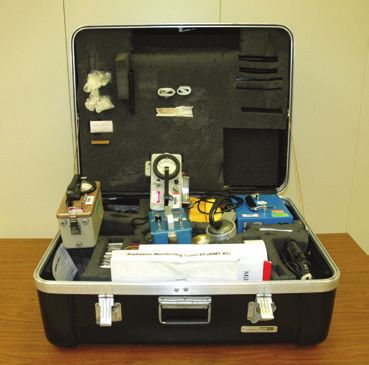
Although you cannot see or smell radiation, it can
be detected, accurately and easily, with the aid
of instruments designed for that purpose. Trained
technicians using these instruments monitor
radiation in and around the nuclear power station.
Should a nuclear incident occur, this monitoring
will be increased to obtain accurate information
for all areas that might be affected. State officials
will evaluate this information and advise what actions should be taken.
Where Does Radiation Come From?
Characteristics of Natural Radioactivity
• The earth’s crust and soil contains small amounts of naturally
occurring radioactive materials which decay into other radioactive
atoms such as radon.
• The radon moves through soil, where it is generated, and then
moves into the air.
• Radon is a natural part of the earth’s atmosphere.
• The amount of radon in the earth’s crust and soil varies with
geographic location and soil type.
24 Supplemental InformationEffective Dose Equivalent to Persons in the U.S.
from Various Radiation Sources
Internal
Terrestrial (background) Space
(background) (5%) (background)
(3%) (5%)
Computed Radon & thoron
tomography (background)
(medical) (37%)
(24%)
Nuclear
medicine
(medical) Industrial
(12%) (How Quickly Would A Nuclear
Power Plant Emergency Develop?
A severe nuclear power plant emergency would most likely not be
a sudden event. It would probably take hours or days to develop.
This would enable state and local officials to take necessary public
protective actions in a timely manner.
To ensure safety at a nuclear power plant, the concept of “defense in
depth” is employed. This means there are several levels of protection,
or barriers, each of which is independent of the others. Thus, if one
should fail, others would continue to protect the plant, its workers, and
the general public. Even if some systems failed, the remaining ones
would dramatically slow down the rate of a radioactive release.
A nuclear power plant cannot explode like an atomic bomb. The fuel
in a nuclear power plant is too low in concentration to create the rapid
release of energy necessary for an explosion.
Incidents like the one in Chernobyl cannot occur in the United States.
The plant did not have containment barriers as are required in the
U.S. The April 1986 disaster was the product of a severely flawed
reactor design and serious mistakes made by the plant operators who
violated procedures intended to ensure safe operation of the plant.
How Are Nuclear Power Plant Emergencies Prevented?
When a nuclear power plant is operating, water circulates through the
nuclear reactor fuel, called the core. This water, known as reactor
coolant, transfers heat away from the core. The heat is used to
produce steam that drives a turbine-generator to produce electricity.
Under normal operating conditions, the reactor coolant continually
re-circulates, never entering the outside environment.
The reactor coolant system would have to develop a large leak
uncovering its nuclear fuel for an emergency to result in a large
radioactive release. Many built-in safety systems ensure public
safety. Some are active systems involving pumps and other special
components; others are passive and provide protection by their
construction and design. These backup safety systems can supply
additional water to keep the nuclear core cool and covered.
26 Supplemental InformationMillstone Power Station has comprehensive safety, construction,
maintenance and inspection programs to prevent emergencies
from occurring.
As with the reactor coolant system, the backup safety systems
are frequently tested, inspected and maintained to prevent failure.
However, if they fail, backup barriers in the plant would prevent,
or at least significantly postpone, the release of radioactivity to
the environment.
Millstone is designed with three primary physical barriers:
• Fuel rod cladding
• Reactor vessel and coolant system
• Containment structure
The first barrier is the fuel rods that contain the uranium fuel pellets.
The fuel rods are metal cylinders, known as cladding, and are
made of a high-quality metal alloy with an extremely high melting
point. Under normal conditions, the cladding keeps almost all of the
radioactivity produced within the fuel pellets.
The reactor coolant system acts as a second barrier. The system
includes the reactor vessel, made of high quality steel that is 3 to 9
inches thick, as well as all piping and equipment through which the
reactor coolant travels.
If both of these barriers fail, a containment structure surrounds the
entire reactor coolant system. This building is made of a 1/4 inch
steel liner surrounded by reinforced concrete that is 2.5 to 4.5 feet
thick. The containment is designed to withstand the internal forces
that could be generated by a severe emergency. It is also built to
withstand external forces such as those caused by a tornado, a
hurricane, an earthquake, or even the impact of a commercial jet.
Additional safety features include a quality assurance program,
trained licensed operators, monitoring systems, redundant safety
systems, Federal and industry inspections, and an on-site and off-site
emergency response program.
Supplemental Information 27Who Could Be Affected In A Nuclear Emergency?
It is very unlikely that everyone in Millstone’s Emergency Planning
Zone would be affected in a nuclear emergency. The precautions
to take would depend on where you live, the amount of radioactivity
being released from the plant, and wind speed and direction.
For example, if a relatively large amount of radioactive material were
released into a slow wind, people located immediately downwind
from the plant might be directed to evacuate, if road and weather
conditions permit. On the other hand, rapidly shifting winds could
quickly disperse radioactive material that would affect a larger area,
but in less concentrated amounts.
People located in this larger area might be directed to take shelter.
State authorities would consider levels of radiation exposure, wind
patterns, and overall weather conditions when directing the public
whether to take shelter or evacuate. Many lower types of nuclear
incidents would not require the public to take any actions.
Farmers, livestock owners, food processors and fruit and vegetable
growers would be provided with appropriate emergency instructions
as necessary. The booklet entitled “Radiological Emergency
Information for Connecticut’s Agricultural Community” has been
distributed to individual Connecticut agricultural suppliers within a 50-
mile radius of Millstone.
Nuclear Emergency Classifications
The U.S. Nuclear Regulatory Commission (NRC) is the Federal
agency responsible for the regulation and inspection of nuclear power
stations to ensure safety. The NRC classifies nuclear power plant
emergencies into four categories of increasing severity based on
plant conditions. Millstone Power Station operators are responsible
for classifying an event and notifying state and local authorities within
15 minutes. State and local governments decide on public protective
actions and notify the public to initiate these actions.
28 Supplemental InformationNotification of Unusual Event
This category is the lowest classification level and is used for a minor
event where something out of the ordinary has occurred. There is
no danger to the public. No radioactive release of any significance
is expected and no protective actions are required. Emergency
personnel are not required to respond.
Alert
This category is the next classification level and is used for an event
which may involve a small radioactive release or the potential for a
release. Emergency personnel are alerted to be ready to respond if
the situation becomes more serious.
State and local emergency operation centers may be activated at
this level and the State Emergency Alert System (EAS) is placed on
standby. There is no danger to the public and no protective actions
are required.
Site Area Emergency
This category is the second highest classification level and is used for
an emergency involving an actual or potential failure of plant safety
systems. A moderate radioactive release out to the site boundary
is possible.
State and local emergency operations centers will be activated and
the sirens within the approximately 10-Mile Emergency Planning Zone
will be sounded as a warning to tune in to an Emergency Alert System
(EAS) radio or television station for information.
Public protective actions are not required unless emergency officials
determine that the emergency could become more serious.
General Emergency
This category is the highest classification level and is used for a
serious emergency involving the failure of plant safety systems, the
possibility of reactor core damage or a loss of the integrity of the
containment structure. A large radioactive release is possible.
Supplemental Information 29It is important to know that an incident at a nuclear power plant
could slowly evolve over a period of several hours or many days.
Plant operators and government officials would be in constant
communication with each other. Changes to classification levels
are dependent on changes to the situation. The public would be
informed of any changes in the incident.
In Conclusion
The State of Connecticut and Millstone Power Station’s first priority
is the health and safety of all Connecticut residents and visitors. The
state and local governments and Millstone are committed to providing
communities surrounding the nuclear facility with the most accurate,
timely, and detailed information possible concerning plant safety and
emergency preparedness.
The emergency plans for nuclear plants are tested and evaluated
every year by the NRC for on-site actions, and every other year by the
Federal Emergency Management Agency (FEMA) for off-site actions.
Both the NRC and FEMA have approved the emergency plans.
Extensive testing of emergency plans and upgrades to emergency
preparedness based on lessons learned from drills and exercises
helps maintain a continual state of readiness. This demonstrates
coordination among federal, state, and local officials, and Millstone
Power Station to ensure an integrated and effective response to
any emergency.
30 Supplemental InformationAdditional Information
For additional information on local emergency preparedness, contact
your community emergency management officials:
East Lyme (860) 739-5900 Montville (860) 848-1417
Groton City (860) 445-2451 New London (860) 442-4444
Groton Town (860) 445-2000 Old Lyme (860) 434-1605, X212
Ledyard 860-464-6400 Waterford (860) 442-9585
Lyme (860) 625-0237 Fishers Island, NY (631) 765-2600
Emergency information is on pages 1 through 3 of the Fishers Island
phone book.
For extra copies of this guidebook or
for further information please contact:
Connecticut Department of Emergency Services & Public Protection
Division of Emergency Management & Homeland Security
Radiological Emergency Preparedness Unit
1111 Country Club Road, Middletown, CT 06457
860-256-0800 or 1-800-397-8876
Supplemental Information 31Web Sites If you have access to a computer, the following web sites provide more information on emergency planning and preparedness information for individuals, families, and businesses: Ready www.ready.gov American Red Cross www.redcross.org Federal Emergency Management Agency www.fema.gov The Humane Society of The United States www.hsus.org CT Department of Energy and Environmental Protection www.ct.gov/deep CT Department of Emergency Services and Public Protection www.ct.gov/despp CT Division of Emergency Management and Homeland Security www.ct.gov/demhs CT Department of Public Health www.ct.gov/dph Dominion Energy www.dominionenergy.com Nuclear Regulatory Commission www.nrc.gov Nuclear Energy Institute www.nei.org Download the new preparedness app for your phone or tablet at: http://portal.ct.gov/Emergency-Preparedness/ 32 Supplemental Information
Department of Emergency Services & Public Protection Division
of Emergency Management & Homeland Security web and
official social media links

http://www.ct.gov/demhs

http://twitter.com/#!/ctdemhs

                                Notes

                                        Supplemental Information   33
CT DESPP DEMHS 1111 Country Club Road Middletown, CT 06547
You can also read


