September 2020 Information for Parents and Pupils - Grosvenor ...
←
→
Page content transcription
If your browser does not render page correctly, please read the page content below
Grosvenor Grammar School

             Information for
       Parents and Pupils

      September 2020

                       Important note to Parents / Guardians
                                      June 2020
  Please note that this version of our ‘Information Booklet’ has been published at
     a time of significant uncertainty around the 2020/21 Academic Year. It is
                             therefore subject to change.
                         Thank you for your understanding.

Relationships · Respect · Responsibility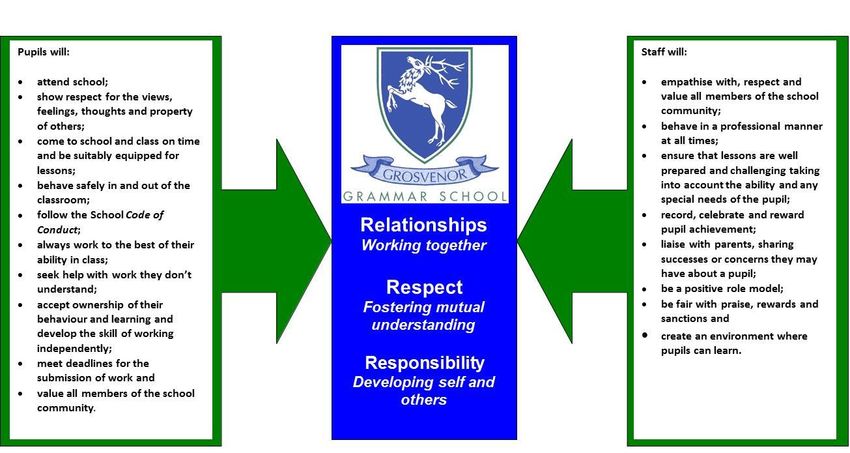
Table of Contents

Our Mission and Aims                                                                           2
Contacting the School                                                                          3
The School Year 2020/21 (Provisional Dates)                                                    4
Key Dates 2020/21                                                                              5
School Routines                                                                                6
School Policies and Procedures                                                                 10
      1     Pastoral Care Policy                                                               10
      2     Anti-Bullying Policy                                                               20
      3     Supporting Pupils with Medical Needs Policy                                        22
      4     Safeguarding and Child Protection Policy                                           29
      5     E-Safety, ICT Acceptable Use and Digital Media Policy                              35
      6     Policy Statement on Protective Wear in Contact Sports                              48
      7     Drugs and Substance Abuse Policy                                                   48
      8     Complaints Procedures                                                              53
      9     School Counselling Service                                                         54
      10 Parental Visits to School                                                             55
      11 Privacy Notice                                                                        55
      12 External Examinations                                                                 61
      13 Behaviour Policy                                                                      62
      14 School Rules                                                                          68
      15 Recognition and Reward Structure                                                      71
      16 Code of Conduct on Educational Trips                                                  72
      17 Charges and Remission Policy                                                          73
Uniform Regulations                                                                            77
The Friends of Grosvenor Association                                                           80
How to get to Grosvenor – Bus Routes                                                           81
The Grosvenor Behaviour Charter                                                                84
Suggested Equipment List                                                                       85
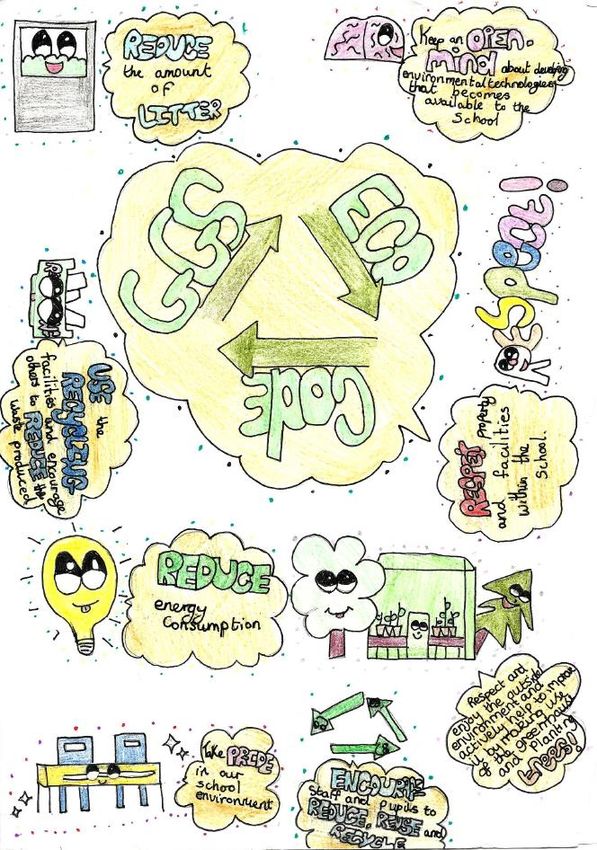
The Grosvenor Eco Code                                                                         86
Appendix One – Sample Application Form for Free Meals / School Uniform / Physical Education Clothing
Allowance

Relationships ● Respect ● Responsibility                                                   1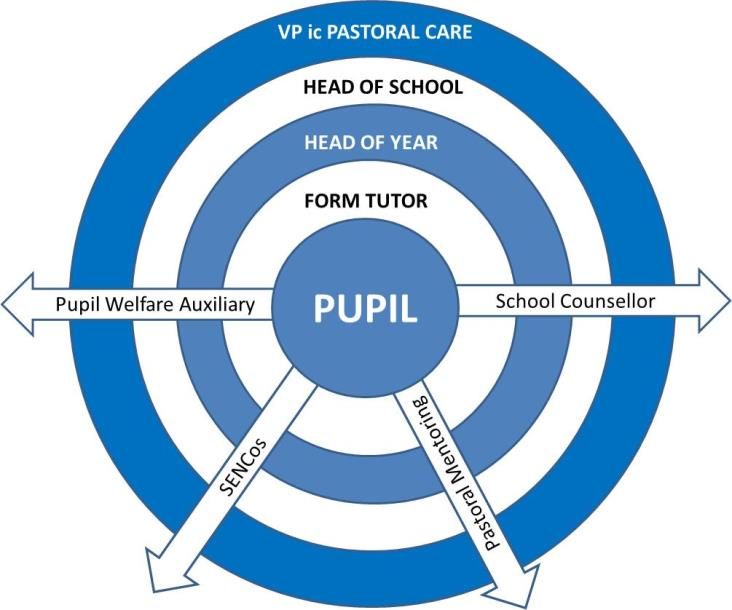
Our Mission and Aims

       RELATIONSHIPS                          RESPECT                       RESPONSIBILITY

                                           Fostering mutual
       Working Together                                                Developing self and others
                                            understanding

MISSION STATEMENT:

To inspire our pupils within a supportive, caring environment to be lifelong learners,
enabling all pupils to realise their full potential and become tolerant and confident
adults.

Within our School, we aim:

   •   to ensure that every individual is valued within an inclusive learning environment;
   •   to enable pupils to achieve high levels of success in all of their activities and prepare them
       for adult and working life;
   •   to provide a broad, balanced curriculum and extensive extra-curricular programme;
   •   to encourage the personal, moral and spiritual growth of our pupils and to encourage a
       sense of pride in being a member of the Grosvenor community; and
   •   to build upon the partnerships between pupils, staff, parents, local and international
       communities, so that everyone enjoys and benefits from their experience of Grosvenor.

We welcome the support of parents/guardians, as well as other interested members of the
community, and invite them to contribute to the life of Grosvenor Grammar School.

Relationships ● Respect ● Responsibility                                                   2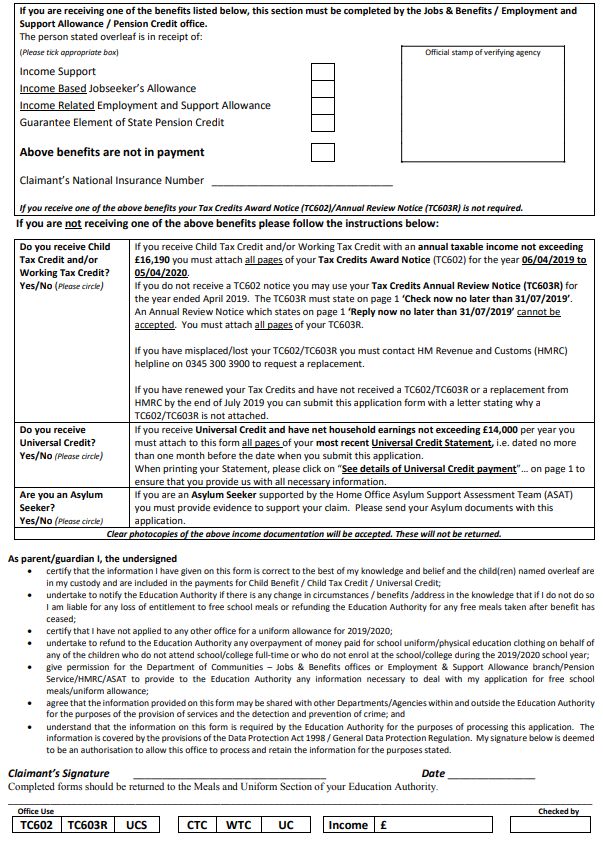
Contacting the School
Telephone: 028 9070 2777                             Website: www.grosvenorgrammarschool.org.uk

Fax:           028 9079 7019                         Main Twitter: @GrosvenorGS

E-mail:        info@grosvenor.belfast.ni.sch.uk      Sport Twitter: @GGSsport

Whom to contact in Grosvenor:

 School Office                      • General enquiries
                                    • To report absences
                                    • School buses
 Mr P Brunt                         • Insurance enquiries
 Mr M Magill                        • Lost property
 Mrs C Sullivan                     • Examinations
 Head of Year                       • Pastoral / General study-related matters
 Head of Department                 • Academic / Subject-related matters
 Senior Teachers                    • Concerns other than the above
 Vice Principals
 Principal

Important Notes
  • All School Policies are available, during office hours, from the School Office
  • Grosvenor Grammar School is a nut-free, kiwi-free and avocado-free zone.
  • The safety and welfare of visitors are important to us.
  • All visitors have a legal responsibility for their own and others’ safety and welfare and all
     incidents and accidents must be reported immediately to Reception.
  • The FIRE ALARM is a high-pitched siren. If this should sound, all persons must leave the
     building by the nearest exit and proceed to the nearest assembly point (playground or
     roadway within main car park)

Security
   • The School operates a visitor pass system for all visitors during office hours. All visitors,
      including spectators at sports fixtures must, therefore, report to reception on arrival.
   • CCTV is operational throughout the school premises and grounds.

Access
   • Access throughout the School for those with disabilities is assisted by a number of lifts and is
      DDA compliant.

Relationships ● Respect ● Responsibility                                                 3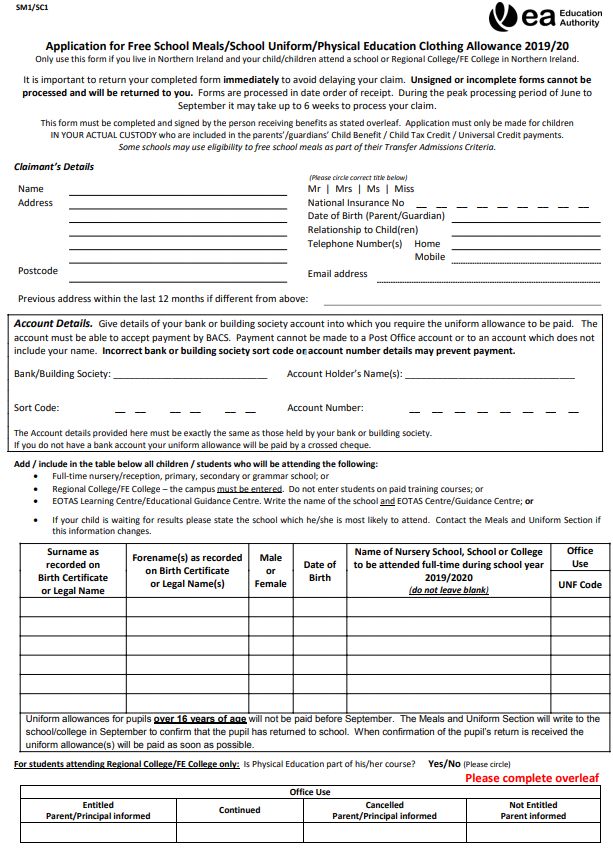
The School Year 2020-21

                                           PROVISIONAL DATES
Staff Training                 Thursday 20 August – Friday 21 August 2020 (no pupils to attend)
First Term                     Monday 24 August 2020          (Years 12 & 14 start)
                               Wednesday 26 August 2020       (Year 13 begin)
                               Thursday 27 August 2020        (Year 11 begin)
August Holiday                 Friday 28 August 2020
August Bank Holiday            Monday 31 August 2020
                               Tue 1 Sept – Fri 4 Sept 2020   (Junior Cohorts)
Staff Training                 Friday 23 October 2020 (No pupils to attend)
Half-Term Holiday              Monday 26 October - Friday 30 October 2020 (inclusive)
Staff Training                 Monday 2 November 2020 (No pupils to attend)
                               School reopens on Tuesday 3 November 2020
Staff Training                 Friday 18 December 2020 (No pupils to attend)
Christmas Holidays             Monday 21 December 2020 – Friday 1 January 2021 (inclusive)
                               School reopens on Monday 4 January 2021
Staff Training                 Thursday 7 January 2021 (No pupils to attend)
Staff Training                 Monday 15 February – Tuesday 16 February 2021 (No pupils to attend)
Half term Holiday              Wednesday 17 February - Friday 19 February 2021
                               School reopens on Monday 22 February 2021
Staff Training                 Monday 29 March 2021 (No pupils to attend)
Easter Holidays                Tuesday 30 March – Friday 9 April 2021 (inclusive)
                               School reopens on Monday 12 April 2021
May Day Holiday                Monday 3 May 2021
                               School reopens on Tuesday 4 May 2021
                               Monday 7 June 2021 (Return of Year 13 Pupils)
End of Year                    Last day Wednesday 30 June 2021

N.B.
These dates are provisional and may be subject to alteration
Additional Staff Training Days may be notified
There will be no school buses (and bus passes will not be valid) from 24 - 27 August 2020

Relationships ● Respect ● Responsibility                                                      4
Key Dates 2020/21
Those parents familiar with our Blue Information Booklet will know that we usually include the
following information:

   •   Dates of Main School Events
   •   Dates of Parent Consultations, Information Evenings and General Meetings
   •   Formal Assessment and Reporting Dates

Due to the considerable uncertainty about next Academic Year as a result of the ongoing health
crisis, key dates have only been considered up until Halloween. When we have a clearer picture of
what next year will look like, we will publish dates. In the meantime, information on key events /
meetings up to Halloween can be found on our website.

Thank you for your understanding.

Relationships ● Respect ● Responsibility                                               5

School Routines
1. DAILY TIMETABLE
• Pupils may gain access to the school building from 8.00am via the Block B Pupil Entrance only;
  pupils arriving 8.25-8.40am may also use the central doors on the main spine.
• Senior pupils who wish to bring a car to school must complete a Car Parking Form found in the
  Common Room and give this to the Head of Senior School. They are then allowed to park in the
  designated area of the secure car park and can use the access door to the Senior School Common
  Room.
• Pupils should congregate in the Dining Area (Senior School Common Room as appropriate) or
  outside;
• From 8.25am pupils may go to bag drop areas and/or lockers.
             08:35              First bell: Pupils make their way to their Form Room

             08:40              -          09:05    REGISTRATION & Form Time
                                                    (at 08:50 School/Year Assembly)
             09:05              -          09:40    Period 1
             09:40              -          10:15    Period 2
             10:15              -          10:35    Break
             10:35              -          11:10    Period 3
             11:10              -          11:45    Period 4
             11:45              -          12:20    Period 5
             12:20              -          12:55    Period 6 - Lunch : Years 11 - 14
             13:05              -          13:40    Period 7 - Lunch : Years 8 - 10
             13:40              -          14:15    Period 8
             14:15              -          14:50    Period 9
             14:50              -          15:25    Period 10

2. LUNCH TIME
(i) Lunch may be eaten in the Dining Area, WMH (junior school, packed lunches) or at home.
(ii) The EA School Meals Department operates a fully-functioning kitchen and all meals are now
      cooked on site with a range of ‘grab-and-go’ items also being provided. A cashless payment
      mechanism has been installed. This biometric system uses an image of your child’s fingerprint,
      which is not stored. Your child will be able to ‘top up’ his/her account via ‘Top-Up Vending
      Machines’ located in the School.
(iii) Pupils wishing to go home for lunch must bring written permission from the parents/guardians
      giving assurance that an adult will be present. This should be given to the Head of Year. It will
      not normally be permitted for friends to accompany each other to a home.
(iv) Other than this, pupils must not leave the School grounds at break or lunch time, or at any other
      time, without permission.

3. LOCKERS
Lockers are available for pupils. Requests should be made through Mr Magill. A £5 deposit is
required.

Relationships ● Respect ● Responsibility                                                  6
4. MOBILE PHONES
Parents and pupils are reminded of the School’s policy on mobile phones. We recommend that
pupils do not bring mobiles to school, but if they do, the phone must be switched off (i.e. completely,
not just on silent) as per the policy. If the phone sounds at any time, or a teacher discovers it to be
switched on (without proper authorisation), it is the teacher’s duty to confiscate it and give it to a
Vice Principal or Senior Teacher who will set an essay. On the first such occasion, the phone may be
reclaimed by the pupil at 3.25pm; on subsequent occasions it may be returned directly to the
parent/guardian.
5. HOMEWORK POLICY & GUIDELINES ON STUDY
AIMS
• Homework supports the work of the classroom by enhancing pupils’ abilities to work
independently, by consolidating learning; and by preparing pupils for examination success.
• Homework will be used to:
• contribute to quality learning and teaching;
• offer feedback to teachers and pupils about achievement;
• form part of the assessment process; and
• contribute to the coursework components of some external examinations.
Recommended hours of homework per week:
Year 8: 5.5 hours
Year 9: 6.0 hours
Year 10: 6.5 hours
Year 11: 11.5 hours
Year 12: 12 hours
Year 13: 12 hours (+ independent study in school)
Year 14: 15 hours (+ independent study in school).
STUDY HABITS & REVISION SKILLS
It is never too early to develop good study habits and revision skills; doing so in junior school
will undoubtedly bear fruit as pupils approach public examinations in middle and senior school.
Parents play an important role in helping their sons and daughters by creating conditions at
home which are conducive to study and revision. Here are some useful tips:
• Strike an appropriate balance between work, rest and play;
• Plan work: identify priorities and draw up a timetable;
• Study/revise in a quiet room with adequate ventilation and no distractions (including no
background music);
• Turn off mobile phone;
• Take regular short breaks (at least every 40 mins);
• Eat properly, drink lots of water and get enough sleep;
• Everyone is different - devise revision tactics which work best for the individual. Teachers
will help by suggesting a variety of techniques; and
• Do not bottle up frustration and/or problems. Always talk to someone: family, friends, and
teachers. Any changes in behaviour should be noted.
Relationships ● Respect ● Responsibility 7SENIOR SCHOOL STUDY
Senior School offers a very challenging but enjoyable 2 years. AS/A levels are a competition and
require constant dedication, self-discipline, well-developed study skills, a high level of
independent study and deeper thinking/reasoning skills. In addition to the general tips above,
the following points should be heeded:
• 15 hours per week of independent study is the minimum recommended for success;
• The balancing act between studies, extra-curricular and outside activities/commitments
becomes even more acute with the ‘intrusion’ of part-time jobs. Part time jobs are strongly
discouraged, particularly around examination time, and pupils (and their parents) should
consider the long-term benefits of short-term sacrifices now; remember – the Educational
Maintenance Allowance (EMA) is intended to replace the job, not supplement it;
• There is a strong link between success and good attendance. Absenteeism should never be
condoned by parents;
• As a result of changes in legislation (relating to the consumption of alcohol, Child Protection
and teachers’ responsibilities) parents should note that, regrettably, this School does not run
any ‘formal dance’ (inc. pre- and post-formal events) for any Year Group. Teachers are
instructed not to participate in any unofficial arrangements made by pupils or their parents.
6. WHAT TO DO IF YOUR CHILD IS ABSENT FROM SCHOOL
The School has a legal obligation to monitor attendance and to inform the Educational Welfare
Officer of any repeated or protracted absences.
(i) Parents/Guardians are requested to telephone the School Office, preferably on the first day of
absence giving the name, Form (or Tutor Group) of their child with the reason and expected
length of any absence.
(ii) Upon return to school a letter must be brought, on the day of return, from Parent(s)/
Guardian(s), stating the reason. This should be given to the Form Tutor (except in the case of
Senior School pupils in receipt of an Education Maintenance Allowance – absence notes for
these pupils must be given directly to the Head of Senior School).
(iii) Parent(s)/Guardian(s) are asked to keep requests for absence down to a minimum, making
dental appointments etc. in the holiday periods or after school hours. If this is not feasible, as
much notice as possible should be given (in writing to the Head of Year), so that a refusal does
not create excessive disappointment or difficulty.
(iv) The School does not approve of family holidays during term time.
(v) If a pupil is leaving school during normal hours, for any reason, he/she must sign out at the
School Office after having first obtained written permission from their Head of Year OR School
Nurse OR Head of School OR one of the Vice Principals OR the Principal.
7. WHAT TO DO IF YOUR CHILD IS LATE
Pupils arriving after 8.40am must enter by the Main Entrance and ensure that: EITHER
(i) they are marked late in the Register by the Form Tutor; OR
(ii) they report to Reception to explain their late arrival and obtain a late-slip. This slip must be
presented to and signed by their first subject teacher and returned to Reception by 3.25 pm on
the day in question.
Relationships ● Respect ● Responsibility 88. GAMES AND PHYSICAL EDUCATION
(i) Games are an integral and compulsory part of the school curriculum. A proper medical
certificate must be obtained if a pupil is unable to participate on a continuous basis because of a
medical or physical condition.
(ii) For temporary withdrawal from Games or PE, a note from Parent(s)/Guardian(s) must be
brought, on each occasion, to the Head of Year (in the case of Games) or PE teacher.
(iii) Many pupils are chosen to represent the School in team games, and selection is an honour, and
must be treated as such. The School regards inter-school fixtures as important and believes that
they should be given precedence over other interests and commitments. These games may take
place on Saturday mornings.
(iv) Clothing – see Uniform Regulations (page 79) and Policy Statement on Protective Wear in
Contact Sports (page 49).
9. PUPIL TRANSPORT
(i) Those pupils cycling to school must leave their bicycle, locked, in the appropriate place and
have a note of its frame number. The School cannot accept responsibility for its safety.
(ii) Those wishing to drive a car or bring a moped or motor-cycle to school must bring written
parental permission to the Head of Senior School (forms can be found in the Senior School
Common Room). They must park legally on the school grounds and the vehicle must not be
used at any time during the normal school day, without specific permission from an authorised
member of staff.
(iii) It is School policy, in co-operation with Translink, either to remove the bus passes of pupils
who seriously misbehave while travelling to or from School or, where available, to provide a
pass for an alternative route. Such individuals will also bear the costs of cleaning or replacing
any damaged property. We wish to protect the safety of our pupils while travelling, and
reserve the right to add other sanctions for such offences.
Relationships ● Respect ● Responsibility 9School Policies/Procedures
Please note that the policies included in this booklet are correct at the time of publication. Policies
are updated on an on-going basis and updated versions of policies are available on request from the
School Office.
1. PASTORAL CARE POLICY
1. WHAT IS PASTORAL CARE?
Pastoral care is concerned with promoting pupils’ personal and social development and fostering
positive attitudes. Through the pastoral care arrangements and provision, a school demonstrates its
continuing concern for its pupils as individuals, actively encouraging them to be secure, successful
and fully participating members of the school and its wider community. Pastoral care is also
concerned with preparing pupils for the demands and challenges of adult and working life.
2. THE IMPORTANCE OF PASTORAL CARE IN GROSVENOR:
The importance placed on the pastoral care of our pupils is reflected by and embedded within the
Grosvenor Ethos:
RELATIONSHIPS RESPECT RESPONSIBILITY
Fostering mutual
Working Together Developing self and others
understanding
Mission Statement
To inspire our pupils within a supportive caring environment to be lifelong learners, enabling all
pupils to realise their full potential and become tolerant and confident adults.
Aims:
• to ensure that every individual is valued within an inclusive learning environment;
• to enable pupils to achieve high levels of success in all of their activities and prepare them for
adult and working life;
• to provide a broad, balanced curriculum and extensive extra-curricular programme;
• to encourage the personal, moral and spiritual growth of our pupils and to encourage a sense of
pride in being a member of the Grosvenor community; and
• to build upon the partnerships between pupils, staff, parents, local and international
communities, so that everyone enjoys and benefits from their experience of Grosvenor.
Relationships ● Respect ● Responsibility 10Pastoral care is an integral part of the whole educational experience offered to our pupils and is not
a distinct entity. It underpins every aspect of the pupils’ experience in school, and exists, not for its
own sake, but to enable pupils to achieve their potential.
Our Pastoral Care aim is:
TO OFFER THE BEST POSSIBLE PASTORAL CARE BY PROVIDING SUPPORT AND GUIDANCE
FOR PUPILS IN A CLIMATE WHICH IS CHARACTERISED BY GOOD RELATIONSHIPS AND
MUTUAL RESPECT.
We strive to continue to create an atmosphere in Grosvenor where our young people:
• feel secure and accepted in a safe environment;
• know that they are valued as individuals;
• are encouraged in their learning and develop a positive approach to study;
• can grow in their self-esteem, confidence and independent thinking;
• develop self discipline and a sense of responsibility;
• have the ability and knowledge to make informed career decisions;
• develop a positive approach to leisure activities and healthy living;
and where parents:
• are well informed;
• are reassured that their children are being educated in a safe and caring environment; and
• have opportunities to act in partnership with the School.
3. SYSTEMS AND STRUCTURES TO ACHIEVE THESE AIMS
Pastoral care is all-pervasive and fully integrated into the school curriculum and daily routines. All
staff (teaching and non-teaching) have an on-going responsibility to care for our pupils and to
contribute to the caring ethos of our school. In addition:
1. a pastoral care structure is in place which identifies staff with particular specialised roles
and responsibilities;
2. a taught programme of study – Personal Development / Learning for Life & Work - has been
developed for all pupils;
3. a Form Period is in place for all Year 8 and Year 9 pupils.
4. a well-developed and comprehensive programme of Careers Education, Information Advice
& Guidance (CEIAG) is offered;
5. a wide variety of extra-curricular activities is available; and
6. provision is made for enrichment opportunities in the wider community.
Relationships ● Respect ● Responsibility 114. PASTORAL CARE STRUCTURE AND PERSONNEL
As illustrated below, Grosvenor has developed a formal Pastoral Care system where each pupil
belongs to a Form Class / Tutor Group under the direct care of a Form Tutor, co-ordinated by a
Head of Year, supported by a Head of School, with the Vice Principal i/c of Pastoral Care having
overall responsibility. A school counsellor, a Special Educational Needs Co-ordinator (SENCo),
Assistant SENCo and a Pupil Welfare Auxiliary (school nurse) also play vital roles in providing
pastoral care to our pupils.
4.1 Form Tutor
In Grosvenor, the Form Tutor provides the first and most immediate level of support and help for
pupils, with 25 minutes set aside at the beginning of each day to develop relationships in Form
Time.
“The Form Tutor is a key figure in the Pastoral System and should have a detailed knowledge of the
needs, emotional development, progress and academic attainment of each pupil in his/her class”
(Common Curriculum Guidance on the Pastoral System - DENI).
Depending on the age/educational stage, pupils have different needs. In order to provide the most
appropriate care, the pastoral structure and provision differ slightly between the year groups:
Year 8:
The school recognizes this is an important year where some pupils can be daunted by the move
to grammar school. The pupils are the youngest and smallest; they have to move around much
more; they have to get to know more teachers and make new friends. The Form Tutor and Head
of Year are carefully selected and specifically trained to work with the Year 8 pupils and a full
Induction Programme is in place, beginning with a Year 8 Induction Evening in June before the
pupils start at Grosvenor.
Relationships ● Respect ● Responsibility 12Each parent/guardian is invited to an interview with the Form Tutor early in the first term and
to a Parent Consultation afternoon with subject teachers later in the year. To help pupils to
settle in, develop friendships and relationships with each other (as well as with their Tutor and
Form Prefects), a residential experience is currently offered to each class.
Year 8 pupils will have a timetabled Form Period (35 minutes per week). This time has been
provided to allow the pupils to build relationships with the other pupils in their Form Class and
their Form Tutor and also to support the taught Pastoral programme.
Years 9 – 12:
Parents/Guardians have an opportunity to meet subject teachers in all year groups and are
invited to attend a careers/subject choice information evening for pupils in Year 10 and Year
12, as well as being given the opportunity to attend their child’s personal Careers interview.
Parent Information Evenings are also provided for the parents of pupils in Years 9 and 11.
Year 9 pupils will also have a timetabled Form Period (35 minutes per week). This time has
been provided to allow the pupils to build relationships with the other pupils in their Form
Class and their Form Tutor and also to support the taught Pastoral programme.
Any pupils who join the School in Years 9-12 benefit from an Induction Programme established
by their Head of Year and includes a ‘buddy system’ to ensure that they integrate fully into
school life as easily as possible.
Years 13 & 14:
In Senior School, pupils are re-grouped to encourage greater mixing and to help new pupils
integrate more easily. At the beginning of Year 13, an Induction Programme is in place to help
students make the transition to life in Senior School. Senior School pupils have their own
accommodation where they study independently (under supervision) during non-timetabled
subject classes, and join together in the Common Room for break and lunch.
Parents/Guardians have an opportunity to meet subject teachers in both year groups, and are
also invited to attend a Higher Education information evening for students in Year 14. A Parent
Information Evening is provided for the parents of pupils in Year 13.
Duties of a Form Tutor
Specific Duties of all Form Tutors include:
• promotion of the ethos of the school;
• delivering the pastoral scheme of work;
• registration and attendance monitoring;
• overseeing of the conduct and appearance of each individual in the class;
• monitoring of the progress and wellbeing of each individual;
Relationships ● Respect ● Responsibility 13• facilitating individual pupil target-setting exercises;
• liaising with the Head of Year, subject teachers and parents regarding progress,
behaviour of each pupil;
• guidance with self-organisation e.g. Student Planners;
• induction arrangements for new pupils joining the class;
• accompanying class to relevant assemblies and conducting class assemblies;
• responsibility for report completion; and
• dealing with a variety of administrative matters relating to the Tutor Group.
4.2 Head of Year
The Head of Year has a key role in the school’s pastoral structure and provides a constant channel
of information, support and encouragement for each pupil, working closely with all involved in
pastoral provision. Each Head of Year leads and manages his/her team of Form Tutors and co-
ordinates and oversees their work. As well as dealing with individuals, the Head of Year establishes
a relationship with each Form Class and promotes a sense of year-group identity, partly through
Year Assemblies and year-group activities. Heads of Year work in partnership with parents, liaising
closely with them.
4.3 Heads of School
There are 3 Heads of School: Head of Junior School, Head of Middle School and Head of Senior
School. Each Head of School is also a member of the Senior Leadership Team.
4.4 The School Counsellor
The School Counsellor provides pupils with an opportunity to discuss and try to resolve their
concerns or problems in a confidential manner. Pupils refer themselves to the counsellor by making
personal contact (details publicised in Form Rooms and throughout the School); additionally,
members of SLT and/or the Principal may refer a pupil to the appropriate counselling support.
Counselling rooms provide a private and informal setting. Our school Counsellor seeks advice from
and refers young people to external Counselling agencies where necessary.
The school also avails of the external counselling service appointed by the Department of
Education. Our designated external Counsellor works one day in school and can be contacted by
pupils in person, or via the internal School Counsellor or the appropriate Head of School.
Appendix One provides more details of the Counselling Service.
4.5 Special Educational Needs Co-ordinator (SENCo) and Assistant SENCo
Pupils with identified special educational needs (for example, specific learning difficulty; emotional
and behavioural difficulties; physical disabilities; sensory impairments; speech and language
difficulties; medical conditions) receive additional support and attention, as their specific need
Relationships ● Respect ● Responsibility 14dictates. The co-ordinators work closely with Heads of Year and other senior staff to ensure that appropriate measures are taken to meet the needs of these young people. They also liaise with parents and external agencies such as Educational Psychologists and Educational Welfare Officers. Grosvenor’s facilities are fully DDA compliant in order to provide full access for people with physical disabilities. Classroom / General Assistants are provided where necessary, to give maximum support to individual pupils with particular needs. 4.6 Safeguarding and Child Protection (See Safeguarding and Child Protection Policy) Grosvenor Grammar School provides a safe and caring environment for pupils and staff, and the safety and wellbeing of pupils have absolute priority. The pastoral care system is in place for the benefit of all pupils and staff and to support the Safeguarding and Child Protection Policy and E- safety, ICT Acceptable Use and Digital Media Policy. A member of the Senior Leadership Team is the Designated Teacher for Safeguarding and Child Protection and there are currently two Deputy Designated Teachers. Policy and procedures follow Department of Education guidance from DE Circular 2017/04. 4.7 Academic Tutoring & Pastoral Mentoring In order to help pupils who are experiencing difficulties, either in a specific subject or across the curriculum, academic tutoring and pastoral mentoring are offered. The schemes are co-ordinated by specially selected staff who are assisted by senior pupils. 4.8 Pupil Welfare Auxiliary (PWA) The PWA is available throughout the school day (in the Medical Room) to provide support for pupils who have medical needs, as a result of an accident or sickness. Pupils in need of the PWA’s attention (except in an emergency) should report to her after gaining permission from the subject teacher / teacher on duty, in the company of another pupil if necessary. After examination, the PWA will decide on treatment and make contact with a parent/guardian where appropriate. 4.9 Prefects All Prefects make an active contribution to school life, acting as a role model and promoting a sense of responsibility and commitment to the school. Form Prefects attend registration with a Year 8, Year 9 or Year 10 Form Class. They have a special role in terms of their responsibilities and relationships with the pupils in their Form Class. While part of their role is to assist the Form Tutor with a variety of duties, such as assisting in the planning and presentation of class assemblies, and helping the Form Tutor to keep a regular check on Student Planners, their key role is to establish a relationship with the pupils and to act as a positive role model to the younger pupils. Relationships ● Respect ● Responsibility 15
4.10    Student Councils

Grosvenor is committed to facilitating an active pupil voice. To provide an opportunity for pupils to
have an input into school policy, Student Councils meet at least once during each term:
School Council (Junior):                   Years 8 – 10
School Council (Middle):                   Years 11 & 12
School Council (Senior):                   Years 13 & 14.

Pupil representatives meet with staff to discuss issues, propose changes and listen to others’
viewpoints. Proposals are taken to the Senior Leadership Team who respond accordingly.

5.     PERSONAL DEVELOPMENT AND LEARNING FOR LIFE & WORK (LLW)

These are taught programmes of study to cover discrete topics relating to the personal and social
development of pupils. Topics include: developing inter-personal skills; healthy living; sex
education; study skills; self-discipline; citizenship and employability.

Each pupil in Years 8 & 9 is timetabled for Personal Development and Citizenship. In Year 10, pupils
commence a two-year course in GCSE LLW that includes Personal Development and Citizenship; the
GCSE LLW course is completed in Year 11. Furthermore, elements of Personal Development are
delivered through the pastoral schemes of work during registration time.

In Senior School, the Heads of Year invite speakers into School on a weekly basis in order to
stimulate discussion and to deal with topical issues (for example, local politicians, volunteers from
Alcoholics Anonymous, representatives from the PSNI Drugs Squad). These talks are linked to the
pastoral scheme of work and are followed up by Form Tutors during Tutor Group time.

6.     CAREERS EDUCATION, INFORMATION ADVICE AND GUIDANCE (CEIAG)

Careers education holds an important place in the learning experiences of all pupils in the School. A
comprehensive programme of development is delivered as a cross-curricular theme, and through
timetabled Careers classes. Towards the end of Key Stage 3 (Year 10), Key Stage 4 (Year 12) and in
the Senior School, the school has developed a focus on Careers Education, Information, Advice &
Guidance since there are crucial and difficult decisions to be made at these key stages in a pupil’s
education.

The Head of Careers leads a team of specialist Careers teachers who support and guide the pupils
through the taught programme and personal interviews and by offering numerous opportunities to
expand their knowledge and experience of the world of work. All pupils in Years 10, 12 & 14 have a
personal interview with a member of the Careers staff (at which parents are welcome to attend if
they request). Parents of pupils in each of these year groups are invited to attend a Careers evening
in the school so that they are fully informed and are able to participate in their child’s decision-
making process.

Relationships ● Respect ● Responsibility                                                16
7.     EXTRA-CURRICULAR ACTIVITIES

The wide-ranging extra-curricular programme encourages pupils to develop and pursue their
interests with opportunities for personal and social development, enjoyment, challenge and co-
operation. The programme includes sport, music and many other clubs and societies. These
voluntary activities occur before school, at lunch-time, after school or at weekends.

All pupils are advised to participate and to use their energies, skills and enthusiasm constructively,
as university admission tutors and employers have all indicated the value of such participation.
Furthermore, participation in such activities will broaden their educational experience and also
provides pupils with a sense of belonging and loyalty to the School.

Teachers who give time to organise, support and encourage these activities do so, on a voluntary
basis, so it is important that pupils display commitment to the clubs that they join.

The teachers involved, along with details of the days, times and venues of the above activities are
published annually to each Form Class / Tutor Group and are displayed on the Form Room notice
board. Pupils interested in any activity should speak with the teacher in charge.

Any teacher who wishes to offer a new activity, or take part in any of those currently available,
should consult with the member of the Senior Leadership Team with responsibility for overseeing
the extra-curricular programme.

8.     EQUALITY, INCLUSION AND DIVERSITY

(see the Equality, Inclusion and Diversity Policy and the International Policy)
Pupils come to Grosvenor from a variety of geographical areas and social backgrounds and the
School seeks to establish positive and constructive relationships with the local community, with
feeder primary schools, with the wider community and, beyond that, to an international
community. Grosvenor has a strong tradition of links with people of all creeds, cultures and
nationalities. The School is proud of its involvement in various local, national and international
schemes and projects which promote the international dimension and which enable pupils to
develop personally, as world citizens and in an increasingly competitive international workplace.
The Board of Governors strongly supports the efforts of staff and pupils in these areas of the
curriculum.

9.     REWARDS AND SANCTIONS (see the Positive Behaviour Policy)

 “It is the policy of this School that pupils should be encouraged to behave in ways that show self
respect and respect for others and which maintain a safe, orderly and enjoyable learning
environment.

The procedures and documents produced and the approaches adopted by staff, in and out of the
classroom, emphasise the School's ethos by focusing on positive behaviour strategies.”

Relationships ● Respect ● Responsibility                                                 17
These key statements from the School’s Behaviour Policy reflect the underlying principle to
promote positive behaviour and self-discipline in our pupils. It is recognised that while rules and
procedures protect rights and define, rewards and sanctions are used to encourage and maintain
high standards of behaviour and positive attitudes in class and throughout the school.

Details of the Recognition and Reward Structure can be found in Appendix 1 of the Behaviour
Policy.

In keeping with the ethos of the School, there is a desire to recognise the good behaviour and
attendance of our pupils. This positive reinforcement of acceptable behaviour is designed to
minimise the need for the use of the Sanctions as outlined in Appendix 2 of the Behaviour Policy.

Relationships ● Respect ● Responsibility                                                18
APPENDIX 1 – COUNSELLING SERVICE

1.      Introduction

Grosvenor provides a caring and supportive learning environment for all. This includes a
counselling service for pupils who feel that they would benefit from a discussion with a suitably
qualified Counsellor. To this end, a School Counsellor is appointed by the Board of Governors.

In providing an adult with time available during the school week, the intention is to give pupils an
opportunity to come to terms with their situations and to formulate strategies to cope.

2.      Guidance on Practice

2.1      This is a non-compulsory service. Attendance at any counselling interview is entirely
         voluntary and pupils may withdraw at any time.
2.2      It is important that this service is viewed as a non-directive, consultative service. The focus
         is on empowering pupils to formulate their own ways of dealing with the circumstances in
         which they find themselves.
2.3     Any information passed to a Counsellor will remain confidential unless it relates to a
        Safeguarding and Child Protection issue (see Safeguarding & Child Protection Policy). This
        includes:
        • emotional, physical or sexual abuse;
        • neglect;
        • criminal activity (including the supply or consumption of prescribed drugs);
        • disclosures of self-injurious behaviour (explicit or implicit); and
        • exploitation.
        In all such cases, the Counsellor will forward the information to the Designated (or Deputy
        Designated Teachers) for Safeguarding and Child Protection who will then take appropriate
        action, as required by the law and the wellbeing of the pupil.
        At or near the start of an interview, the Counsellor will remind pupils that whilst s/he will
        respect the confidentiality of the discussion, there are some matters which s/he is duty
        bound to pass on to the proper authority, should they be disclosed in the course of the
        interview.
2.4   The Counsellor will make professional judgements on how best to proceed. The strategies will
      be discussed with the individual pupil and will not be initiated without her or his consent. For
      example,
      • referral to agencies such as GP, Educational Psychology Service, Educational Welfare
           Officer
      • referral to other counselling services such as the Independent Counselling Service for
           Schools (Family Works ), Relate etc.
2.5   Confidentiality excludes relaying information to Parents/Guardians, with whom contact will
      not ordinarily be made by the Counsellor. Where it is believed to be desirable, this will be
      undertaken by the Designated Teacher.
2.6   In some cases individuals have asked a Counsellor to make contact with their homes. In such
      circumstances, the Counsellor may only do so through the Principal or SLT.
2.7   The Counsellor will keep only such brief confidential records as are necessary to ensure the
      continuity over time.
2.8   These guidelines, which have been drawn up in the light of advice from the Department of
      Education (DE), Education Authority (EA) and other statutory agencies, will be reviewed
      regularly and amended as necessary.

Relationships ● Respect ● Responsibility                                                  19
2. ANTI-BULLYING POLICY
1. DEFINITION OF BULLYING
Bullying, whether it is intentional or not, is repeated behaviour which makes other people feel
uncomfortable or threatened. While repetition gives bullying its oppressive and frightening quality,
individual incidents of bullying are also significant, and will be recognized and dealt with as such.
1.1 There are different forms of bullying; the four main types include:
Physical: hitting, kicking, throwing things or using implements to cause deliberate
injury to another pupil; spitting, deliberately damaging, destroying, taking or
hiding another pupil’s belongings (including money).
Verbal: name calling, teasing, insulting, taunting or disparaging a pupil.
Emotional: being unfriendly, excluding, tormenting, spreading rumours, giving looks,
sending unpleasant notes, and
Cyber: making nasty or threatening phone calls, or sending nasty or threatening text
messages or emails. Posting humiliating, abusive or threatening comments,
images, or videos on, for example, chat rooms, instant messenger or social
networking sites.
People react differently and it may not always be possible to tell if someone is hurt or upset.
2. AIMS
Grosvenor Grammar School is a closely knit community in which all its members are entitled to
equal rights, opportunity, respect and worth.
The aim of our Anti-Bullying Policy is to clarify for students, staff and parents that bullying is totally
unacceptable. In Grosvenor, we wish to encourage an environment where independence is
celebrated and individuals can flourish. We believe that every student has the right to be safe and
happy in school and to be protected from bullying. In order to fulfil these objectives, this school
adopts a strong and active anti-bullying stance and this policy will ensure that the School complies
fully with guidance issued by the Department of Education (NI) and relevant legislation.
3. PROCEDURE
3.1 In Grosvenor, we aim to create an atmosphere where students who are being bullied, or
others who know about it, feel that they will be listened to and that action taken will be swift
but sensitive to their concerns. It is, therefore, essential that the School is made aware of
any bullying incidents as soon as they arise.
3.2 Bullying is considered to be, and is treated as, a serious offence. The bully must be made
Relationships ● Respect ● Responsibility 20aware that this behaviour is unacceptable and has caused distress. The victim must realise
that retaliation is inappropriate. Every effort will be made to resolve the problem by
arranging pastoral support for the target pupil, and for the bully (if they so wish), and if
appropriate, sanctions will be applied. In serious cases, counselling will be offered to both
parties.
3.3 Parents of those involved will normally be informed of what has happened and how it has
been dealt with.
3.4 If the bullying behaviour continues, then further sanctions will follow. These sanctions will
be decided by the Head of Year and / or Head of School in consultation with the Vice
Principal in charge of Pastoral Care; by taking into account the nature of the incident. Those
who persist in bullying after having been warned to stop will be dealt with in accordance
with appropriate sanctions outlined in the School’s Behaviour Policy. It is important,
however, that counselling is facilitated for both parties, even when sanctions have been
applied.
3.5 The School may request the involvement of outside agencies.
4. THE SCHOOL COMMUNITY
4.1 To Students
If you are being bullied or you know that someone else is, please inform a teacher
immediately so that it can be addressed. Not telling means that the victim will continue to
suffer and the bully will carry on. Everyone has a responsibility to make sure that bullying is
not allowed to continue in Grosvenor.
4.2 To Parents
If you think that your child may be being bullied or he/she tells you that they are, please
inform your child’s Form Tutor / Head of Year and / or Head of School straight away.
Reassure your child that it will be dealt with sensitively, but firmly. Where it is discovered
that your child is being bullied or is directly involved in bullying, you will be contacted so the
School can discuss with you how the situation can be improved and any necessary action
taken.
4.3 To Staff
If you think that bullying is happening, talk to the pupil or pupils concerned and enquire
what has been happening. Ask the pupil(s) to write it down and make a record yourself so
that this can then be passed onto the appropriate Form Tutor / Head of Year and / or Head
of School. It is the School's view that the most effective way of dealing with bullying is
through the persistent and determined action of all members of staff. All incidents of
bullying must be recorded and dealt with appropriately, according to the Anti-Bullying
Policy and the School’s Behaviour Policy. Each incident must be recorded. The Head of Year
should collate all incidents of reported bullying on a monthly basis (to include steps taken
and outcome) and report to the relevant Head of School. The Head of School and Head of
Pastoral Care will then, in conjunction with the Pastoral Team, decide upon and implement
any further strategies necessary to address the number and nature of incidents occurring.
Relationships ● Respect ● Responsibility 21Members of staff need to be particularly vigilant at break and lunch times; around the
circulation spaces between lessons and in the areas of the playground and the toilets. These
are times and places where victims are more vulnerable and bullying is not easily detected.
Staff should also be aware of inappropriate language or actions by pupils in the classroom
and try to prevent such behaviour.
5. SUPPORT
The School will support this Anti-Bullying Policy by:
5.1 Using teaching methods which encourage cooperative work and a variety of groupings so
that students extend their relationships beyond a small group of friends.
5.2 Dealing with the topic of bullying, in a way which explores why it happens and gives
alternative ways of behaving and dealing with difficulties. This will be covered in assemblies
and in each of the year groups as follows:
Year 8: As part of their Personal Development programme and during Form Time.
Year 9: As part of their Personal Development programme and during Form Time.
Year 10: As part of their Personal Development programme and during Form Time.
Year 11: As part of their Personal Development programme and during Form Time.
Year 12: During Form Time.
Year 13: In Tutor Group time.
Year 14: In Tutor Group time.
6. Grosvenor Grammar School recognises the serious impact that bullying may have on
individual lives, and will do everything possible to eradicate this and deal with the root
causes using appropriate strategies. Support mechanisms will be put in place for both
parties.
7. REVIEW & EVALUATION
This Policy will be reviewed and evaluated annually by the Safeguarding and Child Protection Team
in consultation with the Head of Pastoral Care and the School's Pastoral Team.
3. SUPPORTING PUPILS WITH MEDICAL NEEDS
1. RATIONALE
1.1 The School will make every reasonable effort to ensure that pupils with medication needs
receive appropriate care and support at school.
1.2 The School believes that the administration of medicines is always best undertaken by the
parent / guardian of the pupil.
Relationships ● Respect ● Responsibility 221.3 Whilst the School recognizes that this is not always possible, it is also aware that there is no
legal or contractual requirement for teachers, or other employees, to administer medication
or undertake medical practices with pupils in their charge, other than that required in loco
parentis.
1.4 The School anticipates that the vast majority of our pupils will be able to manage their own
medication with little or no assistance from staff. However, there may be occasions when,
following a parental request or in an emergency situation, that staff will need to assist
pupil(s) with the administration of medicines during the school day.
2. AIMS
This policy incorporates guidance from the Department of Education, viz. Supporting Pupils
with Medication Needs (2007 & 2008) and Guidance for the Use of Emergency Salbutamol
Inhalers in Schools (June 2015), and the Department of Health, Social Services & Public
Safety. It aims to:
2.1 ensure that no pupil is at risk due to lack of suitable medical support;
2.2 ensure that no member of staff is at risk of inappropriate behaviour or failure to give
support to a child in need;
2.3 provide advice and training to staff; and to
2.4 ensure that everyone concerned is aware of their responsibilities and of the protocols to be
followed when dealing with pupil medication.
3. ROLES AND RESPONSIBILITIES
3.1 Parents / Carers
3.1.1 Pupil(s) should be kept at home if acutely unwell or infectious.
3.1.2 Parents must make sure that the School is made aware, in writing using the ‘Pupil
Information Form’, of any medical conditions affecting their child(ren) and of the
medication being taken. This information will initially be provided at the time of enrolment
but may need to be updated in subsequent years. All parents must provide current
emergency contact numbers.
3.1.3 Parents should be aware that medical information about their child(ren) will be made
available to the relevant teaching staff and to the appropriate support staff who may have to
deal with the child(ren).
3.1.4 If a parent requests that the school stores / administers medicine, then the ‘Parental
Medical Request Form’ (see Appendix 1) must also be completed and returned to the Pupil
Welfare Auxiliary (PWA).
3.1.5 The School will only accept prescription medication that is in a secure and labelled container
as originally dispensed.
3.1.6 Each item of medication must be delivered to the PWA (or member of the Senior Leadership
Team), in normal circumstances by the parent/guardian. Each item of medication must be
clearly labelled with the following information:
• pupil’s name;
• name of medication;
Relationships ● Respect ● Responsibility 23• dosage;
• frequency of administration;
• date of dispensing;
• storage requirements (if important); and
• expiry date.
3.1.7 The School will not accept items of medication in unlabelled containers.
3.1.8 Only reasonable quantities of medication should be supplied to the school (for example, a
maximum of four weeks’ supply at any one time).
3.1.9 Where the pupil travels on school transport with an escort, parents should ensure that the
escort has written instructions relating to any medication sent with the pupil, including
medication for administration during respite care.
3.1.10 It is the responsibility of parents to ensure that all medications stored in the school are up-
to-date. The School will not take responsibility for ensuring that medications are up-to-date
or for the use of out-of-date medications by pupils.
3.1.11 It is the responsibility of parents to notify the school in writing if the pupil’s need for
medication has ceased.
3.1.12 It is the parents’ responsibility to renew the medication when supplies are running low and
to ensure that the medication supplied is within its expiry date.
3.2 Pupils
3.2.1 The School requires that all medicines are stored in the Medical Room (A 1 15) with the
PWA. Pupils are encouraged to administer their own medicine in the presence of the PWA.
3.2.2 Parental approval is needed for self-administration; parents must complete the ‘Request for
Pupil to carry his / her own Medication Form’ (see Appendix 2).
3.2.3 Where a pupil feels unwell whilst in School, they should report to the Teacher in Charge who
will direct the pupil to the PWA (or Main Office Staff if the PWA is unavailable).
3.2.4 Any pupil who visits the PWA must obtain a ‘Medical Visit Statement Form’ (see Appendix
3) and present it to their teacher on return to class.
3.3 Staff
3.3.1 All staff, as appropriate, should be aware of pupils in the school who have a medical
condition (and of the medication which has been prescribed for them). This information is
supplied in confidence and must not be disclosed without permission.
3.3.2 All staff involved in the administration of medicines should be provided with appropriate
training and should maintain a record of their use by completing the ‘Pupil Consultation
with PWA Form’ (see Appendix 5) for the relevant pupil.
3.3.3 All medicines will be administered by the school PWA.
3.3.4 When the PWA is absent, or not on duty, the Office Staff / Heads of Year / member of the
Senior Leadership Team will look after the pupils who are ill. However, only those staff who
have volunteered, who have been trained and who have been authorized by the Principal to
do so, will be able to administer or oversee medical treatment.
3.3.5 If a staff member administers medication to a pupil, or undertakes a medical procedure to
support a pupil and, as a result, expenses, liability, loss, claim or proceedings apply, the
Education Authority (EA) will indemnify the member of staff provided all of the following
conditions apply:
• the member of staff is a direct employee;
Relationships ● Respect ● Responsibility 24• the medication / procedure is administered by the member of staff in the course of,
or ancillary to, their employment;
• the member of staff follows the guidance as published by DENI: Supporting Pupils
with Medication Needs, the School’s policy and the procedures outlined in the
individual pupil’s Medication Plan (or written permission from parents and guardians
received through training in the appropriate procedures); and
• the expenses, liability, loss, claim or proceedings are not directly or indirectly caused
by or do not arise from fraud, dishonesty or a criminal offence committed by the
member of staff. (It should be noted that this point does not apply in the case of a
criminal offence under Health & Safety legislation).
3.3.6 The PWA may only administer medications listed on the ‘Parental Medical Request Form’
(see Appendix 1), if it has been duly signed and returned. Exceptions to this may be
permitted when pupils are on school trips, but only where a person with parental
responsibility has given written permission for an accompanying staff member and/or trip
leader to do so.
3.3.7 The PWA will assess the situation and, should they feel further medical treatment is
required, contact a person with parental responsibility for the patient, in order that they
may collect them from the School and get appropriate medical treatment. Where it is not
possible to contact a person with parental responsibility, the PWA may send the pupil to
hospital.
3.3.8 If the PWA decides that a pupil is fit to return to class, then the pupil must be given a
‘Medical Visit Statement Form’ (see Appendix 3), indicating that they had attended the
PWA, and which is to be presented to their teacher on return to class.
3.3.9 The details of every treatment given by the PWA will be recorded on the ‘Pupil
Consultation with PWA Form’ (see Appendix 5) – indicating the nature of the problem, the
amount of any medication given, the type of treatment undertaken and the date/time of
treatment. A record will also be kept of the person with parental responsibility who was
contacted by the PWA, together with the time, date and method of contact, and the final
destination of the patient.
3.3.10 If a pupil refuses to take medicines, staff will not force them to do so, and will inform the
parents of the refusal, as a matter of urgency, on the same day. If a refusal to take medicines
results in an emergency, the School’s emergency procedures will be followed.
3.3.11 Disposal of used medical material (excluding sharp objects such as needles, Epipens, etc.)
should be placed in the special (yellow coloured) medical waste disposal bag in the Medical
Room. In the case of sharp objects, these should be disposed of separately in the special
“sharps box” provided in the Medical Room.
3.3.12 School staff will not dispose of medicines. Medicines, which are in use and in date, should be
collected by the parent at the end of each term. Date expired medicines or those no longer
required for treatment will be returned immediately to the parent for transfer to a
community pharmacist for safe disposal.
3.3.13 The School will make every effort to continue the administration of medication to a pupil
whilst on trips away from the school premises, even if additional arrangements might be
required. However, there may be occasions when it may not be possible to include a pupil on
Relationships ● Respect ● Responsibility 25a school trip if appropriate supervision cannot be guaranteed (see the Educational Trips
Policy).
3.3.14 All staff will be made aware of the procedures to be followed in the event of an emergency as
outlined in the guidance contained within the Health & Safety Policy.
3.3.15 All medications will be stored in a locked cupboard in the Medical Room and administration
of medicines will normally take place in the Medical Room. Keys of the medical cabinet
must be stored in the Main Office at the end of each day.
3.3.16 The PWA will maintain full and thorough records relating to all aspects of supporting pupils
with medical needs.
3.3.17 Where the PWA has concerns about the frequency of a pupil’s visits, the PWA will notify the
appropriate Head of Year using the ‘Frequent Visit to PWA Form’ (see Appendix 4).
3.3.18 During extra-curricular activities, the teacher in charge will be responsible for summoning
medical assistance in the event of illness or injury.
3.4 The School
3.4.1 The School will maintain a special medical room (A 1 15) for those pupils and employees
who are suffering from a medical condition. This room is located in the Administration Block
opposite the Reception.
3.4.2 The School will employ a Pupil Welfare Auxiliary (PWA) to administer emergency
medical treatment and to oversee regular treatment of those with special medical needs.
3.4.3 The School will provide appropriate training, support and guidance for staff who support
pupils with medication needs.
3.4.4 The Governors will regularly review the Supporting Pupils with Medication Needs Policy.
Please note in the absence of the PWA, a member of the Senior Leadership Team will fulfil the roles
outlined above.
4. PUPILS AND EMPLOYEES WITH SPECIAL MEDICAL NEEDS
4.1 On arrival in the School, each individual case will be assessed by the PWA in conjunction
with a member of the Senior Leadership Team or the school SENCo and the person(s) with
parental responsibility. The parents will provide a written statement indicating clear
identification of the onset of the condition that requires medication or other medical
attention. An agreed method of treatment will be formulated in writing and signed by a
person with parental responsibility.
4.2 Children with long-term or complicated medical conditions will require a detailed written
agreement to be drawn up between the School, parents and the medical specialists; this
should indicate the support available and the staff trained to undertake administration.
These agreements must be reviewed annually by the PWA.
5. RECORDS AND OTHER RELEVANT SCHOOL POLICIES
5.1 The PWA will maintain full and thorough records relating to all aspects of health support
offered to parents and pupils by the School.
5.2 Record forms kept will include:
Relationships ● Respect ● Responsibility 26You can also read


