SHAPING THE FUTURE OF CITIES - DESIGN FORECAST - Gensler
←
→
Page content transcription
If your browser does not render page correctly, please read the page content below
DESIGN
FORECAST
CREATED BY THE GENSLER RESEARCH INSTITUTE

SHAPING
THE FUTURE
OF CITIES
INTRODUCING THE DESIGN FORECAST

                 Gensler is working across the globe to help clients imagine and build their
                 future. As a creative partner, our design teams help organizations unlock
                 value and potential opportunity, while at the same time helping our clients
                 solve their most pressing challenges. Through that experience, we’ve
                 observed that when our clients thrive, so do the cities that they call home.
                 That is why this year’s Design Forecast is focused on cities, diving deep
                 into trends from the Gensler Research Institute about the role of design
                 in creating the places where people live, work, and play in cities across
                 the globe.

                 Cities succeed and flourish because of their ability to attract diverse groups
                 of people with a wide range of skills and perspectives. Today, urban areas
                 contribute more than 80 percent of global GDP. That’s set to increase as
                 the world’s urban population will more than double by mid-century.

                 The changes taking place in urban areas are accelerating dramatic changes
                 in the built environment of cities. The adoption of the driverless car is
                 altering the design of future buildings and taking our streets back for
                 people; coworking is changing how developers and businesses are looking
                 at their real estate decisions; and technology is changing the definition
                 of retail, shifting from a focus on transactions to customer experience. In
                 response to these changes, design will need to put people back at the
                 center: the human experience will be the driving force behind resilient,
                 livable cities.

                 In all of this we see enormous possibility—and responsibility. Gensler is
                 committed to unlocking innovative solutions and strategies that will define
                 the future of cities. Our drive to constantly innovate is why we identify
                 and study the global trends shaping design. Design Forecast identifies
                 more than 200 trends spanning our global practice. It is a dynamic tool to
                 help clients make informed decisions. We invite you to use it as a platform
                 for thinking about what’s next.

                                              Diane Hoskins           Andy Cohen
                                              FAIA                    FAIA
                                              Co-CEO                  Co-CEO

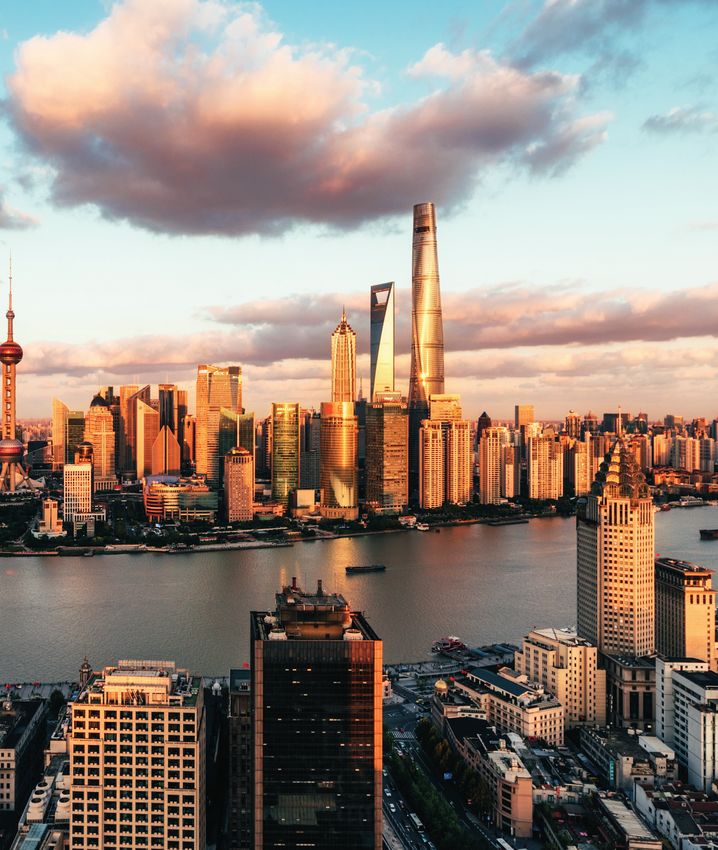
Shanghai Tower
Shanghai

                                                                                                  1
DESIGN FORECAST
HOW TO NAVIGATE THIS DOCUMENT DESIGNING FOR THE HUMAN EXPERIENCE IS THE FUTURE OF DESIGN
Design Forecast is a collection of more than 200 trends impacting design across the People are the one constant in this era of dramatic change. This historic confluence of change means that, as designers,
globe. We have organized these trends into three main chapters: Work, Lifestyle, and we must rethink and reinvent how people experience every aspect of their lives and the places and spaces that they live
Cities. Each of these chapters is further organized by specific industry, and includes in. The best experiences anticipate their needs, tap into their emotions, and engage the senses. More than ever before,
examples of how these trends have impacted our work with clients. there is an opportunity to create a better world through people-centered design.
We see five global forces that are impacting businesses, cities, and human experience around the globe: unprecedented
demographic shifts, technology-driven disruption, rapid urbanization, climate change, and global volatility.
WORK p. 4
WORKPLACE p. 6 PRODUCT DEVELOPMENT p. 34 OFFICE BUILDINGS p. 38
Technology
p. 8
Media
p. 22 CONSULTING + REAL ESTATE
Development
p. 40
DEMOGRAPHIC SHIFTS
Major changes to the world around us create new challenges, and design needs
Legal Financial Services SERVICES p. 36 Build-to-Suit to evolve to be responsive to these pressures. Global migration, rising gender
p. 12 p. 26 p. 42 equality movements, and an aging population are forcing civic and business
Consumer Goods Energy Tall Buildings leaders to come together to improve the human experience.
p. 14 p. 30 p. 46
Foundations, Associations + Sciences Landlord Services
Organizations p. 31 p. 47
p. 20
Management Advisory
TECHNOLOGY-DRIVEN DISRUPTION
Technology is playing a bigger role in our daily lives as it becomes increasingly
Government + Defense p. 33
p. 20 pervasive in places of work and leisure, and embedded in our buildings and
cities. New technology is also disrupting traditional business and city planning
models. Putting people first is critical to unlocking tech’s potential.
LIFESTYLE p. 48
RAPID URBANIZATION
MIXED USE p. 50 HOSPITALITY p. 58 BRAND DESIGN p. 72 RETAIL CENTERS p. 78 With over half of the world’s seven billion people living in urban areas today,
the trajectory of cities will determine the trend lines of human experience
Entertainment Hospitality across the globe. Smart cities could help us finally find solutions to the most
p. 52 p. 58
DIGITAL EXPERIENCE difficult aspects of urbanization: crime, homelessness, elder care, child care,
Residential Integrated Resorts/Gaming DESIGN p. 76 RETAIL p. 82 transportation, unemployment, disease, CO2, inequality, and resilience.
p. 54 p. 63
Consumer Products
Senior Living
SPORTS + CONVENTION p. 85
p. 56
CENTERS p. 64 Service Retail Environments CLIMATE CHANGE
p. 86 Design has a tremendous capacity to help create sustainable, resilient, and
Sports Facilities
p. 68 Department Stores healthy communities. With more than two billion people poised to move to global
p. 87 cities by 2050, the demand for new buildings will rise—and the way we design,
Convention Centers
Food + Beverage build, and operate them will be one of the determining factors in our global efforts
p. 70
p. 88 to address climate change.
CITIES p. 90 GLOBAL VOLATILITY
The economic and political orders that defined the past era are under pressures of
URBAN STRATEGIES + EDUCATION, CIVIC + HEALTH + WELLNESS CRITICAL FACIILITIES change and adaptation, and so are our clients. Emerging regional disparities, often
DESIGN p. 92 CULTURE p. 96 p. 104 p. 108
reactions to globalization, will underscore the importance of local relationships
and design strategies. But even as economic powers evolve, the global economy
Cities + Communities Education Healthcare
continues to concentrate in metropolitan areas.
p. 94 p. 99 p. 106
AVIATION p. 110
Transportation Civic + Culture Wellness
Airports
p. 95 p. 102 p. 107
p. 112
Religious
Airlines
p. 103
p. 112
2 3
TOP TRENDS TECHNOLOGICAL
ADVANCES REQUIRE
COMPETITION FOR
TALENT REMAINS
EXPERIENCE WILL
BE THE REASON
IN WORK AN “ALWAYS IN
BETA” APPROACH
Technology is advancing faster than
TOUGH; GETTING
TOUGHER
In the competition for talent, companies are
PEOPLE COME TO
THE OFFICE
When mass adoption of laptops and mobile
humanity’s ability to adapt to it. Office struggling to attract and retain skilled phones untethered people from their desks,
buildings and workplaces must embrace employees. From 2017 to 2027, it’s predicted it also disrupted how and why people come
the speed and continuity of change, the US will face a shortage of 8.2 million into the office. Today, people come to work
experimenting and navigating uncertainties laborers—the most significant deficit in the for the experience. The Gensler Experience
by piloting and testing. Organizations that past 50 years. To succeed, organizations must IndexSM cites that while nearly 80 percent of
anticipate disruption will be a step ahead of put people first: investing in the individual, executives rate employee experience as very
the competition, as they learn to leverage the diversifying work spaces, and reinforcing a important, only 22 percent reported their
opportunities that change offers. shared culture and mission. own companies as excellent at delivering a
The rising power of the individual and the ubiquity of differentiated experience. To engage talent,
the workplace must prioritize experience—
technology are dissolving the work-life divide. Purpose and it’s no longer just an option.
connection are increasingly important. People are living
integrated lives; the workplace of the future must incorporate
experiences to reflect this mindset. Organizations that INCLUSIVITY PEOPLE WANT TO COWORKING IS
understand what motivates their teams—what drives them to DRIVES BUSINESS BE WHERE THE IN—BUT NOT
PERFORMANCE ACTION IS; THAT’S WITHOUT BRANDING
succeed and engage—will have the competitive advantage. IN THE CITY AND CULTURE
As part of a business strategy, diversity and Cities around the world are where the action Today’s businesses are adopting coworking
inclusion are often driven by the interests is; and they’re growing at an unprecedented platforms to forge synergies, spur
of customers and clients, but also by the rate. Contributing more than 80 percent innovation, and bring new ideas into play
well-being of professionals and their of global GDP, urban areas are where the rapidly. As companies weigh the pros
opportunities to achieve success. That innovation economy concentrates. They are and cons of coworking, there are some
means organizations must foster an also where talent wants to be. Companies critical considerations. First, it’s crucial to
environment where people feel comfortable are increasingly choosing to locate in differentiate. Second, there’s no one-size-fits-
having a dialogue not just about their cities too. The best of their workplaces will all approach, and just offering generic space
similarities, but about the differences and develop a synergistic relationship with their is not the answer. Third, design should be
uniqueness they bring to the table. cities—leveraging existing assets for their a differentiator. Successful coworking
employees, and providing amenities and spaces are branded, hyper-personalized,
creating local partnerships that benefit their and experience-driven—making people
bottom line and local communities. With the feel connected to the organization’s brand
rise of the city, the workplace must integrate and culture.
itself with its urban environment.
WORK
WORKPLACE p. 6 PRODUCT DEVELOPMENT p. 34 OFFICE BUILDINGS p. 38
Technology Media Development
p. 8 p. 22 CONSULTING + REAL ESTATE p. 40
Legal Financial Services SERVICES p. 36 Build-to-Suit
p. 12 p. 26 p. 42
Consumer Goods Energy Tall Buildings
p. 14 p. 30 p. 46
Foundations, Associations + Sciences Landlord Services
Organizations p. 31 p. 47
p. 20
Management Advisory
Government + Defense p. 33
p. 20
4 5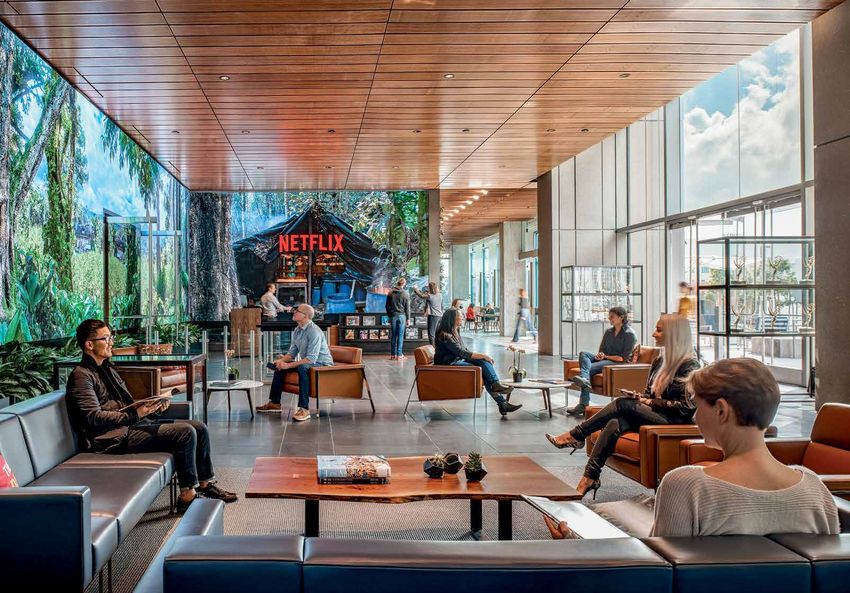
WORK SECTOR WORKPLACE INDUSTRIES
WORKPLACE:
Technology
Legal Gusto, San Francisco
Consumer Goods
FORECAST
Foundations, Associations + Organizations
Government + Defense An office designed to feel like home
Media
Financial Services San Francisco’s Pier 70 was once home to one of North America’s
Energy largest industrial complexes and has been used for shipbuilding
Sciences since the Gold Rush. Today, it has undergone an extensive
restoration and rehabilitation effort, bringing public event
To establish the future of the workplace, we must think beyond Management Advisory
spaces, residences, and corporations—including Gusto—to
the former shipyard.
where we are today, anticipating where the world is headed. We
This San Francisco–based tech firm embraced its historical building,
envision a future where workplace design is directly connected and the redesign celebrates the industrial scale, while capturing the
company’s belief in interpersonal connections and entrepreneurial
to outcomes for people, environmental performance, and energy. To start the design process, Gusto and Gensler worked
together to obtain extensive employee input. Gusto’s culture speaks
business intelligence. It begins and ends with your talent. through the space, with unique design elements to honor its people
and its clients. Among the elements are a staff shoe cubby that
supports the office’s no-shoes policy (and emulates a feature at the
founder’s house where the company was conceived); a living plant
wall; and a mural designed and painted by employees. The entire
office is open, with a large central mezzanine. A combination
of structural elements with natural materials and modern textiles
31B &
creates a sense of friendliness and comfort germane to Gusto.
CONNECTION TO
“Organizations will not only need to MEANING MATTERS Learn more: gensler.com/DF18-1
redesign work—they will likely need to In the war for talent, connecting
employees with the mission,
redesign work environments to support purpose, and meanings behind
4.8B
this new kind of work.” their work is imperative for
—Deloitte Review, “Navigating the Future of Work” retaining and growing a world-
class organization.
TOP TALENT VALUES BEING A PART OF THE URBAN CORE
By 2020, 31 billion devices As people, and work, continue to shift toward urban centers—and
and 4.8 billion people will be development trends create more urban experiences everywhere—work- PRIORITIZE EMPLOYEE
connected to the internet. EXPERIENCE & EFFICIENCY
place and amenity strategies will shift accordingly. The best workplaces
—Gartner, Inc.
will develop a synergistic relationship with their local communities— Three factors influence employee
leveraging assets that already exist for their employees to use, and experience at every organization:
IoT: NO LONGER A NOVELTY providing amenities or creating local partnerships that can benefit culture, technology, and the
We are entering an increasingly not just their workforce, but the local community too. physical workplace. Finding the
complex technology landscape in sweet spot is paramount; people
the workplace, and companies are come to work for the experience.
4x
grappling with which technologies
to integrate and how to integrate INTEGRATING TECHNOLOGY Experiential organiz-
ations have 4 times
them for maximum impact. The WILL YIELD BETTER higher average
workforce is already accustomed to EMPLOYEE EXPERIENCES profits and 2 times
interacting with internet-connected Technology continues to seep higher average
revenues.
devices: from their cars, to fitness into every aspect of our lives,
—Gensler Experience
equipment and vending machines. through the increased power and Index SM
prevalence of personal technology
Now, in a dizzying attempt to that continues to integrate into
leverage the latest technology, spaces of all types. The Gensler COWORKING REQUIRES
3.7x
companies are experimenting with Experience Index found that BRAND REINFORCEMENT
connected screens, smart tables employees whose workplaces There’s no denying coworking
with built-in connectivity, electrical have the latest technology report is on the rise. No longer a place
systems, cameras, infrared sensors, a great experience 3.7 times reserved for small businesses,
climate control, net-zero buildings, more often than those whose startups, and freelancers,
and lighting controls, with new workplaces do not have the the perks of coworking spaces
systems coming online nearly latest technology. Additionally, Employees whose workplaces appeal to more and more large
have the latest technology report
every day. Organizations that those who are empowered to a great experience 3.7 times more corporations that are moving
harness this power—and are able “unplug” throughout the day are often than those without. their employees into those spaces.
to use their data in real time and 1.5 times more likely to report a —Gensler Experience Index SM Although capital costs may seem
without sacrificing the employee great experience. reduced if workspaces remain
experience—will be more agile in as is, companies will risk losing
our quickly changing world. strategic opportunities to
reinforce their brand, culture,
and corporate mission in their
one-size-fits-all environments.
6 7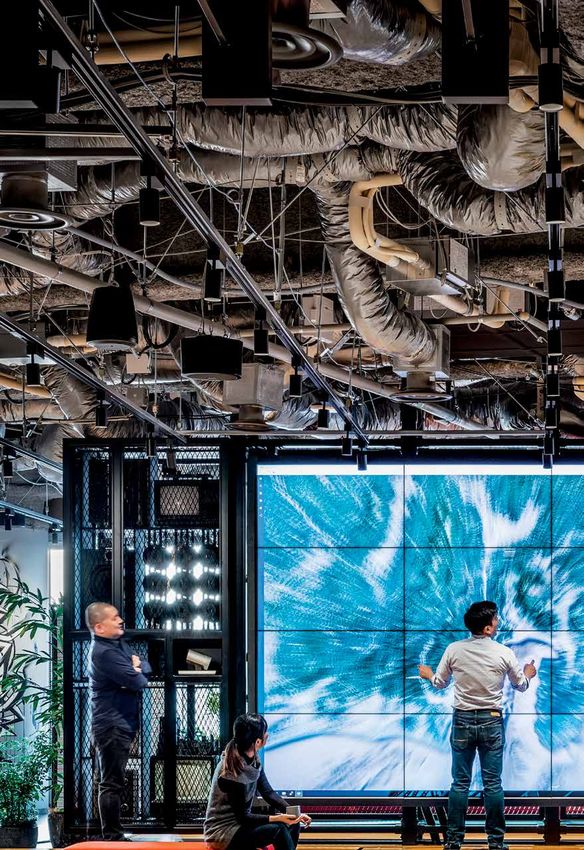
Gensler Design Forecast

                                                                                                                                                                     Adobe, San Jose, CA

               Work Sector > Workplace >                                                                                                                             A reimagined employee experience

               TECHNOLOGY                                                                                                                                            Adobe’s newly reimagined headquarters highlights its creative,
                                                                                                                                                                     innovative, and collaborative culture with inspirational design and
                                                                                                                                                                     aesthetics. The workspaces transform the employee experience by
                                                                                                                                                                     encouraging interaction and reinforcing a sense of community that
                                                                                                                                                                     inspires exploration and participation.
               TECHNOLOGY WILL DEMAND                   DIVERSITY AND INCLUSIVITY                 COWORKING SERVES AS A
               THAT DESIGN RUN DEEPER                   ARE FUNDAMENTAL                           TOOL TO NAVIGATE CHANGE                                            Learn more: gensler.com/DF18-2
               We know that the technology sector       Technology companies must foster          In an industry where unpredictable
               will continue to break boundaries,       an environment of authenticity and        growth is the name of the game,
               creating new challenges as it solves     openness, as teams perform better         coworking has become an essential
               them. This time, tech will demand        when individuals bring unique             element to navigating constant
               that design run deeper through           ideas to the table. Developing an         change. People in tech spend less time
               its communities, buildings, and          inclusive culture is important for        at their assigned locations than non-
               experiences. Optimizing the physical     any organization, particularly when       tech workers, which correlates to the
               workplace to support new methods of      business depends on the value             high innovation of their companies.
               working, to attract and retain talent,   created by the expertise of its people.   In 2005, tech workplaces dedicated 89
               and to enhance the human experience      Dynamic workplaces that encourage         percent of space to individual desks.
               are some of the strategies tech firms    employees to move, adapt, and adjust      Today it’s 25 percent, and by 2025,
               are doing to foster innovation.          the space to suit their needs can         individual desks may not exist.
                                                        reinforce inclusive policies.

    Instagram
    Menlo Park, CA

8                                                                                                                                                                                                                                          9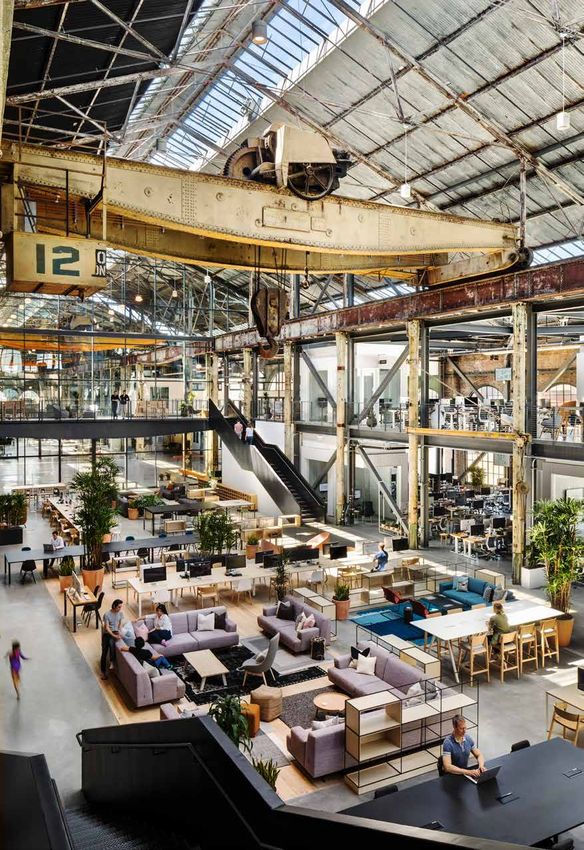
Microsoft, Dublin, Ireland

 Neighborhood zones cater to all
 work models
 For its new headquarters, Microsoft wanted to break down barriers
 and find new ways of working to empower employees, optimize
 operations, and engage customers, while uniting 2,000 employees
 of 72 different nationalities into one integrated location. Taking a
 human-centric approach, Microsoft created a design concept called
 Microsoft Island, which maps out how employees—varying in roles
 from developers, who may gravitate to the caves and mountain to
 seek peace and quiet; to salespeople, who arrive at the harbor to
 engage with visitors; to business support professionals, who huddle
 around the campfire to share information in social hubs—interact
 with the space. With people, environment, technology, and curation
 as core principles, the space connects everyone and everything—to
 strengthen relationships, build community connections, and fuel
 innovation under the new “One Microsoft” vision.

 Learn more: gensler.com/DF18-3

10                                                                      11
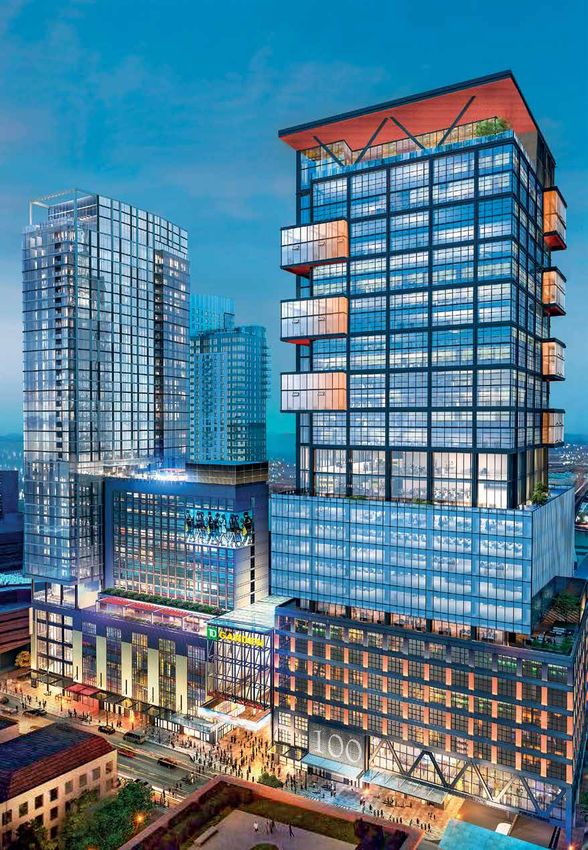
Gensler Design Forecast

                                                                                                                                                            Jackson Walker
                                                                                                                                                            Dallas

                                                                                                           Hogan Lovells
                                                                                                           Philadelphia

     Work Sector > Workplace >

     LEGAL
     LAW FIRMS BECOMING MORE                   FOR LAWYERS, INNOVATION IS               DOING MORE WITH LESS
     AGILE, FLEXIBLE                           ABOUT HAVING OPTIONS                     As rents and occupancy costs
     According to the Gensler Research         Providing a balance of work settings     continue to rise, law firms are
     Institute, offices in top law firms are   within the office that gives employees   focusing on becoming more efficient
     only 50 to 60 percent occupied on         the choice of when and where to          by adopting alternative workplace
     any given day as lawyers travel and       focus, collaborate, and socialize as     strategies. The challenge all law firm
     work remotely. Firms that implement       needs dictate results in a high-         leaders face is to thoughtfully balance
     office-sharing programs, or even free-    performance workplace. The Gensler       business (efficiency) decisions with
     addressing, realize a more dynamic        2016 US Workplace Survey shows           cultural (experiential) drivers.
     and efficient working environment.        a 12 percent increase in employee        To do so, firms are typically leasing
                                               satisfaction when employers offer        less space while accommodating
                                               this choice.                             more lawyers.

                                                                                                                                                            Latham & Watkins
                                                                                                                                                            Washington, DC

12                                                                                                                                                                             13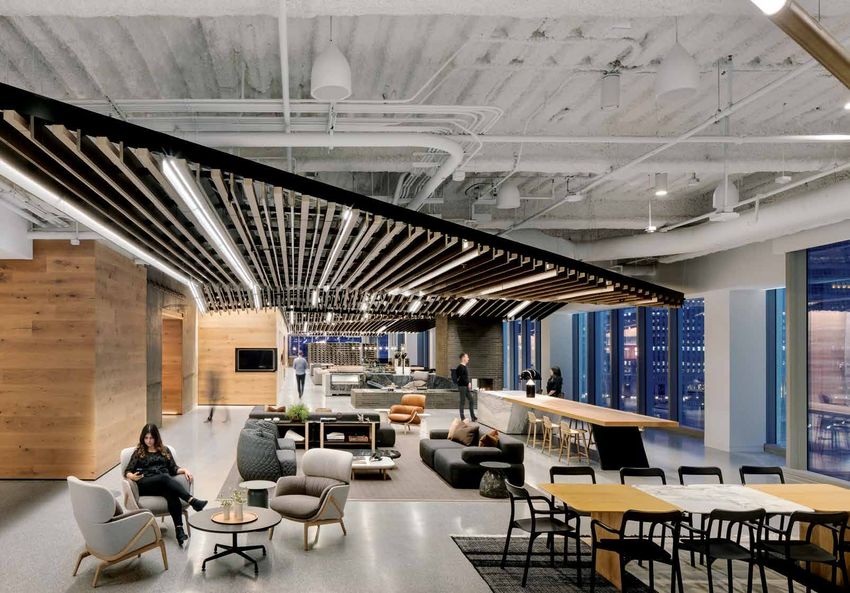
Gensler Design Forecast

            Work Sector > Workplace >

            CONSUMER GOODS
            EXPERIENCE CENTERS                        TAKING CUES FROM RETAIL                 BUILDING A CUSTOMER-
            PROVIDE CONSUMER INSIGHTS                 Workplace design, particularly in the   CENTRIC CULTURE
            Customer experience centers—              consumer goods market, will learn       Brands can only succeed by tapping
            increasingly embedded alongside           from the retail sector, strengthening   into the values and priorities of their
            corporate offices—serve as laborato-      face-to-face product development and    customers. Diversity, inclusivity, and
            ries, where companies refine their        innovation. Analog is still extremely   knowledge are consistently among
            brands and how they relate to their       important for consumers and a           the most valued qualities across
            target customers. According to Forbes,    company’s employees. Although           all generations. Workplace designs
            last year the top objective for 75 per-   adopting a “mobile-first” strategy      that promote these values, allowing
            cent of executives was to improve         is key to connecting with future        employees to live the brand, will
            customer experience. On-site experi-      customers, an omnichannel strategy—     better reinforce the corporate mission
            ence centers provide first-hand and       one that bridges physical and digital   and its contribution to the world.
            actionable consumer insights.             worlds—is necessary to succeed.

 Red Bull Regional Headquarters
 Atlanta

 Edrington Spirits
 New York

                                                                                                                                                                  Joe’s Jeans
                                                                                                                                                                  Los Angeles

14                                                                                                                                                                              15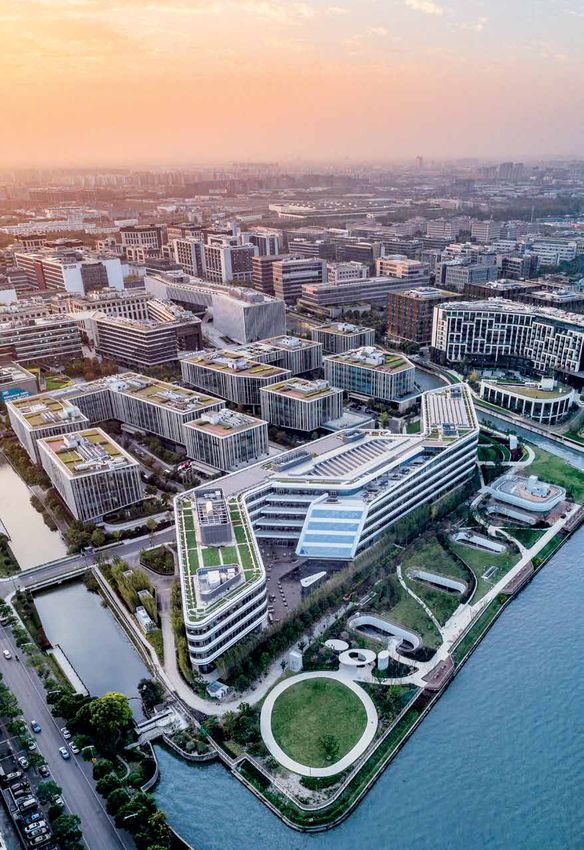
Gensler Design Forecast

                               Hyatt Global Headquarters, Chicago

                               A hospitality-infused
                               headquarters
                               Hyatt’s new global headquarters, the Hyatt Hub,
                               brings the Chicago-based hospitality corporation’s
                               colleagues together under one roof. With the
                               creation of countless opportunities for connection
                               and innovation in their workplace, the worldwide
                               workforce more effectively integrates with Hyatt
                               HQ—nurturing a shared culture.

                               Just as Hyatt is unscripting their hotels, this new
                               headquarters frees employees bound to a traditional
                               work environment. The design ensures a new
                               experience for Hyatt employees, in a way that meets
                               their needs and supports the way they work. No
                               more “one size fits all.” In customized WorkSuites,
                               the best attributes of private offices—privacy,
                               the ability to meet on demand, and a sense of
                               ownership—combine with the best attributes
                               of open plan environments—flexibility, camaraderie,
                               and lateral awareness—in a new model workplace
                               strategy. Connected with a monumental brick
                               stair, the WorkSuite floors are paired with localized,
                               social, and collaborative hubs that provide
                               neighborhood-level interaction with sweeping
                               views of the Chicago cityscape.

                               Hyatt’s new headquarters—
                               The Hyatt Hub—prioritizes
                               interdisciplinary thinking and
                               collaboration to invigorate its
                               distinctive brands.
                               Looking at the employee experience through the
                               lens of the guest experience and inspired by the
                               intertwined legacies of the Pritzker Architecture
                               Prize and Chicago’s architectural heritage, Hyatt’s
                               new headquarters floats above the confluence of
                               two branches of the Chicago River as a new urban
                               landmark. The buzzing, active coworking lounge,
                               complete with customized food and beverages
                               offerings, serves as a community hub—connecting
                               the work floors above to the heart of the company’s
                               culture. It’s the new, hospitality-infused front door
                               for Hyatt.

                               Learn more: gensler.com/DF18-4

16                                                                                     17
Gensler Design Forecast Reebok Boston Headquarters Relocation, Boston Rediscovering the soul of a startup To reclaim its title as the premier fitness brand, Reebok made a transformative decision to relocate its suburban headquarters to a five-story, 220,000-square-foot urban location in Boston’s Seaport District. The new headquarters is a catapult for attracting top-tier design talent, energizing its innovation and maker culture, and amplifying its global brand visibility with a community focus. An activity-based workplace To support a stimulating creative culture and to fulfill its mission to become the fittest workplace in the nation, the new headquarters features a shift to an activity-based workplace with unassigned seating for all, including product design and development teams. Fostering product innovation Reebok’s workplace reflects the evolution of its brand, celebrating its heritage, laying the groundwork for its continuing success, and better positioning the brand for an even brighter future. Design studios and showrooms are directly adjacent to the maker space and labs, where products are prototyped, tested, reimagined, and customized to respond to the increasing speed to market. Drawing on the creative energy of the city and Reebok’s “craft” influence, this new workplace attracts talent to the innovation community by supporting next-generation design thinking. Living the brand Visible at street level, transparent garage doors showcase Reebok employees working out in the industrial two-story gym as brand-in-motion, offering Boston’s widest range of wellness programs. A gym membership costs $75 per month for Reebok employees, though the fee is cut by $7.50 each time an employee uses the facility—an incentive to work out at least 10 times per month. Learn more: gensler.com/DF18-5 18 19
Gensler Design Forecast

Work Sector > Workplace >

FOUNDATIONS,
ASSOCIATIONS +
ORGANIZATIONS
THE FUTURE WILL BE DRIVEN
BY PURPOSE
One of the key findings of the Gensler 2016
US Workplace Survey is that employees in this
sector are four times more likely to attribute
job satisfaction with organizational mission
rather than compensation. Purpose-driven
space ensures that users are practicing what
they preach. Just as organizations seek to
advance justice, create resources, and advocate
for others, the people who do the work must
feel advocated for and valued for their time and
passion. It’s making sure mission is built into
the everyday experience.

FINDING MEANING IN EVERYTHING
Employers—in every sector—must reimagine
themselves not as enforcers of productivity,
but enablers of meaning. Today, meaning is
found in everything: from where products
are sourced, to corporate positions on public
conversation, and inclusive policies, to name a
                                                                                                                                                   The Honor Foundation, Courtesy of
few areas that employees and consumers value
                                                                                                                                                   Alexandria Real Estate Equities, Inc.
when making a choice about engagement.                                                                                                             San Diego
Employers can use storytelling in brand,
design details, and programming to reinforce
meaning in the built environment.
                                                                                                 INSIGHTS FROM THE GENSLER RESEARCH INSTITUTE

                                                                                                    Meaningful Workplace Design
Work Sector > Workplace >                                                                           Employers must reimagine themselves not as
GOVERNMENT +                                                                                        enforcers of productivity, but as enablers of purpose.
                                                                                                    Employees with a strong connection to their work
DEFENSE                                                                                             are more innovative and find greater purpose.

CELEBRATING CIVIC PRIDE
THROUGH DESIGN
Government buildings have long served as
community anchors, stimulating development
in surrounding areas and instilling a force
of stability in the community. In disruptive
times, look for government agencies to
celebrate civic pride and a sense of place
through design excellence. Reinforcing
the mission of the agency through design
excellence, environmental graphics, and
digital displays boosts employee engagement
and innovation.

                                                                   New Embassy of the State of
                                                                   Kuwait, Design Competition       Download the white paper: gensler.com/DF18-6
                                                                   Washington, DC

20                                                                                                                                                                                         21
Work Sector > Workplace >
MEDIA
CREATING CONTENT 24/7
Content creation has been democratized.
Thanks to smartphones, YouTube, and a host
of other digital tools, now anyone can create
content. Given this shake-up in media, media
companies are looking to create content any
time, any place, and any way they can. That
means the entire workplace must be designed as
a platform for content creation, where tailored
material can be produced at a moment’s notice,
The Culver Studios
including for informal and open spaces.
Culver City, CA
INVITING THE AUDIENCE IN
The competition for eyeballs is growing more Sony Entertainment Pictures
intense. That’s why some media companies Los Angeles
are looking beyond the screen to connect with
audiences. They’re welcoming the public in,
offering engaging environments and brand
experiences. From innovation spaces to
auditoriums, environments that tap into
today’s culture of sharing and collaboration
help to sustain key audience connections.
LEGACIES WILL EVOLVE
It’s easy for a media company to lose sight
of its identity given today’s challenges:
acquisitions are driving storied brands
to change, the boundaries of media and
technology are blurring, and shifts in audience
behaviors and demographics are spurring new
engagement strategies. But there’s real value
in celebrating brand legacy. The most
innovative media companies’ workplaces
showcase their history even as they embrace
21st Century Fox
a more digital and open mode. New York
22 23Gensler Design Forecast
Netflix, Hollywood, CA
New media ushers in the
next golden era
Rapidly evolving business models and new
technologies are facts of life in the media industry.
That’s why it’s key that media workplaces are able
to be easily re-tailored to accommodate whatever
changes come over the horizon. No one wants
to tackle an expensive renovation every few years
because industry shifts continuously render a
space obsolete.
In its new space in the ICON building at Sunset
Bronson Studios in Hollywood, Netflix worked
with Gensler to design its workplaces to respond
to its rapid growth, collaborative culture, and an
unprecedented pace of change.
Upon entering the 15-story campus, team members
and visitors are greeted with floor-to-ceiling, wall-
to-wall digital displays showcasing Netflix’s newest
content. The constantly changing content celebrates
the efforts of its production teams while reinforcing
the company mission. The bright entry also hosts
a large coffee bar that employees and guests are
welcome to enjoy.
The workplace is designed
to directly support Netflix’s
unique culture: one that is
laser-focused on helping its
people to achieve excellence.
In work areas, measures such as adjustable
workstations can be quickly reconfigured or moved,
along with power outlets and AV that are equally
mobile, to allow people to tailor their spaces
as needed. A large central staircase spans the
2nd to 14th floors, creating a dynamic central axis
of activity for the media giant. Along the stairs,
individual small pantries are built into each floor,
with every other floor housing an espresso machine,
to promote casual collisions.
The vertical campus responds to trends that are
playing out across the media industry, and in the
work sector at large. Collaboration is paramount. The
increased focus on user engagement and experience,
across all platforms and spaces, has opened up new
design opportunities for media.
24 25Gensler Design Forecast
Work Sector > Workplace >
FINANCIAL SERVICES
TECHNOLOGY REDEFINES MARKET SHIFTS DEMAND DISRUPTION LAUNCHING NEW
FINANCIAL SERVICES ROLES MORE AGILE WORKPLACES ERA OF INNOVATION
Artificial intelligence (AI) is Global economic power centers are Financial services firms are facing
permeating the workplace, displacing shifting toward emerging markets. unprecedented competition from
traditional financial services roles, Financial services firms must adapt to nontraditional competitors, unleashing
while creating new tech-focused jobs. cultures, customer preferences, and disruption and innovation equally.
This new and diverse talent pool consumer values in each local market. To meet this, firms are building
values collaboration, transparency, Expect to see additional flexibility out innovation centers, incubation
and a more casual environment. in the built environment in order to labs, and analytic centers to develop
support a dynamic workforce. new products and services that
meet consumer needs in new,
seamless ways.
NCR
Atlanta
Hudson River Trading
New York
26 27Gensler Design Forecast LoyaltyOne Toronto Mastercard LoyaltyOne Miami Toronto 28 29
Gensler Design Forecast

     Work Sector > Workplace >   FOCUSED ON CULTURE                     AMENITY SPACES REFLECT
                                 AND ENVIRONMENTAL                      NEW ENERGY
     ENERGY                      STEWARDSHIP                            To convey their commitment to leading
                                 Like all other sectors, energy         technology and engineering, energy
                                 companies are feeling the squeeze      companies need to be equipped with
                                 for top talent. Demographic shifts     world-class facilities. Energy campuses
                                 mean that employees are expressing     today are designed to provide all the
                                 concerns—and ideas—about the           tools and resources to foster improved
                                 role of energy companies in society.   employee collaboration, creativity,
                                 Energy companies stand to gain from    innovation, and well-being.
                                 their people’s passion. Innovation
                                 and workplaces that support it are
                                 fundamental to attracting talent.

                                                                                                                                                                                                                            Confidential Sciences Client

                                                                                                                                   Work Sector > Workplace >   LOOKING BROADLY TO BUILD                   AI IS HERE TO AID—NOT
                                                                                                                                                               COMMUNITY, INNOVATION                      REPLACE—RESEARCHERS
                                                                                                                                   SCIENCES                    To catalyze innovation, reduce overhead,   The promise of AI is in recognizing
                                                                                                                                                               and accelerate speed to market, research   patterns within unfathomably large data
                                                                                                                                                               organizations are developing new           sets that could not possibly be processed
                                                                                                                                                               types of partnerships. Technology has      by a single scientist. But only people turn
                                                                                                                                                               enabled multidisciplinary research and     data into insight. Collaboration between
                                                                                                                                                               development teams to be geographically     bench scientists and computer scientists
                                                                                                                                                               dispersed, and even outsourced. Space      is accelerating the discovery process,
                                                                                                                                                               types and ways of working are evolving     as well as reconfiguring how employees
                                                                                                                                                               to bring physical and virtual networks     interact with space. Space design is
                                                                                                                                                               together effectively. These partnerships   anticipating advances in robotics and
                                                                                                                                                               will help shape the next model of inno-    automated scientific processes, and
                                                                                                                                                               vation. For that, physical and digital     integrating technology to communicate
                                                                                                                                                               connections are essential.                 with collaborators around the globe.

                                                                                         Electricity & Cogeneration                                                                                                          Johnson & Johnson Center for
                                                                                         Regulatory Authority                                                                                                                Device Innovation
                                                                                         Riyadh, Kingdom of Saudi Arabia                                                                                                     Houston

30                                                                                                                                                                                                                                                          31
Gensler Design Forecast
Work Sector > Workplace >
MANAGEMENT ADVISORY
INNOVATION IS THE TAILORED EXPERIENCES DIFFERENTIATION REQUIRES
DELIVERABLE BUILD COMMUNITY, ENGAGED AN EMOTIONAL CONNECTION
The drive to increase results through INDIVIDUALS The highly competitive nature of the
innovation is directly tied to the To build a binding team that marketplace for talent drives the need
work environment, as shown reinforces a strong client-focused to make the workplace a differentiator.
by the Gensler 2016 US Workplace energy, the workplace must engage This creates an imperative for a
Survey. Supporting a wide range directly, and on a more personal level. “wow” moment: a deliberate design
of behaviors whose ebb and flow is Tailored client and staff experiences that evokes a visceral emotional
not entirely predictable means design drive higher levels of service. Culture connection with both staff and clients.
should be as agile as possible, adap- manifests itself through its people These moments may be graphic or
table without requiring additional and can be reinforced and humanized a dramatic volume that inspires and
hard construction or acquisition of by borrowing from the sensibilities, generates wonder. Creating a design
new furniture. systems, and services often found in that communicates and infuses the
hospitality environments rather than workplace will engage employees,
corporate typologies. clients, and the community at large.
The Boston Consulting Group
New York Confidential Consulting Client
32 33Gensler Design Forecast
WORK SECTOR
PRODUCT
DEVELOPMENT:
FORECAST
Great products start with great insights, and great insights are
powered by a broad perspective. Workspaces today need to
empower the whole person, creating environments and product
solutions that benefit the worker’s physical, emotional, and
psychological well-being and support an organization’s success.
QUIETING THE NOISE IN THE DESIGNING FOR AN
OPEN OFFICE INCLUSIVE ENVIRONMENT “Because our design solutions are rooted
As more workspaces adopt an Universally accessible spaces in our industry-leading global workplace
open plan, they need to provide that respond to the needs of
spaces for collaboration as well as the greatest range of users
research, we can deliver designs that
concentrated, heads-down work. will be thought through to the support how people do their best, most
Sound is a big issue, but products smallest detail, and the best productive work at the office.”
can work harder to mitigate design solutions will maximize —Andy Cohen, Co-CEO, Gensler Humanscale Summa
noise in the open office, offering inclusivity with no sacrifice
individuals respite from many of to aesthetics. Even pulls for
the issues experienced in the open custom cabinetry can be MEETING THE NEEDS OF A CHANGING WORKPLACE ECOLOGY
office, or allow people to quietly designed to be beautifully As the workplace continues to Residential Sensibility: A uni-
collaborate among their peers. minimal while remaining shift to reflect the diversity of que combination of materials
operable without pinching, ways people work, products offers choice of styles—from
wrist twisting, and simultaneous need to address end users’ detailing to a spectrum of fabrics,
hand and finger manipulation. changing needs in ways that textiles, and work surfaces.
allow for customization of space.
When we control for the factors Configurability: Configurable
that are most important to components allow businesses to
individual workplace perfor- design branching systems with PBA
mance, any space type can be versatile work zones—as well as
highly effective. reconfigure the same product suite
ABOUT GENSLER PRODUCT DEVELOPMENT into traditional benching layouts
There are four key elements to with ease.
Product solutions to support consider for creating an
optimal work environment: Enhancements: Integrated
workplace innovation enhancements permit
Our product development practice works Flexibility: Space planning customization such as free-
with manufacturers and clients to create solutions should allow standing carrels that create zones
products that respond to how workers work organizations and individuals for concentration, or height-
to create environments for both adjustable work surfaces and
now. By exploiting new materials, the latest
concentrated work and cross- privacy screens that enable
technologies, and evolving needs, we design functional collaboration. personalization of workstations.
a variety of highly functional products that
enable innovation.
A COMMON LANGUAGE HELPS SPEED TO MARKET
Project time frames are shrinking, and older properties are being
refreshed to address newer ways of working and design trends. To reach
the speed to market, bridges need to be formed between industries.
Creating platforms that promote a common language will help designers
make more effective decisions when specifying products and materials,
without sacrificing design intent or adding lead times.
Meet the practice: gensler.com/DF18-7 Stylex Umbra
34 35CONSULTING + REAL ESTATE Gensler Design Forecast
WORK SECTOR SERVICES INDUSTRIES
CONSULTING +
Consulting
Real Estate Services ABOUT GENSLER CONSULTING + REAL ESTATE SERVICES
REAL ESTATE
Work Sector > Consulting
Strategies for the Workplace in “Beta” + Real Estate Services >
Intelligent systems, new types of building software,
CONSULTING
SERVICES: FORECAST
and sensors are allowing for unprecedented
connections between people and the places they STRATEGY
live and work. Our Consulting and Real Estate
practices integrate and apply software, data, and
Research-driven thinking will help organizations improve intelligence to activate place and empower people COWORKING A PLUS—BUT
ONLY WHEN DONE RIGHT
performance and gain competitive advantage through thoughtful and organizations to innovate.
Coworking is disrupting the real
design. This process should embrace both physical environments Meet the practice: gensler.com/DF18-8 estate industry as the two primary
players—developers and cowork-
and human experiences, putting people at the center. In the digital ing providers—shape the landscape.
age, data is the key to creating meaningful differentiation. Organizations that invest in creating
Those who used standing desks 12%
higher workstation
customized coworking spaces will
more responded more positively satisfaction for those
with standing desks
reap the benefits of having a more
about their workstation. vs. those without. engaged workforce that is tied to its
mission and purpose.
SOCIAL NETWORKS DISRUPTION REQUIRES NIMBLE REAL ESTATE STRATEGIES PARTNERSHIP,
INCREASINGLY CRITICAL TO The average life span of companies in the S&P 500 is expected to drop to TRANSPARENCY ESSENTIAL
A GREAT WORK EXPERIENCE just 14 years by 2026, according to Innosight. With so many companies PARTS OF CHANGE DESIGN WILL FOCUS ON
Culture and community are restructuring, shrinking, and merging, nearly every resource must MANAGEMENT Peak Utilization HUMAN CONNECTIONS
important drivers of a positive become more flexible—including real estate. Most change management pro- The peak utilization of personal desks occurs between 11am and 2pm. We have all the tools and technology
work experience. The Gensler grams fail, perhaps because they This kind of data allows design to match use patterns and save on space. to connect and collaborate efficiently,
Global Workplace Survey focus primarily on communicating 100%
yet we struggle to connect and col-
finds that the most innovative information. Success is more likely laborate effectively. Has all this great
employees report socializing at
“Research suggests that more than 30 through initiatives that require
90%
80% technology begun to cost us valuable
work up to three times as much percent of high-paying new jobs will be active co-creation and engagement. 70%
human connections and interactions?
Average Utilization
social and ‘essentially human’ in nature.”
60%
as other employees. To support Now, more than ever, work environ-
50%
60-70%
building these connections, some —Deloitte, “Navigating the Future of Work” 40%
ments play a critical role in fostering
companies are experimenting 30% these human connections.
with apps that enable colleagues 20%
10%
to connect over shared interests.
A SPIKE IN COWORKING SPACES
0%
9:15 AM 10:15 AM 11:15 AM 12:15 PM 1:15 PM 2:15 PM 3:15 PM 4:15 PM 5:15 PM
Work Sector > Consulting
+ Real Estate Services >
Global coworking spaces will grow from 14,411 in 2017 to over 30,000 Organizational change efforts fail 60 to
in 2022. The number of worldwide coworking members will nearly
triple to over 5 million.
70 percent of the time.
Location within Office REAL ESTATE
SERVICES
—Harvard Business Review
People who sit along the window are more satisfied with
77%
43.5 76.2
their workstation than those in the center of the office.
62.5 AVE
14,411 30,000 ENGAGED EMPLOYEES ARE
CORE TO YOUR BUSINESS
HARNESSING DATA
Global clients are driven by an
Having an engaged workforce is enormous influx of data to inform
Of the most innovative people, a core business strategy. Yet only innovation and drive their businesses.
77 percent have fun at work. 32 percent of employees around According to Forbes, the world will
—Gensler Workplace Survey, 2016 SM create 180 trillion gigabytes of data
2015 2020 2025 the world report that they are
engaged at work. Organizations by 2025—an 18-fold increase from
—Global Coworking Unconference Conference
need to look beyond physical space 2015. To optimize their operations,
to build a culture and provide companies will need to expand their
opportunities for personal growth. capabilities to harness and interpret
65% SMART BUILDINGS CRITICAL TO WORKPLACE EXPERIENCE their internal workplace data.
Workplaces are increasingly designed for how people connect to their
Meeting by Size
Conference rooms, huddle rooms, and informal meeting rooms
environment through mobile and wearable technology, as well as the are used most often by groups of two to four people.
intelligence gathered from the sensing and data that these technologies GRADED ON WELL-BEING
enable. As more utilities in the built environment are connected to one Well-being is a key metric applied to
another through the Internet of Things (IoT)—screens, sensors, mobile employers. Yet, the Global Wellness
Of the most innovative people, 1 Person
65 percent socialize at work. phones, cameras, and elevators—the experience of place is increasingly 16% Institute reports that only 25 percent
—Gensler Workplace Survey, 2016 SM about the ways that software services can tailor environments and of people believe their company offers
empower people. The most successful places are immersive, connected, a wellness program out of a concern
and intelligent. 2–4 People for staff well-being. The rest question
61% 5–6 People
11% their employer’s motives. To prove
their support for the well-being of
workers, employers need to show
7+ People how much they value the people, not
13% just the space they work in.
36 37WORK SECTOR OFFICE BUILDINGS INDUSTRIES
OFFICE
Development
Build-to-Suit Johnson Controls Headquarters Asia Pacific, Shanghai
Tall Buildings
BUILDINGS:
Landlord Services
Smart buildings essential to future
of smart cities
FORECAST
The Johnson Controls Headquarters Asia Pacific in Shanghai is a
leading example of design innovation, sustainability, and smart
technology. The new headquarters helps break down silos for
increased collaboration among departments, improves talent
retention, and includes spaces that promote employee well-being.
In an era when anything is possible, and change is certain—if The multidisciplinary design of the headquarters allows it to be a
place where employees, engineers, product developers, and clients
not ubiquitous—the office buildings sector has positioned collaborate and further Johnson Controls’ growth in China and the
Asia-Pacific region.
itself on the leading edge of responding to shifts in consumer Learn more: gensler.com/DF18-9
behavior, technology, and the power of urbanity. Developments that
successfully navigate and plan for these shifts will come out on top.
MAKE IT A DESTINATION GREEN BUILDINGS = HIGHER RETURNS INCORPORATING
By crafting a tenant strategy that COWORKING
mixes live/work/play, developers
Green buildings have proven to be more Tomorrow’s talent demands
are able to create walkable, 24/7 valuable assets than conventional buildings, connectivity. Large, open floor
neighborhoods and increase land with a global average value that is up to 19 plates provide a more connected,
value, no matter the location. percent greater than their peers. Sustainable collaborative environment that
Day-to-night programming can buildings record a 19 percent increase in ROI reinforces a common culture and
draw in the community, which in fosters innovation. The addition
and a 24 percent faster lease-up rate.
turn ups the cool factor—and of coworking space in office
—Ernst & Young, 2017 and USGBC, US Green Building Council, 2015
value—of the building. buildings is one response to how
organizations lease and use
24/7 19%
corporate real estate.
Average Building
Value Increase
2x
AN AMENITIES ARMS RACE
Experience-rich, 24/7 development
creates high-value neighborhoods.
Lease-Up Rate
24% Developers are
one-upping each
other to find the
latest amenity.
Barbershops,
concierge services, and pet-sitting
EMBRACING DISRUPTIVE AUTONOMOUS VEHICLES WILL TRANSFORM are just the beginning. Keep up or
CHANGE OFFICE BUILDINGS lose the edge in attracting
Owning a car may soon become a thing of the past. Though mass ambitious tenants—and their
“The future is here– adoption of autonomous vehicles (AVs) is likely years away, developers talent. The Gensler 2016
it’s just not evenly should be thinking about and designing new projects with them in mind. US Workplace Survey found
10M
distributed.” By 2020, there are predicted to be
that innovators have two times
—William Gibson, Novelist 10 million self-driving cars on the road.
more access to amenities than
—Forbes, 2017 non-innovators.
For building owners and
operators, rapid advances in
technology have the power to The Gensler Research Institute predicts autonomous vehicles will WHY NOT MAKE IT
transform portfolios. From AI completely change cities. Building form will change radically as design DYNAMIC, MIXED-USE?
and IoT to no-rope elevators and is dictated less—or not at all—by parking requirements, which will Tenants favor buildings that
autonomous vehicles, planning decrease dramatically. AVs don’t need to park, allowing garages and combine a mix of uses and make
for and leveraging tech will be a parking lots to be repurposed. Additionally, developments will see more access to transit, food, retail, and
differentiator in creating better expansive drop-off and pickup zones and more active pedestrian-oriented recharge easy. And there’s no
human experiences. entry areas. The lobby design of the future will focus on delivering great reason to go homogeneous
first impressions, welcoming visitors into a new age of interactive anymore. The dynamism of shared
building design. space supports greater connection
and convenience.
38 39Riverwalk Tower
Tampa, FL
Work Sector > Office Buildings >
DEVELOPMENT
ANTICIPATING THE RISE OF CUSTOMIZED TENANT BUILD IN THE THIRD PLACE
DRIVERLESS EXPERIENCES ARE NOW AN FIRST
Autonomous vehicles will drastically EXPECTATION The next generation office building
change the urban landscape and With IoT, cloud-based apps, and will draw employees back to the
developers are recognizing their human sensors, tenants can directly office. Mobility will remain an
oncoming impacts. Convertible tell the building what they want, important part of work, but the value
parking—parking that can be when they want it, and where they of face-to-face remains undisputed.
converted to other purposes without want it. Not only does this lead On-site spaces that support a variety
major design interventions—along to greater system efficiencies and of work modes—including social—
with expansive drop-off and pickup reduced operating costs in buildings, create dynamic developments and
zones are design solutions developers it can lead to improved well-being yield longer-term tenants.
can implement in their buildings and productivity.
today to prepare for these changes.
110 Park Avenue Burj Alshaya
Florham Park, NJ Kuwait City, Kuwait
40 41Work Sector > Office Buildings >
BUILD-TO-SUIT
OPTIMIZE MOMENTS TO REINFORCE
THE BRAND
Companies are adapting the changing nature
of work by refocusing on what really drives
talent: the opportunity to be part of something
meaningful. To win the war for talent, a strong
expression of organizational brand can help
foster a strong culture of innovation that will
attract employees and allow them to thrive.
URBANITY ATTRACTS—AND
RETAINS—TOP TALENT
Today, urban dwellers outnumber rural
dwellers worldwide for the first time in history.
Companies are increasingly recognizing the
importance of being where the talent wants to
be—in cities. Shifting sites closer to transit hubs
and urban areas brings corporations closer to
top talent, universities, and business partners.
HIGH-PERFORMANCE BUILDINGS =
HIGHER-PERFORMING EMPLOYEES
Planning for adaptable infrastructure and
flexible design will enable continuous evolution
in usage, purpose, and performance of custom
buildings. Future corporate campuses should
encourage occupants to be more physically,
mentally, and socially engaged. The Gensler
Workplace Survey shows that a healthy
employee is three times more productive
than an unhealthy one. Mercedes-Benz USA
Headquarters
Sandy Springs, GA
E.& J. Gallo Winery
Johnson Controls Headquarters Dry Creek Building
Asia Pacific, Shanghai Modesto,
Beijing CA
42 43Gensler Design Forecast NVIDIA Headquarters, Santa Clara, CA Innovation requires bringing people together. How do you get 2,500 people to collaborate? Innovation is the lifeblood of the technology industry and depends on strong collaboration, including serendipitous collisions between unlike ideas. As companies become successful and expand, those collisions tend to become less frequent, because as the teams grow, so do their buildings, resulting in siloed work groups and less innovation. Tasked to capture the soul of the company and optimize the creative and collaborative work environment, the design team leveraged a triangular geometry—an iconic symbol for NVIDIA and the tech industry—that reinforced the fundamental building block of the company’s core technology. The new NVIDIA headquarters is a campus in one building. With only two work floors, connection between these floors is enhanced by a variety of oversized staircases that also can be used as places for spontaneous interaction and exchange of information. The central core of the building—its “heart”—is where all amenities, conference rooms, and restrooms are clustered, drawing together all the building’s inhabitants multiple times each day. Here, the main entrance and reception area greet people as they arrive from below-grade parking. High above this central core is a mezzanine of lounges and relaxation spaces—a social environment that doubles as an alternative workplace and another opportunity for natural collaboration. Designing for the “soul” of an organization starts with understanding its people. The new NVIDIA campus focuses squarely on the needs and habits of the people who use it, with a thoughtful design that enhances the working styles, personal experience, and culture of its industry- leading workforce. Learn more: gensler.com/DF18-10 44 45
Gensler Design Forecast

Work Sector > Office Buildings >                                                           Work Sector > Office Buildings >

TALL BUILDINGS                                                                             LANDLORD
MULTIPURPOSE BUILDINGS ARE
                                                                                           SERVICES
THE FUTURE
Single-use office buildings are monoliths                                                  COWORKING INCREASES VALUE
of the past. To maintain relevancy and high                                                As real estate developers continue to
occupancy, tall buildings must adapt to a                                                  battle for fully leased assets, landlords
continually changing mix of uses. No longer                                                are increasingly adding spec and
is a tower a single use for the entirety of                                                coworking suites to respond quickly
its existence.                                                                             to tenant demands. Turnkey solutions
                                                                                           that support brand are critical to
                                                                                           “always-on” agility.

                                                                                           BREATHING NEW LIFE INTO
                                                                                           OUTDATED BUILDINGS
                                                                                           With large stocks of obsolete buildings in
                                                                                           established urban centers, the potential
                                                                                           to transform these into valuable revenue
 1980          1990     2000       2010        2017
                                                                                           generators is limitless. Gensler Analytics
 100 TALLEST BUILDINGS BY FUNCTION
                                                                                           estimates there is more than 185 million
     Office            Hotel           Residential
                                                                                           square feet of office space in the US alone
     Mixed Use         Education
                                                                                           that would qualify for repositioning.
—Council on Tall Buildings and Urban Habitat                                                                                             The Chicago Post Office
                                                                                                                                         Chicago

ELEVATOR INNOVATIONS ADVANCE
BUILDING HEIGHTS
The future of tall buildings will rely on ropeless
elevator technology that will enable limitless
advances in height, direction, creativity, and
flexibility. Moving up, down, side-to-side, and
without height limitations, this technology
enables unprecedented possibilities in the
architecture and design of buildings, increasing
rentable area of typical supertall towers by up
to 20 percent.

                 VS.

One elevator           Multiple cordless elevators
per shaft

                                                      KAFD World Trade Center                                                            500 West 2nd Street
                                                      Riyadh, Saudi Arabia                                                               Austin, TX

46                                                                                                                                                                 47
TOP TRENDS SINGLE-USE
SPACES
FRICTIONLESS,
SEAMLESS DESIGN
TRANSITIONING
TRANSIT CREATES
IN LIFESTYLE ARE BECOMING
OBSOLETE
As people live integrated lives, no one is using
spaces in a single way. Single-use venues are
BECOMES
UBIQUITOUS
Everything is becoming anytime, anywhere,
anyplace—people want immediacy and
OPPORTUNITY
Demand for transit-oriented developments
is increasing as transit-adjacent sites create
being replaced with synergistic, hybrid unlimited access to products, content, and growth centers and maximize pedestrian
destinations; multi-use districts; and places entertainment. As technology permeates activity. Autonomous vehicles and
for 24/7, 365-day interaction. Great brand every aspect of our lives, it’s become ride-sharing services will transform how
experiences respond to and engage with more ubiquitous and invisible, enabling we utilize real estate. There’s a big shift away
people in multiple modes—whether they’re frictionless travel, food, and entertainment from parking to forecast what gets put in its
completing a task, socializing, discovering, experiences. Cross-channel consistency is place—in the interim and the future. These
or being entertained. All kinds of spaces key: spaces need to provide seamless changes will impact land use, security,
A visibly compelling space is no longer enough to require ultimate flexibility. experiences that guide people through
complexity with the same level of
drop-offs, and lobby configuration, while
yielding new sources of revenue.
personalization across channels.
contend with changing consumer habits and lifestyles.
Experiential offerings can entice people to physical
venues, but brands need to think beyond single-purpose
spaces—and consider human needs and behaviors to CONVENIENCE DATA-DRIVEN CONSUMERS
craft an engaging, holistic experience that extends across IS A INSIGHTS GAIN CONTROL,
DIFFERENTIATOR YIELD HYPER- SHAPING BRANDS’
multiple touchpoints. PERSONALIZED IDENTITIES
INTERACTIONS
As time becomes an increasingly valued New technologies—from algorithms to big Social media and mobile platforms amplify
asset, convenience is a differentiator: data—empower brands to treat customers as consumers’ voices and give them more
consumers are willing to pay a premium for individuals. Digital technology provides control. The buying public now shapes
places, products, and services that give them flexible, scalable, and more personalized a company, impacting how products are
back their time. Clear navigation, easy-to-use experiences for multiple user groups, while created and brought to market, and
technology, and value-added services support customer service is being transformed via influencing brands’ identities. From the
people’s high-convenience lifestyles. AI-powered assistants and concierges. Data maker movement to crowd sourcing and
Experiences no longer start on the property; analytics heighten interactions and provide user-generated content, consumers are
engagement with consumers, guests, and greater insights into people’s preferences, co-creators. Digital technology and data
fans starts outside the venue, anticipating allowing brands and businesses to target analytics provide a direct conduit between
their needs by providing hospitality- with accuracy—giving users what they want, companies and consumers, accelerating
like services, prebooking facilities, and when they want it. delivery, services, and transactions.
programmed spaces at every step.
LIFESTYLE
MIXED USE p. 50 HOSPITALITY p. 58 BRAND DESIGN p. 72 RETAIL CENTERS p. 78
Entertainment Hospitality
p. 52 p. 58
DIGITAL EXPERIENCE
Residential Integrated Resorts/Gaming DESIGN p. 76 RETAIL p. 82
p. 54 p. 63
Consumer Products
Senior Living
SPORTS + CONVENTION p. 85
p. 56
CENTERS p. 64 Service Retail Environments
p. 86
Sports Facilities
p. 68 Department Stores
p. 87
Convention Centers
p. 70 Food + Beverage
p. 88
48 49You can also read


