Soft Skills Training Program Based on Serious Games - MDPI
←
→
Page content transcription
If your browser does not render page correctly, please read the page content below
sustainability

Article
Soft Skills Training Program Based on Serious Games
Dolores Lucía Sutil-Martín and F. Javier Otamendi *

                                          Brain Reasearch Labortary, Universidad Rey Juan Carlos, 28933 Madrid, Spain; doloreslucia.sutil@urjc.es
                                          * Correspondence: franciscojavier.otamendi@urjc.es; Tel.: +34-629-627-560

                                          Abstract: In the 21st century, to be successful at the workplace and to get their first job, potential
                                          employees must have both “soft skills” (“know how to be”) and “hard skills” (“know how to do”).
                                          The proposed Soft Skills Training Program (SSTP) combines multiple serious games to train future
                                          employees in four key soft skills that are most demanded by companies: intrapersonal, interpersonal,
                                          personal social responsibility, and organizational sustainability. These four MacroSoftSkills are subdi-
                                          vided into eight MesoSoftSkills and 21 MicroSoftSkills to establish a complete multilevel structure. The
                                          development of soft skills is measured before and after the training using five appraisal question-
                                          naires and tests. The pilot project, aimed at young university and vocational training students, lasted
                                          9 weeks and proved to be effective since the proposed aggregate indicators of soft skills development
                                          increased in value, with the results being different across soft skill, gender, and educational center.
                                          The contents and length of some of the training sessions should, however, be adjusted to further
                                          develop and improve the program.

                                          Keywords: soft skills; serious games; gamestorming; sustainability; training; appraisal


Citation: Sutil-Martín, D.L.;
Otamendi, F.J. Soft Skills Training       1. Introduction
Program Based on Serious Games.                 At the end of the 20th century, scientific and technological discoveries opened the door
Sustainability 2021, 13, 8582.            to a society characterized by globalization, high mobility of people and goods, digitalization,
https://doi.org/10.3390/su13158582        and evolving technical interconnectivity. At the same time, there was worldwide concern
                                          about environmental problems caused by an increase in the population and its compulsive
Academic Editors: Nuria                   consumption behaviors. In view of these developments, the United Nations Sustainable
Medina Medina and Francisco Luis          Development Goals (SDGs) highlight the need to promote a more sustainable society and
Gutiérrez Vela
                                          economy [1].
                                                In the business world, these changes led companies to rethink the same basic assump-
Received: 29 June 2021
                                          tions on which they were founded, since this new scenario requires organizations to meet
Accepted: 28 July 2021
                                          all the objectives they had in the past, while facing the new challenges of this new VUCA
Published: 31 July 2021
                                          (volatile, uncertain, changing, and ambiguous) context [2]. In the attempt by companies
                                          to respond to these changes, there has been the development of new professions and the
Publisher’s Note: MDPI stays neutral
                                          disappearance of other jobs that are economically unstable [3]. In this context, the labor
with regard to jurisdictional claims in
                                          market situation is complex. Employers focus recruitment on those candidates with varied
published maps and institutional affil-
iations.
                                          backgrounds and skills, thus generating a competitive advantage [4–8]. Both human capital
                                          and its quality affect firm performance. Therefore, today, employees are key players in
                                          organizations. In addition to their ability to perform a given activity, it is important that
                                          they possess transversal skills, more specifically, so-called “soft skills” [9].
                                                As opposed to hard skills (“know how to do”), which include knowledge or specific
Copyright: © 2021 by the authors.
                                          technical skills in each field [10], soft skills (“know how to be”) are those skills transversal
Licensee MDPI, Basel, Switzerland.
                                          to any job [11–13] while complementing the technical ones [14]. Indeed, these soft skills
This article is an open access article
                                          equip employees with the ability to interact effectively with their colleagues, communicate
distributed under the terms and
conditions of the Creative Commons
                                          with their superiors and peers, work in teams, and adequately manage work conflicts [15].
Attribution (CC BY) license (https://
                                          They are the ones that can most accurately explain the reluctance of employees as they
creativecommons.org/licenses/by/          take on positions of greater responsibility in the company structure [16]. In summary, they
4.0/).                                    apply to all industries, company sizes, and employment levels.

Sustainability 2021, 13, 8582. https://doi.org/10.3390/su13158582                                      https://www.mdpi.com/journal/sustainability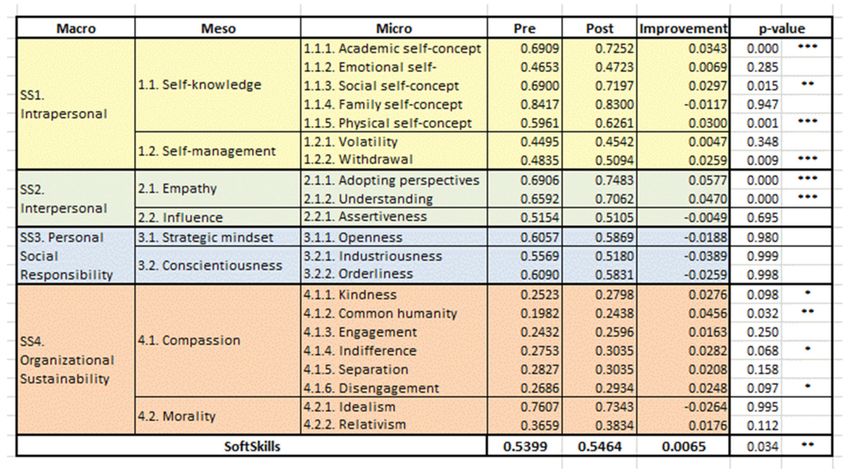
Sustainability 2021, 13, 8582                                                                                            2 of 23

                                      Moreover, a body of research [17,18] has found that soft skills account for 85% of
                                success; hence, developing and improving them promotes employability, in addition to
                                obtaining higher salaries. If hard skills were the main human engine for success in the
                                business environment during the late 20th century [19], in this new changing business con-
                                text [20], especially characterized by increasingly competitive systems [21] and with high
                                levels of complexity [9], focusing on soft skills leads to sustainable business success [22].
                                      However, there is an important gap between the skills demanded by companies
                                and the level of skills acquired by recent graduates [23]. Therefore, since soft skills are
                                transferable and teachable [24], it is important to carry out a holistic education that includes
                                training in both hard skills and soft skills in order to respond to these changes [25]. The
                                connection between both types of skills points out the difference between a job well done
                                and the competence to obtain better results [26,27].
                                      We focus on the training of these soft skills, and we do so by designing a training
                                program based on serious games, as they are an effective alternative [28,29] to motivate
                                and stimulate learning in different settings [30,31]. Serious games allow for discussion and
                                knowledge sharing [29], fostering behavioral changes within the work environment [32].
                                Moreover, in the business world, the objectives of organizations are diffuse; thus, the
                                use of games favors problem-solving skills in uncertain environments. It also allows for
                                inspecting new possibilities and ideas for innovation [33,34]. The most suitable type of
                                game for training soft skills is gamestorming [35], with three stages: opening, exploration,
                                and closing. In the opening stage, divergent thinking is enhanced; in the exploration stage,
                                infinite paths are opened; in the closing stage, the enhancement of convergent thinking
                                predominates [36].
                                      We also focus on measuring the effectiveness of the proposed training program by
                                quantifying the degree of improvement in soft skills. We use five appraisal tests that
                                measure soft skills both before and after the training sessions, providing an indicator that
                                might be used to characterize individuals and compare across them, using gender or level
                                of education as control variables.
                                      The objective of the current research is, therefore, to design a novel soft skill training
                                program (SSTP) based on serious games, by combining the state of the art in three axes:
                                soft skills as the theoretical ground [37], appraisal tests as the quantitative measure of
                                improvement, and serious games as the training tool. The main contribution is, therefore, a
                                unique, comprehensive, measurable training program to improve the competencies in soft
                                skills based on serious games. With this idea in mind, and with the difficulty of designing
                                such a complex measurable program based on multiple serious games, we resort to the
                                so-called Deming cycle for continuous process improvement [38]. Even if this cycle was
                                first thought of for measuring the continuous improvement of industrial processes, its
                                applications are spread across different scientific disciplines (for example, [39,40]), even in
                                designing training programs [41]. We use it for the first time, to our knowledge, to design
                                a training program on soft skills.
                                      Figure 1 summarizes the proposed process for designing the multigame SSTP using
                                the Deming cycle. The cycle starts by theoretically stating a plan, in this case, the training
                                program, including the precise definition of the goals and objectives, as well as the tools
                                and indicators to quantitatively measure them. Then, a pilot study is carried out to not only
                                validate the plan but also quantitatively assess its performance. Checking the usefulness
                                and effectiveness of the plan is next, prior to specifying further improvements and acting
                                on the plan, thereby redefining it.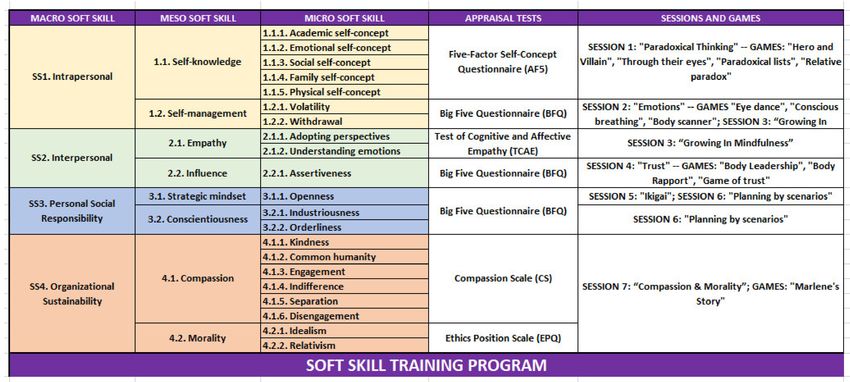
Sustainability 2021, 13, 8582                                                                                              3 of 23

                                Figure 1. The design of SSTP based on the Deming cycle for improvement.

                                      In the case of the current research, after acknowledging the need to educate on soft
                                skills for sustainable education (United Nations Sustainable Development Goal 4, SDG4)
                                and for decent work and better employment opportunities (SDG8), we designed a full
                                plan, put it to work, checked its effectiveness, and proposed several variations to the
                                original plan to close the first loop of the Deming cycle. Out of the available definitions
                                and classifications of soft skills, out of the available appraisal tests, and out of the available
                                serious games, we selected a combination that has proven effective and successful while
                                training both vocational and university students.
                                      What follows is a description of this successful combination of theory and methods,
                                understanding that, for subsequent design cycles, improvements are necessary for the
                                current combination and/or additions/removals of soft skills, appraisal tests, and serious
                                games. The article is organized to describe the stages that were carried out to finish the
                                first Deming cycle while designing the SSTP. Section 2 includes the training program as it
                                was designed (PLAN) and Section 3 includes the pilot study as it was carried out (DO),
                                while Section 4 summarizes the results after quantifying the effectiveness of the program
                                (CHECK), before Section 5 describes the possible variations to the proposed plan (ACT).

                                2. SSTP: The Soft Skills Training Program Based on Serious Games
                                      The training program and its evaluation, therefore, represent a feasible combination
                                of multiple soft skills, appraisal tests, and serious games. Figure 2 shows an overview of
                                the training program as it was designed (PLAN stage of the Deming cycle), which includes
                                the selected soft skills that are addressed, the appraisal tests that are used to quantify each
                                person’s specific competencies on soft skills, the serious games that are utilized to train
                                the soft skills, and the sessions in which the training program is divided into, allowing the
                                training program to be understood as a whole.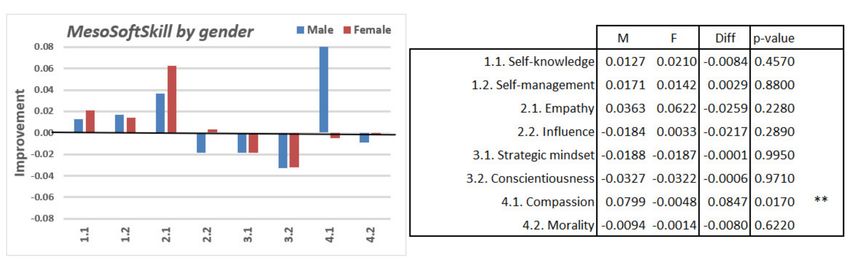
Sustainability 2021, 13, 8582                                                                                            4 of 23

                                    Figure 2. Overview of the proposed SSTP training program.

                                     The theoretical background of the different pillars of the proposed program that
                                fosters the training program follow, not forgetting that the aim is that all three vertices of
                                the training program—soft skills, appraisal tests and indicators, and games—are jointly
                                incorporated into SSTP.

                                2.1. Soft Skills
                                     Soft skills are transversal skills that underlie any job [11], in contrast to hard skills,
                                which are those that are technical knowledge specific to each field [10]. Therefore, in a
                                business environment characterized by being VUCA (volatile, uncertain, complex, and
                                ambiguous) [2], it takes special importance for job candidates to have their soft skills highly
                                developed, as these provide them with a solid base of transversal resources that allow them
                                to adapt to the demands of a changing labor market [20].
                                     There is a wide variety of soft skills listed by academics and business professionals.
                                The first full review was called “integral taxonomy” [42], based on the action, personal,
                                social, and methodological dimensions. The four resulting soft skills are the following:
                                •     Politics”: “personal (self-awareness, leadership), social (conflict management, cus-
                                      tomer/user orientation), and methodological (adaptability to change).
                                •     Strategy”: “personal (entrepreneurship, tolerance to stress), social (contact network,
                                      culture adaptability), and methodological (results orientation, continuous improvement).
                                •     Organization”: “social (communication, negotiation, teamwork) and methodologi-
                                      cal (planning, analysis skills, management skills, research and information manage-
                                      ment skills).
                                •     Ethics”: “personal (commitment, learning skills, life balance), social (people develop-
                                      ment), and methodological (decision making, creativity and innovation).
                                     In 2019, a second review of the different classifications and groupings of soft skills
                                was published [43], with its corresponding references to the main available studies.
                                     Key competencies for a successful life and a well-functioning society [44,45]. In 2003, an
                                OECD publication established the essential competencies for individual and collective
                                growth in the modern community. It boosted the development of employees to improve
                                performances and to evaluate the usefulness of educational systems; the Program for
                                International Student Assessment (PISA) was then created. They established the follow-
                                ing categories: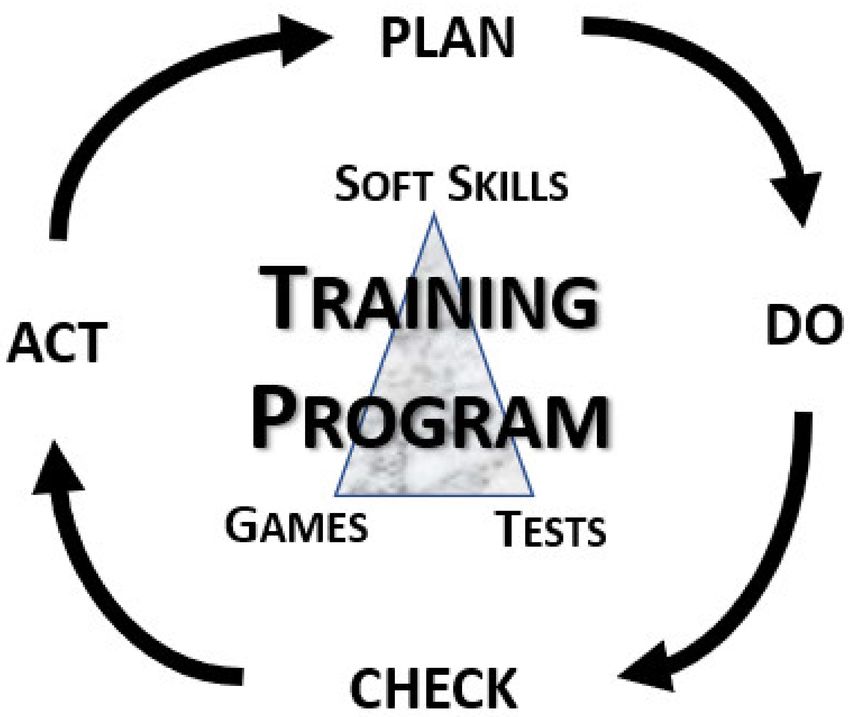
Sustainability 2021, 13, 8582                                                                                               5 of 23

                                ◦    “Interacting in socially heterogeneous groups: “the ability to relate well with oth-
                                     ers, to cooperate, and to manage and resolve conflicts, especially in pluralistic and
                                     multicultural societies”.
                                ◦    “Acting autonomously: “the key competencies that enable individuals to manage
                                     their lives in a meaningful and responsible way, exercising control over their living
                                     and working conditions”.
                                ◦    “Interactive use of tools: in response to the various social changes in modern society,
                                     mastery of sociocultural tools “such as language, information, and knowledge, as
                                     well as physical tools such as computers” is required.
                                     Generic competencies [46]. In 2000, the Tuning Educational Structures in Europe project
                                was initiated to merge the Bologna Process with the Lisbon Strategy within the European
                                Higher Education area, to develop expert profiles to favor employability through the
                                transparency of educational companies. They established the following competences:
                                ◦    “Instrumental: “cognitive, methodological, technological, and linguistic skills”.
                                ◦    “Interpersonal: “individual skills such as social skills (social interaction and coopera-
                                     tion)”.
                                ◦    “Systemic: “capabilities and skills related to whole systems”.
                                     Competence framework for the 21st century [47]. Based on OECD, three areas were proposed:
                                ◦    Information: “information as a source and information as a product”.
                                ◦    Communication: “effective communication and collaboration and virtual interaction”.
                                ◦    Ethics: “responsibility and social impact”.
                                     Soft skills for talent based on a study by Group Manpower (2014) [48]. They proposed the
                                following catalog of the various soft skills demanded by employers:
                                ◦    Curiosity and problem solving,
                                ◦    Ambition,
                                ◦    Creativity and open-mindedness,
                                ◦    Adaptability to change,
                                ◦    Results orientation.
                                    Lastly, 24 soft skills were listed in a third study [49] after analyzing in depth two
                                previous studies [44,50] and defining three axes: instrumental, personal, and systemic.
                                •    Instrumental” includes (1) capacity of analysis and synthesis, (2) capacity of orga-
                                     nization and planning, (3) oral and written communication in the native language,
                                     (4) knowledge of a foreign language, (5) computer knowledge related to the field of
                                     study, (6) capacity of information management, (7) problem solving, and (8) deci-
                                     sion making.
                                •    Personal” comprises (9) teamwork, (10) interdisciplinary teamwork, (11) work in an
                                     international context, (12) intrapersonal skills, (13) interpersonal skills, (14) acknowl-
                                     edgement of multicultural diversity (15) critical thinking, and (16) ethical commitment.
                                •    Systemic” covers (17) autonomous learning, (18) adaptation to new situations, (19) cre-
                                     ativity, (20) leadership, (21) knowledge of other cultures and customs, (22) entrepreneurial
                                     effort and spirit, (23) motivation for quality, and (24) environmental sensitivity.
                                      In summary, two categories of soft skills underly all the studies: (1) intrapersonal soft
                                skills, aimed at oneself, and (2) interpersonal soft skills, in relation to others [37]. Currently,
                                these skills are general throughout the university and professional environments, as well as
                                an ethical and sustainable character [49]. In this study, as a major contribution, in addition
                                to the two traditional categories of soft skills mentioned above, intra- and interpersonal
                                skills, two new full categories of soft skills are proposed due to their importance in the
                                current trends of employability.
                                      One proposal is (3) “personal Social Responsibility”, since, in the face of the changing
                                demands and expectations of society in the business environment, corporate business
                                social responsibility strategies cannot be effective without aligning career progress with
                                responsible individual behaviors, premises and values [51]. In this regard, the impor-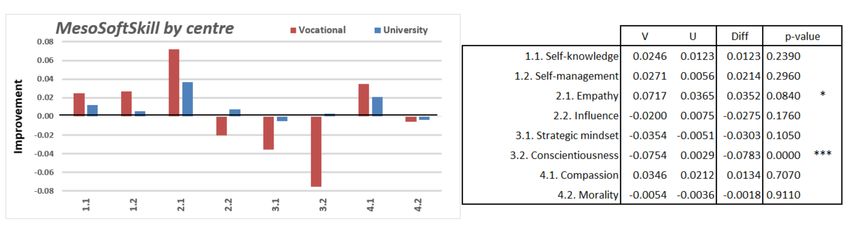
Sustainability 2021, 13, 8582                                                                                               6 of 23

                                tance of individuals in the responsibility toward society has been also highlighted (2007
                                Core Commitments initiative of the Association of American Colleges and Universities
                                (AAC&U) [52], Adecco Foundation (2015) in Spain [53]). Therefore, this category of soft
                                skills is proposed to encourage the development of a responsible working career [15].
                                      The other proposal of a new category is (4) “organizational sustainability”, since the
                                sustainability of companies depends mainly on the wellbeing of employees [54], enhancing
                                the sustainability of the organization and providing sustainable employment [55], thereby
                                addressing SDG8.
                                      For the proposed Soft Skills Training Program, SSTP, the structure of soft skills starts
                                with the mentioned four categories of soft skills, which we refer to as MacroSoftSkills.
                                We further divide them into eight MesoSoftSkills and these into 21 MicroSoftSkills. All
                                these can be trained with serious games, and their development can be quantified with
                                appraisal tests.
                                      The first MacroSoftSkill, “SS1. Intrapersonal”, is defined as of the ability to know
                                oneself and to optimally manage one’s emotions [56] and is divided into the MesoSoftSkills
                                referred to as “1.1. Self-knowledge” and “1.2. Self-management”. “1.1. Self-knowledge”
                                consists of knowing one’s resources, intuitions, preferences, and internal states [56]. It is
                                composed of the following five MicroSoftSkills, which coincide and are, therefore, likely to
                                be measured, with the factors of the Five-Factor Self-Concept Questionnaire (AF5):
                                •    “1.1.1. Academic self-concept”: individual’s perception of the quality of their role
                                     performance, both as a student and as a worker.
                                •    “1.1.2. Emotional self-concept”: A person’s perception of their emotional state and
                                     responses to specific situations, with a certain degree of commitment and involvement
                                     in their daily life.
                                •    “1.1.3. Social self-concept”: Own perception of their performance in social relationships.
                                •    “1.1.4. Family self-concept”: Own perception of involvement, participation, and
                                     involvement in the family environment.
                                •    “1.1.5. Physical self-concept”: Own perception of their physical appearance and
                                     physical condition.
                                     “1.2. Self-management” includes components such as self-motivation [57] or emo-
                                tional stability [58]. The corresponding MicroSoftSkills presented below are to be measured
                                with the Big Five Questionnaire (BFQ).
                                •    “1.2.1. Volatility”: control of the states of stress associated with the emotional experience.
                                •    “1.2.2. Withdrawal”: maintaining control of one’s own behavior even in situations of
                                     discomfort, conflict, and danger.
                                     The second MacroSoftSkill, “SS2. Interpersonal”, focuses on the ability to understand
                                and effectively manage others’ emotions [59], and it is divided into two MesoSoftSkills,
                                namely, “2.1. Empathy” and “2.2. Influence”. Both MesoSoftSkills are essential for team-
                                work [9,60]. “2.1. Empathy” lies in the ability to be aware of and understand the emotions,
                                feelings, and ideas of others [61]. Two MacroSoftSkills are measured using the Test of
                                Cognitive and Affective Empathy (TCAE):
                                •    “2.1.1 Adopting perspectives”: intellectual and imaginative ability to put oneself in
                                     the place of another person.
                                •    “2.1.2 Understanding emotions”: ability to recognize and understand the emotional
                                     states, intentions, and impressions of others.
                                •    “2.2. Influence” encompasses leadership [62] or communication skills [25]. The corre-
                                     sponding MicroSoftSkill presented below is to be measured with the corresponding
                                     Big Five Questionnaire (BFQ) factor.
                                •    “2.2.1 Assertiveness”: ability to assert oneself, stand out, and assert one’s influence
                                     over others.
                                     The third MacroSoftSkill, “SS3. Personal Social Responsibility”, consists of the ability
                                to inhibit undesirable behaviors for the achievement of goals and to enhance desirable
                                ones to achieve them, with diligence, perseverance, and order [58]. This MacroSoftSkill is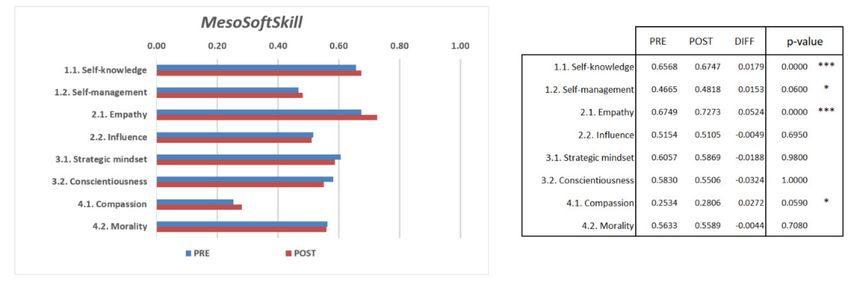
Sustainability 2021, 13, 8582                                                                                            7 of 23

                                divided into “3.1. Strategic mindset” and “3.2. Conscientiousness”. While conscientious-
                                ness encompasses professionalism [19] or reliability [58], strategic mindset encompasses
                                adaptability [63] or planning [60]. The MicroSoftSkills presented below match once again
                                Big Five Questionnaire (BFQ) factors.
                                •    “3.1.1 Openness”: the ability to consider everything from different perspectives and
                                     openness to different values, styles, lifestyles, and cultures, i.e., from open-mindedness
                                     to novelty.
                                •    “3.2.1 Industriousness”: reliability, meticulousness, and love for order.
                                •    “3.2.2 Orderliness”: the persistence and tenacity with which tasks and activities
                                     undertaken are carried out, and not failing to deliver on promises.
                                     Lastly, the fourth MacroSoftSkill, “SS4. Organizational Sustainability”, resides in show-
                                ing a personal connection with the content, work processes, and stakeholders involved in it,
                                transcending the limits of self-interest and seeking the common interest [64]. It is divided
                                into two MesoSoftSkills, called “4.1. Compassion” and “4.2. Morality”. “4.1. Compassion”
                                is supported by the concern for the needs of others and the desire to satisfy them [65]
                                or even honesty [66]. The corresponding MicroSoftSkills presented below match with the
                                components of the Compassion Scale (CS) appraisal test.
                                •    “4.1.1 Kindness”: attitude of caring for those who are suffering, and a desire to support
                                     those in need.
                                •    “4.1.2 Common humanity”: ability to recognize that all people suffer and a sense of
                                     connection with those who suffer.
                                •    “4.1.3 Engagement”: ability to maintain a balance between perceiving, but not being
                                     drawn into, the suffering of others, as well as listening and paying attention to others
                                     when they suffer.
                                •    “4.1.4 Indifference”: attitude of ignoring those who are suffering, and the absence of
                                     desire to support those who need it.
                                •    “4.1.5 Separation”: tendency to ignore the difficulties felt by other people, exalting
                                     one’s own in comparison.
                                •    “4.1.6 Disengagement”: inability to perceive the suffering of others.
                                     “4.2. Morality” encompasses ethical behavior [64,67] and it is to be measured with the
                                following Ethics Position Scale (EPQ) dimensions:
                                •    “4.2.1 Idealism”: tendency to consider that the ethics of an action depends directly on
                                     the harm that this action may cause to any living being.
                                •    “4.2.2 Relativism”: tendency to consider that ethical factors have a variable importance
                                     depending on the situation or culture in which they occur.

                                2.2. Appraisal Tests and Indicators
                                     To measure the degree of development on the competencies on soft skills, during the
                                evaluation sessions, one before the training sessions and another after them, five self-report
                                questionnaires were used to measure the different soft skills addressed in the previous
                                subsection due to their one-to-one matching:
                                •    Big Five Questionnaire (BFQ) [58]: this questionnaire includes a personality test that
                                     measures five major factors: extraversion, agreeableness, conscientiousness, neuroti-
                                     cism, and openness/intellect. Each of the five factors also has two subfactors that
                                     allow us to measure the MicroSoftSkills with greater precision.
                                •    Five-Factor Self-Concept Questionnaire (AF-5) [68,69]: this test measures the self-
                                     concept of the participants in five different dimensions: social, academic/professional,
                                     emotional, family, and physical.
                                •    The Test of Cognitive and Emotional Empathy (TCAE) [70,71]: this test measures
                                     the degree of empathy of a subject, in its cognitive and emotional components. In
                                     addition, it gives an overall score of the individual’s empathy and allows us to make
                                     predictions about their behavior in an emotional situation.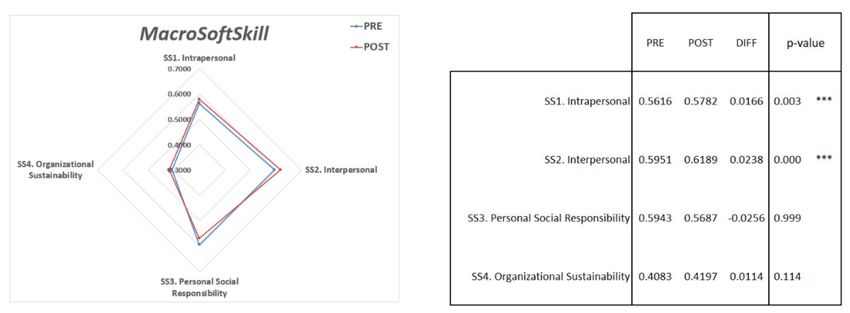
Sustainability 2021, 13, 8582                                                                                               8 of 23

                                •    Ethics Position Scale (EPQ) [72,73]: this questionnaire measures individual differ-
                                     ences in moral thinking, with two axes: the idealism/pragmatism axis, and the
                                     relativism/universalism axis.
                                •    The Compassion Scale (CS) [74,75]: this questionnaire measures an individual’s degree
                                     of compassion. The test has six measures, three positive and three negatives. The
                                     positive ones are kindness, common humanity, and engagement, and the negative
                                     ones are indifference, separation, and disengagement.
                                      The results of the multiple tests must be jointly quantified to understand the develop-
                                ment on soft skills at the individual level and by gender or educational center. Moreover,
                                the analysis should be carried out at the three levels of the structure of soft skills: macro,
                                meso, and micro. We proceed as described below to quantify the soft skills and compare
                                among individuals.
                                      After obtaining the results for the 21 MicroSoftSkills indicators while using the five
                                questionnaires or appraisal tests, the results are normalized in the 0–1 range, and arithmetic
                                averages are calculated to obtain the eight aggregated MesoSoftSkills indicators. For exam-
                                ple, the average of the five MicroSoftSkills indicators (1.1.1., 1.1.2., 1.1.3., 1.1.4. and 1.1.5.)
                                constitutes the indicator “1.1 Self-knowledge”. In the same way, the eight MesoSoftSkills
                                indicators are aggregated using the arithmetic mean into the four MacroSoftSkills indicators.
                                As such, the MesoSoftSkills indicators “1.1. Self-Knowledge” and “1.2. Self-Management”
                                are aggregated into the MacroSoftSkill indicator “SS1. Intrapersonal”. Lastly, the 4 MacroSoft-
                                Skills indicators are aggregated into the composite indicator called “SS—Soft Skills”.
                                      The indicators are calculated both before (PRE) and after training (POST). The “Im-
                                provement” is calculated as the gross difference between both indicators (POST-PRE).
                                In addition, the percentage of students who obtained improvement, “%Positive”, is cal-
                                culated as those students who had an “Improvement” >0 divided by the total number of
                                students evaluated.
                                      The two indicators, “Improvement” and “%Positive”, were calculated for the total
                                sample and by gender or by educational center, as well as by the combination of both
                                variables (gender and center).

                                2.3. Serious Games
                                      There are many types of games available, although we focused on two, gamestorming
                                and board games, to address the training of the soft skills and their measurement with the
                                tests specified in the previous subsections.
                                •    Gamestorming: this technique [33] is based on a set of games that enhance innovation
                                     in the company. Each game is composed of three main stages: opening, exploration,
                                     and closing. Opening is characterized by divergent thinking, exploration is character-
                                     ized by an emergent approach with multiple paths, and closing is characterized by a
                                     convergent perspective.
                                •    Board game: this approach has a board game format, in which different participants
                                     move around the board performing various activities.
                                     Within these two types, we selected games that addressed the soft skills that were
                                being trained. We list and briefly explain the games included in SSTP. All of them belong
                                to the brainstorming class except for “Growing in Mindfulness”, which is a board game.
                                •    Game 1: Paradoxical Thinking [76]. The first game focuses on the MacroSoftSkill “SS1.
                                     Intrapersonal” and the MesoSoftSkills “1.1. Self- Knowledge”.
                                     ◦       Open: “Hero and Villain”, in which participants discover through a creative
                                             process their different positive and negative personal characteristics in a hu-
                                             morous and simple way.
                                     ◦       Explore: “Through Their Eyes”, in which participants are able to go deeper into
                                             their own characteristics found in “paradoxical lists”, in which the participants
                                             searched for the paradox that most defined them.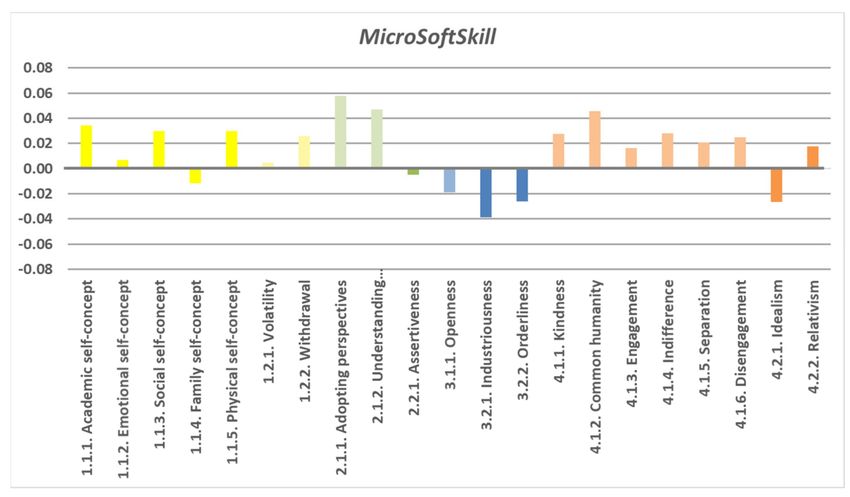
Sustainability 2021, 13, 8582                                                                                           9 of 23

                                    ◦      Close: “Relative Paradox”, in which participants broaden their perception of
                                           their own paradox and deepen their knowledge of their positive and nega-
                                           tive personal characteristics, so that they can use them as tools for conscious
                                           work performance.
                                •   Game 2: Emotions. The second game trains MacroSoftSkill “SS1. Intrapersonal” and
                                    the MesoSoftSkills of “1.2. Self-Management”.
                                    ◦      Open: “Eye Dance” [77], in which the participants learn to reach a state of
                                           relaxation through the mastery of the tension–distension of the optic nerve.
                                    ◦      Explore: “Conscious Breathing” [77], in which the participants learn to con-
                                           centrate their attention only on the physical sensations caused by their own
                                           breathing, leaving all thoughts out of their attentional focus, with subsequent re-
                                           laxation.
                                    ◦      Close: “Body Scanner” [78], in which participants identify the different sensa-
                                           tions throughout their body, with subsequent relaxation.
                                •   Game 3: Growing in Mindfulness. The third game jointly trains MacroSoftSkill “SS1. In-
                                    trapersonal” and the MesoSoftSkills of “1.2. Self-Management”, as well as MacroSoftSkill
                                    “SS2. Interpersonal” and the MesoSoftSkills of “2.1. Empathy”.
                                    ◦      “Growing in Mindfulness” is a boardgame created by group of psychologists
                                           led by M. Delgado-Rios in 2018, with the objective of favoring the practice of
                                           mindfulness in an attractive way, facilitating experiences that increase emo-
                                           tional regulation, self-knowledge, and compassion.
                                •   Game 4: Trust. The fourth game trains MacroSoftSkill “SS2. Interpersonal” and the
                                    MesoSoftSkills of “2.2. Influence”.
                                    ◦      Open: “Body Leadership” [79], with the aim of making participants aware of
                                           their body and how their different body positions can generate one impression
                                           or another on others, perceiving us as more or less dominant and facilitating or
                                           hindering their collaboration.
                                    ◦      Explore: “Body Rapport” (adapted from [80]), in which participants learn
                                           how to use the technique of mirroring their interlocutor to achieve an optimal
                                           connection with themselves and facilitate collaboration and trust between
                                           both parties.
                                    ◦      Close: “Game of Trust” (adapted from [81]), in which participants experience
                                           firsthand the effect of trusting and being trusted by others.
                                •   Game 5: Ikigai [82]. The fifth game trains MacroSoftSkill “SS3. Personal Social Respon-
                                    sibility” and the MesoSoftSkills of “3.1. Strategic Mindset”.
                                    ◦      Open: “I Know My Purpose in Life”, in which participants have to weave
                                           together the four concepts related to a full sense of life: what they like, what
                                           they can get paid for, what they are good at doing, and what the world needs.
                                    ◦      Explore: “Share My Purpose”, in which the participants share the answers they
                                           were individually given in the open part of the game.
                                    ◦      Close: “Activate My Life Purpose”, in which the participants make a mind
                                           map where they project how they are going to execute their life purpose.
                                •   Game 6: Planning by Scenarios. The sixth game trains MacroSoftSkill “SS3. Per-
                                    sonal Social Responsibility” and the MesoSoftSkills of “3.1. Strategic Mindset” and
                                    “3.2. Conscientiousness”.
                                    ◦      Open: “Discovering Early Warning System (EWS)” [83,84]. The objective is to
                                           train participants in the quick and agile detection of problems [41].
                                    ◦      Explore: “Planning by Scenarios” [85], in which the participants learn to ana-
                                           lyze a vital situation strategically, managing the uncertainty of different pos-
                                           sible scenarios and establishing indicators to pivot their strategy from one
                                           scenario to another in an optimal way.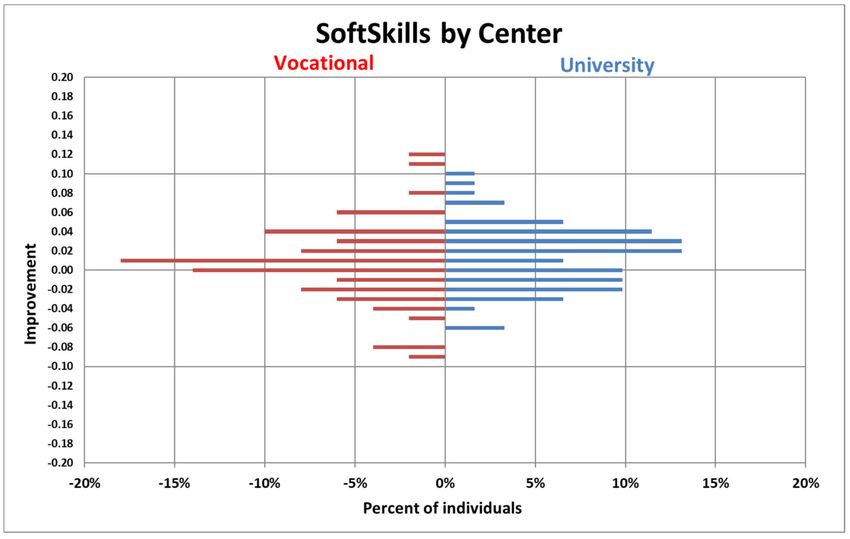
Sustainability 2021, 13, 8582                                                                                         10 of 23

                                     ◦      Close: “Meticulous Attention” (adapted from the serious game “Objets Entérmélés
                                            à Identifier” [86]), in which participants develop their level of attention and
                                            detail through various exercises of visual perception and selective attention.
                                •    Game 7: Compassion. The seventh game trains MacroSoftSkill “SS4. Organizational
                                     Sustainability” and its MesoSoftSkills “4.1. Compassion”.
                                     ◦      Open: “Observing Compassion at the Workplace”, in which participants watch
                                            one documentary: “Chade-Meng Tan- Everyday compassion at Google” [87].
                                     ◦      Explore: “What Do You Think”, in which participants are divided into three
                                            groups and asked to discuss the following questions: How would you define
                                            compassion? How do you experience compassion? How compassionate do
                                            you consider yourself? Do you think compassion is a profitable soft skill for
                                            the company? Why?
                                     ◦      Close: “Compassion at the Workplace”, in which participants learn the value
                                            of compassion and its application to achieving goals at the workplace.
                                •    Game 8: Morality. The eighth game trains MacroSoftSkill “SS4. Organizational Sustain-
                                     ability” and its MesoSoftSkills “4.2. Morality”.
                                     ◦      Open: “Marlene’s Story” [88], in which the participants are given a text to
                                            discuss. The objective is to invite participants to make an in-depth reflection
                                            and a series of ethical judgments about Marlene’s fictional story.
                                     ◦      Explore: “Debate”, in which the participants discuss the moral dilemma posed
                                            by the text in small groups and then reach a consensus with the whole group
                                            and come to a conclusion.
                                     ◦      Close: “Understanding Marlene?”, in which each participant provides an in-
                                            depth thought and a series of ethical judgments about Marlene’s fictional story.

                                2.4. The Sessions of the Program
                                     After the selection of the soft skills, the appraisal tests, and the serious games, all
                                composing the SSTP, the training program on soft skills was designed to be carried out in
                                nine sessions of about 2 h, numbered 0–8, with the first and the last being the appraisal
                                sessions, thus leaving seven sessions for training.
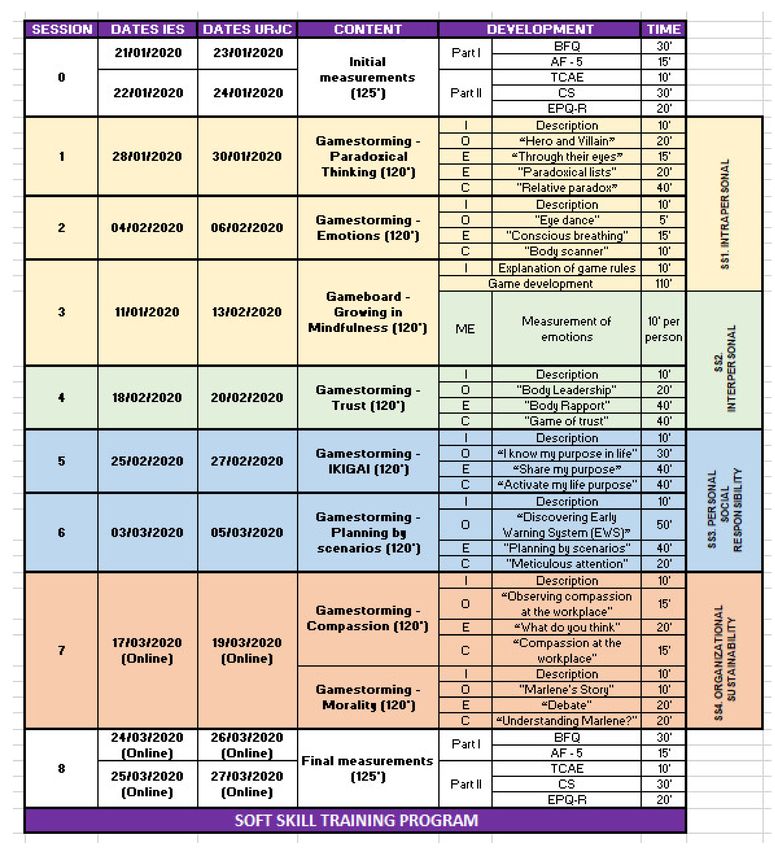
                                •    Session 0:   Appraisal tests before the training begins
                                •    Session 1:   “Paradoxical Thinking”
                                •    Session 2:   “Emotions”
                                •    Session 3:   “Growing in Mindfulness”
                                •    Session 4:   “Trust”
                                •    Session 5:   “Ikigai”
                                •    Session 6:   “Planning by scenarios”
                                •    Session 7:   “Compassion” and “Morality”
                                •    Session 8:   Appraisal tests after the training ends

                                3. The Pilot Study
                                3.1. Recruitment of Participants
                                     To measure the effectiveness of SSTP (DO stage of the Deming cycle), 200 students
                                aged 16 to 24 years were recruited. We believe this number is appropriate from both
                                the theoretical and the applied point of view. Estimation of averages and percentages is
                                consistent whenever 100 samples are taken following the law of large numbers. In terms
                                of similar studies, we can mention samples of 65 nurses [89], 84 students in total from
                                four different schools [90], 98 employees [91], or 216 employees [92]. Of this sample, 100
                                were university students and 100 were vocational training students. Vocational training
                                refers to programs taught primarily at high schools that provide access not to the university
                                but to technical programs. In this case, the vocational or technical training programs
                                were computer systems administration technician, laboratory technician, and laboratory
                                technician in analysis and quality control. The university participants came from the
Sustainability 2021, 13, 8582 11 of 23
Universidad Rey Juan Carlos. The vocational training participants came from the IES Lope
de Vega de Madrid, a member of the UNESCO Associated Schools. The participants in the
program were students from different vocational training programs at the center.
The selection of the participants at each center was made by means of an informative
talk about the program, after which the students were invited to participate in the soft
skills training program. The recruited students, before signing up on the list of participants,
proceeded to fill out and sign two documents:
• Document on data protection, in which they gave their consent to cede their data for
the research and expressly allowed such data to be used for a study that would be
published later (the data would in any case be aggregated and never individualized),
as well as for the preparation of a personalized soft skills report in which, once the
study was completed, each participant would be presented with their individual
results of the PRE and POST evaluations, a quantification of their improvement, and a
training proposal to continue improving soft skills on their own.
• Commitment document, in which the participants signed that they would perform
all the PRE and POST evaluations and be committed to participate in all the training
sessions of the program, without missing any.
Before initiating the information and recruitment process, the project was subjected to an
evaluation by the Ethics Committee of the Universidad Rey Juan Carlos (No. 1301202000920),
to ensure that the study would be conducted in accordance with the rules and regulations
governing research and covering the procedures and actions of research personnel.
3.2. Soft Skills Measurement before Training
Session 0 was carried out on two consecutive days, in which the students from the
University and the Vocational Training center were gathered in two different rooms where
they would take the appraisal tests. Before each test, the instructions were read, and
solutions were given to the various doubts of the participants. The duration assigned for
the tests in both sessions was as indicated in the manuals for each of them, and there was a
brief rest period between tests, following the indications of the ethics committees to ensure
optimal performance of the participants.
During the first day, the BFQ test was performed first, for which a time limit of 30 min
was given. After this test, the participants were given a rest time of 5 min, and then
proceeded to the AF-5 test, for which the time limit was set at 15 min. The total time was
45 min.
On the second day, the TCAE test was performed first, for which a time limit of 10 min
was given. After this test, participants were given a 5 min rest time, followed by the EPQ
test, for which a time limit of 20 min was given. Finally, after another 5 min break, the CS
test was performed, for which a time limit of 30 min was also given. The total time was,
therefore, 70 min.
3.3. Soft Skills Training
Sessions 1 to 7 were carried out over seven consecutive weeks, one per session
(Figure 3). Each session took less than 2 h, the maximum available time. After giving
a brief theoretical explanation to the participants explaining the basics of the soft skill to be
trained and motivating them to perform the training flawlessly and what each dynamic
was going to consist of, the exercises began.
3.4. Soft Skills Measurement after Training
Session 8, the POST training evaluation, was carried out to see the evolution of the
participants and to what extent they improved their soft skills thanks to the program.
The procedure to be followed was exactly the same as in Session 0 to ensure the correct
comparison of the results of the appraisal tests.Sustainability 2021, 13, 8582 12 of 23
Figure 3. Overall improvement.
4. Results
Almost all participants completed the 9 week SSTP. The dropout rate during training
was just 10% for university students and 11% for high-school students. What follows is a
description and analysis of the results (CHECK stage of the Deming cycle) in overall terms,
as well as by gender and educational center.
4.1. Overall Results
The evolution of the SSTP participants was positive (p-value = 0.034) (Figure 4),
quantified by the “Improvement” of the scores resulting from the tests before and after
the training, and summarized in the aggregate indicator “SS—Soft Skills” (which var-
ied between 0 and 1). Out of the 21 MicroSoftSkill indicators, 10 significantly improved
(p-value < 0.10). It should be noted that the three indicators of “SS3. Personal Social Re-
sponsibility” worsened. At the individual level and according to the indicator “%Positive”,Sustainability 2021, 13, 8582 13 of 23
which measures the ratio of individuals who show a positive improvement, 56.76% of the
participants increased their scores. Once again, “SS3. Personal Social Responsibility” was
the worst MacroSoftSkill, since none of its MicroSoftSkills reached 50%.
Figure 4. Overall improvement. Improvements statistically greater than 0 at p < 0.01 (***), p < 0.05 (**), or p < 0.10 (*). We use
a paired t-test throughout the research unless stated otherwise. We tested if the POST − PRE difference was significantly
greater than 0, i.e., if the improvement was positive.
Indeed, as for the four MacroSoftSkills (Figure 5), three of the indicators went up: “SS1.
Intrapersonal” (from 0.5616 to 0.5782; p-value = 0.003), “SS2. Interpersonal” (from 0.5951 to
0.6189; p-value = 0.000), and “SS4. Organizational Sustainability” (from 0.4083 to 0.4197;
p-value = 0.114). The decrease in the score for “SS3. Personal Social Responsibility” was
from 0.5942 to 0.5687 (p-value = 0.997), once again indicating that this MacroSoftSkill should
be further trained.
Figure 5. Comparison among MacroSoftSkills. Improvement > 0 at p < 0.01 (***).
As for the eight MesoSoftSkills (Figure 6), four went up and four went down. Partici-
pants increased in “1.1. Self-knowledge” (from 0.6567 to 0.6746; p-value = 0.003), “1.2. Self-
management” (0.4665 to 0.4817; p-value = 0.060), “2.1. Empathy” (from 0.6749 to 0.7273;
p-value = 0.000), and “4.1. Compassion” (from 0.2534 to 0.2806; p-value = 0.059), whereas
they decreased in “2.2. Influence” (from 0.5154 to 0.5105; p-value = 0.999), “3.1. Strategic
mindset” (0.6057 to 0.5869; p-value = 0.980), “3.2. Conscientiousness” (0.5830 to 0.5506;
p-value = 1.000), and “4.2. Morality” (0.5633 to 0.5589; p-value = 0.708).Sustainability 2021, 13, 8582 14 of 23
Figure 6. Comparison among MesoSoftSkills. Improvement > 0 at p < 0.01 (***), or p < 0.10 (*).
As for the 21 MicroSoftSkills (Figure 7), 15 went up (five with p-value < 0.01, two with
p-value < 0.05, and three with p-value < 0.10) and six went down, with the three included
in “SS3. Personal Social Responsibility” decreasing, in addition to “4.2.1 Idealism”.
Figure 7. Comparison among MicroSoftSkills.
Lastly, at the individual level (Figure 8), some participants showed an improvement
of 0.12 points, whereas a few others showed a decrease of 0.08 points. Overall, 57% of the
participants showed improvement, with an average value of 0.0065 points (“Improvement”
significantly greater than 0 with 95% confidence: p-value = 0.034).Sustainability 2021, 13, 8582 15 of 23
Figure 8. Analysis of improvements in SoftSkills by individuals.
4.2. By Gender
If we compare the average improvement between women (SS = 0.0055) and men
(SS = 0.0083), the SSTP training program showed similar effectiveness (average difference =
−0.0028, p-value = 0.694). The percentage of women showing improvements in the ag-
gregate indicator “SS—SoftSkills” (Figure 9) was 55.07%, while, in the case of men, the
percentage was higher, 59.52% (although the difference in proportions was not significant,
p-value = 0.649). The maximum improvement reached 0.12 points for female and 0.08 for
male students.
As for the MesoSoftSkills, the improvement by gender (Figure 10) was highest in “2.1. Em-
pathy” in women (0.0622 female vs. 0.0363 male, with a nonsignificant p-value = 0.228) and in
“4.1. Compassion” in men (0.0048 female vs. 0.0799 male, p-value = 0.017, the only significant
difference in average improvement among the eight MesoSoftSkills).
4.3. By Center
The SSTP demonstrated about the same average improvement (p-value = 0.344) for
university (SS = 0.0097) and vocational training students (SS = 0.0027), although the devel-
opment was somewhat higher (although not significantly for the difference in proportions,
p-value = 0.649) and less variable among the university students (59.02% with a maximum
of 0.10) with respect to vocational training students (54.00% with a maximum of 0.12).
Figure 11 includes the distribution of “Improvement” by center.Sustainability 2021, 13, 8582 16 of 23
Figure 9. Improvement in SoftSkills by gender.
Figure 10. Improvement in MesoSoftSkills by gender. Improvement > 0 at p < 0.05 (**).
Regarding the MesoSoftSkills (Figure 12), the vocational training group had higher im-
provement in self-knowledge (0.0123 higher, p-value = 0.239), self-management
(0.0214 higher, p-value = 0.296), empathy (0.0352 higher, p-value = 0.084), and compassion
(0.0134 higher, p-value = 0.707) than university students, but they were the ones who found
their improvement in influence (−0.0275, p-value = 0.176), strategic mindset (−0.0303,
p-value = 0.239), conscientiousness (−0.0783, p-value = 0.000), and morality (−0.0018,
p-value = 0.239) skills to be lower than the average values for university students. These
results indicate that Sessions 5 and 6, which focused on “SS3. Personal Social Responsibil-
ity”, should probably be revised since “3.2. Conscientiousness” was the only one with a
significantly negative difference.Sustainability 2021, 13, 8582 17 of 23
Figure 11. Improvement in SoftSkills by center.
Figure 12. Improvement in MesoSoftSkills by center. Improvement > 0 at p < 0.01 (***), or p < 0.10 (*).
4.4. By Gender and Center
Therefore, which group benefited the most from the SoftSkills program, grouped by
gender and center? The table in Figure 13 compares the effectiveness of the program across
all groups using “Improvement” and “% Positive” of the aggregate indicator SS. Although
the difference on average was not statistically significant across the four groups in either
indicator (one way ANOVA; p-value = 0.598 for “Improvement”; p-value = 0.252 for “%
Positive”), for descriptive purposes, it is worth mentioning that the maximum benefit
of the program was obtained by male vocational students (66.67%), followed by female
university students (62.79%), male university students (50.00%), and female vocational
students (42.31%).
It can, therefore, be concluded that the program proved to be effective in general, even
more so in the characteristics related to the person in their daily relationships than in those
referring to planning, especially in the professional field. It should not be forgotten that
these are young students and that certain sessions may have to be accordingly adapted to
improve their training specifically.Sustainability 2021, 13, 8582 18 of 23
Sustainability 2021, 13, 8582 benefit of the program was obtained by male vocational students (66.67%), followed
18 ofby
23
female university students (62.79%), male university students (50.00%), and female
vocational students (42.31%).
Figure 13. Summary of improvement across groups.
Figure 13. Summary of improvement across groups.
It can, therefore, be concluded that the program proved to be effective in general,
5. Discussion and Conclusions
even more so in the characteristics related to the person in their daily relationships than
in thoseThisreferring to planning,
article explained especially in and
the development the testing
professional
of thefield.
novelItSSTP,
should Softnot be
Skills
Training Program, which, for the first time to our
forgotten that these are young students and that certain sessions may have to beknowledge, includes and combines
multiple softadapted
accordingly skills, appraisal
to improve tests, andtraining
their seriousspecifically.
games in nine sessions, two for evaluation
and seven for training, covering a 9 week period. The objective of the current research,
that
5. of designing
Discussion andaConclusions
unique, comprehensive, measurable training program to improve the
competencies in soft skills based on serious games, was fulfilled using the Deming cycle.
This article explained the development and testing of the novel SSTP, Soft Skills
SSTP addresses the requirement for future employees to possess soft skills to comple-
Training Program, which, for the first time to our knowledge, includes and combines
ment their hard skills with the aim of increasing their chance of employability in the new
multiple soft skills, appraisal tests, and serious games in nine sessions, two for evaluation
VUCA context. According to the National Institute of Statistics in Spain, the unemployment
and
rate seven for training,
for youngsters up to covering
25 yearsa of 9 week
age is period. The objective
39.53% [93], which ranks of the current
Spain second research,
in this
that of designing a unique, comprehensive, measurable training
category across Europe (harmonized average of 17.5%) [94]. One of the reasons for this program to improve the
competencies in soft skills based on serious games, was fulfilled
low rate is the lack of proficiency in terms of soft skills [95], which are necessary for any using the Deming cycle.
SSTPConsequently,
job [96]. addresses the one requirement
comprehensive for future
definition employees to possess
of employability softcapability
is “the skills to
complement their hard skills
to move self-sufficiently within with
thethelaboraimmarket
of increasing
to realize their chancethrough
potential of employability
sustainable in
the new VUCA
employment” [97]. context. According to the National Institute of Statistics in Spain, the
unemployment
In that regard, rate the
for youngsters up to 25
first contribution of years
SSTP of was agetoisinclude,
39.53% [93], which of
as a group ranks
soft Spain
skills,
second in this category across Europe (harmonized average
those related to “SS3. Personal Social Responsibility” and “SS4. Organizational Sustain- of 17.5%) [94]. One of the
reasons
ability” for this low rate
to supplement theistraditional
the lack of“SS1. proficiency in terms
Intrapersonal” of “SS2.
and soft skills [95], which
Interpersonal” are
skills.
necessary for any job
With this addition, we[96].
triedConsequently,
to address bothone comprehensive
SDG4 on educationdefinition
and SDG8ofonemployability
employment,
is “the must
which capability to move
be related sinceself-sufficiently
sustainable, inclusivewithin the labor market
economic growthto realize
cannot bepotential
possible
through
without sustainable
quality educationemployment”
[98] in both[97].hard and soft skills.
In
Thethat regard,
second the first contribution
contribution was that the of SSTP
SSTP wastrains to and
include, as a group
quantifies of soft skills,
the development
those related to “SS3. Personal Social Responsibility” and
of soft skills at different levels. The proposed structure is composed of three levels: four “SS4. Organizational
Sustainability”
MacroSoftSkills, which to supplement
are subdivided theinto traditional “SS1. Intrapersonal”
eight MesoSoftSkills, and “SS2.
which are correspondingly
Interpersonal”
subdivided into skills.
of 21With this addition,
MicroSoftSkills. we tried to address
Furthermore, the program both SDG4 on appraisal
uses five educationtests and
SDG8
to measureon employment,
the micro level, which mustaggregating
before be related them sincetosustainable,
come up with inclusive
measures economic
at the
growth
meso level,cannot and bethen
possible
at the without
macro quality
level. The education
“SS—Soft [98] Skills”
in bothindicator
hard and was soft skills.
proposed
The second
to measure contribution was
the development that
as the the SSTP trains
aggregation of theand quantifies
scores the development
of the four MacroSoftSkills. of
soft skills
Indeed, at different
specifically levels. The
addressing andproposed
measuring structure is composed
21 MicroSoftSkills of three
proved levels: four
feasible.
MacroSoftSkills, which are subdivided
The third contribution was to use intoa eight MesoSoftSkills,
combination which serious
of different are correspondingly
games, both
subdivided
gamestorming intoandof 21 MicroSoftSkills.
board Furthermore,
games, particularized the program
to comply with theusesdefinition
five appraisalof thetests
soft
to measure
skills and the thedifficulties
micro level, before aggregating
of training students during them the to come
schoolup with
year, measures
despite at the
it being an
meso level, andactivity.
extracurricular then at It theis macro level. Thethat
worth stressing “SS—Soft
the use Skills”
of seriousindicator
games was proposed
has been appliedto
measure the development as the aggregation of the scores of the four MacroSoftSkills.
with success in non-ludic contexts [99], fostering learning [28,100,101]. Moreover, this
Indeed,
teachingspecifically addressing and
tool was substantiated measuring 21[102]
in sustainability MicroSoftSkills
and focuses proved
on softfeasible.
skills [103].
The thirdthe
To check contribution was to use
proposed program, weatested
combination
SSTP with of both
different serious
university andgames, both
vocational
gamestorming
training students, and the
board twogames,
majorparticularized
groups that are to comply
preparing with the definition
themselves to workof theinsoft
the
skills
labor and the difficulties
market. In fact, after of analyzing
training students during
the results, thisthe school year,
distinction among despite
trainingit being
centersan
was vital and proved necessary to further develop the program, including variations
and addressing the needs of the different target groups. Indeed, “SS3. Personal Social
Responsibility” showed a negative improvement, even more so among vocational students,Sustainability 2021, 13, 8582 19 of 23
whereas “SS4. Organizational Sustainability” showed a small improvement, even if the
level of this SS was low. Therefore, a potential for development was detected among
youngsters, especially in the novel MacroSoftSkills. In terms of gender, no major differences
were found between female and male students, except for “4.1. Compassion”, in which
male students showed an improvement and females did not.
After these general conclusions, it is worthy to take a deeper look into the results and
discuss the implications of the training across soft skills and their different components,
controlling for gender and educational level.
Concerning the improvement in soft skills after SSTP, the results varied across MacroSoft-
Skills. Whereas the traditional “SS1. Intrapersonal” and “SS2. Interpersonal” categories
show reasonable improvement around a high average score of 0.58 and 0.62 after training,
the novel “SS3. Personal Social Responsibility” and “SS4. Organizational Sustainability”
categories showed values that require further discussion.
Indeed, “SS3. Personal Social Responsibility”, despite a POST training score of 0.57,
showed a negative improvement, decreasing in both of its MesoSoftSkills: “3.1. Strategic
mindset” (−0.075) and “3.2. Conscientiousness” (−0.035). Moreover, it is striking to see
that the results were much worse for vocational training students when compared to
university students. The reason might be the use of “Ikigai”, which, although it is a good
tool to address employability [104], its target population is high-level employees [82] or
maybe middle-level employees [105]. In this regard, vocational training students may
not be a proper target of “Ikigai” since these students rarely believe that they can reach
high-level employment. Nevertheless, we propose to keep using the same serious game,
due to the absence of similar games in the literature, but to increase the training time to
avoid undesired psychological reactions to the training (ACT stage of the Deming cycle).
Three sessions of 2 h might be more appropriate than just 1.
With respect to “SS4. Organizational Sustainability”, despite showing positive im-
provement, the POST training score was 0.42, much lower than that for the other three
MacroSoftSkills. One major cause might be age, with the students belonging to the digital Z
generation [106,107]. This generation is characterized by a lack of patience, instantaneous
mentality, lack of ambition as compared to previous generations, lack of attention, individ-
ualism, and dependence on technology, all characteristics summarized in materialism [108].
Making the Z generation aware of the importance of organizational sustainability is not
easy, which also calls for increasing the length of the training sessions (probably three
sessions instead of one) related to this increasingly important soft skill.
All in all, after a first full Deming cycle of the design of a training program, the results
are promising to conclude that SSTP is a good and solid base for training future employees
in the ever-demanding soft skills, regardless of the target group in terms of age or education
level. The analysis after this first pilot study with more than 100 students, however, called
for adjustments in the sessions, especially those related to the newly proposed SS3 and SS4.
More specifically, the length or number of sessions should be increased so that the training
might be properly carried out. We may need to develop a 14 week program in the next
Deming improvement cycle, which is the length of a traditional university course, in order
to at least provide participants with a full training that favors employability.
Author Contributions: Conceptualization, D.L.S.-M. and F.J.O.; methodology, D.L.S.-M. and F.J.O.;
writing—original draft preparation, D.L.S.-M. and F.J.O.; writing—review and editing, D.L.S.-M. and
F.J.O.; project administration, D.L.S.-M.; funding acquisition, D.L.S.-M. All authors have read and
agreed to the published version of the manuscript.
Funding: This research was funded by Fundación La Caixa, grant call “Convocatoria para apoyar
proyectos de investigación social: formación profesional, abandono escolar y precariedad laboral”.
Institutional Review Board Statement: The study was conducted according to the guidelines of the
Declaration of Helsinki, and approved by the Ethics Committee of the Universidad Rey Juan Carlos
(protocol code 1301202000920, 22 January 2020).
Informed Consent Statement: Informed consent was obtained from all subjects involved in the study.You can also read


