Sourcing for sustainable development - Sainsbury's 2018 Update Credit: Rohith Peiris - Sainsbury's
←
→
Page content transcription
If your browser does not render page correctly, please read the page content below
1

Sourcing for sustainable
                           Credit: Rohith Peiris

development
Sainsbury’s 2018 Update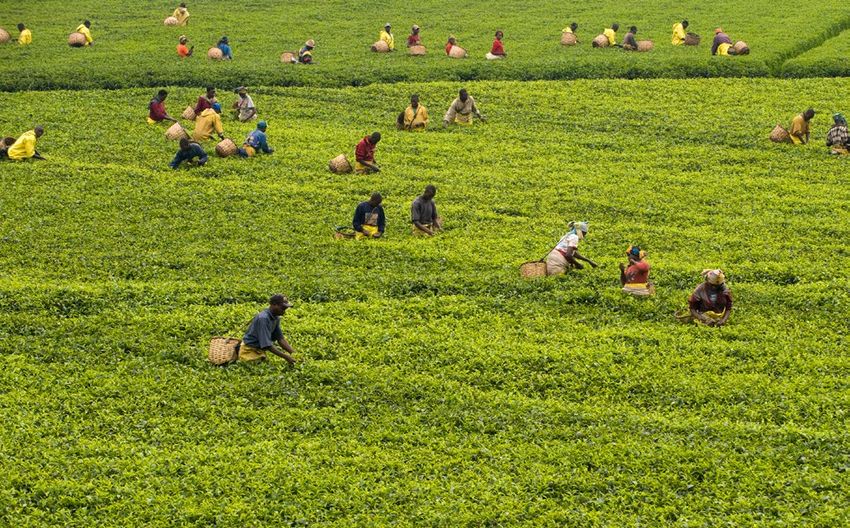
2

                                               Contents
“We source from over 70 countries, working
with thousands of suppliers and tens of
thousands of farmers to offer our customers      Our sourcing heritage                                         Tea pilot: pushing boundaries for shared value                                                                         16
the quality products they love. The scale
of our business means we can make an           Building on a strong heritage of sourcing with integrity   4    Key activities 2017/18                                                                                                 18
important contribution to sustainable
development internationally.                   A history of investing in sustainable development          5    Listening and learning from producers                                                                                  19

We have to work collaboratively and            A legacy of investing in British farming                   6    Using our Standards and data to drive solutions                                                                       20
creatively if we are to achieve the Global
Goals and tackle climate change, end poverty   Collaboration for international development                 7   Producer development plans and the social premium                                                                      21
and fight inequality. It is against this
backdrop that we seek to continually evolve    Unlocking data for insight                                 8    Measuring progress                                                                                                     23
our approach to scale up the impact of our
sourcing efforts.”                             Using technology to drive traceability                     10   Independence and assurance                                                                                             24
Mike Coupe, Group Chief Executive

                                                 The Sainsbury’s Foundation Advisory Board *                       Appendix

                                               Committed to accelerating international development        11   Sainsbury’s Fairly Traded tea pilot partners                                                                           26

                                               The Sainsbury’s Foundation Advisory Board members          12   Adhering to the 10 principles of Fair Trade                                                                            27

                                                                                                               Sainsbury’s Fairly Traded Reporting Criteria                                                                           28

                                                 Sainsbury’s Fairly Traded tea pilot

                                               Securing the future of our customers’ cuppa                13

                                               Adding value from leaf to cup                              14

                                               Our vision for change                                      15   * The Sainsbury’s Foundation is the name Sainsbury’s gives to its not-for-profit initiatives including its Sainsbury’s Fairly
                                                                                                                  Traded programme. The Sainsbury’s Foundation is a trading name only. All Sainsbury’s Foundation funds are ring-fenced
                                                                                                                  by Sainsbury’s and applied for social and/or charitable purposes.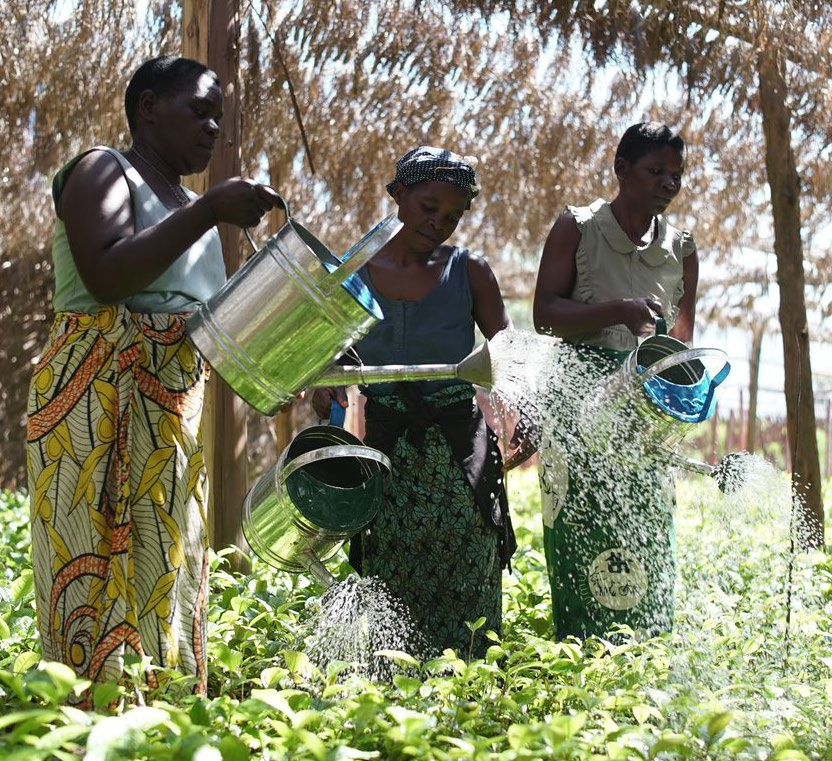
3

When we talk about sourcing and our supply
chain, we’re referring to large numbers of
people involved in offering our customers
the best quality products.                                              1,400+ suppliers

 Tens of thousands of
 farmers and growers                                                             2,200+ stores

         12,000+
Sainsbury’s own-                                                  185,000 colleagues
  brand products

                                             How we work with our supply chain partners:

  28 million customer                        •   Focus our efforts where we can make the biggest difference

          transactions                       •   Support our suppliers to be more sustainable

                                             •   Aim to drive positive, systemic change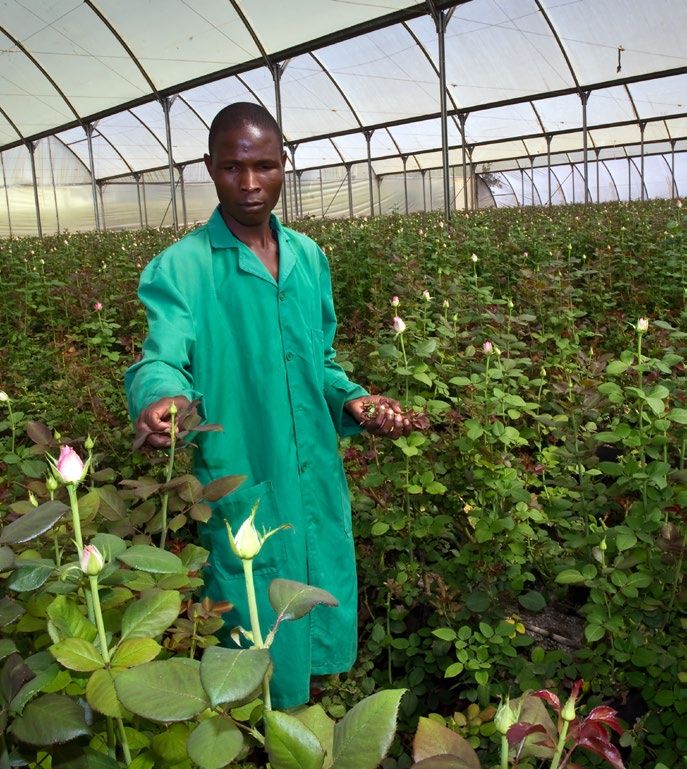
Our sourcing heritage                                                                                                                                                                                                    4

Building on a strong heritage of sourcing with integrity
As we approach our 150th anniversary, I’m proud                              to build stronger businesses and ultimately, more thriving communities.
to reflect on our strong heritage of building long-                          At a time when supply chain transparency is so important, this pilot is
                                                                             an example of in-depth research where we trial how we can be a more
term relationships with farmers and producers and                            proactive, visible and accountable partner to our farmers and growers.
I’m excited about our plans to work more closely
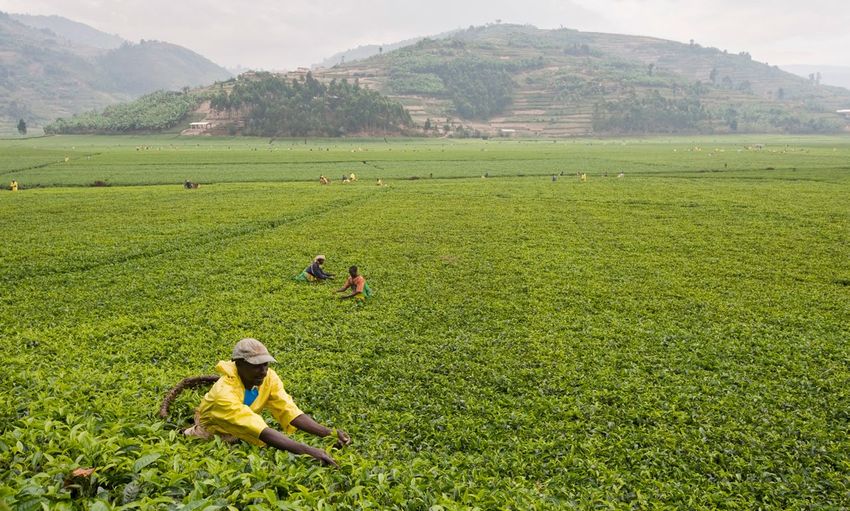
with them going forward.                                                     This pilot is targeting breakthroughs that will benefit the whole industry.
                                                                             In this spirit, it’s worth reiterating that Sainsbury’s is not generating
These relationships have been underpinned by the principles of going         extra income from the pilot. The benefit is for the farmers. We guarantee
beyond compliance and encouraging innovation. From setting up the            a minimum price for their crop plus a Sainsbury’s Fairly Traded social
Sainsbury’s Dairy Development Group in 2007 when the milk industry was       premium for them to invest in their businesses and communities. And,
under extreme pressure, through to working with the Consumer Goods           there’s no exclusivity in this relationship – farmers are free to sell their tea   Why act now?
Forum on zero net deforestation, we’ve always been committed to building     to other purchasers too.
sustainable supply chains. And it’s why we’ve been working for over                                                                                             Farmers we source from – particularly those running and
four years on our innovative Sustainability Standards programme which        We fully acknowledge that this evolution in our approach has not been              working in small-scale enterprises – are already facing
supports suppliers with the data and insight they need to improve their      without scrutiny. We have received lots of feedback, engaged with many             immense challenges such as:
businesses.                                                                  stakeholders in person and welcomed the opportunity to answer our
                                                                             customers’ questions over the past year. We hope the following pages               •   The effects of climate change on their day-to-day
The scale of our business means we can make a real difference; building      provide transparency on our approach, our thinking and insight into the                production
closer relationships with our suppliers and offering them bespoke support.   challenges we’ve faced as well as the progress we’re making.                       •   A global trade system which does not favour
We’re focusing our resources on activities that will drive progress in the                                                                                          smallholder farmers
social, economic and environmental sustainability of farmers, workers        Finally, I’d like to thank our partner organisations and all our suppliers,        •   A lack of access to suitable finance and inputs
and their communities within our global supply chains. We’re calling this    farmers and growers for their trust, commitment and co-operation to                •   Limited access to the information and data that
The Sainsbury’s Foundation approach and it will be overseen by the newly     drive sustainability in our value chains and, in particular, for bringing the          would enable them to increase productivity and sales
formed Sainsbury’s Foundation Advisory Board.                                Sainsbury’s Fairly Traded tea pilot to life.
                                                                                                                                                                Our population is growing rapidly… By 2030, we’ll need 50%
The Advisory Board’s first mandate is to oversee the Sainsbury’s Fairly                                                                                         more energy, 35% more food, 40% more water than today.
Traded tea pilot which we started in 2017, working with tea farmers in       Mike Coupe
Rwanda, Kenya and Malawi whose tea goes into our Red Label blend,            Group Chief Executive

                                                                                                                                                                                                             Credit: Rohith Peiris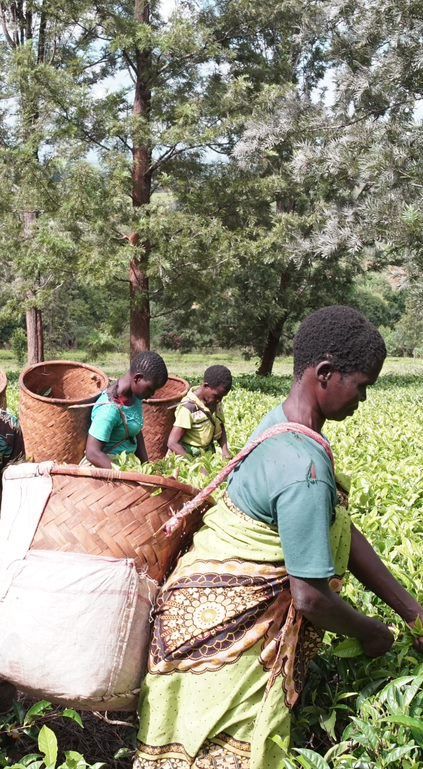
Our sourcing heritage                                                                                                                                                                                             5

A history of investing in sustainable development

                          1994                                              2004                                             2012                                                2018
                          Started supporting                                Began our partnership with                       Launched                                            Joined the World Cocoa
                          Fairtrade. Today, we                                                                               our project                                         Foundation, the UK Roundtable
                          remain the world’s                                the Woodland Trust. We’ve                        with Sukambizi                                      for Sustainable Soya and the
                          largest retailer of                               since raised over £7 million and                 Association Trust tea                               Cambridge Institute of Sustainable
                          Fairtrade products.                               planted over three million trees –               growers in Malawi, supporting the                   Leadership Water Agreement to
                          We sold £300m+ worth of                                                                            development of tea plant nurseries                  drive more sustainable production
                          Fairtrade products in 2017/18
                                                                            mitigating 750,000 tonnes of CO2                 and farmer training to increase                     and practices in agricultural
                                                                                                                             productivity and quality                            supply chains

 1869                                                     1998                                    2007                                                     2017
 Sainsbury’s was founded as a dairy shop,                                                         Launched the Sainsbury’s Dairy
                                                          Became a founding member                                                                         Marine Stewardship
 with the promise of higher quality milk                                                          Development Group in 2007 and today
 and butter, at affordable prices                         of the Ethical Trading                  we have farmer and grower development                    Council ranked us the
                                                          Initiative (ETI). Since then            groups covering our main agriculture and                 best supermarket in
   Since then, and particularly                           we’ve worked on various                 horticulture supply chains                               the world for sustainable fish
   over the last 20 years, we                             initiatives addressing ethical          Launched the Fair Development Fund
   have invested in several                                                                                                                                Signed the Cerrado Manifesto to tackle
   UK and international
                                                          issues in global supply                 with Comic Relief to transform the                       deforestation in one of the world’s most
   development projects and                               chains, such as trafficking              lives of small producers in developing                  biodiverse regions
                                                                                                        countries. This is in addition to
   partnerships…                                          and slavery in the Thai                          the charitable partnership with
                                                          fishing industry                                   Comic Relief, which has raised
                                                                                                             over £100m since 1999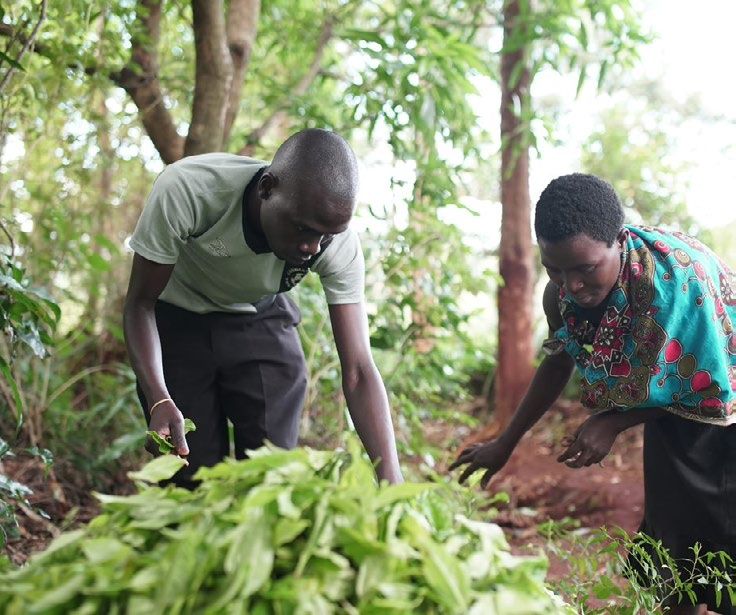
Our sourcing heritage                                                                                                                                                                                        6

A legacy of investing in
British farming
Through our farmer and grower development
groups, our research and development (R&D)
programmes and our apprenticeship scheme,
we’re supporting the British agricultural sector.
We invest in a range of R&D projects directly with our suppliers and
farmers as well as academic institutions, industry experts and through
government-funded initiatives. We engage with centres of agricultural
innovation and in 2015, under our ‘Big Data’ project call, awarded grant
funding to six pioneering projects to help generate data and innovation
to benefit farmers.

     11 research projects                                                  10 years of the Sainsbury’s Dairy                                          260+ dairy farmers in the SDDG
                                                                           Development Group                                                          Higher milk yields
     Running in 2017/18 – with a value of over £3                          In 2007, the dairy industry was at an all-time low with the farm gate
     million – focused on improving agricultural                           price of milk plummeting and serious risks posed to farmer livelihoods     Improved animal welfare: 49% reduction in clinical mastitis
                                                                           and security of supply. To help develop solutions, we put together         and a 44% reduction in lameness
     productivity and reducing the environmental
     impacts of British farming.                                           and supported a group of dairy farmers called the Sainsbury’s Dairy
                                                                                                                                                      Price guarantee
                                                                           Development Group (SDDG).

                                                                           “It makes us dairy farmers sustainable. To have high                     “Over the last 10 years we’ve really got to know
                                                                           standards of welfare you have to be able to afford                       these farmers by taking the time to meet them and
                                                                           high standards, and the group helps us to achieve                        understand the challenges they face. Our relationships
                                                                           that. The SDDG has given us terrific confidence to                       are based on mutual trust and supported by our
                                                                           invest in our farms.”                                                    memorandums of understanding and a price
                                                                                                                                                    guarantee.”
                                                                           Ben Jack, SDDG farmer, Fife
                                                                                                                                                    Beth Hart, Sainsbury’s Head of Agriculture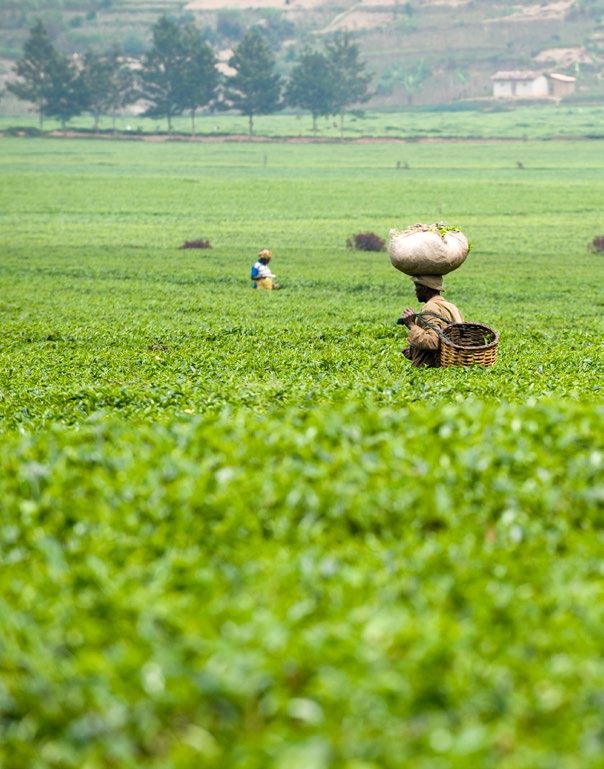
Our sourcing heritage                                                                                                                                                                         7

                                                                                                                                             The Fund has invested in wide-ranging
Collaboration for                                                                                                                            projects:

international development                                                                                                                    • £ 200,000+ in activities in the Indian grape
                                                                                                                                                industry, including promoting gender
We believe that collaboration is the only way to                                                                                                equality and diversification
address the global challenges facing the food
industry at the speed and scale required.
                                                                                                                                             • £200,000 on training for more than 350
We have a long history of being part of industry and global partnerships to
drive change, including over 40 current collaborations aiming to transform                                                                     cashew nut farmers in Madagascar – one
and improve our supply chains around the world including:                                                                                      of the poorest countries in the world

• Roundtable on Sustainable Palm Oil (RSPO)
                                                                                                                                             • £ 250,000 in rehabilitating a tea growing
• World Cocoa Foundation                                                                                                                        area in Tanzania and upskilling 11,000
                                                                                                                                                small-scale tea farmers
• Consumer Goods Forum Sustainable Supply
  Chain Initiative (SSCI)
                                                                              10 years of the Fair Development Fund
• UK Roundtable for Sustainable Soya
                                                                              In 2007, the Fair Development Fund was launched as a unique
                                                                                                                                             “Blending our areas of knowledge and expertise
• Ethical Trading Initiative (ETI)                                            partnership between Comic Relief and Sainsbury’s. Combining
                                                                              Comic Relief’s expertise in awarding grants with Sainsbury’s   we have been able to work together with key
                                                                              experience in farming and food, the Fund continues to help     producers in the Sainsbury’s supply chain
See more of our collaborations in our Sustainability Update and Modern
Slavery statement available on our corporate website.                         producers in developing countries thrive.                      to receive training, unlock capacity in their
                                                                                                                                             businesses, create jobs and take steps to protect
                                                                              Going forward, we’ll be developing effective partnerships in
                                                                                                                                             their livelihoods against climate change through
                                                                              other key geographical areas, to benefit even more people in
                                                                              Sainsbury’s global supply chains.                              new agricultural practices. At Comic Relief we are
                                                                                                                                             passionate about providing a hand up not a hand

                                                                              £4m                Committed since 2007 to                     out and our partnership with Sainsbury’s means
                                                                                                 supporting farmers and workers              that farmers and small producers have a better
                                                                                                                                             chance of building a sustainable income and
                                                                                                                                             brighter future for themselves, their families and

                                                                              14        Grants across
                                                                                        three continents
                                                                                                                                             their communities.”
                                                                                                                                             Ruth Davison, Executive Director Impact & Investment,
                                                                                                                                             Comic Relief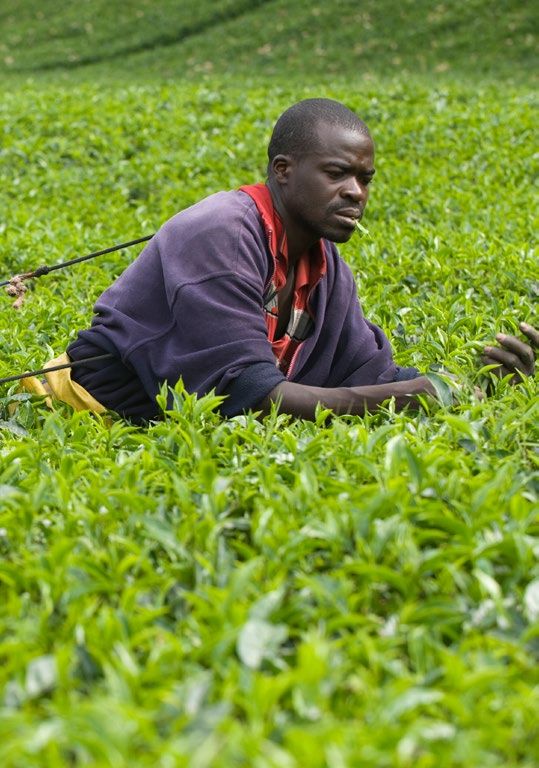
Our sourcing heritage                                                                                                                 8

Unlocking data for insight                                                         Our Standards: based on comprehensive
                                                                                   benchmarking
Our innovative Sustainability Standards
programme gives suppliers meaningful data
and insight to improve their businesses.
Since launching our Sustainability Plan in 2011, we’ve invested heavily in         existing certifications such as Rainforest Alliance and
developing a Sustainability Standards programme to help farmers of our             UTZ benchmarked and built on – we know where our
key raw materials to identify and address key areas for improvement.
                                                                                   Standards overlap with existing standards, and where
Our Standards build on and complement years of experience working                  they introduce new criteria. This approach allows us to
with farmers and growers, as well as our ethical policies and our core             reduce duplication for suppliers.
Supplier Brand Standards and Codes of Practice. They provide a consistent
approach to supporting our direct suppliers and farmers across all aspects
of sustainability – economic development, environmental and ethical
treatment of workers.

Our Standards are made up of:                                                      independent experts from over 70 organisations
                                                                                   have peer reviewed the Standards, which have been
• An overarching standard – for each of our direct                                 co-authored with specialist advisors SAI Global.
  processing or manufacturing sites
   This universal standard helps to identify and manage areas that will enhance economic
   sustainability, improve worker wellbeing, and reduce environmental impact

• A standard for each of our key raw materials (such as tea,
  prawns, flowers) – for farmers and growers
   This helps to manage material-specific issues and hotspots in our primary production
   through a journey of continuous improvement
Our sourcing heritage                                                                                                                                                         9

                        Driving improvement through data and sharing
                        best practice                                                                      Raising the industry bar
                        We’re supporting suppliers, farmers and growers to deploy our Standards
                        through a Sustainability Performance Assessment (SPA) tool through which           In 2017, we joined a collaborative initiative with the Consumer
                        they can see their performance against a range of sustainability criteria.         Goods Forum called the Sustainable Supply Chain Initiative
                        The tool provides tailored feedback and farmers are also given anonymised          (SSCI) to harmonise and raise the bar on global sustainability
                        information about how their farm compares to their peers so they can learn         standards. The SSCI strongly aligns with our Sustainability
                        from best practice.                                                                Standards programme. We’ll be actively supporting the initiative
                                                                                                           throughout its duration to 2020.
                        Rather than a traditional pass or fail approach, we’re working with farmers
                        to develop specific action plans to improve over time. We can also identify
                        overarching issues that affect several suppliers and initiate projects at a
                        peer group, catchment or national level.                                      “The Sainsbury’s Sustainability programme seeks
                                                                                                      first-and-foremost, to ‘hear the farmer’s voice’ and to
                        To date, we have piloted our Sustainability Standards programme and
                        SPA tool with farmers and growers in our tea, prawn, sugar cane and floral
                                                                                                      understand what farmers regard as the key threats to
                        supply chains. In tea, this included workshops on-site in Kenya, Rwanda       the long-term viability and resilience of their farms.
                        and Malawi to ensure farmers and growers were fully trained, comfortable      In so doing, Sainsbury’s is positioning itself to support
                        and confident with the programme and the tools. See Using our Standards       genuine, meaningful and lasting improvement to the
                        programme and data to drive solutions, p20.                                   resilience of their supplying farmers and their key raw
                                                                                                      material supply chains. We are proud to be associated
                                                                                                      with this innovative and ground-breaking programme”.
                                                                                                      David Farrell, Partner, Blue North (consultancy)
Our sourcing heritage                                                                                                                                                                                            10

                                                                                                                                                  Sustainable fishing from the
                                                                                                                                                  point of capture
                                                                                                                                                  In 2017, we started working with OceanMind, a not-for-profit
                                                                                                                                                  division of the Satellite Applications Catapult, to use satellite
                                                                                                                                                  technology to monitor vessels and independently validate source,

Using technology to                                                                                                                               legality of capture and fishing method.

drive traceability
                                                                                                                                                  “We want to be sure that we have absolute
We’re harnessing the power of technology to help                                                                                                  traceability to the point of capture for all the fish
us source more sustainably, improve visibility                                                                                                    we sell. As such, we’ve commissioned independent
of all parts of the supply chain and enhance                                                                                                      monitoring services from OceanMind, including
the livelihoods of the smallholder farmers we                                                                                                     analysis of data sets relating to, for example,
                                                                                                                                                  vessel licensing, fishing methods and quota.
work with.
                                                                                                                                                  By doing this, we will significantly improve our
                                                                                                                                                  traceability systems and deliver transparency
                                                                                                                                                  and assurance, as well as doing our bit to protect
                                                                            Using blockchain to financially reward                                fisheries and the environment.”
  Transparency for cocoa traceability
                                                                            sustainable tea farming practices                                     Judith Batchelar, Director, Sainsbury’s Brand
  We’ve brought together independent technology experts, the
  Satellite Applications Catapult, FOCAFET and others to explore the        Trado is a consortium of major corporates, banks and start-ups
  capabilities in satellite and artificial intelligence to enable supply    that is testing whether blockchain and other technologies can
  chain mapping against deforestation.                                      help unlock financial incentives that reward sustainability in
                                                                            supply chains. The project is trialling the concept by using a
  As an active member of the Consumer Goods Forum, we’re                    shared data system for tea farmers in Malawi that supply Unilever
  proposing a high-level collaboration to agree minimum standards           and Sainsbury’s. The same system will also track the materials
  for transparency and traceability in cocoa supply chains. The vision      produced for the tea’s packaging, provided by global sustainable
  is that the approach we’re calling ForestMind could enable the            wood fibre products company, Sappi.
  industry to access real-time deforestation data. If successful, it will
  give the value chain standardised information on deforestation            The concept aims to make all participants in a supply chain
  claims to demonstrate progress against commitments.                       better off. The foreseen benefits range from making valuable
                                                                            data available to providing financial incentives. Data availability
  We believe this can potentially be applied to other raw material          is relevant to corporates and banks. Financial incentives can
  supply chains, once piloted with cocoa.                                   economically strengthen upstream producers such as smallholder
                                                                            farmers. Read more about this pilot.
Sainsbury’s Foundation Advisory Board 11
Will Day, Independent Chair,
The Sainsbury’s Foundation Advisory Board
“I believe that a more sustainable world needs
Committed to accelerating retailers, and their customers, to better understand
the impact of what they purchase on people and the
international development planet. I am delighted that, through the Sainsbury’s
Fairly Traded tea pilot and the establishment of the
Advisory Board, Sainsbury’s is showing real leadership.
Our ambition is to support the sustainability,
resilience and efficiency of suppliers, farmers and In 10 years’ time, I’d like the farmers and workers
producers within our supply chains worldwide. supplying Sainsbury’s products to know that they
Ultimately improving their businesses and ours. are serving Sainsbury’s customers, and to recognise
that their lives, environment and wellbeing have
Sainsbury’s has established The Sainsbury’s Foundation Advisory Board to
oversee activities that aim to address social, economic and environmental
been enhanced by working with us.”
development within Sainsbury’s producer communities and supply
chains worldwide.
The Sainsbury’s Foundation Advisory Board will initially focus on
the Sainsbury’s Fairly Traded tea pilot, and will:
• Provide advice on strategic choices
• Oversee development and implementation
• Analyse and report on expenditure, progress and impact
Credit: Rohith PeirisSainsbury’s Foundation Advisory Board 12
The Sainsbury’s Foundation Will Day, Independent Chair
Advisory Board members
Will brings a wealth of experience in sustainability
and not-for-profit enterprise leadership, and is a
Fellow of the University of Cambridge Institute for
Sustainability Leadership.
External Advisors
Pauline Tiffen Paul Cleal Andy Wales Alice Chapple
A proven track record of working Strategic thinker on international Sustainable development An expert in establishing
with under-represented farmers development, bringing practical matchmaker and innovator with approaches to evaluating risk and
and workers to drive understanding business and personal experience extensive experience of social, impact to support longer-term
and improvement in complex of working in one of our key environmental and commercial investment strategies.
global supply chains. sourcing regions, Sub Saharan aspects of agricultural value chains.
Africa. After her director role at Forum for
Pauline has more than 30 years’ Andy matches entrepreneurs with the Future, Alice established the
experience in social and ethical Paul acts as a board member or multinationals’ value chains to consultancy Impact Value, advising
enterprise from co-ops to the advisor to organisations on strategy, deliver social impact. He is a Senior companies, development finance
World Bank. She was founder of leadership and change. Over the last Advisor for the Global Innovation institutions and other investors on
pioneering farmer-owned, fair trade 30 years Paul has worked in local Fund and has recently joined commercial strategies which deliver
companies Cafédirect and The and central government and was a BT as Chief Digital Impact and the best impact for society and the
Divine Chocolate Company. partner in PwC for 16 years. Sustainability Officer. environment.
Sainsbury’s Internal Advisors
Ben Bradburn, Judith Batchelar, OBE Jason Elton
Secretary With over 35 years’ experience Jason is based at Sainsbury’s
in the food industry, Judith is Kempshott (near Basingstoke) and
Ben is an employment lawyer in
responsible for all aspects of is an Online Delivery Driver. He
our in-house legal team and he has
Sainsbury’s product offering, from works closely with colleagues from
provided legal counsel to The Social
ethical and sustainable sourcing across the Sainsbury’s Retail Group,
Investment Consultancy since 2009.
through to product development, as part of his role as a National
quality and packaging. Great Place to Work Representative.Sainsbury’s Fairly Traded tea pilot 13
Securing the future of our Producers are already facing: Sainsbury’s Fairly Traded tea pilot
customers’ cuppa
In 2017, we decided to start working more directly with our tea
• Reduced and erratic rainfalls farmers to help them tackle these challenges.
• Hail or frost damaging crops We’re now sourcing our Red Label teas from five producer
After water, tea is the most popular beverage organisations in Rwanda, Kenya and Malawi which represent over
in the world. Yet the tea industry faces 100,000 farmers.
unprecedented challenges, such as the effects • Increasing temperatures that heavily affect
of climate change, resource constraints and yield and productivity
Kenya
a shift in consumer demand and habit. • Potential losses of 30% in earnings due to • Fintea Growers Cooperative Union
For example, in Kenya, tea provides income for 3 million people and climate variability
their families. Given its economic importance, there are concerns over • Kenya Tea Development Agency*
the viability of tea in the long run as a result of climate change.1
• Williamson Tea
1. Ethical Tea Partnership report
Malawi
• Sukambizi Association Trust
Rwanda
• Assopthe Cooperative
Other supply chain partners: James Finlay (Kenya) Limited,
Lujeri Tea Estates Ltd, Tea Importers Inc, Sorwathe Ltd
* Kenya Tea Development Agency gardens: Imenti, Rukuriri,
Chinga, Gitugi, Gacharage, Makomboki, Mungania, Iriaini,
GatunguruSainsbury’s Fairly Traded tea pilot 14
Adding value from Visibility of where and how money is More sustainable, resilient supply
being spent to ensure accountability
leaf to cup chains for tea into the future
Sainsbury’s tea supply chain in East Africa A Sainsbury’s Fairly Traded Transparency in how the
minimum price – set at a value social premium has been
Each producer organisation at least equal to the Fairtrade spent and its impact
Creating a space receives annual volume minimum price - for their tea,
where even the most forecasts which support greater which protects against market
vulnerable have a voice financial predictability fluctuations
Exporters
Transporting tea
Smallholder tea Tea farmers’ Sainsbury’s Sainsbury’s
farmers organisation supermarkets customers
Tea estate
Growing green leaf tea Selling tea Drinking and enjoying tea
Buying tea to sell on or First stage tea processing
support with training
and inputs
Able to access a guaranteed
route to market Opportunity for transparent, Packer / Processor
participatory and longer-term Blending and packing tea
relationships throughout the
A Sainsbury’s Fairly Traded social premium value chain
available for each producer organisation Consistently high quality
– based on the volume of tea sold and product, at a fair price
awarded at a value at least equal to the Valuable information and data
Fairtrade Premium – for them to invest in generated through the Sustainability
their businesses and communities Standards programmeSainsbury’s Fairly Traded tea pilot 15
Our vision for change “Sainsbury’s has supported us with building and running
two tea plant nurseries since 2012, which means that
Sustainable livelihoods, thriving communities and resilient supply chains. smallholder farmers have access to good quality seedlings.
This helps to improve our product quality, yield and
incomes. We welcome the idea of working with Sainsbury’s
What we put in: What we hope to achieve: on the Fairly Traded initiative and hope that together, we
can develop ways of building more productive tea farms.”
Austin Changazi, Development manager, Sukambizi Association Trust
(tea producer organisation), Malawi
Contributing to the UN Sustainable Development Goals
Tailored information, Social development and
support and training community empowerment
Environmental sustainability
Sustainable investment and stewardship
“I think that through our work with Sainsbury’s, we will
be able to produce better quality tea and bigger quantities.
I have been a tea farmer for 10 years and thanks to my
business I am able to send my children to school.
Our biggest challenges are making the most of our land
by having good quality seedlings to grow.”
Greater financial
predictability Economic resilience Modesta Harrison, Sukambizi Association Trust Committee Member
and tea farmer, MalawiSainsbury’s Fairly Traded tea pilot 16
“The Fairly Traded tea pilot builds on the Fairtrade approach to
ethical sourcing. The world is changing, the challenges farmers
face are increasingly complex and we recognise our role to support
them. Our pilot brings more tailored support to these tea farmers –
protecting the benefits received under Fairtrade while going further.”
Q&A with Judith Batchelar OBE,
Director of Sainsbury’s brand
Tea pilot: pushing boundaries for shared value
Q: What have you achieved in the first year of the pilot? overnight. However, this year has already shown the benefits of getting
to know our suppliers and the importance of our role in being a more
A: We’ve gained a full picture of our tea supply chain. We’ve spent a lot accountable partner.
of the year working with various people from our tea packers to farmers
and hired farm workers. We’ve tried to understand their challenges and Q: How does the pilot ‘push boundaries’?
where we are best placed to support. And working with groups of tens of
thousands of farmers, this has kept us busy! A: The pilot is based on significant engagement with suppliers, farmers,
workers and experts. It’s been designed over a number of years to build
on existing good practice, while doing more to address the very real and
We’ve spent time working with as many of the people current challenges facing farmers and communities producing tea for
in the tea supply chain as possible to understand their Sainsbury’s customers.
challenges and where we are best placed to support.
develop their businesses and support them to invest their premiums
Having spent time with producers, we’ve identified key areas for
“The pilot is aimed at helping farmers and growers face most effectively.
development such as financial acumen, gender equity and organisational the challenges of the 21st Century. It drives greater
governance, as well as ensuring that the most vulnerable people in the transparency, which was very limited in the tea supply We recognise that there are organisations and initiatives already
supply chain are included in decision making. To address these areas, chain – most growers did not know their tea was ending doing great work and having a positive impact in the tea sector, so
we’ve funded specialist local consultants to work with producer up on Sainsbury’s shelves.” we will ensure we collaborate where relevant. Furthermore, we have
organisations directly. independently analysed the UN Sustainable Development Goal priorities
We’re proud to now be in a position where we can sit around the table for the tea sectors in Kenya, Rwanda and Malawi, which will help us
There is widespread industry recognition of the scale of sustainability with our partners through the value chain. We can provide the relevant to bring together support and advice to help address key social and
challenges in the tea industry so we appreciate we will not see results information and data – from local to global – which can empower them to community development needs.Sainsbury’s Fairly Traded tea pilot 17
Q: How did suppliers react to the pilot? Q: What is your relationship with Fairtrade?
A: Before we launched the pilot, we consulted with producers who are in A: We’ve been selling Fairtrade products since 1994. Today, we remain
our direct supply chain as well as those in our indirect supply chain – and the world’s largest retailer of Fairtrade products, supporting farmers and
some who historically supplied products to Sainsbury’s. This is because workers in developing countries through their model of full empowerment.
in traditional tea supply chains, many producers do not know who the I know that some of our stakeholders are concerned that we have stepped
ultimate customer is, and because of blending and purchase patterns, we away from working with the Fairtrade Foundation. Through our many
did not consistently source from the same group of farmers and workers. As sourcing commitments we continue to work with the Fairtrade system
a result of longer-term commitments and the additional benefits the pilot alongside partnerships with other organisations such as Comic Relief and
will bring above and beyond current systems, farmers in our Red Label tea the Department for International Development.
supply chain have welcomed the trial. We now source tea for our Red Label
blend from a defined group of small-scale farmers and larger estates across Q: What’s your outlook for the coming year?
Kenya, Malawi and Rwanda. Working closely with this group will ensure a
quality product for customers and help us create longer-term relationships. A: It’s really about continuing the partnerships we’ve started with the
men and women on the ground. It’s the reason we evolved our approach.
We’re looking forward to delivering sustainable, scalable and meaningful
Farmers have welcomed the additional benefits the change. We’ll also continue innovative projects in other supply chains
pilot will bring and the opportunity to work with us in a such as working with ForestMind where we’re aiming to use technology
closer dialogue. to improve traceability in supply chains, in order to tackle deforestation.
Q: What about claims that the term ‘Fairly Traded’ was misleading?
“This is about long-term planning and working with our
A: We supported the Advertising Standards Authority (ASA) with its
farmers to help them become stronger and more resilient.
investigation in 2017, which focused on one advert for ‘Fairly Traded’ teas on
our groceries online page. We were pleased that it rejected the claim that By sharing information, insights and investment we
‘Fairly Traded’ could be misleading as to the ethical standards applied to can truly help them in making the decisions that will
the products¹. It recognised the high ethical standards underpinning our tea improve their businesses and communities.”
pilot and ruled that customers would understand that the tea was produced
as part of a scheme adhering to well established principles of fair trading. Judith Batchelar OBE, Director of Sainsbury’s Brand
We recognised the ruling on our online adverts and have made changes
accordingly.
1. www.asa.org.uk/rulings/j-sainsbury-plc-a17-400992.htmlSainsbury’s Fairly Traded tea pilot 18
Key activities 2017/18
Getting to know producers • Regular visits to producer organisations in Kenya, Malawi and Rwanda, by us and our
partners, building relationships and trust
• Workshop in Kenya for tea pilot producers, for feedback and input into direction of the
Sainsbury’s Fairly Traded tea pilot “We are pleased with this partnership with Sainsbury’s
so we can build trust with each other. The Board and its
members are going to work hard because it’s important
Identifying the challenges •
•
Independent experts undertake capacity assessments with producers
Training farmers on using the Sainsbury’s Sustainability Standards tool to identify
for the Cooperative and for our communities. We are
excited about the variety of projects we are going to
and opportunites their strengths and areas for improvement
work on together and are pleased they spend time
• Mapping global initiatives and activities across the tea sector
visiting, as well as providing local support like Sam
[producer support and liaison].”
Building the pilot framework •
•
Working with NGOs and partners to create a ‘Theory of Change’
Developing systems and processes to make information and funds accessible to
Dorothee Mukantabana, Chairperson of Assopthe Cooperative, Rwanda
farmers and workers
• Signing longer-term agreements by all supply chain partners, from farmer
organisations, all the way through to Sainsbury’s
Finding the right partners •
•
Identifying experts to guide our activities
Recruiting local producer support and liaison in Kenya, Malawi and Rwanda to
directly support producer organisations with their plans
“I am impressed by Sainsbury’s Fairly Traded tea pilot,
and the way Sainsbury’s commits to engage with farmer
Creating the governance • Appointing Independent Chair and members of The Sainsbury’s Foundation
Advisory Board
communities to support them in meeting the challenges
structure • Holding the first Advisory Board meeting in April 2018 they face. Together with my team at ARCOS Network,
• Establishing an independent approach to assurance over our core pilot commitments we are humbled to be part of this journey by bringing
such as social premium payments our experience and supporting producer groups in my
• Creating a confidential grievance and feedback mechanism for everyone involved in country Rwanda to plan effectively, produce sustainably
Sainsbury’s Fairly Traded supply chains
and benefit from their hard work.”
Dr Sam Kanyamibwa, Executive Director, ARCOS Network and Sainsbury’s
Producer Support & Liaison, RwandaSainsbury’s Fairly Traded tea pilot 19
Listening and learning Some of the challenges faced by
farmers and workers:
Feedback and grievances
from producers We are committed to providing a robust grievance system and offer
feedback opportunities for all Sainsbury’s Fairly Traded supply
• Accessing enough quality tea plants to cultivate chain parties. We’re working with an independent organisation
to provide a confidential, proactive feedback system facilitated
We took time to research the tea supply chain through in-person and mobile channels.
and understand how we could best support • Using the available water effectively
all stakeholders within it.
• Transport infrastructure (e.g. bridges and roads)
We analysed the taste profile of tea our customers wanted. This led to
us select a mix of countries and producers who could deliver not just the • Opportunities for diversification
quality and consistency we require for our customers, but also where the
social premium would have the greatest impact. • Ensuring children can access good quality schooling
It was really important for us that everyone within our supply chains was
able to communicate regularly to give feedback on how we are doing and • Accessing good quality healthcare
what can be improved. We’ve been busy getting to know our tea producers;
spending time with them at their farms and in their communities, but we • Investing effectively in their businesses
know that – as we’re one of their customers – they might not want to tell us
everything. That’s why we’ve worked with independent experts to find out
• Accessing the best training and support
what is important to producers, what they find challenging and how we can
best support them.
• Accessing the right information and data to make
informed decisions
We worked with the Institute of Development Studies (IDS) – a
• Accessing relevant technology
leading global institution for development research – to articulate
the impact logic of the Fairly Traded pilot. It indicates the type
of activities that Sainsbury’s will implement to address the
challenges faced by the producers, and the expected outcomes in
the short and the longer term. This ‘Theory of Change’ will inform
Inspiring further collaborations
how we collect data and information to evaluate the pilot and its
We’re pleased to have made connections between funders,
impact. See Measuring progress, p23.
experts and our tea suppliers. An example of this is putting one
of our tea producers in touch with the Scottish Government who
have a large programme of work to improve access to water in
Malawi. Experts have already mapped the boreholes and water
resources in the region and they will now be installing a ram pump
to supply water to one of the villages adjacent to the tea estate
where many of the workers live. This will ensure they have a
direct and regular supply of water, year round.Sainsbury’s Fairly Traded tea pilot 20
Using our Standards The results from the Sustainability
Standards programme and the assessment
programme and data tool will highlight areas that suppliers might
want to include in their development plans
to drive solutions and invest in using the Sainsbury’s Fairly
Traded social premium.
In 2017, we held workshops on farms and estates
in Kenya, Rwanda and Malawi to support farmers
using the Sainsbury’s Tea Sustainability Standard.
Anonymised feedback gathered about the
This Standard focuses on tea-specific issues such as the impact of water on sustainability performance assessment
the wider environment and local community with additional management
and monitoring systems for waste water, pesticides and soil management.
tool during in country workshops:
It also addresses training of workers and employment conditions. From an
economic perspective, producers can analyse and improve their business
performance in areas such as working capital, ROI and having a productive “This is a very good tool that critically
workforce. identifies the areas that need improvement
and guides on how to do it.”
Feedback from participating producers Kenyan Tea Farmer
In 2018, we visited Nairobi to find out how participating tea producers
were getting on with using the Standard, which is a pre-requisite for
supplying Sainsbury’s Fairly Traded tea. We were able to see how “The data collection tool is quite diverse
completing our self-assessment tool has enabled farmers to identify as it can be used to collect data for
hotspot areas for improvement. It became clear that although some
challenges facing our tea producers across the groups and countries were
different certification standards.”
shared, many were specific to their own geography. Malawian Tea Farmer
The data showed us that water is a critical issue for our tea producers and
other key areas include energy use, farm inputs and waste. There are also
clear indications that support for improving financial management would
be beneficial.Sainsbury’s Fairly Traded tea pilot 21
Producer development plans and the social premium
As well as the minimum price guarantee, a social Key principles for underlining the Sainsbury’s
premium is given to producers to invest in their Fairly Traded investment approach:
businesses and communities. Producers develop
plans for how to invest their social premium, • We’ll use our experience, knowledge and contacts to
informed by needs-based planning and external support producers
data and insight.
• Where possible, we’ll work with farmers and workers to
We add value by offering expert support to access additional opportunities and funds
producers in developing their plans:
• Producer organisations will make decisions for how the
• We’ve appointed a local partner in each pilot country who has money is spent
experience working with smallholder farmers, as a free resource for
producer organisations if they wish
• Projects and activities should benefit the majority
• Each organisation receives its own tailored Sainsbury’s Sustainability
Standard report including detailed information on the hotspots they
have identified and an anonymous benchmark of their performance
against their peers
£930,000
• Capacity assessment reports – an independent consultant has
given bespoke insights for organisations, highlighting opportunities
for the future
• Tailored advice from experienced members of The Sainsbury’s
Foundation Advisory Board
• We provide links to existing initiatives, possible funding and training
total Sainsbury’s Fairly Traded Social
opportunities Premium Funds raised through the
purchase of Sainsbury’s Fairly Traded
products from our suppliers
Areas that farmers and workers might prioritise for investment
could include: building organisational capacity, female leadership
training, education, health, accessible savings and loan schemes
For details on the calculation and independent assurance of this figure, see the Sainsbury’s
and youth engagement. Fairly Traded Reporting Criteria in the Appendix and the assurance report available on
Sainsbury’s website at www.about.sainsburys.co.uk/~/media/files/s/sainsburys/disclaimer-
pdf/pwc-limited-assurance-report-2018.pdfSainsbury’s Fairly Traded tea pilot 22
A transparent finance model
The Sainsbury’s Foundation Advisory Board reviews project plans, looking
at additional areas of support for producers and on-going monitoring.
Social premium payments will be ring-fenced by producer organisations,
ready to pay out once plans have been developed. The producers know how
much premium is available for them and we ensure this amount directly
corresponds to the volume of their tea within our Red Label blend.
This transparent restricted finance model is independently assured and
will help improve governance and offer the potential of leveraging further
investment, by combining any other monies from external funding
partners. Once the plans are set, we will pay the first Sainsbury’s Fairly
Traded funds to producers.
In the spirit of continual learning, we’ll work with producers to evaluate
the impact of projects and investments so that they can adjust plans
as needed.
“The intention of the Sainsbury’s Fairly Traded tea
pilot is to deliver more impact by increasing the
effectiveness of the social premium. It is important
to regularly verify this. It is clear that this will require
strong producer groups that can manage the activities
funded with the Sainsbury’s Fairly Traded social
premium.”
Giel Ton, Director, Centre for Development Impact, Institute of
Development Studies
Credit: Rohith PeirisSainsbury’s Fairly Traded tea pilot 23
Measuring progress
From our experience with Sainsbury’s Farmer
and Grower Development Groups in the UK,
we know that it will take time to demonstrate
the impact of our programme both at individual
business and at community levels.
We’re developing a monitoring and evaluation framework to ensure that
the Sainsbury’s Fairly Traded tea pilot meets our ambitions for empowering
farmers and their communities.
As we progress with the pilot, we will be asking some key questions, ensuring
that we address particularly the impact upon different people within the
supply chain, such as men and women, farmers and hired workers…
Our intended outcomes
• Producers have the information and tools they need for
their development plans
• We and our customers know where the Sainsbury’s Fairly
Traded social premium is being invested
• Farmers and workers – particularly vulnerable groups –
have a greater voice in the system
• Businesses see increased efficiency and product quality
• Sainsbury’s can show how this approach contributes to
the UN Sustainable Development Goals
• Sainsbury’s customers enjoy consistently high quality
Red Label Tea
Credit: Rohith PeirisSainsbury’s Fairly Traded tea pilot 24
Independence and assurance
We promote high ethical standards in our supply chain, using training,
site visits, surveys and independent assurance to ensure compliance and
drive progress where needed.
We are founding members of the Ethical Trading Initiative (ETI) and require all our suppliers to meet our Code
of Practice on ethical trade. All new supplier sites must have an independent, third-party ethical audit. We work
with the Supplier Ethical Data Exchange (Sedex) to manage suppliers’ social compliance audit performance.
Our teams also conduct over a thousand visits to suppliers every year to ensure traceability, monitoring and
support where needed.
The pillars of our programme will be subject to independent assurance:
• Participation in Sainsbury’s Sustainability Standards programme
• Supplier payment of a minimum price
• Adherence by the direct supplier to Sainsbury’s Fairly Traded
Supplemental terms
• Accrual and ring-fencing of Sainsbury’s Fairly Traded social premium
• Investment within projects and programmes overseen by
The Sainsbury’s Foundation Advisory Board
Credit: Rohith PeirisSainsbury’s Fairly Traded tea pilot 25
It’s all documented
Sainsbury’s Fairly Traded products are supplied by Producer Organisations or Hired Labour
Organisations that participate in our Sustainability Standards programme and direct suppliers
who have agreed to the Sainsbury’s Fairly Traded Supplemental Clauses.
We have a suite of supporting operational documentation that was co-developed with an
independent organisation to underpin the Sainsbury’s Fairly Traded scheme:
Supplemental Clauses
Documenting requirements with respect to raw material payment price and social
premium, participation in the Sainsbury’s Sustainability Standards programme,
and adherence to principles stated within the Memorandum of Understanding.
Signed with Sainsbury’s and the direct supplier
Supplementary to Sainsbury’s Grocery Trading terms
Memorandum of Understanding
Recording principles including two-way sharing of knowledge, information and
data, participating in the Sainsbury’s Sustainability Standards programme and
compliance with Sainsbury’s Supplier Policy on Ethical Trade.
Signed by Sainsbury’s and all supply chain parties
Letter of Intent
Stating the term of the agreement and agreed volumes during this term.
Signed by the direct supplier and shared with producer organisations
Compliance with relevant documentation is independently verified.
Producer Agreement Full information on reporting criteria can be found in the Appendix.
Requirements regarding the payment and spend of the Sainsbury’s Fairly
Traded social premium.
Signed by Sainsbury’s and producer organisationsAppendix 26
Sainsbury’s Fairly Traded tea pilot partners
The Institute of Development Studies
The IDS is a leading global institution for development research, teaching
and learning, and impact and communications based at the University
of Sussex. Sainsbury’s has been working with IDS and the Centre for
Development Impact to articulate the impact logic of Sainsbury’s Fairly
Traded tea initiative (‘Theory of Change’), to identify critical areas for impact Albertine Rift Conservation Society
evaluation and explore opportunities to develop longer-term research
ARCOS Network is a regional conservation organisation with the mission to
projects around these areas.
enhance biodiversity conservation and sustainable management of natural
resources in the Albertine Rift region, Africa Great Lakes region and African
Mountains through the promotion of collaborative conservation actions
for nature and people. ARCOS’ overall goal is to enhance conservation of
critical ecosystems and promote sustainable development in the Albertine
Covox Rift region, Africa Great Lakes region and African Mountains through
collaborative actions between various partners.
Covox is a consultancy that helps buyers and suppliers listen and respond to
the workers, producers and communities in their supply chains. Sainsbury’s
is working with Covox to ensure the voices of farmers, workers and the rest
of the supply chain are actively involved in the continued development of
the Sainsbury’s Fairly Traded approach, systems and processes.
Blue North
Blue North is a specialist sustainability consulting practice that develops
tools and programmes directed at strengthening the resilience of farms
and agricultural supply chains. Sainsbury’s is working with Blue North
to implement the Sustainability Standards with farmers in Belize, South
Firetail Africa, the UK, Kenya, Rwanda and Malawi.
Firetail is a consulting firm that works around the world to help ambitious
organisations achieve social progress. Based in London, they help
organisations to develop strategies, grow, engage and learn, so they can
make better and smarter choices. Firetail is working with Sainsbury’s,
its partners and producers on the monitoring, evaluation and learning
associated with The Sainsbury’s Foundation Advisory Board and the
Sainsbury’s Fairly Traded tea pilot.Appendix 27
Local consultants engaged by We have a Group human rights policy and a Modern
Adhering to the 10 Sainsbury’s will directly support producer
organisations to build their capacity.
Slavery Act strategy. We also work to train suppliers on
ethical trade and engage with key suppliers on projects
Our approach to Sainsbury’s Fairly Traded includes:
• Minimum price guarantee
principles of Fair Trade
designed to improve worker welfare. • Social premium for investment
• Opportunity for longer-term commitments
reflecting the length of Sainsbury’s contracts with
direct supplier
We have made connections between funders, • Tripartite Memorandum of Understanding
experts and our tea suppliers to support
progress on social and environmental issues 10 principles of Fair Trade*
such as water management.
1. Creating Opportunities for Economically
Disadvantaged Producers
We require all our suppliers to meet
the Sainsbury’s Code of Conduct for 2. Transparency and Accountability We are looking at Community Based
Ethical Trade, which is based on the Monitoring as one of several tools to
Ethical Trading Initiative Base Code 3. Fair Trading Practices
for ethical sourcing. Our code covers ensure local accountability.
12 key principles, including safe 4. Payment of a Fair Price
and hygienic working conditions,
payment of a fair wage and 5. Ensuring no Child Labour and Forced Labour We want to be the most inclusive
freedom of association. retailer. We have developed a number of
6. Commitment to Non-Discrimination, Gender initiatives, from our You Can programme
Equity and Women’s Economic Empowerment, which enables us to recruit colleagues
and Freedom of Association who may face barriers to employment,
We have a strong history of to creating a guide to workplace
promoting fair trade through the 7. Ensuring Good Working Conditions adjustments for our managers. We were
Fair Development Fund. We’ve awarded the Disability Confident Leader
8. Providing Capacity Building status by the Department for Work and
also recently started a project Pensions for our work on disability and
with the ETI to promote gender 9. Promoting Fair Trade inclusivity in 2017.
equality in the banana industry. 10. Respect for the Environment
Our suppliers, farmers, workers and their
communities will be supported in building
The Sainsbury’s Foundation investments knowledge, skills and capacity through their
and Sainsbury’s Fairly Traded operational investment plans within The Sainsbury’s
documentation will all be subject to Foundation programmes. They will also be
independent audit and we will report We have a public commitment to “Grow the sales of Fairly Traded supported in working with our Sainsbury’s
transparently on all aspects and our progress. products in line with the sales of our business” and to invest in the Sustainability Standards programme.
sustainability and resilience of our suppliers, farmers and growers.
This covers economic, social and environmental sustainability.
* World Fair Trade OrganizationAppendix 28
Sainsbury’s Fairly Traded Reporting Criteria dated 16 July 2018
Basis of preparation for the 52 weeks to 10 March 2018 terms agreed between Sainsbury’s and the supply chain party. 6. Assurance
1. Introduction Social Premium is an amount at least equal to the Fairtrade Premium as per The information reported is subject to internal review processes and external
www.fairtrade.net2 independent assurance.
This report supports the preparation and reporting of social premium funds paid by
Sainsbury’s during the 52 weeks to 10 March 2018 (“2017/18”) in relation to products Sainsbury’s Fairly Traded Social Premium Funds (“Funds”): PricewaterhouseCoopers LLP (PwC) has been appointed by Sainsbury’s to provide
labelled as ‘Sainsbury’s Fairly Traded’. The sum of all Sainsbury’s Fairly Traded social premium for commodities purchased limited assurance over the calculation of the Sainsbury’s Fairly Traded Social
during the 2017/18 reporting year. Premium Funds for the 52 weeks ended 10 March 2018.
It is the responsibility of Sainsbury’s management to ensure that appropriate
procedures are in place for the external reporting of Sainsbury’s Fairly Traded social 4. Reporting scope The PwC engagement was performed in accordance with International Standard on
premium funds as set out in this document. These procedures ensure that: Assurance Engagements 3000 (Revised) ‘Assurance Engagements other than Audits
Sainsbury’s suppliers source commodities from a number of producers and and Reviews of Historical Financial Information’ (ISAE 3000 (Revised)) issued by the
• the reported information accurately reflects Sainsbury’s Fairly Traded social growers (supply chain parties) across various countries. Where a memorandum of International Auditing and Assurance Standards Board.
premium funds for the reporting period; understanding has been signed (or is being actively worked towards as detailed
• the calculated Sainsbury’s Fairly Traded social premium funds are consistent above) between Sainsbury’s, the supplier and the supply chain party, these The assurance report is available on Sainsbury’s website at:
with the stated definitions; commodities are then used for the production of Sainsbury’s Fairly Traded products, www.about.sainsburys.co.uk/~/media/files/s/sainsburys/disclaimer-pdf/pwc-
• any assumptions made as well as the accounting and calculation methods which are subsequently purchased by Sainsbury’s for sale in store and online. limited-assurance-report-2018.pdf
are clearly described; and the level of transparency is sufficient to enable users
to have confidence in the integrity of the reporting. Sainsbury’s recognises the liability for the social premium funds from the point at
which the supplier takes on the risks and responsibilities of the produce from the
2. Performance measure supply chain party. Commodities in scope for Sainsbury’s Fairly Traded Social Premium Funds 2017/18
The total amount of Sainsbury’s Fairly Traded social premium funds raised through The social premium disclosed in this report is for social premium funds either paid Commodity SKU code SKU description
the purchase of Sainsbury’s Fairly Traded products for the 52 weeks to 10 March 2018 or accrued by Sainsbury’s in 2017/18 in relation to products labelled as Sainsbury’s
measured in GBP Sterling was £930,000. Fairly Traded. The specific products in scope for the reporting period are as detailed 7852831 JS Red Label Tea Bags 40’s
in the table below.
7852841 JS Red Label Tea Bags 80’s
3. Definitions
5. Performance data preparations and assumptions 7852849 JS Red Label Tea Bags 160’s
Sainsbury’s Fairly Traded
The registered trademark ‘Sainsbury’s Fairly Traded’. Products labelled as ‘Sainsbury’s Sainsbury’s requires all suppliers who purchase Sainsbury’s Fairly Traded products 7852857 JS Red Label Tea Bags 240’s
Fairly Traded’ contain commodities from supply chain parties who have either signed on its behalf to comply with the conditions of its Supplemental Clauses. These
a memorandum of understanding (“MOU”) with Sainsbury’s and its suppliers, include, but are not limited to: 7852860 JS Red Label Tea Bags 480’s
or where an equivalent MOU is in negotiation but has not yet been signed1.
• All suppliers who purchase Sainsbury’s Fairly Traded products on its behalf Own label tea 7853136 JS Extra Strong Tea Bags 80’s
Supply chain party to submit a detailed template in accordance with Sainsbury’s four-weekly 7853172 Basics Tea Bags 40’s
A farmer or producers’ organisation, hired labour organisation, processor, exporter, financial period. This template includes required information, such as
packager, trader and/or any other party involved in the supply of tea which has product specifications and source country to calculate the funds due by 7852976 JS Red Label Loose Tea 250g
signed a MOU with Sainsbury’s and its suppliers, or where an equivalent MOU is in producer or grower.
negotiation but has not yet been signed1. • Each submission is reviewed and the social premium converted into GBP using 7853000 JS Gold Label Loose Tea 250g
the exchange rate at the date of the transaction. Where this information is not
Social premium available, an average annual exchange rate is used. 7852981 JS Gold Label Tea Bags 80’s
Money either paid or accrued by Sainsbury’s to the supply chain parties in addition • It is ensured that all suppliers have the appropriate systems in place to be able
7852997 JS Gold Label Tea Bags 160’s
to the commodity cost. It is ring-fenced (i.e. allocated and personal to the Supply to ring-fence Sainsbury’s Fairly Traded purchases and provide an accurate and
Chain Party who has supplied the commodity to which the Social Premium attracts, complete report. 7852970 JS Red Label Decaf Tea Bags 80’s
but also ring-fenced from Sainsbury’s corporate funds) and paid in accordance with
1. Due to the timing of this report, MOUs could not be signed by all supply chain parties. In such instances, these parties are fully aware of the pilot they are taking part in and a signed MOU is being actively worked towards. At the reporting date, three signed MOU were outstanding which are expected to be signed in 2018.
2. This link is provided for comparison purposes only. Fairtrade Premium information is sourced from the Fairtrade International site which is an independent entity to Sainsbury’s.You can also read


