Water Netserv Plan Logan City Council
←
→
Page content transcription
If your browser does not render page correctly, please read the page content below
Logan City Council
Water Netserv Plan
              Part A
          2017–2021
Contents
What is a Water Netserv Plan?...............................................................................................4

Your City, Your Council..........................................................................................................5

Our Water Business.............................................................................................................10

Our Service Commitment....................................................................................................12

How We Deliver Services.....................................................................................................16

How we care for the environment........................................................................................24

How we manage our infrastructure......................................................................................27

How We Plan For The Future...............................................................................................35

Appendices.........................................................................................................................44
2 WATER NETSERV PLAN PART A 2017 – 2021
Page intentionally left blank.

                                 3
What is a Water Netserv Plan?

        A Water Netserv Plan provides
        information to customers and
        other stakeholders about the city’s
        water and wastewater networks
        and its services. The networks are
        owned and operated by Logan
        City Council. A Water Netserv
        Plan is a statutory requirement
        under the South-East Queensland
        Water (Distribution and Retail
         Restructuring) Act 2009.

    The Water Netserv Plan aims to:                                Our Water Netserv Plan is consistent with the South East
    •    ensure water and wastewater services are safe, reliable   Queensland Regional Plan 2009-2031 and the expectations of
         and secure                                                our local community. It comprises two parts:

    •    plan for the delivery of water and wastewater             •   Part A sets out Council’s commitments to our community
         infrastructure for the next 20 years                          and provides general information regarding our water and
    •    ensure water and wastewater service planning is               wastewater services. It explains our commitment to the
         integrated with land use and infrastructure planning          community, how we serve and engage with customers, how
    •    provide strategic planning of water operations                we deliver the right infrastructure, and how we are planning
                                                                       water and wastewater services for the future.
    •    manage our water and wastewater services in an
         ecological and sustainable way.                           •   Part B details how Council will achieve the commitments
                                                                       made in Part A. It is a detailed planning document for use by
                                                                       Council officers.
                                                                   Our Water Netserv Plan is a key strategic and business
                                                                   management tool for our water and wastewater business.

4        WATER NETSERV PLAN PART A 2017 – 2021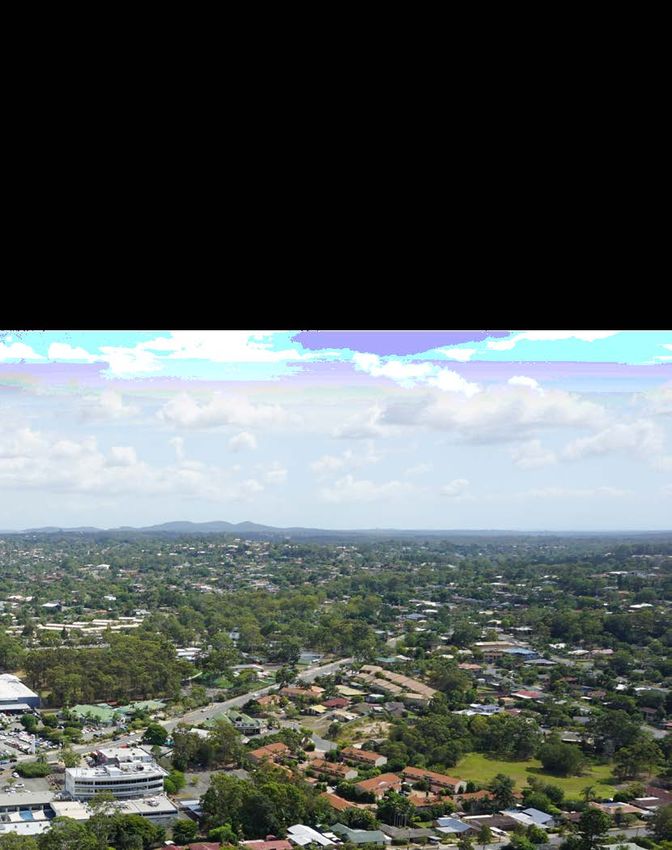
Section 1

Your City, Your Council
City of Logan - a vibrant community

    The City of Logan is a young and vibrant community, home to almost 312,000
    people or 6.4 per cent of Queensland’s population. Our people come from 215
    cultural backgrounds and 39 per cent of our population is aged under 24 years.
    The City of Logan was created in 1979, and underwent              The population is expected to increase by up to 200,000 within
    rapid growth over the next four decades. In 2008, the city’s      the next 20 years.
    boundaries expanded as part of the Queensland Government’s
                                                                      As a young city, Logan’s residential neighbourhoods are
    local government reform process. It now includes part or all of
                                                                      predominantly fresh and contemporary. New estates continue
    a number of former northern suburbs from the Gold Coast City
                                                                      to flourish, giving locals a wide range of lifestyle options from
    Council and the former Beaudesert Shire Council.
                                                                      leafy suburbs to bushland acreage. Over the past decade,
    Today, the City of Logan covers 957 square kilometres and has     many older suburbs predating the city’s short history have
    68 suburbs. Looking ahead to the next 20 years, Logan will        been revitalised through partnership renewal projects, dynamic
    continue to be one of the fastest growing cities in Queensland.   facilities, and appealing landscaping.

6       WATER NETSERV PLAN PART A 2017 – 2021
About Logan City Council

    The City is governed by Logan
    City Council. We are a progressive
    local government striving to
    build a better city. We do this by
    planning for the future in a way
    that is financially responsible,
    sustainable and focused on our
    community’s needs.

We aim to provide our community and businesses with quality       Our values
services, infrastructure and facilities, and work to ensure       At Logan City Council, we value:
future growth is planned and managed. We are committed
to creating a city of opportunities for families, lifestyle and   Community first: We work together to know our customers’
business.                                                         needs so we deliver what matters and what makes a
                                                                  difference. We make decisions with empathy and recognise
Our City                                                          that our community’s needs are at the core of every decision
                                                                  we make now and into the future.
City of Logan: Innovative, Dynamic, City of the Future
                                                                  Our people: We respect, care about, support and develop
Our Purpose                                                       our people. We promote a safe workplace where people can
To make a positive difference in people’s lives through the       explore opportunities, enjoy themselves and achieve high
quality of the services we provide.                               levels of personal job satisfaction.

                                                                  Excellence: We create an environment where people are clear
Our Goal
                                                                  about expectations and accountable for achieving excellent
To be an organisation where our staff pursue excellence in all
                                                                  outcomes. We foster enquiry, innovation and creativity with a
that they do with high levels of personal job satisfaction.
                                                                  focus on continuous improvement.

                                                                  Leadership: We encourage leadership aligned to our values
                                                                  at all levels of our organisation. We work together to best use
                                                                  our skills and knowledge to overcome challenges and deliver
                                                                  excellent services to our customers and community.

                                                                  Integrity: We are honest and open by saying what we believe,
                                                                  doing what we say and giving permission for others to do the
                                                                  same. We take responsibility, individually and as a team, for all
                                                                  that we do.

                                                                                                                                      7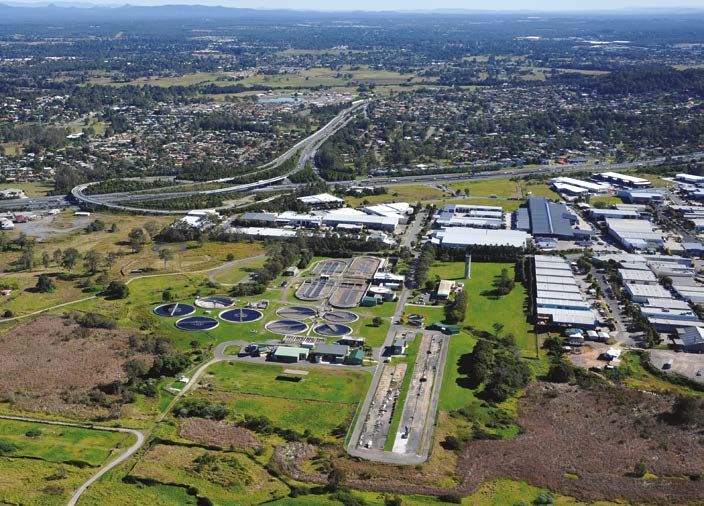
8 WATER NETSERV PLAN PART A 2017 – 2021
Corporate governance – how we do business

‘Corporate governance’ refers to the way in which Council undertakes its business.
We are committed to governance that is responsible, ethical, accountable and
transparent. We value behaviour based on excellence and integrity at every level
within our organisation.
For Council, governance involves open and transparent             and directs our organisation at the highest level. The elected
decision-making and adherence to legislation, policies,           body has legal obligations requiring members to represent the
processes and practices that ensure effective direction           current and future interests of the residents of Logan. They are
setting, decision-making and management to achieve                democratically elected and accountable to their communities
organisational objectives. We have adopted specific principles    for the decisions they make and the services that Council
of corporate governance that include our culture and vision,      provides.
roles and relationships, decision-making, management and
                                                                  The operational arm of Logan City Council consists of the Chief
accountability. As a local government authority, we operate in
                                                                  Executive Officer (CEO) and other staff. The operational arm of
accordance with the Local Government Act 2009. Our water
                                                                  Council is charged with implementing Council’s resolutions and
and wastewater operations are also guided by the South-East
                                                                  reporting on the outcomes of those resolutions. The CEO also
Queensland Water (Distribution, Retail and Restructuring) Act
                                                                  provides executive leadership to the organisation.
2009.

Our Council, comprising the Mayor and 12 Councillors, is the
elected body responsible for the good rule of the City of Logan

                                                                                                                                     9
Section 2 Our Water Business
Our role as a South East Queensland (SEQ)
  Water Service Provider
  Logan City Council owns, operates and maintains water and wastewater assets
  that currently have a replacement value of approximately $3 billion (as at 30 June
  2016). This includes land, buildings, water and wastewater infrastructure and plant
  equipment assets. This replacement value will grow to around $5 billion by 2036. Our
  continued investment in water and wastewater infrastructure reflects the needs of our
  growing population, which is projected to be in excess of 490,000 people by 2036.
  Council works closely with the other water service providers         As an SEQ Distributor/Retailer, we collaborate and engage
  in the region as well as various state government departments        closely with Seqwater, the state-owned statutory authority
  and bodies. This enables us to comply with legislation and           responsible for supplying, treating and transporting the bulk
  regulations to uphold our environmental obligations, meet the        water that we deliver to our customers.
  Australian Drinking Water Guidelines, and operate efficiently
                                                                       The below diagram represents the different functions and
  and sustainably.
                                                                       responsibilities of the various SEQ Water Service Providers.

                         Supplies water from dams, weirs and borefields and is responsible for the catchment,
                                                treatment and storage of bulk water.

                           Moves drinking water from treatments plants and reservoirs through bulk pipelines
                                                  and into the distribution networks.

                                          Council Owned and Statutory Authorities

          Logan City Council      Distributes and           Distributes and          Gold Coast               Redland City
          is responsible for      retails water and         retails water            City Council is          Council is
          water distribution      collects, transports      and collects,            responsible for          responsible for
          and wastewater          and treats                transports and           water distribution       water distribution
          collection and          wastewater for the        treats wastewater        and wastewater           and wastewater
          treatment for the       Sunshine Coast,           for the Brisbane,        collection and           collection and
          Logan City Council      Noosa and Moreton         Scenic Rim,              treatment for the        treatment for
          area.                   Bay regions.              Ipswich, Somerset        Gold Coast City          the Redland City
                                                            and Lockyer Valley       Council area.            Council area.
                                                            areas.

We are working closely with our regional water and wastewater service provider partners to develop standardised policies and
codes. This, coupled with Council’s membership of peak water associations, allows networking with industry counterparts,
professional development and knowledge-sharing opportunities.

                                                                                                                                       11
Section 3 Our Service Commitment
Customer service standards

Logan City Council is committed, 24 hours a day, seven days a week, to providing
safe and reliable water supply and wastewater services, and providing quality
customer service to its customers and residents.
In meeting our customers’ water and wastewater needs, we            How to contact us
are committed to:
                                                                    You can contact Logan City Council via the following methods:
•   providing a continuous supply of clean drinking water at an
                                                                    Phone:   07 3412 3412
    adequate pressure and flow rate for reasonable household
                                                                    Email:   council@logan.qld.gov.au
    and business needs
                                                                    Website: www.logan.qld.gov.au
•   collecting, treating and managing wastewater in
    accordance with our environmental obligations                   All mail should be addressed to:
•   maintaining and upgrading our infrastructure assets to          Chief Executive Officer
    ensure a reliable water supply and wastewater service           Logan City Council
•   working with the community to minimise the inconvenience        PO Box 3226
    of our planned maintenance works                                Logan City DC QLD 4114
•   ensuring service interruptions are rectified as a priority to
                                                                    Logan City Council has three customer service centres:
    minimise any impact to the community
•   delivering quality outcomes and reasonable timeframes to        Logan City Council Administration Centre
    action community requests for service.                          150 Wembley Rd, Logan Central
Council’s customer service standards can be viewed on its           Open:    8am-5pm Monday to Friday
website, www.logan.qld.gov.au
                                                                    Beenleigh Customer Service Centre
Council’s Water and Wastewater Customer Service Charter
                                                                    58-60 Manila St, Beenleigh
outlines your rights and Council’s obligations to provide quality
                                                                    Open:    8am-4:45pm Monday to Friday
customer service.

We promise to:                                                      Jimboomba Customer Service Centre
                                                                    18-22 Honora St, Jimboomba
•   be responsive and accessible 24/7 through normal
                                                                    Open:    8am-4:45pm Monday to Friday
    business hours and for after-hours emergency services
•   provide service with genuine respect, helpfulness and an
    interest in you
•   be respectful with your privacy and keep your personal
    information in strict confidence
•   keep your personal information accurate, complete and
    up-to-date
•   be responsive to concerns or complaints you may have
    about our service.
Council's Water and Wastewater Customer Service Charter
can be viewed on its website, www.logan.qld.gov.au

                                                                                                                                    13
How we handle complaints
We welcome feedback from
our customers to improve our
business. We have adopted
a comprehensive complaints
management process with
escalation points for unresolved or
complex issues.
Our complaints management process is:
• backed by a strong commitment to the complaints
systems at all levels of the organisation
• fair – we consider all complaints on their merits
• easily accessible and well publicised for all people,
including those with special needs
• responsive to customers – we provide a full, impartial and
speedy investigation of concerns, and deliver appropriate
responses
• inclusive – continuous improvement is entrenched in the
process and complaints management is integrated into
other business improvement processes
• effective – we are able to address individual customer
complaints and use the information collected to improve
overall service delivery; we also regularly review our
process to ensure it meets customers’ needs
• open and accountable – customers can judge for
themselves whether the complaints system is working
effectively.
Council’s commitment to excellence in customer service
ensures complaints and enquiries are managed professionally
and responsively. We consider complaints as an opportunity to
improve how we deliver services to our community.
14 WATER NETSERV PLAN PART A 2017 – 2021Energy and Water Ombudsman
Logan City Council is committed to ensuring customers receive a fair, open and
honest outcome to their enquiry or complaint. If you are dissatisfied with the way in
which we have dealt with your water or wastewater complaint, you can refer your
concerns to the Energy and Water Ombudsman Queensland (EWOQ), who may be
able to help.
EWOQ is an independent agency that receives and
investigates consumer complaints about billing, metering and
general complaint-handling processes of service providers in
the energy and water industries in South- East Queensland.
Customers can contact the EWOQ by:
Phone: 1800 662 837
Email: complaints@ewoq.com.au or info@ewoq.com.au
Visit: www.ewoq.com.au
Fax: 07 3087 9477
Mail: PO Box 3640, South Brisbane QLD 4101
In person: Level 16, 53 Albert Street, Brisbane
15Section 4: How We Deliver Services
Our role in delivering water and wastewater services to you

                             Rain

                                                                                                                                    BULK WATER
                                                                                                                     State Government
              Catchment area        Rivers and creeks
                                                                                             Ocean

                                    Dam                                                    DESALINATION
                                                                                              PLANT

                  TREATMENT PLANT

                                                             BULK WATER SUPPLY
                                                                 RESERVOIR

                        DISTRIBUTION
                        WATER SUPPLY
                         RESERVOIR

                                                                  2            3

      YOUR
                                                                          5
      HOME

                                                                                                                                RETAIL AND DISTRIBUTION
                                      1                  4

                                                                                                          11

                                                                                                               Logan City Council
                                                                 7
      YOUR
      BUSINESS
                                                                      8                    10

                                          6                                         9

      OUR                                                              13
      COMMUNITY                                                                           WASTEWATER
                                                                                        TREATMENT PLANT

                                                                14
                                          12                                                          15

      1.Hosing 2.Shower 3.Toilets 4.Washing 5.Drinking 6.Hydrants and overhead fill points 7.Drinking
      8.Toilets 9.Liquid waste 10.Wastewater from business customers 11.Wastewater from residential
      customers 12.Community purposes including irrigation of playing fields 13.Wastewater and approved
      trade waste from businesses 14.Recycled water for transport 15.Reuse for commercial purposes
Connecting to our network
– our connections policy
Council’s connection policy applies to all connections area, or those that attract a vacant water and
wastewater service charge. Disconnections may only occur
individuals, companies and corporations with the approval of Council as required by the Water Supply
seeking to connect to our water supply (Safety and Reliability) Act 2008. Applicants must pay the
or wastewater networks. appropriate application fee associated with the relevant
application.
This policy describes:
Application forms are available from Council’s Customer
• our connections area
Service Centres and online at www.logan.qld.gov.au
• the circumstances in which we may approve a connection
outside a connections area Properties outside existing connections areas
• the criteria we will use for providing a connection, with or We may agree to connect or refuse to connect a service
without conditions, to our water supply or wastewater service. (with or without conditions) for a property located outside
the existing connections area. The applicant will be required
Some key terms explained
to pay all costs associated with any approved connection.
Applicant: The property owner, property owner’s authorised
This may include additional costs to fund any required
agent, or developer.
extension, upgrade and/or re-alignment of the network, or an
Connection: The physical connection from a property to our infrastructure charge contribution from the applicant. We may
infrastructure. also negotiate other matters with an applicant.
Connections area: The area in which a property is either When considering applications for connections to properties
connected, or paying vacant water and wastewater service outside the existing connection area, we will consider amongst
charges to Council to provide connection to water and/or other relevant matters:
wastewater services. • any costs incurred by Council in providing and maintaining
the connection and Council’s capacity to fund its share of
Infrastructure: Water supply or wastewater network assets
costs (if any)
owned and operated by Council.
• compliance to the Desired Standards of Service (e.g.
Vacant Charge: The service charge that is applied to vacant minimum pressure requirements)
land within the city. For specific vacant charges rate, please • impacts on the wider infrastructure networks’ capacity to
refer to Council’s Budget Financial Statement which can be accommodate the connection with reference to the current
located on our website at www.logan.qld.gov.au and planned growth of the city in the relevant planning
scheme.
Properties inside the existing connections area
You can enquire about connections outside existing
We provide water and wastewater service connections, connections areas at our Customer Service Centres, or by
disconnections and alterations for properties within the phoning 3412 3412.
18 WATER NETSERV PLAN PART A 2017 – 2021Criteria for providing a connection • pay the cost of Council installing new service connections
If your development is not an existing lawful use, you will and meters to the premises
need all necessary approvals before making your connection • design and construct any water and wastewater
application. These can be requested from Council. infrastructure in accordance with Council’s desired
standards of service, and design and construction
When considering an application for a service connection,
standards in the South-East Queensland Water Supply and
we may assess any Infrastructure Agreement, conditions of
Sewerage Design and Construction Code
development approval, outstanding infrastructure charges or
• seek further approvals from Council as necessary, including
adopted infrastructure charge notices relevant to your property.
trade waste approval where relevant.
Development requiring approval In most instances, applicants will need to make a subsequent
application for a service connection/s to be able to fulfil these
The following types of development require approval:
conditions of approval.
• reconfiguring a lot
• material change of use Application for water or wastewater disconnections
• carrying out operational work If your property no longer requires a water or wastewater
connection, we may agree to have the existing service
• carrying out building work
disconnected and remove the water meter and meter box, or
• carrying out plumbing or drainage works.
arrange to cap off the wastewater connection on a property.
Typical development conditions Vacant water or wastewater service charges will still apply.
We will assess your development application based on its Applications for disconnection are assessed on an individual
potential impact on our water and wastewater networks. basis and are subject to certain terms and conditions.
This may result in reasonable and relevant conditions being
included on the development approval or compliance permit. Disconnection application forms are available from Council’s
These conditions may require reticulation infrastructure to Customer Service Centres and online at www.logan.qld.gov.au.
be provided at the applicant’s cost or trunk infrastructure
to be provided so that efficient, cost effective, functional
and sustainable water infrastructure networks are provided
and integrated with development. In some instances, an
Infrastructure Agreement outlining the obligations of Council
and a developer in providing infrastructure may be required.
Typical conditions include that the applicant must:
• provide new and upgraded infrastructure to connect the
development to the network (this may include infrastructure
beyond the premises)
• pay all costs associated with providing infrastructure
required to connect a development to the network
(including additional costs associated with extending,
upgrading or re-aligning the network)
• pay the cost of Council connecting the new and upgraded
infrastructure to the live network
19Managing drinking water quality
The supply of water in Queensland is regulated by the Water Supply (Safety and
Reliability) Act 2008 and the Public Health Act 2005. The Queensland Water Supply
Regulator, which is part of the Queensland Government’s Department of Energy
and Water Supply, oversees compliance with the requirements of these Acts.
Logan City Council is committed to managing its drinking Provider, Logan can be supplied with water from a number
water systems to provide safe, high quality water services that of catchments, dams, treatment plants and trunk mains as
ensure the protection of public health and the environment for required.
our community. Our role is to bring a reliable supply of safe
Water is delivered to Logan at a number of bulk water supply
drinking water to our residential and commercial customers.
points and is distributed to our customers via an extensive
We take responsibility for supplying safe drinking water
reticulation system incorporating pump stations, storage
to our customers and meeting our regulatory obligations.
reservoirs and disinfection facilities.
This includes having an approved Drinking Water Quality
Management Plan, routine monitoring and regulatory reporting, We are committed to providing our customers and community
to ensure we deliver safe drinking water to our customers. with a reliable source of the highest quality water and our team
of water specialists closely monitors the supply and quality
We purchase water from our wholesaler, Seqwater, which is
of water from the time it enters our system until the point it
responsible for harvesting, storing, and treating water prior to
reaches our customers.
its arrival to our water supply network. As a Seqwater Service
20 WATER NETSERV PLAN PART A 2017 – 2021Your water and wastewater charges explained
Billing Meter reading
To operate, maintain, upgrade and enhance our water supply Water meters are read on a quarterly basis and the calculated
and wastewater services, we collect water and wastewater charges appear on Council’s rate notice. Residents receive a
charges. single rate account from Council that covers rates, water and
wastewater charges each quarter in July, October, January and
Customer accounts may contain the following types of charges:
April.
• Bulk water charge: This is the price the State Government
sets and charges Council to purchase water to supply to The account is an important element of our service to our
our customers. This charge is passed on to our customers customers. We are committed to providing customers with
at cost. It pays for the capturing, storing, treatment and accurate, easy-to-understand information, as well as a range of
transporting of bulk water from the State Government’s bulk convenient payment options.
water network to our water supply network.
To ensure the accuracy of your bill we:
• Water consumption charge: This is Council’s charge for
• complete internal audit checks to verify meter readings and
storing water, maintaining it to drinking quality standards,
changes in consumption patterns
and transporting it to customers’ homes and businesses.
• proactively identify maintenance issues identified through
This charge includes providing 24/7 emergency response
the meter reading process
services for unplanned outages, as well as the cost of
managing and issuing customer accounts. This charge is • manage a program to replace meters that are nearing the
based on how much water is used at a particular property end of their lifecycle
which is measured by a water meter. • identify and replace meters that have stopped or are no
• Service or connection charges: These charges are longer registering consumption.
collected for both water and wastewater services and We aim to have all meters read prior to each billing cycle. If
apply to residential and non-residential properties that have this is not possible due to an inaccessible water meter, we will
access (connected or unconnected) to our water supply estimate the reading and advise the customer in writing before
and wastewater networks. These charges also cover the the bill is issued.
cost of building, maintaining and replacing infrastructure
Our ongoing water meter replacement program replaces
needed to deliver water supply and wastewater services to
domestic and large water meters nearing the end of their
our customers. This includes water and wastewater mains,
life cycle. These meters are replaced at no direct cost to our
pump stations, water reservoirs and wastewater treatment
customers.
plants.
• Trade waste charges: These charges apply to any We are constantly investigating options to adopt smart
businesses (commercial or industrial) such as restaurants, metering technology that enables efficient reading of water
service stations, spray painters, butchers, commercial meters or remote monitoring of water meters. This technology
laundries and shopping centres that discharge any liquid may eliminate the need for on-site meter reading and help us
waste into Council’s wastewater network. identify leaks and unusual water usage patterns sooner. We
Our water and wastewater fees and charges are developed as will consider how well the technology works, and all economic
part of Council’s annual budgeting process. Our current fees aspects, before making any decisions about smart metering.
and charges can be viewed at www.logan.qld.gov.au.
21Managing water consumption
We encourage customers to proactively manage their water consumption
by regularly reading their water meter. This will help quickly identify any sudden
increase in usage, which often indicates an internal plumbing leak. Customers
can then address any issues as soon as possible and minimise financial
impacts associated with higher water usage.
For the same reason, we have a program to identify customers Pricing Regulation
with sudden increases in water use. Customers are notified by
mail when significant increases in consumption are identified. Council is committed to ensuring our business operates in a
This provides customers with an opportunity to minimise the sustainable and efficient manner to minimise the cost impacts
financial impact of water consumption. on our customers.
Our pricing structure must cover the purchase of bulk water,
Financial assistance maintenance, compliance, improvement and growth of our
water supply and wastewater networks. In setting prices for
Council has a leak remission policy, which offers partial
our services, Council is guided by legislative requirements
financial relief to owner-occupied residential customers who
and other guidelines from the state and federal governments.
have lost water as a result of a difficult to detect plumbing leak
A significant component of our water supply price is the bulk
on their property.
water charge which is passed on directly to our customers.
We appreciate that sometimes unexpected and personal In 2016, this represented almost 73 per cent of the average
circumstances arise that affect a customer’s ability to pay their water consumption charge and 48 per cent of average total
account on time. If this occurs, it is important you contact us water costs.
as soon as possible to discuss your options. Each financial
The Queensland Competition Authority (QCA) can investigate
hardship case is assessed in accordance with Council policies
and report on any matter relating to competition, industry
and relevant legislation.
or productivity under Section 10(e) of the Queensland
We also offer a remission on water consumption charges for Competition Authority Act 1997. In past years, investigations
customers using home dialysis, as well as those who receive have been undertaken into the retail water price monitoring
home-based medical treatments requiring significant amounts and developing a long term regulatory framework.
of water. For further information on any of our financial
Savings through rationalisation, efficiency reviews and
assistance policies, phone 3412 3412, or visit one of our
investment in new systems are delivering dividends to our
customer service centres.
customers.
22 WATER NETSERV PLAN PART A 2017 – 2021Managing water demand
We have a number of programs to support sustainable use of our precious water
resource. Water demand management is an important part of providing effective
and efficient water supply services for the City of Logan.
Managing and minimising water network leakage (also referred
to as water loss) is also critical in preventing wastage and
keeping costs down. We are always striving to prevent and
minimise network leakage, while ensuring that mitigation and
maintenance strategies are economically viable and do not
outweigh the cost of the lost water.
Our demand management strategies include:
• proactively monitoring consumption to ensure water is
available for our community
• publishing water efficiency information on our website
• communicating information about service-related outages,
potential detected leaks and addressing customer water
Managing demand is important to conserve water during quality concerns
drought, as well as allowing customers the freedom to
• collaborating and engaging with the water industry
consume water as required, within reason. By managing
regionally, to deliver coordinated, consistent messaging
how much water is used, we aim to keep capital investment
across all SEQ communities
down, deferring the need for infrastructure upgrades as well
• engaging with our business customers to provide each
as preserving our regional water supply sources (dams).
with the skills and understanding to be better water users
Understanding the timing of when water is used, as well as the
volume of water used, also helps us to manage water quality. • working with regional water supply organisations and the
Department of Energy and Water Supply to support water
To maximise the useful life of our infrastructure, we undertake conservation measures
accurate demand forecasting to determine network
• minimising system losses from our network and storage
requirements and capacity. Both the amount of water used
facilities
and the timing of water consumption are important when
• accurately measuring and monitoring water consumption
planning water supply infrastructure. If every consumer
to inform our demand management and infrastructure
within the city uses water at the same time, larger capacity
planning.
infrastructure is required to handle peak loads, and this is
costly. If consumption throughout the day is fairly uniform, the Through our water demand management strategies, we
infrastructure capacity does not need to be as large, lowering aim to ensure a reliable, sustainable supply of water for our
construction and infrastructure maintenance costs. households and businesses, and our natural environment.
23Section 5: How We Care For The Environment
Our commitment to environmentally
sustainable practices
We are committed to providing water and wastewater services in a sustainable
way that also meets our regulatory obligations. Across our business, we strive for
continual improvement in our environmental performance by:
•   maintaining a strong relationship with environmental interest   We are an active, contributing member to Healthy Waterways
    groups, regulatory bodies, industry and the community           and Catchments. The partnership helps ensure our regional
•   complying with regulatory requirements including the            waterways are appropriately managed so that they are
    Environmental Protection Act 1994 and subordinate               preserved for future generations.
    legislation
                                                                    We make use of our own National Association of Testing
•   monitoring and benchmarking our operational performance         Authorities (NATA) fully accredited laboratory to ensure we
    against established environmental objectives and targets        remain compliant with our water and wastewater quality
•   adopting best-practice standards of service for managing        requirements (including when we respond to water and
    our infrastructure, including wastewater pump stations and      wastewater-related incidents). Using the latest technology
    treatment plants                                                and equipment, our professional and experienced laboratory
•   seeking out cleaner, more efficient water and wastewater        services team help protect community and environmental
    technologies to support our service delivery and benefit the    health by:
    community                                                       •   testing drinking water to ensure it complies with the
•   minimising waste products and sustainably managing them             Australian Drinking Water Guidelines and regulatory
    in a beneficial manner where possible                               requirements

•   monitoring and assessing greenhouse gas emissions to            •   monitoring wastewater for compliance with wastewater
    meet regulatory requirements and support efforts to limit           treatment plant licences
    impacts                                                         •   providing water analysis which assists the assessment of
•   minimising hazards associated with commercial                       environmental issues within the region’s waterways
    and industrial waste discharges to sewer through                •   responding to customer enquiries and water quality issues.
    comprehensive trade waste management

                                                                                                                                     25
Managing wastewater Emergency and
Our wastewater treatment plants are operated and maintained
in accordance with strict environmental conditions as set out
Incident Management
by the Department of Environment and Heritage Protection We are committed to providing a continuous supply of water
(DEHP). We aim to work closely with DEHP as a key and uninterrupted wastewater services to our customers.
stakeholder in all treatment plant capital works upgrades to From time to time, our water and wastewater network can
ensure optimal environmental outcomes are achieved for our experience unplanned interruptions.
community.
These may involve:
• water quality issues
Integrated water cycle
• a lack of supply
• regional incidents or network faults
management planning •
•
natural disasters
wastewater overflows, blockages and inundations.
Managing our water resource effectively is critical to ensure During any unplanned interruptions, a dedicated team of
good outcomes for the community and the environment. Council specialists work around the clock to ensure services
can be restored as soon as practically possible. Our efforts
Integrated water cycle management aims to: are not only focused on restoring services to our customers,
1. Reduce demand on potable water supplies but also on ensuring that any unplanned interruptions have a
2. Improve water quality in natural waterways minimal environmental impact.
3. Reduce energy consumption.
This is achieved through initiatives such as:
• Nutrient offsets which can reduce capital expenditure
on wastewater treatment plant upgrades and enhance
the quality of natural waterways by reducing nutrients
discharged to the natural environment
• Implementation of recycled water reuse to reduce effluent
discharges into natural waterways
• The overflow abatement program, which seeks to reduce
wastewater overflows during wet weather, improving the
quality of natural waterways and reducing public health
risks from uncontrolled wastewater overflows
• Planning for future infrastructure by optimising our network
to ensure efficiency and reduce energy consumption
• Demand and pressure management programs that help
to reduce demand on potable water supplies and increase
the life of assets.
This planning approach is essential to ensure the provision of
appropriate, affordable, cost effective urban water services
that meet community needs and protect public health and the
environment
26 WATER NETSERV PLAN PART A 2017 – 2021Section 6 How We Manage Our Infrastructure
How we are managing our infrastructure

     Logan City Council manages an extensive network of water supply and wastewater
     infrastructure with a replacement value of approximately $3 billion (as at June
     2016). Our infrastructure has been developed over the past 60 years and varies in
     condition and performance due to age, design and the construction materials used.
     Maintaining and operating our assets for optimal performance        Over the next 20 years, the estimated number of water and
     takes a great deal of planning, coordination and hard work to       wastewater connections is expected to rise by 71 per cent
     ensure that, all day, every day, our customers can turn on a tap    due to unprecedented population growth in the City of Logan.
     or flush a toilet, knowing they will receive a safe, high quality   New infrastructure constructed by the water business and
     and reliable water supply and wastewater service.                   developers (contributed assets) over this period is anticipated
                                                                         to increase the total estimated replacement value of the
     How we manage our water and                                         network to $5 billion.

     wastewater assets                                                   Planning, construction, operation, maintenance and

     The City of Logan has an extensive water and wastewater             replacement of infrastructure is critical to ensure our current

     network that services our urban, rural residential and industrial   and future customers will always:

     customers. We estimate:                                             •   receive clean, safe drinking water compliant with all

     •   drinking water is directly supplied to more than 95 per cent        regulations and standards

         of the Logan population                                         •   be able to turn on the tap and receive a continuous,

     •   wastewater services are provided to more than 85 per cent           pressurised supply of water

         of the Logan population.                                        •   know major service interruptions / faults will be repaired as
                                                                             a matter of priority

     Table 1 outlines the number of connections serviced by our          •   know wastewater is being treated to meet strict
     infrastructure as at 30 June 2016.                                      environmental licence conditions.

     Table 1: Infrastructure connections
     Customers                   Water                Wastewater
                                 connections          connections
     Residential (homes)         103,740              93,461
     Non-residential             5,276                4,605
     (business and industry)
     Vacant properties           1,997                1,794
     Total                       111,013              99,860

28       WATER NETSERV PLAN PART A 2017 – 2021
Current water and wastewater network
Bulk Water Supply
Seqwater, a State Government-owned statutory authority, • Water pumping stations – located strategically
owns and operates: throughout the supply network, water pumping stations
ranging in size from 2kw to 430kw are used to pump water
• a number of dams and water treatment plants throughout
to network storage reservoirs.
South-East Queensland (SEQ)
• Reservoirs – usually built on higher ground, reservoirs
• the Gold Coast Desalination Plant
ranging in size from 50,000 litres (L) to 35 megalitres (ML)
• bulk water trunk mains used for transporting drinking water are used to store treated water, maintain pressure in the
from treatment plants to the distribution system. network and supply water on demand to the reticulation
Seqwater provides drinking water to all South-East Queensland system.
local government areas. It is responsible for determining the • Water meters – installed on all properties connected
most appropriate water sources to meet the demands of the to the water supply network, water meters are used to
region and operating its network accordingly. determine the volume of water consumed by individual
customers. Customers are billed in accordance with set
Our Water Supply Network charges per kilolitre.
Council purchases drinking water from Seqwater. We then Table 2 summarises the water supply network assets
distribute it to the Logan community via our trunk and throughout the city and their associated replacement value as
reticulation water supply network. A full definition of trunk at 30 June 2016.
infrastructure can be found in Appendix I. In 2016/17, we
expect to provide around 21,161 megalitres (ML) of water to Table 2: Water supply network assets
homes and businesses. Assets Amount Replacement
Value
Our water supply network comprises:
Water mains 2,095 km $910.6 M
• Trunk distribution mains – large pipes (generally 200mm
Water pumping stations 26 $23.8 M
to 900mm diameter), used to distribute water to major
Reservoirs 39 $81.1 M
service zones. They are connected to the bulk water
Water meters and 99,621 $131.1 M
mains owned and operated by Seqwater or to water services
storage facilities. Trunk mains are generally constructed by Total $1,146.6 M
Council’s water business. Infrastructure charges collected
from developers help fund trunk infrastructure.
• Reticulation mains – smaller pipes with diameters less
than 200mm, connected to the trunk mains and used
to reticulate water to homes and businesses. They are
generally constructed by developers and become the
property of Council’s water business.
2930
Legend #
! Priestdale
Rochedale South
! Existing Water Reservoir
Brisbane City -
Local !
# Springwood
Existing Water Pump Station # Redland City
# Government Area Local
!
# Daisy Hill Government Area
SEQWater Main
#
Woodridge !
#
Existing Trunk Water Mains
Shailer Park
Logan City Council Boundary
!
Slacks Creek
# !
#
Forestdale Kingston
Berrinba !
Hillcrest
# Browns Plains
Meadowbrook # Cornubia
#
Marsden Carbrook
Loganlea #
Ipswich City !!
# Bethania Loganholme
Local
Government Area !
#
Crestmead Waterford West
WATER NETSERV PLAN PART A 2017 – 2021
Greenbank Eagleby
!
#
Park Ridge Waterford
! # Beenleigh
Holmview
Logan Reserve
!
Park Ridge South !
#
! !
# Buccan
!
# Bahrs Scrub
! Munruben
Chambers Flat
Belivah
#
!
New Beith North Maclean
#
Lyons Stockleigh
Logan Village
! Wolffdene
Document Path: P:\04 Tasks\PI-096-IP Minor and Emergent 2016-17\19 - Netserv Plan and Maps\04 - GIS\01 - ESRI\Workspaces\PI-096-WaterSupNet.mxd
Silverbark Ridge South Maclean
Flagstone !
#
Monarch Glen !
Yarrabilba
! Gold Coast City
Flinders Lakes
# # ! Jimboomba
Cedar Creek
Local
Government Area
Kairabah
Undullah
Kagaru #
Cedar Grove # !
!
Cedar Vale Tamborine
!
#
Woodhill !
#
!
#
Scenic Rim Regional Mundoolun
Local Government Area
Veresdale
Veresdale Scrub
Existing Logan City Council
Water Supply Network
While every care is taken to ensure the accuracy of this product, neither the Logan City Council nor the State of Queensland makes any representations or warranties about its accuracy, reliability, completeness or suitability for any particular purpose and disclaims all responsibility 0 2 4 6 8 10
and all liability (including without limitation, liability in negligence) for all expenses, losses, damages (including indirect or consequential damage) and costs that may occur as a result of the product being inaccurate or incomplete in any way or for any reason.
KilometresWastewater network
Council’s water business is responsible for transporting, treating and discharging
wastewater collected from almost 95,000 residential and non-residential properties
throughout Logan via our trunk and reticulation wastewater network. A full
definition of trunk infrastructure can be found in Appendix I. In 2014/15, more than
24,000ML of wastewater was treated at our wastewater treatment plants.
Our wastewater network comprises: Table 3 summarises the wastewater network assets and
• Trunk wastewater mains – large pipes (generally 225mm associated replacement values as at 30 June 2016.
to 1,800mm diameter), used to transport wastewater from
catchment areas to our pump stations and wastewater Table 3: Wastewater supply network assets
treatment plants (WWTP). They comprise of both gravity Assets Amount Replacement
and rising mains. Trunk mains are generally constructed by Value
Council’s water business. Infrastructure charges paid for by Sewer mains 2,263 km $1,372.7 M
developers help fund trunk infrastructure.
Manholes 41,283 $163.7 M
• Reticulation mains – small pipes with diameters less
Wastewater pumping 122 $104.3 M
than 225mm, used to transport wastewater from homes stations
and businesses to our trunk mains. They are generally
Wastewater treatment 4 $205.3 M
constructed by developers and become the property of plants
Council.
Total $1,846.0 M
• Manholes – located throughout trunk wastewater and
reticulation mains, manholes allow access to the pipes for Appendix B outlines our current wastewater network as at
maintenance purposes. September 2016.
• Wastewater pumping stations – located strategically
throughout the wastewater network, pumping stations
ranging in size from 2kw to more than 600kw are used
to pump wastewater over long distances between
catchments and to wastewater treatment plants.
• Wastewater treatment plants – wastewater collected from
homes and businesses is treated in accordance with strict
environmental licence conditions before being discharged
to waterways or recycled.
3132
#
# # #
Legend ##
Rochedale South
# Sewerage Pump Station # # Priestdale
Brisbane City -
Underwood
Local Springwood
Waste Water Treatment Plant # Redland City
" Government Area Local
Sewer Gravity main
# #
# Government Area
Woodridge Daisy Hill
Sewer Rising Main
#
## #
Sewer Trunk Main #
Slacks Creek
Shailer Park
#
Logan City Council Boundary
Browns Plains
# #
Forestdale
# #
Berrinba
Kingston
Hillcrest # # Meadowbrook
# # Cornubia
# # # # Carbrook
Ipswich City Regents Park # # # #
Marsden
Local
# Loganlea # #
# # ###
Government Area Crestmead # # # # "
Waterford West #
## # #
Bethania # # # ## # # Eagleby
# #
Loganholme
#
WATER NETSERV PLAN PART A 2017 – 2021
# # ##
# ## #####
Greenbank # #
# # # #
Park Ridge # Waterford
# # ##
# # # # "
Holmview
# Logan Reserve # # # Beenleigh#
## #
Park Ridge South
Buccan # #
#
Bahrs Scrub #
# ##
Munruben Chambers Flat #
#
New Beith Belivah #
North Maclean #
# ## #
Lyons Stockleigh
Logan Village
Wolffdene
Document Path: P:\04 Tasks\PI-096-IP Minor and Emergent 2016-17\19 - Netserv Plan and Maps\04 - GIS\01 - ESRI\Workspaces\PI-096-WasteWaterNet.mxd
Silverbark Ridge
South Maclean
# #
Flagstone
"
Monarch Glen #
Yarrabilba
# # Gold Coast City
Flinders Lakes
"
# #
Jimboomba
Cedar Creek
Local
# Government Area
## Kairabah
Undullah
Cedar Grove
Kagaru
Cedar Vale Tamborine
Woodhill
Scenic Rim Regional Mundoolun
Local Government Area
Veresdale
Veresdale Scrub
Existing Logan City Council
Wastewater Network
While every care is taken to ensure the accuracy of this product, neither the Logan City Council nor the State of Queensland makes any representations or warranties about its accuracy, reliability, completeness or suitability for any particular purpose and disclaims all responsibility 0 2 4 6 8 10
and all liability (including without limitation, liability in negligence) for all expenses, losses, damages (including indirect or consequential damage) and costs that may occur as a result of the product being inaccurate or incomplete in any way or for any reason.
KilometresManaging ageing infrastructure
Some water and wastewater infrastructure was provided A variety of construction materials for water and wastewater mains
in Logan in the 1960s. However, the majority of our water have been used over the years, each with varying life spans. The
and wastewater networks were developed during the city’s majority of the water supply mains have a lifespan of around 60 to
substantial growth period, between the 1970s and the 1990s. 80 years, with wastewater mains being around 50 to 70 years due
As the network ages, greater levels of maintenance and capital to the more corrosive nature of the material being transported.
works spending will be required to ensure service standards are
In addition, the networks also comprise active assets such as
retained. Figures 1.1 and 1.2 present the installation dates for
reservoirs, pumping stations and wastewater treatment plants.
the water and wastewater mains.
The mechanical and electrical nature of these assets means
Figure 1.1: Water mains installed more frequent replacement of parts such as motors, valves,
switchboards and telemetry (radio communication) equipment.
1960’s 4.9%
Useful life spans for these assets are in the order of 10 to 30
1970’s 24.5%
years for non-structural elements.
1980’s 22.3%
1990’s 22.9% We undertake regular asset condition assessments and risk
2000’s 19.8% analysis and use sophisticated models and planning practices to
2010’s 5.6% determine which assets require replacing over the next 30 years.
Figure 1.2: Wastewater mains installed Infrastructure replacement costs
1960’s 0.5% Figure 2 represents our estimated annual expenditure for
1970’s 28.7% replacing water and wastewater infrastructure assets over the
1980’s 34.5% next 20 years. These amounts do not represent actual budget
1990’s 20.9% figures. Instead, they show trends that guide asset management
2000’s 12.3% activities. Actual three-year capital works programs are refined
2010’s 3.2% and prioritised based on detailed information and analysis.
This means assets created from the 1970s to the 1990s are We continue to develop medium to long-term strategies, plans
ageing and some will require replacement over the next 10 years. and management activities to address these pending replacement
programs, which are expected to peak over 10 to 15 years.
Figure 2: Water and
wastewater assets
replacement program
33Our Infrastructure Asset Standards
Developer contributed assets
Developer contributed assets are primarily non-trunk • greater consistency in asset planning, design and
infrastructure constructed to support new developments. Once construction standards
the infrastructure becomes a donated asset, Council becomes • greater standardisation of processes, including
responsible for all costs related to its lifecycle. development assessments, and consistency in planning of
asset networks
We are required to build new infrastructure to the standards
set out in the South-East Queensland Design and Construction • a common reference point for regulators when assessing
Code. The code has been developed as a collaborative construction standards
project of water and wastewater providers across South-East • better service and lower costs to our customers.
Queensland, as required under the South-East Queensland
Water (Distribution and Retail Restructuring) Act 2009.
The code applies to all South-East Queensland Water Supply
By 2036, approximately 490,000
Authorities. By standardising water supply and wastewater people will call Logan City home.
infrastructure works across South-East Queensland, the code Further investment in water and
aims to provide:
wastewater infrastructure is
required to support this growth.
34 WATER NETSERV PLAN PART A 2017 – 2021Section 6 How We Plan For The Future
Drivers of growth in our city

     Over the last 20 years, South-East Queensland’s population has increased from
     around 1.5 million people to 2.8 million. The region is expected to reach 4.4 million
     people by 2031. An additional 754,000 dwellings will be required by 2031 to
     accommodate this growth.
     The Queensland Government’s South-East Queensland              Table 4: Population projections for Logan City
     Regional Plan 2009-2031 (SEQ Regional Plan) is a statutory
                                                                     Projected population
     instrument that seeks to proactively manage regional growth.
     It identifies sufficient land to accommodate the projected      Year    Low            Medium          High
     population and contains the preferred settlement pattern for    2016    311,006        311,911         312,812
     the region. The SEQ Regional Plan provides the framework        2021    334,060        341,344         348,773
     within which Council plans and manages its future growth.       2026    367,010        384,454         402,518
                                                                     2031    401,054        429,909         460,081
     In 2016, Logan’s population is around 311,900 people. By        2036    445,465        490,522         538,020
     2036, the projected population is expected to be more than
     490,000.

36       WATER NETSERV PLAN PART A 2017 – 2021
Coordinated infrastructure to
meet our growing needs
Growth in Logan can only occur with timely delivery of state It is important we identify and plan future water and
and local infrastructure. This infrastructure and associated wastewater infrastructure to support the State Government’s
services needs to be planned, coordinated and delivered to preferred settlement pattern, and provide greater certainty for
support the regional settlement pattern and desired community development as recognised in the SEQ Regional Plan and the
outcomes. Water and wastewater in particular will be an Logan Planning Scheme. The use of infrastructure programs
important focus across our region. In this way, we can create to support and direct development can influence the preferred
a more sustainable region, while ensuring a safe and reliable settlement pattern and urban form. This includes broad-
drinking water supply and providing wastewater services that hectare areas, urban infill and redevelopment sites and activity
protect public and environmental health. centres. The location and timing of infrastructure delivery
can also drive economic development and the distribution of
There is a strong link between the State Infrastructure Plan
employment opportunities.
(SIP), the Logan Planning Scheme and the Water Netserv Plan.
Together, they coordinate planning, infrastructure and service We need to ensure Logan has efficient, cost-effective,
delivery in Logan. Developing regionally significant growth functional, safe, well-integrated and sustainable infrastructure.
areas in Logan will depend on timely delivery of state and local This can be achieved through the efficient use of existing
infrastructure, particularly water and wastewater, road and infrastructure and the efficient sequencing of development and
public transport infrastructure. infrastructure networks to deliver cost-effective growth.
37Regional and local planning
Council undertakes planning activities for water and wastewater in Logan to meet
legislative and business obligations and to ensure consistency and coordination
with the State Government. Both levels of government undertake water planning
to ensure sufficient water is supplied to support a comfortable, sustainable and
prosperous lifestyle, while meeting the needs of urban, industrial and rural growth,
and the environment.
The SEQ Regional Plan sits within the Queensland land use for environmental needs as well as human uses by providing
planning framework and reflects and informs state planning secure water entitlements with a specified probability of supply.
policy and priorities. It informs local government plans and Water resource plans have been completed for the Moreton,
policies. It also informs non-statutory processes, such as Gold Coast, Logan and Mary basins in the region.
planning for natural resource management and planning
The Regional Water Security Program will detail supply and
for urban renewal and new growth areas at district and
demand measures required to achieve water security for the
neighbourhood levels.
region. It is guided by sub-regional planning, and can specify
Seqwater’s Water for Life Strategy provides a planning key water cycle objectives that must be reflected in land use
framework for bringing on supplies at appropriate times to and infrastructure planning. Within this framework we will have
meet projections of normal demand, and options for filling to ensure that local water and wastewater infrastructure and
a potential short-term gap in supply. The Water Act 2000 services are sufficient to support planning and development.
establishes a system for the planning, allocation and use
Like all Councils in the region, we prepare our Planning
of water. Sustainable management under the Act requires
Scheme in accordance with the Sustainable Planning Act 2009
that water be allocated by the State Government for the
to integrate land use planning and future infrastructure.
wellbeing of the people of Queensland and the protection of
the biological diversity and health of natural ecosystems, within The Logan Planning Scheme 2015 provides a land use
limits that can be sustained indefinitely. framework for the entire city, as well as providing streamlined
and efficient application processes and assessment rules.
Catchment-based water resource plans take into account
surface water, groundwater and overland flow, and provide
38 WATER NETSERV PLAN PART A 2017 – 2021You can also read


