Start Something WOMEN'S RIGHTS - ESSENTIAL KIT FOR CHANGEMAKERS TERM 1, 2018 - Amnesty International
←
→
Page content transcription
If your browser does not render page correctly, please read the page content below
Start
ESSENTIAL KIT
FOR CHANGEMAKERS

TERM 1, 2018

Amnesty International Australia
www.amnesty.org.au

WOMEN’S RIGHTS
                                  Something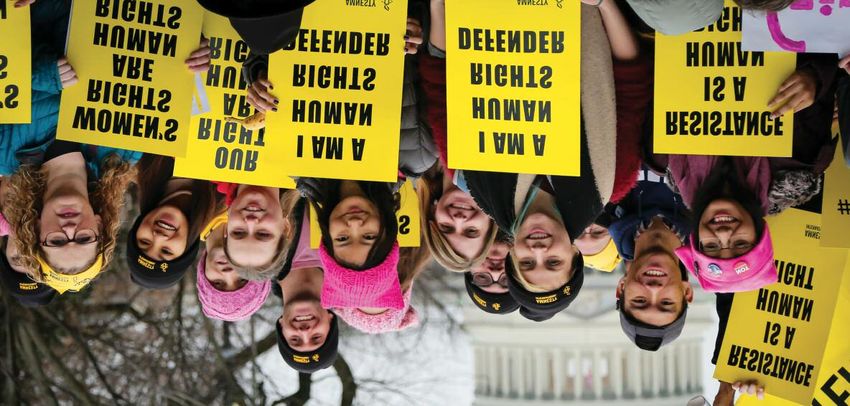
AMNESTY INTERNATIONAL START SOMETHING TERM 1, 2018

                                                                                    TERM 1 2018: WOMEN’S RIGHTS

Inside this kit:
Women’s rights around the world

Women human rights defenders you should know about

Giving girls in prison a brighter future

Time’s up for Twitter: violence against women online

Coming up in 2018:
TERM 2: The rights of refugees and asylum seekers
Over 1.19 million women, men and children need to be resettled in a safe country, yet only 30 countries
offer just over 100,000 annual resettlement places.

TERM 3: The rights of Aboriginal and Torres Strait Islander people
Get a better understanding of the rights of Aboriginal and Torres Strait Islander communities, and learn
about the contemporary issues facing Indigenous children.

TERM 4: Defend the brave
Stand up for some of the bravest people around the world who face persecution, jail and harm –
just for peacefully defending human rights.

                                                                                      Like this resource?
Never miss an issue                                                                     Tell us about it!
                                                                                            youth@amnesty.org.au
Sign up to receive an email with new school resources                                            @amnestyOz
at the start of each term and find previous resources at:                                  Facebook.com/amnestyOz
www.amnesty.org.au/schools

                                                              Amnesty International is an independent, global        Amnesty International
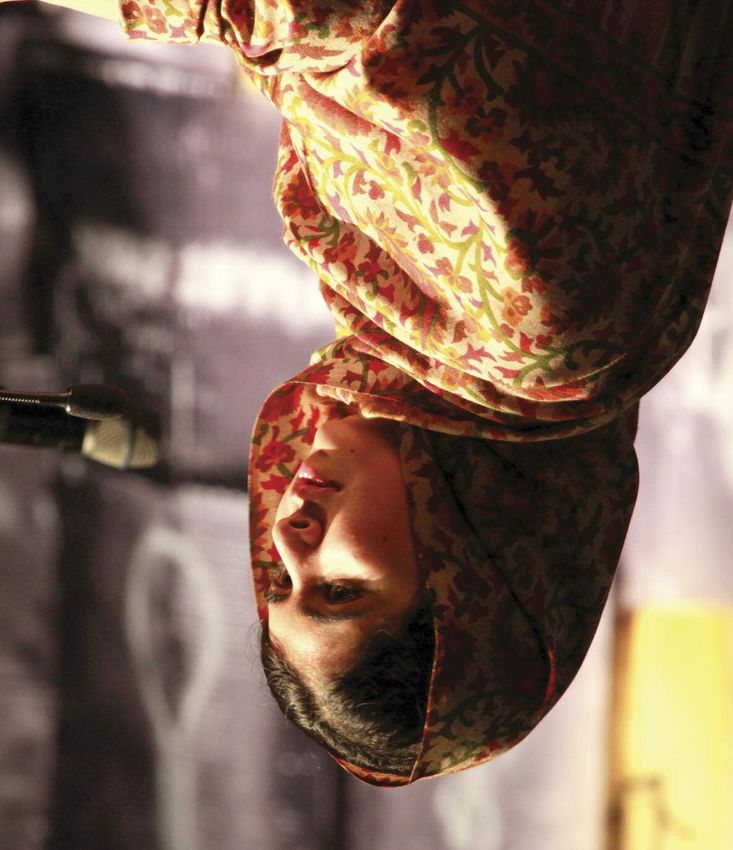
                               Cover: Malala Yousafzai        movement that campaigns courageously for human         acknowledges the traditional
                               defied the Taliban to call     rights for everyone. We use our passion and            owners of the land on which
                               for access to education for    commitment to bring torturers to justice, change
                               women and girls in Pakistan.                                                          our offices are situated.
                                                              oppressive laws and free people imprisoned just        We thank the elders past and
                               Here she accepts Amnesty’s     for voicing their opinion. We campaign, conduct
                               2013 Ambassador of             research and raise money for our work. Our active
                                                                                                                     present for their continued
                               Conscience award in Dublin,    members, such as school action groups, play a          custodianship. This always
                               Ireland. © AI                  vital role in achieving our aims through writing       has been and always will be
                                                              letters, sending online actions, organising creative   Aboriginal land.
                                                              awareness-raising activities and fundraising in
                                                              their communities.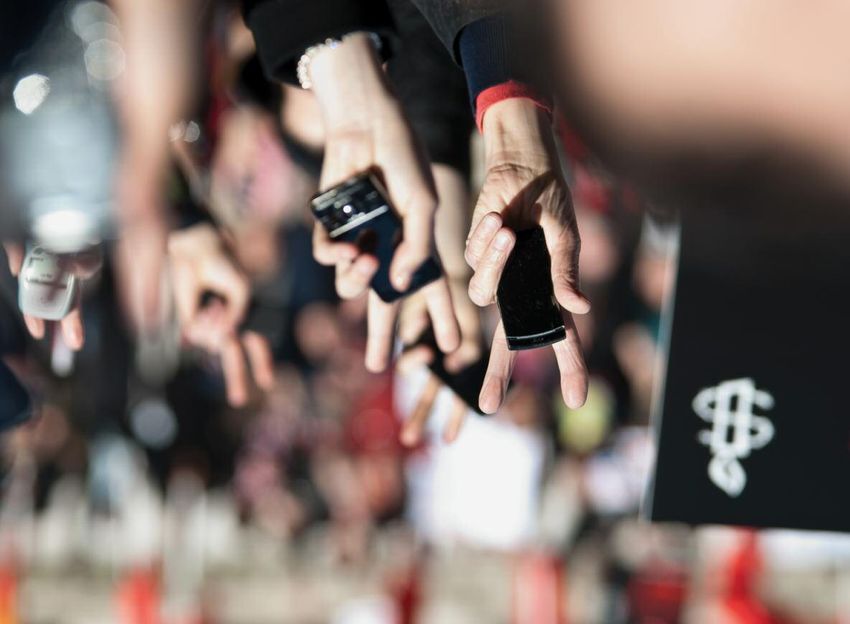
AMNESTY INTERNATIONAL START SOMETHING TERM 1, 2018

                          Note fro m Naomi

                                                                    are
Welco me back! I hope you had a really great summer break and
                                                       and social change.
ready to take on another year of human rights action
2018 is going to be big and it’s fantastic to have you on board.
                                                                       girls
We’re kicking off 2018 with a focus on women’s rights. Women and
                                                    Univer sal Declaration
are entitle d to all of the rights enshrined in the
                                                                        ,
of Human Rights, including the right to live free from discrimination
                                                                    these
slaver y and violence. Yet, some women and girls are still denied
basic rights simply because of their gender.
                                                                    their
In this issue we are highlighting some brave women fighting for
                                             and Torres Strait Islander
rights; looking at the rights of Aborig inal
girls within the justice system; and investigating the impact   that
online abuse has on women.
                                                                     e
What else is coming up in 2018? Each term we are going to explor
                                                                lia and
an area of human rights that Amnesty is working on, in Austra
                                                                    date
around the world. We’ll give you loads of background info, up-to-
stats, challenging and inspiring stories of human rights defenders
                                                                   course,
working to make the world a safer place for everyone – and of
we’ll help you create change and inspire others to do the same.
                                                                   au.
 Remember to get in touch throughout the year at youth@amnesty.org.
 Thank you again for everything you did last year to stand up and
 create change for human rights. We can’t wait to see what you’ll
 achieve in 2018.

 Cheers

 Naomi
 Youth Coordinator
 Amnesty International Australia

                                                 © AI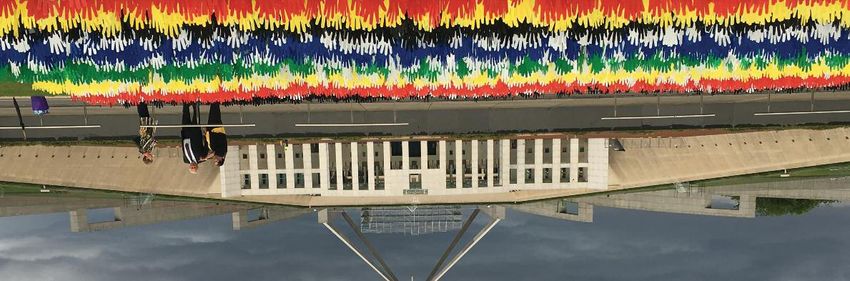
AMNESTY INTERNATIONAL START SOMETHING TERM 1, 2018

Meet the Schools Network Outreach Team
Amnesty International’s Schools Network Outreach Team, fondly known as
SNOTs, works to help empower students and teachers to take action for
human rights and encourage a deeper understanding of human rights issues
and social change. Schools Outreach Teams support student activism
through diverse events, programs and leadership opportunities and
encourage students to be the change they wish to see in the world.
SNOT teams are able to support schools in the following ways:
•   School visits: deliver presentations and workshops about Amnesty
    International, human rights and campaigns.
•   School group support: help students and teachers start and build
    Amnesty action groups.                                                            Our NSW SNOT team
                                                                                      take a selfie! © Private
•   Resources for students and schools: provide schools, students and
    groups with campaign information, resources and materials.
You can find out more and request a visit by getting in touch at
youth@amnesty.org.au or by completing the online form at amnesty.org.au/schools

Success stories
2017 had some incredible moments of hope, inspiring activism, and more
than a few moments to celebrate! Here are a few of our favourites.

AUSTRALIA PASSES MARRIAGE EQUALITY
Australia finally said yes to marriage equality, with parliament passing                      Amnesty supporters at a marriage equality
amendments to Australia’s marriage laws to include same-sex couples                           celebration in Perth. © Private
in December. Amnesty’s NSW LGBTQI Network Convenor Lizzi Price said:
“This is a historic and long-overdue moment for Australia. This outcome
is due to the hard work, determination, and courage of so many people.
LGBTQI Australians, community groups, activists and allies stood up,
spoke out and built an unstoppable movement for equality. For that alone,
there is such a lot to celebrate here.”

JOURNALIST FREED IN UZBEKISTAN
Muhammad Bekzhanov was freed after 17 years in prison in Uzbekistan.
He was one of the longest-imprisoned journalists in the world. Over 100,000
people worldwide wrote for his freedom.                                           Muhammad Bekzhanov © Private

CHELSEA MANNING WALKS FREE
Chelsea Manning walked free on 17 May last year, after her 35-year prison
sentence was reduced by outgoing US President Barack Obama. She had
been jailed for exposing classified information, including evidence of possible
war crimes committed by the US military. More than a quarter of a million
people wrote demanding her release as part of our Write for Rights campaign
in 2015. In a letter to Amnesty, she wrote: “I support the work you do in
protecting people wherever justice, freedom, truth and dignity are denied.”

COMPANIES RESPOND TO PALM OIL ABUSES
                                                                                                                 Chelsea Manning
Following Amnesty’s report, The Great Palm Oil Scandal, which exposed                                            © Jim Spellman
labour rights abuses on Wilmar’s palm oil plantations in Indonesia, workers
have now reported improvements to their working conditions and terms of
employment. The workers are now being paid a daily wage not linked to
targets, they have received wage increases, and most of the women workers
have been made permanent.

                                                                                            A child working on a palm oil
                                                                                            plantation in Indonesia. © AI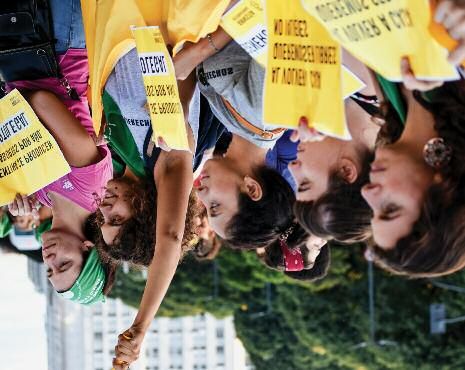
AMNESTY INTERNATIONAL START SOMETHING TERM 1, 2018

Women’s rights around the world
Women and girls are entitled to all of the rights enshrined in the Universal
Declaration of Human Rights, including the right to live free from
discrimination, slavery and violence. Yet, some women and girls are still
denied these basic rights, simply because of their gender.
                                                                                    i
WHAT NEEDS TO CHANGE?
                                                                                 Almost 750 million women and girls
Despite improvements in the lives and experiences of women and girls,
many continue to experience discrimination and violence as part of their         alive today were married before their
everyday lives.
                                                                                 18th birthday.
Around the world women and girls are prevented from making decisions
about their lives and bodies. Too many still experience violence, as well as
other abuses of their human rights, including being:
•   forced into child marriage
•   denied sexual and reproductive rights
•   denied access to education and political participation
•   denied equal rights with men, including a lack of equal participation
    and workplace protection
•   subjected to discriminatory laws relating to marriage and divorce.
Amnesty International campaigns to ensure that women and girls are able
to live with dignity and equality, free from discrimination and violence
and are empowered to make decisions about their own bodies and lives.
Some things we want to see:
•   governments stop using criminal law to control women’s reproductive rights
•   governments prohibit all forms of violence against women.
•   women are empowered to make their own decisions about their bodies
    and live their lives without interference from others
•   sexual and reproductive health services, education and information
    are available and easy to access                                                          Amnesty members and supporters join
                                                                                              the women’s march in Washington DC,
                                                                                              21 January, 2017. © Amnesty USA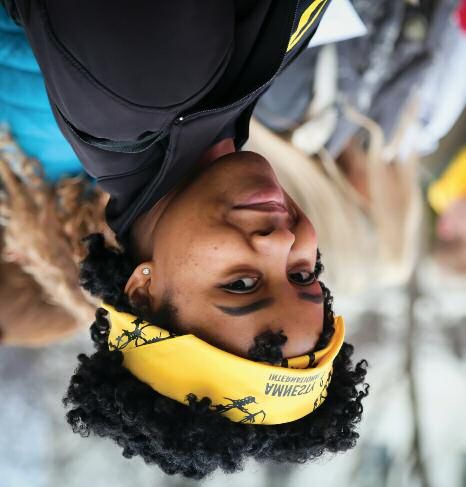
WOMEN’S RIGHTS AROUND THE WORLD                                                       AMNESTY INTERNATIONAL START SOMETHING TERM 1, 2018

WIDESPREAD DISCRIMINATION
From legislations that forbid women from working at night, to loopholes
that let sexual offenders go free by marrying their victims, sexist laws still
exist today.
In Russia, the government recently voted to decriminalise domestic abuse.
The new law states first-time offenders will no longer face criminal charges,
and repeated offenders will receive leniency so long as the abuse “happens
no more than once a year”.
In Northern Nigeria, a man is allowed to hit his wife so long as he can prove
that the beating is “for the purpose of correcting his wife” and does not
result in “grievous bodily harm”. The same clause defines “bodily harm”
as injuries that leads to over 21 days of hospitalisation.
                                                                                               11-year-old Jenabou (right) from the village
In Iran, a woman can be jailed for ignoring the country’s strict dress code.                   of Boguera in Central African Republic. © AI
Iran’s strict dress code requires women to wear a hijab in public, or risk fines
and up to a two-month jail term. In 2016, an Iranian woman was arrested
for posting a photo of herself without a hijab on Instagram. In recent years,
a website called My Stealthy Freedom encourages Iranian women to post
photos of their uncovered heads in protest of the law. The movement has
since gained over 1 million Facebook followers.

WHERE DOES VIOLENCE AGAINST WOMEN FIT IN?
The UN defines violence against women as “any act of gender-based violence
that results in, or is likely to result in, physical, sexual or psychological harm
or suffering to women.” Violence against women continues to be one of the
most prevalent human rights abuses in Australia, and around the world.
At home:
• One in three women in Australia will experience violence in her lifetime
    and one in five will experience sexual violence.
                                                                                     Amnesty supporters celebrate International Women’s Day
•   Australian police deal with 5,000 domestic violence matters on average           2017 in Argentina. © Amnistía Internacional Argentina
    every week.

THE MOVEMENT FOR WOMEN’S RIGHTS
Thanks to the hard work of many incredible, inspirational women over many
years, we are gaining ground towards achieving equality for women and girls.
In early 2017 the Women’s March on Washington in the US sparked hundreds
of similar marches all across the world – with an estimated 5 million people
participating. According to the Washington organisers it was meant to
“send a bold message to our new administration on their first day in office,
and to the world that women’s rights are human rights”.
Another piece of good news – from June this year, women in Saudi Arabia
will be legally allowed to drive for the first time. Women activists in Saudi
Arabia have been campaigning for the right to drive for years.                          Moroccan activists call on governments around the
                                                                                        world to protect women’s rights, 8 March 2014. © AI
Change is possible – and it’s happening every day.

           MAR

              8
                                               International Women’s Day
                                                is celebrated on 8 March.
                                                Mark it on your calendar!

                                                                                                    Amnesty ‘Shine a light’ event in Vienna,
                                                                                                    Austria, 2011. © Laurent Ziegler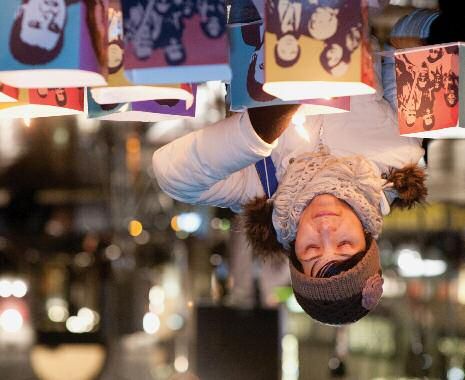
WOMEN’S RIGHTS AROUND THE WORLD                                                       AMNESTY INTERNATIONAL START SOMETHING TERM 1, 2018

Women human rights defenders
you should know about
Brave human rights defenders across the globe are risking it all to protect
the rights of others. This term we’re looking at just a few of the women
who are standing up and making their voice heard for human rights.

                                                                                                                      (Left to right)
                                                                                                                      Wu Rongrong,
                                                                                                                      Wei Tingting,
                                                                                                                      Li Tingting,
                                                                                                                      Wang Man and
 © AI                                                                                                                 Zheng Churan.
                                                                                                                      © Private

MALALA YOUSAFZAI, PAKISTAN                                             WOMEN’S RIGHTS ACTIVISTS, CHINA
Perhaps one of the most famous women’s rights activists of today,      In March 2015 the Chinese authorities detained women’s rights
Malala Yousafzai campaigns for girls and women’s rights to             activists Wu Rongrong, Wei Tingting, Li Tingting, Wang Man and
education. For her peaceful activism, Malala was shot in the head      Zheng Churan on suspicion of ‘picking quarrels and provoking
by a Taliban gunman in 2012, but survived and went on to receive       troubles’. Their crime? The women had made stickers with slogans
the Nobel Peace Prize. Malala now lives in the UK where she            saying “stop sexual harassment, let us stay safe” and “go police,
continues her work for women and girls’ rights to education.           go arrest those who committed sexual harassment!” which they
                                                                       had planned to distribute at International Women’s Day events.
One child, one teacher, one book,                                      Just over a month later the women were released on bail, after
one pen can change the world.                                          pressure from the global community and Amnesty supporters.
Malala Yousafzai

ARETHA BROWN, AUSTRALIA                                                                   KHADIJA GBLA, AUSTRALIA
Aretha is a 17-year-old                © Private                                          Khadija Gbla was born in Sierra Leone and
Gumbayngirr woman living                                                                  resettled in Australia with her family as a
in Melbourne who is proudly                                                               teenager. Khadija survived female genital
making her mark to achieve                                                                mutilation (FGM) at the age of nine, but had
equality and justice for both                                                             blocked out the trauma of the event until she
Indigenous and LGBTQI peoples.                                                            reached adulthood.
Her achievements include being
                                                                                          “I knew then that this terrible act of child
the first first female elected
                                                                                          abuse had happened to me and it was
to the National Indigenous
                                                                                          happening to other little girls across the
Youth Parliament. She has also
                                                                                          world,” says Khadija. Khadija later co-founded
appeared on ABC’s QandA
                                                                                          No FGM Australia, an organisation that
Program and has spoken at
                                                                                          supports survivors of FGM and educates girls
Melbourne invasion day rallies –
                                                                                          who might be at risk of FGM. Though she
in front of 50,000 people!
                                                                                          receives constant threats over her advocacy
                                                                                          work, she says it’s all worthwhile when she
                                                                                          hears the words: “You saved my life”.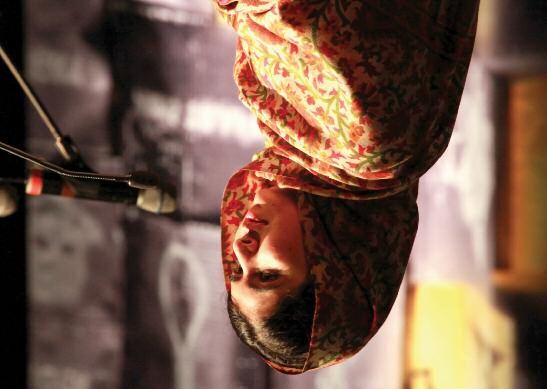
WOMEN’S RIGHTS AROUND THE WORLD                                                   AMNESTY INTERNATIONAL START SOMETHING TERM 1, 2018

PHYOE PHYOE AUNG,
                                                                                                       ACT NOW >>
MYANMAR
                                                                               Ready to defend human rights? Read Buzainafu’s
The Myanmar authorities                                                        case file below, then write a letter to the Chinese
imprisoned student activist                                                    authorities calling on them to release Buzainafu
Phyoe Phyoe Aung in March                                                      immediately. There’s an example letter to help you
2015 after she helped organise                                                 get started below.
a student protest. After spending
just over 12 months in prison,                                                 BUZAINAFU
Phyoe Phyoe Aung was released                                                  ABUDOUREXITI, CHINA
as part of a prisoner amnesty
in Myanmar. Amnesty activists                                                  Buzainafu Abudourexiti
were very vocal in calling for                                                 is facing the risk of
Phyoe Phyoe Aung’s release                                                     torture and terrible
and in Australia we sent over                                                  conditions in the Urumqi
30,000 letters, emails, tweets,                                                Women’s Prison, China.
and petitions for her.                                                         The Chinese authorities
Since the start of 2014, the                                                   took Buzainafu
authorities in Myanmar have                              © AI/Richard Burton   Abudourexiti from her
increasingly stifled peaceful                                                  parents’ home in March.
activism and countless                                                         She was sentenced in a                        © Private
journalists, human rights defenders and students have been threatened,         secret trial to seven years
harassed and jailed for nothing but peacefully speaking their minds.           in prison. No one has
                                                                               been able to communicate with her and her family
Thank you very much each and every one of you.                                 don’t even know what she’s been charged with.
Not just for campaigning for my release, but for                               Buzainafu Abudourexiti belongs to the Uighur
helping to keep our hope and our beliefs alive.                                ethnic minority group in China. For decades the
                                                                               Chinese authorities have targeted the Uighur,
Phyoe Phyoe Aung                                                               detaining and imprisoning them without trial,
                                                                               banning the Uighur language and imposing
                                                                               severe restrictions on freedom of religion.
SHACKELIA JACKSON,                                                             At the time of her arrest Buzainafu Abudourexiti was
JAMAICA                                                                        newly married and about to join her husband in
In 2014 a police officer shot                                                  Australia where they could begin their lives together.
Shackelia Jackson’s brother,                                                   Address your letter to:
Nakiea, while he was working in                                                Jingye Cheng
his shop. Nakiea died from his                                                 Ambassador
wounds.                                                                        Embassy of the People’s Republic of China
Shackelia took on the Jamaican                                                 15 Coronation Drive Yarralumla ACT 2600
court system to fight for justice.                                             Start you letter with: Your Excellency
Since speaking out, Shackelia
and her family have been raided,                                               Example letter:
harassed and intimidated by                                                    Your Excellency,
police but refuse to be silenced.                                              I am concerned for Buzainafu Abudourexiti who
School students in Australia                                                   is serving seven years following a secret trial in
wrote letters on behalf of                                                     June 2017. She is currently held incommunicado
Shackelia and Nakiea in Term 4                                                 in Urumqi Women’s Prison, where she is at grave
last year, calling on the Prime                                                risk of torture and other ill-treatment.
Minister of Jamaica to protect                                     © Private
                                                                               I am calling for the immediate and unconditional
Shackelia and ensure justice for                                               release of Buzainafu Abudourexiti, unless there
all those killed by police.                                                    is sufficient credible and admissible evidence
Shackelia wrote to Amnesty International supporters recently to say            that she committed an internationally recognised
thank you:                                                                     offence and is granted a fair re-trial in line with
                                                                               international standards.
You gave me a source of hope; to live again,                                   Please ensure that Buzainafu Abudourexiti has
to dream again … continue to be a beacon                                       regular, unrestricted access to family and lawyers
                                                                               of her choice, and is not subjected to torture and
of change and a light unto our pathway.                                        other ill-treatment, and receives regular and
I am excited by the prospects of our sustained                                 unrestricted access to medical care on request
                                                                               or as necessary.
partnership for the best is yet to come.
                                                                               Yours sincerely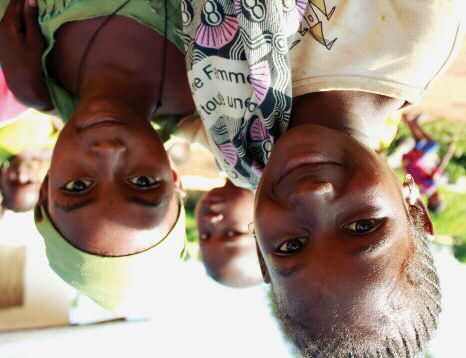
AMNESTY INTERNATIONAL START SOMETHING TERM 1, 2018

                                                                                                               ACT NOW >>
Giving girls in prison                                                               Write a letter to Prime Minister Malcolm Turnbull
                                                                                     and ask him to commit to investing in Indigenous-

a brighter future
                                                                                     led prevention and prison programs that empower
                                                                                     young women.
                                                                                     Start your letter with: ‘Dear Prime Minister’.
                                                                                     In your letter ask the Prime Minister to:
                                                                                     1. stop the abuse of girls in detention

If you think of a children’s prison, you might picture a yard of boys. But girls     2. show leadership on this national crisis
are very much the hidden face of kids in prison, and their invisibility increases    3. invest in Indigenous-led prevention and prison
the potential for abuse and discrimination. It’s time for girls to have their           programs for girls.
voices heard and rights respected.
                                                                                     Post your letter to: Amnesty Youth Team, PO Box 3178,
THE ISSUE                                                                            Rundle Mall SA 5000. We will tally your letters and
                                                                                     send them in one big batch to the Prime Minister.
Amnesty has reports of girls in Australia’s youth prisons being kept in
inappropriate conditions, humiliated and subjected to strip searches and             LISTEN IN
sexual abuse. Girls in youth detention in the Northern Territory and
Queensland have reported sexual abuse and harassment by staff. Concerns              Learn about race, inequality and the justice system
have been raised in Western Australia and Victoria over attitudes of staff and       from some of the strongest women around …
other detainees towards girls in detention, with jokes about violence against        with TED talks!
women, threats of rape, and belittling language not uncommon. In one
                                                                                     TEDWomen 2016: A Conversation with the
report, prison staff subjected a girl to 72 hours of solitary confinement.
                                                                                     founders of Black Lives Matter: Born out of a social
Indigenous girls are over-represented in youth detention, and have often             media post, the Black Lives Matter movement has
faced violence or disadvantage in their lives. Locking up more girls is not          sparked discussion about race and inequality across
the way forward. There’s a simple solution – keeping girls strong in culture         the world. Here the movement’s three founders
and community, and we need you to get behind it.                                     share what they’ve learned about leadership and
                                                                                     what gives them hope and inspiration in the face of
THE SOLUTION                                                                         painful realities. Their advice on how to participate
                                                                                     in ensuring freedom for everybody: join something,
Aboriginal and Torres Strait Islander communities have the answers when it           start something and “sharpen each other, so that
comes to helping kids out of the quicksand of the justice system. There are          we all can rise.”
so many incredible Indigenous-led programs that empower Indigenous girls
and help prevent them getting caught in the prison system. Here are just a few:      TEDxFulbright Sydney 2017: Free to Be Kids –
                                                                                     We Need to Overhaul the Youth Injustice System:
1. Deadly Sista Girlz. Delivered by strong Aboriginal and Torres Strait              Roxanne is a Noongar woman and human rights
   Islander role models through the Wirrpanda Foundation, Deadly Sista Girlz         lawyer from Margaret River in Western Australia.
   helps Aboriginal and Torres Strait Islander girls build their self-esteem         She is an Indigenous Rights Campaigner with
   and identity, and become leaders in their community.                              Amnesty International, focussing on youth justice.
2. Sisters Inside. For almost a decade Sisters Inside have run weekly art
                                                                                     1. Once you’ve checked them out, share them
   workshops for Aboriginal and Torres Strait Islander girls, to connect with
                                                                                        with three people.
   their culture and be mentored by older women. These workshops culminate
   in auctions to raise funds for the program.                                       2. Seen a great TED Talk? Know a great human
3. Yiriman Project. The Yiriman Project is an Indigenous-led cultural program           rights podcast? Send suggestions to
   for kids at risk of being caught in the justice system. The Yiriman Project          youth@amnesty.org.au – first three people to
   contributes to the healing of young people, provides an opportunity to               send through their ideas will get some Amnesty
   develop and assert culture, language and bush skills, and creates                    merch in the post.
   meaningful employment that values and maintains culture.
                                                                                    Activists create a ‘sea of hands’ outside Parliament House to
                                                                                    protest the high rate of Indigenous kids in prison. Canberra,
                                                                                    November 2017. © AI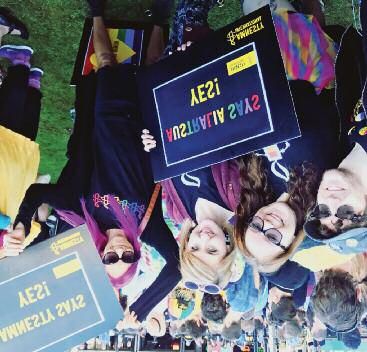
AMNESTY INTERNATIONAL START SOMETHING TERM 1, 2018

Time’s up for Twitter:
violence against women online

Research by Amnesty International has revealed the huge impact that abuse
and harassment on social media are having on women, with women around
the world reporting stress, anxiety or panic attacks as a result of these
                                                                                  Support
harmful online experiences.                                                       If you have experienced harassment or bullying,
                                                                                  there are people you can talk to. Please reach out
Social media plays such a huge role in our everyday lives – we use it to keep     to a teacher, school counsellor or family member,
in touch with friends, family and what’s happening in the world. It’s how we      or speak to someone at:
learn about music, movies and sport, how we share stories, and how we reach
out to change makers. But the actual experience of many women show that           Lifeline: 13 11 14
for many of us social media is a space of fear, threats and potential violence.
                                                                                  Kids Helpline: 1800 55 1800
Amnesty International heard from 4,000 women between the ages of 18 and
                                                                                  Or online at headspace.org.au
55 in Denmark, Italy, New Zealand, Poland, Spain, Sweden, the UK and the
US about their experience with social media. Nearly a quarter (23 per cent)
of the women surveyed across these eight countries said they had experienced
online abuse or harassment.
In a similar survey of 500 women in Australia, 47 per cent of those aged
18–24 said they had experienced abuse or harassment online.

                                                                                                 People protest for respect for human rights in
                                                                                                 the Middle East and North Africa, holding up
                                                                                                 their mobile phones in solidarity. London, UK,
                                                                                                 12 February 2011. © AI
TOXIC TWITTER: VIOLENCE AGAINST WOMEN ONLINE AMNESTY INTERNATIONAL START SOMETHING TERM 1, 2018
ACT NOW >>
“ The world is watching and calling out the abuse
women face at work, at home, in public and online.
It’s time for Twitter to get on board.
Twitter isn’t doing enough to address the abuse and
Social media has helped enhance freedom of violence that women are facing online. It’s their duty
expression… But as offline discrimination and to make sure that women can use Twitter equally
and without fear.
violence against women have migrated into the What we’re asking Twitter to do:
1. Enforce its own policies on hateful conduct
digital world, many women are stepping back and abuse.
from public conversations. 2. Increase transparency around how it is tackling
online abuse and share data about the levels of
Azmina Dhrodia abuse on their platform – and their response to it.
ACT NOW
Make copies of the Twitter Action Card included
WHAT IS HAPPENING? in your issue of Start Something – and then make
Azmina Dhrodia is Amnesty International’s researcher on technology and a list of people in your school community to talk to
human rights, and she says that online abuse against women can create about this. You could talk to:
lingering damage. • your principal
“It’s no secret that misogyny and abuse are thriving on social media • other teachers
platforms, but this research shows just how damaging the consequences
of online abuse are for the women who are targeted,” she says. • digital technology classes.
“This is not something that goes away when you log off. Imagine getting Use these key messages:
death threats or threats of abuse whenever you open an app, or living in fear • Women are silenced and driven off Twitter
of personal and private photos being shared online without your consent.” by rampant abuse on the platform.
“The real danger of online abuse is how fast it can escalate – one abusive • Toxic abuse of women on Twitter is poisoning
tweet can become an avalanche of targeted hate in a matter of minutes. the platform.
Social media companies need to truly start taking this problem seriously.”
Ask them to add their voice and take action with
a Twitter Action Card.
WOMEN ARE BEING SILENCED
Post your signed action cards to: Amnesty Youth
Social media platforms, especially for women and marginalised groups, Team, PO Box 3178, Rundle Mall SA 5000.
are an important space for individuals to exercise the right to freedom of
We will add them to the tally and make sure they
expression. Online violence and abuse are a direct threat to this freedom get to Twitter Headquarters.
of expression.
Over three quarters of the women surveyed who had experienced abuse
or harassment on a social media platform made changes to the way they
use the platforms, such as no longer posting content that expressed their
opinion on certain issues.
SOCIAL MEDIA COMPANIES NOT DOING ENOUGH
All types of violence and abuse online need a strong response – from
governments, the companies that own them, and the community.
Social media platforms state that they do not tolerate targeted abuse on the
basis of a person’s gender or other forms of identity, and now more than
ever they need to enforce their own community standards. They should also
enable users to utilise security and privacy measures such as blocking,
muting and content filtering. This will allow users to have a less toxic and
harmful online experience.
“Social media companies have a responsibility to respect human rights,
including the right to freedom of expression. They need to ensure that
women using their platforms are able to do so freely and without fear,”
says Azmina Dhrodia.
Online abuse against women is rampant, and Twitter is among
the worst platforms. © AI/Karen VeldkampPrint this page at 100%
(make sure ‘fit to page’ or
‘shrink to fit’ are not ticked
in the printing options),
Fold then fold here so the images
are back to back.
Stick them together then
cut out inside the pink line.You can also read


