Stephanie Willing Technology - + Focus on New Lawyers Section Chair
←
→
Page content transcription
If your browser does not render page correctly, please read the page content below

January / February 2019 Volume 88 Issue 1   Official Publication of the Hennepin County Bar Association

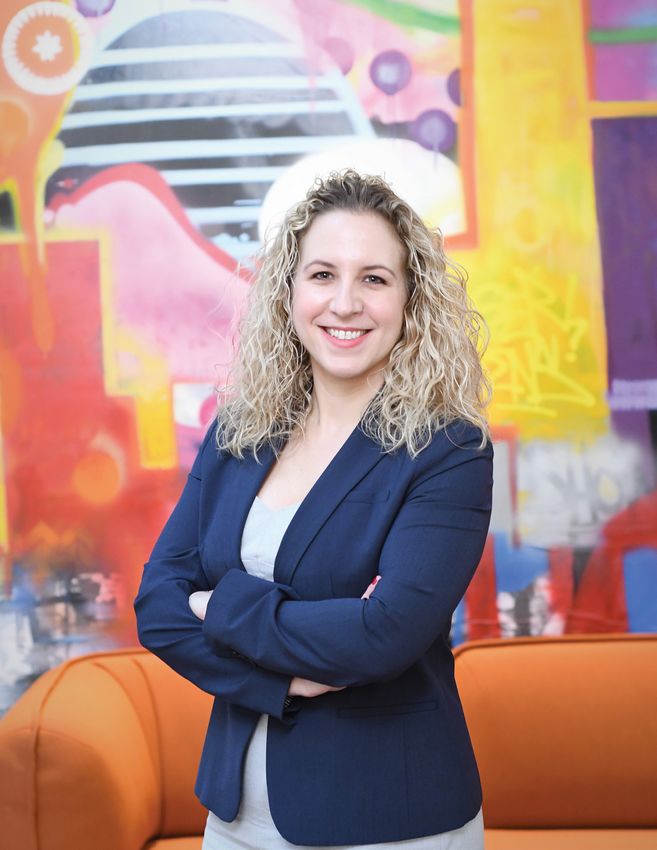
Stephanie
Willing
New Lawyers
Section Chair
+ Focus on
Technology
THE 2019
                                                         LAW FIRM
                                                         LEADERSHIP PROGRAM
                            MAKE THE MOVE FROM SUCCESSFUL LAWYER TO FIRM LEADER

The Hennepin County Bar Association is excited
to present this innovative and transformative                                                      19.25 CLE credits applied for.
                                                                                                    (Including 2.5 Elimination of Bias credits)
seven-session training program that will help
you achieve the next leadership level in your                                                 BE PART OF THIS 7-SESSION CLE PROGRAM THAT
                                                                                         DEVELOPS LAWYERS TO BE SUCCESSFUL LAW FIRM LEADERS
legal career.
The Law Firm Leadership Program (LFL) is created to be comprehensive
                                                                                     Through the Law Firm Leadership Program, You will Learn to:
and holistic. Over the course of the sessions, you will explore self-leadership
and awareness, leading others, and leading the law firm organization. Built          •     Discover the skills, attributes, and abilities necessary for effective law
                                                                                           firm leadership
specifically for lawyers by lawyers, LFL prepares participants from all levels
of their firms to lead during a time of great change within the legal profession.    •     Build your personal, professional, and leadership development plan

Ideal for attorneys from any size firm, LFL equips you with the skills, knowledge,   •     Navigate the unique challenges and demands of leading lawyers
and broader context needed to succeed in leading practice groups, heading            •     Develop emotional and interpersonal intelligence in yourself and others
committees, and serving in other key firm leadership roles.                          •     Incentivize the behaviors and actions your firm wants through
By participating in this program, you make an invaluable investment in                     compensation and promotion models
developing your abilities to be an effective and visionary law firm leader today     •     Attract, cultivate, motivate, and retain talent at every level of your firm
and in the future.                                                                   •     Understand employment law essentials every leader should know
                                                                                     •     Appreciate the power of law firm culture and alignment to the bottom
               2019 PROGRAM SCHEDULE                                                       line of the business
         The program includes seven sessions, taking place every other
                                                                                     •     Create an inclusive workplace where everyone’s individual contributions
         Wednesday afternoon, between February 20 and May 15, 2019.
                                                                                           are valued and where everyone thrives
 SESSION ONE                                 SESSION FIVE                            •     Counteract implicit bias and understand the processes and norms that
 Kickoff & Series Concepts                   Team Leadership:                              undermine diversity and inclusion efforts
 Wednesday, February 20                      Navigating Difficult
                                                                                     •     Navigate difficult conversations and conflict with others
 12:00—3:00 p.m.                             Situations & Dynamics
                                                                                     •     Create meaningful short- and long-term strategies that position your
                                             Wednesday, April 17
                                                                                           firm for future success
 SESSION TWO                                 12:00—3:00 p.m.
                                                                                     •     Focus and prioritize your many and competing responsibilities
 Personal Leadership I
 Wednesday, March 6                          SESSION SIX                             •     Balance your personal law practice with your leadership role
 12:00—3:00 p.m.                             Firm Leadership:                              (producing vs. managing)

                                             Culture & Fundamentals                  •     Lead your law firm through change, such as reorganizations, evolving
 SESSION THREE                               Wednesday, May 1                              technology, and thoughtful succession planning
 Personal Leadership II                      12:00—3:00 p.m.                         •     PLUS, all participants will receive individual assessments on their
 Wednesday, March 20                                                                       leadership style
 12:00—3:00 p.m.                             SESSION SEVEN
                                             Firm Leadership:                             Register: www.hcba.org or 612-752-6600
 SESSION FOUR                                Management & Integration
                                                                                                Sign Up Today to Reserve Your Place. Space is Limited.
 Team Leadership: Bias & Diversity           Wednesday, May 15
                                                                                                    HCBA members: $995. Non-members: $1195.
 Wednesday, April 3                          2:00—5:00 p.m.
 12:00—3:00 p.m.                             with reception to follow.                   Sessions are only available to series participants and will not be webcast or
                                                                                            offered à la carte. Payment does not need to accompany registration.
     Sessions take place at the Hennepin County Bar Association office:                                        To be invoiced, call 612-752-6600 to register.
  Third Floor of City Center • 600 Nicollet Mall, #390, Minneapolis, 55402                 *Speakers and credits may be subject to change. Cancellations must be received 7 days prior to
                                                                                         the first session to be eligible for a refund. Cost of materials will be deducted from total amount of
               Visit www.hcba.org for information on our presenters.                      refund. Those registering fewer than 7 days prior to the first session will be ineligible for a refund.

 Sign up today at www. hcba.org. Contact Micah Fenlason at 612-752-6612 or micah@hcba.org with questions or to register by phone.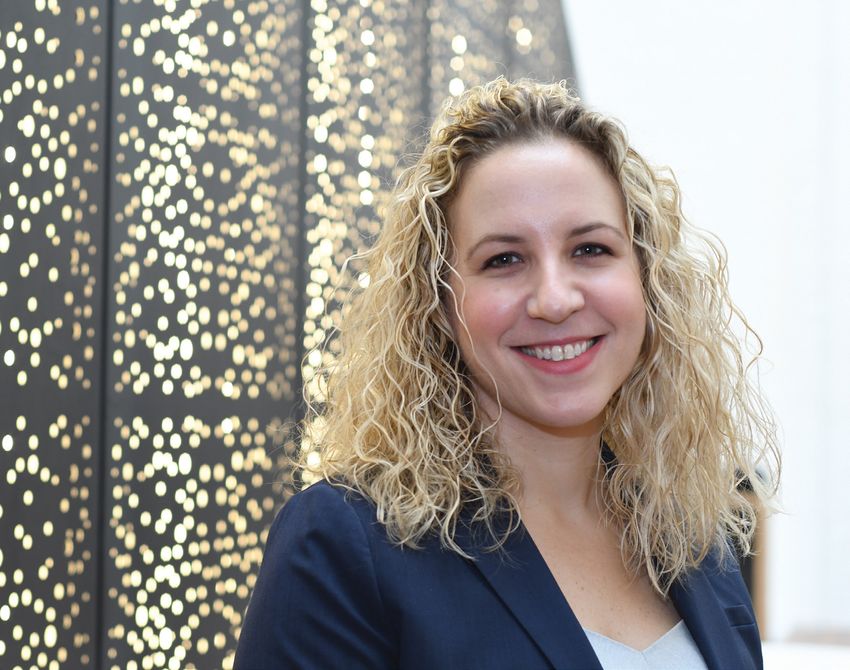
HENNEPIN LAWYER
Official Publication of the Hennepin County Bar Association
6 10
Hennepin Lawyer
January/February 2019
14 Volume 88, Number 1
www.hcba.org
18 H ennepin L awyer
Ayah Helmy Committee Chair
Lisa Buck Vice Chair
Joseph Satter Executive Editor
Nick Hansen Managing Editor
Jennifer Pickles Design & Layout
32 Sarah Mayer
Samuel M. Johnson
Photography
Issue Editor
C ommittee M embers
02 | L et's Talk Tech by Samuel M. Johnson
Megan Bowman Judge JaPaul Harris
03 | A ddressing the Gap: A Career-Staged Lisa Buck Samuel M. Johnson
Approach to Member Services Eric T. Cooperstein Judge William H. Koch
by Adine S. Momoh Sandra Feist Dan McCabe
Stephen C. Fiebiger Chad Novak
05 | Cheryl Dalby to Lead Minnesota Bars Aaron Frederickson Pedro Reyes
06 | Getting to Know Stephanie Willing: 24 Alissa Harrington
Ayah Helmy
Azure Schermerhorn-Snyder
Alice Sherren
2018-2019 New Lawyers Section Chair
09 | Ask-a-Lawyer: New Lawyers Spotlight The Hennepin Lawyer is published by the Hennepin County Bar
Association to educate and inform lawyers about the current issues
10 | Hon.
Sarah West: New to the Bench by Nick Ryan and events relating to the law and the profession. It allows for the
free expression and exchange of ideas. Articles do not necessarily
12 | Lens View: HCBA Fall Socials represent the opinions of any person other than their writers. Copies
of the editorial policy statement are available upon request or online
at www.hcba.org.
FOCUS ON TECHNOLOGY © 2019 Hennepin County Bar Association
14 | Is Big Brother Watching Us? The Evolving State of the Law
on Cell Phones, Digital Evidence, and Privacy H ennepin C ounty B ar A ssociation
by Joe Mitchell and Shawn Webb Adine S. Momoh President
18 | Liability in Self-Driving Cars Jeffrey Baill President-Elect
by Eric Palmer and Kyle Willems
Esteban Rivera Treasurer
Brandon Vaughn Secretary
24 | The FAA and Drones: A Modern Day Dr. Frankenstein and His Monster? Thaddeus R. Lightfoot Past President
by Garrett Caffee
Stephanie Willing New Lawyers Chair
Cheryl Dalby Chief Executive Officer
28 | A New Weapon for Tech Companies to Fend off Trolls Susie Brown Chief Operating Officer
by Eric Chadwick
Hennepin County Bar Association
32 | Educational Technology for the Law School Classroom 600 Nicollet Mall, #390
by Michael Robak Minneapolis, MN 55402-1043
Phone 612-752-6600 www.hcba.org
36 | L awyers in Glass Offices . . . Ethical Challenges of Coworking Spaces by Eric T. Cooperstein
For advertising contact: Sheila Johnson
38 | T he Docket sheila@hcba.org 612-752-6615
39 | Practice Pointers: Reclaiming Your Calendar by Jess Birken
You can be a part of the
Hennepin Lawyer Committee.
42 | Grantee Spotlight: Domestic Abuse Project If you are interested in writing
or editing, email Nick Hansen,
43 | M
ember News Managing Editor at nick@hcba.org
44 | T en Things I Love about Being an Attorney by Amran Farah
HENNEPIN LAWYER JANUARY/FEBRUARY 2019 1
INSIDE VIEW

                                         Let's Talk Tech

W
              ithin this issue are a number of         conference room was specifically designed to
              articles covering what is admittedly     facilitate video conferencing, including remote                "While society
              a small cross-section of the topics      depositions, which will likely continue to
available under the broad category of technology       increase in frequency. The individual offices                   and industry
and the law. In a way, the plethora of ideas made      themselves have also been redesigned. Each
my role easier, in that I had a veritable buffet of    workstation has dual monitors for improved                      race forward,
topics from which to seek authors. This isn’t to       efficiency and desks can quickly convert from
say that the law and technology are a perfect fit.     a sitting to a standing position. The sum of                      the law is
The breadth of the topic, and the nature of the        these technological changes is an office that is
law, has led a number of courts to comment on          substantially different—more streamlined and                    often slow to
the glacial pace of technological change within        efficient—than those of the past.
our profession. While society and industry                                                                               catch up."
race forward, the law is often slow to catch up.       As I alluded to, this issue’s articles cover a range
In some ways I agree with this sentiment, but          of timely and interesting topics. Shawn Webb
disagree that it can be broadly applied to all areas   and Joe Mitchell discuss the ever evolving state
of the law. As you will see in this issue, there are   of the law on cell phones, digital evidence, and
areas where the practice and the teaching of law       privacy. Kyle Willems and Eric Palmer tackle the
are moving quickly and rapidly evolving to keep        emerging issues with self-driving automobiles.
pace with ever developing technology.                  Eric Chadwick addresses the Alice decision
                                                       and how it continues to impact intellectual
Nowhere is the practice of law’s relatively slow       property litigation. Garrett Caffee provides the
adoption of new technology more apparent               thirty-thousand foot view of drones and the law.
than in the places we work. Over the past              Finally, Michael Robak helps us to understand
half-year, my firm has been preparing to move          how the teaching of law has changed since the                                 Samuel
its offices. This move provided an excellent           early 1980s and how technology is shaping the
opportunity to reflect on the technology we            modern law school classroom.
                                                                                                                                     M. Johnson
interact with on a daily basis, and how many                                                                                         January/February
technological decisions impact our workspaces.         It has been a pleasure working with the great                                 Issue Editor
For example, gone are the once-ubiquitous rows         authors whose articles make up this issue. I           sjohnson@skolnickjoyce.com
of legal reporters and dusty tomes of a firm’s         believe you’ll enjoy reading their work as much
                                                                                                              Mr. Johnson is an associate with Skolnick & Joyce
law library. Other than providing a backdrop           as I did, and I hope that you have the time and        in Minneapolis. He is a civil litigator in a variety
for headshots, those rows of books serve little        inclination to reflect on the ways technology          of areas, including business and commercial
to no purpose in a modern law office, having           continues to shape the way we practice law.            disputes, contract, and family law. He previously
been replaced with electronic libraries and                                                                   clerked for the Hon. William H. Koch. He is an
                                                                                                              adjunct professor at the University of St. Thomas
search engines. To provide the bandwidth
                                                                                                              School of Law and also serves as a director on
to handle internet and wi-fi usage, the new                                                                   its alumni board.
office is equipped with fiber optic cable. The

2 HENNEPIN LAWYER JANUARY/FEBRUARY 2019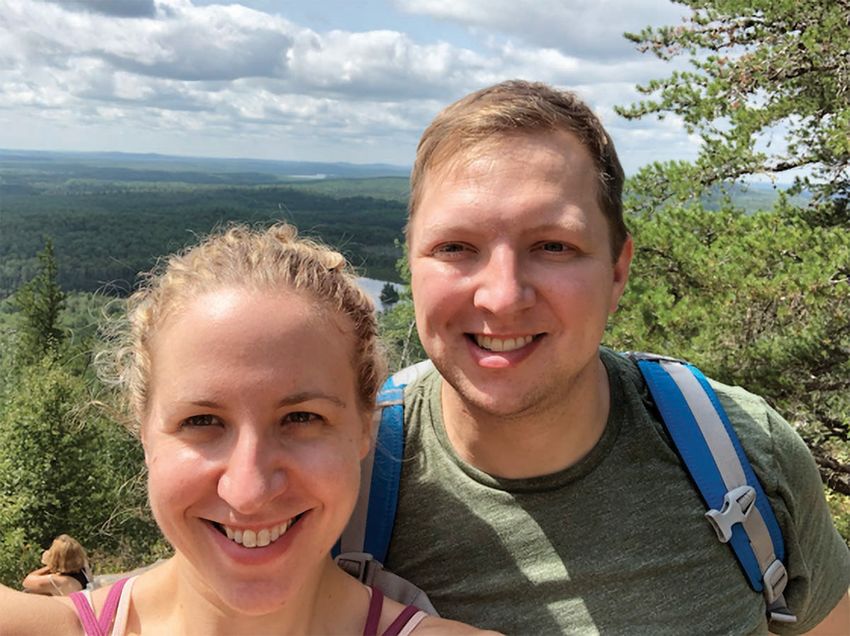
P R E S I D E N T ' S PAG E

                          Addressing the Gap:
           A Career-Staged Approach to Member Services

T
        his past October, I had the honor of           The HCBA is hard at work trying to address            day to accommodate the schedules of attorneys
        speaking on a panel during the National        this gap. For example, the HCBA currently             who have childcare obligations or other family
        Association of Women Lawyers’ Annual           offers an assortment of soft skills programming.      commitments.
Legal Leadership Summit & Meeting the                  Soft skills programming refers to programs
Challenge Conference. The panel, entitled Ages         focused on education related to transferable          In sum, while the HCBA has regularly focused
and Stages of a Law Career, allowed attendees to       or professional skills, as opposed to hard skills     on newer attorneys, as well as “vintage” or
hear from a diverse group of women attorneys           programming focused on education related              “seasoned,” attorneys, we see those of you who
who are in the public sector, private practice, or     to vocation or qualification. The HCBA offers         fall in the middle. We welcome you back into
in-house at different stages of their law practice,    its bi-annual Law Firm Leadership program,            the fold. And we want to offer you the programs
including post-retirement.                             tailored for attorneys who have been in practice      and skills that are appropriate for your career at
                                                       for 10 or more years and are looking to advance       your stage. Let us know how we can help you.
The panel was asked a variety of questions,            toward broader firm leadership roles. Those           If you have an idea for a CLE or program that
including: Given that the legal profession             who complete the program are then invited             you would like a section to organize, or even
is beginning to talk about well-being and              to attend alumni roundtable discussion and            better if you would like to lead one, feel free to
mindfulness as priorities, what do we do for           networking events where they can continue to          contact one of our section leaders by visiting:
self-care? Were there any pivot points in our          implement some of the strategies they learned         www.hcba.org/page/sections
careers where we went in a direction we had            in the program.
not expected? What does “work-life balance”
mean to us, and what do we do to maintain              The HCBA also has a Mindfulness Meditation
the right ratio in our own lives? If we have           Practice Group. While appropriate at all stages
had speed bumps in our careers, how did we             of one’s career, this program helps attorneys
navigate them? And what role have professional         practice being present in the moment and
organizations played in our professional career        being aware of their bodily sensations, mental
success or satisfaction? The timing of this panel      and emotional states, and external stimuli.
could not have been better because it aligned          Benefits of mindfulness include stress reduction,
with one of my initiatives as president of the         expanded working memory, and increased
HCBA, which is for the HCBA to take a more             attention span, among others.
focused, career-staged approach to member
programming.                                           Further, the HCBA is encouraging each section                                 Adine S.
                                                       to offer more soft skills programming. Topics                                 Momoh
The HCBA regularly provides programming and            could include situational communication (e.g.,                                2018-2019
opportunities for newer attorneys (i.e., attorneys     working with foreign-speaking clients, clients                                HCBA President
aged 36 or younger, or who have been practicing        with disabilities, victims of trauma, or how to
six years or less). It also gears programming          handle difficult conversations, etc.), presentation    adine.momoh@stinson.com
towards those attorneys now acceptably called          skills, emotional intelligence, corner office, and     Ms. Momoh is a partner in the Minneapolis office
“vintage” or “seasoned.” But what about those          other partnership strategies, civic engagement,        of Stinson Leonard Street where she represents
                                                                                                              clients in matters involving banking litigation,
attorneys who fall in the middle? The middle           and other related topics. Several sections have
                                                                                                              estates and trusts litigation and creditors’ rights
stage of practice is a critical stage for attorneys.   also already considered what we know about             and bankruptcy before state and federal courts
That is the stage where attorneys possess the          those who have been practicing 7 to 15 years,          across the country. As a trusted advisor, she
substantive skills and experience that they need       generally, when scheduling CLEs and other              helps clients navigate the entire lifecycle of a
in their career, but may also find themselves          section events. For example, some sections have        case, from case development and strategy, to
                                                                                                              discovery, to motion practice, to trial, to appeal.
asking, “What next?”                                   moved their programs to different parts of the

                                                                                                                    HENNEPIN LAWYER JANUARY/FEBRUARY 2019 3
FELLOWS
                                           MAKING A DIFFERENCE IN HENNEPIN COUNTY

OUR MISSION
“PROMOTING EQUAL ACCESS TO JUSTICE FOR THE PEOPLE OF HENNEPIN COUNTY.”
Since 1968, the Hennepin County Bar Foundation has made a positive impact on the community by funding legal projects
and agencies that support those in need throughout Hennepin County.

The Hennepin County Bar Foundation provides far-reaching support to a wide range of legal service programs. The HCBF
awards grants to organizations that: provide legal services to individuals of limited resources; educate the public about
the legal system; and contribute to the improvement of the legal system and the administration of justice.

The foundation’s mission is carried out through the generous financial support of the local legal community—members of
the Hennepin County Bar Association, local law firms, and businesses. In addition to the Fellows program, support comes
through the annual HCBA membership dues check-off, individual donations, support of the Bar Benefit, and participation
in the Charity Golf Classic. The foundation combines the support of local lawyers, law firms, and businesses to send a
clear message that Hennepin County’s legal community cares about access to justice.

WHO ARE THE HCBF FELLOWS?                                                   BENEFITS OF BEING A FELLOW:
> The Fellows are licensed attorneys who have                               > Honor & Recognition – Fellows are an
been admitted to a bar for at least five years and                             esteemed group of local attorneys, recognized
have shown a strong commitment to increasing                                   by their peers, for dedication and commitment
access to justice in Hennepin County.                                          to increasing access to justice

                                                                            >M
                                                                              aking an Impact – Fellows support programs
WHAT IS ASKED OF A FELLOW?                                                   that have significant impact in the community

> Attorneys are invited to become Fellows by
                                                                            > Network Building – Fellows are invited to
contributing $1,500 to the Hennepin County Bar
                                                                               exclusive events
Foundation over a five year period.

                                             WWW.HCBA.ORG/HCBF
                             If you are interested in becoming a Fellow, please contact
                                Amanda Idinge at amanda@hcba.org or 612-752-6614

     The Hennepin County Bar Foundation is an exempt organization as described in Section 501(c)(3) of the Internal Revenue Code.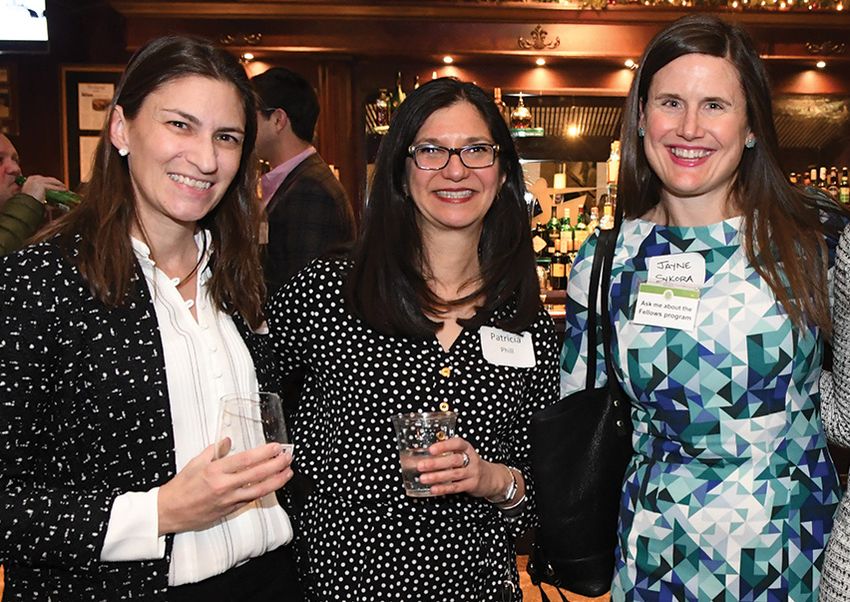
YO U R A S S O C I AT I O N

                                                                                                         “I am thrilled
                                                                                                         to lead the bar
                                                                                                         associations into
                                                                                                         a collaborative
                                                                                                         future.”

                                                                                                         Cheryl Dalby,
                                                                                                         Chief Executive Officer

              Cheryl Dalby Chosen to Lead
            Combined Staff of Minnesota Bars
T
         he Hennepin County Bar Association,         MSBA, HCBA, and RCBA recommended Dalby,
         Minnesota State Bar Association and,        and the boards of each organization approved
         Ramsey County Bar Association are           the recommendation.
pleased to announce that Cheryl Dalby has
accepted the role of Chief Executive Officer of      Dalby has served as Executive Director of the
the three associations. The boards of directors      Ramsey County Bar Association in St. Paul for
of the associations decided in June 2018 to adopt    the past 18 years. “I am thrilled to lead the bar
a shared staff model to better coordinate efforts,   associations into a collaborative future,” said
increase efficiencies, and improve member            Dalby. “And I am pleased that Susie Brown,
value. While each association will maintain its      current Executive Director of the Hennepin
separate identity and legal independence, the        County Bar Association, has agreed to accept
single staff, led by the Chief Executive Officer,    the position of Chief Operating Officer and will
will provide services to all three.                  work with me in leading the three associations.”

After completing a nationwide search for             Current MSBA Executive Director Tim Groshens                 Susie Brown,
the leader of the newly combined staff, a            will retire after more than three decades leading            Chief Operating Officer
committee composed of members of the                 the association.

                                                                                                           HENNEPIN LAWYER JANUARY/FEBRUARY 2019 5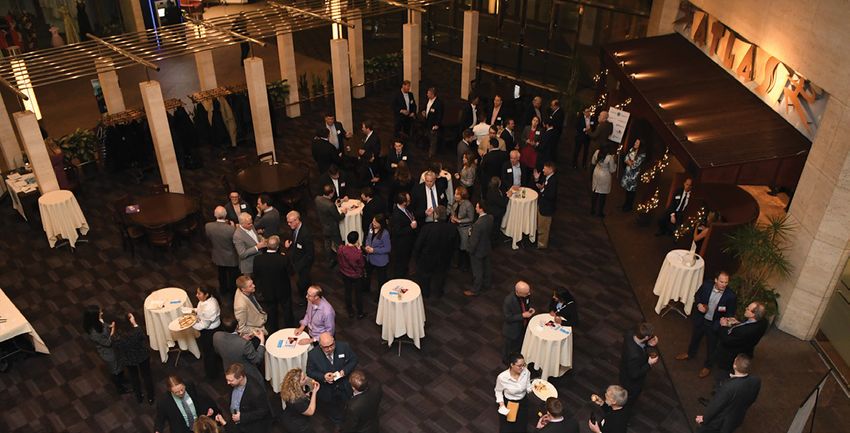
O N T H E COV E R

                                          Getting to Know
                           Stephanie Willing
                             2018-2019 New Lawyers Section Chair

6 HENNEPIN LAWYER JANUARY/FEBRUARY 2019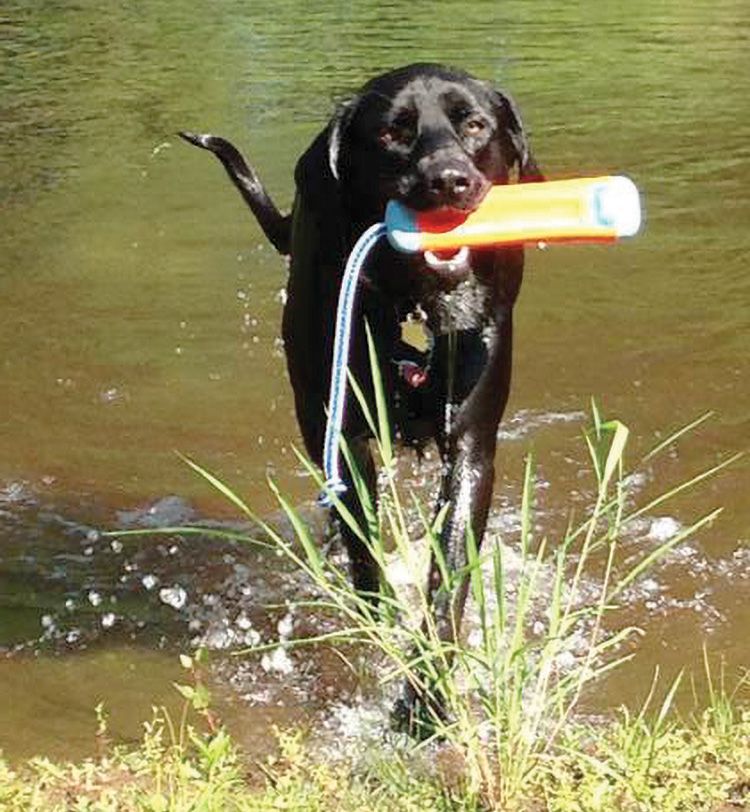
O N T H E COV E R

                                                                                                                                Stephanie and her
                                                                                                                            husband, Dan, hiking in
                                                                                                                              Northern Minnesota.

Can you share a little bit
about your practice?
I am a sixth-year attorney practicing
employment law at Maslon. I started out
in general business litigation and products
liability work, and four years ago shifted to
employment. My practice involves preventing
issues from arising on the front end by drafting
corporate policies, educating employees and
HR professionals, and discussing strategy
with businesses. When an issue does arise,
I represent the client in front of an agency,
or in state or federal court. Employment law
is a fascinating and rewarding practice area
with so many interesting stories, and the
law is often evolving, keeping everyone on
their toes.

What brought you here from
the west coast?
                                                    How did you get involved with                     What’s been your favorite
My husband; we met at law school orientation        the section and subsequently,                     part about being involved
at the University of Oregon, and then were          leadership?                                       with the bar association?
in the same section, so we had every single
class together. I grew up in Seattle and            Moving here from Seattle I didn’t know            I love meeting so many different people and
planned to stay on the west coast, but he is        anyone other than my husband’s family. The        learning what their practices and career
from the Midwest and he wanted to move              legal community—the law schools, the firms,       paths have been like. Everyone is different
back here after we graduated. We have been          other lawyers—was a mystery to me. I first        and it is helpful to get to know people who
in Minneapolis for six years now, so I feel         got involved with Minnesota Women Lawyers         have different stories than your own. Also, in
like I am getting the hang of it. Minneapolis       and shortly after that with the HCBA. I tried a   leadership you get to take ownership and plan
is a great city to live and work in, and the        few other groups, but these two groups were       events and shape the bar. So for those who
transition from Seattle was easy once I bought      the most welcoming. Once I attended a few         don’t see something that speaks to them, get
the requisite warm clothes.                         meetings and events, I started to see familiar    involved and create something new.
                                                    faces, which made attending subsequent
                                                    events easier. I got my first taste of leader-
What types of programming                           ship in MWL, serving as a co-chair for the
can New Lawyers Section                             communications committee. I really enjoyed
members look forward to?                            bringing people together and connecting peo-      "Once I attended a few
                                                    ple to MWL. Around the same time, I started
The NLS is focusing on collaborating with           taking on a bigger role with the HCBA NLS.        meetings and events, I
other HCBA sections, which allows us to offer       Since then, I have served as social director,
a wider variety of events. We hope this will        secretary/treasurer, vice chair, and now this     started to see familiar
lead to an easier transition to other sections      year, chair. I got into NLS leadership both
once new lawyers age out of the NLS. We             because I wanted to develop my leadership         faces, which made
are also continuing our Networkout series,          skills, and because the section has done so
which is for those who want to meet people          much for me by improving my networking            attending subsequent
on a run or after a workout class instead of a      skills and providing amazing contacts in the
happy hour. Of course, we’ll still have a variety   legal community. I wanted to help make the        events easier."
of happy hour networking events.                    group welcoming for others.

                                                                                                             HENNEPIN LAWYER JANUARY/FEBRUARY 2019 7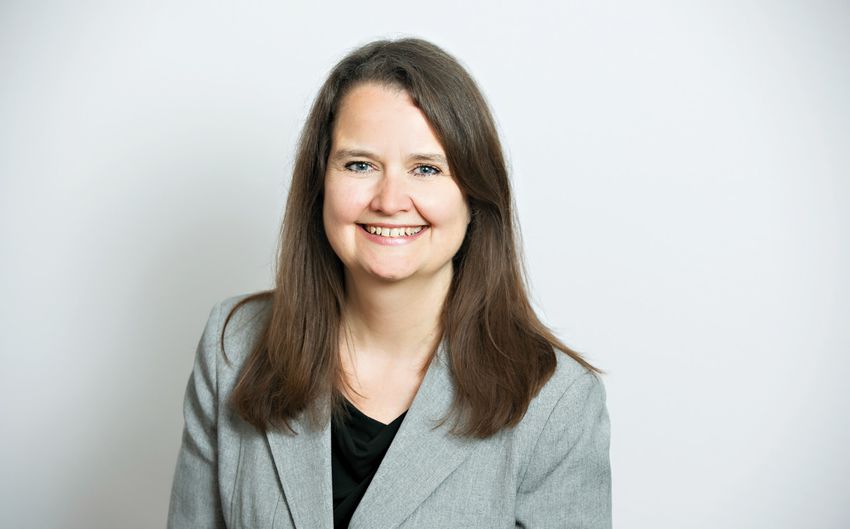
O N T H E COV E R
The Willings’
dog Summer,
and cat Hops.
What would you say to a new You’re married to a lawyer.
attorney who says they don’t What are your dinner table
have time to get involved with conversations like?
the HCBA?
Even though I practice employment law and
New attorneys are pulled in so many different he practices tax law, we can talk about our
directions, both professionally and personally. day without completely boring the other
It seems daunting to leave your desk at all, person, at least most of the time. While I
even for an hour at lunch, or to leave early may not always understand the practical
to go to an event. Young attorneys especially implications of the estate-tax law he spent
want to make a good impression and show the day wrestling with, and he may not
that they are hard workers. In the short always appreciate the magnitude of a new
term, bar involvement is a great way to employment-law decision, we appreciate
meet amazing people, but there are long- what the other person is doing. We certainly
term benefits as well. In order to reap those don’t talk about law all of the time, or even
benefits, you need to start ASAP. A phrase much at all after a brief recap of our days. We
I heard recently comes to mind: The best talk about politics and current events, college
time to dig a well is before you are thirsty. If football and basketball, and the antics of our
"A phrase I heard you wait until you need a network, it is hard cat and dog—Hops and Summer.
to develop one. Whether you are a young
recently comes lawyer in private practice, in the public sector,
or at a nonprofit organization, you never
to mind: The best know where your professional (or personal) What’s your favorite thing to
life is going to take you. Someday you will do outside of work?
time to dig a well need someone to talk to about your career.
You will be searching for a job, looking to Running. I’m not fast, but I love to zone out
is before you are bring in business, raising money for a cause and be free from other demands on my time
you believe in, wanting to talk to someone when I am out on a run. There are no emails to
thirsty. If you wait about challenges at your current job, or any answer and no house to clean. Running helps
number of things, and when that time comes keep me sane. Because we live in Northeast
until you need a —wouldn’t it be great to have a contact list Minneapolis, I can run along the Mississippi
full of friends and colleagues you can call? River, and on the best mornings watch the
network, it is hard It is difficult to make time, but if you make sunrises. In the winter I also enjoy putting
building a network a priority now, you will together puzzles, and in the summer I enjoy
to develop one." reap the benefits later—and you will meet working in the garden.
some great people in the meantime.
8 HENNEPIN LAWYER JANUARY/FEBRUARY 2019A S K-A- L AW Y E R
New Lawyers Spotlight:
What is the most vital piece of technology
for your practice?
Joshua N. Brekken Dani Peden
Messerli Kramer Brandt Criminal Defense
I would have to say both the hardware (the Remote access to my server is the greatest
computer itself ) and the software we use are technological asset of my practice. My firm
the best tools of my practice. The hardware is uses a virtual private network (VPN) and server
self-explanatory. The software, FinPlan/Divorce login/firewall (SOPHOS) in order to access
Math, is essential as it allows for analysis of tax our files remotely. At previous employment
implications in divorce cases. This is especially positions, I only worked with paper files and
important in cases where spousal maintenance my work hours were limited to the times I had
is an issue and in other high net worth cases access to them. I may have relished the moment
where investment income and significant tax when I was able to disengage completely at times; but, I still spent many
implications come into play. hours arriving early, and staying late, in order to ensure some piece of mind
when I finally arrived home.
Anthony A. Remick Scholastica N.S. Baker
Arthur Chapman Kettering Smetak & Pikala Faegre Baker Daniels
My mobile timekeeping app allows me to capture I’m a mid-level product liability defense attorney
my billable time while working remotely. This training every day to become a first-chair trial
increases my timekeeping accuracy. Events, lawyer. I am also a busy mother of three energetic
such as depositions, inspections, hearings, and boys and my husband is JAG attorney who works
conferences, are crucial for my development full time in the Minnesota Army National Guard.
as a newer attorney. However, I am only able to I rely on the “categorize” color-coding feature
attend these events if I continue to manage my in Microsoft Outlook Calendar to manage
other files and projects while I am out of the case deadlines, work/court deadlines, personal
office. The current technology allows me to make telephone calls, read commitments, bar activities, and to block off time to complete each activity.
and send emails, and review and edit documents from anywhere. With so Each activity/category has its own color. Because I’m a visual learner, it’s
much work being done remotely, the mobile timekeeping app is essential easy for me to quickly assess or change my current work load and personal
to accurately capturing and billing all of my time. commitments, especially if unexpected events occur.
Tescia Jackson Rene T. McNulty
UnitedHealth Group – Optum Ballard Spahr
Web-based conferencing is the most essential OneNote is a vital tool in my practice. It
piece of technology to my practice because it centralizes all of my notes into one digital
allows me to communicate with clients easily and notebook and allows me to organize them into
effectively regardless of time zone, client location sections, pages and subpages. Plus, there is a
or weather. As an organization with employees search function. It has replaced the dozens of
and clients all over the world, access to a flexible notebooks I used to have scattered around my
and mobile platform where individuals can inter- office. Best of all, if I’m feeling nostalgic, I can use
act helps us stay ahead in a fast-paced economy. the stylus to take handwritten notes on my tablet.
HENNEPIN LAWYER JANUARY/FEBRUARY 2019 9CO U RT S CO N N E C T I O N
“We need to
all be working
for the just
outcome”
She was attracted to the legal field, and ultimately
law school, by the constitutional law classes she
took as an undergrad. “These were like real
law school classes where discussion and being
able to analyze were vital,” she said. During law
school, West clerked at the Hennepin County
Public Defender’s Office. After graduating and
passing the bar, she worked as an assistant public
defender in the same office. In addition to her
work as a public defender, she has worked at a
number of private firms.
West has practiced in many different areas of the
law, including civil, criminal, and juvenile. She
has also experienced the joys and challenges of
private practice as well as the way a large public
defender’s office operates. Through it all, West
maintained a positive view on the profession
Hon. Sarah West
and her role in doing justice.
West knows it is easy to be pulled into the
adversarial set-up of the legal profession.
New to the Bench
However, she noted that the most rewarding
and encouraging part of her career has been
the collegiality and respectfulness among her
colleagues in Hennepin County. West said she
loved her time working as an assistant public
by Nick Ryan defender in large part due to her coworkers
and the prosecutors with whom she worked.
“We were able to have good arguments in
the courtroom where we fought hard for
T
o Judge Sarah West, accomplishing is ready to continue her goal of ensuring that our positions, and still kept it friendly and
the goal of “doing justice” is a puzzle. justice is felt by all who enter her courtroom. professional outside the courtroom,” she said.
All parts of the puzzle—those that West also has a big picture mindset in the way
represent the defendant, those that represent she views both the legal profession and her role West currently serves as vice-president of the
the state, and the bench—need to be strong in the profession. Hennepin County Bar Foundation (HCBF),
and need to work together. “We need to all be and in that capacity, she is also on the board
working for the just outcome,” she said. West’s background provides evidence of her of the Hennepin County Bar Association.
goal for justice and her big picture mindset. “Everyone should be involved in the Hennepin
West knows how she wants the courtroom to She was born and raised in Minneapolis. She County Bar Foundation,” she said. She pointed
function. She wants all parties to feel heard, graduated from Connecticut College. After out that it is important for lawyers to provide
respected, and be able to walk away feeling working in the legal and banking fields for a resources for others, and the HCBF does an
like they had a fair process. Gov. Mark Dayton few years in New York, West moved back home amazing job at making that happen by providing
appointed West in September 2018, and she to attend William Mitchell College of Law. grants to local legal services organizations.
10 HENNEPIN LAWYER JANUARY/FEBRUARY 2019CO U RT S CO N N E C T I O N
Being involved in the bar association and the CAREER TIMELINE
legal community has been helpful for West
because it prevents her from focusing too much
on the adversarial nature of the profession. She > 2012-2018 > 2004-2005
also mentioned that practicing law, both in Assistant Public Defender, Law Clerk, Hennepin County
private practice and in a large public defender’s Fourth Judicial District Office Public Defender’s Office
office, can become lonely at times. Being of the Public Defender
involved with the bar association is a fantastic > 2000-2002
way to ensure that a lawyer feels connected with > 2011-2012 Transaction Manager,
other members of the community. Attorney, Hauble Law Barclays Capital
> 2011 > 1999-2000
The best advice West has for young lawyers is
Associate, Fafinski, Mark & Johnson Legal Assistant, Skadden, Arps,
to be invested and engaged in your clients and
Slate, Meagher & Flom & Affiliates
to respectfully work with the other parts of the > 2005-2011
system to do right for them. Assistant Public Defender, Hennepin
> 1999
County Public Defender’s Office
Graduated from
Not only does West see the bigger picture in
> 2005 Connecticut College
the legal world, but she also sees it outside of
Graduated from William Mitchell
the courtroom. “Being a great lawyer is not
College of Law
about working a billion hours. A great lawyer
is balanced and works effectively to help
their clients,” she said. West credits her own
success to the fact that she makes time for the
important things outside of work. The beautiful
hand-drawn pictures made by her children that
Why Take
surround West’s chambers are a good reminder
of the important people at home.
West is excited about her new position and
to see the process from a new perspective. “I
am excited for the first trial and to see what it
Chances?
M etro
looks like from the bench as opposed to from
counsel’s table.”
C all
L egaL
As someone who has seen so much and has a
wide perspective based on her life experiences,
West will be able to continue her goal of justice
from her new position on the bench.
Why trust your process service and courthouse requests to an
untrained, inexperienced delivery person? Let our trained and
experienced staff of over 80 help you with these and more.
• Service of Process (locally or nationally) • Searches and Document Retrievals
• Real Property Recordings • Court Filings • General Courier Service and Mobile Notary
• Secretary of State Transactions • Skip Tracing and Private Investigations
Nick
Ryan
www.metrolegal.com
nmr@ethicsmaven.com service@metrolegal.com
(612) 332-0202
Mr. Ryan is an associate attorney at the Law Office of
Eric T. Cooperstein where he represents and consults
with lawyers facing legal ethics challenges. Previously,
he was a law clerk at the Office of Lawyers Professional 330 2nd Avenue South, Suite 150 Minneapolis, MN 55401-2217
Responsibility.
HENNEPIN LAWYER JANUARY/FEBRUARY 2019 11LENS VIEW
2018 Judges Social
OCTOBER 25 – U.S. BANK STADIUM
12 HENNEPIN LAWYER JANUARY/FEBRUARY 2019LENS VIEW
Fall Member Social
NOVEMER 29 – ATLAS GRILL
HCBA Fall Socials
Thank you to everyone who attended our fall
socials. On October 25, HCBA members and
judges from all levels of Minnesota courts
gathered at Mystic Lake’s Club Purple inside
U.S. Bank Stadium for the annual Judges Social.
On November 29, members gathered at Atlas
Grill for our annual fall member social. We hope
to see you at one of our many events this year.
Go to hcba.org/events for information on all
upcoming HCBA events and socials.
HENNEPIN LAWYER JANUARY/FEBRUARY 2019 13T E C H N O LO GY
Is Big Brother Watching Us?
The Evolving State of the Law on
Cell Phones, Digital Evidence,
and Privacy
by Joe Mitchell and Shawn Webb
14 HENNEPIN LAWYER JANUARY/FEBRUARY 2019T E C H N O LO GY
"Cell phones keep a trove of intimate and
private data about their owners, which can
be disastrous for a person’s privacy if the
phone’s security is compromised."
I
get to those locations. While it is true that these
n the classic dystopian records, at best, can only show where the cell
phone was at any given date, who leaves their
novel 1984, George Orwell house without their phone?
wrote about a world popu- Cell phones keep a trove of intimate and private
data about their owners, which can be disastrous
lation that had become the for a person’s privacy if the phone’s security is
compromised. This article will discuss the state
victims of an omnipresent of the law on two evolving issues relating to cell
phone data. First, it will discuss the records that
government surveillance can be accessed without actually going onto a
person’s phone-connection records kept by the
program (euphemistically cell phone service providers. These records
can show a person’s approximate geographic
referred to as “Big Brother”). location and pattern of movement. Second,
this article will discuss what happens when
While 1984 was written at a time when smart- the government wants to access the content
phones weren’t even conceptualized in popular of a seized cell phone to review the contents
culture, the warning given by Orwell 70 years on the phone itself. Specifically, it will discuss
ago is as applicable to us now as it was then. We under what circumstances the government may
should be just as wary of the surveillance we compel persons to unlock/decrypt their devices.
willingly submit ourselves to out of convenience
and even more cautious about whom we allow to Cell Phone Location Data
access our personal information. We also need and Your Privacy
to be vigilant to how we safeguard our privacy
in an age when over 90 percent of the country’s Cell phone connection data provides a picture of
population has a cell phone and over 75 percent where a person goes by showing the geographic
has a smartphone. location of the cell towers to which his or her
mobile devices are connected at a given point
Cell phones have the potential to reveal almost in time. This information can be useful for
everything about their owners’ lives. Text mes- proving a person’s location at a given date and
sage and phone call records can reveal where time, which can have obvious practical value in
we are, whom we spend time with, and what we investigating criminal cases. This data is created
discuss. Phone contents (emails, text messages, and can be disclosed by cell phone service pro-
social media postings, and internet searches) viders; however, based on the recent Carpenter
can contain private communications and sen- v. U.S. decision, a warrant is now required before
sitive financial or health information. Even disclosure.1
without accessing the contents of a phone itself,
historical cell site location records can reveal Cell phone connection data is generated with
things about the phone’s whereabouts and usage. every text message, phone call, and internet data
Through connection data, cell tower records can exchange between a user’s device and a cell tow-
detail a person’s location with relative precision. er. Cell towers are ubiquitous and highly visible
Spread over time, this data can show where that in both urban and rural areas. Cell phone service
person’s phone was, when the person was there, providers build and maintain a network of cell
and the approximate path the person traveled to towers designed to provide consistent coverage.
HENNEPIN LAWYER JANUARY/FEBRUARY 2019 15T E C H N O LO GY
To evaluate network use, the companies also the individual disclosing the information no government’s ability to access this information
keep track of every connection made to their longer has a right to privacy in that information.4 depends, in many cases, on the device’s
towers. Cell phones are programmed to connect In the context of cell phone records, the encryption and the user’s preferred security
to the strongest data signal that is available. This government argued that users voluntarily settings on the device.
saves the battery and ensures the fidelity of the disclose their location to the provider by using
connection. Each tower is divided into segments, the service. The data is voluntarily provided to Every mobile device will have some form
each with a data receiver. Almost universally, a nongovernmental third party; therefore, the of data security available. That security will
towers have three sides, each receiving data argument went, the user has no right to privacy usually include the ability to “lock” the device
from a 120-degree portion of the service area.2 in the data. This argument, based on Katz v. and some form of data encryption. The
U.S., had been persuasive in federal courts and most common forms of data encryption are
If law enforcement or an interested party in many state courts for decades.5 encrypted messaging software and “end-to-end”
requests all connections made by a particular encryption. Encrypted messaging software
phone, the records show which towers, and works by encrypting data before it is sent
which section of those towers, the user’s device from the sender’s device and then decrypting
has connected to. Tower connections are based it once it arrives at the recipient’s device.
on signal strength, which is correlated with The data is secure, or encrypted, while it is in
distance. Hills, buildings, weather, and other transit between the two devices, but it will not
factors can also influence signal strength, but be encrypted as stored on either the sender’s
those factors are minor compared to distance. or the recipient’s devices. This encryption is
Using both the tower and the directional less secure because the unencrypted data can
data, the cell phone’s location can be roughly be accessed both before and after it is sent.
estimated at any given time. Cell phones “End-to-end” encryption is generally accepted
often refresh data automatically, checking for as a more secure way to protect a person’s
notifications, emails, or other updates, so this digital data. End-to-end encryption works by
data is often comprehensive, even if the user encrypting the data on the device itself before
wasn’t actively using his or her phone. 90 percent of the it is sent and it remains encrypted on any
devices that it is on until that user unlocks his
This data is also imperfect—it can accurately country’s population or her device and accesses the data. The data
show only the location of the tower, not the is then re-encrypted every time the device is
phone itself, although the 120-degree segments has a cell phone and locked. The current versions of Apple’s iPhone
can provide some directional hints. These and Google’s Android both use end-to-end
records can be extremely influential evidence over 75 percent has encryption on their devices. Most devices will
in criminal prosecutions. Police and prosecutors have a variety of options for how to unlock
can use this data to show that a phone associated a smartphone. the phone and access its content. Most have
with a defendant was in proximity to a crime numeric password protection to prevent
scene at a particular time. This data is called unwanted intrusions into the information stored
“Historical Cell Site Location Information” on the device. For most devices, the default is
(HCSLI). A vigorous dispute in the legal The Carpenter Court held that application a four-digit numerical code, though that can be
community about the standard required for of the third-party doctrine to HCSLI was increased up to a 37-digit alpha-numeric code
the government to obtain HCSLI was recently inappropriate. The Court noted that cell phones in the current iPhone operating system. Many
resolved by the U.S. Supreme Court in its are “almost a feature of human anatomy,” and by also feature “swipe pattern” unlocking, where
decision in Carpenter.3 The Carpenter decision tracking the location of a phone, the government the user must trace his or her finger across a
protects an individual’s right to privacy in his or “achieves near perfect surveillance, as if it had grid of dots in a preselected order. On most
her HCSLI and requires the government to get attached an ankle monitor to the phone’s user.”6 current devices, users can also unlock a phone
a warrant before obtaining and looking through The Court considered the disclosure by the user with a fingerprint or facial identification using
that sensitive location information. of HCSLI data to third parties, but noted that this the phone’s biometric reader or camera and
data is compiled without “any affirmative act on specialized software on the device.
Arguably, Minnesota law already protected in- the part of the user beyond powering up.”7 The
dividuals’ privacy rights in HCSLI even before Court held that the third-party doctrine should The Fifth Amendment to the U.S. Constitution
Carpenter. Minn. Stat. § 626A.42, subdivision 2, not be extended to HCSLI and required law protects individuals from being compelled to
established a statutory warrant requirement for enforcement nationwide to get a warrant before provide self-incriminating, testimonial evidence
the government to access “location information accessing this data. to the government in a criminal prosecution.
of an electronic device.” However, state law did “The privilege against self-incrimination bars the
not protect individuals from searches by federal Device Security, Encryption, state from (1) compelling a defendant (2) to make
law enforcement agents. Federal agents and law and Biometric Passes a testimonial communication to the state (3)
enforcement in other states were still able to ob- that is incriminating.”8 However, the courts have
tain HCSLI with only a subpoena. That practice Cell phones and smartphones contain much held that an act is not testimonial when the act
came to an end with the decision in Carpenter. more information about their owners than just provides “real or physical evidence” that is “used
location and connection data. If law enforcement solely to measure physical properties,”9 or to
In Carpenter, the government argued that officials can access the contents of a phone itself, “exhibit physical characteristics.”10 Historically
the “third-party doctrine” applied. The third- they can see text messages, emails, photos, these rulings have been used to compel
party doctrine holds that when information is videos, contact history, browsing history, and defendants to provide nontestimonial evidence
voluntarily disclosed to a nongovernment entity, a plethora of other sensitive personal data. The to the government that can be used against
16 HENNEPIN LAWYER JANUARY/FEBRUARY 2019T E C H N O LO GY
them at trial, such as providing fingerprints, handwriting sample, providing a finger- Notes
submitting to a breath test for alcohol, or print to unlock a cellphone both exhibits
1
providing a DNA sample. The question becomes the body (the fingerprint) and produces 138 S.Ct. 2206 (2018).
2
Larry Daniel, Cell Phone Location Evidence for Legal
do these prior rulings apply to today’s modern documents (the contents of the cellphone).
Professionals: Understanding Cell Phone Location
digital evidence and, if they do, how will they Providing a fingerprint gives the govern- Evidence from the Warrant to the Courtroom (London:
be applied? ment access to the phone’s contents that Elsevier, 2017).
3
it did not already have, and the act of un- Id.
4
The U.S. Supreme Court has not directly locking the cellphone communicates some U.S. v. Miller, 425 U.S. 435 (1976); Smith v. Maryland,
442 U.S. 735 (1979).
addressed whether compelling a defendant degree of possession, control, and authen- 5
88 S.Ct. 507 (1967).
to provide a fingerprint or a password to tication of the cellphone’s contents. But 6
Carpenter, 138 S. Ct. at 2218.
unlock a digital device elicits a testimonial producing a fingerprint to unlock a phone, 7
Id. at 2220.
8
communication, so we do not have binding unlike the act of producing documents, is Fisher v. United States, 425 U.S. 391, 408 (1976).
9
United States v. Dionisio, 410 U.S. 1, 7 (1973).
precedent across the country at this time. The a display of the physical characteristics of 10
United States v. Wade, 388 U.S. 218, 222 (1967).
issue has been addressed by courts at both the body, not of the mind, to the police. 11
823 F.Supp.2d 665, 668–69 (E.D. Mich. 2010).
the state and federal level with the decisions Because we conclude that producing a 12
11 N.E.3d 605, 615–16 (Mass. 2014).
13
splitting on this issue. In United States v. fingerprint is more like exhibiting the body 89 Va. Cir. 267, 2014 WL 10355635, at *4 (Va. Cir. Ct.
Kirschner, the U.S. District Court for the Eastern than producing documents, we hold that Oct. 28, 2014).
14
Id.
District of Michigan held that compelling providing a fingerprint to unlock a cell- 15
905 N.W.2d 870 (Minn. 2018).
a suspect to provide passwords associated phone is not a testimonial communication 16
Id. (citations omitted).
with the suspect’s computer was testimonial under the Fifth Amendment.16 17
Id., n. 5.
because the act revealed the contents of the
suspect’s mind.11 In Commonwealth v. Gelfgatt, While the Minnesota Supreme Court found that
the Massachusetts Supreme Judicial Court defendants can be compelled to unlock their
concluded that the act of computer decryption digital devices with a biometric reading, such
was testimonial because a defendant cannot as a fingerprint, doing so is not a testimonial
be compelled to reveal the contents of his or communication that is protected under the
her mind, but held that the testimony was not Fifth Amendment. The Court did not address
protected because the testimony was a “foregone whether or not that same defendant could be
conclusion.”12 In Commonwealth v. Baust, the compelled to provide the government with his or
Virginia Second Judicial Circuit Court found her password or whether a password is protected
that providing a passcode was testimonial, but testimonial communication.17
providing a fingerprint was not, because “[u]
nlike the production of physical characteristic Under the current state of the law, if a phone
evidence, such as a fingerprint, the production can be unlocked with biometric data, defen-
of a password force[d] the Defendant to disclose dants can be compelled by the government to
the contents of his own mind.”13 The Baust Court unlock their phones. However, the case law is Joe
further observed: unclear on if or when a password is considered
to be testimonial and would be protected from
Mitchell
. . . the password is not a foregone compulsion under the Fifth Amendment. The
conclusion because it is not known practical effect is that using fingerprint, facial joe.mitchell@hennepin.us
outside of Defendant’s mind. Unlike a recognition, or other biometric reader systems
document or tangible thing, such as an to unlock a person’s device can adversely affect Mr. Mitchell is a line attorney with the Hennepin
County Public Defender’s Office, and his current
unencrypted copy of the footage itself, if his or her privacy rights.
assignment is to the person felony team. He has
the password was a foregone conclusion, presented CLE courses about cell tower data to local
the Commonwealth would not need to Conclusion and statewide public defender audiences.
compel Defendant to produce it because
they would already know it.14 Is an Orwellian “Big Brother” watching our every
move and invading our privacy? Possibly. Are
The Minnesota Supreme Court partially ruled we as a society oftentimes freely giving up our
on the issue of government compelling some- privacy for convenience? Definitely. Does this
one to unlock his or her device in its decision mean people should not use a cell phone? Of
from State v. Diamond.15 In Diamond, the Court course not. As a number of American leaders Shawn
held that: and thinkers have observed, an educated and
informed citizenry is the bedrock of functioning
Webb
Although the Supreme Court’s distinction democracy and one of the best defenses against
between the testimonial act of producing tyranny. To guard against government overreach, shawn.webb@hennepin.us
documents as evidence and the nontes- people should be aware of the type and amount
timonial act of producing the body as of information their phones contain about Mr. Webb is the managing attorney with the Hennepin
County Public Defender’s Office, currently supervising
evidence is helpful to our analysis, the act their private lives, how it can be accessed, and
its GM/M unit and its forensic services. Prior to his
here—providing the police a fingerprint to what they can do to ensure that their private current position, he was a member of the Minnesota
unlock a cellphone—does not fit neatly into information is as protected as possible. Public Defender’s Trial Team where he was involved in
either category. Unlike the acts of standing a substantial amount of litigation on digital evidence
in a lineup or providing a blood, voice, or issues across the state.
HENNEPIN LAWYER JANUARY/FEBRUARY 2019 17T E C H N O LO GY
New technology
has the potential
to present a bumpy
road for litigants,
litigators, and the
courts in the
coming years:
self-driven
automobiles.
18 HENNEPIN LAWYER JANUARY/FEBRUARY 2019T E C H N O LO GY
Liability in
Self-Driving Cars
By Eric Palmer and Kyle Willems
M
otor vehicle accident litigation is driver is required to maintain minimum limits
big business in America. According of liability insurance.3 The system of maintaining
to the most recent data available, personal insurance to protect oneself and others
hundreds of thousands of motor vehicle accident injured in MVAs has been the central component
(MVA) claims are submitted to insurance of the MVA litigation industry for decades.
companies each year—a substantial portion
of which were submitted by personal injury The Current Status of CAV
attorneys.1 In turn, in 2017 America’s automobile Technology
insurers raked in over $200 billion in insurance
premiums to hedge their risk and passed The current MVA litigation construct is already
millions of dollars of this income to the attorneys being tested thanks to recent technological
they hire to defend MVA claims.2 This back developments in the CAV market. Over the
and forth between personal injury attorneys past several years it has become clear CAVs are
and the auto insurance companies has largely not only feasible but also are almost certainly
remained unchanged since the automobile going to dominate the personal transportation
became the dominant source of transportation industry, sooner than many people realize.
nearly one hundred years ago. Like the insurance Presently, there are a number of vehicle
companies, a number of litigators on both sides manufacturers that offer varying levels of
of MVA litigation have made a good living off of autonomous features on their cars, including
MVA cases. the Tesla AutoPilot, Mercedes DrivePilot, Volvo
Pilot Assist, and the BMW ConnectedDrive.
New technology has the potential to present a These industry-leading technologies are being
bumpy road for litigants, litigators, and the courts placed into high-end luxury vehicles, but they
in the coming years: self-driven automobiles. are becoming more available on more affordable
Thanks to rapid advances in connected and vehicles with every new model year.
automated vehicle technology (CAV), it appears
likely the MVA litigation industry is about to go These autonomous systems all combine various
through a major transformation. These changes technologies that include lane-keeping, object
will force MVA litigators to adapt with the times and traffic distancing, and speed management
or get left behind. that respond to the immediate environment
around the vehicle. Most of these features rely
The Basics of Our Current MVA upon the combination of multiple onboard
Litigation Scheme cameras and LiDAR sensors. LiDAR, short
for light detection and ranging, is a real-time
MVA disputes focus on the respective fault of environmental surveying technology that
the parties to the collision. In virtually every measures distance to an object with pulsating
case, at least one of the parties is the driver of a lasers. The overlaying of the images and data
motor vehicle. In the vast majority of cases, the obtained from these various technologies allows
at-fault party is a human. The at-fault human the vehicle’s computer to paint a picture of the
is typically able to satisfy any adverse liability environment around it, so it can maneuver
determination because, by statute, the human within it.
HENNEPIN LAWYER JANUARY/FEBRUARY 2019 19You can also read


