STRATEGIC PLAN JULY 2021 - Mid-Willamette Valley Homeless Alliance
←
→
Page content transcription
If your browser does not render page correctly, please read the page content below

STRATEGIC PLAN
                                 JULY 2021
                           www.MWVHomelessAlliance.org

                                     A Regional Plan

 The Mid-Willamette Valley Homeless Alliance is the Continuum of Care for the Marion-
 Polk region of Oregon. This Strategic Plan is both a result of and a catalyst for region-
wide planning and coordination of programs and services for people who are at risk of or
                             are experiencing homelessness.

                                                                   MWVHomelessAlliance.org
                                       Page 1 of 78
page intentionally blank

                           MWVHomelessAlliance.org
       Page 2 of 78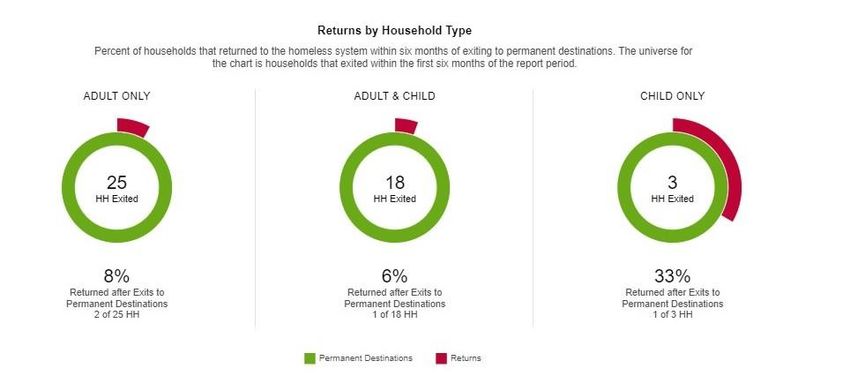
Mid-Willamette Valley Homeless Alliance
                        5-Year Strategic Plan ~ A Living Document

                                         MWVHA Mission:

 To develop an evidence-based system of services, including stable housing, designed to
meet the unique and complex needs of adults, youth, children, and families in Marion and
           Polk counties who are at risk of or are experiencing homelessness.

                                         Table of Contents

      Goals.    .   .    .   .   .   .   .   .      .   .   .       .       .       .       .       .       .     .       .   5
      Key Data.     .    .   .   .   .   .   .      .   .   .       .       .       .       .       .       .     .       .   6
      Strategies .       .   .   .   .   .   .     .    .   .   .       .       .       .       .       .        .    .       9
      Logic Model and Metrics .          .   .     .    .   .   .       .       .       .       .       .        .    .       10
      MWVHA Goals and HUD System Performance Measures.                                          .       .        .    .       12
      Goals & Objectives.        .   .   .   .     .    .   .   .       .       .       .       .       .         .       .   13
          1.   Homeless Services System                                                                     13
          2.   Affordable Housing                                                                           29
          3.   Shelters                                                                                     32
          4.   Transitional Housing                                                                         35
          5.   Permanent Housing                                                                            37
          6.   Health & Safety                                                                              40
          7.   Prevention Services & Systems Alignment                                                      45
          8.   Specific Populations                                                                         49
          9.   Community Engagement                                                                         55

      What’s Next . . . . . . . . . . . . . . . . .                                                                           61
      Alliance 2021-22 Meetings Calendar . . . . . . . . . .                                                                  62

      Appendices. . . . . . . . . .                             .       .       .       .       .       .     .       .       64
         A. MWVHA Organizational Structure                                                                  65
         B. MWVHA Board of Directors                                                                        66
         C. Marion-Polk CHIP, Housing Excerpt                                                               67
         D. Acronyms                                                                                        69
         E. Definitions                                                                                     74

                                                                                                MWVHomelessAlliance.org
                                                 Page 3 of 78
page intentionally blank
MWVHomelessAlliance.org
Page 4 of 78Goals
1. HOMELESS SERVICES SYSTEM. Develop a robust, responsive, coordinated and client-
focused system of services to engage and support individuals and families experiencing
homelessness to achieve housing stability.
2. AFFORDABLE HOUSING. Increase access and expand affordable housing units to help fill
the gap in housing supply across Marion and Polk counties.
3. SHELTERS. Address gaps in shelter beds, including the need for low-barrier shelters.
4. TRANSITIONAL HOUSING. Address gaps in transitional housing, including capacity for
transitional case management.
5. PERMANENT HOUSING. Utilize the resources of Rapid Re-housing and expand
Permanent Supportive Housing to address the needs of the high percentage of
chronically homeless individuals concentrated in the Salem/Keizer area.
6. HEALTH & SAFETY. Address physical and mental health and safety issues relating to
homelessness.
7. PREVENTION SERVICES & SYSTEMS ALIGNMENT. Align systems and expand strategies
that mitigate risks of becoming homeless or returning to homelessness.
8. SPECIFIC POPULATIONS. Address the unique needs and characteristics of specific
populations (chronically homeless, youth, families, seniors, LBGTQ populations,
farmworkers, Veterans, survivors of domestic violence, survivors of human trafficking,
and persons with disabilities, including those who are medically fragile).
9. COMMUNITY ENGAGEMENT. Increase leadership, communication, collaboration and
community engagement in preventing and reducing homelessness.
MWVHomelessAlliance.org
Page 5 of 78Key Data
Priority Populations
• Approximately half of all people experiencing homelessness in Marion and Polk counties
are chronically homeless (long-term and/or multiple episodes of homelessness).
• 70% of adults in the Coordinated Entry System had experienced homelessness as a youth.
Homeless Students
The U.S. Department of Education definition of homeless includes not only the HUD definition
of homeless, but also individuals and families who are temporarily doubled-up, living in motels,
and couch-surfing.
Homeless Students (2019-20)
North Marion Area 437
East Marion / Canyon 190
Polk County (non-Salem) 167
Salem-Keizer 1,118
TOTAL 1,912 K-12 students
Health Data Reported by People Experiencing Homelessness
• 26% chronic substance abuse Overall, 15% of the region’s population reports living with a
• 24% serious mental illness physical, mental, or emotional disability.
Poverty
Poverty contributes to housing security issues and makes it more difficult to access and afford
physical and behavioral health care.
• From 2015-2019, about 14.2% of people in Marion County and 12.6% in Polk County were
living below the federal poverty line. 1 in 4 children in Marion County live in poverty.
• All races and ethnicities had greater poverty rates than White, non-Hispanics.
Rent Burden
About half of all renters in the region pay 30% or more of their gross household income on rent.
Rent burden is greater among persons over 50 years of age, and greatest among persons over
65 years of age.
MWVHomelessAlliance.org
Page 6 of 782021 Housing Inventory Count
Each year, a regional Housing Inventory Count (HIC) is submitted to HUD. This snapshot
represents beds in existence on the night of the annual Point-In-Time Count (January 26, 2021).
The 2021 HIC shows 1,186 year-around beds, and 85 seasonal beds for a total of 1,271 beds to
address homelessness in Marion and Polk counties. The addition of 91 temporary beds, added
with COVID funding, helped offset the beds lost due to social distancing requirements and
brought the total up to 1,362.
COVID
# of Total by
Availability Bed Type Temporary
Beds Type
Beds
Emergency Shelter 203 74 277
Transitional Housing 382 0 382
Permanent Housing 601 17 618
Year-
• Rapid Rehousing 369 (marked-based)
around
• Permanent Supportive Housing 243 (198 market-based; 45 facility-based)
• Other Permanent Housing 6 (facility-based)
Year-around Subtotals 1,186 91 1,277
Seasonal Warming Shelters 85 0 85
TOTALS 1,271 91 1,362
Facility-based Beds
The number of market-based beds fluctuates with available resources for hotel/motel stays and
rental assistance (rapid re-housing and most permanent housing). Year-around facility-based
beds are comprised of permanent shelters, transitional housing, and some permanent housing.
In 2021 there were 579 facility-based beds to meet the region’s year-around needs.
Year-around Facility-based Beds
Emergency Shelter 198
Transitional Housing 330
Permanent Housing 51
TOTAL 579
MWVHomelessAlliance.org
Page 7 of 78HUD System Performance Measures
HUD measures overall CoC homeless services system performance by the following metrics:
1. Reduction in the average and median length of time persons remain homeless
2. Reduction in the percent of persons who return to homelessness
3. Reduction in the number of persons who are homeless
4. Increase in the percent of adults who gain or increase employment or non-employment
cash income over time
5. Reduction in the number of persons who become homeless for the first time
6. Reduction in the percent of persons defined as homeless who return to homelessness
7. Increase in the percent of persons who exit to or retain permanent housing
8. Increase in the percent of persons who exit the streets to an emergency shelter,
sheltered housing, transitional housing or permanent housing destination
Longitudinal Systems Analysis
The Mid-Willamette Valley Homeless Alliance established baseline information with submission
of the 2020 Longitudinal Systems Analysis to HUD. This baseline information will be used to
assess System Performance Measures (reductions/increases noted above). Examples include:
MWVHomelessAlliance.org
Page 8 of 78Strategies
➢ ENGAGE STAKEHOLDERS. Engage a full array of stakeholders to build an effective,
competitive Continuum of Care.
➢ PRIORITIZE CHRONICALLY HOMELESS AND YOUTH. Advocate and prioritize services for
chronically homeless and youth, while supporting a range of unique populations.
➢ ADDRESS EQUITY. Address racial/ethnic equity throughout the homeless services system.
➢ EXPAND COMMUNITY AWARENESS. Expand community awareness of homelessness issues
and ways agencies, groups and individuals can get involved.
➢ MAKE INFORMED DECISIONS. Use proven approaches, the voices of lived experience, and
analysis of local data to make informed decisions.
➢ EXPAND CAPACITY. Build on existing services and expand the capacity of shelters,
transitional housing, permanent housing, and efforts to prevent first-time and reoccurring
homelessness.
➢ LEVERAGE RESOURCES. Leverage diverse local, state and federal resources in support of a
coordinated homeless services system.
To end homelessness, every community needs to be able to implement a SYSTEMIC
RESPONSE that ensures homelessness is prevented whenever possible, or, if it can’t be
prevented, it is rare, brief, and onetime experience…The development of such capacity
cannot be achieved by any one level of government, or by any one sector alone, and
requires the INVESTMENT OF TIME, EFFORT, AND FINANCIAL RESOURCES by federal, state,
and local public and private partners, working together in close collaboration.
– United States Interagency Council on Homelessness (USICH)
MWVHomelessAlliance.org
Page 9 of 78Data Strategies Goals Metrics (see next page) Desired Outcomes1
Population: Engage a full array of 1. HOMELESS SERVICES SYSTEM. Develop a • Number of affordable housing 1. Reduction in the
stakeholders to build an robust, responsive, coordinated and client- units developed* average and median
• Approximately half of
all persons experiencing
effective, competitive focused system of services to engage and • Relevant city and county codes length of time persons
Continuum of Care. support individuals and families revised remain homeless
homelessness are
chronically homeless Advocate and prioritize experiencing homelessness to achieve • Number of permanent supportive 2. Reduction in the
housing stability. housing units created* percent of persons
• 70% of adults in the CE services for chronically
system had experienced homeless and youth, while 2. AFFORDABLE HOUSING. Increase access • Number of shelter beds created* who return to
supporting a range of and expand affordable housing units to help • Number of transitional housing homelessness
homelessness as a
unique populations. fill the gap in housing supply across Marion beds created * 3. Reduction in the
youth
and Polk counties. • Number of case management number of persons
2019-20 Homeless Address racial/ethnic who are homeless
equity throughout the 3. SHELTERS. Address gaps in shelter beds, positions created*
Students: 4. Increase in the percent
homeless services system. including the need for low-barrier shelters. • Number of organizations
• N. Marion Area, 437 participating in the Coordinated of adults who gain or
• East/Canyon, 190 Expand community 4. TRANSITIONAL HOUSING. Address gaps in increase employment
transitional housing, including capacity for Entry System*
• Polk County, 167 awareness of homeless
• Number of organizations or non-employment
transitional case management.
• Salem-Keizer, 1,118 issues and ways agencies,
participating in the Homeless cash income over time
Total = 1,912 groups and individuals can 5. PERMANENT HOUSING. Utilize the 5. Reduction in the
Management Information
get involved. resources of Rapid Re-housing and expand number of persons
System*
Health Data Reported by Permanent Supportive Housing to address who become homeless
Use proven approaches,
the needs of the high percentage of • Number of sobering/detox beds
People Experiencing the voices of lived for the first time
chronically homeless individuals created*
Homelessness: experience, and analysis 6. Reduction in the
• Creation of navigation center
• 26% chronic substance of local data to make concentrated in Salem/Keizer. percent of persons
• Creation of sobering center
abuse decisions. 6. HEALTH & SAFETY. Address physical and defined as homeless
• Number of domestic violence and
• 24% serious mental mental health and safety issues relating to who return to
Build on existing services human trafficking survivors
illness homelessness. homelessness
and expand the capacity sheltered
7. PREVENTION SERVICES & SYSTEMS 7. Increase in the percent
2021 HIC Bed Types: of shelters, transitional • Number of agencies and
ALIGNMENT. Align systems and expand of persons who exit to
• Emergency, 277 housing, permanent organizations engaged in
or retain permanent
• Transitional, 382 housing, and efforts to strategies that mitigate risks of becoming Strategic Plan activities
housing
• Permanent, 618 prevent first-time and homeless or returning to homelessness. • Number of community 8. Increase in the percent
reoccurring homelessness. volunteers engaged in Strategic
• Seasonal, 85 8. SPECIFIC POPULATIONS. Address the of persons who exit SO
Total = 1,362 Leverage diverse local, Plan activities (e.g., warming to an ES, SH, TH, or
unique needs of specific populations.
state and federal shelters, PIT Count) permanent housing
9. COMMUNITY ENGAGEMENT. Increase
Year-around Facility- resources in support of a destination
leadership, communication, collaboration * Set targets and assess net change
based Beds: coordinated homeless
and community engagement in preventing
579 services system.
and reducing homelessness.
1
https://files.hudexchange.info/resources/documents/System-Performance-Measures-Introductory-Guide.pdf
MWVHomelessAlliance.org
Page 10 of 78Metrics
Metric 2020-21 Data Notes
1. Number of affordable housing units developed 78 low-income apartment communities in the region - 12
in Polk Co., 66 in Marion Co. (42 of them in Salem)
2. Relevant city and county codes revised to support effective responses to No data collected, due to limited staff time
homelessness
3. Number of permanent supportive housing units created 36 Salem Housing Authority’s Redwood Crossings
4. Number of emergency shelter beds created (documented in HIC) 79 Does not include Church at the Park Fairgrounds or Pallet;
UGM Men’s Mission will add 150 beds in 2021-22
5. Number of people served with temporary emergency shelter (e.g.; warming, Data not available at time of publication, but will include
cooling, smoke) Church at the Park’s winter duration shelters
(Fairgrounds, State Street, and Portland Road) and Pallet
shelters, ARCHES wildfire smoke relief centers, winter
warming, and June 2021 cooling centers
6. Number of transitional housing beds created 36 Mid-Willamette Valley Community Action Agency’s
Tanner Project
7. Number of organizations participating in the Coordinated Entry System – 3 ARCHES (all populations), Center for Hope & Safety (DV),
doing assessments and Northwest Human Services (youth);
Increases planned in 2021-22
8. Number of eligible programs participating in the Coordinated Entry System – 12 of 30 40% of eligible housing programs fill the majority of
filling the majority of vacancies from the CE List eligible vacancies from the CE List;
programs Increases planned in 2021-22
9. Number of eligible housing organizations participating in the Homeless 15 of 19 79% of eligible housing organizations are using HMIS;
Management Information System eligible Increases planned in 2021-22
organizations
10. Number of eligible housing programs using the Homeless Management 37 of 50 74% of eligible programs are using HMIS;
Information System eligible 13 programs (367 beds) are not using HMIS;
programs Increases planned in 2021-22
11. Number of sobering/detox beds created 0
12. Creation of a Navigation Center Navigation Center slated to open in Fall 2021
13. Creation of a Sobering Center
14. Number of domestic violence and human trafficking survivors sheltered Data not available at time of publication
15. Number of agencies and organizations engaged in Strategic Plan activities 83
16. Number of community volunteers engaged in Strategic Plan activities Data not available at time of publication
MWVHomelessAlliance.org
Page 11 of 78Correlation between MWVHA Goals and HUD System Performance Measures
6. Homelessness Prevention,
Become Homeless for the
4. Employment and Income
Persons in CoC Program-
Return to Homelessness
5. Number of Persons who
1. Length of Time Persons
7. Successful Placement
from Street Outreach
Growth for Homeless
3. Number of Homeless
2. The Extent to which
Permanent Housing
including return to
Remain Homeless
Persons who Exit
Homelessness to
funded Projects
homelessness
First Time
HUD System Performance Measures→
Persons
MWVHA Goals
1. Homeless Services System. Develop a robust, responsive,
coordinated and client-focused system of services to engage
✓ ✓ ✓ ✓ ✓ ✓ ✓
and support individuals and families experiencing
homelessness to achieve housing stability.
2. Affordable Housing. Increase access and expand affordable
✓
housing units to help fill the 15,000-household gap.
3. Shelters. Address gaps in shelter beds, including the need for
✓ ✓ ✓ ✓ ✓
low-barrier shelters.
4. Transitional Housing. Address gaps in transitional housing,
✓ ✓ ✓ ✓ ✓ ✓
including capacity for transitional case management.
5. Permanent Housing. Utilize the resources of Rapid Re-
housing and expand Permanent Supportive Housing to address
✓ ✓ ✓ ✓ ✓ ✓
the needs of the high percentage of chronically homeless
individuals concentrated in Salem-Keizer.
6. Health & Safety. Address physical and mental health and
✓ ✓ ✓ ✓
safety issues relating to homelessness.
7. Prevention Services & Systems Alignment. Align systems
and expand strategies that mitigate risks of becoming homeless ✓ ✓ ✓
or returning to homelessness.
8. Specific Populations. Address the unique needs of specific
✓ ✓ ✓ ✓ ✓ ✓
populations.
9. Community Engagement. Increase leadership,
communication, collaboration and community engagement in ✓ ✓ ✓ ✓
preventing and reducing homelessness.
MWVHomelessAlliance.org
Page 12 of 78Goals and Objectives
Goal 1: HOMELESS SERVICES SYSTEM.
Develop a robust, responsive, coordinated and client-focused system of services to engage and support individuals and families experiencing
homelessness to achieve housing stability.
Related HUD System Performance Measures:
✓ 1. Length of Time Persons Remain Homeless
✓ 2. The Extent to which Persons who Exit Homelessness to Permanent Housing Return to Homelessness
✓ 3. Number of Homeless Persons
✓ 4. Employment and Income Growth for Homeless Persons in CoC Program-funded Projects
✓ 5. Number of Persons who Become Homeless for the First Time
✓ 6. Homelessness Prevention, including Return to Homelessness
✓ 7. Successful Placement from Street Outreach
OBJECTIVE TASK 2020-21 STATUS 2021-22 NEXT STEPS TIMELINE
1.1. Fulfill the 1.1.1. Execute a Coordinated Entry System Created an MOU with Continue current
functions of a that assures existing services are Community Action Agency to Coordinated Entry model
Continuum of prioritized for people with the manage the CoC’s CE System
Care, as noted greatest needs
in the MWVHA 1.1.2. Gather and analyze data to determine Completed Gaps Analysis in Update Gaps Analysis Update Gaps
Charter local needs of and resources available June 2020 Analysis, July
to people experiencing homelessness 2021
1.1.3. Develop and prioritize a menu of Adopted Strategic Plan in Update Strategic Plan Update
strategic responses June 2020 Strategic Plan,
July 2021
MWVHomelessAlliance.org
Page 13 of 78OBJECTIVE TASK 2020-21 STATUS 2021-22 NEXT STEPS TIMELINE
1.1.4. Collaboratively implement a strategic Implementation occurs Continue current practices to
plan through Alliance board, staff, implement strategic plan
committees, workgroups,
and partners
1.1.5. Promote service coordination Examples: Continue current practices
• Collaborative Committee
• Coordinated Outreach
• ESG-CV2 Grant
1.1.6. Educate the public on homeless Examples: • Maintain website • Updated Fast
issues • Website • Continue newsletter Facts, August
• Newsletters • Update Fast Facts 2021
• Fast Facts document document • Data
• Marion/Polk CHIP • Present to various groups dashboard,
• Salem Rotary • Work with OHCS to December
• KMUZ Radio Program develop “data dashboard” 2021
• Dallas City Council • Work with City of Salem
PIO and Capital
Community Media to
intentionally communicate
homeless issues
1.1.7. Provide advice and input on homeless Collaborative Committee Advance best practices in Outreach
services operations meetings include input on Street Outreach, Emergency Managers joint
services/operations; 14 Shelters, RRH and PSH training sessions
Marion/Polk youth through Collaborative begin August
participated in the State Committee presentations 2021
Youth Services Assessment; and joint training sessions
consulted with community
organizations about roles
they can play to help address
homelessness; created a
Universal ROI
MWVHomelessAlliance.org
Page 14 of 78OBJECTIVE TASK 2020-21 STATUS 2021-22 NEXT STEPS TIMELINE
1.1.8. Leverage resources for maximum • Board contributions model • Continue board • Youth
impact • $50K/year (x3) CBEL contributions model Homeless
• $30K from CBEL for BFZ • Continue in-kind HMIS and Demonstration
System Coordinated Entry staff Project
• $10K for Case Conferencing • Receive HUD CoC Planning application,
• In-kind HMIS and Grant July 2021
Coordinated Entry staff • Respond to HUD Youth • CoC Program
• In-kind technical assistance Homeless Demonstration application,
for branding/marketing Project, July 2021 estimated
• $5.5M ESG-CV2 Grant • Respond to HUD CoC NOFA September
in 2021 2021
• Explore billing Medicaid for
supportive housing services
• Explore sustainable revenue
sources
1.1.9. Measure and promote strong • Performance & Evaluation • Continue current practices 2021 LSA data,
program performance Committee conducted • Use 2020 LSA data as June 2022
monitoring baseline and conduct 2021
o CoC-funded programs data analyses
o ESG-funded programs
• Submitted data to HUD
o System Performance
Measures (SPM)
o Longitudinal Systems
Analysis (LSA)
1.2. Execute a 1.2.1. Update and maintain CE Practices & Update and maintain CE CE Practices &
Coordinated Procedures Manual, including Practices & Procedures Procedures
Entry System appropriate youth assessments Manual Manual,
that assures November 2021
MWVHomelessAlliance.org
Page 15 of 78OBJECTIVE TASK 2020-21 STATUS 2021-22 NEXT STEPS TIMELINE
existing 1.2.2. Train agencies on how to effectively • Delivered new CE Basics • Explore with each agency
services are use the Coordinated Entry System training to 47 people at the how to increase their
prioritized for April 2021 Collaborative connections to and use of
people with Committee mtg. Coordinated Entry
the greatest • Conducted three • Explore video voice-over
needs (1.1.1.) specialized CE trainings for and other technology to
ESG-CV2 partners (CE and establish web-based
Street Outreach, CE and training library
Emergency Shelters, CE and
Rapid Re-housing) in May
and June 2021
1.2.3. Expand the number of agencies using Created a pathway for • Conduct CE Assessment • New CE
Coordinated Entry and entering agencies to become a CE training for new Assessment
assessment data into HMIS Access and Assessment site; agencies/staff Training, July-
began “certification” process • Monitor quality and data August 2021
by conducting site visits with completion; provide • MOUs with
six interested agencies in technical assistance individual
April 2021 • Develop additional sites agencies,
throughout the region August 2021
1.2.4. Expand the Coordinated Entry System Adopted TAY-SPDAT Analyze experience with TAY-
to include youth/unaccompanied assessment tool in March SPDAT; review components
minors 2021; NWHS HOST program of CES with a “youth lens”
conducting assessments
1.2.5. Develop and strengthen best Created CE Assessment Gather feedback from those New client
practices in population-specific Training, including best conducting assessments, as feedback tool,
Coordinated Entry strategies and practices for engagement well as clients to assess and August 2021
processes to ensure that practices and population-specific improve the experience
effectively engage people in both assessment tools
urban and rural areas with varied
experiences of homelessness, diverse
service needs, and differing eligibility
for programs and services
MWVHomelessAlliance.org
Page 16 of 78OBJECTIVE TASK 2020-21 STATUS 2021-22 NEXT STEPS TIMELINE
1.2.6. Monitor and trouble-shoot agencies’ MOU with Community Continue current model, with
use of CE; provide technical Action Agency provides for assistance of MWVCAA’s new
assistance monitoring, trouble- 1.00 FTE CoC Data Systems
shooting, and technical Analyst position and
assistance Coordinated Entry staff
1.3. Gather and 1.3.1. Work with Oregon Housing and OHCS has agreed to help the Work with OHCS to develop Data dashboard,
analyze data Community Services (OHCS) to Alliance develop a data “data dashboard” December 2021
to determine develop a “data dashboard” dashboard
local needs of 1.3.2. Include zip code level data in HMIS to Work with OHCS to
and resources identify geographic areas of 1) people determine data protocols
available to experiencing homelessness, and 2)
people services provided
experiencing 1.3.3. Glean information from the client Client assessment data was Update Fast Facts, and use • Updated Fast
homelessness assessments entered in the Homeless used to create the Fast Facts HMIS data to populate a new Facts, Sept.
(1.1.2.) Management Information System document and in PowerPoint “data dashboard” 2021
(HMIS) presentations • Data
dashboard,
Dec. 2021
1.3.4. Expand the number of agencies using • Expanded from 23% to 75% • Expand use of HMIS
the Homeless Management of housing providers using through ESG-CV2 grant
Information System (HMIS) HMIS, as of April 2021 • Onboard UGM Men’s
• Launched monthly HMIS Mission
Administrators meeting in
June 2021
1.3.5. Maintain Mid-Valley Resources Northwest Human Services NWHS maintains the Mid-
1.800.560.5535 | has maintained Mid-Valley Valley Resources website
https://www.midvalleyresources.org/ Resources
as a common database of community
resources
1.3.6. Conduct an annual Point-In-Time MOU with Community Develop a procedures PIT Count
Count of both sheltered and Action Agency supports CAA template for conducting 2022 procedures,
unsheltered individuals; include conducting annual PIT Count PIT Count October 2021
MWVHomelessAlliance.org
Page 17 of 78OBJECTIVE TASK 2020-21 STATUS 2021-22 NEXT STEPS TIMELINE
focused efforts to engage/count of both sheltered and
youth, including unaccompanied unsheltered individual;
minors; ensure outreach covers two- conducted January 2021;
county geographic area included youth outreach and
stationary location; gathered
data and analyzed volunteer
experience to improve PIT
Count
1.3.7. Analyze PIT Count and McKinney- Lag time in PIT Count data Explore working with
Vento data and concerns about data McKinney-Vento liaisons
reliability indicate a need to from all school districts to
reduce reliance on PIT Count analyze data; anticipate
data; Fostering Hope including equity data on
Initiative is analyzing disparities for students
McKinney-Vento data in its experiencing homelessness
work in 16 neighborhoods
1.3.8. Update the Housing Inventory Count • Completed HIC, April 2020 Update the Housing HIC update,
(HIC) annually, using common, • Completed HIC, May 2021 Inventory Count (HIC) June 2022
agreed-upon definitions for the types annually
of shelters/housing; promote a
general understanding of these
definitions among stakeholders
1.3.9. Produce/maintain a quality “By-Name By-name lists are used in Work with OHCS to develop New HMIS
List” of Veterans and chronically semi-monthly case HMIS reports that will reports for By-
homeless individuals for use in conferencing for Veterans generate By-Name Lists for Name Lists,
Collaborative Case Conferencing; use and for individuals case conferencing, freeing up October 2021
the Built For Zero (BFZ) Scorecard to experiencing chronic time to invest in monitoring
determine quality of the “By-Name homelessness. Completed 28 and supporting the new CE
List” tasks to achieve “quality” by- Access and Assessment sites
name lists, based on the BFZ
Scorecard
MWVHomelessAlliance.org
Page 18 of 78OBJECTIVE TASK 2020-21 STATUS 2021-22 NEXT STEPS TIMELINE
1.4. Develop and 1.4.1. Create an over-arching Logic Model Logic Model was adopted Update in alignment with Update Logic
prioritize a that identifies priorities to address with the Strategic Plan annual update of Strategic Model, July
menu of local homeless needs Plan 2021
strategic 1.4.2. Create a Five-Year Strategic Plan that Strategic Plan was adopted Update Strategic Plan Update
responses to includes tasks, timelines, and in June 2020 annually Strategic Plan,
local homeless assignments July 2021
needs (1.1.3.) 1.4.3. Increase training for and use of peer Assess current use of peer Case
support to assist individuals to support when conducting the Management
navigate services and integrate into Case Management Survey Survey,
more stable housing situations October-
November 2021
1.4.4. Identify services to respond to needs Charter a Youth Action Board Consider
of local youth experiencing chartering YAB,
homelessness July 2021
1.4.5. Identify services to respond to local Charter a Health & Safety Charter Health
behavioral health needs of people Subcommittee & Safety
experiencing homelessness (e.g.; Subcommittee,
after hours resources, a mental September 2021
health stabilization center)
1.5. Collaboratively 1.5.1. Coordinate and track implementation Staff coordinates and tracks Continue to coordinate and
implement a of assigned tasks implementation track implementation of
strategic plan assigned tasks
(1.1.4.) 1.5.2. Document progress related to the Done as part of the annual Continue to document Update
goals, objectives, and tasks in the Strategic Plan update progress related to the goals, Strategic Plan,
Strategic Plan objectives, and tasks in the July 2021
Strategic Plan
1.5.3. Conduct an annual review of the Annual review occurred Continue to conduct annual Annual review
strategic plan and make necessary May-June 2021 review of the strategic plan of Strategic
adjustments, based on current data, and make necessary Plan, April-May
issues and trends adjustments, based on 2022
current data, issues and
trends
MWVHomelessAlliance.org
Page 19 of 78OBJECTIVE TASK 2020-21 STATUS 2021-22 NEXT STEPS TIMELINE
1.6. Promote 1.6.1. Facilitate communication, Structure includes boards, Continue current model;
service cooperation, coordination, and Executive Committee, four explore ways to strengthen
coordination collaboration through structured standing committees and subcommittee
among meetings, discussions and other workgroups, five communications and
providers and forms of deliberation, action- subcommittees, and four operations
systems planning, and project additional teams (case
related to implementation. conferencing and outreach
housing and work)
other needs of 1.6.2. Engage a broad cross-section of • More than 100 individuals Expand capacity to
people stakeholders in an organizational and 50 organization adequately support the
experiencing structure that includes a governing participate regularly broad cross-section of
or at risk of board, executive committee, and • Organizational structure stakeholders interested in
experiencing standing committees/workgroups has expanded to include engaging on this topic
homelessness described in the CoC Governance subcommittees of the CoC
(e.g., food, Charter, as well as ad hoc groups Collaborative Committee
health, where relationships can be fostered • February 2021 Summit
wraparound attended by 109 people
services, self- from 65 agencies
sufficiency) 1.6.3. Increase cross-agency referrals to Shared information about Add a question about tribal
(1.1.5.) meet needs of people experiencing Mid-Valley Resources; linked affiliation to CE assessment
homelessness (e.g.; food, health, Alliance website to Mid- in order to connect tribal
wraparound services, self-sufficiency) Valley Resources members to services
1.6.4. Continue collaborative case Collaborative Case Continue the Built for Zero The Alliance
conferencing for Veterans and for Conferencing for each collaborative case signed an
chronically homeless individuals population (Veterans and conferencing model for agreement to
chronically homeless Veterans and for chronically participate in
individuals) occurs twice a homeless individuals Built for Zero
month through 2025
1.6.5. Implement case conferencing for Developed a By-Name List Explore case conferencing
youth for youth model to meet youth needs
MWVHomelessAlliance.org
Page 20 of 78OBJECTIVE TASK 2020-21 STATUS 2021-22 NEXT STEPS TIMELINE
1.6.6. Utilize the Basecamp platform for The Basecamp platform Continue use of the
select project management and real- provides real-time Basecamp platform for real-
time communication (see 9.2.) communications for time communications for
coordinated outreach and coordinated outreach and
youth services partners youth services partners
1.6.7. Coordinate with the CoC and efforts Identify mechanisms to
to address the needs of homeless ensure coordination between
persons (particularly chronically the Alliance and the City of
homeless individuals and families, Salem and Marion County
families with children, veterans, and (CDBG Entitlement Areas) to
unaccompanied youth) and persons address the needs of
at risk of being homeless. (HUD homeless persons and
requirement) persons at risk of being
homeless
1.6.8. Consult with the CoC in determining MWVCAA and the Alliance Identify mechanism to
how to allocate ESG funds conferred on allocation of ensure coordination between
(CDBG/HOME requirement – City of regular ESG funds in 2020 the Alliance, MWVCAA, City
Salem and Marion County, and ESG- of Salem, and Marion County
funded agency, MWVCAA) on how to allocate ESG funds
1.6.9. Develop performance standards for Performance standards for Identify mechanism to
and evaluate outcomes of projects ESG-CV2 projects have been develop performance
and activities assisted by ESG funds developed standards for and evaluate
(CDBG/HOME requirement – City of outcomes of projects and
Salem and Marion County, CoC, and activities assisted by (regular)
ESG-funded agency, MWVCAA) ESG funds
1.6.10. Develop funding, policies and Develop funding, policies and
procedures for the operation and procedures for the operation
administration of HMIS (CDBG/HOME and administration of HMIS
requirement – City of Salem and with CDBG/HOME funds
Marion County, CoC, and ESG-funded
agency, MWVCAA)
MWVHomelessAlliance.org
Page 21 of 78OBJECTIVE TASK 2020-21 STATUS 2021-22 NEXT STEPS TIMELINE
1.6.11. Play an integral role in Consolidated Identify mechanism to
Plan planning process. Provide the ensure coordination in
City of Salem with the information Consolidated Plan planning
necessary to complete the Con Plan processes between the
for homeless assistance, including Alliance, MWVCAA, City of
data on system performance Salem, and Marion County
measures. (CoC responsibility)
1.6.12. Develop and maintain a collaborative Convened Outreach Continue Outreach Managers Joint outreach
model for implementing Street Managers meetings to meetings; develop and training begins
Outreach services throughout the identify ways to improve deliver joint training August 2021
region coordination and coverage;
adopted CoC Outreach Policy
1.7. Educate the 1.7.1. Gauge community perceptions and Multiple jurisdictions have Support cities and
public on attitudes about homelessness, and surveyed residents about communities to survey,
homeless better understand the needs of local community priorities and assess, and explore
issues (1.1.6.) people who are homeless perceptions, identifying community perceptions and
homelessness as a top attitudes about
priority homelessness and better
understand the local needs of
people who are homeless
1.7.2. Conduct outreach at least semi- Presented to Community, Work with partners in
annually with business organizations, Business, and Education interested communities to
such as economic development Leaders (CBEL), Keizer inform business leaders
forums, chambers of commerce, and Chamber of Commerce, and about current issues in
Rotary clubs, to inform business Salem Rotary, and held Monmouth, Independence,
leaders about current issues conversations with Salem Woodburn, Silverton, Dallas,
surrounding homelessness and gather Area Chamber of Commerce and other cities
information from a business in 2020
perspective (See 9.1.)
MWVHomelessAlliance.org
Page 22 of 78OBJECTIVE TASK 2020-21 STATUS 2021-22 NEXT STEPS TIMELINE
1.7.3. Host mini-summits on various topics This new task was suggested Develop plans for mini-
to get input from and education to at the May 2021 board summits
the public meeting
1.7.4. Share information through partner Began a round of Continue to provide
agencies’ board meetings, City presentations and presentations with each
Councils, neighborhood associations – discussions with the board-represented
educate about the fact that 70% of governing bodies of each of agency/entity
adults previously experienced the board members in April
homelessness as youth 2021
1.8. Ensure 1.8.1. Expand avenues whereby individuals Created a pathway for Train and monitor new Approve CE
geographic and families experiencing or at-risk of agencies to become a assessors and create CE Access MOU
coverage and homelessness can access the Coordinated Entry Access Access & Assessment MOU template,
equitable homeless services system and Assessment site; began with individual agencies August 2021
access to the “certification” process by
homeless conducting site visits with
services interested agencies in April
system 2021
1.8.2. Educate providers of homeless Developed and delivered Educate all service providers
services about the Coordinated Entry training to ESG-CV2 partners, on how to request a CE
System and how to connect various based on the type of service Assessment, and inform
populations to CE Access and they provide (street them of new CE Access and
Assessment site outreach, emergency shelter, Assessment sites as they
rapid-rehousing) in May and become available
June 2021
1.8.3. Secure agency commitments Develop a Coordinated Entry
regarding the role each will play in System agency agreement,
the Coordinated Coverage Plan similar to the HMIS Agency
Agreement, outlining roles
and responsibilities
MWVHomelessAlliance.org
Page 23 of 78OBJECTIVE TASK 2020-21 STATUS 2021-22 NEXT STEPS TIMELINE
1.8.4. Identify diversity, equity, and Identifying and measuring Hold discussions in each CoC • Board and
inclusion (DEI) goals to address racial DEI goals was a group (board, committees, each
and ethnic disparities in the homeless recommendation from the workgroups) to identify DEI committee’s
services system; establish Willamette University PACE goals for each group; goals, October
mechanisms to evaluate progress Team disparities study; this highlight DEI goals and 2021
recommendation was one of actions at the Alliance • Highlight DEI
a number supported by the Summit at Alliance
Collaborative Committee Summit, TBA
1.8.5. Increase street outreach efforts and • ESG-CV2 grant provides for • Provide HMIS training for • HMIS training
documentation in HMIS, including: 11 new outreach staff; new outreach staff and for new
• Partner with HIV Alliance and the requires use of HMIS monitor data quality outreach staff,
new syringe exchange program to • Began specialized training, • Continue to deliver July 2021
engage high risk individuals with CE and Street Outreach in specialized training, CE and • Begin joint
peer support and service May 2020 Street Outreach, and invite outreach
navigation • Funding is being sought for HIV Alliance and other training,
• Develop a pilot project to bring a a CAHOOTS-type program programs to participate August 2021
24/7 mobile crisis assistance unit in the Salem area • Identify funding for a
to the Salem-Keizer area, • Outreach Managers plan to CAHOOTS-type program in
modeled on Eugene’s CAHOOTS create joint training the Salem area
(Crisis Assistance Helping Out On • Implement joint “Basics of
the Streets) program Street Outreach” training
• Ensure all outreach workers know
about and are able to make
referrals to all services
1.9. Provide advice 1.9.1. Develop local program improvement Performance and Evaluation Continue review process
and input on recommendations, based on Annual Committee reviewed APRs of through Performance and
homeless Performance Reports each CoC-funded and ESG- Evaluation Committee
services funded program and
operations discussed improvements
(1.1.7.) with each agency
MWVHomelessAlliance.org
Page 24 of 78OBJECTIVE TASK 2020-21 STATUS 2021-22 NEXT STEPS TIMELINE
1.9.2. Share local information, experiences • Participated in OHCS
and recommendations with State focus group in
agencies September 2020;
requested “best
practices” training
• Participated in and
provided feedback on
ESG-CV2 “regulations
and best practices”
training sessions for
Emergency Shelters,
Rapid Re-housing, and
Street Outreach
1.9.3. Share local information, experiences Alliance vice-chair, Chris Hoy,Develop talking points on
and recommendations with federal shared local information with community needs for
agencies Oregon’s Congressional jurisdictions and
delegation in January 2021 organizations that have
connections with federal
agencies
1.10. Leverage 1.10.1. Support community partners to HB 2004 included funding for Track and learn from the Navigation
diverse local, create a one-stop resource center a Navigation Center in Salem; implementation of the new Center at 1185
state and with centralized and coordinated case City of Salem announced Navigation Center; assess 22nd St. SE in
federal management purchase of a facility in June impact on homeless issues, Salem,
resources in 2021 which will be operated and, if beneficial, identify September 2021
support of a by MWVCAA opportunities to sustain
coordinated and/or replicate services
homeless 1.10.2. Conduct feasibility study on creating a Establish timeline to conduct
service system consortium of housing authorities to feasibility study on creating a
(1.1.8.) increase regional planning and consortium of housing
leverage federal funding for authorities to increase
affordable housing (following the regional planning and
Portland Housing Bureau model). leverage federal funding for
affordable housing
MWVHomelessAlliance.org
Page 25 of 78OBJECTIVE TASK 2020-21 STATUS 2021-22 NEXT STEPS TIMELINE
1.10.3. Increase gifts of time, talent, and • Produced Alliance “holiday Continue to provide support
treasure to not-for-profit giving” newsletter in to partner agencies by
organizations that participate in and December 2020 sharing opportunities
support the Mid-Willamette Valley • City of Salem added
Homeless Alliance homeless resources and
volunteer opportunities to
its website
• CBEL supports local
collective impact initiatives,
including the Alliance
1.10.4. Explore options for billing Medicaid Explore options for billing
for supportive housing services Medicaid for supportive
housing services
1.10.5. Submit a Request for Federal • Pending board approval, Submit
Assistance (RFA) in response to HUD’s submit response to NOFO response to
Notice of Funding Opportunity in July 2021 YHDP NOFO,
(NOFO) for the Youth Homeless • If awarded, the YHDP grant July 2021
Demonstration Program would support
development of a CoC plan
for youth services
1.10.6. Submit a Request for Federal NOFA was cancelled in 2020 Submit response to NOFA in Submit
Assistance (RFA) in response to HUD’s 2021; estimated Annual response to CoC
Notice of Funding Availability (NOFA) Renewal Demand (ARD) of NOFA, est.
for the CoC Program $1,045,186 September 2021
1.11. Measure 1.11.1. Use Annual Performance Reports Performance & Evaluation • Continue review process
and promote (APRs) to identify recommendations Committee reviewed CoC- • Incorporate methods for
strong for program improvements. funded program APRs, ESG- assessing efforts to address
program and funded CAPERs and CoC- racial and ethnic disparities
system wide APRs; identified
performance improvements and
(1.1.9.) communicated with
providers
MWVHomelessAlliance.org
Page 26 of 78OBJECTIVE TASK 2020-21 STATUS 2021-22 NEXT STEPS TIMELINE
1.11.2. Use HMIS Data Quality (DQ) Reports As part of the MOU to Continue current practice
to identify actions for system operate the CoC’s HMIS,
improvements Community Action Agency
conducts monthly reviews of
DQ reports and works with
each agency to rectify any
deficiencies
1.11.3. Develop the skill of staff to utilize all • New HMIS users are Develop the skill of staff to
facets of the HMIS/Service Point provided training, and all utilize all facets of the
users are provided HMIS/Service Point
technical assistance.
• MWVCAA hired a full-time
HMIS Data System
Administrator (previously
.20 FTE) in May 2021
1.11.4. Create a clearinghouse for diversity, A DEI clearinghouse was a • Identify regional partners
equity, and inclusion (DEI) recommendation from the interested in co-developing
information and professional services, Willamette University PACE a DEI clearinghouse
such as language translation and Team disparities study; this • Charter a workgroup to
interpreter services; DEI trainers, recommendation was one of design the clearinghouse
technical assistance, and auditors; a number supported by the format and content
model policies and position Collaborative Committee
descriptions
1.11.5. Develop the skills of staff to Established timeline for • Survey case managers and Case
implement essential best practices, conducting case program administrators management
such as trauma-informed care, management survey about desired areas for survey, October-
motivational interviewing, and professional development; November 2021
critical-time intervention, as well as incorporating
other skills, such as open recommendations from
communication, cultural Equity Study
responsiveness, mental health first
MWVHomelessAlliance.org
Page 27 of 78OBJECTIVE TASK 2020-21 STATUS 2021-22 NEXT STEPS TIMELINE
aid, staff care, and recognizing • Analyze and discuss results
patterns of interaction with agencies that employ
case managers; develop
plans to address priorities
1.11.6. Expand the case management ESG-CV2 grant supports up • Monitor agencies’ capacity
capacity of existing agencies serving to 80 full- and part-time staff to sustain new positions
individuals and families experiencing positions in ten agencies past ESG-CV2 funding
homelessness (e.g.; housing • Develop plans to address
authorities, LEAD, UGM, Shangri-La, professional development
all school district McKinney-Vento priorities
Liaisons, and others)
MWVHomelessAlliance.org
Page 28 of 78Goal 2: AFFORDABLE HOUSING.
Increase access and expand affordable housing units to help fill the gap in housing supply across Marion and Polk counties.
Related HUD System Performance Measures:
1. Length of Time Persons Remain Homeless
✓ 2. The Extent to which Persons who Exit Homelessness to Permanent Housing Return to Homelessness
3. Number of Homeless Persons
4. Employment and Income Growth for Homeless Persons in CoC Program-funded Projects
5. Number of Persons who Become Homeless for the First Time
6. Homelessness Prevention, including Return to Homelessness
7. Successful Placement from Street Outreach
OBJECTIVE TASK 2020-21 STATUS 2021-22 NEXT STEPS TIMELINE
2.1 Advocate for 2.1.1 Conduct affordable housing
policy changes provider survey to assess specific
to streamline concerns
processes, 2.1.2 Identify specific statutes, laws, Changes have been enacted in
reduce barriers, etc. that create barriers to municipal ordinances
and improve providing affordable housing
access to 2.1.3 Prepare recommendations from
affordable survey of affordable housing
housing (e.g., providers and review of barriers
income to providing affordable housing
verification,
conflicting HUD
criteria).
MWVHomelessAlliance.org
Page 29 of 78OBJECTIVE TASK 2020-21 STATUS 2021-22 NEXT STEPS TIMELINE
2.2 Reduce risk to 2.2.1 Research history and use of the
landlords and State’s Housing Choice Landlord
mitigate barriers Guarantee Program and the Rent
to rental housing Guarantee Program
(due to past 2.2.2 Consult and survey landlords to
incarceration, assess concerns and knowledge
substance use, of state resources
eviction, bad 2.2.3 Determine additional actions,
credit, tenancy based on assessment
issues)
2.3 Endorse 2.3.1 Research housing needs analysis
additional of all municipalities in Marion
affordable and Polk counties
housing projects 2.3.2 Convene an affordable housing Develop plans for an affordable
responsive to summit with developers, public housing summit with
the needs housing authorities, developers, public housing
municipalities and other authorities, municipalities and
stakeholders to identify barriers other stakeholders to identify
and develop opportunities to barriers and develop
stimulate development of opportunities to stimulate
affordable housing development of affordable
housing
2.4 Conduct 2.4.1 Work with the three local Work with Salem, Marion
feasibility study housing authorities to review the County and West Valley
on creating a Portland Housing Bureau model housing authorities to review
consortium of and frame the issue for further the Portland Housing Bureau
housing discussion with the MWVHA model and frame the issue for
authorities to Board of Directors further discussion with the
increase regional MWVHA Board of Directors
planning and
leverage federal
funding for
affordable
MWVHomelessAlliance.org
Page 30 of 78OBJECTIVE TASK 2020-21 STATUS 2021-22 NEXT STEPS TIMELINE
housing
(Portland
Housing Bureau
model)
2.5 Mitigate barriers 2.5.1 Research state (OHCS) resources
to creating and strategies for affordable
affordable housing, related to land supply
housing, such as and zoning
land supply and 2.5.2 Consult with city, county and Develop plans to convene an
zoning regional topic experts to assess affordable housing summit
land supply and zoning issues with developers, public housing
and the ways in which each authorities, municipalities and
jurisdiction may be already other stakeholders to identify
addressing affordable housing barriers and develop
needs opportunities to stimulate
development of affordable
housing
2.6 Incentivize 2.6.1 Research state (OHCS) and
development of federal (HUD) resources and
affordable strategies for affordable housing
housing 2.6.2 Share state (OHCS) resource
information to maximize local
use of bond funding for LIFT-
Rental, PSH, & LAP
2.6.3 Consult with city, county, Develop plans to convene an
regional and state-level topic affordable housing summit
experts to assess existing and with developers, public housing
potential opportunities to authorities, municipalities and
incentivize development of other stakeholders to identify
affordable housing barriers and develop
opportunities to stimulate
development of affordable
housing
MWVHomelessAlliance.org
Page 31 of 78Goal 3: SHELTERS
Address gaps in shelter beds, including the need for low barrier shelters.
Related HUD System Performance Measures:
✓ 1. Length of Time Persons Remain Homeless
2. The Extent to which Persons who Exit Homelessness to Permanent Housing Return to Homelessness
✓ 3. Number of Homeless Persons
✓ 4. Employment and Income Growth for Homeless Persons in CoC Program-funded Projects
5. Number of Persons who Become Homeless for the First Time
✓ 6. Homelessness Prevention, including Return to Homelessness
✓ 7. Successful Placement from Street Outreach
OBJECTIVE TASK 2020-21 STATUS 2021-22 NEXT STEPS TIMELINE
3.1 Increase shelter 3.1.1. Support the expansion of the New UGM men’s mission slated • New UGM men’s mission New UGM men’s
beds Union Gospel Mission’s men’s to open in July 2021 opens, July 2021 mission opens,
mission in downtown Salem • Operation of old men’s July 2021
mission continues through
winter
3.1.2. Work with the partners of United Way is expanding United Way’s SafeSleep SafeSleep
SafeSleep UNITED to identify a SafeSleep to accommodate up women’s shelter expansion women’s shelter
pathway to transform and to 30 people by the end of 2021 to be completed by expansion,
expand the current shelter to be December 2021 December 2021
a low-barrier shelter for women
3.1.3. Support the transformation of Center for Hope and Safety and • Center for Hope and Safety • CHS shelter,
hotels to emergency shelters Mid-Willamette Valley to open a 52-unit shelter Sept. 2021
through Project Turnkey Community Action Agency • Mid-Willamette Valley • MWVCAA
participated in Project Turnkey Community Action Agency shelter, Sept.
and each purchased a hotel to open an 80-unit shelter 2021
MWVHomelessAlliance.org
Page 32 of 78OBJECTIVE TASK 2020-21 STATUS 2021-22 NEXT STEPS TIMELINE
3.1.4. Expand use of hotels/motels to COVID restricted the number of • Support A Ray of Hope
shelter individuals and families people who could be sheltered Today! to use ESG-CV2
in congregate settings and lack funds to provide emergency
of rental housing has extended hotel/motel shelter to
the unsheltered wait time for people who are vulnerable
people with vouchers or rapid or medically fragile
re-housing funds; hotel stays • Support use of ESG-CV2
proved a good alternative funds to place families and
individuals in hotels/motels
while providing case
management toward
housing stability
o Sheltering Silverton
o Sable House
o Family Promise
3.1.5. Educate the MWVHA board and Need for youth shelter beds is
others of the critical need to included in the Gaps Analysis
expand the number of shelter
beds for youth
3.2 Establish one or 3.2.1 Research best practices for Collaborative Committee Subcommittee to gather Revise Warming
more low- effective operations of low- established a Warming Shelters policies and best practice Shelter
barrier shelters barrier shelters Subcommittee that is proposing information about all forms Subcommittee
to meet the to gather policies and best of sheltering Charter,
needs for practice information about all September 2021
couples, forms of sheltering
families, people 3.2.2 Convene current providers and
with pets, those stakeholders to explore
using alcohol or developing low-barrier shelters
other drugs and
others
3.3 Expand 3.3.1 Develop a “blue print” for Collaborative Committee Create a blueprint of best
emergency emergency warming shelter chartered a Warming Shelter practices for independent
operations Subcommittee in October 2020 warming centers to use
MWVHomelessAlliance.org
Page 33 of 78OBJECTIVE TASK 2020-21 STATUS 2021-22 NEXT STEPS TIMELINE
warming to expand emergency warming
shelters shelters in the region
3.3.2 Assist communities in COVID restricted the number of Develop a library of policies Revise Warming
responding to episodic needs for people who could be sheltered and best practices to assist Shelter
temporary sheltering (e.g.; in congregate settings and communities to provide Subcommittee
winter warming, excessive heat, reduced the number of effective responses to Charter,
wildfires) volunteers willing to support episodic needs for sheltering September 2021
centers; hotel stays proved a (e.g.; winter warming,
good alternative excessive heat, wildfires)
3.4 Increase secure 3.4.1 Work with current shelter New UGM men’s mission
storage space providers to identify interest includes a “hot room” for guest
for personal and available space belongings that heats to temp
items at that kills bed bugs
shelters; allow 3.4.2 Share plans and seek funding to ARCHES, Be Bold Street Add storage facilities to
multi-day implement secure storage Ministries, and Church at the support individuals to access
storage options Park are among the providers other resources (e.g.;
working to address storage appointments, interviews)
needs
3.5 Expand trauma- 3.5.1 Conduct a case management Currently designing tools to Implement case Case
informed shelter inventory to identify the number survey case managers and management survey; analyze management
case and type of “case managers” program administrators about and discuss results with survey, October-
management working within the local desired areas for professional agencies that employ case November 2021
resources to homeless services system development managers; create and
engage and 3.5.2 Gather information on caseloads implement activities to
support clients (e.g., ratios, vulnerability levels), address priorities
in shelters to required staff certifications, and
move toward professional development
risk reduction provided to case managers
and housing 3.5.3 Work with providers to develop
security address needs, based on
assessment
MWVHomelessAlliance.org
Page 34 of 78You can also read


