Student Manual 2021-2022 - Immunization Program - University of Manitoba
←
→
Page content transcription
If your browser does not render page correctly, please read the page content below
Immunization Program

Student Manual
            2021-2022

                     Immunization Program
                     BANNATYNE CAMPUS
                         P-127 Pathology Building
                         Tel. 204-480-1305 Fax. 204-480-1333
                         immune@umanitoba.ca

                     FORT GARRY CAMPUS (College of Nursing):
                         262 Helen Glass Building
                         Tel. 204-474-6655 Fax. 204-474-7523
                         Nursing.Immunizations@umanitoba.ca

 http://umanitoba.ca/immunizationprogram
Table of Contents

Welcome ......................................................................................................... 1
   Privacy and Protection of Personal Information ......................................... 1
School Clinics ................................................................................................ 3
   Format of School Clinics ............................................................................. 3
   Student Volunteers ..................................................................................... 3
   Students Who Feel Unwell at School Clinics ............................................. 3
   Tips on Attending School Clinics ................................................................ 3
Costs ............................................................................................................... 4
Obtaining Old Records ................................................................................. 5
   Relevant Records ....................................................................................... 5
   Locating Records ........................................................................................ 5
   The Provincial Immunization Registry ........................................................ 5
   Additional Tips on Obtaining Records ........................................................ 6
Additional Information .................................................................................. 7
   Exceptions and Contraindications to Requirements .................................. 7
   Parents and Family Members Providing Services...................................... 7
   Chronic Bloodborne Pathogens ................................................................. 7
   Donating Blood after Receiving an Immunization ...................................... 8
Vaccine Basics .............................................................................................. 9
   What are vaccines? .................................................................................... 9
   What are antibodies? .................................................................................. 9
   Are vaccines necessary? ............................................................................ 9
   Are vaccines safe? ..................................................................................... 9
   Multiple Injections ..................................................................................... 10
   Gaps in Vaccine Schedules...................................................................... 10
   What are the side effects of vaccinations? ............................................... 10
   Pregnant Women ...................................................................................... 10
Vaccine Preventable Diseases ................................................................... 11
   Tetanus ..................................................................................................... 11
   Diphtheria ................................................................................................. 12
   Polio .......................................................................................................... 13
   Pertussis ................................................................................................... 14
   Measles .................................................................................................... 15
   Mumps ...................................................................................................... 16
   Rubella...................................................................................................... 17
   Images ...................................................................................................... 18
   Varicella (Chickenpox) .............................................................................. 20
   Hepatitis A ................................................................................................ 21
   Hepatitis B ................................................................................................ 22
   Hepatitis B Immunization and Testing Algorithm ...................................... 24
   Tuberculosis and Tuberculin Skin Tests .................................................. 25
   BCG vaccine ............................................................................................. 28
   Influenza ................................................................................................... 29
   Influenza Vaccine Myths ........................................................................... 30
Travel Health Services ................................................................................ 31
COVID-19 ...................................................................................................... 32
Resources .................................................................................................... 33
Welcome.
The Immunization Program                               health programs will assist with immunizations or
Welcome to your new healthcare program at the          testing. Students who do not want to take part in
University of Manitoba! When students enter into       the school clinics may have required
a new field of study in healthcare, it is important    immunizations and testing performed by their own
for various immunization and screening tests to        healthcare provider, such as a family physician,
be reviewed, in keeping with national occupational     nurse, nurse practitioner, or travel health clinic
health recommendations and provincial                  (see page 31 for travel health services
legislation. Maintaining an up-to-date health          information). After you watch the online
record is an important responsibility of being a       Immunization Program Orientation video, we will
student, and serves to both protect the health of      ask you to email us to let us know where you plan
the student, as well as the health of vulnerable       to have your immunization and testing
patients with whose care the students will be          requirements completed.
involved. In general, immunizations and health
screening tests are voluntary procedures;              Privacy and Protection of Personal
however, the immunizations and/or testing              Information
outlined in these documents are also a condition       The Immunization Program is committed to
of enrolment within the student’s chosen program       maintaining the privacy of all students. Records
of study. Failure to maintain an up-to-date record     are protected by the Personal Health Information
may result in the student being barred from            Act (PHIA), and the Protection of Privacy
clinical activities involving patients, and may mean   provisions of the Freedom of Information and
the student cannot complete the program.               Protection of Privacy Act (FIPPA). For more
                                                       information on PHIA please visit
The Immunization Program is being offered to           www.gov.mb.ca/health/phia/index.html; for more
students in various disciplines, including:            information on FIPPA please visit
Dentistry, Dental Hygiene, Genetic Counselling,        www.gov.mb.ca/chc/fippa/index.html.
Medicine, Nursing, Occupational Therapy,
Pathology Assistant, Pharmacy, Physical                Collection, use, and disclosure: Your
Therapy, Physician Assistant Studies, and              personal information and personal health
Respiratory Therapy students. The program is           information is being collected under the
designed to offer students high-quality services       authority of The University of Manitoba Act.
that will maximize the protection afforded to          The information you provide will be used by
students and the patients they serve from              the University for the purpose of determining
vaccine-preventable diseases. Immunizations and        your ability to participate in patient-related
tests are offered to students in a convenient and      activities during your clinical placements.
safe environment that allows for the enhanced          Your personal information and personal
education of both vaccine recipients and those         health information may be disclosed to your
administering vaccinations.                            clinical placement sites to confirm your
                                                       immunization status. On occasion records
                                                       may be obtained from, or shared with, certain
Students have a choice in where they have              individuals or organizations as necessary in
their immune status information reviewed—              order to determine a student’s ability to
please let us know your preference.                    participate in patient-related activities in the
                                                       student’s current program of study.
                                                       Immunizations provided by the Immunization
Students may choose to have any required               Program will be entered into the provincial
immunizations and/or tests performed by the            immunization registry (for those registered
Immunization Program. During clinics scheduled         with Manitoba Health). Your personal
within the school year, clinicians will administer     information and personal health information
immunizations and tests. At some clinics               will not be used or disclosed for other
supervised, trained senior students in various

                                                                                                          1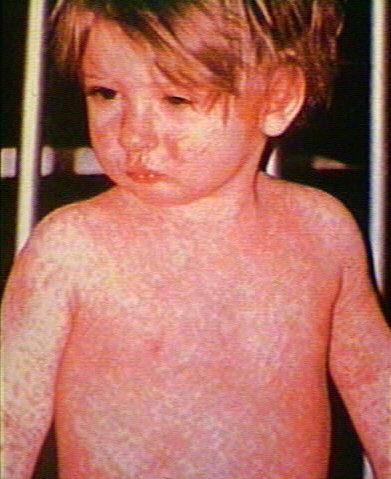
Welcome.
purposes, unless permitted by The Personal
Health Information Act (PHIA) or The
Freedom of Information and Protection of
Privacy Act (FIPPA).

Storage and access to records: Student records
are kept locked, and are accessible to a limited
number of staff of the Immunization Program or
your program of study, and only for the stated
purposes of the program. One health program
does not have access to the records of students
enrolled in a different health program. Records
that are not related to your program’s
requirements (e.g., optional immunizations you
wish to receive, or test results for bloodborne
pathogens) will not be shared with staff outside of
the Immunization Program. The immune status
record for every student will be kept while the
student is enrolled in his or her program of study,
and for a minimum of 10 years after the student’s
expected date of graduation. Eventually the
Immunization Program will destroy all immune
status record in a secure and confidential manner,
consistent with accepted methods of disposal of
health records. Students may request a copy of
their record at any time while the program has
these records.

Questions: If you have any questions about
the collection of your personal health
information, please contact the Immunization
Program Office, (204-480-1305); students
may also wish to contact the Access &
Privacy Office (tel. 204-474-9462), 233
Elizabeth Dafoe Library, University of
Manitoba, Winnipeg, MB, R3T 2N2..

2
School Clinics
The following sections provide some additional           Students Who Feel Unwell at the School
details regarding the school clinics; more               Clinics
information will be provided in the Immunization         Students are asked to remain at the clinic for 15
Program Orientation video.                               minutes after they receive an immunization or
                                                         skin test (this is optional, but very strongly
Format of the Clinics                                    recommended). This is in case the student
During the pandemic, students requiring                  experiences a severe allergic reaction, or in case
additional immunizations and/or tests will be            the student feels unwell or faints. Students who
invited to see a clinician (e.g., physician assistant,   feel unwell should notify immediately
nurse, or physician) for an individual assessment.       Immunization Program staff, or a student
Clinics will be offered at both the Bannatyne and        volunteer. Students who feel unwell will be
Fort Garry campuses.                                     assessed and provided care as appropriate. Most
                                                         students who feel unwell recover quickly, and
As the pandemic settles, we may once again offer         simply need to be observed for a period of time.
larger clinics, with multiple students in attendance.    Policies are in place to respond to students who
At these clinics, trained senior students in various     faint, or students who experience a severe allergic
health programs may assist with immunizations or         reaction (epinephrine/adrenaline is available and
testing.                                                 can be administered by a clinician if necessary).

At every clinic students will fill out a short health    Tips on Attending the School Clinics:
questionnaire asking about their current health           - Please try to attend as close to your
status. Students will always see a clinician before         scheduled time as possible, in order to reduce
being immunized or having a tuberculin skin test            waiting and to maintain physical distancing.
administered.                                               Students who wait a short amount of time are
                                                            less likely to feel unwell or faint.
Student Volunteers
Some clinics will involve the participation of senior     - Please wear a suitable shirt such as a t-shirt
healthcare students. In addition to providing a             that will allow you to expose your entire upper
valuable service to all first-year student clients,         arm (including deltoid/shoulder).
the clinics provide an excellent opportunity for          - Students should eat or drink something before
student volunteers to learn about vaccinations              the clinic; obtaining a vaccination or skin test
and TSTs. The clinics are usually very much                 on an empty stomach may increase the risk of
appreciated by both students receiving services             fainting.
and students offering services. Student volunteers
are only provided the minimal amount of                   - If we do not have records of immunizations or
information about your health necessary to                  tests that you claim to have received we will
provide you care (e.g., concerns over allergies or          let you know; please obtain and submit such
fainting). All student volunteers are covered by            records in advance of attending an
The Personal Health Information Act (PHIA), and             immunization appointment,
are not allowed to disclose any of your personal          - Remain at the clinic 15 minutes in case of an
health information. (Note: student volunteers will          allergic reaction, or fainting episode.
NOT have access to a student’s complete record,
health questionnaire, serology [blood antibody]
results, or tuberculin skin test results). Students
who do not wish to obtain services from a student
volunteer can access care through their own
healthcare provider.

                                                                                                         3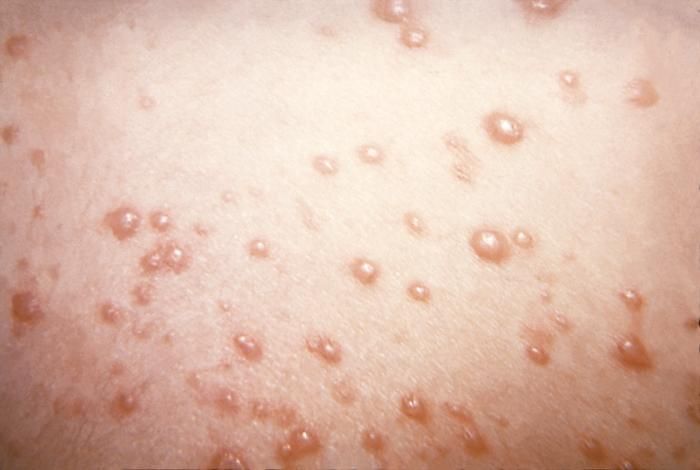
Costs of Immunizations and Tests.
Costs of Vaccines and Services dispensing fee would cost about $120 (if the
student did not have drug coverage for the
The following outlines the costs of vaccines and vaccine). If a student’s drug plan covered this, the
services. Please keep in mind that all required total cost might drop to approximately $40 or less.
immunizations as well as tuberculin skin tests Students interested in optional vaccines that are
are provided at no charge for students not publicly funded may wish to check with their
pharmaceutical plan(s) regarding coverage. Many
accessing services through the Immunization
student inquire about optional human
Program. papillomavirus (HPV) vaccine; for some students
this series is publicly-funded, and for other
1. Publicly funded vaccines. Some vaccines are
students, the vaccine must be purchased.
publicly funded (paid for by the government) in
certain situations. Whether a vaccine is publicly
5. Serology. Some serology (blood antibody) tests
funded may depend on your age, risk factors, and
are provided free of charge, and some may not be.
whether you have provincial health insurance with
For example, if you require serology for hepatitis B
Manitoba. A list of publicly funded vaccines is
antibodies, or varicella (chickenpox) antibodies, the
found at
laboratory may charge you a flat rate of about $60
http://www.gov.mb.ca/health/publichealth/cdc/vacci
for all tests being ordered. However, students who
neeligibility.html. For example:
are tested for hepatitis B viral infection, HIV
Routine tetanus, diphtheria, pertussis, polio, infection, and/or hepatitis C infection, there is no
measles, mumps, and rubella vaccines are free to charge for the testing. An exception may be
Manitoba residents in most situations International students with no provincial or
Hepatitis B vaccine is free to Manitoba residents territorial health coverage; such students should
born in or after 1989, and also to individuals with expect to pay for serologic testing at the lab.
risk factors such as multiple sexual partners
Hepatitis A vaccine is free to Manitoba residents 6. Tuberculin skin tests. All tuberculin skin tests
who identify as men who have sex with men (MSM), (TSTs or Mantoux tests) are provided free of
and those with certain liver diseases charge for those accessing care through the
school clinics. If you receive this on your own, you
2. Vaccines that are not publicly funded. If a may be charged $50 or more for each test (most
vaccine is not publicly funded, it must be students require two of these tests). If you obtain a
purchased from a pharmacy or clinic. You may TST through the school clinics but miss a reading
receive a discount if your drug plan pays for some without notifying the Immunization Program in
or all of the vaccine. However, if your program of advance, you will be charged $30 for the test.
study requires a vaccine that normally costs
money, you will not be charged for it if you receive 7. Fees charged by primary care providers.
it through the school program (see #3 below). Students who choose to access services through
their own healthcare provider may be charged fees
3. Required vaccines. Required vaccines you need for having forms completed, or for obtaining
to receive as part of your program of study are vaccinations or tuberculin skin tests.
provided free of charge, for those accessing care
through the school clinics. For example, if you
need hepatitis B vaccine but did not receive it yet, Drug coverage: First-year students have an
we will provide it to you for free, regardless of option of staying with the University of Manitoba
whether or not you would have qualified for UMSU Health and Dental Plan (www.umsu.ca), or
publicly funded hepatitis B vaccine. (If you are opting-out of this plan and instead obtaining
accessing care from your own provider, you may coverage through third-party pharmaceutical
need to pay for a vaccine if it is not publicly funded) coverage. If the Immunization Program obtains
any vaccinations for a student, the student’s third-
4. Optional vaccines. Students who request an party drug coverage may be used at the
optional vaccine will be charged the amount pharmacy in order to reduce the costs of
charged by the pharmacy for the vaccine and
dispensing fee. For example, an individual may
purchasing these vaccinations.
request an optional hepatitis A immunization series
(two doses). The vaccine and pharmacy
4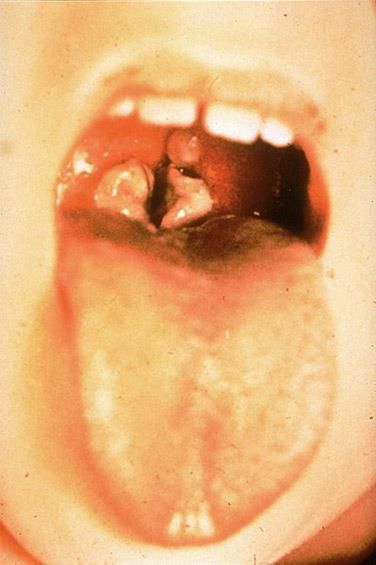
Obtaining Old Records
It is very important that a student’s previous public health unit. Students may also have
immunization and testing records be reviewed by immunization papers or pocket cards in their own
the Immunization Program in order to determine a possession. If immunizations were given but the
student’s outstanding immunization and testing records are not available, the student should
requirements. In general proper records (signed contact the Immunization Program about this.
and dated by a healthcare provider) are required
for proof of immunizations or tests; verbal The provincial immunization registry:
histories of these are not acceptable. For Manitoba’s provincial immunization registry
example, an immunization record should state the (previously known as the “Manitoba Immunization
following: Monitoring System” or MIMS; also called
“Panorama”) is an electronic provincial
- The name of the immunization provided immunization database kept by Manitoba Health;
- The date it was provided it began as a pilot for some regions in Manitoba in
- The name, designation, and signature of the 1981, and was rolled out for all regions in 1984
nurse or physician completing the record (some back-entry of old records may also have
- The date the record was completed occurred). All immunizations that are billed by
physicians or pharmacist, or offered by Public
Relevant records: All previous immunization Health Nurses in schools or clinics, and any other
records should be submitted. The following records that are sent to public health by
immunization records are particularly important: healthcare providers are entered into the
provincial immunization registry; all immunizations
Bacille Calmette-Guérin (BCG) given by the Immunization Program to students
Hepatitis B who have a Manitoba Health card will also be sent
Hepatitis A* for entry into the registry. The registry is not 100%
Human papillomavirus (HPV)* complete, as not all healthcare providers will send
Measles, mumps, rubella vaccination records for entry into it. You can have
Pertussis (adult) any properly documented immunization records
Polio (e.g., out-of-province records) entered into the
Tetanus and diphtheria registry by bringing these to your local public
Varicella (chickenpox) health office; be sure to bring your Manitoba
Health card as well. Students or clinicians
*If a student wishes to obtain any of these vaccines through the
school clinics providing care to students can request a copy of
the immunization registry record by contacting the
As well, students should obtain documentation of any local public health unit; for a list of public health
previous tuberculin skin tests (TSTs or Mantoux), chest offices please refer to:
x-ray reports obtained after a positive TST, and http://www.gov.mb.ca/health/publichealth/offices.html.
documentation of a previous diagnosis of, or therapy
for, latent tuberculosis infection (LTBI) or active The Immunization Program will obtain an
tuberculosis disease (see pages 25-28). immunization record for every student from
the provincial immunization registry, and
Other immunization records are less relevant to students do NOT need to do this. However,
the program, but can still be submitted. Students vaccination records may exist that are not listed
do not need to provide records for any screening on the provincial immunization registry; this
tests that were conducted, such as syphilis, includes: records that are from out-of-province;
hepatitis C, or human immunodeficiency virus recent travel immunizations that may not have
(HIV). been entered into the registry; or older records
(i.e., before the early 1980s). In addition, students
Locating records: Records may exist in various may also have records in their possession that
locations, including at the office of a student’s are relevant (e.g., immunization pocket cards).
former pediatrician or family physician, or a local
5
Obtaining Old Records
Additional Tips on Obtaining Records
A "trustee" means a health professional, health
care facility, public body, or health services
agency that collects or maintains personal health
information. Please note the following:
You can request records from any trustee
that still has the records, including a clinic,
public health unit, pharmacy, etc.
If records still exist a trustee is legally
obligated to share these with a client
within 30 days of a request (this is the law
in Manitoba; it may be similar in other
jurisdictions). The client’s right to obtain
records generally remains even if a trustee
has retired or died.
Records should include your name, the
date of the service, the item in question,
and the name and designation of the
clinician.
Records created by students or their
family members generally are not
accepted.
Estimated records are not accepted.
A trustee cannot insist a client attend in
person to pick up records. Your right to
obtain your records exists even if you
move to a different province or country.
Trustees are allowed to charge a modest
fee for records, which must take into
account a client’s ability to pay.
In the past, some students have encountered
difficulties in exercising their legal right to obtain a
copy of their health records. If you encounter any
problems please feel free to contact the
Immunization Program for information or
assistance.
6
Additional Information.
Exceptions and Contraindications to                        condition or concern; such situations should be
Immunization and Testing Requirements                      addressed on an individual basis.

Students may be granted a temporary or
permanent exemption from a specific                     Parents and Other Immediate Family
immunization or testing requirement due to a            Members Providing Health Services to
medical or health condition. If you feel you have       Students
an exemption please notify the Immunization             Some students have parents or other family
Program of this; adequate documentation is              members who are trained as nurses, physicians,
required for an exemption to be considered. An          or other health professions. Students should be
exemption will fall under one of the following          aware that in most situations parents or other
categories:                                             close family members should not provide a
                                                        student health services such as
1. Allergy: A student may have a suspected              immunizations or blood tests.
   immunoglobulin E (IgE) mediated or other
   serious allergy to a specific vaccine, vaccine
                                                        For example, the College of Physicians and
   component, or tuberculin, making that item
   contraindicated for the student (i.e., “should not
                                                        Surgeons of Manitoba advises its members in its
   be given”); adequate documentation from a            Code of Ethics:
   physician specialist is required.
                                                          "Limit treatment of yourself or members of your
                                                          immediate family to minor or emergency services
2. Compromised immune system: A student may               and only when another physician is not readily
   have a compromised immune system due to the            available; there should be no fee for such
   use of immune-suppressing medications, certain         treatment."
   infections (e.g., HIV infection), or genetic
   disorders. In such situations a specific             Other health professions have similar guidelines
   immunization may be contraindicated, and/or a        for their members.
   vaccine or test may require special timing
   relative to medical therapy. Adequate
                                                        Family members should not complete any medical
   documentation from a physician is required.
   Special immunization or serological testing          forms for the student. However, if the student has
   requirements that are different from those listed    received any services (e.g., immunizations) from
   in this document may be recommended for              family members in the past relevant to what is
   these students. Consultation with physician          now being requested, the Immunization Program
   specialist is recommended in such situations.        may still accept these records.

3. Pregnancy: Live vaccines are contraindicated in      Chronic Bloodborne Pathogens
   pregnancy. Some vaccines are known to be safe        Students in all programs must disclose to the
   during pregnancy, while other vaccines may           Immunization Program if they are known to have
   require a balancing of the benefits versus risks;    human immunodeficiency virus (HIV) infection,
   depending on the risk assessment, a vaccine
                                                        and chronic hepatitis B infection. Students in
   may be deferred until the student is no longer
                                                        Dentistry, Dental Hygiene, Medicine, and
   pregnant. Documenting a self-reported history of
   pregnancy is considered adequate. For more           Physician Assistant Studies known to have HIV
   information on immunization in pregnancy and         infection, or chronic hepatitis B or hepatitis C
   breastfeeding please refer to the Canadian           infection are expected to disclose their status to
   Immunization Guide section on Immunization in        their respective programs (contacts are as
   Pregnancy and Breastfeeding.                         follows: College of Dentistry: Associate Dean,
                                                        Clinical; College of Medicine including Physician
4. Other: Some vaccines may not be appropriate          Assistant Studies: Associate Dean, Student
   for an individual due to a specific medical          Affairs).

                                                                                                            7
Additional Information.

New students in all programs will be offered
optional testing for HIV, hepatitis C, and syphilis,
and have the option of receiving testing at any
time throughout their studies by contacting the
Immunization Program.

Donating Blood after Receiving an
Immunization

Many students wish to help others through blood
donation, and students who qualify as eligible
blood donors are strongly encouraged to do this.
Canadian Blood Services (CBS) is located at 777
William Avenue, across the street from the
Bannatyne campus; both scheduled and walk-in
appointments are available.

Students should be aware that a recent
vaccination might result in a temporary
deferral period introduced, when an individual
will not be able to donate blood. The deferral
period ranges from a few days to several weeks,
depending on the type of vaccination given.
Students should always mention recent
immunizations they have received when donating
blood (this is asked on the screening form
potential donors complete during their
appointment).

For complete donor eligibility criteria or to speak
to a trained Canadian Blood Services health
professional please call 1-888-2-DONATE (1-888-
236-6283), https://blood.ca.

8
Vaccine Basics
What are vaccines?                                         viruses or bacteria; this trains the immune system to
Vaccines are also called immunizations, needles, or        recognize and fight future infections.
baby shots. Vaccines allow the immune system to
learn how to recognize and fight bacteria and              For some diseases, antibody levels in the
viruses that cause diseases. Vaccines not only             bloodstream can be measured through a blood test.
protect the people who are immunized, but may also         This can be used to determine if the individual is
protect those who cannot be immunized for medical          likely protected against a disease, if an exposure
reasons: It is more difficult to maintain a chain of       were to occur in the future. A common example of
person-to-person infection when large numbers of a         this is the antibody level that is checked for
population are immune (this is also called “herd-          healthcare providers after a hepatitis B immunization
immunity”). Most vaccines are given in childhood,          series (see pages 22-24). However, in most
although some vaccines are given at other points in        situations it is not necessary to test antibodies after
one’s life. For some vaccines, booster (extra)             an immunization series is given.
needles are needed to maintain protection against
certain diseases, since the protection given by the        Are vaccines necessary?
original immunizations begins to drop over time.           One of the greatest achievements of public health
                                                           systems throughout the world is the reduction of
Before vaccines were available, little could be done       infectious diseases resulting from the use of
to prevent serious diseases such as diphtheria,            vaccines. Routine immunization has eliminated
pertussis (whooping cough), tetanus (lockjaw),             smallpox from the globe, and led to the near
measles, and polio, to name a few. Now, very few           elimination of wild poliovirus. The diseases that
Canadians get sick or die from these diseases              vaccines prevent are at an all-time low in developed
because people are protected by immunization.              countries, and now few people experience the
However, in some countries where immunization              devastating effects of measles, polio, tetanus,
rates have dropped to low levels, rates of disease         pertussis, and other illnesses. Newer vaccines are
can quickly rise. Diseases that are rare in Canada         being created to further reduce the toll that
have the potential to once again cause significant         infectious agents take on human health.
suffering and death if we do not continue to
immunize individuals against them.                         Are vaccines safe?
                                                           Prior to approval by Health Canada, vaccines are
Some vaccines are live, containing living but              tested extensively to ensure they are effective and
weakened versions of the organisms they are being          safe. Vaccines are the best defence we have
used to protect against; examples of this include          against certain infectious diseases; however, no
MMR (measles, mumps, rubella) and varicella                vaccine is 100% safe or effective. Differences in the
(chickenpox). Other vaccinations do not contain            way individual immune systems react to a vaccine
living organisms; these include diphtheria, hepatitis      account for rare occasions when people are not
A and B, influenza, polio, pertussis, and tetanus.         protected following immunization or when they
                                                           experience side effects. Unfortunately, as the
What are antibodies?                                       incidence of infectious diseases continues to
Once an individual is exposed to a virus or bacteria,      decline, some people have become less interested
his or her immune system will attempt to create            in the consequences of preventable illnesses.
small proteins in the bloodstream called antibodies,       Instead, they have become increasingly concerned
in order to fight the infection. If the immune system      about the risks associated with vaccines. Since
is successful in creating antibodies, the next time an     vaccination is such a common and memorable
individual is exposed to the same virus or bacteria,       event, any illness following immunization may be
he or she will be more successful in fighting off an       attributed to the vaccine. While some of these
infection, as there are now antibodies readily             reactions may be caused by the vaccine, many
available. The immune system also produces                 of them are unrelated events that occur after
special cells that are able to fight infections. This is   vaccination by coincidence.
the basic concept behind vaccinations: an
individual’s immune system is exposed to small
particles in the vaccine that mimic the appearance of

                                                                                                               9
Vaccine Basics.
Multiple injections allergic reaction (anaphylaxis), manifest by painless
Is it safe to receive more than one vaccine at the swelling about the face and mouth, an itchy rash
same time? Are there more side effects? One of (90% of cases), and respiratory symptoms, such as
the most important principles of vaccination coughing, wheezing, and laboured breathing.
administration is that vaccines can almost always be Individuals should always mention any allergies to
given at the same time. Doing so will not increase their healthcare provider prior to vaccination. Some
the rate of side effects than when each individual vaccines have been associated with Guillain-Barré
vaccine is given alone. In fact, there are increasingly syndrome, which is a form of paralysis that is usually
more vaccine manufacturers that are supplying temporary (occurs once in every one million
combination vaccines where one needle contains up immunizations; this also occurs more commonly in
to five or six vaccines. The body’s immune system is individuals who have not been vaccinated).
exposed to thousands of antigens every day; giving Tetanus/diphtheria/pertussis vaccines: These
more than one vaccine at one clinic visit is a very have been noted to cause more local reactions than
small fraction of the total number daily antigens the other vaccines, such as redness, pain, and swelling
body encounters. NOTE: If two live vaccines or a around the area the vaccine is given; these
live vaccine and a tuberculin skin test are not given reactions are not serious, and concern over such
at the same visit, a short period of time must elapse side effects should not lead to a delay in receiving
after a live vaccination before any other live this immunization (see page 11).
vaccines or tuberculin skin tests can be given. There MMR: Within three weeks after immunization a red
is also special timing current recommended for rash occurs in less than five per cent of people
COVID-19 vaccines and other vaccines. receiving live MMR vaccine who are not immune to
Gaps in vaccine schedules measles or rubella; sometimes the rash can cover
the whole body. The rash disappears by itself and is
If it has been a long time since a particular NOT passed on to other people. Temporary swelling
vaccination series was started but not finished, of lymph glands, especially those of the head and
does the series need to be started over? Many neck, occurs in about five to 15 per cent of people
vaccinations require multiple doses given over a who are not immune to rubella. Temporary joint pain
period of weeks or months, following a set schedule or swelling lasting one to three weeks may occur
(e.g., hepatitis B; measles/mumps/rubella). If a after receiving rubella vaccine; this is most common
lengthy period of time has elapsed since starting the in post-pubertal females. There is no evidence this
series, the series does not need to be restarted, leads to chronic arthritic or neurologic conditions.
even if it has been years since the previous dose
was given. There are minimum time intervals Chickenpox: Some people will get a rash that looks
between vaccinations that need to be respected, but like chickenpox one to four weeks after getting the
there are no maximum time intervals. The only live chickenpox vaccine, usually with fewer than 50
exception to this rule is some situations where oral spots or blisters. The fluid in the blisters MAY be
typhoid vaccine is given. contagious, although transmission of the disease
from a vaccine rash is very rare. The rash should be
What are the side effects of vaccinations? covered if possible, and contact with people who
Common side effects (all vaccinations): With any have not had chickenpox or those with weakened
vaccination that is administered, local reactions are immune systems should be minimized or avoided.
common and normal, and may include soreness and Pregnant women
redness at the injection site for up to two days.
Other reactions can include fever, headache or Some vaccines (e.g., influenza) are approved for
myalgia (tenderness or pain in the muscles). A few use in pregnancy, while others are not; this is due to
individuals will faint during or after an immunization, the theoretical risk some vaccinations may pose to
or when they are having blood drawn, which is one pregnant women. Females should always advise
reason individuals should remain at the clinic 15 their healthcare provider if they are pregnant before
minutes after being immunized. receiving a vaccination. Women should not receive
a live vaccine (e.g., MMR; varicella) if they are
Rare side effects: about one in five hundred pregnant, and women should avoid pregnancy for
thousand vaccinations are associated with a severe one month after receiving these vaccines.
10Tetanus
What is tetanus? After a tetanus/diphtheria immunization is given,
Tetanus is a rapid and often fatal disease caused by when is the next dose of tetanus/diphtheria due?
an extremely potent neurotoxin (nerve toxin) After a tetanus/diphtheria (Td) or
produced by the bacterium Clostridium tetani. The tetanus/diphtheria/acellular pertussis (Tdap)
organism is found in soil, the intestines of animals immunization is given in adulthood to individuals
and humans, and also the dust inside buildings. with a primary series, another routine Td
Wounds that are contaminated with soil or feces immunization is due in 10 years. However, if a fully
(stool) and that are associated with deep tissue immunized adult sustains a wound that is serious
injury are most frequently associated with tetanus; and/or dirty, and it has been more than five years
cases have also been reported related to injection since the last dose of a tetanus-containing vaccine
drug use, animal bites/lacerations, burns, or surgery. was given, then another dose of Td should be given.
Once inside the body, the tetanus bacteria produce
a neurotoxin that causes prolonged, painful Why is this disease important to a healthcare
contraction of muscles; usually starting in the jaw worker?
(“lockjaw”, causing difficulty with opening the mouth Although there is no risk of spread of tetanus
or swallowing), and then progressing to other areas person-to-person, healthcare workers are at risk of
of the body. Death occurs in over 10% of cases. tetanus, and should take the appropriate control
measures for management of wounds.
How can tetanus be spread?
Exposure occurs when tetanus bacteria from the
environment gain entry into the body, usually
Tetanus and Diphtheria Immunization
through an open wound; about a third of cases
Requirement: All students are required to have
occur without a known injury. Tetanus is not spread
documented a complete primary series of
person-to-person.
tetanus/diphtheria immunizations. This requires a
minimum of three doses, with ideally a minimum of
Canada two months (absolute minimum one month) between
Prior to vaccination, there were about 40 to 50 the first two doses, and a minimum of six months
deaths from tetanus each year in Canada. From between the last two doses. In addition, the last
2000 to 2011 there were between 1 and 8 cases of tetanus/diphtheria containing immunization must
tetanus in Canada each year, with 6 deaths since have been received within the past ten years.
2000. Cases occur almost exclusively among Serology is not accepted as proof of tetanus and
individuals who are under-immunized or with diphtheria immunity. Students who do not have a
uncertain immunization histories. primary series documented must complete a primary
adult immunization series. Documentation indicating
How can tetanus be prevented? that a childhood series was received without specific
Most cases of tetanus can be prevented through dates provided is not sufficient.
immunization. All individuals should receive a
primary (childhood) series of vaccinations with Booster dose: A booster dose of tetanus/diphtheria
tetanus vaccine. Adults with an unclear or absent (Td) containing vaccine is required every 10 years,
history of vaccination should also be given a primary with one of these doses being given in adulthood as
series. A booster dose of tetanus vaccine should the combined tetanus/diphtheria/acellular pertussis
then be given every ten years (in Canada tetanus (Tdap) vaccine (see page 14 for more information
vaccine comes combined with diphtheria vaccine). on the pertussis immunization requirements).
Sometimes special wound treatment may be
required after an injury, depending on the level of
contamination of the wound and the immunization
status of the individual. Precautions should always
be exercised when individuals handle soil or animal
feces, for example, gloves should always be worn
while gardening. All injuries to skin should be
thoroughly cleaned.
11Diphtheria.
What is diphtheria? Why is this disease important to a healthcare
Diphtheria is a communicable disease caused by worker?
certain toxin-producing strains of the bacterium If diphtheria protection is not maintained through
Corynebacterium diphtheriae. Infection can occur in immunization and infection control precautions,
the respiratory tract (lungs and connecting airways) there is a potential for disease reemergence.
and/or skin. One characteristic sign of diphtheria is Healthcare workers are in a unique position to be
an adherent, grey membrane that forms over the affected by diphtheria themselves, and to spread the
mucous membrane of the tonsils or throat; attempts disease to vulnerable patients.
to remove the membrane can cause bleeding. Large
membranes may cause life-threatening airway
obstruction. The diphtheria organisms can produce
a toxin, which damages the heart and central
Tetanus and Diphtheria Immunization
nervous system. About 5% to 10% of those with
Requirement: All students are required to have
diphtheria of the respiratory system will die; most at
documented a complete primary series of
risk are the very young and the elderly. About 3% to
tetanus/diphtheria immunizations. This requires a
5% of healthy persons with no symptoms may have
minimum of three doses, with ideally a minimum of
diphtheria bacteria living on the skin or in the nose
two months (absolute minimum one month) between
and throat.
the first two doses, and a minimum of six months
between the last two doses. In addition, the last
How can diphtheria be spread? tetanus/diphtheria containing immunization must
Diphtheria is spread by person-to-person have been received within the past ten years.
transmission through respiratory secretions, and Serology is not accepted as proof of tetanus and
physical contact with skin lesions infected with diphtheria immunity. Students who do not have a
diphtheria bacteria. primary series documented must complete a primary
adult immunization series. Documentation indicating
Canada that a childhood series was received without specific
Prior to universal diphtheria vaccination there were dates provided is not sufficient.
thousands of cases of diphtheria in Canada each
year, now there are between zero to five positive Booster dose: A booster dose of tetanus/diphtheria
diphtheria cultures reported annually. Occasionally (Td) containing vaccine is required every 10 years,
imported cases of diphtheria are reported. with one of these doses being given in adulthood as
the combined tetanus/diphtheria/acellular pertussis
How can diphtheria be prevented? (Tdap) vaccine (see page 14 for more information
Diphtheria can usually be prevented through on the pertussis immunization requirements).
vaccination. All individuals should receive a primary
(childhood) series of vaccination with diphtheria
vaccine. Adults with an unclear or absent history of
vaccination should also be given a primary series. A
booster dose of diphtheria vaccine should then be
given every ten years (in Canada diphtheria vaccine
comes combined with tetanus vaccine). Studies of
healthy adult populations in Canada indicate that
approximately 20% of adults (higher in some age
groups) do not have protective levels of antibody to
diphtheria. Infection can occur in immunized
persons, however, disease is most common and
most severe in those not immunized, or just partially
immunized. Taking precautions to minimize contact
with respiratory secretions or skin lesions is also
important in limiting the spread of diphtheria, and
many other infections.
12Polio
What is poliomyelitis (polio)? the viruses; health care workers (see below);
Polio is a very contagious infection caused by the laboratory workers handling specimens that may
poliovirus. Over 90% of polio infections produce no contain the viruses.
symptoms or mild symptoms. Some individuals
however will experience a severe infection with What is the difference between OPV and IPV?
lasting complications. Symptoms of polio infection In the past oral poliovirus vaccine (OPV), a live
begin with minor fever, headache, and vomiting. The vaccine, was used for polio immunization. While this
virus can attack the cells surrounding nerve cells in was a highly efficient and effective vaccination, it
the spinal column or the brain stem, causing caused paralytic polio disease in about one out of
damage to these nerves and associated muscles. two million vaccine recipients. Canada has since
Individuals so affected may experience a major switched to the exclusive use of inactivated
illness with severe muscle pain and stiffness of the poliovirus vaccine (IPV), which is not a live vaccine
neck and back. In less than 1% of infections and which cannot cause polio disease. (Note: both
paralysis of muscles at one or more parts of the OPV and IPV can be counted as valid doses when
body may occur; the paralysis is usually asymmetric previous polio records are reviewed).
(e.g., one arm affected more than the other, or one
leg affected more than the other). Paralysis of the Why is this disease important to a healthcare
muscles of the lungs or the throat can be life worker?
threatening. Healthcare workers may be at higher risk of being
infected by polio because they are more likely to be
How can polio be spread? in close contact with individuals who may be
Polio is spread person-to-person through the “fecal- excreting poliovirus.
oral route” or through the “oral-oral route”; infection
usually occurs when secretions from an infected
person's mouth or the person’s feces are passed into Polio Immunization Requirement
another person's body through the mouth. The virus All students are required to have documented a
is extremely stable and can remain viable in the complete primary series of polio immunizations.
environment for long periods of time. This requires a minimum of three doses, with a
minimum of one month between the first two
Canada doses, and a minimum of six months between the
There have been no wild cases (i.e., local spread of last two doses. Serology is not accepted as proof
natural disease) of polio in Canada since 1977. of polio immunity. Students who do not have a
Cases of poliomyelitis occurring in Canada and the primary series documented must complete a
United States are attributable to importation by primary adult immunization series. Records
tourists and immigrants, and to vaccine-associated indicating that a childhood series was received
strains (see OPV and IPV discussed below). Polio without providing dates are insufficient.
has almost been eradicated in most parts of the
world, but it continues to be a serious threat in certain Booster dose: Adult booster doses of polio
countries, particularly parts of Asia, Africa, and the vaccine are generally not required for healthcare
Middle East. workers who have received a complete primary
series, unless they are traveling to high-risk areas
How can polio be prevented? of the world (e.g., work or vacation in a polio-
Polio can be prevented through vaccination. It is endemic country).
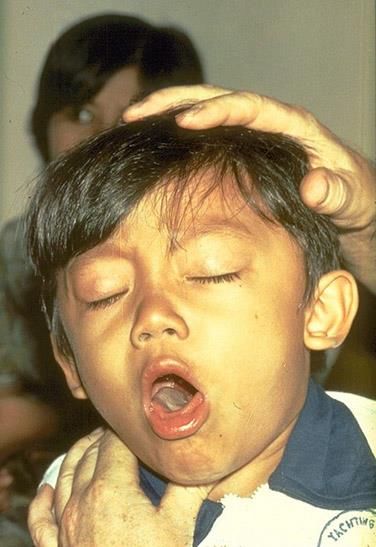
important for all children to receive a primary
immunization series against poliovirus.
Immunization with polio vaccine is also
recommended for previously unimmunized adults;
this is particularly important for adults who may be
exposed to wild polioviruses. These include:
travellers to countries where these viruses are
circulating; residents of communities in which a
visitor or new refugee/immigrant may be excreting
13Pertussis.
What is pertussis? children at home, now or in the future. Receiving
Pertussis (or whooping cough) is an infectious adult pertussis vaccine might prevent a healthcare
disease caused by the bacterium Bordetella worker from transmitting pertussis to younger, more
pertussis. The disease can affect individuals of any vulnerable individuals (e.g., babies), some of whom
age; however, severity is greatest among young are too young to be properly immunized; and it may
infants. Symptoms include fever, vomiting and also save the healthcare worker from getting a
severe coughing spasms, which may or may not be chronic cough (caused by pertussis) lasting several
associated with the classic “whoop” made when weeks at some point in their lives.
breathing in (hence the popular name "whooping
cough"). The cough gets progressively worse, to the Didn’t I already get vaccinated against pertussis
point where some individuals will have difficulty in childhood?
breathing and become exhausted. Rare Pertussis vaccination is part of the routine childhood
complications of pertussis include pneumonia, series of vaccinations, but after childhood individuals
seizures, brain damage and death. Death is did not traditionally receive any further doses of
estimated to occur in 1 in 200 cases in children less pertussis vaccine. When it was recognized that
than one year of age. adults could be afflicted by pertussis (pertussis is
the cause of about 20% of “post-viral” chronic
How is pertussis spread? coughs that last several weeks in adults), an adult
The virus is transmitted person-to-person, through booster of pertussis vaccine was made available.
direct contact with or inhalation of the secretions
from an infected person's nose or mouth. How soon after a tetanus/diphtheria (Td)
immunization can a dose of pertussis (Tdap)
Canada and Manitoba vaccine be given?
There are 1000 to 3000 cases of pertussis every The Tdap immunization can be administered
year in Canada, with one to three deaths annually. regardless of the interval since the last dose of
Those most affected are infants too young to have tetanus and diphtheria toxoid-containing vaccine.
begun their immunization and in partially immunized
infants (e.g., those who have received only one or After a Tdap immunization, when is the next
two doses). In 2015, Manitoba experienced a large dose of tetanus/diphtheria due?
outbreak of pertussis; this contributed to a total for A Tdap booster given now would count as the
the year of 57 laboratory confirmed cases, and likely regular tetanus/diphtheria (Td) booster that is due
many more undiagnosed cases. In 2017 several every ten years. After a Tdap vaccination is given in
Canadian provinces including Manitoba reported adulthood one would need another routine Td shot
outbreaks of pertussis. in 10 years. However, if a fully immunized adult
sustains a wound that is serious and/or dirty, and it
How can pertussis be prevented? has been more than five years since the last dose
The majority of pertussis cases can be prevented of a tetanus-containing vaccine was given, then
through vaccination. Since the introduction of the another dose of Td should be given. A dose of Tdap
pertussis vaccine in 1943, rates of pertussis have is also recommended with every pregnancy.
decreased over 90% in Canada, although outbreaks
continue to occur. Hand washing, covering one’s
cough, and other routine infection control practices Pertussis Immunization Requirement
are important strategies to prevent the transmission All students are required to have single adult dose
of many infections, including pertussis. of tetanus/diphtheria/acellular pertussis (Tdap)
vaccine on or after 18 years of age. This is
Why is this disease important to a healthcare regardless of: when the last dose of
worker? tetanus/diphtheria was given; when the next dose
Healthcare workers are capable of acquiring of tetanus/diphtheria is due; whether or not a dose
pertussis infection, and of spreading the disease to of Tdap was already given in adolescence. This
vulnerable patients, particularly vulnerable babies dose can also be given as combined Tdap-Polio
who are at greatest risk of complications or death vaccine, if a dose of polio is also indicated.
after the disease. Vaccination should also be
considered for individuals who may be raising young
14Measles
What is measles? 1970) need two doses of measles vaccine for
Measles (also called rubeola or red measles) is a immunity.
highly contagious disease caused by the measles
virus. Infection occurs when someone comes into Why is this disease important to a healthcare
contact with droplets or air contaminated with the worker?
virus. Symptoms of measles include fever, cough, Susceptible healthcare workers are capable of
runny nose, conjunctivitis (red eyes), and a developing measles infection from patients afflicted
characteristic red blotchy rash; these symptoms by the infection; workers are also at higher risk of
usually last one to two weeks. Complications can spreading the disease to vulnerable patients. Young
include diarrhea, ear infection, pneumonia, healthcare workers such as students are at
encephalitis (inflammation of the brain), seizures, particular risk because many were born on or after
coma, and death. Measles is the leading cause of 1970 and are therefore too young to have any
vaccine-preventable deaths in children worldwide. degree of immunity from natural measles infection.
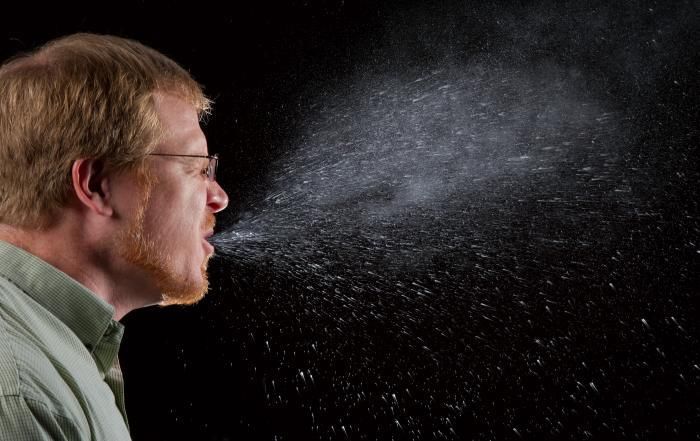
How is measles spread?
Measles virus is transmitted person-to-person by Measles Requirement
direct contact with an individual’s infectious nose One of the following criteria is required for evidence
and throat droplets; less commonly, measles can be of measles immunity:
spread by the airborne route, i.e., carried through a. Documented evidence of immunization with
the air when an individual coughs or sneezes. TWO doses of measles-containing vaccine,
given at least a month apart, starting on or after
Canada and Manitoba the first birthday; OR
Despite a dramatic drop in the number of cases of b. Serology showing antibodies to measles (IgG
measles reported after the widespread use of blood antibody); OR
measles vaccine, Canada continues to see sporadic c. Laboratory documentation of measles infection
activity. The majority of cases are the result of (e.g., virus culture); laboratory report required.
international travellers arriving in Canada with
measles, or as a result of limited spread following In most situations immunization to measles is
imported cases. In 2017 there were 73 000 measles strongly preferred over serological testing, but
deaths globally. Between 2005 and 2011 the either is acceptable. Serology is not required if
number of measles cases in Canada ranged from 6 measles immunization requirements have been
to 750 cases each year. In 2018 there was 29 cases met. If two valid doses of measles vaccine have
of measles in Canada. Due to declining been documented, negative post-immunization
immunization rates the global number of measles serology can be ignored.
cases and deaths from measles increased from
2017 to 2019.
How can measles be prevented?
The best way of preventing the spread of measles in
the world is through an effective vaccination
program. In Canada, children now routinely get two
doses of the vaccine MMR (measles, mumps,
rubella) to prevent infection (the two-dose vaccine
schedule was introduced around 1996-97). As
measles outbreaks were so common in the past, the
majority of individuals born prior to 1970 are
considered immune to measles. Adults born in 1970
or later should ensure that they have received at
least one dose of measles vaccine. Some higher-
risk adults (e.g., healthcare workers; military
recruits; university students and those traveling to
measles-endemic areas of the world born in or after
15You can also read


