Studio Responsibility Index - GLAAD
←
→
Page content transcription
If your browser does not render page correctly, please read the page content below

STUDIO RESPONSIBILITY INDEX 2019

                                     2019

      Studio
Responsibility
        Index

                 1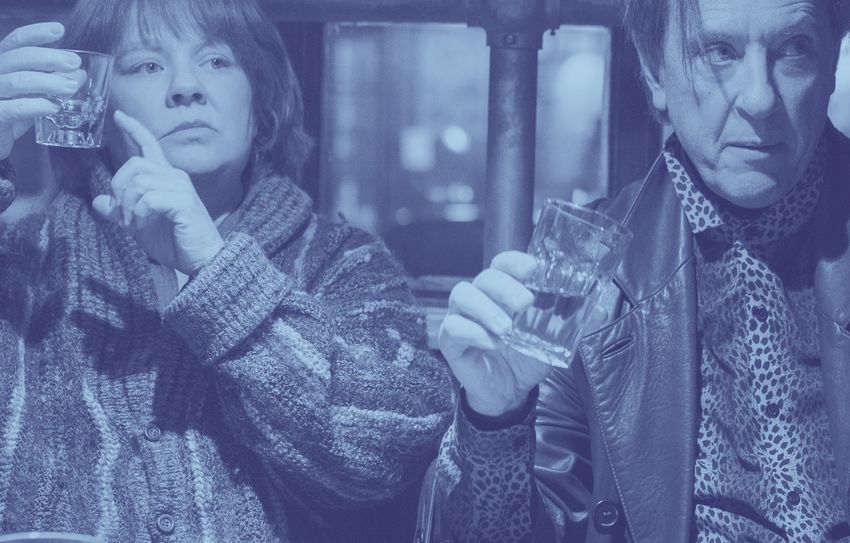
STUDIO RESPONSIBILITY INDEX 2019

Hollywood moves the needle after GLAAD
challenge, but opportunities remain.
GLAAD has been tracking lesbian, gay, bisexual,                      release last year. This is a particularly glaring omission when
transgender, and queer (LGBTQ) inclusion in major studio             compared to television which in 2018 introduced TV’s first
films since 2012. We know that representation matters, and           transgender superhero on Supergirl and the largest cast of
that mainstream films are one of America’s most far-reaching         series regular actors who are trans on Pose.
cultural exports. These movies are marketed and accessible
                                                                     The uncertain media landscape – particularly in the shifting
to nearly every person in the U.S. and to billions more
                                                                     layout of the major studios following Disney’s acquisition of
around the world. But still, LGBTQ characters and stories in
                                                                     21st Century Fox – creates a real concern. This consolidation
film are lagging behind other forms of entertainment.
                                                                     may mean a more difficult path to distribution for films that
The Studio Responsibility Index (SRI) has shown a pattern of         are not major blockbuster or tentpole releases. Studios may
inconsistency from year-to-year in the number and quality            be more hesitant to invest in new types of content, and
of LGBTQ stories – and even sometimes within a single                decisions on what gets green-lit and who is involved are
year across a studio’s slate. We continue to see that trend          made by a smaller group of people. This is a quickly moving
in this year’s report as 20th Century Fox and Universal              space that GLAAD is closely monitoring and actively working
Studios included LGBTQ characters in 40 and 30 percent               in every day.
respectively of each studio’s 2018 releases, while Disney
                                                                     The good news is that the studios have plenty of
did not release any inclusive films in 2018. There was
                                                                     opportunities to release outstanding LGBTQ-inclusive movies
additionally a wide variance in the quality of stories told
                                                                     with what has already been announced in their upcoming
across all seven studios.
                                                                     slates. Films have a long lifecycle, so the choices made in
This is why when GLAAD released its 2018 SRI we called on            the next two to three years are critical as they will have long
the seven major film studios to ensure 20 percent of annual          running effects on the findings of this report and the grades
major studio releases include LGBTQ characters by 2021,              of each studio. GLAAD is a resource at every step of the
and that 50 percent include LGBTQ characters by 2024.                process in making sure that these projects make it through
This threshold marks a first step in creating a barometer that       to the big screen. Our GLAAD Media Institute is driving
will help move the needle on LGBTQ representation in film            a culture revolution through education, consultation, and
and guide the studios to improved grades.                            actionable research to help creators and industry leaders
                                                                     be better prepared to produce and market compelling,
In 2018, 18.2 percent of films from the seven major studios          entertaining LGBTQ characters that do not reinforce harmful
contained LGBTQ characters, a huge leap from 2017’s all-             and outdated stereotypes.
time low of 12.8 percent. Four of the seven studios hit this
20 percent goal individually this year - 20th Century Fox at         Furthermore, GLAAD is working to uplift LGBTQ-inclusive
40% (four of 10), Universal Pictures with 30% (six of 20),           projects. At this year’s Sundance Film Festival in partnership
then Warner Brothers at 22% (five of 23), and Paramount              with The Black List, GLAAD released our inaugural GLAAD
rounding out at exactly 20% (two of 10).                             List highlighting 10 promising LGBTQ-inclusive scripts that
                                                                     we would like to see be made in coming years. We know the
For the first time since GLAAD began this report, two studios        unique power of entertainment to change hearts and minds
have received a “Good” rating in a single year. While the            and the impact that nuanced LGBTQ characters can have on
past year saw a substantial uptick in numbers from major             audiences.
studios, the figures are only part of the story.
                                                                     That is why GLAAD was founded, and why we continue the
Outstanding stories with nuanced LGBTQ characters at                 work today to hold Hollywood accountable for the images
the center like GLAAD Media Award nominees Love, Simon,              they are portraying.
The Girl in the Spider’s Web and Blockers should serve
as examples for studios. These protagonists have agency
and development of their own stories; none of them serves
as a punchline or a prop for another character’s growth.
But it also matters who is being included in stories –
Hollywood needs to better reflect the full diversity of the
LGBTQ community.

Though mainstream releases including Crazy Rich Asians,
Deadpool 2, Annihilation, and Truth or Dare all featured the
stories of queer people of color, the overall racial diversity
of LGBTQ characters dropped year-over-year. One way that
                                                                                          Sarah Kate Ellis
                                                                                          President & CEO, GLAAD
film continues to lag far behind other entertainment media
is the complete lack of transgender characters in any major

                                                                 2
STUDIO RESPONSIBILITY INDEX 2019

EXECUTIVE SUMMARY

Last year, GLAAD called on the studios to ensure that 20 percent of annual major studio releases be LGBTQ-
inclusive by 2021, and 50 percent inclusive by 2024. In 2018, 18.2 percent of films from the seven major studios
contained LGBTQ characters, a huge leap from 2017’s 12.8 percent. Four of the seven studios hit this 20 percent
goal individually (20th Century Fox at 40%, Universal Pictures with 30%, then Warner Brothers at 22%, and
Paramount rounding out at exactly 20%).

There was a significant increase            Film continues to lag far behind other   This year’s report included more
in the number of LGBTQ-                     forms of media when it comes to          LGBTQ characters in leading roles
inclusive films distributed by              inclusion of underrepresented voices –   than in past years. Half of the LGBTQ-
major studios in 2018, up to 20             but perhaps the most glaring way         inclusive films had a character with
from 14 in 2017. This also reflects the     that mainstream film fails to be         more than 10 minutes of screen
second-highest percentage of inclusive      inclusive is the complete lack of        time. However, more than half of
films (18.2 percent) among all major        transgender characters in major          all LGBTQ characters still had
studio releases since GLAAD began           studio releases in 2018. There were      under three minutes of screen
tracking in 2012.                           no transgender characters in major       time.
                                            releases the previous year either.

  2018 OVERALL FINDINGS, BY STUDIO

20th Century Fox                      10 TOTAL FILMS / 4 LGBTQ-INCLUSIVE FILMS              R AT I N G / GOOD

40%

Lionsgate                            19 TOTAL FILMS / 1 LGBTQ-INCLUSIVE FILM              R AT I N G / FAILING

5%

Paramount                             10 TOTAL FILMS / 2 LGBTQ-INCLUSIVE FILMS       R AT I N G / INSUFFICIENT

20%

Sony                                  18 TOTAL FILMS / 2 LGBTQ-INCLUSIVE FILMS       R AT I N G / INSUFFICIENT

11%

Universal                            20 TOTAL FILMS / 6 LGBTQ-INCLUSIVE FILMS              R AT I N G / GOOD

30%

Walt Disney                           10 TOTAL FILMS / 0 LGBTQ-INCLUSIVE FILM             R AT I N G / FAILING

Warner Brothers                       23 TOTAL FILMS / 5 LGBTQ-INCLUSIVE FILMS       R AT I N G / INSUFFICIENT

22%

                                                              3
STUDIO RESPONSIBILITY INDEX 2019

Introduction                                        5

Methodology                                         7

The Vito Russo Test                                 8

Overview of Findings                                9

Observations & Recommendations                    10

20th Century Fox                                  12

Fox Searchlight                                   16

Lionsgate Entertainment                           18

Roadside Attractions                              20

Paramount Pictures                                22

Sony Pictures                                     24

Sony Pictures Classics                            26

Universal Pictures                                27

Focus Features                                    31

Walt Disney Studios                               33

Warner Brothers                                   35

Additional Film Distributors                      40

Acknowledgements                                  44

                                        4
STUDIO RESPONSIBILITY INDEX 2019

Representation Matters                                          Love, Simon made back more than 3.5 times its
                                                                production budget at the worldwide box office. The film
                                                                also garnered critical acclaim with a 91 percent rating
                                                                on Rotten Tomatoes, and a handful of awards including
Entertainment has a reciprocal relationship with society        a GLAAD Media Award, three Teen Choice Awards,
– the characters and stories on screen are a reflection         and an MTV Movie & TV Award for Best Kiss. The
of our cultural values (even if just in subtext), and our       film additionally had a successful line of merchandise
wider culture is influenced by and can evolve from              through Hot Topic in stores and online, as well as a
seeing stories and people that are different from them          soundtrack that charted in the Top 40 on the Billboard
on screen. Studies have repeatedly shown that in the            200, contributing to the film’s total bottom line.
absence of knowing an LGBTQ person in real life, TV
                                                                Inclusion is not just the right thing to do; it is also
and films with LGBTQ characters foster understanding
                                                                good business.
and acceptance.
                                                                “1.3 billion tickets each year are not sold to one
A Variety survey¹ found that 38 percent of people
                                                                audience, but rather, to many audiences. Movie
surveyed cited LGBTQ characters as a “key influence”
                                                                theaters build temporary communities one movie at
in their support for the community, and Ellen DeGeneres
                                                                a time. Diversity in storytelling and representation,
was cited as doing “more to influence American’s
                                                                including LGBTQ people, expands our sense of cultural
attitudes […] than any other celebrity or public figure.”
                                                                belonging and expands the moviegoing community
Several academic studies dating back to the mid-
                                                                at the same time,” John Fithian, President and CEO,
1990s have also continually proven that inclusive
                                                                National Association of Theatre Owners (NATO) told
entertainment or news media has a significant effect on
                                                                GLAAD in an exclusive statement. “NATO and its
viewer’s perceptions of the LGBTQ community.²
                                                                members are committed to creating inclusive spaces
GLAAD has seen LGBTQ characters and couples                     that expand our audiences, increase ticket sales, and
paving the way for culture change as Americans                  reaffirm the importance of representation on screen.”
support for marriage equality grew alongside the
                                                                According to the MPAA’s most recent THEME 4 report,
increase in LGBTQ characters on television.³ And we
                                                                in the U.S. and Canada people aged 18-39 made up
know how powerful representation is for LGBTQ people
                                                                38 percent of the “frequent moviegoer” audience in
personally.
                                                                2018 – meaning they went to the cinema once a month
GLAAD works everyday with young people across the               or more. This “frequent moviegoer” audience is also
country through its Youth Engagement program and                responsible for 49 percent of all tickets sold in the U.S.
with LGBTQ advocates around the globe who have                  and Canada.
spoken about the power that inclusive storytelling has
                                                                Meanwhile, GLAAD and The Harris Poll’s Accelerating
had on their lives.
                                                                Acceptance report 5 shows that 20 percent of
Last year’s release of Love, Simon sparked a huge               Americans aged 18 to 34 and 12 percent aged 35-51
wave of audiences sharing their stories of what the             identify as LGBTQ. Twelve percent of Americans 18-34
film would have meant to them as teens, or feeling              identify as transgender or gender non-conforming.
empowered to come out after seeing the movie. Stars             A majority of these demographics would also call
Keiynan Lonsdale and Joey Pollari spoke out about               themselves allies – 63 percent of Americans 18-34 and
their decisions to come out while doing the film, with          53 percent of Americans 35-51. This applies across
Lonsdale saying to The Hollywood Reporter, “You                 demographics as well, the University of Chicago’s
watch something, and depending on how the story is              GenForward Survey 6 found that one in five Latinx
told and how these characters feel to you, it influences        millennials identify as LGBTQ. Latinx people have long
your life, it influences how you feel about yourself and        overindexed at the box office, representing a larger
people that you meet.” Love, Simon’s groundbreaking             amount of the ticket buying public than the community’s
storytelling and release – which hit over 2,400 theaters        population makeup.
around the world, in cities big and small – paid off.

                                                            5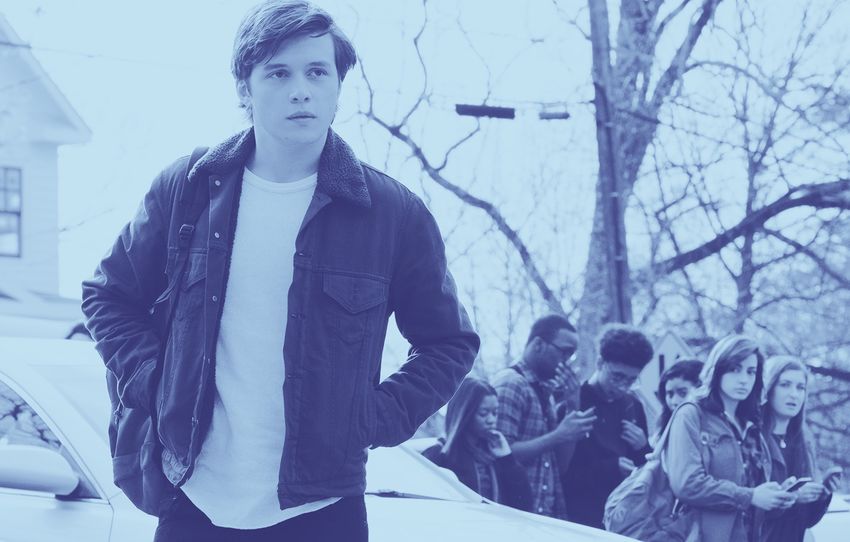
STUDIO RESPONSIBILITY INDEX 2019

The Family Equality Council reports 7 that 48 percent of               LGBTQ audiences are also more likely to
LGBTQ millennials are actively planning to grow their                  generate social media buzz and word of mouth
families, and 63 percent are considering expanding                     recommendations. Forty-nine percent of all LGBTQ
their family by becoming first time parents or having                  moviegoers said they texted, tweeted, or otherwise
more children. This significant growth in LGBTQ-led                    posted about a film the same day they saw it as
families presents an underserved audience that studios                 compared with 34 percent of straight audiences, per
who focus on family friendly content should                            Nielsen. LGBTQ fans are more likely to select both
be engaging.                                                           Horror and Sci-Fi genre films as favorites than
                                                                       straight audiences.
Nielsen’s State of the LGBTQ Moviegoer report 8
explicitly states “studios and theaters alike can bolster              Studios should take note of these trends, particularly
box office sales by […] tailoring their promotions and                 when promoting and advertising titles that include
offerings to LGBT moviegoers’ entertainment needs.”                    LGBTQ characters, and let audiences know why they
Nielsen found that queer audiences are 22 percent                      should turn out to their local multiplex.
more likely to see a new theatrical release more than
                                                                       It is clear that if Hollywood wants to remain relevant
once compared to straight audiences.
                                                                       with these audiences and keep them buying tickets,
                                                                       the studios must create stories that are reflective of the
                                                                       world LGBTQ people and our friends and family know
                                                                       and make those films accessible in wide release.

                                                                       GLAAD stands ready to support them.

1        Lang, Brett. “Ellen DeGeneres Influenced Gay Rights
         Views More Than Any Other Celebrity (Study).” Variety.
         30 June 2015.

2.1      Riggle, Ellen, Ellis, Alan L and Crawford, Anne M. “The
         Impact of ‘Media Contact’ on Attitudes Toward Gay             3        Townsend, Megan. “INFOGRAPHIC: LGBT television
         Men. Journal of Homosexuality. February 1996.                          characters and couples paving the way on the road to
                                                                                marriage equality.” GLAAD. 26 June 2013.
2.2      Lavina, Marina, Waldo, Craig R, and Fitzgerald,
         Louise F. “We’re Here, We’re Queer, We’re on TV: The          4        Theatrical Home Entertainment Market Environment
         Effects of Visual Media on Heterosexuals’ Attitudes                    (THEME) Report. Motion Picture Association of
         Toward Gay Men and Lesbians.” Journal of Applied                       America. March 2019.
         Social Psychology. April 2000.
                                                                       5        “Accelerating Acceptance.”
2.3      Cooley, Jonna J. and Burkholder, Gary J. “Using Video                  GLAAD/Harris Poll. March 2017.
         and Contact to Change Attitudes Toward Gay Men
         and Lesbians.” Journal of Social, Behavioral, and             6        Duran, Eric. “Latino millennials least likely to identify as
         Health Sciences. 2011.                                                 heterosexual, survey finds.” NBC News. 23 July 2018.

2.4      Gillig, Traci K., Rosenthal, Erica L., Murphy, Sheila         7        “LGBTQ Family Building Survey.”
         T., and Folb, Kate Langrall. “More than a Media                        Family Equality Council. 6 February 2019.
         Moment: The Influence of Televised Storylines on
         Viewers’ Attitudes toward Transgender People and              8        “Lights, Camera, Action! State of the LGBTQ
         Policies.” Sex Roles. 2 August 2017.                                   Moviegoer.” Nielsen. 13 January 2014.

                                                                   6
STUDIO RESPONSIBILITY INDEX 2019

Methodology
For this report, GLAAD focused its analysis on the seven                Each film was researched and reviewed for inclusion of
film studios that had the highest theatrical grosses from films         lesbian, gay, bisexual, transgender, and queer (LGBTQ)
released in 2018, as reported by the box office database                characters. The total number of LGBTQ characters was
Box Office Mojo. Those seven are:                                       recorded for each film, as well as each character’s race/
                                                                        ethnicity, sexual orientation, and gender identity.
• 20th Century Fox
• Lionsgate Entertainment                                               The films were also reviewed for the presence of general
• Paramount Pictures                                                    LGBTQ content and anti-LGBTQ language or “humor,”
• Sony Pictures                                                         though, because such content must be considered in
• Universal Pictures                                                    context, the language was not quantified for this report.
• The Walt Disney Studios                                               Additionally, each film was assigned to one of five
• Warner Brothers                                                       genre categories:

This report examines films that were distributed theatrically           • Comedy
during the 2018 calendar year (January 1 to December                    • Drama
31) in the United States under the official studio banners              • Family
and imprints as reported by Box Office Mojo, the studios,               • Fantasy/science fiction/action
and other entertainment reporting sources. GLAAD did not                • Documentary
include theatrical re-releases and special events such as
                                                                        The family category included animated and children’s films
filmed live events in this count. Films distributed by these
                                                                        rated PG and under. The category of fantasy/science
studio’s “art house” divisions (such as Fox Searchlight)
                                                                        fiction/action also included horror films and action films
were analyzed separately and not part of the parent
                                                                        not rooted in reality rated PG-13 and above. In the case of
studio’s final tally or grade. The total number of films
                                                                        films that straddled genre lines, categories were assigned
released by major studios that fell within the research
                                                                        based on the predominant genre suggested by both the
parameters is 110.
                                                                        film and its marketing campaigns.
GLAAD separately analyzed the films released under
                                                                        We recognize that some of the films counted here as
four smaller studio imprints that are sometimes referred to
                                                                        LGBTQ-inclusive will not necessarily be seen as such by
as “art house” divisions. This was done to compare the
                                                                        everyone and vice versa. GLAAD’s methodology
quantity and quality of LGBTQ representations in these
                                                                        focuses on counting characters as LGBTQ based on what is
studios’ releases directly to parent companies. These
                                                                        presented on screen as part of the film or through wide and
specialty films are typically distributed and marketed
                                                                        commonly held cultural knowledge of a real life figure.
to a much smaller audience than their major studio
counterparts. These distinctions were informed in part by               Based on the overall quantity, quality, and diversity of
the reporting of Box Office Mojo and other entertainment                LGBTQ representation, a grade was then assigned to each
industry databases. The total number of films that fell within          studio: Excellent, Good, Insufficient, Poor, or Failing. Note:
the research parameters is 40.                                          Prior to the 2017 report, GLAAD assigned studios scores
These divisions include:                                                on a four point scale of Excellent, Good, Adequate,
                                                                        or Failing.
• Focus Features
• Fox Searchlight
• Roadside Attractions
• Sony Pictures Classics

                                                                    7
                                                                7
STUDIO RESPONSIBILITY INDEX 2019

The Vito Russo Test
Taking inspiration from the           1    The film contains a character that is identifiably
Bechdel Test, which examines               lesbian, gay, bisexual, transgender, and/or queer.
the way women characters are
portrayed and situated within a
narrative, GLAAD developed its       2     That character must not be solely or
own set of criteria to analyze how         predominantly defined by their sexual
LGBTQ characters are included
                                           orientation or gender identity.
                                           i.e. They are comprised of the same sort of unique character traits commonly used to
within a film. The Vito Russo Test         differentiate straight/non-transgender characters from one another.

takes its name from celebrated
film historian and GLAAD co-
founder Vito Russo, whose book       3     That character must be tied into the plot in
The Celluloid Closet remains a             such a way that their removal would have a
foundational analysis of early
                                           significant effect.
                                           i.e. They are not there to simply provide colorful commentary, paint urban authenticity,
LGBTQ portrayals in Hollywood              or (perhaps most commonly) set up a punchline. The character must matter.

film. These criteria can help
guide filmmakers to create more
multidimensional characters while
                                      % OF LGBTQ-INCLUSIVE FILMS THAT
also providing a barometer for
                                      PASSED THE VITO RUSSO TEST, BY YEAR
representation on a wide scale.
This test represents a minimum
                                     2018          65%        (13 OF 20)
standard GLAAD expects a
greater number of mainstream
Hollywood films to reach in
the future.                          2017          64%        (9 OF 14)

More films need to include
substantial LGBTQ characters that
                                     2016          39%        (9 OF 23)
pass this simple test. However,
as several of the films tracked
prove, passing this test in no
way guarantees that a film is        2015          36%        (8 OF 22)

not problematic or offensive in
its portrayal of LGBTQ people.
Some previous year’s examples        2014          55%        (11 OF 20)
of films which passed but which
still contain offensive content
include Zoolander 2, Hazlo Como
                                     2013          41%        (7 OF 17)
Hombre, and CHiPS.

                                     2012          43%        (6 OF 14)

                                                          8
STUDIO RESPONSIBILITY INDEX 2019
Overview Of Findings
1 2
Of the 110 films GLAAD counted
from the major studios in 2018,
20 (18.2 percent) contained
characters identified as LGBTQ. This
is a significant increase of 5.4
percent, and up six films from
the previous year’s 12.8 percent
(14 of 109 films). This is the second
highest percentage of inclusive films
found in the seven-year history of
this report, second to 18.4 percent
of films (23 of 125) in 2016.
GAY MEN LESBIANS BISEXUALS
FILMS WITH LGBTQ CHARACTERS 55% 55% 15%
18.2% ( U P 5 . 4 % F R O M 2 0 1 7 )
For the first time in this report’s
3 history, there were an equal
LG B TQ C H A R AC T E R S number of films which
included gay and lesbian
GLAAD tallied 45 total LGBTQ characters characters. Gay men appear
among all mainstream releases in 2018, in 55 percent (11) of inclusive
up from 28 in 2017. Men continue to films, a drop from last year’s 64
outnumber women characters, though by a percent. Lesbian representation
lesser margin than last year. In 2018, of the has increased significantly, up to
LGBTQ characters, there were 26 men and 55 percent (11) of inclusive films
19 women, compared to the 20 men and featuring lesbians from 36 in 2017.
eight women of 2017’s major studio films. Bisexual representation remained
There were no transgender or non- steady at a low 15 percent
binary characters counted in mainstream (three films). There were zero
releases this year. transgender-inclusive films from the
MEN WOMEN
major studios in 2018, a finding
26 19 consistent with the previous year.
4 5 COMEDY
Comedy and
20 TOTAL / 7 INCLUSIVE (35%)
drama films were
the most inclusive DRAMA
releases at seven 26 TOTAL / 7 INCLUSIVE (27%)
each. Genre films
(action, sci-fi, fantasy/ GENRE
45 TOTAL / 6 INCLUSIVE (13%)
horror) counted
six inclusive films, FAMILY
while no family or 18 TOTAL / 0 INCLUSIVE (0%)
documentary films had
LGBTQ characters. DOCUMENTARY
1 TOTAL / 0 INCLUSIVE (0%)
6 6 LGBTQ-INCLUSIVE FILMS
UNIVERSAL ( 2 0 T O TA L / 3 0 % )
5 LGBTQ-INCLUSIVE FILMS Universal Pictures had the
WARNER BROTHERS ( 2 3 T O TA L / 2 2 % )
WHITE highest number of LGBTQ-
LGTBQ CHARACTERS 58% 4 LGBTQ-INCLUSIVE FILMS inclusive films at six. 20th
20TH CENTURY FOX ( 1 0 T O TA L / 4 0 % )
BLACK Century Fox clocked the
LGTBQ CHARACTERS 22% 2 LGBTQ-INCLUSIVE FILMS highest percentage of the
PARAMOUNT ( 1 0 T O TA L / 2 0 % )
S O N Y ( 1 8 T O TA L / 1 1 % )
seven studios at 40 percent
ASIAN/PACIFIC ISLANDER
LGTBQ CHARACTERS 13% of annual releases including
1 LGBTQ-INCLUSIVE FILM
LIONSGATE ( 1 9 T O TA L / 5 % ) LGBTQ characters.
LATINX
LGTBQ CHARACTERS 7% 0 LGBTQ-INCLUSIVE FILMS
DISNEY ( 1 0 T O TA L / 0 % )
The racial diversity of LGBTQ
characters saw a drop this year,
with 42 percent of LGBTQ characters being
people of color, compared to 57 percent GLAAD also separately examined the film releases of four
in 2017. However, this is still much higher smaller, affiliated studios (Focus Features, Fox Searchlight,
than the 20 percent people of color in Roadside Attractions, and Sony Pictures Classics) to draw a
2016. Of the 45 characters counted, 26 comparison between content released by the mainstream studios
were white (58 percent), 10 were Black/ and perceived “art house” divisions. Of the 40 films released
African American (22 percent), six were under those art house imprints in 2018, GLAAD found 14 to be
Asian/Pacific Islander (13 percent), and LGBTQ-inclusive (35 percent). This is up from 28 percent (11
three were Latinx (7 percent). out of 40) in 2017. This is the highest percentage GLAAD has
found since beginning to track these subsidiary studios.
9
STUDIO RESPONSIBILITY INDEX 2019

Observations & Recommendations
LGBTQ characters saw more screen time than in previous
years – but there is still progress to be made.

Of the 20 LGBTQ-inclusive films released in 2018, GLAAD found that ten films featured more than ten minutes of screen-
time for an LGBTQ character. Several of these films made sure their queer characters had substance and put them in
a leading or significant role. Even so, there is work to be done. Though many of these characters told interesting and
compelling stories, increased screen time did not always equate to meaningful stories as seen in films like Green Book
and Mamma Mia! Here We Go Again. Additionally, of the 45 LGBTQ characters counted this year, 26 of them had less
than three minutes of screen time with 16 of those clocking in under one minute. There is still plenty of work to be done in
elevating queer characters and stories.

The full diversity of the LGBTQ community must be better
reflected in wide-release film.

In 2018, 42 percent of the LGBTQ characters GLAAD counted were people of color. This is a fifteen-percentage point
decrease from 2017. Hollywood must tell authentic stories of LGBTQ people of color from all walks of life. A notable
improvement from 2017’s report is the inclusion of Asian-Pacific Islander (API) LGBTQ people. In 2018, API LGBTQ
characters made up 13 percent (six) of all LGBTQ characters compared to zero characters in 2017. However, there was
a significant drop in Latinx queer characters from 28.5 percent to 7 percent. GLAAD urges Hollywood to quickly move
forward in telling stories of LGBTQ characters at the intersection of multiple identities. This also includes more queer
characters with a disability, those of different religions, body types, more trans characters, more queer women, characters
who are asexual, intersex characters, and others.

Only three films from the major studios counted in GLAAD’s
report included bisexual+ characters.

Given that bisexual+ people make up the majority of the LGB community, it is disheartening that only three of 20 inclusive
films (or 110 total films) included depictions of bi+ characters. Bi+ characters are much more visible in other media,
including several of the comic books that inspired recent blockbuster films. Unfortunately, the bisexual identities of those
heroes do not always jump from page to the screen adaptation. Several films in this report include women who are
only shown in queer relationships in a transactional way – that is, they are only sleeping with another woman to gain
something they need, rather than out of any genuine interest. Bisexual men, if included at all, often find their identity
challenged. These negative stereotypes and portrayals have a real life impact on bisexual+ people, who are less likely to
be out than gay and lesbian people and report higher levels of minority stresses than gays or lesbians.

                                                             10
STUDIO RESPONSIBILITY INDEX 2019
Of the 110 major studio films released in 2018, GLAAD did
not count a single transgender character.
Major studio film is behind the rest of Hollywood when it comes to trans representation. In the year that saw the
groundbreaking television series Pose put a multitude of trans stories front and center and trans creators behind the
scenes, Supergirl introduced America to TV’s first trans superhero, and A Fantastic Woman took home an Oscar; there
were still no transgender characters in any major studio film. Just 16 percent of Americans say they know someone
who is transgender compared to more than 90 percent who know someone who is lesbian, gay, or bisexual.¹ There
is an incredible opportunity for entertainment media to be a leader in this space by sharing and uplifting the stories of
trans people, and we’d like to see film catch up to TV in this respect. GLAAD partnered with 5050by2020 to release
TRANSform Hollywood last year: a free, in-depth digital guide offering tips and best practices for collaborating with trans
storytellers and fostering a more trans-inclusive production environment.
Animated and family films must be more
inclusive of LGBTQ characters.
None of the 18 films that fell under the category of animated/family film released by major studios in 2018 included
LGBTQ characters. This is the first time in five years that GLAAD has not counted a single film in that genre as LGBTQ-
inclusive. In 2017, Disney included a gay character in Beauty and the Beast, which seemed to be a small step forward
towards more LGBTQ characters in family films. However, the lack of any inclusive films in the genre last year seems
to indicate that recent inclusive family releases like Storks (2016, Warner Brothers), Angry Birds (2016, Sony), and
ParaNorman (2012, Focus Features) may have been anomalies rather than the beginning of steady progress. Meanwhile,
television has been introducing more and more inclusive content aimed at younger audiences, leading to the creation of
the GLAAD Media Award category for Kids and Family Programming in 2017. LGBTQ people – including families led by
LGBTQ parents - are a reality of the world experienced by young people, and it is important that the movies that children
and their families go to see in the theater reflect that.
The stand-out inclusive wide release films
highlight teenage stories.
Several of the films that passed the Vito Russo test, contained well-rounded queer characters, and provided plenty of
screen time for them, are specifically focused on telling the stories of LGBTQ teens and young people. Three of the five
nominees in the Outstanding Film – Wide Release category of the GLAAD Media Awards featured gay or lesbian
teenagers. Love, Simon, which received the award, included three gay teenage characters. GLAAD and The Harris Poll
found that 20 percent of American millennials are LGBTQ, so this inclusion is a positive step towards reflecting the real
world. This inclusion has also paid off at the box office with Love, Simon, Blockers, and Deadpool 2 making back 3.5 or
more times their production costs. The MPAA reports that 38 percent of Americans and Canadians 18-39 are “frequent
cinemagoers” who visit the theater once or more a month.
1 “Accelerating Acceptance.” GLAAD/Harris Poll. March 2017.
11STUDIO RESPONSIBILITY INDEX 2019
2018
R AT I N G
GOOD
NICK ROBINSON AS SIMON SPIER, LOVE,SIMON
20th Century Fox
Originally the Fox Film Corporation, founded in 1915 Summary of 2018 Findings
by William Fox, the film studio merged with Twentieth
Century Pictures in 1935. Fox was then bought by
Rupert Murdoch in 1985, where it became part of News 10 films released theatrically in 2018
under studio & official imprints
Corporation, before the film studio came under parent
company 21st Century Fox in 2012. In March of this year,
the Walt Disney Studios officially acquired 21st Century
4 total number of LGBTQ-inclusive films
Fox, along with select other Fox film and television
properties in a $71.3 billion dollar deal. When the 40 percent of LGBTQ-inclusive films of
% studio total releases
deal was finalized, Disney acquired several film assets
under 21st including 20th Century Fox, 20th Century
Fox Animation, Blue Sky Studios, Fox Studios Australia,
4 number of films that pass the
Vito Russo Test
Fox Searchlight, and Fox 2000 Pictures. It was initially Studio Rating Over Time
announced that Disney would keep Fox 2000 Pictures
2018
running, the production company which did Love, Simon, Good
but it has since been announced the label will shutter in
2017
October 2019.
Insufficient
In terms of LGBTQ representation, Fox has had its ups and 2016
downs, but it did introduce two of the earliest depictions Poor
of transgender characters in film with the features Myra 2015
Breckinridge (1970) and The Rocky Horror Picture Show Adequate
(1975). Other noteworthy LGBTQ-inclusive films from 2014
Fox include Making Love (1982), still one of the most Adequate
realistic gay loves stories to come out of a major studio,
2013
as well as Silkwood (1983), The Object of My Affection Adequate
(1998), The Family Stone (2005), Independence Day:
2012
Resurgence (2016), and Alien: Covenant (2017). Failing
12STUDIO RESPONSIBILITY INDEX 2019
Bohemian Rhapsody Deadpool 2
VITO RUS S O T E ST: PA S S VI T O R US S O T E S T: PA S S
WIDEST THEATRICAL RELEASE IN 2018: 4,000 THEATERS WIDEST THEATRICAL RELEASE: 4,349 THEATERS
The long-awaited biopic of bisexual Queen front man The sequel to 2016’s Deadpool sees the mercenary
Freddie Mercury was released last year after several teaming with returning and new heroes to save a teenage
years of production issues and cast and crew changes. mutant from a time traveling enhanced soldier. The group
The film made a definite impact; shattering box office of heroes includes the returning Negasonic Teenage
records in the music biopic genre and bringing the story Warhead (played by out actor Brianna Hildebrand),
of an out character to audiences who aren’t necessarily and her new girlfriend and fellow X-Men teammate,
flocking to other queer movies. Unfortunately, the film Yukio. The film gave audiences a first for the wide release
missed a number of opportunities by not fully exploring superhero genre when Negasonic and Yukio clearly state
Mercury’s identity or his relationship with long-term that they are girlfriends. This is a milestone in a genre that
partner Jim Hutton, and largely glossing over his has too often rendered LGBTQ characters to be invisible,
diagnosis as HIV-positive. and earned the film a GLAAD Media Award nomination.
For much of the film, Freddie’s relationships with men are While there has been a long history of LGBTQ characters
portrayed as having a negative effect on his life. Those in comic books, those characters have often not made
relationships and parties are painted as part of why he it to the screen or had their identities erased if they do
is becoming distant from the band or not performing to jump from page to screen. This type of erasure was an
the standard expected. Though the film does pay off in issue in the first film with Deadpool’s pansexuality, a
a sweet moment at the end as Freddie introduces Jim to problem that carried through to the sequel. Additionally,
his family and then later brings him to the Live Aid show, X-Force member Shatterstar was a short-lived member
these short moments and the final title card about their of the hero team. While Shatterstar has had a tangled
relationship lasting through Mercury’s death did not give past with different runs of comic books, he has often been
enough weight to what was such a significant part of portrayed as queer and in a relationship with fellow hero
his life. This is particularly true when contrasted with the Rictor. Shatterstar did not get any personal development
screen time the film gave to Freddie’s relationship with his or back story before he was killed.
previous partner Mary, and the problematic moment of
Star Ryan Reynolds has confirmed that there will be a
Mary telling Freddie that he is gay when he comes out to
third Deadpool film that will likely focus on the X-Force
her as bisexual.
team as a whole. We hope to see Yukio and Negasonic
While it is notable that the film ended on the high note return in the third movie with an expanded role from
of Live Aid rather than focusing on Mercury’s illness and their relatively minor presence in this film. This could also
death, we would have liked to have seen the film strike be an opportunity for the franchise to finally pay off
a better balance in including how HIV shaped his story Deadpool’s pansexuality, and give him a male
and the advocacy work done in his name after love interest.
he passed.
In December, Fox released Once Upon A Deadpool
In a press statement about removing the film from as a PG-13 cut of the film. In order to make the film
contention for the GLAAD Media Awards in light of connect after cutting so much of the R-rated footage,
accusations against director Bryan Singer, GLAAD it employed a new frame inspired by The Princess
noted: “Bohemian Rhapsody brought the story of Bride with Deadpool reading the story to Fred Savage.
LGBTQ icon Freddie Mercury to audiences around the Multiple sources have classified the film as a re-release
world, many of whom never saw an out and proud rather than a new project. Given that the film had no
lead character in a film or saw the impact of HIV and additional scenes featuring Negasonic and Yukio or
AIDS in fair and accurate ways. The impact of the film any new LGBTQ content, GLAAD did not count Once
is undeniable. We believe, however, that we must send Upon a Deadpool as a separate release in Fox’s total
a clear and unequivocal message to LGBTQ youth films in this tally. This would have misleadingly inflated
and all survivors of sexual assault that GLAAD and our the numbers for the same content.
community will stand with survivors and will not be silent
when it comes to protecting them from those who would
do them harm.”
13STUDIO RESPONSIBILITY INDEX 2019
Love, Simon
VI T O R US S O T E S T: PA S S
WIDEST THEATRICAL RELEASE: 2,434 THEATERS
The GLAAD Media Award-winning film Love, Simon
made history as the first major studio release to focus
on a gay teenage romance, though it is difficult to
believe that it took until 2018 for that first to happen.
The film follows closeted high schooler Simon who
is blackmailed by a classmate after discovering the
emails between Simon and his mystery love interest,
Blue. Simon is eventually outed, but in a powerful
moment he takes back control of his own narrative,
affirms that he “deserves a great love story,” and
ultimately inspires Blue (revealed to be his schoolmate,
Bram) to come out and the two to get together.
While coming out stories have been told before,
Love, Simon broke new ground in telling that story in
this kind of medium. Having a gay lead and multiple
queer supporting characters in a film opening in
thousands of theaters around the country and overseas
is revolutionary, especially when two of the three gay
characters are played by queer Black actors. The
movie also covered several aspects of a queer teenage
experience including coming out, reactions of family
and friends, first love, school, bullying, and the effects
of digital culture on young people. It is especially
important that the film had a happy ending for Simon
and Bram – something that remains entirely too rare
for queer characters - and that they shared an
onscreen kiss.
One other notable aspect of the film is the way it
touches on Simon’s own internalized homophobia
and femmephobia in how Simon initially reacts to
Ethan, a more femme student who is out and bullied at
their school.
Love, Simon is exactly the type of film GLAAD has
been calling on Hollywood to release from a major
studio since the introduction of this report, and we
encourage other studios to follow Fox’s example. It
is worth noting that Fox 2000, the company label
that produced the film, was shuttered in this year’s
Disney acquisition.
“Films like Love, Simon, that aren’t tent poles, but also
aren’t independent films are gonna find it harder and
harder to get released in theaters. It’s why we need
GLAAD now more than ever. The fight for equality in
our multiplexes is going to get more difficult, not easier.
14STUDIO RESPONSIBILITY INDEX 2019
But that’s okay, I’m not worried. Because making movies television – largely impacting queer women who were
like Love, Simon and the TV shows I’m lucky to be a part sacrificed to further a more central character’s narrative.
of, I get to meet and work with a lot of young people. Creators must do better to interrogate the stories they are
And unlike the scared kid that I was at that age, they are telling and understand toxic patterns to which they may
fearless. And they’re going to keep telling stories until be contributing.
every kid of every race and every gender and every
sexuality gets to go to the movies and watch their very
own Love, Simon. And we all can’t wait to buy tickets,”
said director Greg Berlanti at the 30th GLAAD
Media Awards.
GLAAD will be keeping a close eye on the state of
LGBTQ inclusion in the newly organized Hollywood Opportunities Ahead
studio system going forward.
The future of several of the previously announced
Red Sparrow upcoming Fox films is now unclear following the
VITO RUS S O T E ST: PA S S Disney acquisition of Fox and the subsequent
WIDEST THEATRICAL RELEASE: 3,064 THEATERS shuttering of production label Fox 2000, which
was responsible for Love, Simon and several
This spy movie is an example of some of the worst
other progressive projects. It is worth noting
ongoing tropes we have repeatedly seen employed
that one high profile announced film from Fox
when dealing with queer women. Stephanie is the Chief
2000 is The Editor, a novel adaptation set to be
of Staff to a U.S. Senator, and she is in a relationship with
directed by Greg Berlanti, about a gay author
Marta, a Russian woman who is a member of the spy
whose editor is Jackie O. It is not yet known what
group known as the Sparrows who are trained to infiltrate
will happen with the slate of Fox 2000 films, but
and seduce to achieve their missions. Marta is killed
GLAAD hopes that Disney will move forward with
by her bosses and Stephanie is then blackmailed for
this film or that another studio can pick it up.
fraternizing with a Russian operative and is subsequently
murdered herself when she attempts to escape the CIA. An exciting film that remains on the schedule is
Nimona, set for release on March 5th of 2021.
GLAAD did not count Marta as a queer character as
The film is an adaptation of out writer and artist
her involvement with a woman is only shown as part
Noelle Stevenson’s graphic novel and comic
of a transactional moment – using the woman she is
of the same name which includes a romantic
sleeping with to gain something – rather than out of any
history between the two leading men: the villain
genuine attraction to women. Though Stephanie was
Ballister Blackheart and hero Goldenloin. This
previously married to a man, given her relationship with
would be a huge step for Disney in releasing
Marta and comments she makes throughout, GLAAD
a younger skewing queer-focused film, and
counted her as a lesbian character. There was also a
it already has a built in fan base. Two other
minor gay character who made a short appearance,
ongoing comic adaptations that Disney now
and was referred to as “degenerate” rather than given a
owns are Lumberjanes and Goldie Vance, both
name. Red Sparrow is an example of a film which does
GLAAD Media Award winners from BOOM!
pass the Vito Russo Test as Stephanie’s meeting with the
Studios. Lumberjanes follows a group of girls at a
protagonist is crucial to the plot moving forward, but the
supernatural summer camp, including girlfriends
story remains problematic.
Mal and Molly, and Jo, who is transgender and
Hollywood’s history of “Bury Your Gays” dates back the science master of the group. Goldie Vance
decades to production codes which required any LGBTQ follows the titular young investigator, including
character’s story to only be told as a tragedy. Their story her relationship with her girlfriend. Given Disney’s
had to end in death or punishment, so the audience weak history of LGBTQ inclusion, moving
would understand that being LGBTQ was not something forward with these two releases would be huge
they should want to be. This trope made headlines over for both the studio and for the road forward for
the past four years after an explosion of the issue on inclusion in all-ages programming in film.
15MELISSA MCCARTHY AND RICHARD E. GRANT AS LEE ISRAEL AND JACK HOCK, CAN YOU EVER FORGIVE ME?
STUDIO RESPONSIBILITY INDEX 2019
FoxSearchlight
Fox Searchlight
SUBSIDIARY
SUBSIDIARY OF 20TH
OF 20TH CENTURY
CENTURY FOXFOX
Summary of 2018 Findings
5 films released theatrically in 2018
under studio & official imprints
3 total number of LGBTQ-inclusive films
Can You Ever Forgive Me?
60 percent of LGBTQ-inclusive films of WIDEST THEATRICAL RELEASE: 555 THEATERS
% studio total releases
This biopic is based on the confessional memoir of the
same name by Lee Israel as she attempted to save her
Fox Searchlight Pictures, created in 1994, is a subsidiary failing writing career by forging letters from deceased
of 20th Century Fox and specializes in the release and authors and playwrights to make a living. The film’s
distribution of independent and foreign films in the United central relationship is the friendship between Israel,
States, as well as horror films and dramedies. In March who is a lesbian, and her best friend Jack, a gay drug
of this year, Fox Searchlight was one of the many Fox dealer who helps her sell the forged letters she has
properties acquired by Walt Disney Studios. As of now, written. The GLAAD Media Award-nominated film
it seems that Fox Searchlight will maintain a similar slate does a remarkable job of including both Lee and Jack’s
and brand going forward. Fox Searchlight Pictures has sexualities as part of their stories – they each have
been responsible for the release of several high profile several love interests, talk about previous relationships,
LGBTQ-inclusive films, including Boys Don’t Cry (1999), and much of the film takes place at the iconic New
Kinsey (2004), and Battle of the Sexes and The Shape of York gay bar Julius – without making their identity the
Water (2017). source of conflict of the film or the central focus of their
stories. This is the kind of storytelling GLAAD would like
to see more of on screens – and critics clearly agree as
the film racked up several awards nominations for both
writing and acting and holds a 98 percent rating on
Rotten Tomatoes.
16STUDIO RESPONSIBILITY INDEX 2019
The Favourite
WIDEST THEATRICAL RELEASE: 1,554 THEATERS
This GLAAD Media Award-nominated period drama
centers on the relationships and royal court tensions
between Queen Anne; her friend, lover, and advisor
Sarah Churchill; and Sarah’s treacherous cousin
Abigail Masham as the two women struggle for power
and Anne’s favor. While Queen Anne is clearly in
love with Sarah and eventually falls for Abigail’s lies,
the motives and feelings of the other women are often
not as clear. GLAAD did count Sarah as bisexual in
its tally, as she was depicted as having some genuine
moments of love and care for Anne as well as for
her husband. Even so, it is clear that she was also
manipulating Anne’s fragile state for her own gains.
Abigail was not counted as a queer character as she is
never portrayed to have sincere interest in a romance
with Anne, something the Queen sees through in the
end though she is stuck in the decisions she has made.
The film does veer into a stereotype of queer women’s
relationships that needs to be retired – the transactional
relationship – but does improve on some previous
takes of the story by including the genuine care shown
between Anne and Sarah.
Super Troopers 2
WIDEST THEATRICAL RELEASE: 2,125 THEATERS
A sequel to the 2001 original, Super Troopers 2
reunites the group of Vermont Highway Patrol men
to handle the transition of a small French-Canadian
town into part of the United States. Unfortunately,
some humor of the film should be left with the original
from 18 years ago. There is a running gag where a
character, Thorny, accidentally takes estrogen and
becomes overly emotional and even lactates toward
the film’s end. Additionally, there are jokes about men
being extremely uncomfortable when dared to kiss
each other, and hesitant to perform CPR because
it would be like kissing a man. There are multiple
instances where the Canadian policemen have a
sexual freedom that is not shared with the American
protagonists. In one scene, the groups go to a brothel
and one of the Mounties engages with men and
women sex workers. The Canadians offer to share
with the Americans who hastily refuse, clearly more
uncomfortable with the male sex workers. These are
just a few examples of the casual anti-LGBTQ sentiment
which undercuts the film, and makes LGBTQ people
no more than the subject of punchlines for jokes that
weren’t funny then or now.
17STUDIO RESPONSIBILITY INDEX 2019
2018
R AT I N G
FAILING
L I N D A C A R D E L L I N I A S D I A N A H Y L A N D , A S I M P L E FAV O R
Lionsgate Entertainment
Summary of 2018 Findings
The youngest studio tracked in GLAAD’s report,
Lionsgate was founded in 1997 by Frank Giustra and Avi
Federgreen. In its slightly over two decades, Lionsgate 19 films released theatrically in 2018
under studio & official imprints
1
has produced and distributed major blockbusters, and
acquired studios such as Summit Entertainment and total number of LGBTQ-inclusive films
Pantelion, which focuses on films for a Latinx audience.
Lionsgate started off with releasing the 1997 film The 5 percent of LGBTQ-inclusive films of
% studio total releases
Pillow Book, in which Ewan McGregor plays a bisexual
man. Other LGBTQ-inclusive films from the studio include
Gods and Monsters (1998), But I’m a Cheerleader! and
0 number of films that pass the
Vito Russo Test
Urbania (2000), Lost and Delirious and All Over the
Studio Rating Over Time
Guy (2001), Happy Endings (2005), Precious (2009),
The Perks of Being a Wallflower (2012), American Ultra, 2018
Failing
Freeheld (2015), and Un Padre No Tan Padre (2017).
2017
Failing
2016
Failing
2015
Adequate
2014
Adequate
2013
Adequate
2012
n/a Not Tracked
18STUDIO RESPONSIBILITY INDEX 2019
Opportunities Ahead
Lionsgate is set to release an English-language
version of their 2013 Spanish-language hit
Instructions Not Included. As GLAAD spotlighted
in the 2014 SRI, the original film was notable for
including a lesbian couple with a significant role
in the film. However, it also contained a cheap
punchline at the expense of a trans woman. The
new version of the film would do well to keep
and update the story of the lesbian characters
and drop the outdated transphobic gag. An
adaptation of Erin Morgenstern’s best-selling
novel The Night Circus is also in the works
at Lionsgate. The novel contains two queer
characters of color, Chandresh who is gay and
Tsukiko who is a lesbian. It is essential that they
and their queer identities remain in the film,
showing LGBTQ people as an integral part of the
fantasy genre.
A new franchise coming from Lionsgate is Peter
A Simple Favor Jackson’s adaptation of Chaos Walking, a
dystopian young adult trilogy. In the novels,
VITO RUS S O T E ST: FA IL two men, Ben and Cillian, raise protagonist
WIDEST THEATRICAL RELEASE: 3,102 THEATERS
Todd (Tom Holland) in a dystopian world with
Towing the line between mystery and comedy, A no women. Author Patrick Ness has confirmed
that their relationship is a romantic one. Both
Simple Favor follows bored mom Stephanie’s search
these men are listed as cast in the film adaption
after the disappearance of her new best friend, the
(Demián Bichir, Kurt Sutter); their relationship
mysterious Emily. Over the course of the film, Stephanie should be a part of the story when it is translated
finds out that Emily has had several different identities into film, and hopefully expanded upon with
– one was as the muse of lesbian painter, Diana. It more depth. The film was previously announced
seemed that Diana and Emily had a sexual relationship to have a March 2019 release date, but now the
in exchange for Diana paying off Emily’s debt and release is rumored to be some time in 2020.
tuition. Additionally, in a flashback, Emily comforts an
upset Stephanie with a kiss on the lips, and repeatedly
calls her “baby.” As more is uncovered about Emily,
it is clear she sexually manipulates people to get her
way, including her husband Sean, Diana, and even
Stephanie. There is a lack of feeling or desire toward
the women Emily seduces, thus GLAAD did not count
her as bisexual. The repeated trope in media of women
only sleeping with other women to get something
they want or need – thus directly linking their queer
relationship with a negative behavior - is one
audiences have seen too many times.
19STUDIO RESPONSIBILITY INDEX 2019
K R I S T E N S T E WA R T A N D C H L O Ë S E V I G N Y A S B R I D G E T S U L L I VA N A N D L I Z Z I E B O R D E N , L I Z Z I E
Roadside Attractions
SUBSIDIARY OF LIONSGATE
Summary of 2018 Findings
Ben is Back
11 films released theatrically in 2018
under studio & official imprints WIDEST THEATRICAL RELEASE: 162 THEATERS
This drama follows Ben, an addict who is temporarily
5 total number of LGBTQ-inclusive films home for Christmas after months of rehab, and his
mother, Holly. In one sequence, Ben and Holly are
45 percent of LGBTQ-inclusive films of tracking down people who may have had a reason to
% studio total releases steal his dog. Ben goes to the house of an older man,
who tries to get him to come inside, but Ben refuses.
Roadside Attractions, founded in 2003 by Howard We find out that the man was Mr. Richman, Ben’s old
Cohen and Eric d’Arbeloff, specializes largely in history teacher, with whom he had an “arrangement”
independent films. In 2007, Lionsgate bought a portion to procure OxyContin. When Holly realizes that her
of the company. Notable LGBTQ-inclusive films son traded sexual acts with an older man for drugs,
previously released by the studio include I Love You she pulls over and vomits out of the car. It is
Phillip Morris (2010), Dear White People, The Skeleton disappointing that the only gay person portrayed in the
Twins (2014), and Hello, My Name is Doris (2016). film was a predatory older man and the scene could
have been cut entirely.
Finding Your Feet
WIDEST THEATRICAL RELEASE: 277 THEATERS
The British comedy Finding Your Feet follows Sandra,
a recently divorced woman, who goes to live with her
sister, Bif. At one point in the film, Bif casually mentions
having a “thing” with another woman, Prue. Sandra is
initially shocked that Bif “swings both ways,”
but her overall relationship to and opinion of her sister
20STUDIO RESPONSIBILITY INDEX 2019
does not change. Though Bif doesn’t have
any further romantic relationships and unfortunately
passes away of cancer toward the end of the film,
the casual inclusion of a bisexual older woman is an
important moment.
Juliet, Naked
WIDEST THEATRICAL RELEASE: 467 THEATERS
Juliet, Naked is a romantic comedy following museum
curator Annie, who starts up a correspondence with
a has-been musician, Tucker. Annie’s sister Ros is an
out lesbian who experiences several dating mishaps
throughout the film, including a date with a younger
woman who is implied to be dating Ros and a man
at the same time. Ros also mentions kissing a married
woman who she insists is a “repressed lesbian.” By
the end of the film Ros finds a girlfriend who showed
interest in her first, and refers to herself as a “gold
star” lesbian. Though it was good to have a lesbian
character, Ros’ only real trait was her lesbian identity
as the character isn’t really explored in any depth,
and the film makes several biphobic statements about
Whitney
previous women that Ros had dated.
WIDEST THEATRICAL RELEASE: 451 THEATERS
Lizzie A documentary that dives into the rise, fame, and
WIDEST THEATRICAL RELEASE: 240 THEATERS ultimate tragedy surrounding singer Whitney Houston,
An interpretation of the true story of Lizzie Borden, Whitney also spends time talking about the relationship
Lizzie focuses heavily on the romantic and sexual between Whitney and her friend and rumored lover,
relationship between Lizzie and her family’s maid, Robyn Crawford. Testimonies of Whitney’s friends and
Bridget. Lizzie’s father is abusive toward both of the family say that Whitney and Robyn were in a romantic
women in different ways, including sexually assaulting relationship, though Whitney was dating various men
Bridget. After he catches Bridget and Lizzie having as well. Whitney herself denied it in interviews, but
sex, he threatens and shames both of them. Lizzie Robyn was an integral part of her life, and footage
concocts a plan to murder her father and stepmother, and interviews showed the connection between the
and Bridget initially goes along with it, though she two. A friend described Whitney’s sexual orientation as
gets cold feet and eventually backs out. The murders “fluid.” Ultimately, according to the film, following an
themselves are very graphic and violent, with Lizzie’s ultimatum from Robyn, Whitney chose to remain with
naked body being splattered with her parent’s blood her husband Bobby Brown.
as she repeatedly stabs them. Bridget confronts Lizzie Later in the documentary, a family friend of Whitney
in the end, reminding her that they do not live in a asserts that her aunt had molested Whitney at a young
world or time where the two of them could ever be age, and that was why she was reluctant to ever come
together. Bridget leaves town, and the film ends with out herself. Linking sexual assault to sexual orientation
her on a train, thinking of the memories her and Lizzie is a troubling and inaccurate claim.
had together. The film overall presents violence and
hopelessness associated with Lizzie and her queerness. Overall, the documentary purports to show the
queerness of an all-time great in the pop canon, and
highlighted the ways that homophobia contributed to
her tragic downfall. Out newscaster Don Lemon also
makes a brief appearance in archival footage.
21You can also read


