Phillip Madinga At the helm of Standard Bank - Could there be an end to SMEs woes? - the Bankers Association of Malawi
←
→
Page content transcription
If your browser does not render page correctly, please read the page content below

MALAWI

         MALAWI’S FINANCIAL MAGAZINE OF CHOICE                                VOL 24 / 2021

  Could there
  be an end to
  SMEs woes?                                                 Will we ever
                                                             shake hands
                                                             again?

  Mindset Change;
  a catalyst for
  growth

         Phillip Madinga
          At the helm of Standard Bank

                                                 The Malawi Banker Magazine | Vol 24, 2021   1
2 The Malawi Banker Magazine | Vol 24,2021
CONTENTS

                                      In this issue
                                                                   20
                                16                                  Could there be an
                                                                    end to SMEs woes?
                                                                    World Bank figures show that in Malawi,
                                                                    micro, small and medium enterpris-
                                                                    es (MSMEs) constitute 60 percent of
                                                                    businesses, providing jobs to 1.6 million
                                                                    people.

                                                                   25
                                                                    Mindset Change; a
                                                                    catalyst for growth
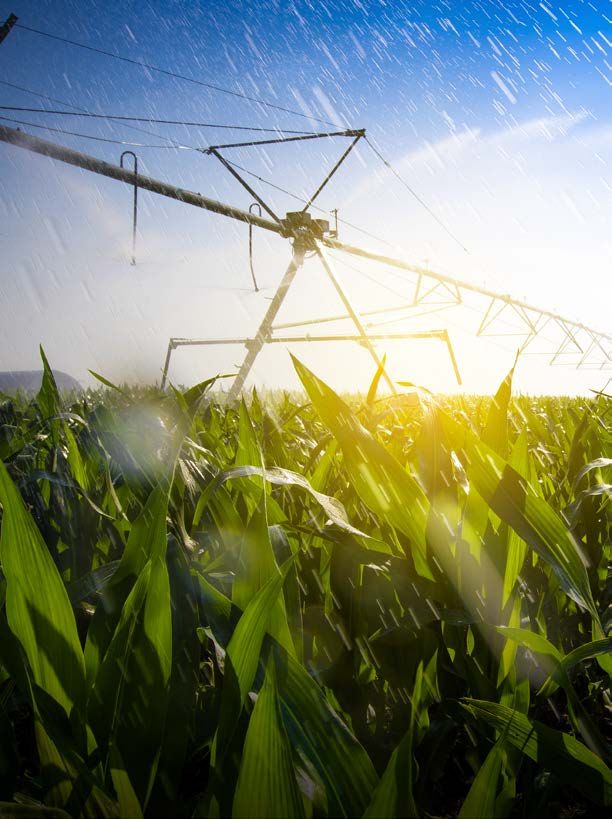
                                                                    Despite all the incentives to boost
Wobbling to attain                                                  foreign trade, most of Malawi’s

middle-income status                                                exports are raw.

 Feelin’ our content?        You really should subscribe ;-) Do it now at www.bammalawi.org

                        Features

35                                                                    68
                        26   The politics of development

                        28   On attracting FDIs, Malawi’s
                             potential

                        30   Financial sector; conduit
                             for development

                        32   Widening development
                             chances through policy

                        36   Will we ever shake hands
                             again?

                                                            The Malawi Banker Magazine | Vol 24, 2021       3
CONTENTS

Editor’s Note
          very warm welcome aboard              In their massages, both the
    A     this edition of your favourite
          Malawi Banker Magazine.
                                                Bankers Association of Malawi
                                                President and Chief Executive
                                                Officer discuss timeliness of the
It is with gratitude that we welcome            theme and the essence of mind-
you to this edition of the Malawi Banker        set change among Malawians.
Magazine.                                       They further examine the banking
                                                sector’s preparedness and how
At the onset, join us in congratulating
                                                it is systematically positioned
one of Malawi’s seasoned bankers,
                                                to play a pivotal role in ensuring
Phillip Madinga, for ascending to the
                                                creation of wealth for all and
helm of Standard Bank Malawi. We share          sustainable national economic
with you his dreams and aspirations in          growth.
this edition.
                                                As depicted in most write-ups,
This publication comes as the country           for many years, Malawi has been
has just drawn a new long-term                  grappling to eradicating poverty.
development blueprint, the Malawi                                                                   What does government need to do to
2063, with a resolve of becoming an             We therefore, discuss fundamental                   set the tone in creating a conducive
inclusively wealthy and self-reliant            pillars of which include but not                    environment and offer the much-
upper-middle-income economy.                    limited to hard work and a multi-                   desired policy direction? What is the
                                                sectoral approach towards national                  role of the private sector? How could
Therefore, there could never be any             development.                                        commercial banks and other financial
better time than now, for Malawians to                                                              services institutions be best-positioned
                                                More importantly, attaining this dream
change their discourse; from merely                                                                 as a financing window in the process?
                                                would also take a shift in perception,
aspiring to eradicate poverty to acting                                                             How about NGOs and faith-based
                                                approach to business and mindset
towards creating sustainable wealth for                                                             organisations; what role would they
                                                change.
all.                                                                                                have to play? And the masses; what is
                                                This edition, therefore, attempts to                expected of the public?
Yes, the best time to change the                discuss necessary parameters needed
development narrative from ‘poverty                                                                 These and various other questions
                                                if the country is to attain its aspirations
reduction’ to ‘wealth creation for all’ is                                                          would help in coining the narrative.
                                                of Creating Wealth for All.
now.
                                                It would discuss the alignment of tasks             Enjoy!
This auger well with theme of the               and responsibilities to be earmarked by
Magazine; Embracing Mindset Change:             the various entities and sectors of the             Have a Nice and Productive Reading!
a Step towards Wealth Creation for All.         economy to ensure that every entity                 Paul Kamanga
                                                plays their rightful role:                          Editor-In-Chief

                               On the cover
                                                                                                        Malawi’s financial
                                     Malawi Banker Magazine
                                     engages the                                 STAY IN
                                                                                                        magazine of choice
                                     Chief Executive Officer for               FOCUS                    Catch the very latest and trending
                                     Standard Bank,
                                                                                                        insigths into the business and
                                                                                  With the Malawi
                                                                                  Banker Magazine

                                     Phillip Madinga for details
                                                                                                        banking sector in our publications.
                                     regarding his appointment to
                                     the new role

                                                      ED I TO R I AL TEAM
                                                      EDITOR IN CHIEF: PAUL KAMANGA.
                                     DESIGN CONSULTANT: FUNSANI JOHN SCANDER | k: fjscander@gmail.com
                                 SECRETARIAT: CHIFUNDO MMANIWA +265 (0) 999 562 451 | k bamexec@bankers.mw

4   The Malawi Banker Magazine | Vol 24,2021
#StaySafe
                         Stay
                         Safe

Receive offerings and tithes digitally
with EcobankPay

With many church services currently switching
to live streaming, remember you can still receive
offerings/tithes digitally with QR payments via
EcobankPay with our mobile app.
It’s quick and convenient and will allow you
to limit cash use. Simply display your Church’s
QR code or unique Terminal ID during your live
stream to enable congregants to give offerings/
tithes using their mobile devices.

If you’re not yet using EcobankPay, contact your local
helpline to get started.

                                           The Malawi Banker Magazine | Vol 24, 2021   5
MALAWI BANKER

BANKERS ASSOCIATION OF MALAWI
                                      2021 COUNCIL MEMBERS

MACFUSSY KAWAWA                          KWANELE NGWENYA                     ZANDILE SHABA
1ST VICE PRESIDENT                       PRESIDENT                           2ND VICE PRESIDENT

LYNESS NKUNGULA                 DR. RAYMOND FORDWUO        DR. ELIAS NGALANDE         JACO VILJOEN
SECRETARIAT                     ECOBANK                    FDH BANK                   FIRST CAPITAL BANK

                                                                                  Movements in BAM
                                                                                  In the recent past, some banks effected some
                                                                                  changes in their top managerial, moves which
                                                                                  were also reflected at the Bankers Association
                                                                                  of Malawi. Some of the changes include:
                                                                                  •    In August 2020, Ecobank Malawi
                                                                                       announced the appointment of Ghanaian
                                                                                       banker, Raymond Fordwuo, as its new
                                                                                       Managing Director. He replaces Charles
                                                                                       Asiedu who was deployed to neighboring,
                                                                                       Tanzania on a similar position.
                                                                                  •    In December 2020, the Board of Directors
JEAN RENE’NGANDO               PHILLIP MADINGA        MIKE CHIWALO                     of Standard Bank Malawi appointed Phillip
MOUKALA                        STANDARD BANK          FIRST DISCOUNT HOUSE
                                                                                       Madinga, a seasoned banker, as the bank’s
CDHIB                                                                                  new Chief Executive. He takes over the
                                                                                       mantle from William Le Roux.
                                                                                  •    First Capital Bank appointed Jaco Viljoen
                                                                                       as its new CEO. He was previously CEO of
                                                                                       First Capital Bank, Botswana, a position
                                                                                       he had held since November 2013.

 6      The Malawi Banker Magazine | Vol 24,2021
The President’s
Message
           anking, as a component of the
 B         financial services sector, is
           fundamentally, one of the key
           anchors of the economy.
    Everywhere across the globe, a
strong and resilient financial sector
points to a stable economy, propelling
industry activities and inducing growth,
as it largely feeds into almost every
other sector.
    Hence, commercial banks and other
financial institution have stringent
rules, regulation and requirements to
follow, and are always under the radar of
the regulator, in our case, the Reserve
Bank of Malawi, to ensure that they
remain afloat.
    Even in determining its monitory
policy direction, the central bank is
always cognisant of the fact that its
dictates should lean towards propelling
sustainable growth that would facilitate
creation of wealth for all.
    Ensuring that borrowers have
access to cheap capital is one of the
                                                Suggestions points to mind-             performance in the agriculture sector
pinnacles of a sound monitory policy,
                                            set change among Malawians to be            puts in jeopardy the vibrancy of the
pointing towards encompassing a
                                            espoused by a shift of the economic         manufacturing sector as the former
majority citizenry into financial activ-
                                            growth narrative; ‘from poverty reduc-      supplies most of the raw materials for
ities which collectively, should push
                                            tion’ to “wealth creation for all.’         industrial production.
individuals and corporates to feed into
                                                This edition then, creates a platform       Any interventions to grow the
the national economy.
    Alas, due to structural challeng-       for a discourse on some of the things       agriculture sector should be touted and
es, among other factors, in the past        that need to be done.                       supported by all stakeholders, using all
decade, Malawi’s economy has been               Crafters of the country’s next long-    necessary and available resources.
growing but at a relatively and com-        term national development blueprint             This might be seen as an ideal step
paratively, slower pace than expected       have identified ‘wealth creation for all’   towards attaining the desired economic
and than other neighbouring countries,      as one of the critical stepping stones      diversification dream.
averaging 4.5 percent.                      towards attaining reasonable sustain-           At the same time, Malawi needs to
    While Gross Domestic Product has        able economic development.                  consider putting in place measures that
increased by ten times in real terms            As we know, the country’s economy       would make the sector, along with the
since 1964, the population increase is      is agro-based, highly dependent on          rest of the industry, resilient from any
reported to have nullified half of the      rain-fed agriculture and the sector is      possible shocks.
gain.                                       not resilient to climatic shocks such as        Building a resilient economy entails
    Variation in economic growth            floods, drought and dry spells.             putting up a solid foundation for growth.
prospects for Malawi continue to raise          Malawi’s challenge, therefore, is to        And when all is said and done, the
debate with commentators also won-          consider commercialising the sector,        citizenry’s altitude should reflect the
dering if the country has been doing        and diversify its industrial base, among    path and the pace.
enough towards attaining long-term          others.                                         But, precisely, what needs to be
and sustainable growth target.                  It is needless to say that subdued      done? I would urge you to read through.

                                                                                  The Malawi Banker Magazine | Vol 24, 2021     7
EDITORIAL

Counting the gains
2020 would go in the record books as
a year to forget for most businesses.
Covid-19 pandemic has saddled almost
every sector of the economy. And
banks were not spared.
     However, players in the industry-one
touted as the most resilient-have shown
their prowess amid the exogenous
shock.
     Despite the challenges faced,
we have myriad success stories of
individual banks and the industry at
large, worth celebrating.
     In August 2020, FDH Bank got listed
on the Malawi Stock Exchange (MSE),
and become the sixteenth counter and
fifth bank on the local bourse. We say
congratulations!
     Apart from successfully switching
its tagline from ‘Moving Forward’ to
‘It Can Be’, Standard Bank, another
MSE-listed financial institution, got the
best bank accolade at the 2020 African
Banking Awards.
     The awards highlight the
innovations and inspiring changes
happening within the continental            been innovative and brought banking          looks brighter.
financial community especially by           services to the customers’ finger tips.            Yes, in the third quarter of 2020
commercial and investment banks as              Today, banking services are              alone, the volume and value of Digital
well as brokers and asset managers.         accessed in people’s comfort places,         Financial Services transactions
Therefore, we say well done.                with less, or no paper work required,        rose by 30 percent and 30.7 percent
     We also celebrate with First Capital   hence, making the traditional brick and      respectively, to 130.2 million and K2
Bank and Ecobank Malawi, which              mortar banking halls a rare place to visit   trillion, respectively.
commemorated their 25th and 20th            to.                                                We can attribute to convenience
anniversaries, respectively. Their              Systems of almost all commercial
                                                                                         and safety experienced by our
journeys, combined, have been worth         banks are being merged with mobile
                                                                                         customers when using such platforms
noting as both banks have shown a           phone services providers, making it
                                                                                         compared to cash and other paper-
high level of resilience, coupled with a    easier for all Malawians with access
                                                                                         based payment instruments. We
continued drive for innovation.             to a mobile phone, even those in the
                                                                                         promise greater things ahead.
     The list of success stories seems      remotest areas, to access the bank.
                                                                                               And the recent reduction in policy
just endless.                                   This auger well with the theme of
                                            this edition of The Banker Magazine, in      rate-the rate at which commercial
     Amid all kinds of challenges,
Covid-19 primarily inclusive, players       creating awareness on mindset change         banks borrow from the central bank
in the banking industry have been           vis-a-vis championing the wealth             as lender of last resort- by about 150
aggressive in pushing the national          creation for all and financial inclusion     basis points from 13.7 percent to 12.20
financial inclusion agenda.                 agenda.                                      percent points towards stability on the
     Banks have not only endeavored             With recent figures showing a            market.
to expand their footprints across           surge in digital payments uptake in                Indeed, we can still count the gains
the country, but more importantly,          the country, we can only say the future      and remain afloat going forward.

8   The Malawi Banker Magazine | Vol 24,2021
BELIEF.
PASSION.
EMPOWERMENT
Whatever your aspiration,
let us help you achieve it
                             The Malawi Banker Magazine | Vol 24, 2021   9
COVER STORY

10 The Malawi Banker Magazine | Vol 24,2021
COVER STORY

           AT THE HELM
           Madinga is Standard Bank Chief

                    In December 2020, the Board of Directors of Standard Bank
                    Malawi appointed Phillip Madinga, a seasoned banker, as
                    the bank’s new Chief Executive. He takes over the mantle
                    from William Le Roux. The Banker Magazine cought up with
                    Madinga for an insight on what the new role entails vis-a-vis
                    his dreams, aspirations and vision for the bank. Excerpts;

Q. Firstly, congratulations on your          contactless transactions and system           In order to achieve this, it will be im-
appointment as Standard Bank Chief           stability.                                    portant that as a bank, we offer unique,
Executive. How does it feel being at the                                                   efficient and legendary experience
helm of the bank?                            The bank will continue to work towards        to our clients through our innovative
                                             making sure that our processes allow          digital platforms and offerings and
I am really delighted by the confidence
                                             swift transactions while eliminating          experienced employees. This cannot be
that the Standard Bank Group and our
                                             paperwork and fostering a journey             achieved through the traditional bank-
board has shown in me, by appointing
                                             that ensures consistent and excellent         ing approach. As a result, we have made
me as the first Malawian CE for Stan-
                                             client experience through swift query         a decision to reposition our business
dard Bank Plc. This is historical. I am
                                             and complaints handling via our voice         to be digitally led and become a fu-
looking forward to taking the Malawi
                                             branch. The bank will also work on            ture-ready platform business. We want
business to great heights and leading
                                             eliminating cheques while promoting           to understand our clients better and
its transformation towards becoming
                                             systems that do not sleep by focusing         offer them far more than just financial
more thank a bank - thus a digital and
                                             on payment that can be done even              products and services.
platform-led business. In line with our
                                             during weekends.
purpose “Malawi is our Home, we drive                                                      Our aim is to provide complete solu-
her growth”, I am also excited to lead a     As we embrace the future, we have             tions and increasingly rely on trusted
team that is committed to support the        taken a strategic decision to adopt a         partner organisations in our ecosys-
growth and development of our beloved        platform mindset as our response to           tems, to fulfil the needs of our clients.
country, Malawi.                             evolving needs and requirements of our        This means we will be far more than a
                                             clients. And to ensure that we create         bank – we will be a provider of diversi-
Q. What would be your thematic message
                                             further value for our clients, we intend      fied services and will play a far greater
to existing and potential customers?
                                             to embrace and address their needs            role in the lives of our clients. We will
My message to our clients is that IT CAN     through strategic partnerships that will      continue focusing on improving delivery
BE a great 2021.                             avail solutions from other producers          of service to our clients by making sure
                                             who offer complimentary services. We          that any interaction which our clients
The global Covid-19 pandemic we are all                                                    have with us is enjoyable. I believe that
                                             will do so by tapping into the world of
living through has forced businesses to                                                    by doing we will enable our bank to
                                             data, analytics and artificial intelligence
rethink how we engage with our clients                                                     realise its ultimate vision of becom-
                                             to better serve you.
in a socially-distanced, safe, and largely                                                 ing the undisputed number 1 financial
virtual manner. However, above all this,     Q. What is your vision for the bank?          institution in Malawi but also enable it
the bank assures its valued customers,                                                     to generate sustainable shared value for
it will be easily accessible once again      My ultimate ambition is for the bank to       all our shareholders.
and even better through various digital      realise its vision of becoming the undis-
interventions. On top of our agenda in       puted number 1 financial institution in       At the same time, I would also like
2021 are the following: online payment,      Malawi.                                       our bank to work closely with the

                                                                                     The Malawi Banker Magazine | Vol 24, 2021    11
COVER STORY
government and support the national
development agenda and key strategic
initiatives. I strongly believe that the
newly-adopted vision of the country,
MW2063, which is focusing on inclu-
sive wealth creation and self-reliance
through the key pillars of Agriculture
Productivity and Commercialisation,
Industrialisation and Urbanisation,
resonates very well with the aspirations
of our bank. Thus, in line with our bank
purpose that “Malawi is our Home, we
drive her growth”, I would like us to
support Malawi’s growth through the
various sector expertise which we have
within our bank.
In partnership with the government and
other stakeholders, we will continue
supporting key sectors i.e. the Agricul-
ture sector, the SME sector, empower
our Youth and Women but also support
addressing challenges we currently
face in our Energy and Infrastructure
sector. We can make Malawi one of the
shining stars within Africa.
Whilst we aim to deliver sustainable
financial returns for our shareholders,
we also want to make sure that we do
this in a sustainable manner for our
communities and the environment –
we want to be a responsible citizen
through our Social Economic Environ-
ment (SEE) initiatives, be it in the field
of Health, Education, Climate Change,
Agriculture, etc.
Q. How do you project the bank’s
performance, say, five years from now?
Although we expect the operating en-
vironment to continue being tough and
challenging given recent developments
related to Covid-19 coupled with our Standard Bank Plc is one of the oldest offering seamless innovative data and
own country specific challenges, I am and largest financial institutions in technologically driven financial and
still optimistic about the future. Malawi and we have maintained this banking products and services; a lead-
position for quite a number of years er in terms of being the best institution
The operating environment has now. Our ultimate goal and ambition to work for. A leader in supporting the
changed the past year and Covid-19 is to become the number 1 undisputed growth of our country and supporting
has taught us new lessons and things financial institution in the country. key strategic initiatives. A leader in
that we never imagine. Despite these Whilst financial performance is import- being a responsible citizen by giving
changes, I do believe that investments ant, we also want to make sure that back and supporting our communities
we have made and continue to make we do this in a responsible manner, we through our Social Economic Envi-
in technology, systems, digital plat- do not only seek to be number 1 from ronment initiatives. Whilst we lead in
forms and in our people has positioned a financial performance perspective many of these aspects, we also want to
the bank to adapt to the various but also in many other respects. We ensure that we provide the best returns
changes that have happened but also want to be a market leader in terms of to our shareholders.
exploit new opportunities emanating offering unique and legendary cli-
therefrom. ent experience; a leader in terms of
12 The Malawi Banker Magazine | Vol 24,2021COVER STORY
Keynote: impossible even during times of opportunities and challenges to us
calamity, like Covid-19 and that and the rest of the market.
through Standard Bank, IT CAN BE.
...in order for our Bank to Despite these challenges, the past
remain competitive we Through this new brand positioning, year we adapted to new ways of
will need to stay close to we believe together with our clients working and using our digital chan-
these developments and and many of our partners and stake- nels such as the virtual banking,
understand the impact holders we can achieve the impos- Business Online, 24/7. We were
that Covid-19 and these sible. We believe that our new brand also able to seamlessly address our
changes have both on position, positions us well, not only client’s requests and requirements
our employees but also to lead in a number of key initiatives without the need for them to visit
our clients and together to support Malawi’s growth but also a physical branch. This was made
the growth of our clients and other possible because of the massive
design solutions which
stakeholders. We believe through investment we have made in our IT
not only guarantee the
this new brand positioning, we can infrastructure and our contingent
sustainability of our enable many of clients realise their planning.
business, but more dreams. Ndizotheka.
importantly guarantee 2021 will remain tough and challeng-
the safety of our clients Q. How do you rate the operating ing as we continue to experience
environment? the impacts of Covid-19 (and now
and staff.
We need a stable economic and op- the resurgence of the new variant
erating environment for the market of the pandemic) and this will in turn
to have a vibrant banking sector. impact the performance of banks.
Over the past few years this has
In this kind of environment, in order
not been the case. The economic
Q. You are taking the mantle at a time the for our Bank to remain competitive
challenges that this country faced
bank has just shifted its tag-line from ‘Moving we will need to stay close to these
over the past few years have created
Forward’ to ‘It Can Be’. What is the rationale developments and understand the
uncertainty on the market.
behind the shift? impact that Covid-19 and these
We are a purpose-driven organisation, so Before Covid-19 hit - post 2019 changes have both on our employ-
despite the changes and challenges Covid-19 election - there were some signs ees but also our clients and together
has brought, our new brand positioning, IT of economic recovery, however the design solutions which not only
CAN BE, represents our belief in our pur- gains from that period have been guarantee the sustainability of our
pose – that Malawi Is Our Home, We drive Her eroded by the pandemic. In addition business, but more importantly
Growth! to our own domestic challenges, guarantee the safety of our clients
thus, high domestic debt, high levels and staff.
IT CAN BE is about building partnerships for of corruption, inability to generate
enterprise development in Malawi; making a Notwithstanding this, I am still cau-
adequate foreign currency, poor
difference for our clients by supporting and tiously optimistic that through the
implementation of economic and
helping them to achieve their dreams and economic and development plans
development plans, Covid-19 has
realise their full potential; connecting our as well as the Covid-19 mitigating
brought even new challenges and
clients to the world and the markets and vice measures, which our new Govern-
changed the way we live and do
versa, whether they are importing or export- ment has put in place, together with
business and ofcourse also brought
ing or when they just need expert advice. It the planned launch of the new vision
new opportunities for the market
is aboutpartnering for Social, Economic and for the country, MW2063, we can
including banks.
Environmental Impact in Malawi to create overcome these challenges and set
shared value; collaborating with our partners ```++++Covid-19 has accelerated our country on a path of recovery
and different stakeholders including the Cen- technological and digital devel- and sustainable inclusive growth
tral Bank to drive financial inclusion in the opments, such as Artificial Intel- and wealth creation. I do believe
country. It is also about making a difference ligence, Robotics, Contactless. It that within this chaos, there are
for and helping our communities; imparting has also accelerated the uptake and numerous opportunities.
our knowledge and expertise in different usage of digital channels because
The financial products uptake in Ma-
sectors we operate in to make the dreams of human behaviour has changed -
lawi by customers is low in general,
our stakeholders possible. reduced physical contact, home
how do you perceive the financial
deliveries, etc. It has also impact-
Q. What is the foreseen impact on business? inclusion agenda as being driven by
ed our geopolitics – supply chain
the government.
Working together with our clients, we dynamics, protectionism, access to
have proved over the years that nothing is capital, etc. All these present both
The Malawi Banker Magazine | Vol 24, 2021 13COVER STORY
We have made some good, albeit,
slow progress with regards to finan-
cial inclusion. I feel that as a sector,
together with the RBM and other
players in the market we can do more.
Although the banked population has
increased to around 24 percent, up
from 22 percent according to Finscope
report, this is still quite low compared
to other countries within the region
and across Africa. Although banks
have invested (and continue investing
heavily in IT systems, infrastructure
and digital channels to improve access
to banking, we still have many chal-
lenges to overcome. Over the years all
banks have invested in a number of
new products and services, like mobile
banking, ATMs, POS devices, etc, but
these efforts require concerted effort
amongst a number of stakeholders,
not just banks alone.
On our part, Standard bank has also
made good progress in supporting
the financial inclusion drive. As one of
the oldest and top bank we have made
sure that we are represented in all the
key areas of the economy through our
network of 27 branches and service
centres. These are complimented by
Mobile Vans, which we use from time
to time to reach out to some areas
where Banks may not be present or
to support programs like social cash
transfers.
other functions. Our corporate clients As we move the bank towards becom-
Through our massive investment in are also able to utilise our Enterprise ing a platform business, we believe that
IT infrastructure, Standard Bank has Online & Business Online platforms. our new digital offering would enable us
also been a pioneer in the digitisation connect many ecosystems and in turn
journey, by offering innovative digital In support of improving access to fi- the unbanked population across the
platforms. Over the years we have nance, Standard Bank was the first in- country and thereby deepen and sup-
invested in over 93ATMs – out of which stitution to introduce digital personal port financial inclusion more.
22 are depositing taking, 11 Cash De- lending, a solution through which our
posit Machines (CDM), over 1,000 Point clients are able to access personal However, our ambitions and the abil-
Of Sale (POS) devices. loans on their mobile, ATM or most of ity as Standard Bank and as a sector
our other digital platforms. We will be to reach out to some of the unbanked
These platforms are available across population requires that the country
introducing a similar digital lending
the entire country. We have also should have reliable infrastructure to
solution for SME sector. All this is being
made banking services accessible to support some of the innovative solu-
done not only to make banking easy for
everyone, be it at a personal, business tions and products that can assist
& commercial and corporate level our clients but also to support financial
banks in reaching out to the rural areas.
through our innovative digital solutions inclusion. We still plan to extend our
We need reliable telecommunications
like 24/7 Online Mobile App, which also network of ATMs, POS and other digital
and Power, but we also we need reliable
has USSD functionality to ensure that channels this year and in the coming
roads and other related infrastructure
even clients with feature phones are years. We also plan to acquire more Mo- if we are to win this battle.
able to use it with the ability to pay bile Vans to reach out to some remote
for key services like utility payments, areas, whilst we continue with the roll On our part, we will continue to explore
Go-TV and DSTV payments and many out of our platform business solution. ways to partner key stakeholders to
14 The Malawi Banker Magazine | Vol 24,2021COVER STORY
reach out to the masses e.g. partnerships with telecommuni- we intend to embrace and address the needs of our clients
cations companies on Mobile Money as well as other private through strategic partnerships that will avail solutions from
sector players in various sectors including the agriculture other producers who offer complimentary services and avoid
sector where most of the business activity and base of our pushing our products and services to you. We want to become
economy resides. Q. How would you motivate the youth to aim more that bank, so that we can continue to provide our clients
high? unique and legendary experience. However, for this journey to
be successful, we need the support of our clients.
My advice to the youth is to always ensure that they have a
clear vision and a clear plan to achieving their goals, aspira- I would therefore like to thank our valued clients for their
tions and vision. Success requires commitment, hard work patronage, goodwill and support through the past year and
and belief in yourself. Don’t be afraid to try something new, many years that the Bank has been in existence. Thank you for
but just remember that Rome was not build in a day. Be dar- believing in us – in our brand. Thank you for your goodwill and
ing and ambitious because anything is possible. Stay focused the opportunities extended to us. Please continue to support
and do not accept mediocrity. With belief, anything is possi- us as we together take this great brand to greater heights.
ble. Maintain the highest levels of integrity, it has proven use-
ful for me over the span of my career and I strongly believe it For our Bank to remain competitive, requires that it must
will do the same for you, now and in future. have the right people. I am proud to be part of this great brand
which has such competent, hardworking and committee peo-
Q. Any final words?
ple that are always geared to deliver the desired unique and
As I have indicated, as we embrace the future, we have tak- legendary service and solutions to our clients. I am indebt-
en a strategic decision to adopt a platform mindset as our ed to these hard working and committed staff, our Board and
response the evolving needs and requirements our clients. my colleagues from executive management team who have
And to ensure that we create further value for our clients, made my settling back at the bank easier and memorable.
The Malawi Banker Magazine | Vol 24, 2021 15ECONOMY
Wobbling to attain
MIDDLE-INCOME
STATUS
CRUCIAL—Infrastructure development
BY CONTRIBUTOR
he country’s economy is These shocks are devastating, This has been a sour trajectory year in,
T never at peace. In fact, the
domestic economy has for
undeniably.
Malawi’s exogenous shocks, how-
year out.
Here is a vivid picture for the last
years been synonymous to instability, ever, have dealt the economy a heavy decade when it comes to economic
save for a few years of stability in a few blow for recurring decades as mani- growth rates: 8 percent (2009), 6.9
macroeconomic indicators. fested by multiple years of achieving percent (2010), 4.9 percent (2011), 1.9
The economy-which leans heavily meager economic growth rates and percent (2012), 5.2 percent (2013), 5.7
on agriculture-accounting for about subsequently increasing country’s per percent (2014), 3 percent (2015), 2.3
29 percent of Gross Domestic Product capita income. percent (2016), 4 percent (2017), 3.2
(GDP)-continues to be at the mercy Almost in each and every national percent (2018), and 4.5 percent (2019).
of both internal and external shocks, budget, Treasury sets ambitious eco- Based on such numbers, simple
latest being Covid-19 pandemic, floods nomic growth targets but resultantly, mathematics show that the country’s
and Cyclone Idai. such projections are never achieved. economic growth averaged 4.5 percent
16 The Malawi Banker Magazine | Vol 24,2021ECONOMY
income per capita on one hand, high
economic growth on the other hand
is necessary to manage population
growth,” says Milward Tobias, Executive
Director for Center for Research and
Consultancy.
Currently, Malawi’s population
growth rate is estimated at around
3 percent, a rate the World Bank de-
scribes as the single greatest challenge
to improving human capital develop-
ment and economic prosperity.
As if that is not enough, on the
other hand, Malawi’s fertility rate is now
pegged at 4.4 percent but such a rate
can go up to 6 percent in some cases,
more especially in rural areas.
MUNTHALI—We could reach the upper While Malawi has made good prog-
middle-income status earlier ress in human development outcomes
in the last two decades, demographic
experts argue that further progress
envisaged $1,000 (about K750, 000) per
on reducing fertility rates, particularly
person per year in the country’s long-
amongst adolescent girls, is critical
term national development document,
to support improvements in human
Vision 2020.
capital development and inclusive
The blue-print, which was launched
economic growth.
in March 1997, expires this year (2020)
And with the population projected
and is expected to be replaced by to double every 23 years, the country
the National Transformation 2063, is undeniably trekking on a dangerous
currently being ‘manufactured’ through path.
a process being led by the National “Simple evidence shows that Malawi
Planning Commission (NPC). would be a middle income economy
with a per capita income of $1,000 per
Where are we getting it wrong? person by the year 2035 if population
Economic experts say the low was growing at replacement levels or
per capita GDP-which is derived from basically having around two children
dividing the country’s nominal GDP by per woman,” says Thomas Munthali,
its population size-is a symptomatic director general for NPC.
of the fact that the country’s wealth is Our internet search shows that
not increasing with the same pace with average income for Malawi currently
that of its population. Put it in another at $603 (following the rebasing of GDP
context, too many people are produc- to $10.9 billion using the 2017 prices
ing too little output in terms GDP as and not the old base year of 2010) is
between 2009 and 2019, way below compared to neighboring countries. way below the $1,600 (K1.2 million) per
the desired average growth rate of 6 “The low and episodic economic capita income for Tanzania, and $1,090
percent for a country to meaningfully growth rates against relatively high and (K820,000) for Zambia.
impact on poverty while triggering constant population growth rates have The World Bank defines lower mid-
development. resulted in episodic income per capita dle-income economies as those with
A similar desolate trend is also growth. a per capita income of between $1,006
manifested in the country’s per-capita “This confirms the recursive rela- and $3,955 and upper middle-income
income over the years. tionship between economic develop- economies as those with a per capita
Our calculation shows that the ment and population and invites policy income between $3,956 and $12,235 as
country had achieved an average makers and development practitioners of 2018.
per-capita income of $441 (about K330, to realise that while slow population
750) per person per year, way below the growth is necessary to achieve high
The Malawi Banker Magazine | Vol 24, 2021 17ECONOMY
Lilongwe Old-Town
Not all is lost the Commission, as it comes at a time and be motivated to do more. But
From what is unfolding on the when the institution is making pro- as it stands now, the country keeps
ground, it is clear that not all is lost as jections on when the country is likely wobbling to achieve the desired middle
the recent rebasing of nominal GDP by going to hit the upper middle-income income status, something that should
the National Statistical Office (NSO) has status “which is what we aspire to get be a food for thought to Capital Hill and
automatically increased Malawi’s per before 2063.” all relevant stakeholders.
capita GDP from around $350 per per- He says: “The GDP rebasing, hence,
son per year to $603 (about K455,000) gives us the real base on which to take
per person per year. off. You recall that one distinguish-
The rebasing of GDP has seen the ing feature that NT2063 [National
size of Malawi economy also expanding Transformation 2063] will have to be
by over 70 percent in dollar terms from compared to Vision 2020 is that we
$6.4 billion (or K4.6 trillion) in 2010 to will set targets which will help us as
“....the rebasing of GDP
$10.9 billion (or K8.1 trillion) in 2019. a Commission to realistically oversee is timely and important
Simply put, rebasing of GDP implementation of the Vision. With the for the Commission, as
involves replacing the old base year upward revision in the GDP, it means it comes at a time when
(2010) used for compiling GDP with a we could reach the upper middle-in- the institution is making
more recent base year (2017) for com- come status earlier.” projections on when the
puting price estimates. However, just like many other country is likely going
NSO Deputy Director for Statistics, economic experts we spoke to on to hit the upper middle-
Hector Kankuwe, says Malawi’s GDP per the matter, Munthali warns that with income status “which
capita has automatically jumped by 72 such an increase in per capita income, is what we aspire to get
percent following the rebasing of nomi- Malawians should not sit back and
before 2063.”
nal GDP by the statistical body. relax feeling the country is now much
Back to NPC’s Munthali, the rebas- wealthier than before, stressing that
ing of GDP is timely and important for Malawians still need to work hard
18 The Malawi Banker Magazine | Vol 24,2021MOBILE
Instant airtime top up. Just dial *247# to buy.
Call 247 for details. Regulated by Reserve Bank of Malawi.
The Malawi Banker Magazine | Vol 24, 2021 19#StaySafeforBusiness
Stay
Safe
As the impact of coronavirus is felt
across the world, you may have
concerns about how it could affect
you and your money.
We know that business owners and those who are
self-employed may be particularly concerned, so
we would like to reassure our business customers
that your safety and financial wellbeing is our
highest priority.
Here are two helpful ways you can limit cash use and
#StaySafeforBusiness:
1. To minimise physical contact and limit cash use, use
EcobankPay to receive your payments.
• Tell customers to go contactless and pay with
EcobankPay using their mobile devices.
• Visibly display your EcobankPay signage. It’s quick
and convenient – and no physical cash needs to
be exchanged.
2. Use Omni Lite for your banking so you won‘t have to
go to the branch. With Omni Lite you can still enjoy
smart and safe banking for all your business needs.
20 The Malawi Banker Magazine | Vol 24,2021ECONOMY
Banks geared
to support farming
BY STAFF WRITER
ommercial banks have said
C they are geared towards
propelling the country’s ag-
riculture to another level by extending
credit facilities to boost the sector.
The banks made the commitment
during the 2nd Bankers Agribusiness
Conference held in Lilongwe from 4 to
5 December 2020 under the theme Cre-
ating Resilient and Sustainable Agrarian
Economy in Malawi.
Speaking at the conference,
Minister of Agriculture, Lobin Lowe,
challenged commercial banks to extend
more support towards the agriculture
sector which is a hub of the economy.
Standard Bank Head of Relationship
Banking, Graham Chipande, said the
bank has a variety of facilities aimed at
helping stakeholders in the agriculture
value chain.
“Standard Bank is ready to work in
partnership with stakeholders to offer
the solutions within the value chain,” UPBEAT—Nkungula
Chipande Said
Chipandesaid Standard Bank’s prod- On his part, National Bank of Malawi communities and others specific for
ucts target small-holders, out-growers, (NBM) Business Development Manager- agriculture.
input dealers, primary producers, pro- responsible for Agriculture, Samuel “We have commercial banks that
cessors, traders, distributors, retailers Ngwira, said the bank recently unveiled have come up with deliberate policies
and wholesalers. the Farm Infrastructure and Implement to support agriculture. We know that we
CDH Investment Bank Banking Loan facility, which seeks to finance need to push more, but the important
Centre Manager, Jennie Madinga, said all eligible farmers in Malawi from thing is that we have started supporting
her bank has working capital and asset small-scale to estate owners to acquire
agriculture.
finance products to finance farmers agriculture equipment.
“Banks are leveraging on the
involved in production of various types Ngwira said the facility seeks to
banking agents to reach out to the
of commodities including sugar, maca- help Malawi move away from traditional
unbanked, because an inclusive Malawi
damia and seed. ways of farming to a more mechanized
is better for the economic growth of the
Madinga said the asset finance fa- system, which would help the country
realize increased produce some of country,” Shaba said.
cility enables farmers buy trucks, trac-
tors, refrigeration equipment, irrigation which could be exported to bring more In addition he Institute Chief Ex-
systems and build warehouses. forex to Malawi. ecutive officer, Lyness Nkungula , said
“CDHIB also provides financing in Institute of Bankers Chairperson, there is need for more collaboration
the whole agriculture value chain in Zandile Shaba, said banks have played a with the key stakeholders in order to
areas of transportation, warehousing role in inclusive financing by coming up move ahead and grow the agribusiness
and packaging,” Madinga said. with products that are suited for rural sector.
The Malawi Banker Magazine | Vol 24, 2021 21ECONOMY
Could there be an end to
SMEs woes?
BY STAFF WRITER
orld Bank figures show (89 percent) being informal, some with no records (36
W
that in Malawi, micro, small percent), and lacking innovation and diversification (45
and medium enterprises percent).
(MSMEs) constitute 60 per- Lack of robust lending models results in the reliance
cent of businesses, providing on traditional forms of collateral, which are often limiting
jobs to 1.6 million people. for MSMEs.”
However, only 10 percent of medium But what is more puzzling is the fact that FinScope
enterprises, five percent of small enterprises MSME Malawi 2019 reports that there are 1.1 million busi-
and three percent of micro enterprises have nesses classified as MSMEs in Malawi operating mostly
credit from commercial banks. operate in the wholesale, retail and agriculture sectors.
Despite their significance, financial insti- Although a good proportion of MSMEs are in the
tutions continue to perceive MSMEs as too mature stage (23 percent), the majority are in a start-up
risky, says World Bank in its July 2020 Malawi phase.
Economic Monitor. Ironically, Bankers Association of Malawi (BAM) figures
But that is not all. show that the distribution of banking sector loans are that
World Bank found that low literacy levels heavily skewed towards wholesale and retail, and agricul-
of MSME owners and entrepreneurs deter ture, forestry, fishing and hunting, controlling about 42.3
MSMEs from meeting the requirements for percent of total loans while the manufacturing sector
formal financing with majority of MSMEs controls only around 13.9 percent of the total loans.
22 The Malawi Banker Magazine | Vol 24,2021ECONOMY
VOLATILE—Most MSMEs fail to grow—Source, the World Bank
This is out of the total banking economy, an estimated 91 percent
sector loans, which increased from of businesses accounting for 89
K397.2 billion in 2015 to K637.3 percent of employees operating
billion. without formal registration and out-
An official from BAM says in side of the tax-net.
addition to conventional lending On the other hand, the 2018
instruments, commercial banks are Population and Housing Census
collaborating with other stakehold- data indicate that out of 3 984
ers for innovative financing, which 981 households in Malawi, 651 357
While access to
can support some pockets of SMEs households operated a business finance remains
not able to meet existing loan cove- of some kind representing 16.3
nants in the banking industry. percent of all the households.
a stumbling block
However, Chamber for Small While access to finance for the growth of
and Medium Businesses Associ- remains a stumbling block for the
ation executive secretary James growth of the sector, finding busi-
the sector, finding
Chiutsi says although small ness and markets is another thorn business and
businesses are still facing access on the flesh.
to finance challenges due to strict Minister of Trade Sosten Gwen- markets is another
collateral requirements, the coun- gwe observes that black indigenous thorn on the flesh.
try has several entrepreneurs with Malawians are still losing out on
sound business ideas but having no public procurement despite reg-
means to acquire assets. ulation for preferential treatment
“Not many people have acquired regulation.
assets that can be used as collat- He says every passing national
eral. Formal registration has only budget, the unequal sharing of pro-
been an expense small businesses curement ‘national cake’’ has been
can do without,” he says. so glaring.
Recently published data from “For example, in the year just
the Global Systems for Mobile As- ended, it is estimated that out
sociation indicates that within the of the K600 billion government
The Malawi Banker Magazine | Vol 24, 2021 23ECONOMY
GWENGWE—The ministry will issue colour coded licences
procurement budget, only less than 15 Regulations 2020 to operationalise and qualifying MSESs, the ministry will issue
percent was taken up by black indig- offer guidance on the implementation colour coded licences,” says Gwengwe,
enous Malawians [IBMs]others. The process of this provision. adding that goods, services and works
trend has existed for so many budgets Under the PPDA Participation by under this order complements the Buy
on end. Micro, Small and Medium Enterprise Malawi Build Malawi Campaign.
“This has created glaring economic Order 2020, medium enterprise means
However, Chiutsi indicates that
in-equalities in our society. The 2017 an enterprise comprising at least
delays to gazette regulations for the
PPDA Act was passed to address this annual turnover between K50 million
operationalisation of public procure-
apparent economic injustice,” Gwengwe and K500 million, has between 20 and
says. 99 employees or has maximum assets ment in line with domestic preference if
The preferential treatment provi- (excluding land and buildings in the case frustrating the sector.
sion is provided under Section 44 (10) of manufacturing enterprises) of K250 He observes that for three years,
of the Public Procurement and Disposal million. small and medium enterprises have
of Assets Authority (PPDA) Act requires Micro enterprise, on the other hand, been waiting keenly for the day when 60
procuring and disposing entities (PDEs) has to have an annual turnover of up percent of all contracts under National
to award 60 percent of all contracts un- to K5 million with between one to four Competitive Bidding (NCB) to indige-
der National Competitive Bidding (NCB) employees or a maximum of K1 million nous black Malawians and 40 percent to
to IBMs and 40 percent to others. assets (excluding land and buildings in others.
While domestic preference is a the case of manufacturing enterprise).
He says: “Without a deliberate effort
long-standing provision in Malawi’s Small enterprises means an
to help the local indigenous Malawians,
public procurement legal framework, enterprise with an annual turnover of
it is not easy for the locals to make it in
the 60/40 provision is new as imbedded between K5 million and K50 million
in the PPD Act. with between five and 20 employees business.
Meanwhile, the PPDA has drafted or a maximum of K20 million assets “It is frustrating to see that the
the Public Procurement and Disposal (excluding land and buildings in the case guidelines are not being implemented
of Assets Authority (PPDA) (on Admin- of manufacturing enterprise). when this is supposed to give financial
istration of Preferential Treatment) “For the purpose of identifying freedom to small-scale businesses.”
24 The Malawi Banker Magazine | Vol 24,2021ADVERTISE WITH
MALAWI BANKER MAGAZINE
FOR THE BEST RESULTS
MALAWI’S FINANCIAL MAGAZINE OF CHOICE
ADVERTISING OPPORTUNITIES & RATES
MALAWI BANKER
ADVERTISING OPPORTUNITIES AND RATES
Advertising Opportunity Code Rates ComplImentary
Sponsored Front Cover C1 440,000.00 Free Profile of a Senior Executive
Next to President's page 330,000.00 1 -page advertorial
Next to Editor's page 264,000.00 1 -page advertorial
Inside Front Cover C2 343,200.00 Free Profile of a Senior Executive
Back Inside Cover C3 343,200.00 Free Profile of a Senior Executive
Double Spread DD1 353,100.00 Free Profile of a Senior Executive
Outside Back Cover C4 396,000.00 Free Profile of a Senior Executive
Full page Inside FP 237,600.00
Half Page HP 114,180.00
Quarter Page QP 84,579.00
Editorial EDR 115,335.00
Senior Executive profiles SEPO 84,579.00
Gatefold GF1 630,498.00 Free Profile of a Senior Executive and
half pade advertorial
The Malawi Banker Magazine | Vol 24, 2021 25ECONOMY
Mindset Change;
a catalyst for growth
SPOKE ON MINDSET CHANGE—Chilima
BY GODFREY MAOTCHA
himwemwe Petulo is a 19 year old The burning questions that Petulo have could be
C vendor of dry fish at Chiuzira market-busy part of the mantra that is being propagated in many
trading centre located in the south east of spheres of life in Malawi: mindset change.
Malawi’s capital, Lilongwe. On Friday, October 2020 on a warm evening in
Nearby his vending stall is a place where Lilongwe Vice President Saulos Chilima delivered a
women dump tomatoes which are too damaged for public lecture on mindset change.
consumption. Since then there has been an ‘awakening’ among
The tomatoes are grown in nearby Nathenje and Malawians. A redefinition of how they should pursue
Kang’oma areas. The demand for tomatoes despite goals for progress of their livelihood and the country.
being high, most consumers in surrounding areas Malawi government assures people like Petulo on
like area 23 do not satisfy it, until the crop is rotten. providing a conducive environment for the smooth
It pains him to see commodities which have running of foreign trade, especially exports.
taken a lot of time and resources to produce being Mayeso Msokera is spokesperson for the Ministry
dumped. of Trade. He says Malawi has many trading agree-
“Can the government not devise ways of preserv- ments with both regional and global counterparts.
ing tomatoes and sell them abroad?” he asks.
26 The Malawi Banker Magazine | Vol 24,2021ECONOMY
Action Plan for Women Economic
Empowerment (NAPWEE), ensures
that women have access to economic
activities.
Some areas of focus in the plan
are: promotion of women and girls
education and financial literacy, sup-
porting business and entrepreneurial
activities, enhancing women’s access
and control of property and facilita-
tion of labour empowerment.
He says in general, it introduc-
es affirmative action measures to
ensure that women benefit from eco-
nomic opportunities including those
created through public procurement
processes.
Professor Ben Kalua, an econ-
omist at the University of Malawi’s
Chancellor College adds that entre-
preneurial skills should be enhanced
for women and the population in
general.
EXPORT MATERIAL—Fresh tomato and Irish potatoes
“Business has a drive, prefer-
ence for employment is passive. The
former is better than the latter,” he
These include the Zimbabwe-Malawi
argues.
trade agreement and a similar agree-
Despite all the incentives to
ment with South Africa.
boost foreign trade, most of Malawi’s
Globally, Malawi benefits from the
exports are raw.
Africa Growth Opportunity Act (Agoa)
The major ones are tobacco,
which enables duty free agriculture
FOR EQUALITY— Yeresani tea and soya meal. As of 2018, the
exports to the United States.
country’s exports were pegged at
Some trade agreements with
“If we allow women to fully engage in $998 million. Its imports on the other
regional and continental blocs include
economic activities that are culturally hand were $1.51 billion, bringing a
those with Southern Africa Develop-
reserved for men, the better,” he says. trade deficit of $514 million dollars.
ment Cooperation (Sadc), Common He feels although the country has This is according to the Observatory
Market for the Southern and Eastern some women holding influential positions of Economic Complexity (OEC).
Africa (Comesa) and European Union in the public and private sectors, a lot In young Petulo’s imagination the
(EU) and the Africa Caribbean and the needs to be done. only way to boost our resource based
Pacific (ACP). economy is to increase our export
“To reduce delays and duplication There are still a lot of women who base. Exporting finished products
of procedures during transit of export are denied an opportunity to engage in and not raw materials for that matter.
goods government is introducing one economic activities. Some are stopped With over 50 years of indepen-
border posts,” he adds. from working or doing business by their dence it is high time we move on to
Women empowerment husbands. an exporting and producing country.
Leonard Mgemezulu is a teacher In his public lecture Chilima noted Apart from that, we should move
by profession and a volunteer broad- that “the country’s human resources is from a resource based to a knowl-
caster at Radio Alinafe in Lilongwe. dominated by women and youth, and edge based economy.
He feels one aspect which Malawi any underutilisation of this constituency Support is needed for innovators
needs to address if it is to attain of the population can have a negative in our villages and institutions of
economic prosperity at nation- impact on the economy”. higher learning.
al and household level, is women Peter Yeresani, Chief Gender officer in We have been in this place for too
empowerment. the Ministry of Gender says the National long.
The Malawi Banker Magazine | Vol 24, 2021 27FEATURE
The politics of
development
WHERE LAWS ARE MADE—Parliament Building
BY MALLICK MNELA,
Contributor
he World Bank describes Malawi’s The sweet part is that extreme national poverty decreased
T poverty and inequality as “stubbornly
high”. In superlative terms, it would not
from 24.5 percent in 2010/11 to 20.1 percent in 2016/17.
The protracted poverty is said to be driven by low produc-
have been fair to describe the country tivity in the agriculture sector, limited opportunities in non-
as such some 20 years ago, when multiparty pol- farm activities, volatile economic growth, rapid population
itics was still experimental. growth, and limited coverage of safety net programmes and
Early in the era of multiparty democracy, targeting challenges.
the Vision 2020 was espoused as a turn-around Conversely, these are the areas considered key and thus
strategy for the country’s economic fortunes. In appropriating a huge proportion of the country’s resource
it, the country’s development agenda was drafted envelop.
for all to follow through on the path to national There are a number of assumptions that can be made.
greatness. Firstly, the programmes are being executed for political point
In between the execution of the Vision 2020, scoring.
there are tales befitting the bitter-sweet cate- Secondly, the resources being deployed are inadequate to
gory in the story bank. Over the years, there are ensure sustainable impact given the expansive and pervasive
positive strides attained and detriment suffered. nature of the country’s poverty. Thirdly, the resources ear-
Midway into the Vision 2020, for example, the marked for the projects are being siphoned due to corruption
World Bank says that Malawi’s national poverty or spent on non-core programmatic activities. Fourth, the
rate increased slightly from 50.7 percent in 2010 politicisation of development.
to 51.5 percent in 2016. That is the bitter part. A quick diagnostic into the failures of Vision 2020
28 The Malawi Banker Magazine | Vol 24,2021You can also read


