Subject Selection Preliminary 2021 - Glenwood High School
←
→
Page content transcription
If your browser does not render page correctly, please read the page content below
Glenwood
High School

              Subject Selection
                    Preliminary 2021
                          HSC 2022
Contents
Introduction........................................................................................................................................................ 3
Stage 6 Credentialing general information........................................................................................................ 4
Requirements for Stage 6 credentialing ............................................................................................................ 6
What type of courses can I select? ..................................................................................................................... 7
Requirements for the award of the ATAR .......................................................................................................... 8
Board Developed Courses – Category A............................................................................................................. 9
Board Developed Courses – Category B ........................................................................................................... 11
Board Endorsed/Content Endorsed Courses .................................................................................................... 12
HSC Pathways at Glenwood ............................................................................................................................. 13
Assessment and reporting................................................................................................................................ 14
English Stage 6 ................................................................................................................................................. 15
   ENGLISH STANDARD ...................................................................................................................................................................... 16
   ENGLISH ADVANCED ...................................................................................................................................................................... 17
   ENGLISH EXTENSION (PRELIMINARY) ............................................................................................................................................ 18
   ENGLISH EXTENSIONS 1 AND 2 ...................................................................................................................................................... 18

Category A Courses .......................................................................................................................................... 20
   ANCIENT HISTORY .......................................................................................................................................................................... 20
   BIOLOGY......................................................................................................................................................................................... 21
   BUSINESS STUDIES ......................................................................................................................................................................... 22
   CHEMISTRY .................................................................................................................................................................................... 23
   COMMUNITY AND FAMILY STUDIES .............................................................................................................................................. 24
   DANCE ............................................................................................................................................................................................ 25
   DESIGN AND TECHNOLOGY ........................................................................................................................................................... 26
   DRAMA .......................................................................................................................................................................................... 27
   EARTH AND ENVIRONMENTAL SCIENCE ........................................................................................................................................ 28
   ECONOMICS ................................................................................................................................................................................... 29
   ENGINEERING STUDIES .................................................................................................................................................................. 30
   FOOD TECHNOLOGY ...................................................................................................................................................................... 31
   FRENCH BEGINNERS ...................................................................................................................................................................... 32
   FRENCH CONTINUERS .................................................................................................................................................................... 33
   GEOGRAPHY................................................................................................................................................................................... 34
   INDONESIAN BEGINNERS ............................................................................................................................................................... 35
   INDONESIAN CONTINUERS ............................................................................................................................................................ 36
   INDUSTRIAL TECHNOLOGY – TIMBER PRODUCTS AND FURNITURE TECHNOLOGIES.................................................................... 37
   INDUSTRIAL TECHNOLOGY – METAL AND ENGINEERING TECHNOLOGIES ................................................................................... 38
   INDUSTRIAL TECHNOLOGY – GRAPHICS TECHNOLOGIES .............................................................................................................. 39

Glenwood High School – Subject Selection Preliminary 2021, HSC 2022                                                                                                                               1
INDUSTRIAL TECHNOLOGY – MULTIMEDIA TECHNOLOGIES ......................................................................................................... 40
   INFORMATION PROCESSES AND TECHNOLOGY (IPT) .................................................................................................................... 41
   INVESTIGATING SCIENCE ............................................................................................................................................................... 42
   LEGAL STUDIES............................................................................................................................................................................... 43
   MATHEMATICS STANDARD YEAR 11, MATHEMATICS STANDARD 2 YEAR 12 ............................................................................... 44
   MATHEMATICS ADVANCED ........................................................................................................................................................... 45
   MATHEMATICS EXTENSION 1 ........................................................................................................................................................ 46
   MATHEMATICS EXTENSION 2 – HSC ONLY .................................................................................................................................... 47
   MODERN HISTORY ......................................................................................................................................................................... 48
   MUSIC 1 ......................................................................................................................................................................................... 49
   PERSONAL DEVELOPMENT, HEALTH AND PHYSICAL EDUCATION (PDHPE) ................................................................................... 50
   PHYSICS .......................................................................................................................................................................................... 51
   SOCIETY AND CULTURE .................................................................................................................................................................. 52
   SOFTWARE DESIGN AND DEVELOPMENT ...................................................................................................................................... 53
   STUDIES OF RELIGION II ................................................................................................................................................................. 54
   TEXTILES AND DESIGN ................................................................................................................................................................... 55
   VISUAL ARTS .................................................................................................................................................................................. 56

Category B Courses .......................................................................................................................................... 57
   ENGLISH STUDIES ........................................................................................................................................................................... 57
   YEAR 12 MATHEMATICS STANDARD 1 ........................................................................................................................................... 59

Category B Courses – VET ................................................................................................................................ 60
   HOSPITALITY – FOOD AND BEVERAGE COURSE DESCRIPTOR 2021............................................................................................... 61
   INFORMATION AND DIGITAL TECHNOLOGY COURSE DESCRIPTOR 2021 ...................................................................................... 62

Board Endorsed/Content Endorsed Courses .................................................................................................... 63
   EXPLORING EARLY CHILDHOOD ..................................................................................................................................................... 63
   PHOTOGRAPHY AND DIGITAL MEDIA ............................................................................................................................................ 64
   SPORT, LIFESTYLE AND RECREATION STUDIES (SLR) ...................................................................................................................... 65
   VISUAL DESIGN .............................................................................................................................................................................. 66

Student notes ................................................................................................................................................... 67

Glenwood High School – Subject Selection Preliminary 2021, HSC 2022                                                                                                                               2

Introduction
Stage 6 studies should prove to be both a challenging and exciting time for you as you consolidate the knowledge and
skills that you have developed in Years 7 to 10. Not only will you have the opportunity to study a range of interesting
subjects, but you will also have the chance to engage in a range of sporting, cultural, leadership and other school
experiences. The purpose of this booklet is to provide information and advice to students and their parents to assist
them with the task of selecting appropriate subjects and courses for study in the Preliminary and Higher School
Certificate courses.

In selecting subjects and courses, students should consider their interests, abilities and career aspirations. It is
important to be realistic about one’s strengths and weaknesses and to be motivated about the course of study
selected. In addition to school requirements, the NSW Education Standards Authority (NESA), as the body that
controls your Stage 6 studies, will expect you to abide by all of its policies and procedures.

Students should seek advice from their teachers, Year Adviser, Careers Adviser and the Deputy Principal.

For students planning tertiary studies, whether at University, TAFE, or Private Tertiary Providers, it is essential to
check entry requirements to institutions where students may wish to study. The entry requirements for the various
institutions and courses are too numerous to list in this booklet. See the Careers Adviser for up-to-date information.

At Glenwood we always run a range of traditional academic, vocational and creative subjects. Our aim is to have a
broad curriculum which best meets the needs of all students. However, not all subjects that are offered necessarily
run. Subjects will only operate if there are sufficient student numbers to do so.

Please note: some subjects have fees (for equipment, consumables etc.). Please consider these in your selection. The
school offers fee-free courses for those who have difficulty meeting extra costs.

This booklet has been compiled to help you with these decisions.

Please read this booklet carefully and ask questions. I look forward to working with you as you progress toward the
Higher School Certificate.

Mrs Sonja Anderson
Principal

  “In selecting subjects and courses, students
  should consider their interests, abilities and
  career aspirations.”

Glenwood High School – Subject Selection Preliminary 2021, HSC 2022                                                      3

Stage 6 Credentialing general information
Stage 6 credentialing recognises thirteen years of schooling. In the interests of greater career choices and
increased opportunity at university and TAFE, it offers students a full range of study areas matching
individual abilities, interests and goals.

Courses are linked to further education and training beyond school, with extension courses enabling students
to undertake more in-depth study in areas of special interest. Vocational Education and Training (VET)
courses count towards the HSC and also lead to qualifications recognised across a range of industries.

As of 2020, the NSW Education Standards Authority (NESA) will offer two different credentials to signify
the completion of Stage 6 studies.
    -    The default Stage 6 credential will be the Record of School Achievement (RoSA).
    -    The Higher School Certificate (HSC) will be the credential issued to students who have met the
         national minimum standard in NESA testing in reading, writing and numeracy.

The RoSA includes Life Skills courses for students with special education needs.

What is the RoSA?
The Record of School Achievement (RoSA) is the default credential awarded to students once they have
successfully completed their studies in either Year 10, Year 11 or Year 12, and indicated their intention to
leave school, as they transition from school to work or from school to other educational settings.

Students who successfully complete Year 10, 11 or 12 will receive their RoSA from NESA once they leave
school. This will display the grades that students were awarded for their Stage 5 curriculum subjects
including English, Mathematics, Science, History, Geography, PDHPE and their elective subjects. It will also
display information on the courses completed in Year 11 and 12, and the assigned grades, to provide a
detailed overview of student achievement.

Students who are planning to leave school after completing Year 10, but before completing Year 12, will have
the option of completing the HSC minimum standard test, which will then be reported in the student’s RoSA.
The RoSA will also record extra-curricular activities that students have participated in to enable students to
show this document to potential employers and other education providers. Students are required to log their
extra-curricular activities on the NESA website, Up2Now - https://up2now.net.au/people/login.

What is the HSC minimum standard test?
As of 2020, students will need to meet the minimum standard in NESA online testing in reading, writing and
numeracy to receive the award of HSC.

The standard is set at Level 3 of the Australian Core Skills Framework (ACSF), which means students will
have the basic reading, writing and numeracy skills needed for everyday tasks and future learning after
school. In includes skills for tasks such as following safety instructions in equipment manuals, understanding
a mobile phone plan, creating a personal weekly budget and writing a job application.

Together with the NSW Literacy and Numeracy Strategy, the HSC minimum standard is part of an effort to
improve the literacy and numeracy outcomes for students.

Glenwood High School – Subject Selection Preliminary 2021, HSC 2022                                        4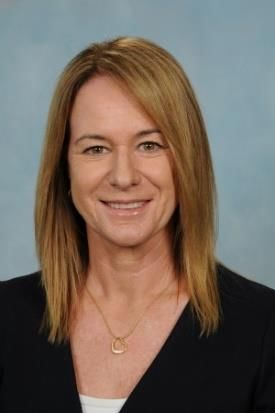
Where does the ATAR fit in?
The Australian Tertiary Admissions Rank (ATAR) is a rank calculated by the Universities Admission
Centre (UAC). This calculation is based on the best 10 units, at least 8 units of which must be Category A
subjects, and no more than 2 units of Category B subjects. Board Endorsed/Content Endorsed Courses do
not count towards that ATAR.

More information is contained in the following online NESA sites:
    -    Advice for students choosing HSC courses
         https://educationstandards.nsw.edu.au/wps/portal/nesa/11-12/hsc/subject-selection
    -    About the HSC
         https://educationstandards.nsw.edu.au/wps/portal/nesa/11-12/hsc/about-HSC

Glenwood High School – Subject Selection Preliminary 2021, HSC 2022                                     5
Requirements for Stage 6 credentialing
It is a NESA requirement that students’ study and successfully complete a minimum of 12 units in the
Preliminary Course, and Glenwood High School strongly recommends the study of a minimum of 12 units
in the HSC (Year 12) Course. Students who choose to complete other courses must do so in addition to the
12 units completed at school. Both years must include the following:
- At least 6 units from Board Developed Courses, including at least 2 units of a Board Developed
Course in English.
- At least three courses of 2 units of value or greater.
- At least four subjects.
- No more than 6 units of Science courses.
- NB: Please be aware, students do not have to study Mathematics.
The default Stage 6 credential will be the RoSA. The HSC will be the credential issued to students who have
met the HSC minimum standard in NESA testing in reading, writing and numeracy.
In Stage 6 courses, when students meet the minimum standard expected in a 2 unit course they receive a
mark of 50. If students have a higher standard of performance they will receive a higher mark.
If you do not wish to receive an ATAR, the rest of your courses may be made up from other Board Developed
or Board Endorsed/Content Endorsed Courses, once you have met the above conditions.
Glenwood High School – Subject Selection Preliminary 2021, HSC 2022 6What type of courses can I select?
There are different types of courses you can select in Years 11 and 12. All courses contribute to the award of
either the RoSA or the HSC, however not all contribute to an Australian Tertiary Admission Rank
(ATAR).
BOARD DEVELOPED COURSES – CATEGORY A
These courses are developed by NESA and help develop and prepare students for a higher level of study at
tertiary institutions on completion of their Stage 6 studies. These subjects are taught at school. There is a
syllabus for each course with contains the course objectives, structure, content and outcomes specific course
requirements and assessment requirements.
These courses are examined externally at the end of the Year 12 course, and contribute towards the
calculation of the ATAR.
BOARD DEVELOPED COURSES – CATEGORY B
These courses are designed for students with specific interests. These courses are more practical
orientated and will advance students in chosen career paths. More than one of these courses may be
studied; however, only one of these courses may be selected for inclusion in the ATAR. These subjects
may be taught at TAFE and some are taught by the school, and are usually referred to as VET courses.
All TAFE delivered courses are 2 units. Some are Board Developed (ATAR) and some are Board
Endorsed/Content Endorsed (non-ATAR). Students can attend the local TAFE on a Monday and/or
Wednesday afternoon. The closest TAFE colleges are Baulkham Hills, Blacktown, Nirimba at Quakers Hill
and Mount Druitt. Each course is taught from 2pm to 6pm. If the same course is offered at school and at
TAFE, then the school course must be chosen. All applications must be made through the Careers
Advisor.
Where TAFE attendance conflicts with the school delivered course attendance, students must commit to
catching up with missed work promptly.
BOARD ENDORSED/CONTENT ENDORSED COURSES
NB: The terms Board Endorsed Courses and Content Endorsed Courses are used interchangeably by
NESA.
These courses are more practical and teach skills and competencies that can lead to employment
opportunities and can give students advantages in applying for full-time study at TAFE. These courses
cannot be included in the ATAR. These courses have syllabuses endorsed by NESA and cater for areas of
special interest. Some of these courses are taught at school and some at TAFE.
These courses count towards the RoSA or the HSC, but have no external examination.
Glenwood High School – Subject Selection Preliminary 2021, HSC 2022 7Requirements for the award of the ATAR
ATAR courses are Board Developed Courses for which there are formal examinations conducted by
NESA that lead to a graded assessment. If students select a Category B course, only one of these courses
can be counted towards the ATAR, if they sit the external examination. These are the only courses that can
be included in the ATAR calculations.
The ATAR is a number between 0 and 99.95, with increments of 0.05. It provides a measure of your overall
academic achievement in the NSW HSC in relation that of other students, and it helps universities rank
applicants for selection. It is calculated on behalf of the universities and released by the University
Admissions Centre (UAC).
An ATAR indicates a student’s position relative to the students who are in the grade. Therefore, an
ATAR of 80.00 indicates that a student has performed well enough in the HSC to place them in the top 20%
of the year group. It is important to note that the ranking depends solely on a student’s performance in
the HSC year.
ATARs are calculated for all ATAR-eligible students, but not all students are notified. Only NSW HSC
students who indicate on their HSC entry forms that they wish to be notified of their ATAR will receive an
ATAR Advice Notice from UAC on the day after the HSC results have been issued from NESA.
Are you eligible for an ATAR?
To be eligible for an ATAR, you must satisfactorily complete 12 Preliminary units and then at least 10
HSC units of ATAR courses. These ATAR courses must include at least:
- 8 units from Category A courses.
- 2 units of English.
- three Board Developed courses of 2 units.
- four subjects.
How is your ATAR calculated?
The ATAR is based on an aggregate of scaled marks in 10 units of ATAR courses comprising your best 2
units of English, and the best 8 units from the remaining units. No more than 2 units of Category B courses
can be included.
Remember - the ATAR is a rank, not a mark.
Glenwood High School – Subject Selection Preliminary 2021, HSC 2022 8Board Developed Courses – Category A
BOARD DEVELOPED COURSES – CATEGORY A
Preliminary
Preliminary and HSC Courses – Head HSC Extension
ATAR Faculty Extension
2 unit Teacher Courses – 1 unit
Courses – 1 unit
English Standard
English Advanced Ms Levett English English Extension 1
✓ English
English as an Additional Language Mrs Pearce Extension English Extension 2
or Dialect (EAL/D)
Ancient History ✓ HSIE Ms Hirst History Extension
Biology ✓ Science Mrs Diamond
Business Studies ✓ HSIE Ms Hirst
Chemistry ✓ Science Mrs Diamond
Home
Community and Family Studies ✓ Mrs Numan
Economics
Dance ✓ CAPA Mrs McDonald
Design and Technology ✓ Industrial Arts Mr Burgmann
Drama ✓ CAPA Mrs McDonald
Earth and Environmental Science ✓ Science Mrs Diamond
Economics ✓ HSIE Ms Hirst
Engineering Studies ✓ Industrial Arts Mr Burgmann
Home
Food Technology ✓ Mrs Numan
Economics
French Beginners ✓ LOTE Mrs Fleurant
French Continuers ✓ LOTE Mrs Fleurant
Geography ✓ HSIE Ms Hirst
Indonesian Beginners ✓ LOTE Mrs Fleurant
Indonesian Continuers ✓ LOTE Mrs Fleurant
Industrial Technology – Timber ✓ Industrial Arts Mr Burgmann
Industrial Technology – Metal and
✓ Industrial Arts Mr Burgmann
Engineering
Industrial Technology – Graphics ✓ Industrial Arts Mr Burgmann
Industrial Technology – Multimedia ✓ Industrial Arts Mr Burgmann
Information Processes and
✓ IT Mr Nichols
Technology
Investigating Science ✓ Science Mrs Diamond
Legal Studies ✓ HSIE Ms Hirst
Mathematics
Mathematics Standard (Year 11)
Mathematics Extension 1
Mathematics Standard 2 (Year 12) ✓ Mathematics Mrs Mehdi
Extension 1 Mathematics
Mathematics Advanced
Extension 2
Modern History ✓ HSIE Ms Hirst History Extension
Music 1 ✓ CAPA Mrs McDonald Music Extension
Personal Development, Health and Mrs O’Connor
✓ PDHPE
Physical Education (PDHPE) Ms Southall
Physics ✓ Science Mrs Diamond
Studies of Religion II ✓ HSIE Ms Hirst
Society and Culture ✓ HSIE Ms Hirst
Software Design and Development ✓ IT Mr Nichols
Home
Textiles and Design ✓ Mrs Numan
Economics
Visual Arts ✓ CAPA Mrs McDonald
Glenwood High School – Subject Selection Preliminary 2021, HSC 2022 9Some points to note in regards to Category A courses:
- A number of subjects include a research project for either internal or external assessment, for
example Visual Arts, Drama, Design and Technology, etc. Projects developed for assessment in one
subject are not to be used either in full or in part for assessment in any other subject.
- Students studying Industrial Technology (Metal and Engineering) are not permitted to study courses
relating to the Metal and Engineering Industry Framework, which forms part of the Category B
courses.
- Students studying Industrial Technology (Graphics Industries) are not permitted to study units of
competency within the Drawing, Drafting and Design pathway of the Metal and Engineering
Curriculum Framework, which forms part of the Category B courses.
- There is only one History Extension course. It can be studied alongside either the Ancient History or
Modern History courses, or both.
- You may not include any more than 6 units of the following science courses in meeting the 12
Preliminary or 10 HSC units: Biology, Chemistry, Physics and Earth and Environmental Science.
- Languages can be undertaken at Saturday Schools or Open High School (i.e. correspondence) if they
are not offered at Glenwood High School.
Glenwood High School – Subject Selection Preliminary 2021, HSC 2022 10Board Developed Courses – Category B
BOARD DEVELOPED COURSES – CATEGORY B
Courses – 2 unit Year ATAR Faculty Head Teacher
Ms Levett
English Studies Preliminary and HSC ✓* English
Mrs Pearce
Mathematics Standard 1 HSC only ✓* Mathematics Mrs Mehdi
These courses will be offered to selected students in Year 12. Both of these courses can count towards the
calculations of an ATAR. However, as a Category B subject, *only one of these subjects will count
towards the ATAR.
What about Category B courses such as VET?
There are a range of courses that are called Framework Courses which can be studied at TAFE. When
studied at school, they are 240-hour Vocational and Educational Training (VET) Courses.
In undertaking these courses, students must complete 70 hours of work placement over two years (some
do not require this). Students must successfully complete the course by being assessed on whether they
have mastered each of the skills (or industry-based competencies) in each of the topics (students will be
given a transcript showing this with their HSC). The final exam is optional, but is required if the results
from one of these courses is to be included in the calculation of an ATAR. These courses can be taught
by the school or at TAFE, with those on option at Glenwood High School contained within the VET section of
this booklet.
For any questions in regards to these VET courses, seek advice from the VET Coordinator, Mrs Pidgeon. For
any questions in regards to Framework Courses, seek advice from the Careers Advisor, Ms Jones.
VET – CATEGORY B
Work Compulsory
Courses Type of course Place of study
Placement Exam
Accounting VET TAFE X ✓
Automotive – Engines
Automotive – Panel Beating VET TAFE ✓ X
Automotive – Spray Painting
Business Services VET TAFE ✓ X
Construction VET TAFE ✓ X
Electro Technology VET TAFE ✓ X
Entertainment VET TAFE ✓ X
Information and Digital Technology VET Glenwood ✓ X
Primary Industries – Agriculture
Primary Industries – Conservation and
VET TAFE ✓ X
Land Management
Primary Industries – Horticulture
Retail Services VET TAFE ✓ X
Hospitality – Food and Beverage Services VET Glenwood ✓ X
Hospitality – Accommodation Services VET TAFE ✓ X
Tourism VET TAFE ✓ X
Glenwood High School – Subject Selection Preliminary 2021, HSC 2022 11Board Endorsed/Content Endorsed Courses
BOARD ENDORSED/CONTENT ENDORSED COURSES
Courses – 2 unit Year ATAR Faculty Head Teacher
Exploring Early Childhood Preliminary and HSC X Home Economics Mrs Numan
Photography and Digital
Preliminary and HSC X CAPA Mrs McDonald
Media
Sport, Lifestyle and Mrs O’Connor
Preliminary and HSC X PDHPE
Recreation Ms Southall
Visual Design Preliminary and HSC X CAPA Mrs McDonald
These courses have no external examination, but count towards the HSC. They do not count towards
calculation of the ATAR.
Glenwood High School – Subject Selection Preliminary 2021, HSC 2022 12HSC Pathways at Glenwood
At Glenwood High School, we offer a comprehensive range of senior subjects. By linking with TAFE,
Saturday Schools of Community Languages and distance education services, we cater for your specific
career needs as well as your interests. We have a supporting, caring and flexible staff that is willing to assist
you with your subject selections and studies.
RoSA or HSC + ATAR – over 2 years
Recommended for students who plan to attend university and some private colleges.
RoSA or HSC – over 2 years
Recommended for students who intend to go to TAFE, a private college or go directly into the workforce
when they leave school. NB: some private colleges do require an ATAR.
RoSA or HSC – over 3 - 5 years
This is recommended for students experiencing difficulties who need more time to complete all required
Stage 6 units of study. It may also be a suitable pathway for those who have other commitments outside of
school, such as representative sport, as it provides additional time to complete the RoSA or HSC.
Any of the above + TAFE Award – over 2 - 5 years
Useful for students who wish to gain advanced standing in a related TAFE course after the HSC. TAFE
Awards are also helpful in assisting students to find a cadetship, apprenticeship, traineeship or employment
in an industry relating to their TAFE award.
Any of the above + Open High School – over 2 - 5 years
If you have a particular need or wish to study a language course not offered at school, students may apply to
the Principal to study the course by correspondence. The Open High School will send written, taped or digital
lessons that the student must complete independently. They will need to be a self-motivated, independent
worker to successfully complete a course at the Open High School.
Any of the above + Saturday School of Community Languages – over 2 - 5 years
Classes are held on Saturday mornings at local high schools. NB: these courses are in addition to those
studied at Glenwood.
Any of the above + School Based Traineeship – over 2 years
A school-based traineeship prepares students for a career in a particular industry, provides a training wage
and skills training both on the job and off the job at school.
Please see the Careers Advisor if you need help deciding which pathway to
select, or would like further information.
Glenwood High School – Subject Selection Preliminary 2021, HSC 2022 13Assessment and reporting The Preliminary and HSC reports will provide students and parents with more detailed descriptions of the knowledge, skills and understanding that students have attained in each subject. NSW Education Standards Authority (NESA) is responsible for all rules and procedures relating to the HSC. A syllabus package for each course is available on the NESA website, which includes the syllabus content teachers use to develop teaching programs, relevant examination specifications, sample examination papers and assessment tasks, sample marking guidelines, and a performance scale. The syllabus, along with assessment and examination information and the performance scale, will be used to describe a student’s level of achievement, while provide a clear idea of the standards expected. A student’s HSC mark for a 2 unit course will be reported on a scale of 0 to 100. A mark of 50 will represent the minimum standard expected. If a student achieves the minimum standard expected in a course, they will receive a mark of 50. Marks gained about 50 will correspond to a level of achievement in knowledge, skills and understanding, and will be reported in Bands 2 – 6. The band from 90 – 100 will correspond to the highest level of achievement. School-based assessment tasks will contribute to 50% of the overall HSC mark. A student’s school assessment mark will be based on their performance in the assessment tasks that they have undertaken during the course. The other 50% will come from the HSC Examination. On satisfactory completion of the RoSA or HSC, students will receive from NESA a portfolio, containing: RoSA or HSC Testamur The official certificate confirming your achievement of all requirements for this award. Record of Achievement This document lists the courses studied, and reports the marks and bands achieved. Course Reports For every HSC Board Developed Course, students will receive a Course Report showing the marks, performance scale and the band descriptions for that course. A graph showing the state-wide distribution of marks in the course is also shown. Glenwood High School – Subject Selection Preliminary 2021, HSC 2022 14
English Stage 6
English is the only compulsory course to be undertaken in Stage 6. The study of English allows for the
development of a range of skills for students, ultimately transferrable across their subjects and post-school
options.

Through the study of English in Stage 6 students continue to develop their capacity to understand and use
the English language for a variety of purposes and in various textual forms. Students engage with and
explore a variety of texts that include widely acknowledged quality literature of past and contemporary
societies. Through their responding to and composing of both critical and creative texts, students develop an
understanding of themselves and of diverse human experiences and cultures. The study of English in Stage
6 provides students with opportunities to experiment with ideas and expression, to become innovative, active,
independent learners, to collaborate and to reflect on their learning.
                                                                                         NESA, Stage 6 English
        https://educationstandards.nsw.edu.au/wps/portal/nesa/11-12/stage-6-learning-areas/stage-6-english

There are several courses in Stage 6 English:
    -    English Standard
    -    English Advanced
    -    Preliminary Extension
    -    Extension 1 and Extension 2
              o   These 1 unit courses are studied in addition to the mandatory 2 units of English Advanced
                  (Preliminary and HSC).
              o   English Extension (Preliminary) is prerequisite for English Extension 1 (HSC).
              o   English Extension 1 (HSC) is prerequisite for English Extension 2 (HSC).
              o   Entry into these courses is by invitation only.

    -    English EAL/D
              o   Please note the eligibility information for entry into this course: The English EAL/D course
                  may be studied by any student who has been educated overseas or in an Australian
                  educational institution with English as the language of instruction for five years or less
                  prior to commencing the Year 11 course.

    -    English Studies
              o   This Category B course offers an alternate to the Standard course, providing the 2 units of
                  English required to receive a Higher School Certificate. The HSC final examination is
                  optional; students seeking an ATAR must elect to take the optional HSC examination.
              o   Please note to be eligible for an ATAR, students undertaking the English Studies course
                  must include a further 8 units of Category A courses in their pattern of study.

 Parents and students are advised that placement into the appropriate English
 course will be based on demonstrated skills, knowledge, understanding and
                            ability across Year 10.

Glenwood High School – Subject Selection Preliminary 2021, HSC 2022                                           15
ENGLISH STANDARD
English Advanced, English EAL/D, Preliminary
Units 2 Exclusions Extension, English Extensions 1 and 2, English
Life Skills
Course Description
The English Standard course provides students, who have a diverse range of literacy skills, with the opportunity to
analyse, study and enjoy a breadth and variety of English texts to become confident and effective communicators.
English Standard offers a rich language experience that is reflected through the integrated modes of reading, writing,
speaking, listening, viewing and representing. Through study of the course modules students continue to develop
their skills to analyse, reconsider and refine meaning and to reflect on their own processes of responding, composing
and learning. Across the English Standard Stage 6 course students are required to study: a range of types of texts;
texts which are widely regarded as quality literature, including a range of literary texts written about intercultural
experiences and the peoples and cultures of Asia; a range of Australian texts, including texts by Aboriginal and/or
Torres Strait Islander authors and those that give insights into diverse experiences of Aboriginal and/or Torres Strait
Islander Peoples; and texts with a wide range of cultural, social and gender perspectives.
The Preliminary Course
The course has two sections:
- Content common to the Standard and Advanced courses is undertaken through the unit of work called
Common Module: Reading to Write – Transition to Senior English. Students explore texts and consolidate
skills required for senior study. (40 hours of the course content.)
- Two additional modules, Close Study of Literature and Contemporary Possibilities, in which students
explore and examine texts and analyse aspects of meaning. (40 hours each of the course content, totalling
80 hours.)
In the Preliminary English (Standard) course students are required to study:
- one complex multimodal or digital text in Module A;
- one substantial literary print text in Module B;
- a range of texts drawn from prose fiction, drama, poetry, nonfiction, film, media and digital texts;
- a wide range of additional texts and textual forms.
The HSC Course
The course has two sections:
- The HSC Common Content consists of one module, Common Module: Texts and Human Experiences,
common to the HSC Standard, the HSC Advanced and the HSC English Studies courses, where students
analyse and explore texts and apply skills in synthesis. (25% of the course content, totalling 30 hours.)
- Three additional modules (Module A: Language, Identity and Culture; Module B: Close Study of
Literature; Module C: The Craft of Writing) emphasise particular aspects of shaping meaning. Students
study, analyse, respond to and compose texts to extend their knowledge, skills and confidence as readers,
writers and critical thinkers. (75% of the course content, totalling 90 hours.)
In the HSC English (Standard) course students are required to study:
- at least three types of prescribed text, one drawn from each of the following categories: prose fiction;
poetry OR drama; film OR media OR nonfiction texts;
- at least two additional prescribed texts from the list provided in Module C: The Craft of Writing;
- at least one related text in the Common module: Texts and Human Experiences.
Assessment
External Assessment – HSC Examination Weighting
Paper 1 – 1.5hrs + 10min reading
40%
Common Module – Texts and Human Experiences
Paper 2 – 2hrs + 5min reading
Module A – Language, Identity and Culture
60%
Module B – Close Study of Literature
Module C – The Craft of Writing
Fees Nil
Glenwood High School – Subject Selection Preliminary 2021, HSC 2022 16ENGLISH ADVANCED
English Standard, English EAL/D, English
Units 2 Exclusions
Studies, English Life Skills
Course Description
In the English Advanced course, students continue to explore opportunities to investigate complex ideas in
challenging texts, to evaluate, emulate and employ powerful, creative and sophisticated ways to use language to
make meaning, and to find enjoyment in literature.
Students refine their understanding of the dynamic relationship between language, texts and meaning. They do this
through critical study and through the skilful and creative use of language forms and features, and of structures of
texts composed for different purposes in a range of contexts. Through study of the course modules students continue
to develop their skills to question, reconsider and refine meaning through language, and to reflect on their own
processes of responding, composing and learning. Across the English Advanced Stage 6 course students are required
to study: a range of types of texts inclusive of prose fiction, drama, poetry, nonfiction, film, media and digital texts;
texts which are widely regarded as quality literature, including a range of literary texts written about intercultural
experiences and the peoples and cultures of Asia; a range of Australian texts, including texts by Aboriginal and/or
Torres Strait Islander authors and those that give insights into diverse experiences of Aboriginal and/or Torres Strait
Islander Peoples; and texts with a wide range of cultural, social and gender perspectives.
The Preliminary Course
The course has two sections:
- Content common to the Standard and Advanced courses is undertaken through the unit of work called
Common Module: Reading to Write – Transition to Senior English. Students explore texts and consolidate
skills required for senior study. (40 hours of the course content.)
- Two additional modules, Critical Study of Literature and Narratives that Shape our World. Students
explore, examine and analyse the ways in which texts and contexts shape and are shaped by different
attitudes and values. (40 hours each of the course content, totalling 80 hours)
In the Preliminary English (Advanced) course students are required to study:
- a range of texts drawn from prose fiction, drama, poetry, nonfiction, film, media and digital texts;
- a wide range of additional texts and textual forms.
The HSC Course
The course has two sections:
- The HSC Common Content consists of one module, Common Module: Texts and Human Experiences,
common to the HSC Standard, the HSC Advanced and the HSC English Studies courses, where students
analyse and explore texts and apply skills in synthesis. (25% of the course content, totalling 30 hours.)
- Three additional modules (Module A: Textual Conversations; Module B: Critical Study of Literature;
Module C: The Craft of Writing) emphasise particular aspects of shaping meaning and representation,
questions of textual integrity and ways in which texts are valued. (75% of the course content, totalling 90
hours.)
In the HSC English (Advanced) course students are required to study:
- at least four of prescribed text, one drawn from each of the following categories: Shakespearean drama;
prose fiction; poetry OR drama. The remaining text may be film or media or a nonfiction texts OR may
be selected from one of the categories already used;
- at least two additional prescribed texts from the list provided in Module C: The Craft of Writing;
- at least one related text in the Common module: Texts and Human Experiences.
Assessment
External Assessment – HSC Examination Weighting
Paper 1 – 1.5hrs + 10min reading
40%
Common Module – Texts and Human Experiences
Paper 2 – 2hrs + 5min reading
Module A – Textual Conversations
60%
Module B – Critical Study of Literature
Module C – The Craft of Writing
Fees Nil
Glenwood High School – Subject Selection Preliminary 2021, HSC 2022 17ENGLISH EXTENSION (PRELIMINARY)
ENGLISH EXTENSIONS 1 AND 2
English Standard, English EAL/D, English
Units 1 (each) Exclusions
Studies, English Life Skills
Corequisites English Advanced (Preliminary and HSC) for all Extension English courses
English Extension (1 unit – Preliminary) prerequisite for English Extension 1 in Year 12
Prerequisites
English Extension 1 (1 unit – HSC) prerequisite for English Extension 2
Course Description
The English Extension course provides students who undertake Advanced English and are accomplished in their
use of English with the opportunity to extend their use of language and self-expression in creative and critical ways.
The course is designed for students with an interest in literature and a desire to pursue specialised study of English.
Through engaging with increasingly complex concepts through a broad range of literature, from a range of contexts,
students refine their understanding and appreciation of the cultural roles and the significance of texts and about the
way that literature shapes and reflects the global world.
The English Extension 2 course enables students who are accomplished in their use of English with the opportunity
to craft language and refine their personal voice in critical and creative ways. They can master skills in the
composition process to create a substantial and original Major Work that extends the knowledge, understanding and
skills developed throughout Stage 6 English courses. Through the creative process they pursue areas of interest
independently, develop deep knowledge and manipulate language in their own extended compositions. The course
develops independent and collaborative learning skills and higher-order critical thinking that are essential at tertiary
levels of study and in the workplace.
Across Stage 6 the selection of texts should give students experience of the following as appropriate: texts which are
widely regarded as quality literature, including a range of literary texts written about intercultural experiences and the
peoples and cultures of Asia; a range of Australian texts, including texts by Aboriginal and/or Torres Strait Islander
authors and those that give insights into diverse experiences of Aboriginal and/or Torres Strait Islander Peoples; a
range of types of texts drawn from prose fiction, drama, poetry, nonfiction, film, media, multimedia and digital texts.
The Preliminary Course
In the English Extension Year 11 course, students explore the ways in which aspects and concerns of texts from the
past have been carried forward, borrowed from and/or appropriated into more recent culture. They consider how
and why cultural values are maintained and changed.
The course has:
- one mandatory module: Texts, Culture and Value. The course teacher will prescribe ONE text from
the past and its manifestations in one or more recent cultures. Students select ONE text and its
manifestations in one or more recent cultures. (40 hours of course content.)
- a related research project. Students research a range of texts as part of their independent research
project. (20 hours of course content.)
Students are required to:
- examine a key text from the past and its manifestations in one or more recent cultures
- explore, analyse and critically evaluate different examples of such texts in a range of contexts and
media
- undertake a related research project.
The HSC Course – English Extension 1
In the English Extension 1 Year 12 course, students explore, investigate, experiment with and evaluate the ways
texts represent and illuminate the complexity of individual and collective lives in literary worlds.
The course has one common module, Literary Worlds, with five associated electives. Additionally, students must
complete one elective chosen from one of the five electives offered for study. (60 hours of course content.) The
electives are:
1. Literary Homelands
2. Worlds of Upheaval
3. Reimagined Worlds
4. Literary Mindscapes
5. Intersecting Worlds
Students are required to study:
- at least THREE prescribed texts for the elective study which must include two print texts
- at least TWO related texts.
Glenwood High School – Subject Selection Preliminary 2021, HSC 2022 18The HSC Course – English Extension 2
In the English Extension 2 Year 12 course, students develop a sustained composition, and document their reflection
on this process. The course requires students to undertake a composition process in order to complete a Major
Work and Reflection Statement.
Students are required to:
- complete a Major Work which involves students undertaking extensive independent investigation
involving a range of complex texts during the composition process and document this in their Major
Work Journal and Reflection Statement. (60 hours of course content.)
Students can choose to compose in ONE of the following forms:
- short fiction
- creative nonfiction
- poetry
- critical response
- script (short film, television, drama)
- podcasts (drama, storytelling, speeches, performance poetry)
Assessment
English Extension 1
External Assessment (HSC Examination) Weighting
Written Examination – 2hrs + 10min reading 100%
English Extension 2
Assessment (Major Work)
External Assessment Weighting
Submission of Major Work
100%
Submission of Reflection Statement
Fees Nil
Glenwood High School – Subject Selection Preliminary 2021, HSC 2022 19Category A Courses
ANCIENT HISTORY
Units 2 Exclusions Nil
Course Description
Ancient History involves the study of at least two of the following areas; Egypt, Near East, Greece and Rome in both
the Preliminary and HSC Courses.
The Preliminary Course is structured for students to investigate;
- people, groups, events, institutions, societies and historical sites.
- archaeological and written evidence and the methods used by historians and archaeologists in case
studies and in the study of ancient societies.
In the HSC Course, students use archaeological and written evidence to investigate a personality from the ancient
world plus three ancient societies/historical periods.
The Preliminary Course
Part I: Investigating Ancient History 50%
(a) The Nature of Ancient History
(b) Case Studies
Part II: Features of Ancient Societies 33%
Part III: Historical Investigation 17%
The HSC Course
Part I: Core: Cities of Vesuvius – Pompeii and Herculaneum 25%
Part II: Ancient Societies 25%
Part III: Personalities in Their Times 25%
Part IV: Historical Periods 25%
- Students must make their selections in the HSC Course from at least two of the following areas; Egypt,
Near East, Greece and Rome.
Assessment
External Assessment – HSC Examination Weighting
A 3 hour written examination in four parts:
Part I: Core: Cities of Vesuvius – Pompeii and 25%
Herculaneum
Part II: Ancient Societies 25%
Part III: Personalities in Their Times 25%
Part IV: Historical Periods 25%
Fees Nil
Glenwood High School – Subject Selection Preliminary 2021, HSC 2022 20BIOLOGY
Units 2 Exclusions Nil
Course Description
The Biology Stage 6 Syllabus explores the diversity of life from a molecular to a biological systems level. The course
examines the interactions between living things and the environments in which they live. It explores the application
of biology and its significance in finding solutions to health and sustainability issues in a changing world.
Biology uses Working Scientifically processes to develop scientific investigative skills. It focuses on developing
problem-solving and critical thinking skills in order to understand and support the natural environment. When
Working Scientifically, students are provided with opportunities to design and conduct biological investigations both
individually and collaboratively.
The Preliminary Course
Module 1 Ecosystem Dynamics: The interactions between organisms and their environment
Module 2 Cells as the Basis of Life: The structure and function of cells.
Module 3 Organisation of Living Things: The coordinated activities of cells, tissues and organs in a variety of
unicellular and multicellular organisms.
Module 4 Biological Diversity: Biological processes that contribute to the diversity of life on Earth.
The HSC Course
120 hours of indicative course work which includes a Depth Study of a minimum of 15 hours.
Module 5 Heredity: The role of DNA in reproduction and inheritance within organisms, including current and
future applications of genetic research.
Module 6 Genetic Change: Natural and human-induced causes and effects of genetic change in the context of
current biotechnology.
Module 7 Infectious Disease: Examines the treatment, prevention, and control of infectious disease in the context
of human immunity and modern medicine.
Module 8 Non-infectious Disease: Examines the multidisciplinary nature of science applications regarding
physiology and engineered solutions to problems related to the management of human disorders.
Particular Course Requirements/Depth Studies
A depth study is any type of investigation/activity that a student completes individually or collaboratively that allows
the further development of one or more concepts found within or inspired by the syllabus. It may be one
investigation/activity or a series of investigations/activities comprising of a minimum of 15 hours of in-class time in
both Year 11 and Year 12.
Depth studies provide opportunities for students to pursue their interests in physics, acquire a depth of
understanding, and take responsibility for their own learning. They allow for the demonstration of a range of Working
Scientifically skills.
Assessment
External Assessment – HSC Examination Weighting
A 3 hour written examination plus reading time:
Section I 20%
Section II – 80%
There will be 20 to 25 items.
At least two items will be worth 7 to 9 marks.
Prelim - $33 Edrolo
Fees HSC - $33 Edrolo
Glenwood High School – Subject Selection Preliminary 2021, HSC 2022 21BUSINESS STUDIES Units 2 Exclusions Nil Course Description Business Studies investigates the role, operation and management of businesses within our society. Factors in the establishment, operation and management of a small business are integral to this course. Students investigate the role of global business and its impact on Australian business. Students develop research and independent learning skills in addition to analytical and problem-solving competencies. The Preliminary Course - Nature of Business 20% - Business Management 40% - Business Planning 40% The HSC Course - Operations 25% - Marketing 25% - Finance 25% - Human Resources 25% Assessment External Assessment – HSC Examination Weighting A 3 hour written examination in which the 4 topics are assessed in four parts: Section I – 20 Multiple Choice 20% Section II – Approximately 5 Short Answer questions 40% Section III – 1 Business report 20% Section IV – 1 Extended Response 20% Fees Nil Glenwood High School – Subject Selection Preliminary 2021, HSC 2022 22
You can also read


