SUSTAINING THE GROWTH OF DIGITAL HEALTH - SINGAPORE FINDINGS Re-Examining the Accenture 2020 Digital Health Consumer Survey
←
→
Page content transcription
If your browser does not render page correctly, please read the page content below

SUSTAINING
THE GROWTH OF
DIGITAL HEALTH

Re-Examining the Accenture 2020
Digital Health Consumer Survey

SINGAPORE FINDINGS

Executive summary
The COVID-19 pandemic greatly             How can recent gains in digital healthcare driven by COVID-19 be made permanent?
                                          Some factors—like the extension of government subsidies to cover video
accelerated the adoption of digital
                                          consultations—are beyond the direct control of providers and consumers. Others, like
healthcare. With most in-person visits    the development of secure and reliable digital tools for contact tracing, will require an
on hold, use of remote services           ongoing cooperative effort.
exploded during the crisis. At the same
                                          But some challenges from the pre-crisis era can be addressed more directly. These
time, the collection and analysis of      include security and privacy concerns—often overlooked out of necessity during the
personal data—an essential element of     pandemic. They remain an evergreen issue, especially as non-medical players take
digital health—has become a defining      bigger roles in healthcare. Physicians and other professionals must work to increase
                                          trust in virtual services as they incorporate new tools into their business and care
theme of the COVID-19 era.                models. Finally, for consumer adoption of virtual care to achieve sustainable growth,
                                          technology—and access to it—must continue to improve.
While many face-to-face encounters will
resume when possible, there is a unique   Our analysis focused on patient behaviours regarding:
opportunity to permanently expand the
                                                      Virtual healthcare
use of virtual services. What steps can
                                                      This includes services and support needed for wellness, diagnosis
providers, payers, and consumers take                 and treatment, regardless of a patient’s location. The provider and
to maintain the momentum created by                   patient are in different locations, with support and care provided
forced adoption and address the issues                through video, mobile device apps, secure email, text/SMS
that have previously inhibited the                    messaging or online social platforms.
growth of digital health?
                                                      Digital healthcare
                                                      Which includes tools and technologies such as electronic
                                                      health/medical records, mobile solutions, wearables that track
                                                      fitness, lifestyle and vital signs, smart scales and chatbots.

                                                                                                        Copyright © 2020 Accenture. All rights reserved.   2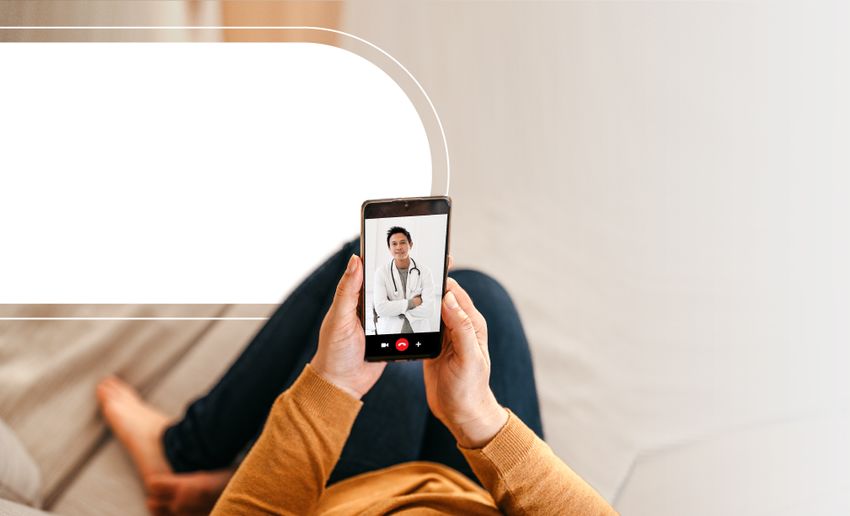
ADOPTION

Before COVID-19, growth in Singaporeans’
digital health adoption had stalled
Despite having the most technologically savvy consumers among the countries surveyed. Consumers’
use of digital tools to manage their health began declining in Singapore before the pandemic. In fact,
almost one-fifth of consumers surveyed in Singapore (19%) were not using any digital tools to manage
their health. Use of mobile devices and applications fell from nearly two-thirds (64%) using these tools
in 2018 to 49% in early 2020. Use of wearable technology—for instance, devices that collect health
data such as fitness and vitals—has decreased from 47% in 2018 to just 38% in 2020.

Figure 1. Fewer Singaporeans were using digital tools to manage their health

Mobile phone/tablet applications                                 Wearable technology
(e.g., tracking personal activity/diet/fitness/                  (e.g., consumer or medical devices that collect information
weight loss/etc.)                                                about an individual’s health, such as fitness, vitals and lifestyle)

                       64%
                                  49%                                                  47%
           44%
                                                                                                  38%
                                                                           23%
15%                                                              6%

2014        2016       2018       2020                          2014       2016        2018       2020

Q: Which of the following technology or electronic health management tools have you used to manage your health in the past year?
2020 survey data is from November to December of 2019 and reflects consumer attitudes prior to the global spread of COVID-19.           Copyright © 2020 Accenture. All rights reserved.   3
ADOPTION

COVID-19 HAS FORCED A SURGE                                                                              70% increase
                                                                                                         in the number of video consultations
Virtual healthcare services became a necessity      Starting in April, medical savings schemes such      delivered on Doctor Anywhere, from the
                                                                                                         beginning of the outbreak to mid-February.4
for many Singaporeans during the COVID-19           as the Community Health Assist Scheme (CHAS)
pandemic, as efforts to slow transmission of the    and MediSave were temporarily extended to
virus sharply limited face-to-face visits with      cover the costs of video consultations for seven
doctors and other professionals.                    chronic conditions.1 In order to provide video
                                                    consultations, doctors are required to undergo
                                                                                                                 41% increase
                                                                                                                 in sign-ups to use video consultation
After years of incremental growth, many             telemedicine training.2                                      services offered by Doctor Anywhere
consumers were already considering remote care                                                                   from January to March 2020.6
before the coronavirus. While just 17% of           This is a change of historic proportions, and it
Singapore consumers in our latest survey, which     gives healthcare providers and insurers an
concluded just before the pandemic swept across     unprecedented chance to permanently shift the
the country, had already received healthcare        default care model to virtual services for many      25% weekly
virtually, 55% were willing to receive virtual      medical needs.                                       increase
healthcare from traditional medical care                                                                 in usage of WhiteCoat, a Singapore-based
providers.                                                                                               telemedicine provider, since the outbreak
                                                                                                         started.7
However, the forced adoption of telemedicine
and other services—facilitated by an extension of
patient subsidies (e.g., MediSave) to cover
telemedicine consultations—introduced a vast
new user base to the virtual experience.

                                                                                                       Typing…

                                                                                                               Copyright © 2020 Accenture. All rights reserved.   4
ADOPTION

What could drive and stall                                                    Figure 2. Lackluster digital options can
                                                                              taint the overall patient experience
post-pandemic progress                                                            Strongly disagree & disagree             Neutral          Strongly agree & agree

                                                                              Numbers in figures may not add to 100% due to rounding
Barriers to adoption, though, still ring true. Even as consumers gain
confidence in digital tools and services post-pandemic, there is still work
                                                                                                             45%
to be done to meet expectations for superior digital services. Amid the       12% 42%                                              I would switch to a new healthcare
pandemic, consumers with nowhere else to turn were forced to lower their                                                           provider for high-quality digital services
expectations for the quality of digital health experiences. But as things
normalise, we believe that consumers will revert to prior expectations.

Before COVID-19, high-quality digital services mattered to consumers in
Singapore—far more than others in our survey. Nearly half of respondents                                                           A bad digital experience with a
were willing to switch to a new provider for high-quality digital services,    20% 23%                     57%                     healthcare provider ruins the entire
and 57% agreed that a bad digital experience with a healthcare provider                                                            experience with that provider
ruins the entire experience with that provider.

Singapore consumers are even comfortable using a range of health and
wellness services, digital and virtual, to manage their health (50%
                                                                                                                                   A good digital experience has a major
Singapore, vs. 36% others).                                                   9% 35%                        56%                    influence on my experience with a
                                                                                                                                   healthcare provider

                                                                                                                                   I am comfortable using a range of health
                                                                              9% 40%                         50%                   and wellness services, including digital
                                                                                                                                   and virtual, to manage my health

                                                                              Q: To what extent do you agree with the following statements?

                                                                              2020 survey data is from November to December of 2019 and
                                                                              reflects consumer attitudes prior to the global spread of COVID-19.

                                                                                                                           Copyright © 2020 Accenture. All rights reserved.   5
ADOPTION

Consumers question the privacy,
security and effectiveness of digital tools                                                                                                     90%
                                                                                                                                                of infected residents have logged their symptoms
Technology has been a critical element of the response to COVID-19. Chatbots, for example,                                                      and vitals on the SGDormBot platform daily,
emerged during the crisis as an important way of managing demand for information about                                                          leading to nearly 100 remote consultations.20

symptoms, treatment, and scheduling. Yet our survey showed limited consumer confidence
in chatbots and other digital tools. Most respondents (64%) ranked “don’t trust the
effectiveness of the service” as a top-three reason keeping them from using chatbots,
computers or digital devices for health questions and care. And while 67% of respondents                                          Six
would recommend their medical doctors based on effectiveness of diagnosis and treatment,                                          migrant worker dormitories are using SGDormBot, an AI-
                                                                                                                                  powered chatbot that sends daily reminders to infected
only 45% say the same for digital devices and services they have used.                                                            residents to monitor and self-report their vitals on the
                                                                                                                                  platform.20
Figure 3. Many consumers doubt the effectiveness of digital tools and services
      Rank 1          Rank 2         Rank 3           Rank 4

Concerns about my privacy or data security
                                                                                       Don’t take the initiative to try
                                                                                       something new or change my habit
                                                                                                                                                   Chatbot tools
                                                                                                                                                   The Singapore government has released or
                                                                                                                                                   optimised several chatbots to provide COVID-19
               30%                   12%         8%      8%                               7%       11%           12%        9%                     updates and address questions. These include
                                                                                                                                                   Ask Jamie, Covid-19 Chat For Biz, and Gov.sg
Don’t trust the effectiveness of the service                                           Don’t know where to start                                   Whatsapp.21, 22

               30%                         24%                 10%     6%                6%     8%         12%         11%
                                                                                       Lack of access or affordability
Prefer my current providers                                                            of the devices I need

   10%          15%               16%           10%                                      6%     9%             12%     8%

Have not heard of any                                                                  None of the above

                                                                                                                                 Typing…
 5%     6%     7%      8%                                                                6%

Q: What might keep you from using chatbots, computers or digital devices for your health questions and care?
2020 survey data is from November to December of 2019 and reflects consumer attitudes prior to the global spread of COVID-19.                   Copyright © 2020 Accenture. All rights reserved.    6
ADOPTION

People trust traditional care providers
much more than new entrants
Consumer trust in physicians and other established practitioners greatly outweighs trust in non-traditional providers. Less than one-third of our
survey respondents trust health services offered by healthcare startup companies (33%), technology companies (30%), and retail or consumer
brands (29%)—all of which can play a critical role in the expansion of virtual health after COVID-19, provided they gain consumer acceptance.
While standards applied by consumers to their providers may have relaxed somewhat as the threat of illness limited options for consultation,
those standards likely will regain relevance after the crisis has abated.

Figure 4. Consumers trust clinicians (doctors, nurses and assistants) most
     Strongly distrust            Moderately distrust          Neutral               Moderately trust         Strongly trust                 Numbers in figures may not add to 100% due to rounding

                                                                                                                                             Diagnoses or treatments determined by a
Medical doctors                                                        Nurse practitioners and assistants                                    supported by an intelligent machine/AI

5%4% 15%                   49%                          28%            1% 6%         28%                      53%                     12%    2%10%         37%                       40%            11%

A health and wellness service offered by a technology                  Diagnoses or treatments determined                                    Responses to health questions
company, rather than from a traditional provider                       entirely by an intelligent machine/AI                                 from my phone or home device

6%     18%                  46%                    25%        5%       5%      18%                43%                     30%           5%        7%       22%               46%              21%    4%

A health and wellness service offered
by a healthcare start-up company                                       Social media accounts from healthcare brands                          Product claims made by pharmaceutical companies

5%    16%                 46%                      29%        4%         7%     22%                     46%                     22%     3%   6%    16%               49%                      26%     3%

Health advice from articles and                                        A health and wellness service offered
videos shared on social media                                          by a retailer or consumer band

     9%         20%                 46%              23%      3%         7%    17%                  47%                     26%         3%

Q: To what extent do you trust the following?
2020 survey data is from November to December of 2019 and reflects consumer attitudes prior to the global spread of COVID-19.                                                Copyright © 2020 Accenture. All rights reserved.   7
ADOPTION

Designing services that matter for consumers
and fit in clinicians’ day-to-day practice
RECOMMENDATIONS FOR HEALTHCARE ORGANISATIONS

          Design services that matter. Solutions should digitise information that is relevant and valuable to both care providers and consumers.
          Care providers can then act on insights that matter to improve people’s health. Human-centred design will help with developing services
          that have a deep understanding of user needs and wants. Health insurers and care providers can co-create and explore concepts with
          consumers to improve service design, and then test concepts to ensure they are technologically feasible and business viable.

                          Fit services into clinical practice. COVID-19 forced digital health to fit into the clinical day-to-day. More care providers gained
                          comfort with digital. Health insurers and care providers should review data insights to analyse what worked and what didn’t and
                          adjust digital services accordingly. Care providers, especially doctors, do not want to spend precious time that they could be
                          applying in other areas that add value to the patient experience. Digital and virtual health solutions can be part of processes,
                          business models and workflows—fitting inside the way healthcare is delivered. Healthcare organisations can put in place systems
                          that allow care providers to recommend digital services to patients and collect and interpret patient data from these services.

          Keep accessibility in mind. Healthcare organisations must account for cultural and socio-demographic variances. This means understanding
          wide variations in buying power, health literacy and digital competence—and access to broadband—and working to close those gaps.

Typing…

                                                                                                                       Copyright © 2020 Accenture. All rights reserved.   8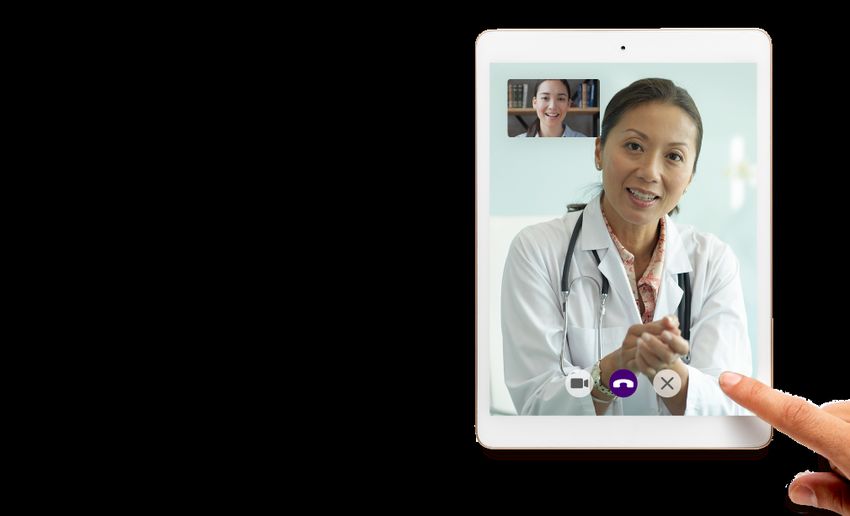
SINGAPOREANS’ CONCERNS
ABOUT DATA SECURITY AND
PRIVACY HAVE INCREASED
IN RECENT YEARS
When consumers lack trust in how their data is being
used, they may be less likely to use digital services.
Security and privacy concerns have increased in recent
years as healthcare consumers are not confident their
data is being protected and used properly. Trust in
technology companies has declined significantly, likely
due to the proliferation of high-profile stories about data
breaches, yet many younger consumers will still trust
these companies to deliver health and wellness services.
While consumers trust their doctors more than anyone
else, there is substantial trust in care providers such as
nurses, nurse practitioners and doctors’ assistants.

                                                              Copyright © 2020 Accenture. All rights reserved.   9
CONCERNS

ADDRESSING FAMILIAR CHALLENGES:
PRIVACY AND SECURITY
Old concerns will resurface as forced adoption gives way to consumer choice
Worries about the safety of virtual care were a big problem for consumers long before the pandemic.
Respondents to our survey said privacy and data security was a top concern keeping them from using
chatbots, computers, or digital devices for information and care. Many were not confident that their
digital healthcare data was being used responsibly and in their best interest.

The necessities of social distancing outweighed these issues when other options for medical
consultation were unavailable, but privacy and security fears hardly disappeared in the coronavirus
era.

In part due to data and privacy concerns, the Singapore government’s contact tracing app
TraceTogether was only downloaded by roughly one-quarter of the population. In response to
the low uptake and security concerns, the government is distributing a wearable device called
a TraceTogether Token that does not use GPS, an internet connection, or a cellular connection.
To further ease concerns, the government emphasized that data collected from contact tracing
is protected under public sector data protection laws.10, 11

As the crisis eases, concerns about privacy and security must continue to be addressed if forced
adoption is to yield sustainable increases in the use of virtual healthcare services.

Typing…

                                                                                                       Copyright © 2020 Accenture. All rights reserved.   10
CONCERNS
Consumer trust must be Figure 5. Trust in keeping digital healthcare information secure
drops significantly for tech companies and government
earned by new entrants
85% 81% 78%
Singaporeans trust their traditional healthcare
Hospitals My doctor(s) Labs that
providers, and that trust extends to data security. I visit or other process my
When asked “How much do you trust each of the healthcare medical
following organisations or people to keep your providers tests
digital healthcare information secure?” our
survey respondents ranked hospitals (85%),
doctors (81%), labs (78%), and urgent care or
walk-in retail clinics (73%) as most trusted.
73% 71% 68%
Trust is much lower for technology companies: Urgent care or Government My health
just 44% trust these new entrants. Globally, the walk-in retail insurance
reputation of major consumer technology firms clinics I visit company
has suffered in the past few years, which may be
reflected in our statistics.
67% 48% 44%
My pharmacy Non-medical Tech
staff at my companies
doctor’s or
healthcare
provider’s office
Q: Overall, how much do you trust each of the following people or organisations to keep your
digital healthcare information (including electronic medical records and other information) secure?
“Very much” and “Some” responses.
2020 survey data is from November to December of 2019 and reflects
consumer attitudes prior to the global spread of COVID-19.
Copyright © 2020 Accenture. All rights reserved. 11CONCERNS
Across generations,
consumers of Singapore
trust tech companies Highest
While trust in technology companies’ security measures has declined overall
overall, consumer in Singapore still trust their services. Nearly one- trust
fourth of Gen X (27%), 20% of Gen Z and 36% of millennials trust tech
on tech companies with
companies for health and wellness services, compared to 30% of 30% consumers trusting
baby boomers and 26% of the silent generation. Singaporeans also Tech Companies, followed
by Spain at 29%.
have the highest overall trust in technology companies, with of 30%
consumers trusting them, followed by Spain at 29%
Figure 6. Millennials trust health and wellness services offered by a tech
company (rather than a traditional provider) more than other generations
26% 30% 27% 36% 20%
Silent generation Baby boomers Gen X Millennials Gen Z
(1928-1945) (1946-1964) (1965-1980) (1981-1996) (1997-2001)
Q: To what extent do you trust the following? “Strongly” and “Moderately trust” responses.
Silent generation n=255; Baby boomers n=860; Gen X n=475; Millennials n=597; Gen Z n=115
2020 survey data is from November to December of 2019 and reflects consumer attitudes prior to the global spread of COVID-19.
Copyright © 2020 Accenture. All rights reserved. 12CONCERNS
A critical question: Figure 7. Consumers have limited confidence in
digital devices
Is this device safe?
Consumers have mixed feelings about sharing their health data via digital
would be comfortable interacting
devices. Concern over data privacy and security was one of the top barriers to
the adoption of chatbots, computers, or digital devices chosen by respondents 50% with a chatbot, computer, or digital
device for health/medical purposes
to our survey.
These issues reflect a broader discomfort with digital devices and data sharing.
While half of Singaporeans said they would be comfortable visiting or interacting
with a chatbot, computer, or digital device for health or medical purposes, Q: Which would you be comfortable visiting or interacting with for health/medical purposes?
nearly one-third (30%) said privacy and data security concerns were the number-
one barrier to using these devices for their health questions and care.
43%
say medical care providers should
30% have access to relevant health data
from their digital devices
vs.
of Singaporean respondents ranked “concerns about my privacy or data security”
say that only they should have access
as the number-one barrier to using chatbots, computers, or digital devices for
their health questions and care
to data from their digital devices
57%
Q: Choose the statement that best describes how you feel. Respondents were asked to choose
between two opposing statements.
2020 survey data is from November to December of 2019 and reflects consumer attitudes
prior to the global spread of COVID-19.
Copyright © 2020 Accenture. All rights reserved. 13CONCERNS
Building confidence in virtual health by
making privacy and security top priorities
RECOMMENDATIONS FOR HEALTHCARE ORGANISATIONS
Prioritise security and privacy. Healthcare data is highly sensitive, and organisations should do whatever they can to protect it.
Established medical practitioners and new entrants in the healthcare market can build confidence for patients engaging with the virtual
healthcare system, post COVID-19, by making security and privacy top priorities. In practical terms, that means healthcare organisations
must create strong data security not only in policy, but also practically demonstrate to consumers how their data is secured and build
trust. While executive leadership is important, having highly respected clinicians as "ambassadors" and "spokespeople" for privacy and
security will have a greater impact as they tend to be trusted more.
Be transparent. Healthcare organisations can be clear and transparent to consumers about how data is collected and used.
And they can build confidence in devices by establishing the trustworthiness of a device before granting it access to network
resources. Trust deepens once consumers see how care providers ensure strong data security for ongoing operations as well.
Ecosystem participants bring unique strengths and talents and can work together to shape stronger digital solutions.
Choose a top leader. Identify someone highly respected within the organisation (e.g., chief security officer, chief digital officer, chief
ethics officer) who is responsible for building and maintaining trust, digital ethics and security with vendors, partners and consumers.
These critical matters need steer by top management and cannot be delegated.
Typing…
Copyright © 2020 Accenture. All rights reserved. 14SINGAPOREANS
ARE INTERESTED IN
COMPREHENSIVE
VIRTUAL CARE
Beyond the urgency that drove adoption during the
pandemic, and despite stalled growth in virtual
health prior to COVID-19, consumers want virtual
care services and doctors are key to promoting
digital adoption and awareness. Younger
generations even prefer virtual over in-person care
in some cases, when given the choice. And although
consumers would be willing to receive virtual
services from traditional care providers, they are
also open to receiving virtual services from tech
companies and retail brands. These numbers will
likely rise as digital-savvy generations come of age.
Copyright © 2020 Accenture. All rights reserved. 15WANTS
Beyond the urgency that drove
adoption during the pandemic,
consumers want virtual care services
Given the choice, most healthcare consumers would choose virtual for basic care services, and
even for specialty care. They “definitely” or “probably” would receive health and wellness
advisories (75%), remote monitoring of ongoing health issues through at-home devices (69%)
and nearly three-fifths (60%) would choose virtual for routine appointments. Some are open to
receiving diagnoses virtually—43% for illnesses, diseases and disorders and 55% for
appointments with medical specialists for diagnosis or acute care.
Figure 8. Consumers are open to virtual care—from basic to specialty services
75% 69% 60%
Health and Remote monitoring Routine
wellness of ongoing health appointments
advisories issues through at-
home devices
54% 55% 55% 43%
Mental health Appointments with Appointments with Diagnoses for
appointments medical specialists medical specialists illnesses, diseases
from chronic for diagnosis or and disorders
conditions acute care
Q: Which of the following would you do virtually if given the choice? “Definitely” and “Probably would do virtually” responses n=1,000
2020 survey data is from November to December of 2019 and reflects consumer attitudes prior to the global spread of COVID-19. Copyright © 2020 Accenture. All rights reserved. 16WANTS
Financial support or incentives to Figure 9. Finances and trusted healthcare
professionals top the list of factors that motivate
stay healthy motivate consumers Singaporeans to take an active part in their own
health management
to manage their health 54%
Financial support or incentives to stay can help maintain the crisis-era momentum
as consumers look to them for motivation. “Financial support or incentives” 46%
ranked highest among factors that would motivate consumers to take a more
active role in managing their health, cited by 54% of respondents. Consumers 39% 37% 37%
also ranked “Trusted healthcare professional” and “more time and energy to make
health choices” as a motivating factor, with 46% and 39% consumers citing it, 31%
respectively. (Fig 10).
Before necessity drove a surge in virtual services, two-fifths of healthcare
consumers surveyed (37%) said reliable and secure digital tools that help them to
understand their health habits would motivate them to take a more active role in
managing their health. This has been supported by some providers with 20%
consumers saying their healthcare providers recommend digital tools for patient 6%
health management. 2%
1 2 3 4 5 6 7 8
1 Financial support or incentives to stay healthy
20% 46% 2 Trusted healthcare professionals who work closely with me to manage my wellness
3 More time and energy to make healthy choices
4 Convenient access to healthcare professionals, either virtually or in person
5 Reliable, secure digital tools that help me understand and manage my health habits
of consumers said that their regular of consumers said “trusted healthcare
6 Personalised information about what I should do to stay healthy
healthcare provider recommended digital professionals” would motivate them to take
7 If my healthcare professional told me to
tools to manage health a more active role in managing their health
8 Nothing would motivate me to take a more active role
Q: Which of the following would most motivate you to take a more active role in managing your health?
2020 survey data is from November to December of 2019 and reflects consumer attitudes prior to
the global spread of COVID-19.
Copyright © 2020 Accenture. All rights reserved. 17WANTS
Younger healthcare consumers are
open to virtual over in-person care
Overall, most consumers (83%) prefer physical, in-person experiences with care providers over digital
experiences, but these numbers drop among younger generations. Among Gen Z, 18% would prefer a
virtual or digital experience with a doctor or other medical professional, along with 23% of millennials.
Figure 10. Younger consumers are more open to virtual care over in-person
I prefer physical, in-person experiences with
doctors and other medical professionals
83% 17% I prefer virtual or digital experiences with
doctors and other medical professionals
Overall
14% 13% 17% 23% 18%
86% 87% 83% 77% 82%
Silent generation Baby boomers Gen X Millennials Gen Z
(1928-1945) (1946-1964) (1965-1980) (1981-1996) (1997-2001)
Q: Choose the statement that best describes how you feel.
Silent Generation n = 90; Baby Boomers n = 310; Gen X n = 265; Millennials n = 270; Gen Z n = 65
2020 survey data is from November to December of 2019 and reflects consumer attitudes prior to the global spread of COVID-19. Copyright © 2020 Accenture. All rights reserved. 18WANTS
Figure 11. Singaporeans are much more willing to
Consumers are willing receive virtual services from traditional providers
to receive virtual care
from a variety of sources 55% 39% 31%
While higher numbers of healthcare consumers are open to
receiving virtual healthcare services from their traditional Virtual care from Virtual care from Virtual care from
providers (55%), they are also willing to receive virtual care traditional medical technology or social retail brands
from technology or social media companies such as Google care providers media companies
and Microsoft (39%); medical startups (35%); and retail
brands (31%).
35% 10%
Virtual care from I am not willing to try
medical startups virtual healthcare
Q: Would you be willing to receive any of the following kinds of virtual healthcare?
2020 survey data is from November to December of 2019 and reflects consumer
attitudes prior to the global spread of COVID-19.
Copyright © 2020 Accenture. All rights reserved. 19WANTS
Openness to
Figure 12. Willingness to try virtual care from tech companies
receiving virtual care
from non-traditional
entities varies 32% 35% 39% 43% 35%
among age groups
Comparatively, younger generations are
Silent generation Baby boomers Gen X Millennials Gen Z
more open than older generations to (1928-1945) (1946-1964) (1965-1980) (1981-1996) (1997-2001)
receiving virtual care from entities
outside of their traditional provider
relationship. For instance, Millennial
respondents are more willing to receive …and from retail brands
virtual healthcare from technology or
social media companies (43% Millennials
compared to 32% of Silent generation)
but this gap disappears when it comes to
receiving care from retail brands (31% 28% 28% 34% 31% 28%
Millennials compared to 28% baby
boomers).
Silent generation Baby boomers Gen X Millennials Gen Z
(1928-1945) (1946-1964) (1965-1980) (1981-1996) (1997-2001)
Q: Would you be willing to receive any of the following kinds of virtual healthcare?
2020 survey data is from November to December of 2019 and reflects consumer attitudes prior to the global spread of COVID-19.
Copyright © 2020 Accenture. All rights reserved. 20WANTS
Engaging consumers in evolving methods
of healthcare delivery, digital and physical
RECOMMENDATIONS FOR HEALTHCARE ORGANISATIONS
Financial support or incentives and trusted healthcare professionals are key to promoting digital engagement and awareness.
Singaporeans ranked finances rank higher than trusted healthcare professionals in driving digital health adoption and engagement.
Nevertheless, once doctors are convinced of the efficacy of digital/virtual care tools, they become vital digital healthcare advocates.
Organisations should combine financial support and incentives and engagement with doctors as leaders in digital health initiatives to
leverage their authority and their position of trust to promote awareness of and engagement with digital health among consumers, as they
have done in response to COVID-19. Clinicians’ position of trust, and their advocacy, will enable healthcare organisations to design their
services and simultaneously maximise consumer trust.
Earn trust by being transparent and accountable. Non-traditional care providers, such as technology companies and retail/consumer
brands, need to establish trust to earn a place on the new care team. They can do so by being transparent, asking for consent to use
consumer data and by demonstrating proper use of consumer data. They can build on the greater confidence younger consumers
have in their services—and expand from there. New and established healthcare organisations can seize this moment and earn trust
by resetting promises to constituents. Good experiences with positive outcomes are the best way to build trust.
Marry digital/virtual care with physical care to provide effective, trusted, reliable care physically and at a distance. The new healthcare
system will rely on seamless, coordinated care that provides people with the right attention, services, therapies and products anytime,
anywhere, to instil confidence, safety and respect across all moments.
Typing…
Copyright © 2020 Accenture. All rights reserved. 21Sources
1. Time-limited extension of CHAS subsidy and use of MediSave for follow up of chronic conditions 12. Telemedicine to be regulated: Health Ministry; https://www.todayonline.com/singapore/medical-
through video consultations in view of covid-19; https://www.moh.gov.sg/covid-19/vc watchdogs-urge-caution-doctors-practising-telemedicine-issuing-e-mcs
2. COVID-19: CHAS, MediSave to be extended to cover video consultations for 7 chronic conditions; 13. The doctor is online: why telemedicine apps need to tread with caution;
https://www.channelnewsasia.com/news/singapore/covid-19-chas-medisave-video-consultation- https://www.businesstimes.com.sg/brunch/the-doctor-is-online-why-telemedicine-apps-need-to-
chronic-conditions-12594900 tread-with-caution
3. Rapid Transition to a Telemedicine Service at Singapore Community Dialysis Centers During 14. MOH will step up efforts to educate patients on telemedicine;
Covid-19; https://catalyst.nejm.org/doi/full/10.1056/cat.20.0145 https://www.straitstimes.com/politics/moh-will-step-up-efforts-to-educate-patients-on-telemedicine
4. Novel coronavirus: Surge in patients consulting doctors through video calls to avoid clinics, 15. Licensing Experimentation and Adaptation Programme (LEAP) - a MoH regulatory sandbox;
hospitals Read more at https://www.todayonline.com/singapore/wuhan-novel-coronavirus-surge- https://www.moh.gov.sg/home/our-healthcare-system/licensing-experimentation-and-adaptation-
patients-consulting-doctors-through-video-calls-avoid-clinics; programme-(leap)---a-moh-regulatory-sandbox
https://www.todayonline.com/singapore/wuhan-novel-coronavirus-surge-patients-consulting-
doctors-through-video-calls-avoid-clinics 16. Digital Readiness Blueprint; https://www.mci.gov.sg/en/portfolios/digital-readiness/digital-
readiness-blueprint
5. Singapore Startup Raises $27 Million for Remote Consultations;
17. Singapore: An Intelligent Nation, A Global City, powered by Infocom;
https://www.bloomberg.com/news/articles/2020-03-31/singapore-s-doctor-anywhere-raises-27-
million-for-telemedicine https://www.tech.gov.sg/files/media/corporate-publications/2015/01/realisingthevisionin2015.pdf
18. Government has bridged digital divide but has ‘humility’ to try to do more: Iswaran;
6. Doctor Anywhere to provide telehealth service to Great Eastern Shield clients;
https://www.straitstimes.com/business/companies-markets/doctor-anywhere-to-provide-telehealth- https://www.todayonline.com/singapore/government-has-bridged-digital-divide-but-has-humility-to-
try-to-do-more-iswaran
service-to-great-eastern-shield
19. Commentary: COVID-19 has revealed a new disadvantaged group among us – digital outcasts;
7. WhiteCoat brings convenience to Singapore’s healthcare: Startup Stories; https://kr-
asia.com/whitecoat-brings-convenience-to-singapores-healthcare-startup-stories https://www.channelnewsasia.com/news/commentary/covid-19-has-revealed-digital-divide-literacy-
singapore-12783252
8. Covid-19 contact tracing device will not be an electronic tag, to be rolled out in June;
https://www.straitstimes.com/singapore/covid-19-contact-tracing-device-will-not-be-an-electronic- 20. Coronavirus: Singapore chatbot helps doctors monitor migrant workers’ health in real time;
https://www.scmp.com/news/asia/southeast-asia/article/3088547/coronavirus-singapore-chatbot-
tag-to-be-rolled-out-in-June
helps-doctors-monitor
9. Coronavirus: why aren’t Singapore residents using the TraceTogether contact-tracing app?;
https://www.scmp.com/week-asia/people/article/3084903/coronavirus-why-arent-singapore- 21. Responding to COVID-19 With Tech; https://www.tech.gov.sg/products-and-services/responding-to-
covid-19-with-tech/?utm_source=hero_banner
residents-using-tracetogether
10. Singapore to launch TraceTogether Token device for COVID-19 contact tracing; 22. Singapore launches app to combat spread of COVID-19; https://cities-today.com/singapore-
launches-app-to-combat-spread-of-covid-19/
https://www.mobihealthnews.com/news/asia-pacific/singapore-launch-tracetogether-token-device-
covid-19-contact-tracing
11. COVID-19 contact tracing ‘absolutely essential’; wearable TraceTogether tokens to be rolled out in
June; https://www.channelnewsasia.com/news/singapore/covid-19-contact-tracing-wearable-
devices-trace-together-12815796
Copyright © 2020 Accenture. All rights reserved. 22About the author For more information:
Asad Khan
Managing Director – Technology, @AccentureHealth
Health & Public Service Lead, Southeast Asia
asad.khan@accenture.com With thanks to our research partners, Oxford Economics, especially lead
researchers Ed Cone, Adrianna Gregory and Sundus Alfi.
Asad is a managing director in Accenture Technology for Health & Public Service
in Southeast Asia.
Mar Tham
Managing Director – Health & Public Service, Client Group Lead,
Southeast Asia
mark.tham@accenture.com
Mark is a managing director in Accenture. He leads Health & Public Service in Southeast
Asia and manages the key client relationships as the Client Group Lead.
Paul Tan
Senior Manager – Health and Public Services
paul.tan@accenture.com
Health Strategy and Technology Consulting, ASEAN
Paul has more than 20 years of experience in the health industry supporting the Health
Providers and Payers practice in ASEAN in strategy, technology and business
transformation.
Copyright © 2020 Accenture. All rights reserved. 23Accenture’s Applied 2020 Consumer Research on Digital Health
Accenture commissioned a seven-country survey of 7,804 consumers aged 18+ to assess their attitudes toward technology adoption,
wellness management and their changing relationship with providers. It is the latest in a series of annual health technology surveys tracking
the perspectives of consumers, with a particular focus this year on the shifting needs and desires of consumers and how they align with the
trends that are redefining services provided by healthcare systems. The online survey included consumers across seven countries:
Australia (1,000), England (1,002), Finland (800), Norway (800), Singapore (900), Spain (1,000) and the United States (2,302).
The survey was conducted by Oxford Economics on behalf of Accenture between November and December 2019. Where relevant, the
survey uses select findings from the Accenture 2019 Digital Health Consumer Survey, the Accenture 2018 Consumer Survey on Digital
Health, the Accenture 2017 Consumer Survey on Healthcare Cybersecurity and Digital Trust and the Accenture 2016 Patient
Engagement Survey.
For providing insights into consumers behaviour changes during COVID-19 crises, Oxford Economics conducted desk research in April and
May 2020, leveraging public media and official government sources. Insights were compared against the initial survey findings to
understand temporary forced versus long term voluntary digital health adoption chances.
About Accenture Insight Driven Health
Insight driven health is the foundation of more effective, efficient and affordable healthcare. That's why the world's leading healthcare
providers and health plans choose Accenture for a wide range of insight driven health services that help them use knowledge in new ways—
from the back office to the doctor's office. Our committed professionals combine real-world experience, business and clinical insights and
innovative technologies to deliver the power of insight driven health. For more information, visit: www.accenture.com/insightdrivenhealth.
About Accenture
Accenture is a leading global professional services company, providing a broad range of services in strategy and consulting, interactive,
technology and operations, with digital capabilities across all of these services. We combine unmatched experience and specialised
capabilities across more than 40 industries—powered by the world’s largest network of Advanced Technology and Intelligent Operations
centres. With 506,000 people serving clients in more than 120 countries, Accenture brings continuous innovation to help clients improve
their performance and create lasting value across their enterprises. Visit us at www.accenture.com.
About Oxford Economics DISCLAIMER: This document makes only a descriptive
Oxford Economics is a leader in global forecasting, quantitative analysis, and thought leadership. Our worldwide client base comprises reference to trademarks that may be owned by others. The use
of such trademarks herein is not an assertion of ownership of
more than 1,500 international corporations, financial institutions, government organisations, and universities. Headquartered in Oxford,
such trademarks by Accenture nor is there any claim made by
with offices around the world, we employ 400 staff, including 250 economists and analysts. Our best-in-class global economic and Accenture to these trademarks and is not intended to represent
industry models and analytical tools give us an unmatched ability to forecast external market trends and assess their economic, social and or imply the existence of an association between Accenture
business impact. and the lawful owners of such trademarks.
Copyright © 2020 Accenture. All rights reserved.
Accenture and its logo are trademarks of Accenture.You can also read


