Syrian Refugee Resilience Plan - 2019-2020 Turkey - Syrian Refugee Resilience Plan 2019-2020
←
→
Page content transcription
If your browser does not render page correctly, please read the page content below
Turkey

Syrian Refugee
Resilience Plan
2019–2020
Turkey

Syrian Refugee
Resilience Plan
2019–2020

Food and Agriculture Organization of the United Nations
Rome, 2019
REQUIRED CITATION
     FAO. 2019. Turkey Syrian Refugee Resilience Plan 2019–2020. Rome. 32 pp.
     Licence: CC BY-NC-SA 3.0 IGO.

The boundaries and names shown and the designations used in this information product do not imply
the expression of any opinion whatsoever on the part of FAO concerning the legal status of any country,
territory, city or area or of its authorities, or concerning the delimitation of its frontiers and boundaries.
Dashed lines on maps represent approximate border lines for which there may not yet be full
agreement. The mention of specific companies or products of manufacturers, whether or not these have
been patented, does not imply that these have been endorsed or recommended by FAO in preference to
others of a similar nature that are not mentioned.

The views expressed in this information product are those of the author(s) and do not necessarily reflect
the views or policies of FAO.

© FAO, 2019

Some rights reserved. This work is made available under the Creative Commons Attribution-
NonCommercial-ShareAlike 3.0 IGO licence (CC BY-NC-SA 3.0 IGO; https://creativecommons.org/
licenses/by-nc-sa/3.0/igo/legalcode/legalcode).

Under the terms of this licence, this work may be copied, redistributed and adapted for non-commercial
purposes, provided that the work is appropriately cited. In any use of this work, there should be no
suggestion that FAO endorses any specific organization, products or services. The use of the FAO logo
is not permitted. If the work is adapted, then it must be licensed under the same or equivalent Creative
Commons license. If a translation of this work is created, it must include the following disclaimer along
with the required citation: “This translation was not created by the Food and Agriculture Organization
of the United Nations (FAO). FAO is not responsible for the content or accuracy of this translation. The
original [Language] edition shall be the authoritative edition.

Disputes arising under the licence that cannot be settled amicably will be resolved by mediation and
arbitration as described in Article 8 of the licence except as otherwise provided herein. The applicable
mediation rules will be the mediation rules of the World Intellectual Property Organization http://
www.wipo.int/amc/en/mediation/rules and any arbitration will be conducted in accordance with the
Arbitration Rules of the United Nations Commission on International Trade Law (UNCITRAL).

Third-party materials. Users wishing to reuse material from this work that is attributed to a third
party, such as tables, figures or images, are responsible for determining whether permission is needed
for that reuse and for obtaining permission from the copyright holder. The risk of claims resulting from
infringement of any third-party-owned component in the work rests solely with the user.

Sales, rights and licensing. FAO information products are available on the FAO website (www.fao.org/
publications) and can be purchased through publications-sales@fao.org. Requests for commercial
use should be submitted via: www.fao.org/contact-us/licence-request. Queries regarding rights and
licensing should be submitted to: copyright@fao.org.

Photo cover: ©FAO/Carly Learson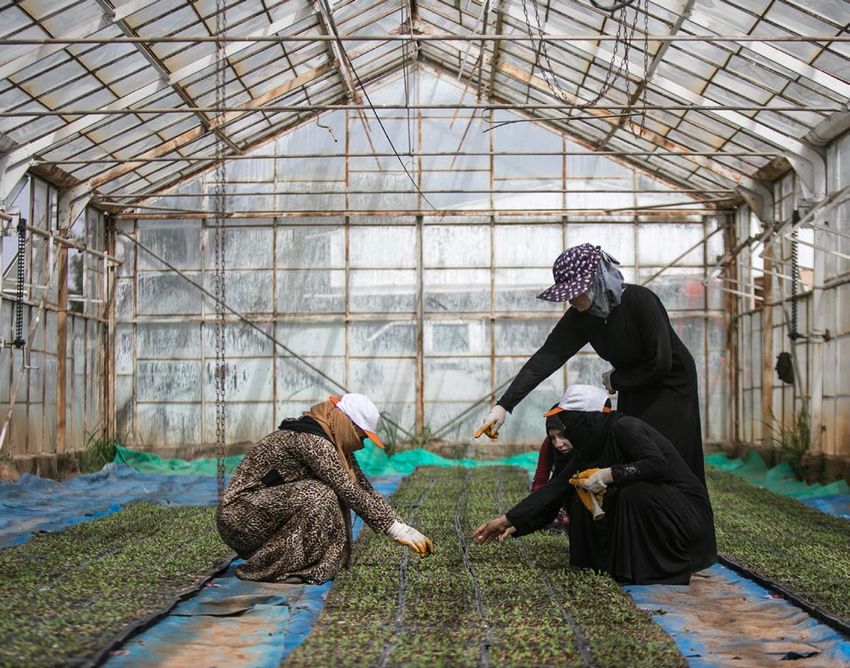
Contents
Acronyms  .  .  .  .  .  .  .  .  .  .  .  .  .  .  .  .  .  .  .  .  .  .  .  .  .  .  .  .  .  .  .  .  .  .  .  .  .  .  .  .  iv

Overview  .  .  .  .  .  .  .  .  .  .  .  .  .  .  .  .  .  .  .  .  .  .  .  .  .  .  .  .  .  .  .  .  . 1

Situation analysis  .  .  .  .  .  .  .  .  .  .  .  .  .  .  .  .  .  .  .  .  .  .  .  .  .  .  .  3
     General .  .  .  .  .  .  .  .  .  .  .  .  .  .  .  .  .  .  .  .  .  .  .  .  .  .  .  .  .  .  .  .  .  .  .  .  .  .  .  . 3
     Livelihoods and food security .  .  .  .  .  .  .  .  .  .  .  .  .  .  .  .  .  .  .  .  .  .  .  .  .  . 5

Needs  .  .  .  .  .  .  .  .  .  .  .  .  .  .  .  .  .  .  .  .  .  .  .  .  .  .  .  .  .  .  .  .  .  .  . 7
     Employment for resilient livelihoods .  .  .  .  .  .  .  .  .  .  .  .  .  .  .  .  .  .  .  .  .  7
     Entrepreneurship in food and agriculture .  .  .  .  .  .  .  .  .  .  .  .  .  .  .  .  .  .  7
     Social cohesion  .  .  .  .  .  .  .  .  .  .  .  .  .  .  .  .  .  .  .  .  .  .  .  .  .  .  .  .  .  .  .  .  .  .  8

Implementation arrangements . . . . . . . . . . . . . . . . . . . 9
     Institutional framework  .  .  .  .  .  .  .  .  .  .  .  .  .  .  .  .  .  .  .  .  .  .  .  .  .  .  .  .  .  9
     Coordination and partnership .  .  .  .  .  .  .  .  .  .  .  .  .  .  .  .  .  .  .  .  .  .  .  .  .10

Achievements under the 2017–2019 SRRP .  .  .  .  .  .  .  .  .  .  .  . 11

FAO’s strategic approach .  .  .  .  .  .  .  .  .  .  .  .  .  .  .  .  .  .  .  .  .  .  . 17
     Targeted population  .  .  .  .  .  .  .  .  .  .  .  .  .  .  .  .  .  .  .  .  .  .  .  .  .  .  .  .  .  .  .19
     Pillar 1. Income, nutritional knowledge and food security .  .  .  .  .  .  .  .20
     Pillar 2. Investing in agriculture and integration support .  .  .  .  .  .  .  .  .21
     Pillar 3. Knowledge generation, coordination and efficiency  .  .  .  .  .  .23
     Gender and youth mainstreaming  .  .  .  .  .  .  .  .  .  .  .  .  .  .  .  .  .  .  .  .  .  . 24

Assumptions and risk mitigation .  .  .  .  .  .  .  .  .  .  .  .  .  .  .  .  .  . 25

Logical framework .  .  .  .  .  .  .  .  .  .  .  .  .  .  .  .  .  .  .  .  .  .  .  .  .  .  . 27

                                                                                                                                   iii
Acronyms
                                                       3RP   Regional Refugee and Resilience Plan

                                                       CFW   Cash for work

                                                       CPF   Country Programming Framework

                                                  ESSN       Emergency Social Safety Net

                                                       FAO   Food and Agriculture Organization of the United Nations

                                                       FSA   Food Security and Agriculture

                                                  MoAF       Ministry of Agriculture and Forestry

                                                   NGO       Non-governmental Organization

                                                  SRRP       Syrian Refugee Response Plan

                                                  SuTP       Syrians under Temporary Protection

                                                       TAC   Temporary Accommodation Centre

                                                       UN    United Nations

                                               UNDCS         United Nations Development Cooperation Strategy

                                               UNHCR         Office of the United Nations High Commissioner for Refugees

                                                       WFP   World Food Programme

iv | Turkey Syrian Refugee Resilience Plan 2019–2020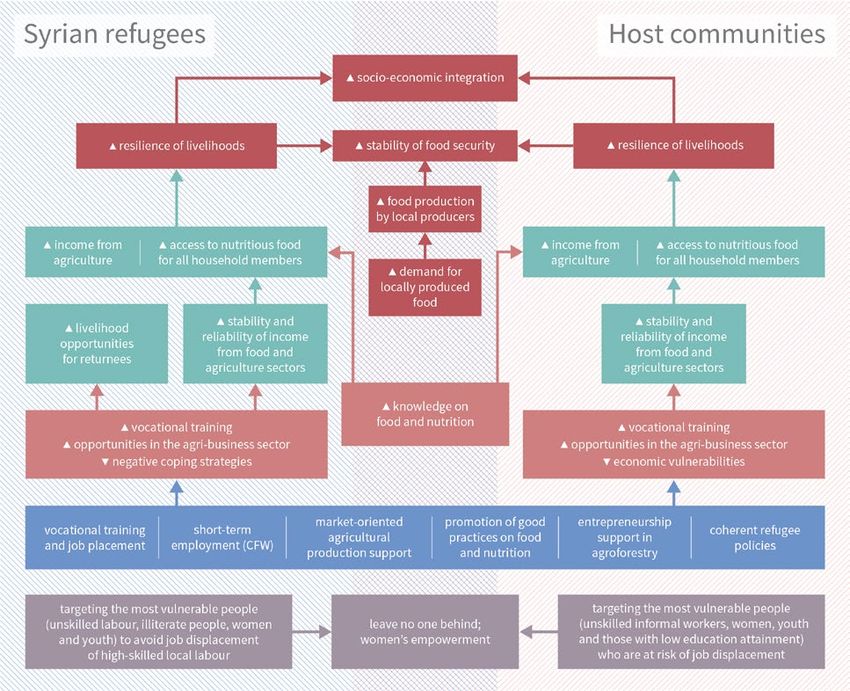
©FAO/Barkin Bulbul

                     Overview   The Syrian Refugee Resilience Plan (SRRP) is the guiding document for
                                the Food and Agriculture Organization of the United Nations (FAO) to
                                support the Government of Turkey in addressing the needs of Syrian
                                refugees in Turkey.

                                The SRRP describes FAO’s strategy to:
                                1.	 Address food insecurity and malnutrition of vulnerable Syrian refugee
                                    and host community members by promoting good practices and
                                    evidence-based decisions on food security and nutrition.
                                2.	 Increase the resilience of households, communities and institutions to
                                    effectively prevent and cope with crisis by providing viable livelihood
                                    opportunities in agriculture.
                                3.	 Promote sustainable management and utilization of natural resources,
                                    including land, water, climate and genetic resources for the benefit of
                                    Syrian refugees and host communities.
                                4.	 Harness the impact of Syrian refugees for the local economic
                                    development, and to foster their integration and social cohesion.

                                The SRRP has been updated based on the findings of:
                                • recent assessments undertaken by FAO in close cooperation with
                                   Turkish authorities at national and local levels
                                • projects implemented under the previous SRRP (2018–2019)
                                • review and analysis of data, reports and studies produced by national
                                   and international partners in Turkey

                                It is aligned with government priorities and the Regional Refugee and
                                Resilience Plan (3RP) 2019–2020 for Turkey, and will be implemented in
                                collaboration and partnership with the Ministry of Agriculture and Forestry

                                                                                                          1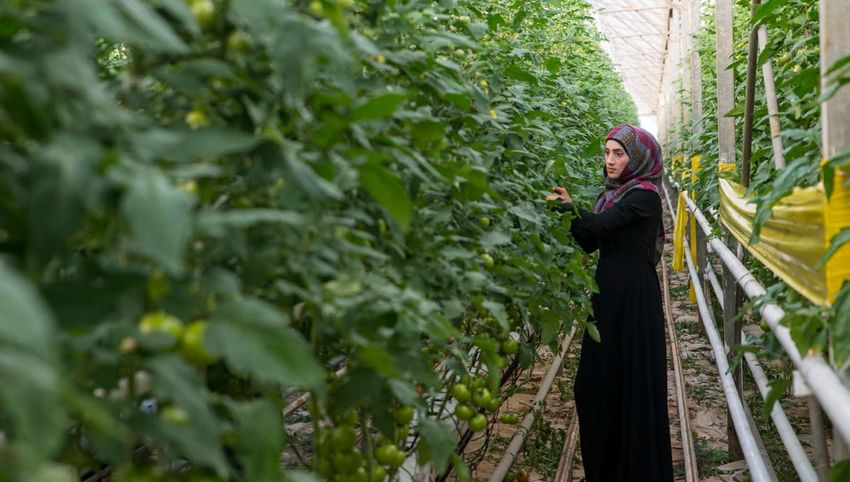
(MoAF), the Directorate General of Migration Management, the Ministry
                                              of Family, Labour and Social Services and other relevant line ministries,
                                              departments and partners.

                                              The Plan is based on a holistic cooperative approach that calls for the
                                              involvement of a variety of actors and partnerships with the private sector
                                              and locally-based institutions that have been the main service providers
                                              to Syrian refugee and local populations.

                                              The main objective of the SRRP is to enhance the resilience of more
                                              than 60 000 households (approximately 300 000 people) from Syrian
                                              refugee and host communities in Turkey affected by the Syrian crisis.
                                              The implementation of the 2019–2020 SRRP will require a budget of
                                              USD 106 million.

                                              The SRRP covers the provinces in Turkey which have the highest
                                              concentration of Syrian refugees and where there is potential for their
                                              integration into the local economy.

                                              The SRRP is structured around three pillars:

                                              Pillar 1. Income, nutritional knowledge and food security
                                              Improving the nutrition of Syrians under Temporary Protection (SuTPs)
                                              and host communities, and preventing food insecurity is contingent
                                              upon stable availability of diverse food in market, sufficient and stable
                                              income, and knowledge and practice on healthy dietary habits. Therefore,
                                              enhancing their employability and income generation skills can help
                                              increase their economic access to food. Employability and income
                                              increase, however, must be pursued in conjunction with improved
                                              knowledge and healthy dietary practices to ensure balanced diets for
                                              themselves and their families.

                                              Pillar 2. Investing in agriculture and socio-economic integration
                                              The situation has become more protracted and support is needed
                                              to enable SuTPs to become more self-reliant and resilient. Investing
                                              in agriculture is an effective long-term strategy to create jobs, build
                                              livelihoods and create benefits for both Syrians and the communities
                                              that host them. This will in turn help refugees become productive
                                              contributors to society and reduce their financial and resource burden
                                              on host communities.

                                              Pillar 3. Knowledge generation, coordination and efficiency
                                              Evidence-based planning and coordination lead to increased efficiency
                                              in the use of time and resources, proliferation of best practices and
                                              avoidance of pitfalls. For instance, labour market analysis provides critical
                                              information on labour force deficit and identify the sectors that have
                                              demand for skilled labour. Such information should be widely shared
                                              through established coordination mechanisms

2 | Turkey Syrian Refugee Resilience Plan 2019–2020
Situation                                                 General

analysis                                                  Turkey is home to the largest refugee population in the world. The number
                                                          of SuTPs has risen by 200 000 people. As of April 2019, Turkey hosts more
                                                          than 3.6 million Syrian refugees1 (55 percent male and 45 percent female),
                                                          which is 4.43 percent of the total population (see Figure 1). Over half of
                                                          them are of working age – between 18–59 years old. The number of SuTPs
                                                          living in Temporary Accommodation Centres (TACs) along the Syrian
                                                          border has diminished over the years. In 2018, only 5 percent of Syrian
                                                          refugees lived in TACs, while the rest lived elsewhere in Turkey.

                                                          A large number of SuTPs live in south-eastern provinces of Turkey as
                                                          shown in Figure 2, such as Şanlıurfa, Hatay, Gaziantep, Mardin and Adana.
                                                          Substantial populations are also found in large cities such as Istanbul,
                                                          Izmir, Bursa and Konya.2

                                                          1
                                                              Republic of Turkey. Ministry of Interior Directorate General of Migration Management.
                                                              January 2019. http://www.goc.gov.tr/icerik6/temporary-protection_915_1024_4748_icerik
                                                          2
                                                              Ibid.

Figure 1. Distribution of Syrian Refugees in the scope of temporary protection by year

4 000 000

                               Population of registered Syrians in Turkey                                                            4.43%
3 500 000

3 000 000

2 500 000

2 000 000

1 500 000

1 000 000

  500 000

         0
                      2012              2013               2014             2015          2016           2017           2018            2019

Source: Ministry of Interior, Directorate General of Migration Management, April 2019

                                                                                                                                                      3
Figure 2. Distribution of SuTPs by top 10 provinces

                                                                Konya
                                       Istanbul                106 345
                                       555 951

    Bursa
  169 487

       Izmir
     143 008

                                                                                                                                          Şanlıurfa
                                                                                                                              Gaziantep   449 019
                                                                    Mersin
                                                                   204 253                                    Kilis           428 779
        Max.                              Min.                                  Adana                         116 387
                                                                                                Hatay
                                                                               236 901          435 955
Source: Ministry of Interior, Directorate General of Migration Management, April 2019

                                                          Unless significant developments occur in the Syrian Arab Republic, it
                                                          is assumed that the current number of SuTPs will remain stable.3
                                                          The Government of Turkey has shouldered the financial burden of the
                                                          refugee response. According to the latest Government estimates, more
                                                          than USD 30 billion has been spent on direct assistance to SuTPs to date.
                                                          The generosity of the Turkish population continues. However, as the
                                                          situation becomes more protracted, the impact of the presence of large
                                                          numbers of SuTPs become more evident – particularly in southeast
                                                          Turkey (Adana, Hatay, Gaziantep, Mardin and Şanlıurfa) where the
                                                          concentration of SuTPs is highest. Substantial populations are also found in
                                                          large cities such as Bursa, Istanbul, Izmir and Konya.

                                                          Turkey is calling for responsibility sharing to ensure that the needs of SuTPs
                                                          and host communities are met. Turkey’s public system is stepping up to this
                                                          challenge and is delivering services to refugees. As a result, SuTPs in Turkey
                                                          are increasingly accessing public services such as schools and healthcare
                                                          services. However, due to the sheer number of people to be served, the
                                                          needs of the people outweigh the ability of the institutions to deliver,
                                                          particularly in the areas of health, education and social welfare services.

                                                          3
                                                              2018–2019. Regional Refugee and Resilience Plan (3RP) Turkey.

4 | Turkey Syrian Refugee Resilience Plan 2019–2020
Livelihoods and food security
The Government of Turkey also supports the empowerment of SuTPs
to become more self-reliant and resilient by granting all SuTPs the right
to apply for work permits and access formal employment. However, job
prospects among SuTPs continue to be challenging due to high levels of
unemployment in host communities. Across Turkey, the unemployment
rate in the formal sector reached 11 percent in June 2018. As of
December 2018, more than 1.5 million SuTPs still rely on the Emergency
Social Safety Net (ESSN) to cover their daily needs, many of whom struggle
to find reliable and stable sources of income. The inflow of SuTPs to the
labour market creates competition for labour opportunities and affects
working conditions and wages of host community members, particularly
those engaged in informal work.
Due to the depreciation of the Turkish lira and subsequent inflation
in 20184, the living cost for most vulnerable Syrian refugees and host
communities has sharply increased. This has also affected prices of
basic food items, such as vegetables and cooking oils. Meanwhile, their
income levels remain unchanged, since the monthly transfer value
of ESSN remained unchanged (on average TUR 133 per month per
person).5 Vulnerable SuTPs tried to cope with such economic challenges
mainly by reducing diversity and quality of foods consumed. This could
negatively affect the nutrition status of SuTPs. Deficiency in nutrients and
high consumption of starchy staple food could lead to micro-nutrient
deficiencies, such as anaemia, but also obesity and diet-related diseases.
4
In the first half of 2018, the Turkish lira has lost a quarter of its value.
5
WFP Post-distribution Monitoring Report (July 2018)
Situation analysis | 5©FAO/Roar Sorensen
Needs   Employment for resilient livelihoods

        A significant number of SuTPs are exposed to social and economic
        vulnerabilities and struggle to access stable and reliable livelihood
        opportunities. Host communities who faced high unemployment rates
        even before the crisis are heavily affected by the influx of refugees. It is
        critical to improve the economic condition and enhance the self-reliance
        of both SuTPs and affected host communities.

        Agriculture is an important sector for many of the communities hosting
        SuTPs in Turkey. A considerable number of SuTPs are also engaged in the
        sector both formally and informally.6 For instance, agriculture and food
        industries provide income and employment opportunities for almost
        21 percent of the total working population, particularly in south-eastern
        provinces such as Adana, Gaziantep, Kilis and Şanlıurfa.7 Since the influx
        of Syrian refugees, SuTPs are employed to fill the labour gap. Similarly,
        many of them are employed in the food processing and transportation
        sector, which is a major industry in commercial port cities such as Mersin
        and İzmir. Food industries in these areas are largely driven by small and
        medium enterprises and SuTPs are employed mostly as seasonal or
        part‑time workers.8

        Many private food and agriculture enterprises are in need of skilled and
        semi-skilled labour, but SuTPs generally lack such skills and experience.
        Opportunities for SuTPs to obtain the necessary skills, which are high in
        demand in the local labour market, is therefore critical. Language barriers
        and cultural differences are widely mentioned as key obstacles faced
        by both SuTPs and hiring enterprises. Improving language skills and
        reducing gaps in cultural norms are other important factors to enhance
        employment access for SuTPs.

        Entrepreneurship in food and agriculture

        In addition to seeking employment, SuTPs are also setting up their own
        food and agriculture enterprises, mostly on a small-scale basis. However,
        they face a number of difficulties such as involvement in the banking
        sector, lack of productive assets and understanding of property rights9
        and market dynamics.10

        6
             FAO and Ankara University. 2018. Agricultural Livelihoods and Labour Market Assessment.
        7
             According to the Turkish Statistics Institute, 21 percent of the total working population,
             or 5.6 million people, work in the agriculture sector and 82 percent of them are informally
             employed.
        8
             Syrian Refugees in the Turkish Labour Market, ICDD Working Papers | Paper No.22 | July 2018
        9
             Report on the Present Situation of Foreign Migrant Workers in Seasonal Agricultural Production
             in Turkey, Faculty of Political Science of Ankara: Development Workshop, 2016.
        10
             Syrian-Turkish business partnerships, June 2018. No.16.

                                                                                                          7
It is important to support Syrian entrepreneurs in navigating business
challenges, negotiating new markets, seeking services in the local market
and accessing productive assets, especially in the agriculture sector.
Despite the legislative changes that facilitate access to formal job
opportunities, the informal market remains attractive for both Syrian
employees and Turkish employers. The number of work permits granted
to Syrians is unexpectedly low due to major weaknesses and lack of
incentives. Only a total of 65 000 Syrian refugees have been granted
work permits since 2016, accounting almost 3 percent of the total
working age population.11 Some of the major challenges SuTPs face
in obtaining permits are the relatively higher cost of formally hiring
Syrians – particularly in comparison to the cost for hiring informal Turkish
workers12 – ineligibility of ESSN beneficiaries to apply for work permits
and location-related disincentives13 pose major challenges for SuTPs to
obtain work permits.
Social cohesion
In any refugee or displacement situation, the main challenge is social
cohesion between refugees and host communities as well as
inter-communal tensions. Turkey, hosting the largest refugee population
in the world since 2014, is no exception. Turkish state institutions have
remarkably led efforts to respond to the impact of the Syrian crisis,
implementing a policy framework designed to foster social cohesion.
By granting SuTPs access to public services and to the labour market,
the Government of Turkey set the basis for an integration of refugees into
national systems.
However, according to the latest report from the International Crisis Group,
intercommunal violence in Turkey increased threefold in the second half
of 2017 compared with 2016.14 Since employment and livelihoods are
important basis for local integration, it is critical to foster better social
cohesion through the promotion of resilient livelihoods of both SuTPs and
host communities, particularly among the most vulnerable groups who
are exposed to marginalization.
11
Livelihood sector strategy 2019-2020/3RP Turkey.
12
The fee that is paid upon granting a work permit, in addition to social security contributions
and taxes.
13
The place where a refugee is registered determines the location they can seek formal work. As
a result, many Syrians have moved to more dynamic labour markets, such as Istanbul, Ankara
and Izmir.
14
International Crisis Group, 2018, Turkey’s Syrian Refugees: Defusing Metropolitan Tensions,
Belgium: Brussels
8 | Turkey Syrian Refugee Resilience Plan 2019–2020©FAO/Carly Learson
Implementation Institutional framework
arrangements FAO is a specialized agency of the United Nations (UN) that leads
international efforts to address food and agriculture related challenges.
FAO’s goal is to achieve food security for all and make sure that people
have regular access to enough high-quality food to lead active, healthy
lives. With more than 194 member states, FAO works in more than
130 countries worldwide.
FAO has been present in Turkey since the establishment of its
country office in Ankara in 1982, which was followed in 2006 by the
establishment of its Subregional Office for Central Asia. The presence of
a multidisciplinary team of technical experts in the Subregional Office
provides support on technical areas such as animal production and
health, plant production and protection, fisheries, forestry, land and water
management, rural investment, food security and agricultural policy.
The Organization also benefits from technical expertise available at the
FAO Regional Office for Europe and Central Asia in Budapest, Hungary and
FAO headquarters in Rome, Italy.
FAO’s cooperation with Turkey is shaped by the FAO Country Programming
Framework (CPF) 2016–2020 for Turkey, which sets out three priority areas:
• Food security, nutrition and food safety.
• Sustainable forests and natural resources management,
including fisheries.
• Institutional capacity enhancement of public and private sectors.
9©FAO/Carly Learson
The jointly prepared CPF with the Government and other partners
reflects relevant priorities in key national development policies, including
Turkey’s 2019–2022 National Development Plan (NDP). It is also aligned
with the 2016–2020 United Nations Development Cooperation Strategy
(UNDCS) for Turkey.
Coordination and partnership
In Turkey, FAO has a well-established partnership with national authorities
and a wide array of other partners, such as local authorities, Chambers
of Agriculture, Chambers of Commerce, academia, research institutions,
international and national Non-governmental Organizations (NGOs)
and civil society organizations. FAO’s long presence in the country and
the fruitful cooperation with MoAF and other line ministries offers the
opportunity for synergies with Turkish institutions both at central and
decentralised level.
Full alignment with the 3RP and related government priorities is ensured
through annual SRRP workshops, where policy makers and practitioners
come together from across the 3RP and government stakeholders to
review the strategy and plan of the SRRP. All activities planned under the
SRRP will be implemented in collaboration and partnership with national
and provincial government offices, as well as municipalities, development
partners, NGOs, community-based organizations and the private sector.
10 | Turkey Syrian Refugee Resilience Plan 2019–2020Achievements Since the inception of SRRP in 2017, FAO has implemented projects aimed
at improving food security and enhancing livelihood opportunities for
under the Syrian refugees and vulnerable households in host communities, mainly in
the south-eastern region of Turkey.
2017–2019
SRRP ‘Emergency assistance to support crop production for Syrian
Refugees in Osmaniye camp’
In collaboration with the Ministry of Interior Disaster and Emergency
Management Authority (AFAD), Turkish Employment Agency (İş-Kur) and
MoAF, FAO established greenhouses next to Osmaniye TAC which hosts
15 000 people. Through technical support, agricultural inputs and training,
refugees were able to grow vegetables in the established greenhouses.
A total of 150 refugees received practical on-the-job trainings to access
employment opportunities in agriculture outside of the camp. To date,
3.4 tonnes of cucumber, 678 kg of eggplant, 961 kg of pepper were
harvested by trained refugees and distributed in the camp to improve
access to fresh and healthy foods. FAO and the Government are seeking
opportunities to upscale the project in other TACs.
©FAO/Roar Sorensen
Osmaniye, October 2018. 150 SuTPs received inputs and training for vegetable production.
11©FAO/Roar Sorensen
Mersin, November 2018. 50 SuTPs and host
community members received training for
‘Enhancing agricultural knowledge of Syrian refugees and host
ornamental plant production. communities to expand livelihood opportunities’
FAO supported the vocational skills of 1 210 people in the food and
agriculture sector to improve their access to employment opportunities.
Building on assessment results showing significant shortage of skilled and
semi-skilled labour in the sector in southern and south-eastern Turkey,
FAO partnered with MoAF, Office of the United Nations High Commissioner
for Refugees (UNHCR) and the private sector to carry out vocational
trainings for unemployed beneficiaries selected from both SuTPs and host
communities. Training topics were selected based on actual confirmed
demand in local labour markets, such as livestock care and herd
management, cultivation, harvesting, post-harvest processes, greenhouse
vegetable production, irrigation management and farm management.
Complementary trainings were provided to enhance their knowledge on
safety, food hygiene, language in work place and work ethics. The project
was implemented in seven provinces (Adana, Gaziantep, Izmir, Kilis,
Mardin, Mersin and Şanlıurfa) in close coordination with provincial and
municipal authorities.
12 | Turkey Syrian Refugee Resilience Plan 2019–2020Gaziantep, October 2018. 25 SuTPs
and host community members received
vocational training in cattle care and herd
management in Gaziantep province.
©FAO/Roar Sorensen
‘Resilience building through increased livelihood opportunities
and strengthened social cohesion for Syrian refugees and host
communities’
Livelihood support was provided to 250 vulnerable SuTPs and host
communities to strengthen the resilience of their livelihoods. The project
provided theoretical, practical and on-the-job trainings to improve
participants’ skills and knowledge in high-demand areas of the local
food and agriculture sector. Both Syrian refugees and members of their
host communities participate in the project to enhance their economic
opportunities, which also forms the basis of social cohesion between
the two groups. Local private companies and farms who have expressed
an interest in hiring project participants provided on-the-job training for
four weeks. Many of the trainees obtained jobs in the trained areas through
on-the-job training opportunities and job fairs. The project also provided
training on healthy dietary habits and nutrition to increase knowledge and
practices to prevent diet-related diseases and improved nutritional status.
Achievements under the 2017–2019 SRRP | 13Kilis, October 2018. 50 SuTPs and host
community members received vocational
training in beekeeping production.
©FAO/Roar Sorensen
Sanliufra, November 2018. 150 women
from host and refugee communities
received vocational training in healthy
diet practices.
©FAO/Roar Sorensen
14 | Turkey Syrian Refugee Resilience Plan 2019–2020Agricultural livelihoods and labour market assessment in six provinces
in southern Turkey
The study, conducted in collaboration with Ankara University Development
Studies Research and Application Centre, identified possible livelihood
opportunities within the food and agriculture sector for vulnerable
SuTPs and host communities, taking into account their seasonality, and
to explore possible expansion opportunities. The study also developed
livelihood profiles of both vulnerable populations and examined their
skills, access to assets, services and resources, barriers to employment,
coping strategies and perceived needs. The results provided a strong
evidence-base for labour market gaps in food and agriculture sector in
targeted provinces.
Leading role in the Food Security and Agriculture Sector of the 3RP
FAO, together with the World Food Programme (WFP), is leading the
Food Security and Agriculture (FSA( Sector of the 3RP. Monthly and ad
hoc meetings were convened at national level to build and strengthen
partnerships. FSA sector meetings were well attended by representatives
from civil societies, development agencies, UN agencies, local partners
and government representatives. Attendees were actively updated on the
response, alerts and other food security and agriculture related issues.
The FSA Sector regularly collected age- and sex-disaggregated data of
project beneficiaries, which has enabled a harmonized response, helped
identify gaps and enhanced discussions on sustainable ways to address
the needs of refugees and host communities in the country effectively.
FAO also contributed to the Livelihoods Working Group and Cash-based
Initiatives Working Group of 3RP, under which FAO has successfully
established joint programmes with the United Nations Development
Programme, UNHCR and WFP.
Achievements under the 2017–2019 SRRP | 15©FAO/Carly Learson
16 | Turkey Syrian Refugee Resilience Plan 2019 – 2020FAO’s strategic Considering the current conditions and needs among SuTPs and host
communities, food and agriculture is a strategic sector and enabler to
approach increase the resilience of livelihoods. Strengthening the sector will also
contribute to addressing the negative impacts of the Syrian refugee
crisis on the local population, such as competition over employment
opportunities and social tensions between Syrians and host communities.
Figure 4 illustrates the three major complementary and mutually
reinforcing pillars of the SRRP to address the identified needs.
Figure 3. Theory of change
Legend
Activities Output Outcome Impact
Source: FAO, January 2019
17The overall goal of the SRRP is to enhance the resilience of Syrian refugees
and host communities who are living in rural areas and dealing with
agriculture. Long-term resilience encourages social cohesion among
diverse communities. The SRRP’s approach is based on the premise that
through skills development, job placement services, promotion of good
food and nutrition practices, entrepreneurship support in agroforestry
and access to social assistance mechanisms, both Syrian refugees and
vulnerable groups in host communities will have better employment
opportunities, particularly in the food and agriculture sectors, which is
facing a chronic shortage of skilled and semi-skilled workers. Promotion of
good food and nutrition practices, including food preparation, processing
and cooking, will reduce dependency on high-energy low-nutrient foods
which contributes to malnutrition.
The plan aims to boost capacity for agricultural production and marketing,
enhance access to adequate agricultural inputs, provide harmonized
quality trainings on the diversification of crops, support the development
of adequate and improved local seeds and plants, and promote best
practices in agricultural management and investments in agriculture.
Additional investments in development of links to agricultural value chains
in high demand in the refugee areas will also contribute to create jobs,
raise the productivity of local enterprises, lift capital returns and boost
innovation, enterprise and growth.
The bolstering self-reliance for refugees in the framework of the SRRP
will also help them re-establish themselves if they return to Syria. FAO
advocates for more flexible approaches to link short-term humanitarian
and longer-term development interventions.
©FAO/Barkin Bulbul
18 | Turkey Syrian Refugee Resilience Plan 2019–2020Figure 4. Targeted provinces in SRRP 2019–2020
Nevşehir Kahramanmaraş
Konya Kayseri Malatya
Istanbul
Adıyaman
Bursa
Izmir
Batman
Şırnak
Kilis Şanlıurfa
Burdur Mersin Adana
Gaziantep Mardin
Hatay
Osmaniye
Registered Syrians under temporary protection
500 001 or more 250 001–500 000 100 001–250 000 50 001–100 000 25 001–50 000 1–25 000
Source: FAO, January 2019
Targeted population
Geographical target
The 2019–2020 SRRP will continue to prioritize the provinces with the
highest number of refugees. These provinces are Adana, Gaziantep,
Hatay, İzmir, Kahramanmaraş, Kilis, Konya, Mardin, Mersin, Osmaniye and
Şanlıurfa to reach approximately 60 000 households (or 300 000 people)
from both Syrian and Turkish communities.
SuTPs and host communities
The 2019–2020 SRRP will continue to support both SuTPs and vulnerable
members of host communities in both urban and rural areas. A balanced
ratio of beneficiaries from SuTPs and host communities will be identified
based on local needs and context.
FAO's strategic approach | 19The 2019–2020 SRRP is structured around three pillars and activities are
identified under each pillar.
Pillar 1. Income, nutritional knowledge and food security
Improving the nutrition of SuTPs and host communities and preventing
food insecurity is contingent upon stable availability of diverse food
in markets, sufficient and stable income, and knowledge and practice
on healthy dietary habits. Therefore, enhancing their employability
and income generating skills can help increase their economic access to
food. Employability and income increase, however, must be pursued in
conjunction with improved knowledge and practice on healthy dietary
habits to ensure balanced diets for themselves and their families.
Cash for work
Cash for work (CFW) will build or rehabilitate community productive
assets such as irrigation canals and water-harvesting systems, and restore
agricultural activities through reforestation and land rehabilitation, while
participants gain short-term employment opportunities. FAO’s technical
expertise in water and land management and climate change adaptation
is key in ensuring the quality and sustainability of the productive assets
built or rehabilitated through CFW.
Homestead food production
Homestead food production provides a low-cost and sustainable food
source for increasing household food security, nutrition and dietary
diversity, especially through the introduction of micronutrient rich foods.
Homestead food production can be introduced among vulnerable
households such as female-headed households. In addition, through this
activity, SuTPs and vulnerable host communities will be supported in
mitigating the risk of engaging in negative coping strategies.
Promoting healthy diet practices
Promotion of healthy diet practices aim to teach vulnerable SuTPs and
host communities on the importance of a healthy, balanced diet and
about diet-related health problems. Since vulnerable populations tend
to make cheaper and low-nutrient choices for their diet, especially
when faced with economic shocks such as job loss and illness, practical
knowledge and skills on healthy dietary habits help them better cope with
such situations. Such knowledge and skills can be transferred through a
combination of evidence-based and behaviourally-focused educational
strategies, which involve the active participation of trainees using
interactive information technology tools.
20 | Turkey Syrian Refugee Resilience Plan 2019–2020©FAO/Barkin Bulbul
Pillar 2. Investing in agriculture and integration support
The situation has become more protracted and support is needed to
enable the self-reliance and resiliency of SuTPs. Investing in agriculture is
an effective long-term strategy to create jobs, build livelihoods and create
benefits for both Syrians and the communities that host them. This will in
turn help refugees become productive contributors to society and reduce
their financial and resource burden on host communities.
Supporting smallholder agricultural producers
The support enables SuTPs and Turkish smallholder producers to become
self-reliant and resilient. They will be supported to obtain access to
land, inputs and farming skills to improve their agricultural practices.
Technologies and practices for sustainable agriculture such as
climate-smart agriculture will be introduced through group-based,
market-led and participatory learning approaches. Agricultural tools and
input packages will also be provided for learning and piloting the new
technologies and practices of their choice. Synergistic effects are expected
with CFW schemes which will improve productive assets such as soil,
irrigation and water harvesting system.
FAO's strategic approach | 21Vocational training
Vocational training will specifically target those who are willing to learn
new skills or have demonstrated existing skills for the identified job
placement opportunities. In order to fill labour market gaps, FAO will
continue to identify and leverage the existing skillsets of the target
beneficiaries. Skills data will be collected during the training application
process, entered into the programme database and verified during
interviews so that the skills matching can be facilitated and shared with
the Turkish Employment Agency (İş-Kur) and other partnering agencies.
Vocational trainings will be complemented with trainings on other critical
skills such as Turkish language courses. Local private enterprises
and farms will play critical roles in providing on-the-job training and
employment consultation.
Job fairs and employment desks
Job fairs will be organized with the private sector to facilitate employment
and work permits for SuTPs and Turkish citizens who participated in
vocational trainings. Job fairs will provide opportunities for successful
trainees to meet potential employers including local producers, farms
and agri-food industries. FAO will support Provincial Directorate of MoAF
to establish employment desks which will provide consultations on
employment and learning opportunities for successful vocational trainees.
Entrepreneurship support
Entrepreneurship support aims to address various barriers they face,
such as rights to start a business, language and cultural barriers, access
to finance and lack of support networks. Such support will target SuTPs
and Turkish citizens in hosting communities who are interested in setting
up an enterprise in food and agricultural sector. Practical trainings such as
business plans development, and financing self-employment activities
will also be provided.
Environmental mainstreaming
Considering the need to better integrate environmental considerations
into response activities, FAO will place a strong emphasis on
environmental management to prevent environmental degradation
risks. The main focuses will be on the environmental impacts of response
activities, as opposed to environmental impacts associated with hosting
refugee populations, with increasing awareness of key environmental
concerns and to support response actors with essential knowledge,
resources and tools to mainstream environment into their programming.
22 | Turkey Syrian Refugee Resilience Plan 2019–2020Pillar 3. Knowledge generation, coordination and efficiency
Evidence-based planning and coordination lead to increased efficiency in
the use of time and resources, the proliferation of best practices and the
avoidance of pitfalls. Labour market analysis provides critical information
on labour force deficit and identify the sectors that have demand for
skilled labour. Such information should be widely shared through
established coordination mechanisms.
Evidence-based planning
Evidence-based decision making is the backbone of the SRRP. Thematic
assessments, monitoring and evaluation of projects, and data collection
with partners inform programme design and decision making. Systematic
information management will ensure that gathered information
are translated into knowledge and action. Lessons learned will be
systematically collected in each project for the following three purpose:
• guide the effectiveness and efficiency of interventions under SRRP
• report on results and impact
• inform policy and best practices
©FAO/Carly Learson
FAO's strategic approach | 23Coordination
FAO will continue to lead the FSA Sector of the 3RP and provide leadership
role in coordination with stakeholders in the Sector to maximize synergy
and minimize duplication among members. FAO will also take a leading
role in information management and coordination within FSA Sector to
improve the efficiency in the use of time and resources for information
gathering. FAO will also continue to contribute in identifying best
practices and lessons learned of the FSA and Livelihoods sectors gleaned
through its unique work in vocational training and job placement for the
agriculture sector. Pillar 3 activities will focus on regular monitoring of
the food security and agriculture situation, as it is the key to ensuring the
evaluation of the SRRP’s results. FAO also convenes and participates in
multi-stakeholder dialogue from local to country and global levels to share
experiences and best practices on building the resilience of refugees and
host communities.
Gender and youth mainstreaming
Enhanced community resilience, as well as food security and improved
nutrition cannot be achieved without empowering women in agriculture
and food production. The agriculture sector engages more women than
any other sector, but women in the sector are more often engaged in
seasonal, low paid and low-skilled jobs, often combined with a primary
care-giving role in families. Given the traditional cultural context, many
women, especially among refugee communities, are restricted in the
activities they can participate in and do not have access to childcare.
For this reason, FAO makes every effort to promote the involvement of
women as well as provide them with opportunities to gain skills and job
placement in order for them to be able to compete in the labour market
for better-paid and more sustainable jobs. FAO is working with partners to
provide childcare, transportation and other assistance to women.
Gender-sensitization at community level will continue to be built into
training programmes. All employers involved with the programme must
adhere to employment laws related to work permits, social security and
child labour. Information on these laws will be available at project sites.
24 | Turkey Syrian Refugee Resilience Plan 2019–2020Assumptions Identification of risks associated with development interventions is
essential to define measures and processes to effectively manage risks and
and risk enhance positive impacts. The process of risk identification and mitigation
planning is an important opportunity for stakeholder engagement,
mitigation enhancing the quality of interventions and increasing ownership.
Table 1. Assumptions and risk mitigation
Assumption Potential impact Proposed mitigation
Adapt organizational and resource capacities to handle
No major change in population presence High potential changes in population presence and heighten
coordination with the Government and UN agencies.
Improve monitoring and communication efforts, and
Refugee and host community relations
Moderate include social cohesion and community-based dialogue
remain stable
measures in each programme component.
Availability of land for intensive crop Individual project design will only be undertaken in areas
production in the targeted TACs and Low where suitable land has been confirmed in advance by
communities partners (government, private sector, etc.).
Prompt availability of funds in time for Improved coordination and partnership development
High
the agricultural campaign (outreach and visibility for the sector).
Improvement in compliance with decent All job placements will begin with orientation on decent
work regulations, including occupational Moderate work standards to private sector partners. Monitoring and
safety and health requirements evaluation follow up will be scheduled.
Marketable agricultural products and Ensure proper market assessment data and value chain
skills are identified with realistic access Moderate analysis is utilized in the design of any income-generating
to local market activities involving markets.
Regulatory framework concerning
Continued support to government partners in the
SuTPs remains valid and refugees
High development of policies and advocacy for policy actions
will continue to have access to work
benefiting the sector and communities.
permit exemptions
Closely monitor market prices and the food security
Food availability and accessibility
situation among concerned populations and regularly
(stable market access and prices) Moderate
share relevant information with FSA Sector partners
remain relatively stable
for action where required.
25©FAO/Carly Learson
Logical                                      Strategic objective
framework                                                     To enhance the resilience of Syrian refugees and host community
                                                              members in Turkey affected by the Syrian crisis.

Pillar 1. Income, nutritional knowledge and food security

        Outcome                        Outputs                                         Activities                        Budget (USD)

                                                                 • Establish school gardens to enhance
                                                                   community participation
                             1.1 Nutritional skills and
                             fundamental agricultural            • Organize training programmes in basic
                             knowledge of refugees                 agricultural production (garden vegetables,
                                                                                                                            2 million
                             and most vulnerable host              backyard poultry), food preparation and
Outcome 1.
                             communities are improved in           consumption, food safety and healthy diets
Syrian refugees and
                             a gender-sensitive manner
vulnerable host                                                  • Organize awareness sessions on good
community members                                                  nutritional practices
are more self-reliant and
prevented from adopting                                          • Establish and improve greenhouse
negative coping strategies                                         crop production
                             1.2 Household-level dietary
(FSA Sector Objective 1)
                             diversity improved for Syrian       • Provide agricultural inputs (seeds, fertilizer,
                             refugees living in and outside        poultry and fodder) and tools for backyard               4 million
                             of TACs and host community            micro-gardening
                             members
                                                                 • Organize training programmes for greenhouse
                                                                   production and backyard agricultural production

                                                                 • Support developing small-scale
                                                                   income-generating business models in
                                                                   agriculture, forestry and agroforestry

                                                                 • Organize technical training for small-scale
                             2.1 Agriculture- and                  agricultural production (e.g. improved
                             forestry‑based livelihoods            production techniques, agriculture productive
                             of Syrian refugees and                assets, post-harvest processes, climate smart
                                                                   and conservation agriculture techniques)                35 million
                             host community members
Outcome 2.                   improved in a gender-sensitive      • Provide inputs (land rental, seeds, fertilizers,
Food security and access     manner                                livestock and fodder), tools and start-up support
to livelihoods among                                               for agricultural and forestry production
SuTPs are promoted
through measures to
                                                                 • Facilitate access and preparation of unused state
                                                                   lands in cooperation with central and local level
restore or create income-
                                                                   government institutions
generating opportunities
in the agriculture sector
(FSA Sector Objective 2)                                         • Strengthen agricultural extension services
                                                                   to support ecological production system
                                                                   (e.g. forestry, livestock and fishery)
                             2.2 Extension services and
                             agriculture-inclusive research      • Establish farmer field schools to enhance
                             are promoted through                  farmer’s capacity to make critical and informed         20 million
                             technology development and            decisions that render their farming practices
                             farmer field schools                  profitable and sustainable

                                                                 • Rehabilitate crucial agricultural infrastructure
                                                                   through a cash-for-work scheme

                                                                                                Sub-total for Pillar 1   USD 61 million

                                                                                                                                        27
Pillar 2. Investing in agriculture and integration support
Outcome Outputs Activities Budget (USD)
3.1 Syrian and impacted • Organize intensive vocational training
host communities have programmes, including on-the-job and
better access to economic language trainings 25 million
opportunities and
Outcome 3.
gender‑sensitive active • Establish job fairs and agricultural employment
Livelihoods and living desks in collaboration with stakeholders
agricultural labour market
conditions, including
better and improved
decent work conditions, 3.2 Capacities of policy
are improved for makers and service providers • Support the Government to develop national
both Syrians and host are strengthened to provide farmer field school strategies and formulate
community members agricultural livelihood-related legislation and policies that promote and enable
(Livelihoods Sector support services such as sustainable food and agricultural systems and
Objective 1) empower farmers 20 million
design and implementation
of active labour market • Build capacity for increasing coverage of social
policy measures, work permit protection services for rural refugee and host
exemption and certification/ communities
accreditation of skills
Sub-total for Pillar 2 USD 45 million
Pillar 3. Knowledge generation, coordination and efficiency
Outcome Outputs Activities Budget (USD)
• Field missions to visit NGOs, private sector and
governmental agencies, as well as conduct FSA
Outcome 4.
meetings on monthly basis.
Local capacities are
strengthened to improve 4.1 Relevant technical support • Organize capacity development trainings for
community resilience and is delivered to partners at relevant government and non-government 0.1 million
enhance the FSA Sector national and local levels agencies and their development partners
through assessments,
• Coordinate assessments on impact of the Syrian
coordination and
crisis on agriculture productivity, food security
information systems
and nutrition
(FSA Sector Objective 3)
Sub-total for Pillar 3 USD 0.1 million
TOTAL USD 106.1 million
28 | Turkey Syrian Refugee Resilience Plan 2019–2020Saving livelihoods saves lives
Contact
Viorel Gutu
Subregional Coordinator and
FAO Representative in Turkey
Ankara, Turkey
FAO-SEC@fao.org
Dominique Burgeon
Director, Emergency and Resilience Division
and Strategic Programme Leader – Resilience
Rome, Italy
PSE-Director@fao.org
Food and Agriculture Organization of the United Nations
www.fao.org/emergencies
www.fao.org/resilience
CA4298EN/1/04.19You can also read


