Tax Working Group Public Submissions Information Release Release Document February 2019 - The Tax Working Group
←
→
Page content transcription
If your browser does not render page correctly, please read the page content below
Tax Working Group Public Submissions Information Release

                                   Release Document

                                      February 2019
                         taxworkingroup.govt.nz/key-documents

Key to sections of the Official Information Act 1982 under which information has been withheld.
Certain information in this document has been withheld under one or more of the following
sections of the Official Information Act, as applicable:

[1]   9(2)(a) - to protect the privacy of natural persons, including deceased people;
[2]   9(2)(k) - to prevent the disclosure of official information for improper gain or improper
      advantage.

Where information has been withheld, a numbered reference to the applicable section of the
Official Information Act has been made, as listed above. For example, a [1] appearing where
information has been withheld in a release document refers to section 9(2)(a).
In preparing this Information Release, the Treasury has considered the public interest
considerations in section 9(1) of the Official Information Act.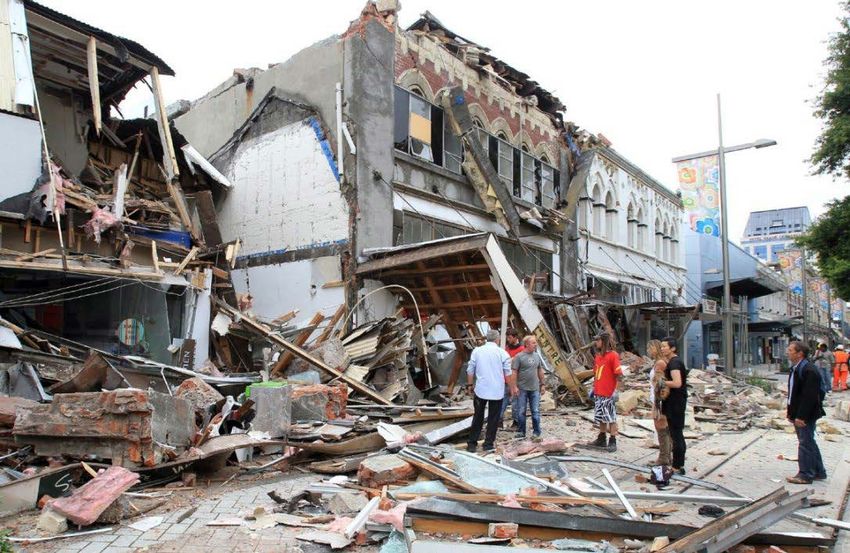
[1]
Financial Incentives (or lack thereof)
   for Earthquake Strengthening
   Away from the Urban Centres
    Professor Ilan Noy (Victoria University of Wellington)
       Dr Olga Filippova (The University of Auckland)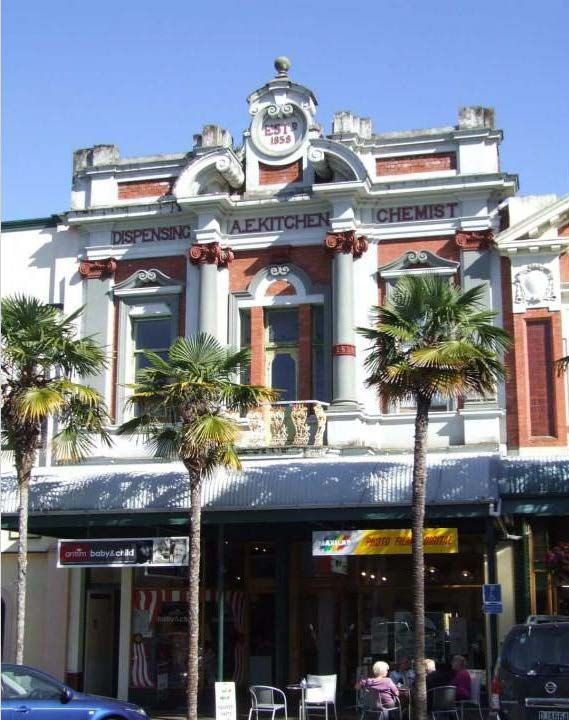
Increasing earthquake resilience
Increase resilience and promote EQ strengthening
Demographic and economic decline of Small Town NZ1
     2/3 of TAs are set to experience stagnation or decline
     Declining and ageing populations and challenging
     economic circumstances
Provincial CBDs are in decline
     Big retailers are moving to the fringes
     Government and corporate tenants are shying away
     from buildings below 70% NBS
     Older buildings make up majority of the stock
     Potential loss of heritage
EQ-prone buildings – asset or liability?
     Obstacles in securing financing from banks, limited
     and expensive insurance, unable to attract tenants
We need a better understanding of problems faced by
such towns and estimate the necessary level of incentives
as economic and social consequences will be more severe
                                                              1Wood, J. (2017). Growing Beyond Growth: Rethinking

                                                              the goals of regional development in New Zealand.
                                                              Maxim Institute discussion paper.
Increasing earthquake resilience
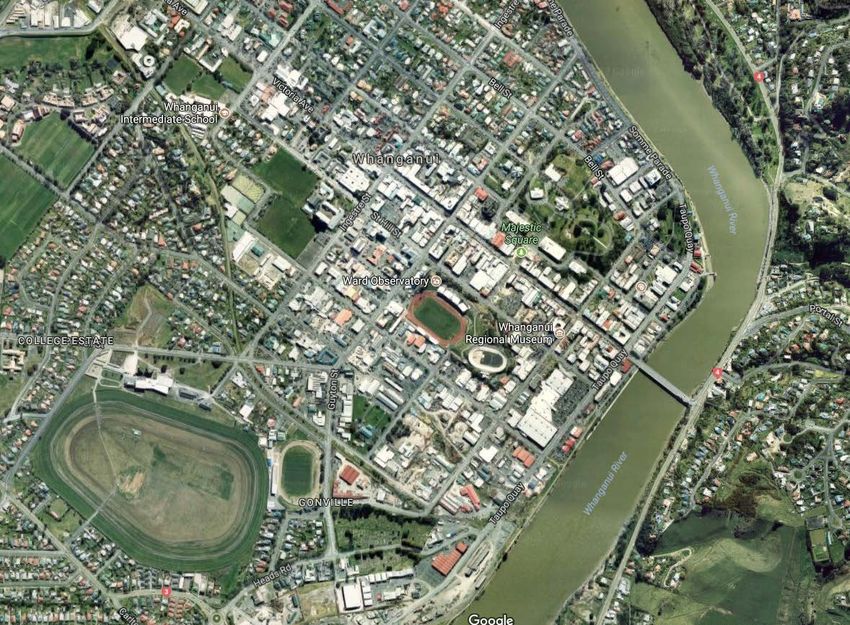
Whanganui – The River City
One of the oldest towns in NZ, 5th largest until 1936
Since the 1960 the town appears to be in economic
decline
    Loss of key industries, loss of jobs, ageing population
Estimated to contain 11% of the country’s at-risk (EQP)
buildings
              Demographic trends - Whanganui District
         43500                                                  44

         43000                                                  42
                                                                40
         42500
                                                                38
         42000                                                  36
         41500                                                  34
                     2001           2006          2013
                 Median age (RHS)          Total people (LHS)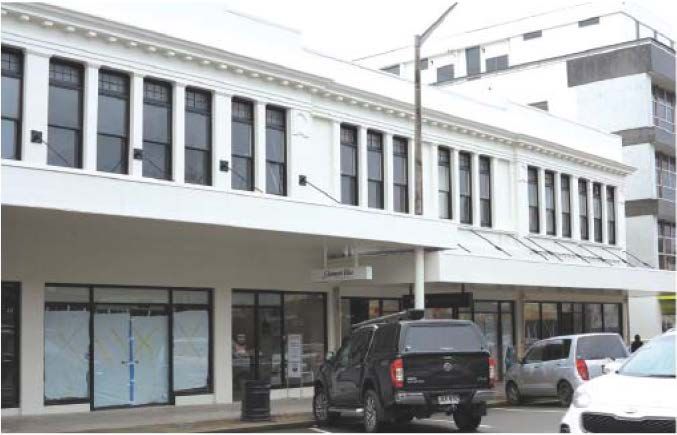
Increasing earthquake resilience

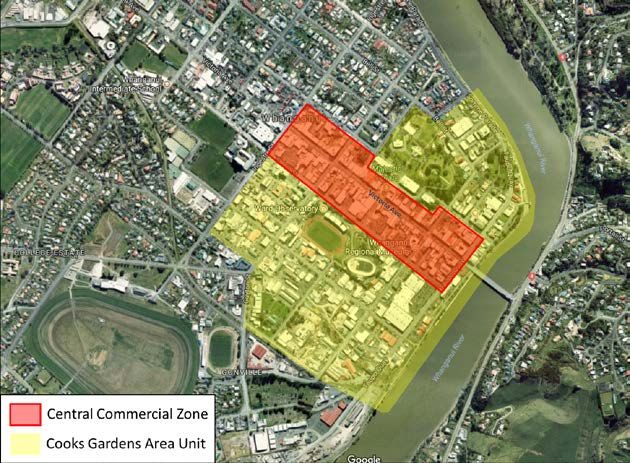
 Central Commercial Zone
 Cooks Gardens Area Unit
Increasing earthquake resilience
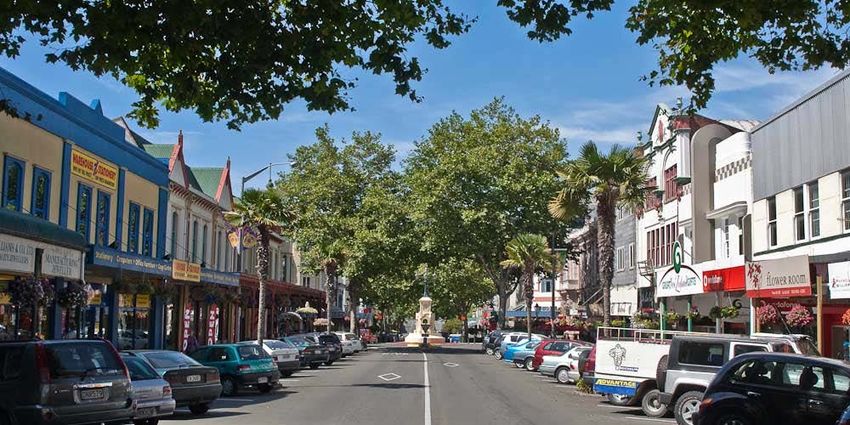
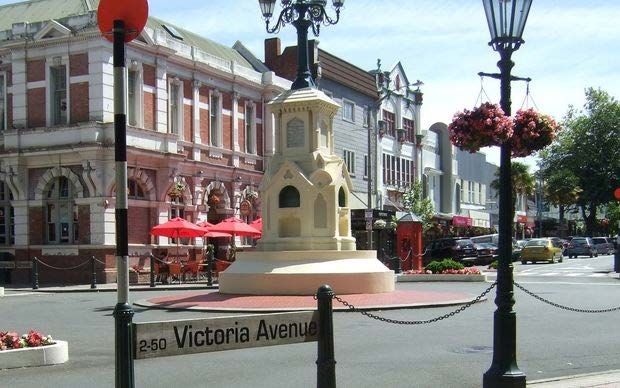
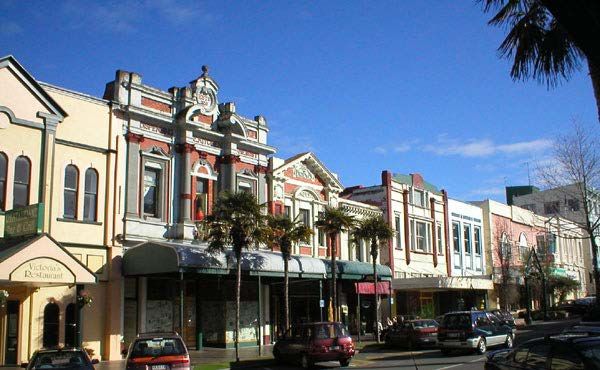
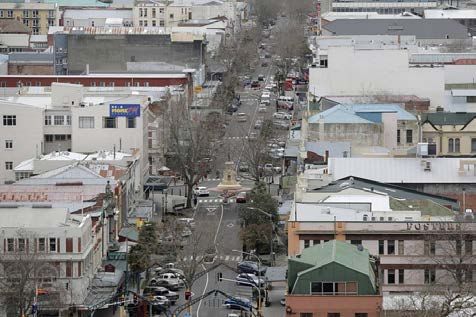
Whanganui’s Commercial Centre – Victoria Avenue
Majority of the potentially EQPBs are located in the centre
Buildings tend to be occupied by tenants, therefore
building owners derive their income from rents
Seismic strengthening is expensive (~$750-900/m2)
Loss of office jobs and reduced retail trade drives vacancy

                   CBD Employment Index
      140

      130

      120

      110

      100

       90

       80
            2000
            2001
            2002
            2003
            2004
            2005
            2006
            2007
            2008
            2009
            2010
            2011
            2012
            2013
            2014
            2015
            2016

                       Retail    Office
Increasing earthquake resilience
Sizing Whanganui’s EQPB stock
Strengthening will be centered around Victoria Ave
Building stock in the central zone is dominated by retail
buildings (64%) followed by office (24%)
2/3 of all commercial buildings in the CBD are from 1940’s
or earlier
• Potentially over 85,000 m2 would require strengthening
costing around $70M
Number of buildings by decade of construction
35
30
25
20
15
10
5
0
1890 1900 1910 1920 1930 1940 1950 1960 1970 1980 1990 2000 2010
Office Retail Mixed OtherIncreasing earthquake resilience
State of the property market
Typically around half of all commercial transactions are
financed by banks
Since the EQs, that dropped to 37% for pre-1976 buildings
% Mortgagee Sold Average % difference (SP-CV)
Vintage Pre-quake Post-quake Pre-quake Post-quake
Pre-1976 11% 26% 1.8% -29.8%
Post-1976 0% 0% -8.9% 4.4%
Nearly 30% of Victoria Ave retail
shops on the ground floor are vacant
Limited market for first
floor tenancies
Rental rates ~$120 per m2,
range b/w $80-$250
The Avenue Buildings by Wallace DevelopmentsIncreasing earthquake resilience Whanganui’s champions Champion #1 – seismic strengthening to 34% nearly completed, built in 1909, 380 m2 Retail tenancies on the ground floor, own residence 1st floor Estimated cost of seismic upgrade $215K but this ballooned to ~$290K and 1 year of delays - $760 per m2 In addition to strengthening, the owner is restoring the building to a very high standard bringing the total cost to nearly $800K – ALL costs funded by the owner Recipient of Heritage EQUIP retrofit grant - $15K The owner is driven by passion to preserve ‘a fine asset’ and is not looking to make financial gains Income from rents ~$19K, property rates $10K – with tenants paying their share of rates and insurance, the owner would clear ~$14K Would take approx 20 years to recover the investment!
Increasing earthquake resilience
Whanganui’s champions
Champion #2– plans seismic strengthening to 67%,
Category 2 Heritage NZ, built in 1910
Two storey stand-alone office building, ground floor vacant
since Nov 2014 (low NBS)
Rental income from both floors $71,600 ($127 per m2)
Estimated cost of seismic upgrade is $500K ($885 per m2)
plus $250K for restoration
Applying for Heritage EQUIP major works grant which
could provide up to 50% of seismic strengthening costs
Strengthening must be financially viable – rental income
post remediation needs to be sufficient to cover the debt
servicing of retrofit + return on the building
Increasing earthquake resilience
Whanganui’s future
Whanganui falls in the medium seismic risk area, requiring
councils to identify EQPBs w/in 5-10 yrs and owners to
strengthen or demolish w/in 25 yrs
Given the long-term 30-yr horizon of regulatory obligations,
owners take a ‘wait and see’ approach
EQPBs cannot attract investment-grade tenants (gov’t, banks,
top-end retailers) AND have higher vacancies
‘Champions’ are great BUT there are 120 pre-1976 buildings in
the central zone that will likely require seismic upgrades
In order to achieve economic viability, significant
financial incentives are needed:
• Major works grants (e.g. Heritage EQUIP)
• Subsidised interest-free loans
• Property rates relief (e.g. Tax Increment Financing)
• Equity participation (e.g. HNZ shared equity scheme)
• Allow tax deductibility of retrofit costs
• Extend EQC cover to strengthened comm heritage bldgs
Thank you!

  www.quakecore.nz
You can also read


