TEKNA CEPI'S MISSION AND ACTIVITIES REGARDING - COVID-19 BJØRG NILSSON, HEAD OF COMMUNICATION NORDIC COUNTRIES STIG TOLLEFSEN, PHD, SENIOR ...
←
→
Page content transcription
If your browser does not render page correctly, please read the page content below
Tekna

CEPI’s mission and activities regarding
COVID-19
Bjørg Nilsson, Head of Communication Nordic Countries
Stig Tollefsen, PhD, Senior Scientist, CEPI
Ebola vaccine trials – Lessons learned

                9 months   Vaccination
                                                                              ------- Guinea
                                                                              ------- Liberia
                                                                              ------- Sierra Leone

                                         University of Pennsylvania – Susan Ellenberg http://slideplayer.com/slide/12512808/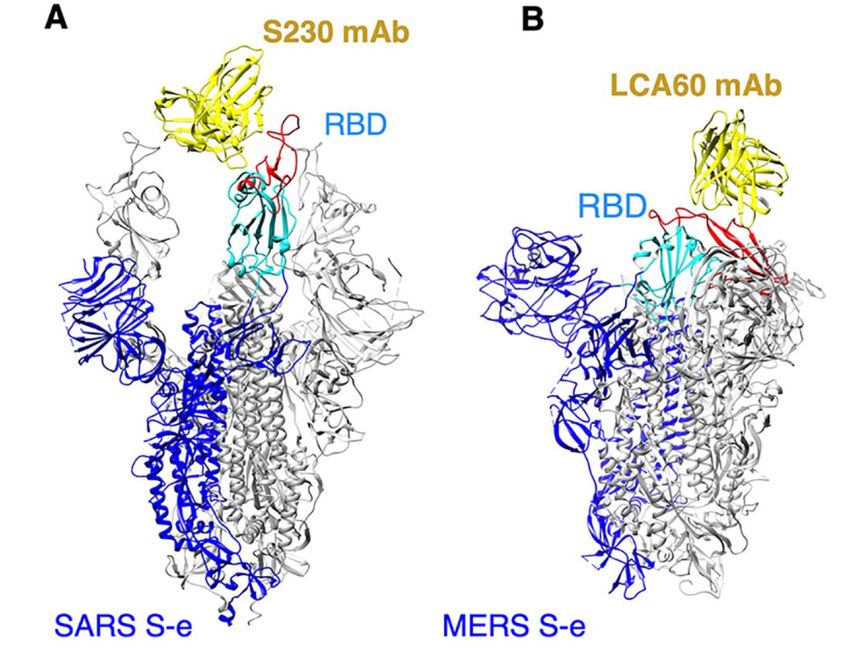
3

Our mission

CEPI accelerates
development of
vaccines against
emerging infectious
diseases and enables
equitable access to
these vaccines for
affected populations
during outbreaks

                       4
Our Strategic Objectives

Preparedness                          Response                          Sustainability
Advance access to safe and            Accelerate the research,          Create durable and equitable
effective vaccines against emerging   development and use of vaccines   solutions for outbreak response
infectious diseases                   during outbreaks                  capacity

                                                                                                 5
A global partnership
                The Board              Investors

           Joint                              Scientific
        Coordination                           Advisory
          Group                               committee

                            Partners

                                                           6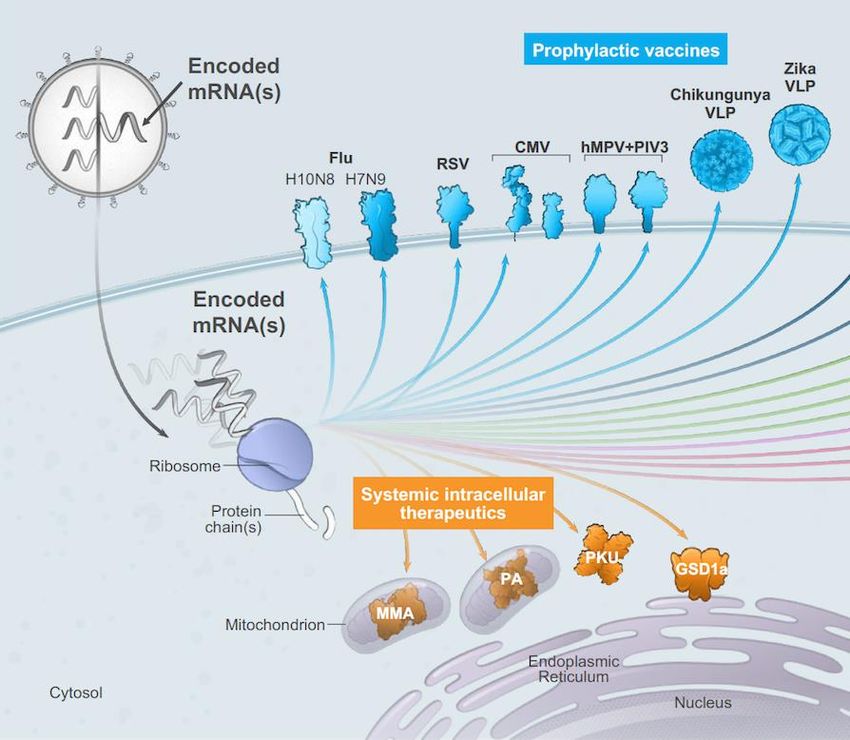
A sustainable partnership

                            7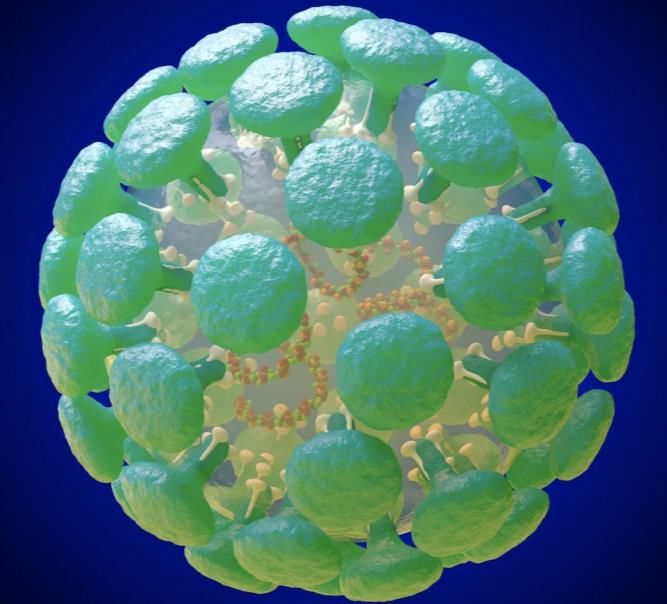
The number of new emerging
infectious diseases is on the rise

“I don't think we've ever had a situation where
we're responding to so many emergencies at
one time. This is a new normal.”

- Dr. Mike Ryan, Executive Director of WHO’s
Health Emergency Programme (June 2019)

                                                  8 8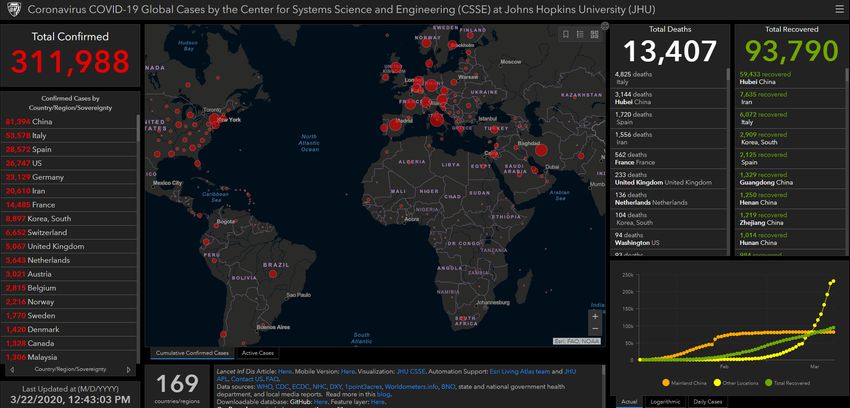
And the costs of EIDs are vast, in both
 human and economic terms

   $570 bn                    $2.8 bn                  $60 bn   >$200 bn

 The estimated annual     The minimum average          China     Globally
     global cost of      cost for progressing one

                                                      COVID-19 estimated
 moderately severe to     vaccine against each of
severe pandemics (Fan       WHO’s 11 priority
VY, et al, NBER 2016)      epidemic infectious
                        diseases (Gouglas D, et al.
                               Lancet 2018)
                                                            costs
                                                           Q 1 2020         9
Epidemics affect us all
• They often arise in the most vulnerable populations – which are and will continue
  to be the focus of our work

• The threat posed by epidemics and pandemics represent one of humanity’s
  greatest challenges:
    o Paradox of Progress: Dense cities, global trade, easy travel and ecological
      change mean they spread faster and further that ever before
    o Harm is Immediate and Long-Lasting: They cause disruption in travel,
      businesses to close, economies to struggle, and undermine fragile public
      health capabilities
    o Costs are Clear: The human and economic costs are staggering

• There are many examples of the harm infectious diseases can cause, from the loss
  of life and economic harm to the downfall of empires

                                                                                      10
What is a vaccine?
“A vaccine is a biological
preparation that provides active
acquired immunity to a particular
disease. A vaccine typically
contains an agent that resembles a
disease-causing microorganism
and is often made from weakened
or killed forms of the microbe, its
toxins, or one of its surface
Nick Jackson– proteins.”
Head of Programs and Innovative Technology
11Vaccination
Sir Edward Jenner
1749-1823
«In 1717 learned about variolation in Istanbul»
Berkeley, UK
Lady Mary Wortley Montagu
1689-1762
London, UK
Jenner inoculating J. Phipps 1796
12Immune
Innate response Adaptive response
Response
Response
13
1 2 1 2 TimeInteractions between the innate and adaptive immune systems
Acute infection
Innate immune response
Cytokine release Antimicrobial activity
Fever Adaptive immune response
There is a cross-talk between the innate and the adaptive immune systemsVaccination and the immune system
• Vaccination prepares the immune system to handle the
challenge.
• T cells • B cells
• Regulate the adaptive immune response (CD4) • Antibody production
• Cytotoxic effects (CD8) • Antigen presentation
• Plasma cells secrete antibodies
Naïve T-reg
T cell
Plasma B cells
B-cell
Th2
cell
Th1 cell Cytotoxic
T-cell
15CEPI’s priority pathogens
MERS Lassa Nipah Chikungunya Rift Valley fever Disease X
5 vaccine 6 vaccine 4 vaccine 2 vaccine 2 vaccine 3 platform
candidates candidates candidates candidates candidates technologies
16Disease X
What is it?
“Disease X” represents the knowledge that a serious
international epidemic could be caused by a pathogen
currently unknown to cause human disease.
Where does it occur?
By their very nature, we cannot predict what or where “Disease X” is likely to
emerge. What we do know is that new diseases emerge all the time, from locations
all around the world.
Who does it affect?
Developing countries, particularly those with high rates of biodiversity, are at
heightened risk, because of the increased risk of outbreaks and the limited capacity
for surveillance and response in these countries.
17Platform technology
Correlates of Protection lists
WHO lists
Prototype Pathogen lists
• Technology TPP (Target product profile)
• Regulatory aspects
• Scope broadened beyond vaccine platforms
Candidate I
Pre-clin PoC • Monoclonal antibodies
• Immunoprophylactic platforms such as
Candidate II
gene encoded antibodies
Pre-clin PoC Engineering lot
• Other innovations
Candidate III
Pre-clin PoC
GMP Phase I • Aspirational Characteristics
Time
• 16 weeks from antigen to clinic
3 years • 6 weeks to clinical benefit
• 8 weeks to manufacture 100,000 doses 1819
Disease X: COVID-19
As of 22 March:
CONFIRMED CASES: 311988
DEATHS: 13407
RECOVERIES: 93790
COUNTRIES: 169

The rapid global spread and unique epidemiological
characteristics of the novel coronavirus disease, COVID-
19, is deeply concerning.

CEPI has moved with great urgency and in coordination
with WHO, who is leading the development of a
coordinated international response.

We have initiated several programmes which will
leverage our work on MERS and innovative new
technologies to speed up vaccine development against
COVID-19.

                                                 20
CEPI’s response to
COVID-19
We hope to get a vaccine through to clinical testing in 16
weeks – this is an extremely ambitious timeline and is
unprecedented in the field of infectious diseases. We have
already announced the following partnerships and
programmes of work:
• Inovio – Nucleic Acid platform
• University of Queensland – Recombinant protein
• Moderna – mRNA platform
• CureVac - mRNA platform
• Novavax, Inc. - recombinant protein nanoparticle
technology
• The University of Oxford - ChAdOx1 vectored
vaccine
• The University of Hong Kong - live-attenuated
influenza vaccine platform
• Institut Pasteur – measles vector
21An Epidemic Cannot Be Defeated
Without Access To The Vaccines
• Equitable Access: CEPI has obligation to ensure that appropriate
vaccines are first available to populations when and where they are needed
to end an outbreak or curtail an epidemic, regardless of ability to pay
• Access to Markets: CEPI vaccines may be used in areas where final
regulatory approvals have not been granted – emergency use – and
where regulatory processes not fully developed.
• Access and Sustainability: CEPI provides funding for vaccine and
platform development and enabling science.
• We seek to further develop push and pull funding mechanisms for
R&D, capacity building and to promote sustainable manufacturing
and distribution.
22CEPI’s COVID-19 vaccine portfolio diversifies platform technologies,
partnership types, geographical presence and risks.
Total Technology Antigen Partner type Geo allocation Manufacturing
project platform scalability
budget (High/medium/lo
(m$) w)
Inovio $8.9m DNA Spike-protein Biotech USA Low
Moderna* $21m mRNA Spike-protein Biotech USA Medium/High
CureVac $8.4 mRNA Spike-protein Biotech Germany Medium/High
Adjuvants
Queensland $2.15m Protein Spike-protein Academic Australia Medium/High
Spike-protein
Novavax $12.8m Nanoparticulate Industry United States High
Janssen $46m Viral vector Spike-protein Industry Belgium High
IP-Themis
Academic/ France, Germany,
University of $12/28m Viral vector Spike-protein Medium/High
Industry India
Pittsburgh
Spike-protein Biotech
Clover $8.3m Protein China Medium/High
* Funded jointly with US NIAID - CEPI funding for GMP material; Phase 2 work under negotiation timer (phase 3 staged)
University of Oxford 0.35m Viral vector Spike-protein Academic UK Low
University of Hong
0.6m Viral vector RBD domain Academic Hong Kong High 23
KongVirus S protein binds to ACE2 receptor
24Ab to Spike, ADE of disease
Wang et. al 2016
Wan et. al 2020
25Inovio (Nucleic acid platform)
• Date of announcement: 23 January 2020
• Inovio will be working to advance their MERS vaccine
candidate using its DNA Medicines platform to deliver
optimized synthetic antigenic genes into cells.
• These will then be translates in to antigens that
activate an individual’s immune system to generate
robust immune response
26University of Queensland
(recombinant protein)
• Date of announcement: 23 January 2020
• The University of Queensland’s “molecular clamp”
technology works by synthesizing viral surface
proteins which attach to host cells during
infection, and “clamp” them into shape, making it
easier for the immune system to
• On Feb 21, the UQ team announced that they had
created their first vaccine candidate in the lab and
will move immediately into further development
before formal pre-clinical testing.
27Moderna (mRNA platform)
• Date of announcement: 23 January 2020
• Moderna will manufacture an mRNA vaccine
against the novel coronavirus and will work
with the US National Institute of Allergy and
Infectious Diseases to conduct
investigational drug studies to decide
whether it is safe to progress to the next
stage of clinical trials.
• On Feb 25, Moderna announced shipment of
vials of their COVID-19 vaccine to NIAID to
be used in a planned Phase 1 study in the US.
28CureVac (mRNA platform)
• Date of announcement: 31 January 2020
• CureVac’s platform aims to optimize the
properties of mRNA therapeutics and
vaccines. The technology can be tailored to
induce varying degrees of immune
responses against antigens of choice,
potentially providing potent prophylactic
vaccines for the prevention of infectious
diseases.
• mRNA in LNP
29Novavax, Inc. (recombinant protein
nanoparticle technology)
• Date of announcement: 10 March 2020
• Novavax has produced and is currently assessing multiple
nanoparticle vaccine candidates to identify the best candidate(s)
for human testing, which is expected to begin by the end of
spring 2020
• Novavax is creating COVID-19 vaccine candidates using its
proprietary recombinant protein nanoparticle technology
platform to generate antigens derived from the coronavirus spike
(S) protein. Novavax expects to use its proprietary Matrix-M™
adjuvant with its COVID-19 vaccine candidate to enhance
immune responses.
• Novavax has experience in rapid innovative vaccine development
against novel emerging viruses, including efforts to develop
vaccines against the similar coronaviruses Middle East
Respiratory Syndrome (MERS) and Severe Acute Respiratory
Syndrome (SARS).
30The University of Oxford (ChAdOx1
vectored vaccine)
• Date of announcement: 10 March 2020
• ChAdOx1 is a replication-deficient simian adenoviral
vaccine vector. This vaccine platform has been used
to produce vaccine candidates against multiple
pathogens, including Influenza, Chikungunya, and
Zika.
• In 2018, CEPI provided up to $19 million to Oxford to
develop vaccines against Lassa, Nipah, and MERS.
Oxford’s ChAdOx1 MERS candidate has completed
phase 1 studies and a second clinical study is
underway in Saudi Arabia.
31The University of Hong Kong (live-
attenuated influenza vaccine platform)
• Date of announcement: 18 March 2020
• Researchers at the University of Hong Kong have created a
vaccine candidate using a weakened version of the flu virus
and have adapted it to express the surface protein of the
COVID-19 virus. This approach has previously been used to
develop preclinical vaccine candidates against MERS.
• CEPI will provide initial funding to HKU to undertake
preclinical testing of their vaccine candidate and will
consider additional funding for further clinical testing
pending results of these preclinical studies.
32Institut Pasteur, Themis, University of
Pittsburgh (Measles vector)
• Date of announcement 19 March 2020
• Partnering agreement with the Institut Pasteur-led consortium
that will include Themis and the University of Pittsburgh to
develop a vaccine candidate against COVID-19. This
collaboration brings CEPI’s total investment in COVID-19
vaccine R&D to US$29.2 million.
• In a first step, CEPI funding will support the preclinical testing,
initial manufacture of vaccine materials, and preparatory work
for phase 1 studies.
33What else is needed?
• Live virus
• Challenge studies (animals)
• Neutralization studies
• Diagnostics
• Disease confirmation
• DIVA?
• Developing standards and assays
• Serum
• Cellular
• Molecular
• Serum samples/antibodies
• Survivors
• Standards Pos/neg control
34What else is needed?
• Animal models
• Ferrets
• NHPs
• Regulatory requirements
• Immunology proof of concept
• Tox studies
• Animal studies
• Clinical trial data/Safety database
• Plans for clinical trials
• Where?
• Who?
• Testing of vaccine in the population
• Who? (placebo/vaccine)
• Where?
35Enabling science projects and activities (COVID-19)
Ideas & Project Project
Exploratory Completed /
Needs development implementation Evaluation
CSIRO
Virus isolate Virus
propagation
NIBSC PHE CSIRO
Animal model Animal model Ferret model
Animal model
DSTL Wageningnen
Animal model Animal model
TBD NIBSC
Antigen ref Antibody
standard
Standards
DARPA NIBSC
mAbs NAT
SAB standard
h-IgG from transchrom.
cows
Assays TBD NIBSC NIBSC
Centralized lab Neutr. Ab assay Immunoassay
Diagnostics TBD TBD
Eval sero
Eval RT-PCR
assay
TBD
Other Immune- 36
pathologyEquitable access
Equitable access to epidemic vaccines in the Subheading: potential to reframe this story for different
context of an outbreak means that: political audiences (i.e. national security angle or global health
angle)
• appropriate products are first available to
populations when and where they are needed Subheading: what can we learn from AMR discussion to focus
attention on our priority pathogens?
• to end an outbreak or curtail an epidemic,
• regardless of ability to pay.
37Follow us: @CEPIVaccines
Sign up to our newsletter:
www.cepi.netYou can also read


