BCNetter Issue No. 12, June 2020 - IARC
←
→
Page content transcription
If your browser does not render page correctly, please read the page content below
BCNetter
Issue No. 12, June 2020

                  A snapshot of our BCNet Check-In Meeting held on Zoom, on May 08, 2020

Dear BCNet Members,                                       We are grateful for your very active participation to
                                                          the BCNet check-in meeting in May. It is clear that
What a difference three months make!                      we have all been affected, in many different ways
                                                          by the pandemic. Our continuing communication
In France, and Europe as a whole, we are coming           remains key to overcome the challenges ahead of
slowly into the ‘new normal’ after a 12-week period       us. We will be circulating over the next few weeks a
of confinement, during which most aspects of our          short survey to re-assess the needs and priorities
work were affected in an unprecedented manner.            for the BCNet working groups in light of the global
These included laboratory work, the collection and        developments.
receipt of biological samples for a number of
studies across the world, as well as the cancellation     In this BCNetter you will read about multilingual
of major events and meetings.                             COVID-19 videos; the GHTAs; the increasing utility
                                                          of the IARC online Learning Platform; as well as the
The ISBER 2020 Annual meeting in Anaheim was              most up to date developments by the BBMRI.nl
cancelled, and instead a number of webinars are           colleagues on sustainable biobanking. New papers
planned to take place throughout the year. The            and important news are also highlighted.
same has been true for future meetings too, such
as the European Biobank Week (will be moving to a         We are grateful for all of our members'
virtual meeting format) as well as the African            contributions and keen to highlight much needed
Society for Laboratory Medicine (ASLM) moving             success stories where possible.
onto a new date a year later, in 2021.
                                                          We will continue steadfast through these
The last few months have witnessed a number of            unpredictable times, with the communication lines
challenges, most of which still ongoing. These            always open while pursuing new activities for the
highlight the need for taking wider, collective action    benefit of our network. We look forward to the
so that our efforts can be impactful. The existence       continued cooperation of the members and even
of strong networks provides the cornerstone for           more successful initiatives in the coming weeks and
such collective activities, as well as the opportunity    months.
to share experiences and expertise. The ability to
share information across our network gives us             Zisis Kozlakidis
strength and a continued empowerment.                     BCNet Coordinator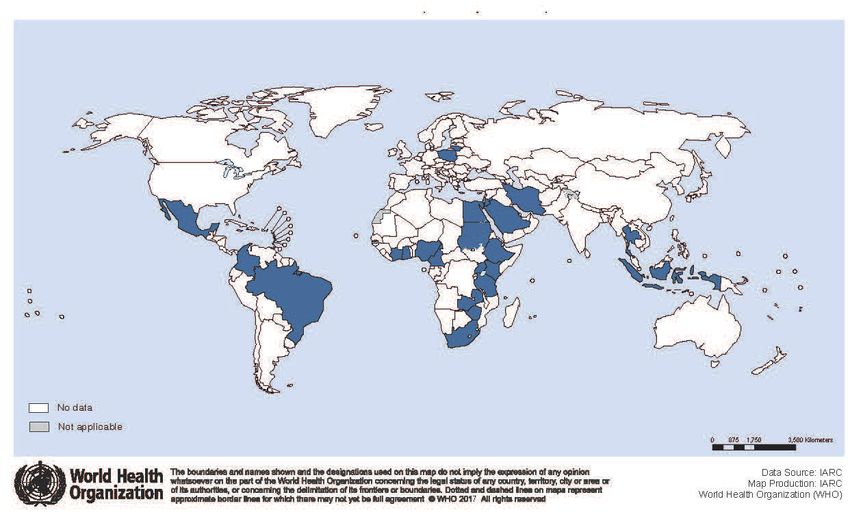
Multilingual COVID-19 Information Videos
There is a lot of information circulating about
COVID-19 – some more reliable than other. For
many individuals, it is stressful to sort through
differing messages – often in languages that are
not their mother tongue.
Afric ArXiv, the community-led digital archive for The International Cancer Institute (ICI), Eldoret,
African research communication, proposes to Kenya, has developed virtual courses in May/June
address this with short, consistent messages supporting African professionals for preceptorships.
provided in as many regional/local languages as Contact: Dr. Chizi Kiti, ICI Education and Training
possible. It is an open access resource, which uses Head, at ckiti@intercancer.com
a standardized script which volunteers translate
into relevant languages, record a video of The University of Graz, Germany, is proposing a
themselves reading the message and post it to the course entitled “Master of Science Biobanking”.
site (using a creative commons license).
The H3Africa Administrative Coordinating Centre
The project began with African languages but are (H3ACC) is pleased to release the H3Africa
looking to expand the resource to all global Promotional Video
languages, so if you think you might be able to
contribute, or know someone who could contribute Grant opportunity: Strengthening Institutional
a language not yet covered on the website, there Capacity to Conduct Global Cancer Research in
are instructions on how to create and add a video LMICs
in your preferred language or languages. Application deadline: 24 July 2020
Please do feel free to share as much as possible,
this is intended to be a global open access
resource.
Link here.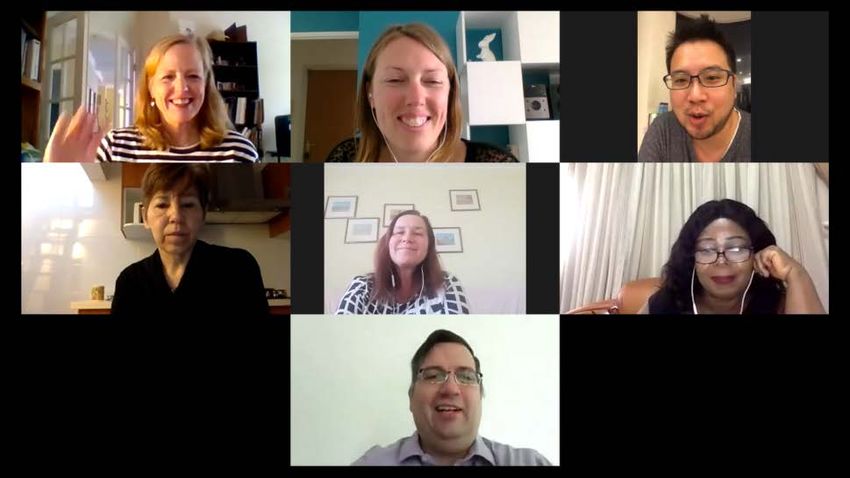
Mechanobiology – one step closer to in vivo conditions

                                                       Dr Elodie Caboux contributed as co-author:
                                                       Extending the Minimum Information About BIobank
                                                       Data Sharing Terminology to Describe Samples,
                                                       Sample Donors, and Events

Mechanical stress has a significant effect on the      From some of our colleagues in the Philippines:
microbiological behaviour of individual cells: it      A Pilot Cancer-Phenome Biobanking System in a
affects e.g. blood pressure control (Wang et al.       Low-Resource Southeast Asian Setting: The
                                                       Philippine General Hospital Biobank Experience
2016) or pathway regulation in endothelial cells (He
et al. 2020). Recent findings on the effects of
                                                       From our colleagues in Morocco:
COVID-19 on endothelial cells (Varga et al. 2020)
                                                       Patients' Knowledge and Attitude Toward Biobanks
make researching the impact of mechanical stress a     in Eastern Morocco
pressing need.
                                                       From Prof. Ma’n H. Zawati:
In general, experiments using flow to generate         Biobanking for Genomic and Personalized Health
shear stress on cells were seen as too complex and     Research: Participant Perceptions and Preferences
too time-consuming to set up – a situation we
could not accept. Together with researchers at the     Also:
University of Zurich, Vitroscope developed an          The Experts Speak on Biobank Education
integrated flow chamber system for live cell
microscopy.    It    allows   continuous   live-cell   Editorial: Clinical Microbiology in Low Resource
observation under physiological levels of flow-        Settings
induced shear stress – one step closer to in vivo
conditions.

Vitroscope puts a strong focus on making work in
the laboratory as efficient and easy as possible so
that every researcher can enter the field of
mechanobiology. Their published solution (Kriesi et
al. 2019) requires no special tools, no special
adapters and fits right onto standard microscope
stages. Tested over hundreds of hours –
biocompatible – ready for discoveries. Do you think
this would help your research efforts? And are
highly integrated solutions easier adapted in low-
and middle income research settings? Let
Vitroscope know here! And please reach out for
future collaborations:
contact@vitroscope.no / Website: vitroscope.no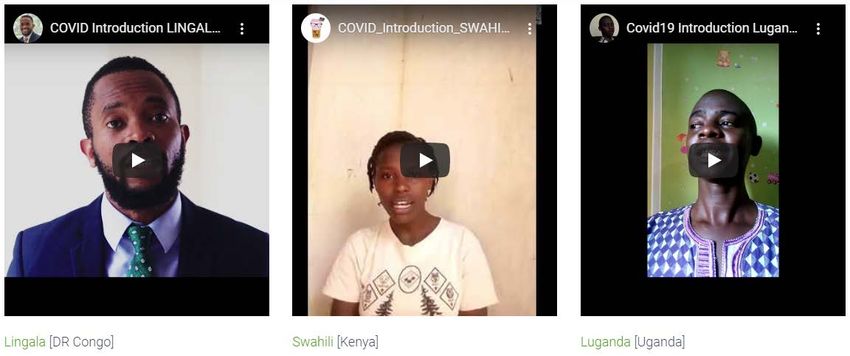
Apply for the Global Health Travel Awards

Global Health Travel Awards (GHTAs) are open to         Examples of symposia organised by Keystone
students, fellows, career scientists and clinicians     Symposia:
from LMICs, and aims at covering travel fees to          • August 17 - 19, 2020: Advances in Cancer
access Keystone Symposia meetings. The program             Immunotherapy
aims to provide researchers from diverse                 • September 20 - 23, 2020: Proteomics in Cell
backgrounds and limited resource settings with the         Biology and Disease
opportunities afforded by attending large scientific     • September 20 - 24, 2020: Genomic Stability
conferences, including:                                    and DNA Repair
 • Insights into the latest scientific, technological
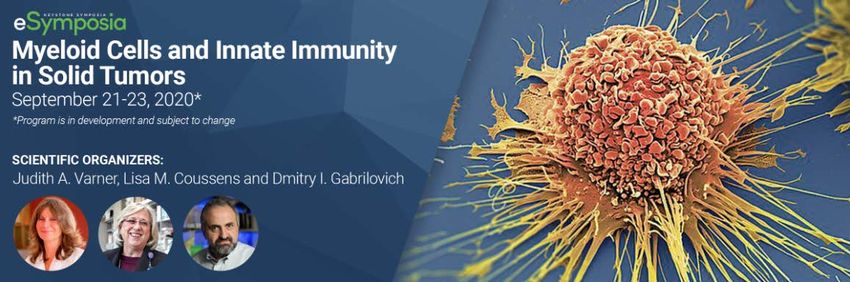
                                                         • September 20 - 24, 2020: Myeloid Cells and
    and clinical advances and innovative new
                                                           Innate Immunity in Solid Tumors
    directions.
                                                         • October 1 - 4, 2020: RNA Editing and
 • Sharing their work with global research
                                                           Modifications: From Biology to Therapy
    leaders.
                                                         • October 4 - 7, 2020: Tissue Plasticity:
 • Networking       and     career      development        Preservation and Alteration of Cellular Identity
    opportunities.
                                                         • October 4 - 8, 2020: Autophagy: Mechanisms
 • Educational training on the state and direction         and Disease
    of the field.                                        • October 21 - 24, 2020: Optimizing Nutrition for
 • Pre-Meeting Workshop training to prepare                Maternal, Newborn and Child Health
    GHTA winners for the conference experience.          • November 30, 2020 - December 3, 2020: A
                                                           Gut-Systemic Perspective for Metabolic Disease
The awards cover conference-related expenses,
including: meeting registration, lodging, airfare and   Links:
ground transportation. The amounts of the awards        Full list of symposia
vary, depending on where awardees are coming            More info on the travel awards
from and the extent of their need.

Note: Some meetings have been converted to
virtual meetings for which GHTAs will only cover
registration costs.
IARC Biobanking Learning
                                                 Platform will soon host
                                             BBMRI.nl’s Recommendations for
                                                 Sustainable Biobanking

Sustainability remains a continuous challenge for many biobanks and effective strategies
are hard to come by. BBMRI.nl, the Netherlands entity of the Biobanking and
Biomolecular Resources Research Infrastructure, has published recommendations, good
practices, and background knowledge for improving biobank sustainability. These will
soon be available on the International Agency for Cancer Research (IARC) Biobanking
Learning Platform.
Follow up the platform for updates here!

Since the beginning of the year, the IARC Biobank Learning platform has attracted 325
visitors with a total of 9,752 hits.
The most popular resources are:
     - Lecture: “Introduction to Biobanking” Part 1 & 2
     - Lecture: “Sustaining Biobanks, Insights from Infrastructure Planning across the
         World”
     - Self-paced: “Get Started with the eB3Kit”
     - Video Tutorial: “Using your Baobab LIMS”
     - Webinar: “Material Transfer Agreement”

Want to know more? Access the Learning Platform here

Please note that you can subscribe to the website RSS Feeds at the bottom of the
website main page and receive any update in your mailbox, as they are published.

                                                       Who Are We?

BCNet is the Low- and Middle-Income Countries (LMIC) Biobank and Cohort Building Network, which was established in 2013 to
provide a platform for collaboration between its members, partners, IARC, and the international community. BCNet aims to
support biobanking and cohort-building activities and to develop sustainable infrastructures for the management of high-quality
biological samples and data for research, using best practice principles and guidelines.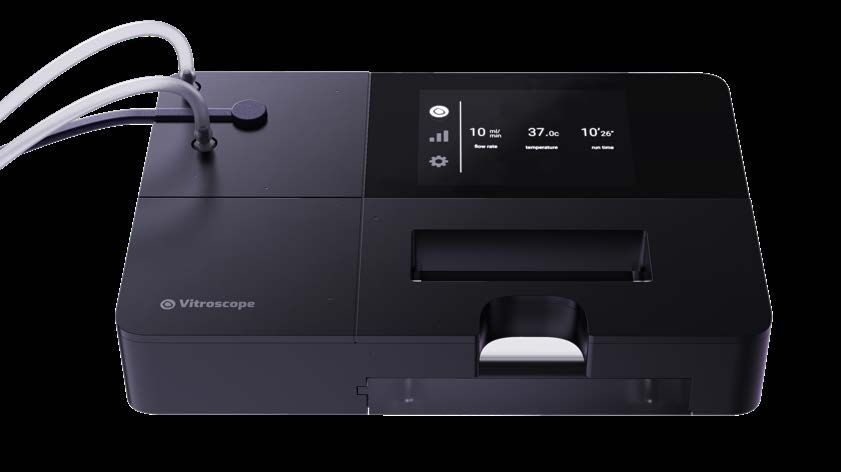
BCNet Members

BRAZIL: Barretos Cancer Hospital; CAMEROON: Faculty of Medicine and Biomedical Sciences, Université de Yaoundé; Université des
Montagnes; COLOMBIA: Clinica de la Costa Ltda; CÔTE D’IVOIRE: Institut Pasteur de Côte d’Ivoire; EGYPT: Children’s Cancer Hospital Egypt –
57357, Faculty of Medicine Cairo University, Medical Research Institute Ain Shams University, Medical Research Institute Alexandria University,
National Cancer Institute, National Liver Institute, South Egypt Cancer Institute Assiut University; ETHIOPIA: Jigjiga University; GHANA:
Breast Care International, University of Health and Allied Sciences; INDONESIA: Faculty of Medicine Universitas Gadjah Mada; IRAN: Golestan
Cancer Biobank; JORDAN: King Hussein Cancer Center Biobank; KENYA: Ampath Reference Laboratory; LITHUANIA: National Cancer
Institute; MEXICO: Instituto Nacional de Cancerología; NIGERIA: College of Medicine University of Ibadan, Obafemi Awolowo University
Teaching Hospitals Complex; POLAND: Biobank Lab Department of Molecular Biophysics University of Lodz, Wrocław Research Centre EIT+
Biobank; SOUTH AFRICA: National Health Laboratory Service (NHLS), NHLS/Stellenbosch University Biobank; SUDAN: Radio-Isotope Centre
Khartoum; THAILAND: National Cancer Institute; THE GAMBIA: Medical Research Council (MRC) The Gambia Unit, MRC International Nutrition
Group; UGANDA: Makerere University College of Health Sciences; UNITED REPUBLIC OF TANZANIA: Kilimanjaro Clinical Research Institute;

ZAMBIA: Centre for Infectious Disease Research in Zambia; ZIMBABWE: African Institute of Biomedical Science & Technology; University of
Zimbabwe College of Health Sciences.

                                                     BCNet Partners

                              Contact                                                                      +33 4 72 73 80 35
                              Dr Zisis Kozlakidis           Charlotte Volatier
                              kozlakidisz@iarc.fr           volatierc@iarc.fr
You can also read


