The 2016-2021 Strategic Plan - University of South Florida
←
→
Page content transcription
If your browser does not render page correctly, please read the page content below

The 2016-2021 Strategic Plan
            College of Marine Science at the University of South Florida

          Locally Applied • Regionally Relevant • Globally Significant

The College of Marine Science seeks to increase and apply fundamental knowledge of global ocean systems
   and human-ocean interactions through research, graduate education and community engagement.
Executive Summary                                         grant applications; however, not all funding sources      The College of Marine Science’s ability to realize        will require a recurring budget increase of $750,000
                                                               allow for this expense. While we anticipate some          its strategic goals and its continued contributions       for salary and benefits and one-time investments in
     The 2016-2021 College of Marine Science (CMS)             increase in graduate tuition revenues through             to USF’s strategic plan remains dependent on the          start-ups ($3.2M). In addition, critical investments
     Strategic Plan builds on the 2013-2018 University         establishment of certificate programs and in              potential for the allocation of new resources, re-        in deferred maintenance (~$6.7M) and desired
     of South Florida (USF) Strategic Plan and focuses         undergraduate tuition revenues through continuing         allocation of current university-wide resources, and/     investments in a new building (~$15M), as described
     on our leading role in assessing the planet’s health      our current path of growing our course offerings          or subvention funding. Specifically, over the next five   under the last goal, will be critical to assuring
     and enhancing the university’s research reputation.       (particularly online), it is expected that CMS will be    years CMS needs to increase the number of faculty         that our facilities allow us to continue our world-
     Our research and graduate education success               reliant on subvention funding. The challenges CMS         by 20% (a total of eight hires, five of them new          class teaching and research programs. We strive
     provides essential contributions towards USF’s AAU        will face will need to be carefully considered as we      positions). As discussed below, with a 20% increase       to increase all available sources of revenue (i.e.,
     aspirational goals, its Carnegie R1 classification, and   move into the RCM model.                                  in faculty, we expect to produce 20% increases in         direct and indirect grant funding, licensing, tuition
     the State of Florida Preeminence metrics.                                                                           important metrics of research productivity, post-         revenues, fundraising, etc.) to achieve these goals.
                                                               This strategic plan reinforces our commitment to
     Today’s political and funding environment has                                                                       doctoral fellows, graduate degree production, and
                                                               the graduate teaching and research missions of
     focused attention on undergraduate student success.                                                                 undergraduate student success. The five new hires
                                                               USF, thus enhancing the university’s national and
     While student success at the undergraduate level is       international research reputation. Implementation
     critically important, USF also has commitments to         of this plan allows CMS to make critical
     graduate student success and research. USF rightly        contributions to USF’s Carnegie R1 classification and
     prides itself on achieving the status of being a top-50   to make significant progress toward achievement of
     research university, an achievement to which CMS          Preeminence status within the State of Florida and
     makes major contributions. While seeking to remain        of our AAU aspirations.
     a pillar of excellence in research and graduate
                                                               The following are the steps to realize this vision
     teaching, CMS will face financial challenges as USF
     shifts to a responsibility-centered management            Goals and Objectives
     (RCM) budget process in the coming year.
                                                               In the next five years, the College of Marine Science’s
     In terms of its financial stability and growth, CMS       goals are to:
     will continue to maintain and grow its high level of
                                                               1. Enhance research productivity and impact
     federal research funding, which per faculty member
                                                                  through strategic hiring and establishment of an
     exceeds all other units within Academic Affairs. In
                                                                  endowment to support research infrastructure
     addition, with the anticipated changes in indirect
                                                               2. Graduate highly competitive MS and PhD
     allocations our ability to provide the infrastructure
                                                                  students prepared for employment and leadership
     support necessary to be competitive in the research
                                                                  positions in ocean sciences
     arena will increase. An increase in patents with
     subsequent technology transfer is within the              3. Increase engagement with undergraduate
     scope of our endeavors. We also seek to boost our            programs on USF Tampa and USFSP campuses
     financial stability through increased philanthropic
                                                               4. Enhance college visibility and fund-raising
     engagement, as highlighted by the establishment
                                                                  capacity within the community and nationally
     of a Dean’s Circle, described below. Our greatest
     challenge within the RCM budget model will be             5. Complete deferred maintenance project master

     the generation of tuition through increased funded           plan and get approval for a new building to house

     student credit hours. At the graduate level, we will         new education initiatives

     continue to include requests for tuition support in

2 | College of Marine Science                                                                                                                                                                                               Strategic Plan | 3
CMS Strategic Plan Summary
1. Enhance research productivity and impact through 2. CMS will graduate highly competitive MS 3. CMS will increase engagement 4. CMS will enhance its visibility and fund- 5. Invest in facility
Goals
strategic hiring and establishment of an endowment to and PhD students prepared for employment and with undergraduate programs on raising capacity within the community and deferred maintenance
support research infrastructure leadership positions in ocean sciences USF Tampa and USFSP campuses nationally and develop plan for
renovation and expansion
of the MSL building
Goal 2. USF will generate new knowledge and solve Goal 1. USF will produce well educated, highly
Goal 1. USF will produce well edu- Goal 3. USF will, as a highly effective major eco- Relevant to all USF Goals
problems through high-quality research and innovation skilled global citizens through its continuing
USF Linked Goals
cated, highly skilled global citizens nomic engine, create new partnerships to build
to change lives, improve health, and foster positive commitment to student success
through its continuing commit- a strong and sustainable future for Florida in the
societal change
Goal 3. USF will, as a highly effective major ment to student success global economy
Goal 4. USF will pursue a more secure economic base, economic engine, create new partnerships to
Goal 4. USF will pursue a more secure economic
greater operational and resource efficiencies, and build a strong and sustainable future for Florida
base, greater operational and resource efficien-
increased transparency in its business practices in the global economy
cies, and increased transparency in its business
practices
1.1 Make strategic faculty hires in areas of research 2.1 Enhance our ability to attract and recruit a
3.1 Increase number of courses 4.1 Establish a Dean’s Circle to increase support 5.1: Complete the
excellence stronger cohort of graduate students
offered to undergraduates through for research, graduate student education and deferred maintenance
1.2 Maintain external research funding per faculty 2.2 Enhance student success both online and face-to-face outreach at CMS master plan
offerings
1.3 Establish the “Dean’s Circle” with individuals, 2.3 Enhance student progress to encourage 4.2 Serve as a lead stakeholder in outreach 5.2: Obtain an additional
as well as representatives from corporations and graduation within target dates 3.2 Provide research opportunities activities, such as Oceanography Camp for Girls, $7.5M for two years to
Strategies
foundations, with affluence, influence and access for undergraduates through lab, St. Petersburg Science Festival, Blue Ocean Film renovate and extend the
2.4 Enhance diversity of student body
research cruise, and educational Festival, and Port Discovery north end of the MSL to
1.4 Develop the Dean’s Innovation Endowment to
2.5 Enhance career training for graduate outreach internships enhance teaching and
support research and innovation 4.3 Identify faculty, staff and students to serve
students and post-doctoral fellows research spaces
on local, regional, national, and international
1.5 Develop a model to increase ROI on CMS research
panels, workshops, editorships
innovation that has gone to market
4.4 Facilitate at least two faculty nominations for
national or international awards, with at least
one of these for an award that is relevant for
AAU status
1.1.1 Total number of faculty (goal of 33 ranked faculty) 2.1.1 Average GRE scores of accepted students
3.1.1 Number of undergraduate SCH 4.1.1 Endowment value for research, education 5.1.1 Secure funding for
1.1.2 Number of faculty in defined areas of excellence 2.2.1 Doctoral Degrees Awarded (USF Metric 1.8) and outreach (USF Metric 4.2) deferred maintenance
(cluster hires within CMS and USF) 3.2.1 Number of students involved
2.2.2 Graduate Degrees in Areas of Strategic 4.2.1 Number of people impacted by outreach 5.2.1 Secure state and
in research
Key Performance Indicators
1.2.1 Number of postdoctoral appointees (USF Metric 2.1) Emphasis (USF Metric 3.4) activities such as Oceanography Camp for Girls, private funding for new
1.2.2 Federal research expenditures 2.2.3 Number of student awards and fellowships St. Petersburg Science Festival, Blue Ocean Film building
Festival, Port Discovery
1.2.3 Federal research expenditures/faculty member 2.2.4 Number of student publications
4.3.1 Number of local, regional, national, and
1.2.4 Total R&D expenditures (USF Metric 2.4) 2.3.1 Time to degree for MS international panels, workshops, and editorships
1.2.5 Total R&D expenditures/faculty member 2.3.2 Time to degree for PhD served on by faculty
1.2.6 Total Indirect 2.4.1 Composition of student body using accepted 4.4.1 Number of faculty award nominations that
categories we facilitate
1.2.7 Patents awarded in a 3-year period of time (USF
Metric 2.8) 2.5.1 Percent employment of graduates in ocean
sciences
1.3.1 & 1.4.1 (Endowment value) Build Dean’s
Innovation Endowment to $5 M in 5 years
(USF Metric 4.2)
1.5.1 Value of royalties returned to CMS
4 | College of Marine Science Strategic Plan | 5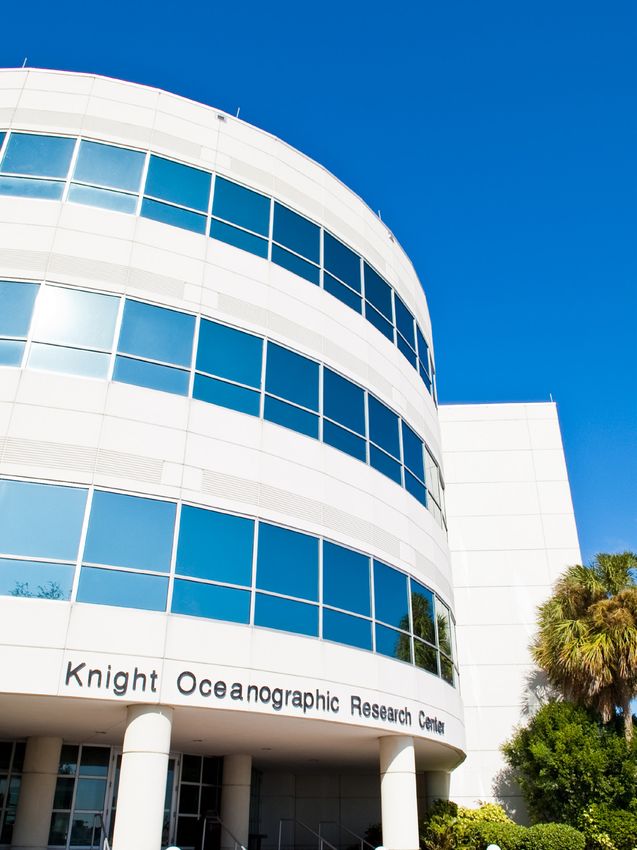
Preamble                                                                                                           expanding our professional training opportunities        program is a tribute to collaborations among a large
                                                                                                                        and by expanding undergraduate offerings. We need        group of stakeholders. These include our faculty,
     The oceans produce half of the oxygen we breathe,                                                                  additional financial resources to attract the best and   colleagues from other agencies and universities,
     provide critical food and energy resources, moderate                                                               the brightest students, faculty and researchers. We      other colleges at USF, community business
     Earth’s weather and climate, and enable worldwide                                                                  need to invest in our aging infrastructure to ensure     leaders (especially the St. Petersburg Downtown
     commerce. Coastal tourism and recreation                                                                           a safe and reliable environment for research and         Partnership), the City of St. Petersburg, members of
     contribution over 1.7 million jobs to the nation’s                                                                 education. This plan outlines these needs.               Florida’s legislature, the US Congress, and a host of
     economy and over 200,000 jobs and $50 billion                                                                                                                               private citizens.
     to Florida’s economy (Appendix 1). In Florida, the                                                                 History of the College of
                                                                                                                                                                                 In particular, the college benefited greatly from
     fishing industry contributes more than cattle and                                                                  Marine Science                                           the support of the late U.S. Congressman C.W. Bill
     citrus industries combined. Over $8 trillion worth
                                                                                                                        To plan for our future, we need to first look at our     Young. The College of Marine Science is a member
     of oil and gas reserves lie below the global oceans,
                                                                                                                        past (modified from Muller-Karger et al., 2010,          of the C.W. Bill Young Marine Science Complex,
     with the Gulf of Mexico representing a significant
                                                                                                                        Gulf of Mexico Science, 164-172). The College of         made up of six Federal and State environmental
     fraction. Seafood sales contribute more than $100
                                                              4 Graduate students using bongo nets to collect           Marine Science began in 1967 as the Marine Science       research and operational agencies in close proximity,
     billion to the nation’s economy and $30 billion to the   plankton in the Gulf of Mexico aboard the R/V
                                                                                                                        Institute of the University of South Florida. It was     including the USGS Coastal Geology division, the
     state’s economy. More than 95% of US commerce            Weatherbird II.
                                                                                                                        originally located in the old U.S. Merchant Marine       NOAA National Marine Fisheries Service Southeast
     travels through American ports.
                                                              Our faculty, students, and staff address socially-        training station, built in 1939 on what would            Regional Office, the US Coast Guard, the Fish and
     Unfortunately, many of these ocean contributions         relevant issues in addition to fundamental research       become the 11-acre USF branch campus near the            Wildlife Research Institute (FWRI) of the Florida
     to our physical and economic well-being are at risk.     on problems in the watershed that drains to the           harbor in St. Petersburg, Florida. The first three       Fish and Wildlife Conservation Commission, the
     Threats include pollution, increasing temperature        coastal zone, in shelf/coastal and estuarine waters,      faculty – Harold Humm (Director, and a marine            Florida Institute for Oceanography (FIO), and the
     and acidification, ecosystem degradation and             and in the deep ocean. This research is locally           phycologist), Thomas Hopkins (marine plankton            Tampa Bay National Estuary Program. Several
     over-fishing. Balancing our exuberant use of fossil      applied, regionally relevant, and globally significant.   and micronekton ecology), and Hugh Dewitt                private research groups including SRI International
     fuels and consumption of fish with our desire for        These issues include long-term sea-level rise,            (ichthyology) – set up laboratories in that facility     are co-located in this research cluster. Together
     long-term ocean health will challenge our society        coral reef demise, recent and past climate change,        and began to mentor graduate students working            with the College, these agencies and institutions
     economically, technologically, and politically. It       ocean acidification, harmful algal blooms, fisheries      toward master’s degrees. By 1969 the group doubled       employ ~890 researchers, engineers, technicians
     also challenges our scientific understanding of          management, water quality, shoreline change,              in size and included Thomas Pyle (marine geology),       and support staff, making St. Petersburg one of
     how global ocean systems work at a fundamental           impacts of oil drilling, navigation, and development      Kendall Carder (optical/physical oceanography)           the largest marine-science research complexes in
     level. Traditional academic disciplines struggle to      of new sensing technologies. Our programs are at          and Ronald Baird (ichthyology). When Peter Betzer        the southeastern US. An estimated 75% of those
     understand the interconnected ocean-atmosphere-          the forefront of marine environmental observation         (chemical oceanography) joined the faculty in 1971,      employed have advanced degrees; at least 30% have
     biosphere-cryosphere-solid Earth system.                 and prediction, helping to inform effective solutions     all of the major sub-disciplines of oceanography were    a PhD. The total economic impact of this high tech
     Oceanographic institutions, with their emphasis on       for Florida, the nation and the planet.                   represented, and the Institute was re-designated         cluster is close to $100M.
     exploration, inter-disciplinary research and graduate                                                              as the Marine Science Department within the USF
                                                              As we plan for the future, we need to be aware                                                                     Among the many highlights of the growth of USF
     education, have proven to be a key resource for the                                                                College of Natural Science, later incorporated into
                                                              of changes in funding at the state and national                                                                    Marine Science, several stand out and illustrate
     nation and the world.                                                                                              the USF College of Arts and Sciences. In 2000,
                                                              levels. We need to find entrepreneurial ways to                                                                    the impact of direct state investment. The first big
     At the University of South Florida (USF), the            maintain and fortify the research and educational         the Department formally became a separate USF            boost came in 1978 when the Board of Regents of the
     College of Marine Science (CMS) responds to these        infrastructure, as support once provided by earmarks      College, with a focus on research and graduate           Florida State University System (SUS) designated
     challenges by providing fundamental knowledge            and research funding has waned. We need to                education, located on the USF St. Petersburg campus      the Department as a “Center of Excellence.” Each
     and understanding of oceans, by educating the next       strengthen areas of interdisciplinary excellence          while reporting directly to the USF Provost on its       state university received one, and only one, of these
     generation of leaders, and by passing this knowledge     through targeted hires and investments. We need           main Tampa campus.                                       centers, and the designation led to the near doubling
     on to the public through community engagement.           to continue to broaden the education we provide by        The rapid growth of the USF marine science               of the faculty when we were given permission by

6 | College of Marine Science                                                                                                                                                                                           Strategic Plan | 7
the Florida Legislature to hire eight new faculty provided funding for five engineering positions to In spring 2010, researchers from the College of Strategies:
one year later. Another milestone came in 1982, establish the Center for Ocean Technology (COT) Marine Science were at the forefront of tracking
1.1 Make strategic faculty hires in areas of research
when the Florida Board of Regents established within the Department of Marine Science. the Deepwater Horizon oil spill, determining its
excellence
our independent PhD program. In 1988 Florida’s extent in the subsurface, and determining the
In 2009, USF acquired Florida’s newest
legislature provided funding for six new marine toxicity and ecosystem impacts. We continue 1.2 Maintain external research funding per faculty
oceanographic research vessel, the R/V Weatherbird
science faculty positions. to play a major role in studying the longer-term member
II. This 115-foot, 194-ton vessel was purchased by
environmental impacts, including selection as lead 1.3 Establish the “Dean’s Circle” with individuals,
In 1993, the Department set up PORTS (Physical USF for $2.1 million for use through the Florida
institution for a research consortium funded by the as well as representatives from corporations and
Oceanography Real Time System) in partnership Institute of Oceanography, a consortium of Florida’s
Gulf of Mexico Research Initiative (GoMRI; http:// foundations, with affluence, influence and access
with NOAA and the Tampa Bay Harbor Pilots public universities, private higher education
www.gulfresearchinitiative.org). Research by our
Association. This system of moorings and institutions, and state agencies involved in marine 1.4 Develop the Dean’s Innovation Endowment to
consortium, Center for Integrated Modeling and
instrumented locations around Tampa Bay has research. support research and innovation
Analysis of Gulf Ecosystems (C-IMAGE, http://
provided critical data on currents, winds, tides,
In 2010, the College further expanded its science cimage.rc.usf.edu) focuses on assessing ecosystem 1.5 Develop a model to increase ROI on CMS
and other parameters to all marine interests. This
footprint on the USF St Petersburg campus with a impact of the spill and was funded at $11M (2012- research innovation that has gone to market
program has led to a greater than 60% reduction
new Science and Technology facility planned jointly 2014) and $22M (2015-2018).
in the frequency of vessel groundings in the Bay. Key Performance Indicators:
with the USF St. Petersburg campus and the College
After the west coast of Florida was ravaged by an In the 49 years since its official beginning, CMS has 1.1.1 Total number of faculty (goal of 33 ranked
of Marine Science. Approximately one half of the
undetected, or “no-name” hurricane in 1993, the expanded in size and capability and is internationally faculty)
laboratory space in this new building is utilized by
experience of USF Marine Science in monitoring recognized as a leader in ocean science. There are
the NOAA-funded Marine Resource Assessment 1.1.2 Number of faculty in defined areas of excellence
physical circulation and meteorological processes now 26 faculty, ~100 graduate students, 47 full-
Program. (cluster hires within CMS & USF)
helped to persuade the state of Florida to fund time support personnel, and 48 temporary staff.
the West Florida Shelf COMPS (Coastal Ocean CMS researchers have ~$13M in annual research 1.2.1 Number of postdoctoral appointees (USF
Monitoring & Prediction System). In 1993 the expenditures and a total endowment of ~$18M. Metric 2.1)
College installed its first satellite-tracking antenna 1.2.2 Federal research expenditures
to download real-time imagery from space-based College of Marine Science
ocean observing instruments; a second antenna was Strategic Plan 2015-2019 1.2.3 Federal research expenditures/faculty member
built on the Bayboro Peninsula in 1998, providing 1.2.4 Total R&D expenditures (USF Metric 2.4)
the capability to track NOAA and NASA satellites Goal 1: Enhance research productivity
1.2.5 Total R&D expenditures/faculty member
covering the Gulf of Mexico, Caribbean Sea, U.S. and impact through strategic hiring and
establishment of an endowment to support 1.2.6 Total Indirect
East Coast, and part of the eastern tropical Pacific
Ocean. These programs provide real-time imagery research infrastructure 1.2.7 Patents awarded in a 3-year period of time
and data to researchers and to the public on a 24 (USF Metric 2.8)
USF Linked Goal 1. USF will generate new
hour / 7-day a week basis.
knowledge and solve problems through high-quality 1.3.1 & 1.4.1 (Endowment value) Build Dean’s
In 1994, The Knight Oceanographic Research research and innovation to change lives, improve Innovation Endowment to $5M in 5 years (USF
Center was completed, effectively doubling research health, and foster positive societal change Metric 4.2)
and office space. Jointly constructed by the State
USF Linked Goal 4. USF will ensure sound financial 1.5.1 Value of royalties returned to CMS
University System and the General Services
management to establish a strong and sustainable
Administration of Florida, this new facility is shared
economic base in support of US’s continued
by the College of Marine Science and the state’s
academic advancements
Department of Environmental Protection, which 4 R/V Weatherbird II
became the FWRI. Also in 1994, Florida’s legislature
8 | College of Marine Science Strategic Plan | 9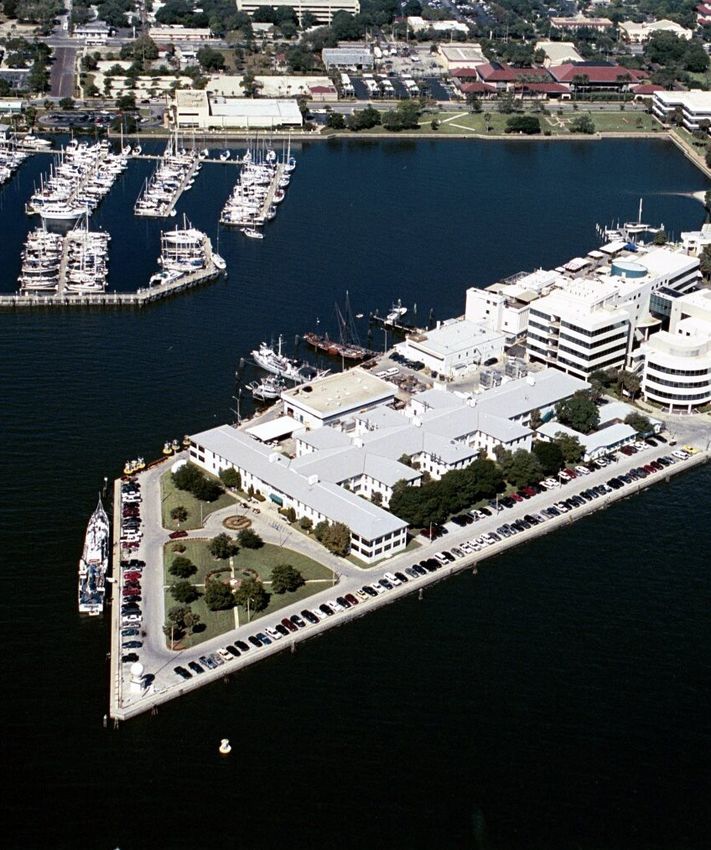
Discussion: These hires in areas of strategic importance will particularly important and will likely have increased In addition, CMS has +30-year strength in ocean
increase our research productivity and enhance our funding sources in the future. In biological optics and satellite remote sensing. This is a key part
1.1 Make strategic faculty hires in areas of
ability to collaborate with others at USF and within oceanography, new and expanded efforts on the of our Ocean Observing area and funding is strong in
research excellence
the Marine Science Cluster. Our research expertise is tracking of fish, marine mammals, endangered this discipline.
The most important asset of any academic defined by five overlapping areas: species, red tides, etc., would complement our
1.1c) Joint or cluster hiring opportunities with other
institution is its faculty. The strength of our existing strengths in autonomous underwater vehicles
• Healthy Ecosystems USF Colleges (3 faculty hires with potential for
hires over the coming decade will determine the (AUVs) and would provide opportunities for large
“shared” financial support):
research and education successes of our college. • Climate Change research grant collaborations with NOAA and FWRI.
Defining the priorities for strategic hiring, while First, we have a long-standing interest in
• Impacts of Ocean-Human Interaction
remaining nimble to take advantage of unexpected collaborating with our colleagues in the Colleges
• Ocean Observing of Engineering, Arts and Sciences, Global
opportunities, is the most important outcome of this
planning exercise. • Impacts of Frontier Drilling for Fossil Fuels Sustainability, and Public Health at USF and in
USF Health in the general area of Oceans and
We propose a 20% increase in the number of faculty. Each of these requires collaborative research
Human Health. We have a long-term strength in
Our 2021 target is 33 faculty (30 in unit and three involving all the major areas of oceanography, each
supporting port operations that could be expanded
out-of-unit administrative). As of January 2016, addresses societally relevant problems on local
to take advantage of recent and expected future
we have 28 faculty (25 in unit and three out-of-unit to regional to global scales, and each requires a
opportunities in Port Sustainability. In addition,
administrative). We anticipate three retirements in combination of observation, analysis, and modeling.
we have a small but high-powered group focused on
the next five years. To achieve our goal, we require Below is a summary of our disciplinary needs and a
Ocean Genomics and Water Quality. Expanding this
five new positions (one new position per year) in guideline for hiring with respect to three categories:
area of expertise would contribute to the Healthy
addition to replacing retirements over the next five 1.1a) cross-cutting needs, 1.1b) building on existing
Ecosystems initiative, and also to the Ocean-Human
years. All performance metrics should be expected strengths, and 1.1c) joint or cluster hires with other
Interface area. Future study of the toxicology of
to track the number of faculty. For example, if we USF colleges.
hydrocarbons on oceans and humans is part of our
have a 20% increase in faculty over the next five
1.1a) Cross-cutting needs (3 faculty hires) include: 4 CMS graduate student Kristina Deak sampling Impacts of Deep Drilling strategic research area. We
years, then federal expenditures and total research
Our highest cross-cutting priority is to hire two red snapper to study long term impacts of the propose to work with the Colleges of Engineering,
expenditures should be expected to also increase
faculty in the area of chemical oceanography. Ocean Deepwater Horizon oil disaster in the Gulf of Mexico. Global Sustainability, and Public Health to develop
by 20%, provided the appropriate time is allocated
chemistry is critical to the planet’s future health, 1.1b) Building on our existing strengths joint certificate and masters programs in Ocean
for the ramping up of junior faculty member’s
encompassing issues such as ocean acidification, (2 faculty hires): Engineering and Port Sustainability that may best be
productivity and provided the national funding
nutrients and “dead zones”, marine pollution, and the served by joint or cluster hires.
remains stable. Hiring in the general area of fisheries research,
planet’s overall chemical cycling. A critical shortage Second, we envision adding experts in risk
Five new faculty lines will require an addition of including fish stock assessment, which strengthen
in this area is due in part to recent retirements and assessment in collaboration with other USF partners.
~$150K/position or $750K total to our budget over our Healthy Ecosystems and Ocean-Human
in part due to a long-term hiring gap. Bolstering Initially we see possibilities in the general area of
the five years. In addition, each of the eight hires will Interface areas. Fisheries management is often
our capabilities in chemical oceanography will Impacts of Frontier (Deep and Remote) Drilling
require ~$400K in start-up totaling $3.2M over five controversial and much of the controversy surrounds
strengthen all our strategic research areas. A search and Climate Change. The latter would include
years. Much of the start-up will be covered by our the status of managed populations and ecosystems,
is underway with an anticipated hire date in the AY economic studies coupled to traditional studies of
returned indirect, if a larger proportion is returned and impacts of regulations. Increased funding in
2016-2017. the physical climate variables; e.g., what are the risks
to the colleges, but some additional investment may fisheries is likely and existing faculty are competitive
Another cross-cutting need is in sea-going, and successful in attracting these funds to CMS. to humans due to sea level rise, the role of polar ice
be required. We currently have space for roughly
observational marine science, with flexibility as to Additional hiring in fisheries science can propel CMS sheet stability, and changing hurricane tracks and
30 total faculty members. New construction is
the disciplinary focus. For example, in physical to leadership among peer academic institutions in intensities?
necessary to provide appropriate educational and
oceanography, expertise in observations of the this field in the Gulf of Mexico region.
research space for the new faculty and their students
ocean’s heat content and air-sea exchanges are
and staff (section 5).
10 | College of Marine Science Strategic Plan | 11
1.2 Maintain external research funding per faculty member 1.3 Establish the “Dean’s Circle” with individuals, CMS will establish an endowment for Research
as well as representatives from corporations and Innovation to supplement diminished funds. These
The research profile of the college remains strong in spite of increased competition for external grants.
foundations, with affluence, influence and access funds are critical for CMS to maintain a competitive
In 2014, our total research expenditures were roughly ~$13.5 M, with ~$11.4 M in direct research expenditures
edge in recruiting and retaining the best and the
and ~$2.1 M in indirect. In 2014, the College of Marine Science received
brightest faculty. Our ultimate target is to build
its largest planned gift (George & Jane Morgan
an endowment that will return $1 M/year for
Endowment for Excellence in Marine Science)
research infrastructure support. At a 4% return,
in the history of the institution. This $3 million
this translates into a need for a $25 M endowment.
transformative gift provides an opportunity for CMS
During phase 1 of the campaign, CMS will raise
to establish the “Dean’s Circle” and engage other
$1M/yr for the next 5 years for the endowment.
individuals with affinity to USF and representatives
from Corporations and Foundations, with affluence, 1.5 Develop a model to increase ROI on CMS
influence and access. Members of the Dean’s Circle research innovation that has gone to market
will serve as advocates for CMS to advance public
Commercialization of research technologies is
relations and awareness of the College, and also help
a driver of economic growth and universities
the College broaden its base of financial support
have played a major role in bringing innovative
through identification, cultivation and solicitation
ideas and inventions to market. In recent years,
of high net worth donors. In anticipation of inviting
commercialization of research discoveries has
representatives to the “Dean’s Circle,” the College
increased within CMS and this provides an
College of Marine Science faculty have some of the highest per faculty research performance metrics in the will refine and prioritize a robust and realistic
opportunity for the College to increase individual
university. Total research expenditures per CMS faculty member are compared with those in other highly fundraising plan with strategies and action plan.
and corporate investment partnerships. Technology
research active units (Physics, Chemistry, and the College of Engineering). The establishment of the CMS “Dean’s Circle” will
transfer can potentially generate revenues for
greatly assist the College in attaining its potential for
universities, create research partnerships and
excellence in research productivity and impact.
collaborations between academia and industry
1.4 Develop Dean’s Innovation Endowment to and enhance regional economic growth and
support research and innovation development. As with individual, corporation and
foundation donors, business relationships take time
To recruit and retain the best faculty, and to provide
and energy to build. This long-term investment
them with the tools they need to be competitive,
could ultimately increase potential revenue for CMS
significant resources are required to buy and
and provide a positive feedback loop for incubating
maintain state-of-the-art instrumentation, to
next generation technology innovation.
provide technical personnel, to provide start-
up packages, and to be able to provide retention Goal 2: CMS will graduate highly competitive
packages. Several factors have conspired to diminish M.S. and Ph.D. students prepared for
the funds available to support these critical research employment and leadership positions in ocean
infrastructure needs, including reduction in overall sciences
Given the high research productivity of CMS faculty, the most important parameter in predicting the college’s federal funding levels for oceanography (NSF, ONR,
productivity is the number of faculty. They are the pistons in our productivity engine. To attract and retain the NOAA), elimination of earmarks, reduction in state USF Linked Goal: (1) USF will produce well-
best and brightest research-intensive faculty, investment in start-ups for new faculty, and in maintenance and appropriations, and reduction in the amount of educated and highly skilled global citizens through
upgrades of facilities and research infrastructure will be required. overhead dollars returned to the college. We need to our continuing commitment to student success
be entrepreneurial in our search for resources. USF Linked Goal: (3) USF will, as a highly effective
12 | College of Marine Science Strategic Plan | 13
major economic engine, create new partnerships to level STEM disciplines at all world-class universities. program starts with recruiting the best faculty, who to encourage faculty to provide professional training
build a strong and sustainable future for Florida in Indeed, this level of faculty commitment and in turn recruit the best graduate students, and they in their course work and continue to provide
the global economy involvement is essential at any research university, then work together to produce world-class research. professional development workshops and short
like USF, that is nationally and internationally We also need to communicate CMS’ strengths and courses. We monitor their success by tracking 1)
Strategies:
recognized. opportunities to potential students through effective awards given to our students at the local, state,
2.1 Enhance our ability to attract and recruit a media (website) and social media. national and international meetings, 2) research
Our students are recruited not only from Florida,
stronger cohort of graduate students fellowships and scholarships, 3) number of student
but are among the best candidates in the country It is difficult to find a single metric to fully
2.2 Enhance student success first-authored peer-reviewed publications. We
and internationally. At present 48% of our students characterize student quality, but one of the few
expect to maintain the per-student performance
2.3 Enhance student progress to encourage are from Florida, 42% are recruited from the best metrics available to compare applicants from around
metrics and to increase overall student body metrics
graduation within target values schools in the US, and 10% of our students come the US and from around the world is the Graduate
as faculty number increases.
to us from overseas. The appeal of our program to Record Examination (GRE). The GRE is not a
2.4 Enhance diversity of student body
students outside Florida and outside the US attests perfect measuring instrument, but at the least it is 2.3 Enhance student progress to encourage
2.5 Enhance career training for graduate students to the national and international stature that we required of all applicants and it is standardized. We graduation within target values
and post-doctoral fellows have achieved. will monitor the average GRE scores of the students
Our faculty members take great pride in being the
that we accept and to compare this average to our
Key Performance Indicators: The path to AAU status for USF is strongly mentors of the next generation of marine scientists.
past incoming classes. This metric will fluctuate
dependent upon the success of our MS and PhD Our MS and PhD graduates are prepared not only to
2.1.1 Average GRE scores of accepted students from year to year, but our goal is for it to increase
programs. Many of our students will become get a job, but to be the leaders of our field in the future.
2.2.1 Doctoral Degrees Awarded (USF Metric 1.8) over time.
academics at universities around the country and
A key indicator of student success, and of our success
2.2.2 Graduate Degrees in Areas of Strategic around the world. They will become the leaders 2.2 Enhance student success
as their mentors, is how long it takes to produce
Emphasis (USF Metric 3.4) of future marine science research and will set the
The number of masters and doctoral graduates will a thesis or dissertation that is of sufficient quality
research agenda for decades to come. Some of our
2.2.3 Number of student awards and fellowships scale with the number of faculty. We expect a 20% and breadth to justify a graduate degree from our
students will become leaders in national and state
increase in the number of ranked faculty to result college and university. If the time is too short we risk
2.2.4 Number of student publications laboratories and agencies. Our graduates will be
in a 20% increase in our production of masters and putting our students into the world without the skills
2.3.1 Time to degree for MS responsible for the day-to-day and year-to-year
doctoral degrees, an important metric for AAU and necessary to allow them to make the impact that we
decisions concerning the human-ocean interactions
2.3.2 Time to degree for PhD Preeminence. expect of them. If the time is too long we are simply
that are likely the key to a sustainable future. Some
holding them back. Currently these values are 3.8
2.4.1 Composition of student body using of our students will enter the private sector. In a To prepare our graduate students for career success
for the MS and 7.3 for the PhD.
accepted categories rapidly changing world, the students we are training in research and education, they are expected
will be the visionaries. They will be the CEOs of to compete for external funding and awards, to Our length to degree target is three years for the
2.5.1 Percent employment of graduates in ocean sciences
the next generation of successful businesses. How make presentations at national and international MS degree and five years for the PhD degree. We
Discussion: do we know this? We know this because we have meetings, and to publish their work in peer- expect that 50% of our students should meet these
followed the careers of many of our alumni. We reviewed journals. Our students already perform targets, 70% should succeed within one additional
The College of Marine Science is a leader in graduate
know this because we have trained these students to at an extremely high level. Our goal is to maintain year, and 90% should succeed within two additional
education. Our graduate degrees are mentored
be independent, creative thinkers. They will most their success by encouraging our students to attend years. These metrics include students who leave the
degrees that require substantial time investments
assuredly make their mark. Our former students international conferences, compete for best paper program without completing a degree. Over the past
by our faculty. Our students work one on one with
have already done so, and we look forward to seeing awards, and to apply for other honors and awards. three years, our average attrition rate has been a low
their faculty advisors and their graduate committee
what our future graduates will do. We also encourage our students to apply to various two percent. We aim to maintain this low rate. Part
members. They learn to be professional scientists
fellowship and funding award opportunities such as of doing so includes monitoring student progress on
by working shoulder to shoulder with professional 2.1 Enhance our ability to attract and recruit a
NSF, NASA, NOAA, and ONR Graduate Fellowships an annual basis, using benchmarks to insure that
scientists, much like an apprenticeship program. stronger cohort of graduate students
as well as Fulbright Fellowships. We will continue
Intensive training of this type is typical of graduate-
The prescription for success in a graduate-oriented
14 | College of Marine Science Strategic Plan | 15
students are completing steps towards their College has grown its diversity from ~2% to ~15% We encourage our incoming students to take the undergraduates through lab, research cruise, and
degree on time. on average. In 2013, seven out of 14 PhD degrees Professional Development Course offered in the educational outreach internships
awarded in our College were to URM students. fall semester. This course provides students many
In addition, we will monitor the post-graduate Key Performance Indicators:
Although that was an exceptional year, our goal is resources. It also requires that each student write a
success of our students. We will monitor and report
to grow our diversity as much as qualified applicant proposal for a federal fellowship from NSF, NOAA, 3.1.1 Number of undergraduate SCH
on how many students are employed in our field and
pool allows for (target of 19% by 2021). This effort NASA, and other programs. Through the assistance 3.2.1 Number of students involved in research
the nature of their employment (university, state or
will insure that our students are prepared for success of our faculty, many of these proposals have been
federal laboratories, private sector).
in a diverse workplace environment. funded. Others courses in scientific writing, GIS, Discussion:
data processing, will continue to be developed to 3.1 Increase number of courses offered to
2.5 Enhance career training for graduate
insure our students are well-prepared. Over the next undergraduates through both online and face-to-
students, post-doctoral fellows, and research staff
five years, we will work with the Office of Graduate face offerings
Our goal for the next five years, is to maintain state- Studies to improve coordination and to take
of-the-art and relevant professional development Students at all levels are fascinated with the ocean
advantage of courses they are teaching, including
training for our graduate students, post-doctoral providing us an excellent opportunity to provide high
research ethics and Title IX issues.
fellows, and research staff. As described above, to quality, strategic enhancements to the undergraduate
We will also work to increase the opportunities for mission of the university. The best preparation for a
better prepare our students, we need to remain
teaching assistantships within the rapidly growing career in marine science, however, is not necessarily
current in professional development techniques and
USFSP science programs. We encourage students to an undergraduate degree in marine science, but
tools, in a rapidly changing world. We will strive to
participate in the Educational Outreach programs rather a rigorous disciplinary preparation in biology,
offer this state-of-the-art information to students
offered within our College such as the Oceanography chemistry, geology, physics, computer science, math,
in the form of orientations, workshops, training,
Camp for Girls, St. Petersburg Science Festival, Blue or engineering. Given the concern that minors and
classes, teaching assistantships, and other teaching
Ocean Film Festival, National Ocean Science Bowl dual majors can negatively impact 6- and 4-year
4 Graduate student Jonelle Basso performing opportunities to better prepare our graduate students
Spoonbill, to name just a few. These types of marine graduation rates, the former associated with excess
biological analyses aboard the R/V Weatherbird II. for success during graduate school and for their
science education outreach programs will enable credit hours, we believe we can best contribute to
future employment.
2.4 Enhance diversity of student body our students to have a broader impact for society. USF’s undergraduate education mission by offering
For example, at present we require incoming Development of new professional certificates will
In addition to student success, our college is well-chosen, high quality undergraduate courses,
graduate students to attend a weeklong orientation document this type of training and enhance our
committed to recruiting and retaining a diverse rather than developing a stand-alone undergraduate
each fall where they are introduced to staff and students experience and marketability.
student body, and to competing for the most program in marine science.
are given a complete student handbook. We
highly qualified applicants in the country. We
provide thorough review of all the internal and Goal 3: Increase engagement with We can do this by working with USFSP to help
are already doing an excellent job in this area,
external resources that are made available to them undergraduate programs on USF Tampa and them develop an undergraduate major in Marine
and we will continue this success into the future.
as a student at CMS. As part of this weeklong USFSP campuses Biology. This would include offering select courses
The percentage of under-represented minorities
orientation, two full days are devoted to Presentation that would benefit their students. We can also
(URM) in STEM (Science, Technology, Engineering, USF Linked Goal: (1) USF will produce well-
Boot Camp, a National Science Foundation program provide certificate programs to these students as well
and Mathematics) is low compared to society educated, highly skilled global citizens through its
to assist students in preparing and delivering as to working professionals. Our goal is to develop
(>30%). For ocean sciences, the percentage is even continuing commitment to student success
better presentations. This program has provided a relevant certificate programs for science teachers and
lower than other STEM fields. According to the
remarkable improvement in our students’ defenses Strategies: other scientists wanting to further their education.
National Science Foundation and the Consortium
and presentations at professional national and We are actively pursuing these options and are eager
of Ocean Leadership surveys, underrepresented 3.1 Increase number of courses offered to
international conferences. Their presentation skills to identify others.
graduate student minorities (Hispanic, Black, undergraduates through both online and face-to-face
have surpassed many of our own faculty, which in We are working to increase the number of
Native American/Pac Islander) in ocean sciences is offerings
turn has inspired some of our faculty to take the undergraduate SCH generated. In the past year, we
about 9% +/- 5%. Over the past fifteen years, our
same training. 3.2 Provide research opportunities for
have assumed responsibility for the Introduction
16 | College of Marine Science Strategic Plan | 17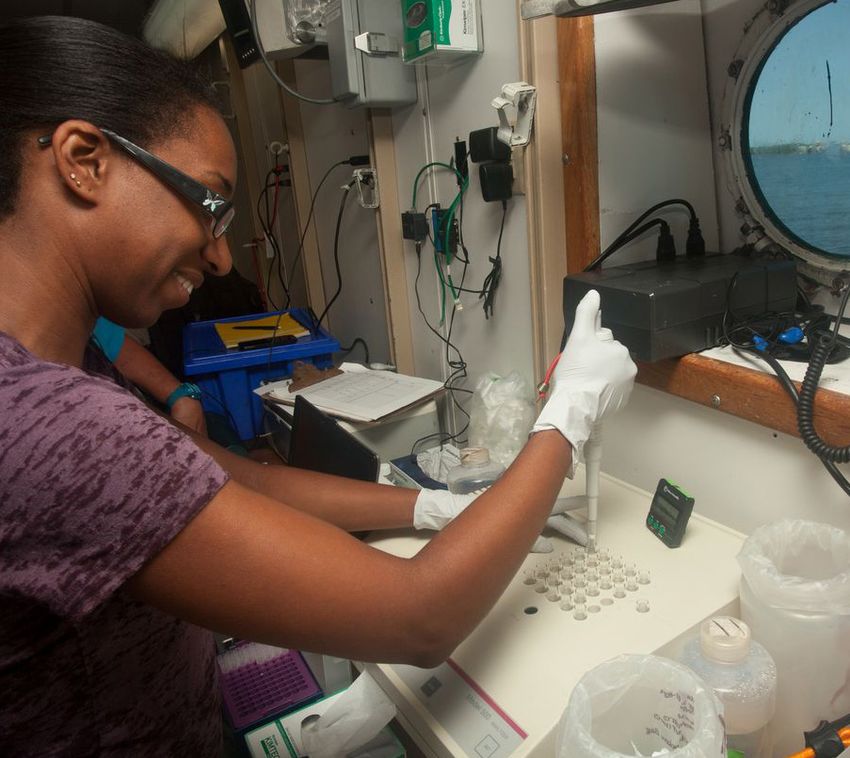
to Oceanography course taught for many years by is developing using his Port Sustainability Online 4.2 Serve as the lead stakeholder in outreach define what needs to be done, and are often at the
the Department of Geology. We have developed an Course. His online course will be part of the Public activities such as Oceanography Camp for Girls, leading edge of developing these projects.
online course and will be offering this course both in Health Homeland Security Certificate. His online St. Petersburg Science Festival, Blue Ocean Film
4.1 Establish Dean’s Circle to support education
online and face-to-face versions each semester. Five course will also be part of the Global Sustainability Festival, Port Discovery
and outreach at CMS
online courses were developed and launched over the Coastal Sustainability certificate program. It is
4.3 Identify faculty, staff and students to serve on
past 2 years, tripling our undergraduate enrollment estimated that it will take 3 years to complete these See 1.3 above. Education and outreach is a vital
local, regional, national, and international panels,
per semester. Based on recent experience with these certificates and build a complete online port studies mechanism to engage individual, corporate
workshops, and editorships
courses we anticipate 300 or more undergraduates certificate program. It is estimated that by the end of and foundation donors with CMS. The current
enrolling in our online courses on an annual basis. 5 years, there will be 25 students a year enrolling in 4. Facilitate at least two faculty nominations for endowment to support education and outreach
We will foster and grow these courses towards a this program from CMS and other USF colleges. national or international awards, with at least one of is $2.9M. Our goal is to increase this to $4M, in
goal of increasing our undergraduate enrollment to these for an award that is relevant for AAU status addition to our other goals for giving, over the next
3.2 Provide research opportunities for
exceed 400 per year over the next five years. five years.
undergraduates through lab, research cruise, and Key Performance Indicators:
We will continue to work in coordination with the educational outreach internships 4.2 Serve as the lead stakeholder in outreach
4.1.1 Endowment value for research, education and
USFSP Biology Program to offer undergraduate activities such as Oceanography Camp for Girls,
Another strength we can offer undergraduates from outreach (USF Metric 4.2)
courses on a regular schedule. We are currently St. Petersburg Science Festival, National Ocean
USF and USFSP is the experience of conducting 4.2.1 Number of people impacted by outreach
offering: Sciences Bowl, Blue Ocean Film Festival, Port
research at sea and in our labs. Our goal is to activities such as Oceanography Camp for Girls, Discovery
• Coral Biology and Reef Ecology expand the number of summer interns working in St. Petersburg Science Festival, Blue Ocean Film
our labs as volunteers or part-time employees at 5% Public understanding of science and technology is
• Death from the Sea: Realized Public Health Festival, Port Discovery
per year. Another goal is to better coordinate with one of the most important challenges of our time.
Hazards 4.3.1 Number of local, regional, national, and
the Florida Institute of Oceanography and UNOLS For communities across our nation, science and
• Marine Ecology Field Methods international panels, workshops, and editorships technology are deeply tied to issues of economic
to identify opportunities for volunteering at sea
served on by faculty competitiveness, industrial advancement, health,
• Marine Aquaculture by creating a web interface for USF and USFSP
students to volunteer within year 1. The number of 4.4.1 Number of faculty award nominations that we justice, environmental protection, and social
• Port Sustainability welfare. Acting as an informed consumer, preparing
volunteers would be tracked over the following five facilitate
• Geological History of Florida years to determine the effect of using a more formal for the demands of the 21st century workplace,
Discussion: and weighing decisions as an engaged citizen, all
• Fish Biology web-based interface to sign up volunteers for at-sea
research experiences Marine Science is not now, and never has been, require individuals to grapple with the rapid pace
• Experiential Learning in Marine Science of scientific discovery and technological innovation.
an ivory tower profession. We study the oceans in
• Scanning Electron Microscopy Goal 4: CMS will enhance its visibility and order to understand the ocean’s influence on human Examples of our continuing efforts to bring the
fund-raising capacity within the community and beings and how humans influence the ocean. CMS ocean to the public are provided below.
• Marine Microbiology
nationally is a leader in advancing a more ocean literate society Since 1991, the Oceanography Camp for Girls (OCG),
We will continue to work with the undergraduate
through education and outreach activities (section offered at no cost, encourages young women to
programs at USFSP and Tampa to develop and Linked USF Goal: (Goal 4) USF will pursue a more
4.2) on a local, regional, national and international pursue technical careers in science and engineering.
offer new courses that meet the needs of students secure economic base, greater operational and
scale (e.g., Oceanography Camp for Girls, St. The OCG program is considered a model science
interested in Marine Science. resource efficiencies, and increased transparency in
Petersburg Science Festival, National Ocean Sciences program by the National Science Foundation and
its business practices
Finally, we strive to grow graduate certificate Bowl, Blue Ocean Film Festival and Port Discovery). serves as an outstanding opportunity to educate
programs in areas of high demand. We have one Strategies: We help set the research and education agenda for young women about the ocean environment
in Marine Science Education which we will be 4.1 Establish a “Dean’s Circle” to support education our university, and do the same at the state, federal and inspire them to assume leadership roles in
promoting and growing over the next five years. We and outreach at CMS and international levels (section 4.3). We do not the scientific fields. The uniqueness of the OCG
have another certificate program that Dr. Luther look to others to see what needs to be done; we program lies not only in its focus on education, the
18 | College of Marine Science Strategic Plan | 19environment and economic/workforce development a Sneak Peek Day for 1,500 4th and 5th grade the National Marine Educators Association, and in members who have won prestigious awards in
but also in its ability to provide one-to-one students and teachers. CMS is an event sponsor and the presidential blue-ribbon U.S. Commission on our own discipline. Having our faculty members
mentoring between teenaged girls and scientifically encourages faculty, staff, and students to engage with Ocean Policy. These leadership activities enhance recognized in this way raises the profile of our college
accomplished women. OCG is now in its 25th year the public. USF’s reputation on the international stage in ways and that of the university, enhances our visibility and
and 20% of the participants have stayed in STEM difficult to monetize in the new RCM budgeting increases our competitiveness for private funding.
St. Petersburg Innovation District - CMS is a team
fields with three becoming graduate students at CMS. environment.
member in planning and implementation of the Selection to these honors is beyond our control,
Teacher Training - We are engaging teachers to St. Petersburg Innovation District. Other team Over the years, our faculty members, staff, and but we can insure that our faculty members are
bring the ocean to the classroom through sustained members include Amy Maguire (All Children’s/Johns students have led and participated in many nominated and facilitate putting together effective
teacher professional development funded by national Hopkins Hospital), Rob Kapusta (SP Downtown highly visible national and international research nomination packages. We routinely scan for
and international partners, including NOAA (Gulf Partnership), Chris Steinocher (St. Petersburg expeditions and programs. This leadership enhances opportunities and proactively seek out colleagues
B-WET and Ocean Exploration), Globe International Chamber of Commerce), Sophia Wisniewska (USF our graduate education, workforce training, and from outside the university who are willing to
(NASA, NSF, NOAA). St. Petersburg), K. Grant Palmer (SRI), David Metz public outreach capacity. Among the scientific nominate our faculty members for honors and
(USFSP Liason), Tim Franklin (Poynter Institute), programs that College of Marine Science faculty awards. We will seek to nominate at least two faculty
Port Discovery Marine Exploration Center, to be
Jeff Hearn (Foundation for a Healthy SP), Tonya have participated and remain engaged in are the members per year for national and international
located in the former St. Petersburg Port facility
Elmore (Innovation Center), Joni James (SP Integrated Ocean Drilling Program (IODP), the awards, and will insure that at least one of these
adjacent to CMS, is envisioned to be a one-of-
Downtown Partnership), Lisa Nummi (Bayfront International Marine Past Global Changes Study nominations is for an award that is relevant to the
kind aquarium and education facility that will
Health) and others from the City of St. Petersburg (IMAGES), the Integrated Ocean Observing System university’s aspiration to become an AAU member
allow visitors to understand the incontrovertible
staff. The goal is to brand and market our identity and several Regional Associations including the and to meet the State of Florida’s criteria for
connection between ourselves and the ocean through
as a regional center of excellence in education, Gulf of Mexico, Southeast U.S., and Caribbean preeminence status.
personal discovery. These experiences will affect
entrepreneurship, and research in health and marine Sea, the Ocean Observatory Initiative (OOI), the
and inspire generations for years to come, providing Goal 5: Invest in facility deferred maintenance
science in order to attract jobs to St. Petersburg. Global Ocean Ecosystem Dynamics (GLOBEC), the
the public with direct contact with scientists, live and develop plan for renovation and expansion
Participating institutions will share the cost of a National Ocean Partnership Program (NOPP), the
experiments and discoveries found nowhere else. of MSL building
district manager. CMS will need to contribute Tropical Ocean-Global Atmosphere and Tropical
The exhibits will serve as a public acknowledgment
$20,000 for each of the next five years. Atmosphere-Ocean program (TOGA-TAO), the USF Linked Goals: All four of USF’s strategic goals
of the combined assets of the St. Petersburg Ocean
Carbon Retention In A Colored Ocean (CARIACO) will be supported through the final CMS goal
Team, showcasing the innovative marine research 4.3 Identify faculty to serve on local, regional,
Time-Series program, the Bermuda-Atlantic
and technology of Ocean Team members in a national, and international panels, workshops,
Time-series Study (BATS), and many more. The Strategies:
cutting-edge, multi-faceted, interactive venue for and editorships
CMS also was funded to provide nutrient analyses 5.1 Complete the deferred maintenance master plan
the public’s understanding and appreciation of the
For a small college, we punch above our weight with for the hydrography portion of the World Ocean
marine world. (Cost: ~$1-2M per year for a total of $8.7M)
respect to impacting the national and international Circulation Experiment (WOCE) and is presently the
St. Petersburg Science Festival - Science festivals science agenda. Following the 2016 awards, 20% 5.2 Obtain an additional $7.5M for two years
lead institution for LARISSA, an inter-discplinary
create a new way to engage communities with of our faculty members are American Association to rebuild the north end of the MSL to enhance
initiative of the National Science Foundation on the
science and technology as part of the cultural for the Advancement of Science (AAAS) fellows. teaching and research spaces (Cost $15M)
Antarctic Peninsula.
calendar in much the same way that art festivals Our faculty and staff are active contributors to
4.4 Facilitate faculty nominations for national Key Performance Indicators:
and street fairs engage whole communities. Science international and national proposal review panels,
and international honors, including those 5.1.1 Secure funding for deferred maintenance
festivals rally whole communities to celebrate science workshops, and investigation teams, including the
relevant for AAU status and Preeminence
as alive and local. They bring the public into direct Ocean Studies Board and various National Research 5.2.1 Secure state and private funding for new
funding.
contact with scientists and engineers, leading people Council Committees, on NASA, NOAA and USGS building
to seek out more science experiences throughout Earth observing planning teams (i.e., MODIS, As mentioned above we already have 20% of our
Discussion:
the rest of the year. The 2015 St. Petersburg Science SeaWiFS, GRACE, Topex/Poseidon, Jason), the faculty members in the AAU relevant class of AAAS
Festival drew in over 20,000 visitors including University National Observatory System (UNOLS), Fellows. In addition, we also have multiple faculty Two buildings, KRC and MSL, serve all of the
20 | College of Marine Science Strategic Plan | 21You can also read


