THE ASANTE EAT, SLEEP, CONSOLE MODEL - FOR OPIOID EXPOSED INFANTS - Oregon.gov
←
→
Page content transcription
If your browser does not render page correctly, please read the page content below
8/30/2019

                                 THE ASANTE EAT,
        Deborah Archer OTR
                                 SLEEP, CONSOLE
Hillary Handelsman MSN, CNM
    Sarah Struebig RN /IBCLC
                                 MODEL –
     Asante Rogue Regional
            Medical Center
                                 FOR OPIOID EXPOSED
                                 INFANTS

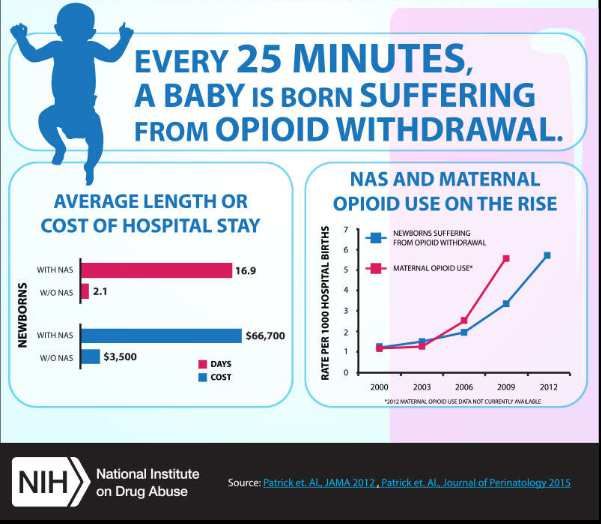
                                         WHAT IS NEONATAL
                               ABSTINENCE SYNDROME (NAS)?

A group of symptoms that occur in a newborn
who was exposed to drugs in utero.

                                                                   1
8/30/2019

                 WHICH SUBSTANCES
                       CAUSE NAS?
   • Many substances can cause symptoms of
     withdrawal in a newborn
      •   Barbiturates
      •   Benzodiazepines
      •   SSRIs
      •   Alcohol
      •   OPIOIDS
      •   Tobacco
      •   Amphetamines
      •   Cocaine

                WHAT IS AN OPIOID?
• Derivative of Opium
   • Primarily used for pain relief
       • Illegal drug – Heroin
       • Synthetic opioids – Fentanyl
       • Prescription opioids – Vicodin & Oxycodone
   • Medications used to treat opioid addiction
       • Long acting & stable opioid - Methadone
       • Opioid agonist - Buprenorphine - Subutex
            • Preferred med for pregnancy &
              breastfeeding
       • Opioid antagonist - Suboxone (not as safe
          during pregnancy or breastfeeding)

                                                             2
8/30/2019

            Opioid Use Disorder – National Epidemic
            that crosses all demographic lines

            Delayed onset of symptoms
WHY FOCUS
      ON
            Long- lasting symptoms
 OPIOIDS?
            Long-term effects

                                CDC DATA
                                – WHO IS
                                AFFECTED
                                BY OPIOID
                                ABUSE?

                                                             3
8/30/2019

                                           SYMPTOMS OF NAS

                     Excessive sucking
 Irritability with
                        with poor        Diarrhea and/or
excessive or high                                              Fever
                     feeding and slow        vomiting
   pitched cry
                         wt gain

             Hyperactive
             reflexes and                         Tremors and/or
                               Rapid breathing
              increased                              seizures
             muscle tone

                                                                              4
8/30/2019

                  UNDERSTANDING THE SYNDROME

  55-94% of                   Cannot correlate                  Opioid receptors
   exposed                    use patterns with                are concentrated
 neonates will                   withdrawal                    in the CNS and GI
 develop NAS                     symptoms                             tract

 NAS symptoms                      The baby                            Eating
are exacerbated                   struggles to
                                                                     Sleeping
  by stimuli and                function in the
     hunger                       key areas…                      Consolability

      THE TIMING OF OPIOID WITHDRAWAL
               SYMPTOMS IN A NEWBORN

   Drug                Onset of            Duration ( days)
                       Symptoms (
                       hours)

   Heroin                     24-48               8-10
   Methadone                  48-72         Up to 30 or more

   Buprenorphine              36-60         Up to 28 or more

   Prescription               36-72               10-30
   opioids

  Kocherlakota, P. Neonatal Abstinence Syndrome. Pediatrics, Volume 134, Number 2,
  August 2014

                                                                                            5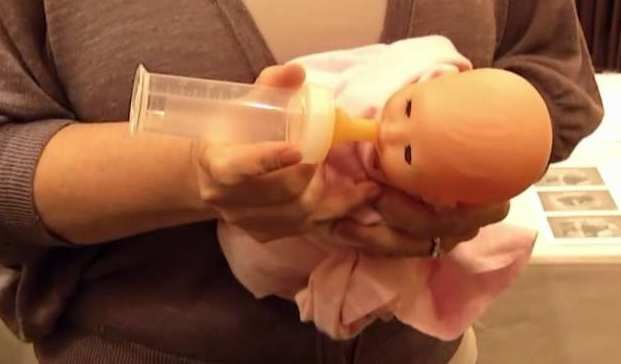
8/30/2019

                                THE REAL DANGERS FOR NAS
                                                   BABIES

 If the baby can’t …                              The largest risks are…
• Eat                                           • Child abuse
• Sleep                                             • Shaken Baby

• Be Consoled                                   • Neglect
                                                    • Failure to Thrive

And the Family doesn’t learn the skills
                                                • The incidence of child abuse is
 to help…
                                                  tripled with drug using caregivers
                                                  and / or environmental stressors

                            THE OLD / CURRENT MODEL OF
                                              NAS CARE

Use of the Finnegan scoring tool to assess

        Score of 24 – 2 scores of 12 or 3 scores of 8 = NICU

              NICU = morphine q 3 hours for up to 30 days +

                    May be discharged with morphine drops for treatment at
                    home

                                                                                              6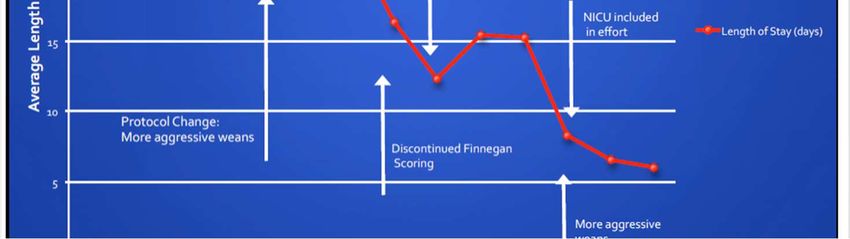
8/30/2019
THE RESULTS OF THE OLD MODEL
ON THE FAMILY
• Family is unprepared for NAS to • Major risk for relapse
occur • Diminishes family bonding
• Family feels guilty • Increases family stress
• Family is disconnected from baby • Increased risk of abuse and neglect
• Staff provide care for baby in NICU • Long term opioid exposure may put
= staff fatigue the baby at risk for opioid addiction
later in life
Population: Infants ≥ 35 weeks gestation whose mothers took
methadone daily for at least 1 month before delivery
421 infants with NAS 287 inclusion criteria (55 baseline, 188
intervention, 44 in post-implementation period)
Results:
Average LOS decreased from 22.4 days to 5.9 days (74% reduction)
Proportion of infants treated with morphine decreased from 98% to
14%
Proportion of infants that took majority of their feeds from breastmilk
increased from 20% to 45%
Infants admitted directly to NICU decreased from 100% to 20%.
No patient admitted to inpatient unit required transfer to NICU. No
seizures reported. No readmissions within 30 days of discharge
related to withdrawal.
7
8/30/2019
CRITERIA FOR THE EAT, SLEEP,
CONSOLE MODEL
Can the baby
eat?
•1 oz or breast feed effectively
Can the baby
sleep?
•Undisturbed for 1 hour
Can the baby be
consoled?
•Within 10 minutes
DECREASED LOS: 22.5
DAYS 5.9 DAYS
8
8/30/2019
% TREATED WITH
MORPHINE: 98% 14%
INCREASED
BREASTFEEDING:
0% 60%
9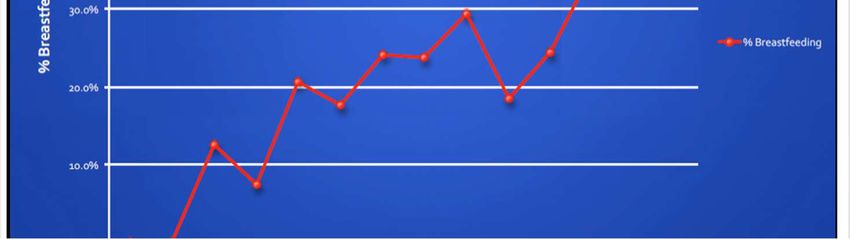
8/30/2019

MEASURES                   BEFORE          AFTER

Decreased Length of Stay   22.5 days       5.9 days

% Treated with Morphine    98%             14%

Increased Breastfeeding    0%              65%

Total Average Cost         $44,824         $9,572

                                     PROVEN TO HELP

                                        THE ASANTE
                                        APPROACH
                                        TO THE ESC
                                        MODEL

                                                            10
8/30/2019
Consistent
THE NEW DIRECTION
Prenatal
Screening
Exclusive ACES Training
Rooming in for Staff
Prenatal
Newborn
Education
Family Support
about NAS &
Volunteer
ESC model
Functional Prolonged
Intervention observation for
Algorithm & NAS babies (~5
ESC items days)
66 families cared for in
the ESC model in the first
year
FIRST 12
MONTHS IN
THE ESC
MODEL Mixed demographics
Women in
Chronic pain Women illicitly
recovery on
patients on using opioids or
subutex, suboxone
prescribed opioids heroine
or methadone
118/30/2019
Morphine use
40%
35%
35%
30%
25%
21%
20%
15%
10%
4.50%
5%
0%
Baseline, 5/2016-5/2017, n=85 Intervention 1 (Hugs Before Drugs), Intervention 2 (Eat-Sleep-Console),
6/2017-5/2018, n=80 6/2018-6/2019, n=66
Intervention 1 Intervention 2
Baseline
Hugs Before Drugs Eat-Sleep-Console
5/2016-5/2017
6/2017-5/2018 6/2018-6/2019
n=85
n=80 n=66
Length of stay (LOS),
7.67 days 7.18 days 5.5 days
days, avg
Morphine use 35% (30/85) 21% (17/80) 4.5% (3/66)
Admitted to NICU 48% (41/85) 30% (24/80) 30.3% (20/66)
NICU for NAS only 27% (23/85) 11% (9/80) 1.5% (1/66)
NAS INTERVENTION RESULTS
128/30/2019
IT ALL STARTS https://www.asante.org/
services/women-and-
children/family-birth-
WITH EDUCATION center/
- Available on Video on
Demand #437
ASANTE’S NAS &
Asante.org FBC page
TOUR VIDEO
WELCOME TO YOUR 5 DAY
PARENTING BOOT CAMP
• Consistent messaging from healthcare team
• - Support & Empowerment
• 2)Baby care provided by family
• - Nurse is coach / educator / support person
• 3) Who is in this support system? Empower and
educate the support people to provide 24 hour
care
138/30/2019
1) Quiet the Environment
“Make this room a womb”
2) Feed the Baby Adequately
THE NAS
TRAINING 3) Teach the Happiest Baby on the Block
PLAN
- Swaddling - Side lying - Swaying - Shushing - Sucking
4) Ongoing support after discharge
DISCUSSION &
QUESTIONS
148/30/2019
Increased need for skin-
to-skin
EDUCATE • Barriers to providing 24 hour
THE FAMILY support
ABOUT THE
NEEDS OF Increased drive to suck
THE NAS
BABY • Nipple protection for
prevention of skin breakdown
• Pacifier use
Excessive sucking: Babies are unable to self
soothe and are ALWAYS sucking. Scheduled
feedings and use of pacifier can help
compensate for this.
BREASTFEEDING
CONSIDERATIONS Excessive rooting: frantic at breast for latch
FOR ESC INFANT often misinterpreted by mom as rejection “my
baby doesn’t want to feed, my baby doesn’t
like me”.
Structured feeding position, use of swaddling in
flexed position, use of nipple shield for
additional oral stimulation, sidelying for
tolerance of sometimes fast milk flow.
158/30/2019
Baby may be uncoordinated
and need additional support,
nipple shield or supplemental
feeding at breast
BREASTFEEDING
CONSIDERATIONS
CONT. Baby many need referral for
feeding specialist for
uncoorindated feeding issues
or dysphagia, which can be a
direct result of IUDE
Maternal milk is BEST for baby
Breastfeeding provides confidence and empowerment.
Direct breastfeeding provides skin to skin contact which is an
important console technique for an infant who may have
withdrawal symptoms.
BREASTFEEDING
Breastfeeding / use of maternal breastmilk can decrease the
SAFETY symptoms in babies with NAS
A mother who is able to console her infant during withdrawal
will feel more successful and better prepared to manage
infant after discharge.
Breastfeeding can be THE MOTIVATION and reason for
change in parent lifestyle
168/30/2019
ESTABLISH BREASTFEEDING
SAFETY & PLAN
• Breastfeeding while on methadone or
buprenorphine is recommended as long as the
mother is using medications as prescribed and not
using illicit substances and has tested negative for
contraindicated infections
• Pharmacy consultation can be ordered to evaluate
safety of breastfeeding with related substances
INCREASED CALORIC
DEMAND
• Evaluate each NAS baby for the following:
• Sufficient milk quantity
• Need for supplementation?
• Need for fortification?
• Donor Breastmilk
• 24 Cal Formula
• Adequate milk transfer
• Need for tools to assist in milk transfer?
• Need for nasogastric tube?
178/30/2019
Supplementation may be needed to fill
stomach for comfort
WHEN
BREAST
ALONE IS Considerations: Mom should be pumping
once supplementation is initiated to help
NOT increase her supply.
ENOUGH She will need good double electric pump
during this time. She may need to pump to
soften breast prior to feed as these babies
cannot tolerate full/firm breast
SUPPLEMENTATION WITH DONOR
MILK
Use of donor breast milk as “bridge” while maternal
supply is increasing. Can be served at breast via tube
and syringe if baby tolerates or post breastfeed by
bottle. Easier to digest for already compromised gut.
188/30/2019
FORMULA CONSIDERATIONS
• The length of additional caloric need will depend on
the onset and length of active withdrawal.
• Need to identify caloric need to increase weight. A
baby should not need to lose weight in order to be
put back on higher calorie formula.
• MD order for additional calorie formula to assist
babies increase calories while using WIC provided
formula.
FEEDING WITH 24 CALORIE
FORMULA
Need for formula: Yale model includes use of 24kcal
formula if not breastfeeding to support the additional
caloric need due to hypertonia, fussiness, constant
agitated state, and excessive sucking.
198/30/2019
24KCAL RECIPES FOR USE WITH NEOSURE AND SIMILAC
EDUCATION FOR
NAS FAMILIES
• Hunger Cues
• Cluster feeding
• Avoid gastric discomfort
• Slow flow nipples
• Teach how to pace feeds
• Small frequent meals
• Feeding positions
• Accommodate excessive suck
and allow for drainage of
excess milk
• Elevated side-lying
208/30/2019
PATS SERVICES
• Neurodevelopmental evaluation at discharge
• Neonatal massage as needed
• Feeding Evaluations by referral
• Parent teaching
• Developmental Follow up Clinic ( visits at 3, 12, 24 months)
• Referrals to Early Intervention if significantly delayed
• Outpatient Pediatric Feeding Clinic
• Out patient therapy (SLP, OT, PT)
CRITERIA FOR DEVELOPMENTAL
FOLLOW UP AFTER DISCHARGE
In Utero Exposure to
• marijuana
• opiates
• alcohol
• methamphetamines
• cocaine
• prescribed drugs such as seizure medications and antidepressants
• such as Zoloft
Other Criteria
• 31 weeks gestation or less
• Birth weight under 1500 grams
• Small for gestational age (less than or equal to 3rd percentile )
• BPD at discharge
• Microcephaly ( head circumference less than or equal to 3rd percentile )
• Low Apgars ( 5 minute Apgar of 3 or less)
• HIE, CNS infection, seizures
218/30/2019
COMMON FINDINGS ON
NEURODEVELOPMENTAL EVALUATIONS
AT DISCHARGE IN INFANTS WITH NAS
• Sub-optimal score on Hammersmith Neonatal Neurological Examination
• Hypertonia
• Tremors
• Frequent startles
• Irritability
• Poor state regulation- inability to achieve quiet alert
• Inability to self soothe
• High pitched cry
• Gaze aversion
• Hyperreflexia
• Poor feeding
• Poor visual tracking
• Hyperreactivity to sensory input
• Disorganization of movement and state, especially when unswaddled
VOLUMETRIC CEREBRAL
CHARACTERISTICS OF CHILDREN
EXPOSED TO OPIATES AND OTHER
SUBSTANCES
“The sample studied is rare and hence small, so conclusions cannot be drawn with
certainty. Morphometric group differences were observed, but associations with
previous behavioral assessment were generally weak. Some of the volumetric
differences, particularly thinner cortex in part of the right lateral orbitofrontal cortex,
may be moderately involved in cognitive and behavioral difficulties more frequently
experienced by opiate and poly-substance-exposed children”
Tonnessen Bjormerud A. , Dale M.
NeuroImage : Clinical
Volume 18 2018 pg. 9-14
228/30/2019
MALFORMATIONS AND ADVERSE
OUTCOMES OF PRENATALLY EXPOSED
INFANTS
In case controlled studies, there were statistically significant associations with oral clefts and
heart defects.
Among cohort studies, club foot was most frequently reported
Adverse neonatal outcomes: preterm birth, small for gestational age, lower birth weight,
reduced birth weigh and sudden death
Neurodevelopmental outcomes: significant impairments in cognitive, psychomotor, and
observed behavioral outcomes of infants and preschoolers with chronic intra uterine exposure
to opioids.
Lind, J. N.; Interrante, J.D.
Maternal Use of Opiods During Pregnancy and Congenital Malformations: A Systematic Review
Pediatrics June 2017, Vol. 139/issue 6
DEVELOPMENTAL OUTCOMES IN CHILDREN
WITH IN UTERO EXPOSURE TO OPIATES
• Study in Michigan found that Bayley scores were normal in 1st year of life and
had a significant decline in the 2nd year for performance on mental
development on Bayley and psychomotor development indices on the
Infant Behavior Record Ratings.
• Conclusion: Poorer performance for mental development was due to social
environmental risk factors and delay in psychomotor was due to reduced
birthweight.
Hans, Sydney L., Jeremy, Rita J 09 May2001 https://doi.org/10.1002/imhj1003
Postneonatal mental and motor development of infants exposed in utero to opioid drugs
238/30/2019
DEVELOPMENTAL OUTCOMES IN
CHILDREN WITH IN UTERO EXPOSURE
TO OPIATES
• In Israel, a study found children born to heroin-dependent mothers had a lower birth
weight and a lower head circumference at examination when compared to controls.
The children born to heroin-dependent parents also had a high incidence of
hyperactivity, inattention, and behavioral problems. The lowest DQ or IQ among the
children with cognitive levels above 70 was found in the children with environmental
deprivation, next was the DQ.
• Conclusion: The specific role of the in-utero heroin exposure in the determination of the
developmental outcome of these children (if they do not have significant neurological
damage), seems to be less important in comparison to the home environment.
Ornoy A., Michailevskaya V, Lukashov I, Bar-Hamburger R, Harel S.
The Developmental Outcome of Children born to heroin dependent mothers, raised at home and adopted
Child Abuse Negl. 1996 May 20 (5) 385-96 PMID 8735375
POLYDRUG USE
Developmental Effects:
Nicotine: impulsivity, attention problems, negative behaviors, poor language
development
Alcohol: lower IQ scores, development and use of language, poorer memory,
academic problems, and executive functioning
Marijuana: deficits in problem solving skills that require visual memory,
Sustained attention, and integration
Methamphetamine: affects fetal growth and infant neurobehavior. Further study
needed regarding long term effects
Behnke, Marylou, Smith, Vincent C. (2013)
Prenatal substance abuse: short and long- term effects on the exposed fetus
Technical Report American Academy of Pediatrics
248/30/2019
ONGOING COMMUNITY
PARTNERSHIP
• The Eat, Sleep, Console model should continue at home
• Community partners can reinforce model
• We should all be on the same page with our messaging to decrease stress
and confusion
• We are all a part of the same team working to support this family
REFERENCES
Ornoy A., Michailevskaya V, Lukashov I, Bar-Hamburger R, Harel S.
The Developmental Outcome of Children born to heroin dependent mothers, raised
at home and adopted
Child Abuse Negl. 1996 May 20 (5) 385-96 PMID 8735375
Hans, Sydney L., Jeremy, Rita J 09 May2001 https://doi.org/10.1002/imhj1003
Postneonatal mental and motor development of infants exposed in utero to opioid
drugs
Behnke, Marylou, Smith, Vincent C. (2013)
Prenatal substance abuse: short and long- term effects on the exposed fetus
Technical Report American Academy of Pediatrics
25You can also read


