THE BOARD OF EDUCATION SCHOOL DISTRICT 83 (NORTH OKANAGAN-SHUSWAP) - COVID -19 SAFETY PLAN Stage 2, Version 5 August 5.1, 2020 - SD83
←
→
Page content transcription
If your browser does not render page correctly, please read the page content below

THE BOARD OF EDUCATION SCHOOL
                    DISTRICT 83
   (NORTH OKANAGAN- SHUSWAP)
                   COVID -19 SAFETY PLAN
        Stage 2, Version 5 August 5.1, 2020
The Board of Education of
                                                                             SD 83 COVID 19 Return to School
                      School District No. 83 (North
                      Okanagan-Shuswap)                                     September 2020 Stage 2 Safety Plan

Table of Contents
1.     INTRODUCTION:............................................................................................................................... 5
2.     BC MINISTRY OF EDUCATION FOUNDATIONAL PRINCIPLES ............................................ 5
3.     GUIDANCE: ........................................................................................................................................ 6
4.     DEFINITIONS ..................................................................................................................................... 7
5.     RESPONSIBILITIES:......................................................................................................................... 7
6.     SAFETY MEASURES FOR SEPTEMBER OPENING................................................................. 8
     6.1. What Can Parents & Students Expect in Stage 2?..................................................................................... 8
     6.1.1.      Regular Communication.......................................................................................................................... 8
     6.1.2.      In-Class Instruction & Supports ............................................................................................................. 8
     6.1.3.      Enhanced Health & Safety Measures ................................................................................................... 8
7.     RESOLVING CONCERNS ABOUT UNSAFE WORK ................................................................. 9
8.     LEGISLATIVE QUESTION OR CONCERNS ................................................................................ 9
9.     PROTECTING MENTAL HEALTH ................................................................................................ 11
10. INFECTION PREVENTION AND EXPOSURE CONTROL MEASURES: .............................. 11
     10.1.       Public Health Measures: ....................................................................................................................... 12
     10.2.       Environmental Measures: ..................................................................................................................... 12
     10.3.       Administrative Measures:...................................................................................................................... 12
     10.4.       Personal Measures: ............................................................................................................................... 12
     10.5.       Personal Protective Equipment............................................................................................................ 13
11. ADMINSTRATIVE MEASURES .................................................................................................... 13
     11.1.       Training: ................................................................................................................................................... 13
     11.2.       Cohorts .................................................................................................................................................... 13
     11.3.       Interacting with Cohorts ........................................................................................................................ 14
     11.4.       School Gatherings.................................................................................................................................. 15
     11.5.       Physical Distancing ................................................................................................................................ 15
     11.6.       Other Strategies ..................................................................................................................................... 15
     11.7.       Extracurricular Activities ........................................................................................................................ 16
12. UNDERSTANDING AND ASSESSING THE RISK OF COVID-19 TRANSMISSION ........... 17
     12.1.       Understanding the Risk ......................................................................................................................... 17

Page 1 of 60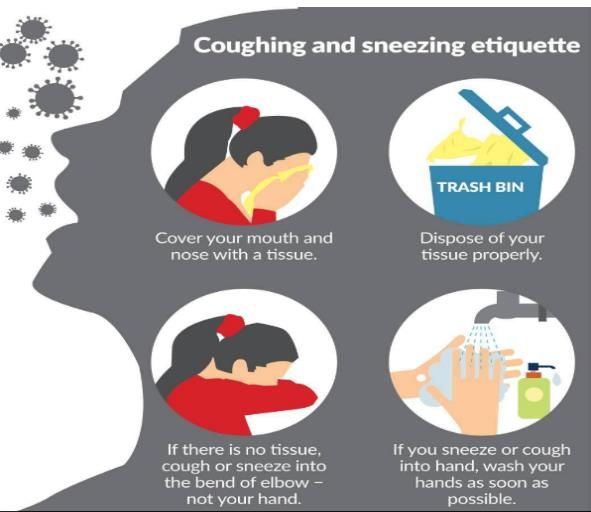
The Board of Education of
                                                                          SD 83 COVID 19 Return to School
                     School District No. 83 (North
                     Okanagan-Shuswap)                                   September 2020 Stage 2 Safety Plan

13. BACKGROUND:............................................................................................................................... 18
   13.1.         What We Know About Covid-19 in Children ...................................................................................... 18
   13.2.         COVID-19 and Adults ............................................................................................................................ 18
   13.3.         COVID-19 and Schools ......................................................................................................................... 18
14. INFECTION PREVENTION AND EXPOSURE CONTROL MEASURES ............................... 19
15. OFFICE EVENTS............................................................................................................................. 19
   15.1.         Elimination Controls ............................................................................................................................... 20
   15.2.         Engineering Controls ............................................................................................................................. 20
   15.3.         Administrative Controls ......................................................................................................................... 20
   15.4.         Personal Protective Equipment............................................................................................................ 20
   15.5.         Wearing a mask if you are healthy ...................................................................................................... 21
16. If A Child or Staff Member Is Ill ...................................................................................................... 22
   16.1.         When to Stay Home............................................................................................................................... 22
   16.2.         Sick While at Work or School ............................................................................................................... 22
   16.2.1.          If a Student Develops Any Symptoms of Illness ........................................................................... 22
   16.2.2.          If a Staff Member Develops Any Symptoms of Illness ................................................................. 23
   16.3.         Case Finding, Contact Tracing and Outbreak Management ........................................................... 23
   16.4.         Self-Isolation for International Travelers Returning to B.C. ............................................................. 24
17. ENVIRONMENTAL MEASURES .................................................................................................. 24
   17.1.         Visitors to District Buildings and Facilities .......................................................................................... 25
   17.2.         Payments (Parent Connect, E-transfers, Personal Checks, and Cash) ........................................ 26
   17.3.         Shared Space with Lessees ................................................................................................................. 27
   17.4.         Application Process for Vital Oxide ..................................................................................................... 27
18. CLEANING PROCEDURES FOR NOTEBOOKS, ALL-IN-ONE DESKTOPS, AND MONITORS:                                                                                          28
   18.1.         Caring for Technology ........................................................................................................................... 28
      A.     Cleaning your Computer Keyboard ......................................................................................................... 28
      B.     Cleaning your Computer LCD Display .................................................................................................... 28
      C.         Disinfecting your computer, keyboard and LCD Display ................................................................. 29
19. SCHOOL ARRIVAL PROCEDURES ............................................................................................ 30
   19.1.         Student at Home Health Check: .......................................................................................................... 31

Page 2 of 60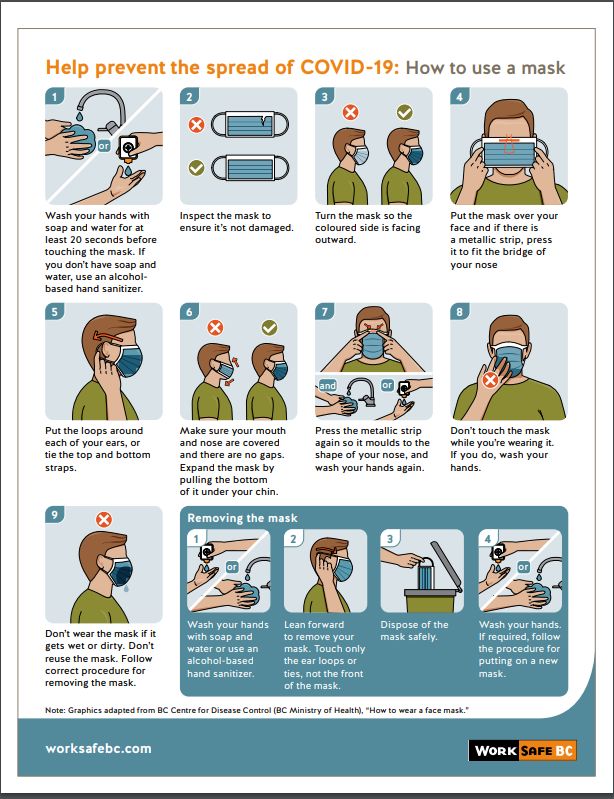
The Board of Education of
                                                                              SD 83 COVID 19 Return to School
                     School District No. 83 (North
                     Okanagan-Shuswap)                                       September 2020 Stage 2 Safety Plan

   19.2.         Visitor Health Check: ............................................................................................................................. 32
20. ADMINISTRATIVE MEASURES ................................................................................................... 32
   20.1.         Physical Distancing and Minimizing Physical Contact ..................................................................... 32
   20.2.         Where physical distance cannot be maintained. ............................................................................... 34
   20.3.         Communication Plans and Training .................................................................................................... 34
21. SAMPLE PROTOCOLS TO MAINTAIN SCHOOL ADMINISTRATIVE MEASURES: .......... 35
   21.1.         Photocopy Room .................................................................................................................................... 35
   21.2.         Office ........................................................................................................................................................ 35
   21.3.         Daily Announcements............................................................................................................................ 35
   21.4.         Crossing Guard Duty ............................................................................................................................. 35
   21.5.         Supervision ............................................................................................................................................. 35
   21.6.         Arrival/Drop-Off and Dismissal/Pick-up .............................................................................................. 35
   21.7.         Lunch & Recess ..................................................................................................................................... 36
   21.8.         Staff Room .............................................................................................................................................. 36
   21.9.         Gym .......................................................................................................................................................... 36
   21.10.        Hallways .................................................................................................................................................. 37
   21.11.        Music ........................................................................................................................................................ 37
   21.12.        Student Washrooms .............................................................................................................................. 37
   21.13.        Library ...................................................................................................................................................... 37
   21.14.        Student Behavior .................................................................................................................................... 37
   21.15.        Drinking Water ........................................................................................................................................ 38
   21.16.        Custodial Cleaning Protocols ............................................................................................................... 38
22. Student Transportation on Buses .................................................................................................. 38
   22.1.         Additional Measures: ............................................................................................................................. 39
   22.2.         Transportation Non-Compliance with COVID-19 Safety Protocols ................................................ 40
23. Food Services ................................................................................................................................... 40
24. PERSONAL MEASURES ............................................................................................................... 41
   24.1.         Hand Washing ........................................................................................................................................ 41
   24.2.         Strategies to Ensure Diligent Hand Hygiene: .................................................................................... 41
   24.3.         Hand Washing Staff and Children Should Perform Hand Hygiene: ............................................... 41

Page 3 of 60
The Board of Education of
                                                                                SD 83 COVID 19 Return to School
                      School District No. 83 (North
                      Okanagan-Shuswap)                                        September 2020 Stage 2 Safety Plan

   24.3.1.            Students............................................................................................................................................... 41
   24.3.2.            Staff ...................................................................................................................................................... 42
   24.4.          Hand Sanitizer: ....................................................................................................................................... 42
   24.5.          Coughing and Sneezing Etiquette ....................................................................................................... 42
25. PERSONAL PROTECTIVE EQUIPMENT ................................................................................... 43
   25.1.          PPE: ......................................................................................................................................................... 43
   25.2.          Students with Diverse Abilities ............................................................................................................. 44
   25.3.          Non-Medical Masks ............................................................................................................................... 44
26. Auditing .............................................................................................................................................. 44
27. Revision Status................................................................................................................................. 45
Section 25 – Update PPE ....................................................................................................................... 46
Section 26 - Auditing ............................................................................................................................... 47
Appendix 9-14........................................................................................................................................... 47
APPENDIX: ............................................................................................................................................... 47
   1.      POSTER LINKS: ............................................................................................................................................ 47
   2.      AUTHORIZED PERSONNEL ....................................................................................................................... 48
   3.      HAND SANITIZING STATION ..................................................................................................................... 49
   4.      HAND WASHING – STUDENTS ................................................................................................................. 50
   5.      HAND WASHING – STAFF .......................................................................................................................... 51
   6.      MEDICAL ISOLATION ROOM..................................................................................................................... 52
   7.      VISITOR CHECK LIST .................................................................................................................................. 53
   8.      WASHROOM CLEANING LOG ................................................................................................................... 54
   9.      SAFE WORK PROCEDURE: FIRST AID PROTOCOLS – COVID-19 ................................................. 55
   8.      Year End Gatherings ..................................................................................................................................... 58
   9.      How to Use a Mask ........................................................................................................................................ 59

Page 4 of 60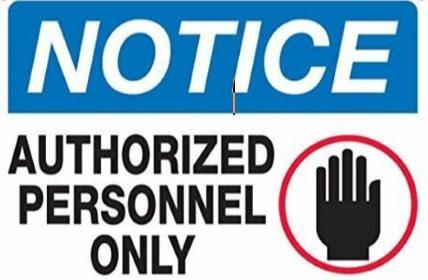
The Board of Education of
                                                SD 83 COVID 19 Return to School
               School District No. 83 (North
               Okanagan-Shuswap)               September 2020 Stage 2 Safety Plan

1. INTRODUCTION:

   The Board of Education of School district No. 83 recognizes that the information in this Safety Plan is
   fluid and at any time may change as Ministry Information changes or COVID-19 evolves. While School
   District No.83 will try to keep the information timely and accurate the revision status is crucial. Please
   ensure that you visit https://healthandsafety.sd83.bc.ca/ for the latest and most updated version.

   The Purpose of this document is to outline control measure to minimize or eliminate the potential for
   transmission of communicable disease. In order to coordinate the district’s response and safety
   measures, a combination of measures will be used to minimize the potential of exposure at school and
   building sites to the pathogen known as COVID -19. The Board of Education of School District No. 83
   is committed to ensuring all our schools are safe.

   In September 2020, School District No. 83 will start up in Stage 2 with the goal of maximizing in-class
   instruction for all students according to the revised public health guidelines to reduce the risk of
   COVID-19 transmission. Having students in the classroom helps to minimize learning gaps and
   provide the academic, social and emotional supports essential for learning.

   Based on the current epidemiology of COVID-19 in B.C., and the fact that children are at a much lower
   risk of developing and transmitting COVID-19, School District No. 83 is able to have all elementary
   and middle school students, and most secondary students receive daily in-class instruction within the
   school environment.

   The Ministry of Education Five Stage Framework for K-12 includes comprehensive COVID-19 health
   and safety measures and aligns with B.C.’s Restart Plan. Based on new public health guidance for K-
   12 schools from the Provincial Health Officer, the Five Stages have been updated to outline
   expectations for B.C. elementary, middle and secondary schools for the 2020/21 school year. This
   includes organizing students into cohorts (Learning Groups) to help limit contact and potential
   exposure.

2. BC MINISTRY OF EDUCATION FOUNDATIONAL PRINCIPLES

   1.   Maintain a healthy and safe environment for all students, families and staff.
   2.   Provide the services needed to support the children of our essential workers (ESWs).
   3.   Support vulnerable students who may need special assistance.
   4.   Provide continuity of educational opportunities for all students.

Page 5 of 60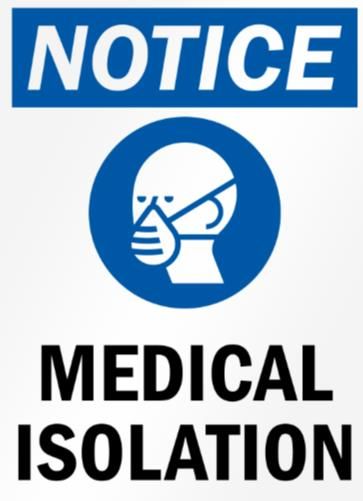
The Board of Education of
SD 83 COVID 19 Return to School
School District No. 83 (North
Okanagan-Shuswap) September 2020 Stage 2 Safety Plan
3. GUIDANCE:
This Safety Plan is informed by the following:
COVID-19 Public Health Guidance for K-12 School Settings
BC's Back to School Plan
Next Steps to Move BC through the Pandemic
K-12 Education Restart Plan
BC COVID-19 Go-Forward Management Strategy,
BC’s COVID-19 Go-Forward Management Checklist
WorkSafe BC’s COVID-19 Information and Resources and COVID-19 Frequently Asked
Questions.
WorksafeBC Returning to Safe Operation
Worksafebc A Guide For Employers And Occupational First Aid Attendants
Order of the Provincial Health Officer
Key Steps To Safely Operating Your Business Or Organization And Reducing Covid-19
Transmission
Guidelines for Re-Entry into the School Setting During the Pandemic: Managing the Social-
Emotional and Traumatic Impact
Guidance for Food Service Establishments and Liquor Services, Including Restaurants, Cafés and
Pubs
SickKids Updated Guidance for School Reopening
Symptoms of Covid-19
BC COVID-19 Self-Assessment Tool
Self-Isolation on Return to BC
Vulnerable Populations
Information for Those with Chronic Health Conditions
Page 6 of 60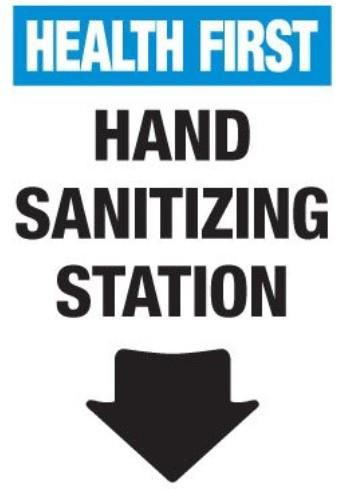
The Board of Education of
SD 83 COVID 19 Return to School
School District No. 83 (North
Okanagan-Shuswap) September 2020 Stage 2 Safety Plan
Strong Start
4. DEFINITIONS
Health Hazard means
1. A condition, a thing or an activity that:
a. Endangers, or is likely to endanger, public health, or
b. Interferes, or is likely to interfere, with the suppression of infectious agents or hazardous
agents, or
2. A prescribed condition, thing or activity, including a prescribed condition, thing or activity that:
a. Is associated with injury or illness, or
b. Fails to meet a prescribed standard in relation to health, injury or illness.
Undue Hazard is an “unwarranted, inappropriate, excessive, or disproportionate” hazard. For COVID-
19, an “undue hazard” would be one where a worker’s job role places them at increased risk of
exposure and adequate controls are not in place to protect them from that exposure.
5. RESPONSIBILITIES:
Employers are responsible for the health and safety of their workers, and all other workers at their
workplace. They are responsible for completing and posting the COVID-19 Safety Plan and to train
and educate everyone at the workplace of the contents of that plan. Employers are also responsible
for having a system in place to identify the hazards of COVID-19, control the risk, and monitor the
effectiveness of the controls.
Workers are responsible for taking reasonable care to protect their own health and safety and the
health and safety of other people at workplace. In the context of COVID-19, this means workers are
responsible for their own personal self-care, which includes frequent hand washing and staying home
when sick. Workers are also responsible for reporting unsafe conditions to their employer, and
following the procedures put in place by the employer to control the risks associated with COVID-19.
The owner or the prime contractor (in our case, the School District) is responsible for coordinating
health and safety at a workplace where workers of two or more employers are working at the same
time. This includes doing everything that can reasonably be done to establish and maintain a system
or process to ensure compliance with WorkSafeBC laws and regulations generally, including ensuring
an effective system to control the risks associated with COVID-19.
Occupational First Aid Attendants (OFAA’S)
During the COVID-19 pandemic, occupational first aid attendants (OFFA’S) continue to provide
treatment to workers as necessary. Because of the possibility of community infection, you may need
to modify your standard protocols for first aid treatment to reduce the potential for transmission.
Please see the attached safe work practice for precautions.
Page 7 of 60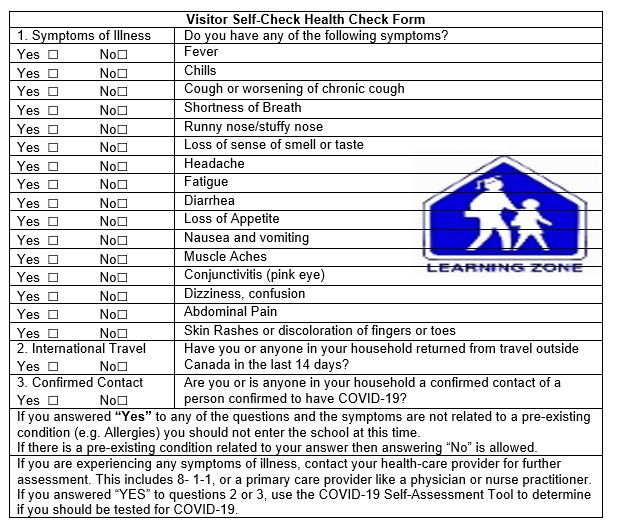
The Board of Education of
SD 83 COVID 19 Return to School
School District No. 83 (North
Okanagan-Shuswap) September 2020 Stage 2 Safety Plan
6. SAFETY MEASURES FOR SEPTEMBER OPENING
On September 8, 2020, School District No. 83 will begin the new school year with the goal to maximize
in-class learning for all students. To support the return to school the above COVID-19 safety measures
are being implemented to help protect students, staff, contractors, visitors and volunteers.
6.1. What Can Parents & Students Expect in Stage 2?
Given the permitted sizes of cohorts, it is expected that elementary and middle school students will
return to full-time, in-class instruction with minimal modifications to school structures and timetables.
Our secondary schools will be making adjustments to timetables and school schedules to ensure all
students can attend school on a full-time basis and maximize in-class instruction. Parents and
students can also expect:
6.1.1. Regular Communication
Contact from school or district to confirm educational program options for September.
Regular information updates on school and district websites.
6.1.2. In-Class Instruction & Supports
Full return to in-class instruction provided that all required health and safety measures
can be accommodated.
Full-time instruction for students with disabilities/diverse abilities and students requiring
additional support.
Focus on mental health and well-being supports for students returning to school.
Options for students with underlying complex medical needs.
6.1.3. Enhanced Health & Safety Measures
Parents will be asked to monitor their children daily for symptoms and not to send them
to school if they are sick.
Students will be asked to wash their hands frequently, including before coming to
school. They will have access to hand sanitizer when hand washing is not available.
Schools will continue to be cleaned more frequently, including classrooms and high
touch areas.
Page 8 of 60
The Board of Education of
SD 83 COVID 19 Return to School
School District No. 83 (North
Okanagan-Shuswap) September 2020 Stage 2 Safety Plan
Schools and classrooms might look different:
Organizing students into cohorts,
Increased spacing between students in classrooms and more individual and smaller
group activities,
Limitations on assemblies and other large gatherings,
Wearing non-medical masks will required for students in grades 6-12 and staff in
common areas in schools and on buses. Masks for younger students will be made
available and provided upon request.
Students will be asked to label their personal items and not to share them.
Parents may need to remind children to minimize physical contact with their friends.
Special Note: Please see further in document for more details on enhanced Health and Safety Measures.
7. RESOLVING CONCERNS ABOUT UNSAFE WORK
Workers have the right to refuse work if they believe it presents an undue hazard. If the matter is not
resolved, the worker and the supervisor or employer must contact WorkSafeBC. Once that occurs, a
prevention officer will consult with workplace parties to determine whether there is an undue hazard
and issue orders if necessary
For more information, see Occupational Health and Safety Guideline G3.12.
8. JOINT HEALTH AND SAFETY COMMITTEES
8.1. What Is The Role Of My Joint Health And Safety Committee Or Worker Representative?
Occupational joint health and safety committees play an important role in helping School District
No. 83 establish and maintain healthy and safe workplaces.
The committee gives workers and employers a way to work together to identify and find solutions to
workplace health and safety issues, which includes health and safety concerns related to COVID-
19. The joint committee or representative must:
1. Identify situations that may be unhealthy or unsafe for workers, and advise on effective
systems for responding to those situations.
2. Consider and promptly deal with complaints relating to the health and safety of workers.
3. Consult with workers and the employer on issues related to occupational health and safety,
and the occupational environment.
4. Make recommendations to the employer and workers for improving the occupational
environment.
Page 9 of 60The Board of Education of
SD 83 COVID 19 Return to School
School District No. 83 (North
Okanagan-Shuswap) September 2020 Stage 2 Safety Plan
5. Advise School District No.83 on programs and policies required under the regulations for
the workplace, and monitor their effectiveness.
6. Advise School District No.83 on proposed changes to the workplace, including significant
proposed changes to equipment and machinery, or the work processes that may affect the
health or safety of workers.
8.2. School District No. 83 Joint Health and Safety Committees Must Be Meaningfully Engaged In
Protecting The Workplace Against COVID-19.
Some Strategies School District No. 83 will be utilizing are:
Ensuring there is a mechanism in place where workers can raise any concerns about the risk
of COVID-19 exposure at the workplace to the joint committee or worker representative. Please
ensure that there is a line item in all agenda’s related to COVID-19. Engage the use of the HR
Coordinator Health Safety and Wellness, Brenda MacKay at 250-253-5746, for any assistance
you may require.
Have committee members participate in a walk-through assessment of the work process(es) to
identify potential areas of increased risk and priority action. HR Coordinator Health Safety and
Wellness will be conducting Audits of the Safety Plan so participation of committee members
are vital.
Ensure that the joint committee is involved in the development of control plans for different job
tasks.
Joint Health and Safety Committees must be involved in promoting approved social distancing
measures.
Joint Health and Safety Committees will be required to provide feedback on the effectiveness
of control measures implemented.
8.3. School District No. 83 Health And Safety Committees Will Continue To Meet During The
COVID-19 Outbreak.
Joint health and safety committees must continue to meet regularly as required under the
Occupational Health and Safety Regulation. School District No. 83 will hold meetings
remotely for some or all participants, through the use of Teams Meetings, to encourage
physical distancing.
For those that can Physical distance meetings may take place within the facilities.
Page 10 of 60The Board of Education of
SD 83 COVID 19 Return to School
School District No. 83 (North
Okanagan-Shuswap) September 2020 Stage 2 Safety Plan
9. LEGISLATIVE QUESTION OR CONCERNS
Workers and employers with questions or concerns about workplace exposure to the COVID-19 virus
can call WorkSafeBC’s Prevention Information Line at 604.276.3100 in the Lower Mainland (toll-free
within B.C. at 1.888.621.SAFE). You’ll be able to speak to a prevention officer to get answers to your
questions, and if required, a prevention officer will be assigned to assess the health and safety risk at
your workplace.
10. PROTECTING MENTAL HEALTH
Workers in the workplace may also be affected by the anxiety and uncertainty created by the COVID-
19 outbreak. It’s important to remember that mental health is just as important as physical health, and
to take measures to support mental well-being. Here are some resources that can assist with
maintaining mental health in the workplace during this time.
COVID-19 Psychological First Aid Service: Information and Signup (British Columbia Psychological
Association) – Free virtual counselling provided by registered psychologists.
COVID-19: Staying Well in Uncertain Times (Canadian Mental Health Association – B.C.) – Tips
and information on how to reduce and manage anxiety in the workplace due to the COVID-19
outbreak.
Managing COVID-19 Stress, Anxiety and Depression (Ministry of Mental Health and Addictions) -
Tips and resources on things we can do as individuals and collectively to deal with stress and
support one another during these challenging times.
Mental Health and Psychosocial Considerations During COVID-19 Outbreak (World Health
Organization) – These mental health considerations were developed by the WHO’s Department of
Mental Health and Substance Use as messages targeting different groups to support for mental
and psychosocial well-being during COVID-19 outbreak.
Mental Health and COVID-10 (Conference Board of Canada) – Videos on different aspects of
mental health, including coping with anxiety, job loss, and dealing with isolation.
Taking Care of Your Mental Health (COVID-19) (Public Health Agency of Canada) – Tips and
resources for taking care of your mental health during the COVID-19 outbreak.
Life Works SD83 EAP. Username: shuswapsd83 Password: healthy
Talk to your Supervisor, Union Rep or HR Coordinator Health Safety and Wellness for assistance
and navigation through these unprecedented times.
11. INFECTION PREVENTION AND EXPOSURE CONTROL
MEASURES:
Infection prevention and exposure control measures help create a safe environment for students and
staff. Infection Prevention and Exposure Control Measures for Communicable Disease describes
measures that can be taken to reduce the transmission of COVID-19. Control measures at the top are
Page 11 of 60The Board of Education of
SD 83 COVID 19 Return to School
School District No. 83 (North
Okanagan-Shuswap) September 2020 Stage 2 Safety Plan
more effective and protective than those at the bottom. By implementing a combination of measures at
each level, the risk of COVID-19 is substantially reduced.
The Hierarchy for Infection Prevention and Exposure Control Measures for Communicable Disease
11.1. Public Health Measures:
Are changes to the physical environment that reduce the risk of exposure. Examples
include being in outdoor spaces, using visual cues for maintaining physical distance or
directing traffic flow in hallways, erecting physical barriers where appropriate and frequent
cleaning and disinfection.
11.2. Environmental Measures:
Are changes to the physical environment that reduce the risk of exposure. Examples
include being in outdoor spaces, using visual cues for maintaining physical distance or
directing traffic flow in hallways, erecting physical barriers where appropriate and frequent
cleaning and disinfection.
11.3. Administrative Measures:
Are measures enabled through the implementation of policies, procedures, training and
education. Examples of these include health and wellness policies, decreased density in
classrooms, staggered schedules and using virtual learning opportunities.
11.4. Personal Measures:
Page 12 of 60The Board of Education of
SD 83 COVID 19 Return to School
School District No. 83 (North
Okanagan-Shuswap) September 2020 Stage 2 Safety Plan
Are actions individuals can take to protect themselves and others. Examples include
maintaining physical distance/minimizing physical contact, washing your hands frequently,
coughing into your elbow and staying home from work if you are sick.
11.5. Personal Protective Equipment: (PPE)
Is the last and least effective of the infection prevention and exposure control measure and
should only be considered after exploring all other measures. PPE is not effective as a
stand-alone preventive measure, should be suited to the task, and must be worn and
disposed of properly. Outside of the health care settings, the effectiveness of PPE is
generally limited to protecting others should you be infected.
School District No. 83 has implemented a combination of measures at different levels, as described in
this document. This document includes Environmental, Administrative, Personal Measures and the
use of PPE.
12. ADMINSTRATIVE MEASURES
12.1. Training:
Health and safety training and orientation of school district staff, including new employees and staff
who work at multiple sites and/or across multiple cohorts in a school (i.e. counsellors, learning
assistants, prep teachers, Education Assistants) will take place prior to students returning. These
orientations will take place at schools on September 8 and 9.
12.2. Cohorts
Reducing the number of in-person, close interactions an individual has in a day with different people
helps to prevent the spread of COVID-19. This can be accomplished in our K-12 school settings
through two different but complementary approaches: Learning Groups or cohorts and physical
distancing.
A cohort is a group of students and staff who remain together throughout a school term.
Physical distancing is maintaining a distance of two metres between two or more people.
Cohorts reduce the number of in-person, close interactions a person has in school without requiring
physical distancing to consistently be practiced.
o In elementary and middle schools, a cohort can be composed of up to 60 people.
o In secondary schools, a cohort can be composed of up to 120 people.
o Cohorts can be composed of students and staff.
Cohorts are smaller in elementary and middle schools due to the recognition that younger children are
less able to consistently implement personal measures such as hand hygiene, reducing physical
contact and recognizing and articulating symptoms of illness.
Page 13 of 60The Board of Education of
SD 83 COVID 19 Return to School
School District No. 83 (North
Okanagan-Shuswap) September 2020 Stage 2 Safety Plan
Cohorts are larger in secondary schools due to the increased ability of children in that setting to be
able to consistently minimize physical contact, practice hand hygiene, ensure physical distance where
necessary and recognize and articulate symptoms of illness.
School administrators should determine the composition of the cohorts. The composition of the cohort
should remain consistent for all activities that occur in schools, including but not limited to learning and
breaks (lunch, recess, classroom changes, etc.). Within the cohort minimized physical contact should
be encouraged, but a two-meter physical distance does not need to be maintained.
Cohort composition can be changed at the start of a new quarter, semester or term in the school year.
Outside of these, composition should be changed as minimally as possible, except where required to
support optimal school functioning. This may include learning, operational or student health and safety
considerations.
Consistent seating arrangements are encouraged within cohorts where practical. This can assist
public health should contact tracing need to occur.
School District 83 administrators must keep up-to-date lists of all members of a cohort to share with
public health should contact tracing need to occur.
12.3. Interacting with Cohorts
School District 83 will minimize the number of adults (staff and others) who interact with cohorts they
are not a part of as much as is practical to do so while supporting learning and a positive, healthy and
safe environment.
Those outside of a cohort (i.e. prep teachers, remedy teachers, music teachers, TTOCs, casual
support staff, etc.) must practice physical distance when interacting with the cohort. For example, a
secondary school teacher can teach multiple cohorts but should maintain physical distance from
students and other staff as much as possible. In an elementary or secondary school, two classes from
different cohorts can be in the same learning space at the same time if a two-metre distance is able to
be maintained between people from different cohorts.
Face Shields or plexiglass barriers can be issued to those outside cohorts that are required to instruct
students on an infrequent basis.
During break times (i.e. recess, lunch), students may want to socialize with peers in different cohorts.
In elementary schools, students can socialize with peers in different cohorts if they are
outdoors and can minimize physical contact or if they are indoors and can maintain physical
distance.
o Elementary-aged students are less able to consistently maintain physical distance.
Outdoors is a lower risk environment than indoors.
In middle and secondary schools, students can socialize with peers in different cohorts if
they can maintain physical distance. Students must maintain physical distance when
socializing with peers in different cohorts.
Page 14 of 60The Board of Education of
SD 83 COVID 19 Return to School
School District No. 83 (North
Okanagan-Shuswap) September 2020 Stage 2 Safety Plan
o Middle and secondary school students are expected to be capable of consistently
maintaining physical distance when it is required. If a student is unable to physically
distance, the student should socialize within their cohort or where they can be
supported to physically distance.
Unless they are part of the same cohort, staff and other adults should maintain physical distance
from each other at all times. This includes during break times and in meetings.
Students from different cohorts may be required to be together to receive beneficial social
supports, programs or services (i.e. meal programs, after school clubs, etc.). Within these supports
or services, it is expected that cohorts and physical distance are maintained as much as is
practical to do so while still ensuring the support, program or service continues. This does not
apply to extracurricular activities where physical distance between cohorts must be maintained.
Elementary and middle schools are likely able to implement cohorts without reducing the number
of individuals typically within the school. Secondary schools may use both approaches: implement
cohorts and reduce the number of individuals typically within the school to enable physical distance
for out-of-cohort interactions. This may be necessary due to the larger number of people and the
increased frequency of classroom exchanges that typically occur within secondary schools.
If physical distancing cannot be maintained between cohorts of students in grades 6-12, masks
must be worn.
12.4. School Gatherings
School gatherings should occur within the cohort.
o Gatherings should not exceed the maximum cohort size in the setting, plus the minimum
number of additional people required (i.e. school staff, visitors, etc.) to meet the gathering’s
purpose and intended outcome.
o Additional people should be minimized as much as is practical to do so.
o These gatherings should happen minimally.
o Schools should seek virtual alternatives for larger gatherings and assemblies.
12.5. Physical Distancing
Due to physical space limitations it may be necessary to reduce the number of individuals within
secondary schools at any given time to ensure that physical distance can be maintained when
required. Secondary schools should continue to prioritize the attendance of students who most
benefit from in-person support and learners with diverse needs, as well as consider alternative
learning modalities and off-campus learning.
12.6. Other Strategies
The following strategies should be implemented wherever possible in the K-12 school setting: •
Avoid close greetings (i.e., hugs, handshakes).
Page 15 of 60The Board of Education of
SD 83 COVID 19 Return to School
School District No. 83 (North
Okanagan-Shuswap) September 2020 Stage 2 Safety Plan
Encourage students and staff to not touch their faces. Spread people out as much as is
practical to do so:
o Consider different classroom and learning environment configurations to allow distance
between students and adults (i.e., different desk and table formations).
For middle and secondary schools, consider arranging desks/tables so students are not facing
each other and using consistent seating arrangements.
Consider strategies that prevent crowding at pick-up and drop-off times.
Stagger recess/snack, lunch and class transition times to provide a greater amount of space
for everyone.
Take students outside more often:
o Organize learning activities outside including snack time, place-based learning and
unstructured time.
o Take activities that involve movement, including those for physical health and education,
outside.
o Playgrounds are a safe environment. Ensure appropriate hand hygiene practices before
and after outdoor play.
Incorporate more individual activities or activities that encourage greater space between
students and staff.
o For elementary students, adapt group activities to minimize physical contact and reduce
shared items.
o For middle and secondary students, minimize group activities and avoid activities that
require physical contact.
Manage flow of people in common areas, including hallways, to minimize crowding and allow
for ease of people passing through.
Parents, caregivers, health-care providers, volunteers and other non-staff adults (i.e. visitors)
entering the school should be prioritized to those supporting activities that are of benefit to
student learning and wellbeing (i.e. teacher candidates, immunizers, meal program
volunteers, etc.).
o All visitors should confirm they have completed the requirements of a daily health check
before entering.
o Schools should keep a list of the date, names and contact information for all visitors who
enter the school.
12.7. Extracurricular Activities
Extracurricular activities including sports, arts or special interest clubs can occur if physical
distance can be maintained between members of different cohorts and reduced physical contact is
practiced by those within the same cohort. Inter-school events including competitions, tournaments
and festivals, will not occur at this time. This will be reevaluated in mid-fall 2020
Page 16 of 60The Board of Education of
SD 83 COVID 19 Return to School
School District No. 83 (North
Okanagan-Shuswap) September 2020 Stage 2 Safety Plan
13. UNDERSTANDING AND ASSESSING THE RISK OF COVID-19
TRANSMISSION
School District No. 83 will continue to assess the risk in our schools and buildings in order to identify
places where the risk of transmission is introduced. This can be achieved through a collaborative approach
with District staff and through the Joint Health and Safety Committee.
School District No. 83 encourages all workers who have safety concerns to raise those concerns
to your joint health and safety committee member or for immediate assistance talk to your
supervisor, union rep or HR Coordinator, Health Safety and Wellness.
The virus that causes COVID-19 spreads in several ways, including through droplets when a person
coughs or sneezes, and from touching a contaminated surface before touching the face. Higher risk
situations require adequate protocols to address the risk.
The risk of person-to-person transmission is increased the closer you come to other people, the amount
of time you spend near them, and the number of people you come near. Physical distancing measures
help mitigate this risk.
The risk of surface transmission is increased when many people contact same surface, and when those
contacts happen in short intervals of time. Effective cleaning and hygiene practices help mitigate this
risk.
o Video: Transmission of the COVID-19 coronavirus
o Video: Cough & sneeze etiquette
See SD83 Risk Assessment
13.1. Understanding the Risk
The virus that causes COVID-19 spreads in several ways, including through droplets when a person
coughs or sneezes, and from touching a contaminated surface before touching the face. Higher risk
situations require adequate protocols to address the risk.
1. The risk of person-to-person transmission can vary depending on the closer you come to other
people, the amount of time you spend near them, and the number of people you come near.
physical distancing measures help mitigate this risk.
2. The risk of surface transmission is increased when many people contact same surface, and
when those contacts happen in short intervals of time.
3. Effective cleaning and hygiene practices help mitigate this risk.
Page 17 of 60The Board of Education of
SD 83 COVID 19 Return to School
School District No. 83 (North
Okanagan-Shuswap) September 2020 Stage 2 Safety Plan
14. BACKGROUND:
14.1. What We Know About Covid-19 in Children
COVID-19 virus has a very low infection rate in children (ages 0 to19).
In B.C., less than 1% of children tested have been COVID-19 positive, and even fewer are
suspected to have been infected based on serological testing. Most children are not at high risk for
COVID-19 infection. Children under 10 comprise a smaller proportion of the total confirmed child
cases compared to children between the ages of 10 and 19.
Based on published literature to date, the majority of cases in children are the result of household
transmission by droplet spread from a symptomatic adult family member with COVID-19. Even in
family clusters, adults appear to be the primary drivers of transmission.
Children under one year of age, and those who are immunocompromised or have pre-existing
pulmonary conditions are at a higher risk of more severe illness from COVID-19 (visit the BCCDC
Children with Immune Suppression page for further details).
o Children who are at higher risk of severe illness from COVID-19 can still receive in-person
instruction. Parents and caregivers are encouraged to consult with their health-care
provider to determine their child’s level of risk.
Children typically have much milder symptoms of COVID-19, if any. They often present with low-
grade fever and a dry cough. Gastrointestinal symptoms are more common than in adults over the
course of disease, while skin changes and lesions are less common.
14.2. COVID-19 and Adults
While COVID-19 impacts adults more than children, some adults with specific health circumstances
are at an increased risk for more severe outcomes, including individuals:
Aged 65 and over,
With compromised immune systems, or
With underlying medical conditions.
Most adults infected with COVID-19 will have mild symptoms that do not require care outside of the
home.
COVID-19 workplace accommodations for staff will require specific medical documentation indicating
individuals are in the high-risk categories as per the BCCDC definition. All accommodation requests
will be managed through the Human Resources department as per usual practice. Collaboration will
take place with the appropriate unions as needed.
14.3. COVID-19 and Schools
• There is limited evidence of confirmed transmission within school settings. This is partially due
to wide-spread school closures worldwide at the onset of the pandemic to help prevent the
spread of COVID-19.
Page 18 of 60The Board of Education of
SD 83 COVID 19 Return to School
School District No. 83 (North
Okanagan-Shuswap) September 2020 Stage 2 Safety Plan
o In documented cases, there was typically minimal spread beyond the index case
though isolated outbreaks have been reported.
• Children do not appear to be the primary drivers of COVID-19 spread in schools or in
community settings.
• Schools and childcare facility closures have significant negative mental health and
socioeconomic impacts on vulnerable children.
• Prevention measures and mitigation strategies involving children must be commensurate with
risk. This information is based on the best evidence currently available. It will be updated as
new information becomes available. For up-to-date information on COVID-19, visit the BC
Centre for Disease Control (BCCDC) website.
15. INFECTION PREVENTION AND EXPOSURE CONTROL
MEASURES
Schools are considered a controlled environment by public health. This is because schools include a
consistent grouping of people.
Within cohorts, physical distancing is not an expectation for students of School District No. 83 as per
Ministry Direction. At the same time, it is important that we do what we can to try to assist children to
understand the importance of minimizing the frequency of physical contact with one another. From a
public health perspective, there are ratios are set that prescribe the number of adults and children that
can be present in the same space at any given time. Please see the Return to Class Document for
further information.
16. OFFICE EVENTS
Mass Gatherings: The Provincial Health Officer’s Order for Mass Gatherings continues to prohibit
gatherings and events of people in excess of 50 people for the purpose of an event. This order does
not apply to schools. It is focused on one-time events where people gather and where control
measures may be hard to implement.
As per order of the Provincial Health Officer an “Event” refers to anything which gathers people
together, whether on a one-time, regular or irregular basis, including a ceremony or celebration of any
type, reception, musical, theatrical or dance entertainment or performance, art show, magic show,
puppet show, fashion show, book signing, reading, recitation, display, movie, film, dancing, singing,
meeting, lecture, talk, educational session, auction, fund raising benefit, contest, quiz, game, rally,
festival, presentation, demonstration, or sporting or other physical display, but does not include
background music;
“Premises” includes both inside and outside areas in which food services or drink services are
provided to Staff.
Page 19 of 60The Board of Education of
SD 83 COVID 19 Return to School
School District No. 83 (North
Okanagan-Shuswap) September 2020 Stage 2 Safety Plan
16.1. Elimination Controls
If there is an event held on the premises, during the event:
1. Staff must be able to maintain a distance of two metres from other patrons.
2. No guests are to attend only those staff with invites are to attend event.
3. There must be no more than 50 staff present in total on the premises even if that is less than
the maximum number of staff who would be permitted to be present under the safety plan.
4. 50 patrons may only be present if this is not more than the number permitted under the safety
plan, and staff who leave are not replaced by other staff.
5. If an event is taking place in an area completely separated from the rest of the premises, there
may be additional patrons present in other parts of the premises if the total number of staff
present does not exceed the maximum permitted by the safety plan.
6. Staff who leave the area where the event is held must not be replaced by other staff.
16.2. Engineering Controls
1. Staff sitting or standing at the same table, must be able to maintain a distance of at least two
metres from each other.
2. Staff sitting or standing at different tables, must be able to maintain a distance of at least two
metres from staff at other tables.
3. In places where staff may congregate or stand in line, there must be physical devices, markers,
or some other method to guide and assist patrons in maintaining a distance of two meters from
one another.
16.3. Administrative Controls
1. Monitor places where staff may congregate or stand in line and remind them to maintain a
distance of two metres from each other.
2. Monitor the number of staff present on premises and ensure that the number present does not
exceed the maximum number in your safety plan.
3. Collect the first and last name and phone number or email address of each staff member and
retain this information for thirty days, in the event that there is a need for contact tracing on the
part of the Medical Health Officer. This information will be present in Atrieve.
16.4. Personal Protective Equipment
1. Staff and food handlers are not required to wear masks unless they are normally used to
perform job duties.
2. Masks should never be relied upon as a sole protective measure.
3. In situations where the other controls cannot be maintained staff and food handlers may
choose to wear non-medical masks and face shields.
Page 20 of 60The Board of Education of
SD 83 COVID 19 Return to School
School District No. 83 (North
Okanagan-Shuswap) September 2020 Stage 2 Safety Plan
4. Staff who choose to wear a mask should be aware of the following:
Masks can become contaminated on the outside when touched by hands so staff
should avoid touching or adjusting them often.
Masks that become wet, soiled or damaged are less effective and should be replaced
immediately.
Masks should be put on and taken off correctly, including not touching the front of the
mask, and washing hands.
Cloth masks should be washed every day using the warmest water setting and stored
in a clean dry place to prevent contamination.
Never share masks with others.
If a non-cloth mask is used (i.e. medical mask), staff should be reminded these items
are single-use. In addition to following safe procedures for putting them on and taking
them off, they cannot be cleaned or reused.
Remember to wash hands before donning and doffing your mask.
a. Gloves for staff are not recommended unless food handling – remember to wash your
hands before and after removing gloves.
b. If food handlers wear gloves for cleaning, if they have a cut, or for any other reason, the
gloves should be taken off correctly (see video below), they must be changed between
tasks, and hands must be washed between glove changes.
c. Glove use is not a substitute for hand hygiene.
16.5. Wearing a mask if you are healthy
1. If you are healthy, wearing a non-medical or cloth mask or face covering is a matter of
personal choice and it might help to protect others. This is because some people can
spread the virus when they have very mild symptoms or may not know that they are
infected. In this case, wearing a mask can help protect others by containing your own
droplets when talking, laughing, singing, coughing, or sneezing. Wearing a cloth mask
might not protect you from COVID-19, but it is a good option in situations where you
cannot keep a safe distance from others for an extended period of time.
2. Any mask, no matter how good it is at catching droplets or how well it seals, will have
minimal effect if it is not used together with other preventive measures, such as
frequent hand washing and physical distancing.
3. It is important to treat people wearing masks with respect.
a. Resources:
Video: How to remove disposable gloves
WorkSafe BC: Selecting and Using Masks
Worksafe BC How to Use a Mask
BCCDC: Guideline on types of Masks
BCCDC: Face Masks how they are different
Video: Why do we need to Physical Distance
Video: How to wear a mask
Page 21 of 60You can also read


