The Cheating Consumer - How crisis events can trigger consumer brand switching at a massive scale and what you can do about it - Profitero
←
→
Page content transcription
If your browser does not render page correctly, please read the page content below
The Cheating
Consumer
How crisis events can trigger
consumer brand switching at
a massive scale and what you
can do about it

 2ND EDITION          JUNE 2020
(includes addendum with May 2020 data updates)
Executive Summary

When the products a consumer loves become
unavailable, they don’t sit around and do nothing        Here are 5 key findings from our research at Profitero:
or go without. They look elsewhere, seeking any
product they can find that will get the job done. This    1                                                     4
kind of switching & substitution can cost retailers
and brands millions of dollars in lost sales. At the     Brand loyalty is up for grabs: Brands must fight      Products are the new services: The closure

same time, it also can create unique new growth          hard to retain shoppers, because consumers won’t      of restaurants, barber shops, gyms, etc., is

opportunities for agile brands that act quickly.         hesitate to switch products when their favorites      driving consumers to seek “products” as a
                                                         are out of stock. The rate of consumers switching     replacement for “services,” creating new
The COVID-19 pandemic has provided an
                                                         from their traditionally bought brands (typically     growth opportunities for brands. Consumer
opportunity for the industry to explore consumer
                                                         large brands) grew by 75% to as high as 127%          searches for “hair clippers” on Amazon, for
switching & substitution behavior like never before.
                                                         between January and April.                            example, were up 90X in late April compared
Many brands (especially those in categories like                                                               with January.
cleaning supplies, paper products and food) saw           2
out-of-stock (OOS) rates skyrocket, reaching 100%        Invisibility breeds irrelevance: Out of stocks are
                                                                                                                5
for many products across online retailers, which         making big brands invisible on the digital shelf,     Go digital or be gone: Switching from offline
triggered wild switching behavior. On top of this,       and smaller brands are moving in for the kill. A      to online and digitally enabled shopping is
recessionary behaviors are setting in, as consumers      search for “toilet paper” in January revealed the     happening fast, exposing digitally unprepared
look to stretch their dollars with lower-price options   long tail (i.e., niche brands and new challenger      brands to rapid losses in market share. The
(e.g., private labels).                                  brands) captured 8% of page 1; by March it had        percentage of grocery sales happening online
                                                         jumped to 51%.                                        has increased 150% year-over-year since the
“It’s time for brands to challenge                                                                             pandemic began.
                                                          3
 all prior assumptions to meet
                                                         Competition may be bigger than you think:
 the new shopping behaviors                              Brands must reassess the competition; you’re
 because the genie isn’t going                           no longer just competing with products in your

 back in the bottle.”                                    categories, but products in any category that can
                                                         solve a problem or perform a job for consumers.
               Sarah Hofstetter                          Consumers searching for “disinfectant wipes,” for
               President,                                example, traded out to a totally different category
               Profitero                                 2.5X more in April than they did in January.

                                                                   T H E C H E AT I N G C O N S U M E R                                                        2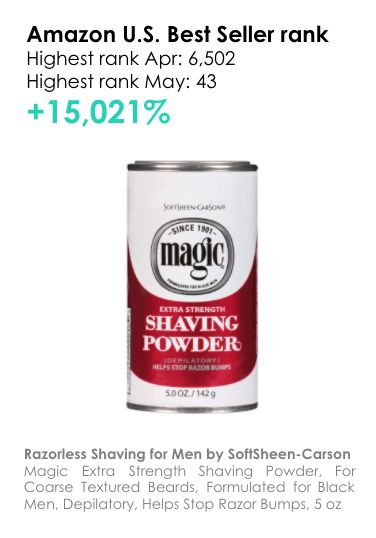
1. Brand loyalty is up for grabs

You want loyalty, get a dog —                                   The proof point
because brand loyalty is at risk of                             Profitero’s data shows some wild substitution and switching between brands
going out the window. Consumers                                 taking place during the pandemic, with some categories experiencing a “switching
aren’t hesitating switching to                                  rate” of up to 53% — i.e., more than half of consumers bought a brand other

other products when their regular                               than the one they originally intended to buy. This level of substitution is primarily
                                                                because the preferred brand was not in stock when a shopper was ready to buy.
favorites are out of stock.

Manufacturer switch index
% of times consumers switched from buying the originally searched
manufacturer’s product to buying a different manufacturer’s product

                      Dry pasta                                                     Disinfecting wipes                                                 Male shaving
                                                                                                                                    (disposable razors, double edge razors and blades)

                                              53%
                                                                                                                                                                     46%
                  40%           40%                                                                                     41%
                                                                                                                                                       35%                      36%
    30%                                                                                                                                  31%
                                                                                                         26%
                                                                       18%
                                                                                      13%

     Jan           Feb           Mar           Apr                     Jan            Feb                 Mar           Apr               Jan          Feb            Mar       Apr

Source: Profitero, Amazon; Retailer: Amazon.com, men shaving’s data corresponds to Amazon U.K.; Substitution rates consider the top 5 products substituting the original ASIN

                                                                                 T H E C H E AT I N G C O N S U M E R                                                                 3
So what? What does it mean? Now what? What next?
Brands spend billions to build equity with consumers. That equity gets wasted BUILD FLE XIBILIT Y INTO YOUR SUPPLY CHAIN. We recognize every
and goes unrealized when consumers seek that brand and don’t find it. The company is hustling to accelerate supply. In the meantime, here are some
unprecedented OOS levels we saw online during COVID-19 underscores the other things to consider:
huge brand equity risks involved with not having products readily available for • Ruggedize the supply chain, i.e., take pre-orders if you have reasonable
purchase. According to a March 2020 Shopkick survey, a whopping 85% of confidence you can deliver; put a restock notification on your product
consumers say brand names don’t matter during times of crisis. Nearly a third detail page and let consumers know when product will be available; and
or more of consumers who tried a new brand will stick with them, according encourage consumers to set up a subscription, which helps smooth out
to Alix Partners. That’s a lot of lost customers, and sales. supply and demand.
• Limit the product in your supply chain to items that are most in demand,
like Mondelez and Coca-Cola have done.
• Diversify your supply chain network: Tap third-party logistics, drop-ship
capabilities and Seller-Fulfilled Prime (SFP) on Amazon, as needed. And
develop or strengthen direct-to-consumer (DTC) capabilities to minimize
future distribution disruptions like what happened during the pandemic.
This is a key reason why Pepsico launched two D2C sites, pantryshop.
85% 69% 30-45% •
com and snacks.com, in early May.
Don’t just hunker down until you have more product available; instead
say brand names will purchase a different would stick with a new continue to communicate with customers — let them know you’re
don’t matter during brand if their preferred brand they tried during
hustling, and if you know, when you’ll be back in-stock.
times of crisis one is not available the pandemic
Source: Shopkick survey, Alix Partners survey
“Having a DTC offering has really helped our
business float to the top during COVID-19. We have
full control of listings and supply chain, and this has
helped us to be seen as a reliable brand, and build
loyal customers for years to come.”
Halee Patel
Director of eCommerce & Business
Development, Califia Farms
T H E C H E AT I N G C O N S U M E R 42. Invisibility breeds irrelevance
Out of stocks are making big The proof point
brands invisible on the digital During COVID-19, some brands that have historically topped the digital shelf (i.e., owned
shelf, and smaller brands are a large share of page 1) are losing position to small brands and newer challenger
moving in to gain an advantage. brands. Look at the toilet paper crisis, for example. Prior to the pandemic, four big toilet
paper players (Georgia Pacific, Kimberly Clark, P&G and Amazon) accounted for 92% of
products appearing in page 1 search results on Amazon; in March, this dropped to 49%,
creating more opportunities for consumers to switch brands than ever before.
Keywords: “Toilet paper,” “Bath tissue” — Organic share of page 1 on Amazon search results*
*Organic share of page 1 shows how many product listings show up for your brand when consumers search for a keyword,
relative to their competitor. It’s the digital equivalent of how many facings your brands have on a physical shelf.
Georgia-Pacific Kimberly-Clark Procter & Gamble Amazon Long tail (challenger brands and smaller competitors)
8% 9%
11% 11%
+538%
18% 17% 51% (+43 pp)
vs. January
30% 28%
6%
6%
19%
33% 35%
18%
January 2020 February 2020 March 2020
Retailer: Amazon.com; Time period: January - March 2020
T H E C H E AT I N G C O N S U M E R 5So what? What does it mean? Now what? What next?
Imagine if you lost 40-50% of the facing available at Walmart or Kroger. BE AT THE ZERO MOMENT OF TRUTH. Brands will have to work doubly
That’s the equivalent to losing share of page 1 on a high-traffic eCommerce hard to win back digital shelf placement to once again be top-of-mind
site like Amazon or Walmart.com. Page placement is one of the most when shoppers are ready to buy to counteract the risk of further churn. This
critical eCommerce performance metrics: 71% of category sales happen on means:
page 1. So if you’re not on page 1, you’re basically invisible. This not only • Up your marketing budget and appropriately allocate to digital
has sales implications, but long-term implications on brand perception and campaigns.
brand loyalty.
• Invest in search placement on Amazon (SEO/SEM) to get products back
onto page 1. Make sure your product content is indexed for relevant
keywords and nail all the basics — i.e., be in stock, competitively
priced, and have enough ratings & reviews — to improve organic
search ranking. And dedicate ad spending on paid search campaigns
to sponsor both general and branded keywords.
• Make sure your products also can be indexed by all of your retailer
partners’ search engines with optimal product content and ratings &
71%
reviews.
Amount of category sales
that happen on page 1
Source: Profitero
“Every brand needs to be everywhere...
Channel conflict is something we all
have to navigate through, but you will
“Having the right AMS strategy is key. It can be
lose in a 20-year window if you do not
your path to taking back some control of what is
on the digital shelf.” build out that capability.”
Anthony Campomizzi Gary Vaynerchuk
Manager, Business Intelligence & Chairman of VaynerX,
Analytics, Moen Incorporated CEO of VaynerMedia
T H E C H E AT I N G C O N S U M E R 63. Competition may be bigger than you think
You may no longer be just Category switching Category switch index
competing with products in The rate of consumers switching from the original category
Original category: Switched to:
your categories, but products (selected categories)
they wanted to buy to a different category
in any category that can solve Disinfecting wipes Dry pasta Male shaving
Bleach
a problem or perform a job for (disposable razors,
240
consumers. Disinfecting All purpose cleaner
double edge razors
and blades)
wipes
The proof point Heavy duty
cleaning wipes
181
148
Product availability issues, and stay-at-home 137 139 137
129
orders preventing shoppers from quick-trip runs Canned soup 121
to the grocery store, are prompting consumers to 100 100 100
seek alternative products and more sustainable Dry pasta Packaged meals
solutions. Sometimes this means switching out of a 60
category altogether to find another way to get the Flour
job done. Our research shows a noticeable shift
Jan Feb Mar Apr Jan Feb Mar Apr Jan Feb Mar Apr
away from disposable products to longer-lasting
Electric shaver
solutions: electric shavers replacing disposable
blades; water filters replacing single-use plastic Source: Profitero, Amazon; Retailer: Amazon.com, men shaving’s
water bottles; make-your-own disinfecting wipes; Male shaving* Beard trimmer
data corresponds to Amazon U.K.; Index 100 = substitution rate of
even bidets having their moment to shine with pasta to a different category in January; Substitution rates consider
toilet paper nowhere to be found. *Disposable razors, Shaving powder the top 5 products substituting the original ASIN 2020
double edge razors
and blades
Paper towels
Toilet paper Facial tissue
Bidet
T H E C H E AT I N G C O N S U M E R 7So what? What does it mean? Now what? What next?
Remember how not too long ago, the smartphone came along and REE VALUATE YOUR POR TFOLIO. You’re no longer competing against
rendered other categories, e.g., cameras, GPS devices, calculators, etc., like products. You’re competing for a job to be done. Brands need to
obsolete? And how single-serve coffee makers Keurig and Nespresso evaluate their product portfolios with the following questions in mind:
altered their category? It’s too early to tell which of these product • Which of your products fit against the trends you think are likely to
switching and replacement behaviors being caused by the pandemic (and continue? And how well are you positioned to serve new needs?
related economic downturn) could stick or have long-lasting effects on
• If the trend away from disposability to reusability continues, are you
the category. But when a better mousetrap or a product of better value
prepared with options? Is there an innovation opportunity?
comes along (without the physical constraints of availability or frequent
replenishment attached), consumers may make that switch, and not go • As consumers become more price-conscious during this time, do
back. So, make sure you have a good grasp on what’s happening in your you need to offer better value options in your mix, or alter the price
category, and how consumer switching behavior may be redefining your pack mix? (Don’t forget you’re increasingly competing with a growing
competitive set. contingent of private labels too.)
“Shaving”: A good example of a category
competitive set being redefined
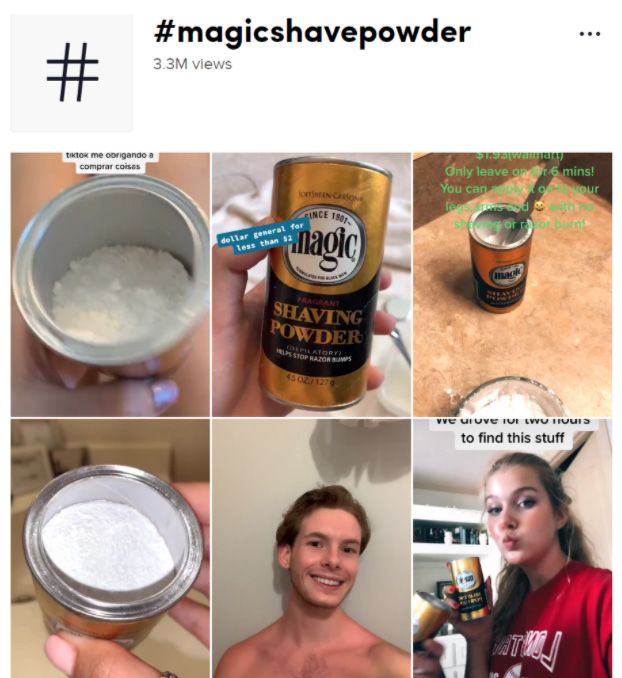
The brand, Magic Shaving Powder, is a great example of how
small, almost no-name brands have capitalized on shifts in
consumer behavior. To compensate for high unavailability rates
of disposable razors, there’s been a surge in demand for “shaving
powder,” which when rubbed on, can remove hair without shaving.
Few people had heard of this product (which has been around since
1901) until a surge of videos on TikTok helped it go viral. Between
April and May, the product has seen a 15,000% increase in its
ranking on Amazon’s best sellers list, which is a proxy for how much
a product is selling on Amazon.
Source: TikTok
T H E C H E AT I N G C O N S U M E R 84. Products are the new services
The closure of restaurants, The proof point
barber shops, gyms, etc., is During COVID-19, consumers are insourcing tasks typically done by many service
driving consumers to seek businesses. We’ve become our own chefs, baristas, hair stylists and personal trainers.
“products” as a replacement for The result is an unplanned surge in demand online for some products and brands —
“services,” creating new growth think bread machines, cold brew makers, hair trimmers and home exercise equipment. In
Profitero’s The Quarantined Consumer report, “thinning shears for men” were among
opportunities for brands. the keywords we found spiking on Amazon, up more than 135X the week ended April 18
compared with the last week of January.
Rising popularity of keyword search terms on Amazon
Note: Numbers represent the increase in keyword search rank on Amazon.com in the U.S.
for the week ended Apr. 18, 2020 compared with the last week in January
+135x “thinning shears
for men” +91x “hair clippers” +30x “semi permanent
hair color”
+40x “workout equipment
for home workouts” +30x “trampoline” +13x “weights”
+19x “cold brew maker” +12x “blender for shakes
and smoothies” +7x “bread machine”
Source: Profitero, Amazon
T H E C H E AT I N G C O N S U M E R 9So what? What does it mean? Now what? What next?
These are unprecedented times, and you might as well throw your old BE RE ADY. You can’t rely on product movement (POS) data from brick-
planning assumptions and sales forecasts in the trash. Things have and-mortar at the moment; it will be inscrutable during this health crisis.
changed, and dramatically. With demand spiking for some “who would Amazon, however, is a good leading indicator of demand. This means:
have ever thought” type of products, brands must anticipate new demand • Pay attention to keyword search patterns as early demand signals.
and be ready to seize the online opportunity. Conversely, demand for other
• Monitor changing competitive dynamics, since challenger brands can
products could be turning south.
gain share of search if bigger brands are unavailable.
“COVID-19 has wiped the slate clean — your priority products will
• Make sure your marketing and brand-building efforts are as nimble as
have changed based on what is relevant to shoppers now, as will the
possible to adjust your digital strategies (promotions, product content,
keywords shoppers are using to find them. Sticking to old strategic
etc.) as often as needed, and when an opportunity presents itself. Take
priorities and pre-COVID thinking is the quickest way to see your online
L’Oreal, for example, which moved swiftly to incorporate the DIY trend
share evaporate,” comments Andrew Pearl, VP of Insights at Profitero.
into its digital content by posting a “homemade film by (Hollywood
celebrity) Eva Longoria” that shows her touching up her greys at
home using L’Oreal Paris Excellence Crème hair color.
Prioritize leading indicators of demand Search themes: Home, foldable, desk, Folding chairs Folding tables
office, small spaces, chair
Drafting chairs Home office desk
Keyword search is among the highest purchase intent Keyword January March TD
desk for home office 989,162 70,868
leading indicators that brands have visibility to. This 25,000
computer monitor stand for desk 796,748 50,771
example shows how by closely monitoring online search ergonomic office desk chair 683,985 91,242
patterns, a manufacturer of office furniture was able home office desks 667,603 186,944 20,000
home office chairs 604,040 109,142
to pinpoint early demand signals for “home” office desk with drawer 203,912 52,007
furniture, just as lockdown orders were manifesting in home desk 92,626 42,711 15,000
folding desk 21,520 10,722
many parts of the globe. couch desk for laptop 687,151 369,218
foldable desks for small spaces 342,382 148,146 10,000
As a result, the manufacturer was able to quickly adjust folding desks for small spaces 157,305 74,666
its digital strategies, optimizing product listings and desk chair ergonomic 507,902 298,688
5,000
ergonomic office chair lumbar support 300,314 87,524
product content for relevancy by featuring popular
folding computer desk 123,985 76,607
keywords like “desk for home office,” “home office foldable computer desk 299,986 175,560
0
chairs,” “folding desks for small spaces,” etc. folding computer table 713,645 471,908
fold up desk 231,516 194,352
3/5/20 3/7/20 3/9/20 3/11/20 3/13/20 3/15/20
Source: Amazon Vendor Central, Search Term Report. Source: Profitero Amazon.com Sales & Share Data.
Date Range: January 1-31, 2020; March 1-16, 2020 Category names truncated for visualization purposes.
T H E C H E AT I N G C O N S U M E R 105. Go digital or be gone
Switching from offline to online The proof point
and digitally enabled shopping is While retail sales in general, and specifically at brick-and-mortar stores, are
happening fast, exposing digitally plummeting due to the COVID-19 lockdown, eCommerce is exploding. COVID-19
unprepared brands to rapid has caused 10 years of consumer behavior change in just eight weeks. “Essential”
losses in market share. categories — including some online laggards, like grocery — have seen huge
increases in eComm penetration in recent months. Industry sources are projecting a
surge in U.S. online grocery sales in the neighborhood of 40-45% this year.
eCommerce sales as a % of total category sales
(March - April 2020 vs. same time period in 2019)
2019 2020
+29%
vs. 2019
34.6%
+32%
26.8% vs. 2019 +34%
vs. 2019
21.6%
18.6%
16.4% +39% +46%
13.8% vs. 2019 vs. 2019
4.9% 6.8% 6.4%
4.4%
Pet Care Health & Beauty Care Baby Care Household Care Grocery
Source: Nielsen/Rakuten panel data; TIme period: March - April; N = 124 categories; eComm share of total sales median for the categories studied = 6%
T H E C H E AT I N G C O N S U M E R 11So what? What does it mean? Now what? What next?
With online accounting for a relatively small fraction of total sales in many FOLLOW THE SHOPPER: Brands must be where the shoppers are, and
categories pre COVID-19, some brands have dismissed eCommerce, not clearly right now they’re moving online. So prioritize your digital shelf
fully investing to ensure their brands were easy to find and easy to purchase initiatives. This means:
on retailer websites. But now, brands with the highest market share in their • Key account teams and shopper insight teams need to start thinking
categories in physical stores may have the most to lose as more shoppers from an omnichannel perspective, working closer than ever with retail
move online. While B&M sales are sure to pick back up when COVID-19 partners to be a source of insight and expertise for improving the
subsides, online shopping will continue its growth: According to The Harris shopper experience.
Poll, 43% of Americans will continue ordering groceries online for delivery
• And because consumers are shopping wherever they can find products
once the coronavirus pandemic ends.
available, it’s important for brands to extend these efforts beyond just
the biggest players (e.g., Amazon and Walmart in U.S. grocery for
instance) to include all strategic retailers that offer online services (e.g.,
Safeway, Albertsons, Publix, etc.) and newer platforms like Instacart,
Shipt and goPuff.
• Importantly, prioritize your digital shelf initiatives by upgrading content,
optimizing pricing and promotions, and optimizing placement in retailer
search results.
43%
U.S. consumers who
plan to continue ordering
groceries online for “If your company isn’t thinking about
delivery post-pandemic accelerating digital, then you will get left
Source: The Harris Poll
behind and lose share. We play in a category
where we were single-digit penetration
pre-COVID, and now we’re up to 20-30%
penetration. Yes, it will come back down but
it’s not going to come down to where it was.”
Laura Hyland
VP eCommerce U.S.,
Henkel
T H E C H E AT I N G C O N S U M E R 12Conclusion
Consumers are switching brands and behaviors by
category due to product availability and inventory
issues in recent months. This is introducing a lot of 1 3
unpredictability for brands, and that unpredictability Broaden your aperture to include indirect Pay very close attention to forward-looking
will continue with the economic downturn. competitors in your competitive analysis. indicators like trending keywords and growth
Crises, like pandemics and recessions, are disruptive in traffic to product pages.
to established consumption patterns; the second- 2
order effects won’t become obvious until later this Analyze more granular data in shorter cycles —
4
year. that is, don’t wait for a month-beginning sales Closely monitor replacement cycles,
Brands must be set up to pivot as needed, so it is review to look at where momentum is shifting. attachment rates, and accessory or part sales
essential to: — anything that gives you an early indication
of how relationships to the category or your
brand may be evolving.
“Necessity is the mother of consumer “Brands that will survive will be flexible with how they’re
ingenuity, and a lot of resourceful changing their marketing strategy. Figuring out how
consumers have already switched you stitch things together to show up with one cohesive
or substituted outlets, categories voice to the consumer and to help him/her discover
and items as a result of new needs brands, stick with those brands, and incentivize those
and constraints.” purchases, is a unique opportunity.”
Keith Anderson Elizabeth Bennett
SVP, Strategy & Insight, VP Global eCommerce,
Profitero The Kraft Heinz Company
T H E C H E AT I N G C O N S U M E R 13Checklist: The essential data and digital
metrics you should be tracking now
Data — What to monitor KPIs — What to measure Why is it important?
Trending keywords relevant to • Where your products rank in search • Detect demand and category shifts in order to pivot
anything you make, and any significant placement and capitalize on new opportunities, and optimize your
changes — up or down — in keyword • Products losing share of page 1 placement digital shelf
search ranking for relevant and trending keywords • Retain your presence on page 1 so you can be found
When competitors have sponsored • Products dropping off of page 1 • Know when you may need to adjust your ad spend for
your branded keywords trending keywords or to stay on page 1
• Avoid sales and market share losses to competitors and/
or new arrivals (challenger brands)
• Drive new innovation and growth
Traffic to your product detail pages, • Changes in product traffic (glance views) • Boost traffic to your product pages by optimizing the
especially relative to supply on hand • Conversion rates digital shelf (product content, pricing & promotions,
ratings & reviews, etc.)
• Increase sales
Inventory availability, across retailers • Products that are out of stock (changes in • Avoid lost sales
and geographies OOS rates) • Maintain brand equity and shopper loyalty to your brand
• Buy Box win rate (i.e., avoid switching behavior when your product is not
available)
• Reallocate inventory as needed, so product is available
in the right place at the right time
T H E C H E AT I N G C O N S U M E R 14ADDENDUM The Cheating Consumer Update: Tracking the Road to Recovery Since our initial publishing of The Cheating Consumer report, we added updated data through May 2020, which now reveals some different consumer behaviors emerging.
Consumer loyalty is making a comeback as out-of-stock
rates level out
Key finding
As reported in our first edition of The Cheating Consumer report, online brand                                       Some examples where we saw brand                  Brand switching rates, however, remain
switching rates on Amazon reached peaks at the height of the pandemic as                                             switching easing up:                              high in categories where inventory
out-of-stock rates soared. Profitero has since learned that as product becomes                                                                                         supply is still limited.
                                                                                                                     •       Male shaving (disposable razors,
more available, consumers are generally switching back to their favorite brands,
                                                                                                                             double edge razors and blades)            Examples:
particularly in categories where there is strong loyalty. This is good news for
                                                                                                                     •       Diapers
brands, and shows cause for optimism if they continue to make their brands                                                                                             •    Toilet paper
discoverable across channels.                                                                                        •       Pasta
                                                                                                                                                                       •    Disinfecting wipes

Categories where brand switching levels                                                                              % of times consumers switch brands vs. out-of-stock rates

are returning to normal
                                                                                                                                                               Male shaving
                                                                                                                     100%                   (disposable razors, double edge razors and blades)
Brand switching in the male shaving category grew by 31% between February
and March when out-of-stock rates were reaching their highest level. Since March,
                                                                                                                      80%
switching rates have declined by 46%.
                                                                                                                                                                                             OOS R ATE
This 2019 consumer study finds that men are generally more concerned about                                            60%

price than brand when it comes to buying razors; so switching between brands,                                                                               46%
especially when some aren’t available, is expected.                                                                   40%
                                                                                                                                        35%                                     36%
                                                                                                                                                                                                    25%
                                                                                                                      20%
Retailer: Amazon UK; Source: Profitero, Amazon; Time frame: February - May, 2020.
Note: % of times consumers switched from buying the originally searched manufacturer’s product to
buying a different manufacturer’s product; substitution rates consider the top 5 products substituting                   0
the original ASIN.
                                                                                                                                       February            March                April               May

                                                                                                T H E C H E AT I N G C O N S U M E R                                                                        16
Categories where brand switching levels are returning to normal (continued)
Baby diapers saw a small increase in brand switching from out of stocks, Brand switching in the pasta category grew by 33% between March and April
despite high out-of-stock rates, reinforcing the strong loyalty buyers in this when out-of-stock rates were at their highest. As reported in the first edition
category have for brands. That’s no surprise given that P&G’s Pampers ranks of Profitero’s Cheating Consumer report, when pasta went out of stock, many
#65 on Forbes 2019 list of The World’s Most Valuable Brands — it has a shoppers switched to a completely different category (e.g., canned soup and
huge base of loyal customers. Same goes for #2 brand Huggies by Kimberly- packaged meals). Since April, brand switching rates have come down along
Clark. Pampers and Huggies combined represent about 50% of global baby with the out-of-stock rate.
diaper sales. Our hypothesis is that instead of buying another brand when
Amazon was out of stock, consumers likely shopped off of Amazon to find
their brands at another retailer.
% of times consumers switch brands vs. out-of-stock rates
100% Diapers 100% Dry pasta
OOS R ATE
80% 80%
60%
OOS R ATE
60%
53% 49%
40% 40%
40% 40%
23% 26%
21% 22%
20% 20%
0 0
February March April May February March April May
Retailer: Amazon.com; Source: Profitero, Amazon; Time frame: February - May, 2020.
Note: % of times consumers switched from buying the originally searched manufacturer’s product to buying a
different manufacturer’s product; substitution rates consider the top 5 products substituting the original ASIN.
T H E C H E AT I N G C O N S U M E R 17Categories where switching levels are not improving
Toilet paper is a low involvement category. People don’t spend a ton of time As the world starts to reopen, disinfecting wipes remain in high demand,
thinking about it; instead they often grab whatever’s cheapest or on promotion as does the average OOS rate for the category on Amazon: 97% in mid-June.
to get the job done. So, not a lot of brand loyalty, which helps explain why Until supply can keep up with demand, the category can expect a slow recovery.
brand switching rates are still teetering at 50% on Amazon in May despite And consumers will continue to switch to whatever brand they can find.
receding OOS levels.
% of times consumers switch brands vs. out-of-stock rates
Toilet paper Disinfecting wipes
OOS R ATE
100% 100%
OOS R ATE
80% 80%
60%
50%
60%
50%
45% 44% 41%
40%
38% 40%
26%
20% 20% 13%
0 0
February March April May February March April May
Retailer: Amazon.com; Source: Profitero, Amazon; Time frame: February - May, 2020.
Note: % of times consumers switched from buying the originally searched manufacturer’s product to buying a
different manufacturer’s product; substitution rates consider the top 5 products substituting the original ASIN.
T H E C H E AT I N G C O N S U M E R 18So what? What does it mean? Now what? What next?
It’s good news/bad news for brands. That all depends which side of the road you’re on. The road to recovery? Or still
dealing with out-of-stocks?
The good news: Consumers are creatures of habit.
As their preferred brands begin to come back, so do they. DOUBLE DOWN IF YOU’RE ON THE ROAD TO RECOVERY. Once you’re
The bad news? This is for brands still dealing with supply confident in your supply chain and have enough stock to meet demand, double
chain issues: Your road to recovery will be bumpy. down on what it takes to get found on the digital shelf and start winning back
Problems will be exacerbated if you’re in a category with shoppers. This means:
extraordinarily high or hard-to-predict demand (e.g., • Invest in search placement. Spend money to regain share of page 1 that may
toilet paper and disinfectant wipes) or if consumers find a have slipped while you were out of stock. Sponsor your own brand keywords,
suitable replacement (either a different brand or category) and relevant and high-growth general search terms on Amazon, Walmart and
that gets the job done, with no intention of coming back. other sites.
• Optimize your product content, making sure your product detail pages —
titles, descriptions, bullets, and other A+/enhanced content — are in tip-top
shape for SEO.
“Fortune favors those who move early • Communicate to your end consumers. Let them know you’re back — by
with conviction. While the flywheel email, social media and other means, e.g., your own DTC site, like Georgia-
can really give you leverage when you Pacific’s Angel Soft has done. But continue to closely monitor inventory levels
across all your online retailers. You don’t want to be caught off guard and in
are executing the right things before short supply.
others, it can also have an equally • Innovate. This could be a good time to cull through ratings & reviews — your
accelerating effect on your downward own, and those of competitors and emerging challenger brands. Get a grasp
trajectory. So be sure you’re doing all on shopper sentiments while you were out of stock. Tracking reviews and new
arrivals in your space often breeds innovation and new product development.
the right things as soon as you can to
turn things around.” TIME TO PIVOT WHEN OOS PERSIST ON AMAZON. Build flexibility into your
supply chain. This means:
Keith Anderson
• Rely more heavily on DTC to 1) minimize distribution disruptions, and 2)
SVP of Strategy & Insight,
communicate directly with consumers without a go-between.
Profitero
• Ruggedize the supply chain by taking pre-orders, adding restock notifications
on your product pages, and using subscription services (like Subscribe & Save).
• Communicate to your end consumers. Let them know you’re hustling to get
back in stock, and when.
T H E C H E AT I N G C O N S U M E R 19About Profitero
Profitero is the platform Adidas, L’Oreal, General Mills and 4,000 other Contact
brands use to accelerate their eCommerce sales.
For more information, email sales@profitero.com
Using Profitero’s proprietary technology and algorithms, brands can optimize or visit profitero.com.
their 4Ps (Product, Placement, Price and Promotions) across 8,000 retailer
sites and 50 countries while also uncovering what competitors are doing to
win online.
Profitero’s proprietary technology also estimates daily sales for products Additional resources
sold on Amazon, allowing brands to measure market share growth and
Hitting Reset: Planning for a post
size category opportunities for future investment. The platform was first in
pandemic world
the industry to integrate Amazon sales and share metrics and digital shelf
Watch video
analytics together so brands can more quickly pinpoint the factors that will
lead to more sales.
CommerceLive: New eComm
playbooks for the new normal
Hear what customers have to say about Profitero: View videos & decks
The Quarantined Consumer: 7 ways
consumer behavior changes during a
global health crisis
View reportT H E C H E AT I N G C O N S U M E R 21
You can also read


