The future of our land. A future for our children.
←
→
Page content transcription
If your browser does not render page correctly, please read the page content below
A Northern Strategic Plan for Labrador
                                                                                                       The future of our land.
                                                                                                    A future for our children.

                                                                                            A Northern Strategic Plan for Labrador

Department of Labrador and Aboriginal Affairs

                              Labrador Office:

                     P.O. Box 3014, Station B
                Happy Valley - Goose Bay, NL
                                     A0P 1E0

                    Telephone: (709) 896-1780
                     Facsimile: (709) 896-0045

                        Newfoundland Office:

  6th Floor, Confederation Building, East Block
                                 P. O. Box 8700
                                  St. John's, NL
                                       A1B 4 J6

                    Telephone: (709) 729-4776
                      Toll Free: 1-877-788-8822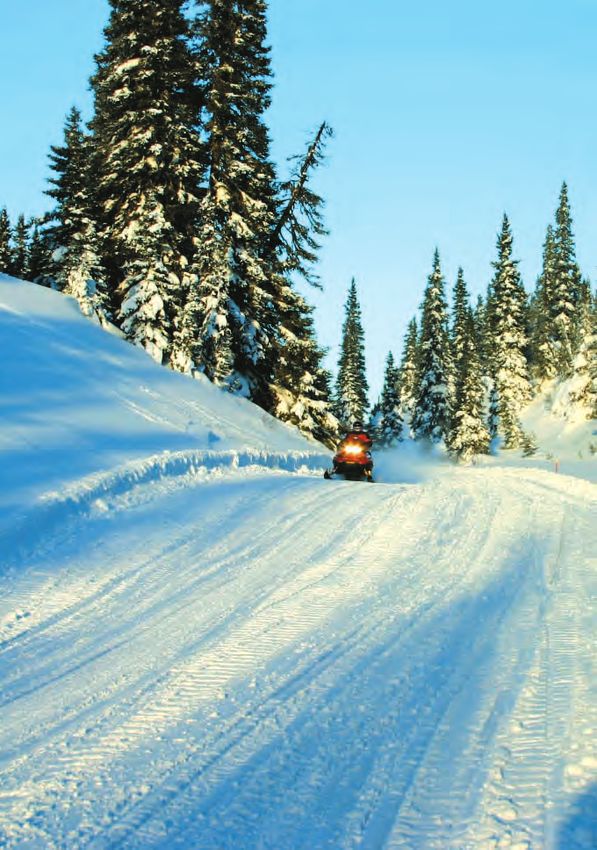
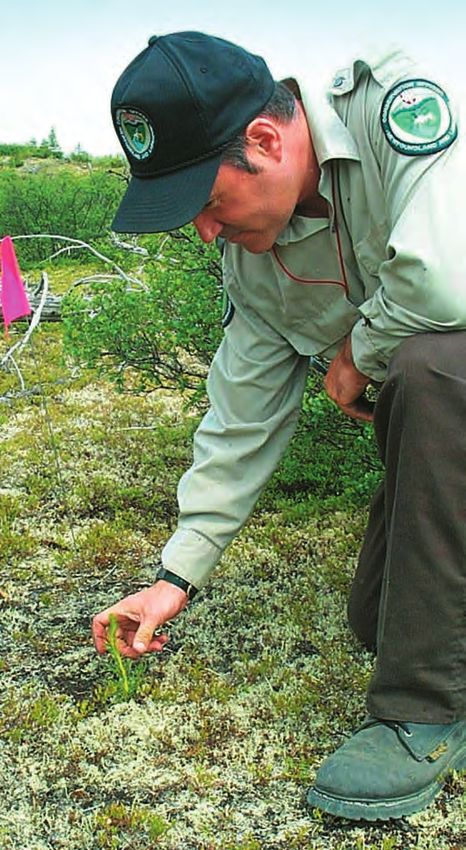
Aboriginal students (and other residents of small,
                                                                                                  isolated communities) when they pursue higher
                                                                                                  education in urban centers.

                                                                                                  Aboriginal peoples have asked the Province to
                                                                                                  ensure that the programs and services delivered to
                                                                                                  them best meet their needs and respect the
                                                                                                  different Aboriginal cultures. The Province is
                                                                                                  committed to doing so through the devolution of
                                                                                                  provincial services and by working with them and
                                                                                                  the federal government to “close the gap” between
                                                                                                  the economic, social and educational attainment of
                                                                                                  Aboriginal peoples when compared to other
                                                                                                  Canadians.

                                          Aboriginal Peoples
                                          While many of the issues and concerns raised by
                                          Labrador’s Aboriginal groups arise due to the
                                          challenges of providing and accessing programs and
                                          services in isolated and remote communities,
                                          several issues have been raised as being particularly
                                          pertinent; specifically, education and the need to
                                          value, protect and foster the distinct cultures and
                                          languages of the Aboriginal peoples of Labrador.

                                          Both the Nunatsiavut Government and the
                                          Sheshatshiu and Mushuau Innu Bands stress the
                                          need to improve the level of primary, elementary,
                                          and secondary education available in their
                                          communities and to do so in a manner that protects
                                          and promotes their distinctive languages and
                                          cultures. Innu and Inuit recognize the importance of
                                          education in increasing the number of skilled
                                          Aboriginal professionals in their communities. This
                                          is important not only so that programs and services
                                          can be delivered by individuals who speak Innu-
                                          aimun and Inuktitut but by professionals that are
                                          sensitive to cultural differences.
       Table of Contents
                                          The Labrador Metis Nation agreed with the
                                          Nunatsiavut Government and Innu Bands that more
                                          specialized training and university courses should
                                          be available locally. Local availability would both
                                          reduce the cost of education and training and
                                          mitigate the cultural shock often experienced by

Cover Photo (Caribou): Chris P. Sampson
                                          A Northern Strategic Plan for Labrador                                                                       65
Table of Contents

Foreword                                                          2
    Message from the Premier                                      3
    Message from the Ministers                                    4
Executive Summary                                                 5
1.   Purpose                                                      7
     1.1 What is a Strategic Plan?                                7
     1.2 Government’s Commitment                                  7
     1.3 Why a Strategic Plan?                                    7
     1.4 Role of Department of Labrador and Aboriginal Affairs    8
     1.5 A Northern Strategic Plan for Labrador                   8
          1.5.1 Feedback                                          8
          1.5.2 Research                                          9
          1.5.3 A Collective Approach                            10
2.   Status of Development in Labrador                           13
     2.1 Labrador Today                                          13
     2.2 Opportunities for Development                           14
          2.2.1 Resources                                        14
          2.2.2 Alliances                                        17
          2.2.3 Aboriginal Environment                           18
     2.3 Challenges to Development                               18
          2.3.1 Infrastructure                                   18
          2.3.2 Programs and Services                            20
          2.3.3 Labour Market                                    20
3.   Overview of Feedback                                        23
4.   A Northern Strategy for Labrador                            25
     4.1 Our Vision for Labrador                                 25
     4.2 Strategic Directions                                    25
5.   Goals and Objectives                                        27
     5.1 Transportation                                          27
     5.2 Natural Resources and Environment                       28
     5.3 Tourism and Cultural Development                        31
     5.4 Education and Employment                                33
     5.5 Health                                                  36
     5.6 Access to Programming and Services                      39
     5.7 Aboriginal Partnerships                                 42
     5.8 Working Together                                        45
6.   Progress                                                    47
     6.1 Accountability Framework                                47
          6.1.1 Reporting Schedule                               47
     6.2 Role of Department of Labrador and Aboriginal Affairs   47
     6.3 Performance Measurement                                 47
7.   From Plan to Implementation                                 49
Appendix - Overview of Feedback                                  51

A Northern Strategic Plan for Labrador
Forward

2
Message from the Premier

Our government recognizes that Labrador will play
a pivotal role in shaping the province’s future and
understands that Labrador is a distinct part of the
province in its geography, demographics, history,
and culture.

In the 2005 Speech from the Throne, the
Government of Newfoundland and Labrador
committed to developing a Northern Strategic Plan
for Labrador. Our government has invested and
will continue to invest in meaningful initiatives
throughout the region. The Northern Strategic Plan
has clear goals with focused priorities for Labrador
over the next five years.

This government is committed to seeking input
from its citizens to shape public policy. The
priorities developed in this plan are the result of
extensive consultations and working together with
many stakeholders and community organizations.
The Ministers Responsible for Labrador and
Aboriginal Affairs will continue to work closely with
the people of Labrador during the implementation
of this plan.

The Northern Strategic Plan for Labrador identifies
a wide variety of initiatives that our government
will be pursuing to improve programs and services
throughout the region. Our goal is to work
together to implement a vision that will advance
the social and economic agenda in Labrador.

I am pleased to release the Northern Strategic Plan
for Labrador.

Danny Williams, Q.C.
Premier of Newfoundland and Labrador

A Northern Strategic Plan for Labrador                  3

Message from the Ministers

    As the Ministers Responsible for Labrador and
    Aboriginal Affairs, we are very pleased to present
    the Northern Strategic Plan for Labrador. The Plan
    launches a new vision for Labrador and is a result of
    extensive work over the past several months within
    government and the community.

    In June, Government released the public discussion
    paper that launched the planning process of the
    Northern Strategic Plan through the Department of                        John Hickey
    Labrador and Aboriginal Affairs. The Department                          Minister Responsible for
    heard from hundreds of people through the                                Labrador Affairs
    numerous consultation and one-on-one sessions as
    well as email and written input. The submissions
    and advice received helped to develop this strategy.

    The Department of Labrador and Aboriginal Affairs
    will lead the implementation of the Northern
    Strategic Plan, but it will require the active
    involvement and support of all departments and
    agencies to ensure its objectives are met. It also
    needs the participation and commitment of all
                                                                             Thomas G. Rideout
    Labradorians. We are optimistic that, equipped with                      Minister Responsible for
    this Plan, we will have the focus and determination                      Aboriginal Affairs
    we need to meet our strategic directions and
    achieve the best results for Labradorians in the
    coming years.

    This document should be viewed as a living
    document and we encourage you to read it and
    submit any thoughts that you would like to share
    with us. It will be updated regularly to adjust to
    changes in demography, technology, society and the
    economy. Working together, citizens, government
    and the community can achieve positive change.

                                             We envision Labrador where Government and
                                              people work together to advance social and
                                            economic development so that residents share
                                                            in an improved quality of life.

                                                            Government’s Vision for Labrador

4
Executive Summary

Labrador plays a significant role in the overall        Government has identified four strategic directions
future of the province of Newfoundland and              to support the Northern Strategic Plan as it moves
Labrador. Its people, land, resources, diversity and    towards the advancement of social and economic
culture make it unique and will contribute greatly to   development in Labrador:
the province’s future prosperity. Recognizing this,
                                                          • Supporting equitable programs and services
the Northern Strategic Plan for Labrador was
                                                            and improving infrastructure to facilitate
developed to establish social and economic
                                                            enhanced accessibility for the residents of
priorities that will enable strategic decision making
                                                            Labrador.
by Government for the benefit of Labradorians and
the province, as a whole.                                 • Fostering the progression of social
                                                            development in Labrador.
Government’s success in priority setting for              • Providing leadership and supporting
development in Labrador lies in the strategic               maximization of economic development
planning process. It is important to recognize the          opportunities
challenges faced in Labrador with recruitment and
                                                          • Encouraging communications and partnerships
retention of employees, limited access to programs
                                                            with governments, Aboriginal people,
and services due to geographic location and the
                                                            communities, organizations and other
impending labour shortage. In light of these
                                                            stakeholders.
barriers, Labrador is abundant in its strengths
through its resource development potential,             These directions are Government’s framework for
perseverance of its people and the diversity of         future planning in the region. To support this,
culture through its Aboriginal communities. It is       specific goals and objectives have been developed
these opportunities that need to be validated and       for the next five years. Actions and initiatives
built upon for the future foundations of social and     identified in the Northern Strategic Plan to achieve
economic development in Labrador.                       these goals and objectives were developed in
                                                        collaboration with a variety of provincial
In establishing Government’s strategic directions for   government departments and agencies. Some
the Northern Strategic Plan, substantial research,      initiatives resulting from the Northern Strategic Plan
interdepartmental collaboration and public              include an increase in annual funding to the
engagement was required. Consultation with the          Labrador Travel Subsidy, development of a Labrador
people of Labrador was critical in establishing a       based archive through Them Days Inc., the creation
path forward. Based on the feedback received from       of a Justice Liaison position for Labrador and the
stakeholders, recurring themes were identified:         implementation of integrated long term
                                                        management plans for the significant wildlife
  •   Transportation
                                                        populations of Labrador. The responsibility to
  •   Natural Resources and Environment
                                                        implement the Plan lies with these entities and
  •   Tourism and Cultural Development
                                                        progress will be monitored by the Department of
  •   Education and Employment
                                                        Labrador and Aboriginal Affairs to ensure success.
  •   Health
  •   Access to Programming and Services
                                                        The Government of Newfoundland and Labrador
  •   Aboriginal Partnerships
                                                        looks forward to Labrador’s future and to working
  •   Working Together
                                                        with Labradorians in the implementation of the
These themes facilitated the shaping of                 Northern Strategic Plan.
Government’s vision and strategic directions in the
Northern Strategic Plan.

A Northern Strategic Plan for Labrador                                                                           5
Purpose

6

1.     Purpose

1.1 What is a Strategic Plan?                             In the 2005 Speech from the Throne, the
Strategic planning can be described as a continuous       Government of Newfoundland and Labrador
systematic process used to identify and implement         committed to securing a brighter future for
change. At a very high level, strategic planning          Labrador. Government recognized that “the barriers
involves the formulation of key priorities and the        to development are pronounced in Labrador; yet,
allocation of resources to achieve these priorities. In   nowhere are the opportunities for growth greater.”
this sense, strategic planning serves as a guide for      The Department of Labrador and Aboriginal Affairs
thinking and decision-making, as well as a tool that      was mandated to develop this Northern Strategic
the public can use to evaluate progress on specific       Plan to address Labrador’s social and economic
and time-limited commitments.                             needs, remove barriers to development and advance
                                                          Labrador’s tremendous potential for growth.
Strategic planning is often viewed as a process of        Government is willing to be accountable and
renewal as it improves performance and serves as          measured on the progress made in Labrador
the foundation for future actions. It strengthens the     through the commitments made in this document.
decision making process by recognizing and
addressing key internal and external factors.             1.3 Why a Strategic Plan?
Strategic planning is also a means to adapt services      The Northern Strategic Plan will outline
and activities to meet changing needs of any              Government’s vision, objectives and priorities for
organization.                                             Labrador for the next five years. By doing so, the
                                                          Plan will establish priorities for Labrador, develop a
1.2 Government’s Commitment                               focused approach to Government’s service delivery
Government recognizes that Labrador will play an          in Labrador and demonstrate Government's
important role in shaping the province’s future           commitment to support Labrador issues through
which is why Our Blueprint for the Future                 programs and policies. The Government of
recognized that “for far too long, the people,            Newfoundland and Labrador recognizes the need
resources and potential of Labrador have been             for further economic and social development in
ignored and excluded from the decision making             Labrador and is responding with the Northern
processes of the province.” Government committed          Strategic Plan.
to ensuring that this sense of exclusion would no
longer exist, and recognizes the pivotal role that
Labrador plays in the future success of this
province. In so doing, opportunities will be created
for meaningful employment, optimization of
resource benefits and development of infrastructure
which, in turn, results in a stronger, more vibrant
economy.

The provincial government has made strong
commitments and developed a clear vision for
Labrador as demonstrated through meaningful
initiatives and financial investments throughout the
region. Much progress has been made; however,
there is more work to be done.

A Northern Strategic Plan for Labrador                                                                             7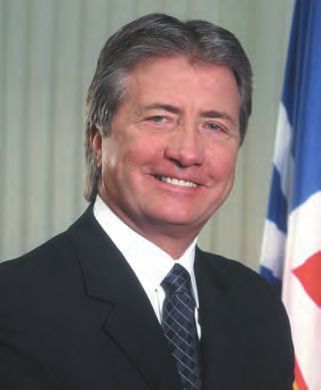
Other provinces in Canada have developed northern         1.5    A Northern Strategic Plan for
    strategies to address priorities and issues relevant             Labrador
    to the north, particularly as they relate to social and   In developing this Northern Strategic Plan, the
    economic development. These strategies emphasize          Department of Labrador and Aboriginal Affairs has
    the importance of coordination and advocacy for           been cognizant of the uniqueness of Labrador and
    northern departments, as well as the importance of        the strength of its people. Government is aware of
    dedicated programs and services that demonstrate          the importance of consultation and the need to
    Government’s commitment to support northern               consider the Labrador perspective in provincial
    issues. The success of these plans reflects clearly       decision making and program and service delivery.
    defined mandates that emphasize the progression           The provincial government is committed to working
    of northern issues and government structures that         closely with the people of Labrador to obtain their
    provide a focused approach to service delivery in         views on the Northern Strategic Plan.
    the region. It is suggested that some of these
    mandates may be achieved through increased skills         Government developed this strategy based on
    development, awareness of the north, increased            research, feedback received, expert opinion, and
    local involvement, public accountability and              most importantly, the thoughts of the many
    transparency and strategic planning.                      stakeholders that participated in consultations held
                                                              throughout Labrador. The following sections outline
    1.4     Role of Department of Labrador and                the process of consultation and the methodology
            Aboriginal Affairs                                used in the development of this Northern Strategic
    The Department of Labrador and Aboriginal Affairs         Plan.
    coordinates and facilitates all Government activities
    relating to Labrador affairs and Aboriginal issues.       1.5.1 Feedback
    Virtually all of the Department’s activities involve      As indicated, the Government of Newfoundland and
    close collaboration with one or more other                Labrador committed to developing this plan in
    provincial public entities, Aboriginal                    consultation with all Labradorians. Through the
    groups/governments and the federal government.            Department of Labrador and Aboriginal Affairs,
    In light of these realities, the Department plays a       Government provided many opportunities for input
    role similar to a central agency, as a coordinating       into the process.
    and advisory body, rather than a delivery agent.

    The priorities for the Department are to ensure that
    programs and services within the Labrador region
    are effective; that the Labrador region benefits from
    social and economic initiatives; that resource
    development occurs in a manner that maximizes
    benefits and is respectful of Aboriginal land claims
    and that the needs of Aboriginal groups in the
    province are met as fully as possible. This is clearly
    demonstrated through the development of this
    Northern Strategic Plan.

    The Department is leading this strategic planning
    process in coordination with other government
    departments and agencies. It will also be
    responsible to monitor the progress of the Northern
    Strategic Plan and to ensure the effective
    implementation of the goals and objectives outlined
    in this document.

8
In addition to stakeholder consultations, one-on-one
sessions were arranged with industry (major
employers within the various regions), the local
Chambers of Commerce, Regional Economic
Development Boards, the Labrador Metis Nation
and other organizations that had not previously
been consulted. In total, more than 300 individuals
and organizations participated in the consultation
process. Questions at the consultation and one-on-
one sessions focused on social and economic
development. While it is impossible to consult with
everyone, the Department was very specific in
targeting certain industries and organizations
within Labrador to ensure adequate feedback was
received on both an economic and a social level.
In June 2006, Government released A Northern Stakeholders and the general public were
Strategic Plan for Labrador, A Public Discussion encouraged to submit their thoughts to the
Paper to stimulate discussion for the consultation Department on the priorities for Labrador and what
process. they would like Government to do over the next five
years. The Department provided a number of ways
Beginning in July 2006, briefings were held with to submit comments which included a prepared
various groups to inform them of the purpose of the feedback form, a toll-free telephone number, a
Northern Strategic Plan and to promote the process Northern Strategic Plan email address; a mailing
to all regions of Labrador. Briefings were held with address, and finally through the many consultation
the following groups: sessions. All feedback received assisted in
• Rural Secretariat Regional Council for Labrador determining the priorities that are outlined in this
• Labrador Regional Senior Management Council document. The quality and quantity of feedback
• Ministerial Advisory Group for Labrador received was significant. It should be noted that it
Transportation is impossible to reflect all that was heard in this
• Federal Management Representatives in document; however, the Plan will target the key
Labrador themes as presented. There are other topics that
• Nunatsiavut Government were raised and will be addressed in other
• Innu Nation/Innu Band Councils provincial initiatives such as the Energy Plan and
• Northern Strategic Plan Advisory Working the Labrador Transportation Plan.
Group
1.5.2 Research
At the same time, stakeholder consultations were Over the past three years, the provincial
scheduled for all of Labrador. A total of six government has been very proactive in developing
facilitated sessions, each with 15-40 participants plans for many aspects of its lines of business
and led by the Department of Labrador and within the province. This gives the Northern
Aboriginal Affairs were delivered: Strategic Plan a large body of secondary sources
• Central Labrador, July 17 from which to draw knowledge and data. As a
• Western Labrador, July 18 coordinating body for the province within Labrador,
• South Eastern Labrador, August 15 the Department of Labrador and Aboriginal Affairs
• Labrador Straits, August 16 reviewed and provided input into these plans to
• Northern Labrador, August 28 offer the Labrador perspective.
• Churchill Falls, September 25
A Northern Strategic Plan for Labrador 9In the development of this plan, the Department of The Department of Labrador and Aboriginal Affairs
Labrador and Aboriginal Affairs also considered was directed by Cabinet to establish an Advisory
recommendations from Aboriginal Women’s Working Group to oversee the development of the
Conferences that were held in Happy Valley-Goose Plan. The Advisory Working Group was comprised of
Bay and Stephenville. the following departments/agencies: Human
Resources, Labour and Employment; Natural
1.5.3 A Collective Approach Resources (Mines, Energy, Forestry and Agrifoods
The entire planning process has been a Agency Branches); Transportation and Works;
collaborative effort from many individuals, Innovation, Trade, and Rural Development; Fisheries
organizations and government entities within the and Aquaculture; Tourism, Culture and Recreation;
province. Women’s Policy Office; Newfoundland and Labrador
Housing Corporation; Office of the Provincial
Collaboration within the provincial government Development Plan and the Rural Secretariat.
involved the Rural Secretariat, the Office of the
Provincial Development Plan and other relevant
departments. The Rural Secretariat and Northern
Strategic Plan will set out jointly agreed upon
priorities for Labrador of a social and economic
nature. The intent of each is clearly defined – the
Rural Secretariat promotes information sharing,
informed dialogue and collaboration within
government and between government and
communities. It facilitates horizontal thinking on
regional issues, engages citizens to enhance the
consideration of these issues in public policy
development and is focused on the long-term
sustainability of all regions of Newfoundland and
Labrador. The Northern Strategic Plan will further
Government’s commitments on programs and
activities for the short-term over the next five years.
The Northern Strategic Plan has been closely
coordinated with the Provincial Development Plan,
which was established to ensure that the various
provincial development strategies and initiatives are
being carried out in an integrated, coordinated
fashion, in line with Government’s goals. This
initiative will examine these strategies, identify any
gaps and areas that need further attention and
make a determination about the appropriateness
and effectiveness of the approach for meeting
Newfoundland and Labrador’s needs. In addition,
the Plan will be consistent with the Comprehensive
Regional Diversification Strategy under the
Department of Innovation, Trade and Rural
Development.
10The role of the Advisory Working Group was to provide advice and assistance in developing the Northern Strategic Plan while receiving feedback from departmental Executive. The Department of Labrador and Aboriginal Affairs consulted with and received input from the other provincial departments and agencies that were not represented on the working group. A Northern Strategic Plan for Labrador 11
Status of Development
            in Labrador

 12
2.0 Status of Development
in Labrador
Labrador has a very large land mass with a diverse expected to decline by 3.1%, while the provincial
population which presents a number of distinct population is expected to drop by about 5.6%10.
opportunities and challenges. Within this large Within Labrador there are diverse demographic
geographic area there is a substantial amount of trends. For example, the population of Northern
work being completed by many community and Labrador grew by almost 10.6% since 1991 and is
governmental organizations in all aspects of social expected to grow by almost 5% over the next 15
and economic development. In order to assure years, while the population of southern Labrador
effective strategic planning, there is a need to (Zone 4 only) declined by 14.8% since 1991 and is
identify opportunities and challenges that exist in expected to decline a further 12.1% by 202111.
the region. By recognizing and understanding the
current environment, Government will be poised to There are many cultures represented in Labrador
make better decisions. that includes the aforementioned Aboriginal
groups and many other settler people who have
2.1 Labrador Today come to work and live in Labrador. Historical
The region of Labrador consists of approximately developments like the fishery, fur trapping, the
269,073 square kilometers1 of primarily vast Grenfell Mission, and more recent economic
untouched wilderness and is larger than the
Maritime Provinces (New Brunswick, Nova Scotia 1
http://www.statcan.ca/start.html
and Prince Edward Island) combined (133,851 km2)2 2
http://en.wikipedia.org/wiki/Main_Page
3
http://www.economics.gov.nl.ca/pdf2006/demographyupdate.pdf
• According to 2006 population estimates, 4
http://www.combinedcouncils.ca/home/20
26,888 people3 reside in 32 communities4 5
http://en.wikipedia.org/wiki/Main_Page
across this large expanse of land in comparison 6
http://www.economics.gov.nl.ca/pdf2006/demographyupdate.pdf
to over 1.8 million people living in the 7
http://www.statcan.ca/start.html
Maritime Provinces5. 8
http://www.economics.gov.nl.ca/population/default.asp
9
http://www.economics.gov.nl.ca/pdf2006/demographyupdate.pdf
Labrador’s population makes up 5.3% of the 10
http://www.economics.gov.nl.ca/population/default.asp
provincial total6. Thirty-five percent of the 11
http://www.economics.gov.nl.ca/pdf2006/demographyupdate.pdf
people living in Labrador have Aboriginal
ancestry, self identifying as Innu, Inuit or
Métis7.
Labrador is very diverse in terms of demographic
trends which will present a pressing public policy
challenge over the next decade. There are many
similarities when compared to the province, as a
whole, but many differences, as well. Between 1991
and 2006, Labrador’s population fell from 31,046 to
26,8888. This is a decline of about 13.4%; slightly
higher than the overall provincial decline in the same
period9. This trend was largely driven by out-
migration which impacts labour markets, types of
goods and services offered by the private sector and
public services (such as education and healthcare),
and community services, leadership and volunteerism.
Between 2006 and 2021, Labrador’s population is
A Northern Strategic Plan for Labrador 13developments like mineral development in Labrador The Skills Task Force will present a multi-year
West, 5 Wing Goose Bay in central Labrador, the strategy to ensure the provincial labour force has
hydroelectric development in Churchill Falls and the the necessary education and skill requirements to
Voisey’s Bay Project on the north coast have spurred meet emerging economic opportunities, particularly
many people from other parts of the country and those associated with large-scale development
the world to move and settle in Labrador. projects. Areas of consideration will include post-
secondary programs, the apprenticeship system and
The Statistics Canada Census, which is conducted partnership opportunities, including research and
once every five years, is an important tool in development.
determining an overall population estimate. Before
this can occur, however, several adjustments must Natural Resources
be made to the Census figures. Labrador's Labrador has abundant natural resources that can
population estimates since the 2001 Census, the be utilized in a number of ways for the betterment
current estimate and all projections will be revised of the region and province. At present, resource
to reflect the results of the 2006 Census. development within Labrador is varied across
sectors in terms of its maturation. Some industries
2.2 Opportunities for Development like mining and electricity generation have a long
It is widely recognized that Labrador, as a region, is history of economic and social development while
at the beginning stages of maximizing its others like commercial agriculture, are relatively
opportunities for development. In both the social new and emerging. Natural environments are
and economic spheres, Labrador will emerge as a important to Labradorians, and the value associated
growth area for the province in years to come. with them can sometimes not be measured in
Government, through this Northern Strategic Plan, monetary terms.
recognizes that social and economic development is
closely linked and neither happens in isolation. Maximizing benefits from Labrador’s rich natural
resource base through sustainable development and
The foundations for social and economic management is a key priority for Government.
developments are in place. The opportunities are Successful natural resource maximization is
present and the commitment from Government has dependant upon effective policy development,
been made. Now is the right time for a Northern
Strategic Plan for Labrador. Photo courtesy of VBNC
2.2.1 Resources
Human Resources
Labrador’s diverse population and cultural diversity
adds uniqueness to the region. The Aboriginal
populations and the various settler cultures make
for a rich tapestry of experience from which to
draw. Labrador Aboriginal communities also have
a young growing population which bodes well for
future labour markets; provided that the
appropriate training is available. The White Paper
on Public Post-Secondary Education places an
emphasis on extending the post secondary
involvement of Aboriginal students. Government
will continue to ensure Aboriginal participation in
post-secondary training and will persist in securing
access to federal programs for members of
Aboriginal communities.
14resource management, resource assessment, and could emerge in the future. Large scale mining
promotion and facilitation of resource development. development projects are generally long term and
Sustainable development focuses on improving the capital intensive and often result in significant
quality of life for the people of Labrador, and the economic and employment benefits similar to
province as a whole, while being attentive to operations already existing in Labrador.
sustaining the natural environment.
In addition to current exploration activity, many
Mining in Labrador West, Voisey’s Bay and other areas of Labrador have yet to be prospected or
smaller operations have provided a valuable fully explored, leaving potential opportunities for
foundation and cornerstone for economic further discoveries. With the strength of the global
development and growth in Labrador. The province mining sector, exploration activity and
is forecasted to produce $2.5 billion worth of development in Labrador is likely to continue to
mineral shipment in 2006, 98% of which comes grow. While not meant to diminish the importance
from Labrador. This is divided equally between iron and history of other natural resources in Labrador,
ore operations in Labrador West and nickel, copper at present, mining is the region’s largest natural
and cobalt production from Voisey’s Bay. Labrador resource economic foundation.
mining operations are forecasted to employ 2298
persons in 2006, and mining in general will Although the provincial Energy Plan will address
contribute 3.2% to the province’s GDP, most of more specific priorities and plans surrounding
which comes from Labrador. The Voisey’s Bay energy development in the province, building upon
Project has brought considerable benefits, both in the foundation of energy development in Labrador
direct employment and in contractual services, to is also a significant opportunity for the future.
Happy Valley-Goose Bay and northern communities.
After only one year of operation, Voisey’s Bay Nickel The Upper Churchill project is considered one the
Company Limited has a workforce that is already world’s greatest engineering achievements;
53% Aboriginal. The dimension stone quarry however, the benefit derived from this
operated by the Labrador Inuit Development development has been a topic of controversy for
Corporation near Nain offers a valuable source of many years. Despite the contractual arrangements
employment on the north coast and is a model for associated with the Upper Churchill development,
community involvement in resource development. the province is the owner of one of the world’s
largest, lowest cost source of renewable electricity.
Global demand for industrial and mineral Without losing sight of the opportunities lost, the
commodities has intensified in recent years, social and economic impact the development
resulting in renewed exploration interest in delivers to the town of Churchill Falls is significant,
Labrador’s mineral potential. Exploration activity is not to mention the infrastructure and expertise
being driven primarily by the search for iron ore, that has been developed in Labrador. With a move
nickel and uranium. For 2006, total provincial towards maximization of benefits from resource
exploration activity is forecasted to be worth $98 development, further electricity development
million, with the bulk of this activity based in within Labrador will move in a very different
Labrador. The majority of exploration is centered in direction from that of the contractual obligations
three main areas. Iron ore is the primary focus in associated with the Upper Churchill.
the west, nickel in the north, and uranium in the
central mineral belt of eastern Labrador. At present Further development of the Churchill River
Labrador is the hottest exploration centre for hydroelectric potential is currently under study;
uranium in Canada outside of Saskatchewan. As a however, there may be further opportunities for
result of these exploration programs and intense hydroelectric development that could be explored
demand for mineral commodities, new development within Labrador. With recent technological
opportunities and expansion of existing operations advances and further study, wind generation may
A Northern Strategic Plan for Labrador 15also emerge as a potential alternative and or the scale of development, and the challenge it
supplementary source of electricity. The Province is presents, the Northern Agri-foods Development
moving forward in evaluating these possibilities. Strategy was developed. Building the industry, in
connection with the Strategy, will be vital for future
Labrador’s offshore area is known to hold development.
hydrocarbons. The Canada-Newfoundland and
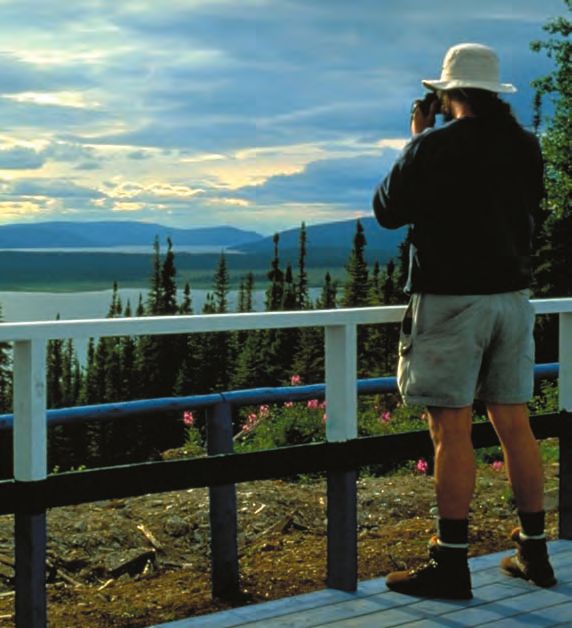
Labrador Offshore Petroleum Board currently Labrador is a natural resource in itself. Its beautiful
estimates the area to hold approximately 4.2 trillion landscapes, untouched vistas and wilderness have
cubic feet of discovered natural gas and 123 million tremendous potential for tourism growth and
barrels of natural gas liquids. Although there are no development as shown by the development of the
plans to develop this resource in the shorter term, Torngat National Park Reserve. The feasibility study
future development looks promising. The improved of the Mealy Mountain National Park currently
resolution of new seismic data acquired in the past underway will add to the national and international
couple of years shows a number of large, previously allure of this region.
unmapped leads. This, combined with the
emergence of new cold ocean production and Cultural Resources
transportation technologies, is setting the stage for The cultural resources of Labrador represent a wide
a new cycle of exploration activity. diversity and breadth of cultures and encompass a
massive historical and prehistorical time span. They
The commercial fishery is still a very important include archaeological sites, historic cultural
industry in many of the coastal communities of landscapes and communities, and the full range of
Labrador. There are opportunities to progress the cultural artifacts and products, both tangible and
industry by developing and diversifying existing and intangible. Irreplaceable, these resources require a
new fisheries. Exploratory harvesting of high level of diligence fused with the engagement
underutilized crab species, improvements to of best practices in their conservation,
onboard product handling, development of cod pot interpretation, and presentation. The recognition
technology and a small scale sealing initiative are that both the past and contemporary cultural
examples of ongoing and recent projects. resources represent the heritage of tomorrow is
paramount to the proper management and
The forest sector, on an international level, has promotion of cultural heritage within Labrador.
undergone significant changes in recent years that
have impacted Labrador operations. Maximization Other Resources
of benefits through value added-secondary Labrador’s information technology infrastructure is
processing, where possible, is a priority that may be a great asset and an opportunity for growth. Over
expanded upon with sound business planning by the past number of years most communities in
industry. The recent release of the Strategic Plan to Labrador have been connected to high speed
Develop Labrador Secondary Manufacturing and internet. This can lead to many opportunities for
Value Added Wood Products Industry has potential growth and development in the economic and
to initiate further developments in the forest social sphere. Because of increased accessibility in
industry over the coming years. Increasing access information technology, business activity continues
to forest resources will also aid the industry’s to increase in these communities. On the social
development. side, an achievement like tele-health provides better
access to the healthcare system. At present, there
Agrifood production in Labrador also has significant are 11 communities that are not connected to a
development potential for the future. While still high speed system. The Province has committed to
relatively small in comparison to other agrifood ensuring equitable access to these communities in
sectors, many opportunities exist. In recognition of the future.
16opening up many new opportunities. This
development has had an impact on many aspects
of Labrador life from how things are transported,
to how people travel for personal and business
purposes, and how communities connect with
each other. While this development is viewed as a
positive move, there are efforts to ensure that the
beauty and value of Labrador’s natural
environment is not negatively impacted. The goal
is to ensure the quality of life present in Labrador
is maintained, and even enhanced, for generations
to come.
2.2.2 Alliances
Alliances already established between the
provincial government and community based
organizations are great foundations on which to
Quality of Life build. There is an established network of
Residents of Labrador experience a pristine leadership within Labrador, and Government and
environment and enjoy a high quality of life. communities have worked hard to strengthen
Throughout Labrador’s large land mass there are 32 relationships to advance the social and economic
separate and distinct communities. One agenda in Labrador. The Department of Labrador
commonality, however, is the sense of community and Aboriginal Affairs, the new addition of the
within each. Clean air and outdoor living add to the Premier’s office in Happy Valley-Goose Bay and the
desirability of the area. Although growth is creation of the Executive Director position with the
desired it is not anticipated to be at a level where Department of Natural Resources in Labrador West
this would change. create opportunities to influence decision making
within provincial government.
Regardless of where you live in Labrador the ability
to utilize the natural environment for sport and Relationships with the Combined Councils of
consumption is tremendous. Outdoor activities are Labrador, the five economic zone boards, the
numerous in both summer and winter. These Chambers of Commerce, the Newfoundland and
include snowmobiling, skiing, snowshoeing, hiking, Labrador Federation of Municipalities, and industry
bicycling, hunting, fishing and trapping. Some and union leaders are all important to the future
people within Labrador still rely on the nature development of Labrador. Relationships with
around them for subsistence activities. People hunt, Aboriginal groups are important as the governance
fish, trap and gather berries to feed their families structures in Labrador change and evolve. Land
throughout the year. Utilizing wood heat with claims negotiations and settlements are changing
firewood cut in their local area is a common the way the provincial government operates.
practice as well. This provides a supplement to Important lessons can be learned from the Northern
commercial forms of electricity generation. Overall, Development Ministers’ Forum. The Forum provides
there is pride and respect throughout Labrador in an opportunity for Ministers with responsibility of
the natural beauty and value of the land. northern areas to collaborate and discuss and
explore best practices that affect the north.
While Labrador is still an isolated northern region,
the development of the Trans Labrador Highway is
A Northern Strategic Plan for Labrador 172.2.3 Aboriginal Environment Government. The Labrador Metis Nation land claim
Aboriginal communities are uniquely placed to has not been accepted by the federal government
benefit from economic development in Labrador. and there is uncertainty over the eligibility of its
Significant federal funding is available to Aboriginal members for federal Aboriginal programs and
communities for infrastructure, education and services. The Province continues to encourage the
training, and health and social programs and federal government to make a final decision on the
services. Moreover, the recently signed Labrador Labrador Metis Nation land claim. Until then, the
Inuit Land Claims Agreement includes significant Province is committed to work with the Labrador
economic benefits for Labrador Inuit including a Metis Nation to access federal programs and
capital transfer from the federal government, a services.
share in provincial resource royalties, the
requirement for Impact and Benefit Agreements on 2.3 Challenges to Development
certain developments and preferences for There are challenges and barriers to development in
government contracts and employment in Labrador Labrador. Government recognizes these challenges
Inuit Lands. Similar provisions will be available to and through the Northern Strategic Plan, will find
the Labrador Innu in their land claims agreement creative, innovative ways to overcome these issues.
that is currently being negotiated with the Innu
Nation. 2.3.1 Infrastructure
Although there has been much infrastructure
Both the Labrador Innu and Inuit receive development within Labrador to date, Government
considerable benefits including revenues, appreciates that more work is still required to
employment and preferential contracting under adequately support social and economic
their Voisey’s Bay Impact Benefit Agreements. development. Infrastructure is an underlying aspect
to quality of life as it provides residents with access
The establishment of the Nunatsiavut Government to quality goods and services, including healthcare
on December 1, 2005, heralded a new era for the and social services.
Labrador Inuit. In addition to providing the
jurisdictions needed to manage treaty rights, the Transportation
new government can begin to develop and deliver The completion of the Trans Labrador Highway in
programs and services that will better meet the 2009 from Labrador West to the Labrador Straits
needs of Inuit in the northern communities. Self-
government also creates employment for Labrador
Inuit as the new government creates the necessary
bureaucracy and prepares for the devolution of
provincial programs and services.
With the creation of reserves at Natuashish and
Sheshatshiu, the Innu now benefit from an
exemption from federal and provincial taxes. The
immediate effect of this exemption is an increase in
their disposable income. The creation of reserves
has also provided the Innu with the land they need
for economic development. Management of the
reserves and the devolution of federal programs to
the Bands will be a prelude to self-government.
The Labrador Metis Nation is in a different situation
than the Labrador Innu Nation and the Nunatsiavut
18will be significant to the economic and social The Province has committed to a Labrador
progress of many sectors within Labrador. The Trans Transportation Plan reflective of the current and
Labrador Highway, with nearly 875 kilometers and future needs in the region while also considering
an additional 285 kilometers under construction, the geographic, demographic and fiscal realities
has been designated as part of the National facing Labrador.
Highway System, connecting Labrador to the rest of
Canada. The completion of Phase II of the highway Electricity
has reduced the use of air services on the south There are challenges with the access and
coast of Labrador. This is anticipated to continue affordability of electricity in several areas of
with the completion of Phase III. Rock cuts that Labrador. The coastal communities of Labrador are
exist on the highway between Red Bay and Lodge almost exclusively operated on diesel electricity
Bay are blocked with snow at times and cause the generation which is costly and limits any new
road to be closed. Government has constructed a economic or social developments. Central and
depot and provided additional snow clearing funds western Labrador may not have sufficient electricity
for this portion of the highway to assist with to establish or accommodate any significant
alleviating the problem. Government continues to expansion or large development given current
review and monitor this section of the Trans transmission infrastructure constraints and
Labrador Highway. depending upon the size of the new development,
the availability of electricity from Upper Churchill
Labrador relies heavily on air transportation. The recall power.
Happy Valley-Goose Bay airport serves as a primary
hub for Labrador with almost all air traffic to and The feasibility of developing the substantial gas
from southern, western and northern Labrador resources off Labrador is currently constrained by
passing through this airport. There are 19 airports harsh environmental conditions and technological
feeding into Happy Valley-Goose Bay including 13 limitations; however, advances in technology and
coastal strips that have limited infrastructure, gravel increasing demand for cleaner burning fuels may
runways and airstrip lengths not suited to larger accelerate development of these resources in the
aircraft. future.
Coastal communities continue to rely on marine Social Infrastructure
services for transportation and for shipments of Various facets of social infrastructure have seen great
goods and services. There are five marine vessels improvement in recent years; however, Government
currently serving Labrador; however, the completion recognizes that more work needs to be completed to
of Phase III of the Trans Labrador Highway will develop models to cost effectively serve small, widely
compel a further analysis of the marine scattered communities. Educational challenges range
configuration for coastal and central Labrador. from availability of early childhood education, to
Marine services in the province are heavily aging primary/secondary school infrastructure and to
subsidized by the provincial government. accessibility of post secondary offerings in Labrador.
Challenges within the justice system involve the court
The winter trail system serves as a vital and policing system. Varying cultures and social
transportation link where there is no road needs throughout Labrador have contributed to these
connection on the north coast and in the pressures. The provision of adequate healthcare over
communities of Black Tickle, Norman Bay and an area the size of Labrador is an issue, particularly in
William’s Harbour on the south coast. Government relation to specialized healthcare. As well, there is
provides funding under the Labrador Grooming currently an established need identified for more
Subsidy to support the maintenance of these accessible, affordable housing, especially on the north
transportation trails. coast and in Sheshatshiu.
A Northern Strategic Plan for Labrador 192.3.2 Programs and Services Labrador, the need for additional RCMP services as
Labrador is a northern remote area and, as such, well as a feasibility study relating to challenges and
there are challenges in the provision of programs barriers to providing 911 services. As well, increased
and services. At the present time it is clear that planning for pandemic emergencies is required
there is a perceived lack of access to many along with providing residents with greater access
programs and services in comparison to other parts to justice services and information in their own
of the province. Some of these issues include Aboriginal language.
access to; specialized healthcare, post secondary
education, pre-school services and start up business Many of the challenges experienced by the
development funds. Government has developed a Nunatsiavut Government, the Innu Nation and the
number of programs to help with some of these Labrador Metis Nation related to delivering and
issues including the Medical Transportation Program gaining access to programs and services arise
and the Labrador Travel Subsidy. because of the difficulties associated with providing
these programs and services to isolated and remote
Women continue to experience challenges accessing communities. These challenges mirror those faced
employment, training, adequate childcare services, by other residents of Labrador, and therefore are not
violence prevention programs and community based necessarily tied to Aboriginal issues.
addiction treatment services. These issues are at
the forefront of social and health matters needing 2.3.3 Labour Market
to be addressed within Labrador and the province, Labour market conditions in Labrador, like all other
as a whole. regions of the province, have been improving. The
region also shares many labour market trends,
Challenges within the justice and emergency challenges and opportunities with the rest of the
response systems include the need for family justice province and Canada, particularly related to growth
services to be made accessible to all regions of and dominance of the service sector, increasing
20skills demands among the workforce and changing the Labrador Straits area are significantly lower demographic trends. However, unique labour than observed in the region overall and the rest of market characteristics in the region may prompt the province and Canada. Ensuring access to a some labour market challenges earlier, or to a skilled workforce is essential to continued greater extent, than elsewhere such as recruitment competitiveness of local employers and improved and retention difficulties and skills shortages. labour market outcomes for individuals. Changing Workforce Demographics Employment An increasing rate of population decline and aging Employment in Labrador has increased since 1996. among the working age population is some of the Within the region, there is a higher proportion of most significant trends that will impact the people employed at some point during the year and Labrador, provincial and Canadian labour markets in for longer periods than elsewhere in the province the future. These trends will likely lead to and employment incomes are higher than the increasing recruitment and retention difficulties and provincial average. While the number of different potential labour shortages. A large share of the types of industries people work in is comparable to baby boom generation will move into retirement the rest of the province, employment is more during this period and there will be fewer young concentrated in the goods-producing industries, people entering the labour market to replace these largely related to the mining industry. As a result, workers. Over the next fifteen years, the working there is also a relatively higher proportion of age population is expected to decline by 9.6 per workers in the trades, transport and equipment cent in the region and by 14.6 per cent in the related occupations in the region. This will be a province. Although the rate of decline will be particular challenge in supporting the continued slower in Labrador, largely due to the impacts of competitiveness of local employers considering that growing Aboriginal populations, the region will face skill shortages among these occupations are being increasing competition for labour from the island cited throughout the country. Wage rates will likely portion of the province as well as the rest of increase as the competitions for labour among Canada. employers increase. Education Underrepresented Groups Over the past decade, employment outcomes for Labour market participation rates in Labrador have individuals have improved with increasing levels of increased and are on par with the province overall. educational attainment. Employers will continue to However, a number of groups, including women, demand higher skills in the future to remain persons with disabilities, older workers, youth and competitive in the increasingly knowledge-based, Aboriginal populations continue to experience global economy. In Labrador, a higher proportion of weaker labour market outcomes than the total the working age population (25-54 years old) have population in the region. Increasing participation a post-secondary certificate or diploma, than among these groups will be critical to meeting elsewhere in the province and there is a lower future labour demands. proportion of this population with less than a high school diploma. However, there is also a lower proportion of people with university degrees. Furthermore, these outcomes are not observed among all areas of the region. Workforce education levels in the larger regional service centres of Happy Valley-Goose Bay and Labrador West are generally higher than the region overall; conversely, education levels among the working age population in northern Labrador, the south coast of Labrador and A Northern Strategic Plan for Labrador 21
Overview of
      Feedback

22
3. Overview of Feedback
The Government of Newfoundland and Labrador is
committed to developing this Northern Strategic
Plan in direct consultation with Labradorians
through the Department of Labrador and Aboriginal
Affairs. The methods used for consultation are
outlined in Section 1.5.1 of this document. Valuable
information was received from consultation
sessions, one-on-one sessions, feedback forms and
written submissions and has aided in determining
the priorities for Labrador for the next five years.
Key themes evolved from the analysis of all
feedback received and include: transportation;
natural resources; tourism, culture and heritage;
capacity building; partnerships; programs and
services; health care and Aboriginal peoples. Please
refer to Appendix A for a more detailed account
of feedback.
23A Northern Strategy
for Labrador
244.0 A Northern Strategy
for Labrador
4.1 Our Vision for Labrador Each strategic direction is supported by numerous
We envision Labrador where Government and goals and objectives. For instance, goals and
people work together to advance social and objectives in the education section contribute to
economic development so that residents share in an fostering social development while also supporting
improved quality of life. equitable programs and services. The initiatives
outlined in this document, when taken as a group,
This vision was created by first listening to the strengthen and support the four outlined strategic
people of Labrador throughout the consultation directions and demonstrate Government’s
process. To give the vision more focus, four commitment to Labrador.
strategic directions have been formulated. These
directions are broad areas of interest that Government realizes that by working together and
incorporate themes heard from participants all over forging partnerships all the regions of the province
Labrador. The goals and objectives provide more can realize its full potential. The Northern Strategic
detail of how the Northern Strategic Plan will Plan will be instrumental in shaping public policy for
advance the vision for the region. To achieve this Labrador.
vision all people and organizations in Labrador
must work in cooperation.
4.2 Strategic Directions
Government has identified four strategic directions
to focus the Northern Strategic Plan. These
directions build upon the themes outlined in
Section 3: Overview of Feedback, that were
established throughout the consultation process:
Transportation; Natural Resources; Tourism, Culture
and Heritage; Capacity Building; Partnerships;
Programs and Services; and Aboriginal Issues.
The four strategic directions to guide the Northern
Strategic Plan are:
• Supporting equitable programs and services
and improving infrastructure to facilitate
enhanced accessibility for the residents of
Labrador
• Fostering the progression of social
development in Labrador
• Providing leadership and supporting
maximization of economic development
opportunities
• Encouraging communications and partnerships
with governments, Aboriginal people,
communities, organizations and other
stakeholders
A Northern Strategic Plan for Labrador 25You can also read


